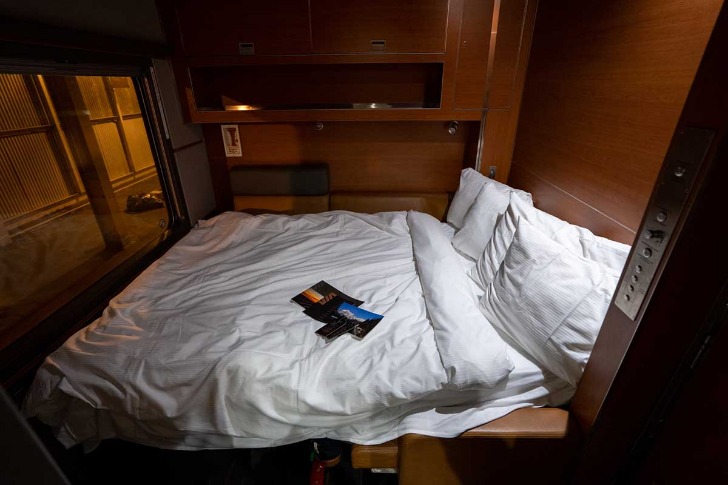

Overview of sleeper buses in South Africa
Sleeper buses in South Africa provide overnight travel options that combine comfort and value for long-distance journeys between major cities. Operators offer a range of amenities, from reclining seats to dedicated sleeping berths on longer routes, with schedules that let you maximize daytime activities in places like Johannesburg, Cape Town, Durban, and Pretoria. Availability, safety, and comfort vary by operator, so travelers should compare routes, luggage allowances, and on-board services when planning their trip.
Definition and core concept
Sleeper buses in South Africa are long-distance coaches equipped with sleeping accommodations for overnight travel, offering a practical alternative to daytime journeys and flights.
Definition: A sleeper bus is a road passenger vehicle that provides beds or lie-flat seating rather than conventional seating. Each sleeper layout varies, but common designs include bunk-style berths with upper and lower beds or wide, reclining seats that allow passengers to lie down. Bedding, privacy curtains or screens, reading lights, and sometimes individual power outlets are included or available to enhance comfort on long trips.
Core concept: The core idea behind sleeper buses is to maximize comfort and efficiency on overnight journeys by enabling passengers to rest during transit. This approach reduces overall travel time by combining transportation and rest in a single trip, while optimizing space with compact berths, secure luggage storage, and predictable schedules tailored to overnight routes.
Overview of the South African context: Sleeper services connect major hubs and regional towns, linking cities such as Johannesburg and Pretoria with Cape Town, Durban, and coastal or inland destinations. Operators position sleeper options as versatile choices for budget-conscious travelers, corporate travelers, and tourists seeking convenient, time-saving overnight travel.
What to expect and how to choose: Amenities and configurations vary by operator, but travelers should look for comfortable bedding, clean linen, privacy, reliable safety features, and access to power outlets or USB charging. Compare route coverage, departure times, journey duration, price, and reviews to select a service that matches your timing, comfort level, and budget.
In summary, sleeper buses represent a distinct mode of transport in South Africa, combining overnight travel with sleeping accommodations to offer a practical, efficient, and often cost-effective way to move between cities and regions.
History and market emergence
Sleeper buses in South Africa refer to long-distance coaches outfitted with sleeping accommodations for overnight travel between major cities and tourism hubs. These buses allow passengers to cover large distances while resting, rather than spending daytime hours on the road. They complement daytime intercity services and fill a niche for travelers seeking comfort with cost efficiency.
Typical sleeper configurations include bunk-style or fully flat berths on select routes, with privacy curtains, individual reading lights, power outlets, and sometimes Wi-Fi. Buses may offer shared dining or pantry areas, luggage compartments, and on-board steward or driver assistance. The level of service varies by operator, with premium sleepers offering more space and higher-quality bedding, while more basic models target budget-conscious passengers.
History and market emergence: Long-distance road travel by bus has deep roots in South Africa, but true sleeper services began to gain traction more recently as operators looked to differentiate overnight travel. The growth of domestic tourism, high air travel costs, and the need for safer, more predictable overnight options spurred operators to convert or invest in coaches with sleeper berths. The market also aligns with cross-border travel within Southern Africa, where travelers may choose overnight options to reach neighboring countries with limited rail connectivity. The rise of online booking platforms and consumer reviews helped sleeper-bus options reach a broader audience.
Market dynamics and challenges: The sleeper-bus segment competes with airlines, trains, and daytime coaches. It tends to attract travelers who value the ability to sleep through the night and arrive at their destination early, saving time and accommodation costs. Challenges include route coverage, schedule reliability, maintenance costs, and safety perceptions. Operators focus on route networks such as Johannesburg to Cape Town or coastal routes, though coverage remains fewer than traditional daytime services. The sector was affected by the COVID-19 pandemic and has been adapting with stricter hygiene, flexible tickets, and improved safety messaging.
Outlook: As tourism and domestic mobility rebound, sleeper buses in South Africa may expand to more routes, improve on-board amenities, and integrate with other transport modes. Advances in sleeper comfort, sustainability measures, and digital booking can help the segment appeal to a wider audience of business travelers, night-travel enthusiasts, and budget tourists. The long-term trajectory will depend on consumer demand, safety perceptions, and the regulatory environment shaping long-distance road passenger travel.
Current scope and usage
Sleeper buses in South Africa are long-distance coaches designed for overnight travel, offering sleeping spaces or lie-flat seating so passengers can rest during the journey.
Current scope and usage: In South Africa, sleeper options exist on a subset of long-distance routes within the national intercity bus network. The overall sleeper bus market is smaller than air or daytime coach travel, but on several main corridors there are overnight services with coaches configured to provide sleep berths or lie-flat seating. Operators such as Intercape and Greyhound South Africa are among the best known in this space and may offer sleeper-equipped departures on selected routes.
Usage patterns: Passengers use sleeper services to save daytime travel time, combine travel with rest, or stretch travel budgets. Typical passengers include business travellers seeking rest on longer journeys and tourists exploring multiple cities by road. Some routes offer cross-border connections to neighboring countries, expanding sleeper options beyond domestic travel.
Onboard features and schedule: Sleeper buses typically operate overnight, with departures in the late evening or night and arrival in the morning. Amenities can include reclining seats or dedicated sleeper berths, privacy curtains, bedding, reading lights, power outlets, and sometimes Wi-Fi. Baggage allowances vary by operator, and security measures such as seat belts and on-board attendants are common parts of the service.
Safety, regulation and challenges: The sleeper bus sector is subject to road transport regulations and safety standards enforced by national authorities. Operators focus on vehicle maintenance, driver training, and security during overnight travel. Challenges include road conditions, fatigue management, competition from airlines and car travel, and the need to balance price with comfort and reliability.
Future outlook: As travel demand recovers post-pandemic, sleeper buses may see gradual growth through mid-to-long-distance corridors, especially where air travel is less convenient or cost-prohibitive. Tech upgrades, better scheduling, and improved passenger amenities are likely, with potential expansion to more routes and cross-border services as regulatory frameworks permit.
Routes and coverage
South Africa’s sleeper-bus network links the country’s big cities and key towns with overnight journeys, offering bunk-style berths on long-haul routes. Core corridors run between Johannesburg and Cape Town, Johannesburg and Durban, and Johannesburg and Port Elizabeth, with additional services along the N1, N2, and N3 routes that extend coverage to coastal cities and inland towns. Availability and frequency vary by operator, so travelers should check current schedules and book ahead for the best coverage.
Major corridors and popular routes
Sleeper buses are a popular way to travel long distances in South Africa, offering overnight journeys with beds or fully reclining seats. They let travelers cover vast distances in comfort and save on accommodation costs, especially on cross-country routes.
Routes and coverage
- Johannesburg to Cape Town (N1 corridor) — a flagship cross-country route connecting Gauteng with the Western and Northern Cape, often using sleeper coaches for overnight travel.
- Johannesburg to Durban (N3 corridor) — a major coastal link between Gauteng and KwaZulu-Natal, popular for overnight trips with onboard amenities.
- Cape Town to Port Elizabeth (Garden Route via N2) — a scenic leg along the coast linking the Western and Eastern Cape for overnight or multi-stop journeys.
- Johannesburg to Port Elizabeth (N1/N2 combination) — a long-haul cross-country option across multiple provinces, used by some sleeper services.
- Cape Town to East London or other Eastern Cape hubs (via N2) — available on certain operators, especially during peak travel seasons.
Intercity vs cross-border services
Sleeper buses in South Africa offer a practical way to cover long routes while resting on the move. This overview looks at routes and coverage for sleeper services, comparing intercity travel within the country with cross-border connections and what that means for travelers.
Within South Africa, sleeper services concentrate on the major corridors that connect Gauteng with the Western and Eastern Capes and with KwaZulu-Natal. The strongest intercity coverage is found on routes linking Johannesburg or Pretoria to Cape Town, Durban, and Port Elizabeth, as well as to smaller regional centers. Overnight journeys are common on these legs, while daytime options fill in the shorter regional links. Availability varies by operator and season, so travelers should check schedules in advance because not every long-distance route is offered year-round.
Intercity sleeper buses emphasize comfort on long rides. Typical features include bunk berths or lie-flat seats, privacy curtains, individual reading lights, power outlets, climate control, and secure luggage compartments. Onboard amenities are usually modest, with long-haul travel prioritizing rest and steady driving over in-vehicle entertainment. Tickets are priced by distance and class, and many operators require advance bookings to guarantee a sleeper option rather than a regular seat.
Cross-border sleeper services extend travel beyond South Africa’s borders to Namibia, Botswana, Zimbabwe, Mozambique, Eswatini, and Lesotho. These are longer overnight journeys that cross one or more borders, often with customs and passport checks at border posts. Travelers should carry valid passports, visas where required, and be prepared for slower border processing than domestic travel. Border formalities can affect timetables, so cross-border routes typically require more lead time for planning and flexibility in the itinerary.
Coverage differences are evident in practice: the intra-national network tends to be denser around major urban hubs, offering multiple departures per night on some legs, while cross-border corridors are more limited and often served by a smaller set of operators with less frequent schedules. On the busiest intercity routes—such as Johannesburg to Cape Town or Johannesburg to Durban—sleeper options are relatively common, whereas long-haul cross-border services may run only on certain days or seasons. Reliability can also be influenced by border delays, road conditions, and regulatory checks at frontier posts.
Tips for travelers planning sleeper buses in this region include confirming that the selected route actually offers a sleeper option, comparing bunk versus reclining-seat configurations, and understanding luggage limits. Always book in advance during peak travel periods, carry essential documents (passport, visas, and any required permits), and allow extra time for border crossings if traveling cross-border. If a cross-border sleeper option is scarce, consider combining a domestic sleeper leg with daytime travel or alternative modes such as air travel for that segment.
Overall, sleeper buses provide a cost-effective and time-efficient way to traverse South Africa and its neighbors, with clear distinctions between dense intercity coverage and more limited cross-border services. Thoughtful planning ensures comfortable sleep, smoother border procedures, and a smoother overall journey.
Timetables, frequency, and seasonality
Long-distance sleeper buses in South Africa provide overnight travel between major hubs, combining comfort with cost savings. Sleepers or semi-reclining seats allow passengers to rest as they move between cities, making them popular for routes that cover long distances such as Johannesburg, Cape Town, Durban, and the Eastern and Southern Cape towns.
Routes and coverage: The main sleeper networks connect the business and tourist centers of the country. Typical coverage includes Johannesburg and Pretoria in the Highveld; Cape Town on the west coast; Durban and the KwaZulu-Natal coast; Port Elizabeth and East London along the Garden Route; and Bloemfontein in the Free State. Operators often run on the N1, N2, N3, N4 corridors, with additional links to smaller towns along those routes. A number of operators also offer international legs to neighboring countries, with longer, cross-border services that may be booked as part of the same itinerary or as separate tickets.
Timetables: Sleeper services generally depart in the evening and travel overnight, arriving at the destination in the morning or late morning. In some routes, daytime or late-night departures are also offered, but overnight is the norm for the long-haul legs. Durations vary widely by route, from roughly several hours for shorter hops to a full day for the longest cross-country journeys. Booking windows and check-in times are typically posted on operator sites or booking platforms, and seats or berths are allocated at the time of booking.
Frequency: On the most popular corridors, you can expect multiple departures per week, with many services offering at least a few nights per week. Some routes run daily, especially during peak demand periods, while others may be limited to weekend-only or a few departures weekly, particularly on off-peak routes or to secondary towns. It is common for frequency to increase during holidays or school breaks when tourist traffic rises.

Seasonality: Demand for sleeper buses in South Africa peaks during the December and January holiday period, Easter long weekends, and other school holidays when travellers take advantage of the longer breaks. Winter months tend to be quieter for some routes, though cross-border or tourism-focused legs can maintain steadier demand. Seasonal promotions or price changes may occur, and operators may adjust frequency to mirror passenger load. In peak season, seats can book out early, so advance planning is advised.
Operators and service models
In South Africa, sleeper-bus operators present overnight travel through a range of service models, from fully reclining sleeper cabins to semi-sleeper seats, with direct routes between major cities and regional hubs. Operators often blend on-board comfort with ancillary services such as online booking, tiered fares, shuttle connections, and safety and reliability standards, illustrating how different business models balance price, convenience, and security for travelers choosing overnight bus travel.
Leading sleeper bus operators in South Africa
South Africa’s sleeper bus sector blends long-distance travel with overnight comfort, serving budget travellers and intercity commuters who want to maximize daytime on the road. Leading operators have developed service models that combine sleeper accommodations, reliable schedules, and online booking to connect major cities from Johannesburg to Cape Town and Durban to Port Elizabeth.
- Intercape — A leading long‑distance operator offering overnight services with sleeper‑style seating on select routes. The service emphasizes personal space on overnight journeys, with reclining or couchette-style options, onboard facilities, luggage handling, and online booking for routes between major hubs such as Johannesburg, Cape Town, Durban, and Port Elizabeth. Safety, punctuality, and clear scheduling are key parts of the model.
- Greyhound South Africa — A national network known for structured overnight itineraries that include sleeper options on key routes. The model focuses on comfort on long trips, modern fleets, onboard amenities where available, and flexible ticketing through online platforms, apps, or agents. Routes connect major cities and support cross‑border travel where applicable, prioritizing reliability and consistent service levels.
- Service models across the market — In addition to specific operators, the sleeper-bus landscape in South Africa tends to adopt a few common patterns: night services with various seating classes (from semi‑sleeper to fully reclining), predictable timetables, and bundled pricing that may include meals or rest stops. Booking channels typically include the operator’s website, mobile apps, and travel platforms, with baggage allowances and safety standards shaping the overall value proposition for overnight travel.
Onboard amenities and seating configurations
Sleeper buses in South Africa offer a practical way to travel long distances overnight while arriving ready to start your day. They blend road travel with overnight comfort, letting you save on accommodation and maximize time at your destination. The intercity coach landscape now includes dedicated sleeper options alongside standard daytime services.
Operators typically present two service models. The standard long‑haul coach emphasizes comfortable seating with ample legroom and the ability to recline for the night. In addition, some operators run dedicated sleeper coaches that include lie‑flat beds or semi‑private berths arranged along the cabin. Depending on the route and fare, sleepers may be offered as a premium option or included in higher‑tier tickets. Core routes connect major South African cities such as Johannesburg, Cape Town and Durban, with overnight departures designed for early arrivals.
Onboard amenities vary, but many sleeper services provide air conditioning, adjustable lighting, and power outlets or USB charging at seats. Wi‑Fi is common on many modern coaches, and clean restrooms are typically available on board. Longer trips may include blankets and pillows, bottled water, and light meals or snack services at stops. Privacy features, such as curtains or grouping screens, can help create a quieter sleep environment in sleeper sections.
The seating layout on sleeper options balances space with sleepability. Standard long‑haul coaches usually use 2+2 seating with seats that recline substantially, sometimes to near‑flat positions for overnight travel. Some premium configurations offer 2+1 or even 1+1 arrangements to provide extra personal space, while sleeper berths may run along a corridor with partitions or curtains for privacy. In certain models, seats convert to a flat bed or a near‑flat position to maximize comfort during the night.
Booking and reliability depend on the operator and season. It is wise to book in advance, confirm whether you are getting a recliner or a true sleeper bed, and check luggage allowances and storage options. Reading recent traveller reviews can help gauge comfort, punctuality, and the quality of amenities on a given route and coach type.
Travelers should consider their route, duration and sleep needs when choosing a sleeper service. If possible, select a departure time that suits your sleep pattern and desire for quiet. Pack a small travel comfort kit—eye mask, earplugs, a light blanket and a snack—to improve the overnight experience. Plan for rest stops and ensure you’re comfortable with the operator’s safety and service standards.
Overall, sleeper buses in South Africa provide a flexible option for long‑distance travel, combining the convenience of road transport with the benefits of overnight lodging. By understanding the available service models, onboard amenities, and seating configurations, travelers can select a sleeper service that best fits their route, budget and comfort preferences.
Safety, security, and driver oversight
Sleeper buses have become a practical option for long-distance travel in South Africa, combining overnight journeys with compact, on‑the‑move accommodation. These services cater to budget-conscious travellers as well as those seeking more comfort, and they operate along major corridors such as Johannesburg to Cape Town, Johannesburg to Durban, and Cape Town to Port Elizabeth, among others. Service models range from basic bunks in a shared cabin to more private, curtain‑enclosed berths, with varying levels of onboard amenities and schedule flexibility.
Operators and service models vary, but they generally fall into a few common categories. Budget operators offer affordable overnight travel with standard bunks, limited extras, and high seat turnover. Mid‑tier services provide better berths, privacy options, better bedding, and occasional meals or snacks. Premium sleeper services may include more spacious private compartments, dedicated cabin space, larger bunks, enhanced privacy, higher‑end bedding, and extended on‑board amenities such as Wi‑Fi and charging facilities. Most operators publish fixed nightly departures with scheduled stops, while a few also offer on‑the‑go lounge areas or quiet zones for work or rest during the journey.
In South Africa, sleeper bus operators operate under national and provincial transport regulations, requiring valid operating licenses and vehicle fitness documents. The service model often emphasizes standardized schedules, multi‑route coverage, and consistent safety practices. On-board experiences can vary by operator and route, but common features include air conditioning, reading lights, USB charging, and sometimes meals or refreshments. Passengers typically book in advance or purchase tickets at bus terminals, with pickups arranged at central hubs that balance route efficiency and passenger safety.
Safety and security are central to the design of sleeper bus services. Vehicle safety relies on routine maintenance, verified road‑worthiness, and pre‑trip inspections performed by drivers and operations staff. Buses are equipped with standard safety gear such as seat belts, fire extinguishers, first‑aid kits, and emergency procedures communicated to passengers at boarding. Security considerations include planning routes and stops in well‑populated or monitored locations, trained staff to handle passenger concerns, and clear policies on luggage handling and access to compartments. Operators emphasise passenger vigilance, particularly overnight, by advising travellers to secure valuables and to use the bus’s secure storage options where available. Some routes implement on‑board or terminal security presence to deter theft and to respond quickly to incidents.
Driver oversight is a cornerstone of service quality and safety. Operators typically implement a combination of training, monitoring, and regulatory compliance. Driver selection often includes background checks, defensive‑driving training, first‑aid and emergency response instruction, and customer service training. Fatigue management is addressed through defined hours‑of‑service policies, mandatory rest breaks, and scheduling practices that limit consecutive driving time. Modern operators may use GPS tracking, telematics, and real‑time monitoring to verify adherence to routes, speeds, and rest periods, with routine debriefs and incident reporting procedures. Regular performance reviews and adherence to safety protocols help maintain consistent service levels and reduce the risk of driver‑related incidents.
Travelers planning a sleeper bus journey in South Africa should look for licensed operators with clear safety records, transparent fare structures, and verifiable vehicle maintenance histories. Checking for up‑to‑date operating licenses, vehicle fitness certificates, and visible driver details at booking or on arrival can help verify legitimacy. Reading reviews, confirming the level of on‑board amenities, and understanding each operator’s safety and security policies will improve confidence in the journey. By balancing service models, safety commitments, and robust driver oversight, sleeper buses can offer a reliable, affordable option for intercity travel within South Africa.
Booking, pricing, and value
Booking a sleeper bus in South Africa combines convenience, comfort, and clear pricing. Online platforms highlight transparent fares, seasonal rates, and flexible options so travelers can compare value across routes like Johannesburg to Cape Town or Durban to Port Elizabeth. Sleeper berths offer privacy and rest on overnight trips, delivering savings on hotel costs and time, making the overall value strong for budget-conscious travelers. With easy reservations, secure payments, and real-time seat availability, getting from A to B in comfort has never been simpler.
Booking channels and user experience
Overnight sleeper buses in South Africa offer a practical option for long-distance travel between major cities. This article explores booking, pricing, value, booking channels, and user experience for sleeper bus travel across the country.
- Booking options and process: You can book directly with bus operators via their websites, through third-party travel platforms that compare routes, or by calling regional agents. Typical steps include selecting a route and date, choosing a berth type, entering passenger details, making payment, and receiving a mobile or printed ticket. Be aware of refunds, change fees, and any luggage rules before you finalize your booking.
- Pricing structure and value: Prices vary by route, distance, season, and berth class. Longer overnight runs and premium buses cost more, while off-peak periods may offer discounts. Compare what’s included, such as meals, bedding, and luggage allowances, to judge value rather than price alone. A cheap fare today can incur extra charges for seat selection or luggage later.
- Booking channels and user experience: Direct operator sites often provide real-time seat maps, faster confirmation, and better post-booking support, while aggregators can help you compare multiple routes at once. A smooth booking flow, transparent pricing, mobile-friendly checkout, and clear terms improve the experience, as do accessible customer support in local languages.
- Sleeper configurations and onboard experience: Bunks can range from single or twin berths to three-across layouts, with curtains for privacy on many long-haul services. Expect bedding, a pillow, and a blanket, plus power outlets and WIFI on some buses. Facilities such as clean toilets, air conditioning, and reasonable noise levels influence comfort during the overnight trip.
- Tips to maximize value and comfort: Book early to secure preferred berths, compare routes and durations, and read the fine print on cancellation policies. Pack light but bring a small lock, a travel adaptor, and earplugs. Check pickup points and terminal facilities, and verify luggage allowances so you don’t pay extra at the depot.
- Safety, reliability, and post-booking support: Choose well-reviewed operators with punctual schedules and clear safety policies. Look for drivers’ rest breaks, vehicle maintenance records, and on-board staff quality. If plans change, know how refunds or rebookings work and whether you’ll receive timely updates from the operator.
Pricing structures and typical costs
Booking a sleeper bus in South Africa combines convenience and cost efficiency for long journeys between cities. This guide covers how pricing works, how to book, and how to judge value when choosing a sleeper service.
Booking options include direct bookings with national operators, online travel platforms, and in-person bookings at travel agencies or bus depots. Popular operators maintain websites and mobile apps with seat maps and berth options, while third-party platforms can show multiple routes side-by-side for comparison.
Pricing structures vary, but common models include fixed per-berth pricing, tiered pricing for different berth types (upper vs lower, private compartment vs shared), and dynamic pricing that changes with demand and season. Some routes offer flat rates for overnight journeys, while others charge by leg plus optional extras like meals or luggage allowances.
Prices are influenced by distance, route popularity, time of travel (overnight vs early morning), advance purchase, and day-of-week. Peak season (e.g., holidays and long weekends) and school vacations often raise fares. Add-ons such as guaranteed seating, carry-on/checked luggage, and onboard snacks can add to the total cost.
Typical costs for a sleeper berth on major intercity routes in South Africa typically range from around 600 to 1,500 South African rand per person per night, depending on the berth type and operator. A basic shared sleeper on a shorter night run may fall toward the lower end, while a higher-end or larger-bunk option on a popular long-haul route can approach the upper end. In some operators, a private cabin or guaranteed lower bed may cost more, and transfers or meals can add extra.
Value varies with berth type. An upper bunk is usually cheaper than a lower bunk or a private cabin, but the lower bed offers easier access and sometimes more drawer space. Some services bundle amenities such as bedding, a towel, power outlets, Wi-Fi, and onboard entertainment; others charge separately for extras. Compare what is included to judge value rather than price alone.
Watch for hidden costs: luggage limits, excess baggage fees, seat selection charges, and cancellation or change penalties. Some operators impose a fee for refunds within a short window, while changes on the same itinerary might incur a rebooking fee. Always read the fare terms before purchasing.
Booking tips: book in advance for the best fares; travel in shoulder seasons to avoid price spikes; be flexible with dates; check whether the fare includes bedding and breakfast; confirm pickup and drop-off points in city centers versus depots; and verify security and safety records of the operator.
Compared with flying or driving, sleeper buses offer significant value on time and lodging: you save a hotel night and can reach the destination by morning. On the downside, journeys can be slower and seats or berths may be less comfortable, so balance price against comfort and trip duration when evaluating value.
When choosing a sleeper bus, consider route distance, expected travel time, berth type, included amenities, schedule reliability, and the operator’s safety record. Reading recent passenger reviews can reveal real-world comfort, cleanliness, and punctuality, helping ensure you receive good value for your money.
Discounts, promotions, and loyalty programs
Booking a sleeper bus in South Africa blends affordability with the convenience of overnight travel. Whether you’re heading from Johannesburg to Cape Town or along coastal routes, understanding booking methods, pricing, and value can help you choose the best option for your trip.
Booking process: You can book directly on operator sites, or compare through travel platforms and aggregator sites. When selecting a sleeper option, consider the berth type (cabin, bunk, or reclining seat), bed linen, power outlets, and onboard amenities. Also check luggage allowances, security features, and cancellation policies.
Pricing and value: Sleeper bus fares are influenced by distance, season, demand, and the level of comfort. Overnight journeys save a night of accommodation and can be time-efficient, especially if you arrive at your destination early. Compare total travel costs including transport to and from stations, as well as any added fees for luggage or seat upgrades.
Discounts and promotions: Look for early-bird deals and off-peak departures. Some operators offer group discounts for two or more passengers, student or senior discounts where available, and occasional promo codes on their websites or newsletters. Bundling a bus ticket with accommodation or tours can also unlock savings.
Loyalty programs: Many sleeper-bus operators run loyalty or membership programs that reward repeat travelers with discount codes, points, or priority seating. Joining is usually free and simple through the operator’s site. Points can often be redeemed toward future trips, upgrades, or special offers. Check the terms and expiration dates for your chosen operator.
Maximizing value: To get the best deal, compare multiple operators for the same route, read recent passenger reviews for comfort and safety, and verify accepted payment methods and change policies. Consider travel times that minimize layovers, and factor in travel to and from stations. By planning ahead and keeping an eye on promos, sleeper bus travel in South Africa can be a cost-effective and comfortable option.
Comfort, safety, and regulations
In South Africa, sleeper buses aim to combine comfort with safety within a framework of transport regulations. Passengers expect comfortable sleeping berths, adequate privacy, climate control, and clean facilities, while operators must maintain vehicles to strict safety standards, provide secure luggage handling, and ensure proper on-board amenities. Regulators enforce hours-of-service rules for drivers, routine maintenance checks, functioning emergency exits and fire safety gear, seat belts on permitted seating, and compliant licensing and route authorization to keep long-distance overnight travel safe and reliable.
Legal rights and passenger regulations
Sleeper buses in South Africa offer overnight travel between major cities, with sleeping bunks or reclining beds that save time and hotel costs. Comfort, safety, and regulatory compliance are important considerations for riders.
Comfort on South African sleeper buses varies by operator. Common features include bunk-style beds, privacy curtains, fresh linen, blankets, individual reading lights, USB charging ports, and sometimes onboard Wi‑Fi. To maximize comfort, check bed size, aisle width, and the availability of climate control; bring a travel pillow, a light blanket, earplugs, and an eye mask, and choose a service with a quieter cabin or lower noise level.
Safety basics: Buses should be equipped with seat belts for all seats, clearly marked emergency exits, fire extinguishers, and a first aid kit. Operators should conduct regular vehicle inspections and maintain the bus to a safe standard. Passengers should listen to crew instructions, keep belts fastened when counselled, store luggage securely, avoid stacking bags in aisles, familiarise themselves with exit routes, and report any safety concerns immediately.
Regulations and licensing: In South Africa, long-distance passenger transport is regulated under national road transport law. Public transport operators must hold a valid operating license issued by the National Public Transport Regulator and ensure vehicles are roadworthy and regularly inspected. Vehicles should comply with motor vehicle safety standards and maintenance schedules, and drivers may be subject to hours-of-service rules to prevent fatigue.
Legal rights and passenger regulations: Passengers are protected by the Consumer Protection Act, which requires fair treatment, accurate information, refunds or replacements for cancelled services, and transparent terms of sale. When a delay or cancellation occurs, riders should seek a refund or alternative transport through the operator in the first instance. If unresolved, complaints can be escalated to the South African National Consumer Commission or the National Public Transport Regulator, and documentation (tickets, receipts) should be kept.
Practical notes for travelers: Always verify the operator’s license and the bus’s safety features before boarding. Read the terms and conditions, especially cancellation and refund policies. Keep important contacts handy, including the operator’s help line and the regulator’s consumer hotlines. By choosing licensed operators and adhering to safety guidance, you can enjoy a more comfortable and secure sleeper-bus experience in South Africa.
Vehicle maintenance and regulatory compliance
Sleeper buses are a common overnight travel option in South Africa, linking major cities with the chance to rest during long journeys. This article discusses comfort, safety, and regulatory considerations, along with vehicle maintenance and compliance for sleeper coaches operating in the country.
Comfort on a South African sleeper bus often centers on thoughtful cabin design, generous sleeper berths, privacy features such as curtains or partitions, and climate control systems to handle variable overnight temperatures. Good noise insulation, comfortable bedding, and access to charging points for devices, as well as onboard amenities like Wi‑Fi and clean restrooms, contribute to a more pleasant night’s ride and help passengers arrive rested at their destination.
Safety is a priority for sleeper-bus operators and regulators alike. Typical safety measures include trained crew members, clear briefing on emergency procedures, functional emergency exits, properly installed and maintained fire extinguishers, first-aid kits, and robust security features such as CCTV and monitored access to compartments. Vehicles are also equipped with tracking and communications systems to monitor location and respond quickly in case of incidents, enhancing passenger safety on overnight routes.
Regulations and licensing for sleeper buses in South Africa are governed by national and provincial authorities. Operators must be registered under the National Land Transport Act and typically require a Public Transport Permit to operate scheduled services, as well as adherence to vehicle fitness standards. A current Certificate of Fitness (COF) for heavy vehicles is generally required to prove the bus meets safety and mechanical standards for public transport, alongside compliance with applicable road traffic laws and operator obligations.
Vehicle maintenance is essential for reliability and safety. Operators should implement a disciplined maintenance program that includes pre-trip checks, scheduled servicing by qualified technicians, and prompt attention to brakes, tires, suspension, engine cooling systems, and electrical components. Regular inspections of sleeper berths, lighting, evacuation routes, and safety equipment help prevent breakdowns and ensure passenger comfort throughout the journey. Maintaining thorough service records is also a key regulatory and operational practice.
Regulatory compliance and enforcement are overseen by road transport authorities, with periodic inspections and audits to verify permits, COFs, maintenance logs, and driver compliance. The Road Transport Management System (RTMS) is a recognized framework some operators adopt to demonstrate a formal commitment to safety, maintenance, and driver fatigue management. Adherence to these standards not only helps avoid penalties but also improves service reliability and passenger trust in sleeper-bus services.
From a passenger perspective, choosing a sleeper bus with transparent documentation—valid COF, current permits, and evidence of ongoing maintenance—can enhance confidence in comfort and safety. For operators, staying aligned with regulatory expectations and investing in robust maintenance and passenger-centered features are essential for sustainable, compliant, and high-quality sleeper-bus services in South Africa.
Safety best practices for travelers
Sleeper buses in South Africa provide overnight travel between major cities with private bunks or reclining seats, offering a compromise between cost and comfort. This guide covers comfort features, safety considerations, and the regulatory framework, along with practical safety tips for travelers.
Comfort on sleeper buses depends on the operator and route. Look for clean linen and bedding, comfortable mattresses or reclining seats, adequate legroom, climate control, privacy partitions, and reliable lighting. Some buses include power outlets, USB charging, reading lamps, and onboard toilets. A quiet, well-maintained interior and reasonable punctuality contribute to a more restful journey. Luggage storage under the bus or in dedicated compartments should be secure and accessible without blocking aisles.
Regulations and safety standards: In South Africa, passenger transport operators are expected to hold appropriate licenses and comply with road safety regulations. Vehicles should be roadworthy and carry valid Certificates of Roadworthiness, and operators should provide valid operator licenses. Look for official markings at the depot and on the vehicle, and when possible, book with reputable operators that publish route schedules and safety policies. Regulations aim to ensure driver qualifications, vehicle maintenance, and passenger safety practices are respected on long overnight journeys.
Safety best practices for travelers before you board: Research operators and read recent passenger reviews; verify the route, pickup and drop-off points, and the departure time. Have a copy of your travel documents and keep valuables with you in a secure bag or on your person. If you arrive at a terminal at night, stick to well-lit official areas and use official taxi ranks for onward travel. Pack essentials such as a travel pillow, warm clothing for cooler night temperatures, and a small flashlight for stops.
During the journey: Fasten seat belts where provided, remain seated during travel unless you need to move, and follow crew instructions. Keep your belongings close and use the offered storage spaces so aisles and exits remain clear. Be mindful of personal safety by avoiding sharing sensitive information, staying aware of your surroundings, and using the bus company’s contact numbers if you feel unsafe. If you wake up disoriented or uncomfortable, inform the crew and request assistance with any needs such as extra blankets or a different seat.
After the journey: Check you have all belongings when you disembark and confirm where you will collect your luggage. If you lose an item, contact the operator’s lost-and-found service promptly. For ongoing travel needs, plan your onward transport with reliable providers and consider overnight connections that minimize travel stress. If you need help, local authorities or the transport operator can provide guidance on legal requirements and safety resources during your sleeper-bus trip in South Africa.
Travel tips and planning
Travel tips and planning for exploring South Africa by sleeper bus can unlock affordable overnight routes that save daytime for sightseeing. When planning, compare routes between major cities like Johannesburg, Cape Town, and Durban, review operator safety and sleeper options, and book early. Consider luggage limits, onboard amenities, and travel insurance, and pack a neck pillow, earplugs, and a small snack to stay comfortable on the road.
Best times to travel by sleeper bus
Sleeper buses offer a practical way to cover long distances in South Africa, combining affordable fares with overnight travel so you save on a night’s accommodation while you move between major cities like Johannesburg, Cape Town, Durban and Port Elizabeth.
Plan ahead by verifying routes, schedules and the type of sleeping arrangement on each service. Look for operators with good safety records, read recent passenger reviews, and confirm whether the bus has bunks or fully reclining seats. Compare prices, travel times and boarding points, and book in advance during peak seasons to secure a seat on popular routes.
Best times to travel by sleeper bus include overnight departures to maximize daytime sightseeing. Departing in the early evening (around 7–11 pm) often means you’ll wake up near your destination, reducing the need for extra transit transfers. The shoulder seasons in South Africa, roughly April–May and September–October, tend to be quieter and cheaper than the December holiday period or mid-summer peaks.
Consider travel windows based on weather and road conditions. Winter nights in inland routes can be cool, so bring warm layers and a light blanket; summer travel to the coast can be humid, so pack light, breathable clothing and water. Leave valuable items with you in carry-on and use a bag lock for checked luggage.
Safety basics: only use licensed operators, keep your belongings secure, and be aware of boarding points and pickup times. Arrive early to avoid last‑minute delays, and if you have special needs, check with the operator about bed types, seating, and accessibility options before you buy a ticket.
Tips for comfort include bringing a neck pillow, earplugs, an eye mask, and a small travel kit with chargers and adaptors. Dress in layers to adapt to changes in temperature and consider reserving a lower bunk if you’re a light sleeper. If you’re prone to motion sickness, pack remedies and sit toward the middle of the bus where the motion is gentler.
Popular sleeper-bus routes in South Africa include Johannesburg to Cape Town along the N1, Johannesburg to Durban along the N3, and Cape Town to Port Elizabeth via the Garden Route corridor. Check the latest schedules, as some services run overnight only a few times per week, while others operate daily. Plan an itinerary with buffers for delays and consider a hybrid plan that combines sleeper buses with short domestic flights when time is tight.
What to pack and personal comfort tips
Travel by sleeper bus in South Africa offers a budget-friendly way to move between major cities while you sleep. Overnight routes link Johannesburg, Cape Town, Durban, Bloemfontein, Port Elizabeth, and other hubs, letting you save on accommodation and maximize daytime exploration. To get the most out of these trips, plan your route, timing, and what to bring in advance.
Before you go, check the operator’s route map, duration, and bus type. Compare Intercape, Greyhound SA, City to City, and other reputable services, read recent traveler reviews, and book early to secure a seat with a comfortable recline. Note luggage allowances, pickup points, and whether sleeper sections or couchettes are available. Have a printed or digital copy of your booking and emergency contacts.
What to pack for a sleeper bus: travel documents (passport, visa if required), photocopies, a money belt or small secure pouch, a day pack for the seat, a refillable water bottle, and healthy snacks. Pack a light layer and a warm jacket, as buses can get cool at night. Comfortable clothes and socks, a travel pillow, eye mask, and earplugs help you sleep. Bring basic toiletries, wet wipes, hand sanitizer, a small first-aid kit, meds, sunscreen, and insect repellent. Power bank, charging cables, and a universal adapter with USB ports are essential for phones and devices. Keep valuables close, and if possible use luggage locks.
Maximize comfort on board by dressing in layers and choosing loose, breathable fabrics. Use a neck pillow, a compact travel blanket, and a sleep mask with earplugs to block noise and light. Stay hydrated but avoid heavy meals before boarding; sip water and choose light snacks at stops. Move your legs during longer legs of the journey to improve circulation, and adjust the seat or use a small footstool if available. Freshen up during breaks with wipes and a quick wash if facilities allow.
Keep valuables with you when you sleep—use a small daypack on your lap or under the seat and lock your checked luggage. Avoid displaying large amounts of cash and use a card where possible. Choose reputable operators, sit in staffed or well-lit areas, and let someone know your route and pickup points. If a stop feels unsafe, trust your instincts and seek assistance from staff.
Travel insurance is a good idea for longer overnight trips. Carry copies of passport and travel documents, plus digital backups. If you’ll be in South Africa for an extended period, consider getting a local SIM and data plan to stay connected, use maps, and call for help if needed. Be mindful of local safety advisories and keep track of your belongings as you move between terminals.
Upon arrival, confirm your onward transport before you disembark, and arrange a taxi or shuttle to your accommodation in advance where possible. Plan for a slower first day if your sleep was interrupted, and allow time to adjust to the new city. By planning ahead, packing smartly, and prioritizing comfort and safety, sleeper bus travel in South Africa can be a convenient and enjoyable part of your itinerary.
Tips for overnight journeys
Overnight sleeper buses in South Africa offer a practical way to cover long distances while saving on accommodation. With careful planning, you can sleep through the journey and wake up at your destination.
Before you book, compare operators: Intercape and Greyhound South Africa are well-known for long-distance routes, and some services on select routes offer sleeper cabins or fully reclining beds. Check the sleeper configuration, privacy, and whether bunk-style or lie-flat seats are available, as this will shape how comfortable your night will be.
Booking tips include reserving your seat early, especially during holidays or peak travel times, and confirming the exact departure point and time. Read the luggage policy so you know how many bags you can bring, and use a small lock for your carry-on and valuables kept under the bunk. Have a backup plan in case of delays or changes to the schedule.
Pack light but thoroughly: a neck pillow, a lightweight blanket or shawl, comfortable sleepwear, earplugs, an eye mask, and a small travel bottle of water. Bring a portable charger, some snacks, a reusable water bottle, basic toiletries, a light rain jacket, and any medications you might need during the trip. A small daypack that you can keep by your seat is very useful.
On board, wear comfortable clothing and bring a layer to adapt to temperature changes. Choose a seat that best fits your preference—window for a leaning rest or aisle for easy access to the aisle and toilet. Keep your valuables close: a small bag under your bunk or a secure pouch around your torso helps. If the bus makes stops, use them to stretch, use the bathroom, and rehydrate.
For a smoother night, avoid heavy meals right before departure and limit caffeine. Set your expectations for sleep on a moving vehicle and adjust your timing to feel rested at your destination. If you need to wake for a stop, set multiple alarms and inform the driver or helper if you’re likely to sleep through one stop.
On arrival, plan how you will reach your accommodation: pre-book a taxi or rideshare, or know the safest public transport options from the terminal. Have the address handy and share your route with a friend if you’re traveling alone. Be aware of your surroundings and keep your passport and valuables secure until you reach your hotel or hostel.
sleeper buses can be a budget-friendly way to travel long distances, especially when you factor in saved hotel costs. Compare prices with other options and watch for hidden fees or seat upgrades. If you’re a student or loyalty member, check for discounts or bundles that can further reduce your overnight travel cost.
Travel in South Africa comes with diverse landscapes and communities, so be respectful of local norms and mindful of safety at night. Keep noise to a minimum in common sleeping areas, and follow the operator’s guidance on boarding and exits. If you have concerns about a route or stop, contact the operator before you travel for reassurance and up-to-date information.
To make overnight sleeper journeys smoother, plan the route in advance, note rest-stop timings, and keep offline maps ready in case mobile service is spotty. A compact first-aid kit, spare SIM card or eSIM, and a printed copy of your booking confirm details can save time if your phone loses service. With thoughtful preparation, a sleeper bus journey in South Africa can be comfortable, affordable, and efficient.
Comparison with other transport modes
In South Africa, sleeper buses offer a compelling alternative for long journeys, combining overnight rest with cost efficiency. Compared with domestic flights, they save time on airport transfers and security delays, though travel times can be longer and road conditions influence comfort. Trains can provide a smoother ride and more privacy, but routes and schedules are often limited, making sleeper buses a flexible option for many corridors. Cheaper ground options like standard coaches or minibus taxis are widely available but typically trade comfort and safety for lower fares. Sleeper services balance overnight travel with practical safety and accessibility, making them a popular choice along major routes for travelers and locals alike.
Sleep buses vs. air travel
Sleeper buses have carved a niche in South Africa’s long-distance travel network, offering overnight rides that blend transport with a place to sleep. In a country with vast distances between major cities, they present a practical alternative to flying for budget-conscious travelers and those who value door-to-door convenience.
How sleeper buses in South Africa work varies by operator, but most options feature reclining seats that convert into sleeper berths, with some offering private or semi-private compartments, curtains for privacy, reading lights, and power outlets. Some routes also provide onboard attendants and basic amenities, making night journeys feel closer to a hotel-on-wheels than a simple coach ride.
Time is a central factor when comparing sleeper buses to air travel. For routes such as Johannesburg to Cape Town, a sleeper bus can take a full day or more, while a domestic flight covers the same distance in a couple of hours. Add check-in times, security, and transfers to and from airports, and the door-to-door time advantage often tilts in favor of buses for those who prefer to start sleeping on departure and wake up near their destination.
Comfort and sleep quality differ between modes. Sleeper buses offer the chance to lie flat, close to your belongings, and bypass the airport experience, which some travelers find stressful. However, road vibration, engine noise, and traffic can affect sleep, and privacy is generally less than on a hotel room or a premium cabin. Air travel, especially overnight flights with lie-flat seats, can provide a more controlled sleep environment but comes with the hassles of airport security and potential jet lag when crossing time zones.
Cost is another major comparison point. Sleeper buses are typically cheaper than air travel once you factor in base ticket prices, baggage fees, and airport transfers. For many journeys, a sleeper bus ticket represents substantial savings, though prices can fluctuate with demand and season. If you add paid extras such as extra legroom, meals, or premium cabins on flights, the price gap may narrow, but buses still tend to be the more economical option for long, non-urgent trips.
Availability and reliability also influence the choice. Buses run on the routes they’re designed to serve, including connections to towns not served by airports, which can be a significant advantage. However, road conditions, weather, and traffic can cause delays that are less predictable than flight schedules, especially on longer overnight routes. In contrast, flights operate on fixed schedules with more centralized hubs, but disruptions can cascade across networks and lead to cancellations or long rebookings.
Destinations and accessibility matter too. Sleeper buses reach many regional centers and coastal towns where air service is limited or absent, offering an affordable way to explore parts of South Africa that are off the beaten aviation path. Airports provide speed and global connectivity for rapid travel between distant cities and international connections, which is essential for business travelers or time-sensitive trips.
Environmental impact is another consideration. Per passenger, sleeper buses generally emit less carbon than airplanes on the same route, making them a more sustainable option for those prioritizing lower emissions, provided you’re traveling with a reasonably full bus and not wasting seats. Flying, while faster, typically has a higher carbon footprint, prompting some travelers to weigh their choices based on environmental goals.
In summary, choosing between sleeper buses and air travel in South Africa depends on priorities: budget, time sensitivity, destination accessibility, and sleep preferences. If you value price and door-to-door night travel to towns without airports, a sleeper bus can be a smart choice. If speed, convenience, and the smoothest possible sleep environment are paramount, air travel may be the better option. Both modes have a place in South Africa’s diverse transport landscape, and many travelers find a mixed approach works best for different trips.
Sleep buses vs. conventional coaches and trains
Sleep buses in South Africa offer overnight travel options that blend transport and rest, letting you cover long distances while you sleep.
Compared with conventional daytime coaches, sleeper buses can reduce or eliminate hotel costs by turning travel into a night’s stay, but comfort can be more limited, with shared bunks or compact lounge-style zones.
Compared with trains, sleeper buses are typically more flexible and reach destinations that rail services do not, though trains can provide a more stable ride, larger private compartments on some services, and on-board meals or catering on longer routes.
Costs vary by route and operator, but sleeper buses often sit between standard coaches and premium rail in price, offering a bargain on some routes and higher rates on others depending on demand and convenience.
Amenities range widely: some sleeper buses include bunk-like beds, privacy curtains, individual reading lights, power outlets, and Wi-Fi, while conventional coaches focus on seating; rail options may include fully enclosed sleeper cabins and dining cars.
Practical considerations include safety, schedule reliability, and luggage handling. Check reviews, pick accredited operators, and inquire about security on board and at stops.
In sum, for travelers exploring South Africa, sleeper buses provide a viable overnight option that competes with conventional coaches and trains on price and route coverage, with the best choice depending on your route, budget, and comfort preferences.
Future developments and challenges
South Africa’s sleeper-bus sector is at a turning point as operators seek safer, more comfortable overnight journeys that connect major cities and tourist destinations. Future developments are likely to include upgraded sleeper cabins with better privacy and climate control, digital ticketing and real-time tracking, and fleets powered by cleaner, more efficient engines. Cross-border services to neighboring countries may expand, supported by harmonized regulations and smoother customs for night travel. The main challenges will be safety and security for passengers, high maintenance costs in a harsh climate, fluctuating fuel prices, regulatory compliance, and ensuring affordable fares while maintaining consistent service quality.
Market trends and growth drivers
The sleeper bus sector in South Africa is at an inflection point as travelers seek affordable, comfortable overnight options that connect major cities and tourism hubs across the country. With domestic tourism rebounding and long-distance travel regaining appeal after pandemic restrictions, sleeper coaches offer a cost-competitive alternative to flying or driving, appealing to families, students, and budget-conscious travelers who value time savings and city-to-city connectivity.
Future developments in sleeper buses are likely to center on comfort, safety, and digital convenience. New coach designs are expected to feature full-length sleeper berths, improved bedding, and modular layouts that can be reconfigured for groups or solo travelers. Onboard amenities such as dependable Wi-Fi, USB charging, climate control, and optional catering will raise perceived value. Operators will increasingly adopt telematics for monitoring performance, maintenance, and driver behavior, while ticketing, seat selection, and real-time updates will move to integrated mobile platforms.
Regulatory and infrastructure progress will shape the pace of growth. Standardized safety audits, driver training requirements, and enhanced security measures on routes will be priorities, addressing concerns about passenger and crew safety. Cross-border sleeper services and intermodal connections with rail and air will require coordinated licensing and border-control processes, while terminal modernization and highway corridor upgrades can improve reliability and journey times.
However, sleeper buses in South Africa face several challenges. Security risks on overnight routes, maintenance costs for aging fleets, and fluctuations in fuel prices can squeeze margins. There is also a persistent driver shortage and the need for ongoing training in safe driving, customer service, and emergency response. Regulatory compliance, insurance costs, and the need to compete with affordable air travel and private car use add to the competitive pressure.
Market trends point to a gradual shift toward higher-value, experience-led overnight travel. Domestic tourism growth, longer domestic holidays, and a willingness to pay for convenience are driving demand for reliable overnight options. Consumers are increasingly value-conscious, favoring routes with predictable schedules, clean facilities, and transparent pricing. Sleeper services that tie into tourism packages—city breaks, game reserves, and coastal experiences—are likely to perform best.
Growth drivers for the South African sleeper bus market include cost efficiency relative to air travel, the need to unlock underserved regional corridors, and the appeal of multi-city itineraries. A youthful demographic, rising disposable incomes in urban centers, and a robust events calendar create steady demand for transport to concerts, festivals, and sports matches. Strategic partnerships with tour operators, accommodation providers, and local attractions can amplify occupancy and average spend.
Technology adoption and sustainability will further shape the trajectory. Telematics, predictive maintenance, fatigue monitoring, and route optimization improve safety and uptime, while contactless payments, loyalty programs, and mobile onboarding enhance the customer experience. Operators that invest in cleaner fuel options, efficient propulsion, and waste management will align with environmental expectations and potential regulatory incentives.
In summary, the sleeper bus market in South Africa holds potential for steady growth if operators deliver safe, comfortable, and reliable overnight journeys, navigate regulatory environments, and differentiate through digital convenience and tourism partnerships. The key to realizing scale will be addressing security, maintenance, and price competitiveness while capitalizing on domestic tourism momentum and the appeal of convenient, city-to-city overnight travel.
Environmental impact and sustainability efforts
Sleeper buses in South Africa are a growing feature of long-distance travel, offering overnight accommodations and convenient connections between major cities such as Johannesburg, Cape Town, Durban and other regional hubs. As demand for affordable, efficient and safer night travel increases, operators are exploring new designs, services, and technologies to improve comfort, safety and reliability while competing with air travel and private car use.
Future developments are likely to focus on powertrains, design, and digitalization. Hybrid and battery-electric sleeper buses could reduce fuel consumption and emissions, supported by depot charging or rapid charging at major terminals. Advances in lightweight materials, modular sleeping cabins, better climate control, quieter operations, and enhanced onboard connectivity will improve passenger experience. Telemetry, predictive maintenance, and AI-based route planning can optimize fuel use and reduce breakdowns, while advanced safety systems and driver-assistance technologies enhance road safety on long rural corridors.
However, several challenges must be addressed. High capital costs for new vehicles and after-sales support for specialized sleeper configurations can deter operators. Maintenance and spare parts availability, especially for older fleets and intercity routes, remain a concern. Security and safety on long, cross-border journeys, including crime and road conditions, require robust security practices and efficient border processes. The country’s mixed electricity supply and occasional load shedding can complicate the deployment of electric or hybrid buses, necessitating reliable charging infrastructure and business case planning.
Environmental impact is a central consideration. Diesel-powered sleeper buses contribute to greenhouse gas emissions, NOx, and particulate matter, with older fleets typically emitting more. While long-distance bus travel can be more fuel-efficient per passenger-kilometer than cars, it still leaves a sizable carbon footprint, particularly if occupancy is low. The context of South Africa’s energy mix—where coal has historically played a large role—means decarbonization strategies must account for electricity generation, fuel efficiency, and lifecycle emissions of vehicles and components.
Sustainability efforts are already shaping the sector. Operators are upgrading to cleaner engines that meet higher emission standards and adopting retrofit technologies such as diesel particulate filters and selective catalytic reduction to cut NOx and PM. Route optimization, consolidation of trips to reduce empty miles, and eco-driving training help lower fuel use. Waste reduction, recycling programs, water-saving measures in onboard facilities, and improved passenger amenities with energy-efficient lighting and appliances are becoming standard. Some operators are exploring solar panels to power auxiliary systems at terminals or during idle periods, and there is growing interest in partnerships with manufacturers to pilot greener fleets and sustainable procurement practices.
Regulatory and policy support will influence how quickly these transitions occur. Government and industry collaborations aimed at green procurement, emissions standards, and investment in bus terminals with adequate charging and maintenance facilities can accelerate adoption. Cross-border agreements and harmonized safety and environmental standards with neighboring countries could unlock regional growth in sleeper-bus networks, fostering tourism and economic activity while improving transport resilience. In the near term, a pragmatic mix of modernization, incremental emissions reductions, and targeted infrastructure investments will shape the future of sleeper buses in South Africa.
Regulatory changes and industry standards
Sleeper buses in South Africa sit at an inflection point where passenger comfort, travel time, and safety intersect with a rapidly evolving regulatory and standards framework. As demand for overnight intercity travel grows and tourism rebounds, operators see sleeper buses as a way to offer economical, convenient long-haul journeys between major towns and tourist corridors such as Johannesburg–Cape Town, Durban–Port Elizabeth, and the Garden Route.
Future developments are likely to focus on interior design and technology that improve rest quality and reliability. Modern sleeper coaches may feature modular bunks or lie-flat compartments, privacy screens, individual climate control, power sockets, and high-speed Wi‑Fi. Fleets will increasingly use more efficient engines or hybrid propulsion, with a push toward lower emissions and quieter operation to appeal to urban terminals and air-quality considerations. Onboard amenities, real-time tracking, and mobile‑first ticketing will streamline booking, security, and passenger experience.
Industry players will invest in hub networks and terminal infrastructure to support overnight operations, with secure parking, 24‑hour service desks, and integrated logistics for luggage and changing weather conditions. Cross-border services within Southern Africa may expand as regulatory alignment improves, enabling smoother licensing, driver visas, and vehicle certification for regional routes. Partnerships with hospitality providers, tourism operators, and local governments could turn sleeper buses into an integrated travel solution rather than a standalone service.
However, there are notable challenges. Regulatory complexity around route licensing, operating permits, and compliance for long-haul passenger services can slow growth and increase capital cost. Safety remains a priority, from driver fatigue management and schedule planning to passenger security on overnight trips. Economic pressures—volatile fuel costs, maintenance expenses, and competition from low-cost airlines and ridesharing platforms—put pressure on margins. In addition, road conditions, infrastructure limitations, and energy reliability can disrupt schedules, affecting on-time performance and reliability of sleeper services.
Regulatory changes and industry standards are set to shape how sleeper buses evolve. South Africa’s regulators are considering stricter fatigue management rules, enhanced vehicle inspections, and standardized maintenance regimes to ensure consistent safety across operators. The adoption of recognised standards and certification schemes such as RTMS (Road Transport Management System) and SABS (South African Bureau of Standards) guidelines is expected to underpin fleet maintenance, fire safety, emergency equipment, and accessibility features. Emissions and fuel-efficiency policies will push operators toward cleaner powertrains and retirements of older buses, while accessibility requirements will drive inclusive design for disabled travellers. Cross-border standards and inspections will also be harmonised to facilitate regional operations within the SADC framework.
For operators, this mix of opportunities and obligations creates a path toward professionalised sleeper-bus services with improved safety, reliability, and customer confidence. Early adopters of advanced interior configurations, digital ticketing, and clean-energy fleets may capture market share and unlock tourism corridors that were difficult to serve at night. Careful attention to regulatory timelines, stakeholder engagement, and investment in maintenance and staff training will be essential to capitalise on these developments while maintaining affordability for travellers.
In summary, the future of sleeper buses in South Africa will be defined by higher standards, smarter fleets, and regulatory clarity that supports safe, comfortable, and efficient overnight travel. Meeting these expectations will require collaboration among operators, regulators, and industry bodies to align safety, environmental, and accessibility goals with the needs of passengers exploring the country by night.
Conclusion: Key takeaways
In conclusion, sleeper buses in South Africa provide an affordable, overnight travel option that maximizes daytime sightseeing. Key takeaways include clean, secure sleeping cabins, reliable routes between major cities, and the importance of booking in advance and checking safety measures. They appeal to budget travelers who value convenience, privacy, and time efficiency.
Summary of trends and practical guidance
Conclusion: Key takeaways: Sleeper buses in South Africa offer an affordable overnight travel option between major cities, with beds or reclining seats that let you rest during long journeys. Availability and quality vary by route and operator, but demand has grown as travelers seek low-cost alternatives to flying and daytime bus travel. Expect improvements in onboard comfort and safety over time, but always verify the operator and specific coach features before booking.
Trends: The market shows increasing online booking, real-time updates, and more sleeper services on key corridors such as Cape Town–Johannesburg and Durban–Johannesburg. Operators are competing on value, reliability, and onboard amenities such as privacy curtains, power ports, and better bedding. Seasonal demand around holidays and events influences schedules and prices, while some routes are being coordinated with air or rail networks to offer integrated travel options.
Practical guidance for planning and booking: Start by checking operator licensing, safety records, and recent passenger reviews. Compare route timings, departure and arrival points, and luggage policies, then read the cancellation and refund terms. Prioritize services with clear on‑board safety protocols and comfortable sleeping arrangements, and book well in advance for popular routes and peak periods.
Practical guidance for the journey: Arrive early at the departure point, store valuables securely, and keep essential items like documents and medications within reach. Bring earplugs, an eye mask, and a travel pillow to improve rest, and confirm whether the bus has charging ports and usable privacy curtains. If you have special needs or travel with children, contact the operator in advance to request suitable seating or compartments.
Practical guidance on arrival and onward plans: Check the arrival terminal and transfer options to your next destination in the city, and arrange onward transport or accommodation in advance to avoid delays after a long night on board. Have a backup plan for delays or missed connections, such as alternative routes or overnight stays in the city.
Bottom line: Sleeper buses remain a cost‑effective option for long‑distance travel in South Africa, particularly for budget travelers and students. While experiences vary, choosing reputable operators, planning ahead, and prioritizing safety and comfort will maximise the chances of a smooth trip.