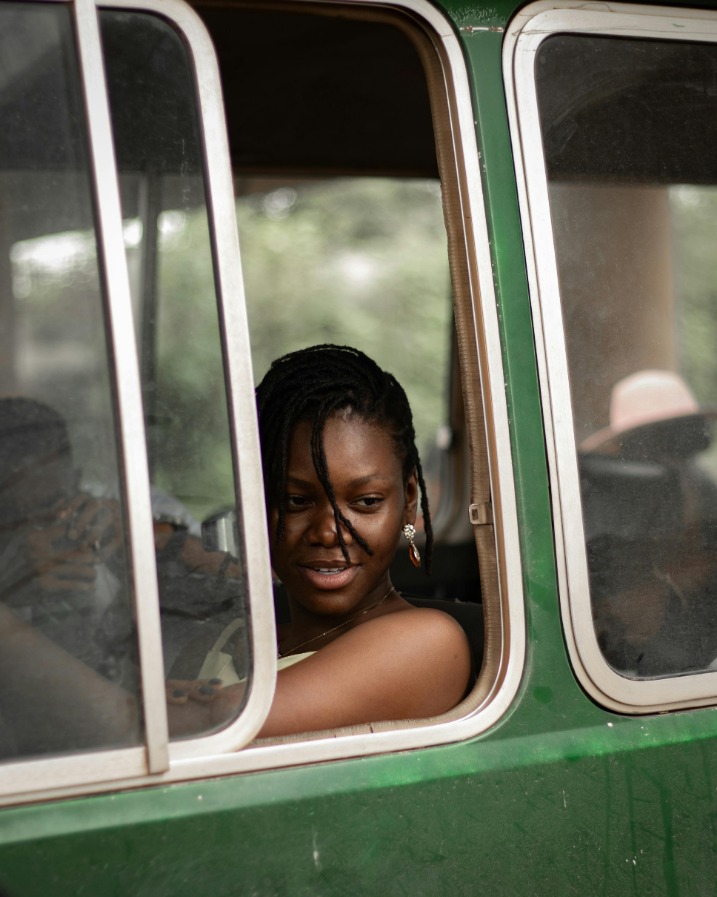

Route Overview: South Africa to Malawi by Bus
Taking a bus from South Africa to Malawi is an epic overland journey through Southern Africa, often tracing routes from Johannesburg or Pretoria through neighboring countries into Malawi’s major cities like Lilongwe or Blantyre. The trek spans thousands of kilometers of highways and scenic rural landscapes, with border checks and different road conditions shaping both pace and experience. Travelers should plan for visa needs, possible overnight stops, and varying schedules, while enjoying changing cultures, warm hospitality, and the camaraderie of fellow travellers along the way.
Geography and Typical Path
Travelers planning a bus trip from South Africa to Malawi typically start in major cities such as Johannesburg or Pretoria and head northeast, crossing borders into neighboring countries before reaching Malawi. The journey spans several countries and diverse landscapes, offering a long overland adventure rather than a quick hop across a single border.
The geography along the route changes markedly. In South Africa the trip begins on highveld plateaus and ridgelines, then transitions into the drier savannas and border landscapes of northern Botswana or into northeastern Zimbabwe before entering Mozambique. From there the route moves through the Miombo woodlands and coastal plains of northern Mozambique, before climbing into the higher inland regions of Malawi and finally reaching the lake-dominated eastern highlands and the basin around Lake Malawi. The end of the route often showcases Malawi’s mountainous terrain and scenic lakeside views that define the country’s landscape.
Typical paths to Malawi usually fall into two broad corridors. One common option travels from South Africa into Botswana and then into northern Mozambique, following a Mozambican interior corridor toward the Beira or Nacala route and on into Malawi, with final destinations around Lilongwe or Blantyre. An alternative path uses a route through Zimbabwe and into Mozambique, aligning with the Beira Corridor to reach Malawi’s northern or central regions. The exact border points and towns vary by operator, but the general sequence is South Africa → neighboring country → Mozambique → Malawi.
Travel time is long and can be affected by road conditions, border delays, and visa requirements. Buses may require multiple border crossings and can operate on tight or irregular schedules, especially in rural segments. Check visa and entry requirements for each country well in advance, carry sufficient documents, and allow for potential delays at land borders. A typical journey can take well over a day for each leg, with overnight portions common in many itineraries.
Upon reaching Malawi, travelers encounter a country whose geography centers on the Rift Valley highlands and Lake Malawi. The final leg of the journey often leads toward Lilongwe, Blantyre, or Mzuzu, with splendid views of rolling hills, farmland, and the expansive lake that gives the country its nickname, the “Warm Heart of Africa.” The route’s scenery—ranging from plateau vistas to forested uplands and lakeside panoramas—highlights Malawi’s distinctive geography and cultural landscapes as the journey concludes.
Distance, Time, and Milestones
Route Overview: Traveling by bus from South Africa to Malawi covers a long cross-border journey, with common starting points in Johannesburg or Pretoria and Malawi destinations such as Lilongwe or Blantyre. The exact path varies by operator and border options, but most itineraries cross into Mozambique or, less commonly, via Zimbabwe, and include several border crossings, long highway stretches, and overnight stops.
Distance: Road distance from Johannesburg to Lilongwe is typically around 1,800 to 2,000 kilometers, depending on the chosen border crossing and detours. Routes via the Ressano Garcia border near Maputo and through Mozambican corridors tend to be toward the upper end of this range, while alternative inland routes can shift the distance by a few hundred kilometers.
Time: Nonstop driving time for this journey runs roughly 24 to 36 hours, but most bus trips include overnight rests and border formalities, so total travel time commonly spans 2 to 4 days depending on conditions, visa requirements, and waiting times at borders.
Milestones: Starting from a major South African city such as Johannesburg; crossing into Mozambique at Ressano Garcia; traveling through Mozambican corridors (via Maputo or inland routes) and then crossing into Malawi at a border post such as Zobue or Mwanza; continuing to Malawi’s primary destinations, Lilongwe or Blantyre, with final stops determined by the specific operator and schedule.
Major Hubs and Route Segments
Major hubs and route segments shape long-distance bus travel from South Africa to Malawi. In South Africa, key gateways like Johannesburg often serve as consolidation points where services meet and dispatch cross-border trips. From there, typical routes follow the South Africa–Mozambique corridor, crossing the border at points such as Ressano Garcia and moving toward Mozambican hubs like Maputo or Beira before turning north toward Malawi. In Malawi, connecting points near the northern border link to Lilongwe and Blantyre, creating leg‑by‑leg segments that knit together regional towns with rural destinations. These hubs and segments influence travel times, border procedures, and onward connections across southern Africa.
South Africa Starting Points
Major Hubs and Route Segments for buses traveling from South Africa to Malawi focus on South Africa Starting Points and the two main cross-border corridors used by long-distance coaches. Operators typically structure journeys around key hub cities, border crossings, and major feeding towns to manage schedules and passenger demand.
South Africa Starting Points: The strongest starting points for long-distance cross-border bus services toward Malawi are Johannesburg and Pretoria, with Johannesburg Park Station and the Pretoria Intercity services serving as the primary departure hubs. Some operators also offer departures from Cape Town or Durban, but these routes are less common and may involve longer legs or additional transfers.
Route Segment A – Maputo Corridor from SA to Malawi: The most frequently used route for direct services to Malawi follows the Maputo Corridor. It commonly begins in Johannesburg or Pretoria and moves toward the Komatipoort border crossing on the N4 into Mozambique’s Ressano Garcia border post. From there, buses travel Mozambican highways toward Maputo and then head northward toward the Mozambican–Malawian border, with final legs into Lilongwe or Blantyre in Malawi.
Route Segment B – Northern Mozambican options: Some operators route inland via Beira and other Mozambican cities, using northern Mozambican corridors that feed toward Malawi through eastern border points. This option can involve longer drives and varies with operator schedules and road conditions, but provides an alternative path for those aiming for eastern Malawi towns.
Route Segment C – Beitbridge–Zimbabwe–Zambia corridor: An alternative corridor uses Beitbridge on the South Africa–Zimbabwe border, travels through Harare, then onward to Lusaka in Zambia, and finally into Malawi (Lilongwe or Blantyre). This route is frequently chosen when Mozambican routes are less reliable or when operators target northern or eastern Malawi entry points via Zambia.
Major Hubs along the route: In South Africa, the principal starting hubs are Johannesburg and Pretoria. In transit, common hubs include Beitbridge (SA–Zimbabwe border), Harare (Zimbabwe), Lusaka (Zambia), and Lilongwe or Blantyre in Malawi. For the Mozambique route, Komatipoort/Ressano Garcia and Maputo function as important mid-route hubs, with Beira and other Mozambican cities serving as optional waypoints depending on the operator’s network.
Practical notes: Travel times on these routes vary with border processing, road conditions, and fuel or rest-stop schedules. Some operators run overnight legs with minimal stops, while others offer daytime hops with longer layovers. Always check the operator’s timetable and confirm which border posts will be used on your chosen date.
Tips for planning: Verify visa or passport requirements for border crossings, check current border opening hours, and confirm luggage allowances with the operator. Compare itineraries to decide between the Maputo Corridor and the Beitbridge–Lusaka route based on travel time, comfort, and price. Booking in advance with reputable operators helps secure seating and provides clearer expectations for border procedures and rest stops.
Transit Through Mozambique and Zimbabwe
Travel by bus from South Africa to Malawi often follows the Beira corridor and includes transit through Mozambique and Zimbabwe. The route highlights major hubs and route segments to expect on such a journey.
- South Africa to Maputo corridor
- Common starting points: Johannesburg or Pretoria
- Crossing the border at Ressano Garcia into Mozambique
- Southern Mozambican hub: Maputo, the capital and main gateway
- Notes: Check border times, vehicle comfort, and safety along toll roads
- Transit through Mozambique toward the northern border with Zimbabwe
- Key Mozambican hubs along the route: Maputo, Beira, Chimoio, Manica
- Route segment: northward travel via the Beira corridor toward the Machipanda border crossing
- Crossing into Zimbabwe occurs at Machipanda; the Beira–Zimbabwe corridor is commonly used for onward travel to Malawi
- Zimbabwe transit and onward to Malawi
- Zimbabwean hubs along the path: Mutare on the eastern side near the border, then Harare as a central hub
- Border crossing into Mozambique or onward into Malawi depends on the service; for some itineraries the route continues through the Nyamapanda border into Mozambique’s northern corridor
- Notes: Border processes and visa requirements vary; plan for potential delays
- Final leg into Malawi
- Malawian hubs at the end of the journey: Lilongwe (capital), Blantyre, Mzuzu
- Typical entry points: Zobue or other northern border connections depending on the operator
- Notes: Once in Malawi, plan onward connections to major towns and national parks
Malawi Arrivals and Final Destinations
Travelers planning a bus journey from South Africa to Malawi typically travel northward along a corridor that links major cities, borders, and transport hubs. The route combines long-distance legs, border crossings, and varying road conditions, with Malawi’s capital Lilongwe and the southern city of Blantyre serving as common final destinations.
Major hubs along the route include Johannesburg and Pretoria as the South African starting points, the Beitbridge border crossing into Zimbabwe, and key Zimbabwean hubs such as Bulawayo or Harare depending on the chosen path. From there, buses may proceed to Mutare or Nyamapanda to reach Mozambique, or take an alternative Zimbabwe route toward Harare first.
Route segments typically begin with South Africa to Beitbridge, then a cross into Zimbabwe and onward to a central Zimbabwe hub. The next segment covers the Zimbabwe-Mozambique transition, crossing at Nyamapanda or Mutare into Mozambique’s Manica region. The final leg travels through central Mozambique toward Malawi, often via the Beira corridor communities, before turning northwest toward Malawi’s interior towns.
Malawi arrivals are most commonly in Lilongwe or Blantyre, which are the principal gateways for overland buses. Some operators also stop in Mzuzu in the north or in other towns depending on the service and schedules. Final destinations in Malawi typically reflect the city listed as the terminus by the operator, with Lilongwe and Blantyre offering the broadest connectivity to other parts of the country.
Travelers should check border times, visa requirements, and potential delays at Beitbridge or Nyamapanda, and be prepared for varying road conditions and lengthy travel times. Pack essentials, keep cash in local currency, and confirm the latest schedules with the operator because overland services can change with seasons and regulatory changes.
Overall, the south-to-malawi bus route offers a practical, if lengthy, connection between southern Africa’s economic centers and Malawi’s urban hubs, with clear hubs and route segments guiding the journey from Johannesburg to Lilongwe or Blantyre.
Bus Operators, Tickets, and Booking
Travelers looking to journey by bus from South Africa to Malawi can explore a range of operators offering long‑distance services between major South African hubs and Malawi’s key cities such as Lilongwe and Blantyre. These operators provide different coach classes, schedules, and ticket options, from standard seated buses to more comfortable executive services. Booking is convenient through official websites, mobile apps, or at ticket counters, with online booking often recommended to secure seats during busy periods. Be sure to check visa and border crossing requirements, luggage allowances, and the latest travel advisories before you go.
Popular Operators and Services
Traveling by bus from South Africa to Malawi offers a budget-friendly way to traverse Southern Africa’s diverse landscapes. Direct long-distance services are available through cross-border operators, but schedules are variable and routes can change with seasons and border conditions. Most travellers plan a route that passes through neighbouring countries such as Zimbabwe or Mozambique, with connections to Malawian destinations like Lilongwe or Blantyre.
Bus Operators and Booking: The market is led by larger South African coaches that operate national routes and feed into regional networks. Intercape is one of the best-known names for long-distance travel within South Africa and into neighbouring countries. Regional operators run cross-border services that shuttle travellers between major towns and border posts; these services may operate only on certain days and can be combined with local transfers to reach Malawian cities. Because cross-border routes change, always verify current schedules directly with the operator or through a trusted travel agent.
Tickets and Booking: Tickets are typically bought online via the operator’s website, at ticketing offices, or through travel agents. For cross-border trips, you may need to present your passport and any required visas or permits for entering the countries along the route. Payment is usually in South African rand or US dollars, with some operators accepting mobile wallet payments. E-tickets are common, and it’s wise to print or have a digital copy handy at the border. Plan for potential border delays and factor in extra time for connections between buses.
Popular Operators and Services: Core services include air-conditioned coaches with reclining seats, luggage compartments, and onboard toilets. Some coaches offer overnight trips with sleeper or semi-sleeper options, while others run day services with multiple stops. Wi-Fi and power outlets are offered on newer fleets, along with on-board refreshments or the option to buy meals at stops. Luggage allowances vary, so check weight and size limits before packing. Cross-border services often provide a bus that aggregates seating, rest stops, and border formalities into a seamless itinerary, but you may still need to complete immigration procedures at border posts.
Practical tips: Check visa and entry requirements for all countries on the route well in advance. Allow extra time for border crossings, as delays are common. Confirm the latest timetable a few days before travel, since services can be canceled or rescheduled. If you’re carrying valuable gear, keep it in carry-on and use secure luggage tags. Keep a copy of your passport, visa, and emergency contacts. If direct SA-to-Malawi services are scarce, consider combining travel with a domestic leg within South Africa or a regional hub like Harare and then continue to Malawi by another operator.
Ticket Prices, Booking Methods, and Refunds
Traveling by bus from South Africa to Malawi connects Southern Africa’s major corridors and offers a budget-friendly option, though schedules can be less frequent and routes may involve cross-border transfers.
Bus Operators: Operators based in South Africa and the region offer cross-border services to Malawi. The best-known networks include large regional coaches that operate in SA and neighboring countries, and many routes to Malawi require a transfer in a gateway country such as Mozambique or Zimbabwe before continuing to Lilongwe or Blantyre. Availability and routes can change due to licensing and border policies, so it is essential to verify current options with the operator or a trusted travel agent.
Tickets and Booking: Tickets can be booked online through operator websites or through licensed travel agents and at major bus terminals. You will usually need a passport to cross the border, and some routes may require visas; ensure your documents are valid for the entire journey. Seats may be assigned, and you might be able to choose extra legroom or sleeper options where available.
Ticket Prices: Ticket prices vary widely depending on the route, service level (standard seat vs sleeper), and season. Cross-border fees, border-handling charges, and single-use surcharges may apply. In general, expect prices to be higher during peak travel periods and for longer or more comfortable services.
Booking Methods: Booking methods include online booking via operator or agent platforms, phone bookings, and in-person purchases at bus terminals. Some routes offer mobile apps or email confirmations. If you book through a travel agent, read their terms for service fees and cancellation policies.
Refunds: Refund policies differ by operator. Some tickets are non-refundable, while others allow changes or cancellations with a fee. If an operator cancels or reschedules a trip, you should be entitled to a full refund or an alternative service. Processing times for refunds can range from a few business days to two weeks depending on the outlet.
Amenities, Comfort, and Luggage Policies
Traveling by bus from South Africa to Malawi offers a cost-effective overland option for southern African travel, with routes typically centered on Johannesburg or Pretoria as major hubs and connections onward to Lilongwe or Blantyre in Malawi. Journeys cross through neighboring countries and involve border posts, varying waiting times, and multiple segments, making it a practical choice for budget travelers and those who prefer scenic routes.
Several established long-distance coach operators run cross-border services between South Africa and Malawi. These operators usually base operations in major SA gateways and coordinate with regional partners to cover cross-border segments. Schedules can vary by season and day of week, and it is common to find daytime, overnight, and multi-day options. Before booking, verify the operator’s route map, border stops, and transfer arrangements, and check that the service has the required cross-border licenses.
Tickets and Booking: Tickets can be booked directly on the operator’s website, through authorized travel agents, or at bus terminals. Online booking often offers seat selection, e-tickets, and mobile payment options, while in-person bookings may require cash or card. Prices depend on distance, class of service, and peak travel periods. It’s wise to book in advance for popular dates and to review cancellation or change policies in case plans change. Passports and visas may be required for border crossings, so have your travel documents ready when booking and when traveling.
Amenities: Amenities on long-distance coaches vary by operator but commonly include air conditioning, comfortable reclining seats, and onboard toilets. Some services offer additional conveniences such as onboard snacks or meals, bottled water, and power outlets or USB charging at seats. A few operators provide Wi-Fi, luggage handling, and rest areas during border formalities, but availability is not guaranteed, so plan accordingly.
Comfort: Comfort can hinge on seat pitch, legroom, and the overall condition of the bus. Overnight options minimize hotel costs but can be tiring, so consider daytime services for a more comfortable travel rhythm. Bring a neck pillow, a lightweight blanket, and layers for variable cabin temperatures. If you’re particularly tall or travel with a lot of luggage, check the seating plan and extra legroom options when selecting your seat.
Luggage Policies: Most operators allow one main suitcase or bag in the cargo hold and a smaller carry-on for the cabin. Checked luggage often has weight limits (commonly around 20–25 kg per bag) and may incur extra fees for overweight items or additional pieces. Luggage is typically strapped in the hold or stored in overhead compartments if space permits. Do not place valuables in hold luggage; keep essential documents, electronics, and valuables with you at all times. Check the operator’s limits and charges in advance, as policies vary by company and route.
Border Procedures and Safety: Crossing borders on a SA to Malawi journey requires valid travel documents, including a passport and, where applicable, visas and vaccination certificates. Border formalities can add time to the trip, so plan for delays and keep all travel documents readily accessible. Practice general safety measures: keep valuables secure, use reputable operators, and stay aware of your surroundings at terminals and during layovers.
Before you travel, compare itineraries, read recent passenger reviews, and confirm current requirements with the operator. Since routes and policies change, the operator’s official page or a trusted travel agent will provide the most up-to-date information on schedules, prices, amenities, and luggage rules for a bus trip from South Africa to Malawi.
Schedules, Routes, and Logistics
Planning a bus journey from South Africa to Malawi involves understanding schedules, routes, and logistics that link regional hubs across borders. Travelers compare departure times, travel durations, and border procedures, then choose routes that balance reliability and cost, often via Mozambique and other corridor cities. A solid plan also covers vehicle condition, visa and baggage rules, and contingency options to ensure a smooth trip from departure to arrival.
Typical Departures and Frequencies
Traveling by bus from South Africa to Malawi connects major urban centers across Southern Africa and is a practical option for travelers who prefer overland routes. This article outlines schedules, routes, and logistics, with focus on typical departures and frequencies used by long-distance coaches between the two countries.
Routes generally fall into two main corridors. The first runs north from South Africa through Zimbabwe toward central Malawi, serving cities such as Lilongwe and Blantyre along the way. The second corridor follows the Mozambican coast, moving inland toward northern Malawi. The exact route depends on the operator, border availability, and road conditions, so travelers should confirm the path when booking.
Schedules and typical departures vary by operator and season. From major South African hubs such as Johannesburg, Pretoria, and Durban, coaches commonly depart once or twice per week, with some services operating more often (especially during holiday periods). Travel times are long and can range from 40 to 60 hours or more, depending on road conditions, border delays, and the chosen corridor. It is common for routes to include overnight segments and planned rest stops.
Logistics during planning include booking in advance, especially for peak travel times, and confirming the exact departure point. Most operators publish fares online, and luggage allowances differ; typical long-distance buses allow a reasonable amount of checked luggage plus a small carry-on. Arrive at the departure point at least 30 to 60 minutes before departure to complete check‑in formalities and board with your belongings.
Border crossing and documentation are key considerations. Travelers will need a valid passport and any required visa for Malawi. A Yellow Fever vaccination certificate may be requested for travellers coming from or transiting through South Africa under certain health regimes. Await border control checks, vehicle inspections, and possible delays that vary by day and post. It is wise to carry local currency or a reliable mobile payment option for border fees, meals, and tips.
Onboard experience and stops vary by operator. Most long-distance coaches offer comfortable seating, with occasional overnight segments and planned meal or fuel stops. Some services provide basic refreshments, while others may require you to purchase meals at stops. Segments are designed with rest breaks to reduce fatigue on multi-day journeys; overnight itineraries are common in the longer corridors.
Tips for planning include checking current schedules with the operator, allowing buffer time for border posts, and having flexible plans in case a route changes. If possible, book a confirmed seat rather than a stand-by option, ask about the route’s border crossing order, and have a backup plan in case of delays. Consider traveling light, staying hydrated, and keeping valuables secure during the journey.
Overnight vs Day Travel Options
Bus travel from South Africa to Malawi is a lengthy overland journey that blends cross-border logistics with southern African scenery. Schedules, routes and logistics vary by operator and season, but a few common patterns help travelers plan effectively.
Schedules: Long‑distance cross‑border buses typically run several times a week rather than daily, with many services scheduled overnight to maximize daytime travel. From major hubs like Johannesburg, travel times to Lilongwe or Blantyre generally fall in the 24 to 38 hour range, depending on the route and border waits. Always confirm the exact departure time, duration estimates, and possible overnight layovers with the operator before you book.
Routes: The main routes connect South Africa to Malawi via neighboring countries. Operators may route traffic through Botswana or Zimbabwe and then into Mozambique before entering Malawi, using corridor routes such as the Beira or Nacala corridors. Because operator networks can change, expect several possible borders and stops and verify the current route when you buy a ticket.
Logistics and border processes: Prepare for multiple border crossings, passport checks and potential vehicle changes. Entry requirements depend on nationality; many travelers can obtain a visa on arrival or an e-visa, but you should confirm current rules well in advance. Have your passport valid for at least six months, carry sufficient funds, and ensure you have any required visas or permits. Luggage allowances vary by operator, but a sizable suitcase and a daypack are typical; keep valuables in your carry-on.
Overnight vs day travel options: Overnight trips save a night of accommodation and help you maximize travel time, but sleep quality and seat comfort vary with the bus type; some services offer sleeper berths or reclining seats. Day journeys provide more daylight for scenery and easier meals but stretch the daytime driving window and border processing during daylight hours. Some itineraries mix day and night legs depending on distance and connections.
Practical tips for comfort and safety: Choose established operators with international permits and good safety records. Check seat belts, vehicle maintenance, and whether the bus carries a first-aid kit. Bring a travel pillow, blanket, water, and light snacks. Keep important documents and valuables in a secure bag and avoid leaving belongings unattended at stops. At night, stay in well‑lit areas around stations and use reputable pickup points.
Booking and planning tips: Compare prices across official operator sites and trusted platforms, and read cancellation policies. Confirm border crossing times, what is included (meals, luggage handling), and whether you’ll need to change buses at any point. Have digital copies of documents, and carry printed confirmations if required. Build buffer time into your schedule for delays.
Conclusion: With careful planning, a bus trip from South Africa to Malawi is a feasible and often affordable way to travel, offering exposure to regional landscapes and cultures. Expect variability in schedules, routes, and border formalities, and tailor your itinerary to allow for potential delays and overnight stops.
Check-in, Boarding, and Onboard Rules
Traveling by bus from South Africa to Malawi is a long, scenic overland journey that takes you through major cities and rural landscapes, demanding careful planning around schedules, routes, and logistics.
Schedules and routes vary by operator, but the typical corridor runs from Johannesburg or other large South African hubs north through Mozambique into Malawi. Most itineraries involve an overnight leg or two, with a final leg into Lilongwe or Blantyre. Times can range from roughly 28 to 40 hours of driving time, plus waiting at borders, customs checks, and changeover stops. Some operators offer combined services with a night crossing into Maputo and then a second bus into Malawi, while others route through Beira or Nacala corridors depending on road conditions and border openings. Always confirm the exact route and departure times with your chosen bus company before you travel.
Check-in and documentation needed are year-specific and operator-dependent. Plan to arrive at the terminal at least 2 hours before departure for international buses. Bring your passport and any required visas, plus a copy of your travel documents. Have any health certificates, vaccination records, and insurance details ready. Carry enough local currency or USD for border fees, snacks, and incidentals. Some borders require a visa on arrival, while others demand a visa in advance, so verify entry requirements with the nearest embassy or your ticket seller prior to departure.
Boarding is usually organized in groups by ticket type or seat number. At the terminal, present your ticket to staff, tag your luggage, and proceed to the boarding area when called. Ensure your luggage complies with the operator’s allowances and any weight limits; keep essentials in a small bag with you in the cabin. If you have mobility needs or a child, notify the operator when booking so seating and assistance can be arranged. Board early to secure preferred seats and to avoid last-minute rushes at the door.
Onboard rules help everyone travel safely and comfortably. No smoking is allowed on most intercity buses, and loud music should be kept at a respectful level or listened to with headphones. Keep aisles clear and small carry-ons stowed properly to avoid tripping hazards. Respect fellow passengers and the driver, refrain from bringing dangerous goods or strong odours, and follow the crew’s instructions during border stops and rest breaks. Use seat belts where provided, especially on winding mountain routes or when the bus is moving through border checkpoints where the driver may pause frequently.
Practical tips for the journey include packing light but smart: a comfy set of clothes for long hours, a neck pillow, a refillable bottle, any necessary medications, and a snack stash for stretches between stops. Bring a charged mobile phone and a portable charger, since network coverage can be patchy in rural areas. Have local currency for small purchases at border towns and for tips to crew. Confirm luggage handling procedures and keep valuables in your carry-on. Finally, check operator reviews and confirm the current timetable a few days before departure to avoid missing a bus due to schedule changes.
By planning ahead and choosing a reputable operator, a bus trip from South Africa to Malawi can be a rewarding way to see southern Africa’s landscapes and communities. Stay flexible for border delays, follow the check-in and boarding guidelines, and enjoy the journey as you transition from South Africa into Malawi’s towns and markets.
Border Crossing, Visas, and Documentation
Traveling by bus from South Africa to Malawi involves border crossings with multiple immigration checks, vehicle permits, and customs procedures at each frontier. Visa rules vary by nationality, so some travelers will need a visa in advance, others may obtain one on arrival or online, while SA citizens often have specific arrangements depending on the route. Always carry a valid passport (with at least six months’ validity), copies of your documents, and any required vaccination certificates or health forms, and check in advance with your bus operator or the embassies of the transit countries for the latest entry requirements.
Passport, Visa, and Health Requirements
Traveling by bus from South Africa to Malawi involves crossing international borders, and the exact route can depend on the operator. Common paths may pass through neighboring countries such as Mozambique or Zimbabwe, and you should be prepared for border posts, potential queues, and varying documentation checks along the way.
At each border crossing you will typically present your passport and any required visas or permits to border authorities. You may also need vehicle documents, a January/return ticket or onward travel plan, and proof of sufficient funds. Expect customs officers to inspect luggage and declare any restricted items. Have your documents organized and readily accessible to speed up the process.
Passport requirements usually call for a passport valid for at least six months beyond your intended stay, with at least one blank page for stamps. Keep copies of your passport and visa pages separately from the originals. Some borders may require additional documentation such as a letter of consent if you are traveling with minors or a travel itinerary detailing your stay.
Visa rules for Malawi can vary by nationality and current policy. South African passport holders can often obtain a visa on arrival or apply in advance through a Malawi embassy or online e-visa if available. Check the latest requirements with the Malawi Department of Immigration or a Malawi embassy well before travel, and be prepared for different visa fees and processing times at the border.
Health and vaccination requirements are important. Malawi is a malaria-endemic country, so anti-malarial precautions, insect repellent, and protective clothing are recommended. Ensure routine vaccines are up to date (such as diphtheria-tetanus-pertussis, polio, and measles), and consider Hepatitis A and B vaccinations. A yellow fever certificate may be required if you are arriving from or transiting through a country with yellow fever risk; confirm this with official sources. If you have any recent illnesses or medical conditions, carry a basic medical kit and any prescribed medications with copies of prescriptions.
Practical tips include carrying both cash and cards, as some border posts and bus operators may accept only local currency or USD for visas and fees. Allow extra time for border procedures, especially during peak travel periods. Keep digital and physical copies of all documents, and verify whether your chosen bus operator requires specific paperwork (for example, additional health forms or entry declarations) before departure.
Transit Borders: Process and Delays
Border Crossing, Visas, and Documentation for a bus trip from South Africa to Malawi involves careful planning around border posts, visa rules, and the paperwork required at multiple checkpoints. Delays can happen at any border, so knowing what to expect helps you move quicker and keep passengers on schedule.
Documentation for travelers is the first hurdle. Each passenger should carry a valid passport with at least six months’ validity, plus at least one blank page. Check Malawi’s visa policy for your nationality well in advance, as rules can change. Some travellers may obtain a visa on arrival or use an eVisa, while others must obtain their visa before departure. Bring fresh passport photographs, copies of your passport data page, and proof of onward travel or accommodation when required. Vaccination requirements, including yellow fever certificates, may apply if you are traveling from or through countries where such health measures are required; verify the latest health entry rules with official sources before you depart.
Vehicle and bus-specific documentation is essential. Carry the bus registration, current certificate of roadworthiness, and proof of compulsory insurance. If you are not the registered owner, bring a letter of authorisation from the owner and a copy of the owner’s ID or business documents. An international driving permit is often recommended, and many operators also use a carnet de passages en douane (CPD) or a temporary import permit for the vehicle. Border posts may require a vehicle inventory and passenger manifest, and you should have these ready in both hard copy and digital form.
At border posts, you will go through immigration, customs, and possibly health checks. Immigration will stamp passports; customs will inspect cargo, luggage, and the vehicle. Allow extra time for border formalities, and be prepared to declare items that require duty or permits. Have local currency on hand to pay any border fees or road tolls, and keep receipts for all payments. Ensure the driver and crew have valid licenses and identification, and that any minors traveling with you comply with local rules for crossing borders.
Transit borders can be the most unpredictable part of the trip. Even when your paperwork is in order, queues, inspections, and additional checks can add hours to the journey. Holidays, weekends, or weather events can slow things further. If you are crossing through multiple countries, you may encounter separate health, security, or veterinary checks for vehicles transporting people. Plan your timetable with buffer time for delays and have a contingency plan for passenger comfort and meals while you wait.
Practical steps to minimize delays include preparing documents before departure, keeping originals and clear copies, and having a dedicated bundle for border forms. Confirm visa-on-arrival options where available, but carry the correct documents in case visa on arrival is not offered. Carry sufficient cash in the local currency for border fees and small expenses, and know where ATMs are available near border towns. If you are traveling with a hired or chartered bus, maintain clear lines of communication with the operator and border liaison contacts to facilitate any document verification on the ground.
Route options vary. A common overland route from South Africa to Malawi uses the Ressano Garcia border into Mozambique and follows the Beira Corridor northwards toward Malawi, entering Malawi in the Blantyre or Lilongwe region depending on the exact border post used. Another longer route goes via Botswana and Zimbabwe into Mozambique, then onward to Malawi. Travel times depend heavily on border wait times, road conditions, and the frequency of stops for meals and rest. Plan for several days on the road rather than a single long leg, especially if you are transporting passengers with limited rest stops.
Useful tips for the journey include checking the latest border advisories before departure, using a reputable bus operator with border experience, and informing passengers about potential delays. Pack light, secure bags properly, and have a reliable communications plan for the driver and staff. Ensure you have a basic medical kit, drinking water, and a plan for meals along the route. In case a border is closed or a delay becomes prolonged, know where you can shelter or re-route to avoid uncomfortable or unsafe situations.
By staying organized, understanding the border process, and keeping documentation ready, a bus trip from South Africa to Malawi can be managed more smoothly. While delays are an inherent part of cross-border travel in Southern Africa, proper preparation and flexibility help you keep the journey safe and on schedule.
Vehicle and Operator Documentation
A bus journey from South Africa to Malawi requires careful planning of border crossings, visas, and the documentation needed for both passengers and the vehicle.
Route options typically involve crossing one or more borders through neighboring countries such as Mozambique or Zimbabwe and Zambia before entering Malawi. There is no direct South Africa–Malawi land border, so you will likely pass through at least two border posts and spend extra time for immigration, customs, and vehicle inspections at each point. It is essential to confirm the latest border procedures for each country along your chosen route before departure.
Border crossing procedures generally involve immigration control for all travelers, customs declarations for the vehicle and any cargo, and a vehicle inspection conducted by border authorities. Expect queues, form filling, and possible health or quarantine checks depending on current regulations. Ensure all pages of passports and travel documents are easily accessible and that names on tickets, passports, and vehicle documents match exactly to prevent delays.
Visas and entry requirements vary by nationality and country of transit. South African passport holders may be able to obtain a visa on arrival at select entry points or apply online or through an embassy or consulate in advance. Always verify the latest visa rules for Malawi and any intermediate country with the Malawi Department of Immigration and Citizenship Services, the Malawi embassy or consulate, or your travel agent. Check passport validity requirements (commonly six months beyond the intended stay) and any transit visa needs if you plan to stop briefly in another country.
For passengers, carry valid passports, return or onward tickets, proof of accommodation or a confirmed itinerary, and any health documentation requested by border authorities. A yellow fever vaccination certificate may be requested if you come from areas with yellow fever risk or if you transit through certain countries; confirm health entry requirements with the border posts or a travel clinic before travel.
Vehicle and operator documentation is critical for a cross‑border bus trip. The vehicle must be properly registered and licensed, with a valid roadworthiness certificate and registration document available. Liability insurance is required, and it is often recommended to carry a Green Card or equivalent international motor insurance coverage for cross‑border travel within the region. A Carnet de Passage en Douane (CPD) or an equivalent temporary import permit may be needed to bring the bus into Malawi and return it to your home country without paying duties; check whether Malawi accepts CPDs or requires a national Temporary Import Permit (TIP) and arrange it in advance if possible.
Cross‑border road transport typically requires a Cross-Border Permit or International Road Transport Permit from the home country’s transport authority (in South Africa, the relevant agency handles these permits for commercial passenger transport). The operator should also carry the business license and any permits entitling the bus to carry passengers across borders, along with a recent schedule of trips and passenger manifests if required by authorities. An International Driving Permit (IDP) for the driver, in addition to the national driver’s license, is commonly recommended and may be required for cross‑border trips.
Before departure, prepare a checklist: original and copies of passport pages, visas, and entry stamps; vehicle registration and license discs; roadworthiness certificate; cross‑border permits or CPD/TIP; vehicle insurance (Green Card if applicable); driver’s license + IDP; passenger manifests and travel documents; and contact details for border posts and the transport agency managing your route. At each border, present documents clearly, ensure consistency in names and vehicle details, and be prepared for fees in local currencies or accepted foreign currencies. For the latest rules and guidance, consult the official websites of the South Africa Department of Transport, the Cross‑Border Transport Agency, the Malawi Department of Immigration and Citizenship Services, and the Malawi Revenue Authority, or contact your travel operator for a country-specific briefing.
Safety, Health, and Travel Tips
Traveling by bus from South Africa to Malawi blends adventure with practical safety, health, and travel planning. Before you go, verify visa and entry requirements, book with a reputable operator, and keep your passport and valuables secure as you cross borders. Pack a basic first-aid kit, medicines, sun protection, and plenty of water, and follow malaria and other regional health precautions for the areas you’ll traverse. Stay informed about road conditions and local advisories, rest when needed, and keep flexible plans for delays to ensure a safe and comfortable journey.
Safety on Overnight Bus Journeys
Safety, health, and travel tips for overnight bus journeys from South Africa to Malawi can help you minimize risks and enjoy the ride. Plan ahead, choose reputable operators, and stay alert to local conditions along the route.
Before you travel, research and select a reputable long-distance bus operator with a track record of safety and reliable service. Check that the vehicle is well maintained, has functioning lights and brakes, and that the driver adheres to local safety regulations. If possible, choose a bus with seat belts and a reasonable seating layout to reduce fatigue during a long night journey.
Prepare the necessary documents well in advance. Ensure your passport is valid for the duration of your trip and that you have any required visas for border crossings. Carry copies of important documents separately from the originals. Verify vaccination requirements for entry into Malawi and any transit countries, and consider travel insurance that covers medical needs and unexpected cancellations.
Pack light but include essentials for comfort and safety. Keep your valuables (passport, money, phone) in a secure, easily accessible bag on your person or in a pouch under your seat. Use a luggage lock and avoid leaving belongings in open overhead racks. Bring a small, portable bag for easy access during border checks and breaks.
Onboard safety is important. If seat belts are available, wear them whenever seated. Sit away from the doors and aisles where possible to reduce the risk of bag collisions or disturbances. Keep your head, feet, and belongings contained, and avoid blocking aisles in case of an emergency. Use a neck pillow, warm layer, and eye mask to help you rest during the long night if the bus is comfortable and safe to do so.
Border crossing safety requires patience and preparation. Have your passport, visas, and any required health documents ready for inspection. Be aware of common scams around border areas and avoid displaying large amounts of cash. If you must interact with locals to exchange money or arrange customs help, stay with the official counters and staff and verify prices before paying.
Health and hygiene are vital on long overnight trips. Bring hand sanitizer, face masks if you prefer, and bottled water. Avoid unsealed food and drinks from strangers, and store snacks in clean containers. If you have food sensitivities or dietary restrictions, pack appropriate snacks. Practice good personal hygiene to reduce the risk of illness during travel.
Stay hydrated and mindful of circulation to reduce the risk of deep vein thrombosis on long journeys. Stand up and move your legs during scheduled breaks, rotate ankles, and stretch gently when it’s safe to do so. Consider comfortable socks or compression stockings if you’re prone to swelling, and avoid excessive alcohol or heavy meals before or during the ride.
Malaria risk is present in Malawi, so take preventive measures. Consult with a healthcare professional about malaria prophylaxis suitable for your itinerary and duration. Use insect repellent containing up to 30-50% DEET or a proven alternative, and wear long sleeves and pants after dusk when possible. If you’ll stay overnight in malaria-endemic areas, a bed net and screened accommodations add extra protection.
Plan for comfort and safety during the overnight segments. Bring earplugs or noise-canceling headphones if you’re sensitive to engine noise, a lightweight blanket or shawl, and a small flashlight for stops. Keep footwear accessible in case you need to move around the bus or exit quickly during a break. If you’re prone to motion sickness, bring appropriate remedies and sit where the motion is gentler for you.
When you reach your destination or stop for breaks, remain aware of your surroundings and avoid wandering alone in unfamiliar areas at night. Arrange your onward transport in advance if possible, or use trusted local services recommended by your operator or fellow travelers. Share your itinerary with someone you trust and keep emergency contacts handy in both your phone and a written card. If you encounter any health issues or safety concerns, seek help from official staff or local authorities promptly.
Health Precautions and Vaccinations
Traveling by bus from South Africa to Malawi can be an exciting journey, but safety, health precautions, and vaccinations are essential to a smooth trip.
Choose a reputable bus operator with well-maintained vehicles and a clear itinerary. Read recent passenger reviews, verify licenses, and ask about security during overnight legs. If possible, travel in daylight and avoid long stretches on poorly lit or isolated roads.
Protect your valuables and stay aware of your surroundings. Keep your passport, money, and important documents secure on your person, use a money belt or a zipped bag, and avoid displaying expensive electronics or jewelry in crowded areas or at border crossings.
Border crossings can take time and may involve checks for passports, visas, and health documents. Carry printed and digital copies of your itinerary, visa requirements, and any vaccination certificates. Budget extra time for delays, and be prepared for customs formalities, fees, and language differences.
Carry a basic travel medical kit, including pain relievers, rehydration salts, bandages, antiseptic wipes, a thermometer, medications you regularly use, and copies of your prescriptions. A spare tire, basic tools, and a flashlight can also be useful on long overland routes.
Malaria risk is present in many parts of Malawi, including areas along common overland routes. Consult a travel health professional before departure to determine if you need a malaria prophylaxis and which medication suits you. Use insect repellent containing DEET or picaridin, wear long sleeves and pants after dusk, sleep under a treated bed net if available, and stay in accommodations with proper screening or nets.
Vaccinations help protect you and others. Ensure routine vaccines are up to date (MMR, diphtheria-tertussis-polio, and others per your country’s schedule). Hepatitis A vaccination is commonly recommended for travelers to Malawi. Typhoid vaccination is advised for longer trips or exposure to local food and water sources. Hepatitis B vaccination is advisable for longer stays or if you anticipate potential exposure through medical work or intimate contact. A yellow fever vaccination certificate may be required if you have recently traveled from a yellow fever risk country or are crossing borders from such areas, so check current entry rules before you travel. Rabies vaccination may be considered for high-risk travelers or if you will be in areas with limited medical care. Malaria prophylaxis should be started before travel if prescribed by a clinician, and continued during your stay as directed.
Health and safety also depend on water and food hygiene. Drink bottled or boiled water when in doubt, avoid ice made with tap water, and eat freshly cooked foods. Wash hands regularly with soap or use hand sanitizer, especially before meals and after using public facilities.
Plan for varying climates along the journey. Pack layers, sun protection, a hat, sunscreen, a reusable water bottle, and comfortable, broken-in shoes for long bus days. A power bank, travel adapter, and offline maps can be invaluable in areas with intermittent mobile coverage.
Know your medical and travel insurance details, including coverage limits for medical transport or evacuation. Keep a list of local clinics or hospitals along your route and in major towns you’ll pass through, and know how to contact your embassy or consulate for assistance if needed.
By preparing in advance, you can focus on the experience of the trip itself—the scenery, the culture, and the people—while staying safe and healthy on a bus journey from South Africa to Malawi.
Food, Water, and Rest Stops
Traveling by bus from South Africa to Malawi is an overland journey across southern Africa that usually traverses Mozambique, with routes that may pass through major hubs before reaching Blantyre or Lilongwe. Such trips can take a full day or more, depending on border delays and road conditions. Planning with a reputable operator, having the right documentation, and being prepared for varying conditions will make the journey safer and more comfortable.
- Safety and security on long-distance bus travel to Malawi: Choose licensed operators with good safety records, verify vehicle condition, keep valuables secure and out of sight, sit together with companions when possible, avoid distractions while the vehicle is moving, and be cautious at border areas and at rest stops. If possible, travel during daylight hours and stay in well-lit, busy areas during breaks.
- Health, vaccinations, and travel medical tips: Check current vaccination requirements for your route (for example Hepatitis A and Typhoid; Yellow Fever may be required or advised depending on borders), carry proof of vaccines if requested, and consider malaria prophylaxis for Malawi. Pack a basic first-aid kit, essential medications, sunscreen, insect repellent, and a reusable water bottle. Stay hydrated and practice good hygiene to avoid stomach upsets.
- Food, water, and rest stops: Prefer bottled water and hot, cooked meals; avoid street foods of questionable hygiene; bring snacks and a small thermos if possible. Plan rest stops every few hours to stretch legs, visit clean facilities, and check on travel companions. Carry hand sanitizer and toilet paper, as facilities at some stops may be basic.
- Border crossings and planning: Ensure your passport, visas, and any required documents are valid before departure. Carry local currency or widely accepted cards, and know the entry rules for Malawi and any transit countries. Allow extra time for border formalities and be aware of possible scams; use official border crossings and registered bus operators for smoother processing.
By staying informed, packing essentials, and choosing reliable operators, you can improve safety and comfort on a bus journey from South Africa to Malawi.
Costs, Budgeting, and Money Matters
Costs, budgeting, and money matters shape every long-distance trip, including a bus journey from South Africa to Malawi. Start by estimating the base fare, border and visa fees, and potential overnight stays, meals, and incidental expenses along the route. Factor in currency exchange, travel insurance, emergency funds, and whether to pay with cash or cards. Build a simple budget that accounts for travel time, reliability of operators, and seasonal price variations so you can travel affordably and safely.
Ticket Costs and Currency
Costs, budgeting, and money matters when traveling by bus from South Africa to Malawi involve planning for the ticket, border fees, visas, accommodations if needed, meals, and a contingency fund. This guide outlines typical costs, currency considerations, and practical tips to help you plan financially.
Ticket costs vary by route, operator, and season. For a one-way journey from a South African hub such as Johannesburg toward Malawi’s major cities (Lilongwe or Blantyre), expectations are as follows: budget or no-frills services typically cost about 2,500 to 4,500 rand; standard or mid-range options might range from 4,500 to 7,500 rand; sleeper or premium long-haul services can exceed 7,500 rand. Prices fluctuate with fuel, demand, and service level, so always check with the operator for current fares and book in advance where possible.
Currency and exchange: South Africa uses the rand (ZAR). Malawi uses the Malawi kwacha (MWK). In border towns and larger travel hubs you may be able to exchange ZAR or MWK, and sometimes US dollars, but exchange rates vary and commissions may apply. It is wise to carry a small amount of MWK for on-arrival purchases and border needs, and some ZAR or USD for exchanges along the way. Debit and credit cards are accepted in major cities and hubs, but not consistently on long, rural border routes, so plan with cash as a backup.
Other costs to budget for include visa or entry requirements, which vary by nationality, and may involve visa on arrival or e-visa fees at Malawian entry points. Border crossing charges, passport photos, and incidental costs at stops can add up. Consider health-related costs and travel insurance, since a long bus journey across borders can experience delays or interruptions. If your itinerary requires overnight stays or longer layovers, factor in accommodation and meals outside the bus plan.
Budgeting strategies can help you manage costs. Compare routes and operators; look for off-peak travel or sleeper options that may offer better value; plan for an overnight leg if it saves a night of lodging or reduces total travel time. Keeping a small travel fund for emergencies and unexpected detours is wise, as cross-border trips can be subject to delays or route changes.
Money handling tips: carry cash in small denominations to cover meals, tips, border fees, and minor purchases. Keep your money secure and separate from valuables, using a money belt or zipped pouch. Use reputable exchange points and ask for receipts. If you can, have a backup payment method (extra card or cash) in case one option isn’t available at a border stop or bus terminal. Be mindful of fluctuating rates and avoid paying with large bills if change cannot be provided accurately.
Sample budget (one-way, Johannesburg to Lilongwe, in rand): Ticket 3,500–6,500 ZAR; border/visa and minor fees 200–600 ZAR; meals on the road 300–800 ZAR; overnight accommodation if needed 400–900 ZAR; contingency fund 1,000 ZAR. Total estimated range: about 5,000–9,000 ZAR. Actual costs will vary by route, season, and the level of service you choose.
Budgeting for Food, Lodging, and Extras
Costs, budgeting, and money matters for a bus trip from South Africa to Malawi require planning ahead for transport, food, lodging, and unexpected expenses. Most travelers start from major South African cities such as Johannesburg and use long-distance bus operators that cross into Malawi, often via Beitbridge or other border towns, with final destinations in Blantyre or Lilongwe. Prices and routes vary, so it helps to compare operators, departure times, and comfort levels before you book.
Ticket costs vary widely depending on the operator, the route, and the level of comfort. One‑way fares typically range from around 1,000 to 3,500 South African Rand (ZAR). Sleeper or semi‑sleeper options and peak-season surcharges can push prices higher. Booking in advance is advantageous, especially during holidays or school holidays when demand is up. Always confirm what is included (baggage allowance, meals on board, or border stops) to avoid hidden costs at the last minute.
Travel time and route considerations are important for budgeting your time as well as money. The journey can take roughly 24 to 40 hours or more, depending on the exact route and how long border processing takes. Delays at borders like Beitbridge or in transit towns are common, so factor in extra time and have a flexible schedule. If you prefer, you can break the trip into two legs with an overnight stay in a border town or a regional hub along the way.
Budgeting for food on a long bus journey helps avoid running low on fuel or patience. Expect to buy meals at stations or along the road, with basic SA meals often costing around 40–100 ZAR, while meals in border towns or on the road can range from 60–150 ZAR. Pack snacks, fruit, nuts, and bottled water to reduce costs and keep energy levels steady. A typical daily food budget for a traveler could be approximately 150–350 ZAR, depending on eating choices and how often you stop for meals.
Lodging costs come into play if your itinerary requires an overnight stop. Budget guesthouses or basic hotels in border towns along the route commonly range from about 150–350 ZAR per night, though prices can be higher near major transport hubs or during peak season. If you plan to reach Malawi in one long stretch, you may forego lodging, but many travelers prefer a short rest to recharge. In Malawi itself, lodging tends to be a bit more expensive than many border towns in South Africa, so budget extra for accommodation if your travel plan spans multiple days.
Extras to plan for include visa or border crossing fees (these vary by nationality and current policy, so check the latest requirements before you travel), travel insurance, and costs for SIM cards and data in both South Africa and Malawi. Carry some cash in small denominations for border purchases and keep a reserve for emergencies. It’s often useful to have a mix of cash in South African Rand and a small amount of U.S. dollars or euros for visa fees or other urgent needs, plus a card for larger purchases where accepted. Currency exchange can incur spreads, so budget for that as well.
Money management tips for this trip include using a combination of cash and card, confirming ATM access along the route, and leveraging mobile money options popular in Malawi where available. Keep a written or digital budget, track expenses daily, and set a realistic daily limit to avoid overspending. Carry a lightweight travel wallet, protect your passport and valuables, and have a contingency fund for delays or changes in plans. With careful planning, you can manage the costs of a bus journey from South Africa to Malawi without surprises.
Sample budget outline for planning purposes: ticket 2,000 ZAR, food 1,000 ZAR, lodging 600 ZAR for an overnight stay if needed, extras such as visas or insurance 400–800 ZAR, and a small reserve 500 ZAR. Total ballpark estimate: around 4,500–5,000 ZAR for a modest, two‑to‑three day trip, depending on route, pace, and accommodation choices. Always add a buffer for emergencies and seasonal price changes, and adjust your plan as you confirm departure dates and operators.
Refunds, Cancellations, and Travel Insurance
Traveling by bus from South Africa to Malawi involves planning for costs, budgeting, refunds, cancellations, and travel insurance. This guide outlines what to expect and how to manage your money on this journey.
- Costs and budgeting
- Ticket prices depend on operator, route, and whether you book in advance or last minute.
- Typical distance and travel time: from Johannesburg to Lilongwe or Blantyre can take 24–36 hours with border crossings.
- Budget for border and visa fees, if applicable, and for possible overnight stops.
- Include extra days in case of delays, accommodation, meals, and occasional paid comfort stops.
- Currency and payment: South African rand (ZAR) is widely accepted in major cities; some operators accept card payments, others cash only; carry local currency for border towns if necessary.
- Refunds and cancellations
- Read the operator’s policy before booking; many long-distance buses have non-refundable fares or fees for changes.
- Cancellation windows and penalties vary; some allow free cancellation within 24–72 hours of departure; other fares may be non-refundable.
- If travel advisories or border restrictions apply, refunds may be offered or credits issued.
- Keep booking confirmations and receipts until after travel; contact customer service to request refunds.
- Travel insurance and protection
- Choose a policy that covers journey delays, cancellations, medical emergencies, and baggage.
- Check if the policy covers border crossing delays, evacuation, or trip interruption in southern Africa.
- Consider add-ons for adventure travel if you plan activities along the route.
- Keep digital and hard copies of your policy and emergency contact numbers.
- Practical tips to manage money on the road
- Keep multiple payment methods (cash, card, and mobile money) and separate the bulk of cash from your daily allowance.
- Use secure wallets or travel pouches; be mindful of pickpockets in busy depots and towns.
- Factor in cash exchange costs and ATM withdrawal limits; know where legitimate exchange bureaus are located.
- When to book and planning tips
- Book at least a few weeks in advance if possible to lock in lower fares and ensure seat availability.
- Check schedules for border crossings; some routes require overnight stays or waiting at border posts.
- Have a plan for accommodation in case of delays and plan for local transport to/from bus stations.
Tips for a Smooth Journey
Planning a bus journey from South Africa to Malawi can be an epic overland adventure, but a little preparation goes a long way. This introductory guide shares practical tips on selecting routes, navigating borders, packing efficiently, staying safe, and budgeting for a smooth, comfortable trip across southern Africa.
Seasonal Considerations and Weather
A bus journey from South Africa to Malawi is a lengthy overland adventure that can reveal varied scenery and borderland cultures. Because routes and schedules differ between operators, thorough planning helps ensure a smoother trip.
Tips for a smooth journey include selecting a reputable bus operator, confirming the exact route and border crossings, and checking visa and passport requirements ahead of time. Make sure your passport is valid for at least six months beyond your travel dates and carry copies of your documents in case of loss. Ask about luggage allowances, on-board facilities, and how long each border stop usually lasts so you can plan accordingly.
Booking and packing smartly can also reduce stress. Book your seat well in advance, choose a comfortable option with adequate legroom, and bring essentials such as snacks, water, a lightweight jacket, a neck pillow, earplugs, and a power bank. Pack a small day bag for border strolls and keep valuables secured in a way that is easy to access but safe.
When crossing borders, arrive early to navigate formalities calmly. Have visa funds ready if required, and carry small bills in local currency for incidental expenses. Be mindful of pickpockets in busy border towns, and keep copies of your documents separate from the originals. Use a trusted bag lock and avoid displaying large amounts of cash.
Seasonal considerations are important for this route. Malawi experiences a rainy season roughly from November to April, with roads that can become muddy, flooded, or slower due to weather. The dry season from May to October typically offers better road conditions and more predictable travel times, though nights can be cool and dusty conditions may arise. In South Africa and along the route, temperatures can vary widely by region and altitude, so pack layers and plan for both heat and cold depending on your segment.
Malaria is a consideration in Malawi, especially in low-lying areas near lakes and wetlands. If you are traveling during the wet season, take prophylaxis as advised by a health professional, use mosquito repellent, sleep under a mosquito net if needed, and wear long sleeves at night. Pack sunscreen, a hat, and lightweight breathable clothing for daytime heat, plus a rain jacket or poncho for sudden showers.
Practical planning for a Malawi arrival includes arranging onward transport from the border to Lilongwe or Blantyre, booking accommodation in advance if possible, and having local currency for small purchases. A local SIM card can help with navigation and emergencies. Check travel advisories and ensure you have travel insurance that covers overland journeys and medical emergencies.
What to Pack and Baggage Rules
Traveling by bus from South Africa to Malawi is a memorable overland journey that commonly starts in Johannesburg and ends in Lilongwe or Blantyre, with routes often passing through neighboring countries such as Mozambique or Zimbabwe. These trips can take well over a day and a half of driving, plus time for border crossings, visas, and layovers. To make the ride smoother, plan ahead, choose a reputable operator, and be prepared for changes in schedule and border procedures.
Tips for a smooth journey include booking with a trusted company, confirming border crossing points, and arriving at the departure point early. Keep your essential documents and valuables in a carry-on bag that stays with you, and label your luggage with contact details. Dress in comfortable clothing and bring a light jacket for air conditioning on the bus. Stay hydrated, snack wisely, and take short walks at stops to stretch your legs. Be patient at borders, have your passport, visa (if required), and any medical documents ready, and consider travel insurance in case of delays. If you’re traveling with companions, agree on a meeting point and a plan if the bus stops for long periods.
What to pack includes light, breathable clothing suitable for a warm climate and cooler evenings, a rain jacket or compact umbrella, sturdy shoes, underwear, and enough socks for the journey. Pack a basic medical kit with any prescription medications, pain relievers, rehydration sachets, and a small first aid kit. Bring sunscreen, insect repellent, a hat, sunglasses, and a reusable water bottle. Include your charger, power bank, travel adaptor, earphones, and a neck pillow or small blanket for comfort. Don’t forget your toiletries, a quick-dry towel, clean underwear, and a copy of important documents like your passport and travel insurance. If you’ll be in rural areas, consider a small amount of cash in local currency (Malawian kwacha) and some USD for tipping or purchases where cards aren’t accepted.
Baggage rules vary by operator, so check your bus company’s policy in advance. Most long-distance buses allow one or two checked bags totaling roughly 20–30 kg per passenger, plus a small carry-on bag and a personal item. Heavy or oversized items may incur extra charges or be refused. Use sturdy bags, label them with your name and contact details, and keep valuables and electronics in your carry-on. Secure fragile items and avoid leaving bags unattended during border checks, as you may be asked to unload and recheck luggage at border crossings. Be mindful of prohibited items such as weapons, flammable liquids, and liquids in carry-on containers over 100 ml, and verify the rules about liquids and medications for international travel. At the border, have your passport and any visas ready, and follow the staff’s instructions for luggage transfers if you need to switch buses.