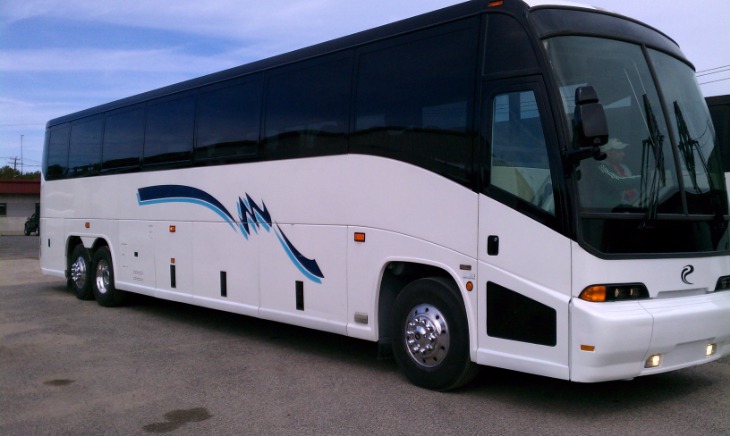

Overview of Bus Travel from South Africa to Lesotho
Bus travel from South Africa to Lesotho offers an affordable and straightforward way to reach the mountain kingdom. Most services operate from major South African cities such as Johannesburg, Pretoria, and Bloemfontein, crossing into Lesotho at border posts like Maseru Bridge. Journeys typically take several hours, depending on origin, border procedures, and road conditions, with some routes offering direct services and others making short stops along the way. Tickets are usually available at major bus terminals or online, and fares are generally budget-friendly. Travelers should carry a valid passport, check visa requirements if applicable, and verify schedules, as times can vary by operator and season.
Geography and Route Overview
Bus travel from South Africa to Lesotho typically connects major South African cities with Maseru, the capital of Lesotho. The most common starting points are Johannesburg and Pretoria in Gauteng, with occasional services from Bloemfontein in the Free State. Buses provide a cost-effective alternative to flying, and they follow the main border crossings between South Africa and Lesotho.
Geographically, Lesotho is an enclaved, high-altitude kingdom, surrounded by South Africa. The country sits in the eastern highlands with the Maloti and Drakensberg mountain ranges producing steep, scenic routes. Maseru sits at about 1,300 to 1,500 meters above sea level, and many crossing routes climb into rugged terrain, with hairpin bends and narrow passages common on the approach roads.
Most SA-to-Lesotho bus services approach Maseru through border posts such as Caledon Poort near Ficksburg or the Maseru Bridge crossing. From Johannesburg, operators typically head north via the Free State towns and cross into Lesotho before continuing to Maseru. Travel times vary with border formalities and road conditions, but a typical journey can take roughly 8 to 12 hours, sometimes longer for overnight services or during busy periods.
Long-distance buses to Lesotho run from major operators, with direct services advertised to Maseru. Bookings are advised, especially during peak travel times and holidays. Passport or national ID may be required at borders, and Lesotho uses the Maloti, pegged to the South African Rand, with Rand widely accepted in practice. Carry cash for small purchases, tips, and border fees where applicable. Bus journeys include check-in and border formalities at the SA-Lesotho border, which can add to total trip time.
Tips for a smoother trip include checking the latest border opening times, carrying warm clothing for high-altitude conditions, and planning for possible delays at peak travel periods. Road conditions outside the major corridors can be variable, so allow time for slower sections and potential roadworks. If you prefer, you can combine a bus ride to the border with taxi or shuttle options on the Lesotho side to reach Maseru or other towns.
Key Border Posts and Crossing Points
Bus travel from South Africa to Lesotho is a practical and affordable option for travelers heading to the mountain kingdom. Most journeys originate in major cities such as Johannesburg, Pretoria, or Bloemfontein and proceed to Maseru or other Lesotho towns. Travel times vary widely, typically ranging from about 6 to 12 hours depending on starting point, route chosen, and how long border formalities take. Long-distance coaches and minibus services run daily or several times per week, with some operators offering overnight options and day trips.
Common routes used by bus services include options via the Caledonspoort border post in the Free State or the Ficksburg-Sepane crossing on the R26, which lead toward Maseru and other Lesotho destinations. Another widely used corridor is the Oshoek border post on the N4, which connects travelers to Lesotho’s northern towns and onward routes. The exact crossing and destination in Lesotho can vary by operator and season, with Maseru as the main hub and longer journeys continuing to towns such as Teyateyaneng, Leribe, and Maputsoe.
Key border posts and crossing points include Caledonspoort Border Post on the R26 near Ladybrand, Oshoek Border Post on the N4, and Ficksburg-Sepane Border Post on the R26. Maseru Bridge Border Post on the border near Maseru is another major crossing, especially for travelers heading directly to the capital and the central Lowveld region. Additional crossings such as Maputsoe and other northern entries are used by some services depending on the route and operator.
Crossing procedures are generally straightforward but can vary by post. Travelers should carry a valid form of identification (passport or national ID) and be prepared for border checks by immigration and customs authorities. Border post hours can vary, and queues are common during holidays and weekends. It is wise to have local currency (Lesotho loti or South African rand) for small purchases, though many larger facilities and towns accept rand. Check with your bus operator for any documentation requirements and the exact border post you will use for your trip.
Tips for a smoother trip include booking in advance, confirming luggage allowances with the operator, and arriving early to accommodate possible delays at the border. Pack essentials like water and snacks, dress in layers for changing mountain weather, and have clear directions for your drop-off or pick-up point in Lesotho. Keeping updated with the operator’s timetable and border advisories via official channels can help you navigate seasonal changes or schedule adjustments more easily.
Bus Travel Options
Bus travel from South Africa to Lesotho offers a straightforward, affordable way to reach Maseru and other Basotho towns, with several long‑distance coaches and regional shuttles operating between Johannesburg, Pretoria, Bloemfontein, and the Lesotho border. Most journeys cross the Caledonpoort border near Ladybrand and take roughly half a day to a full day, depending on border formalities. Tickets are available online or at depots, and many services include luggage allowances and comfortable seating.
Public Bus Services and Operators
Bus travel between South Africa and Lesotho offers a practical option for travelers looking to cross the border and explore the mountain kingdom. The journey is typically undertaken by international coaches from major South African cities to Maseru, the capital of Lesotho, with connections to towns inside Lesotho after crossing the border.
Public bus services and operators run international routes from key South African hubs to Maseru, often via the Maseru Bridge border post. These services use coaches from national or private operators and provide a direct option when available. Tickets can usually be booked at large bus terminals, through operator offices, or online where offered.
Border crossing and travel times vary with the day and season, so travelers should allow extra time for customs checks and queues at the Maseru Bridge. It is wise to confirm border hours and any documentation requirements before travel to avoid delays.
Alternative routes from different South African hubs exist as well. Some operators run routes from cities such as Bloemfontein or Cape Town to Maseru, often via border towns like Ladybrand or Fouriesburg. From the border, a connection to Maseru and other Lesotho towns is typically made by local minibuses or taxis, with schedules that can be less formal than long‑distance services.
Public bus services and operators in Lesotho: Once in Lesotho, long‑distance travel is usually done by local minibuses and taxis, as well as occasional larger coaches on longer intercity links. These services are operated by a mix of private associations and small operators, and timetables can be irregular. From Maseru there are connections to towns such as Mafeteng, Leribe, Mohale’s Hoek, Quthing, and others, with passenger volumes and frequencies varying by day and season.
Planning tips: Check the latest schedules in advance, as international routes can change and border conditions may affect timing. Bring your passport and any required documents, and be prepared for border checks and potential delays. Carry sufficient cash in the local currency or in rand where accepted, and confirm luggage allowances with the operator. Pack light and keep valuables secure, as with any cross-border bus travel.
Safety and comfort: Road conditions in the region can vary, especially on secondary roads inside Lesotho. Choose reputable operators when possible, and avoid unofficial pickups. Travel during daylight hours when feasible to maximize connectivity and safety, and stay aware of local travel advisories or seasonal weather impacts on routes.
Alternatives to bus travel: If time or comfort is a priority, consider flying options where available, or arranging a private transfer. Some travelers also opt to rent a car to navigate both sides of the border with greater flexibility, though be mindful of driving on unfamiliar mountain roads and local traffic regulations.
Private Coaches and Luxury Options
Bus travel from South Africa to Lesotho offers affordable, flexible options for travelers who want to reach the Mountain Kingdom without flying. Lesotho sits entirely inside South Africa, so many routes start in Johannesburg, Bloemfontein or other South African hubs and finish in Maseru or other towns near the border. Common border posts include Maseru Bridge and Caledonspoort, and journey times depend on the chosen route and border formalities.
Standard bus services are the backbone of such trips. Regular intercity buses and minibus services run from Johannesburg and other South African cities down to Maseru and the surrounding Lesotho towns. These services may operate daily or a few times per week, with travel times typically ranging from around six to ten hours depending on traffic and how long border checks take. Tickets are usually affordable, seats are general or semi-reclining, and luggage allowances vary by operator. Booking ahead is advised, especially in peak travel seasons.
Private coaches and group travel offer an alternative for those who want more control over departure times or are traveling with a group or family. A private charter can pick you up from a specific location in South Africa and deliver you to a chosenLesotho destination, often with a dedicated driver, more comfortable seating, and extra space for luggage. Prices depend on distance, group size, the level of service, and whether fuel, tolls or border fees are included. It is wise to arrange a licensed operator and confirm border crossing arrangements in advance.
Luxury options include VIP executive coaches and premium minibuses designed for comfort and convenience. Expect features such as extra legroom, plush seating, onboard refreshments, Wi-Fi, power outlets, and sometimes entertainment systems. These services are typically targeted at business travelers, tour groups, or people seeking a higher level of comfort for the long drive from central South Africa to Maseru or other Lesotho towns. Availability may be more limited and prices higher, but the experience can be significantly smoother for long journeys.
Border and practical tips: when crossing from South Africa into Lesotho by bus, carry identification for all travelers and check current visa or entry requirements before you travel. Border checks can add time, so plan for delays and bring some local currency (Lesotho loti or South African rand, which are widely accepted at many points). Ensure your passport or ID is valid for the duration of your stay, and confirm whether your operator includes border formalities or requires you to manage them yourself. It’s also wise to verify the latest road conditions, especially during the winter months when mountain roads can be affected by snow and ice in Lesotho.
Booking and planning tips: compare routes via Maseru Bridge or Caledonspoort, check about luggage allowances, and read recent traveler reviews for reliability. For private charters or luxury options, ask for a written quote that itemizes the route, inclusions, and any border-related fees. With the right choice, a bus trip from South Africa to Lesotho can be a comfortable and scenic way to reach Maseru and beyond.
Shared Rides and Local Transport Arrangements
Bus travel between South Africa and Lesotho offers a range of options for travelers, with Maseru as the main hub for long-distance connections. From major South African cities you can reach Lesotho by direct long-distance buses, shared minibuses, or a combination of road transport and border crossings. This article outlines the typical options, how shared rides work, and how local transport is arranged once you arrive in Lesotho.
Direct long-distance bus services from Johannesburg, Bloemfontein, and Cape Town run to Maseru or the Maseru area, often crossing the border at the Maseru Bridge or nearby posts. Travel times vary but expect roughly 9–12 hours from Johannesburg and longer from Cape Town or Bloemfontein depending on road conditions and stops. Tickets can be bought at major bus terminals or through the operators’ offices, and some routes offer onboard border assistance to manage customs and immigration formalities.
Shared rides and minibuses are a popular, cheaper alternative for part of the journey. In South Africa and at border towns, groups board minibus taxis that operate on a “full-load” basis and move when seats fill. These services can be faster to book locally but may involve multiple pickups and longer or less predictable travel times. Expect flexible schedules, negotiate fares in advance, and always use licensed operators for safety and reliability.
Local transport within Lesotho relies largely on minibuses and taxi services that connect Maseru with other towns such as Mafeteng, Mohale’s Hoek, Leribe, Butha-Buthe, and Morija. From Maseru, you can usually catch a local bus or shared taxi to nearby towns, or hire a private car with a driver for longer hops. Schedules can be irregular, and services may reduce after dark or on weekends, so it helps to plan ahead and confirm departures at the terminal.
Border crossing arrangements are a key part of planning. The Maseru Bridge border post near the capital is the main crossing for passenger traffic between South Africa and Lesotho, and waits can vary with time of day and season. Carry a valid passport or acceptable identification, and check visa requirements if you are not an SA citizen. South African citizens can typically travel with an identity document for short visits, but rules can change, so verify in advance with official sources.
Practical tips for a smooth trip include buying tickets in advance when possible, arriving early at the departure point, and keeping some cash in both South African rand and Lesotho loti (or Rand, which is widely accepted in Lesotho). In Maseru there are ATMs and currency exchange, but smaller towns may require cash payments for minibuses. If you plan to stay longer, consider a local SIM card for connectivity and check whether your accommodation offers airport or terminal pickup.
Safety and comfort are important on cross-border bus travel. Choose licensed operators, watch your belongings, and beware of overly long wait times or scams at busy terminals. For overnight journeys or late arrivals, ensure you have a safe plan to reach your final destination, and whenever possible travel with a companion or in a known group. By understanding the options and local arrangements, you can choose a route that balances cost, comfort, and time when traveling from South Africa to Lesotho by bus.
Schedules, Tickets, and Booking
Schedules, tickets, and booking for bus travel from South Africa to Lesotho help you plan a smooth crossing from major South African hubs like Johannesburg or Bloemfontein to Maseru, with clear departure times, trip durations, and fare options. By checking current timetables, purchasing tickets online, and booking in advance, travelers can secure seats, compare direct routes and transfers, and prepare for border formalities and luggage allowances on this cross-border journey.
Typical Schedules and Frequency
Travel by bus from South Africa to Lesotho is a common and affordable option for visitors and residents. Most services originate in major South African cities such as Johannesburg, Pretoria and Bloemfontein and travel to Maseru, the capital of Lesotho, with some routes extending to other towns in Lesotho. Buses typically cross the border at Maseru Bridge or other border posts, and schedules are designed to accommodate both day trips and longer journeys.
Tickets and Booking: You can book tickets directly with the bus operator online, via travel agents, or in person at major bus terminals in South Africa. Online booking is usually the most convenient and may include e-tickets emailed to you. When booking, you will need identification; for international travelers, a passport is required for the border crossing, and some nationalities may need visas. Payment is commonly by debit or credit card; some operators also accept cash at the terminal. Prices typically range from roughly 400 to 1200 ZAR one-way depending on operator, class, and season.
Typical Schedules and Frequency: On popular routes, services run daily with at least one morning departure and one late afternoon or evening departure. Some operators offer an overnight service to Maseru. Travel times from Johannesburg to Maseru generally range from 9 to 12 hours depending on border processing times and road conditions. Frequency can vary by season and demand, with higher frequency on weekends and during holidays.
Where to Book and How to Reserve
Travel planning for bus routes from South Africa to Lesotho involves schedules, tickets, and booking. This guide explains where to book and how to reserve seats for Maseru-bound trips.
-
Schedules
Most operators run daily services between major South African cities such as Johannesburg and Pretoria and Maseru, Lesotho. Typical journey times range from 5 to 9 hours depending on the route and border formalities. Peak holiday periods may see extra departures. It’s best to check operator pages for exact times on your travel date.
-
Tickets
Ticket types include standard economy seats and, where offered, saver or priority options. Tickets can be purchased online, at bus terminals, or through approved travel agencies. Carry a valid ID or passport; cross-border travel requires documentation. E-tickets are common and can be scanned on boarding.
-
Booking
To reserve a seat: choose your route and date, pick a time, select a seat, and enter passenger details. Proceed to payment with a credit/debit card or mobile wallet if supported. You will receive an e-ticket by email or a booking reference in your account. Save or print the e-ticket for boarding.
-
Where to Book
Where to book includes official operator websites, major city bus terminals such as Johannesburg Park Station, Pretoria, and Bloemfontein, and approved cross-border travel agencies. You can also book via reputable travel platforms that list cross-border services. Always use trusted sources to avoid scams and confirm border crossing requirements beforehand.
-
How to Reserve in Advance
For popular travel dates, reserve at least 1–2 weeks ahead. Some operators offer online seat hold without immediate payment; others require full payment to confirm. Print or store your e-ticket on your phone and arrive at the terminal at least 30–60 minutes before departure for check-in and border processes.
Prices, Fare Ranges, and Payment Methods
Traveling by bus from South Africa to Lesotho is a popular and affordable option for travelers heading toward Maseru and other towns across the mountainous kingdom.
Schedules: Buses run daily from major South African cities such as Johannesburg and Pretoria toward Lesotho, with multiple departures depending on the operator and season. Morning and afternoon services are common, and some operators offer overnight or express options. Travel times can vary due to border checks and road conditions, typically ranging from around 6 to 12 hours.
Tickets and Booking: Tickets can be booked online through operator websites or through travel platforms, as well as at large bus terminals or travel agencies in South Africa. Booking in advance is advised, especially during holidays and weekends. When booking, have passenger details ready and carry valid travel documents for crossing into Lesotho.
Prices: Ticket prices depend on distance, service level, and season. Expect higher prices for overnight or express services and lower prices for standard daytime routes. Promotions, student or senior discounts, and group rates may be available.
Fare Ranges: A typical one-way fare from Johannesburg to Maseru is roughly between 700 and 1500 South African rand, depending on the operator and seating class. Other routes into Lesotho may have slightly different ranges, but the pricing generally falls within a similar band.
Payment Methods: Most operators accept online card payments (Visa, Mastercard) when you book. Bank transfers or EFTs are common for advance bookings, and many offices also take cash at the terminal. Some services support mobile money payments or QR-based methods. Always confirm payment options during booking and keep a receipt.
Border Procedures and Travel Documentation
When travelling by bus from South Africa to Lesotho, border procedures and travel documentation are straightforward but require preparation. At the border, you will present your travel documents to immigration and customs officers on both sides: a valid passport or, for some travellers, a South African ID book, along with any visas or permits required for Lesotho. Ensure your passport is valid for at least six months beyond your planned stay, carry proof of onward travel if needed, and check with your bus operator about specific ID requirements. Upon arrival in Lesotho, present your documents again for entry clearance, and be prepared to declare goods as required by customs. By planning ahead, you can move through the border smoothly and enjoy your trip to Lesotho.
Passport, Visa, and Identity Requirements
Border Procedures and Travel Documentation for a Bus Trip from South Africa to Lesotho
Traveling by bus from South Africa to Lesotho involves crossing an international land border, so you will go through immigration and customs on both sides. Border formalities are straightforward but must be followed to ensure a smooth crossing and timely arrival at your destination.
Passport and identity requirements: A valid passport is the standard travel document for international border crossings. South African citizens often have additional options at some land border posts, but it is safest to travel with a valid passport to avoid any uncertainty. If you are not a South African citizen, verify visa and entry requirements for Lesotho before you depart, as these can vary by nationality.
Visa and entry rules: Lesotho’s visa policy is linked to regional arrangements within SADC. In practice, South African passport holders typically do not need a visa for short visits, but rules can change and may differ for other nationalities or longer stays. Always check the latest requirements with a Lesotho embassy, official government sources, or your bus operator before travel.
Identity documents for minors and accompanying travelers: If children are traveling, carry their passport or birth certificate and, if one parent is not accompanying the child, any required consent or guardianship documents. Ensure that all travelers’ documents are valid for the duration of the stay and consider carrying extra photocopies or digital copies as backups.
What to expect at the border: At the border, you will typically queue at immigration counters on both sides. Present your travel document, complete any arrival or departure cards, and declare items as required by customs. In some crossings, border staff may stamp documents on the spot, while in others they may board the bus to conduct checks. Be prepared to show additional documents if requested by officials.
Tips for bus travelers: Keep your passport or ID in an easily accessible, secure place. Carry photocopies or digital scans of your travel documents separately from the originals. Allow extra time for border checks, especially during peak travel periods or holidays. Have a small amount of local currency for minor fees or incidentals and follow any health or safety guidelines provided by the bus operator.
Practical considerations: Check the border post hours of operation and plan your schedule accordingly, as some crossings may have limited hours. Confirm with your bus operator how border formalities are handled—whether checks are done on the bus or require alighting. Ensure you have sufficient funds for any border fees and be aware of both countries’ customs allowances to avoid delays.
Conclusion: With the right documentation, awareness of the border process, and a little preparation, a bus journey from South Africa to Lesotho can be straightforward and enjoyable.
Customs, Vehicle Checks, and Border Delays
Travelers taking a bus from South Africa to Lesotho should be prepared for border procedures, travel documentation checks, customs, vehicle inspections and possible delays. This overview covers what to expect and tips to help your journey go smoothly.
Border Procedures and Travel Documentation: Border procedures are handled by immigration authorities at the crossing points between South Africa and Lesotho. You will generally need a valid passport or an accepted travel document; visa requirements depend on your nationality, so check ahead. Ensure your passport has sufficient validity, and carry any onward or transit documents required for your stay. The bus operator can provide guidance and may help with forms or declarations. If you are traveling with dependants or children, bring relevant documents such as birth certificates or consent letters as required. Some health or vaccination requirements may apply depending on current border rules, so verify what applies to your trip.
Customs: Customs checks focus on goods you are carrying across the border. Declare items that exceed allowances or are restricted, including certain foods, meat and dairy products, plants, seeds, or large electrical appliances. Do not bring prohibited items such as weapons or other restricted materials. If you have alcohol, tobacco, or valuables above allowances, be prepared to pay duties. Keep receipts for purchases to simplify declarations. For large sums of money or valuable items, be aware you may need to declare them at the border. Currency rules can vary, so check the latest guidance for cross-border cash limits.
Vehicle Checks: Vehicle checks for buses typically involve verifying the vehicle’s registration, roadworthiness, insurance, and permit validity. The driver and crew may need to present driving licenses, vehicle licenses, and maintenance records. Buses may be inspected for safety equipment such as seat belts, fire extinguishers and first aid kits. Luggage may be scanned or searched, and items in the cargo hold may be inspected. Ensure all necessary documents for the vehicle are accessible, and follow border staff instructions during any inspection.
Border Delays: Delays at the border can occur, especially during weekends, holidays or periods of high travel demand, as well as due to weather or increased security checks. Queues, document verification, and loading processes can extend crossing times. To minimize disruption, plan for extra time, stay informed through your bus operator or border authorities, and consider traveling during off-peak times if possible. Carry some snacks, water and a charged phone to remain comfortable while you wait.
Timing Tips for Crossing the Border
Practical Tips for the Journey
Planning a bus trip from South Africa to Lesotho? Here are practical tips to help you travel smoothly: choose a reputable operator and verify the departure times in advance, as schedules can change; carry your passport or ID and any required border documents, plus some extra cash in rand or Lesotho loti for fees and small purchases; pack warm layers and a compact rain jacket, since high mountain routes can be chilly and weather can shift quickly; keep belongings secure, stay hydrated, and allow extra time for border crossings or delays; have a backup plan if connections fall through and know where to reach in Maseru or other towns.
Travel Time, Distances, and Time Zone Considerations
- Travel time and distances
- Distances by road:
- Johannesburg to Maseru: approximately 480–520 km.
- Bloemfontein to Maseru: approximately 350–420 km.
- Other starting points in South Africa will vary, but routes typically converge toward the northern border into Lesotho.
- Estimated travel times:
- Johannesburg to Maseru: roughly 9–12 hours depending on border queues, stops, and road conditions.
- Bloemfontein to Maseru: about 6–9 hours.
- Notes:
- Border processing times can add significant delays, especially on busy travel days.
- Weather and road works can also affect total travel time.
- Distances by road:
- Typical routes and departure points
- Most long-distance buses to Lesotho originate in major hubs such as Johannesburg or Pretoria and travel toward the northern border into Lesotho, then onward to Maseru.
- Common border crossings include routes via Caledonspoort/Ficksburg area into Lesotho; schedules vary by company and season.
- Check with the operator for exact departure stations, pickup points, and any last‑minute changes.
- Time zone considerations
- South Africa and Lesotho share the same time zone: South Africa Standard Time (UTC+2) all year round.
- No daylight saving time in either country, so local time remains constant; verify time on the day of travel in case of schedule changes.
- Documents and border crossing
- Carry a valid passport and any required visas or entry documents for your nationality; check current rules before travel.
- Ensure passport validity for the duration of your trip and any required stays.
- Keep tickets, booking references, and operator contact details handy in case of changes.
- Practical travel tips
- Book in advance with a reputable operator and read recent traveler reviews.
- Arrive early at the departure point; use licensed stations and be aware of unofficial touts.
- Pack light and bring a small bag with water, snacks, a sweater, and a hat for sun and wind exposure.
- Expect cooler conditions in Lesotho’s highlands; layer clothing accordingly.
- Currency: Rand is widely accepted in Lesotho, but carrying some Lesotho lota for small purchases is useful; carry small denominations.
- Safety: keep valuables secure and stay alert at busy terminals and border crossings.
- Connectivity and on-route services
- Most buses offer basic onboard services; confirm if rest stops or onboard amenities are available with your operator.
- Mobile coverage is generally good on major routes; consider local SIM options if you need data on arrival.
- Weather, road conditions, and safety
- Winter can bring cold mornings and mountain weather; pack a warm layer and rain gear.
- Lesotho roads can be winding and steep in places; allow extra travel time and drive cautiously, especially at night.
What to Pack and Luggage Rules
Practical tips for the journey from South Africa to Lesotho include planning your trip with the right bus operator, checking schedules in advance, and allowing extra time for border formalities. Choose a reputable company with modern buses, comfortable seating, and clear ticketing. Travel during daylight when possible and keep a printed copy and a digital copy of your itinerary, passport or ID, and emergency contact numbers. Have a small daypack for essentials during border checks and for the ride itself. Carry sufficient cash in Rand and Lesotho loti, as not all places accept cards, especially in border towns and rural areas.
What to pack: dress in layers suitable for high altitude and variable weather. Lesotho can be cold at night even when daytime is mild, so bring a warm jacket, fleece, scarf, and a hat. Pack sturdy walking shoes, a reusable water bottle, sunscreen, sunglasses, and a basic first aid kit. Include chargers, a power bank, travel adapter, and any required medications with copies of prescriptions. Pack lightweight items such as a rain jacket, a small towel, and toiletries. If you plan to explore remote areas, bring a flashlight or headlamp and a map or offline navigation.
Luggage rules: most bus operators allow one large suitcase in the hold and one small bag as carry-on, with a combined weight around 20–25 kilograms per passenger. Always label bags with contact details and keep valuables, travel documents, and essentials in your carry-on bag. Do not pack prohibited items; check with your operator for restrictions on liquids, batteries, or sporting equipment. Use sturdy locks on checked bags and keep a photo or inventory of your belongings in case anything goes missing. At border points, you will usually need to present your passport or ID and may be asked to separate checked luggage for customs checks.
On the day of travel: arrive early at the bus terminal, confirm your seat, and listen to any last-minute instructions from staff. Be prepared for short delays at border crossings and carry your passport, visa (if required), and any health certificates. Keep cabin luggage within arm’s reach so you can access essentials like water, snacks, a rain layer, or a light sweater quickly. If you are traveling with children or with physical needs, inform the operator in advance to arrange seating or assistance.
Safety, Security, and Personal Belongings
Traveling by bus from South Africa to Lesotho can be an affordable and scenic option. Here are practical tips for the journey, safety, security, and protecting your personal belongings.
- Plan your route with a reputable bus company and know common border crossing points (for example Caledon Poort or Ficksburg) and the Maseru arrival point. Ensure your passport is valid and obtain any visa or entry requirements in advance; carry digital and physical copies of important documents.
- Arrive early at the station, keep your ticket and ID easily accessible, and only board the bus from the official terminal. Verify the bus number, destination, and departure time with staff.
- Pack smart: use a sturdy lock for checked luggage if allowed, keep a small day bag with essentials with you, and label bags. Avoid bringing valuables in checked luggage and never leave bags unattended.
- On the bus, secure valuables in a money belt or a zippered bag that stays within reach. Do not place valuables in overhead racks where others can reach; store electronics and money safely and discreetly.
- Border crossing safety: have your passport ready, follow staff instructions, and be aware of possible queueing or busy border areas. Use official counters only and beware of unofficial money changers or offers from strangers.
- Stay alert at border stops and during any transfers between vehicles. Keep your belongings with you or in sight, and if you need help, ask a bus staff member or a fellow traveler.
- Health and weather: Lesotho’s high altitude can bring cool weather, even in South Africa. Pack warm clothing, sunscreen, water, snacks, and any needed medications. A small first-aid kit can be useful.
- Money and documents: carry only what you need for the day in local currency and small notes; avoid flashing large amounts of cash; keep a copy of your passport and travel insurance separately from the original.
- Arrival and onward travel: arrange trusted transit in Maseru or your final destination, use licensed taxis or pre-arranged transfers, and stay in well-lit, populated areas, especially after dark. Keep bags close until you reach a secure location.
Handling Currency and Onboard Purchases
Traveling by bus from South Africa to Lesotho is a popular, budget-friendly option for exploring the kingdom inside the Drakensberg highlands. With routes from major cities such as Johannesburg and Pretoria to Maseru, plan for a long day on the road and a border crossing or two along the way.
Practical planning tips before you travel: choose a reputable bus operator, check the schedule in advance, and book ahead where possible. Arrive at the terminal early to allow time for luggage checks and border formalities. Carry your passport or national ID (as required by your operator) and have a printed copy of your ticket. Pack light but include a warm layer for highland weather in Lesotho.
Currency and payments: Lesotho uses the Lesotho loti (LSL), which is pegged to the South African rand (ZAR) at parity, and rand is widely accepted. In practice you will often pay in rand for everyday purchases and can change money to loti for local markets. It is wise to bring a mix of small rand notes (for taxis, border fees, snacks) and some loti for small purchases in local shops. ATMs and card acceptance are more common in Maseru and larger towns, but many rural shops are cash-only.
Onboard purchases and snacks: Many long-distance buses offer basic snacks and drinks through the conductor; some buses accept card payments, but cash is common. Bring water and light snacks in case onboard options are limited. Confirm with the operator about what is offered and whether you should pay on board or at the stop. Keep small change handy for tips and for buying food during border delays.
Border crossing tips: Be prepared for border checks when moving between South Africa and Lesotho. Have your passport ready, and keep your documents accessible. Border formalities can take some time, especially at peak hours or during busy seasons. Stay with your luggage and follow the crew’s instructions. Some buses stay on board while passengers go through checks; others require disembarking with your bags.
Money handling and safety: Use official currency exchange counters at the border or banks for any currency exchange. Avoid street exchangers with dubious rates. Keep valuables in a secure bag, weigh down zippers, and avoid displaying large amounts of cash. Use trusted transport options and keep a photo or photocopy of your passport in a separate place in case of loss.
Connectivity and arrival: If you need mobile data on arrival, buying a local Lesotho SIM card is economical. Check roaming rates with your South African provider or purchase a local SIM in Maseru. From Maseru, plan onward travel by bus or taxi to your final destination. Staying in well-reviewed towns reduces risk and makes catching later connections easier.
Onboard Experience
From South Africa to Lesotho, the onboard experience blends steady highway comfort with the thrill of mountain travel. Passengers enjoy reliable service, clear border announcements, and comfortable seating as the bus climbs toward the highlands and the kingdom in the sky.
Seating, Comfort, and Luggage Storage
Traveling by intercity bus from South Africa to Lesotho is a practical gateway into the highland kingdom, with routes typically connecting major South African cities to Maseru and other Lesotho towns. The journey offers scenic views as you cross from the South African plains into the mountainous terrain of Lesotho.
Onboard experience: Depending on the operator and fare, you’ll find a range of amenities. Many long-distance buses operate in a comfortable, climate-controlled cabin with clean seats, stops for refreshments, and basic safety briefings. Some coaches offer USB charging ports or free Wi‑Fi, while budget options may be plainer. Staff usually assist with seating, stops, and safety information throughout the trip.
Seating: Seating and legroom vary by bus, but most intercity coaches use a 2+2 layout with individual reclining seats and headrests. Seat pitch is typically in the 30–34 inch range, with adjustable backrests and sometimes small footrests. For travelers who want extra space, consider selecting seats near the front or near the aisle if available, and check whether the operator offers premium seating with additional legroom.
Comfort: Comfort depends on the age and model of the bus. Air conditioning helps manage the temperature in both hot South African days and cooler highland evenings, and some routes can be noisy or bumpy along mountain roads. A smoother ride may be found on newer fleets. Bringing a light blanket, a neck pillow, and layered clothing can help you stay comfortable, and wearing earplugs can reduce road and engine noise on rough stretches.
Luggage storage: Most buses provide overhead racks for small bags and jackets, plus front compartments or under-bus storage for larger suitcases. Check your fare or with the operator about luggage allowances and how many pieces you’re permitted. Keep valuables with you as a carry-on and label bags; avoid storing important documents in checked luggage, since border crossings can require access to your bag or items during the journey.
Tips: Arrive early to secure preferred seating, confirm luggage policies, and bring water and snacks for the trip. Pack chargers or a portable power bank for devices, and ensure you have your passport and any required documents ready for the Lesotho border, since some crossings may involve additional checks or waiting times. A well-chosen coach and smart packing can make the bus ride between South Africa and Lesotho comfortable and convenient.
In-Bus Amenities and Break Stops
Traveling by bus from South Africa to Lesotho combines a comfortable long-haul ride with access to spectacular highland scenery and a straightforward border crossing. Most routes head northeast from major South African cities, pass through gateway towns such as Bloemfontein, Ficksburg or Ladybrand, and continue into Lesotho, where Maseru and other towns await.
Onboard experience centers on comfort and practical planning for a mountain journey. Buses are usually modern coaches with reclining seats, adequate legroom, and smooth suspension that helps when the road climbs into the Drakensberg foothills. Noise levels are kept low to let passengers rest, work, or read during the day-long trip.
In-bus amenities vary by operator but commonly include air conditioning, bottled water, and sometimes tea or coffee service. Many longer routes now offer USB charging ports or power outlets at seats, and a few buses provide onboard Wi-Fi or screens showing local news or entertainment. Clean, accessible toilets on board are a valued convenience for passengers.
Break stops are essential on the SA to Lesotho route. Typical itineraries include a first longer stop for restrooms and snacks in a service area near Bloemfontein or another town, followed by a second stop closer to the border for a quick bite or stretch. Stops provide a chance to photograph the landscapes, stretch tired legs, and refresh before the ascent into Lesotho’s highlands.
Border crossing logistics are straightforward but vary by operator. Some services keep passengers on the bus and coordinate with border staff for a smooth passport check, while others disembark briefly for immigration formalities. Have your passport, any visas or transit documents, and any required South African exit and Lesotho entry stamps ready. Luggage is typically loaded in the cargo hold and can be retrieved at the next stop or at the destination terminal.
Tips for a smoother journey include dressing in layers for temperature changes, bringing a refillable bottle, snacks for the road, and an eye on the timetable in case of delays. Arrive early at the pickup point to allow time for security checks and boarding, and check with your operator about meal options and language support if you are more comfortable in a particular language.
Overall, the bus experience from South Africa to Lesotho offers reliable transit with scenic vistas, practical amenities, and well-paced break stops designed to keep travelers comfortable and ready to explore Lesotho’s unique highland towns and culture.
Food, Water, and Rest Stop Logistics
Traveling by bus from South Africa to Lesotho offers a scenic highland crossing and a straightforward way to reach the mountain kingdom. This guide covers Onboard Experience, Food, Water, and Rest Stop Logistics to help you plan a comfortable trip.
-
Onboard Experience
Coaches used for this route typically prioritize comfortable seating, climate control, and clear announcements. Availability of extras varies by operator, but you can expect a clean interior, adequate legroom, and space for luggage under the bus or in overhead compartments. For overnight journeys, blankets and pillows may be provided, and some buses offer USB charging or limited Wi-Fi where available.
- Seating and space: Reclining seats with varying legroom; keep aisles clear and store bags in designated areas.
- Climate and comfort: Air conditioning or heating; dress in layers and use blankets on cooler nights.
- Safety and security: Keep valuables with you, follow crew instructions, and note luggage guidelines.
- Entertainment and connectivity: Some coaches provide USB ports or limited Wi-Fi depending on the operator.
-
Food
Food options on the route vary by operator. Many long-distance services offer light snacks and beverages, with hot meals sometimes available on longer legs or overnight trips. You may also bring your own snacks and drinks, keeping in mind any restrictions at border crossings.
- During the journey: bottled water, tea or coffee, and snacks are commonly available; meals may be included on some itineraries.
- Bring-your-own options: Pack non-perishable snacks and a refillable bottle to stay hydrated between stops.
- Border considerations: Some items may be restricted at borders; check operator policies and local rules.
-
Water
Water is typically provided as bottled water or available for purchase, and many operators encourage carrying a personal bottle to refill at stops. If you can, bring a refillable bottle to stay hydrated between service areas.
- Hydration tip: sip water regularly to stay comfortable on long legs and at higher altitudes.
- Refills: Staff may refill bottled water at designated stops where permitted.
-
Rest Stop Logistics
Rest stops are scheduled to allow bathroom breaks, meals, and a short stretch. Border crossing times can add to overall travel time, so have your travel documents ready and know where to reboard the bus after a stop. Stops vary by operator and route, but most include toilets, seating areas, and basic refreshment options.
- Timing: Stops are often every few hours, depending on distance and operator policy.
- Border crossing: You may need to disembark with luggage for passport checks; keep documents handy.
- Safety and awareness: Stay with the group, verify bus numbers, and return to the correct door when boarding.
Destinations in Lesotho Reachable by Bus
Destinations in Lesotho reachable by bus from South Africa include the capital Maseru and other key towns such as Butha-Buthe, Leribe, Maputsoe, and Mafeteng. Direct services from Johannesburg and Bloemfontein typically cross via Caledonspoort or nearby border posts and connect travelers to these hubs, offering affordable, scenic routes into Lesotho’s highlands. Schedules can vary by season, and border formalities may affect travel times.
Capital Maseru: Highlights and Access
Destinations in Lesotho reachable by bus, with Maseru as the gateway, offer an affordable way to see the country’s landscapes, culture, and towns after arriving from South Africa. This guide highlights key stops you can reach by road and the highlights you can expect along the way.
From South Africa, most long‑distance buses head to Maseru, crossing at border posts along the SA–Lesotho corridor. Travelers typically enter Lesotho with a passport or identity document as required by current border rules, and then continue by bus to various towns around Maseru. Travel times vary with border wait times and road conditions, but Maseru serves as the central hub for onward journeys to other districts.
Butha-Buthe, just north of Maseru, is a common first step for visitors leaving the capital. Buses climb into the foothills and provide access to Thaba-Bosiu, the plateau and national monument offering expansive views and a sense of Lesotho’s history. The area is a convenient base for short day trips and hiking in a dramatic, highland landscape.
Morija lies to the west of Maseru and is known for its cultural heritage. A bus ride to Morija brings you to the Morija Museum and Archives, with nearby markets and heritage sites that illuminate Basotho history, craft, and daily life. The town is also a pleasant spot for a quieter day of strolling through heritage spaces and small eateries.
The northern region around Leribe (Hlotse) is another reachable destination by bus. This area provides access to rolling hills, hillside villages, and markets that capture everyday life in Lesotho’s northern districts. The routes to Leribe support short trips from Maseru for visitors seeking a village‑level experience with less crowds than the capital.
To reach the southern districts, Mafeteng is a typical bus destination from Maseru. Mafeteng serves as a gateway to further exploring southern Lesotho, with opportunities to visit surrounding towns and rural landscapes. Nearby landmarks include reservoirs and valleys shaped by valley winds and mountain scenery, offering a glimpse of Lesotho’s farming communities.
Mohales Hoek is another major stop along southern routes, with access to the Mohale Dam region and surrounding countryside. The area is suited for travelers who want to pair a town visit with scenic views of the dam and nearby hills, and it often connects onward to other southern routes.
For adventure travelers, Semonkong and the Maletsunyane Falls are reachable by bus from Maseru via longer southern routes. The road travel is scenic but can be lengthy and may involve rougher mountain roads. Semonkong is famed for its dramatic waterfall and pony trekking, offering a chance to experience Lesotho’s upland terrain and traditional hospitality after a long journey.
Practical travel tips: buses between Maseru and other towns are a budget option, but schedules can be infrequent and travel times longer than expected due to terrain and border checks. Tickets are often cash-based and may require purchase on the day of travel at the bus park or with local operators. Carry water, cash in small denominations, and a light layer for changing temperatures in the highlands.
Practical notes on currency and language: the local currency is the Lesotho loti, which is pegged to the South African rand; many places accept both, making rand a convenient option for a visitor. English and Sesotho are widely spoken, and basic phrases in Sesotho can be helpful in markets and rural areas.
In summary, Maseru is the best starting point for exploring Lesotho by bus. From there, reachable destinations include Butha-Buthe for Thaba-Bosiu, Morija for culture and museums, Leribe for northern scenery, Mafeteng and Mohales Hoek for southern routes, and Semonkong for dramatic falls and adventure. Plan ahead, check operator timetables, and enjoy a low‑cost, scenic way to experience Lesotho from the comfortable vantage of the capital.
Other Major Towns Served by Bus Routes
Travelers moving from South Africa to Lesotho commonly use intercity buses that connect at Maseru and then branch to other towns across the country. While schedules vary, the network provides a practical way to reach Lesotho’s major towns and many smaller settlements by bus or shared taxi.
Destinations in Lesotho reachable by bus
- Maseru — the capital and main hub with the broadest bus connections from South Africa and onward to other towns.
- Leribe (Hlotse) — northern district town with regular regional routes.
- Butha-Buthe — northern gateway town with cross-border and domestic services.
- Maputsoe — border town near the South Africa border; reachable via Maseru-based routes where available.
- Mafeteng — southern hub on the main corridor from Maseru.
- Mohale’s Hoek — southeastern hub along the main route.
- Teyateyaneng (TEY) — major regional node on the Maseru–Mafeteng corridor.
- Quthing — southern district town connected via Mafeteng and Maseru networks.
- Qacha’s Nek — far southeast town with connections via Maseru or Mafeteng.
- Thaba-Tseka — highland district with regional services; last leg often via local buses or 4×4.
- Semonkong — highland town accessible via Maseru with a longer regional leg or via Thaba-Tseka for the final stretch.
Other major towns served by bus routes
- Roma — university town with frequent bus connections from Maseru.
- Morija — historic town near Maseru with regular local bus relations.
Proximity to Border Towns and Attractions
Travelers often use long-distance buses from South Africa to reach Lesotho, with Maseru as the primary gateway. From there, regional buses and shared minibuses connect you to other towns across the country. The journey showcases the contrast between South Africa’s cities and Lesotho’s mountain landscapes, and it remains a practical option for budget-minded travelers.
Destinations in Lesotho that are commonly reachable by bus from South Africa include Maseru, Morija, Teyateyaneng, Leribe, Mafeteng, Mohales Hoek, and Quthing. Buses generally run from major South African cities to Maseru, and from Maseru you can catch local services to the interior towns. Expect travel times to vary with border formalities and road conditions, but these routes offer a cost-effective way to see multiple towns in a single trip.
Maseru serves as the key entry point near the border towns of Ladybrand and Fouriesburg on the South African side. From Maseru, short trips by bus or minibus can reach Morija to the south, Teyateyaneng to the north, and Leribe to the northwest, making day or overnight excursions feasible for most travelers. The proximity to the border makes Maseru a convenient hub for planning a broader Lesotho itinerary.
Nearby attractions that are accessible from Maseru by bus or with a quick transfer include Thaba Bosiu, the historic fortress overlooking the capital, which offers a glimpse into Basotho culture and history. Morija Museum and Archives preserves the country’s heritage, while the surrounding Morija valley provides scenic views and local markets. For nature lovers, the Maloti-Drakensberg scenery around the Leribe and Mafeteng districts is part of the broader mountain landscape you can explore with a short bus ride.
Longer excursions to more remote destinations like Semonkong (the Semonkong Falls) and Sehlabathebe National Park are possible but typically require additional road transport after reaching a border town or Maseru. These trips may involve transfers to 4×4-capable vehicles or local taxis and can take a full day or more. If hitting these sites, plan extra time and flexibility, as service frequency outside Maseru is reduced and weather can affect travel.
Practical tips for bus travel from South Africa to Lesotho: check schedules with licensed operators, confirm border crossing hours, and allow for possible delays at the border. Pack light, bring water and snacks, and have a map or offline directions for towns you’ll reach by local minibuses. While buses cover the major routes to Maseru and several regional towns, some attractions and higher-altitude routes may require additional local transport or guided tours.
Cost Considerations and Value
Traveling by bus from South Africa to Lesotho offers a clear sense of value when you weigh cost considerations against practical needs. Consider base fare, route duration, and border-crossing times, as these factors shape overall affordability and travel stress. Value also hinges on reliability, comfort, luggage allowances, and whether the service includes direct connections or seat reservations. By accounting for total costs—fare, potential delays, meals, and transfers—you can choose a bus option that delivers both budget friendliness and a smoother journey into Lesotho.
Fare Comparisons with Other Transport Modes
Traveling by bus from South Africa to Lesotho offers a balance of cost and value, especially for budget-conscious travelers who want to reach Maseru and other Basotho towns without flying. Ticket prices vary by operator, season, and seating class, but buses generally present a lower upfront cost than air travel while still delivering a predictable intercity journey with luggage space and onboard comfort options.
Cost considerations start with the ticket price, which can range from roughly a few hundred rand for floor-seat options to higher fees for premium seats, air-conditioning, or sleeper features on longer-haul routes. When budgeting, also account for border crossing times and any local transport to the bus terminal, as these can affect total trip value. Bus journeys from Johannesburg to Maseru typically take around 6 to 9 hours, depending on your starting point, route, and how long customs and vehicle checks take at the border.
Compared with flights, the bus is usually much cheaper and eliminates airport transfers and check-in time, but it trades off speed and reliability. A direct flight from Johannesburg to Maseru can be faster—often around 1 to 2 hours in the air plus airport processing time—but total door-to-door time may still be longer if you factor in check-in, security lines, and transfers, and the air fare is typically higher.
Minibus taxis or shared taxis can be cheaper than a standard bus and may offer more flexible departure times, but comfort, seat pitch, and luggage allowances are often more limited. Cross-border taxi options can also involve negotiating at border posts and could expose travelers to longer waits or variability in reliability and vehicle condition. If you value predictable schedules and formal operator standards, a bus from a reputable company is often a better value.
Travelers who drive or hire a car should weigh fuel costs, tolls, insurance, and potential cross-border car rental fees against the convenience of a direct, private trip. Driving from South Africa into Lesotho adds the Maseru border crossing into the itinerary, and Lesotho’s mountainous terrain can mean steeper fuel consumption and slower speeds in some areas. For a single traveler, private car travel rarely beats a budget bus on price unless you are sharing costs with companions.
Ultimately, value comes from total cost per kilometer, time, comfort, and convenience. For budget travelers, a mid-range bus with adequate comfort and reasonable schedule often provides the best balance. For families or groups, or travelers with heavy luggage, or when time is tight, a higher-class bus or a direct flight may offer better overall value when you factor in the cost of additional transport to and from airports and terminals. Always compare total door-to-door time, seat comfort, luggage allowances, and border wait times when choosing between bus, minibus taxi, private car, or flight for the SA to Lesotho route.
Seasonal Price Variations and Promotions
Traveling by bus from South Africa to Lesotho is a practical and affordable option for many travelers. Bus operators run routes from Johannesburg and other South African cities to Maseru, with some services continuing to additional towns in Lesotho. Travel times vary with route, border processing, and traffic, so it’s wise to allow several hours for the journey and border formalities.
Cost considerations and value: Fares can vary widely depending on the operator, distance, seating class, and how far in advance you book. Cheaper, no-frills services exist, while premium coaches offer more comfortable seating, air conditioning, and sometimes extra luggage space. When weighing value, look beyond the ticket price to what you get in return: seat comfort, reliability, safety standards, luggage allowances, and any onboard amenities.
Seasonal price variations and promotions: Demand tends to rise during peak travel periods such as major holidays and school vacations, which can push prices up and reduce seat availability. Off-peak periods and midweek trips are more likely to come with lower fares. Promotions and discounts often appear around holidays or operator anniversaries; promotions may include early-booking deals or return-trip offers.
Promotions and discounts: Some operators run regular promotions, student or group discounts, and loyalty rewards. Sign up for operator newsletters or follow social media to catch limited-time offers. Booking early usually secures the best prices, but last-minute deals can appear if capacity is not filled.
Tips to maximize value: Compare several operators and routes, including total door-to-door costs and not just the advertised fare. Check luggage allowances and any extra charges for large bags. Schedule flexibility can lower costs; for example, choosing a midweek departure or a non-peak time can save money. Ensure you have the required travel documents for cross-border travel and factor border wait times into your plan.
Consider safety, reliability, and convenience: A lower price isn’t worth compromising safety or comfort. Read traveler reviews, verify that the operator uses licensed buses, and confirm boarding points and punctuality. If possible, book a return ticket to lock in price and ease planning, and factor any transfers from the bus stop to your final destination in Lesotho.
Bottom line: By weighing cost against value, planning ahead, and watching for promotions, you can find affordable, comfortable bus travel from South Africa to Lesotho that fits your budget and schedule.
Safety, Regulations, and Travel Advisories
Safety, regulations, and travel advisories shape every bus journey from South Africa to Lesotho. Travelers should carry valid identification, obtain any required visas or permits, follow operator safety protocols such as wearing seat belts and observing luggage limits, and stay informed about road conditions, border procedures, and current advisories from government agencies and operators before departure.
Road Conditions and Driver Regulations
Traveling by bus from South Africa to Lesotho offers a cost-effective way to reach the mountainous kingdom, but it requires attention to safety, applicable regulations, travel advisories, road conditions, and driver rules. Lesotho sits entirely within South Africa, so the journey typically involves an international border crossing and navigating high-altitude roads.
Stay up to date with travel advisories from both countries before you depart. Check official government sources for border-crossing requirements, visa or identity documents, vehicle permits, and any health advisories or security notices. If you are booking with a licensed operator, confirm they provide current, compliant documentation and can explain any border or route changes that could affect schedule.
On the bus, prioritise safety: travel with a licensed operator and a well-maintained vehicle, ensure seat belts are worn, and avoid overcrowding. If you have children, use appropriate child restraints as required by local regulations. Carry a first aid kit, a fire extinguisher, a basic tool kit, and a charged mobile phone with emergency numbers saved. Keep valuables secure and be mindful of fatigue and heavy luggage loading or unloading at stops near border towns.
Road conditions vary. In Lesotho, many routes are winding, steep, and can be narrow with tight bends, especially on mountain passes. Some sections may be unpaved or affected by weather; snow or ice in winter can lead to closures, particularly on higher passes. Plan for slower speeds, allow extra time for delays, and verify with the operator about the specific route and stop points. Have adequate warm clothing and water, as services can be sparse in rural areas.
Driver regulations for cross-border bus services require drivers to hold valid professional licenses for passenger transport, medical fitness certificates, and to comply with driving-rest rules and hours-of-service requirements where applicable. Operators should carry the necessary cross-border permits and insurance documents, and drivers must have their official credentials and route paperwork available for inspection. If you have any concerns, ask the operator to show proof of licensing and vehicle roadworthiness before departure.
Border crossing procedures typically involve presenting identity documents — such as a passport or national ID — and any visa requirements for your nationality. You may need to show vehicle registration papers, proof of insurance, and a temporary import permit for the bus. Border posts operate with varying hours; allow extra time, particularly during peak travel periods. Some border posts have separate queues for commercial vehicles and may require a health check or customs declaration.
Practical tips for the trip include packing essentials for a mountain journey, such as warm layers, rain gear, a light snack, and water. Carry cash in the local currency for small purchases or tips, and ensure you have backup payment options. Bring copies of important documents stored separately from originals. Buy travel insurance that covers border transit, medical care, and any potential vehicle breakdowns. If you have special needs or medical conditions, plan in advance and inform the operator.
In summary, a bus trip from South Africa to Lesotho can be safe and reliable when you choose a reputable operator, stay informed about regulations and advisories, anticipate challenging road conditions, and comply with driver and border requirements. By planning ahead and keeping safety at the forefront, you can enjoy the journey through Lesotho’s scenic highlands.
Travel Advisories and Health Precautions
Traveling by bus from South Africa to Lesotho involves crossing an international border and negotiating high mountain roads. For a safe, compliant trip, stay informed about safety considerations, regulations, travel advisories, and health precautions before you depart.
Safety on the road: Choose a reputable, licensed bus operator with well maintained vehicles and functioning seat belts. Plan for weather conditions that can affect mountain routes, such as fog, rain, or snow. Avoid overnight travel where possible, secure luggage in licensed compartments, keep valuables out of sight, and be mindful of fatigue; take regular breaks and ensure the driver adheres to legal rest periods.
Regulations and documents: Check current entry requirements for Lesotho with official sources. Carry a valid passport or national ID as required. Some nationals may need a visa; others may enter visa-free for short stays. Have travel insurance and confirm that your documents will be accepted at the border posts. Declared goods and border control procedures vary, so follow directions from border officials and your bus staff.
Travel advisories: Before departure, review official travel advisories from your government for both South Africa and Lesotho. Consider signing up for embassy notifications and keeping emergency numbers handy. Be aware of crime patterns in border areas and avoid isolated locations, especially after dark. Verify border post hours and potential delays at peak travel times.
Health precautions: Ensure routine vaccines are up to date and check if yellow fever certification is required based on your travel history. Lesotho’s high altitude means some travellers experience altitude effects, so acclimatize gradually and stay hydrated. Malaria risk is low in most highland areas, but check if any lowland border areas have seasonal risk and use mosquito protection if advised. Carry a basic travel health kit, stay hydrated, practice food and water safety, and follow local health guidance, including COVID-19 requirements if applicable.
Practical tips: Keep copies of important documents, have local currency or cards accepted in border towns, and plan border crossing times. Have a contact person at home, and know local emergency numbers. If using a phone abroad, ensure roaming or buy a local SIM for cheaper rates. Pack a light jacket for high altitude and changing weather, and bring a small flashlight for border queues or nighttime stops.
Frequently Asked Questions
Frequently asked questions about taking a bus from South Africa to Lesotho help travelers plan the trip, covering routes and schedules, border crossing requirements, visa and passport rules, typical fares and travel times, luggage allowances, and safety tips for this cross-border journey.
Do I Need a Visa to Enter Lesotho from South Africa?
Frequently asked questions about taking a bus from South Africa to Lesotho include visa rules, border procedures, and practical tips to make the trip smoother.
Do I need a visa to enter Lesotho from South Africa? South African citizens generally do not require a visa for short stays in Lesotho. Entry is typically visa-free for tourism, business, or transit. A passport is recommended, and some border posts may accept a South African national identity document, but it is safer to carry a passport. Always confirm with your bus operator or the Lesotho border authorities before you travel.
What if I am not a South African citizen? Visa requirements depend on your nationality. Some travelers can obtain a visa on arrival or must apply in advance. Check the Lesotho embassy or consulate in your country, or contact the border authorities for the most current rules before you depart.
How long can I stay without a visa? For many nationalities, visa-free entry is allowed for a limited period (commonly up to about 30 days) for tourism or short visits. If you plan a longer stay, you may need to apply for an appropriate visa or extension of stay in Lesotho. Always verify the latest policy for your specific nationality.
What documents should I carry when traveling by bus? If you are a South African citizen, carry your passport (or valid national ID if accepted by the border post). Ensure your passport is valid for at least six months beyond your planned stay. Have proof of onward travel or return tickets and some funds to cover your stay. If you are not a SA citizen, carry your visa documents (if required), passport, and any entry documents requested by Lesotho authorities.
What happens at the border when I travel by bus? The main crossing for road travel between South Africa and Lesotho is at Maseru Bridge, among other posts. On arrival, you will go through immigration checks on both sides. Some bus operators arrange group processing; others require passengers to clear immigration individually. Have your travel documents ready and follow the posted instructions at the border.
How long are border crossing times? Border queues can vary with the day and season. It’s wise to travel early in the day to minimize delays, keep meals and water handy, and stay in touch with your bus operator for updated crossing times.
Are there currency tips for Lesotho? Lesotho uses the loti, but the South African rand is widely accepted in many shops and service providers. Carry some local currency for minor purchases, especially in rural areas or at smaller bus stations, and plan ahead for longer bus trips where card payments may not be available.
What other tips help a smooth bus trip from South Africa to Lesotho? Check visa and passport needs ahead of time, confirm border hours with your bus operator, and bring copies of important documents. Dress for variable weather in the mountains and plan for potential chilly conditions in higher areas. Stay aware of local travel advisories and follow the guidance of your bus company for the best border procedure on the day of travel.
What Border Times Should I Expect?
What border times should I expect when traveling by bus from South Africa to Lesotho? Border crossing times vary with the route, the time of day, and how busy the border is. Planning for delays helps you arrive at your destination on time.
On average, passport and customs formalities at the South Africa–Lesotho border take 15 to 60 minutes for a small to mid‑sized bus group, but busy periods or larger groups can push processing closer to 1–2 hours.
Peak crossing times are common on Friday afternoons, Sunday evenings, and during public holidays when both the SA and Lesotho borders see more traffic. Early morning or mid‑afternoon crossings may be quieter, depending on the route and operator.
Several factors influence how long you spend at the border: the number of travelers, whether any passengers need visas or special documents, security checks, luggage screening, and random inspections. Weather and road conditions can also cause small delays before you reach the border.
To speed things up, have your travel documents ready: a valid passport, any required visas, and the border forms if your operator provides them. Keep bags accessible, avoid carrying restricted items, and listen to the crew for instructions during the crossing. If your bus operator offers pre‑clearance or group processing, take advantage of it.
Note that border procedures are handled by official immigration and customs officers on both sides. When you finish the SA side, you may need to disembark and reboard or stay on the bus, depending on the crossing. Always confirm with your operator the exact crossing point and current waiting estimates before travel.
Which Border Post is Best for My Route?
Which Border Post is Best for My Route? FAQs for taking a bus from South Africa to Lesotho.
Choosing the right border post can affect travel time, queues, and how easy it is to reach your destination in Lesotho. Here are the key factors and common options used by intercity bus services.
- Best border post for Maseru and central Lesotho routes: Maseru Bridge. This crossing drops you into the capital region and is a popular choice for routes headed to Maseru and nearby towns. Pros: direct access to major roads in central Lesotho; cons: can experience longer queues during peak times and holidays. What to prepare: a valid ID or passport, and plan extra time for border checks.
- Best border post for routes via the Free State toward eastern or southern Lesotho: Caledonspoort border post (near Ladybrand). This crossing can be convenient for journeys starting in parts of the Free State and heading toward central or southern Lesotho. Pros: sometimes shorter queues than Maseru during off-peak periods; cons: may require additional driving to reach your final Lesotho destination if it isn’t near the capital. What to prepare: valid travel documents and awareness of operating hours.
- Other border posts: There are smaller or less-used crossings that some operators may use depending on the exact route. They can offer lighter queues but may involve longer drives or fewer facilities. Check with your bus operator for the specific crossing on your trip.
- How to decide: Match the border post to your destination in Lesotho, consider typical queue times, and confirm the crossing with your bus operator. If you are unsure, ask the operator which border post they plan to use for your itinerary and what the expected travel time will be.
- Practical travel tips: Carry a valid ID or passport, ensure you meet visa or entry requirements for Lesotho if applicable, arrive early for check-in, and stay informed about border hours and potential delays. Have local currency or a card for any minor purchases near the border and be prepared for possible weather-related delays in mountainous Lesotho.
Additional Resources
Additional Resources: When planning a bus journey from South Africa to Lesotho, consult timetable websites, border crossing details, travel advisories, and local guides to supplement your planning and ensure a smoother, more informed trip.
Official Border and Transport Authorities
Additional Resources and Official Border and Transport Authorities guide travelers planning a bus trip from South Africa to Lesotho, helping you find reliable sources and stay updated on border procedures and transport rules.
Key resources include official government portals and agency sites that publish border rules, travel advisories, and transport regulations. In South Africa, check the Department of Home Affairs for immigration requirements and the Department of Transport for transport rules; road condition updates come from SANRAL and provincial authorities. In Lesotho, consult the Ministry of Public Works and Transport and the Lesotho Mounted Police Service for border procedures. Official portals such as gov.za (South Africa) and the Lesotho government site provide current notices and contact details.
Border authorities operate at official entry points and are coordinated by the respective governments. South Africa’s border posts are managed in conjunction with the Department of Home Affairs and law enforcement agencies, while Lesotho’s border operations are overseen by its Ministry of Public Works and Transport and the Lesotho Mounted Police Service. Always use official border posts and follow instructions from border officials during crossings.
Document requirements typically include a valid passport for both countries, and any visa or permit relevant to your nationality. Ensure your passport remains valid for the period required for travel and stay, and carry any supporting documents that may be requested by immigration officers when crossing the border.
For cross-border bus travel, operators must hold valid cross-border permits, and drivers may be subject to hours-of-service rules. Vehicles used for cross-border trips must be licensed and roadworthy, with documentation available for inspection by South African and Lesotho authorities. Enforcement may involve border officials, traffic police, and transport authorities along the route.
Plan ahead by checking border opening hours, peak crossing times, and any health or security checks in place. Carry digital and printed copies of your documents, and keep emergency contacts handy. If you need to transfer between buses or routes at the border, verify transfer points and procedures with your operator or official sources.
Additional resources and tips include contacting your chosen bus operator for cross-border schedules and ticketing, using the official government portals for the latest notices, and staying informed about visa rules, health requirements, and currency matters. At the border, Lesotho uses the loti (L) currency alongside South Africa’s rand (ZAR), so be prepared for payments in different currencies or accepted methods.
By consulting official border and transport authorities and planning with dependable resources, you can experience a smoother and safer bus journey from South Africa to Lesotho.
Travel Forums and Community Tips
Traveling by bus from South Africa to Lesotho offers a cost‑effective, straightforward way to reach the mountain kingdom from several SA hubs. Common routes start in Johannesburg or Pretoria and cross into Lesotho at border posts such as Caledonspoort near Ficksburg, continuing to Maseru or other towns inside Lesotho. Travel times depend on the service, border checks, and road conditions, but a typical trip can take most of a day. Many operators run daily or regular services, and some travellers combine the bus with local transfers inside Lesotho.
Additional Resources: For entry requirements, check the South African Department of Home Affairs guidance for cross‑border travel and the Lesotho government or tourism portal for current visa and entry tips. Look up border post hours and procedures, and understand currency usage—Lesotho uses the loti, which is pegged to the rand, so rand is widely accepted. Also research baggage allowances, any border or service fees, safety advisories, and direct contact details for major bus operators serving the Johannesburg‑to‑Lesotho route.
Travel Forums and Community Tips: For up‑to‑date, on‑the‑ground information, search travel forums and community threads on sites like TripAdvisor and Lonely Planet’s Thorn Tree, as well as regional travel groups on social media. Travellers commonly share current bus schedules, wait times at Caledonspoort, tips on fastest transfer options, and recommendations for reliable operators. If you post a question, include your departure city and planned Lesotho destination, dates, and whether you prefer direct service or a transfer route.
Community Tips: Book seats in advance during holidays and peak periods, and confirm whether your fare includes border processing or if you must handle customs yourself. Arrive early at the departure point, keep your passport and any visas handy, and carry enough cash in both rand and loti for border fees or local purchases. Pack warm clothing for Lesotho’s higher altitude, stay aware of altitude effects, and be prepared for longer waits at the border during busy times. Finally, verify current schedules with the operator before you travel, as routes and times can change seasonally.