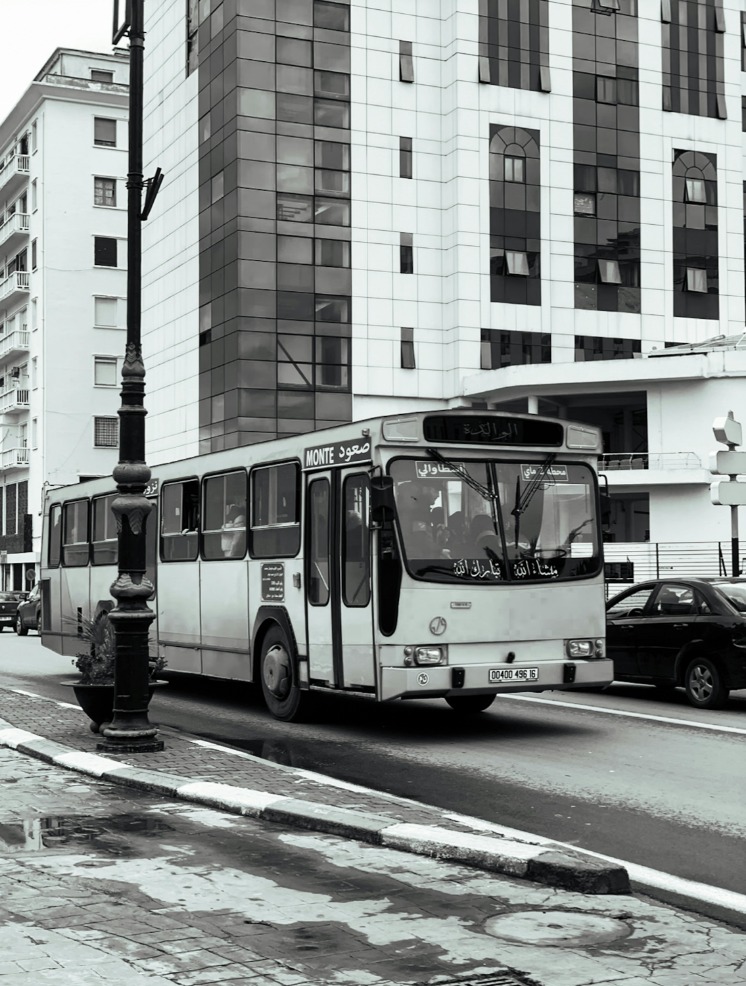

Overview of bus travel in South Africa
Bus travel in South Africa offers an affordable and widely accessible way to explore the country, connecting major cities, towns, and scenic routes across provinces. Intercity operators and local bus networks provide practical options for travelers and residents, with varying levels of comfort and punctuality. To make the most of it, plan ahead by checking schedules, purchasing tickets in advance, and choosing reputable operators.
Geography and travel demand
Bus travel in South Africa provides essential connectivity between major urban centers, peri-urban areas, and rural communities. Intercity buses complement rail and air travel, offering relatively affordable, flexible long-distance journeys for travelers who balance cost and time.
The geography of South Africa is diverse, from the Atlantic and Indian Ocean coastlines to the inland Highveld, Karoo deserts, and mountainous regions. This variety shapes where people live and how far they must travel to access work, education, and services. Major long-distance routes typically follow the country’s main highways, including corridors that connect Cape Town, Johannesburg, Pretoria, Durban, and coastal towns. Mountain passes, savannas, and remote rural roads can influence journey times and the type of vehicles used.
Demand for intercity bus travel is driven by urban commuting needs, regional migration for work, and domestic tourism during holidays and long weekends. Gauteng’s cities generate significant intercity traffic to other provinces, while coastal and inland towns rely on buses to connect residents with services, markets, and educational institutions. Cross-border routes to neighboring countries also support trade and regional tourism, though these services navigate additional regulatory and border-control requirements.
Prominent operators include Intercape and Eldo Coaches, along with regional and local operators that run trunk routes between major cities and inland towns. Long-distance buses typically offer comfortable seating, luggage allowances, and scheduled services that hamper neither time nor comfort. In many regions, minibus taxis remain the backbone of local travel, providing door-to-door connections that complement the longer-distance bus network. Bookings are increasingly made online or via mobile apps, which enhances route transparency and price competition.
Infrastructure and safety influence reliability and passenger experience. Road quality varies across provinces, with tolls, maintenance schedules, and long distances affecting travel times. Regulation and enforcement of driver hours, vehicle standards, and safety checks are important factors for riders choosing reputable operators. Travelers should plan ahead, compare operators, and consider current road conditions and security advisories when scheduling trips.
Looking ahead, improvements in road infrastructure, border-controls for cross-border services, and the integration of intercity buses with other transport modes could shape future travel demand. Innovations such as real-time tracking, contactless payments, and more energy-efficient or greener buses may enhance safety, comfort, and affordability, helping bus travel remain a practical option for many South Africans and visitors alike.
Types of bus services (intercity, long-distance, rural)
Bus travel in South Africa offers a practical and widely used way to move between cities, towns, and rural communities. The network links major urban centers with regional towns, making it an affordable alternative to air travel. Buses range from modern intercity coaches with comfortable seating to smaller services that connect remote areas, and schedules vary by route and season. Travelers should consider safety, road conditions, and timetables when planning trips.
Intercity bus services focus on travel between cities and large towns. They typically run daily or several times a week on key routes, sometimes crossing provincial borders. Intercity coaches provide assigned seating, luggage storage, and varying levels of on-board comfort, depending on the operator. Tickets can usually be booked online, at terminals, or through travel agents, with prices influenced by distance and service level.
Long-distance buses cover extended routes across provinces and can include overnight journeys. These services often offer more comfortable seating, longer legroom, and facilities such as on-board toilets. Operators may provide express options with fewer stops or standard routes that stop at multiple towns. Overnight travel can save on accommodation, but travelers should bring essentials and plan for delays.
Rural bus services connect smaller towns, villages, and farming communities to the wider transport network. They are typically less frequent and can be slower due to road conditions and terrain, yet they are crucial for access to markets, schools, clinics, and government services. In many areas, minibuses or community-operated shuttles supplement formal routes to reach outlying settlements.
Booking and safety tips: check schedules in advance, read recent traveler reviews, and confirm luggage allowances before travel. Arrive early at the terminal, keep valuables secure, and choose reputable operators or well-known terminals. In some regions, weather and road conditions can affect travel times, so allow extra time for connections and plan alternatives if needed.
Overall, bus travel remains a flexible, economical option in South Africa, supporting mobility across urban and rural areas. A mix of intercity, long-distance, and rural services helps people reach work, education, and healthcare while keeping travel accessible and affordable.
Comparison with other modes of transport
Bus travel in South Africa offers a practical way to move between cities and towns, often at a lower cost and with frequent departures. Long-distance coaches connect the major urban centers and popular routes, while regional services cover smaller towns and rural areas.
Some of the best-known bus operators include Intercape, Greyhound SA, City to City (Daily Coach brand), and Baz Bus for backpackers. These operators run scheduled services on major corridors and offer a mix of standard and premium coaches with amenities such as reclining seats, air conditioning, Wi-Fi, and power outlets.
Coverage and routes span the inland and coastal corridors linking Johannesburg, Cape Town, Durban, Port Elizabeth, Bloemfontein, and other centers. Overnight services are common, which helps travelers save on accommodation. Some operators also run cross-border routes to neighboring countries, though the majority of trips are domestic.
Travel time is often competitive for medium distances, and buses can offer door-to-door pickup in cities. Comfort varies by service level; premium coaches provide more legroom and on-board entertainment, while standard services remain economical. Safety and driver training are emphasized by reputable operators, though reviews can vary by route.
Cost is generally lower than air travel for similar distances and often lower than rail on some routes, though prices fluctuate with demand and season. Bus travel also adds value with luggage allowances and the possibility of saving on accommodation by taking overnight services.
Rail travel in South Africa covers long-distance corridors like Johannesburg to Durban or Cape Town to Pretoria using Shosholoza Meyl and the premium Premier Classe on some routes. However, rail services are less frequent and slower for many travelers, making buses a more flexible option in many cases.
For those prioritizing speed and time, air travel can be faster overall, but flights cost more and airport transfers add to total journey time. Airports are often located outside city centers, and security checks can add to the journey.
On the ground, minibuses and taxi taxis remain a vital part of mobility for many South Africans, especially in rural areas and for shorter trips. These options are generally cheaper and highly frequent but can be less predictable and comfortable than long-distance bus services.
Tips for travelers: check schedules in advance, compare operators and service levels, confirm luggage allowances, arrive early at the bus terminal, and consider overnight journeys to save on lodging. Booking online or through agents can secure seats on busy routes.
Bus operators and networks
Bus travel in South Africa is powered by a network of intercity operators and regional services that link major cities with many towns and scenic routes. Leading operators such as Greyhound South Africa and Intercape run long-distance coaches between cities like Cape Town, Johannesburg, Durban, and Port Elizabeth, while smaller services connect rural areas, offering affordable options, frequent departures, and a chance to see the country along the way.
Major intercity operators
Bus travel in South Africa connects major urban centers and tourist destinations with a mix of long-distance services, comfortable coaches, and competitive pricing. The country’s intercity network is anchored by a few large operators that maintain frequent schedules and modern fleets, making road travel a viable option for many travelers.
- Intercape Mainliner — The largest long-distance operator in the country, Intercape runs extensive routes between major cities such as Cape Town, Johannesburg/Pretoria, Durban, Port Elizabeth, East London, and Bloemfontein. Known for comfortable coaches, sleeper options on overnight trips, and a focus on reliability and safety.
- Greyhound South Africa — A long-standing brand offering cross-country services across most major centres, with routes linking Cape Town, Port Elizabeth, East London, Bloemfontein, and Johannesburg, plus regional connections. Services typically include onboard amenities and online booking.
- Translux / City-to-City — A traditional network operated by the Translux group, providing intercity services between hubs such as Johannesburg, Pretoria, Durban, Cape Town, and Port Elizabeth. These services emphasize value, frequent departures, and regional feeder connections.
Travelers should check current timetables and booking options, as routes and availability can change seasonally. Booking in advance on busy corridors helps secure seats, and confirming pick-up points and luggage policies with the operator is advised before travel.
Regional and local services
South Africa’s bus travel network combines long-distance coaches, regional operators, and dense urban networks that connect cities, towns, and rural areas. In many regions, private coach companies operate the backbone of intercity travel, while city and municipal services provide local transport within metropolitan areas.
Long-distance and regional coach operators link major urban centres like Cape Town, Johannesburg, Pretoria, Durban, Port Elizabeth, and East London. The market has seen prominent brands such as Intercape, Translux, and Citiliner. Intercape Intercity operates across multiple routes with extended intercity services and rural links, offering scheduled departures, online booking, and onboard comfort. Translux and Citiliner, historically part of Autopax, have served routes connecting provincial capitals and tourist destinations, and customers may find combined services or seasonal offerings under these brands. In tourist circuits, specialised operators and seasonal services facilitate trips to the Garden Route, the Karoo, and the Drakensberg region, often catering to backpackers and safaris.
In addition to these, some routes are covered by smaller regional operators and shuttle services that focus on particular corridors such as the Western and Eastern Cape coast, the KwaZulu-Natal coast, or the Free State towns. The bus network in rural areas can be less frequent, with some routes relying on linked services or minibus taxis to supplement schedules. Travelers should check current timetables and ticketing options as services may change due to market conditions and regulatory updates.
Local and regional networks within cities are supported by municipal operators and established private outfits. Cape Town’s MyCiTi system is a flagship bus rapid transit network offering high-frequency routes, dedicated lanes, and integrated fare systems in the metropolitan area. Johannesburg operates the Rea Vaya BRT, which provides rapid connections across the city, complemented by conventional bus routes and feeder services. Pretoria, Ekurhuleni, and other municipalities maintain bus services such as Tshwane Bus Services and Metrobus, focusing on commuting patterns, school routes, and feeder links to rail or taxi hubs. Private operators also run commuter services on fixed routes within city limits and between nearby towns.
Rail-bus integration and feeder networks are important for many commuters. In some areas, bus services connect with rail stations to support longer-distance travel, allowing riders to combine a regional coach with local buses or taxis to reach final destinations. The country also has a large informal sector of minibuses and taxi associations that provide last-mile connectivity and flexible routing, particularly in townships and peri-urban areas. While these services can add flexibility, travelers should be mindful of safety, licensing, and roadworthiness standards, and plan for potential variability in service levels.
Practical travel tips: check the operator’s official website or trusted booking platforms for schedules, fares, and service advisories; write down or save ticket numbers and confirmation emails; arrive early for long-distance departures; confirm luggage allowances; and if traveling to remote destinations, verify that onward connections are available. For a smoother experience, use city transit apps where available to track bus arrivals, plan interchanges with rail or coach services, and stay informed about seasonal changes or roadworks that may affect routes.
Minibus taxis and the broader bus ecosystem
Bus travel in South Africa sits at the heart of mobility for millions, providing a mix of formal intercity services and the dense, everyday networks that people rely on for work, education, and social life. The country’s bus ecosystem includes long‑distance coaches, urban and peri-urban routes, and the extensive minibus taxi sector, all operating against a backdrop of regulatory reform, urban planning, and evolving technology.
Intercity and regional services are delivered by a range of private operators, with familiar brands such as Intercape and Greyhound SA offering connections between major cities and tourist destinations. These operators complement rail and air links, providing scheduled and semi‑flexible options for travelers who need to move across provinces. In addition to the larger coaches, there are smaller operators and route‑based services that help fill gaps in the national network, ensuring that many towns and townships stay connected to urban centers.
Minibus taxis form the backbone of urban mobility for many South Africans, offering affordable and frequent travel on a dense web of routes. These vehicles are typically privately owned and operated by taxi associations, with drivers and operators coordinating routes, fares, and pickups in busy townships and inner cities. The minibus taxi sector is highly flexible, often filling gaps left by formal public transport and serving communities on routes that do not have regular bus coverage. While they provide essential access, the sector also faces challenges around safety, reliability, and standardization, which policymakers are actively seeking to address through regulation and integration into broader transport networks.
The regulatory framework for bus travel in South Africa is anchored in national transport policy and local implementation. The National Land Transport Act and the work of the National Public Transport Regulator support licensing, route allocation, vehicle and driver standards, and the gradual integration of minibus taxis into integrated public transport networks. Public Transport Operating Licences (PTOs), route permits, and municipal transport plans help coordinate services, reduce conflicts between operators, and align fares and service quality with mobility goals across provinces and cities.
Beyond the core operators and taxis, South Africa’s bus ecosystem is being reshaped by city-level initiatives and transit innovations. Bus rapid transit (BRT) networks such as Cape Town’s MyCiTi and Johannesburg’s Rea Vaya provide high-capacity, reliable urban travel with dedicated lanes, sheltered interchanges, and prioritized signaling. Other cities are piloting or expanding BRT and bus‑based systems, often paired with park‑and‑ride facilities and integrated ticketing to improve journey times and convenience. The broader ecosystem is also moving toward cleaner fleets, with trials and deployments of electric and hybrid buses, digital ticketing, real‑time passenger information, and larger depots and maintenance facilities to support professionalized operations.
For travelers, the growing emphasis on integration, safety, and affordability offers clearer, more predictable options, but it also requires ongoing collaboration among operators, regulators, and municipalities. The future of bus travel in South Africa will likely hinge on stronger intermodal connections, fare integration across services, improved safety and accessibility, and a continued push to formalize and professionalize the minibus taxi sector while preserving its critical role in delivering affordable transport to millions of South Africans.
Ticketing, booking, and fares
Traveling by bus in South Africa combines convenient ticketing, straightforward booking, and competitive fares across a wide network of intercity and local services. Most operators offer online booking and mobile apps, with counter purchases available at major terminals. Fares vary by distance, service level, and peak versus off-peak travel, with discounts often available for students, seniors, and return journeys.
Online portals and mobile apps
Ticketing, booking, and fares for bus travel in South Africa are now mostly handled online through operator portals and mobile apps, making it easier to plan intercity trips and compare prices.
- Online portals and websites: Use the official sites of major operators such as Intercape and Greyhound SA, plus regional operators, to search routes, check schedules, and book seats.
- Mobile apps: Many operators offer apps or wallet integrations that display your itinerary, provide e-tickets as QR codes, and send real‑time updates about delays or gate changes.
- Booking steps: Enter origin and destination, pick a date, select seats, add passenger details, and receive an e-ticket by email or within the app.
- Ticket delivery and validation: E-tickets are typically valid on mobile devices; some terminals or drivers may require printed copies or the QR code for boarding.
- Fares and discounts: Fares vary by distance, demand, time of travel, and promotions; look for early-bird, off-peak, student, and pensioner discounts where available; check for all‑inclusive fares or extra charges for luggage.
- Payment methods: Most portals accept credit/debit cards and mobile wallets; some also offer EFT or cash payments at terminal counters.
- Luggage and boarding policies: Check luggage allowances per operator; additional fees may apply for excess or oversized items; arrive early to complete check-in formalities.
- Tips to save: Book in advance, compare routes and operators via aggregators, travel midweek or during shoulder seasons, and watch for promotional codes.
- Coverage and routes: Major corridors connect Johannesburg, Pretoria, Cape Town, Durban, Port Elizabeth, and East London, with seasonal or charter services for certain tourist routes.
Pricing structures, discounts, and payment methods
Ticketing, booking, and fares for bus travel in South Africa involve multiple channels and fare structures. Travelers can typically compare prices across operators, choose from standard and premium seating options, and secure seats well in advance or closer to departure depending on availability and demand.
Booking channels include official operator websites and mobile apps, dedicated call centres, and at terminal booking counters. Many operators also partner with travel agents and online travel platforms. E-tickets are commonly issued and delivered by email or SMS, while some services allow customers to print tickets at a terminal kiosk or pick up at the counter with a booking reference.
Pricing structures in South Africa vary by operator and route. Common models include distance-based pricing, fixed-route fares, and tiered classes such as standard and premium seating. Some routes offer return fares, round-trip discounts, or multi-ride passes. Peak travel periods and high-demand routes may feature higher fares or limited-seat promotions, while off-peak times can include lower prices or last-minute specials.
Discounts are widely used to attract different passenger groups. Students, seniors, pensioners, children, and large groups often qualify for reduced fares with valid ID or documentation. Some operators run promotional discounts during off-peak seasons or specific events. Loyalty programs and membership passes may provide additional savings for frequent travellers, while package deals that bundle city transfers or sightseeing options are also available on certain routes.
Payment methods generally cover credit and debit cards, including Visa and MasterCard, as well as electronic funds transfer (EFT). Cash payments at counters or on board may be accepted by some operators, though many prefer digital payments for speed and security. Mobile wallet options such as local payment apps are increasingly supported, and some platforms offer QR code payments or pay-at-terminal features for convenience. Always verify the accepted methods during the booking process to avoid last-minute issues.
Cancellation, refunds, and changes policies differ by operator and fare type. Flexible or semi-flexible fares usually allow changes with a small fee, while non-refundable fares offer limited or no refunds. Name changes on a booked ticket are often not permitted, or may incur a fee. It is advisable to review the specific terms at the time of booking, particularly for long-distance or high-demand routes, and to keep the booking reference and e-ticket readily accessible during travel.
Season passes and loyalty programs
Ticketing, booking, and fares for bus travel in South Africa have evolved with digital platforms, making it easier to plan journeys across major cities and provincial towns. Travelers can compare options, choose service levels, and secure seats before departure through a mix of online and offline channels.
Booking channels commonly include operator websites, mobile apps, ticket offices at city depots, and travel agents. Many operators support phone bookings as well, with payments typically accepted by credit or debit cards, EFT, and some mobile wallet options. E-tickets delivered by email or as mobile passes are increasingly standard, reducing the need to print tickets.
Fare structures in South Africa’s bus network vary by distance, service tier, and travel time. Prices usually depend on how far you are traveling, whether you select a standard or premium service, and if you book a one-way or return journey. Peak travel periods, such as holidays and weekends, can see higher fares, while off-peak departures may offer savings.
Discounts and concessions are commonly available for specific groups. Students, seniors, and pensioners may qualify for reduced fares, while group bookings can unlock bulk-rate discounts. Some operators also offer promotional fares during sales windows, so it pays to monitor official channels for special deals.
Season passes are popular with frequent travelers on fixed routes. A season pass typically covers a set number of trips or unlimited travel within a defined period (monthly, quarterly, or annually) on particular corridors or routes. These passes can simplify budgeting and may include added perks such as priority seating or reserved slots, depending on the operator.
Loyalty programs reward regular riders with points or tiers that translate into savings or benefits. Common features include earning points per trip, redeeming points for discounts on future bookings, tiered status with escalating benefits, and occasional exclusive sale access or priority boarding. Always check the terms to understand how points accrue and expire, as well as any blackout dates or route restrictions.
To get the best value, compare prices across operators for the same route and travel date, and consider whether a season pass or loyalty program will pay off based on your typical travel pattern. Read cancellation and change policies, particularly for promotional fares, and be aware of any fees. Delivering documents or IDs that may be required for certain concessions will help avoid delays at purchase or boarding.
When you book, keep your confirmation, e-ticket, and any loyalty or season-pass details accessible on your phone or printed. On travel day, arrive with ample time to spare for check-in, luggage handling, and any route-specific boarding procedures. By leveraging the booking options, fare varieties, and loyalty benefits available in South Africa, you can tailor bus travel to your budget and schedule.
Routes, schedules, and reliability
South Africa’s bus network connects major cities and rural towns with long-haul and regional services. Routes span from Johannesburg and Pretoria to Cape Town, Durban, Port Elizabeth, and other destinations, with schedules published by multiple operators. Reliability varies by operator, route, and outside conditions, so it’s wise to verify current timetables, leave extra time for delays, and choose established operators for a smoother trip.
Popular long-distance routes
South Africa’s long-distance bus network links major cities across diverse scenery, offering a practical alternative to flying or driving. This article focuses on routes, schedules, and reliability, and highlights popular long-distance journeys travelers often choose.
Key considerations for routes and schedules include how often buses run, whether there are overnight services, and how reliable timetables are in practice. Schedules can vary by season, operator, and road conditions, so it’s wise to confirm online close to your travel date and to book in advance, especially for peak periods.
- Cape Town to Johannesburg — The backbone of SA long-distance travel, with several operators offering daily departures. Travel time is typically in the 18–24 hour range, and overnight services are common. Reliability is generally good, but delays can occur due to weather, roadworks, or heavy traffic near major hubs. Booking ahead and checking live timetable updates helps secure a seat and timing you’re comfortable with.
- Cape Town to Port Elizabeth (Gqeberha) — A popular coastal route along the N2. Journeys usually take about 12–16 hours, with multiple daily departures plus some overnight options. Reliability is solid, though traffic along the coast and road conditions can cause occasional delays. Advance booking is recommended during holiday periods.
- Johannesburg to Durban — A frequently chosen route to the coast, typically around 6–9 hours depending on stops and traffic. There are several daytime departures and some night services. Reliability is generally good, but highway congestion and maintenance work on major arteries can affect arrival times. Booking ahead helps ensure preferred departure times.
- Johannesburg to Bloemfontein — A central, popular corridor with several daily departures. Travel times are usually in the 5–7 hour range, making it convenient for day trips or overnight connections. Reliability is decent, with fewer delays than longer coastal runs, though weather and road conditions can still impact schedules.
- Pretoria (or Johannesburg area) to Port Elizabeth — A longer cross-country option connecting the Highveld with the Eastern Cape. Typical durations run around 11–14 hours, with a mix of daytime and overnight departures. Reliability is generally good, but travelers should verify current timetables, as service frequencies can vary by operator and season.
Tips for planning: always check the operator’s official timetable close to departure, read recent traveler reviews for reliability insights, and book in advance for the best seats and price. Consider overnight services to save on accommodation, and pack essentials for long hours on the road, including water, snacks, and a small pillow or blanket for comfort.
Timetables, frequency, and peak travel periods
Bus travel in South Africa offers a diverse network of intercity and regional services that connect major cities with towns and coastal destinations. Schedules and reliability depend on the operator, route, and road conditions, so it helps to plan ahead and stay flexible.
- Routes and networks: The main corridors run along the N1 and N3 linking Johannesburg, Pretoria, Bloemfontein, and the northern and central cities; the N2 connects the coast from Cape Town to Durban with key stops along the way; regional services extend into KwaZulu-Natal, the Eastern Cape, the Free State, and the Northern Cape, with feeder routes to smaller towns.
- Schedules and reliability: Intercity bus operators publish timetables, but punctuality varies. Factors such as traffic, roadworks, weather, and operational delays can affect on-time performance. Checking live updates or contacting the operator before departure helps.
- Timetables and frequency: On busy intercity routes, buses may run multiple departures per day; on less-traveled routes, departures might be once daily or even less. Night services exist on some corridors, but daytime travel is most common. Booking in advance is recommended, especially during holidays.
- Peak travel periods: Peak travel typically occurs on Friday afternoons, Sunday evenings, public holidays, and during school and long holidays. Expect higher fares, busier terminals, and the need for earlier ticket purchases during these times.
- Tips for travelers: Use reputable operators, verify pickup and drop-off points at major stations, comply with luggage limits, carry identification, and consider travel insurance in case of delays. If you have limited time, direct routes are usually faster than routes with transfers.
Handling delays, cancellations, and disruptions
South Africa’s intercity bus network connects major cities across the country, offering affordable travel and a chance to see the country from the road. Routes typically link Johannesburg and Pretoria with coastal and southern cities such as Cape Town, Durban, Port Elizabeth, and Bloemfontein, with branch services to regional towns along the major highways. Operators range from long-standing national carriers to regional providers, and many services run daily or several times a week depending on demand and the route.
Routes and schedules vary by operator and corridor. Shorter day trips between hubs may depart in the morning and arrive by early afternoon, while longer journeys often depart late in the evening or overnight, letting you sleep on the road and arrive at your destination at dawn. The most popular corridors tend to have more frequent departures, while rural or regional routes may have fewer daily options or limited services on weekends and holidays. Online booking and mobile apps are common for viewing departures and securing seats.
Reliability and on‑time performance depend on several factors, including traffic, weather, and roadworks. In dense city areas, delays from peak-hour congestion are common, while long-distance trips can be affected by highway incidents or detours. While many operators aim to keep to published times, it’s wise to plan for potential delays and to have backup options if connections or onward travel are involved.
If a bus is delayed, contact the operator via the customer service line or app to confirm status and any updated departure times or alternative arrangements. Terminal staff can assist with rebooking or refunds if delays cause you to miss connections. Have your booking reference and ID ready, and check whether your ticket allows transfers or refunds. Where possible, consider purchasing flexible or semi‑flexible tickets to reduce disruption costs.
Cancellations and disruptions can occur due to mechanical issues, road closures, traffic incidents, or safety concerns. In many cases, operators will offer a replacement service, an alternative route, or a full refund. If you need to cancel, request a refund or credit in line with the operator’s policy and keep all confirmations. Travel insurance can provide additional coverage for non‑refundable tickets in case of major disruptions.
Practical planning helps minimize disruption. Check schedules close to your travel date, especially around holidays, and book in advance to secure a seat on your preferred route. Pack light but bring essentials such as water, snacks, a charger, and any required medications. Choose reputable operators, observe luggage allowances, and be aware that pickup and drop-off points may be outside central areas. Allow extra time for traffic when reaching stations or terminals.
On‑board experience and safety can vary by operator and vehicle. Many intercity buses offer basics like comfortable seating, air conditioning, and sometimes Wi‑Fi or charging outlets, but service levels differ. Keep valuables secure, stay seated while the vehicle is moving, and follow crew instructions. If you’re traveling overnight, choose a well-reviewed service and consider a quiet, rested arrival point in a safe urban area.
Travel planning in South Africa benefits from a mix of online resources, operator apps, and local guidance. Bus travel is a practical, economical option between major centers and regional towns, though it is slower than flying and can be affected by disruptions. By choosing reliable operators, monitoring schedules, and keeping flexible with plans, travelers can navigate the country’s bus network with confidence.
Boarding points, stations, and passenger experience
In South Africa, bus travel begins at clearly marked boarding points and busy stations where schedules, routes, and safety notices guide passengers. Helpful staff, clear queues, and efficient ticketing make boarding smooth, while frequent services link urban centers with rural towns. Onboard, passengers enjoy comfortable seating, climate control, and real-time updates that enhance the travel experience.
City central terminals vs. rural stops
Bus travel in South Africa weaves together city central terminals and rural stops, shaping boarding points, stations, and the passenger experience across a diverse landscape of towns and routes. Intercity operators such as Intercape and other national services connect major metros with smaller towns, offering a mix of comfort levels and schedules that reflect the country’s geography and demand.
Boarding points in city central terminals are typically enclosed, with clearly marked bays, ticket counters, security, and regular announcements. Rural stops, by contrast, can be simple shelters or roadside picks often without much shade or seating, and departures may be irregular. Travelers should arrive well in advance at rural stops, and be prepared for exposure to weather or limited amenities during waits.
Stations in urban hubs usually provide multiple platforms, staffed information desks, luggage handling options, restrooms, and easy access to connecting buses, taxis, and local transit. Rural depots or stops tend to be leaner, with fewer staff and basic facilities, making planning and patience important for a smooth handoff to the next leg of the journey.
From a passenger perspective, city central terminals tend to offer more booking options (online, mobile apps, or counters), a wider selection of daily departures, and better predictability due to centralized scheduling. Rural routes may present fewer departures, more variability in arrival and departure times, and variations in comfort or legroom depending on the operator and vehicle. Cash payments and on-board arrangements are more common at smaller stops in some cases.
Choosing between city central terminals and rural stops involves weighing convenience against direct access. City hubs maximize safety, reliability, and connectivity to other transport modes, but can be crowded and farther from certain neighborhoods. Rural stops provide direct access to smaller towns and scenic routes, often at lower prices, but offer less consistent schedules and more limited facilities. Planning ahead and using reputable operators helps ensure a smoother experience across South Africa’s bus network.
Practical tips: check the operator’s schedule online before you travel, book in advance when possible, arrive early at the terminal or stop, carry your ID and booking reference, and pack light for easier handling at transfers. If you’re unfamiliar with a rural stop, ask staff or locals for guidance, and stay aware of your belongings in any busy or semi-private waiting areas.
Facilities at stations and waiting areas
Bus travel in South Africa connects major cities and rural towns with affordable fares and extensive route coverage, making it a popular choice for both locals and travelers.
Boarding points are usually at central bus terminals or designated bays in city centres, often shared by several operators. Tickets are checked at the gate or by staff on arrival at the platform, and staff may scan your booking on a mobile device. Arrive early to queue, especially during holidays or long weekends. Luggage is loaded in the hold and carry-ons stay with you; keep valuables secure and know your luggage allowance.
Stations vary by city but typically offer a combination of ticket offices, security, signage, and waiting areas. Major hubs may host several operators under one roof, with clear platforms and boarding gates. You will often find restrooms, vending machines, and small cafes, as well as information desks to help with directions, timetables, and platform numbers.
Passenger experience is shaped by the bustle of the terminal, the friendliness of staff, and reliability of services. Buses are usually clean, comfortable, and climate-controlled where available, and drivers are familiar with scenic routes through coastlines, highveld, and savannah. Multilingual announcements and staff support help travelers who speak different languages.
Facilities at stations commonly include clean toilets, shaded or air-conditioned waiting areas, seating, water points, and charging outlets for devices. Some terminals offer Wi‑Fi, ATMs, and shops selling snacks, bottled water, and basic supplies. Accessibility features such as ramps and designated seating are increasingly available but can vary by terminal, so it’s wise to check in advance with the operator.
Waiting areas can range from simple benches to more comfortable lounges. In busy hubs, security presence and lighting contribute to a sense of safety, while good signage helps you locate your bay quickly. Keep your belongings close, use lockers if provided, and be mindful of your surroundings, especially during late-evening departures.
Practical tips for a smooth trip include checking your operator’s departure point in advance, arriving 30–60 minutes early, and having a printed or digital ticket ready. Note bay numbers and any gate changes, and be wary of unofficial touts around major terminals. If you have special needs, contact the operator ahead of time to arrange assistance or seating.
South Africa’s intercity bus network offers a practical, affordable way to explore the country, with growing attention to passenger comfort and terminal facilities that support a secure and comfortable waiting experience.
Luggage policies and handling
Bus travel in South Africa hinges on clear boarding points and well-organized stations, which shape the efficiency and comfort of every journey. Across major cities you’ll encounter a mix of purpose-built intercity terminals, central taxi ranks, and city coach depots operated by national and regional operators.
Key boarding points and stations vary by city but are typically listed on your ticket or the operator’s app. In major urban centres you will often depart from central intercity terminals such as Johannesburg Park Station, Pretoria Station, and Cape Town Station on Adderley Street, with additional depots and pickup points spread around the city centre. Durban, Port Elizabeth, Bloemfontein, and other large towns usually rely on a main terminal or a designated city coach stop. Always verify your exact boarding point when you book, and allow extra time for busy periods or if you are unfamiliar with the area.
Passenger experience on South African intercity coaches can vary by operator, route length, and time of day. Many long-distance buses offer forward-facing seats with reasonable legroom, air conditioning, and clean interiors. Some services provide onboard Wi-Fi, smartphone charging sockets, and occasional refreshments, while others emphasize a simpler, no-frills experience. Rest stops are standard on longer journeys, giving travellers a chance to stretch legs, use restrooms, and buy snacks. Boarding procedures are typically announced in the station and on the bus, with staff available to help new passengers find their seats and store luggage safely.
Luggage policies and handling are an important part of the journey. Most intercity operators permit one or two checked bags per passenger and a small carry-on or personal item. Weight limits and fees for extra bags can vary, so it’s best to check your operator’s published baggage rules before travel. Bags are tagged and loaded into the cargo area beneath the bus, while any valuables and essential items should stay with you in a carry-on or personal bag. Prohibited items include dangerous goods and anything that could endanger other passengers; fragile items should be packed securely to withstand handling.
At the station and on the bus, luggage handling is usually carried out by station staff and the bus crew. Bags are tagged at the check-in point and loaded into secure undercarriage compartments. On arrival, passengers collect their belongings from a designated baggage claim area at the destination terminal. If a bag goes missing or is misrouted, contact the operator’s help desk or the station staff with your baggage tag number and booking reference to start a trace and recovery process.
Helpful tips for a smoother experience include arriving early to locate your boarding point and complete any ticket checks, keeping your booking reference and ID handy, and labeling bags clearly. For longer trips, carry essentials in your hand luggage in case of delays or a quick refresh during a stop. If you have mobility needs or require assistance boarding, contact your operator in advance so staff can arrange suitable seating or elevator access where available.
Overall, intercity bus travel in South Africa offers broad coverage with competitive prices, making it a popular option for both locals and visitors. By understanding boarding points, the facilities at major stations, the passenger experience, and luggage handling rules, you can plan a smoother trip from departure to arrival.
Onboard amenities and comfort
Bus travel in South Africa connects towns and cities through a network of long-distance coaches. Boarding points and terminals are typically located at central city hubs or purpose-built intercity depots, with some operators also using central bus stops near malls or transport nodes.
Booking and boarding are straightforward: reserve seats online or at the terminal, keep your booking reference, and arrive 15 to 30 minutes before departure. Luggage allowances vary by operator, with larger bags placed in the hold and smaller bags brought on board. At the gate you may need to present ID and your ticket.
Stations and terminals in major cities tend to be well equipped, with ticket counters, waiting areas, restrooms, vending, and security. On longer routes you may transfer between coaches at the same terminal or during scheduled stops, depending on the operator.
The passenger experience is generally straightforward and efficient. Staff guide boarding, announcements are often in English and local languages, and the process is normally orderly. Clean coaches, helpful drivers and conductors, and clear signage help travellers find their way, even if the station is busy.
Onboard amenities and comfort vary by operator, but many long-distance coaches offer air conditioning, comfortable seats with reasonable legroom, and adjustable headrests. Some services include USB charging ports or power outlets, onboard Wi-Fi, and even an onboard toilet on the bus or at least some stops with sanitation facilities.
During the journey you can usually expect periodic rest stops at service stations or town centres for food, bathroom breaks, and a stretch. Scenic routes through South Africa’s landscapes add to the travel experience, while longer drives are balanced by comfortable seats and steady driving.
Safety and accessibility are important considerations. Reputable operators enforce seat belts where fitted, provide safety briefings, and offer wheelchair accessible seating or assistance where available. It’s wise to contact the operator in advance if you require accessibility services or have special seating needs.
Practical tips for travellers include using official terminals, verifying the terminal location, and keeping your ID and booking references handy. Bring a small bag for essentials on board, check the cancellation or change policy before buying, and have a preferred payment method ready for a smooth experience from check-in to boarding.
Safety, regulation, and passenger rights
Safety, regulation, and passenger rights shape every bus journey in South Africa. National transport authorities set vehicle standards, driver qualifications, licensing, and route compliance to ensure secure travel, while passengers enjoy clear rights to reliable service, transparent fares, and accessible complaint mechanisms. Together these rules promote safe, fair, and dignified bus travel across the country’s networks.
Regulatory framework and licensing
Safety, regulation, and passenger rights are central to bus travel in South Africa, where a layered framework brings national, provincial, and local responsibilities together to deliver safe, reliable, and accessible services for all travelers.
Safety standards and vehicle maintenance are fundamental requirements for bus operators. Buses must meet roadworthiness criteria, undergo regular inspections, and be maintained to high standards. Operators should implement driver training, health checks, and fatigue management to promote safe driving practices, as well as ensure proper safety equipment, clear emergency procedures, and accessible facilities where feasible.
Licensing and permits are the mechanism by which public transport services are authorized. Operators apply to the appropriate regulator for operating licenses or route permits that define the service type (scheduled or unscheduled), the routes, timetables, and capacity. Permits are subject to ongoing compliance checks and may be suspended or withdrawn if safety or service standards are not met. In addition, drivers of passenger vehicles typically must hold a Professional Driving Permit and meet medical and competency requirements to operate commercially.
Passenger rights are protected through information transparency, safety commitments, and accessible channels for feedback. Passengers should receive clear fare information, accurate timetables, and up-to-date route details. Where services are delayed or cancelled, passengers may be entitled to refunds or alternatives provided by the operator. Accessibility for people with disabilities should be considered, with reasonable accommodations and clear guidance available at terminals and on vehicles.
Regulatory framework and licensing involve collaboration among national bodies, provincial regulators, and local authorities. Regulators oversee operator registrations, vehicle compliance, route approvals, and service performance, while enforcement actions ensure that safety rules, licensing conditions, and fare practices are upheld. This structure aims to improve reliability, reduce risk on the roads, and build public trust in bus travel.
For travelers, practical rights include verifying that a bus service is licensed to operate on a given route, understanding the fare and timetable, and knowing how to lodge complaints with the regulator or operator if issues arise. Keeping receipts and noting service details can support any claim for refunds or compensation when services fall short of agreed standards.
As South Africa continues to modernize its public transport system, ongoing emphasis on safety culture, transparent licensing processes, and robust passenger rights protections will help ensure that bus travel remains a dependable, safe, and inclusive option for all communities.
Passenger safety practices
Safety, regulation, and passenger rights are central to bus travel in South Africa. This overview highlights the key safety practices, the regulatory framework, and the rights passengers can expect when using intercity and urban bus services.
- Regulatory framework and oversight: Public transport in South Africa is governed by the National Land Transport Act and related regulations. Operators require Public Transport Service Licences and route permits, with regular vehicle inspections and safety checks. The Road Traffic Management Corporation and traffic authorities enforce compliance on vehicle fitness, driver hours, and safety equipment.
- Vehicle safety and maintenance: Buses should be roadworthy, with functioning brakes, tires, lights, and emergency exits. Operators are expected to perform pre-trip checks, schedule maintenance, and keep maintenance records. Many intercity coaches are equipped with seat belts where fitted, along with fire extinguishers and first aid kits.
- Driver and staff responsibilities: Drivers must hold valid licenses, comply with speed limits and fatigue management rules, and prioritize passenger safety. Staff should assist with boarding, luggage handling, and addressing passenger queries or concerns in a respectful manner. Security measures, such as on-board monitoring and clear emergency contact information, help protect travellers.
- Passenger rights and information: Passengers have the right to clear information about routes, stops, fares, and timetables; accurate scheduling and transparent refund or cancellation policies; and accessible services for travellers with disabilities where available. Consumers can lodge complaints with operators or regulators if standards are not met, and regulators provide avenues for redress.
- Accessibility and discrimination protections: Public transport providers should make reasonable accommodations for travellers with disabilities and avoid discriminatory practices. This includes accessible boarding points, assistance when boarding or alighting, and appropriate seating arrangements where available.
- Practical safety tips for passengers: Arrive early and use licensed operators, keep belongings secure, wear seat belts if provided, remain seated while the bus is moving, and follow crew instructions. Use designated stops and be mindful of doors and luggage stored safely in designated areas to prevent trips or injuries.
- What to do in case of issues or incidents: If you experience problems or witness unsafe conditions, note the operator and vehicle details, seek assistance from the crew, and report the issue to the operator and relevant regulatory bodies. Preserve receipts and records for any insurance or compensation claims, and seek medical attention if needed.
Understanding these practices helps travellers choose safer services and exercise their rights effectively on South African buses.
What to do in disputes or incidents
Traveling by bus in South Africa is a common and affordable option, and safety, clear regulation, and strong passenger rights are there to protect you and help resolve issues quickly when they arise.
Safety standards and operator responsibilities: Bus operators must hold the necessary licenses and operate under the national and provincial transport frameworks. Vehicles should be maintained in a roadworthy condition, with regular inspections and appropriate safety equipment. Drivers should be properly trained and licensed, comply with traffic laws, and follow standard operating procedures. Where seat belts are fitted, passengers should use them, and safe boarding and alighting practices should be observed. Operators should provide clear travel information, accessible complaint channels, and timely maintenance of facilities and services.
Passenger rights: You have the right to accurate ticketing and pricing, clear information about routes and schedules, and safe, reliable travel. If a service is delayed, cancelled, or misrepresented, the operator should offer a transparent process for refunds, rescheduling, or compensation in line with published policies and regulator guidelines. Luggage handling, accessibility for people with disabilities, and respect for passengers’ dignity and privacy are also important. Keep your ticket or booking reference and any receipts as proof of your agreement with the operator.
What to do in disputes or incidents: Put safety first. If there is an emergency, call emergency services or the local police. If it is safe, record the facts: operator name, vehicle registration, route, time, location, ticket details, and the names and contact details of any witnesses. Take photos if appropriate. Notify the driver or the operator’s control room and ask for a written incident report or reference number. Hold onto your ticket, receipts, and any medical reports. If the operator does not resolve the issue satisfactorily, escalate the complaint to the appropriate transport regulator (national or provincial) with a written account and supporting evidence. You may also contact the National Consumer Commission for consumer-rights complaints, or SAPS for criminal matters or serious safety concerns.
Regulators and consumer protection: The transport regulator or provincial regulator oversees licensing, vehicle safety, service standards, and operator compliance. They can investigate complaints, enforce corrective action, and publish safety or service guidelines. The National Consumer Commission handles consumer-rights complaints relating to unfair practices, misrepresentation, or poor service. For urgent safety concerns, contact emergency services or the police. Always follow the regulator’s formal process to ensure your complaint is tracked and acted on.
Practical tips for safer journeys: Check your trip details before you travel, including the operator, vehicle, departure time, and arrival. Keep your ticket or booking reference and photograph important details if you can. Choose reputable operators, avoid unlicensed or visibly unsafe vehicles, and report any hazards or suspicious activity to the operator and regulator. If you are travelling with children or individuals with disabilities, plan for accessibility needs in advance and know who to contact for assistance.
Accessibility, inclusion, and affordability
Accessibility, inclusion, and affordability are essential pillars for bus travel in South Africa. A truly accessible system provides barrier-free routes, clear information, and adaptable transport options for commuters with disabilities, the elderly, and families. By prioritizing inclusive services and affordable fares, bus networks can connect underserved communities to jobs, education, and healthcare, helping more South Africans move around with dignity and independence.
Accessibility for people with disabilities
Accessibility, inclusion, and affordability are essential pillars of bus travel in South Africa, ensuring that people with disabilities can travel with dignity, independence, and equal opportunity to participate in daily life.
Urban bus networks have begun to include accessible features such as low-floor buses, boarding ramps, kneeling features, wide doors, and dedicated spaces for wheelchairs and assistive devices. Cities like Cape Town and Johannesburg have implemented these features on some routes, though the full accessibility of the network remains uneven.
Inclusion also requires accessible information and staff support: signs and announcements in multiple languages, audible and visual travel information, braille or large print materials, and trained drivers and customer service staff who can assist passengers with disabilities.
Affordability is a critical piece: public bus fares are generally cheaper than private transport, and some municipalities offer discounted or subsidized fares for people with disabilities, the elderly, or students. However, for many, costs associated with travel—such as shorter, less predictable routes or the need to transfer between services—can still be a barrier.
Despite progress, barriers remain, especially outside big cities: older vehicles, limited accessible stops, uneven route coverage, and insufficient investment in maintenance and accessibility features.
To advance accessibility, inclusion, and affordability, a combination of actions is needed: accelerate the rollout of low-floor, accessible buses across networks; ensure universal design for stops and stations; provide multilingual and accessible travel information; train staff; implement reliable complaint and feedback channels; and explore affordable fare models and subsidies.
Collaboration between national and provincial transport authorities, municipal transit agencies, bus operators, disability organizations, and the public is essential to measure progress and hold systems accountable.
With sustained investment and inclusive planning, bus travel in South Africa can become safer, more navigable, and more affordable for people with disabilities, strengthening their participation in everyday life.
Rural connectivity and fare affordability
Accessible, inclusive and affordable bus travel is essential for South Africa’s diverse communities, connecting rural areas to jobs, healthcare, education, and social services. Building mobility justice means prioritizing accessibility for people with disabilities, ensuring fare affordability, and expanding rural routes so that residents can reach essential services without long detours or high costs.
- Accessibility and inclusion: Buses with low floors, ramps or lifts for wheelchairs, priority seating, clear signage, audible and visual stop announcements, and staff trained to assist passengers with diverse needs.
- Rural connectivity and service design: Expanding routes to underserved rural towns, coordinating with rail and minibus taxi networks, and deploying flexible or demand-responsive services where fixed routes are not viable.
- Fare affordability and subsidies: Keeping base fares affordable through government subsidies and social tariffs for students, seniors, and low-income riders, with transparent pricing and minimal hidden charges.
- Reliability and safety: Maintaining punctual schedules, enforcing safety standards, well-lit stops, CCTV on vehicles, driver training, and accessible reporting mechanisms for concerns.
- Public-private and government collaboration: Coordinating between metropolitan operators, provincial and national transport authorities to share data, integrate fare systems, and maintain fleets sustainably.
- Technology and information access: Real-time trip information in multiple languages, offline-capable apps, SMS updates for areas with limited connectivity, and inclusive payment options (cash, cards, mobile wallets).
- Community engagement and inclusive planning: Involving disability groups, rural communities, students, workers, and local councils in route design, hours of service, and fare policy to reflect diverse needs.
- Economic and environmental impact: Affordable bus travel lowers barriers to employment and education, reduces traffic and emissions, and supports local businesses by improving access to markets.
Strategic investment in accessibility, inclusion and affordable fares for bus travel can transform South Africa’s mobility landscape, bridging urban-rural gaps and supporting inclusive growth across the nation.
Language and information accessibility
Public bus travel in South Africa is a vital link for millions, yet its potential for accessibility, inclusion, and affordability depends on design, policy, and everyday practice. This article explores how language and information accessibility intersect with physical access and price to shape a more inclusive bus system.
Accessibility in the bus system covers physical access to vehicles and stations, service reliability, and usable information. Low-floor buses, ramps or kneeling mechanisms, priority seating, and space for wheelchairs or strollers help remove barriers at the point of travel. Clear wayfinding inside depots and on routes, audible and visual stop announcements, and accessible fare readers are equally important to riders with vision or hearing differences.
Inclusion goes beyond accessible equipment to how a system respects diverse communities. Staff training on disability awareness, gender and age sensitivity, and multilingual support helps make riders feel welcome. Signage, announcements, and customer service that reflect South Africa’s language richness reduce confusion and promote participation for everyone, including people with limited literacy or new arrivals.
Affordability is essential to equal access. Public subsidies, discounted fares for students, pensioners, and unemployed riders, and affordable monthly passes can keep bus travel within reach for low-income households. Transparent pricing, clear terms, and predictable fare changes help riders plan trips without fear of sudden costs.
Language and information accessibility are critical for usable transport. Timetables, route maps, and safety notices should be available in major South African languages and in clear plain language. Digital tools like apps and websites should offer translations, offline access, and simple interfaces, while printed materials remain available for areas with limited connectivity.
Despite progress, gaps remain. Rural and peri-urban routes often lack reliable service and accessible vehicles. Maintenance backlogs, inconsistent driver training, and limited multilingual staff can hinder trust. The digital divide means not all riders can access real-time updates through apps or SMS.
To advance true accessibility, inclusion, and affordability, policymakers, operators, and communities can collaborate on universal design standards, targeted subsidies, and routine accessibility audits. Invest in diverse language signage, tactile maps, and audible announcements; ensure vehicles, stops, and stations are wheelchair accessible; offer both digital and print information; and train staff to assist riders with varying needs.
By centering language equity, affordable pricing, and inclusive service design, bus travel in South Africa can become a more welcoming and practical option for all riders.
Environmental and social impact
Bus travel in South Africa offers a powerful environmental and social opportunity: when people choose buses over private cars, urban air quality improves and greenhouse gas emissions fall, while better fuel efficiency and potential electric fleets reduce dependence on fossil fuels. Culturally and socially, reliable bus networks expand access to jobs, education, healthcare, and markets for low-income communities, especially in rural towns and sprawling townships, promoting greater equity and mobility. Realizing these benefits depends on safe, affordable, and reliable services, investment in infrastructure and maintenance, and inclusive planning that connects marginalized communities to economic centers without compromising safety and dignity for all riders.
Emissions, fuel efficiency, and environmental initiatives
Public bus travel in South Africa is a vital component of urban and rural mobility, providing affordable transport that connects townships with city centers, employment hubs, and essential services.
Environmental and social impact: Buses reduce private car use, easing congestion and lowering emissions per traveler when services are well-used; improved air quality, especially in dense urban areas; they enable more inclusive mobility by offering affordable options for people with limited access to private vehicles; they also create jobs in operations, maintenance, and supply chains.
Emissions and fuel efficiency: The environmental footprint of buses depends on age, fuel type, and driving patterns. Diesel buses can emit particulates and nitrogen oxides, contributing to urban air pollution. Replacing old fleets with newer, cleaner engines and using low-sulfur diesel or alternative fuels can reduce these pollutants. Hybrid and electric buses offer opportunities to improve fuel efficiency and cut emissions, while improving engine efficiency and regenerative braking. Operational factors like route design, idling, and dwell times also influence fuel use.
Environmental initiatives: South Africa’s transport policy supports cleaner bus technologies through the National Transport Master Plan 2030, cleaner fuel standards, and procurement requirements for greener fleets. Cities and operators are piloting electrified and hybrid buses, natural gas, and biodiesel blends where feasible. BRT systems and coordinated scheduling help maximize load factors, reduce trips, and lower emissions per kilometer. Investments in charging infrastructure, maintenance capacity, and technician training are critical components.
Challenges and opportunities: Funding constraints, aging fleets, and maintenance capacity can slow progress. Rural and peri-urban routes face higher operating costs and less reliable coverage. Expanding reliable electricity supply and building charging for e-buses are essential, as is developing local supply chains for parts and service. Partnerships between government, cities, operators, and communities can unlock financing and ensure that environmental gains translate into social benefits.
Examples from South Africa include ongoing expansion of bus rapid transit networks and joint procurement programs that emphasize cleaner fleets, as well as policies that promote accessible, affordable, and safe bus travel. These initiatives aim to reduce emissions, improve fuel efficiency, and raise the standard of service for millions of passengers daily.
Conclusion: A greener, more efficient bus system in South Africa can deliver lasting environmental and social benefits, but it requires sustained investment, transparent governance, and collaboration across sectors to scale up cleaner technologies, expand routes, and improve reliability.
Road safety and community effects
Bus travel in South Africa plays a vital role in mobility across cities and rural areas, offering an affordable alternative to car ownership and a link between townships and urban centers.
In environmental terms, buses can lower emissions per passenger compared with private cars when occupancy is high, especially with newer engines and cleaner fuels. Cities around South Africa are expanding bus rapid transit and updating fleets to cut smoke, noise, and fuel use while improving reliability. The overall footprint depends on fleet age, maintenance, and occupancy levels, and diesel buses still contribute to air pollution if not well managed.
In social terms, reliable bus services improve access to education, employment, healthcare, and markets for people in townships and rural areas who may not own cars. Affordable fares and predictable timetables can reduce transport poverty and support economic opportunity. The bus sector coexists with informal minibus taxis, which can be cheaper but often have inconsistent safety standards and service quality, posing challenges for social equity, especially for women, the elderly, and disabled travelers.
Road safety is a central concern for public transport in South Africa. Buses, when well maintained and operated by trained drivers, can offer safer travel than many private minibuses; however, overcrowding, fatigue, unsafe driving practices, and poorly maintained fleets on some routes raise risk for passengers and pedestrians. Effective safety measures include driver training, regular maintenance, seat belts where fitted, speed restrictions in urban areas, and well-designed bus stops that protect travelers from traffic.
Bus networks shape communities by connecting people to jobs, schools, and services, and by supporting local economies around stations and corridors. Where reliable services exist, small businesses near stops can grow, and residents gain easier access to urban opportunities. On the downside, intense bus corridors can bring noise, congestion, and competition for curb space, affecting the daily life of neighborhoods, particularly in densely populated areas.
Effective integration with rail, walking, and cycling paths, along with fare and timetable coordination, can maximize the social and environmental benefits of bus travel. Accessible design for people with disabilities, safe station areas, and adequate lighting are essential to ensure inclusive mobility. Public investment in dedicated bus lanes and well-maintained depots helps keep services punctual and fosters urban livability.
Key challenges include aging fleets, funding gaps, fare evasion, vandalism, and safety concerns in some corridors. Opportunities lie in modernizing fleets with lower-emission buses, adopting electric or hybrid options, and expanding capacity during peak times. Training for drivers and operators, stronger regulatory oversight, and partnerships with local communities can improve reliability, safety, and social outcomes.
Overall, bus travel in South Africa is a cornerstone of equitable mobility. With thoughtful investment, clean-energy fleets, and integrated planning, buses can deliver clearer environmental benefits, better road safety, and positive community effects for urban and rural residents alike.
Future trends and innovations
South Africa’s bus travel future centers on greener, smarter, and more accessible networks. Electric and hydrogen buses are expected to cut emissions and noise, while rapid-transit corridors and bus rapid transit (BRT) systems extend coverage in cities and underserved towns. Real-time mobile ticketing, AI-enabled demand forecasting, and integrated transport apps will streamline journeys, improve reliability, and better connect rural areas. Investments in safer, accessible bus designs, enhanced driver training, and data-driven maintenance will build resilient services in a changing climate and economy.
Electric buses and alternative fuels
South Africa’s bus travel is at a turning point as cities grow and energy constraints tighten. Future trends point to faster, cleaner, and smarter mobility that links townships and suburbs with core economic centers.
Electric buses are central to this shift. They reduce emissions and noise, cut fuel costs, and align with climate goals. Adoption accelerates with better battery tech, longer ranges, and lower prices, but requires upfront capital, reliable charging, and depot upgrades. In South Africa, solar-powered depots and renewable energy integration can further offset charging loads and improve resilience.
Charging and grid resilience are guiding deployment. Depot charging, opportunity charging at termini, and smart energy management help minimize downtime. The country’s occasional grid instability from load shedding emphasizes the need for energy storage, microgrids, and off-peak charging windows, with public–private partnerships essential to fund and maintain infrastructure.
Beyond electricity, hydrogen fuel cell buses offer a complementary option for longer routes or areas where charging reach is limited. Transitional fuels such as natural gas or renewable diesel can retrofit existing diesel fleets or serve dedicated corridors, while waste-based biofuels provide an additional pathway toward lower lifecycle emissions as the supply chain matures.
Fleet modernization and local manufacturing can transform the industry. Local assembly and skilled maintenance programs support job creation, reduce downtime, and secure spare parts supply, while standardized procurement helps buyers access reliable technology and service networks.
Data, digital, and integration are driving reliability and user experience. Telematics, GPS tracking, real-time passenger information, and integrated ticketing create more predictable services, while route optimization and bus-priority infrastructure shorten travel times and improve reliability for riders across major urban areas.
Equity and accessibility remain central. Policies and programs to ensure affordable fares, safe operations, accessible designs, and seamless connections to rail or micro-transit networks will broaden mobility for all communities, including underserved areas and people with disabilities.
Looking ahead, collaboration among municipalities, transport operators, energy providers, and manufacturers will be essential. With supportive policy, funding, and capacity-building, South Africa can expand e-bus fleets in major metros, pilot hydrogen or biofuel corridors on regional routes, and deploy data-driven planning that improves transit outcomes for millions of riders.
Smart ticketing and digitalization
South Africa’s bus travel landscape is undergoing a bold shift as future trends and innovations converge to make journeys faster, more reliable, and increasingly digital across cities and rural towns alike.
Smart ticketing is at the forefront, with contactless payments via bank cards and mobile wallets, QR code boarding, and the use of smart cards in major networks like MyCiTi. These systems reduce cash handling, speed up boarding, and lay the groundwork for seamless fare integration across different operators, encouraging more people to choose bus travel over private cars.
Digitalization of operations is transforming how buses are run. Real-time GPS tracking and live arrival information empower passengers with accurate wait times, while data analytics enable operators to optimize routes, timetables, and fleet deployment. Predictive maintenance helps prevent breakdowns and keeps services on time, improving overall reliability for riders.
Integrated transport is becoming more achievable as digital platforms connect buses with rail, microtransit, and first-/last-mile services. Multi-modal apps can offer end-to-end trip planning, unified tickets, and smooth transfers, supporting a more cohesive public transport network that reduces travel time and congestion.
Passenger experience is evolving with user-centric digital tools. Journey planners, mobile apps with offline capabilities, e-ticket storage, and proactive notifications keep riders informed. Simple, intuitive interfaces enable easy fare management, route changes, and service alerts, increasing accessibility for all demographics.
Safety and accessibility are being enhanced through digital features such as remote monitoring, CCTV integration, emergency assistance, and accessible information in multiple formats. Inclusive design ensures information, boarding procedures, and customer support are usable by people with disabilities or limited digital literacy.
Sustainability is supported by the deployment of greener fleets, including electric and hybrid buses, along with smarter energy management and charging infrastructure. Digital asset monitoring helps optimize energy use, expand charging networks, and reduce the environmental footprint of public transport.
Despite the promise, challenges remain. The digital divide—varying access to smartphones and data costs—must be addressed to avoid leaving parts of the population behind. Data privacy, cybersecurity, governance fragmentation among provinces, and the high costs of rolling out new systems require careful policy, standards, and funding mechanisms.
Looking ahead, public-private partnerships and standardized platforms are likely to accelerate the roll-out of smart ticketing, interoperable fare systems, and demand-responsive bus services. In the coming years, major cities in South Africa may pilot fully integrated, digital-first bus networks that offer real-time information, efficient transfers, and greater reliability, shaping a more accessible and sustainable future for bus travel.
Policy directions and investment
South Africa’s bus travel sector is undergoing rapid change as cities modernize fleets, upgrade infrastructure, and align policy and funding with climate and mobility goals. This article highlights future trends and innovations, policy directions and investment shaping bus travel across the country.
- Electrification and alternative fuels: bus fleets are increasingly switching to battery-electric and hydrogen fuel cell buses, supported by depot charging, fast chargers at terminals, and grid-ready planning to reduce CO2 and urban air pollution.
- Digitalization and passenger experience: mobile ticketing, real-time vehicle tracking, dynamic scheduling, cashless payments, multilingual travel information, and on-board connectivity improve convenience and accessibility for riders.
- Data-driven transit planning: advanced analytics enable route optimization, demand-responsive transport pilots in peri-urban areas, and better integration with rail and air links for seamless door-to-door journeys.
- Inclusive and accessible design: low-floor buses, audible/visual announcements, and adjusted timetables serve people with disabilities, the elderly, and rural communities with limited mobility.
- Policy directions and governance: clearer procurement rules favor local manufacturing, performance-based contracts, and regulatory frameworks aligned with climate goals, road safety, and consumer protections.
- Investment and financing models: blended finance, development finance institution support, public-private partnerships for depot and charging infrastructure, and outcome-based funding to incentivize reliability and uptime.
- Local manufacturing and skills development: support for South African bus assembly and component supply, jobs programs for maintenance technicians, and apprenticeships to build a skilled public transport workforce.
- Rural and cross-border connectivity: targeted subsidies and service standards connect townships, agricultural hubs, and neighboring SADC countries to strengthen regional mobility and economic opportunity.
- Safety, security and resilience: enhanced CCTV, remote monitoring, driver training, and robust maintenance regimes reduce vandalism and improve passenger safety in urban and rural routes.
- Tourism and economy: specialized routes for visitors, integrated ticketing with attractions, and premium services on scenic routes boost local economies while maintaining affordability.
Practical planning resources
Practical planning resources for bus travel in South Africa help you map routes, compare fares, and book tickets with confidence. Rely on official operator sites for timetables and luggage rules, national booking platforms for cross-city trips, and reputable travel forums for current tips from other travelers. Use map and transit apps to plot journeys between cities, read safety advisories, and manage currencies and local payment methods while you travel across provinces.
Key operators and contact points
Planning a bus trip in South Africa is easier when you know where to look for schedules, fares, and reliable operators. Practical planning resources include official operator websites, national tourism pages, and reputable booking platforms that allow you to compare options across providers. Check timetables, route maps, and fare rules online and use them to shape your trip before you buy a ticket.
Key operators in long‑distance bus travel include Intercape, Greyhound South Africa, and City to City. Intercape operates a wide network across major cities such as Cape Town, Johannesburg, and Bloemfontein, with schedules and bookings available on intercape.co.za. Greyhound South Africa provides a broad nationwide network and an online booking system at greyhound.co.za. City to City serves routes between major hubs such as Johannesburg and Cape Town, with information and bookings at citytocity.co.za. Visit the operator sites for up‑to‑date schedules and contact details.
Intercape, Greyhound South Africa, and City to City each offer customer support and contact points through their websites, including online forms, regional phone lines, and email options. Using these official pages ensures you receive the most accurate, current information about routes, fare changes, and service advisories.
In addition to the official operators, booking platforms like Busbud (busbud.com) and Wanderu (wanderu.com) can help you compare routes, prices, and times across multiple providers. Google Maps can also be useful for planning legs of your journey and estimating travel times between cities. For general travel planning and safety tips in South Africa, the South African Tourism site at southafrica.net provides useful guidance.
Practical planning tips include giving yourself extra time for check‑in and boarding, especially on longer trips or during holiday periods. Check baggage allowances and carry a valid ID, as long‑distance tickets often require proof of identity. Have a payment method ready (credit/debit card or accepted mobile payments) and consider downloading offline maps and keeping a digital copy of your booking references.
When you book, note the operator’s cancellation and change policies, as these can vary by provider and fare type. It’s also wise to verify terminal locations, pickup points, and any last‑mile connections in the cities you’re traveling to or from. By using the official operator sites and trusted booking tools, you can plan a smoother, more predictable bus trip across South Africa.
Important routes and hubs
Bus travel in South Africa connects major cities and coastal towns across long distances. This guide covers practical planning resources, important routes and key hubs to help you plan safe, affordable journeys by road.
Practical planning resources include the official operator websites such as Intercape (intercape.co.za) and Greyhound SA (greyhound.co.za) for schedules and tickets; travel-planning platforms like Busbud (busbud.com) and Rome2rio (rome2rio.com) to compare times and fares; maps and route planning tools like Google Maps; and tourism resources at southafrica.net for current safety tips and travel guidance. It’s also useful to read recent passenger reviews and to confirm luggage allowances directly with the operator before you travel.
Booking and planning tips: book in advance during peak seasons, especially around holidays and long weekends; confirm your boarding point and the ID or travel documents required; consider overnight services to save on accommodation and make the most of daylight hours; check how luggage is handled and what items are restricted; and allow extra time for delays, especially in peak traffic or border areas near the coast.
Important routes include Cape Town to Johannesburg along the N1, which is the country’s main north–south corridor; Cape Town to Port Elizabeth along the N2 via the Garden Route; Johannesburg to Durban along the N3; and Port Elizabeth to East London along the N2. There are also connections that meet at Bloemfontein, a central hub that links the N1 and N3 routes, helping travelers move between the western and eastern parts of the country.
Key hubs for long-distance buses are Johannesburg Park Station, a major dispatch and transfer point in the north; Cape Town’s central bus terminal area serving the Western Cape; Durban’s central bus terminal in the province’s coast region; Port Elizabeth’s bus terminus on the eastern coast; Bloemfontein as a mid-country hub; and Pietermaritzburg as a regional connection point in the KwaZulu-Natal midlands. These hubs host several operators and provide waiting areas and ticket counters.
Safety and comfort tips include traveling with a small day bag, keeping valuables out of sight, staying aware of your surroundings, booking seats on reputable operators, and using official terminals or well-known pickup points. If you are unfamiliar with a city, plan your transfer times in daylight and consider a taxi or ride-hailing option for the final leg if the terminal location is far from your accommodation.
With reliable planning resources, knowledge of the main routes and awareness of the major hubs, long-distance bus travel in South Africa can be practical, affordable and a good way to see the country.
Safety information and emergency contacts
Travel planning for intercity bus journeys in South Africa can be simplified by using reliable sources for schedules, fares and routes and by knowing what to expect on the day of travel.
Practical planning resources include official and private bus operators’ websites such as Intercape (intercape.co.za) and Baz Bus (bazbus.com) for long-distance routes and backpacker itineraries, as well as travel information from South Africa Tourism (southafrica.net) and major transport hubs in cities such as Park Station in Johannesburg and Cape Town’s main terminals. Map apps like Google Maps or Maps.me can help you plan connections and estimate travel times, even when you are offline.
Before you travel, compare routes and times, check luggage allowances (usually a main bag and a carry-on per passenger) and review fare options, seat reservations and cancellation policies. Book in advance for peak periods and keep a digital or printed copy of your ticket, along with the operator’s contact details. Arrive at the departure point at least 30 minutes early to find the correct platform and boarding area.
Safety information for bus travel includes choosing licensed operators, using official stops and terminals, and keeping valuables secure. Avoid displaying large amounts of cash or expensive electronics, use a travel lock on luggage, and stay with your belongings at all times. If traveling with children or valuables, carry identification and copies of travel documents. Be cautious when boarding or alighting at night and prefer well-lit, staffed terminals or known stops.
Emergency contacts you should know include emergency services numbers: dial 112 from any mobile to reach emergency assistance, or contact local services directly at 10111 for police and 10177 for medical emergencies. If you encounter trouble on a bus or at a stop, contact the operator’s helpline listed on your ticket and notify the driver or station staff immediately. Keep the address of your accommodation and the operator’s information handy so you can share it quickly if needed.
On arrival, arrange safe onward transport through trusted providers. Use official taxi services or ride-hailing apps from recognized providers if you need a ride from a terminal, and keep your valuables with you until you reach your destination. If you miss a connection, contact the operator for rebooking options rather than waiting at an unsecured area.
Additional planning tips include carrying a basic first-aid kit, a small light jacket for night travel, water, and snacks, and having offline copies of essential information in case you lose access to mobile data. Familiarize yourself with common road conditions in South Africa and have a backup plan if weather or road closures affect your route. Knowing these resources and safety steps can help you travel more confidently by bus.