
Overview of Jakarta to Surabaya bus travel
Jakarta to Surabaya bus travel offers a practical, budget-friendly way to move across Java, linking Indonesia’s capital with Surabaya, a historic port city. The journey covers roughly 700–800 kilometers and typically takes about 9–12 hours depending on traffic and stops. Modern coaches provide comfortable seating, air conditioning, and on-board services, with many operators offering daytime and overnight departures from major Jakarta terminals to Surabaya’s terminals or bus hubs.
Distance, route options, and typical travel times
Jakarta to Surabaya bus travel offers a practical and budget-friendly way to traverse Java’s length, with a balance of convenience and the chance to see more of Indonesia along the way.
The road distance between Jakarta and Surabaya is roughly 750 to 800 kilometers, depending on the exact route and detours chosen along the way.
There are two main route options for Jakarta to Surabaya bus trips. The fastest and most common option uses the Trans-Java Toll Road network, traveling east from Jakarta along major toll corridors toward Cikampek and across Central and East Java to Surabaya. This route minimizes stops and tends to be the quickest option for most operators.
Alternative routes may follow slower inland or coastal roads with more stops in intermediate cities. These itineraries can be cheaper but add many hours to the trip and increase the chance of delays due to traffic or roadworks. They are sometimes chosen by budget carriers or travelers aiming to see more local towns along the way.
Typical travel times on a direct express service are around 12 to 15 hours, depending on traffic, border checks, and how many rest stops the operator schedules. Slower services with more stops or poor traffic conditions can stretch to 15 to 18 hours, and some overnight itineraries may take longer if delays occur.
In Jakarta, long-distance buses often depart from major terminals such as Kampung Rambutan or Pulo Gadung, where multiple operators run daily services. In Surabaya, most buses terminate at Bungurasih (Purabaya) Terminal, with some routes delivering passengers to central districts or other city terminals.
To get the best value and reliability, compare several operators, check recent passenger reviews, and consider booking in advance, especially for high-demand travel periods. Choose a seat class you prefer (non-sleeper or sleeper), and plan for nighttime departures if you want to maximize daytime sightseeing on either end of the trip. Bring water and snacks for the journey and be prepared for traffic delays at city borders or toll gates.
Overall, Jakarta to Surabaya bus travel offers a practical way to traverse Java, balancing cost, time, and the chance to see more of Indonesia’s island geography en route to Surabaya.
Advantages and drawbacks compared with trains or flights
Overview: The Jakarta to Surabaya bus route connects Indonesia’s two largest cities and is a popular budget option for long-distance travel on Java. Buses typically depart from Jakarta from major terminals such as Kampung Rambutan or Pulo Gadung and arrive in Surabaya at Bungurasih (Purabaya) or in the city center. The journey spans roughly 700 to 800 kilometers and can take anywhere from about 9 to 14 hours depending on traffic, road conditions, and the service level chosen.
What to expect: Long-distance buses on this route often come in several classes, including standard, executive, and sleeper options. Many services run overnight, allowing travelers to save on hotel costs while arriving early in Surabaya. Modern coaches may offer air conditioning, reclining seats, luggage storage, and sometimes onboard wifi or a toilet, though these amenities vary by operator. Expect multiple rest stops for meals or bathroom breaks, and be prepared for traffic delays near Jakarta and along the toll roads during peak hours.
Advantages over trains: Bus travel can be cheaper than train tickets, making it a more accessible option for budget-focused travelers. Buses also offer direct door-to-door or terminal-to-terminal service with flexible departure times, including many overnight options that help maximize time in destination cities. The drop-off points are often in or near city centers, which can reduce the need for additional transfers compared to some train routes. In many cases, you can book a seat quickly at local terminals or online without long waitlists.
Advantages over flights: The bus eliminates the need for early airport check-ins, security lines, and airport transfers, which can save total travel time and confusion for some travelers. The ticket price is typically much lower than a domestic flight, and you gain the ability to travel from city centers to city centers. For travelers who enjoy scenery or want to avoid air travel, a bus offers a more immersive Java road journey and the flexibility to make spontaneous stops along the route.
Drawbacks: The main downside is longer travel times and greater exposure to road conditions and traffic, which can lead to delays and fatigue. Comfort can vary widely by operator and vehicle; even sleeper buses may have limited space, and older buses can be noisy or bumpy. Reliability is also less predictable than rail or air, with schedules sometimes shifting due to road works, accidents, or jams on the toll roads. Safety concerns exist if choosing lower-quality operators or overcrowded vehicles, so prioritizing reputable operators is important.
Tips for choosing and preparing: Select well-known operators with recent passenger reviews and transparent pricing. Confirm the exact pickup and drop-off points to avoid last-minute changes. Read the luggage policy and bring essentials like water, snacks, a neck pillow, and a light blanket if you’re taking a night service. Check whether the bus offers sleeper berths if you want to rest, and inquire about any onboard amenities. Arrive early to secure a good seat and avoid rush hour traffic debriefs, and consider travel insurance or emergency funds in case of delays.
Routes and logistics
Bus travel between Jakarta and Surabaya relies on a tightly coordinated logistics chain that blends fixed route planning with toll-road efficiency. Operators typically use the Trans-Java corridor, moving passengers along a high-capacity highway network from Jakarta’s terminals through major urban centers to Surabaya, with standardized timetables, scheduled rests, baggage handling, and real-time ticketing to ensure reliable service and competitive journey times.
Common departure points in Jakarta (e.g., Kalideres, Kampung Rambutan, Pulo Gadung)
Bus travel from Jakarta to Surabaya is a popular, cost effective option for travelers, with multiple daily departures from major Jakarta terminals such as Kalideres, Kampung Rambutan, and Pulo Gadung. Buses range from budget services to comfortable long-distance options, and overnight journeys are common to maximize time at destinations.
Common departure points in Jakarta include Kalideres Terminal in West Jakarta, Kampung Rambutan Terminal in East Central Jakarta, and Pulo Gadung Terminal in East Jakarta. Pulogadung is another major hub where many long-distance operators operate. These terminals are well connected by public transport and provide ticket counters, waiting areas, and security checks for boarding.
Routes and logistics for Jakarta to Surabaya typically rely on Indonesia’s Trans-Java toll network for speed. The fastest option commonly travels via Jakarta–Cikampek Toll Road, then Cipali (Palimanan–Kanci) and onward toward Surabaya through the Pandaan–Gempol corridor. An alternative, longer route uses the Pantura coast via Cirebon and Semarang, offering different scenery and potential traffic variations. Travel times usually range from about 12 to 14 hours on fast services, with longer durations possible during peak traffic or holiday periods.
Ticketing and schedules can be arranged through online platforms, travel agents, or directly at terminal counters. Buses are available in several categories, such as executive, business, and deluxe, with varying seat comfort, AC levels, and on-board services. Prices and seat availability fluctuate by operator, season, and demand, so booking in advance is advisable, especially around holidays and long weekends.
When planning to travel, check-in times and baggage policies differ by operator but generally require arriving 30 to 60 minutes before departure. Bring a valid ID for boarding, and be aware of luggage allowances for both hand luggage and checked bags. Most operators provide a modest amount of free checked luggage and allow a small carry-on inside the bus, with fees for additional items in some cases.
Tips for a smoother trip include choosing licensed operators with good safety records, confirming the exact departure terminal and gate, and verifying the bus type and estimated travel time before purchase. Pack essentials for the road, plan for rest stops along the toll route, and factor in potential delays from traffic or weather. With careful planning, a Jakarta to Surabaya bus journey can be a comfortable and reliable way to travel between these two Indonesian cities.
Typical Surabaya arrival terminals (Purabaya/Bungurasih, Gubeng)
Bus travel from Jakarta to Surabaya is a common, economical option for moving between Indonesia’s two largest cities, with several operators offering multiple daily departures and a choice of seating classes.
Departures typically leave from major Jakarta terminals such as Kalideres, Pulo Gadung, and Kampung Rambutan, where operators publish schedules for daytime and overnight services to Surabaya.
Once in Surabaya, the two most common arrival terminals are Purabaya, officially Terminal Bungurasih, in the southern part of the city, and Terminal Gubeng near the urban center.
Purabaya is the main intercity hub for Jakarta–Surabaya buses, offering a wide range of operators, long‑haul connections, and easy access to local buses, taxis, and online ride-hailing to the city or the airport.
Gubeng Terminal serves many local routes and some longer-distance services as well, and it is typically closer to central Surabaya hotels and attractions, making it convenient for travelers heading downtown.
Travel time on the Jakarta–Surabaya route is usually around 10 to 12 hours, depending on traffic, the specific bus, and any intermediate stops along the way; overnight services are popular for saving on an extra night’s lodging.
Ticketing can be done at the terminal counters or through operator websites and apps; a range of classes is available, from economy to executive, with prices varying by season and demand.
On arrival, plan transport to your hotel in advance: use official taxi desks, door-to-door rides, or trusted ride‑hailing apps; always confirm the destination and fare before the ride.
Direct vs transfer-based services and common layovers
Bus travel between Jakarta and Surabaya is a popular option for travelers who want to move across Java affordably while enjoying the scenery along the way.
Routes and logistics along the Jakarta–Surabaya corridor are shaped by the Trans-Java Toll Road network. Most operators offer either direct services that minimize stops or transfer-based options that require changing buses at one or more hubs. Direct services aim for shorter travel times, while transfer routes can offer more departure times and lower fares but may add layover time.
Direct services typically run Jakarta to Surabaya with limited intermediate stops, often using the toll roads to cut travel time. These buses may operate overnight with sleeper seating and can be convenient for travelers who prefer a single ride from departure to destination. Expect journey times roughly in the mid to upper teens of hours, depending on traffic and road works.
Transfer-based services involve a change at one or more major cities, such as Bandung, Semarang, or Mojokerto/Sidoarjo. These routes can be cheaper and give flexibility in scheduling, but you should factor in transfer wait times. The total travel time can extend by several hours, but you may find more departure options and different price points.
Common layovers along the Jakarta–Surabaya route include Bandung (via the Cipularang corridor), Cirebon or nearby Indramayu, Semarang, and Mojokerto or Sidoarjo before final arrival in Surabaya. Some buses may also stop in Pasuruan or Probolinggo depending on the operator and day of travel. Always check the specific layover list when you book, as it varies by company and service class.
Ticketing and terminals: in Jakarta, many long-distance buses depart from terminal hubs such as Pulo Gadung or Kampung Rambutan, while in Surabaya the main arrival hub is Bungurasih (Purabaya). Some operators also run from private terminals or pick-up points around the city. Plan to arrive 30–60 minutes before departure for check-in, especially for overnight services that require seating assignments and luggage handling.
Tips for a smooth trip: compare direct versus transfer options to balance time and cost; book in advance for weekends and holidays; confirm layovers and final drop-off points; bring a small travel pillow and water for comfort on overnight journeys; and verify luggage allowances with the operator to avoid on-day surprises at the terminal.
Bus types and service levels
Traveling by bus between Jakarta and Surabaya offers a range of coach types and service levels to fit different budgets and preferences. Basic economy buses are the most affordable and typically air-conditioned with standard seating, while standard and executive services add more legroom, better seats, and additional amenities. Premium or VIP coaches may feature larger 2+1 seating, reserved seating, and enhanced onboard comforts, and some operators offer sleeper or semi-sleeper options for overnight journeys. Departure times range from frequent daytime runs to overnight services, with prices varying by comfort, speed, and reliability.
Executive and VIP services
Travelers between Jakarta and Surabaya often choose bus travel for its balance of cost and convenience, with routes operating from Jakarta’s intercity terminals to Surabaya’s central hubs. Buses provide an affordable option for long-distance journeys across Java, with several service levels to suit different budgets and comfort preferences.
On the Jakarta–Surabaya corridor, bus operators typically offer Economy (Standard), Executive, and VIP services, with some operators also providing sleeper or premium coach options. Vehicle quality ranges from older, basic coaches to newer, air‑conditioned units equipped with modern amenities.
Executive service generally sits between Economy and VIP in comfort and features. Executive coaches tend to have more legroom, wider seats, better ramps for boarding, cleaner interiors, and more reliable schedules. Passengers usually enjoy a smoother ride, assigned seating, and occasional extras such as complimentary beverages or light snacks, along with increased luggage allowances.
VIP service represents the premium tier. VIP buses often feature wider, more comfortable seating with greater recline, and in some operators a 2+1 seating arrangement that provides extra shoulder space and legroom. Premium coaches may offer fully reclining seats, leather upholstery, individual reading lights, USB and power outlets, blankets, and elevated on-board service such as snacks or meals during the journey.
For overnight journeys, sleeper or semi-sleeper options are available with certain operators. These services include bunk or lie-flat sections that let passengers rest more comfortably through the night, making long legs of the Jakarta–Surabaya route easier to manage. Availability varies by operator and season.
Across these service levels, common on-board amenities range from air conditioning and clean restrooms to Wi‑Fi (more common in VIP and some Executive buses) and entertainment screens. Staff and driver professionalism, vehicle maintenance, and adherence to safety standards are important considerations when choosing a service.
Typical travel times for the Jakarta–Surabaya route run roughly 12 to 14 hours, depending on traffic, road conditions, and the number and location of rest stops. Night departures can help passengers maximize daytime schedules once they arrive, while daytime departures may offer clearer views and more frequent breaks.
Prices vary widely by operator, season, and service level. Economy fares are the most affordable, while Executive and VIP options command higher prices but deliver more comfort and service. To get the best value, compare operators, check seat maps, read recent passenger reviews, and consider the balance between price, comfort, and travel time.
Tips for a smoother trip include booking in advance, choosing a reputable operator, confirming facilities such as seating configuration and luggage allowances, and arriving early to find your seat. For Jakarta–Surabaya, planning ahead helps secure preferred seating in Executive or VIP options and can improve overall travel comfort on a long-distance bus.
Economy and standard buses
Traveling by bus from Jakarta to Surabaya is a popular option for budget-conscious travelers who want to see the scenery on Java while keeping costs low. The route covers a long distance across West and East Java, with typical journey times ranging from about 12 to 15 hours depending on traffic, road conditions, and the number of stops along the way.
Economy buses are the most affordable choice for the Jakarta–Surabaya journey. They usually offer basic seating with standard air conditioning, or in some cases non-AC if you’re seeking the lowest price. Seating is more compact and there is less legroom compared to higher service levels. Luggage allowances are limited to one or two bags in the cargo hold and sometimes a small personal item in the cabin. Stops for breaks are scheduled, but the trip can be lengthy due to traffic and road conditions in the Java corridor.
Standard buses sit between economy and higher-tier options in terms of comfort and service. Expect more comfortable seats with better padding and generous legroom, reliable air conditioning, and sometimes a better passenger information system. Some standard services offer assigned seating, a modest onboard snack or water, and a smoother ride. Punctuality and comfort generally improve compared with economy, but prices remain affordable for travelers who want a bit more comfort without paying a premium.
Executive or business-class buses are the mid-to-upper tier for long intercity journeys. These buses typically feature wider, more reclining seats, extra legroom, sometimes a two-plus-two seating arrangement for comfort, and a quieter cabin. Many operators provide enhanced onboard service such as bottled water, light snacks, and occasional WiFi or power outlets. Journeys on executive buses tend to be faster and smoother, with fewer stops and a focus on comfort and reliability.
In addition to the standard and executive classifications, you may encounter express or non-stop services that minimize delays by reducing or eliminating intermediate stops. These services are aimed at travelers who prioritize speed and direct travel. Some operators label these as premium or express routes and charge higher fares accordingly, reflecting the shorter travel time and more streamlined schedule.
When planning a Jakarta–Surabaya bus trip, compare service levels and read passenger reviews to choose the right option. Booking online or at a bus terminal can secure your seat, especially for peak travel times. Check the boarding point (which terminal or stop), whether seat selection is offered, and the luggage policy. If you value comfort, look for buses with larger seats, more legroom, and guaranteed air conditioning. If you’re on a tight budget, economy options are usually the cheapest, but be prepared for a more basic experience.
To maximize comfort on long bus journeys, bring essentials such as a small neck pillow, a light blanket, water, and snacks. Wear comfortable clothing and have a backup plan in case of delays. Respect the bus operator’s rules regarding luggage and safety, and keep valuables in a secure place. By understanding the differences between economy and standard buses, you can tailor your Jakarta–Surabaya trip to fit your budget and comfort level while still enjoying the scenery along the way.
Onboard amenities (AC, seating, Wi‑Fi, charging ports)
Traveling by bus between Jakarta and Surabaya offers a range of service levels and onboard amenities designed to fit different budgets and comfort preferences. Here is a guide to common bus types and what you can expect on board, including AC, seating, Wi-Fi, and charging ports.
- Bus types and service levels
- Eksekutif (Executive): typically comfortable reclining seats with extra legroom, 2-2 seating, reliable air conditioning, and newer units may offer Wi-Fi and USB/12V charging ports.
- Bisnis (Business): comfortable but slightly less spacious than Eksekutif, usually 2-2 seating, solid AC, and some buses provide Wi-Fi and charging ports.
- Ekonomi (Economy): budget-friendly option with standard seating and basic AC; Wi-Fi and charging ports are less common and may vary by operator.
- VIP / Premium: premium long-distance service with higher-end seats, often 2-1 configurations for more space, and enhanced amenities such as snacks, water, and sometimes better Wi-Fi.
- Onboard amenities
- Air conditioning (AC) maintained by the bus and route; comfort levels can vary by fleet and operator.
- Seating: high-back reclining seats, with varying degrees of legroom; some buses offer more legroom in higher classes.
- Wi-Fi: available on select operators and newer fleets; performance can be inconsistent on long routes.
- Charging ports: USB or 12V outlets are common on higher-tier buses; older or economy buses may lack charging options.
- Other amenities: bottled water, light snacks, and occasional rest stops; toilets and entertainment systems are available only on certain coaches.
- Choosing the right option
- Consider your budget versus comfort needs for an 10–14 hour journey between Jakarta and Surabaya.
- Check operator reviews and fleet age to gauge reliability and seat quality.
- Look for explicit details on Wi-Fi and charging ports if you need connectivity on board.
- Know the seat configuration (2-2 vs 2-1) to ensure enough space and legroom.
Ticketing and pricing
Ticketing for bus travel between Jakarta and Surabaya combines convenience and price sensitivity. Prices vary by operator, seating class, and how far in advance you book, with basic seats usually the most affordable and premium or enclosed-bus options costing more. Online platforms and official terminals offer e-tickets and seat selection, and discounts or promo fares can appear during off-peak periods or promotions.
Where to book: operator websites, aggregators, and travel apps
Booking a bus from Jakarta to Surabaya is a popular, budget-friendly option for travelers exploring Java. Buses connect the capital with Surabaya’s Bungurasih terminal and nearby areas, often offering daytime and overnight services.
Ticketing and pricing depend on class and comfort; typical options include standard AC seating, executive or VIP seating, and sleeper berths on night services. Prices usually range from roughly IDR 180,000 to 350,000 for a standard AC seat, and from 350,000 up to 800,000 or more for higher-end sleepers or premium seats, with peak holiday periods pushing prices higher.
Where to book: operator websites: Many long-distance bus operators run their own booking sites where you can check schedules, choose a seat, and pay directly with credit card or e-wallet; you should look for the official operator name, route Jakarta–Surabaya, and the Bungurasih arrival terminal.
Aggregators: Travel search platforms gather schedules from several operators in one place, letting you compare times, prices, and cancellation terms; examples include RedBus, 12Go Asia, Traveloka, and Tiket.com, which often list multiple operators for the Jakarta-Surabaya route.
Travel apps: Many operators and aggregators offer mobile apps for iOS and Android; features include mobile e-tickets, real-time seat maps, promo codes, and loyalty discounts; using apps can speed up check-in on departure day.
Tips for price savings: book early, compare across platforms, watch for promo codes; during off-peak seasons you may get cheaper fares; also verify any additional fees for baggage or seat selections on the platform you choose.
What to watch for: check baggage allowances, cancellation refunds, and payment methods; ensure you have a valid booking code, and confirm the terminal and pickup point to avoid delays at the departure location.
Journey details: Jakarta departures typically originate from major terminals such as Pulo Gadung and Kampung Rambutan (and sometimes Lebak Bulus), while Surabaya arrivals usually occur at Bungurasih (Purabaya) terminal; travel time is generally 12–14 hours depending on traffic, stops, and the service type.
With multiple booking channels, you can find a price and schedule that fits your plans; always verify the operator and the ticket before paying to ensure a smooth trip from Jakarta to Surabaya.
Pricing ranges by service level and season
Ticketing for bus travel between Jakarta and Surabaya is offered by a range of operators and booking platforms, with options for online reservations, agency counters, and mobile apps. Typical journey times are between 12 and 16 hours depending on the service, route chosen, and traffic.
Tickets are commonly issued as e-tickets that you can present on your phone or print at a counter. You will usually need a valid ID to collect or verify the booking, and many operators allow seat selection during booking. Check the fare rules for refunds or changes, as these vary by price tier.
Pricing ranges by service level — Economy (the most affordable option with AC) typically runs from about IDR 300,000 to 520,000 one-way in off-peak periods. During peak seasons, prices can rise toward about IDR 650,000 to 800,000.
Standard/Executive services (mid-range with more comfortable seating and additional amenities) generally cost around IDR 520,000 to 820,000 off-peak, with peak-season pricing commonly in the IDR 900,000 to 1,100,000 range.
VIP or first-class options (larger seats, more space, and sometimes onboard service) commonly range from IDR 900,000 to 1,400,000 off-peak, climbing to roughly IDR 1,500,000 to 1,900,000 during busy periods.
Seasonal notes: High-demand periods include Ramadan and Idul Fitri, end-of-year holidays, and other school holidays, when prices tend to rise and demand is higher. Off-peak periods (mid-year and mid-week outside holidays) usually see lower fares. Price differences between peak and off-peak can be 10-40% or more, depending on the operator and seat availability.
Booking tips: compare multiple operators and platforms for the same route, review seating and luggage policies, and verify whether the price includes meals or a guaranteed seat. If possible, book in advance to lock lower fares, and consider return tickets if your plans are flexible.
Refunds, changes, and cancellation policies
This guide covers ticketing and pricing, refunds, changes, and cancellation policies for bus travel between Jakarta and Surabaya. It explains how to book, what affects fare, and how refunds and changes are handled by operators.
Ticketing and pricing: Tickets can be booked online via operator websites or apps, or at official bus terminals. Fares vary by class (standard, premium), seating options, and service level. Prices typically fluctuate with demand and season, so early bookings often save money. Operators may offer discounts for students, seniors, groups, or corporate accounts, and some packages include luggage allowances or onboard services.
Booking documents and delivery: When you book, you receive an e-ticket or booking reference. Keep it safe and be ready to present it at check-in along with a valid ID. For Indonesian travellers, a KTP is usually required; international travellers may need a passport. Some operators allow advance seat selection, while others assign seats at the terminal.
Refunds: Refund eligibility depends on the ticket type and operator. Refundable tickets usually allow cancellation before departure with a processing fee. Non-refundable or promotional fares may forfeit the fare. Refunds are typically issued to the original payment method and may take several business days. In some cases, store credit is offered if cancellation is close to departure or within policy windows.
Changes: Many operators permit changes to date/time, route, or passenger name with a change fee and possible fare difference. Changes must be requested before the departure time; some fares restrict changes after a certain window. Higher-tier tickets may include more flexible change options.
Cancellations: Cancellation policies define deadlines for free cancellation or partial refunds. If cancelled within the allowed window, you may receive a full or partial refund minus fees. If you cancel close to departure or after the trip has started, refunds may be denied or reduced. No-shows are typically non-refundable.
Tips: Always read the terms and conditions at purchase, confirm whether your ticket is refundable or changeable, and keep your booking reference and ID handy. Use official channels for bookings, and check the Jakarta–Surabaya route policy on the operator’s site for the most accurate rules.
Schedules and travel time
Planning a bus trip between Jakarta and Surabaya starts with checking schedules and realistic travel times. Buses typically depart from major Jakarta terminals several times a day and travel south along the highways, with journey durations ranging from about 9 to 12 hours depending on traffic, stops, and the specific route. For the best options, compare operators, confirm current departure times, and build in extra time for delays during peak travel periods.
Typical daily frequency and peak-season adjustments
Traveling by bus from Jakarta to Surabaya is a common choice for budget-conscious travelers and those who prefer to see the countryside of Java along the way. The route covers a long distance and relies on toll roads and highway corridors, so schedules and travel times can vary with traffic, weather, and demand.
Typical travel time between Jakarta and Surabaya by intercity bus ranges from about 12 to 15 hours in normal conditions. The fastest direct services, with few or no long stops, are around 12 to 13 hours, while options with meal breaks, rest stops, or delays due to traffic can extend to 14–16 hours. Most journeys use the Trans-Java toll corridor for the bulk of the trip, but times can still be affected by congestion near Jakarta in the morning or in Surabaya during peak entry times or after holidays.
On a regular weekday, multiple bus operators offer daily departures on the Jakarta–Surabaya corridor, with a typical service window spanning early morning to late evening. Across the main operators, you might expect roughly 8 to 14 departures per day, with some providers offering extra early-morning or late-night options. In peak travel periods, operators add extra services and holiday timetables to accommodate higher demand, so frequencies may rise and seat availability can tighten well in advance of the travel date.
During peak seasons—most notably Eid al-Fitr, Eid al-Adha, and the December holiday period—demand surges and ticket prices often rise. Operators may increase the number of trips, add night buses, and impose stricter baggage or check-in procedures. It is common for buses to fill weeks or days ahead of peak dates, so early booking is advised. If you must travel during busy times, consider flexible dates, confirm your departure point, and allow extra time for possible traffic delays on the highway approach routes into Jakarta or Surabaya.
To plan effectively, check schedules on official operator sites or trusted ticket platforms, compare departure times, and reserve seats in advance. Night buses can save hotel costs and help you arrive in the morning, but be prepared for variable comfort and occasional delays. Have a rough backup plan in case a chosen service is full, and always verify the latest timetable as holiday schedules and road conditions can change quickly.
Estimated door-to-door times
Schedules and travel time for bus travel between Jakarta and Surabaya vary by operator and season. Most long-distance buses run daily with multiple departures, and the road journey typically takes about 12 to 15 hours depending on traffic and the chosen route.
In Jakarta, common departure points include Gambir Station, Kampung Rambutan, and Pulo Gadung terminals. Buses usually depart from early morning through late evening, with peak departures around sunrise and late afternoon. Tickets and schedules are usually listed on operator websites, booking apps, or at the terminal counters.
The main route uses the Trans-Java Toll Road, passing through Cikampek, Cirebon, Semarang, and Surabaya. Travel time is influenced by highway traffic, toll booths, and rest stops. Some operators offer services with sleeper seats for overnight journeys, while day buses focus on quick turnarounds.
Estimated door-to-door times can be broken down as follows: getting from your home or hotel to the Jakarta terminal typically takes 30 to 90 minutes; the on-road travel is about 12 to 15 hours; and finishing from the Surabaya terminal to your final address in the city often takes 30 to 60 minutes. Realistically, a full door-to-door plan commonly ranges from about 13 to 18 hours.
Tips for planning: check the latest schedules and seat availability ahead of time, choose a departure that aligns with traffic patterns, arrive at the terminal early, and allow buffer time for delays. If you want to maximize comfort, consider a sleeper or premium-bus option and prepare water, snacks, and a light blanket.
Keep in mind that actual times can vary by weather, roadworks, and peak travel periods such as weekends and holidays. For the most accurate door-to-door estimate, calculate from your exact pickup point in Jakarta to your exact drop-off in Surabaya and add typical transfer times.
Impact of traffic and road conditions
Bus travel from Jakarta to Surabaya offers a direct, affordable way to cover the roughly 800 kilometers between Indonesia’s two largest cities. Schedules vary by operator and season, and travel time is a moving target, influenced by traffic, road conditions, and weather.
Schedules usually include several daily departures, with options in the morning, afternoon, and overnight. Night buses are popular because they save daytime hours and can help you arrive at a reasonable time. In normal conditions, most routes take about 12 to 16 hours; during peak travel periods, holidays, or when road works cause detours, the journey can extend to 16–20 hours.
Traffic is the biggest variable for this route. Congestion around Jakarta during morning and evening peaks can add hours before you even reach the main toll corridors. Slowdowns at toll plazas and city approaches can ripple through the trip, and on weekends or holiday periods, higher demand can lead to longer boarding times and occasional delays.
Road conditions also play a significant role. The Trans-Java toll network is generally well maintained, but ongoing construction or maintenance can create slowdowns and detours. In the rainy season, non-toll segments may experience flooding, landslides, or potholes that reduce speed and force detours. Weather and seasonal conditions, as well as the quality of a particular operator’s fleet, influence overall reliability and travel time.
To manage schedules and travel time, check updated timetables with the carrier, book in advance, and consider a night departure to minimize daytime traffic. Build in a buffer for unexpected delays, plan rest stops, and choose reputable operators with clear, current information about routes and delays. With thoughtful planning, a Jakarta–Surabaya bus trip can be convenient and cost-effective even when traffic and road conditions are less predictable.
Boarding points and terminal details
Planning a bus trip from Jakarta to Surabaya typically starts with clear boarding points at major terminals rather than city streets. In Jakarta, intercity buses commonly depart from large terminals such as Pulo Gebang, Kampung Rambutan, and Kalideres, each with clearly marked bays and staff to guide passengers. In Surabaya, the primary arrival and transfer hubs are Bungurasih (Purabaya) and nearby central terminals, which connect to local buses and trains. To avoid confusion, always check your ticket or the operator’s app for the exact boarding bay, gate, and any terminal shuttle arrangements. Arrive early, bring a valid ID, and allow time for possible gate changes or traffic delays.
Jakarta terminals and their feeder routes
For bus travel between Jakarta and Surabaya, there are several boarding points in Jakarta used by long‑distance operators. The main terminals where Surabaya services commonly depart from are Terminal Kampung Rambutan, Terminal Pulo Gebang, and Terminal Kalideres. Each terminal hosts ticket counters, waiting areas, and clearly signposted departure bays, with staff available to help you locate the correct bus and platform.
Terminal Kampung Rambutan, located in East Jakarta, remains a busy hub for intercity buses and is commonly used by operators running to Surabaya. Inside the terminal you’ll find multiple counters for different operators, seating areas, restrooms, food stalls, and luggage facilities. Follow the intercity bus signage to the Surabaya departures sector, and keep your ticket handy for boarding and to confirm the bus number and gate.
Terminal Pulo Gebang is Jakarta’s newer, large intercity terminal in East Jakarta and is often the boarding point for Surabaya services due to its modern facilities and efficient queue management. The complex includes roomy waiting halls, prayer rooms, eateries, baggage handling services, and parking. Before you head to the platform, verify your bus gate with your operator or on the terminal displays to ensure you join the correct queue.
Terminal Kalideres in West Jakarta also serves long‑distance buses, and some Surabaya services operate from this terminal depending on the operator. Kalideres offers several departure bays, ticket counters, and basic amenities, with clear signage to direct passengers to the Surabaya routes. If you are arriving by taxi or ride‑hailing, follow the terminal entrance signs to the intercity bus area.
Feeder routes and onward connections to these Jakarta terminals are provided by a mix of TransJakarta routes, city buses, commuter rail, and ride‑hailing services. You can reach Kampung Rambutan from central and southern parts of the city via TransJakarta corridors and feeder buses, while Pulo Gebang is connected to nearby districts by other city bus services and local routes. Kalideres is accessible from western Jakarta through TransJakarta and local buses. For last‑mile convenience, many travelers use ride‑hailing apps or taxi services to reach the terminal from their starting point or from transit hubs such as Blok M, Harmoni, or Cawang.
Tips for a smooth trip: check with your chosen operator for the exact boarding terminal and gate, book in advance when possible, and arrive early to account for queues and security checks. Bring a printed or digital ticket, a valid photo ID, and any luggage you plan to check. Weather and peak travel periods can affect boarding times, so allow extra time, especially if you are traveling with seniors or children.
Once aboard your Surabaya‑bound bus, keep your travel documents accessible and confirm the drop‑off at Surabaya’s main city bus terminals or the operator’s stated destination in Surabaya. While Jakarta’s terminals offer consistent experiences, always verify the latest feeder options and pickup arrangements with the operator on the day of travel to avoid last‑minute changes.
Surabaya terminals and access options
For travelers taking a bus from Jakarta to Surabaya, the main boarding point in Jakarta is Terminal Pulo Gebang in East Jakarta, which serves many intercity and long-distance routes toward the east. Some operators still run pickup points at traditional hubs such as Kampung Rambutan or Gambir, but Pulo Gebang now handles the majority of longer journeys to Surabaya and other cities.
In Surabaya, the principal arrival terminal for long-distance buses is Terminal Bungurasih, commonly called Purabaya, located in the Waru area near Sidoarjo. Purabaya is a purpose-built hub with ample waiting areas, clear ticket counters, restrooms, prayer rooms, food stalls, and luggage services, making it the preferred gateway for many Jakarta–Surabaya routes.
Boarding points at Pulo Gebang are organized with clearly marked gates and operator counters. Passengers should arrive at the terminal well before departure, present a valid ticket and ID, and follow the signage to the correct loading bay. Buses are loaded at designated lanes, and staff guide travelers to their seats. The terminal offers luggage handling, security checks, and announcements in Indonesian and English to help international travelers navigate.
Access to Bungurasih Purabaya from central Surabaya is straightforward by taxi or ride-hailing apps, and there are local buses and angkot routes that connect the terminal to various neighborhoods. The journey from Purabaya to central Surabaya can take 30 minutes to over an hour depending on traffic, so travelers often schedule buffers for arrival at their next connection or hotel.
Transport options to reach Jakarta’s Pulo Gebang from the city center include taxis, ride-hailing services, and direct bus services that depart from the city’s business districts. When booking, confirm the exact boarding point, as some operators list Pulo Gebang while others may use a nearby pickup point. Always check your ticket or contact the operator to verify the pickup gate and time.
Tips for a smoother trip: verify the bus operator and departure point on your ticket, arrive at least 30–60 minutes before departure, and keep a copy of your ID and ticket handy. At Bungurasih, plan your onward transfer in advance and consider the time of day for traffic, especially when heading to Surabaya’s city center or the airport area.
Overall, bus travel between Jakarta and Surabaya through the main Jakarta hub of Pulo Gebang and the Surabaya Bungurasih terminal offers a practical, economical option with published amenities and clear transfer paths to the city, making it a popular choice for travelers between the Indonesian capitals.
How to reach terminals from central areas (public transport, rideshare)
Bus travel between Jakarta and Surabaya is popular among travelers who want to cover the distance quickly and affordably. In Jakarta, long-distance buses to Surabaya usually board from major intercity terminals such as Terminal Pulo Gadung or Terminal Kampung Rambutan, with some operators using Terminal Kalideres. In Surabaya, most AKAP buses arrive at Terminal Bungurasih (Purabaya), though some services may stop at other city terminals or city centers. The following guide explains boarding points, terminal details, and how to reach these terminals from central areas using public transport or rideshare.
- Jakarta boarding points and terminal details
- Primary AKAP hub: Terminal Pulo Gadung (East Jakarta). Many operators to Surabaya operate from here. Expect clear ticket counters, dedicated boarding bays, luggage handling areas, waiting rooms, and nearby food stalls. Arrive 30–60 minutes before departure to locate the correct gate and bus.
- Other Jakarta options: Terminal Kampung Rambutan (East Jakarta) and Terminal Kalideres (West Jakarta) host some operators for Jakarta–Surabaya routes. Always confirm the boarding point with your chosen operator before heading to the terminal.
- How to reach Jakarta terminals from central areas (public transport)
- From central districts such as Gambir, Sudirman, and Thamrin, you can take a TransJakarta bus to East Jakarta terminals (Pulo Gadung or Kampung Rambutan). For luggage or comfort, a rideshare from central areas to the terminal is a convenient option.
- From other parts of the city, you can use a combination of TransJakarta, local buses, or a rideshare to reach the chosen terminal. Always verify current routes and schedules via official transit apps or the operator’s guidance before departure.
- From central Jakarta to Bungurasih (Surabaya) destination info
- Arrival terminal in Surabaya: Terminal Bungurasih (Purabaya) is the main hub for long-distance buses coming from Jakarta. It offers multiple bays, clean waiting areas, food stalls, restrooms, and ticket counters. Some operators may terminate at different Surabaya points, so check your booking for the exact drop-off location.
- Getting from Bungurasih to Surabaya city center: options include local buses or city transport where available, a taxi, or a rideshare service. Ridesharing is often the most convenient choice if you have luggage or arrive late at night.
- Tips for a smooth Jakarta–Surabaya bus trip
- Book in advance with the operator, and confirm the boarding point and bus number. Save a digital copy of your ticket or booking code.
- Arrive early at the terminal, know your gate or bay, and label your luggage with contact details.
- Check luggage allowances and what counts as carry-on vs. checked luggage with your operator to avoid surprises at the terminal.
- If you’re using public transport to reach the terminal, monitor real-time transit updates and local traffic to plan a buffer time for delays.
Safety and travel tips
Traveling by bus from Jakarta to Surabaya can be convenient, but safety and smart planning matter. Choose reputable operators, confirm schedules, arrive early, secure your belongings, and stay aware of your surroundings with a plan for emergencies and important contacts.
Choosing reputable operators and reading reviews
Traveling by bus from Jakarta to Surabaya is a popular, budget-friendly way to traverse Java, covering roughly 700–800 kilometers and often taking between 12 and 15 hours depending on traffic and stops.
Safety and travel tips begin with choosing reputable operators. Look for buses from licensed companies with well-maintained fleets, functioning seat belts, and clearly marked emergency exits. Prefer coaches that are clean, properly lit, and have a working first-aid kit and fire extinguisher. If a bus feels crowded or the driver seems fatigued, reconsider and choose another service.
Choosing reputable operators involves checking official licensing (izin operasi) and inspection records, learning about the age and maintenance history of the fleet, and ensuring transparent pricing and terms. Reputable operators typically publish schedules, pickup points, and contact details; avoid sellers who cannot provide verifiable information or insist on cash-only payments without receipts.
Reading reviews helps reveal real-world experiences. Look for recent feedback on safety, punctuality, cleanliness, the behavior of staff, and how problems are handled. Consult multiple sources—Google reviews, travel platforms, or Indonesian ticketing sites—to spot consistent patterns. Be wary of overly glowing or generic reviews and weigh them against several reports.
Before booking, compare several operators for price, schedule, and pickup/drop-off locations in Jakarta and Surabaya. Decide whether a daytime route or an overnight service suits you, considering comfort and fatigue. Check luggage allowances, ticket format (printed or electronic), and the exact boarding point. Confirm transfer options from the bus terminal to your hotel.
On board, stay safe and comfortable. Pack water and snacks, wear comfortable clothing, and bring a light jacket for AC. Keep valuables with you, and avoid leaving belongings unattended. Follow crew instructions, use seat belts if provided, and take planned breaks to stretch and rehydrate during long journeys.
If problems arise, contact the operator’s customer service or the terminal staff for assistance. Save tickets and any receipts, take notes, and document issues with photos if needed. If resolution is slow, you can escalate to consumer protection or travel platform support to seek refunds or alternatives.
Finally, travel safely and responsibly: ensure you are fit to travel, consider travel insurance or coverage for long bus trips, and stay aware of your surroundings at pickup and drop-off points. Plan your arrival in Surabaya with a buffer for transfers to your hotel or next leg of travel.
Driver rest, fatigue management, and road safety
Safety and travel tips for bus travel between Jakarta and Surabaya cover how to reach comfortably and securely on Java’s long-distance routes. Buses remain a popular, economical choice with options for day and overnight journeys, typically taking about 12 to 14 hours depending on traffic and stops.
Safety and travel tips: before you book, choose licensed operators with modern coaches, seat belts, properly functioning emergency exits, fire extinguishers, and trained crew. Read recent traveler reviews and verify the operator’s fare inclusions, such as luggage allowances and rest stops.
Driver rest and fatigue management: Indonesia’s transport rules require drivers to rest between shifts; however, fatigue still matters on long trips. If possible, pick a service with two drivers or multiple breaks. Pay attention to your own fatigue: ask for a break at scheduled stops, and avoid pressuring the crew to keep moving when tired.
Traveler fatigue and comfort: get adequate sleep before departure, stay hydrated, avoid heavy meals right before travel, and limit alcohol and caffeine close to travel time. Bring a neck pillow, a light blanket, and comfortable clothing. During the ride, stretch at rest stops, move slowly to reduce stiffness, and keep your seat belt fastened whenever seated.
Road safety on the Jakarta-Surabaya route: start from a reputable terminal, watch for crowded stations, and follow the crew’s safety briefing. On the road, stay seated with seat belt fastened, keep hands inside, and store luggage securely. Be mindful of traffic around Jakarta, Bandung, and Surabaya where traffic can be dense; weather can bring rain, slippery roads, and reduced visibility.
Seasonal and weather considerations: the Java corridor experiences heavy rain during the wet season; plan extra travel time, check weather and alerts, and allow for possible delays. If you encounter adverse weather, slow down, increase following distance, and listen to the driver’s guidance.
Practical tips for the journey: confirm the exact boarding point and stop sequence, arrive early, keep a copy of your booking and ID, and carry some cash for tolls or snacks. Pack essential items in an accessible bag and store electronics safely. At stops, stretch legs, use restrooms, and rehydrate.
In case of an incident: if there is an accident or breakdown, stay calm, stay inside the vehicle if safe, and follow the crew’s instructions. Contact the operator’s emergency line and your insurer if needed; document with photos if allowed; keep your belongings secured.
What to pack, health considerations, and security
Traveling by bus from Jakarta to Surabaya is a popular, budget-friendly option for exploring Java. The distance is substantial and travel times vary, with daytime and overnight services available. With a bit of planning, you can ride comfortably and safely from city to city.
Safety and travel tips: choose a reputable operator with recent positive reviews and licensed vehicles. Buy tickets from official counters or trusted apps, and confirm the exact origin, destination, date, seat, and luggage allowances. Avoid deals that seem too good to be true or sellers outside official terminals. Note your bus number and boarding area and keep the contact details of the operator handy.
Onboard safety: keep valuables in a secure bag worn close to your body and carry essential documents with you rather than in the luggage hold. If you store items in a bag in the cargo area, use a small lock and label it clearly. Sit in a comfortable position, use rest stops to stretch, and stay attentive to your surroundings and fellow passengers.
Health considerations: stay hydrated and choose light, fresh meals when possible. Bring any prescription medications you need and a small first-aid kit. Use hand sanitizer before eating and wash your hands when possible. For evenings or early mornings, wear a light layer to stay comfortable in air-conditioned buses, and consider insect repellent to guard against mosquitoes if you’ll be in exposure during stops.
What to pack: a valid ID (KTP for domestic travel or passport for international travelers), your booking confirmation (printed or digital), cash and cards, a power bank and charger, a lightweight jacket or blanket, comfortable clothing, a travel pillow, snacks, a refillable water bottle, personal medications, basic toiletries, sunscreen and sunglasses, a small towel, wet wipes, and a spare plastic bag for wet or dirty items. Pack light but enough essentials for a long ride.
Security: be mindful in crowded terminals and on buses. Do not display large amounts of cash, and keep important documents in a secure, easily accessible place. If you use luggage storage, choose official areas and avoid leaving bags unattended. Trust your instincts; if something feels off, ask a staff member or contact the operator for assistance.
Practical tips: consider night buses to maximize daytime sightseeing, but check that the bed or seat level meets your comfort needs. Bring a neck pillow and warm layer for comfort, and use headphones if you want to listen to audio without disturbing others. Download offline maps or have a backup plan for local transport in Surabaya, and arrange your arrival pickup in advance to reduce stress after you reach the terminal.
By planning ahead and following these tips, your Jakarta to Surabaya bus journey can be safer, smoother, and more enjoyable.
Facilities and onboard experience
Traveling by bus from Jakarta to Surabaya blends comfort and convenience with well-equipped coaches: air conditioning, spacious reclining seats, USB charging, and often onboard Wi‑Fi; clean restrooms, bottled water or snacks, and a friendly crew enhance the journey as routes cross Java’s varied landscapes, with punctual departures and steady, smooth rides.
Seat configurations and comfort features
Traveling by bus from Jakarta to Surabaya blends practical long-distance comfort with essential onboard amenities. Here is an overview of facilities and onboard experience, along with seat configurations and comfort features you can expect on this route.
- Facilities and onboard experience: air conditioning with adjustable vents, in most buses designed for long trips; charging outlets or USB ports at seats where available; onboard Wi-Fi in some operators’ fleets; clean restrooms on higher-end coaches; bottled water or light snacks; reading lights and overhead luggage racks; punctual service and helpful crew; and regular rest stops for meals and bathroom breaks on longer journeys.
- Seat configurations: common layouts include 2+2 seating with varying seat widths and legroom; seats usually recline to a comfortable angle for overnight or daytime travel; some VIP or executive buses offer more spacious 2+1 configurations; fold-down trays, ample elbow room, and window seats for better scenery during the ride.
- Comfort features: ergonomic, padded seats with lumbar support and adjustable headrests; adequate legroom and sometimes a footrest; blankets and pillows on extended routes; good suspension for smoother travel over highways; low noise cabins and temperature control to maintain a comfortable cabin environment.
- Entertainment and services: in-seat or cabin-wide announcements, occasional audio-visual entertainment on premium services, and the option to store personal belongings securely in overhead compartments or under-seat storage; some operators offer complimentary snacks or beverages.
- Practical tips for booking: compare standard, executive, and VIP classes to balance price and comfort; review seat maps for preferred positions (window vs. aisle, near the front for quicker exits); read passenger reviews about cleanliness and driver behavior; choose services with fewer stops if you want a quicker journey; book in advance via operator websites or trusted travel platforms to secure preferred seating.
Onboard facilities: toilets, meals, snacks
Traveling by bus from Jakarta to Surabaya offers a long-distance journey with a focus on practical onboard services and comfort. Modern coaches typically feature comfortable seating, ample legroom, reliable air conditioning, and sometimes USB charging ports to help passengers stay connected during the roughly 11 to 13 hour ride.
Onboard toilets: Availability depends on the bus type and operator. Many long-distance coaches used on Jakarta–Surabaya routes include a compact toilet at the rear or midship. If a toilet is provided, it is usually cleaned regularly and stocked with basic supplies. If there is no onboard toilet, passengers rely on scheduled rest stops arranged by the crew every few hours.
Meals and snacks: Some operators include a hot meal or a substantial snack box for the journey, while others offer only bottled water and light snacks. When meals are provided, they are often simple Indonesian dishes packaged for easy consumption on the move. For departures around meal times, a crew member may distribute the meal boxes at a designated time or meals may be served during a rest stop before continuing the trip.
Snacks and beverages: In addition to bottled water, many buses offer tea or coffee and a selection of packaged snacks such as biscuits, chips, or fruit. The range and quality depend on the operator and service level. Some coaches stock a small beverage service with a complimentary drink, while others provide purchase options from a crew cart during scheduled breaks.
Onboard experience tips: choose a reputable operator with clear service details, arrive early to secure preferred seating if possible, and bring a reusable bottle to stay hydrated. Pack essentials in an accessible bag for easy access during stops, and follow crew guidelines for toilet use and meal distribution to help ensure a smooth journey.
Power outlets, USB ports, and Wi-Fi availability
Traveling by bus from Jakarta to Surabaya offers a practical and comfortable option for long-distance travel with a range of facilities designed to improve the journey. Most intercity coaches are air-conditioned, feature reclining seats with adequate legroom, and provide onboard services, though the exact experience can vary by operator and bus model.
Power outlets and USB ports: Modern buses commonly provide charging options at the seats. Many newer coaches include USB ports at each seat, allowing passengers to charge phones, tablets, and small devices. Some buses also offer 220V AC outlets or dual charging points near the armrests. Availability depends on the operator and the bus, so verify at booking or with staff if staying connected is important; carrying a power bank is a good backup.
Wi-Fi availability: An increasing number of operators offer in-bus Wi-Fi on Jakarta–Surabaya routes. The service is usually sufficient for messaging, light browsing, or streaming low-bandwidth content, but reliability and speed can vary. If Wi-Fi is essential, confirm with the operator and check recent passenger feedback; premium services tend to provide better connectivity.
Onboard experience: In addition to seating and power options, many buses provide amenities such as bottled water, light snacks, and occasionally a restroom on larger coaches. The level of service, cleanliness, and punctuality depends on the operator. Longer trips typically include scheduled breaks at rest areas to stretch and use facilities.
Tips for choosing a service: read recent reviews for the specific operator, confirm the advertised amenities during booking, and weigh total travel time, departure/arrival terminals, and the reliability of power, USB charging, and Wi‑Fi when making a choice.
Practical tips for a smooth journey
Planning a bus journey from Jakarta to Surabaya? Here are practical tips for a smooth trip, including how to choose the right bus, book in advance, pack efficiently, manage luggage, stay comfortable on long drives, and navigate schedules and safety between these two Indonesian cities.
Booking tips to avoid overpaying
Bus travel from Jakarta to Surabaya offers a budget friendly and convenient way to cover the distance between these two major Indonesian cities. Typical journeys take around 10 to 12 hours depending on traffic and the chosen route, with direct services available from several Jakarta terminals to Surabaya’s main Bungurasih (Purabaya) terminal.
Practical tips for a smooth journey start with planning your route and choosing a reputable bus operator. Consider direct services to minimize transfers, check recent traveler reviews, and confirm the departure terminal in Jakarta as well as the arrival terminal in Surabaya. Arrive at the station early to allow time for ticket collection, security checks, and boarding procedures without rushing.
Booking tips to avoid overpaying include comparing prices across multiple platforms, including official company sites and trusted ticketing platforms. Look for inclusive fares that cover luggage and seat selection, and beware of hidden fees such as admin charges or credit card processing costs. If a fare looks unusually low, double-check what it includes and read user reviews for hidden caveats.
Set a price alert or monitor prices for a few days before your intended travel date to spot a good deal. Booking midweek or outside peak holiday periods often yields lower fares. Some platforms offer promo codes or loyalty discounts, so subscribing to newsletters or following your preferred operators on social media can help you snag savings.
To protect yourself from scams, stick to well-known platforms and official operator sites when possible. Always verify the bus company’s contact details and cancellation policy. If you’re unsure about a seller, choose a platform with buyer protection and clear refund terms before making a payment.
On the day of travel, bring a printed or digital ticket and a valid ID. Note your boarding time and platform, and keep your belongings with you. Dress comfortably, bring a light layer for air conditioning, and have water and a few snacks handy for the ride. A small neck pillow or travel blanket can make long hours more comfortable.
During the journey, prioritize safety and comfort. Use the restroom only when needed to avoid delays, store valuables in a secure place, and keep essential items like your phone, wallet, and medication within arm’s reach. If you experience motion sickness, consider preventive remedies and sit toward the middle of the bus where motion is less pronounced.
Upon arrival at Surabaya, you’ll likely arrive at Bungurasih Purabaya terminal, a major gateway to the city. From there, use licensed taxis, ride-hailing services, or official shuttle options to reach your hotel or planned activities. Avoid unlicensed touts offering prices or shortcuts, and confirm fare estimates before starting your ride.
Packing and preparation can also reduce stress. Pack light but include a small first-aid kit, a USB charger or power bank, and copies of important documents. Bring essential toiletries, a reusable water bottle, and simple snacks to avoid expensive purchases at rest stops. A compact umbrella or rain jacket is handy during Indonesia’s changing weather.
Handling delays and missed buses
Traveling by bus from Jakarta to Surabaya can be affordable and surprisingly comfortable when you plan for delays and occasional missed departures.
Practical planning starts with choosing reputable operators, comparing schedules, and booking in advance, especially during weekends and holidays when services tend to fill up.
Know your departure and arrival points: in Jakarta, long-distance buses typically leave from Kampung Rambutan or Pulo Gadung, while in Surabaya most services arrive at Purabaya (Bungurasu) or other major terminals.
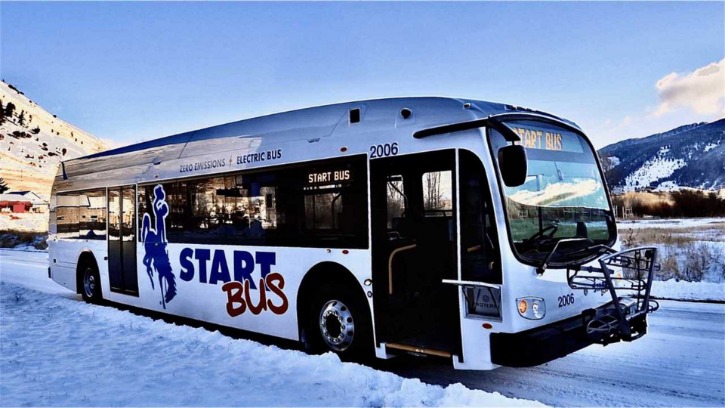
Select the right bus type for your comfort and budget: semi-sleeper or standard seating, non-stop or with occasional stops, and check if the bus has air conditioning and working facilities.
Pack smart for a long ride: bring a phone charger, power bank, water, snacks, a small first-aid kit, a light blanket or jacket, earphones, and any medications; carry valuables and documents in your carry-on.
On travel day, arrive early at the terminal to locate your bus, confirm the correct departure gate and seat, and keep your ticket and ID handy.
Stay informed during the journey: use the operator app or official social channels for live updates, ask the staff for ETA corrections, and have a backup plan if you lose connectivity.
Handling delays: typical causes include traffic around Jakarta or Surabaya, roadworks, or bus maintenance. Build in buffer time, plan meals at rest stops, and keep essentials close so you aren’t stranded.
If the bus is late and you miss a connection or the next departure, stay calm and contact the operator right away to rebook; ask about the next available departure, cancellation policies, and possible alternatives or other operators.
If you truly miss the bus, don’t hesitate to seek a refund or rebooking if allowed; keep your ticket and proof of purchase, and compare options at the counter or through the official app.
Once you reach Surabaya, arrange onward transport in advance or at arrival to your final destination, especially if you have a tight schedule.
Disembarkation and onward travel at Surabaya or Jakarta
Planning a bus trip between Jakarta and Surabaya can be comfortable with a few practical steps. Here are tips for a smooth journey, focusing on disembarkation and onward travel at Surabaya or Jakarta.
- Choose a reputable operator and confirm the terminal you will depart from and where the bus will stop in Jakarta or Surabaya (common Jakarta terminals include Kampung Rambutan and Pulo Gadung; Surabaya’s main intercity terminal is Bungurasih).
- Keep your ticket, ID, and contact details accessible. Note the bus number, seat, and boarding time; a quick photo of the boarding information can help.
- Arrive early at the departure terminal to allow time for check-in, ticket validation, and boarding; bring a small snack and water for the ride.
- Safeguard luggage by labeling bags and keeping valuables in a carry-on; never leave bags unattended during the journey.
- During the trip, ask the driver or staff for stop updates if you need a break; use a discreet bag for essentials in case of mid-journey stops.
- Disembarkation: follow staff instructions, gather belongings before the bus reaches the terminal, and exit through designated gates to avoid getting lost.
- In Surabaya: plan onward travel at the terminal. Use official taxis or approved ride-hailing services for transfers; if you’re heading to Juanda (Soekarno–Hatta? no, Juanda) airport, look for the airport shuttle or direct taxi options.
- In Jakarta: plan onward travel from the arrival terminal to your next destination; options include ride-hailing services, official airport shuttles, or trains and local taxis from nearby stations or depots.
- Book your next leg in advance when possible and keep contact numbers for your onward service handy to reduce waiting time.
- Anticipate traffic: Jakarta and Surabaya can have heavy congestion; build extra time into connections to trains, flights, or other buses.
- Stay aware of safety: use official exits and taxi stands, and avoid sharing personal information with strangers at the terminal.
- Prepare for local logistics: carry enough Indonesian Rupiah for small purchases and tips; have a basic map or offline travel app ready in case data is unavailable.