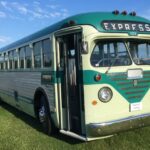

Overview of Bus Travel to Cape Town
Travelers planning to reach Cape Town by bus can expect a mix of long‑distance coaches and regional services that connect major cities across South Africa and neighboring regions. From affordable day journeys to comfortable overnight trips, bus travel offers budget‑friendly options with modern coaches, onboard amenities, and convenient terminals in Cape Town and surrounding areas. While distances can be lengthy, reliable schedules, scenic routes along the coastline, and frequent departures help make bus travel a practical gateway to the Western Cape and its iconic sights.
Reasons to take the bus to Cape Town
Bus travel to Cape Town offers a budget-friendly, increasingly comfortable alternative to flying or driving, with routes that connect South Africa’s major cities to the Mother City along the scenic Western Cape corridor.
The main long-distance operators in South Africa include Intercape and Greyhound SA, with some City-to-City services and other regional carriers providing daily departures to Cape Town from Johannesburg, Pretoria, Port Elizabeth, Bloemfontein and Durban.
Typical journey times from Johannesburg or Pretoria to Cape Town range from about 20 to 24 hours, with longer trips from Durban or Port Elizabeth depending on route and number of stops. Overnight services are common, with reclining seats and onboard amenities.
Traveling by bus exposes travelers to South Africa’s varied landscapes, from the Highveld plains and karoo through the Winelands toward the coast, and, in certain routes, parts of the Garden Route along the coast into Cape Town.
Booking is straightforward online through operator websites or ticket platforms. It is wise to compare schedules, prices, and stopovers, and to book in advance during peak holiday periods.
Modern coaches typically offer comfortable reclining seats, air conditioning, readers’ lights, power outlets on some buses, and occasionally Wi-Fi. Most services include planned rest stops for meals and bathroom breaks, with longer legs broken into segments to reduce fatigue.
Bus tickets are generally cheaper than air travel, especially for flexible itineraries or last-minute bookings, and they reduce airport check-in hassles. However, the exact price depends on distance, service level, and how far in advance you book.
Reasons to choose the bus include cost savings, the chance to see the country from the window, fewer airport hassles, and the availability of direct city-center drop-offs in some routes. It can be more environmentally friendly than flying and is convenient for travelers who prefer not to navigate rental cars at the destination.
Tips for a comfortable trip include choosing overnight or daytime options to suit your schedule, bringing a neck pillow, eye mask, snacks, water, and a light blanket, staying hydrated, and keeping valuables secure in a daypack and under seat when possible.
Choose reputable operators, check passenger reviews, and arrive at the terminal early to allow time for boarding. Keep an eye on bags during long stops and use luggage tags to reduce risk of misplacement.
Most long-distance buses arrive at major terminals or central city stops in Cape Town, from which you can connect to the city center, the V&A Waterfront, or the beaches by taxi, rideshare, or MyCiti bus network.
Overall, taking the bus to Cape Town is a practical, scenic, and economical travel option for those exploring South Africa and seeking a slow, immersive journey to the Western Cape.
What to expect on a long-distance bus journey
Traveling by long-distance bus to Cape Town is a budget-friendly option that attracts visitors and locals alike. Buses link Cape Town with major cities across South Africa and neighboring routes, offering an alternative to domestic flights and a chance to see the countryside along the way. The journey length depends on the starting point, route, and number of stops, but it’s a straightforward way to reach the city with minimal stress if you plan ahead.
Typical routes to Cape Town run from Johannesburg in the north, Durban to the east, and Port Elizabeth on the Southern Cape coast. From Johannesburg, the trip mostly follows the N1 corridor and can take roughly 24 to 28 hours, depending on stops and traffic. From Durban, expect longer journeys of about 28 to 34 hours. From Port Elizabeth along the Garden Route, travel is commonly around 9 to 14 hours. Buses may operate with overnight departures so you can sleep during part of the trip.
Coach quality varies by operator and service level. Expect reclining seats, air conditioning, and sometimes an onboard toilet. Some coaches offer USB charging, Wi‑Fi, and a small refreshments service, but this is not universal. Longer routes often include one or more short stops for meals or stretch breaks, so you can refuel and refresh.
Luggage allowances differ by company, but most services allow at least one large checked bag plus a small carry‑on. Valuables should stay with you in your seat or day bag. Book in advance to secure a preferred seat, and consider a night-time service if you want to sleep through a portion of the journey.
Compare operators and fare options online, read recent passenger reviews, and confirm the departure terminal and arrival point in Cape Town. Pack snacks and water, bring a neck pillow or light blanket for comfort, and keep important documents easily accessible. Allow extra time for possible delays due to road works or weather, and have a backup plan for the last mile in Cape Town.
In Cape Town, long‑distance buses usually terminate at major bus stations or city terminals with connections to central neighborhoods, the Atlantic Seaboard, and the city’s inland suburbs. From the terminal you can grab a taxi, bus, or rideshare to your final destination in the Western Cape.
Choose a reputable operator with up‑to‑date safety records and clear ticket policies. Keep an eye on your belongings, especially at stops and terminals, and verify your travel times on the day of departure. While most long‑distance bus journeys are uneventful, slowdowns and detours can occur, so staying flexible helps.
Major Bus Operators and Routes
Cape Town is served by several major long‑distance bus operators, with Intercape and Greyhound SA among the best known for routes into the city from across South Africa. Regular services connect Cape Town with Johannesburg and Pretoria to the north via the N1, as well as coastal routes from Port Elizabeth and East London along the N2, and even connections from George, Mossel Bay, and other Cape towns. These operators offer various trip lengths, sleeper and seated options, and ticket tariffs, making bus travel to Cape Town a convenient and affordable alternative to flying.
National operators serving Cape Town
Bus travel to Cape Town is served by major national operators that connect the city with other urban centers in South Africa and, where available, neighboring countries. The primary national players are Intercape Mainline and Greyhound South Africa, which maintain extensive networks and regular departures from the Western Cape hub.
Intercape Mainline operates long-distance coach services from Cape Town to key routes such as Johannesburg and Pretoria in the north, as well as links to Port Elizabeth, East London, and Bloemfontein in the interior. The fleet features comfortable coaches, with online booking, seat reservations, and luggage allowances typical of long-haul operators. Travel times are longer than air, but fares are often competitive, especially when booked in advance.
Greyhound South Africa has historically offered a national network that included Cape Town connections to major centres like Johannesburg, Pretoria, Durban, Port Elizabeth, and East London. Schedules and routes can vary, and Greyhound services may change due to demand or external factors, so checking the current timetable on the official site is essential before planning a trip.
Other national operators sometimes operate on selected Cape Town routes through partnerships or seasonal services. It is common to find cross-border or regional services operating in conjunction with partners, but such services should be verified for current availability, schedules, and border requirements where applicable.
Tips for planning include booking early during peak seasons, comparing travel times and fares, and verifying baggage policies. Tickets can usually be purchased online or at major bus terminals, and it is advisable to arrive early to secure seating and luggage handling.
For travelers to Cape Town, long-distance bus travel offers a cost-effective, flexible alternative to flying, with connections that help you reach the city from across South Africa and beyond when available.
Common routes from Johannesburg to Cape Town
Bus travel from Johannesburg to Cape Town offers a practical and affordable way to move between South Africa’s two largest cities, whether you’re backpacking, visiting family, or touring the country. Long-distance coaches connect Gauteng with the Western Cape with daily or near-daily departures year-round.
Intercape Mainliner is one of the leading operators on the Johannesburg–Cape Town route. The company runs overnight and daytime services that predominantly follow the N1 corridor, stopping at several towns along the way for meals and breaks. Coaches are typically air-conditioned and equipped with reclining seats, on-board toilets on some trips, and luggage racks for checked and carry-on bags. The journey generally takes around 23 to 28 hours depending on the service and number of stops.
Greyhound South Africa also operates on the Johannesburg–Cape Town corridor, offering direct and hop-on services with similar long-distance travel times. Greyhound’s fleet features modern coaches, some with complimentary Wi-Fi and various seating configurations. Schedules may include longer stops in major towns and optional overnight options, so travellers can tailor their trip to budget and comfort.
Translux (Autopax) and City-to-City branded services have historically run long-distance routes between Johannesburg and Cape Town, though schedules can vary by year and region. These operators typically provide a mix of direct and longer-route options, sometimes partnering with other carriers to cover seasonal demand. If you see both brands listed, check the latest timetable for departure points and stopovers.
There are also smaller or regional operators offering Johannesburg–Cape Town trips or segments of the journey, often with lower fares. The market features semi-sleeper and sleeper options, with some operators providing overnight journeys to maximise travel time. Always compare seat types, luggage allowances, and cancellation policies when booking.
Common routes on this corridor include a direct Johannesburg to Cape Town service that travels inland via the N1, with typical stops in Bloemfontein, Beaufort West, Colesberg, and Worcester. A coastal alternative follows the N2 along the Garden Route, stopping at towns such as Mossel Bay, George, Knysna, and Plettenberg Bay before reaching Cape Town. Travel times vary but expect roughly a 21–28 hour journey depending on the chosen route and number of stops.
Tips for a smooth trip: book in advance during peak travel periods, confirm boarding points and luggage allowances, carry essentials for the journey, and plan for overnight stays if you prefer to sleep through the trip. Check operator websites or call centers for the latest schedules and any service advisories before you travel.
Routes from Durban and the KwaZulu-Natal coast
Durban and the KwaZulu-Natal coast are connected to Cape Town by several major long-distance bus operators. This article outlines who the main operators are, the typical routes they run, and what travellers should expect when planning a coach trip to Cape Town.
Intercape is one of South Africa’s largest long-distance bus companies and operates extensive national routes, including services from Durban to Cape Town. Depending on the schedule, journeys may go via Johannesburg or take a coastal corridor with overnight stops. Intercape offers a range of seating options, including comfortable semi‑sleeper and sleeper coaches, with on‑board facilities on many services.
Greyhound SA is another major operator with national reach. From Durban you can board a long-distance service bound for Cape Town that may involve a transfer at a central hub such as Johannesburg or Port Elizabeth, depending on the chosen itinerary. Greyhound emphasizes comfortable seating, luggage handling, and safety as key aspects of the journey.
Translux has historically provided long-distance routes across the country and serves Durban and Cape Town on various itineraries. Their services often involve overnight journeys with several stops along the way, giving passengers a chance to rest and observe the scenery while traveling between the eastern coast and the south.
Other itineraries exist that connect the KwaZulu-Natal coast to Cape Town through different corridors. Some routes travel along the coastal N2 through East London and Port Elizabeth before turning inland toward Cape Town, while inland options typically pass through hubs such as Johannesburg and Bloemfontein. In practice, most Durban-to-Cape Town trips involve at least one transfer, with schedules designed to balance travel time and stops along the way.
Planning tips for a Durban to Cape Town bus trip include: check schedules in advance, compare direct routes with those that involve transfers, and consider comfort level and travel time when choosing a service. Book early during peak seasons, verify departure and pickup points, and pack essentials for overnight travel such as a light blanket, snacks, and a travel pillow. Also check luggage allowances and any restrictions for fragile items.
Prices vary by operator, season, and seating class, but you can expect a range that reflects a long-distance journey with overnight options. It’s worthwhile to compare current fares, look for specials, and read recent passenger reviews to gauge reliability and comfort before booking.
Connections from Port Elizabeth and the Garden Route
Port Elizabeth (Gqeberha) and the Garden Route offer several long-distance bus options to Cape Town. The main operators are Intercape and Greyhound SA, with services that travel along the coastal Garden Route towns before continuing to Cape Town. The following outlines the core routes and how to connect from Port Elizabeth and the Garden Route to Cape Town.
- Intercape Mainliner — Port Elizabeth to Cape Town: This service travels along the N2 through the Garden Route, commonly passing towns such as Knysna, Plettenberg Bay, George, Mossel Bay, and Oudtshoorn before reaching Cape Town. Tickets and schedules are available on Intercape’s website, with pickup points in Port Elizabeth and major Garden Route towns along the route.
- Greyhound SA — Port Elizabeth to Cape Town: Greyhound’s long-distance route connects PE with Cape Town and typically follows the Garden Route corridor, with stops in coastal towns like Knysna and Mossel Bay before continuing to Cape Town. Booking is through Greyhound’s site or agents; check PE and route terminals for pickup and drop-off points.
- Garden Route and seasonal services — towns along the route: In addition to the two major operators, seasonal or smaller operators sometimes offer services between Garden Route towns (Knysna, Plettenberg Bay, George, Mossel Bay) and Cape Town. These can be useful for shorter hops or when staying in a specific town. Availability and schedules vary by season; confirm with the operator or a travel agent.
- Connections and planning tips — from Port Elizabeth and the Garden Route: If starting in Port Elizabeth,allow time for terminal check-in and potential delays. From Garden Route towns, you can often catch a long-distance service in Knysna, George, or Mossel Bay depending on the timetable. Some travelers combine a bus leg with car rental or shuttle transfers for greater flexibility, especially if visiting rural areas or wanting to overnight along the route. Consider overnight options if you prefer not to drive long stretches in one day.
- Booking, pickup points, and arrival in Cape Town: Book directly through operator websites for current schedules and fares. Common pickup points include central PE depots and major Garden Route towns; in Cape Town, long-distance buses typically arrive at central depots with easy access to city transport or the airport. Arriving early helps with check-in and seating selection.
Booking, Fares, and Scheduling
Booking a bus to Cape Town is easy with online platforms that show real-time schedules, fare options, and seat availability. Compare operators, lock in the best price with early-booking discounts, and choose schedules that fit your itinerary—whether you need a direct ride or a scenic route. Review baggage allowances, boarding points, and cancellation rules to avoid surprises as you plan your trip.
Online booking options
Travelers heading to Cape Town by bus can plan around booking, fares, and scheduling with multiple online options. This guide covers Booking, Fares, and Scheduling, and Online booking options for Cape Town-bound journeys.
- Booking options: Reserve seats through official operator websites, mobile apps, and trusted travel platforms. Many services support direct bookings to Cape Town from major cities; consider choosing direct routes to minimize connections and ensure seat selection if offered.
- Fares: Ticket prices vary by route, demand, and time of travel. Look for one-way and return options, student or senior discounts, group rates, and promotions. Be aware of baggage allowances and any extra charges for extra luggage or seat selection.
- Scheduling: Bus schedules can range from early morning to late evening, with varying trip durations depending on the route and stops. Check live timetable updates, holiday season disruptions, and plan for contingencies like longer layovers or overnight journeys.
- Online booking options: Use official operator sites and mobile apps, regional travel marketplaces, and aggregator platforms to compare schedules and prices. Ensure secure payments, instant e-tickets, and clear refund or rescheduling policies. Some platforms also offer mobile boarding passes and real-time trip tracking.
Ticket pricing, discounts, and value
Bus travel to Cape Town offers an affordable and often scenic way to reach the Western Cape, with inside comforts and fixed schedules that help you plan around your trip. Whether you’re arriving from Johannesburg, Port Elizabeth, or towns along the coast, equal emphasis falls on how you book, what you pay, when you travel, and the value you get from the journey.
Booking your seat is straightforward through the major long-distance operators and through travel aggregators. In South Africa, you’ll commonly find options with well-known operators such as Intercape and Greyhound SA, plus regional services that connect key hubs to Cape Town. Online booking lets you compare fares, choose seats, and access mobile or print tickets. It’s wise to book in advance during peak seasons (school holidays and festive periods) to lock in the best prices and preferred departure times.
Fares for road travel to Cape Town vary based on distance, the time of day, and the level of service. A typical journey can range from a few hundred rand to over a thousand rand, depending on the operator and whether you choose a standard seat or a higher comfort option. Prices tend to be lower for off-peak departures and higher during holidays or when availability is tight. Some operators also run promotions or bundle deals that include return trips or multiple tickets at a discount.
Scheduling information is essential for planning. Many routes to Cape Town run daily, with a mix of daytime and overnight departures. Journeys from Johannesburg often take roughly 22 to 26 hours, while trips from Port Elizabeth can run around 9 to 11 hours. Exact times depend on the route, stops, traffic, and border checks if applicable. Overnight buses can be a cost- and time-saving option, letting you sleep through part of the journey and arrive in Cape Town ready to start your day.
Discounts and value add to the overall price of your trip. Look for student or youth discounts, group rates for families or colleagues, and loyalty or return-ticket promotions offered by operators. Some services provide amenities that enhance value—free Wi-Fi, USB charging ports, extra legroom, power outlets, or on-board entertainment—along with comfortable seating. Always read the fare rules to understand what you’re gaining with a cheaper ticket versus a higher-priced option, including changes, refunds, and seat selection.
Ticketing policies are important when plans change. Many operators offer flexible or partially flexible tickets with change fees, while others are non-refundable. Refundability and rebooking options can vary by fare type, so it’s wise to check the terms at purchase and keep the confirmation handy. Some routes may require advance notice for changes; others allow corrections up to a few hours before departure. Understanding these policies helps protect your investment if your plans shift.
Baggage allowances and what you can bring aboard also affect value. Most long-distance buses permit at least one large suitcase in the hold and a carry-on bag on the bus, with weight or size limits varying by operator. If you’re traveling with extra gear or need mobility assistance, verify baggage policies in advance and consider packing light but complete with essentials for overnight travel (a neck pillow, a light blanket, and a small snacks kit).
Practical planning tips can maximize your comfort and reduce stress. Confirm the exact pickup and drop-off points in Cape Town, as some services terminate at different terminals or city bus stations. Arrive early to secure your seat and board smoothly, especially on popular routes. If you’re new to bus travel in South Africa, reading recent operator reviews can help you gauge reliability and customer service. And when you arrive in Cape Town, consider your onward transport options—public transit, rideshare, or pre-booked transfers—to get from the terminal to your accommodation efficiently.
With careful booking, smart timing, and a focus on value, a bus trip to Cape Town can be an economical and comfortable way to explore the Western Cape. Compare options, watch for promotions, and choose the service that best fits your schedule, budget, and comfort preferences to enjoy all the experiences Cape Town has to offer.
Schedules, departures, and check-in times
Planning a bus trip to Cape Town? Here are key details on booking, fares, scheduling, departures, and check-in times to help you plan.
- Booking
Choose a provider: major operators such as Intercape, Greyhound SA, and regional carriers offer routes to Cape Town. Book online for best availability; you can also buy at terminals. Have your ID, passenger name, and preferred date ready. Some operators allow flexible tickets and changes with a fee.
- Fares
Fares vary by origin, date, and demand. Off-peak travel and advance bookings often save money. Look for return or round-trip discounts, student and senior rates, and group fares. Watch for extra charges for luggage or seat selections.
- Scheduling and departures
Schedules differ by origin city and day of week. Cape Town-bound services commonly run daily with more departures on weekends and holidays. Overnight options exist with reclining seats. Always confirm departure times close to your travel date, as timetables can change seasonally.
- Check-in and boarding
Arrive at the station at least 30 minutes before departure, though some operators recommend 45 to 60 minutes for peak periods. Present your ticket (printed or mobile), ID, and any required travel documents. Board according to the instructions and keep your baggage receipts.
Travel Time, Comfort, and Onboard Experience
Travel to Cape Town by bus blends practical travel time with a focus on comfort and a positive onboard experience. Routes from major centers can take a full day, with schedules designed to balance efficiency and scenic moments along the coast and mountains. Inside the coach, passengers encounter roomy seats, dependable climate control, and options like Wi‑Fi, power outlets, and onboard catering. Attentive drivers, clean restrooms, and planned stops help maintain comfort from departure to arrival as you look forward to your Cape Town stay.
Average durations by route
Travel Time, Comfort, and Onboard Experience: Average durations by route for bus travel to Cape Town. This overview highlights typical journey times from major origins, what to expect in cabin comfort, and the common onboard amenities along the way.
Johannesburg to Cape Town — Travel Time: 26–28 hours; Comfort: standard 2×2 seating with occasional sleeper buses on longer routes; Onboard Experience: air conditioning, power outlets on select seats, occasional Wi-Fi on premium coaches, clean restrooms, and complimentary water on longer trips.
Durban to Cape Town — Travel Time: 28–34 hours; Comfort: mixed seating options including 2×2 day cabins and sleeper configurations on overnight services; Onboard Experience: air conditioning, rest stops every few hours, some services offer Wi-Fi on premium coaches, and basic refreshments.
Port Elizabeth to Cape Town — Travel Time: 8–10 hours; Comfort: comfortable 2×2 seating with adequate legroom for a daytime ride; Onboard Experience: air conditioning, occasional Wi-Fi on certain coaches, restrooms onboard, and water provided on longer legs.
George to Cape Town — Travel Time: 4–6 hours; Comfort: standard reclining 2×2 seats, sometimes enhanced with extra legroom on express services; Onboard Experience: reliable air conditioning, occasional power outlets, and regular stops for breaks.
Knysna to Cape Town — Travel Time: 5–6 hours; Comfort: comfortable 2×2 seating with space for luggage; Onboard Experience: some buses offer Wi-Fi and power at select seats, with scenic views along the Garden Route and scheduled breaks.
Mossel Bay to Cape Town — Travel Time: 4–5 hours; Comfort: typical 2×2 seating with reasonable legroom; Onboard Experience: air conditioning, occasional rest stops, and basic refreshments on longer segments.
Stellenbosch to Cape Town — Travel Time: 1–1.5 hours; Comfort: short-haul standard seating, usually 2×2; Onboard Experience: climate control, limited power outlets, and concise stops typical of commuter routes.
Oudtshoorn to Cape Town — Travel Time: 6–7 hours; Comfort: long-distance setup often includes more legroom and occasional sleeper options on overnight services; Onboard Experience: air conditioning, rest stops, and refreshments on extended journeys.
Bus types, seating, and amenities
Travel by bus to Cape Town offers a broad network linking major South African cities with scenic routes that pass along coastlines and mountains. Long-distance coaches operate from hubs such as Johannesburg, Durban, and Port Elizabeth, providing a budget-friendly alternative to flying and a way to see the countryside along the way.
Travel time varies by origin and service. A typical Johannesburg to Cape Town journey runs roughly 22 to 28 hours, depending on stops and the route chosen. From Durban or Port Elizabeth the trip can be shorter or comparable, with overnight services designed to maximize daytime sightseeing or minimize hotel costs.
Comfort on long-haul buses is a primary focus for operators. Standard coaches offer comfortable, reclining seats with decent legroom and adjustable headrests, while premium services provide extra space, wider seats, and better leg support. Modern fleets are typically well maintained and air conditioned to cope with Cape Town’s variable climate.
Onboard experience includes routine rest breaks at vetted stops, clean buses, and polite staff. Some operators offer on-board toilets, which are handy for the longer legs of the journey. Safety measures such as seat belts are standard on many intercity coaches, and drivers adhere to schedules to minimize unnecessary delays.
Bus types range from standard intercity coaches to premium express and night sleeper options. Standard coaches are reliable for daytime travel with a balance of cost and comfort, while premium or express services add features like extra legroom, better seating, and quieter cabins. Night services may offer sleeper-style seating or lie-flat options where available, allowing passengers to rest through the journey.
Seating typically follows a 2 plus 2 layout on most long-haul buses, with generous but comfortable seat widths and adjustable recline. Premium services may provide more generous legroom, footrests, and armrests, making overnight travel easier for sleeping passengers. Wider seats and quieter cabins are common differentiators between service levels.
Amenities vary by operator but commonly include air conditioning, on-board toilets, and friendly crew. Wi-Fi and USB charging ports are increasingly standard on newer fleets, though not guaranteed on every route. Most buses also offer a beverage service, coffee or tea, and snacks at stops along the way, with additional luggage allowances for suitcases and travel bags stored in overhead compartments or the luggage hold.
Practical tips for bus travel to Cape Town include researching operators such as Intercape and Greyhound SA, checking current schedules, and booking in advance for popular travel periods. Consider whether daytime travel suits sightseeing plans or if an overnight service will help you save on accommodation. Arrive early for check-in, pack essentials in carry-on, and keep a light jacket for air conditioning and changes in the cabin temperature.
Food, rest stops, and bathroom access
Travel by bus to Cape Town offers a budget-friendly way to reach the city while enjoying South Africa’s diverse landscapes. Long-distance coaches connect Cape Town with major hubs like Johannesburg, Durban, and Port Elizabeth, delivering a steady rhythm of rest stops and opportunities to glimpse the countryside.
Travel times vary by origin and service. From Johannesburg to Cape Town, most coaches cover the distance in roughly 24 to 28 hours depending on route, traffic, and the number of stops. From Durban you can expect around 28 to 32 hours, and from Port Elizabeth the trip typically takes about 8 to 12 hours.
Comfort on long bus rides hinges on the coach and class you choose. Most intercity coaches offer comfortable, reclining seats with adequate legroom in a 2×2 layout, climate control, and a steady ride. Some operators provide extra legroom or premium seats on longer overnight routes.
Onboard experience varies by operator. Many buses provide essentials such as bottled water and occasional snacks, with the option of tea or coffee. Some services offer USB charging ports or limited onboard Wi‑Fi, though connectivity and power availability can be hit or miss on longer journeys.
Food and rest stops keep travelers comfortable on the road. Coaches usually schedule breaks every two to three hours at service stations where you can grab meals, fruit, or hot drinks. You may also bring your own snacks or buy from onboard vendors if offered. Overnight services sometimes include a light meal or snack.
Bathroom access is a practical consideration on long rides. Most long-haul buses have onboard toilets, but they can be compact and occasionally out of service during stops or rough roads. Plan ahead and use rest stops for longer breaks if you prefer more space.
Tips for a smoother trip: book in advance, verify luggage allowances, and choose seats toward the middle or front to reduce road noise. Pack a refillable water bottle, healthy snacks, a light blanket, a sleep mask, and a charging cable. Arrive early at the pickup point and confirm the exact boarding location with your operator.
Bus travel to Cape Town remains a viable option for travelers seeking a scenic, budget-conscious journey with a chance to meet other travelers and see the countryside along the way.
Packing and Luggage Guidelines
Planning a bus trip to Cape Town? Packing light and smart is key. This guide covers essential luggage guidelines, including carry-on and checked-bag allowances, weight limits, what to pack for comfort and safety, and tips for organizing belongings so you travel smoothly between stops.
What to bring for comfort on long trips
Luggage limits and handling at depots
Planning a bus trip to Cape Town? This guide covers packing and luggage guidelines, luggage limits, and how baggage is handled at depots to help you travel smoothly.
Pack lightweight, versatile clothing suitable for Cape Town’s temperate climate, with layers for cool mornings and evenings. Include a weather-appropriate jacket, comfortable walking shoes, a daypack for city exploring, and essentials like toiletries, medications, and travel documents. Keep valuables in your carry-on and avoid packing items you can buy locally to reduce weight and risk.
Most bus operators allow one main suitcase or bag plus a smaller personal bag. Use sturdy, lockable luggage and label bags with your name and contact details. Consider packing a compact anti-theft bag for your valuables and a small emergency kit with chargers, adapters, and basic first aid items.
Bag allowances and weight limits vary by operator. Check your ticket or the operator’s luggage policy before you travel. If you have extra bags or oversized items like sports gear or musical instruments, contact the operator in advance; there may be additional fees or special drop-off arrangements.
Fragile items should be cushioned and placed in a protective bag or case, clearly labeled as fragile. Large or awkward items may require advance approval and a separate handling process.
At the departure depot, you will tag your baggage at the luggage counter. The staff will weigh and tag your bags and load them into the bus’s baggage compartment. Keep your baggage claim receipts and note the corresponding ticket number in case you need to retrieve luggage at your Cape Town stop.
Carry valuable items with you in a secure daypack rather than checking them in. Do not leave bags unattended at the depot or on the bus. Lock luggage when possible and close zippers to deter tampering.
Avoid carrying hazardous materials, flammable liquids beyond personal-use amounts, weapons, or illegal substances. Each operator has its own prohibited-item list; review it before packing and ask staff if you’re unsure about an item.
During the journey, the driver or depot staff are responsible for the safe handling of luggage. If your bag is misplaced or missing at Cape Town, report promptly at the destination baggage office with your tags and ticket details. Staff will assist with tracing and return procedures.
Upon arrival in Cape Town, collect your baggage from the designated area. If you can’t locate a bag, contact the depot customer service or the operator’s help desk with your baggage tag number. Arrangements for pickup or delivery can be made depending on policy and location.
Travel light where possible, label all bags, and keep a simple packing list to avoid last-minute scrambles. Good preparation makes a bus trip to Cape Town more comfortable and stress-free.
Safety, Health, and Practical Tips
When traveling by bus to Cape Town, a focus on safety, health, and practical tips helps ensure a smooth trip. Choose reputable operators, keep valuables secure, and stay aware of your surroundings; plan your arrival and confirm departure points in advance. For health, bring water, light snacks, hand sanitizer, and a plan for motion breaks or rest stops. Practical tips include packing light, charging devices, having tickets ready, and dressing for changing weather along the route.
Safety on buses and at stations
Traveling by bus to Cape Town can be a convenient and affordable way to reach this iconic city. This guide covers safety, health, and practical tips for a smooth trip, with a focus on safety on buses and at stations.
Before you travel, choose a reputable operator, check schedules, and buy tickets from official outlets. Have your ID, travel documents, and a copy of your itinerary handy. Check the weather and road conditions for the route to Cape Town, and keep emergency contact numbers accessible.
On the bus, keep your belongings secure. Use a small bag in front of you, zippered compartments, and store luggage in overhead racks or as directed by staff. Do not leave valuables in plain sight or unattended. Avoid sleeping with bags on the seat next to you, and keep aisles clear while the bus is moving. Follow the crew’s instructions at all times.
At stations, arrive early and use official entrances and waiting areas. Stay in well-lit, staffed areas and be mindful of your surroundings, especially in crowded or unfamiliar spots. If traveling with others, agree on meeting points and times. Keep your ticket or travel app readily available for quick verification.
During the journey, stay hydrated, eat light, and take short breaks if allowed. Move your legs and stretch to reduce stiffness. Bring a neck pillow and a light blanket for comfort, and dress in layers to adapt to changing temperatures. Carry rain gear if the forecast is unsettled and wear comfortable shoes for long waits or walking.
Health and hygiene are important on long bus trips. Wash or sanitize your hands regularly and avoid sharing utensils. Carry a refillable water bottle and clean it before use. If you have symptoms of illness, consider postponing travel and seek medical advice. If guidelines suggest wearing a mask, bring one and use it as needed for your comfort and safety.
Packing tips include a charger, power bank, headphones, medications, a basic first-aid kit, sunscreen, a hat, sunglasses, snacks, and extra water. Pack light and secure luggage with locks, label bags with your contact information, and keep valuables on your person rather than in checked compartments.
Safety with money and payments: prefer cashless options where possible and be cautious of scams at busy stations. Use official ticket counters or machines, and politely decline unsolicited help with bags—go to staffed areas if you need assistance.
Traveling with children or travelers with accessibility needs: plan seating near the aisle and near staff, and communicate any special requirements to the operator in advance. Know the location of emergency exits on the bus and stations, and have a brief plan for what to do in case of an unexpected stop or delay.
If you encounter delays or miss a connection, stay calm and contact the operator’s help desk or station staff for options. Keep your itinerary and contact details handy, and have a backup plan for lodging or onward travel. Cape Town awaits, and with these safety, health, and practical tips you can travel confidently and comfortably.
Staying healthy and dealing with delays
Traveling by bus to Cape Town can be comfortable and affordable, but prioritizing safety, health, and practical planning helps you arrive relaxed and on time. This guide covers staying safe, keeping well, and handling delays on long rides from cities such as Johannesburg, Durban, or Port Elizabeth.
Safety on long-distance buses starts with choosing a reputable operator. Look for well-maintained coaches, working seatbelts, clear emergency exits, and reviews from other travelers. Keep your valuables with you in a small, secure bag, and store larger bags in the luggage compartment or with a trusted porter. Avoid accepting rides or bags from strangers at stops and note the driver or crew contact details in your phone.
At stops and when boarding or disembarking, stay in well-lit areas, use official terminals, and be aware of pickpockets. If you are traveling with children or elderly travelers, plan extra time and stay in sight of the group. In Cape Town, use official transport hubs and pre-booked taxis or rideshares from trusted operators, especially after dark.
Health on the road is important. Bring a reusable water bottle and stay hydrated, especially on warm mornings on the N2 corridor. Pack healthy snacks to avoid heavy, greasy meals that can upset your stomach on bumpy roads. Use hand sanitizer, tissues, and sunscreen, and consider a light mask if you are in crowded areas or on buses with several travelers. If you suffer from motion sickness, sit toward the front, look at the horizon, avoid heavy reading, and consider ginger candies or antihistamines as advised by a clinician.
Staying comfortable on the bus helps you deal with delays. Wear layered clothing, bring a light blanket, a neck pillow, and earplugs or headphones. Have a small first-aid kit, a charger for your devices, and backup power banks. Keep your seatbelt fastened when advised and take short walks during long breaks if it is safe to do so.
Delays can happen from road works, weather, or secure stops. To cope, check the operator’s app or SMS updates before you leave, and take screenshots of your itinerary in case connectivity drops. Allow buffer time for connections, and carry small cash and a card for unexpected expenses. Have offline maps ready and a backup plan for Cape Town arrivals, such as a prepaid shuttle or a trusted taxi company.
If a delay affects your Cape Town connection, contact the operator immediately and ask about alternative departures or rerouting. Keep the coordinator or station staff informed, and share your revised arrival window with hosts or accommodations. Booking flexible tickets or adding a small travel insurance add-on can save stress if your schedule changes.
Packing checklist: government-issued ID or passport, travel documents, tickets or e-tickets, some cash and a credit/debit card, a phone and charger, a power bank, medications and basic first aid, a lightweight jacket, a compact rain poncho, a sun hat, sunscreen, a refillable bottle, snacks, sanitizer, tissues, a small blanket, and a neck pillow. Pack your bag with a day-use bag for stops and keep your most important items within easy reach.
Upon arrival in Cape Town, take safe, well-lit routes from the terminal to your accommodation. Use reputable taxis or rideshares, avoid isolated streets at night, and plan your first day with rest breaks to recover from the journey. With preparation, bus travel to Cape Town can be a healthy, economical, and enjoyable part of your South Africa adventure.
Arrival in Cape Town and Getting Around
Arriving in Cape Town, you’re greeted by sea views, mountains, and a city ready to explore. Getting around is easy with a growing bus network, especially the MyCiTi system, which runs frequent, affordable routes from the airport to the city centre, the V&A Waterfront, and popular suburbs. Bus travel to Cape Town lets you reach the coast, Table Mountain, and other sights without a car, offering a budget-friendly, scenic way to start your visit. Whether you’re here for a short layover or a longer stay, buses provide a convenient first step to discovering the Mother City.
Cape Town bus terminals and transfer options
Arrival in Cape Town by bus places you in a compact, walkable city with clear transfer options to reach downtown hotels, the V&A Waterfront, and the base of Table Mountain.
- Coaches arrive at Cape Town’s central intercity coach terminal in the city centre, close to hotels and public transport links; from here you can transfer to MyCiTi, taxis, or local buses to reach your accommodation.
- The MyCiTi bus network provides frequent connections from the city centre to the Waterfront, Sea Point, and southern suburbs; pay with a MyCiTi card or contactless payment where accepted.
- Local buses and minibuses connect central Cape Town to neighborhoods and tourist spots; ask staff at the terminal or your hotel for the best route and fare.
- Ride-hailing apps (Uber and Bolt) operate widely in Cape Town and offer convenient door-to-door transfers from the terminal to your destination; official taxi ranks are also available nearby.
- For short, cheap hops, licensed minibus taxis are common; if you choose this option, confirm the route with a local or staff and be mindful of safety and fare arrangements.
- Check your arrival details: identify the terminal exit, your destination, and the best transfer option (MyCiTi, taxi, or ride-hail).
- Prepare payment: acquire a MyCiTi card or ensure you have a contactless payment method; if using a taxi or minibus, have cash or ask about the fare in advance.
- Find the right service: read route numbers and destination boards; if unsure, ask terminal staff or fellow travelers for guidance.
- Make your transfer: board the correct bus or taxi; allow extra time during peak hours when terminals can be busy.
- Reach your stop and continue: disembark at the nearest stop to your hotel or attraction, then walk or take a short ride to your final destination.
Public transport connections from terminals
Arriving in Cape Town by bus offers a convenient gateway to explore the city. This guide explains how to connect from major terminals to the city and popular sights using public transport.
- From Cape Town International Airport to the city centre: The MyCiTi airport service operates from outside the arrivals hall and provides a direct, safe link to central Cape Town and major hubs. You can buy or top up a MyCiTi card at the airport; tap on when boarding and tap off at your destination. Typical journey time is about 40 minutes depending on traffic. It’s a good option with luggage; buses are clearly marked; service runs daily with higher frequency during peak hours. From central hubs you can transfer to beaches and neighborhoods via other MyCiTi routes or a taxi if needed.
- From long-distance coach terminals into town: Major long-distance buses like Intercape and Greyhound typically terminate near central areas. From the terminal you can connect to the MyCiTi network at nearby stops, or take a short taxi ride to the city centre or popular precincts such as the V&A Waterfront. Long-distance fares are separate from MyCiTi fares, so ask staff for the best transfer point and plan your onward journey.
- Getting around Cape Town with MyCiTi: The MyCiTi bus rapid transit network links the city centre to suburbs such as Sea Point, Green Point, Woodstock, Observatory and beyond. Look for stops at Civic Centre, Thibault Square, and other hubs; pay with a MyCiTi card; tap on and off; most stops have timetable information. For the V&A Waterfront, use the Waterfront stop or nearby stops; check service times, especially on weekends or holidays.
- Connecting to train or taxi options from terminals: Cape Town Station is a major intercity and commuter rail hub; from there you can catch Metrorail trains to southern or northern suburbs and use local buses or taxis for onward travel. If you’re carrying luggage or traveling with a group, a taxi or ride‑share can offer a direct transfer from the terminal to your accommodation.
- Practical tips for bus travel in Cape Town: Carry a prepaid MyCiTi card or cash where accepted; keep belongings secure, especially in crowded stops; check latest schedules and last bus times; plan transfers ahead and allow extra time for traffic; maps and real-time schedules are available at major stops and on the MyCiTi app.
First-mile and last-mile tips in Cape Town
Arriving in Cape Town by air places you in close reach of a straightforward bus network that can carry you from the airport to the heart of the city and beyond.
The backbone for visitors using buses in Cape Town is the MyCiTi system. This City of Cape Town service runs frequent routes with a simple fare structure and a smart-card payment option. The airport has a dedicated MyCiTi service that connects travelers to central hubs and popular neighborhoods.
For routes not directly covered by MyCiTi, other bus operators fill gaps. Golden Arrow buses serve several suburbs and coastal routes, while intercity operators such as Intercape and Greyhound connect Cape Town with major South African cities and typically allow transfers to local buses once you arrive in the city.
First-mile tips in Cape Town: on arrival, follow signs to the MyCiTi stop at the airport, buy or top up a MyCiTi card, and board the direct service toward your chosen hub. If your accommodation isn’t on a direct MyCiTi line, you can transfer at central stops like the Civic Centre or V&A Waterfront to continue to your final destination.
Getting around during the day: the MyCiTi network covers central districts and many suburbs with frequent daytime services. If you’re staying in a more distant area, plan extra time or use a combination of MyCiTi and a Golden Arrow route to reach your end point.
Last-mile tips: from a bus stop to your hotel, opt for well-lit, busy routes, especially at night. If walking feels uncertain, a short rideshare or taxi ride from a major hub can save time and reduce risk. Have a city map or offline navigation handy to stay on track.
Practical tips: use the MyCiTi app or printed timetables to check live times; keep your MyCiTi card or payment method readily accessible; have a backup plan in case of delays; and allow extra time for transfers when traveling between neighborhoods.
Ticketing and fares: MyCiTi uses a card-based system with pay-as-you-go options and day passes that cover multiple trips on a given day. Verify fares in advance and know where to top up; some long-distance operators offer bundled tickets for city connections.
Accessibility: MyCiTi buses include spaces for wheelchairs and prams; if you need accessible service, check in advance at your stop or with the operator for the best route and timing.
Intercity arrival and final planning: when arriving by long-distance bus, you’ll typically reach a central terminal where you can connect to local MyCiTi services or Golden Arrow routes to your hotel, making the city-wide bus network fairly simple to navigate for visitors.

Practical Itineraries and Scenic Routes
Practical itineraries and scenic routes for bus travel to Cape Town blend efficiency with moments of scenic delight. This guide highlights reliable schedules, affordable fares, and smart stops along the way, helping you plan a comfortable journey to the Mother City and savor views of coastal plains, mountains, and winelands as you go.
Popular scenic bus routes into Cape Town
Bus travel into Cape Town combines practicality with the chance to enjoy South Africa’s coast and countryside. This guide outlines practical itineraries and scenic routes to help you plan a comfortable, memorable journey by bus.
Long-haul options from major inland hubs typically arrive in Cape Town after overnight trips. For example, Johannesburg to Cape Town by coach usually takes about 22–26 hours, with seats and services offered by established operators. Book early, pick a comfortable seat, keep valuables close, and pack light snacks and a warm layer for night hours. Arrivals can be early morning or late evening, depending on the schedule, giving you a fresh start to explore the city or unwind after a long ride.
Regional possibilities into Cape Town from coastal towns on the Garden Route are popular for their scenic value and relative ease. Coaches running from Port Elizabeth or George to Cape Town cover roughly 11–14 hours, depending on stops. Expect scenic stretches along the coast with potential overnight breaks in Knysna or Plettenberg Bay, which makes the journey pleasant rather than a long haul.
The Garden Route into Cape Town is one of the most scenic bus journeys in the country. Starting from Port Elizabeth or nearby towns, the route travels along the Indian Ocean coast past Mossel Bay, Knysna and Plettenberg Bay, then through George toward the winelands before you reach Cape Town. This coast-hugging drive is well worth the slow pace, with time to stretch legs, grab photos, and enjoy sunset viewpoints along the way.
An inland scenic option is the Route 62 corridor, which can be part of a journey from Oudtshoorn or Mossel Bay toward Cape Town. Driving through Montagu, Barrydale, Robertson and Worcester, this route weaves through vineyards, fruit farms and rugged mountains. If a bus operator offers a 62-based itinerary, you’ll trade ocean views for dramatic landscapes and wine country scenery, arriving in Cape Town with a different kind of memory of the trip.
Tips for planning practical and scenic bus trips into Cape Town: compare schedules and durations, book ahead during peak seasons, choose overnight services to maximize daytime sightseeing, verify luggage allowances, pack a portable charger and a light blanket, and bring water and snacks for long legs between stops. Consider a multi-leg trip that lets you pause in Knysna, Plettenberg Bay or Oudtshoorn to break up the journey and add short excursions to your itinerary.
Whether you opt for a long overnight haul from inland cities or a scenic coastal passage along the Garden Route or Route 62, bus travel into Cape Town offers reliable connections, budget-friendly options, and the chance to see South Africa’s landscapes unfold from the window of your seat.
Combining bus travel with the Garden Route road trip
Bus travel to Cape Town can be a practical and scenic way to explore the Western Cape, especially when you pair it with a Garden Route road trip. By using long-distance coaches for the coastward legs and then adding a flexible inland detour, you get comfort, cost savings, and plenty of photo stops along the way.
The Garden Route is a famous scenic corridor along the southeastern coast, stretching from Mossel Bay to Port Elizabeth. It rewards travelers with rugged cliffs, golden beaches, ancient forests, and charming towns. While many travelers rent a car to drive it, you can also experience much of the route by intercity bus with planned stops and overnight stays in key towns.
Planning basics start with your Cape Town departure and your Garden Route goals. Decide how many days you want to spend on the road, which towns you’d like to linger in, and whether you’ll continue to Port Elizabeth or turn back toward Cape Town. Check the bus operator schedules in advance, as some routes require overnight stays or separate tickets for each leg.
7-day example itinerary: Day 1, take a coach from Cape Town to Mossel Bay (roughly 4–6 hours). Day 2–3, explore Mossel Bay’s harbor, the Bartolomeu Dias Museum, and nearby beaches. Day 4, board another bus to Knysna (about 1.5–2 hours), where you can stroll the Knysna Heads and the waterfront. Day 5, a day excursion to Plettenberg Bay or Storms River Mouth from Knysna. Day 6, travel from Knysna to Port Elizabeth (or add a stop in Tsitsikamma for a forest hike). Day 7, adjust for a Port Elizabeth visit or continue back toward Cape Town if you’re routing northbound.
Longer itineraries let you linger longer in each town. A 9–12 day plan can include an extra stop in George, a full day in Nature’s Valley, and additional time in Plettenberg Bay or Tsitsikamma National Park. If you prefer fewer bus changes, consider a couple of nights in each stop and use reliable operators that list consistent daily departures along the Garden Route.
Practical tips: book early in peak season (December–January) to secure seats and comfortable timings. Compare operators such as major South African coaches for Cape Town–Mossel Bay–Port Elizabeth routes and confirm the exact stopovers. Pack light but bring a daypack for quick scenic detours, and plan for overnight stays in hostels or hotels near the town centers for easy access to cafés and bus depots.
What to see along the route: Cape Town’s Table Mountain views and the drive through the plains toward the coast, Mossel Bay’s coastal walks, the rugged coastline between Mossel Bay and Knysna, the Knysna Heads and Lagoon, Plettenberg Bay’s beaches, and the Tsitsikamma Forest in Storms River Mouth. Each stop offers photo-worthy viewpoints and nature walks, so keep a flexible schedule to enjoy detours if time allows.
Travel tips for comfort: confirm luggage allowances with your operator, arrive early at depots, and keep essentials in your carry-on. If you’re predisposed to a more relaxed pace, consider a hybrid plan—use the bus for Cape Town to Knysna, then rent a car for the Garden Route loop to Port Elizabeth, returning by bus or flight to Cape Town if needed.
Returning to Cape Town from Port Elizabeth is straightforward: several coaches run the PE–Cape Town leg with similar stopovers, or you can select a shorter return through an alternative route. If you prefer more control and flexibility, combining a bus leg with a short domestic flight back to Cape Town is another option.
In all, bus travel to Cape Town paired with a Garden Route road trip offers a balanced mix of budget travel and scenic exploration. With thoughtful planning, you can enjoy comfortable rides between iconic stops and savor the best beaches, forests, and viewpoints the region has to offer.
Budgeting and Alternatives
Budgeting for bus travel to Cape Town involves weighing ticket prices, travel time, comfort, and extra costs such as luggage allowances, snacks, and potential overnight stays. Start by comparing major coach services for direct routes and regional options, looking for off-peak departures, multi-ride passes, student or loyalty discounts, and bundled add-ons. Alternatives to the bus include flying for speed, long-distance rail where available for scenery, or carpooling and self-drive with a group to share fuel. Depending on your schedule and budget, a slower, cheaper bus might beat a flight, while a mix—bus to a hub then a flight or train—can optimize both price and timing.
Comparing bus travel to flights and car hire
Budgeting for a trip to Cape Town often means weighing travel options: bus, flights, and car hire. This article focuses on bus travel as a budget-friendly option and compares it with flying and renting a car, highlighting costs, time, comfort, and flexibility.
Costs are a key factor. Long-distance buses to Cape Town are generally cheaper than flights, especially when booked in advance or during sales. Standard one-way bus fares with major operators typically range roughly between 600 and 1,000 rand, with occasional promos dipping below that. A domestic flight from Johannesburg or Durban to Cape Town can start around 1,500 rand in off-peak times and rise to several thousand rand at peak season. Car hire adds another layer: daily rental rates can begin in the low hundreds of rand, but fuel, tolls, insurance, and deposits can push the total trip cost higher, particularly for solo travelers.
Time and comfort play a big role too. A bus journey from Johannesburg to Cape Town commonly takes about 20 to 24 hours, depending on the route and stops. Flights cover the distance in around 2 to 3 hours in the air, plus airport procedures and transfers. A rented car offers door-to-door flexibility but comes with long driving hours, fatigue, and the need to navigate unfamiliar roads and parking in Cape Town.
Budgeting tips for bus travel: book as early as possible to secure the best fares, and compare different operators and departure times. Consider overnight or sleeper options to save on lodging, and factor in taxi or shuttle costs to and from terminals. Pack light but bring essentials like a refillable water bottle, snacks, a neck pillow, and a phone charger. Check luggage allowances and any extra fees for large bags so you aren’t surprised at the terminal.
Car hire considerations. If you value flexibility and are traveling with others, a car can be cost-competitive once you share the daily rate, fuel, and parking. However, you must budget for petrol, tolls on major routes, insurance, possible excess fees, and city parking in Cape Town. Fuel costs can be substantial on a 1,400-kilometer trip, and driving fatigue plus traffic in and around the city can affect the overall experience. Compare a few quotes, read the fine print, and check what is covered by insurance and what the deposit entails.
Alternatives to a pure bus itinerary. Trains exist as an option, such as longer-distance rail services, but they are less frequent and can be slower or less convenient than bus routes. You can also mix modes, for example taking a bus to a midway hub and then flying the rest of the way, or starting with a bus and finishing with a short internal flight to Cape Town. These hybrids can strike a balance between cost and time.
Practical planning for Cape Town travel. When budgeting, factor in terminal transfers, potential delays, and seasonal price swings. Consider what matters most—price, time, comfort, or a mix—and choose a plan that aligns with your priorities. By comparing options side by side, bus travel to Cape Town can deliver a strong value proposition for budget-minded travelers.
When to choose an overnight sleeper bus
Planning a bus trip to Cape Town often centers on budget and timing. For long-distance routes from Johannesburg, Durban, or Port Elizabeth, an overnight sleeper bus can be a compelling option that blends travel and rest in one go, letting you wake up in or near Cape Town with minimal transfers.
Budgeting for an overnight sleeper involves more than the base fare. Prices depend on your origin, the operator, and how far in advance you book. Sleeper cabins or deluxe reclining seats cost more than a standard daytime seat, but they still usually save money compared with paying for a hotel and a separate daytime journey. Factor in the potential savings on a hotel room, meals, and airport transfers when comparing options.
In addition to the ticket, plan for extras such as meals on board (some buses include a light snack or dinner, others sell options), luggage allowances, and the possibility of arrival times that require a late-night or early-morning transfer. Some routes charge for extra bags or cabin upgrades, so check the policy before you book.
Alternatives to an overnight sleeper include daytime intercity buses, trains, flights, or a self-drive option. Day buses still get you to Cape Town but with daytime driving and different arrival times. Trains offer a slower, scenic option on some routes, though service reliability and schedules vary. Flights are fastest but can be pricier once you add baggage and airport transfers. A road trip by car or rental gives maximum flexibility but adds fuel, tolls, and long hours behind the wheel.
When to choose an overnight sleeper bus. Choose this option if you want to maximize sightseeing time in Cape Town by arriving early or recovering a night’s sleep while you travel. It makes sense for long distances where a hotel would add substantial cost, or if you simply prefer not to change hotels or worry about early morning check-ins. If you don’t mind a long ride, a sleeper can offer real value.
What to expect on board. Comfort and facilities vary by operator, but most sleeping services offer either bunk-style berths or fully reclined seats with privacy curtains. You’ll usually get bedding, a reading light, a power outlet, and sometimes USB charging. Background noise, safety, and security measures differ, so choose a reputable operator and keep valuables in a secure bag. Pack a small travel kit: earplugs, eye mask, a light blanket, a neck pillow, snacks, water, and a charged phone.
Money-saving tips. Book early and compare operators for the best price and seating type. Look for promotions or off-peak departures, and read reviews about comfort and reliability. If you can be flexible with your travel date, you may find cheaper options. Bring your own snacks and drinks to cut onboard costs, and use a sleep routine that helps you rest in a moving vehicle.
Bottom line: An overnight sleeper bus can be a smart budgeting choice for Cape Town travel when you value saving on accommodation and don’t mind a long night in transit. Weigh the fare against hotel costs, consider the arrival time you need, and compare sleeper options with day buses and flights to choose the best fit for your journey.