
Overview of Transit Liner Buses in South Africa
Transit liner buses in South Africa form a backbone of urban public transport, linking communities, campuses, and business districts with reliable high-capacity service. These liner routes typically operate along fixed corridors, offering frequent schedules, standardized fare structures, and accessible low-floor designs to accommodate riders of all ages and abilities. As cities expand and commuter demand grows, transit liner fleets are evolving with cleaner propulsion, higher safety standards, and improved passenger information systems, while facing challenges such as fleet renewal, funding, and integration with other transport modes.
Definition and scope
Transit liner buses in South Africa refer to high-capacity, rapid-bus services that mimic some advantages of rail transit along key urban corridors. They typically operate on dedicated or semi-dedicated lanes with priority at traffic signals, have fixed routes and schedules, use off-board fare collection, and provide frequent service to minimize travel times. In the South African context, transit liner buses are commonly associated with bus rapid transit (BRT) systems and other high-frequency express bus networks designed to connect city centers with residential and business districts.
Scope and application: The concept is most fully realized in major metropolitan areas where city planners have implemented or are implementing rapid-transit bus networks. Cape Town’s MyCiTi and Johannesburg’s Rea Vaya are the best-known examples of transit liner bus services in South Africa, featuring trunk routes, feeder networks, branded stations, and integrated ticketing. Other cities have explored or piloted similar networks under broader integrated public transport plans (IRPTN) to improve reliability, accessibility, and affordability of urban travel.
Key features typically include dedicated or priority lanes on busy corridors, intelligent traffic signal priority, standardized fleet with comfortable, accessible vehicles (often articulated 12–18 meters), off-board fare collection, prepaid smart cards, and integrated scheduling to connect with rail, taxis, and bus stops. The aim is to offer rapid, predictable service that can attract car commuters and complement the country’s expansive minibus taxi sector.
Scope challenges and considerations: Establishing transit liner buses requires alignment across transport authorities, city budgets, and private or public operators. Operational costs, high infrastructure investment for dedicated lanes and stations, fare integration, and ensuring driver and operator safety are common hurdles. Social and political factors, including taxi associations and community buy-in, influence rollout pace and network design. Despite these challenges, transit liner buses are seen as a cornerstone of SA’s effort to provide inclusive, efficient urban mobility and reduce congestion and greenhouse gas emissions.
Future outlook: As South Africa continues to reform urban mobility, the expansion of transit liner bus networks is likely to occur with enhanced data-driven planning, project financing, and standardized benchmarking. The emphasis remains on high-frequency service, reliable travel times, seamless transfers, and alignment with rail and non-motorized transport to create a cohesive and accessible public transport system for metropolitan areas.
Key characteristics
Transit liner buses in South Africa provide essential mobility between cities and within metropolitan areas, linking townships, suburbs, and regional centers with scheduled, coach-style services and high-capacity urban routes. They complement other public transport modes by offering comfortable travel over moderate to long distances, typically with defined timetables, fare structures, and integrated ticketing in some cities.
- Service scope and routes: urban trunk routes, suburban feeders, and intercity connections enabling regional travel.
- Fleet and vehicle types: coach-style liners, articulated buses on high-demand routes, and conventional coaches on longer intercity services.
- Accessibility and passenger comfort: low-floor entry, priority seating, climate control, and onboard amenities such as Wi-Fi or luggage storage where available.
- Safety and compliance: driver training, speed management, CCTV, regular maintenance, and adherence to national road safety standards.
- Fare systems and procurement: integration with smart cards or contactless payments, concession fares for students and pensioners, and often public funding or franchise models.
- Performance and efficiency: adherence to schedules, fuel efficiency, and evolving emissions standards with some operators adopting cleaner fuels or Euro emissions compliance.
- Policy and planning context: part of broader mobility plans, with urban BRT projects and regional transport authorities driving coordinated service planning.
Overall, transit liner buses are a flexible and important component of South Africa’s public transport landscape, supporting economic activity, reducing congestion, and improving access to education, work, and services across the country.
History and Evolution of Liner Bus Services
History and Evolution of Liner Bus Services in South Africa traces how fixed-route intercity coach travel emerged from early road transport and rail-adjacent networks to become a modern, schedule-driven lifeline for travelers. From colonial stagecoaches and postwar road improvements to the growth of dedicated liner services that linked major cities and mining towns, the sector has adapted to changing technology, regulation, and demand. The late 20th century brought deregulation and private operators, lifting service standards and expanding reach, while contemporary liner buses emphasize comfort, safety, and digital ticketing, connecting hubs such as Cape Town, Johannesburg, and Durban and supporting tourism as well as everyday mobility.
Early forms of scheduled bus services
South Africa’s history of liner bus services reflects a broader mobility story, evolving from early rides on horse-drawn coaches to the modern long-distance coaches that stitch distant towns into a national network.
In the 19th century travel between towns relied on stagecoaches and mail coaches along the major routes, with towns serviced by intermittent carriage services rather than fixed schedules. Urban centers also experimented with horse-drawn omnibuses, laying the groundwork for more organized public transportation before motor vehicles reshaped the landscape.
The arrival of motorized buses in the early 20th century brought reliability and speed to intercity travel. Operators began to move from purely ad hoc trips to more regular services, gradually expanding beyond city limits as road networks improved and vehicles became more capable of longer distances.
By mid-century, improved roads and growing demand for connections between regional centers led to the emergence of scheduled intercity routes. Operators and municipalities started posting timetables, standardizing fares, and offering through tickets that tied together distant destinations, a hallmark of what would be called liner services.
Regulation and licensing played a crucial role in shaping these networks. Governments and private operators negotiated routes, set service frequencies, and built the infrastructure that supported dependable departures and arrivals. In this period, liner services often complemented rail networks, providing last-mile connections, feeder routes, and convenient cross-town hops when rail schedules were less extensive.
The concept of the liner bus evolved to emphasize fixed routes, predictable timetables, and through-coach experiences. Express liners connected major urban hubs, while semi-liners and feeder services bridged rural areas to the main corridors, making long-distance travel more accessible to a broader population.
In the late 20th and early 21st centuries, South Africa saw the expansion of private long-distance coach operators offering nationwide and cross-border services. Advances in vehicle design, safety standards, and information technology—online bookings, real-time tracking, and modern amenities—helped sustain these networks as convenient alternatives to rail and air travel, while also supporting regional tourism and economic exchange.
Today, transit liner bus services in South Africa continue to evolve with market demand and regulatory frameworks. The historical arc—from horse-drawn beginnings, through motorized intercity routes, to contemporary, technology-enabled coach networks—highlights how fixed schedules, reliable timetables, and integrated networks have shaped mobility, economic activity, and everyday life across the country.
Transition to modern liner services
History and Evolution of Liner Bus Services in South Africa traces a long arc from early road transport to today’s modern, scheduled intercity networks. Liner or scheduled bus services began as practical solutions to connect coastal ports with inland towns, evolving from irregular caravans into organized, timetable-driven networks that stitched the country’s growth and regional trade together.
In the colonial era and early 20th century, South Africa’s vast distances were bridged by horse-drawn coaches and, later, motor buses on improving gravel and then paved roads. These early services were often semi-private, seasonal, and heavily dependent on road conditions, with schedules that could be disrupted by weather or maintenance. Yet they laid the groundwork for a more formalized idea of a liner service: predictable routes, published timetables, and standardized fares along key corridors between Cape Town, Port Elizabeth, Durban, Johannesburg, and other urban centers.
As roads improved and vehicle reliability increased, public and private operators began to operate regular intercity runs. Government involvement in transport infrastructure and regulation helped standardize routes, safety practices, and licensing. The emergence of dedicated depots, maintenance facilities, and dispatch offices allowed for more reliable, long-distance travel, enabling people to move for work, education, and tourism across the country’s provinces and into neighboring states.
From the mid‑century onward, a new era of longer, more comfortable intercity coaches took shape. Coaches with better seating, luggage compartments, and, gradually, air conditioning transformed the passenger experience. Operators began offering multi-leg journeys, connecting regional hubs and enabling travelers to plan overnight trips or day connections with greater ease. The liner concept matured into a recognizable service model: fixed routes, published timetables, and a focus on reliability and comfort over sheer speed.
The late 20th century saw further shifts as private operators expanded the reach of the system and regional networks grew beyond city borders. Cross‑border services began to knit together South Africa with Namibia, Botswana, Mozambique, and Zimbabwe, turning liner bus travel into a regional mobility option for both business and leisure travelers. This period saw the rise of several well-known long‑distance operators that offered standardized fleets, better driver training, and coordinated ticketing across routes, reinforcing the idea of a national liner network with a regional footprint.
Transition to the modern liner service in South Africa has been driven by fleet modernization and the adoption of new technology. Today’s long‑distance coaches emphasize comfort, safety, and efficiency: ergonomic seats, climate control, on‑board facilities, and enhanced safety features. Operators introduced advanced scheduling systems, centralized dispatch, and robust maintenance programs to reduce delays and downtime, ensuring on‑time performance across extensive countrywide networks.
Ticketing and passenger information have also transformed. Online booking platforms, mobile apps, and centralized call centers replaced reliance on street-side ticket offices. Many operators offer reserved seating, printed or electronic tickets, and clear luggage policies, making intercity travel more predictable for both regular commuters and casual travelers. Real‑time tracking, GPS, and CCTV on buses contribute to safety and transparency, shaping customer expectations around reliability and security.
Today’s liner bus landscape in South Africa is characterized by integration with tourism, regional commerce, and cross‑border circuits. Operators market themselves as convenient, comfortable alternatives to rail and air for medium‑distance journeys, particularly on routes linking major urban nodes and tourism destinations. The emergence of cross‑border services also supports regional mobility for workers and travelers who seek affordable, flexible options across Southern Africa’s transport corridors.
Looking forward, modern liner bus services in South Africa are likely to emphasize sustainability, accessibility, and digital convenience. Developments may include more fuel‑efficient or alternative‑fuel fleets, ongoing improvements in safety standards and driver training, and broader use of dynamic pricing and loyalty programs. As transport policy continues to evolve and new mobility options appear, the liner bus sector will continue to adapt, maintaining its role as a reliable, scalable pillar of South Africa’s regional transit network.
Network Structures and Corridors
Transit liner buses in South Africa organize movement around a set of major corridors where high-frequency, limited-stop services run alongside feeder routes that bring passengers from neighborhoods to the main lines. These network structures create a tiered system: fast trunk routes connect city cores and regional hubs, while local feeders extend coverage into townships and suburbs. Integration with rail and other modes, plus fare and timetable coordination, helps convert complex itineraries into predictable journeys. Cities like Cape Town and Johannesburg have experimented with liner-bus concepts through specific BRT and rapid transit-like services, illustrating how corridor-focused planning can improve reliability and access across the country.
Urban express routes
In South Africa, the concept of a transit liner bus hinges on network structures and corridors that move large volumes of passengers quickly along key axes. These express services form the backbone of urban mobility, linking dense activity centers with surrounding neighborhoods and feeding other modes of transport.
Network structures are typically built as trunk and feeder systems. A few high-capacity trunk corridors carry the express buses, while feeder routes bring riders from residential areas to interchange points or rail hubs. The pattern can be radial, with lines converging toward the central business district, or incorporate cross-corridors that connect outer suburbs directly to major nodes, creating a practical spine for rapid travel and reliable connections.
Corridor design in South African cities focuses on connecting major activity nodes such as CBDs, universities, employment zones, and transport interchanges. Express routes often benefit from dedicated or semi-dedicated lanes, priority at signals, and streamlined boarding to minimize delays. Cities like Cape Town with the MyCiTi BRT system and Johannesburg with the Rea Vaya network illustrate how liner buses can deliver fast, predictable service along strategic axes while integrating with rail and minibus taxi networks for a wider reach.
Urban express routes typically feature limited stops, high-frequency service, and reliable performance. They aim to shorten journey times between core destinations and key transfer points, using articulated or high-capacity buses and real-time passenger information. Headways are kept tight during peak periods, and branding or route numbering helps riders distinguish express services from local feeders, ensuring clarity in a dense and diverse urban mobility landscape.
Operational considerations for transit liner buses in South Africa include corridor-wide coordination with rail services, taxi associations, and local authorities, as well as fare integration and data-driven scheduling. The success of express corridors often depends on investments in bus priority measures, maintenance regimes, clean energy options, and safety improvements for both passengers and drivers.
Governance and financing involve municipal transport authorities, provincial departments, and national programs collaborating to plan, fund, and regulate express corridors. Effective implementation requires clear performance targets, transparent procurement, reliable maintenance, and ongoing community engagement to adapt corridors to evolving travel patterns and urban growth.
Benefits of a well-planned transit liner bus network in South Africa include shorter and more predictable travel times, improved access to jobs and services, reduced congestion, and a more attractive alternative to private car use. When corridors are designed with integration in mind—linking feeder buses, rail, and taxi networks—they can unlock broader urban development, support densification along transit axes, and promote more inclusive mobility for diverse communities.
In summary, network structures and corridors for urban express routes in South Africa are about aligning high-capacity liner services with liveable land-use plans, robust governance, and effective operations to create fast, reliable, and equitable transit across major cities.
Intercity corridors
South Africa’s transit liner bus networks are built on a structure of major intercity corridors that connect dense urban hubs with regional centers, forming a backbone for passenger movement across the country.
Network structures in this context often combine a trunk or hub-and-spoke model with targeted feeders. The trunk corridors carry the highest volumes between mega-cities, while secondary routes feed smaller towns and peri-urban areas. Strong integration with rail, air, and local taxi networks is common to close gaps, improve reliability, and extend access to rural communities. Efficient depots, clear timetables, standardized fleets, and digital ticketing help maintain performance across the network.
Key intercity corridors in South Africa follow the main national roads. The N1 corridor links Johannesburg and Pretoria with Bloemfontein and Cape Town, serving long-haul services that connect the economic heartland to the Western Cape. The N3 corridor connects Johannesburg with Durban, providing a major east–west spine for freight and passenger movements. The N4 and N2 corridors run along the eastern and southern coasts, linking Pretoria and Johannesburg with Maputo and Cape Town through routes that support tourism, business travel, and regional trade, while also enabling coastal journeys from Cape Town to Port Elizabeth and beyond. These corridors are complemented by inland links such as the N1 north-south routes that connect Gauteng to the Free State and Limpopo, forming multi-node networks that support both city-to-city and city-to-town trips.
Designing corridors requires balancing demand, travel time, reliability, and affordability. Seasonal peaks driven by holidays, university calendars, and major events influence frequency and capacity planning. Population growth in peri-urban areas and the expansion of regional economies can shift demand onto newer feeder routes, necessitating flexible timetables and scalable fleets. Infrastructure constraints, border controls for cross-border services, and competition with rail or freight corridors also shape corridor performance and investment decisions.
Operational considerations focus on service regularity, vehicle standards, and passenger experience. Transit liner buses typically deploy mid-to-long-range coaches with luggage capacity suitable for intercity travel, supported by professional drivers, real-time tracking, and user-friendly ticketing. Cross-subsidies and partnerships with tourism and corporate travel programs can help sustain lower fares on high-volume corridors while preserving service quality on less dense routes.
Policy and planning at national and regional levels play a critical role in corridor optimization. A coherent transport master plan that coordinates road, rail, and regional development goals can align funding, land-use planning, and maintenance cycles. Cross-border corridors require harmonized border processes and security measures to ensure smooth travel, while data-driven demand forecasting and performance monitoring help authorities adjust routes, frequencies, and fleets in response to changing travel patterns.
In sum, effective network structures and thoughtfully designed intercity corridors are essential to expanding mobility, unlocking regional economic potential, and improving accessibility for South Africa’s diverse communities through transit liner bus services.
Integration with other transport modes
In South Africa, transit liner bus networks are built around key corridors to deliver fast, reliable travel across cities. These liner services run along major routes that connect central business districts with suburbs and peri-urban areas, forming backbone networks that feed into rail systems and local transit.
Network structures typically adopt trunk-and-feeder patterns. A small number of high-capacity trunk lines operate along primary corridors, offering high frequency and limited stops to maximize speed. Feeder routes then bring passengers from residential neighborhoods to these trunk lines, creating a hub-and-spoke system with interchange stations where transfers are simple and efficient.
Corridor design emphasizes fast, comfortable journeys. Trunk routes prioritize priority for buses—through dedicated lanes or priority signals—while stations are positioned to minimize walking distances and enable smooth transfers. The goal is predictable travel times, high reliability, and convenient connections to other modes of transport at major interchanges.
Infrastructure and operations play a central role. Well-planned bus stops, weather-protected shelters, real-time passenger information, accessible platforms, and safe pedestrian links are essential. Integrated ticketing and seamless fare validation at interchange points further reduce dwell times and encourage use across different lines and modes.
Integration with other transport modes is a cornerstone of the system. Transit liner buses connect with rail services such as regional and commuter trains, as well as with taxis and minibuses that operate in the urban fringe. Feeder services, park-and-ride facilities, and cycling and walking networks support last-mile access, while unified ticketing and data sharing enable smooth, multi-modal journeys.
Designing for inclusivity and growth is crucial in South Africa’s urban areas. Liner bus networks aim to provide affordable, mass transit options that reduce congestion, lower emissions, and improve access to employment, education, and services. They must be adaptable to rapid urban expansion and shifting travel patterns while ensuring safety and reliability for all users.
Examples from South Africa illustrate how network structure and mode integration work in practice. Cape Town’s MyCiTi network uses trunk corridors with feeder services to serve a wide urban area, integrating with rail lines and other local transit. Johannesburg’s Rea Vaya BRT has focused on establishing core trunk routes and interchanges, complemented by partnerships with taxi associations and other operators to extend coverage. Durban’s Integrated Rapid Transport efforts highlight the value of dedicated lanes, coordinated scheduling, and multimodal interchanges to connect city centers with surrounding townships and suburbs.
Looking ahead, transit liner bus systems in South Africa are likely to embrace cleaner technologies, including electric and hybrid buses, to reduce emissions along busy corridors. Digitally enabled operations, real-time data, dynamic demand management, and expanded interchange infrastructure will improve reliability and convenience. As corridors grow and interchanges multiply, the emphasis will remain on seamless multi-modal integration, accessible design, and equitable access to fast, affordable transport for all urban residents.
Operators, Fleet, and Technology
South Africa’s transit liner bus scene is shaped by operators who coordinate urban and regional networks, a diverse and modern fleet that supports frequent, reliable service, and the integration of technology—from real-time tracking and mobile payments to safety systems—that enhances efficiency and the rider experience across cities and rural corridors.
Leading operators and market players
Transit liner bus in South Africa sits at the intersection of public transport networks and private coach services, driven by metro BRT schemes, intercity routes, and tourism-linked operations. The sector is characterized by a mix of public authority-led networks and private operators adapting to modern fleet and technology requirements.
Leading intercity operators in South Africa include Intercape and Greyhound SA, which operate extensive routes across provinces and link major cities with reliable schedules. These operators compete on comfort, reliability, and network coverage, and they serve both business travel and long-distance tourism. Niche players such as Baz Bus also operate along popular backpacker routes, adding to the diversity of the liner-bus market.
In metro areas, transit liner bus networks are driven by public transport authorities. Cape Town’s MyCiTi system provides a city-wide BRT service with dedicated lanes and high-frequency service, while Johannesburg’s Rea Vaya represents another major BRT network aiming to improve urban mobility. Smaller metros such as George have Go George, a local network that complements regional services.
Fleet composition across South Africa’s transit liner operations typically includes low-floor, 12- and 18-meter buses designed for easy access. The fleets emphasize comfort, ventilation, and accessibility, with diesel propulsion remaining dominant and growing interest in alternative fuels and electric or hybrid options piloting in select corridors. Maintenance and safety standards are reinforced by fleet management practices and regulatory oversight.
Technology adoption spans procurement and operations: real-time vehicle tracking, GPS-based fleet management, and digital passenger information systems help operators improve reliability. Payment technologies range from traditional cash handling to contactless cards and mobile payments on certain networks, along with smart-card systems in BRT networks, enabling faster boarding and simplified fare structures. Some operators also deploy telematics to monitor driver performance and vehicle health.
Market dynamics in South Africa’s transit liner sector are shaped by a mix of public investment, regulatory policies, and private participation. Government incentives for cleaner and more efficient fleets, standardization of safety and accessibility requirements, and the push for integrated transport networks underpin ongoing fleet modernization. As demand patterns recover post-pandemic and tourism rebounds, leading operators and new entrants continue to compete on coverage, service quality, and technology-enabled efficiency.
Fleet composition and seating capacity
Transit liner buses in South Africa form an essential link between major cities and regional towns, combining long‑distance comfort with reliable schedules. Operators include Intercape, Greyhound SA, Autopax (which operates Greyhound and Translux brands), City to City, and a number of regional operators. The network serves routes such as Johannesburg–Cape Town, Johannesburg–Durban, and Cape Town–Port Elizabeth, along with feeder connections that knit rural areas into the national travel framework. Modern liner services emphasize safety, comfort, and on‑time performance, with standardized service levels and branded fleets.
Fleet and equipment across South Africa’s liner services are built around recognisable intercity coach designs. The typical fleet comprises 2‑axle or 3‑axle coaches from manufacturers such as Volvo, Mercedes‑Benz, and Scania, with some operators using locally assembled chassis and bodies. These coaches feature high‑back seats, multiple air‑conditioning zones, overhead storage, and substantial luggage compartments. Express or liner configurations commonly use 40–60‑seat models, with 44–54 seats being a common range for standard services; a smaller subset of regional services may operate 30–40‑seat minibuses for shorter corridors or less densely traveled routes.
Technology and fleet management are increasingly integrated across operators. Telematics and GPS tracking monitor location, speed, and adherence to schedules to improve reliability and security. Onboard digital ticketing and mobile apps enable travelers to book and pay, reducing cash handling and delivering real‑time updates. Many coaches offer passenger amenities such as onboard Wi‑Fi, USB charging ports, and CCTV for safety. Emissions standards are also a focus, with Euro 5/6 engines becoming common where available, supported by maintenance software to manage parts, service intervals, and driver performance.
Fleet composition and seating capacity are balanced to meet demand across peak travel periods and quieter times. Operators typically maintain a mix of vehicles to cover long‑haul journeys and day or night services. Seating layouts range from 2+2 to 2+1 configurations, with 2+1 layouts providing greater comfort and legroom on premium liner services. Accessibility is increasingly prioritized, with some coaches offering wheelchair access and easier boarding. In practice, a typical intercity liner fleet includes several 44–54 seat coaches plus a smaller number of 30–40 seat regional minibuses to handle shorter routes or smaller towns.
Overall, transit liner buses in South Africa rely on a stable operator base, a fleet of mid‑to‑large intercity coaches, and modern technology to deliver reliable service. The emphasis on comfortable seating, ample luggage space, and passenger‑friendly features—supported by telematics, ticketing systems, and onboard amenities—helps these services connect major cities and regional centers across the country.
Vehicle technology and passenger comfort
South Africa’s intercity liner bus market connects major cities with long‑distance routes, serving travellers, commuters, and tourists alike.
Operators in the sector include national networks such as Intercape Mainline, Greyhound SA, and Translux, along with regional players serving corridors like Gauteng to coastal towns. These operators organise schedules, ticketing, and maintenance to deliver reliable long‑distance travel across the country.
The fleet deployed on transit liner routes typically comprises modern long‑distance coaches in the 12–14 metre class, with multiple entry doors, generous luggage compartments, and comfortable seating. Operators commonly use coaches from well‑established manufacturers, configured to match demand on busy corridors with seating ranges that accommodate large groups or overnight travellers.
Technology in SA liner buses includes telematics, GPS tracking, and electronic ticketing. Operators invest in fleet management systems to monitor fuel use, maintenance needs, and driver performance. On‑board passenger information systems provide real‑time route updates and upcoming stops, while some services offer Wi‑Fi, USB charging, and digital entertainment to enhance the journey.
Vehicle technology emphasises safety, efficiency, and comfort, with modern engines meeting current emissions standards, effective braking systems, and stable handling. Comfortable suspension, climate control, and quiet cabins improve the travel experience, while practical features such as luggage management and accessible seating support passengers on long trips.
As the sector evolves, operators may explore electric or hybrid powertrains, enhanced safety features, and expanded passenger amenities to meet regulatory demands and rising expectations. The combination of capable operators, a versatile fleet, and modern technology is shaping a reliable transit liner experience across South Africa.
GPS tracking, scheduling systems, and mobile apps
Transit liner buses in South Africa provide high-frequency, point-to-point service that connects suburbs with city centers and key activity nodes across major metros. These liner services are designed to supplement rail and minibus taxi networks, offering reliable travel along core corridors with express stops and faster trips during peak periods.
Operators span municipal transport agencies and private companies, reflecting a mixed-ownership model for liner services. In Cape Town, the MyCiTi system operates a network of express liner routes with dedicated bus lanes and feeder services. In Johannesburg and surrounding areas, larger urban networks collaborate with private operators to offer rapid links that complement rail lines, while long-distance express providers and regional coaches extend reach to neighboring towns and provinces.
Fleet for transit liner services includes a mix of 12- to 14-meter low-floor buses for city corridors, with some articulated 18-meter vehicles deployed on high-demand routes. For longer express legs, coaches with comfortable seating may be used. Modern fleets emphasize accessibility, air conditioning, reliable braking, and lower emissions, with ongoing shifts toward Euro 5/6 specifications or equivalent clean-fuel solutions.
GPS tracking and telematics are central to ops control for transit liners. Real-time location data, speed, dwell times, and headways feed into operations centres and passenger information systems, enabling dynamic scheduling, alerting for delays, and proactive incident management. GPS also improves safety by monitoring route compliance and driver behavior patterns.
Scheduling systems for liner networks coordinate timetables across routes, feed into journey planners, and sync with rail timetables or other public transport modes where possible. Centralized scheduling supports consistent headways, optimized connection times, and periodic timetable revisions based on demand, events, and road conditions. Integrated planning also supports fare integration and unified passenger information across the network.
Mobile apps and digital services empower riders with live bus locations, estimated arrival times, trip planners, and mobile ticketing. Operators push real-time updates for service changes, platform information, and safety notices. In SA, apps tied to major liner networks increase transparency and convenience, helping commuters weight their options and improve on-time reliability.
While progress has been substantial, challenges remain in maintaining and expanding the fleet, upgrading infrastructure, and ensuring equitable access. Ongoing investments in GPS, scheduling software, and mobile apps continue to enhance the experience of transit liner buses in South Africa, supporting a more integrated, efficient, and passenger-friendly public transport system.
Fare Systems, Ticketing, and Accessibility
Transit liner bus networks in South Africa are evolving with modern fare systems that blend contactless payments, smart cards, and mobile ticketing to simplify access and encourage use across cities. Integrated ticketing lets riders plan trips across buses and other modes, loading value once and using it across services. Accessibility is a central design principle, with low-floor buses, clear audio and visual announcements, accessible boarding, and multilingual information to serve riders with disabilities, ensuring equitable mobility while keeping fares transparent and affordable for all.
Pricing models and fare structures
Fare systems, ticketing, and accessibility shape how people use transit liner bus services across South Africa. Pricing models and fare structures influence ridership, equity, and the financial sustainability of intercity and urban liner routes.
- Fare systems and pricing foundations: Most networks mix flat fares for short hops, distance-based charges for longer trips, and zone-based pricing on intercity liners. This mix helps balance affordability for daily riders with revenue needs for operators and municipalities.
- Ticketing options and validation: Common methods include contactless bank cards, mobile wallets, prepaid smartcards, QR codes, and cash. Validation can occur on entry, on board, or at transfer points, with tap-on/tap-off where supported.
- Accessibility and inclusive design: Liner buses prioritize low-floor access, kneeling or ramps, wheelchair spaces, priority seating, audible announcements, large visual displays, and information in multiple languages to serve riders with disabilities or mobility challenges.
- Fare integration and interoperability: Increasing emphasis on seamless transfers between liner routes and other transit modes, with single passes or digital wallets usable across networks to reduce transfer barriers.
- Pricing models for different rider segments: Concessions for students, seniors, and persons with disabilities, plus daily caps, weekly and monthly passes, and special weekend or off-peak discounts to encourage off-peak travel.
- Digital ticketing and data privacy: Open-loop or closed-loop digital ticketing, real-time fare updates, and data collection for usage analytics, with attention to privacy and security.
- Operational considerations and affordability: Government subsidies, farebox recovery targets, and cost controls influence fare levels; efficient fare validation reduces revenue loss while keeping trips affordable for essential travel.
- Case examples and regional trends: In major South African cities, liner networks are expanding mobile wallets, on-vehicle validation, and multilingual passenger information to improve accessibility and ease of use.
Cashless payments and smart-ticketing
Transit liner buses in South Africa are evolving to provide reliable, efficient mobility along high-demand corridors, with fare systems, ticketing, accessibility, and cashless payments at the core of user experience. A well-designed system supports faster boarding, predictable travel times, and inclusive access for all riders.
Fare systems for liner bus networks typically mix flat fares, zone-based or distance-based pricing, and capped passes to balance affordability with revenue sustainability. Where possible, integrated fares across bus routes, minibus taxis, and rail services help riders transfer without paying multiple times, while staggered discounts for students, seniors, and people with disabilities enhance equity.
Ticketing approaches range from plastic smart cards to mobile apps and QR codes, with validators aboard buses and at depots to ensure quick scanning. In many cities, a central fare management platform supports top-ups, real-time balance checks, and off-peak pricing, enabling seamless participation across operator partners within the transit liner network.
Accessibility features are essential to serving all riders, including low-floor and kneeling buses, accessible seating, priority boarding for passengers with mobility devices, and audible and visual trip information. Ticketing interfaces should support large print, multiple languages, and staff assistance, ensuring that riders with disabilities or limited digital skills can participate fully.
Cashless payments bring speed and safety to boardings but must be implemented with inclusion in mind. While contactless bank cards and mobile wallets accelerate boarding, providers should maintain cash payment options, offer affordable data-light apps, and ensure offline card validation for areas with poor connectivity. A plan to bridge the digital divide is essential in South Africa’s diverse markets.
Smart-ticketing enables data-driven operations, with open-loop payments that accept bank cards, closed-loop systems tied to a transit authority, and mobile wallet integrations. Real-time fare validation, dynamic pricing during peak periods, and analytics for route planning help optimize liner services across cities such as Cape Town, Johannesburg, and Durban while protecting rider privacy and data security.
In the South African context, implementing a cohesive transit liner bus fare system requires collaboration among municipalities, provincial authorities, and operators, plus investment in infrastructure, maintenance, and customer support. Lessons from existing BRT and feeder networks show the value of standardizing ticket media, deploying reliable validators, and offering multi-channel customer service to build rider trust.
Ultimately, a modern fare system for transit liner buses in South Africa should be equitable, affordable, and interoperable, enabling fast boarding, predictable journeys, and accessible services for all communities while embracing cashless and smart-ticketing technologies that respect local realities and investment capabilities.
Accessibility features and inclusivity
Transit liner buses in South Africa are evolving into connected mobility networks that connect suburbs to city centers with a focus on reliability, affordability, and inclusive service design. Fare systems, ticketing platforms, and accessibility features shape the user experience for riders across multilingual communities while addressing budget constraints and urban planning goals in cities like Cape Town, Johannesburg and Durban.
Fare systems in these networks are moving toward cashless and integrated solutions to reduce boarding times and improve revenue protection. Many systems use stored‑value cards or contactless payments linked to bank cards and mobile wallets, enabling riders to tap on and off with a single card or device. Fares are often structured to be affordable and transparent, with daily or weekly caps, concessions for pensioners and students, and fare zones that reflect travel distance while supporting cross‑municipal journeys where possible.
Ticketing approaches are expanding from paper tickets to digital options, including mobile apps, QR codes, and offline cards that work in areas with limited network access. Integrated ticketing aims to unify fare structures across buses, rail, and paratransit services, so a rider can plan a trip, purchase a ticket, and use the same credential across modes. Ticketing systems also offer real‑time or near‑real‑time trip information, reducing uncertainty for passengers who depend on predictable service.
Accessibility features are essential to making transit liner buses usable by everyone. Buses with low floors, kneeling ramps, and wide doors support wheelchair users and travelers with mobility devices. Onboard and stop facilities include audible stop announcements, visual displays, high‑contrast signage, and Braille or tactile markings at key touchpoints. Vehicle staff training covers safe boarding, assistance, and crisis response. City stops and shelters should be accessible, with curb cuts, tactile paving, and seating that accommodates caregivers and riders with varying needs.
Inclusive language and multilingual communication help ensure that all riders understand fare rules, service changes, and safety information. Announcements, signage, and digital interfaces should be available in English and major local languages such as isiZulu, isiXhosa, Sesotho, and Afrikaans where appropriate, with plain language that avoids jargon. Communication should be respectful and neutral, using gender‑neutral terms and person‑first language for disability, age, or other characteristics. Visual and textual information should be designed for readability, with simple sentences and clear icons that work for riders with differing literacy levels.
To advance fare systems, ticketing, and accessibility together, transit agencies in South Africa benefit from stakeholder collaboration, standardized fare policies, and shared accessibility guidelines across municipalities. Training for drivers and customer service staff, clear service standards, and transparent grievance channels help build trust. Pilot programs for contactless payments, mobile wallets, and inclusive stop design can inform scalable rollout while ensuring that rural and underserved areas remain connected and affordable.
In conclusion, a transit liner bus network that prioritizes fair, seamless ticketing and universal accessibility supports social inclusion, economic participation, and daily mobility for South African communities. By integrating affordable fare structures with intuitive ticketing and accessible design, South Africa can expand mobility choices for all residents and visitors, while reflecting the country’s linguistic diversity and commitments to human rights and equality.
Policy, Regulation, and Public Transport Planning
Policy, regulation, and public transport planning together shape the development of transit liner bus services in South Africa. National and local policies set goals for accessibility, safety, and affordability, while regulatory frameworks govern vehicle standards, licensing, and operations. Planners integrate demand, funding, and land use to design efficient routes, modernize fleets, and connect bus services with rail and non-motorized transport, creating a sustainable, inclusive transit system.
Regulatory framework for liner buses
Policy, Regulation, and Public Transport Planning for transit liner buses in South Africa sit at the intersection of national policy, provincial oversight, and municipal planning. Liner buses, typically intercity or long-distance express services, link major urban centers with regional towns and border routes, complementing rail and urban bus networks while supporting mobility, regional development, and economic integration.
The policy framework rests on a commitment to integrated, safe, reliable, and affordable public transport. The National Land Transport Act, 2009 (Act No. 5 of 2009), and the associated national transport policy instruments set the backbone for planning and regulation. These instruments aim to align planning across spheres of government, promote modal integration, and support a shift from unregulated or informal services toward formal, accountable operations that meet safety and accessibility standards.
Regulatory architecture in South Africa includes the National Public Transport Regulator and Provincial Public Transport Regulators established under the National Land Transport Act. The regulatorate is responsible for licensing public transport services, including liner bus routes, issuing route permits or concessions, setting service standards, monitoring compliance, and addressing disputes. The Road Traffic Management Corporation and other traffic and vehicle safety authorities support enforcement of vehicle condition, driver qualifications, hours-of-work limits, and roadworthiness requirements for intercity coaches and liner services.
For liner bus licensing and operation, operators must obtain appropriate authorization to run specific routes. This typically involves a route permit or concession agreement that defines the service area, frequency, timetable, capacity, fare regime, and performance expectations. Compliance with safety standards—vehicle roadworthiness, regular maintenance, emergency equipment, and driver competency—along with adherence to licensed routes, is enforced through regular inspections and audits conducted by the regulator and road safety authorities.
Public transport planning at national, provincial, and municipal levels is designed to create coherent networks where liner bus services integrate with rail, urban and peri-urban buses, and feeder services. Integrated Transport Plans guide route rationalization, hub-and-spoke network design, and fare integration to reduce transfers and improve reliability. Planning processes consider demand forecasts, population growth, economic corridors, tourism routes, and freight-related mobility, ensuring liner bus services contribute to regional development and access to education, employment, and health services.
The regulatory framework for liner buses includes licensing on intercity routes, safety and vehicle standards, driver training and behavior, and adherence to operating conditions established in permits. Regulators monitor service reliability, punctuality, and capacity utilization to ensure quality-of-service outcomes. In addition, there is a focus on environmental stewardship, with standards for emission controls, noise, and efficiency that align with national climate and air quality objectives.
Key roles in the regulatory system include the Department of Transport and its national, provincial, and local offices that set policy and oversee planning; the National Public Transport Regulator and Provincial Public Transport Regulators that issue licenses and monitor performance; and municipal authorities that implement Integrated Transport Plans and manage local public transport infrastructure and user interaction points such as terminals and park-and-ride facilities. Public-private partnerships and concession-based models are common for liner bus networks, enabling private operators to deliver services under negotiated performance-based contracts while municipalities retain planning and oversight responsibilities.
Funding and concessions play a crucial part in enabling liner bus services. Public funding mechanisms, subsidies, and concession contracts support the provision of scheduled intercity services, often balancing financial viability with social objectives such as regional connectivity and affordability. Terminal facilities, maintenance depots, and feeder networks are typically funded or co-financed through national and provincial programs, with regulatory safeguards to ensure accountability and transparency in contract performance and fare administration.
Challenges in the regulatory landscape include licensing backlogs, formalization of a previously informal or semi-formal sector, ensuring consistent safety and maintenance across operators, and fostering interoperability between different regulatory regimes across provinces. Reforms have aimed to streamline licensing, strengthen safety oversight, and encourage formalization and compliance among liner bus operators, while preserving competition and user choice. The shift toward performance-based contracting and transparent fare and service data supports improved accountability and service quality.
Intercity liner bus operators such as Intercape and other national networks operate within this framework, delivering national and regional services that connect major cities and provincial centers. These operators must work within the permits, standards, and performance expectations set by regulators, while aligning their networks with provincial ITPs and national transport policy goals. The regulatory environment also supports the growth of integrated transport corridors and coordinated schedules that enhance passenger experience and reliability.
Looking forward, policy and regulation in South Africa are likely to emphasize digital ticketing, real-time service information, and data-driven planning to optimize liner bus networks. Fare integration across modes, better utilization of depot and terminal infrastructure, and performance-based contracts that reward reliability, safety, and accessibility will shape the evolution of liner bus services. Climate resilience, low-emission standards, and social inclusion will continue to influence vehicle procurement, route planning, and investment in intercity corridors, ensuring that transit liner buses contribute to a more connected, equitable, and sustainable transport system for South Africa.
Licensing, route allocation, and compliance
Policy, regulation, and public transport planning in South Africa shape how transit liner buses operate, especially on high-frequency trunk corridors and their feeder networks that connect townships, suburbs, and peri-urban areas.
National policy provides a framework for integrated public transport, safety, and accessibility. The National Land Transport Act guides licensing, route allocation, and the creation of passenger-friendly networks, with a view to consolidating services under transit liner lines such as Bus Rapid Transit (BRT) corridors.
Regulation is implemented by the Department of Transport and a national regulator for public transport, along with provincial and municipal authorities who oversee licensing, compliance inspections, and safety standards for vehicles and drivers.
Public transport planning uses Integrated Transport Plans at municipal level and provincial transport frameworks to align land use, demand, and funding. Transit liner buses are planned to provide reliable, high-frequency services with priority lanes where possible and integrated fares.
Licensing and route allocation: Operators must obtain an Operating Licence under the NLTA. Route allocations are performed through licensing processes, competitive tenders, or direct contracting for trunk lines and feeder routes, with clear performance covenants on reliability, safety, and capacity.
Compliance: Operators must meet safety requirements, vehicle standards, driver qualifications, and regular maintenance. Regulatory bodies conduct inspections, audits, and enforcement actions for non-compliance. Public transport systems also collect data on punctuality, passenger numbers, and safety incidents for oversight.
Funding and procurement: National and provincial funding supports fleet renewal and capital works for BRT-like transit liners, with subsidies, grants, and possibly public-private partnerships to extend coverage and improve reliability.
Case examples: Cape Town’s MyCiTi and cities like Johannesburg’s Rea Vaya illustrate how policy and regulation enable trunk routes with feeder networks, fare integration, and ongoing compliance programs.
Challenges include harmonizing the taxi sector, achieving fare and information integration, building regulatory capacity, and ensuring equitable access. Opportunities lie in digital ticketing, real-time passenger information, and performance-based funding to incentivize service quality.
In summary, a coherent policy, strong regulation, and disciplined planning are essential to make transit liner bus networks in South Africa safe, affordable, and accessible for all communities.
Role of local and national government in planning
Policy, Regulation, and Public Transport Planning for a Transit Liner Bus network in South Africa involves aligning national aims with local delivery to create reliable, affordable, and accessible trunk-and-feeder bus services that connect communities to work, education, and opportunity. It requires clear policy objectives, strong regulatory oversight, and coordinated planning across municipalities and provinces to enable a seamless transit system.
- Policy foundations for a Transit Liner Bus network in South Africa: national transport policy, the National Land Transport Act (NLTA) of 2009, and the goal of an integrated public transport system that prioritizes safety, accessibility, environmental sustainability, and affordable fares; funding mechanisms and subsidies that support reliable services and capital investment.
- Regulatory framework and oversight: responsibilities of the National Department of Transport and the National Public Transport Regulator, provincial authorities, and municipal licensing offices; operator accreditation, vehicle safety, roadworthiness, tariff rules, and standards for emissions and accessibility; enforcement to ensure service reliability and passenger safety.
- Public transport planning processes: how an integrated network framework guides route design, corridor planning, bus rapid transit (BRT) implementation, and feeder networks; timetable coordination, fare integration, and alignment with land use planning and transit-oriented development to maximize ridership.
- Role of local government: municipal transport planning and execution, management of depots and stops, development of feeder routes and park-and-ride facilities, prioritization of bus lanes and signal priority, and engagement with communities and taxi associations to improve last-mile connectivity and accessibility for people with disabilities.
- Role of national government: setting policy direction, funding major corridors and capital investments, providing procurement and technology standards for buses, tickets, and digital systems; ensuring interoperability across provinces and metro areas; promoting public–private partnerships where appropriate to scale service delivery.
- Challenges and opportunities: governance fragmentation, funding cycles, capacity constraints, data sharing, and performance monitoring; opportunities through intelligent transportation systems, real-time information, integrated fare platforms, and the potential to expand the Transit Liner Bus network to underserved areas while advancing sustainable mobility.
In South Africa, a successful Transit Liner Bus program depends on coherent policy, robust regulation, and proactive planning at both local and national levels to deliver safe, reliable, and inclusive public transport.
Performance, Reliability, and Quality of Service
In South Africa’s transit liner bus networks, performance, reliability, and quality of service shape everyday travel by determining on-time performance, fleet availability, and passenger comfort across urban and regional routes. Strong performance comes from optimized timetables, real-time information, and efficient voyage planning; reliability rests on proactive maintenance, spare parts supply, and well-trained drivers; and quality of service focuses on accessibility, safety, clear signage, comfortable interiors, and responsive customer support to deliver predictable, dependable transit that meets diverse community needs.
On-time performance and reliability metrics
Transit liner buses in South Africa connect neighborhoods, business districts, and peri-urban areas, forming a vital part of urban mobility. Evaluating Performance, Reliability, and Quality of Service requires clear on-time performance and reliability metrics to assess how well services meet passenger needs and city goals.
- On-time performance and punctuality: definition, calculation, and targets. On-time performance (OTP) is typically the share of trips that depart and arrive within an approved window of the scheduled times, directly influencing passenger satisfaction and perceived reliability.
- Headway reliability and schedule adherence: measures of consistency between vehicles on the same route. Headway reliability analyzes time gaps between buses, while schedule adherence compares actual times to the timetable to identify delays at stops or along corridors.
- Reliability indicators: trip completion rate, vehicle downtime, and mean distance between failures. High trip completion and longer MDBF reflect robust operations, whereas outages and cancellations reveal maintenance or operational gaps.
- Quality of Service measures: passenger wait times, crowding, accessibility features, real-time information, cleanliness, and safety. QoS combines operational performance with user experience to assess overall service quality.
- Data collection and benchmarking: sources include Automatic Vehicle Location (AVL), Automatic Passenger Counting (APC), fare systems, and rider surveys. Data is used to benchmark against internal targets and regional standards, supporting continuous improvement.
- Improvement strategies and best practices: prioritize infrastructure enhancements (bus lanes, signal priority), optimize maintenance and depot scheduling, deploy predictive maintenance, refresh fleets with reliable buses, train drivers in smooth driving, and upgrade passenger information systems to boost perceived reliability.
- Regional context and case examples: networks such as Cape Town’s MyCiTi and Johannesburg’s Rea Vaya illustrate how integrated physical assets, real-time information, and disciplined operations can raise OTP and overall QoS in South Africa’s transit liner bus services.
Customer service standards and complaint handling
Transit liner bus services in South Africa play a crucial role in urban mobility, linking suburbs to city centers and enabling affordable travel. To deliver reliable transport, operators focus on performance, reliability, and quality of service, supported by clear customer service standards and structured complaint handling.
Performance is measured by on-time performance, adherence to published headways, average trip times, route efficiency, and capacity utilization. Effective route planning, real-time scheduling, and fuel-efficient driving contribute to lower travel times and predictable service for riders.
Reliability is built through a robust maintenance regime, preventive checks, spare parts availability, and swift recovery from incidents. Vehicle availability targets, routine inspections, and depot readiness ensure buses run as scheduled and breakdowns are minimized.
Quality of service encompasses comfort, safety, accessibility, and information. Features such as clean interiors, comfortable seating, climate control, low-floor accessibility for wheelchairs and strollers, clear signage, and multilingual announcements all enhance user experience.
Customer service standards establish how staff engage with passengers. This includes trained drivers and conductors, respectful interactions, visible uniforms, assistance for elderly and disabled riders, clear fare information, and proactive crowd management at busy stops.
Complaint handling systems provide channels for feedback and a timely resolution. Passengers can report issues via call centers, mobile apps, SMS, email, or social media; acknowledgments are provided within 24 hours; issues are escalated to a supervisor within 48 hours; resolutions are pursued with defined targets, transparent status updates, and periodic reporting.
Performance, reliability, and quality of service are interdependent. A responsive complaint handling process feeds back into maintenance and operations, driving continuous improvement and accountability.
In South Africa, transit liner bus services operate within a framework of national and provincial transport policies and municipal contracts. The National Land Transport Act provides the framework for planning and funding, with oversight by provincial departments and municipalities who contract operators to deliver reliable services.
Challenges include urban congestion, security concerns, fare evasion, revenue protection, vandalism, and weather impacts, which can affect reliability and passenger perceptions.
Best practices include investing in modern fleet with low-floor, accessible designs; implementing real-time passenger information systems; upgrading maintenance facilities; training for drivers in customer service and incident response; and establishing transparent, easily accessible complaint channels.
Conclusion: By aligning performance, reliability, quality of service, and robust customer service standards with effective complaint handling, transit liner bus services in South Africa can deliver dependable, safe, and customer-friendly urban mobility.
Maintenance, safety, and incident management
Transit liner buses in South Africa operate within densely populated urban corridors, where performance, reliability, and quality of service directly affect rider experience and public perception. Manufacturers and operators aim to deliver consistent acceleration, fuel efficiency, and uptime while meeting regulatory and environmental requirements.
Performance metrics for transit liners include horsepower and torque balance for urban routes, fuel economy under varying loads, emission compliance, and reliability of propulsion and drivetrain. Achieving low total cost of ownership requires robust engines, efficient transmissions, durable axles, and proven electrical systems. Real-time fleet optimization, route planning, and adaptive speed control help maintain dependable schedule adherence even in peak traffic and adverse weather conditions common in South Africa’s cities.
Reliability is measured by on-time performance, mean distance between failures, and vehicle uptime. Quality of service encompasses passenger comfort, accessibility, ease of boarding, climate control, information systems, and fare integration. Operators invest in spare parts availability, trained maintenance staff, depot efficiency, and proactive dispatch to minimize delays and ensure consistent headways.
Preventive maintenance programs, inspections, and condition-based monitoring are essential. Telematics enable remote diagnostics, engine and hydraulic data, tire pressure monitoring, and fault code analytics. A well-planned maintenance cycle reduces unscheduled repairs, extends component life, and ensures bus readiness for peak hours. Depot processes include sanitization, component stocking, and standardized repair procedures.
Safety features include ABS, ESC, electronic braking, collision avoidance, lane-keeping assistance in some models, cameras and vandalism-resistant hardware, and secure passenger compartments. Driver training on defensive driving, pedestrian awareness near stops, and speed management reduce risk. Emergency exits and assistive accessibility features (low-floor design, ramps, wheelchair spaces) enhance safety and inclusivity.
Incident management covers accident response, incident reporting, and remediation. Procedures include immediate incident notification, scene safety, medical aid, data capture (dashcams, telematics), root-cause analysis, and corrective actions. Collaboration with traffic authorities, insurers, and city agencies ensures quick service restoration and public communication. Contingency plans, such as spare buses, alternate routes, and proactive passenger information, minimize disruption.
South African operators navigate hot climates, high mileages, and mixed road surfaces that stress mechanical systems. Fleet modernization programs prioritize standardization, spare parts availability, and driver training to support predictable performance. Local maintenance networks and OEM support agreements help keep buses in service with rapid turnaround for repairs and regular inspections.
Effective performance, reliability, maintenance, safety, and incident management for transit liner buses in South Africa require integrated operations, data-driven decision making, and strong partnerships among operators, manufacturers, regulators, and city authorities.
Environmental and Sustainability Initiatives
South Africa’s transit liner bus networks are increasingly anchored in environmental stewardship, prioritizing cleaner fleets and smarter operations. Cities are expanding low-emission and electric or hybrid buses on key corridors, while depots adopt solar power, battery storage, and energy-efficient systems. Route optimization, regenerative braking, and eco-friendly driving training reduce fuel use and emissions, and BRT-style corridors encourage higher-capacity, lower-footprint travel. Governments, operators, and manufacturers collaborate on durable, recyclable buses, with waste, water, and energy management at depots. Programs to retrofit older buses, introduce CNG or LNG options, and phase out high-pollution vehicles further cut urban pollution. Community engagement and data-driven planning align mobility with climate goals, aiming to deliver affordable, reliable transit that supports economic growth while protecting air quality and natural resources in South Africa.
Emissions targets and fleet electrification
South Africa’s transit liner bus networks are increasingly guided by environmental and sustainability initiatives as urban travel expands and air quality pressures grow in major cities.
Operators are adopting a bundle of measures: high-efficiency engines, regenerative braking, lightweight body design, lower-rolling-resistance tires, and advanced telematics that optimize speed and idling. Depot facilities are being equipped with solar power, energy storage, and water and waste management systems to minimize non-revenue energy use.
Emissions targets are being aligned with national climate commitments and city-level action plans. Fleet decarbonisation is pursued through a phased approach: accelerating the replacement of older diesel buses with efficient and electric variants, improving service planning to reduce unnecessary trips, and deploying hybrid or battery-electric buses on high-traffic corridors. Progress is tracked through annual reporting on CO2 emissions per passenger-kilometer and absolute fleet emissions; milestones typically include baseline establishment in the near term and substantial reductions by 2030 and beyond.
Fleet electrification is central to the strategy. Battery-electric buses, supported by fast and slow charging options, are being rolled out on core routes. Operators are building depot charging hubs, installing solar generation to offset charging demand, and exploring opportunity charging at termini to maximize transfer-free operations. Vehicle-to-grid-ready buses, energy management systems, and route optimization help manage energy use and extend battery life, while robust maintenance programs ensure reliability in South Africa’s varied climates.
Realising this transition requires financing, policy support, and capable supply chains. Public funding, concessional loans, and public-private partnerships are used to fund charging infrastructure, fleet renewal, and workforce training. Standards for interoperability, data sharing, and telematics enable better planning, while local manufacturing and servicing ecosystems can create jobs and build domestic capacity.
Benefits extend beyond lower tailpipe emissions. Cleaner streets, reduced noise, and better air quality improve urban health and quality of life. The shift to electric or hybrid buses can reduce operating costs over the life of the fleet, create skilled maintenance jobs, and stimulate local innovation in charging hardware and fleet management.
Cities across South Africa are experimenting with electric buses in liner and trunk routes. In Cape Town and Johannesburg, pilots have demonstrated the practicality of electric buses on busy corridors, while Durban and other municipalities explore scalable electrification within transit networks. These efforts are often paired with data-driven route planning, demand management, and passenger information systems to maximize the environmental and social benefits.
Looking ahead, sustained investment, strong governance, and community engagement will be essential to meet ambitious environmental goals. A cleaner, more efficient transit liner bus system in South Africa can deliver carbon reductions, healthier urban environments, and a more resilient transportation backbone for growing cities.
Fuel efficiency and lifecycle considerations
South Africa’s transit liner buses are increasingly designed with sustainability in mind, prioritizing environmental stewardship, fuel efficiency, and lifecycle management across major urban centers such as Johannesburg, Cape Town, and Nelson Mandela Bay.
- Propulsion and fuels: adoption of electric buses, hybrids, and natural gas as cleaner alternatives to diesel; energy efficiency measures like regenerative braking; eco-driving training; aerodynamic design to reduce drag and fuel use.
- Lifecycle and materials: cradle-to-grave planning that favors modular designs for easier end-of-life refurbishment; use of recyclable materials where possible; battery lifecycle management including second-life applications and safe recycling; supplier sustainability criteria.
- Infrastructure and operations: depot charging and smart charging strategies; solar photovoltaic installations at depots to offset energy use; route optimization and BRT corridor design to minimize total vehicle kilometers; regenerative braking and weight reduction to lower energy consumption; noise reduction measures.
- Policy, partnerships, and social impact: government procurement standards prioritizing low-emission buses; partnerships with manufacturers, financing institutions, and maintenance providers; driver and technician training programs; improvements in urban air quality and access to reliable transit for underserved communities.
These environmental and lifecycle initiatives aim to deliver cleaner mobility, reduce operating costs, and build resilient urban transport networks across South Africa.
Sustainable operations and carbon footprint
Environmental and sustainability initiatives are reshaping transit liner bus networks across South Africa, where cities strive to provide reliable mobility while cutting carbon footprints. This article examines how sustainable operations are approached in the context of SA’s bus fleets, the strategies being deployed, and how these efforts influence emissions, air quality, and resilience in urban transport.
South African bus operators are increasingly integrating cleaner powertrains, energy efficiency, and smarter operations to reduce transport-related greenhouse gas emissions. Cleaner buses, from hybrids to fully electric fleets, can dramatically lower tailpipe pollution in dense urban corridors, easing pressure on air quality and public health.
Key initiatives include: transitioning to electric buses and plug-in hybrids; adopting compressed natural gas or biodiesel blends; deploying on-site solar PV at depots to offset charging loads; implementing regenerative braking and energy recovery; advanced telematics for route optimization; and eco-driving programs that reduce fuel use.
To support sustainable operations, operators invest in charging infrastructure, depot upgrades, and resilient power supply. Partnerships with energy providers and vehicle manufacturers help tailor charging strategies to demand patterns, ensure grid stability, and enable scheduling that maximizes vehicle utilisation and minimizes downtime.
Understanding and reducing the carbon footprint requires robust measurement. Transit liner bus systems track emissions using GHG accounting standards and conduct lifecycle assessments of vehicles and services. Emissions are typically grouped into Scope 1 and 2 (fuel use and electricity) and Scope 3 (upstream materials, maintenance, and end-of-life impacts). Regular reporting supports continuous improvement and public accountability.
Policy and procurement play a critical role. Municipal and national programs that favor low-emission buses, energy-efficient depots, and greener procurement help accelerate fleet modernization. Performance-based contracts and service-level agreements can incentivize reductions in fuel use, idle time, and missed maintenance.
Challenges remain, including high upfront capital costs for electric buses and charging infrastructure, variable electricity tariffs, and the need for skilled maintenance personnel. Grid capacity and reliability at depots must be planned carefully to avoid disrupting service. Local manufacturing and supply chain development can reduce costs and boost energy security.
Despite these obstacles, the environmental benefits are tangible. Cleaner buses contribute to better air quality in urban centers, lower noise levels, and improved passenger experience. Sustainable operations also support social equity by expanding access to affordable, reliable public transport and reducing dependence on private cars.
Across major South African cities, transit liner bus programs are testing a mix of technologies and approaches, including electrification pilots, hybrid upgrades, and optimized timetables. These efforts illustrate a broader commitment to aligning urban mobility with climate goals while building resilient, low-emission transportation networks.
Ultimately, a successful transition requires ongoing investment, strong governance, and community engagement. By continuing to advance electric and hybrid buses, improve energy efficiency, and report transparently on emissions, transit liner bus systems in South Africa can lower their carbon footprint and deliver cleaner, more sustainable urban mobility for all.
Case Studies in Major Cities
Case studies in major cities offer insight into how transit liner bus networks shape mobility in South Africa. By examining Cape Town’s MyCiTi, Johannesburg’s Rea Vaya, and other metropolitan initiatives, we can assess how dedicated corridors, integrated fare systems, fleet modernization, and coordinated land use influence travel times, accessibility, and municipal budgets. These examples highlight practical lessons for expanding reliable bus services across large urban centers while advancing equity and sustainability goals.
Cape Town: MyCiTi express services and intercity links
Case studies in major cities, Cape Town: MyCiTi express services and intercity links illustrate how a transit liner bus system can reshape mobility in South Africa’s Western Cape.
Cape Town’s MyCiTi is a bus rapid transit system designed to provide fast, reliable, and accessible travel across the metropolitan area through a trunk and feeder network.
Express services are the backbone, operating along core corridors with limited stops to minimize journey times, while feeder routes bring passengers to strategic interchanges.
Intercity links are facilitated by integration with other transport modes at key interchanges, enabling connections from Cape Town to nearby urban centers via regional rail and coach networks.
Implementation and governance involve the City of Cape Town coordinating with provincial and national partners, funding through a mix of capital grants, loans, and fare revenue, and ongoing private-public collaboration.
Impact on mobility has included shorter travel times, higher reliability, and expanded access for lower-income residents to jobs, education, and services, helping to reshape commuting patterns.
Challenges remain, such as sustaining long-term funding, maintaining fleet and infrastructure, coordinating with legacy bus operators, and ensuring security and reliability in congested corridors.
Lessons for other major South African cities include starting with a clear trunk-feeder design, securing political support, investing in dedicated lanes or priority bus measures, implementing a seamless fare system, and engaging communities in planning.
Overall, Cape Town’s MyCiTi case study offers practical insights into how transit liner buses can support urban growth, regional connectivity, and more sustainable mobility in South Africa.
Johannesburg: Rea Vaya express routes and feeder corridors
Johannesburg’s Rea Vaya case study illustrates how a transit liner bus system can reshape mobility in a major city by combining express trunk routes with feeder corridors to connect townships, suburbs, and the central business district.
Context and design: Rea Vaya, launched in the late 2000s, is Johannesburg’s bus rapid transit network. It relies on dedicated lanes, signal priority, and high-frequency trunk services to offer faster, more reliable journeys, with feeder buses bringing passengers from outlying areas to the core routes.
Express routes provide the backbone of the network. These trunk services traverse major corridors with limited stops to deliver rapid movement between suburbs and the CBD, using higher-capacity buses, distinctive branding, and integrated real-time information to minimize delays.
Feeder corridors connect residential areas to trunk stations. Feeder buses operate with shorter routes, coordinated timetables, and convenient transfers at precinct nodes, parks-and-ride facilities, and bus stations to extend the reach of the express network.
Integration and fare: The express and feeder systems are designed for seamless transfers, with a integrated fare structure and smart-card or contactless payments where available, plus synchronized schedules to reduce waiting times and improve user experience.
Impacts on travel and access: Early evaluations show improvements in travel times on express corridors, higher reliability, and growing ridership on feeder routes as residents gain easier access to jobs, education, and services in the city center and major employment nodes.
Urban form and development: The presence of express and feeder links has influenced land use and development along corridors, stimulating more walkable access to stations, promoting bus-oriented development, and encouraging transit-supportive planning in adjacent precincts.
Challenges and responses: Rea Vaya has faced funding constraints, maintenance needs, security concerns, and coordination with taxi operators and other modes. Responses included fleet upgrades, investment in station facilities, priority signal improvements, and stakeholder engagement to broaden support.
Lessons for other South African cities: The Johannesburg experience shows that a successful transit liner bus system requires political will, clear corridor planning, integrated fares and timetables, and ongoing maintenance. Local adaptations are essential to accommodate different geographies and travel patterns while preserving the core principles of rapid trunk routes and reliable feeders.
Conclusion: As a model of transit liner bus in South Africa, Rea Vaya demonstrates how express routes and feeder corridors can deliver faster, more inclusive mobility, while guiding urban development and shaping future expansion in Johannesburg and beyond.
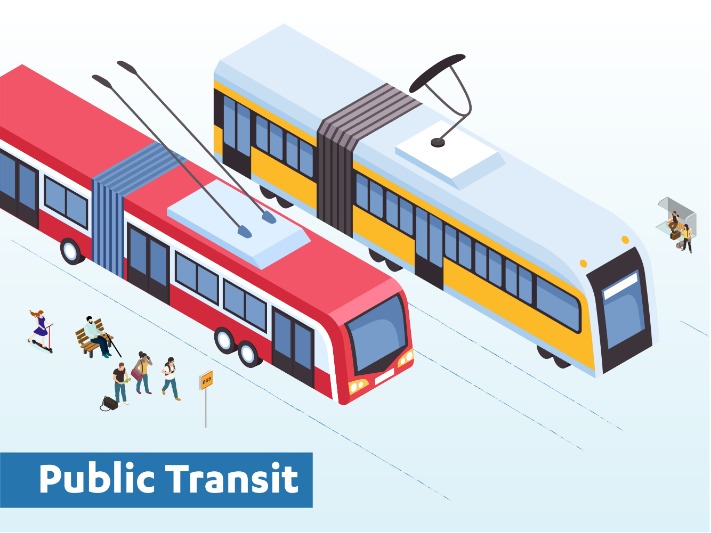
Durban: Go Durban express routes
Durban’s Go Durban express routes stand as a regional case study on transit liner buses in South Africa, designed to move large numbers of commuters quickly along busy corridors while connecting with feeder services and rail.
Context and goals for the express network include reducing travel times on high-demand journeys, improving reliability through fewer stops, and integrating with the broader public transport system to offer a credible alternative to private car use in a growing coastal city.
Route design and operations focus on key corridors with high volumes of commuters. Express routes typically operate at higher frequencies during peak periods, follow simplified stop patterns, and leverage scheduling to minimize layovers, aiming to provide predictable service for workers and students alike.
Fleet and accessibility considerations emphasize modern, low-floor buses with wide doors, clear tamper-evident branding, and accessibility features for people with mobility needs. The service prioritizes driver training, clean depots, and standardized maintenance to sustain reliability across the network.
Technology and fare integration play a central role, with smart card payments or contactless options, real-time vehicle tracking, and passenger information at stops and via mobile apps. An integrated fare structure helps passengers transfer between Go Durban express routes and feeder services or rail when available.
Performance and impact metrics often highlight travel-time reductions on major corridors, improved on-time performance, and gains in access to employment and education for riders who previously faced lengthy commutes. Evidence from user surveys and ridership data typically shows a shift away from private cars during peak periods, contributing to reduced congestion and emissions.
Challenges for the Durban express program include securing stable funding for operations and fleet renewal, maintaining high levels of reliability amid urban traffic, safeguarding passenger safety, and ensuring effective last-mile connections for riders who live far from express stops.
Lessons for other cities emphasize starting with demand-driven corridor analysis, establishing strong governance and public–private collaboration, investing in durable fleets and stop infrastructure, and implementing robust data systems to monitor performance and adjust routes as needed.
In summary, the Durban Go Durban express routes illustrate how a transit liner bus approach can deliver faster, more reliable city travel in South Africa while highlighting the careful balance of planning, technology, and continuous improvement required to sustain success in major urban areas.
Future Trends and Opportunities
Future trends in South Africa’s transit liner bus systems point to integrated, rider-centric networks built around bus rapid transit corridors, electrification, and data-driven operations. Opportunities include public-private partnerships for fleet modernization, standardized fare and timetable systems, and local manufacturing and maintenance ecosystems that create jobs while reducing emissions. As cities expand and urban mobility demands grow, reliable, accessible liner bus services will be central to inclusive growth, with digital ticketing, real-time updates, and safer, cleaner fleets shaping the next era of public transport.
Electric and hydrogen buses
South Africa’s transit liner bus networks are at a pivotal moment as cities expand and climate goals tighten, creating a strong case for modern fleets that can deliver reliable service with lower emissions. Electric and hydrogen buses are central to this transition, offering pathways to cleaner, quieter, and more efficient urban mobility across major corridors such as Cape Town, Johannesburg, and Durban.
Electric buses bring a clear environmental and operational advantage. With advances in battery technology, longer ranges, and lower maintenance, they can reduce operating costs over the life of the vehicle. For transit liner routes that run on fixed corridors with predictable demand, depot and fast charging strategies can keep fleets on the road with minimal downtime. In South Africa, grid reliability and the economics of charging must be addressed, but opportunities exist to pair charging with renewable energy and possibly residual value from second-life batteries in stationary storage systems.
Hydrogen buses offer complementary strengths, especially for longer trunk routes or networks with limited charging windows. Fuel cell buses refuel quickly and can operate across busy peak periods without the same charging constraints as battery-electric buses. Green hydrogen produced from renewable energy can decarbonize transit while leveraging existing maintenance skills in the BRT and liner bus ecosystems. The main challenges are the higher upfront capex, a developing refueling network, and ensuring a local value chain for electrolyzers, fuel cells, and hydrogen logistics.
A practical path combines electrification with hydrogen where suited, supported by hybrid approaches and energy management strategies. Fleet planners can deploy a mix of battery-electric buses on routes with charging-ready depots and hydrogen buses on longer or higher-demand corridors. Integrating microgrids, solar installations at depots, and vehicle-to-grid capable charging can improve resilience to load shedding and grid volatility that characterizes the South African energy landscape.
Policy, funding, and procurement frameworks will shape the pace of adoption. Public procurement that emphasizes whole-life cost of ownership, fleet reliability, and local supplier involvement will help deliver predictable outcomes. Government programs, development finance, and PPP models can crowd in private capital for charging infrastructure, hydrogen refueling networks, and local manufacturing. Clear standards for interoperability, safety, and data sharing will accelerate scale across cities such as Cape Town’s MyCiTi and Johannesburg’s Rea Vaya systems, ensuring a common platform for future fleets.
Local manufacturing and skills development are key opportunities. Building a domestic value chain for batteries, powertrain components, fuel cells, and hydrogen infrastructure can create jobs and reduce import dependence. Training programs for technicians, depot managers, and energy system integrators will align the workforce with the needs of modern transit liner fleets and support long-term operation and maintenance in South Africa.
In practice, the transit liner bus sector in South Africa stands to gain from data-driven route planning, demand-responsive services, and integrated mobility ecosystems. Real-time telemetry, predictive maintenance, and dynamic energy management can optimize fleet performance, reduce downtime, and improve rider experience. Public-private pilots on major corridors can demonstrate cost-effective models that others can replicate, fueling a broader national transition toward sustainable urban mobility.
As electrification and hydrogen begin to mainstream, the opportunities extend beyond the vehicle itself to the supporting ecosystem. Manufacturing clusters around bus assembly, battery modules, and hydrogen equipment, coupled with standardized charging and refueling infrastructure, can position South Africa as a regional hub for green transit technology. For cities focused on transit liner efficiency, the combination of strong policy signals, accessible financing, and a capable workforce will unlock scalable, resilient solutions that serve millions of riders while reducing emissions and improving air quality.
Digital ticketing and Mobility as a Service
Future Trends and Opportunities for transit liner bus networks in South Africa are being shaped by digital ticketing and Mobility as a Service (MaaS). As cities modernize liner routes and feeder networks, technology-enabled solutions promise to improve reliability, affordability, and rider experience across urban and peri-urban corridors.
- Digital ticketing and contactless payments: adoption of smart cards, mobile wallets, and QR codes reduces cash handling, speeds boarding, and provides rich data for service planning in South Africa’s transit liner bus systems.
- Mobility as a Service (MaaS) integration: a single app or platform can plan, book, and pay for buses, trains, and other modes, enabling seamless multimodal journeys across major cities like Cape Town, Johannesburg, and Durban.
- Transit network design and operations: trunk and feeder configurations, limited-stop liner corridors, and potential bus rapid transit features improve coverage and reliability while optimizing fleet utilization.
- Real-time data, analytics, and dynamic operations: GPS tracking, occupancy insights, and predictive maintenance enable adaptive headways, demand-responsive routing, and improved safety for passengers.
- Electrification and alternative propulsion: electric and other low-emission buses reduce emissions and operating costs, with depot charging, fast charging along busy corridors, and lifecycle thinking guiding fleet replacement.
- Infrastructure and digital backbone: robust connectivity on vehicles, cloud-based fleet management, and cybersecurity measures ensure resilient operation and secure rider data.
- Funding, governance, and partnerships: public–private partnerships, subsidies, and grant programs support fleet modernization, depot upgrades, and MaaS platform deployment in South Africa.
- Customer experience and accessibility: multilingual, inclusive design, real-time updates, and safe, well-lit bus stops improve rider satisfaction and encourage use of liner services.
- Regulatory framework and policy alignment: alignment with national transport planning efforts, data sharing standards, and open data initiatives enables coherent MaaS ecosystems across cities.
- Social equity and rural-urban connectivity: prioritizing underserved communities with affordable fares and reliable liner routes helps bridge mobility gaps and support economic inclusion.
- Local industry and skills development: domestic manufacturing, maintenance capabilities, and software development for ticketing and MaaS platforms create jobs and strengthen the South African transport ecosystem.
- Resilience and climate adaptation: climate-smart planning, flood-resilient infrastructure, and diversified energy sources contribute to dependable liner bus services under varying conditions.
Public-private partnerships and funding models
South Africa’s transit liner bus sector is at a tipping point, with rapid urban growth, climate commitments, and a push for affordable, reliable mobility driving renewed interest in bus rapid transit (BRT) and liner services. Public-private partnerships (PPPs) and innovative funding models are central to scaling high-quality liner networks that connect townships, inner cities, and peri-urban corridors.
Electrification and alternative propulsion are transforming fleet composition. Battery electric buses, hydrogen fuel cell options, and ultra-low emission diesel hybrids are reducing operating costs, improving air quality, and enabling longer routes with fewer refueling stops. Investment in depot charging, fast-charging hubs, and renewable energy supply is essential to unlock these gains.
Future liner networks will be purpose-built or upgraded as corridors with priority lanes, dedicated busways, and integrated interchanges with rail, minibus-taxi networks, and feeder services. Standardized, real-time passenger information and contactless ticketing will enable seamless journeys and higher farebox recovery.
Public-private partnerships will evolve to balance capital intensity with risk transfer. Contracts may use design-build-finance-operate-maintain (DBFOM) or design-build-operate-maintain (DBOM) models, with availability payments tied to performance and reliability rather than sole fare revenue. Clear risk allocation for demand, disruption, and maintenance reduces project risk for lenders.
Funding models will combine public budgets with blended finance to crowd in private investment. Concessional loans from development banks, guarantees, and grants can cover depot upgrades, charging infrastructure, and corridor construction. Green bonds or sukuk may be used to fund climate-aligned bus networks, while pension funds and insurers seek long-dated, inflation-linked returns.
Locally sourced manufacturing and maintenance ecosystems can lower lifecycle costs and create jobs. Transferring bus assembly, battery or component assembly, and maintenance operations to domestic suppliers builds resilience and aligns with South Africa’s industrial policy goals. Skills programs for technicians, electricians, and operations controllers will be essential.
Governance frameworks and procurement rules will need to keep pace with innovations. Standardized vehicle specifications, interoperable ticketing platforms, data sharing protocols, and performance dashboards help agencies compare bids, monitor service levels, and enforce accountability. Alignment with national transport plans and urban development strategies ensures coherence.
Digitalization and data governance will be key enablers. Real-time fleet analytics, predictive maintenance, dynamic scheduling, and MaaS (mobility-as-a-service) integrations can improve reliability and rider experience. Open data policies and cybersecurity measures protect rider information while enabling innovative partnerships with app developers and service aggregators.
Resilience to climate and instability is part of the future. Depots with solar generation, battery storage, and microgrids can mitigate outages; liner networks can be designed with redundancy to maintain critical routes during peak periods. Climate risk assessments help plan fleet composition and route resilience.
Risks must be actively managed. Political cycles, macroeconomic volatility, and currency fluctuations can affect cost of capital. Additionally, maintaining vehicle reliability, addressing fare evasion, and ensuring safe operations are ongoing challenges for liner services in dense urban corridors.
Value capture and land-use considerations offer additional financing levers. Transit-oriented development near major liner corridors can generate incremental revenue or uplift, supporting corridor financing through property tax increments, strategic land development, or joint development with private landowners.
Lessons from existing South African BRT projects such as Rea Vaya and MyCiTi illustrate the potential for PPPs in transit liner buses when there is strong political will, clear risk transfer, and reputable operators. A phased approach—readiness assessments, pilot corridors, and scalable rollouts—helps build investor confidence and deliver measurable mobility improvements.