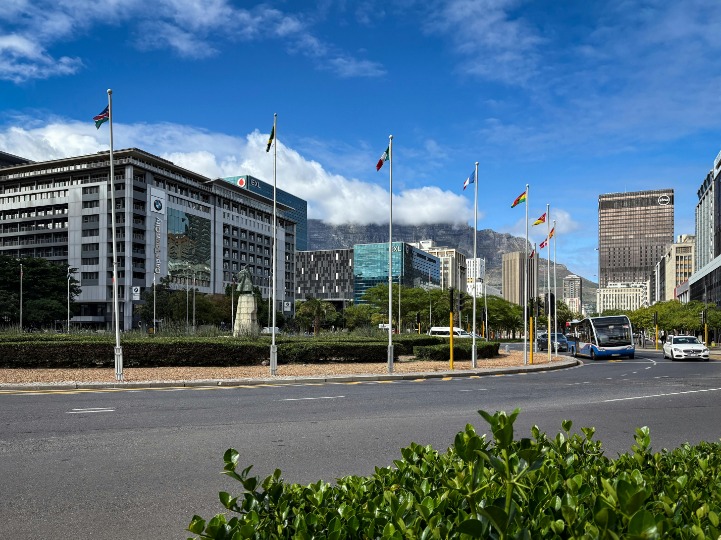

Overview of Uber Bus in South Africa
Uber Bus in South Africa represents the ride-hailing company’s move into mass transit, offering scheduled, shared bus-like rides that connect major cities and townships through the Uber app. By pooling riders along fixed routes with reliable pickup times, it aims to provide a more affordable and convenient option alongside traditional public transport, while integrating safety features, digital payments, and real-time tracking into a familiar platform.
What is Uber Bus and how it differs from standard Uber services
Uber Bus in South Africa is a shared, route-based ride option that aims to offer a cheaper, more efficient way for commuters to travel longer distances within urban and peri-urban corridors. It sits alongside the standard Uber lineup and is designed for riders who are comfortable sharing a ride with others headed in the same direction.
What is Uber Bus? It is a bus or shuttle-style ride option within the Uber app that groups multiple customers into a single trip along a fixed or semi-fixed route. Instead of a private door-to-door ride, passengers join a shared journey that may stop at designated pickup points along the corridor.
Key differences from standard Uber services include vehicle type and capacity, pricing, routing, and the ride experience. Uber Bus uses larger vehicles such as buses or shuttle vans with multiple seats, and the fare is typically shared per passenger rather than billed as a private ride. Routes can have scheduled stops or designated pickup points, which means trips may take longer than a direct UberX ride but are generally cheaper on a per-seat basis. Standard Uber services, by contrast, are private, door-to-door trips with point-to-point routing and usually higher per-ride prices.
Availability in South Africa varies by city and corridor. Uber Bus has been rolled out in select cities and popular commuter routes where there is demand for affordable, higher-capacity travel between city centers, business districts, and surrounding suburbs. Availability can change as the service expands or adjusts to demand and regulatory considerations.
How to use Uber Bus in South Africa: open the Uber app, look for the Uber Bus option in eligible areas, select a route or pick-up point, and choose a seat if offered. You will see the estimated time of departure, the stops along the way, and the total fare before you confirm. Arrive at the designated pickup point on time, board with other riders, and enjoy the shared journey. As with all Uber services, you should follow in-app safety guidance and driver instructions.
Tips and safety: check the route and stops before booking, bring a small bag or backpack for hand luggage, be mindful of luggage allowances if applicable, and use the app’s safety features to share trip details with friends or family. Uber Bus is designed to offer a cost-effective commuting option while maintaining Uber’s safety standards and driver verification processes.
Current market presence and major cities
Uber Bus in South Africa describes a bus-style transport concept explored through the Uber app, aiming to move more people efficiently by grouping riders into larger, route-based trips. In practice, Uber has primarily focused on traditional ride-hailing services in the country, with any bus-style initiatives existing mainly as pilots or exploratory talks rather than a nationwide rollout. The success of any Uber Bus effort depends on partnerships with local transit operators, regulatory approvals, and city-scale demand.
- Overview: A concept that envisions bus-like routes and fixed stops integrated into the Uber app, offering higher capacity and potential cost savings per rider compared to single-occupancy rides, typically in pilot form or limited corridors in South Africa.
- Current market presence: Uber Bus is not a major, widely deployed service in South Africa. Uber’s core offering remains ride-hailing (UberX, UberXL, UberBLACK, etc.), with any bus-based initiatives operating as pilots or discussions with city authorities and transport partners.
- Major cities: Johannesburg, Cape Town and Durban are the primary urban markets where Uber operates in South Africa, with bus-style pilots or partnerships likely concentrated in high-traffic corridors within these metros; Pretoria and other major metros may see ride-hailing coverage, while bus-specific deployments remain limited.
Launch timeline and regional rollout
Uber Bus in South Africa represents the ride-hailing company’s attempt to offer a fixed-route, scheduled bus-style service that integrates with the Uber app to provide a predictable, affordable commute option for urban travelers.
The service leverages established high-volume corridors and depots, with passengers booking seats through the Uber app, selecting a bus ride rather than a traditional point-to-point Uber pickup. Vehicles are typically standard or high-capacity coaches outfitted with seating, luggage space, and on-board safety features.
Riders benefit from fixed schedules, set routes, predictable wait times, and potential savings compared with individual rides during peak hours. The service is designed to complement existing public transit by bridging the first and last mile gap, while offering a reliable alternative for commuters who navigate congested corridors.
Operational considerations include integrating with municipal transit planning, ensuring accessibility and safety, and meeting regulatory requirements for bus services. Uber would need to collaborate with local authorities on route approvals, driver qualification, vehicle standards, and fare regulation to ensure a sustainable rollout.
Launch timeline and regional rollout for Uber Bus in South Africa are typically described in phases: a pilot phase in select corridors to test demand, safety, routing, and operations; expansion to additional routes within the same city; and a broader regional rollout across multiple metros over a 12–24 month period. Uber has indicated a preference for starting in major urban centers where congestion and commuting demand are highest, before scaling to other cities.
Regional rollout typically centers on the country’s largest metropolitan areas—Gauteng, Western Cape, and KwaZulu-Natal—before extending to secondary cities. In each region, the rollout would prioritize corridors with high commuter volumes, connections to business districts, airports, and transport hubs, and would likely involve partnerships with local authorities and public transit agencies to align scheduling and fare integration.
From a rider experience perspective, Uber Bus would integrate with existing Uber ride options in the app, allowing seamless switching between car rides and bus services. Features such as live bus tracking, fare transparency, and in-app customer support would be emphasized to build trust and reliability among new users.
Looking ahead, Uber Bus in South Africa would aim to support sustainable mobility goals by potentially electrifying fleets, improving last-mile connectivity, and relieving road traffic during peak times. The success of any rollout would depend on regulatory clarity, operational efficiency, and the ability to work closely with city planners and transit agencies to create a network that genuinely complements public transport.
Service model and operations
Uber Bus in South Africa envisions a service model that blends on-demand ride-hailing with dedicated shuttle routes, using the Uber app to match riders with a fleet of licensed drivers operating minibuses or vans along key corridors. Operations emphasize predictable schedules on fixed or semi-fixed routes, dynamic pricing, real-time trip tracking, safe boarding procedures, driver support, and integration with existing public transit to improve mobility, reduce congestion, and expand access across cities with varied transport needs.
Fleet composition and vehicle standards
Uber Bus South Africa envisions a scalable, app-enabled bus service that complements existing public transport, serving high-demand corridors in major cities such as Johannesburg, Cape Town, Pretoria and Durban. The model aims to offer reliable, safe, and affordable mobility by leveraging the Uber platform to coordinate routes, schedules and payments while integrating with existing transit networks.
Service model and operations: The service would typically operate on a mix of scheduled and dynamic routes with express options and limited stops to reduce travel times. Riders would book through the Uber app, selecting origin, destination and desired pickup times. A central dispatch system would allocate buses and drivers, manage maintenance, and ensure route adherence. Fares could be integrated with the Uber wallet, with options for daily, weekly or monthly passes, discounts for commuters and corporate partnerships, and seamless transfer with other transit modes. Safety and accessibility are prioritized with driver background checks, in-app safety features, real-time trip sharing, CCTV on board, and on-demand assistance for riders with disabilities. The service would collaborate with municipal and national transport authorities to align with urban mobility plans and regulatory requirements, including route licensing and permit processes.
Fleet composition: The fleet would typically combine high-capacity urban minibuses (12–25 seats) or 25–40 seat buses for higher-demand corridors, with flexible deployment to match peak and off-peak volumes. A significant emphasis would be placed on electric or hybrid propulsion to reduce emissions, supported by battery-electric buses and a network of charging depots. Vehicle rotation and spare capacity would ensure reliability and reduce downtime. Depots would be distributed in strategic areas near major corridors, with maintenance facilities for routine servicing, tire management and cleaning. Procurement strategies would involve partnerships with regional manufacturers and OEMs to ensure parts availability and local service support, while ensuring compliance with safety and accessibility standards.
Vehicle standards: All vehicles would meet local safety and environmental requirements, including crashworthiness, seat belts for all seats, and stability control systems. The interiors would include clear wayfinding, accessible entry for wheelchairs via low-floor designs and ramps, and spaces for passengers with mobility devices. Vehicles would be equipped with real-time GPS tracking, CCTV, and emergency communication systems, with routine cleaning and sanitization protocols. Emissions and fuel economy would comply with South Africa’s norms and incentives, and the fleet would be designed to minimize noise and vibration in urban environments. Regular driver training would cover safety, customer service, and operating procedures, and the fleet would be subject to periodic audits and regulatory inspections to maintain high standards throughout service life.
Booking flow and ride types
Uber Bus South Africa envisions a mass-transit service that sits alongside Uber’s ride-hailing apps to move groups of people on fixed routes with predictable schedules. Focused on major urban corridors such as Johannesburg, Pretoria, Cape Town and Durban, the service would connect residential neighbourhoods to business districts, transport hubs, and entertainment zones while offering the familiarity and safety of the Uber platform.
Service model and operations: A central operations hub would manage route planning, fleet deployment, and real-time dispatch. The fleet would include high-capacity coaches and bus-sized shuttles, equipped with GPS tracking, automated check-ins, and seat allocation to maximize efficiency. Drivers would undergo background checks, safety training, and regulatory compliance, with in-app support tools for route changes, incident reporting, and customer communication. Pricing would combine fixed-route fares with dynamic adjustments during peak times, capped to protect affordability, and integrated digital payments through the Uber wallet or supported card methods. The aim is reliable service that can be scaled or adjusted to traffic conditions and special events while maintaining high safety and service standards.
Booking flow: In the Uber app, users select Uber Bus, pick a route and departure time from the available timetable, and see real-time seat availability. After confirming the trip, passengers complete payment and receive a digital ticket or boarding pass. On the day of travel, riders are guided to dedicated bus stops or hubs, where QR codes or mobile tickets are scanned for boarding. Live ETAs update throughout the journey, and push notifications alert riders to any delays or gate changes. If a rider misses a scheduled bus, options to rebook on the next departure are shown in-app.
Ride types: Uber Bus South Africa would offer several ride types to suit different needs. Standard City Bus provides everyday commuter service with spacious seating and regular departures on busy corridors. Express Intercity Bus focuses on longer journeys with fewer stops and faster travel times between major nodes. Shuttle or Corporate Service can be chartered for business groups, campuses, or events, offering fixed routes and reserved seating. An Accessible Bus option would cater to riders with mobility needs, featuring wider entrances and priority seating where available. Each ride type would share the same safety standards and seamless payment flow within the app.
Localization and market fit: The service would be designed to work with South Africa’s urban transport landscape, offering feeder connections to existing metro networks, integration with transit apps, and multilingual in-app support. Fares would be denominated in South African rand, with straightforward pricing structures and occasional promotions to drive adoption. Partnerships with employers, universities, and municipalities could help extend reach and justify infrastructure investments like bus stop shelters and dedicated lanes.
Safety, reliability and accessibility: Uber Bus South Africa would emphasize safety with driver training, live GPS tracking, CCTV where permitted, and an in-app SOS feature. Boarding and alighting would occur at clearly marked stops with compliant accessibility options. Real-time updates, trip sharing, and contactless payments would reduce friction and improve trust for riders new to bus-style service. The service would also include robust customer support channels for issue resolution and feedback.
Outlook: If implemented thoughtfully in key South African markets, Uber Bus could complement first- and last-mile options, reduce road congestion, and provide a predictable, end-to-end transit experience powered by the Uber platform. Success would hinge on regulatory alignment, collaboration with transport authorities, and continual optimization of routes, capacities, and pricing to serve commuters efficiently.
Driver onboarding and support structures
Uber Bus South Africa reimagines urban mobility by deploying larger shuttle buses through the Uber app, offering pre-booked routes with fixed stops and real-time updates for commuters in major metros such as Johannesburg, Cape Town and Durban.
Service model and operations: The service operates as a network that blends scheduled routes with demand-responsive legs to fill gaps during peak hours. Each bus runs on a defined corridor with predictable headways, while the app handles route optimization, driver assignment, surge pricing during high demand, and rider commitments. Partnerships with licensed bus operators and/or a dedicated Uber Bus fleet ensure compliance with vehicle and driver standards. Real-time tracking, electronic payments and automatic passenger counting support efficient operations and prompt incident response.
Driver onboarding: Prospective Uber Bus drivers complete a structured onboarding process that includes verification of a valid South Africa PCV (Public Carriage Vehicle) licence and motor vehicle documents, background and driving-record checks, vehicle inspections to ensure safety equipment and accessibility features are in place, and a training programme on passenger safety, boarding and alighting procedures, crowd management, and emergency response. New drivers participate in supervised trips before full activation and must maintain current licenses and insurance throughout engagement.
Support structures: A dedicated driver support ecosystem includes a 24/7 command centre, in-app help, and a multilingual support line for incidents, fare disputes or scheduling issues. Ongoing coaching, performance dashboards, safety audits, and reward/incentive schemes are provided to promote reliability and quality. A formal incident-response protocol covers accidents, medical events and safety concerns with rapid escalation and post-incident reviews.
Operational considerations: Route design focuses on minimizing travel time while ensuring accessibility, with fixed stops feeding into last-mile connections to rail, bus or metro services. The system uses dynamic dispatch to balance supply and demand, monitors driver behaviour, and enforces safety standards such as seat-belt use, passenger limits, and vehicle cleanliness. Payment is cashless via the Uber app, with options for corporate or campus accounts, and rider feedback loops help improve service levels.
Regulatory and local adaptation: Uber Bus South Africa operates within the national and provincial transport frameworks, requiring appropriate permits, operator licensing, and vehicle roadworthiness. Compliance with data privacy, consumer protection, insurance requirements and labour regulations is maintained, together with collaboration with municipal transit authorities to align with public transport planning and fare integration.
In summary, Uber Bus South Africa aims to extend urban mobility by offering reliable, safe, and scalable bus-like services through the Uber platform, pairing robust driver onboarding and support with disciplined operations and regulatory compliance to serve densely populated cities and their commuters.
Service hours, availability, and peak demand management
Uber Bus South Africa reimagines urban mobility by combining the efficiency of bus-style travel with the flexibility of on-demand rides, designed to move large numbers of commuters along key city corridors while preserving the convenience of the Uber app.
Service model and operations are built around high-capacity shuttles that operate along predefined corridors while using the Uber platform to match riders in real time. Riders can book seats on a bus via the Uber app, and the system optimizes routes and pickups to group passengers headed the same way while limiting detours to keep trips efficient. The fleet typically consists of shuttle-style vehicles with multiple seating rows, and drivers are vetted and monitored, with in-app safety features, live trip tracking, and emergency options. The operation relies on dynamic route optimization, real-time demand signals, and partnerships with fleet owners and local operators to ensure reliability and scale.
Service hours and schedule are designed around peak commuting times and local constraints. Availability is higher during morning and evening rush hours on major corridors, with extended coverage in large metropolitan areas and occasional weekend services in tourist or business districts. Because demand and road conditions vary, service windows can shift by city and day, and the platform may run shorter or longer hours depending on rider demand, traffic, and regulatory approvals.
Availability is focused on major urban corridors in South Africa’s largest cities, with buses deployed to serve consistent demand along routes connecting central business districts to suburbs and transport hubs. The app shows live availability and wait times, and as demand changes, more buses can be allocated to popular routes. In lower-demand periods, coverage can be reduced to maintain efficiency while seeking to minimize wait times for users who need service.
Peak demand management relies on a combination of pricing signals, capacity shifts, and routing optimization. When demand exceeds supply, surge or dynamic pricing can incentivize more riders to shift to off-peak times or choose nearby alternatives, while pooling encourages passengers with similar itineraries to share a ride to improve bus occupancy. The routing system continuously analyzes live data—traffic, weather, events, and historical patterns—to reallocate buses to hot spots, adjust stop sequences, and reduce transit times. Extra buses may be dispatched to high-demand corridors for predictable spikes, such as weekday mornings and evenings, or during special events.
Uber Bus emphasizes safety through in-app features, driver background checks, seat belts, and GPS tracking shared with riders and family, with an in-app emergency button and clear policies for disruptions or delays. The service aims to deliver predictable travel times, comfortable seating, and reliable connectivity to other transit options like metro lines and train stations.
Uber Bus collaborates with city authorities, bus operators, and transport agencies to align with local regulations and bus lanes where available. Data-sharing and performance metrics support urban planning and improve bus priority on congested corridors. Compliance with South Africa’s transport safety requirements, licensing, and driver standards is maintained through the platform and partner operators.
In summary, Uber Bus South Africa aims to complement existing public transit by offering scalable, on-demand bus travel that improves route efficiency, reduces congestion, and provides a dependable alternative for commuters on high-demand corridors.
Routes and coverage
Uber Bus in South Africa is developing a route-based network aimed at connecting major city centers with key transit hubs. This overview of routes and coverage highlights the main corridors in Johannesburg, Pretoria, Cape Town, and Durban, how frequently buses run on these routes, and plans to expand to additional neighborhoods as demand grows.
Key corridors between major cities
Routes and coverage for Uber Bus South Africa focus on key corridors between major cities, creating a network that links Gauteng, the Western Cape, KwaZulu-Natal, and the Eastern Cape. The service prioritizes affordability, frequent departures on popular routes, and broader regional reach to support commuters and travelers across provinces.
- Johannesburg to Cape Town — covers the central and western parts of the country along the N1, connecting Johannesburg, Pretoria, Bloemfontein, Worcester, and Cape Town, serving business travelers, tourists, and students.
- Johannesburg to Durban — via the N3 corridor, linking Johannesburg to Durban through Pietermaritzburg, with key stops along the inland and coastal routes to support major urban centers.
- Cape Town to Port Elizabeth (Gqeberha) — along the N2, linking the Western Cape with the Eastern Cape capitals and regional towns for coastal travel and tourism.
- Johannesburg to Bloemfontein — inland corridor along the N1, connecting Gauteng with the Free State’s capital, with stops in towns like Kroonstad and Welkom.
- Durban to East London — coastal corridor along the N2, linking Durban with major Eastern Cape coastal cities, serving business and leisure travelers along the coast.
Urban, peri-urban, and rural reach
Routes and coverage shape how a bus-style service under the Uber umbrella could fit into South Africa’s transport mix, balancing demand, road conditions, and existing transit networks across urban, peri-urban, and rural areas.
Urban reach in major cities would focus on high-density corridors and business districts. Express routes along arterial roads and limited-stop services could connect townships and suburbs to central business districts, with frequent departures during peak hours and reliable on-time performance. The goal would be predictable travel times, easy transfers to other modes, and integrated payment options for commuters who rely on shared rides as a backbone of urban mobility.
Peri-urban corridors, bridging suburbs, townships, and satellite towns, require flexible route planning. Demand in these areas can be variable and sensitive to work patterns, school schedules, and events. A successful peri-urban network would combine fixed routes on key corridors with demand-responsive elements that allow stops where riders request them, feeding into rail stations or bus hubs to create a reliable, once-a-while-to-everywhere service.
Rural reach is the most challenging but holds potential for essential mobility. In smaller towns and rural districts, coverage would likely be modest and concentrated around economic or service hubs, such as markets, clinics, and schools. Long distances, sparse populations, and seasonal demand demand careful cost-revenue planning, partnerships with local authorities, and possible lighter-touch vehicles or shuttle formats to keep operating costs viable while still expanding access.
Route design principles would emphasize an anchor network with hub-and-spoke patterns, where major corridors feed into central hubs that connect to other transit modes. Frequency, headways, and stop spacing would be tuned to the local context—short, predictable trips in cities and longer, reliable runs in rural areas. Operators could use dynamic routing within defined zones to respond to traffic, incidents, and real-time demand without sacrificing efficiency.
Integration with existing transit systems is essential for multi-modal journeys. Hubs near train stations, bus rapid transit stops, and major tram or metro corridors could simplify transfers. Cross-ticketing and unified payment would reduce friction, while synchronized schedules would minimize wait times and improve overall trip reliability for daily commuters and occasional travelers alike.
User experience and accessibility must be central to coverage plans. Vehicles should be accessible to riders with mobility devices, and services should offer clear, multilingual information about routes, stops, and expected travel times. Real-time updates, safe and well-lit stops, and trained drivers are critical to building trust in new bus-style services and encouraging consistent use.
Pricing and affordability play a crucial role in uptake, particularly in peri-urban and rural areas where average incomes may be lower and alternatives limited. Flexible fare structures, promotions for first-time users, and potential subsidies or partnerships with local municipalities could help ensure that coverage translates into real mobility gains without creating financial barriers for riders.
Regulatory landscapes and partnerships are central to expanding routes and support coverage. Engaging with national and local transport authorities, taxi associations, and city planners helps navigate licensing, road-use rules, and safety standards. Public-private partnerships and pilot programs can test coverage strategies, inform route adjustments, and demonstrate how shared bus services complement existing public transport infrastructure.
In summary, broad routes and wide coverage in South Africa would require a tiered approach: dense urban networks with frequent service, flexible peri-urban corridors that bridge homes to hubs, and targeted rural routes that extend essential mobility where it is most needed. Success hinges on thoughtful route planning, strong transit integration, accessible rider experiences, sustainable pricing, and collaborative regulatory support.
Expansion plans and pilot programs
Uber Bus in South Africa envisions an intercity bus option that complements existing rail and road networks by offering affordable, reliable trips along key corridors. The approach centers on connecting major urban hubs with feeder access to local transit, using an app-based booking system and scheduled services that can adapt to peak travel times, university calendars, and business commuting patterns.
Routes and coverage would focus on high-demand corridors within and between the country’s largest metros, with emphasis on Gauteng, the Western Cape, and KwaZulu-Natal. Core routes might link Johannesburg and Pretoria, extend to Cape Town and Stellenbosch-area towns, and connect Durban with Pietermaritzburg and surrounding logistics hubs. Coverage would prioritize proximity to major transport nodes such as central business districts, universities, airports, and park-and-ride facilities, while aiming to minimize transfer times and provide predictable travel windows.
Expansion plans are typically envisioned in staged phases. After establishing a solid footprint on core city-to-city corridors, the program could broaden to additional provincial routes, include peri-urban connections, and add more buses to meet rising demand. Long-term plans might explore electrified or hybrid fleets, partnerships with provincial transport authorities, and integration with other transit modes to create seamless door-to-door journeys for commuters, students, and travelers between provinces.
Pilot programs are a natural first step to test feasibility and refine operations. Potential pilots could be launched on urgent corridors such as Gauteng urban edges and Cape Town peri-urban routes, with a defined duration to measure ridership, on-time performance, pricing acceptability, and safety outcomes. Pilots would typically test fixed-route schedules alongside flexible pickups in underserved areas, evaluate rider experience through feedback, and use findings to adjust stop locations, frequency, and pricing before wider rollout.
Operational pilots would also assess integration with existing transport networks, including last-mile connections to rail stations and bus terminals. Key success factors would include clear pickup points, reliable ETA information in the app, simple fare structures, driver training for safety and customer service, and adherence to South Africa’s transport regulatory requirements. The ultimate aim is to extend coverage while maintaining affordability, reliability, and safety across expanding routes.
Technology and booking experience
Technology has reshaped how we plan, compare, and book travel, turning long journeys into a few taps. In South Africa, Uber Bus uses real-time maps, digital payments, and a streamlined app to simplify the booking experience, giving commuters a reliable way to navigate busy routes with confidence.
Mobile app features and interface
Uber Bus in South Africa uses the power of modern technology to connect travelers with scheduled, bus-style trips through a unified app experience. By leveraging the same booking and payment infrastructure as ride-hailing, the service aims to offer predictable schedules, transparent pricing, and safer, more convenient transport across cities and key corridors.
Booking experience is designed to be simple and fast. Users select a route and date, choose seating options, see real-time seat availability, and confirm the trip with a few taps. Clear fare estimates include taxes and service fees, and flexible cancellation policies encourage risk-free planning. The app also supports multi-city itineraries and group bookings for families or teams.
Real-time tracking gives riders a live map view of the bus location, current speed, and estimated arrival times at their chosen pickup point or bus station. Push updates alert travelers to changes in schedule, gate numbers, or delays, reducing anxiety and long waits. The system optimizes routing to minimize transfers and maximize reliability, even during peak travel periods.
Mobile app features and interface include a clean home screen with prominent route search, saved journeys, and a dedicated ‘Bus’ tab. Features like secure in-app payments, wallet integration, and electronic receipts simplify post-trip accounting. In-app notifications, offline maps, and bilingual support help users stay informed in South Africa’s diverse environment. An in-app support chat and complaint flow provide assistance when needed.
The interface design focuses on clarity and accessibility. Large tap targets, legible typography, and a high-contrast color scheme improve readability in various lighting conditions. The layout prioritizes the booking funnel—route, date, seats, payment—so users complete a trip in as few steps as possible. Consistent icons and micro-interactions give feedback on actions like selecting seats or confirming a booking.
Security and privacy are central to trust in Uber Bus South Africa. End-to-end encryption protects payment data, and trusted device authentication helps prevent fraud. Optional features like ride sharing with trusted contacts, emergency assistance, and trip history review provide peace of mind for travelers, families, and corporate groups. Compliance with local regulations and data protection standards is maintained across the platform.
Technological integration with public transit and taxi networks can transform urban mobility in South Africa. The booking experience reduces wait times, improves reliability, and encourages modal shifts away from private cars. For tourists, the service offers a convenient way to reach hotspots and airports with predictable schedules, while for residents it supports daily commutes and weekend getaways.
Overall, Uber Bus South Africa represents a confluence of robust technology, user-centric design, and reliable service delivery. As the platform evolves with new routes, multilingual support, and enhanced safety features, the mobile app remains a key lever for improving travel experiences across the country.
Payment options and currency handling
In South Africa, Uber Bus integrates advanced technology with urban transit to offer a seamless booking and riding experience through the Uber app.
Technology and booking experience: Riders open the Uber app, select Uber Bus, view routes and stops, and see live bus locations and estimated arrival times on an interactive map. The booking flow is designed to be quick: choose the bus service, confirm passenger details, and receive digital tickets. Real-time updates, route optimization, and push notifications keep riders informed about delays, gate changes, or platform updates. Built-in safety features, such as rider verification and trip sharing, help ensure a secure journey.
Payment options: Uber Bus uses a cashless payment model within the app. Riders pay with linked credit or debit cards and compatible digital wallets where available, making the checkout fast and secure.
Currency handling: Fares are displayed in the local currency, the South African Rand (ZAR). For international cards, card networks or issuers handle currency conversion, and riders can review fare estimates before boarding. Taxes and any applicable fees are reflected in the price shown within the app.
Overall, the technology behind Uber Bus in South Africa aims to deliver a transparent, efficient, and user-friendly experience from booking to boarding, with clear pricing and strong safety measures.
Real-time tracking, ETA, and trip updates
Uber Bus in South Africa combines the familiar Uber app experience with a dedicated bus service, delivering seamless transfers between key corridors across major cities. Built on a robust technology stack, the system uses real-time data, a scalable driver network, and user-centric design to simplify long-distance and regional trips.
Booking a Uber Bus ride in South Africa is designed to be fast and intuitive. In the Uber app you select Uber Bus, choose your origin and destination, pick a departure time that fits your schedule, and review a fare estimate before confirming. The process supports secure payments, clear fare breakdowns, and easy access to your trip details in one place.
From confirmation to arrival, real-time tracking keeps you informed. A live map shows the bus’s current location, the route, and progress toward pickup points. You can see how traffic might affect travel time, receive updates on delays, and share your trip status with family or friends for extra peace of mind.
ETA is calculated with live traffic data, road conditions, and historical patterns, then adjusted as the journey unfolds. The app provides ETA updates for each leg of the trip, notifies you if a stop is added or changed, and alerts you when the bus is near your pickup point, helping you plan your arrival precisely.
The boarding experience is streamlined with electronic tickets and clear boarding instructions displayed in the app. Passengers can review the bus number, seating options, and any required checks, reducing wait times at pickup points and making large-group trips easier to coordinate.
Safety and reliability are enhanced through driver details, live location sharing, and in-app safety tools. An SOS option, real-time trip sharing, and easy access to support help riders feel secure while traveling, whether commuting or exploring regional routes.
Across South Africa, Uber Bus leverages technology to improve predictability and convenience for riders, with features like route optimization, capacity awareness, and proactive updates during peak travel periods. This focus on real-time information helps individuals, families, and groups plan more confident journeys.
In-app support and rider safety tools
Uber Bus South Africa uses advanced technology to streamline the booking process and improve the rider experience, from the moment you search for a route to boarding the bus. The app is designed to be fast, intuitive, and reliable in busy urban and regional corridors across the country.
Booking experience and features include real-time route availability, fare estimates, and flexible travel options. Users can select from available buses, view estimated arrival times, and receive digital tickets or QR codes for boarding. The platform supports multiple payment methods common in South Africa, including card, wallet options, and local regional payment partners, with transparent pricing and receipts kept in the app.
In-app support is built to help you when you need it most. A dedicated help center, in-app chat with support agents, and quick reporting tools are available for trip issues, delays, or refunds. You can view your ride history, rebook past routes, and escalate concerns if required, all without leaving the app.
Rider safety tools are integrated into the experience to give you confidence on every trip. An emergency button provides instant access to help, trip-sharing lets trusted contacts follow your journey, and in-app safety tips guide riders on safe boarding and behavior. All drivers and vehicles undergo verification, with ongoing monitoring and incident reporting to ensure standards are met.
Technology also supports the broader safety and reliability goals in South Africa through real-time bus tracking, push notifications for delays or gate changes, and data-driven routing to avoid congestion. The system is designed to work with varying connectivity and supports offline maps where possible, ensuring you can plan ahead even in spotty service areas.
Accessibility and language support reflect South Africa’s diversity, with the app offering multiple languages and inclusive design to help riders of different backgrounds navigate booking, boarding, and safety features with ease.
Overall, Uber Bus South Africa combines robust technology, a smooth booking experience, reliable in-app support, and strong rider safety tools to make bus travel more connected, convenient, and secure for commuters and travelers alike.
Safety, security, and rider experience
Uber Bus South Africa prioritizes safety, security, and a positive rider experience by combining strict driver verification and vehicle standards with in-app safety features, real-time trip tracking, and 24/7 support. Riders benefit from trusted boarding points, licensed drivers, clean and well-maintained buses, and clear, transparent pricing, all designed to deliver reliable, comfortable journeys across major South African cities.
Driver background checks and rating system
Uber Bus South Africa emphasizes safety, security, and rider experience as it scales bus-style, on-demand services across major cities. The program integrates technology, policy, and people-focused practices to protect riders, drivers, and communities.
- Safety and security framework
The service relies on in-app safety tools, real-time trip monitoring, and 24/7 support. Key features include an emergency button, trip sharing with trusted contacts, and automated alerts if a ride deviates from the planned route or encounters unusual events.
- Rider experience and accessibility
Riders benefit from clear route information, predictable arrival times, and options for comfortable seating and accessibility needs. Multilingual support, easy booking, and transparent fare estimates contribute to a positive experience for diverse communities.
- Driver background checks and verification
Driver onboarding typically includes identity verification, driving license validation, and checks of driving history. Where available, criminal background checks are conducted, and there is ongoing monitoring to identify changes in a driver’s eligibility and behavior. Periodic re-verification helps maintain high safety standards.
- Vehicle standards and safety inspections
Vehicles used for Uber Bus routes must meet minimum safety and cleanliness standards, including seat belt availability, internal maintenance checks, and regular inspections. Vehicles are expected to be kept clean, well-maintained, and ready for passenger use to ensure a reliable ride experience.
- Rating system and rider feedback
Uber Bus employs a two-way rating system where riders rate drivers after trips and drivers rate riders. This feedback helps identify patterns, informs coaching or retraining, and can lead to deactivation for consistent safety or conduct concerns. Transparent dispute resolution processes protect both sides’ interests.
- Incident response and security features
In any incident, riders can report via the app, and the platform coordinates with local authorities when necessary. Ride data is used to improve safety analytics, and incident response protocols are designed to be swift, discreet, and privacy-conscious while ensuring accountability.
Vehicle safety standards and inspections
Uber Bus South Africa prioritizes safety, security, and a positive rider experience across every journey. The service is designed to provide reliable long-distance and regional travel with clear safety protocols, trained staff, and technology that keeps riders informed and protected from booking to drop-off.
Vehicle safety standards in Uber Bus South Africa are built on compliance with South African road and transport regulations and international best practices. Each bus used for Uber Bus services must meet applicable vehicle safety requirements, pass regular roadworthiness checks, and be maintained on a proactive schedule to prevent failures. The fleet typically features essential safety equipment such as functional seat belts, clear emergency exits, and working safety devices in line with South African standards and the operator’s safety policy.
Inspections and maintenance are integrated into operations. Before a vehicle is cleared for service, it undergoes pre-trip checks, with routine maintenance intervals scheduled by qualified technicians. Periodic inspections verify braking systems, tires, lighting, suspension, and emergency equipment. Records of service and inspections are kept for audit and regulatory compliance, and Uber Bus South Africa may partner with accredited service centers to ensure consistent standards across routes.
Security and rider safety are reinforced through driver screening and training. Prospective drivers undergo background checks and competency assessments, with ongoing training on passenger safety, conflict de-escalation, accessibility considerations, and compliant conduct. On the bus, security features such as CCTV cameras where permitted by law, clear seat assignments, and safe boarding procedures help deter incidents and support a quick response if needed. Real-time trip monitoring and route transparency add another layer of security for riders and their families.
Rider experience is enhanced by clear communication, reliable timetables, and user-centered design. The app and booking flow provide real-time status updates, ETAs, and easy options to contact support. Safety reminders are present at key touchpoints, and information about pickup points, service hours, accessibility options, and best practices for safe travel is readily available to riders.
In emergencies or if compliance concerns arise, Uber Bus South Africa maintains established incident reporting and response protocols. Riders can access 24/7 support, and the operations team collaborates with local authorities when required. Transparent incident handling, data privacy, and post-incident support help maintain trust and continuous improvement across the service.
Compliance with South Africa’s regulatory framework is central to vehicle safety standards and inspections. Uber Bus South Africa aligns with the National Road Traffic Act, operator licensing, and any applicable provincial or municipal requirements. The company supports ongoing safety audits, staff training, and community engagement to address safety concerns and to reinforce secure travel for riders and communities along the service corridors.
Ultimately, safety, security, and rider experience form the core of Uber Bus South Africa’s mission. Through rigorous vehicle standards, proactive inspections, rigorous driver training, and robust rider support, the service aims to provide peaceful, dependable journeys that riders can trust on every trip.
In-ride safety measures and rider conduct policies
Uber Bus South Africa places safety, security, and rider experience at the core of every trip. By design, in-ride safety measures and rider conduct policies aim to protect passengers and drivers while delivering reliable, comfortable journeys across key routes in the country.
In-ride safety measures include mandatory seat belts, regular vehicle inspections, and driver verification to ensure each ride meets local safety and road-worthiness standards. Real-time GPS tracking and trip sharing with trusted contacts provide visibility and reassurance throughout the journey. The in-app Safety Toolkit, including a dedicated SOS feature and clear emergency instructions, connects riders to immediate help if needed, while a 24/7 safety team monitors trips and coordinates responses to incidents.
Rider conduct policies require respectful behavior toward drivers and other passengers, prohibition of illegal activities, and a commitment to keeping the ride safe for everyone on board. Prohibited actions include the possession or use of weapons, illegal substances, or activities that could endanger others; smoking or vaping; loud or disruptive behavior that affects the ride experience; and tampering with safety devices or vehicle equipment. Riders should follow driver instructions, remain seated with seat belts fastened while the vehicle is moving, and avoid distracting the driver.
Security and privacy are maintained through rigorous driver background checks, ongoing compliance reviews, and secure handling of rider data. The platform uses continuous monitoring and a transparent rating system to identify and address safety concerns, while safeguarding personal information and ensuring that reports are reviewed promptly and treated with discretion.
Rider experience is enhanced by proactive safety actions, including pre-ride checks in the app, route transparency, and the ability to share trip status with friends or family. Riders are encouraged to verify driver details, vehicle information, and route before starting a trip, report any concerns through the in-app help center, and utilize trusted contacts to stay informed throughout the journey.
Uber Bus South Africa remains committed to ongoing improvements in safety, security, and rider experience, recognizing that a calm, protected, and dependable ride quality is essential to building trust and delivering reliable transportation across the country.
Pricing, discounts, and promotions
Pricing for Uber Bus South Africa blends base fares with distance and time components, while aiming to keep rides affordable through promotional discounts and limited-time offers. Riders can benefit from loyalty rewards, student discounts, and bundled passes that reduce the per-trip cost on popular routes. Promotions are typically applied automatically in the app or via codes, making it easy to save on regular commutes and longer journeys alike.
Pricing model, fare structure, and surge pricing
Pricing for Uber Bus in South Africa combines distance, time, demand, and service features to set fares displayed before you ride. In South Africa, Uber Bus aims to provide a larger-capacity option alongside other Uber products, with pricing that shows in the app before you confirm a trip.
Fare components typically include a base fare, a distance-based rate per kilometer, a time-based rate per minute, a booking fee, and a service fee. For Uber Bus, the per-passenger cost may be shared among riders traveling on the same bus route, and additional charges such as tolls or airport fees can apply when relevant.
Pricing model and fare structure are dynamic. Surges are applied when demand for rides exceeds available supply, particularly during peak commuting times, weekends, or major events. The app shows a surge multiplier and the final fare before you confirm, and you can still compare alternatives within the Uber app.
Discounts and promotions come from several sources. New users may receive a welcome promo, and existing riders can unlock savings through referral credits, loyalty programs, or occasional seasonal promotions. Corporates and partner programs can offer discounted rides to employees or members, including Uber Bus riders where available.
Promotions are region-specific and subject to terms and conditions. They may be restricted to certain routes, times, or vehicle types, and some offers require promo codes entered in the app. Always review the current offers in the Uber app for South Africa before booking.
Fare structure basics you can expect in Uber Bus include estimates that factor in base fare, distance rate, time rate, and a booking fee, with tolls or airport fees added when applicable. Surge pricing and occupancy levels can influence the final per-person share when rides are shared.
Tips to save money on Uber Bus in South Africa include traveling during off-peak hours to avoid surges, using shared routes when possible, taking advantage of eligible promos and referrals, and keeping an eye on price estimates in the app before confirming a ride.
In short, Uber Bus pricing in South Africa blends a transparent fare structure with dynamic pricing and promotions. By understanding the components and monitoring the app for discounts, riders can plan cost-efficient trips between cities or within urban areas while enjoying the convenience of a higher-capacity ride option.
Promotions, corporate programs, and loyalty offers
In South Africa, Uber Bus pricing is designed to be predictable for commuters and travelers on longer routes. The fare typically includes a base fare, a distance-based charge, a time-based component, and a small service fee. Prices can vary by route, demand, and time of day, and surge pricing may apply during peak travel periods. Riders should review the fare estimate in the Uber app before booking and be aware that cancellation policies and miscellaneous fees may affect the final cost.
Pricing discounts and promotions for Uber Bus in South Africa are designed to encourage travel on key routes and during off-peak periods. Promotions may include limited-time promo codes, ride credits, bundled packages for multiple trips, and occasional seasonal offers tied to holidays or events. To redeem, open the Uber app, apply a promo code if required, and ensure the offer is valid for the selected route. Always check the Promotions section in the app for current offers and regional availability.
Promotions for Uber Bus in SA can include route-specific deals (e.g., reduced fares on popular corridors), temporal promotions (weekend specials, off-peak price reductions), and partner promotions with events and venues. These offers are regionally focused and change frequently, so staying in-app and subscribing to notifications helps you catch the best deals.
Corporate programs for Uber Bus in South Africa enable businesses to manage travel for employees. Features may include centralized billing, monthly invoicing, spend controls for individual riders or departments, and tailored reporting to track travel costs. Companies can set up business profiles, allocate ride credits to employees, and enforce travel policy within the Uber for Business platform to optimize cost efficiency and simplify reimbursements.
Loyalty programs for Uber Bus in SA reward repeated use with points, tiers, or credits that translate into future savings. Earned points can lead to discounted fares, priority access to promotions, or exclusive partner offers. Higher loyalty tiers may unlock perks such as faster arrival estimates, reduced cancellation fees, or early access to limited promotions. The availability and exact benefits can vary by market, so check the in-app Loyalty or Rewards section for current details.
Tips to maximize value include planning trips during off-peak times when prices are lower, considering shared rides for longer journeys to reduce per-seat costs, and combining Uber Bus with other Uber mobility options if suitable for your route. Keep the app updated, review fare estimates before booking, and sign up for any loyalty or corporate programs your company participates in to access exclusive pricing.
Uber Bus in South Africa aims to offer a cost-conscious option for regional travel with transparent pricing, periodic promotions, and programs designed for individuals, families, and businesses alike.
Payment methods and refunds
Pricing for Uber Bus in South Africa is designed to be transparent and city-specific. Prices are shown in the Uber app before you book, based on estimated distance and travel time, plus any applicable surcharges. Uber Bus may use a per-seat pricing model for group travelers or a per-ride rate that covers multiple seats on a shared route. In all cases, base fare plus distance and time charges apply, along with a small booking fee and a service fee. During peak demand or special events, surge pricing may apply, but you will see the exact price before you confirm.
Discounts and promotions: Uber occasionally runs promotions for Uber Bus in South Africa, including first-ride discounts, promo codes, and referral credits. Loyalty programs or Uber Rewards can offer discounts or perks on eligible trips. Keep an eye on the app notifications and the Promotions tab for current offers. Partnerships with local transit authorities, events, or corporate accounts may also provide discounted fares for specific routes or days.
Payment methods: You can pay for Uber Bus in South Africa using the payment methods linked to your Uber account. This typically includes major credit and debit cards and mobile wallets (such as Apple Pay or Google Pay) supported by the Uber app. In some cities and regions, Uber Cash can be loaded into your account to cover trips. Cash payments are not commonly supported for Uber Bus in South Africa; you will see the available options in the app at checkout.
Refunds and cancellations: If you encounter an issue with your Uber Bus ride, you can request a refund or a ride credit directly in the app under Your Trips > I had a problem. Refund decisions are made by Uber and can take a few days to process. If you cancel after a driver accepts, a cancellation fee may apply; if the driver hasn’t arrived or the ride is significantly different from the booking, you may be eligible for a partial refund. For per-seat or per-ride pricing, refunds follow the same principles as standard Uber rides; review the fare and time of the ride in the app to understand how refunds may be issued.
Regulatory and policy landscape
South Africa’s regulatory and policy landscape for an Uber Bus-style service is shaped by the National Land Transport Act and the National Public Transport Regulator framework, which oversee public transport licensing, vehicle standards, and safety. Regulators are balancing safety, driver qualifications, and insurance with efforts to integrate app-based ride-hailing into the formal transport system and to address the interests of the taxi and minibus sectors. Any Uber Bus operation would need to secure appropriate permits, meet vehicle and driver requirements, and align with policies aimed at affordable, accessible, and integrated mobility—while policy discussions and pilots continue to evolve in the South African context.
Licensing, permits, and compliance requirements
Regulatory and policy landscape in South Africa for on-demand bus-like services, including what could be described as an Uber Bus concept, sits within a broader framework of national transport policy. The National Land Transport Act and related road transport regulations establish how public transport on South African roads is planned, licensed, and monitored. Regulators such as the Department of Transport, the Road Traffic Management Corporation (RTMC), and provincial public transport authorities work together to align on-demand and scheduled services with safety, accessibility, and integrated mobility goals. This framework affects how a hypothetical Uber Bus would operate, requiring careful navigation of licensing, permits, and compliance obligations.
Licensing and permits for a bus-type operation in South Africa typically revolve around the route-based or service-based authorisations under the National Land Transport Act. An operator may need an operating licence or route permit that specifies the service type, routes, operating times, and passenger limits. For on-demand or app-driven bus services, regulators may require formal classification, such as a public service vehicle (PSV) operator licence, a hire-car or on-demand vehicle permit, or other authorisations that tie the service to defined routes or corridors. Applications are submitted to the relevant provincial Public Transport Regulator, with supporting documentation on fleet, maintenance plans, driver management, safety procedures, and tariff policies. Licences and permits are typically subject to renewal, periodic inspections, and compliance checks.
Vehicle and driver requirements are central to any Uber Bus‑style operation. Vehicles deployed as PSVs must meet minimum PSV standards, be properly registered, and carry valid roadworthy certificates and vehicle licences. Drivers require appropriate licences and qualifications; in South Africa, professional drivers of passenger vehicles may need a Professional Driving Permit (PrDP) for certain bus or minibus categories, along with adherence to traffic and safety regulations. Fleet management processes typically include routine maintenance, tyre and brake checks, audible signage, accessibility features where feasible, and regular vehicle inspections. Compliance also extends to insurance coverage, with public liability and passenger liability protections, and adherence to the Road Accident Fund contributions where applicable.
Compliance requirements extend beyond licensing to ongoing operating duties. Operators must keep accurate records of trips, compliance with operating schedules, incident reporting, and route deviations; provide safety training and driver background checks; implement passenger safety measures and vehicle signage; and ensure accessible and safe boarding/alighting procedures. Regulators may require data reporting from platforms to monitor service levels, peak demand patterns, and safety indicators. Environmental and emissions considerations, including vehicle emissions standards and fuel efficiency, may shape fleet selection and refurbishment plans over time.
Policy context in South Africa continues to evolve as authorities seek to balance formal public transport with flexible, on-demand mobility. The government has explored integration of ride-hailing and app-based services into broader public transport networks, potentially through partnerships, regulatory sandboxes, or formal alignment with NLTA provisions. This could include harmonising licensing categories, standardising safety and insurance requirements, and establishing single-purpose permits that cover both traditional PSVs and on-demand bus services. For a service branded as Uber Bus SA, proactive engagement with regulators, clear classification of service type, and robust compliance programs would be essential to operate within the evolving policy landscape.
Practical considerations for launching or operating an Uber Bus concept in South Africa include: identifying the appropriate licence or permit category (route-based OL/permit or hire-car/PSV classification), submitting a comprehensive compliance package to the relevant regulator, and ensuring ongoing adherence to maintenance, driver vetting, insurance, and reporting obligations. Operators should also consider data and platform responsibilities, including how ride data, safety information, and regulatory notifications are managed. Engaging with regulators early, aligning service design with safety and accessibility standards, and building a transparent governance framework can help mitigate regulatory risk while enabling innovative, on-demand bus mobility in the South African context.
Data privacy, consumer protection, and safety reporting
Uber Bus in South Africa represents a transport option where ride-hailing platforms offer bus-like services across urban corridors, pairing the convenience of on-demand rides with larger vehicle capacities and fixed routes in some city pilots. The regulatory and policy landscape, data privacy, consumer protection, and safety reporting play key roles in shaping how Uber Bus operates, protects riders, and earns public trust in markets like Cape Town, Johannesburg, and Pretoria.
Regulatory and policy landscape: In South Africa, public transport and e-hailing activities are regulated at national, provincial, and municipal levels. Policy tends to emphasize road safety, access, and integration with existing taxi and bus networks. Uber Bus would typically need alignment with national transport policy frameworks rooted in the National Land Transport Act and related regulations, as well as local by-laws and licensing requirements administered by provincial transport departments and municipalities. Ongoing policy work, pilot programs, and licensing schemes influence how Uber Bus can operate, secure permits, and coordinate with taxi associations and public transport operators to ensure safe and accountable service delivery.
Data privacy: Under the Protection of Personal Information Act (POPIA), Uber Bus SA must process rider and driver data lawfully and transparently, implement appropriate security measures, and limit data collection to what is necessary for the service. Data subjects have rights to access, correction, and deletion, and the company must appoint an information officer, conduct impact assessments, and notify the Information Regulator and affected users in the event of a breach within the required timeframe.
Consumer protection: The South African Consumer Protection Act regulates fairness, disclosure, and complaints handling for transport services. Uber Bus SA must provide clear terms, accurate fare information, reliable service, and accessible complaints mechanisms. Consumers have rights to redress for misrepresentation, poor service, or safety concerns, and the platform should maintain transparent incident resolution processes and service-level commitments.
Safety reporting: Safety is central to rider confidence. Uber Bus SA should offer in-app safety features such as trip sharing, SOS or panic buttons, driver verification and vetting, vehicle checks, and incident reporting workflows. Mechanisms should exist to escalate safety incidents to the appropriate authorities, record investigations, and publish summarized safety data to stakeholders while protecting personal information where required.
Practical implications for Uber Bus SA: Operators must secure required permits or authorizations, align with provincial transport authorities, implement robust driver screening and vehicle maintenance programs, and deploy privacy-by-design controls. The company should provide rider and driver education on safety features, establish clear consumer support channels, and maintain transparent incident reporting dashboards for regulators and the public.
Challenges and opportunities: The evolving regulatory environment, competition with established taxi and bus operators, and public safety concerns require ongoing stakeholder engagement. Clear guidelines on e-hailing and bus-like services, data protection enforcement, and streamlined safety reporting can improve accountability, while pilot programs and performance metrics help demonstrate value to riders, cities, and regulators.
In summary, Uber Bus SA operates within a layered regulatory framework, with strong emphasis on privacy, consumer protections, and safety reporting to ensure trustworthy service delivery in South Africa’s urban markets.
Public transport integration and urban mobility policies
Regulatory and policy landscape in South Africa shapes how a service like Uber Bus South Africa could fit into the national drive for safer, accessible and integrated public transport. Across national policy and metropolitan plans, authorities seek to balance safety, competition, and seamless mobility, while encouraging digital ride-hailing innovations within a structured framework.
Licensing and vehicle standards would be central. A high-capacity bus service would likely require operator permits, vehicle fitness certificates, and public transport vehicle licenses, along with driver qualifications and professional driving permits. Compliance with roadworthiness, safety audits, insurance, and ongoing maintenance would be essential to meet safety and public accountability expectations.
Platform governance and operator registration are also key. Ride-hailing and platform-based transport services typically need to register with provincial or national regulators, provide data for oversight, and implement safety measures such as background checks and driver training. Engagement with existing transport stakeholders, including taxi associations and unions, would be necessary to navigate route rights, space for operation, and coordination with current networks.
Public transport integration and IPTS alignment would be a priority. South Africa’s Integrated Public Transport System policies encourage multimodal travel through coordinated corridors, BRT, rail, and minibus taxi services. A service like Uber Bus South Africa would be expected to align with IPTS corridors, facilitate interchange with buses and rail, and support unified fare and timetable integration to avoid fragmentation and duplication of services.
Urban mobility policies emphasize multimodality, transit-oriented development, and climate-resilient mobility. The Integrated Urban Development Framework and related city plans promote last-mile connectivity, non-motorized transport, and the electrification of fleets where feasible. In practice, Uber Bus South Africa would need to demonstrate contributions to urban mobility goals, including potential reductions in congestion and emissions through efficient routing and potential fleet electrification.
Fare policy, competition, and consumer protection would influence operation. Regulatory frameworks aim to ensure fair access to road space, transparent pricing, passenger safety, and protection for traditional operators. Clear rules on pricing, route authority, and data sharing would help prevent arbitrary advantage and support a level playing field for all public mobility providers.
Data, privacy, and safety controls would be integral to regulatory compliance and public trust. Platforms would be expected to implement robust rider verification, incident reporting, and data-security measures, while sharing planning data with transport authorities to support urban mobility planning and service adjustments as needed.
In summary, Uber Bus South Africa would navigate a regulatory environment that prizes safety, integration, and inclusive mobility. Success would hinge on strong alignment with national and local policy, proactive engagement with existing transport stakeholders, and demonstrable contributions to safe, efficient, and connected urban travel.
Impact on mobility, economy, and environment
Uber Bus in South Africa is positioned to reshape urban mobility by offering convenient, connected bus-style services that complement existing transport modes. By expanding access to affordable rides and shortening commute times, it can stimulate local economies through improved labor participation and business productivity. Environmentally, shared, efficient routing and bus-based travel have the potential to lower per-passenger emissions and reduce road congestion, though gains depend on service design, adoption, and regulatory support.
Traffic congestion and city logistics
Uber Bus South Africa could reshape urban mobility by deploying high-capacity, app-connected buses to move large numbers of passengers along scheduled routes in major cities such as Johannesburg, Cape Town, and Durban. By pooling riders and using data to optimize routes, such a service would complement, rather than replace, existing public transit and informal minibus taxis.
Impact on mobility would hinge on reliability, coverage, and affordability. A well-integrated Uber Bus system could provide a predictable travel option, improve access to transit hubs, and shorten waiting times for commuters who currently rely on smaller, less consistent services. The success would depend on seamless interchanges with rail, bus rapid transit networks, and last-mile options, as well as pricing that makes it a viable alternative for lower- and middle-income riders who bear the heaviest commuting burdens.
Economically, Uber Bus South Africa could create jobs for drivers, maintenance staff, dispatchers, and support roles, while unlocking productivity gains for workers who spend less time commuting. The presence of a large-capacity service could attract investments in commercial districts and boost local commerce by extending the reach of workers and customers. However, this potential would be balanced by the need to manage competition with established taxi operators and to establish fair pricing, driver earnings, and regulatory compliance that sustain long-term viability.
Environmentally, the impact would depend on the fleet’s energy profile. An electric or hybridized Uber Bus could reduce per-passenger emissions and contribute to better air quality in congested city cores, especially if paired with cleaner electricity generation. Nevertheless, South Africa’s electricity mix currently features significant coal-based generation, so fleet electrification would require careful planning, charging infrastructure, and incentives to realize meaningful emissions benefits while ensuring reliability and affordability for riders.
Traffic congestion dynamics would be influenced by the degree to which Uber Bus operates with dedicated lanes, priority signaling, or bus rapid transit (BRT)-style corridors. High-capacity buses can move more people with fewer vehicles, potentially easing bottlenecks if they attract a steady volume of riders and maintain reliable schedules. Without urban road space and priority measures, the benefits may be limited and could face resistance from other road users or local businesses.
City logistics could be enhanced through coordinated scheduling that aligns with peak work shifts, school hours, and major events. Uber Bus could offer reliable shuttles to business districts, transport hubs, and retail centers, reducing last-mile travel friction for employees and customers. In addition, the service could support supply chains by coordinating with parcel and courier operations for pickups and drops in central corridors, contributing to smoother distribution patterns and less congestion in congested urban cores.
Implementing Uber Bus South Africa would require careful navigation of regulatory frameworks, safety standards, and partnerships with local municipalities and existing transport operators. Challenges include ensuring driver welfare, maintaining high service reliability, addressing safety concerns, securing appropriate licensing, and designing pricing that preserves affordability while delivering sustainable returns. Equity considerations would also be critical to ensure access for underserved communities and rural feeder areas, rather than concentrating benefits only in affluent districts.
Overall, if integrated thoughtfully with current transit networks and supported by supportive policy, Uber Bus South Africa has the potential to improve mobility, stimulate economic activity, and reduce environmental impact while addressing traffic congestion and enhancing city logistics. The outcome would depend on regulatory alignment, infrastructure investments, fleet decarbonization, and a collaborative approach with both public operators and local communities.
Driver earnings and employment effects
Uber Bus in South Africa represents an attempt to blend ride-hailing scalability with mass transit ambitions, offering higher-capacity trips along fixed corridors to complement existing bus and rail networks.
In terms of mobility, Uber Bus can improve reliability and reduce travel times by providing predictable scheduling and frequent departures on busy routes. By pooling passengers, it may offer a more efficient last-mile connection to rail stations and bus hubs, easing congestion on arterial corridors. However, it could also compete with and tension with established public transport providers, raising questions about funding, routes, and regulatory oversight.
Economically, the service can boost spending and foot traffic in commercial areas and create income opportunities for drivers through flexible shifts. In a market like South Africa, where labor patterns are varied, Uber Bus could expand access to affordable transport for low- and middle-income workers, potentially supporting job retention across sectors that depend on reliable commuting. At the same time, earnings may be sensitive to demand cycles and pricing policies, and there could be displacement effects on traditional transport jobs if the model scales rapidly.
Environmentally, higher occupancy vehicles on fixed routes can lower per-passenger emissions and reduce fuel use per trip compared with many single-occupancy car trips. If the fleet shifts toward energy-efficient or electric buses, the environmental gains could be larger, especially in densely populated urban cores. Conversely, if the service expands vehicle-kilometers traveled without proportionate ridership, emissions could rise and negate some benefits.
For drivers, earnings and employment effects hinge on utilization, incentives, and the platform’s terms. Uber Bus can offer predictable schedules and the flexibility to work around other commitments, but earnings volatility remains a concern during off-peak times or in markets with uneven demand. The emergence of a bus-style platform could also influence the job mix, potentially creating pathways into larger transit operations while requiring new skills in route planning, passenger safety, and crowd management.
Regulatory and safety considerations are critical in South Africa, where urban transit is governed by multiple authorities and a strong emphasis on road safety exists. Clear licensing for bus-like operations, driver status and benefits, insurance, accessibility standards, and data sharing agreements with municipalities will shape the scale and sustainability of Uber Bus. Partnerships with city agencies can help align routes with public transport goals and ensure equitable access.
Social impact and equity are central to evaluating Uber Bus in SA. If designed with inclusive pricing, multilingual support, and accessible vehicles, the service could enhance mobility for underserved communities and reduce travel barriers. Careful monitoring is needed to avoid unintended displacements or service gaps in areas where traditional transit is already limited.
Overall, Uber Bus could influence mobility, the local economy, and environmental outcomes in South Africa by expanding capacity on key routes, creating flexible work opportunities, and fostering a more integrated transport system. Realizing these benefits requires thoughtful regulation, robust data, and ongoing collaboration among platform operators, transport authorities, and communities.
Emissions, vehicle efficiency, and sustainability goals

Uber Bus in South Africa aims to augment mobility by offering affordable, scheduled or flexible shuttle services that connect underserved communities with urban centers, complementing existing public transit and limiting reliance on private cars. The program’s impact on the economy, environment, and long-term sustainability will depend on implementation, regulation, and consumer adoption.
- Mobility and accessibility: expands access to reliable transport in peri-urban areas; could reduce travel times and congestion when integrated with rail networks; risk of underutilization if demand management isn’t aligned with peak hours; safety and accessibility for women and persons with disabilities.
- Economy and jobs: creates gig-based employment for drivers and support staff; stimulates local economies through increased access to work, schooling, and services; potential competition with traditional minibus taxi operators, with policy implications.
- Emissions and environment: potential reductions per passenger-kilometer through higher occupancy; emissions intensity depends on vehicle type and energy source; in South Africa, reliance on coal-fired electricity may offset some gains unless electric buses are charged from renewable energy; route efficiency and reduced car trips contribute to improved air quality.
- Vehicle efficiency and technology: benefits from optimized routing, real-time demand management, and potential shifts toward more efficient buses or EV fleets; maintenance and driver training are key to achieving fuel savings and safety; telematics can support performance tracking.
- Sustainability goals and policy alignment: supported by city planning and national climate targets; possible contributions to SDGs, urban resilience, and inclusive mobility; requires regulatory clarity, safety standards, data privacy, and fair access to avoid widening inequality.
Overall, Uber Bus could be a lever for more sustainable urban transport in South Africa if deployed with strong governance, data-driven planning, and commitments to safety and equity.
Challenges, risks, and opportunities
Uber Bus in South Africa faces a critical mix of challenges, risks, and opportunities as it expands urban transport. Regulatory clarity, safety, and infrastructure constraints pose risks, while scalable technology, affordable rides, and job creation offer meaningful opportunities to ease congestion and improve access. Real success will depend on local partnerships, strong safety standards, and responsive service that meets diverse community needs.
Regulatory and market challenges
Uber Bus South Africa could redefine urban mobility by deploying high-capacity shuttles on key corridors, complementing existing minibus taxi networks and city buses to offer predictable schedules, safer operations, and a standardized rider experience across major cities such as Johannesburg, Cape Town, and Durban.
Regulatory and licensing frameworks would be central. Under the National Land Transport Act, the National Public Transport Regulator coordinates public transport, routes and operator permits. A proposed Uber Bus service would need Public Transport Operator Permits, route authorizations, vehicle and driver licensing, insurance, and compliance with vehicle safety and accessibility standards, as well as alignment with municipal Integrated Public Transport Plans and tender infrastructure where applicable.
Market dynamics pose significant hurdles. The South African urban transport market remains highly fragmented, dominated by minibus taxis with established networks and pricing. Securing viable routes requires negotiating with existing operators, meeting local ownership and labor requirements, and achieving a level of reliability and affordability that can compete with entrenched informal networks while maintaining margins on capital-intensive buses.
Risks include regulatory delays or sudden policy shifts, potential protests from taxi associations, and elevated compliance costs. There are also safety, driver welfare, and labor law considerations, cyber and data privacy risks, and the need for robust maintenance, insurance, and liability coverage for high-capacity vehicles in busy urban corridors.
Opportunities span congestion relief, improved safety metrics, and the formalization of part of the mobility market. A successful Uber Bus model could enable coordinated scheduling, fare integration with mobile wallets, and data-driven route planning. Electrification and partnerships with municipalities or private sector sponsors could reduce operating costs, open access to green funding, and stimulate job creation through vehicle maintenance, training, and operation of a larger fleet.
Key success factors would include phased pilots on high-demand routes, clear regulatory engagement, collaboration with existing operators, and strong safety and service-level commitments. Tailored licensing, local ownership models, and community outreach would help ease regulatory friction and foster acceptance among riders and operators alike.
Infrastructure, reliability, and service continuity
Uber Bus in South Africa envisions a scalable, app-driven bus-style service that links city centers with residential areas and transport hubs, aiming to deliver reliable, affordable travel and reduce dependence on private cars. The concept faces a complex mix of regulatory, safety, and urban mobility dynamics unique to the South African context.
Regulatory alignment is a primary challenge. Transport authorities, taxi associations, and labor groups may resist new intercity and intra-city bus models, requiring clear permits, safety standards, driver qualifications, and fare regulation. Local licensing, route allocations, and competition rules must be navigated carefully to avoid service disruptions.
South Africa’s transport infrastructure presents both opportunity and constraint. While major cities have bus rapid transit networks and rail links, last-mile connectivity, park-and-ride facilities, and dedicated bus lanes are unevenly distributed. Uber Bus would need interoperable payment systems and real-time data sharing with existing operators like Rea Vaya, MyCiTi, and Gautrain to function smoothly.
Reliability hinges on fleet availability, maintenance, and skilled drivers. SA’s traffic conditions, road quality variations, and incidences of load shedding can disrupt schedules. A robust maintenance program, driver training, and contingency plans for outages or incidents are essential to meet rider expectations.
Service continuity requires redundancy in vehicles, spare parts supply chains, and agile response to disruptions. Digital systems must withstand cyber risks and power outages; offline modes or cached schedules are important. Partnerships with bus manufacturers, insurers, and maintenance networks help ensure continuity during financial or operational shocks.
Key risks include regulatory shifts, labor tensions with transport unions, and rising operating costs such as fuel, maintenance, and vehicle depreciation. Safety and security concerns for passengers and drivers, data privacy, and potential fare volatility need careful risk management and transparent governance.
Opportunities include leveraging Uber’s app-based model to improve route planning, dynamic pricing, and real-time updates, thereby easing congestion and offering a cheaper alternative to private cars. Electrification and mixed-fleet strategies could reduce emissions; partnerships with municipalities could unlock funding for infrastructure and BRT integration. Data insights can inform urban planning and mobility policy.
A cautious, phased rollout in urban corridors with strong public-private collaboration stands the best chance of success. Pilot routes in major metros, emphasis on safety, community engagement, and alignment with taxi associations are critical. Clear performance metrics, regulatory compliance, and long-term funding plans should be established from the start.
Uber Bus in South Africa has potential to reshape urban mobility by complementing existing public transport, but it requires careful navigation of infrastructure, reliability, and continuity challenges. With proactive government partnerships, investment in reliable fleets, and a focus on rider experience, the service can contribute to safer, affordable, and more connected cities.
Strategic opportunities and long-term vision
Uber Bus South Africa aims to offer high-capacity, scheduled transit services via the Uber platform, targeting key urban corridors and underserved neighborhoods while delivering a scalable alternative to private cars.
Challenges include navigating a complex regulatory landscape that governs passenger transport licenses, route rights, and safety standards; entrenched minibus taxi networks that influence policy and rider habits; and the need to design routes that balance efficiency with affordability for a diverse population.
Other risks involve safety and security for riders and drivers, vehicle maintenance and uptime, driver recruitment and retention in a competitive market, and exposure to cost volatility in fuel, insurance, and parts. Delivering reliable, on-time service in congested South African cities requires robust operations, real-time disruption management, and strong adherence to safety protocols to protect brand trust.
Opportunities arise from rising demand for safe, predictable public transit, especially in corridors underserved by rail and formal bus systems. A well-executed Uber Bus can reduce congestion, lower household transport costs, and attract riders who currently rely on informal taxi services. Strategic partnerships with municipalities and existing public transit agencies can enable fare integration, risk sharing, and joint infrastructure investments. Electrification and modern fleet management can improve emissions performance and long-term maintenance costs while creating new local jobs and procurement opportunities.
Strategic opportunities include piloting in major metros to demonstrate reliability, using data to optimize routes and schedules, and building a localized supplier ecosystem for buses, maintenance, and training. A phased approach can start with high-demand corridors, then scale to additional routes, expanding last-mile connections and feeding into rail hubs. Aligning with regulatory impulses toward formalization, safety, and empowerment can help secure licenses and community acceptance.
Long-term vision envisions Uber Bus as a backbone of a citizen-centered mobility system in South Africa—an integrated multimodal network that connects townships, peri-urban areas, and city centers. The platform would coordinate with metro and municipal transport, offer seamless ticketing, provide real-time updates, and support electric buses and renewable-energy-based charging. Beyond mobility, the program would aim to create local jobs, transfer skills, support local suppliers, and contribute to inclusive, climate-smart growth while maintaining affordability and safety as core values.
City case studies and onboarding examples
City case studies of Uber Bus in South Africa illustrate how urban mobility programs are piloted and scaled, with onboarding examples that streamline rider and driver setup, safety checks, and route discovery. In major metros like Johannesburg, Cape Town, and Durban, onboarding flows emphasize identity verification, payment configuration, and clear expectations about pickups and bus services, while case studies highlight partnerships with city transit agencies to align schedules and integrated fare systems. Together, these introductions offer a lens on how Uber Bus can fit into South Africa’s crowded cities, improving predictability for commuters and supporting more efficient urban mobility.
Johannesburg: urban corridors and rider demand
City case studies offer a lens into how Uber Bus South Africa could scale in major urban corridors, with onboarding as a key driver of early adoption. This piece focuses on Johannesburg, examining how urban corridors shape rider demand and how onboarding flows for riders and bus partners can be designed to match local travel patterns.
Johannesburg’s strongest corridors connect major employment nodes and transit hubs. In a hypothetical Uber Bus rollout, the Sandton–Johannesburg CBD axis would be a high-demand corridor due to density of offices, retail and government services. Other busy corridors link Rosebank and Braamfontein with the CBD, and routes into Soweto and surrounding townships could unlock access for residents with limited car ownership. The analysis notes demand concentration around peak hours, key interchange points such as Park Station and Ellis Park, and the potential to tie into existing bus and rail networks to extend coverage while maintaining reliability.
Rider demand in these corridors tends to follow predictable patterns: surge near morning commute hours and evening return trips, with spikes around events and shopping weekends. The Johannesburg market may show multi-modal demand where corporate commuters mingle with students and residents who need affordable, predictable travel between home and work. Seasonal factors, weather, and public transport strikes can shift demand quickly, making flexible, route-aware onboarding and capacity planning essential.
Rider onboarding in a new Uber Bus service would prioritize a fast, clear path to ride, including an intuitive signup process, verified accounts, and easy payment options. In Johannesburg, onboarding could start with a localized language approach and in-app guidance for routes that serve the major corridors. Key steps would include creating a profile, selecting Uber Bus as the service, confirming demographic details for safety, linking a payment method, reviewing route options, and receiving real-time boarding information and safety reminders. Optional features could include QR boarding passes, integration with travel passes, accessibility options, and clear codes of conduct to ensure boarding and riding is smooth for first-time users.
Onboarding bus operators would involve a partner vetting process, vehicle and driver compliance checks, safety training, schedule integration, and fare accounting. Operators would submit vehicle details, driver qualifications, and maintenance records, then participate in a standardised onboarding curriculum covering safety, accessibility, crowd management, and incident response. The process would include route onboarding with corridor-specific timetables, capacity guarantees, and rider communication protocols. In Johannesburg, partnering with established bus operators and municipal agencies could help align service with city-by-city transport plans, ensuring permits, insurance and safety standards are met.
Data and testing would guide corridor prioritisation. Early pilots might monitor boarding times, dwell times at stops, peak load, and cancellation rates to adjust routes and frequencies. Rider feedback loops, driver feedback, and third-party mobility data would inform iteration. The Johannesburg case would also explore marketing strategies to reach communities with limited smartphone access, such as offline enrollment options and community ambassadors, while ensuring digital equity and privacy safeguards.
Overall, the Johannesburg case illustrates how urban corridors and rider demand interplay to shape onboarding design for Uber Bus South Africa. When onboarding aligns with local travel rhythms, supports safe and efficient boarding, and integrates with existing transit networks, it can unlock reliable, affordable mobility for workers, students and residents across Johannesburg’s urban corridors.
Cape Town: tourism routes and seasonal factors
Cape Town offers a compelling case study for city onboarding and tourism‑focused routing in South Africa’s ride‑hailing landscape, especially when imagining an Uber Bus program that connects iconic routes with seasonal demand.
The onboarding framework centers on two tracks: driver onboarding to ensure safety, compliance, and local route knowledge; and rider onboarding to make tourism rides easy, multilingual, and trusted.
Cape Town’s tourism routes span the iconic Table Mountain corridor, the V&A Waterfront, and the scenic Atlantic Seaboard to the Peninsula. Key routes include a Table Mountain to Cape Point loop, a Waterfront and City Bowl circuit passing Bo-Kaap and Gardens, and a Constantia wine‑route detour for day trips.
Seasonal factors heavily shape demand and capacity. The southern hemisphere summer from November to February brings peak visitor numbers and longer daylight hours, while shoulder months like March and April see steady but softer demand. Winter, June through August, brings rain and cooler temperatures that can tighten access to coastal routes but also attract indoor experiences; whale watching season in False Bay can create short surges around Kalk Bay and Muizenberg. Special events such as the Cape Town Jazz Festival and summer concerts at Kirstenbosch also influence trip patterns.
Onboarding example for drivers along a major tourist corridor: recruitment prioritizes licensed PSV or taxi drivers with knowledge of Cape Town routes; verification includes background checks, vehicle inspections, and PSV compliance; training covers safety protocols, on‑board passenger assistance, route familiarity, and night operations; onboarding uses in‑app modules and a supervised test trip to validate navigation and customer service.
Onboarding example for riders, especially tourists: sign‑up prompts explain safety features, driver ratings, and in‑app translations; a guided onboarding flow introduces scenic routes, recommended itineraries, and group ride options; offline maps and QR codes at major hubs (V&A Waterfront, Table Mountain base, Camps Bay) help visitors access the service without roaming data.
Route design and operations: geofenced routes around Table Mountain National Park and the Atlantic Seaboard; dynamic scheduling to boost service during sunrise and sunset windows; price surges aligned with holiday weekends; partnerships with local tour operators to offer bundled experiences.
Learning and metrics: onboarding success measured by driver retention, safety incident rates, trip completion times, and rider satisfaction; seasonal dashboards track demand by month and route; feedback loops with tourism boards help refine routes and safety guidelines.
Cape Town demonstrates how city onboarding and tourism route design can mesh with an Uber Bus concept to provide convenient, safe, and scalable mobility during peak and off seasons.
Durban and coastal markets: regional coverage
City case studies and onboarding examples highlight how Uber Bus South Africa could approach regional coverage, with a focus on Durban and the broader coast. The aim is to explore how onboarding flows for drivers and riders align with city dynamics, local regulations, and tourism-driven demand in coastal markets.
Durban offers a unique combination of dense urban corridors, beachfront tourism, and growing midtown business activity. A city case study in Durban would examine demand corridors from the central business district to the Golden Mile, the airport link, and the spread into coastal suburbs such as Umhlanga and Ballito. For onboarding, this means prioritizing rapid verification for fleet operators serving high-demand routes, establishing local support hubs near transit nodes, and aligning with municipal transport plans to ensure safety and integration with existing public services.
Onboarding drivers for an Uber Bus service in Durban would typically involve a staged process: fleet owners or operators provide business licenses and vehicle registrations, followed by driver identity verification, criminal background checks, and a safety training module focused on passenger assistance, crowd management, and emergency procedures. Vehicles would undergo a pre-trip inspection to confirm seat capacity, accessibility features, and compliance with local transport regulations. A Durban pilot might begin with a core set of compliant partners driving in central and coastal corridors, then scale to surrounding neighborhoods as capacity and safety metrics meet thresholds.
Rider onboarding in Durban emphasizes simplicity and safety. New riders complete a quick profile setup, verify contact details, and opt into safety features such as real-time trip sharing and an in-app SOS function. Language support is important in multilingual Durban contexts, with English and isiZulu options, plus clear in-app prompts for escalation paths during an incident. Welcome tips, local transit integration, and promotions tied to popular beach destinations or events help drive early adoption and steady utilization in peak seasons.
Regional coverage extends beyond Durban to other coastal markets along South Africa’s coast, including Ballito, Umhlanga, Richards Bay, Port Elizabeth, East London, and, on the Western Cape, coastal hubs near Cape Town. A regional onboarding framework would adapt to each market’s demand rhythms: high weekend and holiday volumes in tourist towns, weekday commuting patterns in city centers, and seasonal surges around events and festivals. Localized onboarding content, driver incentives tied to seasonal demand, and partnerships with hospitality and tourism players help ensure consistent supply where it’s most needed.
In coastal markets, onboarding examples emphasize partnerships with airport authorities, beachfront promenade authorities, and taxi associations to enhance legitimacy and safety. For Durban and nearby coastal towns, a formalized engagement with microbus operators and licensed fleet owners could help bridge traditional on-demand shuttles with ride-hailing services. Co-branding with local tourism boards and hotel chains supports rider acquisition, while joint marketing campaigns raise awareness about safe, reliable transport options for visitors and residents.
Training and support hubs play a critical role in regional coverage. For Durban, a localized training academy could deliver onboarding modules on service standards, passenger safety, route compliance, and incident management. Ongoing field coaching, driver performance dashboards, and quarterly feedback sessions help ensure that fleet partners maintain high safety and reliability levels as operations expand to coastal corridors. Regional staff can coordinate with city agencies to monitor road conditions, seasonal closures, and event-driven demand spikes.
Onboarding in coastal markets must also address seasonal variability. Summer holidays and major conferences dramatically alter demand patterns, so flexible onboarding timelines and scalable driver sign-up pipelines are essential. A lightweight onboarding track for seasonal drivers, combined with a robust safety briefing and quick reference guides for local routes, supports rapid ramp-up during peak periods while maintaining consistent service quality during off-peak times.
Data-enabled regional coverage informs how onboarding is prioritized across markets. An analytics-led approach would identify top-performing corridors, assess incident frequencies by location and time, and calibrate driver incentives to align with safety and utilization goals. For Durban and its coast, this means monitoring beach-front demand, airport-to-city travel, and cross-town commuter routes, then adjusting onboarding emphasis accordingly to ensure a balanced and reliable rider experience across the region.
Ultimately, city case studies and onboarding examples for Uber Bus South Africa illustrate that successful regional coverage requires tailor-made onboarding flows, strong local partnerships, and continuous adaptation to seasonal and regulatory nuances. By centering onboarding on safety, accessibility, and city-specific demand patterns, Durban and other coastal markets can deliver dependable, integrated shuttle experiences that complement existing public transit and support vibrant local economies.