

Zimbabwe-South Africa Bus Crash: Overview
The Zimbabwe-South Africa bus crash overview examines a cross-border incident involving a regional bus, the immediate impact on passengers and communities, the rescue and response efforts by Zimbabwean and South African authorities, and the broader issues of road safety, border travel, and transport regulation in Southern Africa.
What happened and where (cross-border context)
A cross-border bus crash involving travel between Zimbabwe and South Africa has drawn attention to road safety along the Beitbridge corridor. This article provides an overview of the incident, what happened, and the cross-border context surrounding the route taken by long-distance buses between the two countries.
-
Overview
The incident involved a passenger bus operating on a route from Zimbabwe into South Africa. Emergency services, including police and medical teams, responded to the scene. Reports indicate there were casualties and injuries among passengers, with authorities coordinating on-site treatment and evacuation and temporarily slowing or redirecting traffic at the border region.
-
What happened
Initial accounts describe the bus losing control and colliding with another vehicle or object on a major highway near a border crossing. The vehicle reportedly overturned or blocked the road, triggering rescue operations and the deployment of border control personnel to assist with passenger checks and facilitate medical evacuation where needed.
-
Where and cross-border context
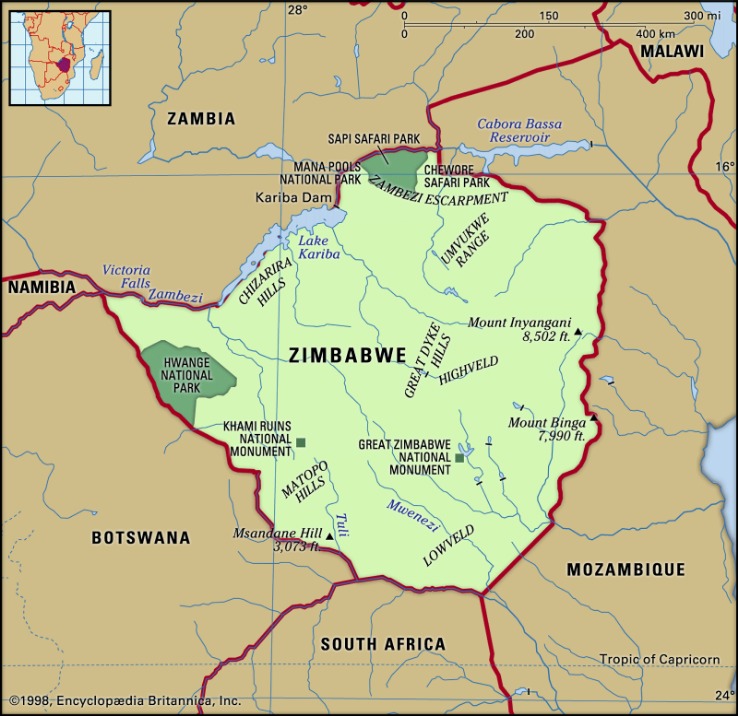
The crash occurred along a key cross-border corridor that links Zimbabwe to South Africa, typically near the Beitbridge border post. From Zimbabwe, travelers use the A4 route to Beitbridge, crossing into South Africa where the journey continues on the N1 toward major hubs such as Johannesburg. The incident underscores the shared responsibility of both countries to manage road safety, border security, and cross-border transport standards.
-
Impact and response
Authorities and responders coordinated on-site rescue, medical triage, and passenger assistance, with border agencies assisting travelers and managing border flows affected by the incident. The event may lead to temporary delays for cross-border travellers and spur a review of bus safety practices and vehicle compliance along this corridor.
-
Safety and investigation
Investigators will examine factors such as vehicle condition, driver fatigue or error, weather and road conditions, and load security. Inquiries often focus on vehicle maintenance records, driver logs, and adherence to cross-border transport regulations, aiming to prevent similar incidents in the future.
Affected populations and scope
Overview: A bus crash along the Zimbabwe–South Africa corridor involved a long-distance coach carrying passengers between the two countries. Emergency responders from both nations were mobilized to rescue survivors, provide medical care, and secure the scene. Investigators are examining potential contributing factors such as driver fatigue, vehicle maintenance, road conditions, and weather, while humanitarian agencies coordinate support for those affected. The incident underscores safety risks on cross-border bus travel and the importance of rapid cross-border cooperation in response and investigation.
Affected populations include the passengers and crew aboard the bus, who may be Zimbabwean, South African, or nationals of other countries. Families of the deceased and injured, along with communities in border towns, are affected by loss, trauma, and disruption to daily life. Medical facilities in border regions may experience patient surges, and employers and insurers may face claims and compensation processes. Rescue personnel, volunteers, and local authorities also bear workload and emotional strain as they coordinate evacuation, identification, and reunification efforts.
Scope: The incident has regional significance for cross-border travel safety, transport regulation, and disaster response capacity. Short-term implications include medical treatment, victim support, and ongoing investigations. Medium-term considerations involve evaluating and updating safety standards for drivers, vehicles, and rest periods; enhancing vehicle inspections; and strengthening cross-border communication between Zimbabwe and South Africa. Long-term effects may influence policy reforms, infrastructure investment, emergency response training, data collection on road safety, and international cooperation to prevent similar crashes along the corridor.
Timeline of Events
This article offers a concise timeline of the Zimbabwe bus crash in South Africa, tracing the sequence of events from the moment of the crash through emergency response, official statements, investigative steps, and the ongoing aftermath to help readers understand how the incident unfolded over time.
Pre-crash conditions and travel plans
This article examines a cross-border bus incident involving Zimbabwe and South Africa, with a focus on the timeline of events, pre-crash conditions, and travel plans.
- 08:15 — Bus departs from Harare, Zimbabwe, en route to Johannesburg, South Africa, with a mixed group of passengers and essential crew.
- 10:00 — Arrives at Beitbridge border crossing for immigration and customs checks; border formalities begin and travel documents are reviewed.
- 10:45 — Clearance completed on the Zimbabwe side; vehicle resumes journey into South Africa along the N1 corridor toward major urban centers.
- 12:10 — Weather changes as light rain begins; visibility decreases and roadway becomes slick in patches.
- 12:40 — Traffic volume increases near a toll plaza; slow-moving traffic contributes to a tight driving environment for the driver.
- 13:05 — Tire condition is flagged by a routine onboard check; driver communicates concerns to the crew; no immediate mechanical failure detected.
- 13:25 — A tire emergency occurs leading to a loss of control; the bus veers toward the shoulder and makes light contact with guardrails before coming to a stop.
- 13:40 — Emergency services are alerted; police, firefighters, and paramedics respond to the scene; initial assessments indicate injuries among several passengers.
Pre-crash conditions
- Vehicle maintenance: last service date recorded; braking system and suspension inspection completed within recommended interval.
- Tire status: tread depth checked prior to departure; tire pressures monitored during the journey, with a focus on hot periods and load considerations.
- Weather and road: light rain started mid-journey; roads known to become slick in wet conditions, especially on older asphalt.
- Driver fatigue and rest: drivers reported completing rest periods according to planned schedules; a fatigue management plan was in place but workload and long hours were a factor.
- Load and passenger safety: passenger manifest verified; luggage distribution reviewed to minimize shifting load; seat belts recommended and briefed at departure.
- Route planning: planned border crossing timing factored into arrival estimates; contingencies for delays and alternative routes considered.
Travel plans
- Origin: Harare, Zimbabwe
- Destination: Johannesburg, South Africa
- Route and stops: Beitbridge border crossing, then continued on major highways toward Johannesburg with planned fuel and rest stops at designated service centers.
- Passenger composition: mixed group including daily commuters, workers, and families; emergency contacts collected at boarding.
- Timing expectations: scheduled departure in the morning with an estimated journey time designed to fit within daylight hours, allowing for potential delays at borders.
The crash moment and immediate aftermath
This timeline chronicles the crash moment and the immediate aftermath of a Zimbabwean bus crash in South Africa.
The crash moment occurred on a major highway in South Africa when the bus collided with an object on the road, causing the vehicle to lose control and veer off the roadway.
Passengers and crew were jolted by the impact as the bus left the road; debris scattered across the lanes and the bus’s systems triggered alarms.
Witnesses alerted emergency services, and police, paramedics, and fire crews arrived at the scene within minutes to secure the site and provide aid.
First responders established a triage area, separated the injured, and provided initial medical care at the roadside before transferring the more seriously injured to hospitals.
Rescuers used cutting tools or lifting equipment to free passengers trapped by wreckage and to assist those with mobility challenges.
Ambulances transported injured passengers to nearby hospitals for treatment by trauma teams and other medical staff.
Authorities notified families and engaged Zimbabwean consular officials to assist and coordinate travel arrangements for survivors and relatives.
The crash prompted temporary road closures and traffic diversions as investigators documented the scene and crews cleared debris.
Police and transport investigators opened a formal inquiry to determine causes, reviewing driver hours, maintenance records, cargo limits, and possible road or weather factors.
Officials collected evidence, recovered the bus, and inspected onboard data recorders or other devices to support the investigation and identify contributing factors.
Local communities, charities, and government agencies offered shelter, meals, and counseling for survivors and families affected by the crash as the immediate response continued.
Officials signaled that lessons from the incident would feed into broader road and cross-border transport safety reviews and potential policy updates to reduce the risk of similar crashes in the future.
Emergency response and rescue operations
On a highway in South Africa, a bus registered in Zimbabwe carrying passengers crashed, triggering an emergency response that required rapid coordination among multiple agencies. This article outlines a timeline of events, the emergency response and rescue operations that follow such incidents, focusing on the sequence of actions, life-saving measures, and interagency cooperation.
Within minutes of the crash, first responders arrive at the scene. Police establish a safety perimeter, paramedics set up a triage area, and firefighters assess hazards such as fuel leaks or vehicle instability. Dispatch centers activate the incident command system to coordinate resources and communications.
On-scene triage begins as medical teams evaluate casualties, assign color-coded priorities, and initiate rapid stabilization. Those with life-threatening conditions receive immediate airway management, bleeding control, and injury immobilization while awaiting transport to hospitals.
Rescue operations focus on safe access to trapped passengers. Firefighters and specialized technicians use hydraulic tools and cutting equipment to remove doors, glass, and debris, all while protecting victims from further harm and preventing secondary hazards.
Medical care on site includes fluid resuscitation, pain management, wound care, and the prioritization of transport decisions based on prognosis and hospital capacity. On-scene physicians or advanced paramedics provide advanced life support where available.
Transportation of casualties to medical facilities is organized to match the severity of injuries with appropriate trauma centers. Critical patients are evacuated by ambulance or air ambulance if needed, while stable victims are routed to regional hospitals to balance load and resources.
Coordination among agencies is essential. An incident command post oversees operations with liaison officers from police, EMS, fire services, transport authorities, and, if applicable, consular staff for Zimbabwean nationals. Regular briefings share casualty numbers, resource status, and ongoing needs.
Public information and family assistance are managed through a dedicated public affairs office and family liaison teams. Updates are provided to the media and to relatives, with careful handling of sensitive information and cross-border notifications as required.
After-action steps include documenting the incident, reviewing response times, equipment performance, and interagency communication. Debriefs identify lessons learned and inform updates to protocols, training, and cross-border procedures to improve future responses.
From this timeline, key lessons emerge: the importance of rapid cross-border coordination, the need for robust triage and rescue capacity, the role of clear incident command, and ongoing investments in road safety, vehicle standards, and emergency readiness to protect passengers on international journeys.
Causes and Investigations
The Zimbabwean bus crash in South Africa has put a spotlight on how causes are identified and how investigations are conducted in cross-border transport incidents. Analysts look at a range of factors, including vehicle maintenance and mechanical failures, overloading, driver fatigue and behavior, aging fleets, road conditions, weather, and enforcement of safety regulations. By tracing evidence through accident reconstruction, official reports, and interagency cooperation, investigators aim to determine root causes, assign accountability, and inform improvements in safety standards and emergency response across both countries.
Official statements and preliminary findings
In the wake of a Zimbabwean bus crash in South Africa, authorities are pursuing a coordinated investigation to determine causes and prevent a recurrence. The incident has prompted a careful review by multiple agencies to establish facts, verify timelines, and outline steps for accountability and safety improvements.
Causes under consideration typically include human factors such as driver fatigue or error, as well as mechanical issues like brake or steering faults. Investigators also examine external contributors such as overloading, vehicle maintenance gaps, road conditions, weather, and infrastructural factors that might have influenced the crash. The aim is to assess whether a single factor or a combination of factors contributed to the event and to identify any systemic risks that could affect cross-border bus travel.
Investigations are usually conducted by a consortium of authorities and stakeholders, including traffic and road safety agencies in the destination country, transport or public safety departments, the bus operator’s safety team, and, where relevant, the Zimbabwean embassy or consulate. On-site work may involve scene documentation, vehicle forensics, and data retrieval from the bus’s event data recorder or “black box.” Review typically extends to maintenance records, licensing and driver credentials, fatigue management policies, hours of service logs, and any available CCTV footage or witness statements. Experts may also examine post-crash support systems and emergency response timelines to understand the overall sequence of events.
Official statements issued during investigations generally emphasize that inquiries are ongoing and that facts are being independently verified. They commonly convey condolences to victims and families, promise transparency, and pledge cooperation with international partners or regulators as applicable. Early updates often avoid drawing conclusions, instead noting that findings will be released only after thorough validation and corroboration by multiple sources.
Preliminary findings, when they are released, typically indicate that investigators have not yet established a definitive cause. Early indicators may highlight possible avenues such as driver fatigue, mechanical fault, or road and weather conditions, but such signs are described as provisional. Official communications usually stress that preliminary observations require confirmation through detailed testing, expert analysis, and cross-checking of documentation before a final assessment is made.
As the investigation progresses, authorities may publish interim updates to keep families, regulatory bodies, and the public informed while withholding or delaying final conclusions until all evidence has been thoroughly reviewed. The process often includes requests for additional data from the bus operator, cross-border transport authorities, and relevant ministries, as well as recommendations for immediate safety measures or policy reviews if risk factors are identified.
The incident also prompts practical responses beyond the investigation, including support for affected families, consular assistance for Zimbabwean nationals, and potential policy reviews aimed at improving cross-border transport safety. This may involve enhanced driver training and fatigue management, stricter vehicle maintenance regimes, and stronger oversight of operator compliance with national and international transport standards.
Vehicle condition and mechanical factors
In Zimbabwean bus crashes in South Africa, understanding the causes and investigations requires looking at human factors, vehicle condition, and road and environmental conditions that can converge with cross-border travel patterns.
Causes and investigations: Human factors often play a central role, including driver fatigue from long-haul schedules, distraction, or misjudgment; overloading or improper loading affecting vehicle dynamics; and navigation or route familiarity issues. Organizational factors such as dispatch practices, maintenance scheduling, and fatigue management policies influence risk. Environmental conditions, including road design, weather, and road surface quality, can amplify other risks. Investigations typically consider these elements together rather than in isolation.
Investigations: After a crash, authorities such as traffic police, road safety agencies, and sometimes coroner or investigative units collect evidence at the scene, interview witnesses, and gather maintenance and driver records. Data from event data recorders or digital tachographs, CCTV footage, and vehicle telematics are examined. Forensic analysis may cover braking performance, steering input, tire condition, and structural integrity. Findings are used to determine contributory factors, assign responsibility, and issue safety recommendations for operators, regulators, and manufacturers.
Vehicle condition and mechanical factors: The mechanical state of the bus is a critical factor. Routine maintenance should ensure brakes, steering, suspension, tires, and drivetrain are in good working order. Worn or failed brakes, including ABS systems, can increase stopping distances or lead to loss of control. Tire condition, tread depth, inflation, and signs of uneven wear affect grip and handling, especially on variable South African road surfaces. Steering play, worn linkages, and suspension faults can cause instability, particularly on bends or when braking softly combined with heavy loads. Engine cooling, fuel systems, and transmission integrity influence reliability and performance under load.
Further mechanical concerns include electrical faults that can affect lighting and signaling, which are critical for visibility and communication with other road users. Structural issues such as frame corrosion or compromised body integrity may worsen outcomes in a crash. Overloading, improper center of gravity, or misdistributed weight can stress a vehicle beyond its design limits, making steering and braking less effective and increasing the risk of rollover.
Preventive actions and implications: Strengthening cross-border vehicle inspections, ensuring up-to-date roadworthiness certificates, and maintaining comprehensive maintenance records help detect defects before they cause failures. Operators should enforce strict load limits, driver rest periods, and continuous training on safe driving practices. Regulators may require more frequent testing of suspension and braking systems and improved data sharing between Zimbabwean operators and South African authorities to support timely interventions.
Conclusion: Crashes involving Zimbabwean buses in South Africa reflect an interplay of human, mechanical, and environmental factors. Robust investigations, transparency in reporting, and proactive maintenance and operational practices are essential to reduce risk and protect passengers across borders.
Road conditions and environmental factors
A Zimbabwe bus crash in South Africa has drawn attention to the safety of cross-border passenger service and the factors that lead to such tragedies. This article outlines the causes and investigations typically associated with these crashes and examines how road conditions and environmental factors influence outcomes along routes between Zimbabwe and South Africa.
Causes and investigations: In cross-border bus crashes, multiple factors often interact. Human factors such as driver fatigue from long shifts, insufficient rest periods, speeding, distraction, and poor decision-making are common contributors. Mechanical failures—including brakes, tires, steering, suspension, or engine faults—can precipitate loss of control, especially on high-speed or hilly sections. Overloading or improper cargo, inadequate maintenance records, and lapses in vehicle inspection regimes increase risk. Investigations usually involve police or traffic authorities, transport safety bodies, and, where applicable, insurance and prosecutorial offices. Analysts review driver logs, maintenance histories, accident data recorders or onboard systems, road-surface evidence, witness statements, and traffic-camera footage to identify root causes and assign responsibility. The findings inform enforcement actions and safety reforms, such as stricter licensing checks, enhanced vehicle inspections, better rest-break enforcement, and improved cross-border operator oversight.
Road conditions and environmental factors: Road quality, signage, lighting, and ongoing construction on major corridors between Zimbabwe and South Africa significantly shape crash risk. Potholes, uneven pavements, lack of shoulder space, and variable maintenance create hazards, particularly for heavy buses traveling at high speeds. Environmental factors such as heavy rain, flooding, fog, heat-induced tire wear, and dust can reduce visibility and traction. Rural routes may also present wildlife or livestock hazards, sudden curve sections, and steep grades that challenge even experienced drivers. Weather advisories, real-time traffic management, and proactive road maintenance, along with driver training on speed management and hazard anticipation, are crucial to mitigating these risks.
Driver factors and fatigue
In the wake of a Zimbabwean bus crash in South Africa, investigators and safety experts are focusing on the factors that lead to such incidents, and how investigations are conducted across borders. Cross-border passenger transport between Zimbabwe and South Africa carries significant risk due to long distances, fatigue-prone schedules, and regulatory variance between countries.
Causes and investigations: Common causes include driver error, mechanical failure, brake or tire failures, overloading, poor road conditions, weather, and a lack of proper maintenance. Investigations typically involve police crash investigators, road safety authorities, vehicle inspection teams, and forensic specialists who examine the scene, collect evidence, review maintenance records, and analyze data from on-board recorders or dash cameras. Cross-border investigations may involve cooperation between Zimbabwean authorities and South African agencies, sharing information on operator licensing, safety compliance, and previous incident history.
Driver factors: The skill, experience, and fatigue level of the driver, together with adherence to hours-of-service rules, route planning, and rest stops, strongly influence crash risk. Training quality, knowledge of local traffic laws, vehicle loading practices, and the ability to respond to emergencies play roles. Inadequate oversight of operator practices, pressure to meet schedules, and insufficient monitoring of driver performance can exacerbate risk.
Fatigue: Sleep deprivation, long driving shifts, nighttime operations, and insufficient rest breaks contribute to slowed reaction times, impaired judgment, and microsleeps. In cross-border services, drivers may face additional strain from irregular shifts, long hauls, border procedures, and unfamiliar routes. Mitigation includes enforced rest periods, reliable scheduling, proper sleeper berths, adequate rest facilities at depots and border posts, and enforcement of hours-of-service limits.
Cross-border safety implications and improvements: Strengthening regulation, routine vehicle inspections, and harmonized fatigue management across Zimbabwe and South Africa can reduce risk. Regular monitoring of operator licensing, training standards, and maintenance records helps ensure compliance. Transparent investigations, public reporting, and data sharing enable learning from each incident to prevent recurrence.
Conclusion: While each crash has unique factors, the focus on vehicle condition, driver factors, fatigue, and rigorous investigations is essential to improving safety for Zimbabwean-South African bus services.
Investigation processes and challenges
The Zimbabwe bus crash in South Africa highlights the complex factors involved in cross-border road transport accidents and the challenges of conducting investigations across two jurisdictions.
Causes often arise from human factors: driver fatigue after long-haul trips, overloading of passengers or cargo, speeding, risky overtaking, and distractions inside the cab. Scheduling pressures, inadequate rest periods, and pressure to meet tight timetables can also contribute to errors in judgment and reaction times.
Vehicle and infrastructure factors include poor maintenance schedules, worn tires, brake or steering failures, defective lights or safety systems, and tire blowouts that compromise control. Inadequate fleet management, expired or missing safety certifications, and older vehicles with failing components increase risk on long cross-border routes.
Road and environmental conditions such as degraded or poorly marked roads, potholes, construction zones near border routes, sharp curves, heavy traffic, and adverse weather (rain, fog, heat) can suddenIy alter driving conditions and exacerbate the consequences of mistakes or equipment failures.
Operational and regulatory factors cover gaps in licensing and vehicle inspections, lax enforcement of rest requirements for drivers, recruitment practices that rely on under-qualified workers, overloading, and limited harmonization of safety standards across borders. Weak data access and record-keeping can hamper timely identification of contributing factors.
Cross-border dynamics add layers of complexity: differences between Zimbabwean and South African safety regimes, language and communication barriers with drivers and staff, and the ongoing challenge of monitoring multinational fleets across jurisdictions. These factors can hinder consistent enforcement and information sharing.
Investigation processes begin with an immediate response: emergency services secure the scene, provide medical care, and preserve evidence. Investigators from police, transport authorities, and cross-border regulators collect driver documents, vehicle records, maintenance logs, and inspection certificates; retrieve event data from digital devices or tachographs if present; analyze road infrastructure, weather data, and traffic camera footage; interview survivors and witnesses; and, when appropriate, conduct autopsies and toxicology tests. In cross-border crashes, joint investigations and data-sharing agreements are often required to determine causes and liability.
Challenges include jurisdictional coordination that can slow results, restricted access to evidence due to safety concerns or political sensitivities, limited investigative capacity and resources, delays in obtaining maintenance histories or operator details, and difficulties tracing companies, especially for foreign-registered fleets. Language barriers, balancing speed with accuracy, and ensuring timely, respectful communication with victims’ families also complicate investigations.
Improvements focus on strengthening cross-border regulatory alignment, enforcing mandatory rest periods and regular vehicle maintenance, improving fleet management and driver training, and investing in data capture such as digital tachographs and CCTV. Establishing rapid data-sharing protocols, joint investigative teams, robust victim support, and transparent reporting of findings can inform policy changes, enforcement actions, and safety culture across both countries.
Conclusion: effective analysis of causes and rigorous investigations are essential to reduce Zimbabwean-registered bus crashes in South Africa, requiring ongoing cooperation among Zimbabwean and South African authorities, transport operators, road agencies, and affected communities.
Human Impact
The Zimbabwe bus crash in South Africa highlights the human impact of cross-border travel tragedies, reminding us how families lose loved ones, communities are torn apart, and migrant workers face heightened risk on the road. Survivors bear physical and emotional scars, while sending and receiving communities grapple with grief, medical costs, and the urgent need for safer transport, stronger safety measures, and compassionate humanitarian response.
Casualties, injuries, and missing persons
A bus carrying Zimbabwean passengers crashed in South Africa, triggering a major emergency response and highlighting the human costs of cross-border road travel.
Officials have confirmed fatalities and reported that a significant number of passengers were injured. The toll is evolving as rescue teams search the wreckage and hospitals provide updates.
Injuries among survivors range from minor to life-threatening. Medical teams have established field triage and are transferring patients to regional hospitals where specialists are on standby.
Several passengers remain unaccounted for, leaving families anxious for news and authorities pursuing all avenues to locate missing people.
Emergency services, police, disaster management agencies, and consular officials are coordinating the response. Temporary shelters and counseling are being arranged to support affected families.
The incident has had a deep emotional and financial impact on families, communities, and workers who rely on cross-border bus travel for work, care, and visiting relatives.
Investigators will examine factors such as the bus’s condition, driver records, maintenance history, and road conditions to determine the cause and to guide future safety measures.
As the investigation continues, officials will keep families informed and communities focused on supporting those touched by the crash while considering improvements to cross-border transport safety.
Impact on families and communities in Zimbabwe and South Africa
The Zimbabwe bus crash in South Africa has brought into sharp relief the human cost of cross-border travel and the ripple effects felt by families and communities in both countries.
- Immediate and long-term human costs: lives lost, injuries, and the ongoing pain for survivors and bereaved families in Zimbabwe and South Africa.
- Family disruption: breadwinners gone, children left without caregivers, and extended families sharing scarce resources across borders.
- Economic impact: remittances disrupted, households facing debt, medical bills, and the broader effect on local economies reliant on cross-border mobility.
- Mental health and trauma: grief, anxiety, post-traumatic stress, and the need for accessible counselling in both countries.
- Education and youth prospects: school interruptions for children of migrant workers and the long-term impact on opportunities.
- Healthcare access: injuries require treatment in South Africa or Zimbabwe, challenging due to costs, transport, and insurance coverage.
- Communities’ response: memorials, vigils, and mutual aid networks that provide support but can also highlight gaps in social protection systems.
- Stigma and xenophobia: migrants and families dealing with discrimination or fear while seeking assistance and justice.
- Policy and safety implications: calls for improved road safety, cross-border coordination, passenger protection, and trauma-informed services for affected families.
As the story of the Zimbabwe bus crash in South Africa continues to unfold, the resilience of families and communities on both sides of the border will be tested, underscoring the need for coordinated humanitarian support and policy measures that prioritize dignity, safety, and mutual aid.
Displacement and support measures
In the wake of a bus crash involving Zimbabweans in South Africa, the focus falls on human impact, displacement, and the support measures deployed to assist victims and communities affected. The following overview highlights the key dimensions of response and recovery.
- Human impact on survivors, families, and communities: injuries, fatalities, trauma, grief, and the ongoing needs for medical care, rehabilitation, and social support. The shock can disrupt routines, livelihoods, and social networks, with cross-border families facing additional stress as they seek information and access to services.
- Displacement and housing: temporary shelters, accommodation for dependents, reunification efforts, and challenges in maintaining dignity and safety for those displaced, including children and the elderly. Access to education and continuity of care for dependents may be disrupted.
- Health and psychosocial support: urgent medical treatment, trauma-informed counseling, and long-term mental health services. Coordinated care from hospitals, clinics, and community organizations is essential to address physical injuries and emotional distress.
- Economic and community disruption: loss of income for families, disruption of transport routes, impact on cross-border trade and remittances, and the broader economic ripple effects on affected communities and employers.
- Displacement management and return: processes for safe return to Zimbabwe, temporary stay in South Africa, or alternative arrangements, including documentation, consular assistance, and protection against exploitation or trafficking.
- Support measures and response framework: government emergency services, border control agencies, health authorities, NGOs, faith-based and community groups, and international partners coordinating medical aid, shelter, food, and translation services to ensure access for all.
- Communication, documentation, and inclusivity: clear information for families, timely updates, and inclusive services that reach undocumented migrants, women, children, and people with disabilities, with safeguards for privacy and consent.
- Policy implications and resilience: lessons learned for transport safety, road infrastructure, cross-border cooperation, trauma care capacity, and community-based resilience programs to mitigate future risk and improve rapid response.
Effective, compassionate, and coordinated action is essential to support those affected and to foster long-term recovery and resilience in both Zimbabwe and South Africa.
Response and Aid
In the wake of a Zimbabwean bus crash in South Africa, response and aid efforts focus on rapid medical care, rescue and evacuation, and cross-border coordination. Emergency services, disaster management authorities, and Zimbabwean consular staff mobilize to locate survivors, transport the injured to hospitals, and provide family assistance and translation support. Humanitarian organizations and local communities coordinate shelter, meals, and psychological care while investigators work to determine causes and implement measures to prevent future tragedies. The episode highlights the essential role of swift, collaborative response in mitigating harm for migrant travelers and their families.
Emergency services and hospital treatment
An incident involving a bus carrying passengers from Zimbabwe that crashed in South Africa triggered a rapid, multi-agency response aimed at saving lives and reducing harm.
Response and aid: On arrival, emergency medical services, police, and fire services establish a command post, set up triage areas, cordon the crash site, and coordinate with the South African health authorities while requesting support from disaster relief agencies and international partners as needed.
Emergency services: At the scene, trained paramedics perform triage using recognized protocols, provide life-saving interventions, manage airway, breathing, and circulation, control bleeding, immobilize fractures, and safely extricate occupants. Critical patients are prioritized for rapid transport to the nearest trauma centers equipped to handle complex injuries.
Hospital treatment: Receiving hospitals activate trauma and mass-casualty protocols, conducting rapid assessments, imaging, and laboratory workups. Multidisciplinary teams manage polytrauma cases, including head injuries, spinal injuries, and orthopedic trauma. Blood products, surgery, and critical care are mobilized as needed, with language and cultural support provided to Zimbabwean patients and their families through interpreters and liaison officers.
Coordination and communication: An incident command system coordinates among local EMS, police, traffic authorities, hospital networks, and consular services from Zimbabwe to assist nationals. Accurate casualty information is shared with families, and family liaison officers help with updates, reunification, and documentation for medical and legal processes.
Recovery and aftercare: Post-acute care includes ongoing medical treatment, rehabilitation services, and mental health support for survivors and families. Plans for repatriation or continued care in South Africa are discussed with patients and their representatives, including assistance with travel, housing, and social services as needed.
Prevention and lessons: Following such incidents, authorities review response times, triage effectiveness, transport safety standards, and cross-border coordination. Findings inform improvements in road safety, driver training, vehicle maintenance, emergency medical capacity, and international collaboration to reduce risk for future cross-border travel by bus.
National and international aid coordination
Response and aid coordination in the wake of a Zimbabwean bus crash in South Africa require timely action, clear leadership, and cross-border collaboration to save lives and support affected families. This article outlines how national and international actors coordinate to mount an effective emergency response and humanitarian assistance.
- National emergency management and health systems: Local and national authorities coordinate search and rescue, triage, medical evacuation, and hospital care. Clear command structures, incident action plans, and rapid needs assessments help prioritize life-saving interventions and prevent system overload.
- Cross-border cooperation: Shared situational awareness, joint police and immigration coordination, and harmonized border procedures enable faster passenger tracing, reunion efforts, and safer transfer of victims to appropriate facilities on either side of the border.
- International humanitarian coordination: UN agencies, regional bodies, and international NGOs align under a common humanitarian response framework, allocate resources efficiently, and avoid duplication of assistance through joint situation reports and strategic planning.
- Medical and protective services: Hospitals, emergency medical teams, and specialized units (trauma, burns, pediatric care) coordinate bed capacity, medical supplies, and patient transfer. Mental health and psychosocial support are integrated for survivors and families.
- Family reunification and documentation: Consulates, embassies, and civil society groups assist with locating missing relatives, document verification, and safe repatriation processes when appropriate, while safeguarding privacy and rights.
- Logistics and supply chain management: Affected communities rely on rapid deployment of ambulances, airlifts, fuel, shelter, food, water, and medical supplies. Efficient warehousing, distribution, and inventory control reduce delays in aid delivery.
- Communication and information management: Transparent, timely communications with the public and media help manage rumors and provide clear safety guidance, casualty updates, and instructions for seeking assistance.
- Legal and ethical considerations: Respect for human rights, consent for medical treatment, data protection, and adherence to international humanitarian principles guide the handling of victims and sensitive information.
- Recovery and resilience planning: After immediate needs are met, coordination shifts to rehabilitation, vehicle and road safety audits, capacity-building for responders, and long-term support for affected families and communities.
Effective response hinges on predefined protocols, strong interagency partnerships, and ongoing learning from past incidents to strengthen preparedness for future cross-border emergencies.
Public communications and information management
In the wake of a Zimbabwean bus crash in South Africa, effective response and aid hinge on rapid medical care, cross-border coordination, and robust public communications and information management to protect victims, support families, and maintain public trust.
- Response and medical aid: deploy quick-response teams, triage on scene, coordinate with South African EMS and hospitals, prioritize medical evacuation where needed, and mobilize shelter and essentials for survivors.
- Cross-border coordination and consular support: activate intergovernmental frameworks for cross-border cooperation, notify Zimbabwean authorities, mobilize consular staff to assist travelers and families, and arrange safe reunification where possible.
- Public communications and information management: establish a centralized information hub with a designated spokesperson, provide timely, accurate updates in multiple languages, and communicate clearly about casualty figures, aid procedures, and safety guidance.
- Misinformation risk management: monitor traditional and social media for rumors, correct false claims promptly, and provide verifiable contact channels for families seeking information.
- Victim and family assistance: set up hotlines, family liaison services, translation support, psychosocial care, and clear pathways for requests for documents, evacuation, or repatriation arrangements.
- Logistics and aid coordination: coordinate with Red Cross, humanitarian NGOs, civil society, and international partners to supply food, water, medical supplies, blood donations, and shelter while ensuring dignified treatment of victims.
- Data protection and privacy: handle victim data with consent and confidentiality, minimize data sharing, and ensure compliant reporting to authorities and families.
- Post-crisis learning and accountability: conduct after-action reviews, update emergency protocols, train responders, and strengthen cross-border information sharing and media relations for future incidents.
Legal, Policy, and Governance Implications
Legal, policy, and governance considerations surrounding the Zimbabwean bus crash in South Africa demand cross-border regulatory cooperation to improve safety, accountability, and response. Key issues include operator licensing and vehicle maintenance standards for cross-border services, enforcement of road traffic and safety laws across jurisdictions, and transparent victim support and compensation mechanisms. The incident also highlights governance challenges in data sharing, incident investigation, and coordinating emergency response between South Africa and Zimbabwe, as well as the need for bilateral agreements on driver qualifications, accident liability, and ongoing safety audits to prevent recurrence.
Accountability and potential legal actions
When a Zimbabwe-registered passenger bus crashes in South Africa, it triggers complex legal, policy, and governance considerations about accountability, cross-border regulation, and how victims receive redress.
Accountability spans multiple actors: the bus operator and owner, the driver and any other staff, the maintenance contractor, and the insurer. Civil liability can extend to the operator for vicarious liability, the owner for failures in supervision, and any party responsible for vehicle maintenance or manufacturing defects. Regulators in the host country—such as traffic authorities, road safety agencies, and transport ministries—may share responsibility for how well operators comply with licensing, vehicle inspection, driver hours, and safety standards. When a cross-border operator is involved, authorities in both South Africa and Zimbabwe may coordinate investigations, share evidence, and determine who bears responsibility, while respecting applicable jurisdiction and enforceability of judgments across borders.
Civil liability and remedies in such cases typically involve direct civil actions for damages in the South African court system, as well as any compensation mechanisms that may apply, such as the Road Accident Fund where applicable. Victims or families may pursue damages for medical costs, loss of income, and pain and suffering. Where fault is disputed or insurance coverage is incomplete, claims may be pursued against the at-fault party or the insurer, with potential concurrent claims against multiple liable parties (operator, owner, maintenance providers, or manufacturers in cases of proven defect). Cross-border claims raise questions about jurisdiction, choice of law, and the enforceability of awards in Zimbabwe or other jurisdictions, necessitating intergovernmental cooperation and international legal instruments where relevant.
Criminal liability may arise if the crash results from reckless or negligent driving, gross negligence in operation, or violations of traffic and safety regulations. Investigations led by police and prosecutors could consider charges such as culpable homicide, dangerous or reckless driving, or failure to comply with statutory safety obligations. If criminal responsibility is established in South Africa, cooperative enforcement mechanisms may involve extradition or mutual legal assistance where suspects or evidence reside across borders, depending on applicable treaties and the specifics of the case. Independent investigations and public accountability measures can also play a crucial role in uncovering systemic failures and guiding reforms.
Policy and governance implications include the need for stronger cross-border oversight of long-distance and cross-border bus services, with clear licensing, safety, and maintenance standards. Reforms may address driver working hours, mandatory rest periods, vehicle maintenance logs, mandatory reporting of incidents, and enhanced inspection regimes for cross-border fleets. Data sharing between South African and Zimbabwean authorities, standardized incident reporting, and independent accident inquiries can improve transparency and prevent recurrence. Strengthening consumer rights, driver training programs, and tighter compliance with safety equipment and speed governance are practical governance levers that policymakers can use to reduce risk and improve accountability.
From a regional perspective, transport cooperation under regional frameworks and security/fraud prevention norms can support cross-border enforcement of safety standards, vehicle technical inspections, and licensing recognition. Aligning with regional road-safety goals and international best practices helps ensure that cross-border operators meet consistent safety thresholds, while providing clear avenues for victims to seek redress across jurisdictions.
For victims and families, immediate steps include securing medical attention, reporting the incident to local authorities, obtaining a case reference number, and seeking guidance from both South Africa and Zimbabwean authorities or consular services. For policymakers and regulators, lessons from the incident should inform improvements in licensing regimes, fleet maintenance accountability, driver welfare rules, and the establishment of independent investigation mechanisms to drive lasting governance reforms and reduce the likelihood of future tragedies.
Cross-border transport regulations and reforms
The Zimbabwe bus crash in South Africa highlights the legal, policy, and governance implications of cross-border road transport and the urgent need for reforms to reduce repeat tragedies. It brings into focus how liability, accountability, and jurisdiction are navigated when a cross-border operator is involved and victims seek redress across sovereign boundaries.
Legal implications center on determining applicable law for claims, the enforcement of judgments across borders, and the adequacy of insurance and liability regimes for cross-border bus operations. Questions arise about which country’s courts have jurisdiction, how compensation is processed for families, and whether operators are financially obliged to cover medical costs, funeral expenses, and long-term care. Clear, harmonized standards for licensing, vehicle roadworthiness, and operator accountability are essential to avoid gaps that victims encounter when accidents span multiple jurisdictions.
Policy implications require robust governance mechanisms that ensure transparency, timely investigations, and accountability. This includes independent accident inquiries, public release of findings, and responsive policy adjustments to address identified safety gaps. Civil society, passenger associations, and affected communities should have a voice in reform processes, alongside transport ministries, regulatory bodies, and border agencies.
Governance and cross-border coordination demand formalized arrangements between Zimbabwe and South Africa, such as bilateral or regional frameworks that recognize and implement shared safety standards. Mutual recognition of professional driving licenses, cross-border vehicle inspection norms, and joint enforcement at border posts can deter non-compliant operators and improve passenger protection, while reducing friction for legitimate services.
Cross-border transport regulations frameworks must be reinforced by regional cooperation under bodies like the Southern African Development Community and by adherence to international road safety conventions. Aligning with established standards for vehicle safety, driver training, hours-of-service, and border procedures can create predictable rules for operators and law enforcement alike, lowering the incidence of unsafe practices.
Vehicle safety standards are a critical area for reform. Requirements should include regular and verifiable roadworthiness testing, seat belts for all passengers, emergency equipment, clear load limits, and standardization of maintenance records across borders. Strengthening fleet management and monitoring systems helps prevent deterioration of safety practices as vehicles cross between countries.
Driver fatigue and training policies must be tightened through enforced hours-of-service limits, mandated rest periods, ongoing professional development, and language skills to ensure clear communication with passengers and border officials. Strengthened training in emergency procedures, first aid, and handling of multi-jurisdictional accidents can save lives during crises.
Insurance and compensation arrangements should be comprehensive and cross-border in scope. Mandatory cross-border motor insurance with standardized coverage, clear claims processes, and guaranteed access to emergency care for accident victims are essential. An efficient claims framework reduces the time families spend in limbo and improves overall confidence in cross-border coach services.
Enforcement and border management require capacity building at entry points to conduct consistent vehicle checks, verify licenses, and ensure compliance with safety standards without undue delays for travelers. Digital permitting, real-time data sharing between agencies, and risk-based inspection regimes can optimize enforcement while maintaining efficient flows of people and goods.
Reforms should include establishing a joint cross-border transport regulatory forum or task force to oversee harmonization efforts, develop common standards, and monitor compliance. Steps include formalizing licensing harmonization, creating shared accident reporting databases, investing in border infrastructure, and funding training programs for regulators and enforcement officers. These measures create a sustainable path toward safer, more reliable cross-border bus transportation for Zimbabwean and South African travelers alike.
Data and accountability mechanisms must be strengthened to ensure independent investigations, timely publication of findings, and implementation of corrective actions. Victims’ rights to information and remedy should be enshrined in policy, with timelines and performance metrics to track reform progress. When governance is transparent and outcomes are visible, public trust in cross-border transport improves and tragedy can become a catalyst for lasting safety improvements.
Policy harmonization between Zimbabwe and South Africa
The Zimbabwe bus crash in South Africa underscores the urgent need to strengthen legal, policy, and governance frameworks governing cross-border passenger transport between the two nations. It raises questions about safety standards, enforcement, accountability, and the protection of victims’ rights that must be addressed through policy harmonization and cooperative governance.
Legal and regulatory alignment is essential. Cross-border bus operations are currently governed by a mix of national laws and regional instruments, which can create gaps or conflicting requirements. Harmonizing vehicle safety standards, roadworthiness inspections, maintenance regimes, and mandatory operating permits would close loopholes and provide a predictable compliance environment for transport operators, inspectors, and law enforcement agencies on both sides of the border.
Driver licensing and professional qualifications require close alignment as well. Bilateral recognition or streamlined recognition processes for commercial driver licenses, along with harmonized rules on driver hours, rest periods, drug and alcohol testing, and ongoing professional development, would reduce risk factors associated with fatigue and impaired driving during cross-border trips.
Enforcement and accident investigation governance must be strengthened through cooperation. Establishing joint investigation protocols, interoperable data-sharing systems for crash reporting, and mutual legal assistance mechanisms would help determine liability and accountability more quickly and fairly. A common standard for incident reporting, evidence collection, and the handling of accident scene data would support consistent outcomes.
Liability, compensation, and victims’ support are critical governance concerns. Clear rules on civil liability, compensation schemes for victims and families, and mandatory insurance coverage for cross-border buses are needed to ensure timely and fair redress. Streamlined processes for claims, medical repatriation, and access to social and legal services should be built into bilateral agreements and regional frameworks.
Disaster response and emergency coordination require formalized mechanisms. Rapid activation of joint emergency operations centers, shared contact points, and pre-arranged protocols for medical evacuation, shelter, and psychosocial support can improve resilience in the immediate aftermath of a crash and reduce secondary harms.
A practical pathway for policy harmonization involves several steps. First, conduct a gap analysis comparing Zimbabwean and South African transport laws, enforcement practices, and accident-investigation procedures against regional standards. Then, negotiate a bilateral treaty or robust memoranda of understanding that codify agreed standards, enforcement cooperation, and victim-support measures. Align these with regional instruments such as the SADC Protocol on Transport, Communications and Meteorology, and pursue adoption of common model laws or frameworks that facilitate regional interoperability. Build capacity through joint training, technical assistance, and sustainable funding to implement reforms.
Governance challenges must be anticipated and addressed openly. Resource constraints, bureaucratic bottlenecks, and potential corrupt practices can undermine harmonization efforts. Transparent oversight, independent audits, citizen-facing grievance mechanisms, and civil society engagement should accompany policy changes to foster trust and accountability. Ensuring that reforms are inclusive—taking into account operators, labor unions, passenger representatives, and local communities—will enhance legitimacy and compliance.
Regional coordination matters. While bilateral agreements are essential, broader regional collaboration through SADC and other continental platforms can accelerate standardization, data exchange, and best-practice adoption. A shared regional template for cross-border bus operations—covering safety, licensing, investigations, insurance, and victim support—can reduce fragmentation and promote safer, more reliable mobility for travelers across the Zimbabwe-South Africa border.
In conclusion, the Zimbabwe bus crash in South Africa highlights the imperative of a coordinated, policy-driven response that harmonizes legal frameworks, governance practices, and safety standards. Through targeted reform, bilateral and regional cooperation, and transparent implementation, Zimbabwe and South Africa can improve cross-border transport safety, strengthen accountability, and deliver timely protection and support to victims and their families, while enhancing economic and people-to-people connectivity.
Safety Improvements and Prevention
In the wake of the Zimbabwean-registered bus crash in South Africa, safety improvements and prevention have become a central focus for transport authorities, operators, and communities. Measures prioritized include stricter vehicle inspections, enhanced driver training, safer operating standards, stronger cross-border oversight, and improved emergency response to reduce casualties and prevent similar tragedies.
Vehicle inspection, maintenance, and safety standards
The Zimbabwe bus crash in South Africa underscores the urgent need to strengthen safety improvements and prevention in cross-border passenger transport, with a focus on vehicle inspection, maintenance, and robust safety standards that protect travelers.
Prevention starts with comprehensive driver training, strict hours-of-service rules to combat fatigue, route risk assessments, and informed passenger behavior.
Vehicle inspection programs must be rigorous and regular. Buses should undergo pre-departure checks, daily inspections by operators, and formal roadworthiness inspections at certified centers, including braking, steering, tires, suspension, lighting, and emergency equipment.
Maintenance must be preventive, documented, and timely. Operators should use planned service intervals, keep spare parts, and maintain tires at legal tread levels, brake systems, steering, electrical, and safety equipment.
Safety standards need to reflect international best practices. Buses should have properly functioning seat belts for all seated passengers, clearly marked emergency exits, accessible evacuation routes, compliant seating arrangements, adequate interior lighting, and clear passenger information systems.
Cross-border collaboration between Zimbabwe and South Africa should harmonize inspections and certification, share safety data, and recognize each other’s maintenance records to prevent illicit or substandard vehicles from operating across borders.
Enforcement and road infrastructure investments are essential. Authorities should increase roadside checks, enforce speed limits, mechanical compliance, and overloading restrictions; improve road surfaces, signage, lighting, and rest stops for long-distance routes.
Emergency response and post-crash care must be integrated. Quick access for ambulances, trained crash response teams, and coordinated communication between countries can reduce fatalities and serious injuries when incidents occur.
Implementing these measures requires political will, funding, and industry accountability. Governments, regulators, operators, and insurers should collaborate to adopt clear standards, regular audits, and transparent reporting to prevent future tragedies.
Driver training, fatigue management, and rest stops
In the wake of the Zimbabwe bus crash in South Africa, transportation safety authorities, operators, and communities are examining how to prevent similar tragedies and protect travelers on cross-border routes.
Safety improvements and prevention include rigorous vehicle inspections, maintenance standards, and enforcement of safety equipment such as seat belts, functioning emergency exits, and fire suppression systems on all buses operating international legs.
Driver training should be standardized and ongoing, covering defensive driving, hazard recognition, passenger safety, first aid, and emergency response procedures. Regular refresher courses and assessments can help ensure drivers stay alert to changing road conditions and regulatory requirements.
Fatigue management is essential for long-distance travel. Policies should cap daily and weekly driving hours, require mandatory rest breaks, and encourage operators to build schedules that align with drivers’ circadian rhythms. Technologies such as on-board fatigue monitoring and automated reminders can assist but should not replace human judgment.
Rest stops and safe unloading zones play a key role in fatigue prevention and passenger welfare. Investments in well-lit, secure facilities with clean toilets, water, shade, and seating, plus clear signage and safety patrols, help travelers recover between legs of a journey. Strategic placement of rest stops along major corridors improves accessibility for cross-border routes.
Cross-border cooperation is necessary to ensure consistent safety standards. Zimbabwe and South Africa should harmonize licensing, vehicle inspection regimes, and enforcement practices, share safety data, and support training programs for transport workers. Regional collaboration can accelerate improvements beyond any single country.
By combining strong regulation, high-quality driver training, proactive fatigue management, and accessible rest stops, the risk of bus crashes on cross-border routes can be reduced, enhancing safety for travelers between Zimbabwe and South Africa.
Cross-border corridor safety protocols
The Zimbabwe bus crash in South Africa highlighted the urgent need for safety improvements and stronger cross-border corridor protocols to reduce the risk to passengers and improve response times.
Regional Context and Comparative Analysis
Situated at the intersection of Zimbabwe and South Africa, the recent bus crash is examined within Southern Africa’s regional transport landscape. This regional context compares safety regimes, regulatory enforcement, and emergency response across neighboring countries to illuminate how cross-border travel shapes risk and accountability. By analyzing transport policy and incident outcomes in Zimbabwe, South Africa, and nearby corridors, the piece identifies patterns that influence public safety and policy responses to similar crashes.
Historical cross-border bus incidents in Southern Africa
Regional Context and Comparative Analysis of cross-border bus travel in Southern Africa centers on the Zimbabwe–South Africa corridor, a line shaped by migration, employment, and regional trade. Buses and minibuses regularly move Zimbabwean workers and their families to South Africa, while South African and other regional carriers bring goods and tourists northward. The Beitbridge border crossing on the N1 corridor is a major artery in this travel network, where high passenger volumes, varying vehicle standards, and stretch of long-distance driving converge to create both economic opportunity and safety challenges.
Historically, cross-border bus movement in Southern Africa has been sustained by economic ties and regional mobility, but safety outcomes have varied with regulatory capacity, fleet maintenance norms, and enforcement intensity. In practice, the region relies on a mix of formal licensed operators and informal or under-regulated services. Differences in vehicle inspection regimes, driver training requirements, and border-control efficiency contribute to uneven safety performance across routes, with the Beitbridge–Johannesburg corridor often cited as high-risk due to volume, fatigue risk, and the pressure to meet tight schedules.
Comparative analysis across Southern Africa shows that states with more centralized transport oversight and stronger compliance cultures tend to register fewer fatal incidents per passenger-kilometer, though even these systems face systemic issues such as overloading, long driving hours, and inadequate rest. In contrast, corridors where enforcement capacity is weaker or where informal operators dominate frequently exhibit higher exposure to vehicle faults, inadequate maintenance, and inconsistent compliance with weight and passenger limits. Across the region, road quality, weather conditions, and the availability of reliable rest stops interact with regulatory gaps to shape risk profiles on cross-border routes.
Historical cross-border bus incidents in Southern Africa reveal recurring patterns: fatalities and serious injuries disproportionately involve buses or minibuses carrying Zimbabwean nationals traveling to or from hotspots in South Africa; common contributing factors include overloading, driver fatigue from long shifts, poor vehicle maintenance, and abrupt emergency responses due to border delays or rural road access. While exact incident counts are uneven due to reporting differences, media and safety audits over the years highlight that the Zimbabwean–South African corridor repeatedly presents a heightened safety risk relative to some other regional routes.
The Zimbabwe–South Africa context underscores why regional safety gains depend on harmonized standards, strengthened enforcement, and collaborative data sharing. Policy responses that have shown promise include synchronized vehicle technical checks at border posts, standardized driving-hour limits, transparent operator licensing, and regular joint inspections involving both Zimbabwean and South African authorities. Complementary investments in road infrastructure, safe-passage rest facilities, and rapid emergency response coordination at border nodes are essential to reduce delays that can contribute to fatigue and unsafe driving practices.
In comparing Southern Africa’s cross-border bus safety landscape, it becomes clear that a regional approach—combining regulatory alignment, operator accountability, and improved road safety infrastructure—offers the best prospect for reducing crashes and fatalities along the Zimbabwe–South Africa corridor and beyond. Strengthened data collection, public safety campaigns, and support for formalized, safety-focused transport operators can help translate regional integration into safer mobility for travelers and workers alike.
Regional policy responses and best practices
The Zimbabwe bus crash in South Africa underscores how regional mobility intersects with road safety, border controls, and cross-border transport policy. This analysis places the incident within the Southern Africa regional context, compares safety challenges with neighboring countries, and outlines policy responses and best practices that can reduce recurrence and improve emergency response.
- Regional Context and Comparative Analysis
- Regional mobility and dependency on cross-border bus services between Zimbabwe and South Africa, with routes through Limpopo and Mpumalanga provinces.
- Common risk factors in cross-border bus crashes: driver fatigue, vehicle maintenance, overcrowding, road conditions, weather, and enforcement capacity.
- Comparative insights from other SADC member states on road safety measures, regulatory frameworks, and enforcement intensity.
- Regional Policy Responses and Best Practices
- Harmonization of cross-border transport regulations, vehicle standards, and driver qualification requirements across SADC and the SACU region.
- Strengthening data sharing, crash investigation protocols, and joint road safety campaigns at border posts.
- Improved emergency response and trauma care coordination, including cross-border medical evacuation and standardized incident reporting.
- Regulatory enforcement: regular inspections, tachograph use, speed management, and licensing audits for bus operators.
- Public–private partnerships with transport associations to promote safe operator practices and passenger safety messaging.
- Implementation and Regional Cooperation
- Practical steps for implementing best practices: adopt a regional bus safety framework, establish cross-border inspection hubs, train inspectors and emergency responders, invest in road maintenance near high-traffic corridors.
- Monitoring and evaluation: indicators, reporting cycles, and accountability mechanisms for governments and operators.
- Community outreach and passenger rights: complaint mechanisms, grievance redress, and rider education on safe travel.
Media Coverage and Public Perception
Media coverage of the Zimbabwean bus crash in South Africa illustrates how framing, spokesperson selection, and the details highlighted shape public perception, turning a tragic incident into narratives of fault, migration, and safety. News outlets vary in emphasis—from official investigations and casualty figures to humanitarian appeals—while social media amplifies eyewitness accounts, rumors, and emotional responses. The public often forms quick judgments about cross-border travel, regulation, and responsibility, influenced by stereotypes, national tensions, and the visibility of victims. Balanced reporting that provides context, diverse perspectives, and verified information helps audiences understand the complexity beyond initial headlines.
Media framing and accuracy
Media coverage of the Zimbabwean bus crash in South Africa has quickly spread across newspapers, broadcasters, and social media, shaping how the public understands the incident before full details are confirmed. The event raises questions about cross-border travel safety, the treatment of migrant workers, and the responsibilities of transport authorities on both sides of the border.
Media framing and language play a crucial role. Headlines that emphasize national origin, ethnicity, or the migrants’ status can influence who audiences sympathize with and how blame is assigned. Phrases like “foreign nationals” or “Zimbabwean passengers” carry different connotations than more neutral terms. Visuals, such as the images chosen to accompany reports, can reinforce risk narratives or compassion.
Accuracy and verification are essential. In the immediate aftermath, details about casualties, causes, and vehicle condition may change as authorities publish reports. Reputable outlets typically cite official statements and avoid assuming fault. As misinformation spreads on social media, responsible outlets issue corrections and provide context about ongoing investigations.
Public perception is shaped by coverage as well as personal connections. Coverage can spark solidarity with affected families and calls for safer cross-border travel, or, if framed around blame or threat, fuel xenophobic attitudes. The portrayal of migrants, their livelihoods, and their vulnerability matters as much as the technical facts of the crash.
Media ecosystems across Zimbabwe and South Africa may diverge in emphasis. Zimbabwean outlets might stress bilateral cooperation, remittance networks, or the impact on Zimbabweans abroad, while South African media may focus on road safety regulation, licensing, driver welfare, and policing. International outlets and NGOs can further influence perceptions through human-rights framing and fundraising appeals.
To uphold responsible journalism, reporters should seek official confirmation, avoid sensationalism, and present clear, compassionate updates as families await news. Audiences benefit from critical media literacy that distinguishes verified facts from speculation, and from coverage that respects victims and contributes to constructive solutions for road safety and migrant-employer relations.
Public discourse, misinformation, and accountability
The coverage of a Zimbabwean bus crash in South Africa quickly channels public attention into questions about safety, migration, and responsibility, shaping what people see, think, and feel in the immediate aftermath.
Public discourse tends to fragment along lines of security, humanitarian aid, and national accountability, with commentators weighing the roles of the transport sector, government agencies, and cross-border relations. Headlines and sound bites influence perceptions of migrants, travelers, and the jurisdictions involved, sometimes eclipsing the human stories of survivors and families.
Misinformation commonly circulates in the hours and days after such an incident. Unverified casualty figures, misidentified victims, and speculative causes of the crash can spread through social networks, messaging apps, and even mistaken reporting by initial outlets. Graphic images or miscaptioned footage can intensify fear or anger, while incorrect attributions of blame to specific communities or groups deepen prejudice.
Accountability sits at the heart of responsible reporting. Media outlets have a duty to verify information with official sources, clearly distinguish between confirmed facts and rumors, issue timely corrections, and protect the dignity and privacy of those affected. Authorities—police, transport regulators, road safety authorities, and the transport company—must provide transparent, accessible updates, publish investigation progress, and explain how findings will inform safety reforms and preventive measures.
Best practices for coverage include prioritizing corroborated details, offering context about cross-border travel and safety regulations, and presenting diverse perspectives—including voices of survivors, families, migrant communities, and local residents—without sensationalism or stereotyping. When possible, media should avoid publishing sensitive images or personal identifiers without consent and should explain the basis of any casualty or cause estimates.
Platforms and publishers also bear responsibility for curbing misinformation while preserving legitimate conversation. Collaborations with official channels, rapid corrections, and clear attribution help reduce rumor propagation. Civil society, migrant-rights groups, and community media can contribute to more balanced narratives by highlighting humanitarian needs, safety reforms, and accountability outcomes rather than polarizing rhetoric.
Ultimately, accountable media coverage can foster informed public discourse, prompt effective safeguards, and meaningful remediation for those affected, transforming a tragic event into a catalyst for improved safety, transparency, and inclusive public conversation.
Memorials, Commemoration, and Community Resilience
Memorials, commemoration, and community resilience weave together in the wake of the Zimbabwean bus crash in South Africa, offering a space for grief, accountability, and healing. Monuments, vigils, and collective acts of support help sustain memory, acknowledge loss, and strengthen social bonds across borders, turning tragedy into renewed commitment to safety, solidarity, and inclusive recovery that honors those affected while empowering communities to rebuild with dignity.
Memorial initiatives and victim support
When a deadly bus crash involving Zimbabwean travelers occurs in South Africa, it shakes families, communities, and the wider diaspora. Memorials, commemoration, and community resilience emerge as vital responses that honor lives lost, support grieving relatives, and reinforce solidarity across borders.
Memorial initiatives often begin at the scene and extend into churches, schools, and community centers. Simple acts like vigils, flowers, and candles give way to lasting memorials such as plaques, memorial gardens, and digital tributes that keep victims’ memories alive. Scholarships and bursaries may be established for dependents, while annual remembrance programs educate younger generations about road safety and the costs of trauma.
Victim support centers on practical aid and emotional care. Consulates and government agencies coordinate emergency assistance, repatriation where appropriate, and financial relief to families facing immediate costs. NGO and faith-based organizations provide counseling, legal aid, translation services, and guidance through bureaucratic processes, while funds may be created to cover medical bills, funeral costs, and funerary expenses.
Community resilience is built through sustained, inclusive engagement. Diaspora groups, churches, unions, and civil society partners mobilize to offer shelter, meals, and transportation for relatives visiting from Zimbabwe or other parts of Southern Africa. Mutual aid funds, skill-sharing programs, and youth mentoring help communities rebuild livelihoods and reinforce coping skills after trauma.
Commemoration also serves as a platform for dialogue on safety and justice. Storytelling, oral histories, and media coverage preserve personal narratives and counteract forgetfulness. Schools and youth programs can integrate survivor testimonies and cultural reflections to foster empathy, resilience, and proactive safety measures. Cross-border collaboration between South African and Zimbabwean authorities can improve transport safety regulations and support long-term prevention.
Policy and governance play a key role in sustaining memorials and victim support. Governments, consulates, and international partners may provide funding, guidelines for memorialization, and standardized support pathways for affected families. Improved road infrastructure, stricter enforcement of vehicle maintenance, and safer cross-border transport can reduce the risk of future tragedies.
Challenges include navigating grief with dignity, ensuring inclusive representation of all victims, protecting privacy, and avoiding sensationalism in media coverage. Cultural and religious diversity requires sensitive approaches to rituals and memorial practices. Sustainable memorials require ongoing funding and community leadership rather than one-off responses.
Ultimately, memorials and commemoration are not only acts of remembrance but also instruments of community resilience. They connect families, honor the past, and galvanize safer, more compassionate futures for Zimbabwean travelers and all who share the road between Zimbabwe and South Africa.
Role of communities in recovery and healing
In the wake of the Zimbabwe bus crash south africa, communities on both sides of the border confront loss, grief, and disruption to livelihoods. Memorials and commemoration become spaces for collective mourning and for reinforcing social bonds that sustain recovery and healing. This article examines how communities mobilize, remember, and rebuild in the aftermath of such tragedies, and the ways in which resilience emerges from shared action.
- Memorials as living spaces for memory and solace
- Public commemorations and rites that honor the deceased
- Cross-border solidarity and diaspora engagement
- Support networks for bereaved families and survivors
- Trauma-informed care and access to mental health resources
- Community-led fundraising and practical aid
- Education, road safety awareness, and policy advocacy
- Creative expression through songs, stories, art, and digital narratives
- Lessons for future resilience: infrastructure, coordination, and emergency response
Through these practices, communities build resilience that extends beyond immediate recovery, fostering a shared sense of agency, dignity, and hope that helps heal wounds and prevent future tragedies.
Conclusion and Key Takeaways
In conclusion, the Zimbabwe bus crash in South Africa underscores the urgent need for safer road practices, stronger cross-border oversight, and more effective emergency response. The key takeaways point to enforcing rigorous vehicle maintenance and driver fatigue policies, tightening transport rules across borders, investing in safer fleets and training, and communicating transparently with affected communities and families.
Summary of lessons and next steps
Conclusion and Key Takeaways: The Zimbabwean bus crash in South Africa highlights the critical need for safer cross-border public transport, stronger regulatory oversight, and faster, coordinated emergency response. The incident underscores that safety is a shared responsibility among governments, operators, drivers, and communities, and that proactive prevention is more effective than reactive containment.
Summary of lessons: Effective cross-border transport safety requires reliable licensing and inspections for operators; routine vehicle maintenance and safety features are essential; driver training, rest periods, and adherence to speed limits reduce risk; robust incident reporting and data sharing improve learning and accountability; and efficient emergency response and medical care save lives and lessen long-term impacts. Community and stakeholder engagement is vital to build trust and ensure rapid information flow after incidents.
Next steps for policymakers and authorities: Harmonize cross-border safety standards and inspection regimes; strengthen enforcement against unlicensed operators and poorly maintained vehicles; invest in safer road infrastructure and clearer signage along border corridors; establish rapid notification and joint response protocols between Zimbabwe and South Africa; fund trauma care capacity and disaster response training; and require transparency in crash data to guide continuous improvement.
Next steps for transport operators and industry: Implement rigorous maintenance schedules and pre-trip checks; enforce fatigue management and driver training; adopt safety technologies such as seat belts, emergency communications, and GPS tracking; cultivate a safety-first culture with incident reporting and corrective actions; engage with regulators to ensure compliance and share best practices.
Next steps for communities, researchers, and media: Provide support to victims and families; participate in road safety awareness campaigns; prioritize data collection and analysis to identify risk factors; report incidents responsibly to inform policy without sensationalism; monitor progress and advocate for accountability through independent oversight.