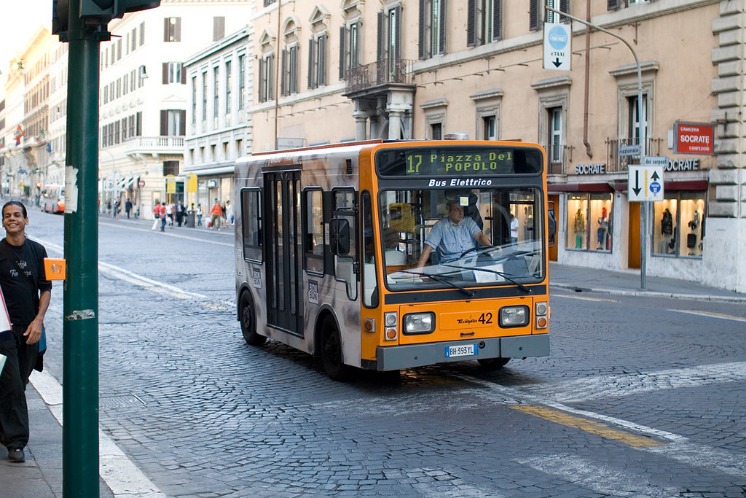

Overview of Rome’s bus network
Rome’s bus network is a dense, affordable way to explore the city beyond the subway, reaching historic neighborhoods, easy-to-miss corners, and suburban districts. Operated by ATAC, it runs a wide range of routes with frequent daytime service, though traffic can slow trips in the center. Tickets are validated on board or at validation machines, with various passes available for short stays or longer visits.
Geography of routes and main hubs
Rome’s bus network, operated by ATAC, forms the backbone of urban mobility alongside the Metro and trams. With hundreds of bus lines serving a dense city core and sprawling suburbs, buses provide essential access to neighborhoods that are not directly served by the metro. Regular daytime services are complemented by frequent night routes, known as N lines, ensuring coverage across the city after dark.
Geography of routes and corridors follows a mix of radial and circumferential patterns. Many lines converge toward the historic center around Termini and the central neighborhoods, then fan outward along key avenues such as Via Tiburtina to the east, Via Cassia and Via Flaminia to the north, Via Aurelia along the west bank of the Tiber, and Via Laurentina to the south. In addition to railroad-like corridors, some routes run along the Tiber riverfront to connect districts across the water, while others thread through busy commercial districts, stations, and major residential zones to create dense cross-town coverage.
Main hubs and interchanges anchor the network. Termini Station is the largest hub, linking dozens of bus lines with Metro lines A and B and regional rail. Tiburtina Station functions as a major eastside interchange with bus lines feeding toward the suburbs and connections to the metro. Anagnina, at the southern edge and the terminus of Metro A, serves as a key gateway to southern districts. Other important interchange points include the Ostiense–Piramide area near the archaeological park and rail connections, and the EUR district where business corridors generate steady bus traffic. In addition, smaller hubs in Trastevere and along major commercial corridors help maintain frequent city-wide service.
Understanding the network is facilitated by the ATAC maps and the city’s real-time journey planners. Buses are integrated with the metro and tram networks, enabling simple transfers and multimodal trips. Tickets are valid on buses for the duration of the chosen pass, and a single ticket can be used across transport modes within set time limits, making it easy to combine routes to reach neighborhoods beyond the metro reach.
Major operators and coordination with other transit
Rome’s bus network forms a dense grid that reaches the historic center, residential neighborhoods, and the outer suburbs. The system is operated primarily by ATAC, the city’s main bus operator, with hundreds of routes that connect neighborhoods, landmarks, and transit hubs. Buses provide frequent daytime service and an extensive night network that helps cover areas beyond the reach of the metro.
Major operators and oversight: ATAC operates the bulk of city buses and is integrated into the broader planning framework managed by Roma Servizi per la Mobilità. In addition, Cotral runs regional bus services linking Rome with towns across Lazio, supporting travel beyond the municipal boundary. The Lazio region coordinates fare integration and network planning across multiple operators to enable smooth cross-town trips.
Coordination with other transit: Buses connect with Rome’s metro lines (A and B) and the tram network, with coordinated timetables and key interchange points at Termini, Tiburtina, and major piazzas. The Metrebus Lazio fare system allows a single ticket or pass to be used on buses, metro, trams, and many regional connections within Lazio. Real-time information, route maps, and journey planners are available through official platforms to help riders plan transfers and minimize waiting times.
Tips for travelers: Check a route plan before traveling, as some corridors see heavy traffic that can affect travel times. Buy a ticket before boarding on buses where possible; many passes cover multiple days and transfers and save money on longer stays. For fast trips, combine buses with the metro or tram to reach central sights efficiently, and use night services if you are out late in the city center.
Planning your bus journey
Planning a bus journey in Rome can be a simple and rewarding way to explore the city beyond the ancient sites. Start by familiarizing yourself with the ATAC network, checking real-time timetables, and knowing your stop before you ride. Consider buying a contactless ticket or a weekly pass to save time, and be aware that some routes run less frequently on weekends or late at night. With a little planning, you can hop on a bus that takes you from historic piazzas to lively neighborhoods quickly and comfortably.
Where to find timetables and live updates
Planning your bus journey in Rome can be straightforward when you know where to look for timetables and live updates. Rome’s bus network is operated by ATAC and overseen by Roma Servizi per la Mobilità, covering central districts and the surrounding suburbs.
Where to find timetables: Official timetables are published by ATAC on its website and by Roma Mobilità on its portal. You can search by bus line to see the timetable or by stop to view first and last departures, frequencies, and any service notes. Many bus stops also display electronic boards with upcoming departures.
Additional sources include map and transit apps. Google Maps and Apple Maps provide planning with real‑time estimates for many Rome bus lines. Moovit is another popular app that shows line schedules, live arrivals, and service alerts in English. These tools are helpful when you are outdoors and need to know the next bus from your stop.
Live updates: For real‑time service changes, check ATAC’s official channels and Roma Mobilità for disruption notices and planned changes. Real‑time arrival estimates are often integrated into Google Maps, Moovit, and other apps. Some major stops also show live digital boards with the current next departures.
Planning tips for Rome: Review routes before you travel and allow extra time during weekends, holidays, or during weather events. Night buses, known as Notte services, operate on selected routes on busy nights. If you are staying near a popular area, a combination of buses with metro or tram lines can be efficient. Remember to have a valid ticket or pass and know where to buy it, such as at kiosks, tobacco shops, ATAC points, or through official apps.
Tickets, validation, and zones
Planning your bus journey in Rome can be straightforward if you prepare a little in advance. Start by identifying your origin and destination, then check which bus lines connect them and how often they run.
Use reliable sources to map your route, such as the official ATAC website or a transit app like Google Maps or Moovit. Look up line numbers, stop names in Italian and English, and note any service alerts or planned strikes that could affect your trip.
Tickets come in several formats. A single-ride ticket covers a limited time window and allows one or more boardings within that period. Other options include day passes and longer-term passes (weekly or monthly) that can save money if you travel daily. Many tickets work on buses and other local services.
Where to buy: you can purchase tickets at ATAC ticket offices, self-service machines at major stops or metro stations, authorized newsstands or tabacchi, and increasingly via official mobile apps. Activate or validate according to the ticket type before your journey.
Validation is essential. On buses, you typically validate the ticket when you board by stamping or scanning it at a validator, or by confirming it in the app if you bought a digital ticket. Keep an eye on the time window and remember that you may need to validate each new journey or transfer. If you forget, you risk fines, so always check you’ve done it.
Zones determine where a ticket is valid. Rome’s fare structure uses a zone system that generally covers the city (the urban area) and surrounding Lazio regions. Most trips within central Rome stay within the urban zone, while traveling to outlying suburbs or beyond may require a ticket valid for additional zones. If you’re unsure, check the ticket’s zone coverage before you travel.
Tip for visitors: for short stays in central Rome, a day pass or a contactless payment option provides flexibility and simplicity, letting you hop on and off as you explore the city without worrying about exact fares.
With a little planning, Rome’s buses can take you wherever you want to go. Check routes, choose the right ticket, validate correctly, and be aware of zones to keep your journey smooth and affordable.
Ticketing and fares in Rome
Ticketing and fares for bus travel in Rome are straightforward and traveler-friendly. You can buy a single-ride ticket at tabacchi shops, vending machines, or via official apps, and you must validate it before boarding. Time-based passes offer unlimited travel for a set period and can cover transfers across buses and trams (and sometimes the metro) within that window, making it easy to see the city without worrying about each ride. Discounted rates are available for youths and seniors, and passes are convenient for longer stays.
Ticket types: single, day, and travel passes
Rome’s bus travel is run by ATAC and covers buses, trams, and the metro within the city. Fares are unified for the urban network, with three main ticket types: single tickets, day passes, and travel passes that cover longer periods. This guide explains how each option works and what it costs.
Single tickets, called a Biglietto Semplice (BIT), are valid for 100 minutes from first validation. They allow unlimited transfers on buses and trams and can be used for a single metro journey within that time frame. The price is typically around €1.50.
Day tickets, known as Biglietto Giornaliero, give unlimited travel for a 24-hour window from the moment you validate the ticket. This option is convenient for a day of sightseeing or multiple rides, and prices are usually around €6–€7 depending on where you buy it.
Travel passes are longer-term options for unlimited travel. The common choices are a weekly pass (Settimana) and a monthly pass (Mensile). Prices vary by duration and zone, but typical weekly passes fall in the mid-20s euro and monthly passes are in the 30s to 50s euro range. These passes are ideal for residents or visitors staying several days or weeks and often require a card or photo for use.
Validation and usage: Always validate your ticket on boarding with the small validators or at entry points for the metro. For paper tickets, keep them until you finish your journey; for passes, you may need to scan your card on the validator at each trip. If you are caught without a valid ticket, penalties apply.
Where to buy: Tickets can be purchased at metro stations, ATAC ticket offices, tobacco shops (tabacchi), and through official apps and websites. You can also use compatible mobile apps to buy and store tickets on your phone.
Purchasing points and validation process
Rome’s bus network is extensive and often the most flexible way to reach neighborhoods beyond the metro lines. Ticketing in Rome uses time-based tickets rather than per-ride fares, and you must validate your ticket at the start of your journey or on boarding.
Ticket types include a 100-minute BIT that covers unlimited rides on buses, trams, and the metro from the moment of first validation; daily passes that are valid for one calendar day from first use; and longer passes such as weekly and monthly options. Reduced fares are available for seniors, students, and youths with valid ID, while children under six travel free.
Tickets can be purchased at ATAC ticket offices, at tobacconists (tabaccherie), and at vending machines located in many bus stops and metro stations. You can also buy digital tickets through official apps supported by ATAC or partner platforms and, in some areas, through retailers that sell mobile passes.
Validation occurs at the moment you begin your trip. On buses and trams, you validate using the on-board validator by stamping or tapping your ticket. On the metro, you validate at the entry gates or in the station validators before passing through. If you are using a digital ticket, you validate it on first use as well. Always carry proof of purchase until you finish your ride.
Without a valid ticket, you risk fines if checked by inspectors. Keep your ticket or digital confirmation until you exit the transit system. If you lose a paper ticket, you generally cannot reuse it, so it’s best to avoid relying on non-validated or placeholder options.
Tips for riders include checking the last bus and tram times, using timetable apps to plan connections, and considering a tourist card like Roma Pass for combined transport and museum access. Night buses can extend service when the metro is not running, providing reliable options for late travel around the city.
Common routes and services
Rome’s bus network, operated by ATAC, is a practical way to reach the city’s landmarks and neighborhoods. Everyday daytime routes connect Termini with the historic center, the Vatican area, Trastevere, and the Tiber riverfront, while night services keep the city moving after dark and Sundays often run on a lighter schedule. Tickets are valid across buses, trams, and the metro with integrated fares or passes.
Popular routes for tourists and locals
Rome’s bus network is a core way to get around the city, with ATAC operating most daytime routes and an extensive night-bus system for late evenings. Tickets cover buses as well as other public transport, and riders must validate before boarding. Buses typically run from early morning until late at night, with some lines continuing after midnight as night services.
Common routes and services include lines that connect major transit hubs with the city’s highlights: routes linking Termini station with the Colosseum and Roman Forum, lines heading toward the Vatican area, and cross-town services that connect central districts with residential neighborhoods. The network also serves hospital zones, university areas, and busy shopping districts, making it practical to reach neighborhoods like Monti, San Giovanni, Testaccio, and Ostiense.
Popular routes for tourists focus on the core sights and easy transfers between them. Buses that operate from Termini or Ottaviano near the Vatican to St. Peter’s Basilica, routes that feed into the Colosseum and Roman Forum, and lines that skirt the historic center toward Trevi Fountain, Pantheon, and Piazza di Spagna are especially useful. Buses can be handy for short hops between Piazza Navona, the Pantheon, and the Trevi area, and many visitors combine bus rides with walks to enjoy Rome’s open-air vistas.
Popular routes for locals emphasize daily commutes and neighborhood connections. Frequent services run along river corridors and out to eastern districts near Termini, as well as routes linking Testaccio and Ostiense with the historic center. Local riders rely on lines serving Sapienza University and the business areas around EUR, with night buses extending coverage to entertainment districts like Trastevere after metro hours.
Practical tips for riding the Rome buses: validate your ticket on entry or at validators near doors, keep valuables secure in crowded periods, and consider a contactless ticket or mobile option if available. Use official route maps or a transit app to plan connections, and remember that traffic can affect travel times. For sightseeing days, pairing a bus ride with a stroll or a quick metro transfer can save time and reduce walking.
Express and limited-stop services
Rome’s bus network offers a practical way to reach sites across the city, from ancient ruins in the center to neighborhoods farther from the core. The system is operated by ATAC and works in concert with the metro and trams. Tickets must be validated on boarding or at the start of your journey, and different passes are available for short visits or longer stays.
Common routes and services connect central hubs and major districts. Key hubs include Termini, the Vatican area, the Colosseum and Roman Forum, Trastevere, Tiburtina, and Ostiense. Buses run from early morning until late at night, with higher frequency on the busiest lines and busy times, making it easy to move around without a car.
Express or limited-stop buses travel between core destinations with fewer stops, designed to shorten travel times across the city. These services may bypass smaller side streets and operate mainly along busy corridors during peak hours or at specific times of day. Timetables and route maps typically indicate express services and the stops they skip, helping riders choose the fastest option for their trip.
To plan a trip, check the ATAC timetable or use a transit app that covers Rome. If you want a quicker ride between major hubs, look for express or limited-stop options and confirm the exact stops they serve. Frequencies can vary on weekends, holidays, or during road work, so a quick live check helps.
Night services fill the gaps when the metro is closed. Late-night buses operate along key routes to keep neighborhoods connected after hours. Always carry a valid ticket, and use live departure boards or maps to catch the right bus and avoid long waits.
Tickets and passes are available at ATAC ticket offices, tobacco shops (tabacchi), and vending machines near larger stops. Some buses also accept contactless payments. A single-ride ticket is valid for a limited period and can be used on buses and other modes within that window. For longer stays in the city, daily or multi-day passes can offer good value and convenience.
Timetables, frequency, and reliability
In Rome, bus travel hinges on clear timetables, steady frequency, and reliable service. Timetables show when buses are scheduled to run, but real-world reliability depends on traffic, roadworks, and urban congestion. On major routes, buses run every 5 to 10 minutes during peak hours and roughly every 15 to 20 minutes off-peak; less-used lines may have longer gaps. To stay on track, check official updates and live arrival boards, especially around Termini station and other central hubs.
Peak vs off-peak schedules
Bus travel in Rome operates with a network managed by ATAC and Roma Mobilità. Timetables show when buses are scheduled to run, but actual times depend on traffic, events, and occasional strikes. Understanding timetables, frequency, and reliability helps you plan a smoother trip, especially when comparing peak and off-peak travel.
- Timetables and where to read them in Rome: Timetable data is published for each line by ATAC and Roma Mobilità. Printed timetables are posted at major stops, and you can view schedules online through the ATAC site or the Roma Mobilità portal. Many stops also display real-time estimates on boards or via mobile apps. Weekday, weekend, and holiday timetables can differ, so always verify the day of travel.
- Frequency and headways: In central Rome and on the busiest routes, buses run frequently during peak hours with short intervals between vehicles. On outer lines or late in the day, headways are longer. Night buses (N lines) operate after midnight with lower frequency. For connections, plan around typical peak headways if possible.
- Reliability and common delays: Bus reliability varies with city traffic, weather, and events. Delays are more likely during rush hour or in congested areas, and occasional service disruptions or strikes can affect schedules. Using real-time updates and allowing extra time helps manage these uncertainties.
- Peak vs off-peak schedules: Peak periods on weekdays feature shorter intervals between buses, making travel faster but sometimes more crowded. Off-peak times see longer gaps between buses, and weekend schedules can differ again. If you need to connect with metro lines or trains, aim for planning around peak windows or plan extra transfer time.
- Practical planning tips for Rome buses: Check timetables before heading out, use real-time estimates when possible, and have a backup route in mind. Consider alternative modes such as the tram or metro for longer trips, and stay aware of any planned disruptions or strikes that could affect your line.
Delays, diversions, and maintenance
Rome’s bus network is a practical way to reach neighborhoods beyond the Metro and to navigate the city at street level, especially in areas where narrow streets and historic layouts limit other transport options.
Timetables, frequency, and reliability: Timetables are posted at most stops and published online by ATAC, the city’s bus operator. In the city center, many lines run with high frequency during peak hours, often with buses every few minutes. In outer districts, headways can be longer, especially in the early morning, late evening, or on weekends. Real-time updates are commonly available at stops and via apps, helping travelers gauge when the next bus will arrive and plan connections across trams and the Metro.
Delays: Delays are a normal part of urban bus travel in Rome, caused by traffic, parking congestion, and occasional incidents. Construction work in busy streets or temporary road closures can shift schedules. Travelers should build in a buffer for connections and check real-time information before heading to a stop or boarding.
Diversions: When streets are closed for events, festivals, or road maintenance, bus routes are diverted onto alternative streets. Detours are usually indicated at stops and on the operator’s app, and nearby signage will show the revised route and stop layout. During major events in the historic center, some lines may skip central stops or operate along longer circuits.
Maintenance: The fleet undergoes routine maintenance to keep services running smoothly. From time to time, vehicles are replaced or substituted with temporary buses, which can affect frequency. In recent years, Rome has expanded its fleet with newer low-emission models and electric buses on selected corridors to improve reliability and air quality.
Tips for using buses in Rome: Buy tickets before boarding; tickets are valid on buses, trams, and the Metro for a period after validation. You can purchase at tobacco shops (TABACCHI), some newsstands, or through machines at larger stops; many buses also accept contactless payment. Always validate your ticket on boarding and keep it until you exit. For the best results, use a mapping app to track live arrivals and plan transfers.
Conclusion: While Rome’s buses may face delays and detours, they remain an affordable and flexible way to explore the city, complementing the Metro and tram network.
Night buses and late-night options
Rome’s night bus network keeps the city moving after sunset, offering late-night routes that connect Termini Station, the historic center, and popular neighborhoods when the daytime buses and metro slow down. Operated by ATAC, these nocturnal services help travelers reach sights like the Colosseum, Trastevere, and the Vatican area, with schedules extending into the early hours and easy transfers to main rail lines.
Overview of N-series lines
Night buses in Rome keep the city moving after the Metro closes and daytime services wind down. They provide late-night connections across Termini, the historic center, Vatican City, Trastevere, and other districts, making it possible to attend late events, catch an early flight, or simply move around the city at night.
The night network is organized as N-series lines. These services run from late evening through the early hours of the morning, with fewer buses than daytime routes. Each N-line generally mirrors a daytime corridor in part, serving major transport hubs and central neighborhoods, and helping to link residential areas with central destinations.
Coverage varies by line, but typical corridors connect key areas such as Termini Station, central squares, the Vatican area, Trastevere, and other popular districts, often feeding into the metro network that remains open later on weekends. Since exact stops and frequencies can change, it is important to check the current timetable before you travel.
Tickets and fares on night buses follow the same rules as daytime services. Buy tickets at ATAC outlets or authorized sellers, and validate your ticket when boarding. The night network uses the same integrated tickets, so a valid fare covers both daytime and night travel.
Practical tips for using Rome’s N-series night lines: check real-time schedules on the official ATAC site or trusted transit apps, plan connections to the few overnight metro options, and allow extra travel time. If you’re out late or traveling with heavy luggage, consider a taxi or rideshare if a line is infrequent or a route would require a long wait.»
Planning overnight travel safely
Night buses and late-night travel in Rome offer a practical alternative when the metro closes and many daytime routes have ended. For visitors and locals alike, a reliable late service helps move safely from late dinners, concerts, or sightseeing to the next destination.
Rome’s night bus network is operated by ATAC and serves central neighborhoods, hotel districts, Termini, Trastevere, the Vatican area, and other key zones through the night. Routes and schedules vary, so checking the latest information is essential before you travel.
Planning overnight travel safely starts with checking schedules and maps in advance. Use the official ATAC website or the ATAC mobile app to see which lines operate on the night you plan to travel, where the stops are, and how late they run. On weekend nights and during events, night buses may be more frequent, while some lines run less often in the early hours.
Tickets and fares cover night buses as well as daytime routes. You can buy tickets at ATAC ticket machines, authorized newsstands, or via the official app. Remember to validate your ticket when boarding and keep it until you exit. If you miss your stop, seek help from staff or fellow passengers to reach a safer, well-lit location.
Where to catch night buses in Rome typically includes major hubs and busy streets. Termini Station is a common interchange, with many lines feeding passengers from central areas. Other well-lit stops near large piazzas or hotel districts are also served at night. If you’re staying in a quieter neighborhood, plan your final leg to a well-lit main road or a taxi stand.
Safety tips for overnight bus travel include staying at well-lit stops, sitting near the driver or among other passengers, keeping valuables secure, and avoiding isolated sections of a vehicle. Have your destination in mind and consider sharing your travel plan with a friend. If you feel unsafe, move to a busier, better-lit area or contact local emergency services by dialing 112, the EU-wide emergency number.
Alternative options for late travel include licensed taxis and rideshare services, which operate 24 hours in Rome but cost more than public transport. Some hotels also offer shuttle services. If you plan to stay out late, arrange a safe return in advance or consider overnight accommodations to avoid the late-night routes altogether.
Tips for tourists planning overnight travel: carry a map of your route offline, note stop names in Italian, and verify the proximity of stops to your lodging. Night services exist to improve safety and mobility after dark, so a little planning goes a long way toward a smooth and comfortable journey.
Accessibility and traveler support
Accessibility and traveler support are central to Rome’s bus network, helping locals and visitors move across the city with confidence. This includes step-free boarding where available, priority seating, clear route information, audible and visual announcements, real-time updates, accessible maps, and multilingual assistance at service desks and through online help lines to ensure that every journey is as smooth as possible.
Accessibility features on buses
Rome’s bus network, operated by ATAC, offers an essential way to move around the city from ancient neighborhoods to modern districts. Accessibility and traveler support are a focus for many riders, including visitors who are unfamiliar with the streets of Rome.
Most modern buses in Rome are designed to be accessible to people with mobility challenges. Many vehicles are low-floor with level boarding, some have ramps or kneeling systems to ease entry and exit, and wide doors help wheelchair users and travelers with strollers or luggage. Inside, priority seating is located near the doors to assist people who need it, and there is usually space allocated for wheelchairs.
This city also aims to support travelers with visual or hearing needs through information systems. On-board announcements of stops and routes are provided where available, and visual displays help passengers track their progress. Information on accessibility features is often shown on stop signs and route maps, and tactile or high-contrast signage can assist some users at larger hubs.
Traveler support in Rome includes visible staff and information points at major termini and key hubs, as well as a customer service channel for accessibility requests and general questions. The ATAC website and mobile apps offer route planning, service alerts, and real-time updates that can include accessibility notes when available. Staff training and feedback channels help the agency improve services for travelers with disabilities and reduced mobility.
Planning tips for visitors: check the latest service notices for accessibility on specific lines, use accessible routes where possible, and allow extra time for boarding. If you need assistance, contact information desks or call ahead to arrange help at major stops or stations. By choosing routes with low-floor buses and planning in advance, travelers can enjoy smoother and safer trips across Rome.
Rome continues to expand accessibility across its bus fleet and support services, with ongoing investments in vehicles and passenger information. While accessibility can vary by route and vehicle, the overall trend is toward more inclusive, traveler-friendly bus travel in the Eternal City.
Assistance for visitors and language considerations
Exploring Rome by bus can be convenient and inclusive when you know where to find traveler support and accessibility information. This guide highlights how visitors can navigate the city with confidence, including language considerations and practical tips for getting around on buses.
Public buses in Rome include features designed to aid all riders. Many buses are low‑floor and equipped with ramps or steps that help wheelchair users and travelers with strollers. Inside, you may find priority seating, clearly marked spaces, and audible and visual announcements for stops and route changes. Real‑time information at stops and on some buses helps you plan the next leg of your journey.
Assistance for visitors is available at major transit hubs and around the city. Information desks, staffed ticket counters, and help points can offer directions, maps, and guidance in multiple languages. ATAC and city services also provide accessibility information and support, including guidance on accessible routes and how to arrange assistance if you need help boarding or alighting from a bus.
Language considerations are important for a smooth experience. Signage and printed materials are frequently in Italian, with English translations at key locations and on popular digital platforms. The official transit app and most websites present information in English and Italian, and some staff speak English or other languages. When in doubt, use translator apps, ask at information desks, or seek multilingual staff for assistance.
To travel confidently, plan ahead with official resources. Check route maps, accessibility notes, and live service updates on the transit app or ATAC website. Look for routes that serve major tourist areas such as termini stations, central squares, and popular sights, and verify the availability of step-free entry and seating. Consider buying tickets or passes via apps or machines that offer English language support.
If you need specific assistance, contact customer services or accessibility hotlines before your trip to arrange support. At stations or stops, ask a staff member for help, request boarding assistance, or use designated help points. Bringing a map, the address of your destination in Italian, and familiarizing yourself with basic phrases can also improve your experience when language barriers arise.
By prioritizing accessibility and language preparedness, visitors can enjoy Rome’s bus network with less stress. With available support, clear information, and inclusive design, bus travel becomes a practical option for all travelers exploring the Eternal City.
Safety, etiquette, and practical tips
Traveling by bus in Rome is convenient and affordable, but a few safety and etiquette tips help you ride smoothly: keep valuables secure and out of sight, validate your ticket on boarding and keep it handy for checks, and watch your belongings in crowded stops. Stand away from the doors when the bus is moving, offer seats to the elderly, pregnant, or people with mobility issues, and speak softly to fellow passengers. Plan routes in advance, allow extra time for traffic, and follow clear bus stop signs and driver directions. When in doubt, ask staff or locals for guidance and always stay aware of your surroundings.
Boarding rules and fare validation
Riding Rome’s buses can be a convenient way to explore the city, but knowing safety, etiquette, and boarding rules helps everyone travel smoothly.
Safety on Rome’s buses means staying aware of your surroundings, especially in crowded stops and on busy routes. Keep valuables close, ideally in zipped pockets or a bag worn in front of you. Hold onto rails when the bus moves and be cautious near doors during boarding and alighting. If you’re alone at night, choose well‑lit stops and try to ride on well‑used routes. If you feel uncomfortable, move toward the front near the driver and seek help from staff or other passengers. Always travel with a plan and know your stop so you don’t have to linger near strangers in unfamiliar areas.
Etiquette matters for a pleasant ride: let passengers alight before boarding, and give up your seat to the elderly, people with mobility issues, or pregnant travelers. Keep voices soft, headphones in, and avoid loud music or lengthy phone conversations. Do not eat on board, and keep trash in your bag until you can dispose of it properly. Stand clear of the doors as the bus stops and exits, and queue patiently at stops rather than pushing forward.
Practical tips for a smoother trip include planning ahead with maps or transit apps to identify the right bus and approximate arrival times. Buy tickets before boarding at metro stations, ATAC ticket offices, tobacco shops, or automatic machines; many digital options let you store tickets on your phone. If you use a contactless card or mobile wallet, check whether that method is accepted on your chosen line and how it interacts with time‑based tickets.
Boarding rules in Rome usually require you to board via the front door and validate your ticket immediately. If you have a paper ticket, show it when asked by the driver or a ticket inspector. Some journeys require you to carry a valid ticket at all times; riding without a valid ticket can attract a fine. Always have your ticket ready to present if asked during a check.
Fare validation is done at a yellow validator near the door: insert or scan your ticket, and look for a beep or a green light confirming validation. The moment you validate begins the ticket’s validity window, allowing you to ride across buses, trams, and the metro for that period. Keep the validated ticket until you finish your journey, and remember that you may be fined if you’re found riding without a valid ticket. If a validator is out of order, carry your ticket and notify inspectors; digital tickets stored in an app can also be shown as proof of purchase and validity.
For night travel or longer stays, check night bus routes and schedules in advance. If you ever feel unsafe or need assistance, don’t hesitate to ask staff or fellow passengers, and use emergency numbers if needed (112 is the general European emergency number). By following these guidelines, you’ll travel safely, respect others, and make the most of Rome’s bus network.
Staying aware in crowded buses
Bus travel in Rome can be efficient but crowded, especially during peak hours near Termini, the Centro Storico, and Trastevere. This guide covers safety, etiquette, and practical tips to stay aware on crowded buses.
Safety basics: crowded buses attract pickpockets. Keep valuables secure by using a crossbody bag worn in front, zipping it closed, and keeping a hand on the strap. Avoid flashing expensive devices and large sums of cash.
Belongings and personal space: store bags in front of you or on your lap, and never hang a backpack on the seat back in front of someone. Hold your phone discreetly and avoid taking up extra seating with bulky items.
Boarding and alighting etiquette: let passengers exit before you board, and step to the side so others can pass. If the bus is very crowded, move toward the back after you board to make space near the doors for others exiting at the next stop.
Ticketing: buy tickets before boarding from Tabacchi shops or vending machines, or via a mobile app, then validate immediately on the bus or at validation machines. Keep your ticket until you exit in case of checks.
On the bus behavior: keep voices low and conversations brief. Hold onto rails or poles when the bus is moving, and avoid blocking the aisles. If you need to pass someone, do so slowly and politely with a brief apology.
Respect for others: offer priority seating to elderly, disabled, pregnant, or traveling with small children. If you receive a seat, acknowledge others and avoid saving seats for people who are not present. Keep your area tidy and quiet.
Handling crowded conditions with luggage or strollers: bundle items close to your body and position bulky items to the side where they won’t obstruct others. If space is tight, stand and hold the rail instead of placing items on adjacent seats.
What to do if you feel unsafe: stay near a wall or the driver, and move toward the back or to the exit at the next stop if you feel squeezed or uncomfortable. If you think you’re targeted by a thief, calmly alert the driver and step away from the crowds.
Navigation and situational awareness: know your line and stop ahead of time, and prepare to exit as the bus approaches your destination. Use the stop request button only when the stop is near, and keep an eye on your surroundings as you ride.
Rome-specific tip: crowding tends to spike around commuter hubs and tourist hot spots. If possible, travel slightly off-peak or consider alternatives like trams or the metro to reduce time in dense crowds.
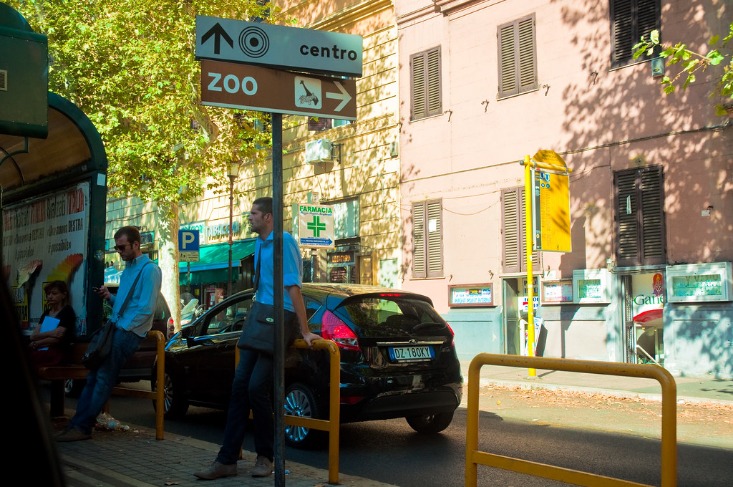
Integrating buses with Rome’s transport network
Integrating buses with Rome’s transport network creates a cohesive, city-wide travel system that connects ancient neighborhoods to modern transit hubs. Buses fill the gaps between metro lines and tram routes, delivering flexible, frequent service for short trips and late-night journeys. By aligning schedules, sharing ticketing, and coordinating bus stops with major stations and tourist areas, Rome’s buses offer convenient access for residents and visitors alike, making it easier to explore the city beyond the central sights while complementing the metro and regional rail network.
Bus, metro, and tram interchanges
Integrating buses with Rome’s transport network means using buses to connect to the metro and tram corridors that span the city, creating a seamless option for moving between neighborhoods and historic sites. The advantage of this integration is that you can reach destinations beyond the metro lines without switching to a different transport system or paying extra fares for separate tickets.
Major interchange points exist where bus routes feed into the metro and tram networks. Termini station stands as a central hub where buses intersect with Metro lines and regional services, while other key interchanges such as Tiburtina, Ostiense, and Laurentina serve as connective nodes that link bus services to both tram lines and metro stops. Trams themselves intersect the metro at convenient locations, enabling easy transfers for riders traveling around central Rome and into the suburbs.
The fare system reinforces this integration. Metrebus Roma, the integrated ticketing system, allows travelers to use a single ticket across buses, the metro, and trams within a specified transfer window. This means you can board a bus and switch to a metro or tram without buying separate tickets, provided you stay within the allowed time frame.
Tickets can be purchased at ATAC ticket offices, from authorized retailers such as tobacconists, at vending machines located in many metro stations, or via mobile apps. In addition, contactless payments with bank cards or mobile wallets are increasingly accepted on buses and at many metro and tram access points, making it easier to travel without handling cash.

Plan ahead with official route maps and real-time arrival boards to choose the best interchange options. Real-time information helps you pick routes that minimize walking distances and waiting times, especially when navigating busy interchange hubs during peak hours.
For tourists and casual riders, a practical approach is to combine a short bus ride to the nearest interchange and then take the metro or tram to your final destination. This strategy often avoids longer bus detours while still allowing you to stay within a single integrated fare.
On-board experiences vary by mode, but signage and route numbers remain straightforward across buses, trams, and the metro. Buses are generally comfortable and accessible, with lower floors for easy boarding at major stops. While late-night service exists, it is more limited, so checking operating hours for your chosen routes helps prevent delays after dark.
As Rome continues to expand and modernize its transit network, ongoing improvements in real-time data, ticketing simplicity, and interchanges will further streamline bus travel. The goal is to keep buses as reliable connectors that weave together neighborhoods with the city’s rail and tram arteries, delivering faster, more convenient journeys across Rome.
Tips for multi-modal day trips
Rome’s bus network is a backbone of the city’s transport system, designed to work in harmony with the metro and tram lines to reach neighborhoods that trains don’t directly serve. With an integrated ticket, you can transfer between buses, the metro, and trams within a set time window, making multi-modal day trips practical and economical.
- Get the right ticket and validate: buy a ticket at metro stations, authorized retailers, or online, and validate it on the bus or at the turnstile before you start your ride.
- Plan routes around hubs: use Termini, Trastevere, Cipro, or other major transfer points as anchors to combine buses with metro or tram lines for faster connections.
- Use real-time planning tools: apps and maps that show live bus arrivals, line closures, and interchanges help you choose the quickest multi-modal path.
- Know the night options: Rome runs night buses on several routes, so you can continue your day or evening plans after dark; check the N-line schedules.
- Expect traffic and plan buffers: buses share roads with cars, so travel times can vary; allow extra time for connections during rush hours.
- Accessibility and luggage: many buses are step-free or have low floors, but be ready for stairs at some stops and plan ahead if you’re traveling with strollers or large bags.
- Example day-trip mindset: pick a central hub, take a bus to a scenic or cultural stop, then walk or switch to a tram/metro for a second leg—this minimizes walking and maximizes cover of the city’s highlights.
By pairing buses with the rest of Rome’s transit network, you can craft flexible, memory-worthy day trips that cover history, parks, riverside paths, and neighborhoods beyond the central sights.
Sightseeing-focused bus travel
Exploring Rome by sightseeing bus provides a practical, scenic introduction to the city’s timeless sights. Open-top routes sweep past the Colosseum, Roman Forum, Trevi Fountain, Vatican City, and the Tiber, while convenient hop-on hop-off stops let you design your own pace and linger where you wish. Multilingual audio guides and easy transfer between routes help visitors balance ancient ruins with lively piazzas in a single memorable journey.
Top routes for landmarks (Colosseum, Vatican, Trevi)
Rome offers some of the world’s most iconic landmarks, and sightseeing-focused bus travel is a convenient way to see them without long walks between stops. Open-top routes provide sweeping views of the Colosseum, the Vatican, and the Trevi Fountain, making it easy to plan a day around the city’s best landmarks.
When choosing a bus experience, look for hop-on hop-off services or guided tours that connect major sights. Open-top buses let you snap photos as you glide past ancient ruins, Renaissance domes, and lively piazzas, while fixed-loop routes help you maximize time at each stop and reduce backtracking.
Route A: Colosseum-centered loop. Start near the Colosseum to admire the amphitheater’s arches from above, then cruise along the Forum’s vicinity and Via dei Fori Imperiali. The route continues toward the Pantheon and Trevi Fountain, giving you a chance to hop off, stroll short distances, and capture the fountains and ancient streets. The loop ends near Piazza Venezia or returns to the Colosseum area, continuing the day with another short ride.
Route B: Vatican-focused circuit. Begin at the Vatican Museums and St. Peter’s Basilica, enjoying the scale of St. Peter’s and the Tiber views from the upper deck. The bus then skirts along the river toward Castel Sant’Angelo, passes by Piazza Navona and the Pantheon, and moves toward Trevi Fountain and the Spanish Steps before looping back to Vatican City. This route is ideal for concentrating a day on the spiritual and artistic heart of Rome.
Route C: Trevi-centric link. Centered on the Trevi Fountain and its surrounding squares, this route carries you to Pantheon, Piazza Navona, and the area around the Spanish Steps. From there, a short ride can connect you to major pedestrian thoroughfares like Via del Corso and popular photo spots, before returning to Trevi for a second look or a night-time stroll under the fountain’s glow.
Practical tips for bus travel in Rome: check the timetable for morning and late-afternoon peaks, as traffic can affect schedule and ride times. Consider a multi-day pass if you plan to mix routes, which often saves money and keeps you flexible. Bring a light jacket for open-top seats and plan short walks between stops to maximize sunset or twilight views of the landmarks. Most routes offer bilingual commentary, helping you catch key historical details without missing photo opportunities.
Night views and sunset routes
Rome is a city best seen from the road as well as on foot, and sightseeing-focused bus travel offers a convenient way to cover the highlights without tiring your feet.
Typical routes loop past the Colosseum, Roman Forum, and Palatine Hill, then continue to the Trevi Fountain, Pantheon, and the Spanish Steps, with easy hop-on, hop-off access for photo moments and short strolls. A second circuit can focus on the Vatican area, St. Peter’s Basilica, and the surrounding museums, letting you balance sacred masterpieces with time for a relaxed lunch along the way.
Night views are a highlight of Rome by bus. As the day fades, the city lights come up on ancient stone and Baroque façades, turning the Colosseum, the Pantheon, the Trevi Fountain, and the bridges over the Tiber into dramatic silhouettes. An evening ride offers a comfortable vantage point to photograph landmarks without the daytime crowds, and many services run until late, providing a gentle stroll between illuminated monuments once you choose to alight.
For sunset routes, plan a ride that follows the river and approaches key city sights in golden hour light. A popular option is to start near the heart of the historic center and travel toward the Tiber, letting you watch the Duomo-like glow on the dome of St. Peter’s as the sun dips. Another scenic choice is a loop along Lungotevere, with sunset reflections on the water and views of Castel Sant’Angelo as the city cools into evening. If you prefer a higher vantage, pair your bus ride with a short walk to the Pincio Terrace or Gianicolo Hill for a sunset panorama before returning to the bus for the return journey.
Tips for a smooth experience: buy tickets in advance when possible, choose a hop-on, hop-off pass for flexibility, and check the timetable for night or sunset services in your travel window. Be mindful of Rome’s traffic and limited-traffic zones in the historic center, and keep a light jacket handy for cooler evenings on the upper decks. With careful planning, a sightseeing-focused bus route can be your fastest route between icons and your best seat for Rome’s sunset and night-hour drama.