

Overview of the Paris Bus Network
The Paris bus network provides a dense, city-wide option for getting around the French capital, complementing the metro and trams with routes that reach neighborhoods and sights across the city and beyond. Buses run frequently during the day and continue into the night with Noctilien service for late-night travel, making it easy to navigate Paris on a variety of schedules. Tickets are integrated with other public transport, and travelers can plan routes and check timetables through the RATP or Île-de-France Mobilités sites for a smooth, affordable way to explore the city by bus.
Scope and Coverage Across the City
Paris’s bus network offers extensive coverage across the city, complementing the metro and RER to provide reliable access to neighborhoods not directly served by rail and to connect major hubs with local services.
- Network scope and operators: The majority of lines in the city of Paris are operated by RATP, with additional routes managed under the Île-de-France Mobilités framework for cross-border trips. The network includes daytime services, rapid bus corridors with priority at traffic signals, and the Noctilien night-bus network for overnight travel.
- Coverage across the city: Buses reach all 20 arrondissements and extend into surrounding districts, concentrating on central corridors and key hubs such as Châtelet–Les Halles, Gare de Lyon, Montparnasse, and Bastille. The bus grid threads through residential neighborhoods, business districts, and cultural sites, offering frequent connections to Metro and RER stations.
- Service patterns and frequency: On main routes, daytime headways are short and departures are frequent; secondary lines provide local access with lower frequencies in evenings and on weekends. Noctilien lines operate after Metro hours for late-night travel.
- Accessibility and information: Most buses are low-floor for easy boarding, equipped with real-time arrival information at stops and via the RATP app, and clearly displayed route numbers. Fare integration with Île-de-France Mobilités enables transfers between buses, trams, Metro, and RER.
- Planning and riding tips: Plan ahead with the official app or maps, validate tickets on boarding, and take advantage of bus priority lanes on major avenues for quicker trips. Check Noctilien routes if traveling late at night when the Metro is closed.
Historical Development and Modern Reforms
The Paris bus network is a dense and practical mode of urban mobility that runs alongside the city’s metro and tram systems. Operated largely by the RATP, with planning and funding coordinated by Île-de-France Mobilités, the network serves both central Paris and the surrounding suburbs, making it a vital feeder for rail lines and a reliable option for crosstown travel.
Overview: Paris buses cover a high density of routes with frequent daytime service on principal corridors and a broad regional reach into the Île-de-France region. Some lines are designated as high-capacity or rapid transit buses (Bus à Haut Niveau de Service), featuring priority lanes, longer vehicles, and faster boarding. The Noctilien night network extends coverage after dark, ensuring 24-hour mobility. The fleet includes low-floor, accessible buses with increasingly electric and hybrid powertrains to reduce noise and emissions.
Historical development: The bus network in Paris expanded significantly during the 20th century as tram services declined and the city rebuilt its urban transport mix. After World War II, buses became a primary means of urban circulation, feeding passengers to metro stations and linking neighborhoods. In the latter part of the century and into the 2000s, modernization accelerated with better scheduling, computerized ticketing, and the introduction of express and rapid-bus services to shorten journeys across crowded thoroughfares.
Modern reforms: Since the early 2000s, authorities have prioritized bus travel through dedicated lanes, signal priority at intersections, and improved station design. The creation of Bus à Haut Niveau de Service (BHNS) lines and other rapid-bus corridors has improved travel times along major axes. Reforms also focus on accessibility, with low-floor buses and better boarding arrangements, as well as enhanced real-time passenger information at stops and on mobile apps. The system has become more integrated with other transit modes via interoperable tickets and coordinated timetables.
Electrification and sustainability: The Paris bus fleet is gradually shifting toward electric and low-emission models. The city has expanded charging infrastructure and deployed an increasing number of battery-electric buses, complemented by hybrid and clean-fuel options. These changes aim to reduce air pollution and climate impact while maintaining reliable service, especially on busy city corridors where demand is highest.
Fare integration and accessibility: The Île-de-France Mobilités network coordinates fares across buses, metro, RER, and trams, with the Navigo pass and contactless payment providing seamless travel. For many travelers, the bus offers straightforward access to neighborhoods, parks, and cultural sites, with accessible stops and predictable schedules that support both residents and visitors exploring the city.
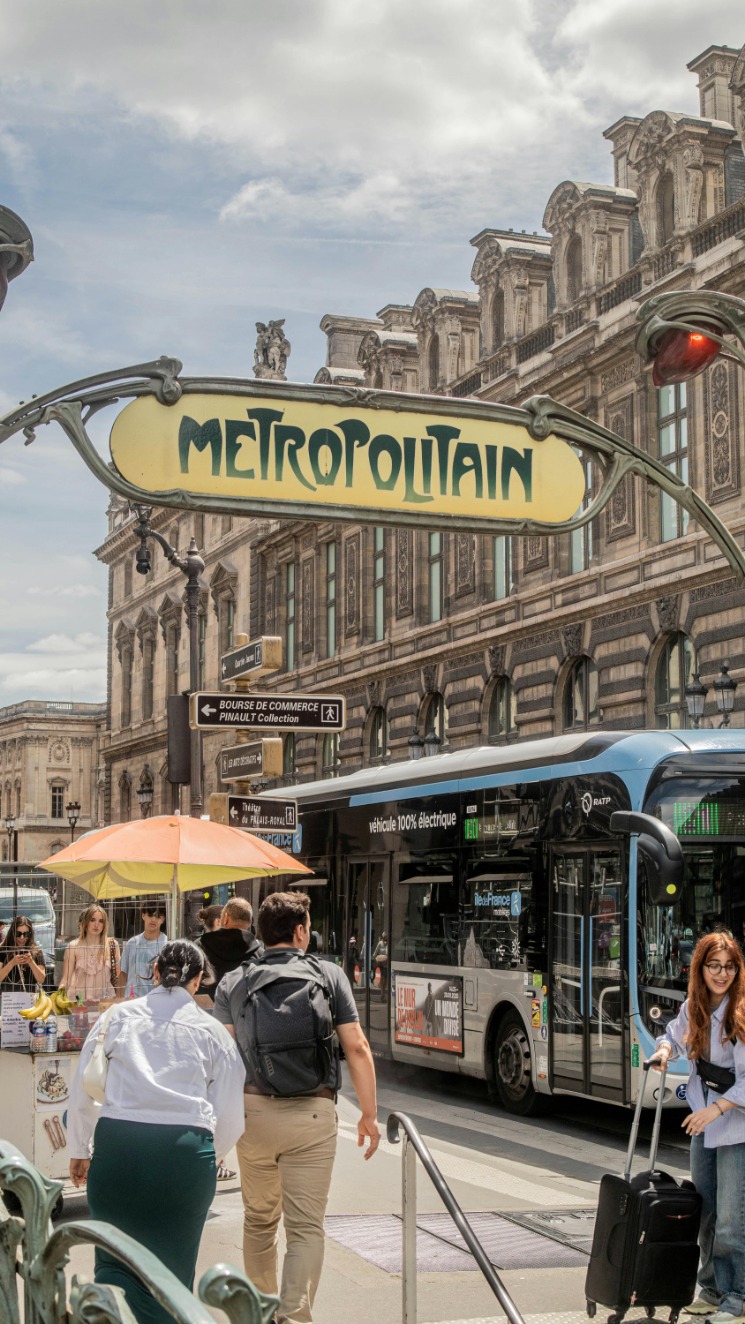
Impact and outlook: The bus network remains essential for last-mile connectivity, reducing congestion by distributing travelers along multiple routes and connecting neighborhoods not directly served by rail. Ongoing reforms emphasize faster, cleaner, and more comfortable journeys, with continued emphasis on bus priority, fleet electrification, and digital services. Looking ahead, Paris aims to further expand rapid-bus corridors, extend electrified fleets, and improve integration with the broader metropolitan transport system to support sustainable urban mobility.
Planning and Preparing for a Bus Trip
Planning and preparing for a bus trip in Paris involves mapping routes, choosing the right ticket or pass, and knowing where to catch and validate your ride. Start by checking live schedules and nearby stops, decide on transfers if your plan includes multiple lines, and pick a convenient payment method—contactless, a transit pass, or a ticket. Bring a compact map or offline app, stay aware of peak hours, and keep your belongings secure for a smooth, stress-free journey through the city.
Where to Find Timetables and Live Updates
Planning a bus trip in Paris can be quick and simple if you know where to check timetables and live updates. This guide helps you prepare and navigate the network with confidence.
Paris buses are operated mainly by RATP, with scheduling coordinated by Île-de-France Mobilités. Use official sources and reliable apps to stay on schedule.
- Official timetables and real-time information come from RATP and Île-de-France Mobilités. Start with ratp.fr for bus lines and iledefrance-mobilites.fr for network-wide schedules and alerts.
- Real-time arrivals at a stop are shown on the RATP live boards and in the RATP app. You can also see live arrivals for specific lines on Google Maps or Citymapper.
- Smartphone apps to plan and track your trip include the RATP app, Citymapper, Google Maps, and Moovit. They pull real-time data and show next buses along with walking and transfer options.
- Noctilien, the night-bus network, has different timetables. Check Noctilien pages on IDFM or RATP sites for late-night routes and frequencies.
- Disruptions and changes are posted as alerts on official sites and apps. If a line is affected by traffic or events, you’ll see updated arrival times or alternative routes there.
- When planning, enter your start point, destination, and preferred time, then compare routes. Look for the fastest options, fewer transfers, and accessibility features if needed.
- At the bus stop, note the line number, direction, and next departures. Stop-specific real-time data may be shown on digital boards or within your chosen app.
- Prepare for Paris traffic by allowing extra time during peak hours and on days with events. If you’re traveling late, have a backup plan using Noctilien or nearby Metro lines.
With these sources and tools, you can plan a smooth bus trip across Paris, know when to leave, and stay updated on the move.
Ticketing, Passes, and Validation
Using Transit Apps and Maps
Planning a bus trip in Paris starts with a destination and a quick look at live transit information. Using transit apps and maps helps you compare routes, estimate travel time, and choose the most convenient option for your day.
Recommended apps include the official Bonjour RATP app, Citymapper, Google Maps, Moovit, and Transit. These apps show Paris bus lines, stops, real-time arrivals, and service alerts, and they can guide you step by step from your location to your final stop.
Before leaving, define your route. Enter your starting stop or current location and your destination, then compare routes with direct buses or few transfers. Check walking distances to the bus stop and from the final stop to your destination to avoid long treks.
Mind the time of day. Some lines have reduced frequency in evenings and on Sundays, and there are no midnight services on some routes. Paris also has the Noctilien night-bus network for late-night travel. Plan around first and last buses to avoid being stranded.
Turn on live alerts and plan alternatives in case of delays or disruptions. Real-time updates may show detours, updated stop names, or temporary changes due to events or strikes. If you see a disruption, try an alternate line or a metro-bus combination suggested by the app.
Tickets and passes. You can load tickets in apps, or buy at vending machines and metro stations. On board a bus you can pay with contactless payment on many buses, using a bank card or a mobile wallet. For unlimited travel, consider a Navigo pass or Paris Visite pass appropriate for your stay and zone coverage. Always ensure your ticket is valid before boarding and keep it until the trip ends.
Accessibility and comfort. Many Paris buses are low-floor and wheelchair accessible; some stops have tactile guidance and shelters. If you need accessibility features, check the app route details for accessible buses and plan the boarding point accordingly. Bring a light bag, avoid standing near doors, and have a backup plan if a stop is crowded.
Practical tips for a smooth trip. Note stop names on the map; when you approach your stop, press the stop button or notify the driver to signal your exit. Stand at the designated boarding area and let passengers exit before you board. If you are carrying luggage, choose stops with wider doors and more space on the bus. Build in a little extra time for transfers and consider backup routes in case of crowding or detours.
With careful planning and the right apps, taking the bus in Paris can be straightforward and efficient, letting you focus on the city’s sights and neighborhoods.
Accessibility Options and Language Tips
Planning a bus trip in Paris can be a practical and affordable way to explore the city, complementing the metro and trains while offering street-level views and convenient access to neighborhoods.
- Choose your ticket or pass: For short stays, a t+ single ticket is convenient; for longer visits, consider a Navigo Easy, Navigo Week/Month pass, or Mobilis depending on your travel pattern. Check the zones covered to fit your routes.
- Plan your route with reliable tools: Use the official RATP apps, Vianavigo, or Google Maps to find bus lines, stops, and live arrivals. Note the line numbers and the direction you need.
- Check schedules and frequency: Buses run more often in central areas and during the day; late evenings may have reduced service. Allow extra time for connections and traffic.
- Know accessibility options in advance: If you need accessible buses, look for lines with low-floor buses and ramps; some routes provide priority seating and driver assistance when needed.
- Prepare for boarding and staying comfortable: Have your ticket ready for validation, keep essential items handy, and plan where to sit or stand for your ride.
Accessibility options
- Most buses are low-floor and have ramps or kneeling features to ease boarding for wheelchairs, strollers, and walkers.
- Priority seating is available; if you need it, ask fellow passengers to make space and sit near the door for easy exit.
- Many buses provide audible stop announcements and visual displays to help you track your progress.
- Wheelchair and mobility device access: When possible, inform the driver at boarding if you need space or assistance; not all stops are fully accessible, so check route details in advance.
- Accessible stops and routes: Use the accessibility filters in apps or at major stops to find lines with easier access and level boarding.
- Assistance and information: If you need help, ask a driver or visit staffed stops or the RATP information desks for guidance.
Language tips
- Useful French phrases: “Bonjour, un billet s’il vous plaît.” (Hello, a ticket please.)
- “Où est l’arrêt de bus pour la ligne X, s’il vous plaît ?” (Where is the bus stop for line X, please?)
- “Quel est le prochain arrêt ?” (What is the next stop?)
- “Pouvez-vous me dire comment aller à destination ?” (Can you tell me how to get to destination?)
- “Parlez-vous anglais ?” (Do you speak English?)
- “Merci” or “Merci beaucoup” for thanks.
- Keep a translation app handy for names of streets or neighborhoods in Paris when you are offline.
- Use maps and transit apps in English or French as needed and watch for station names and line numbers displayed on signs.
With a little planning and a few phrases, taking the bus in Paris can be smooth, affordable, and enjoyable, letting you see more of the city from street level.
Routes, Schedules, and Service Types
Paris bus travel connects neighborhoods and famous sights through a dense network of routes, clear maps, and published schedules. Routes are numbered and served by a variety of service types, from standard daytime buses to articulated and night-time Noctilien services, plus occasional tourist or express routes. Schedules vary by day and time, with real-time updates and transfer options to help riders plan trips across the city.
Daytime Routes: Frequency and Coverage
Paris has a dense daytime bus network that complements the metro and tram services. Buses in Paris are operated by RATP within the city and by private partners under the oversight of Île-de-France Mobilités in the wider Île-de-France region.
Routes run along major corridors like along the Seine, across central Paris, and into the inner and outer suburbs. Many lines interconnect with metro stations and RER lines, turning a bus ride into a convenient feeder or cross-town journey. The network includes short urban routes in neighborhoods as well as longer trunk lines that cross multiple districts.
Daytime schedules vary by line and day of week, but typical patterns are: peak weekday headways around 5 to 8 minutes on main corridors, 8 to 15 minutes on other daytime routes, and 15 to 30 minutes or more on less frequent lines. Service generally runs from early morning to around midnight, with reduced hours on Sundays and public holidays. Night buses Noctilien operate after midnight.
Service types include standard buses and longer articulated buses on busy lines to carry more passengers. Many daytime routes use low-floor, accessible buses and some routes offer limited-stop or rapid-service features to shorten trips on popular corridors. The fleet increasingly includes electric or hybrid buses as part of the city’s push toward cleaner transport.
Coverage is strongest in central Paris, where buses connect to metro and tram stops, and in dense suburban corridors that feed into central hubs. In outer areas, many routes provide essential connections to transfer points, schools, business districts, and airports, although frequencies may be lower and some late-evening routes stop earlier.
Planning a trip: use official journey planners from RATP and Île-de-France Mobilités, check real-time bus countdowns, and be aware that strike days or holidays can affect services. Most lines publish timetables and live departure boards at stops and online.
Night Buses (Noctilien) and Overnight Travel
Paris offers a robust bus network that works alongside the Metro and RER to move locals and visitors around the city day and night. Buses provide flexible access to neighborhoods, sights, and neighborhoods that are not always served directly by rail, making them a convenient option for short hops and for connections to other transit modes.
Routes span central Paris and extend into the inner and outer suburbs, with daytime services on a dense grid of lines. Many routes follow major corridors and arterial streets, linking residential areas with business districts, museums, and train stations. Buses interchange with the Metro, tram lines, and the Noctilien night network at key hubs such as République, Châtelet–Les Halles, Opéra, and Montparnasse, enabling easy transfers across the system.
Schedules vary by line and day. Daytime buses typically run from early morning until late evening, with higher frequencies on busy corridors—often every few minutes on the most popular routes and at peak times. Evenings see a reduced frequency, and Sundays or public holidays may feature shorter or fewer services. In all cases, precise first and last bus times are posted at stops and available in timetables online and in the RATP app.
Service types include standard city buses with low-floor accessibility, comfortable seating, and step-free boarding for wheelchairs and strollers. On high-demand corridors, articulated buses carry more passengers and improve flow along busy routes. Many newer vehicles are electric or hybrid, reflecting Paris’s push toward cleaner transport. Some corridors also offer express or high-frequency services to shorten travel times on popular cross-town trips.
Noctilien, the night bus network, fills the gap when the Metro and daytime buses slow down for the night. Night buses operate on most nights, using lines prefixed with N to serve central Paris and outer districts. Frequencies typically range from about every 30 to 60 minutes, with some routes more frequent on weekend nights. Plan ahead by checking the Noctilien map or the RATP app for exact routes, timetables, and transfer points to the daytime network.
Overnight travel in Paris is practical with a valid ticket or pass. A single-use t+ ticket covers buses and the Metro within one journey and is valid in some transfer scenarios, while Navigo passes provide broader, often cheaper, access for longer stays. Contactless payments on new buses are common, and planning tools like the RATP app or third-party transit apps help you confirm live times and best connections for late-night trips.
Tip: always check a reliable source before you travel, as routes and times can change for maintenance, events, or holidays. With planning, Paris buses provide flexible access to neighborhoods, landmarks, and connections across the city, making them a valuable part of your transit toolkit—even after the sun goes down.
Express and Limited-Stop Services
Paris bus travel offers a dense network that interconnects neighborhoods, train stations, and tourist sites across the city and its suburbs. Routes, schedules, and service types are designed to move large numbers of people efficiently while letting travelers see more of the city beyond the metro. This overview covers routes, schedules, and the main service types, including express and limited-stop options.
Bus routes in Paris are operated primarily by RATP within the city center and by various operators in the surrounding Île-de-France region, coordinated by Île-de-France Mobilités. The network serves every arrondissement and links major hubs such as Châtelet–Les Halles, Saint-Lazare, Gare de Lyon, Montparnasse, and La Défense, as well as key tram and rail stations. You’ll notice a mix of frequent routes that loop through neighborhoods and longer trunk lines that connect far-flung districts with faster travel times. Signage at stops shows the route numbers, terminal points, and connecting services, making it easy to plan transfers.
Schedules vary by line and day. On weekdays during peak hours, many routes run every 5 to 8 minutes in busy corridors, with more frequent service in central areas and near interchange points. Off-peak daytime headways lengthen, and evenings reduce further. On weekends and holidays, frequency generally decreases, though some lines maintain frequent service along major corridors. The Noctilien night-bus network fills the gaps after metro and tram services end, operating with reduced frequency but continuing to connect central Paris with outer districts.
Service types include standard city buses, articulated options for high passenger load, and dedicated high-service bus corridors known as Bus à Haut Niveau de Service (BHNS). BHNS lines feature priority signals, better bus-stop spacing, and, where possible, a dedicated lane, delivering faster travel along busy routes. In addition, some trunk routes offer express or limited-stop variants that skip smaller stops to speed transfers between major hubs. These express services are clearly indicated on timetables and signage, and travelers should plan for fewer opportunities to board at smaller stops while staying on a route with direct connections to places you want to reach.
To use Paris buses smoothly, check route maps and live updates on the official apps and sites of RATP and Île-de-France Mobilités, or popular mapping apps. Tickets and passes such as Navigo or contactless payment work on buses; validation is required when boarding or at entry, and some lines allow boarding at multiple doors. Always allow extra time for transfers, especially if you are heading to or from a Noctilien night line or a BHNS corridor. With planning, buses can be a convenient way to explore Paris beyond the metro rails.
Experiencing Paris by Bus: Scenic and Practical Routes
Experiencing Paris by bus reveals a fresh perspective on the City of Light, pairing scenic views with practical routes that connect neighborhoods, parks, and iconic monuments. As you ride along broad avenues and along the Seine, you’ll catch daylight glimpses of the Louvre, Notre-Dame, the Eiffel Tower, Montmartre, and the Latin Quarter while staying flexible, affordable, and efficient. This introduction highlights key routes that showcase Paris’s history and daily life, ticket options, and tips for navigating busy hubs, transfers, timing, and accessibility so you can ride like a local and make the most of your time in the capital.
Popular Landmarks on Bus Routes
Paris is best known for its elegant boulevards and world-famous museums, but exploring the city by bus offers a slower, more intimate way to soak in the atmosphere and architecture. With a dense network that threads neighborhoods from the Left Bank to Montmartre, buses let you see everyday life at street level while staying practical for longer routes and transfers.
Along the Seine, many buses roll along the riverfront, delivering views of bridges, quays, and landmarks as you drift between neighborhoods. A riverfront ride can take you past Île de la Cité and Île Saint-Louis, and past the Louvre and the Tuileries, offering a gentle way to orient yourself in central Paris.
Iconic landmarks often visible from central bus routes include the Eiffel Tower, which frames the skyline from approaches near the Trocadéro and Champ de Mars; the Louvre with its glass pyramid peeking between wings; and the Orsay Museum along the Seine. Notre-Dame and Sainte-Chapelle can be glimpsed as buses skirt the Île de la Cité on routes toward the Marais or the Latin Quarter.
To reach Montmartre’s hillside charm, hop on a bus that climbs toward the artsy squares and the Sacré-Cœur Basilica; the ride gives a glimpse of narrow streets, terrace cafes, and sweeping city views.
Practical tips: buy a transport pass or single-ride tickets at metro stations or via the RATP app; day passes like Paris Visite or a Navigo Easy contactless card can simplify travel. Check live timetables, as frequency is higher on weekdays and around major hubs. Buses often offer direct transfers to Metro lines or RER stations, which can save time on longer trips.
Tips for a better ride: choose routes with river views, sit by a window, preferably in a middle or front section for a better view; avoid peak commuting hours if you want a quieter ride; and be mindful of street-level distractions such as street vendors and cyclists. Also remember to validate your ticket on boarding if required, and keep belongings secure near busy stops.
In all, Paris by bus combines practicality with opportunities for spontaneous sightseeing. Use it to connect major sights with lively neighborhoods like Le Marais, Saint-Germain-des-Prés, and Bastille, then step off for a stroll along the Seine or a café break. With planning, a bus ride can be a cheap, immersive complement to the metro and a memorable way to experience the City of Light.
Scenic Itineraries Through Montmartre, the Seine Banks, and the Marais
Experience Paris by bus and discover how the city unfolds along its streets, parks, and riverbanks. Bus travel blends scenic views with practical routes, letting you hop on and off to explore neighborhoods at your own pace.
-
Scenic routes through Montmartre
Begin in central Paris and ride a bus that climbs toward Montmartre, winding past rooftops and low skylines. From the upper deck you’ll catch views of the Sacré-Cœur and the Parisian panorama spread below. Stop near the base of the hill for a short stroll toward the steps of Sacré-Cœur, then wander through the village-like streets of Montmartre and return to the bus for a descent with a different view. Best times are morning or late afternoon when the light softens and crowds are thinner.
-
The Seine Banks by bus
Choose a river-adjacent route that runs along the left or right bank. The ride offers moving views of the Île de la Cité, Notre-Dame, the Louvre, and the Tuileries, with the Seine gliding by on your side. For a fuller experience, plan a transfer to a boat tour near Pont Neuf or the Louvre area to add a river cruise after a scenic bus segment.
-
The Marais and historic center
This route threads through the Marais, passing Place des Vosges, the Hôtel de Ville, and the narrow, bustling streets that hold boutiques and cafés. Put your ends at a stop near the Picasso Museum or the Carnavalet Museum, and walk a short distance to the oldest covered passages or to the lively square at Place de la République. The Marais is compact enough that a bus segment pairs nicely with foot exploration.
-
Practical planning for Paris bus travel
Tip: get a valid ticket before boarding, such as a single ride ticket, a pack of ten, or a weekly pass, depending on your stay. Buses run frequently, but schedules vary by line and time of day, so check the RATP app or a maps service for live times. Keep an eye on street closures and traffic during peak hours, and choose upper deck seats for better city views.
Tips for Peak-Hour Sightseeing by Bus
Experiencing Paris by bus offers a window into the city that walking and the metro can’t quite capture. With a dense and well-integrated network, the bus lets you ride through diverse neighborhoods, catch street-level sights, and glide between major landmarks without the crowds of tourist hubs.
A classic scenic route is to travel along the Seine and through central Paris, letting the river and bridges frame your ride. From the Louvre and Tuileries on the Right Bank you can head toward Île de la Cité and Île Saint-Louis, then back via the Left Bank to soak in river views, quayside cafés, and atmospheric façades as you pass landmarks and elegant façades along the way.
Another pleasing circuit runs through historic and lively quarters, such as the Marais, Bastille, and the surrounding neighborhoods. Riding a bus that cuts through these areas gives you a sense of daily Paris life—boutique storefronts, historic mansions, and lively markets—while still letting you pause for photos at landmark sites like Place des Vosges and the square in front of the Hôtel de Ville.
For practical sightseeing, connect major hubs with neighborhoods that showcase the city’s variety. Routes linking Châtelet-Les Halles, Gare de Lyon, and Montparnasse can drop you near the Latin Quarter, Luxembourg Gardens, and Saint‑Germain-des-Prés, while lines skirting the Champs-Élysées, the Grand Palais, and the Eiffel Tower offer quick access to postcard-worthy vistas without multiple transfers.
Peak-hour travel in Paris means planning around busy windows. The city’s buses fill up around 8:00 to 9:30 in the morning and again around 5:00 to 7:30 in the evening, so consider starting late morning or early afternoon for smoother rides. Use real-time updates from the official app or maps services to time your boardings and choose routes with fewer transfers when possible.
Ticketing is straightforward once you know your plans. If you’re staying a few days, a Navigo weekly pass or a Paris Visite pass can provide unlimited rides within your chosen zones, making it easy to hop on and off without worrying about fare calculations. For shorter trips, a Mobilis day pass covers all zones you’ll travel in on a single day, ideal for a packed sightseeing day.
Most Paris buses are low-floor and accessible, with priority seating and space for wheelchairs or strollers on many routes. If you’re navigating with children or luggage, plan for possible early boarding and allow a moment for doors to close as passengers embark and disembark. A little patience goes a long way on busy routes.
To maximize the experience, pair a bus ride with a river cruise or a stroll through a historic district. Buses reveal street-level details you miss from a boat or metro, while walking between stops lets you pause at quirky cafés, markets, and viewpoints. With thoughtful planning, Paris by bus offers both scenic pleasure and practical transit for a memorable urban exploration.
Practical Tips for Efficient Bus Travel
Traveling around Paris by bus can be affordable and efficient with a few practical tactics. This quick guide covers planning routes with real-time arrivals, where to buy and validate tickets, which lines reduce transfers, and how to pair buses with the metro or tram for quicker trips, plus tips on peak-hour crowds and safe, smooth riding around the city.
Boarding, Validation, and Seating Etiquette
Practical tips for efficient bus travel, boarding, validation, and seating etiquette in Paris help you navigate the city with ease while staying courteous to fellow passengers.
- Plan ahead with real-time route information: check live arrivals on the RATP app or maps like Citymapper or Google Maps to pick routes with fewer transfers and to anticipate delays near popular sights.
- Know your payment and validation options: you can use a Navigo card, a contactless bank card, or a paper t+ ticket. On boarding, validate by tapping or inserting your card or ticket on the validator near the front door.
- Boarding etiquette: board from the front to validate and be mindful of passengers alighting first; if the bus is crowded, move slowly toward the back to create space and keep the aisles clear.
- Validation reminders: always validate when required; keep your card or ticket accessible for checks, and remember that a valid ride is needed to avoid fines during transit checks.
- Seating etiquette: offer priority seats to the elderly, disabled, or pregnant passengers; avoid saving all seats for your group when the bus is crowded; store bags beside you or in the seat beside you to keep the aisle clear.
- Courtesy and safety on board: speak softly, keep phone calls brief, and use headphones; stand or sit with awareness of others, and give extra space to strollers, mobility devices, and wheelchair users.
- Transfers and navigating busy times: during peak hours, buses can be crowded—plan extra time, and use apps to time your transfers to minimize waiting and overcrowding at stops near major attractions.
Accessibility for Wheelchairs, Strollers, and Mobility Aids
Paris bus travel can be a practical way to move around the city, offering direct routes to neighborhoods not served by the Metro. This guide focuses on efficient planning and how to navigate buses with wheelchairs, strollers, and other mobility aids in Paris.
Plan ahead with official resources such as the RATP app or website and Île-de-France Mobilités. Look up your line’s accessibility features, such as low-floor buses and ramp availability, and check if a stop has a level boarding area. Real-time service notes can help you avoid delays caused by traffic or construction.
Boarding and alighting tips: When possible, use the front doors. Wheelchairs and other mobility aids often have a dedicated space near the front of the bus and a ramp or level boarding. Signal the driver with the call button if you need assistance or extra time to board. If the bus is crowded, be prepared to wait for the next vehicle or ask for help if needed.
Accessibility features to know: Most Paris buses are low-floor and equipped with a ramp or a kneeling mechanism to reduce the step height. A designated priority area near the doors provides space for wheelchairs and mobility aids, and there are usually visible and sometimes audible announcements about stops. Check the route map at the stop for accessibility icons.
Strollers and mobility-friendly travel: Strollers are generally allowed on Paris buses, but seats near the doors may be reserved for those with mobility needs. If the bus fills up, you may be asked to fold a large stroller or wait for a later bus. Keep a child seated or secured in the stroller while the bus is moving.
Tickets and payment: You can buy single tickets (t+), or use a Navigo pass or contactless bank card on boarding. On most routes you can tap your card at the front reader to validate. For multi-ride passes or weekly passes, the Navigo card is very convenient if you travel often.
Tips for efficient travel: Plan with apps to find the shortest or least crowded route and check if a line is accessible at your stop. Look for direct buses to reduce transfers, and consider off-peak travel to avoid crowds. Allow extra time for boarding if you are using a wheelchair or stroller.
Night travel and exceptions: Paris Noctilien buses run after the Metro closes. Not all Noctilien routes are equally accessible, so verify the bus type and accessibility and check the stops before you go. Plan alternative routes in case a night line is temporarily unavailable.
General tips: If you need help, ask the driver or call passenger assistance lines. Paris transit staff regularly assist travelers with mobility devices. Always check signage for accessibility markings at stops, and plan a backup plan in case of service disruptions. By planning ahead and knowing your rights and options, you can travel around Paris by bus more efficiently and safely.
Safety, Security, and Crowd Management
Paris bus travel can be a practical and scenic way to explore the city, especially when you know how to navigate the network efficiently, stay safe, and manage crowds during busy times.
Plan ahead with reliable sources such as the RATP app or Citymapper. In Paris you can pay with a t+ ticket on buses and most trips with a Navigo pass for unlimited rides. If you prefer a single-ride approach, a contactless bank card or mobile wallet often works as well. Check which zones apply to your route, especially if you’re crossing from central Paris to outer arrondissements.
When boarding, go to the front of the bus to validate your ticket or tap your contactless card. If the driver is present, you can pay at the reader near the door. Allow entry to passengers with mobility needs and keep an eye on your belongings as you step aboard.
Locate your stop and route numbers before you board. Paris bus stops display the next arrival times and direction on the line’s sign, and the bus itself shows its route number on the front. For the fastest trips, prefer lines with dedicated bus lanes and fewer stops in the central districts.
To maximize efficiency, learn a few key routes that run through major hubs such as Châtelet-Les Halles, Opéra, Montparnasse, and Gare de Lyon. Combine bus travel with the metro when needed; buses often provide access to neighborhoods not served by the metro, and in many cases they’re faster during peak hours due to exclusive lanes.
Real-time updates help avoid delays. Use the RATP app, Google Maps, or Citymapper to track live bus arrivals. When a bus is full or running late, have a plan B ready—perhaps a nearby metro line or a different bus with a similar route. Always check the direction shown on the bus and the stop’s name to avoid going the wrong way.
Boarding crowds and crowded stops are common in central districts and tourist zones. If you arrive during rush hour, stand to the side of the doors to let others pass, and hold onto a strap or rail when the bus starts moving. If you’re traveling with children or bags, place luggage out of the aisle and be mindful of other passengers.
Safety and security on board are important. Keep valuables close, especially in busy stops like near the Louvre, Montmartre, and major train stations. Be wary of pickpockets in crowded sections and near the doors. If you sense trouble, move toward the middle of the bus and report suspicious behavior to authorities when possible.
For accessibility, many Paris buses are low-floor and step-free, with priority seating for seniors and people with disabilities. If you require extra assistance, consider traveling during off-peak times or using routes that run with higher frequency. Allow space for wheelchairs and strollers when boarding.
At the end of your ride, exit through the available doors and move away from the doors promptly to keep the flow of passengers. Don’t block the aisle while you gather belongings, and thank the driver if appropriate. If you’ve missed your stop, stay calm and walk to the next appropriate stop rather than forcing a break in the flow of passengers.
Bus travel in Paris is a relatively eco-friendly option, with many vehicles running on clean energy and interiors designed for comfort in both summer and winter. Respect local etiquette—offer a seat to elderly or disabled travelers, avoid loud conversations near quiet zones, and keep noise levels reasonable so others can enjoy the ride.
Costs, Passes, and Value
Bus travel in Paris offers a budget-friendly way to explore the city, with costs that vary by ride and by pass. You can pay per ride with a standard ticket, or purchase passes that cover unlimited travel for a day, a week, or longer—often delivering better value if you plan to ride frequently and hop between neighborhoods. Transfers within the same trip or within validity windows can stretch your money further, making the choice between paying as you go or buying a pass a matter of your itinerary. In short, weighing your travel plans against ticket options helps you get the most value from Paris buses without overspending.
Pricing, Tickets, and Pass Options
Bus travel in Paris offers a dense network that reaches most neighborhoods, with routes that complement the Metro and trams. Understanding costs, passes, and value helps you navigate the city efficiently and without overspending.
Costs and value: A single ride on a standard bus requires a ticket that costs a couple of euros, while a carnet of 10 tickets typically provides a discount per ride. For longer stays or frequent travel, passes that cover multiple days or weeks can dramatically reduce daily costs. If you stay in central Paris, focusing on zones 1 to 2 often delivers the best balance between price and coverage.
Tickets: The basic option is the t+ ticket, valid for most urban trips in Paris, including buses and many connections between lines. A carnet of 10 tickets is a popular choice for light to moderate use. Tickets are available at metro and tram stations, in some tobacconists, and via mobile apps, and they can be used across several modes within a short time window with transfers where allowed.
Pass options: Navigo weekly and monthly passes let you travel unlimited across the day’s duration within chosen zones, and there is a tourist-friendly Navigo Découverte card for visitors who want a flexible, longer stay. The Paris Visite pass is another option for visitors, offering unlimited travel for consecutive days in selected zones, often bundled with discounts at attractions. Zone coverage and duration affect value, so compare the likely trips you’ll make across the city.
Pricing details and how to buy: Tickets and passes can be purchased at vending machines in stations, via official mobile apps, or in some shops for the t+ ticket carnet. Navigo passes require a photo and, for tourists, the Navigo Découverte card can be a simple, once-off setup. Contactless bank cards and mobile wallets are widely accepted on buses, and this can speed up purchases and tapping in and out.
Practical tips: If you plan multiple trips in a day, a pass or a carnet is often cheaper than buying single-ticket fares each time. Buses run from early morning to late night across most neighborhoods, but frequency varies by route and time of day. Keep your ticket or pass handy, and validate or tap as required when boarding or starting a journey.
Conclusion: For most visitors staying a few days in Paris, a short-term pass such as Paris Visite for the zones you’ll travel in, or a Navigo Découverte card, can offer excellent value. For brief stays or casual use, single tickets or a carnet provide flexibility without commitment. Always check current prices and zone guidelines before you travel.
Comparing Bus Travel with Metro and RER
Bus travel in Paris sits in a dense transit ecosystem with the Metro and RER. When evaluating costs, passes, and value, the best choice depends on how you travel, which parts of the Île-de-France you visit, and how much time you want to spend commuting.
Costs: A single-ride ticket that covers buses, the Metro, and many trams is the common entry price; these tickets are valid for multiple modes for a limited time, permitting transfers without extra charges. For longer or cross-zone trips, or if you cross into suburban zones, costs rise either by zone-based singles or by using a pass. Buses can be cheaper per ride for short central trips, but delays from traffic can erode value if you are time-sensitive. In general, the bus network shares fare structures with the Metro, which makes switching between modes straightforward on a single journey.
Passes: For unlimited travel, most visitors and residents use Navigo passes or the Paris Visite option. The Navigo Decouverte card (for visitors) or the regular Navigo cards offer weekly or monthly unlimited travel across defined zones, which is often the best value for frequent riders. The Paris Visite pass bundles travel with some attractions discounts and comes in 1- to 5-day versions, valid across all modes and zones but can be pricier if you stay mostly in central Paris. The choice depends on trip frequency and zone coverage.
Value: If you plan many trips each day within central Paris, a pass that covers zones 1-2 may provide substantial savings, regardless of whether you ride the bus, Metro, or RER. The bus offers excellent neighborhood coverage and scenic routes; the Metro delivers speed and high frequency in dense areas; the RER shines for rapid suburban access and airport connections. The overall value comes from balancing daily rides, travel time savings, and the convenience of not hunting for tickets.
Scenarios: A tourist staying near the center who mainly hops between museums and neighborhoods can get good value from single T+ tickets or a Paris Visite 3-day pass if the plan includes multiple trips per day; a business traveler commuting into and out of central Paris plus occasional trips to the suburbs may find a Navigo weekly or monthly pass most cost-effective; a traveler who only visits for a few days with limited travel may prefer buying a handful of single tickets.
Tips: Use contactless payments or a Navigo card; plan trips with a transit app; check the night bus network (Noctilien) for late travel; remember that RER fare is zone-based, so keep track of zones when planning long trips; and consider the overall time you save by using the faster Metro or RER versus slower but more panoramic bus routes.
Conclusion: In Paris, bus travel competes on cost, convenience, and coverage with the Metro and RER. For limited journeys or central-area travel, buses offer a competitive, flexible option; for speed and frequent service, the Metro wins; for suburban access and airport connections, the RER is essential. Choosing the right cost plan—single tickets, Navigo passes, or Paris Visite—depends on your travel pattern and the zones you will traverse, delivering the best value when the cost is weighed against time, convenience, and coverage.
Neighborhoods and Connectivity: Bus Travel Across Paris Arrondissements
Neighborhoods and Connectivity: Bus Travel Across Paris Arrondissements explores how Paris’s bus network stitches the city’s diverse districts together, offering affordable, frequent connections that span every arrondissement. From historic corners to modern neighborhoods, buses provide a practical way to explore Paris by surface transit, with tips on routes, schedules, and planning to make the most of each ride.
Central Paris: 1st to 4th Arrondissements
Neighborhoods and Connectivity: Bus Travel Across Paris Arrondissements, Central Paris: 1st to 4th Arrondissements reveals how buses stitch together the core districts of Paris. From the Louvre and Tuileries in the 1st to the Bourse area in the 2nd and the Marais plus the Île de la Cité in the 3rd and 4th, bus routes offer a practical and scenic way to move between landmarks along the Seine and through central streets.
- Central neighborhoods and sights: Buses connect the Louvre, Tuileries, Palais Royal, Le Marais, Hôtel de Ville, and the Île de la Cité within the 1st to 4th Arrondissements, often delivering river views and direct access to major squares and bridges.
- Planning your ride: Use maps from the RATP app or a reliable map service to pick routes that follow the riverfront or the busiest corridors, and look for stops near the landmarks you want to visit to minimize walking.
- Tickets and passes: You can buy single tickets or day passes for bus travel, and buses support contactless payments and metro-style passes; remember to validate when boarding and be aware of transfer rules between buses and the metro.
- Metro connections and transfer points: Major interchanges such as Châtelet-Les Halles, Hôtel de Ville, and Pont Neuf bus stops offer convenient transfers to multiple metro lines, extending your reach to other neighborhoods beyond central Paris.
- Practical riding tips: Buses may be slower than the metro due to traffic, so plan extra time, ride on quieter side streets when possible, and board at the front to interact with the driver and validate your ticket; keep an eye on stops near the Seine for scenic detours.
- Sample day itinerary: Start near the Louvre, ride a riverfront bus toward Pont Neuf, stop on Île de la Cité for a short visit, then continue to Le Marais around Hôtel de Ville for a stroll, finishing with a return trip along the river to complete a compact central loop.
Left Bank and Right Bank Highlights
Paris’s bus network threads the city together, weaving through every arrondissement and linking the Left Bank with the Right Bank. Buses typically run from early morning until late at night, with extra night service on weekends, making street-level travel a practical alternative to the metro for many neighborhoods.
On the Left Bank, neighborhoods such as the Latin Quarter, Saint‑Germain-des-Prés, the Luxembourg area, and Montparnasse are well served by a dense bus network. These routes give easy access to markets, universities, museums, and riverside promenades along the Seine, offering a slower but spacious ride that reveals street life and city architecture.
On the Right Bank, the Marais, the Louvre, the Opéra district, the Champs‑Élysées area, and Montmartre are major hub areas. Buses here connect historic squares, galleries, theaters, and bustling shopping streets, often following the riverfront corridors for scenic views of iconic façades and bridges.
Connectivity between the banks centers on core transfer points and river crossings. Central hubs like Châtelet-Les Halles, Hôtel de Ville, Saint-Michel, and Pont Neuf act as cross‑bank interchanges, allowing quick hops from the Latin Quarter to the Tuileries or from the Marais to the Latin Quarter with a single ride or a short transfer.
Planning ahead makes bus travel smooth. Use the official transit apps or maps to plot routes, check live departures, and confirm transfer options. Most passengers use a contactless card or a Navigo pass, and a single ride or day pass can cover a cluster of neighborhoods within a designated time window.
Travel times vary with traffic, and buses can be slower than the Metro for long distances, but they offer direct access to neighborhoods that are not always metro-friendly. For scenic or street-level exploration, hopping a bus along the Seine or through historic districts provides a distinctive glimpse of Paris life.
Night travel is supported by the Noctilien network, which maintains routes across major districts after the metro stops. Weekend evenings are especially active, with more frequent buses serving popular districts and riverfront areas, encouraging late‑night strolls and dining along both banks.
Two practical route ideas: ride a bus from the Latin Quarter toward the Louvre to pass the Tuileries and Opéra districts, or take a cross‑river ride from the Bastille area toward the Champs‑Élysées for a contrast between historic market streets and grand avenues. These examples illustrate how buses connect neighborhoods and highlights across Paris’s arrondissements, Left Bank, and Right Bank.
Suburban Extensions and Important Transit Hubs
Neighborhoods and Connectivity: Bus Travel Across Paris Arrondissements, Suburban Extensions and Important Transit Hubs examines how Paris’ bus network threads together the city’s neighborhoods and extends into the surrounding suburbs, creating a flexible spine for everyday travel beyond the metro.
Within the city, buses weave through every arrondissement, linking quiet residential streets with busy commercial corridors and historic centers. The central arrondissements concentrate many routes that connect iconic sites along the Seine and between major squares, while outer districts offer reliable cross-town hops to markets, schools, and neighborhood centers. This makes the bus a practical option for short trips, first/last-mile connections, and trips that avoid congestion on some of the city’s busiest corridors.
Paris’ bus system also extends into the inner and outer suburbs, coordinated by Île-de-France Mobilités in partnership with RATP. Suburban extensions carry passengers between residential blocks and regional hubs, connecting districts in Seine-Saint-Denis, Hauts-de-Seine, Val-de-Marne, Val-d’Oise, and beyond. The network supports daily commuting, shopping, and access to regional services, complementing the rail network with dense, localized coverage where distances are shorter and streets are more interconnected.
Key transit hubs anchor the network, providing seamless transfers between buses and other modes of transport. Châtelet–Les Halles stands out as a central interchange where many lines meet Metro, RER, and bus routes, enabling rapid transfers across the city. Other important hubs include République and Nation for north–south connections, Bastille for quick access to eastern neighborhoods, Montparnasse for southwest journeys, Gare de Lyon for southward and international connections, and Gare du Nord for northern routes and connections to broader regional services. La Défense serves as a major business district node where buses link the suburbs with the core and the regional rail network.
Airport and long-distance connections are integrated into the bus network through dedicated shuttle services and cross-town bus lines. Orly and Charles de Gaulle airports are reachable by dedicated shuttles and by interchanges that connect with RER and other bus routes. Noctilien night buses extend service hours, ensuring continuity of travel after metro and daytime routes end, particularly in central zones and near major hubs.
Practical tips for riders include planning trips with real-time maps, using Navigo passes or T+ tickets for flexibility, and taking advantage of contactless payments where available. Because many routes share corridors with Metro and RER lines, interchanges at major hubs make it easy to switch modes and extend travel across arrondissements and into the suburbs. By combining local bus hops with rapid rail connections, travelers can explore neighborhoods from the riverbanks to hillside districts and suburban towns with greater ease.
In short, bus travel in Paris provides essential connectivity across neighborhoods, enhances access to the suburban extensions, and centers on a network of important transit hubs that facilitate seamless, multi-modal journeys throughout the Île-de-France region.
Seasonal Considerations and Maintenance Impacts
Seasonal shifts in Paris shape bus travel—from winter cold and ice to spring showers, summer heat, and periods of heavy tourism—affect reliability and crowding. Maintenance cycles for fleets and road resurfacing or upgrades can trigger detours and timetable adjustments. Riders should check live updates and allow extra travel time during peak seasons and construction periods.
Construction, Detours, and Service Adjustments
Seasonal considerations shape every bus journey in Paris, influencing reliability, comfort, and travel planning. Maintenance cycles, weather, and city rhythms interact to create periods of smoother travel and times when detours or adjustments are more likely.
As streets become busier with construction, events, and tourism, operators adapt routes, stop availability, and timetables to keep people moving safely and efficiently.
- Seasonal conditions and maintenance impacts: In winter, frost, rain, and occasional snowfall can slow traffic and require winterized buses; heat waves in summer stress air conditioning and passenger comfort. Routine maintenance is scheduled to minimize breakdowns during peak periods, but weather-related disruptions can ripple through schedules and reduce reliability on affected corridors.
- Construction and detours: Central Paris often hosts road resurfacing, utility upgrades, and tram or bus lane work that narrows lanes or blocks routes. Detours are published with temporary stops, alternative routes, and clear signage. Travel times may lengthen near construction sites, and transfers at hubs can shift depending on the work zone.
- Service adjustments: To preserve reliability, operators may adjust bus frequencies, modify timetables, or temporarily suspend certain stops. Some routes are redirected or replaced by shuttle services during major works, and nocturnal services may be expanded, reduced, or rerouted by the Noctilien network to fit the new patterns.
- Staying informed and planning ahead: Check live maps, official apps, and station displays for real-time detours and timetable changes. Allow extra travel time during weather events or peak construction periods, and consider alternative modes such as metro lines or trams when a corridor is heavily affected.
Weather-Related Delays and Planning Around Holidays
Seasonal considerations shape how you plan bus travel in Paris, affecting reliability, comfort, and timing from summer heat to winter cold and everything in between.
Seasonal maintenance is a normal part of keeping Paris’s extensive bus network reliable. In summer, fleets undergo preventive checks, air-conditioning performance tests, and cooling system servicing, which can temporarily reduce the number of buses available on some routes during peak tourist periods or morning peak hours.
Weather can delay buses in Paris in several ways. Rain can slow traffic, cause puddles that affect visibility, and lead to longer boarding times. Snow and icy conditions are uncommon but can cause cancellations or detours, especially on routes that rely on less gritted streets or hilly areas. Strong winds can affect tall vehicles on certain corridors. Heavy rain or flooding near low-lying parts of the city may force alternate routes or delays.
Public holidays in France, and nationwide vacations in August, alter typical service. On holidays, many lines run on a reduced Sunday schedule, with fewer frequent routes and longer wait times. Major holidays like Christmas and New Year often bring changes to timetables and detours for events or closures near central hubs. If you’re traveling around Bastille Day or other festive periods, expect temporary service changes and plan extra time to navigate crowds or road closures.
To minimize impact, check real-time updates via the RATP app or travel information boards, especially on days with heat advisories, snow warnings, or during holiday periods. Allow extra time for delays, consider alternative modes like the metro or tram, and plan contingency routes in advance. When maintenance pages note a service reduction, building in a buffer can avoid missed connections.
Overall, understanding seasonal maintenance cycles, typical weather-related slowdowns, and holiday timetables helps you navigate Paris by bus more smoothly and with less stress.