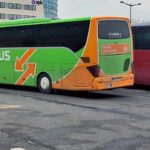

Overview of cheap bus travel in South Africa
Travelers can explore South Africa on a budget using a network of affordable long-distance coaches and regional buses that connect major cities, towns, and coastal routes. Budget options include established coaches from operators like Intercape and Greyhound, as well as regional services and occasional low-cost carriers, with fares that dip when booked in advance or during off-peak periods. Travelers should compare schedules, read recent reviews, and factor longer journey times into their plans, as cheaper tickets may mean fewer amenities. This overview outlines the main cheap-bus options, typical price ranges, and practical tips to maximise value while journeying across the country.
What makes bus travel affordable in South Africa
Cheap bus travel in South Africa offers a practical option for many travelers thanks to a dense intercity bus network and competitive pricing. Buses connect major cities and towns across provinces, making road travel accessible for work, study, and tourism.
What makes bus travel affordable in South Africa: high competition among operators leads to frequent promotions and lower base fares; the coaches are efficient long-distance vehicles with good fuel efficiency and high passenger capacity; a dense route network allows high occupancy; operating costs are spread over many departures per day; online booking platforms and easy payment options reduce friction; overnight services save both time and hotel costs.
Pricing and options vary, but many operators offer advance purchase discounts, return fares, and student or senior discounts. Different service levels, such as express or local routes, let travelers choose cheaper options. Online platforms enable easy fare comparison, and promotions during holidays or off-peak seasons help keep costs down.
Routes and coverage span major corridors with frequent departures between cities like Cape Town, Johannesburg, Durban, Port Elizabeth, Bloemfontein, and other towns. Many routes operate overnight, which adds value for long-distance trips by combining travel and rest time.
Tips for travellers include comparing prices across operators, booking in advance, traveling off-peak or overnight, and considering bundle deals that include accommodation. Check luggage allowances and read recent operator reviews for comfort and reliability to balance cost with a satisfactory travel experience.
Overall, cheap bus travel in South Africa provides affordable access to a wide range of destinations. The combination of competitive pricing, extensive route coverage, and flexible options helps travelers balance cost with comfort and safety.
Common routes and travel times for budget trips
Cheap bus travel in South Africa offers a budget-friendly option for exploring the country’s diverse landscapes. Long-distance coaches connect major cities and coastal towns, with overnight services that can save on accommodation and transport time. Fares are generally lower than flights and booking in advance can unlock good deals, especially for off-peak travel.
Common considerations for budget bus trips include checking luggage allowances, being aware of pickup points in city centers, and choosing overnight routes to maximise daytime activities. Popular operators provide a range of seating options from standard seats to sleeper or semi-sleeper arrangements, with prices varying by distance and comfort level.
- Johannesburg to Cape Town — roughly 22–28 hours by night service, depending on stops and border checks.
- Johannesburg to Durban — about 7–10 hours by day or night service, depending on traffic and route.
- Cape Town to Port Elizabeth — around 8–12 hours, with stops along the route.
- Pretoria to Cape Town — similar to Johannesburg to Cape Town, about 22–28 hours.
- Durban to Port Elizabeth — a long-haul journey typically 14–20 hours, depending on service and detours.
Budget bus operators in South Africa
Budget bus operators in South Africa offer affordable, reliable travel across major routes, connecting cities and towns at a fraction of the cost of other transport options. By focusing on high passenger capacity, straightforward amenities, and practical schedules, these services keep fares low for travelers seeking cheap bus travel in South Africa.
Intercape: pricing, routes, and tips for cheap fares
Budget bus travel across South Africa offers affordable ways to see the country, and Intercape is one of the most widely used operators for long-distance trips. This guide covers pricing, routes, and tips to find cheap fares when traveling with Intercape.
- Pricing and fares: Intercape’s price depends on distance and demand. Typical one-way fares on common routes can range from roughly 350 to 1,000 Rand or more, with online bookings often offering savings through online-only promos or discounts on return trips.
- Popular routes: Intercape operates links between major cities such as Johannesburg to Cape Town, Johannesburg to Port Elizabeth, Pretoria to Durban, Cape Town to Port Elizabeth, and Bloemfontein to Johannesburg, among other intercity connections.
- Tips for cheap fares: book well in advance, travel on weekdays or outside peak holiday periods, be flexible with departure times and pickup points, look for online promotions or return-ticket discounts, and consider combining multiple legs to reach your destination.
- Luggage and travel tips: check luggage allowances to avoid extra fees, bring snacks and water to reduce onboard purchases, arrive early at the pickup point, and have your ticket ready in digital or printed form for quick verification.
Prices and routes can change with seasons and demand, so always verify current fares on Intercape’s official site or app before booking. For budget travel in South Africa, Intercape remains a practical option with a wide network of routes.
Greyhound South Africa: fare options and promotions
Budget bus travel in South Africa offers affordable options for moving between major cities and towns. Greyhound South Africa is a prominent player in this space, frequently running promotions and offering different fare options to fit different budgets.
Greyhound South Africa provides several fare classes designed to balance price and flexibility. The common options include an advance purchase or saver fare (the cheapest, usually non-refundable and non-changeable), a standard fare (more flexible with limited ability to change or cancel), and a fully flexible fare (the most expensive, with the greatest freedom to change or cancel). Fares are typically lower when booked online and in advance of travel, and prices can vary by route and departure time.
Promotions and discounts are offered periodically to attract price-conscious travellers. You may encounter online-only deals, early-bird discounts, return-trip offers, and occasional weekend or route-specific specials. Availability depends on the route, travel date, and how far in advance you book, so it pays to check Greyhound SA’s official site or app regularly.
To take advantage of budget fares, plan ahead, compare different departure times (including off-peak hours), and consider returning on a different date if possible. Binding promos require an online booking, so keep an eye on promo codes or flash sales on Greyhound SA’s platforms.
In addition to Greyhound SA, other budget-friendly long-distance options exist in South Africa. Prices across operators vary by route, time of day, and demand, so a quick price comparison on the official sites or trusted travel portals can reveal cheaper options for your itinerary.
Tips for cheap travel include travelling midweek, booking well in advance, being flexible with your route or timing, and evaluating return-trip or multi-city passes if offered. Always read the fare terms for changes, refunds, and penalties before purchase.
By understanding Greyhound South Africa’s fare options and promotions, travellers looking for cheap bus travel in South Africa can stretch their budgets while still enjoying reliable intercity service.
Baz Bus and backpacker routes for budget travelers
Cheap bus travel in South Africa opens up the country for budget travelers. This guide outlines budget bus operators, Baz Bus, and popular backpacker routes that help you see more without spending a fortune.
Budget long-distance operators like Intercape and Greyhound SA run nationwide networks linking Cape Town, Johannesburg, Durban, Port Elizabeth, and other cities. They offer regular schedules, online booking, and affordable fares, with day and night options to fit a tight itinerary.
Baz Bus is the iconic backpacker transport option in South Africa. It operates as a hop-on-hop-off pass that lets you travel between major backpacker towns with flexible stops, meeting other travelers along the way. Passes cover multiple legs and you can plan your route as you go, often staying in hostels in each town.
In addition to Baz Bus, there are budget-friendly routes along the Garden Route and coastal corridors that connect popular tourist towns. These services aim at backpackers and budget travelers, offering reliable schedules and lower fares compared to private hires.
Backpacker routes are not just about transport. Many stops include hostel stays, social activities, and organized tours. The combination of bus passes and hostel-booking platforms makes budgeting easier, and you can pick up tips from fellow travelers.
Booking tips to save money: compare prices on official operator sites, consider off-peak travel, and look for combo passes that include hostel discounts. Overnight bus options save on accommodation and can time your arrival for early hostel check-ins.
Packing and luggage: most budget buses allow a reasonable amount of luggage, but space is limited on some routes. Travel light, have a lockable bag, label your belongings, and bring a daypack for on-board days.
Safety and comfort: choose reputable operators, read reviews, and stay in well-known hubs. Use hostel advisories to plan stops, and avoid carrying valuables in easily accessible outer pockets.
Budget travel in South Africa on buses is a practical way to cover large distances and explore diverse landscapes—from beaches to mountains—while meeting other travelers. With Baz Bus and the mainstream budget networks, you can craft an affordable and flexible itinerary.
How to find the best fares
Finding the best bus fares in South Africa starts with smart planning and a bit of flexibility. In English, this guide covers practical tips like comparing multiple operators and aggregators, booking in advance, traveling off-peak, and looking for discounts for students, seniors, or groups, so you can ride cheaply without sacrificing reliability.
Booking strategies: advance purchasing and flexible dates
Finding the best bus fares for cheap travel in South Africa starts with a smart booking mindset. By using advance purchasing and flexible travel dates, you can unlock savings without sacrificing reliability or comfort.
Advance purchasing: ticket prices usually rise as the departure date gets closer. If you know your dates, aim to buy several weeks to a couple of months ahead. For popular routes like Johannesburg to Cape Town or coastal itineraries, early bookings often lock in the lowest fares.
Flexible dates: many booking sites offer a fare calendar. A shift of one day can drop prices noticeably. Try midweek departures (Tuesday to Thursday) and avoid peak weekend travel when possible to snag cheaper seats.
Alternative timing and routes: consider overnight or overnight-plus transfers to save on accommodation and daytime fares. Some operators offer night buses with lower rates. Also check nearby hubs or alternative routes; a short detour can lead to a cheaper ticket.
Compare operators and use price alerts: don’t rely on a single company. Compare multiple operators such as Intercape and Greyhound SA, and use aggregator sites that show prices across providers. Set price alerts to be notified when fares drop.
Money-saving tricks: sign up for operator newsletters or loyalty programs, watch for seasonal promotions, and consider one-way tickets if prices vary. If traveling with a group, group rates or private coach options may unlock discounts.
Know the fare rules: cheaper fares may be non-refundable or require changes with fees. Check baggage allowances and seat selection policies, as these can affect overall value. Balance price with comfort and safety.
Practical plan: build a simple search plan—pick a range of dates, compare 3–4 operators, set price alerts, and book when you see a good deal. With a little flexibility and forward planning, cheap bus travel in South Africa is within reach.
Using promotions, loyalty programs, and discount codes
Traveling by bus in South Africa can be very affordable when you plan ahead and look for value across routes and operators. This guide shows how to find the best fares, maximize promotions, and use loyalty programs and discount codes to keep costs low.
Start with comparison: use multi-operator search sites and the official operator sites. Compare routes, travel times, and total price including baggage. Be flexible with your dates and depart times; midweek and off-peak journeys are often cheaper. If possible, search a few days before or after your preferred date to spot cheaper options.

Promotions: sign up for email newsletters and mobile apps from major South Africa bus operators. They frequently run promotions around holidays or shoulder seasons. Look for weekend specials, student promos, or off-peak discounts. Follow operators on social media for flash sales.
Loyalty programs: many operators offer loyalty schemes that reward repeat travelers. Earn points for every trip and redeem them as discounts or free rides. Some programs also offer exclusive access to sales or priority bookings. If you travel often, this can add up quickly.
Discount codes: search for valid discount codes before booking. Some credit cards, student unions, or corporate partners provide codes that reduce fares. Check reputable coupon sites or the operator’s promotions page. Always verify the code applies to your route and baggage options before applying at checkout.
Booking tips: book early to lock in lower fares, but avoid paying too far in advance when the schedule might not be finalized. Consider returning trips or circular routes to get a better rate. Check baggage allowances and hidden fees for seat selection, online booking, or boarding charges.
Stack savings: combine promotions with loyalty rewards and discount codes. Some operators allow stacking a loyalty discount with a promotion or offer a special rate for round trips. Use a single checkout to apply multiple discounts if allowed.
Reliability and safety: choose reputable operators with good safety records, read recent traveler reviews, check cancellation/refund policies, and keep your booking reference handy. When in doubt, booking directly with the operator can provide better support than third-party sites.
By planning, monitoring promotions, joining loyalty programs, and applying discount codes, you can enjoy cheap bus travel across South Africa while still getting comfortable rides and reliable service.
Choosing off-peak times and less popular routes
Travelers looking for cheap bus fares in South Africa can save money by planning ahead, choosing off-peak times, and opting for less popular routes. Use these practical methods to stretch your travel budget across the country.
- Plan and compare early
- Prices often rise as seats fill up; search for fares several weeks in advance and compare multiple operators.
- Set fare alerts if available and watch for flash sales or promo codes.
- Be flexible with travel days and times
- Midweek departures (Tuesday to Thursday) tend to be cheaper than weekend trips.
- Look for overnight or early-morning departures to save on accommodation and sometimes ticket prices.
- Choose less popular routes or regional hubs
- Travel between smaller cities or regional hubs instead of the main city-to-city routes; prices are often lower and seats easier to find.
- Break long trips into shorter hops to take advantage of cheaper segments.
- Use multi-operator or regional passes when available
- Some operators offer pass options or discounted multi-trip tickets that reduce the per-ride cost for frequent travelers.
- Compare itineraries across operators to avoid paying a premium for direct routes.
- Check promotions, loyalty programs, and discounts
- Sign up for operator newsletters to receive promo codes and exclusive offers.
- Carry valid student or senior IDs where discounts apply and verify eligibility before booking.
- Mind baggage rules and add-ons
- Cheaper fares often come with stricter baggage limits; know what’s included to avoid extra charges at the terminal.
- Pack light and use carry-on allowances to keep costs down.
- Book with reputable operators and verify details
- Stick to established bus companies with clear schedules, online support, and transparent terms.
- Read reviews and check for hidden fees before finalizing the purchase.
- Combine bus travel with other savings
- Look for accommodation deals that align with off-peak travel to maximize overall savings.
- Consider return-ticket options or passes when planning round trips to reduce costs.
Practical tips for budget bus travel
Planning budget bus travel in South Africa doesn’t have to be a hassle. This guide shares practical tips for finding cheap fares, choosing reliable intercity routes, booking in advance, and staying safe while exploring the country by road. From comparing operators and travelling midweek to packing light and timing trips off-peak, these ideas help you see more of South Africa without breaking the bank.
Getting to and from stations cheaply
Traveling by budget bus in South Africa can be a smart way to see the country without breaking the bank. With a growing network of regional and national operators, you can cover long distances affordably if you plan ahead.
Start with comparing operators. Look at major players like Intercape, Greyhound SA, and City to City for prices and schedules, and use aggregator sites to compare multiple operators at once. Booking in advance often yields the lowest fares, especially for popular routes and peak travel times.
Be flexible with travel dates and times. Off peak departures, midweek travel, and overnight buses can cut costs significantly. If possible, buy return tickets or multi-city passes, which are sometimes cheaper than one-way fares.
Consider seating and comfort. Some cheaper seats are basic with limited legroom and no power outlets. If you value a bit more comfort, compare extra-cost options like semi-sleeper seats or larger luggage allowances and plan accordingly.
Luggage tips. Pack light to avoid extra fees. Most long-distance buses allow a reasonable amount of luggage, plus a small bag for carry-on. Lock valuables and keep important documents handy during the journey.
Getting to and from stations cheaply. In many SA cities, the bus station is in a central area connected by local bus networks or minibus taxis. Use affordable options like city buses, ride-hailing apps booked for off-peak, or shared rides with friends. If you’re staying near the station, walk or rent a bike where available.
For longer trips, consider using a bus that arrives in the afternoon or evening to reduce the need for an extra night’s accommodation. Bring snacks, water, a small pillow, and headphones to stay comfortable on the ride.
Safety and scams. Always use licensed operators and check your ticket before boarding. Keep your belongings secure, use a money belt or zipped bag, and beware of strangers offering unsolicited luggage handling. If a deal seems too good to be true, double-check through the operator’s official site.
Money-saving hacks. Sign up for operator newsletters or apps that offer early-bird discounts, loyalty programs, and last-minute deals. Some local travel pass options or student/youth discounts may apply if you have a valid card. Cross-border trips may have special prices if you present appropriate IDs.
Practical tips for station navigation. Arrive at least 30 minutes early, know your platform, and confirm pick-up zones if the station is busy. Use maps and transit apps to plan last-mile segments, and keep a simple, printed route in case data coverage is spotty.
Bottom line: with careful planning, you can travel cheaply by bus across South Africa while still staying comfortable and safe. Start by comparing routes, book in advance, and map out your cheapest way to reach the station using public transit or shared rides.
Pack smart to avoid extra costs
Traveling by budget bus in South Africa can be a smart, economical way to explore the country, especially for intercity hops and regional trips. A big part of keeping costs down is packing smart to avoid extra charges at the station or on the bus.
Plan ahead and compare prices, book in advance, and travel off-peak when possible. In South Africa, cheap bus options come from several operators and routes, with prices that fluctuate by season. Use official operator sites or reputable travel apps to compare fares, and watch for booking fees or surcharges that can sneak in at the last minute.
Pack light to avoid extra costs for checked bags or multiple pieces of luggage. Most long-distance buses allow a main suitcase in the cargo hold and a small carry-on for the passenger, but excess weight or extra bags can incur fees or require rearranging at the depot. If you must take a larger item, check the operator’s luggage policy in advance.
Build a lean packing list that fits your route and season. Pack a few versatile outfits, underwear and socks, a lightweight jacket or jersey for cool evenings, and comfortable shoes. Bring compact toiletries (in travel-size containers), a small towel, a lightweight travel pillow, and a compact blanket if you tend to get chilly. Include a reusable water bottle, snacks, a small first-aid kit, a universal adapter, and a phone charger plus a compact power bank for longer trips.
Organize your bag to maximize space and speed up security checks. Use packing cubes or plastic bags to separate clothes, toiletries, and electronics, and keep a dedicated sleeve or pouch for important documents, headphones, and chargers so you can grab them quickly at check-in.
Food, water, and on-the-go essentials can add up quickly at bus stations. Pack non-perishable snacks like nuts, fruit, crackers, or energy bars, and fill a refillable water bottle before you leave. This helps you avoid pricey convenience-store purchases at depots or on the bus. If you’re unsure about meal options on your route, plan a light, portable snack strategy in advance.
Be mindful of safety and security on the road. Keep valuables in a secure carry-on, lock your main bag when possible, and store electronics in easily accessible but safe locations. If you’re traveling at night or through less busy stations, stay aware of your surroundings and use reputable operators with clear schedules and contact information.
By packing smart and planning ahead, you can slash extra costs, reduce stress, and enjoy budget-friendly bus travel across South Africa. With careful preparation, you’ll have more money for experiences rather than fees.
Safety, comfort, and luggage considerations on budget services
Cheap bus travel in South Africa offers a budget-friendly way to cover long distances, connecting coast to interior. If you want to keep costs down, budget bus services can get you between major cities with fares often far lower than air travel. This guide shares practical tips for safety, comfort, and luggage when using cheap bus south africa options.
Plan ahead and compare operators through official channels. Book online where possible to lock in the lowest fares and to avoid last-minute surge prices. Check what is included in the fare, such as luggage allowances, seat selection, and onboard amenities, since these vary between budget services.
Safety should be your top priority on budget services. Choose established operators with visible contact details and licenses. Arrive at stations early, stay in well-lit areas, and avoid isolated bus bays after dark. Keep valuables on your person and use a carry bag for essential items like passport, money, and a phone charger while you travel.
Comfort on budget buses can vary. Bring a light travel pillow, a warm layer, and noise-reducing headphones. Pack a small refillable water bottle and some snacks, as long journeys may have limited snack options. If you want more legroom, check seating charts when booking and consider choosing front or middle seats for a smoother ride and easier access to exits.
Luggage policies differ by operator. Generally, most budget services allow one checked bag of around 20–30 kg plus a small bag in the cabin, but penalties for excess weight can apply. Use a sturdy bag, label it with your contact details, and keep valuables with you. If you’re unsure, confirm the allowance before you travel or pay for extra baggage online to avoid on-board friction.
At the terminal, locate official counters and avoid booking booths in unofficial areas to dodge scams. Bring a printed or digital ticket and a government-issued ID. Be aware of pickpockets in crowded terminals and keep bags closed and zipped. If you have a tight connection, allow extra transfer time between buses since delays are common on budget services.
On the bus, follow the crew’s instructions and use the seat belt where provided. Keep noise levels reasonable and respect other passengers. For entertainment, download offline content in advance since in-bus wifi can be unreliable. If you need to nap, use a neck pillow and avoid blocking aisles with personal items.
Night trips can save on accommodation but are harder on comfort and safety. Choose daytime departures when possible, but if you must travel at night, sit near the front, stay in well-lit routes, and keep valuables secure. Bring a hand sanitizer, blanket, and a scarf if the bus climate is chilly.
If a delay, cancellation, or misbooking occurs, contact the operator promptly through official channels and keep your booking reference. Many budget operators have limited refund windows, so check their policies before you travel. If the issue isn’t resolved, you can seek guidance from consumer bodies or travel associations in South Africa.
Bottom line: with careful planning, cheap bus south africa travel can be practical and comfortable. Book early, verify luggage limits, prioritize safety, and tailor your packing to the journey. By staying organized and realizing the constraints of budget services, you can enjoy affordable travel across South Africa’s towns and landscapes.
Budget route ideas and sample itineraries
Budget bus travel in South Africa offers affordable routes between major cities and coastal towns, with flexible schedules and low fares. Core corridors include Cape Town to Johannesburg, Cape Town to Port Elizabeth, and Durban to Johannesburg, with scenic detours along the Garden Route. Sample itineraries: a 7–10 day Cape Town to Joburg trip via the Karoo, a 5–6 day Garden Route coastal run, or a quick Durban to Joburg hop with a Drakensberg detour.
Cape Town to Johannesburg on a budget
Budget bus travel across South Africa can be a smart way to move from Cape Town to Johannesburg without breaking the bank. Below are route ideas and sample itineraries designed for a tight budget, with tips to save on transport and lodging.
- Direct overnight Cape Town to Johannesburg: take a long-haul budget coach in one leg to save on accommodation. Pros: fewer logistics, simpler planning. Cons: longer travel time, potentially less comfortable. Budget: roughly R350–R600 one way if booked early; travel time about 24–28 hours. Tips: book in advance, travel off-peak, bring snacks, a neck pillow, and a light blanket.
- Garden Route plus Johannesburg: Cape Town → Knysna or George (overnight), then Port Elizabeth, ending in Johannesburg: break the trip into 2–3 legs to enjoy city stops without rushing. Budget: roughly R700–R1200 for the whole trip with a couple of hostel stays. Tips: use overnight legs to save on lodging, compare 2–4 operators, and stay in central hostels to keep transport cheap.
- Bloemfontein halfway stopover: Cape Town → Bloemfontein, then Bloemfontein → Johannesburg: a practical split point that shortens each leg. Budget: roughly R500–R900. Tips: look for multi-ride discounts or passes, check terminal locations in Bloemfontein and Jo’burg, and book early to lock in lower fares.
- Sample Itinerary 1: Direct overnight CT to JHB (1 leg). Duration: about 24–28 hours. Plan: depart CT at night, arrive in Johannesburg next morning. Budget: bus R350–R600; lodging saved by traveling overnight. Day-by-day: Day 1 travel, Day 2 arrival and explore if time allows.
- Sample Itinerary 2: Garden Route loop to JHB (3 legs). Duration: 3–4 days. Plan: Day 1 CT to Knysna/George, Day 2 Knysna/George to Port Elizabeth, Day 3 PE to Johannesburg. Budget: R700–R1200 including 2 hostel nights. Day-by-day: travel legs at night when possible, short daytime sessions in hostels, budget meals.
- Sample Itinerary 3: Bloemfontein midpoint (2 legs). Duration: 2–3 days. Plan: Day 1 CT to Bloemfontein, Day 2 Bloemfontein to Johannesburg. Budget: R500–R900. Day-by-day: enjoy a quiet stopover in Bloemfontein, then finish to Jo’burg the next day.
Johannesburg to Durban cost-saving options
Budget travelers can travel cheap between Johannesburg and Durban by bus, the most affordable long-distance option in South Africa. This guide covers budget route ideas, sample itineraries, and cost-saving options to help you maximize value on the Jo’burg to Durban run.
Budget route ideas include a direct, overnight coach from Johannesburg to Durban, which minimizes time off work and saves on accommodation costs. Typical travel time is about 7–9 hours, and one-way fares usually sit in a rough range of 350–650 Rand depending on the operator, how far in advance you book, and seasonal sales.
Another budget approach is to split the journey with one or two stopovers along the N3 corridor, such as Harrismith or Pietermaritzburg. This can reveal cheaper leg prices on certain dates and give you a chance to stretch your legs, grab a cheap meal, and rest before the next leg.
Itinerary A: Direct overnight Jo’burg to Durban (2–3 days). Day 1: depart Johannesburg on an overnight bus. Day 2: arrive Durban in the morning, check into a budget hostel near the beach, and enjoy free or low-cost activities like beach time, markets, and coastal walks. Day 3: optional short excursion or a relaxed day, then catch an overnight or early-morning bus back to Johannesburg if needed. Estimated total cost: transport 350–600 Rand, accommodation 150–300 Rand per night, meals 80–150 Rand per day, depending on choices.
Itinerary B: Stopover along the way (3–5 days). Day 1: Jo’burg to Harrismith by bus, overnight stay in a budget option. Day 2: Harrismith to Pietermaritzburg, budget accommodation, light sightseeing. Day 3: Pietermaritzburg to Durban, budget stay near the coast, explore on foot or by cheap local transport. Day 4–5: return or extend with a relaxed Durban stay and a cost-conscious departure. Estimated total cost will vary but stays within a few hundred Rand per night and similar bus fares for each leg.
Itinerary C: Longer scenic hop (5–7 days). Day 1: Jo’burg to Harrismith overnight, Day 2: Harrismith to PMB, Day 3: PMB to Durban, plus a day trip to nearby sights such as the Valley of a Thousand Hills or the beachfront, staying in budget hostels. Day 5–7: return or continue to other coastal towns if desired. This option spreads travel costs and gives more time to explore affordably.
Cost-saving options for Johannesburg to Durban travel include booking early to lock in the best fares, traveling midweek and outside holiday periods, and comparing the major bus operators such as Intercape and Greyhound for the lowest price on your dates. Opt for standard seats or non-peak departure times, bring your own snacks and a refillable water bottle, and stay in budget hostels or guesthouses rather than hotels. If you’re traveling with a friend, share a room to cut costs, and look for multi-ride or return-ticket discounts when available. Always check luggage allowances and confirm the exact boarding points to avoid surprises at the station.
Cape Town to Port Elizabeth along the Garden Route
Budget route ideas and sample itineraries for a cheap bus journey from Cape Town to Port Elizabeth along the Garden Route. This guide focuses on affordable options for travel in South Africa using long-distance coaches, hostel stays, and inexpensive activities.
- Direct Cape Town to Mossel Bay: Take an Intercape or Greyhound coach directly to Mossel Bay (roughly 6–8 hours). This minimizes transfers and often offers the best value when booked in advance. Stay 1 night in Mossel Bay to explore Diaz Beach, the Dias Museum, and the waterfront.
- Mossel Bay to Knysna via the N2: A shorter hop (about 2–3 hours). Look for daytime services to enjoy coastal scenery. Spend 1–2 nights in Knysna to visit the Knysna Heads, Waterfront, and the Featherbed Nature Reserve (budget-friendly options available).
- Knysna to Plettenberg Bay: A simple 30–60 minute ride. This leg is cheap and quick; plan 1 night in Plettenberg Bay to visit Robberg Nature Reserve and local beaches.
- Plettenberg Bay to Port Elizabeth: The longest stretch (4–6 hours). Book an early morning bus to arrive in Port Elizabeth with time to explore the beachfront, Humewood, and the city center on a budget.
- Budget tips for cheap bus travel: Book in advance, travel off-peak to snag lower fares, stay in hostels or budget guesthouses, bring snacks and refillable water, and consider backpacker-friendly options like the Baz Bus for flexible hop-on hops-off along the Garden Route.
- 3-day Garden Route starter on a budget: Day 1 Cape Town to Mossel Bay, Day 2 Mossel Bay to Knysna, Day 3 Knysna to Port Elizabeth.
- 5-day gradual pace itinerary: Day 1 Cape Town to Mossel Bay, Day 2 Mossel Bay to Knysna, Day 3 Knysna to Plettenberg Bay, Day 4 Plettenberg Bay day trip, Day 5 Plettenberg Bay to Port Elizabeth.
- 7-day relaxed version with extra stops: Add an extra night in Knysna or Plettenberg Bay for beaches or short hikes, then finish with a morning bus to Port Elizabeth.
What to know before you travel
If you’re planning a budget trip across South Africa by bus, here’s what to know before you travel: cheap bus options can save money on long distances, but schedules, safety, and luggage policies vary by operator. Compare reputable services, book in advance, keep your ID and a little cash handy, and plan for longer rides to enjoy the scenery while staying safe.
Travel time expectations and potential delays
Traveling cheap by bus in South Africa can be a practical way to explore the country without breaking the bank, especially for budget travelers seeking routes between towns and cities.
What to know before you travel: book with reputable operators, compare fares, and read the terms. Common long-distance operators include Intercape and other budget-friendly lines. Always buy tickets from official websites or trusted agents to avoid scams. Carry a valid ID or passport, as some fares or check-ins may require it. Check luggage allowances before you pack; most buses allow one or two carry-ons and a larger bag checked in the hold, with weight limits varying by operator. For security, keep valuables with you and lock your bags. Know where your bus departs and arrive early for check-in and boarding, typically 30 to 60 minutes before departure, and factor in time to reach the terminal in busy cities.
Travel time expectations: long-distance bus journeys can take substantially longer than flying but are often cheaper. For example, a Johannesburg to Cape Town trip typically ranges from about 18 to 24 hours depending on stops; Johannesburg to Durban might be around 6 to 8 hours; and Cape Town to Port Elizabeth can take roughly 9 to 12 hours. Many operators offer overnight services, which can save a night’s accommodation and align with your budget, though schedules vary by route and operator.
Potential delays: delays are common for budget bus travel. Traffic congestion around cities or roadworks on main routes (such as the N1 and N2) can add hours to a trip. Weather conditions, especially heavy rains, can slow speeds and cause detours. Peak travel periods, holidays, and weekends tend to bring crowded terminals and fuller buses, increasing check-in and boarding times. If you are crossing borders to nearby countries, border controls and customs can add additional delays. Power outages and limited terminal services during load shedding can also affect check-in and information updates, so verify schedules close to departure and have a backup plan.
Tips to manage delays and stay comfortable: book in advance when possible and choose direct routes to minimize transfers; use the operator’s app or website to monitor status in real time if available; arrive early and have a buffer for traffic or security checks; pack essentials such as water, snacks, a light blanket, and a portable charger; keep your bags secure and never leave valuables unattended; know the terminal’s location in advance, as some cities have more than one departure point; have a backup plan for later buses or a backup transport option in case of a delay.
Bottom line: cheap bus travel in South Africa can be a smart way to see the country on a budget, as long as you plan ahead, choose reputable operators, and stay flexible about travel times.
Health, safety, and travel documentation
If you’re planning to explore South Africa on a budget, cheap bus options are a practical way to hop between cities, coastlines, and wildlife areas without breaking the bank. Major budget operators like Intercape and City to City, plus backpacker-friendly networks such as Baz Bus, offer routes across the country with competitive prices.
What to know before you travel: compare routes, travel times, and fares across operators, and book in advance when possible to lock in the best prices. Check luggage allowances, boarding points, and whether the service runs day or night. For the most cost-effective journeys, be flexible with dates and consider slower routes that stop in more towns.
Health considerations: pack a basic medical kit, keep hydrated, use sunscreen, and carry insect repellent in malaria‑risk areas such as parts of Mpumalanga and Limpopo near Kruger National Park. See a clinician about routine vaccines and antimalarial advice, and travel insurance that covers medical and repatriation costs. If you take prescription medicines, bring enough for the trip and a copy of your prescription.
Safety: while budget buses can be safe when using licensed operators, stay aware of your surroundings at stations, keep valuables secure, and avoid unlicensed pickup points. Choose reputable operators with good safety records, sit in clearly marked areas, and try to travel during daylight if possible. Have a mobile phone with data to check live updates from the operator.
Travel documentation: international visitors should check visa requirements with their country’s embassy and ensure their passport is valid for at least 30 days beyond the planned stay with at least two blank pages. A Yellow Fever certificate is required if you are arriving from a country with yellow fever risk. You may also need proof of onward travel and sufficient funds. For domestic travel within South Africa, carry a valid photo ID; South African citizens typically use their ID book, while foreign travelers should bring their passport.
Budget tips for cheap bus travel: book early, compare prices across operators, and consider day buses instead of overnight services if you prefer a comfy schedule. Check luggage limits and pack light to avoid extra fees. Bring snacks and water, and use official stations or booking apps rather than street vendors. Always have local cash and a card as some operators may not accept cards everywhere.
What to do if plans change: delays and cancellations can happen. Keep the operator’s contact details handy, confirm boarding points before departure, and know your rights on refunds or rescheduling in the operator’s terms. If you’re traveling internationally, have a plan for customs checks and passport control at exits or borders.
Emergency and support: save local emergency numbers such as 10111 for police and 112 from mobile phones. Your travel insurer or the bus operator’s assistance desk can help with medical emergencies, lost luggage, or missed connections.
By planning ahead and choosing licensed, budget-friendly bus services, you can enjoy affordable travel across South Africa while staying safe, healthy, and well-documented on your journey.