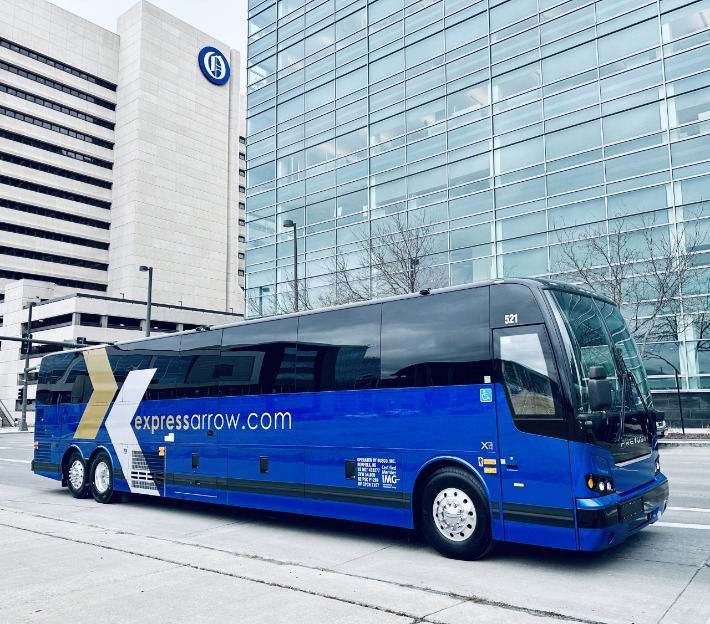

Overview of Bus Simulator Ultimate South Africa
Bus Simulator Ultimate South Africa takes players on a convincing road journey through major South African cities, delivering a blend of realistic driving, route management, and city life. Players can drive a wide range of buses, maintain schedules, pick up passengers, and explore diverse landscapes from bustling urban streets to scenic coastal routes. The game emphasizes authentic local flair, licensed bus models, and challenging traffic conditions, offering both career-style missions and free-roam exploration for fans of transport sims.
Game premise and setting
Bus Simulator Ultimate South Africa is a transportation simulation game that places you in the driver’s seat and at the helm of a bus company across a South Africa–inspired setting. Players navigate a large road network that blends urban centers, coastal highways, and rural backroads, delivering passengers and goods while experiencing realistic traffic, day-night cycles, and varied weather conditions.
Game premise and core loop: You start with a small fleet and limited funds, purchase buses, hire drivers, and design profitable routes. By assigning schedules, maintaining vehicles, and managing fares, you build revenue and reputation, unlocking new routes, bus models, and garages as you grow your operation. The objective is to run efficient services, meet passenger demand, and expand your transport empire while facing routine challenges such as breakdowns, maintenance, and traffic delays.
Setting and world design: The South Africa map emphasizes regional diversity—from bustling metropolitan corridors to scenic coastal passes and inland valleys. The environment captures local landmarks, varied terrain, and authentic traffic behavior that reflect everyday life on South African roads, with regional weather patterns shaping each drive.
Gameplay features: Realistic bus models with detailed interiors, various transmission types, and authentic driving physics provide a tactile driving experience. Players manage schedules, routes, and ticketing, customize liveries and branding, upgrade maintenance facilities, and recruit and assign drivers. The game emphasizes planning, route optimization, and customer satisfaction as you balance efficiency, safety, and profitability.
Immersion and progression: Dynamic weather, day-night cycles, and ambient city life add atmosphere to every trip. Career-style progression guides you from a small operator to a larger network, with unlockable buses, garages, and service options as your performance improves.
Accessibility and scope: Suitable for players who enjoy logistics, driving simulations, and open-world exploration, Bus Simulator Ultimate South Africa blends transport strategy with hands-on driving across a distinctly South African setting, offering hours of route planning, coaching, and community-driven content through ongoing updates and user-generated scenarios.
Core mechanics and player goals
Bus Simulator Ultimate South Africa is a driving simulation game that invites players to explore a stylized recreation of South Africa’s transport network. Players assume the role of a bus operator, taking on passenger routes, long-distance tours, and city shuttles while managing a growing fleet and navigating realistic road rules and traffic conditions.
The game presents a large open map inspired by major South African regions, featuring coastal towns, bustling urban centers, and scenic inland routes. Players can travel between cities, handle dense traffic in peak hours, deal with weather changes, and experience day and night cycles that affect visibility and driving conditions.
Core mechanics revolve around precise driving, route navigation, and time management. Players drive licensed bus models with realistic physics, monitor speed, braking, gear shifts, and fuel consumption. A route planner and GPS guide players to scheduled stops, while AI traffic and pedestrians respond to the player’s actions. Completing trips on time, picking up passengers, and maintaining safety and comfort are central to success.
Player goals center on building a transport business. Start with a single bus and a small route, then expand to additional lines, service areas, and longer tours. Revenue from fares funds vehicle upgrades, garage expansions, and maintenance. Achieving high on-time performance, passenger satisfaction, and financial stability unlocks new depots, upgrade options, and more ambitious routes.
The fleet features a variety of buses with different capacities, engines, and interiors. Players can customize livery, branding, and interior comfort features, and they can upgrade engines, tires, and safety systems to improve performance and reliability. Realistic maintenance and wear add a management layer beyond driving skill.
South Africa themed touches, such as regional routes and local traffic patterns, add flavor and challenge. The game supports accessibility options and assists to tailor difficulty, making it approachable for newcomers while offering depth for seasoned drivers. Mastering timing, maintenance, and fleet growth lays the foundation for a successful virtual bus company in Bus Simulator Ultimate South Africa.
Game Modes
Bus Simulator Ultimate South Africa offers several game modes that let you experience the country’s roads from different angles. In Career mode you build a transport company, hire drivers, and complete scheduled routes across major South African cities. Free Play lets you roam with no deadlines, while Special Challenges test your timing and skill on restricted timetables and tricky routes. For social play, multiplayer lets you ride or compete with friends, and Sandbox mode lets you customize buses, routes, and traffic to craft your own scenarios.
Career and progression
Bus Simulator Ultimate South Africa offers multiple game modes to suit different playstyles, from story-driven progression to open exploration. The core experience centers on Career Mode, where you build and manage a bus company across a South African road network. Free Play lets you test routes and practice driving without the pressure of contracts, while Multiplayer opens the road to co-op runs or competitive transport challenges with other players.
In Career Mode you start as a new operator with limited resources. You accept contracts to transport passengers along scheduled routes, manage timetables, and balance fares with maintenance costs. Your decisions—which routes to serve, when to allocate buses to services, and how to staff your fleet—directly affect on-time performance, passenger satisfaction, and profitability. Progress comes as you expand your fleet, open additional depots in major cities, and scale up operations to cover more routes across the country.
Progression in Bus Simulator Ultimate South Africa is built on earnings, reputation, and vehicle advancement. Completing trips and contracts earns money and experience, which unlocks additional buses, better maintenance facilities, and access to longer or higher-paying routes. As your fleet grows, you can hire drivers, set up new depots, customize liveries, and invest in upgrades that improve fuel efficiency, reliability, and passenger comfort. A rising company reputation unlocks premium contracts and faster expansion across the map.
Free Play lets you roam the South African map at your own pace, choosing any bus and any route to practice driving, test new liveries, or fine-tune scheduling without contractual deadlines. Multiplayer enables cooperative company runs or competitive transport challenges, where players collaborate to optimize routes and timings or compete for lucrative contracts. These modes add social depth to progression, letting you compare your company’s growth with friends and other players.
The South Africa map shapes your game modes and progression with diverse cities, road networks, and traffic patterns. You’ll encounter urban, suburban, and rural routes across different provinces, weather conditions, and day-night cycles that influence driving precision and schedule adherence. Mastery of the map—planning efficient routes, minimizing downtime, and maintaining vehicles in peak condition—drives your career forward and unlocks the full potential of Bus Simulator Ultimate South Africa.
Free ride and sandbox variations
Bus Simulator Ultimate South Africa offers a rich driving experience across the country’s roads, with a variety of game modes that let you build a career, explore freely, or tailor the world to your preferences.
In Game Modes you can pursue a structured career or test your skills in shorter challenges. Career Mode lets you start as a small operator, bid for routes in major South African cities, plan timetables, maintain fleets, manage drivers, and aim for punctual arrivals while keeping passengers happy. Completing contracts earns money, unlocks longer routes, new buses, and tougher schedules. There are time-trial and performance challenges that test speed, fuel efficiency, and on-time performance, as well as optional multiplayer events where players compete or cooperate to run city networks.
Free Ride mode lets you drive without contracts, deadlines, or revenue pressure. You can pick any city, any route, adjust traffic density, weather, and time of day, and simply enjoy the scenery or practice challenging maneuvers. It’s ideal for learning the map, testing different buses, or experimenting with driving styles and passenger comfort settings without consequences.
Sandbox variations expand customization by letting you tune elements of the world. You can adjust AI traffic levels, weather patterns, time progression, and road conditions, as well as enable or disable pedestrians, cyclists, or other factors that affect driving. You can create bespoke routes or scenarios, save them as templates, and even share them with the community for endless replayability in a South Africa-focused setting.
Together these modes give you a flexible sandbox to master bus operation, from disciplined schedules to free exploration and highly personalized challenges, all set against the diverse backdrop of South Africa’s cities, landscapes, and road networks.
Timed challenges and tours
Bus Simulator Ultimate South Africa drops players into the cockpit of a professional bus operator, letting you drive, manage routes, and grow a fleet across the country’s varied landscapes—from the coast of Cape Town to the highlands of the Highveld and beyond.
Core game modes focus on realism and progression. In Career mode you start with a modest fleet, take on scheduled routes, hire drivers, maintain buses, and earn profits to upgrade your vehicles and expand your service network. Free Ride lets you roam without goals, while Timed Challenges test your precision and speed under strict deadlines. A Tour system guides you through curated journeys that highlight South Africa’s scenery and culture.
In Career mode you must plan timetables, manage fuel and maintenance, handle delays, and keep passengers happy. Success is measured by on-time arrivals, safety, fuel efficiency, and customer ratings, which unlock bigger routes, better buses, and additional garages across major cities.
Timed Challenges place you on clock-driven missions designed to push your driving discipline. You might race to complete a city shuttle before peak traffic, execute express services between airports and central hubs, or perform a night run with reduced visibility. Points are earned for punctuality, smooth acceleration and braking, safe overtakes, and tidy passenger boarding, with leaderboards showing top performers by region and season.
Tours missions are story-driven or self-guided itineraries that showcase South Africa’s landmarks and attractions. Tours blend scenic drives with educational audio commentary, photo stops, and souvenir pickups. You’ll balance comfort, speed, and route fidelity as you shepherd groups through iconic routes, staying within allotted times while delivering a premium passenger experience.
Popular tour routes include the Garden Route along the coast from Cape Town to Port Elizabeth, a Cape Town city tour featuring Table Mountain and V&A Waterfront, a Panorama Route through the escarpment regions, and a Kruger-area safari circuit that combines wildlife viewing stops with comfortable shuttle service. Each tour offers optional commentary tracks, multilingual support, and dynamic weather that can change driving conditions and passenger mood.
To succeed in these modes, plan ahead: pick the right bus for the route, monitor fuel and tire wear, optimize passenger boarding times, and adapt driving style to weather and traffic. In Tours, pacing is key—allow time for photo stops, keep the climate comfortable, and ensure punctual drop-offs so groups can continue their day on schedule. Practice makes perfect, and upgrading your fleet unlocks faster buses with advanced safety systems and better fuel efficiency.
Whether you are chasing the thrill of timed challenges, building a passenger-focused network in Career, or guiding travelers through South Africa’s landscapes on immersive Tours, Bus Simulator Ultimate South Africa offers a range of modes that reward careful planning, smooth driving, and a strong sense of route stewardship.
South Africa Themed Features
Bus Simulator Ultimate South Africa invites you to drive through a country of dramatic coastlines, savannas, and vibrant cities, with South Africa–themed features that bring its texture to life. Navigate authentic routes from the Garden Route to Gauteng, encounter real-world signage and multilingual cues, and pilot a mix of city buses, coaches, and minibuses while experiencing dynamic weather, traffic, and day–night cycles that reflect the nation’s diversity and rhythm.
City networks: Cape Town, Johannesburg, Durban
Explore South Africa themed features in Bus Simulator Ultimate South Africa, a driving experience that folds three iconic city networks—Cape Town, Johannesburg, and Durban—into one immersive route map with distinctive landscapes, traffic patterns, and cultural vibes.
Cape Town’s network sweeps along the Atlantic coast and up the Table Mountain foothills. You’ll drive through the City Bowl, skirt the bustling Waterfront, roll along Sea Point Promenade, and climb steep streets that reveal the city’s dramatic geography. Coastal wind, sea spray, and changing light create dynamic driving conditions that test your handling and timing.
In Cape Town, routes weave past landmarks such as Table Mountain, the V&A Waterfront, the Cape Point vicinity, and leafy suburbs with colorful houses. Themed bus liveries honor local culture, with ocean blues, earthy tones, and bright accents that echo the region’s coastal character while maintaining a realistic operational vibe for passenger services.
Johannesburg’s network covers a dense urban core and expansive suburbs, with busy CBD corridors, the M1 and M2 arteries, and the thriving Sandton precinct. Expect high traffic density, frequent stops, and a mix of formal bus lines and minibus taxi activity that adds authentic urban rhythm to every shift you log.
Johannesburg features dynamic skyline views, Soweto shortcuts, and modern business districts. The routes challenge you with quick timetables, park-and-ride hubs, and cross-city connections that require precise timing, smooth acceleration, and careful lane discipline as you navigate busy intersections and changing traffic signals.
Durban’s network hugs the coast, running along the Golden Mile, through uMhlanga’s promenade, and into the harbor and inland routes. Tropical climate effects—humidity, sudden showers, and coastal gusts—shape your driving as you ferry passengers from beaches to business districts and back again.
Durban’s scenery blends beachfront boulevards with lush suburbs, leading to port areas and vibrant markets. Road textures reflect warm weather and the city’s maritime heritage, while signage and announcements echo the multilingual flavor of the region, enhancing immersion for players who value authenticity.
Across all three cities, the game delivers authentic traffic patterns, day-night cycles, and weather variations that influence passenger demand and route planning. Realistic speed limits, bus lanes, and adherence to traffic rules challenge your discipline and reward safe, punctual service with higher ratings and better earnings.
The South Africa themed features include a diverse bus fleet with city buses, standard coaches, and articulated models. Liveries draw from local operators and national colors, offering a recognizable yet fictionalized look that feels true to life without compromising gameplay balance.
Route editors and career progression let you build, customize, and optimize services across Cape Town, Johannesburg, and Durban. Earn upgrades by meeting punctuality targets, maintaining on-time performance, and managing fuel and maintenance within the game’s economy.
In short, Bus Simulator Ultimate South Africa blends iconic cityscapes, authentic operator aesthetics, and engaging road challenges to deliver a rich, South African driving experience across three distinct urban networks.
Iconic routes and landmarks
Explore South Africa themed features, iconic routes and landmarks in Bus Simulator Ultimate South Africa. This expansion blends vibrant cities, dramatic coastlines, and iconic landmarks into a dynamic driving experience across the rainbow nation.
- Features
- Authentic city layouts for Cape Town, Johannesburg, Durban, and Pretoria with dense traffic and busy bus stops.
- Day-night cycle and weather systems from sunny coastal mornings to misty highveld evenings.
- Realistic bus physics, passenger boarding, and timetable-based routes with peak-hour crowds.
- Custom liveries inspired by South African flags and teams, plus regional advertising hoardings.
- Dynamic route prompts and safety features like speed awareness and accident reporting.
- Iconic Routes
- Garden Route run: Cape Town to Port Elizabeth via Knysna, Plettenberg Bay and Mossel Bay along scenic coastal cliffs.
- Cape Town City Loop: From the V&A Waterfront, through Green Point and Bo-Kaap to Table Mountain cable car views.
- Durban Coastal Run: Durban to Umhlanga and Ballito along the Indian Ocean with coastal towns and lighthouses.
- Gauteng Metro Corridor: Johannesburg to Pretoria along the N1 with city landmarks, high-rise skylines and inner-city stops.
- Drakensberg Scenic Route: Pietermaritzburg to the Drakensberg gateway, waterfalls and mountain passes.
- Landmarks
- Table Mountain and the Cableway in Cape Town.
- Robben Island, accessed from the V&A Waterfront, near Cape Town.
- Cape Point and the Cape of Good Hope at the southwestern tip of Africa.
- Union Buildings and the Voortrekker Monument in Pretoria.
- Apartheid Museum and Constitution Hill in Johannesburg.
- Cradle of Humankind and the Maropeng visitor center near Johannesburg.
- Kruger National Park entrances and the Panorama Route landmark Blyde River Canyon in Mpumalanga.
Language options and signage
Bus Simulator Ultimate South Africa drops players into a vividly recreated South African driving world, where cityscapes, coastline routes, and vast inland highways come alive with authentic traffic, signage, and weather dynamics.
The South Africa themed features span urban centres like Johannesburg and Cape Town, the sweeping Garden Route along the coast, the Highveld and Karoo interiors, and a diverse mix of depots, bus stops, and taxi ranks. Realistic liveries reflect local operators, while a roster of coaches and city buses blends modern design with classic SA styling.
Road networks are designed to mirror real life, with left‑hand traffic, realistic speed limits in kilometers per hour, and traffic patterns that include roundabouts, signals, and pedestrian activity. The map also includes iconic landmarks and routes that connect major cities, towns, and scenic areas for long‑haul and urban runs alike.
Driving physics emphasize weight, braking, and acceleration on varied surfaces, with day‑night cycles and weather conditions—from clear coastal mornings to sudden rain in the interior—affecting visibility and stopping distances.
Language options give players broad accessibility. English is the primary language used for signage, on‑screen text, and voice announcements, while optional language packs cover Afrikaans, isiZulu, isiXhosa, Sesotho, Setswana, isiNdebele, isiSwati, Tshivenda, Xitsonga, and more for menus and subtitles. You can choose your preferred UI language while road signs remain in English to reflect real‑world signage conventions.
Signage is a key part of the SA experience in the game. Road signs use standard English terminology and cover speed limits, Stop, Give Way, One Way, No U‑Turn, and warning signs. Station boards and route indicators display in English, while digital boards at depots and bus stops show timetables, upcoming stops, and service notes. Interior cab signage and passenger information displays are also English to ensure clear, consistent communication for players new and seasoned alike.
Accessibility options let you adjust signage clarity, brightness, and font size, and you can toggle announcements and subtitles to suit your preferences. The combination of SA themed features, diverse language support, and English signage helps create an immersive and approachable experience for players around the world.
Bus Simulator Ultimate South Africa aims to deliver an authentic, welcoming driving experience that celebrates South African routes, culture, and everyday commuting, all through detailed visuals, responsive controls, and thoughtful language and signage design.
Vehicles and Customization
Vehicles and customization in Bus Simulator Ultimate South Africa invites players to curate a diverse fleet of buses, tune engines, adjust suspensions, and apply authentic liveries as they traverse iconic South African routes. From modern intercity coaches to vintage models, you can personalize interiors, dashboards, and paint schemes to reflect style and function, balancing performance, fuel efficiency, and reliability while meeting demanding schedules in bustling cities and scenic highways alike.
Bus models and manufacturers represented
Bus Simulator Ultimate South Africa offers a diverse fleet and deep customization to reflect local transit, allowing players to choose from major manufacturers and tailor vehicles for city and intercity operations across the country.
- Manufacturers represented in the game
- Mercedes-Benz
- Volvo
- MAN
- Scania
- Iveco
- Higer
- Representative bus models across the lineup
- Mercedes-Benz Citaro family
- Volvo B7R/B8R series
- MAN Lion’s City
- Scania Citywide
- Iveco Urbanway
- Isuzu Erga
- Customization options available in the game
- Exterior liveries and branding
- Color palettes and decals
- Wheels, rims, and bumper styling
- Lighting upgrades and interior ambient lighting
- Engine tuning and performance upgrades
- Seat layouts and passenger cabin configurations
- Sound packs and digital displays
- South Africa-themed content and gameplay
- City liveries inspired by Cape Town, Johannesburg, Durban
- Public transport branding and route signage
- Realistic traffic patterns, timetables, and pedestrian flows
- Language options and signboards in English and local vernaculars
Performance tuning and maintenance
Bus Simulator Ultimate South Africa lets players build and tune a fleet that feels at home on the country’s diverse roads, from bustling city streets to winding coastal highways. The focus on authentic South African routes adds a distinctive flavor to vehicle selection, customization, and performance decisions, letting you tailor each bus to specific towns, climates, and passenger needs.
Vehicles and customization give you a broad palette: a range of buses including city shuttles, coaches, and articulated units, each with its own chassis and seating capacity. You can personalize liveries with South African motifs, sponsor logos, and national colors, plus interior layouts that affect driver comfort and passenger experience. Custom wheels, tires, and lighting, as well as dashboard and infotainment options, let you craft a look and feel that matches your brand and the routes you serve.
Performance tuning lets you optimize for different SA environments. Upgrade engines and turbo systems for more power on steep climbs around the Highveld or coastal roads, and adjust exhaust and intake for better torque delivery. Fine-tune gear ratios to balance urban acceleration with highway efficiency, and tailor suspension settings for rougher rural segments or smooth city lanes. Braking, cooling, and weight distribution are also adjustable to improve safety and reliability on long intercity runs and during peak-hour duties.
Maintenance is essential to keep your fleet reliable on demanding routes. Regular checks for oil, filters, brakes, tires, and suspension components help prevent breakdowns during busy periods. Use in-game diagnostics to monitor engine health, cooling performance, and electrical systems, and schedule depot services to refresh parts and recalibrate systems. Managing spare parts, tire wear, and service intervals ensures maximum uptime while controlling costs across a diverse SA network of depots and garages.
Practical tips for success include customizing vehicles for specific routes—compact, fuel-efficient shuttles for inner-city corridors and larger, high-capacity coaches for intercity travel. Constantly balance aesthetics with performance: striking liveries and comfortable interiors are great for passenger satisfaction, but reliability and efficiency win long-term profitability. Plan maintenance around your timetable to minimize downtime, and choose tires and suspension tuned to the terrain you frequent, from urban potholes to rugged rural roads.
Cosmetics, livery, and branding
Bus Simulator Ultimate South Africa invites players to explore a diverse fleet of buses across urban and rural routes, offering deep customization that lets you tailor every vehicle to your operator’s identity and the South African driving environment.
Vehicles range from compact city shuttles to large intercity coaches and sturdy minibuses. Each model supports drivetrain and performance tuning, including different engines, transmissions, suspension setups, and braking aids so you can optimize for fuel economy, passenger comfort, and tricky road conditions found on SA roads.
Exterior cosmetics let you paint your bus in any color and apply full liveries. Choose from pre-made templates or build your own with vinyl decals, sponsor logos, route branding, and roof signs. You can also switch finishes from gloss to matte, add chrome trim, and customize lights to match your operator’s identity.
Branding is more than looks. Design a complete fleet identity with a crest or emblem, side stripes, and legible fleet numbers that remain readable at a distance. Align liveries with the operating region, using color schemes that reflect municipal brands or tourism campaigns. The game supports multiple liveries on the same model, making it easy to differentiate routes.
Inside, cosmetics cover seat fabrics, headrest covers, color themes for dashboards, lighting, and floor mats. You can adjust passenger compartment lighting, vary seating configurations, add USB charging hubs, and tailor the driver’s cockpit with ergonomic seats and instrument lighting for night runs.
Tips for standout design: prioritize high-contrast lettering and bold color blocks for legibility on the move, keep sponsor logos within safe zones, and test liveries on different maps to ensure visibility under varied lighting conditions. When in doubt, choose authentic South African color cues that fans will recognize and respect.
Share your liveries with the community, download user-made skins, and learn from others’ designs. The customization system supports importing textures and applying them to different bus models, enabling a vibrant ecosystem of branding and cosmetics around Bus Simulator Ultimate South Africa.
With a wide array of vehicles and a robust set of cosmetic and branding options, the game invites you to build a recognizable, efficient bus operation that stands out on the streets of South Africa while delivering comfort and reliability to passengers.
Routes, Scenery, and Realism
In Bus Simulator Ultimate South Africa, players navigate a dynamic network of routes that spans urban centers, coastal highways, and rural byways, offering a sense of journey as varied as the country itself. The scenery blends towering city skylines, sunlit coastlines, rolling savanna, and bustling townships into a living backdrop that enhances immersion. Realism comes through authentic bus models, timetable-driven routes, believable traffic, weather, day-night cycles, and passenger interactions that challenge precise driving, punctuality, and route planning.
Road networks and traffic realism
Bus Simulator Ultimate South Africa invites players to navigate a country of vibrant cities and varied terrain, with a focus on routes, scenery, and realism. The game models South Africa’s bus networks and road rules, delivering an authentic driving experience in a familiar left-hand traffic system.
Routes in the game span from metropolitan corridors to dusty rural spines. Players can operate long-haul journeys between Cape Town, Johannesburg, Durban, Port Elizabeth, and Bloemfontein, following major arteries like the N1, N3, and N2, as well as regional roads that thread through towns and game reserves. Timetable-driven schedules push players to keep on time, while night services introduce different crews, fares, and passenger flows. Realistic route variety includes coastal runs along the Western Cape, high-altitude passes through the Drakensberg, and savannah crossings in the Karoo.
Scenery in Bus Simulator Ultimate South Africa is designed to evoke the country’s visual diversity. Dramatic coastlines along the Atlantic and Indian Oceans meet rugged mountains, rolling vineyards, and golden plains. Daylight shifts reveal Table Mountain, Cape Point, and Kruger-style wildlife silhouettes in the distance. Weather effects like summer thunderstorms, scattered clouds, and dusty windstorms change the mood of a drive and influence visibility and road conditions.
Realism goes beyond visuals. The game models passenger loading and alighting behavior, fare collection, and service frequency that mirrors real-world demand. Engine sounds, gear changes, and the tactile feel of a manual or automatic transmission add authenticity. Dynamic day-night cycles, rain and fog, and seasonal heat affect performance and fuel consumption. AI traffic reflects typical South African scenes, with minibuses sharing lanes, pedestrians at stops, and cyclists navigating narrow roads.
Road networks are designed to reflect South Africa’s mix of toll roads, freeways, and secondary routes. Players must contend with uneven surfaces, potholes, and roadworks that appear on sometimes busy corridors. Left-hand driving rules, roundabouts, and overtaking etiquette shape pacing and safety. Urban congestion around market squares and bus stations creates bottlenecks, while rural stretches demand cautious overtaking on two-lane roads. The inclusion of popular bus stops, taxi ranks, and station signage helps players plan efficient legs and safe curfews, especially on night routes.
Together, Routes, Scenery, and Realism in Bus Simulator Ultimate South Africa offer a convincing window into the country’s bus culture, inviting players to plan, drive, and adapt as urban and rural landscapes unfold before them.
Weather, lighting, and time-of-day
Bus Simulator Ultimate South Africa drops players into a sprawling road network that blends urban commuting, intercity travel, and scenic back roads, with routes, scenery, realism, weather, lighting, and time-of-day all working together to create immersive bus journeys across the country.
Routes: Intercity corridors connect Cape Town, Johannesburg, Durban, Port Elizabeth, and smaller towns, with highways like the N1, N2, N3, and N4 providing long-haul spine routes. The game layers realistic schedules, depot checks, driver rest stops, and service pattern variations across day and night shifts, offering both punctual timetable runs and more relaxed scenic trips.
Scenery and Realism: South Africa’s coastlines, mountain ranges, savannas, and semi-deserts are rendered with attention to detail. Coastal cliffs near the Western Cape, the winelands around Stellenbosch, the Highveld plains around Johannesburg, Drakensberg peaks, and arid Karoo landscapes give each route a distinct mood. Traffic, signage, pedestrians, and local landmarks add to the sense of place, while vehicle physics, cockpit instrumentation, and passenger animations reinforce realism.
Weather: Dynamic weather includes clear skies, overcast days, rain showers, thunderstorms, and wind-driven dust in the Karoo. Weather changes affect road grip, visibility, and passenger comfort, with rain creating spray off puddles, glare on wet surfaces, and wind altering bus handling. Day-night visibility interacts with the weather for a heightened sense of risk and reward.
Lighting and Time-of-Day: Time-of-day cycles progress from dawn to midday to sunset and night, with realistic lighting, shadows, and reflections on the bus and glass. Streetlights, building illumination, and headlamps create mood in cities, while rural roads rely on headlights, reflective signage, and roadside lamps. Seasonal sun positions alter color temperature and contrast, guiding driver focus and creating memorable driving moments.
Together these elements deliver an authentic South African bus-journey experience, inviting careful planning, patient driving, and appreciation for the country’s varied landscapes.
Gameplay Systems
Bus Simulator Ultimate South Africa presents a tight loop of gameplay systems that blend realistic bus handling, route planning, and a dynamic passenger economy across iconic South African cities. Players manage schedules, fares, maintenance, and fuel while navigating traffic, weather, and day-night cycles, all shaped by responsive AI and contracts. Customization and progression unlock new buses, routes, and challenges as you build your operator empire.
Ticketing, passenger flow, and safety
Bus Simulator Ultimate South Africa drops you into the dense, varied mobility landscape of the country, spanning crowded urban cores, growing suburbs, and long intercity routes. Players manage fleets, schedules, routes, and service quality while reflecting real-world South African traffic rules, signage, and driving culture. The game recreates major cities such as Johannesburg, Cape Town, and Durban, as well as regional towns, giving players a sense of scale and local flavor as they keep buses on time and passengers satisfied.
Core gameplay systems model the life cycle of a bus company. You plan routes and timetables, assign depots and fleet types, monitor fuel and maintenance, and balance operating costs against revenue. The AI traffic sim uses realistic South African road networks, including lane discipline, pedestrians, taxi congestion, and peak-hour fluctuation. Time of day, weather, roadworks, and events affect demand and travel times, so you must adapt schedules, dispatch plans, and driver rosters to keep the service reliable and profitable.
Ticketing in Bus Simulator Ultimate South Africa blends cash, cashless, and card-based options. Passengers can pay onboard with cash, scan smart cards, or use mobile wallets, while conductors or automated validation devices verify tickets. Zone-based fares, day passes, and discounted student or senior fares add depth to revenue management. You can calibrate ticket prices to balance accessibility with income, manage fare evasion through inspections, and track revenue by route, time, and vehicle. A transparent ticketing system also supports rider trust and improves crowd flow at busy terminals.
Passenger flow is the heartbeat of the simulation. Efficient boarding and alighting depend on door configuration, bus width, and terminal design. You’ll see varying passenger densities across routes and times, with peak flows at work starts and school hours. Dwell times at stops, platform congestion, and boarding grouping affect on-time performance, so you may adjust door order, prioritize rear or middle doors, and deploy conductors to manage queues. Accessibility features such as priority seating, wheelchair ramps, and audible announcements help all riders move smoothly, especially in crowded stations.
Safety in the game encompasses driver behavior, vehicle systems, and road safety rules. Adhering to speed limits, traffic signals, and pedestrian right-of-way reduces incidents, while automatic safety checks monitor tire pressure, braking performance, and fault codes. The simulator can simulate weather hazards, night driving, and roadworks that increase stopping distances and demand closer monitoring of fatigue and rest breaks for drivers. Safety tools such as collision avoidance, lane keeping, seat belts, and CCTV-based security features contribute to a safer passenger experience and protect assets and reputation.
To optimize performance, use data from ticketing and passenger flow analytics to adjust timetables, headways, and route viability. Increase express services on high-demand corridors while keeping feeders to balance loads. Invest in signage, boarding platforms, and staff to smooth queues, and schedule driver rosters to avoid fatigue. Coordinate with local taxi operators and bus depots to manage curb space and transfer opportunities. Regular safety drills and maintenance windows help prevent incidents and keep service on schedule.
By weaving gameplay systems, ticketing, passenger flow, and safety into your operations, Bus Simulator Ultimate South Africa offers a nuanced simulation of urban mobility that rewards planning, responsiveness, and safe driving.
Fuel management and vehicle health
Bus Simulator Ultimate South Africa invites players into a bustling transport network across major cities and rural routes, delivering passengers on time while balancing realism and fun. The game emphasizes authentic South African settings, traffic patterns, and day-to-day operations that test your planning and reflexes as a bus operator.
Gameplay systems revolve around a complete transport company cycle: fleet management, route allocation, driver rosters, and timetable adherence. Players recruit and assign drivers, select routes, manage depots, and monitor performance metrics such as on-time departures, passenger satisfaction, and route profitability. The day-night cycle, weather effects, and dynamic traffic create emergent challenges, encouraging players to adapt their plans rather than follow a fixed script.
Fuel management is a core constraint. Each bus consumes fuel based on speed, acceleration, engine load, and environmental conditions. Eco-driving, efficient route selection, and minimizing idle time can stretch fuel economy, while hasty accelerations or heavy air conditioning drain fuel quickly. Fuel stations appear along routes with varying prices and refill times, requiring you to plan refuels during layovers to avoid costly delays and last-minute trips that cut into profits.
Vehicle health tracks the long-term condition of each bus. Engines, transmissions, brakes, tires, and suspension degrade with use, affecting performance and reliability. The game models maintenance windows, part replacements, and potential breakdowns if health drops too low. A comprehensive diagnostic system highlights faults, and service bays in depots allow you to perform repairs, schedule preventive maintenance, and restore efficiency. Neglecting health leads to slower speeds, longer braking distances, and higher fuel consumption, risking trip cancellations and penalties.
The interaction between fuel and health creates strategic depth. A poorly maintained engine may guzzle fuel or overheat on a hot South African day, while worn tires increase rolling resistance and reduce grip on wet roads. Smart players balance routine maintenance with fuel budgeting, choosing buses with better energy efficiency for longer routes and scheduling maintenance during off-peak hours to minimize service disruptions.
Practical tips help you succeed: monitor a central dashboard that aggregates fuel, health, and timetable data; plan routes with optimal distance and traffic conditions; schedule regular maintenance and keep a buffer for unexpected repairs; invest in more efficient buses and driver training to improve eco-driving; use dynamic pricing and passenger demand signals to optimize schedules and reduce empty runs.
Bus Simulator Ultimate South Africa blends realism with accessible management gameplay, making fuel planning and vehicle upkeep as important as route compliance. Mastering these systems lets you sustain profitable operations while delivering reliable service to commuters across the country.
AI Traffic and Interactions
In Bus Simulator Ultimate South Africa, AI traffic and interactions shape a living, dynamic world where bus routes, rival drivers, pedestrians, and traffic signals respond to player choices, creating realistic challenges and emergent storytelling on South African roads.
Public transport integration and bus lanes
Bus Simulator Ultimate South Africa uses advanced AI traffic models to create believable interactions between buses, cars, bicycles and pedestrians. AI drivers react to congestion, adjust speed for safety, and respect priority if a bus is approaching a stop. Pedestrians queue at stations, crossing signals adapt to bus movement, and incidents like stalled vehicles ripple through the network, testing route resilience. The result is a dynamic urban system that changes with weather, time of day and road works.
Public transport integration is central to the game’s philosophy. Buses connect with rail hubs, park-and-ride facilities, and feeder networks to create seamless journeys. In South Africa’s urban context, this mirrors real-world efforts like BRT corridors and integrated ticketing. The simulator allows players to align bus timetables with train arrivals, design transfer points with real-time information, and optimize passenger flow across modes.
Bus lanes and priority systems are key tools for reliability. Dedicated lanes speed up buses and reduce conflict with private vehicles, while signal priority gives approaching buses a green window. The AI prioritizes buses during peak hours, and dynamic lane usage can adapt to incidents or events. In practice, a well-planned bus lane network lowers journey times, increases punctuality, and encourages greater use of public transport.
South Africa-specific urban planning is reflected in the game with routes that resemble Rea Vaya in Johannesburg, MyCiTi in Cape Town, and other city-scale networks. Players can experiment with lane designs, bus-stop spacing, and interchange facilities to model real cost and time savings. The simulation emphasizes safety at crowded stops, efficient boarding, and accessible services for all communities.
AI traffic interactions also cover safety and accessibility. Bus stops become intelligent nodes that manage crowd flow, curb management, and clear signage. Corridors are analyzed for emissions, energy use, and throughput, guiding decisions about electric buses, charging infrastructure, and maintenance scheduling. As a teaching tool, it enables planners and enthusiasts to explore how technology and policy shape urban mobility.
In Bus Simulator Ultimate South Africa, players learn that integration, priority, and smart design matter. A well-orchestrated mix of AI traffic behavior, efficient bus lanes, and multimodal connections creates reliable journeys, supports growth in public transport, and helps cities become more livable. The game invites experimentation, critique of existing networks, and creative solutions for real-world challenges.
Pedestrian dynamics and incidents
Bus Simulator Ultimate South Africa uses AI-driven traffic and pedestrian models to simulate realistic urban mobility around buses, with a focus on how drivers, pedestrians, and other road users interact in busy city corridors.
- AI Traffic Interactions: Vehicles follow traffic laws, adapt speed near buses, perform lane changes, and respond to signals and pedestrian cues, creating believable flow on city routes.
- Pedestrian Dynamics: Pedestrians have crossing times, wait patterns at stops, and crowding behaviors that affect boarding and alighting, modeled with social and behavioral factors to reflect real-world risk near bus operations.
- Incidents and Safety Scenarios: Minor collisions, near misses, sudden braking, and bus-passenger conflicts test the safety logic and driver awareness, influencing route choices and dwell times.
- South Africa Context: Urban layouts include mixed traffic, informal minibus taxi activity, bus lanes, and high pedestrian density, requiring nuanced interactions and context-aware AI decisions.
- AI Behavior Tuning and Learning: The simulator can adjust driver aggressiveness, pedestrian urgency, and traffic density to reflect different times of day, events, or scenarios, enriching gameplay and training data.
- Impact on Bus Operations: AI coordination at intersections, priority handling, and efficient boarding processes affect timetable adherence, passenger satisfaction, and resource planning.
- Applications Beyond Gaming: The platform supports educational uses in urban planning, safety training for operators, and research into pedestrian-vehicle interactions in dense city environments.
Graphics, Audio, and Accessibility
Bus Simulator Ultimate South Africa invites you into a visually rich journey along the country’s iconic roads, where vivid graphics render sunlit highways, busy urban streets, and realistic weather. The audio design blends authentic bus engines, door chimes, street chatter, and route announcements to place you right in the driver’s seat. Clear visual and audio cues support accessibility, with adjustable UI scale, customizable controls, subtitles, and high-contrast options to help players of all abilities enjoy the experience.
Visual fidelity and cockpit immersion
Bus Simulator Ultimate South Africa blends graphics, audio design, accessibility, and an emphasis on visual fidelity and cockpit immersion to recreate the experience of driving a bus across South Africa’s diverse landscapes and cities.
- Graphics and visual fidelity: Bus Simulator Ultimate South Africa recreates authentic South African road networks with accurate signage, urban skylines, and rural vistas. High‑resolution textures, realistic lighting, weather effects, and day‑night cycles combine to deliver convincing environments. Adjustable settings for texture quality, shadows, anti‑aliasing, and level of detail help balance performance and fidelity across a range of hardware, from coastal highways to inland routes.
- Audio: The soundscape includes authentic diesel and coach engine tones, transitions between gears, braking, and door mechanisms. Horns, wind noise, and exhaust notes vary by bus model, while ambient city and highway sounds—traffic, pedestrians, vendors, and radio chatter—create immersion. Route announcements and multilingual in‑cab audio enhance realism and situational awareness from Cape Town suburbs to Johannesburg suburbs.
- Accessibility: A robust set of accessibility options makes the game approachable to a wider audience. Features include UI scaling and high‑contrast color schemes, dyslexia‑friendly fonts, subtitles and captions for announcements, remappable controls, and tutorials or overlays that ease route learning and docking procedures.
- Visual fidelity and cockpit immersion: The cockpit is richly modeled with interactive dashboards, accurate instrument clusters, and tactile switches. Detailed seating, steering wheels, pedaling, and interior lighting contribute to a believable driver environment. Dynamic reflections, nuanced cabin lighting, and responsive gauge needles enhance immersion, while multiple camera angles and stable head movement options let players focus on the route or the cabin as desired.
Sound design and voice guidance
In Bus Simulator Ultimate South Africa, graphics, audio, and accessibility features, along with sound design and voice guidance, come together to create an immersive driving experience across the country’s diverse routes.
- Graphics
- Engineered for the South African environment: lifelike landscapes, cityscapes, roads, and signage reflecting real routes.
- Dynamic weather, lighting, and time-of-day affecting visibility and ambiance.
- Performance options for PC and consoles: scalable textures, draw distance, shadows, and post-processing to suit hardware.
- User interface clarity: readable fonts, color correction, and map overlays that remain legible on the move.
- Audio
- Immersive engine roars, bus clatter, and brake sounds linked to speed and weight.
- Ambient city and highway ambience reflecting each region in South Africa, including crowds, markets, and traffic patterns.
- Authentic voice guidance and in-cab announcements in multiple languages common in South Africa, with optional subtitles.
- Dynamic audio mixing and spatial audio to help players locate sounds relative to the bus’s orientation.
- Accessibility
- Subtitles and captions for all spoken content, with adjustable size and contrast.
- UI scaling, high-contrast themes, and dyslexia-friendly fonts for improved readability.
- Keyboard, controller, and accessibility-friendly navigation for menus and tutorials.
- Colorblind-friendly palettes and informative audio cues for critical UI elements.
- Sound design and voice guidance
- Consistent voice guidance for route instructions, stops, and safety reminders to help players learn unfamiliar routes.
- Realistic radio chatter, passenger interactions, and bus maintenance sounds to deepen immersion.
- Customizable voice guidance levels, from minimal prompts to comprehensive coaching, with regional accent options where feasible.
- Clear cueing for departures, arrivals, and turning signals to reduce cognitive load during driving.
Accessibility options and controls
Bus Simulator Ultimate South Africa combines realistic routes across the country with careful attention to graphics, audio, and accessibility, helping players feel connected to the road as they travel from bustling cities to quiet towns. The game uses a scalable approach so players with different hardware can enjoy a smooth experience while still presenting rich details of landscapes, streets, and signage that define South Africa.
Graphics options let you tailor how the world looks and performs: you can adjust resolution and refresh rate, set a frame-rate cap, and choose VSync to reduce tearing. Texture quality, shadow distance, draw distance, and ambient occlusion influence the depth and realism of buildings, roads, and scenery. You can toggle motion blur and depth of field for a cinematic effect or disable them for clarity during complex maneuvers. HDR support and upscaling options help balance image fidelity with performance on a range of displays, including ultrawide monitors to capture broad South African horizons.
The visual presentation in Bus Simulator Ultimate South Africa emphasizes diverse environments, from coastal metros to inland routes, with a dynamic day-night cycle and changing weather. You can fine-tune lighting realism, weather intensity, reflections, and weathering effects to suit your preferences or hardware limits, ensuring that sun glare, wet roads, and dust storms feel authentic without compromising visibility.
The audio system brings bus engines, tires on asphalt, wind, and ambient city sounds to life. You’ll hear passenger chatter, conductor announcements, station and platform cues, street music, and radio snippets as you drive. Localized announcements and dialogue can be experienced in English, with optional subtitles and captions to help you follow important information. The sound design also includes realistic traffic noise, distant sirens, and environmental audio that changes with time of day and weather, creating a convincing sonic atmosphere of South Africa’s streets.
Accessibility options cover visual, auditory, and navigational needs to make Bus Simulator Ultimate South Africa welcoming to a broad range of players. UI scaling and a high-contrast mode help with readability, while a dyslexia-friendly font and adjustable subtitle size and background improve on-screen text clarity. Subtitles or captions for spoken dialogue and announcements can be enabled in English, with options to customize their appearance and position. Colorblind modes (such as protanopia, deuteranopia, and tritanopia) help players distinguish traffic signals and map elements more easily. A readable, screen-reader-friendly UI and keyboard focus indicators support players who rely on assistive technology or precise keyboard navigation.
Controls and input are designed to be inclusive and flexible. You can remap keys for keyboard and mouse, customize gamepad and controller bindings, and configure steering wheel or other specialized peripherals. Sensitivity, dead zones, and input smoothing are adjustable to match your comfort level, whether you prefer precise manual control or assisted driving. Optional driving aids, such as steering or speed guidance, can reduce difficulty and support learners, while advanced players can disable assists for a purer driving challenge. Menu navigation supports keyboard and controller, with clear focus indicators and predictable shortcuts to reduce cognitive load during setup or exploration.
Accessibility options and controls in Bus Simulator Ultimate South Africa are built to empower players of all abilities to enjoy realistic road experiences, learn the layout of South African routes, and participate in the community without barriers.
Performance and Technical Requirements
Performance and Technical Requirements for Bus Simulator Ultimate South Africa guide players on the hardware and software needed to run the game smoothly. The introduction outlines minimum and recommended PC specs, supported operating systems, storage, RAM, graphics options, and controller compatibility, along with notes on optimization for large maps, weather effects, and AI traffic. By detailing framerate targets, load times, and scalable settings, it helps players tailor the experience to their system and ensures stable performance across diverse setups.
PC and console specs
Bus Simulator Ultimate South Africa offers a detailed performance and technical profile for both PC and consoles, focusing on smooth frame rates, immersive visuals, and responsive controls across the South Africa map.
The PC performance profile depends on the core hardware: CPU, GPU, RAM, and storage. The game uses complex traffic systems, day-night lighting, weather effects, and high-fidelity bus models, so higher-end components deliver crisper textures, richer shadows, and steadier frame rates. Users with mid-range GPUs and 8 GB of RAM can expect solid 1080p performance, while those with recent GPUs and 16 GB or more RAM can push higher resolutions and settings with smoother results.
Minimum PC requirements include Windows 10 64-bit, a dual-core 2.0 GHz processor or equivalent, 6 GB of RAM, a DirectX 11 compatible graphics card with 2 GB of VRAM, and at least 20 GB of free storage. A stable broadband connection is advised for initial updates and any online features. These figures are intended to run the game at modest settings while preserving playable frame rates.
Recommended PC requirements raise the bar for better visuals and stability: Windows 10/11 64-bit, a quad-core 3.0 GHz or better processor, 8–12 GB of RAM, a DirectX 11/12 capable GPU with 4 GB VRAM (or more), and 25–30 GB of free storage. An SSD is strongly recommended to reduce loading times and improve scene transitions, especially when exploring large city areas and multiple routes across South Africa.
Console specifications vary by platform but are aimed at consistent performance on modern hardware. On PlayStation 5 and Xbox Series X|S, Bus Simulator Ultimate South Africa targets smooth gameplay with enhanced textures and quicker load times thanks to fast storage. Expect higher frame rates and improved visual fidelity on Series X and PS5, with scalable options on Series S to maintain steady performance in busy traffic and dense urban districts. Console versions generally support standard controllers and focus on a balanced 60fps experience where hardware permits.
Graphics and performance settings give players control over visual fidelity and responsiveness. Typical options include resolution scale, texture quality, shadows, reflections, anti-aliasing, draw distance, weather quality, and traffic density. Lowering texture quality and draw distance can improve frame rates on older or lower-end hardware, while enabling high-resolution textures and denser traffic enhances realism on capable systems. The game also benefits from enabling a solid-state drive for faster loading and snappier world streaming.
Storage, load times, and future updates are influenced by the game’s map size and content libraries. Plan for 20–30 GB of install space on PC and similar figures on consoles, with additional space for updates. A fast SSD improves loading times in South Africa’s cities, long highway runs, and frequent route changes, delivering a more seamless driving experience as you progress through the campaign and live traffic scenarios.
Optimization, VR support, and mods
Bus Simulator Ultimate South Africa aims to deliver an authentic road transport experience across major South African routes with licensed coaches, realistic schedules, and dynamic traffic. To enjoy it at its best, players should consider system requirements, optimization options, VR readiness, and a vibrant modding scene.
- Performance and Technical Requirements
To run Bus Simulator Ultimate South Africa smoothly, ensure your PC meets or exceeds the following targets. Minimum and recommended specifications help you plan upgrades or settings adjustments for a balanced experience.
- Minimum: Windows 10 64 bit, Intel Core i5-8600K or AMD Ryzen 5 1600, 8 GB RAM, Nvidia GeForce GTX 970 or AMD Radeon RX 580, 50 GB free disk space, DirectX 11 compatible GPU.
- Recommended: Windows 10 or 11 64 bit, Intel Core i7-9700K or AMD Ryzen 7 2700X, 16 GB RAM, Nvidia GeForce RTX 2060 or AMD Radeon RX 5700, 60 to 70 GB SSD, DirectX 12.
Higher frame rates and smoother traffic scenes are achievable with a solid GPU, plenty of RAM, and fast storage. A stable internet connection is only required for updates, DLCs, or online features if available.
- Optimization
Optimization helps you tailor the game to your hardware without sacrificing important visuals. Start with a balanced preset and adjust progressively to hit your target frame rate.
- Graphics presets: use a Performance or Balanced preset first, then tweak shadows, reflections, and post processing to reduce GPU load.
- Texture and memory: lower texture quality on GPUs with limited VRAM; enable texture streaming where supported to reduce stutter during long routes.
- Rendering and CPU load: enable dynamic resolution or resolution scaling if available; cap the frame rate to your display refresh to avoid unnecessary power usage.
- Storage and background tasks: install on an SSD for faster load times; close unused background applications to free CPU and I/O resources during the drive.
- VR Support
If available, VR support places you inside the bus cockpit for a highly immersive driving experience. Ensure you meet recommended hardware and adjust comfort settings for long sessions.
- Headset and input: SteamVR or compatible platform with a modern VR headset; use motion controllers or a compatible gamepad/joystick for cockpit controls.
- Hardware guidance: a high-end GPU such as RTX 2080 or equivalent and 16 GB RAM or more are advised for a steady VR experience.
- Comfort options: enable seated mode, use snap turning or reduced turning speed, apply vignette or teleportation to minimize motion sickness, and tune cockpit scale for readability.
- Mods
Modding expands the South Africa bus simulator scene with liveries, route packs, new buses, and audio enhancements. The game supports a range of user-made content to extend your journey.
- Where to find mods: official mod hubs, Steam Workshop, and community sites offer liveries, buses, and route expansions.
- Installation steps: subscribe to Workshop items or place mod files in the Mods folder, then enable them in the game’s Mod Manager before starting a session.
- Best practices: verify compatibility with your game version, back up saves, monitor performance impact, and respect licensing and credits from mod creators.
Community, Modding, and Support
Bus Simulator Ultimate South Africa thrives on a vibrant community where players share routes, liveries, and mods, collaborate on custom scenarios, and support newcomers with tips, tutorials, and guides. The modding scene adds South African buses, realistic schedules, and community-created content, while official channels and forums provide troubleshooting help and a space to celebrate achievements together.
Modding ecosystem and content creation
Community, modding, and support form the backbone of Bus Simulator Ultimate South Africa, turning a base game into a dynamic platform that reflects real South African cities, routes, and bus culture.
Modding opens the door to new buses, routes, liveries, sounds, and gameplay tweaks. A healthy ecosystem relies on clear guidelines, accessible tools, and active community leadership to ensure compatibility and a positive experience for everyone.
- Community and collaboration: players, modders, and content creators share liveries of South African bus liveries, route packs around Cape Town, Johannesburg, Durban, and rural corridors; feedback loops between players and developers help shape updates.
- Modding ecosystem and technical basics: supported content types (vehicles, maps, skins, audio packs), basic workflows (unpack/install, test in a dev build, package for distribution), version compatibility notes for South Africa-specific assets; distribution channels (official workshop, community hubs) and licensing considerations.
- Content creation opportunities: create route networks, authentic urban and suburban bus experiences, local bus liveries, signage, timetable data, and sound packs that resemble local depots; tutorials and showcases help new creators get started.
- Support and governance: official support channels, bug reporting templates, how to get help with mod conflicts, moderation guidelines to keep communities welcoming, and a process for reporting abusive content or broken mods; frequent updates and change logs keep modders informed.
- Getting involved and best practices: how to start, recommended starter projects (e.g., a simple SA-themed livery or a short city route), join a modding team, contribute to documentation, and respect licensing and attribution requirements to protect creators.
Multiplayer features and events
Bus Simulator Ultimate South Africa nurtures a thriving community of drivers, route designers, and enthusiasts who celebrate the diversity of South Africa’s roads. From the highways between Johannesburg and Pretoria to the scenic coastal routes along the Western Cape, players share experiences, screenshots, and mod ideas that capture the country’s vibe. The community helps newcomers learn to drive large coaches, master schedule planning, and build realistic timetables that reflect real SA bus networks.
Community features include official forums, Discord servers, and social media groups where players post routes, liveries, and feedback. Fans organize weekly drives, charity streams, and photo contests. Mentors and content creators publish tutorials on timetabling, fuel management, and safety protocols tailored to SA traffic conditions, such as mixed traffic lanes and rush-hour congestion in major cities.
Modding is a core part of the game’s longevity. The modding toolkit supports new liveries, bus models reminiscent of South African operators, custom routes, timetables, and sounds. Players can create and share packs to recreate operators like Putco, Metrobus, or Greyhound style fleets, add realistic signage, and adjust weather for iconic SA scenery. The community emphasizes compatibility notes, backup practices, and keeping mods updated after patches to avoid crashes.
Official support channels provide bug reporting, patch notes, and FAQ. The support site offers knowledge base articles for troubleshooting common issues, saving and mod compatibility, and how to install updates safely. Community moderators often assist with issues related to mods, and while official support focuses on the base game, verified modpack installers provide additional assistance.
Multiplayer brings players together in convoy drives, timed routes, and shared economies. Players can form crews or bus companies and manage collective timetables, depots, and fuel logistics. Co-op missions, competitive route challenges, and cross-server leaderboards add social depth. In-game voice chat and party systems make coordination easier during long hauls along the Garden Route or the Highveld corridors.
Regular multiplayer events keep the world dynamic. Seasonal drives mirror SA events like national road safety campaigns, charity fundraisers, or city-wide fleet tours. Community-organized events include coast-to-coast marathons, hill climbs in the Drakensberg, and night drives through city centers with lighting challenges. Special liveries and prizes are often awarded for participation or best-in-show bus designs.
To join the community and stay up to date, follow official channels, join the Discord server, subscribe to content creators focusing on Bus Simulator Ultimate South Africa, and participate in monthly events. Always back up your game before installing mods, and review mod compatibility notes for SA-specific content.
Bus Simulator Ultimate South Africa thrives on people sharing routes, building custom fleets, and welcoming newcomers. With robust multiplayer options, a rich modding scene, and accessible support and tutorials, the South African bus sim community keeps rolling forward across many routes.
Development Roadmap and Updates
The Development Roadmap and Updates for Bus Simulator Ultimate South Africa outline upcoming features, improvements, and release milestones. This overview highlights phased additions such as new routes across major South African cities, expanded bus fleets, refined AI traffic, weather and time-of-day variations, and performance optimizations, all guided by community feedback and rigorous testing.
Upcoming content and expansion areas
Bus Simulator Ultimate South Africa is expanding its development roadmap to deliver more authentic routes, a broader fleet, and deeper driving experiences across the country. The plan emphasizes map expansion to cover major urban corridors and scenic byways, smarter traffic and passenger AI, weather and lighting effects, and a robust career and service management system that mirrors real SA bus operations.
Development Roadmap and Updates: Our roadmap rests on three pillars—content expansion, gameplay depth, and stability—and is delivered through quarterly updates that introduce new routes, buses, depots, and mission systems while refining AI, performance, and accessibility for players on a range of devices.
Upcoming content includes new intercity corridors across South Africa such as Johannesburg–Cape Town, Cape Town–Port Elizabeth, and Durban–Pietermaritzburg routes, a broader fleet with intercity coaches and luxury buses, expanded depots and maintenance simulations, a richer weather system with rain, fog, and lighting transitions, a more dynamic day-night cycle, enhanced passenger behavior and service ratings, and career mode improvements with contracts, schedules, and city permits.
Expansion areas focus on broadening geographic coverage and economic activity: adding Limpopo, Mpumalanga, Northern Cape, Eastern Cape, and Free State with key city legs and rural routes; introducing coastal and scenic tours along the Garden Route, KwaZulu-Natal coast, and Highveld corridors; linking airports and ports such as OR Tambo, King Shaka, Cape Town International, and Durban Port; increasing street-level detail with new depots, bus stops, and signage; improving accessibility options and localization; and enabling community-driven content and mod support to encourage custom routes and scenarios.
We welcome ongoing community feedback and will publish progress notes and release notes with each update to keep players informed about what’s coming and what has been implemented.
Bug fixes, patches, and feedback channels
Bus Simulator Ultimate South Africa continues to evolve as a living product, blending authentic South African road networks with refined driving physics and passenger interactions. This article covers the development roadmap and updates, how bug fixes and patches are handled, and the feedback channels you can use to help shape the game.
Development Roadmap: The plan includes a series of major milestones designed to expand the scale and depth of the South African experience. Upcoming milestones typically include the introduction of key routes around Cape Town, Johannesburg, and coastal cities, expanded bus models that reflect real SA fleets, and improved traffic AI that more accurately mimics real-world congestion patterns and lane behavior. Other planned features encompass enhanced weather and lighting, more realistic soundscapes, improved passenger dynamics, and ongoing improvements to performance and accessibility. Roadmap updates are published quarterly and reflect community feedback, technical feasibility, and scheduling considerations.
Updates and cadence: Major releases are paired with quarterly content updates, while smaller improvements and bug fixes ship on a regular cadence as patch notes. Public beta builds may be opened for select updates to gather early feedback, with clear guidance on how to opt in or out. Each release includes detailed patch notes outlining new features, balance changes, performance optimizations, and known issues. Hotfixes may be deployed promptly when critical problems affect gameplay or stability.
Bug fixes and patches: The development team triages reported issues based on reproducibility, impact, and player frequency. High-priority items include crashes, data corruption, and blockers that prevent progression, followed by significant gameplay or visual bugs. Fixes are tested in controlled environments before release and accompanied by notes that describe the issue, affected areas, and any workarounds. Patch notes are published with each update so players can verify that the issues they reported have been addressed and to stay informed about ongoing improvements.
Feedback channels: Players can influence the game through official forums, the community Discord server, Reddit discussions, in-game feedback tools, and email support. Each channel is monitored by the development team, and feedback is categorized into bug reports, feature requests, and balance or quality-of-life suggestions. Clear guidelines encourage users to include essential details such as the platform, game version, steps to reproduce, and any relevant screenshots or logs to help expedite review.
How to submit a report or suggestion: Provide a concise description of the issue or idea, include steps to reproduce if applicable, specify your platform and game version, attach logs or crash dumps when available, and add any screenshots or video that illustrate the problem. If you are suggesting a feature, describe the desired outcome, context, and potential impact on gameplay. After submission, monitor the relevant channel for responses or status updates, and consider participating in any beta tests if invited.
Transparency and collaboration: The team aims to keep the community informed about progress and decisions. Status updates, roadmap previews, and patch notes are shared publicly, and community input is weighed alongside technical feasibility and project schedules. By engaging through the provided channels, players help shape Bus Simulator Ultimate South Africa into a more authentic and enjoyable driving experience across the country’s diverse roads.