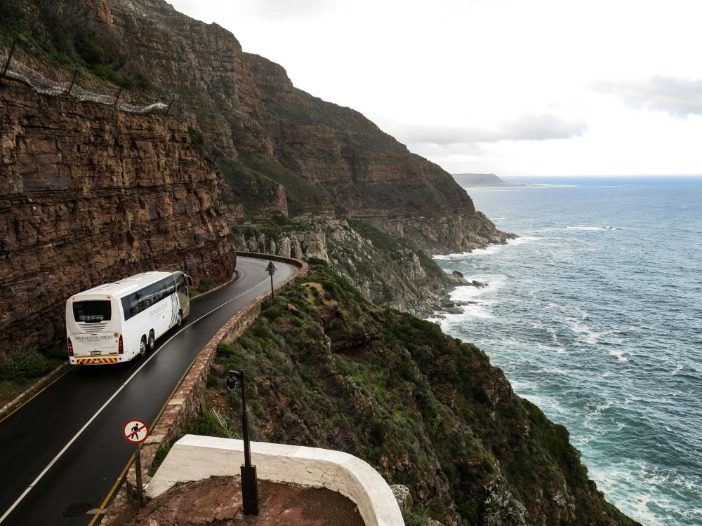

Executive Summary of Scania Buses in South Africa
This executive summary outlines Scania’s presence in South Africa’s bus sector, highlighting how trusted reliability, fuel-efficient engines, and a robust service network support urban mobility, public-transport efficiency, and sustainable growth for operators and municipalities across the country.
Market Overview and Demand in South Africa
Executive summary: Scania Buses in South Africa leverages global bus engineering, a robust local service network, and regional incentives to offer sustainable urban and intercity bus solutions. The approach centers on reliability, fuel efficiency, and lifecycle support to help operators meet demand and government mobility objectives.
- Market size and structure: The South African bus market is driven by urban commuter fleets, rural and intercity operators, and feeder services; public transport reforms and municipal fleet renewal programs are the primary growth engines.
- Regulatory context: Emissions standards, procurement rules, local content requirements, and empowerment programs influence bus specification, procurement cycles, and aftersales expectations.
- Competition and value proposition: Scania competes with Volvo, Mercedes-Benz, MAN, Isuzu, and other OEMs, differentiating through fuel efficiency, driver comfort, retrofit options, and comprehensive service and parts networks.
- Delivery and support network: South Africa benefits from regional assembly, training, financing solutions, and a widespread aftersales network that minimizes downtime on fleets.
- Fleet renewal momentum: Aging municipal and operator fleets create ongoing demand for new buses with lower operating costs and improved reliability.
- Propulsion and emissions: Demand for Euro VI-compliant engines, hybrids, and electric buses is rising as authorities pursue cleaner public transport and lower emissions.
- Financing and lifecycle cost: Operators prize total cost of ownership, favorable financing terms, and predictable maintenance costs; Scania’s service packages and financing options support this need.
- Urban mobility and BRT integration: Bus Rapid Transit initiatives and expanded urban routes increase demand for standardized, durable city buses with long service intervals.
- Local content and manufacturing: Local assembly and parts availability reduce downtime and support compliance with procurement rules, boosting competitiveness for Scania.
The above outlines the executive summary, market overview, and demand drivers for Scania Buses in South Africa, highlighting how Scania leverages its global strengths with local capabilities to meet evolving mobility needs.
Scania’s Position in the South African Bus Market
Executive summary: Scania Buses in South Africa commands a strong, growing position in the country’s urban and intercity bus markets, anchored by a broad product portfolio, a nationwide service and parts network, and a clear focus on uptime, reliability and total cost of ownership for operators.
Market presence and value proposition: Scania serves municipal fleets, private operators, and regional coaches with a complete range of city, intercity and coach buses. The combination of fuel efficiency, driver comfort, uptime, and Scania Fleet Management solutions underpins a strong value proposition for operators facing high utilization cycles and stringent maintenance regimes. A broad local network provides parts, service, and training across key urban and regional centres, supporting rapid maintenance and high vehicle availability.
Position and differentiators: Scania’s competitive advantages in South Africa include advanced engine and fuel-efficiency technology, a comprehensive telematics offering, strong aftersales support, and a reputation for reliability. Local parts availability, a broad service network, and trained technicians help maximize vehicle uptime. The brand’s emphasis on driver comfort and safety features aligns with the needs of high-frequency urban routes and long-distance corridors.
Sustainability and technology: Scania in South Africa aligns with local emissions regulations by offering Euro VI-capable diesel engines and ongoing modernization of powertrains. The company explores and pilots alternative-fuel and hybrid solutions where government incentives and operator demand exist, while emphasizing maintenance-friendly, modular technology to support fleet modernization without disruptive capital expenditure.
Market dynamics and opportunities: The South African bus market is shaped by urbanization, fleet renewal across municipal and parastatal networks, and the expansion of public transport programs such as BRT. Scania’s opportunities arise from new fleet procurements, retrofit and modernization programs, financing solutions, and parts and service contracts that enhance total cost of ownership. Competitive pressure from other global brands and local manufacturers requires continuous investment in local service capability, training, and digital offerings to maintain uptime and residual value.
Outlook and strategic focus: Scania’s position in South Africa remains solid and improving as urban mobility needs grow and fleets modernize. The strategic focus includes strengthening local parts and service coverage, expanding training and digital services, and delivering total-cost-of-ownership advantages through efficient powertrains and proactive fleet management solutions. By aligning with government procurement programs and operator needs, Scania aims to sustain and grow its market share in the evolving South African bus market.
Product Portfolio and Technologies
Scania Bus South Africa presents a robust product portfolio and advanced technologies designed to meet the diverse needs of South African operators, from urban fleets to intercity and coach services. The portfolio spans efficient city buses, hybrid and electric drivetrains, and reliable diesel options, complemented by cutting-edge telematics, fleet management, and remote diagnostics that optimize uptime, fuel efficiency, and total cost of ownership. Integrated services and digital solutions help operators improve passenger experience, safety, and sustainability across the country.
City and Intercity Bus Models Available in South Africa
Scania South Africa offers a robust and modern bus portfolio designed for the country’s urban networks and long-distance routes. The focus is on reliability, fuel efficiency, and strong local service support through Scania’s national dealer network.
Product Portfolio and Technologies: Scania’s bus line-up covers city buses for busy urban corridors and intercity coaches for regional travel, backed by clean engine technology and advanced drivetrains. The range includes low-entry city buses for easy passenger access, as well as high-capacity intercity configurations optimized for comfort and resilience in tough South African operating conditions. The technology stack includes Euro 5/6 compliant engines, SCR and AdBlue aftertreatment where applicable, automated and manual transmissions, and scalable axles and suspensions to suit different route profiles.
City buses available in South Africa typically use the Citywide family built on a modular platform that supports low-entry door layouts, strong standing capability, and rapid passenger flow. Configurations range from 11 to 12 meters for dense urban routes and up to 14 meters in some markets, with options for low-floor ingress and flexible seating. Intercity models are built on robust chassis with longer wheelbases, larger luggage compartments, and higher levels of comfort for longer journeys, designed to handle South Africa’s diverse road conditions.
Technologies and safety features common to Scania’s SA offerings include Scania Driver Support packages, which combine adaptive cruise control and safety systems, along with Scania Fleet Management for telematics, remote diagnostics, and fuel efficiency monitoring. The engines employ efficient power and advanced combustion to minimize emissions and optimize fuel economy, while the driveline options include Scania Opticruise automated manual transmission for smooth shifts and reduced driver workload.
City and Intercity bus models available in South Africa are supported by a wide aftersales network, with parts availability and service intervals tuned for local operation. Scania South Africa provides maintenance contracts, spare parts supply, and on-site service options to keep buses in service for longer, reducing downtime and improving total cost of ownership for operators in urban and regional networks.
Engine and Emissions Standards Compliance
Scania Bus South Africa offers a comprehensive portfolio for urban, intercity and coach operations, underscored by reliability, efficiency and a strong local support network. The focus is on delivering total transport solutions that meet the needs of South African operators while maintaining high standards of safety and comfort for passengers.
The product portfolio spans urban low-floor city buses designed for high passenger volumes and accessibility, robust intercity coaches for long-distance travel, and school or special-use buses tailored to operator requirements. Scania provides flexible configurations, various seating layouts and propulsion options to suit different routes, duty cycles and operating environments across South Africa.
Technologies across the Scania bus range emphasize fuel efficiency and dependable performance. This includes modern diesel propulsion with common-rail fuel injection, turbocharging and advanced exhaust aftertreatment systems, as well as sophisticated transmissions and energy management features. The portfolio also embraces future-ready options such as hybrid and battery-electric configurations, driver assistance and telematics to enhance safety, uptime and route planning.
Engine and Emissions Standards Compliance is a core focus, with Scania engines designed to meet applicable local and regional regulations through exhaust aftertreatment and emission-control solutions. Diesel engines can be equipped with selective catalytic reduction and particulate filters to reduce NOx and particulate matter, while configurations can be aligned with current South African regulatory requirements and adaptable to evolving standards as markets change.
Electric and hybrid propulsion options are an expanding part of the offering for urban environments seeking to reduce emissions and noise. Scania South Africa supports hybrid and battery-electric buses with route analysis, charging infrastructure planning and depot optimization to help operators transition smoothly and maintain reliable service levels.
Local support is a key differentiator, with a broad South African service and parts network, regional service centers and experienced technicians. Scania South Africa provides maintenance packages, remote diagnostics, driver training and digital fleet management tools to maximise uptime, optimise operating costs and ensure a dependable mobility solution for city, intercity and school transport.
In summary, Scania Bus South Africa combines a robust and versatile product portfolio with advanced technologies and a commitment to compliant, sustainable operations. Operators gain from reliable vehicles, modern propulsion options and a strong local support ecosystem tailored to South Africa’s public transport landscape.
Alternative Powertrains and E-Mobility Solutions
Scania Bus South Africa offers a comprehensive portfolio of buses and advanced technologies designed to meet the needs of South Africa’s urban and intercity transport.
Product portfolio includes city buses for urban routes, regional intercity coaches, and school buses, all built on Scania’s modular platforms to maximize fuel efficiency, passenger comfort, and safety. The line-up emphasizes accessibility with low-floor designs and flexible seating configurations to suit operator requirements and city regulations.
Technologies span scalable drivetrains, diesel engines with advanced exhaust aftertreatment, robust transmissions, and safe, predictable handling. The offering also incorporates driver assistance systems, suspension solutions tuned for varied road conditions, and digital tools such as telematics, remote diagnostics, and fleet-management interfaces to optimize uptime and total cost of ownership.
Alternative powertrains cover diesel with clean emission technology, natural gas (CNG/biogas) where infrastructure supports it, and electrified options including mild hybrids and full-electric buses. Scania continues to explore hydrogen and other zero-emission concepts where market conditions allow, while providing BEV solutions and partnerships to deploy charging and integration with local grids.
E-mobility solutions focus on battery electric buses with choices in battery chemistry and capacity to fit route profiles, depot and opportunity charging strategies, and integrated energy management. Fleet electrification is supported by route planning, energy-conspecific optimization, and remote monitoring to maximize range, reliability, and lifecycle value for operators.
Locally, Scania South Africa backs operators with a strong service and parts network, skilled technician training, financing and service packages, and demonstration fleets to validate performance. The company collaborates with municipalities and operators on modernization projects, supporting public transport improvements, reliability, and reduced emissions across the country.
In summary, Scania Bus South Africa combines a broad product range with advanced technologies and flexible powertrain options to enable sustainable, efficient, and reliable e-mobility solutions for South Africa’s bus market.
Aftersales, Service Network, and Parts Availability
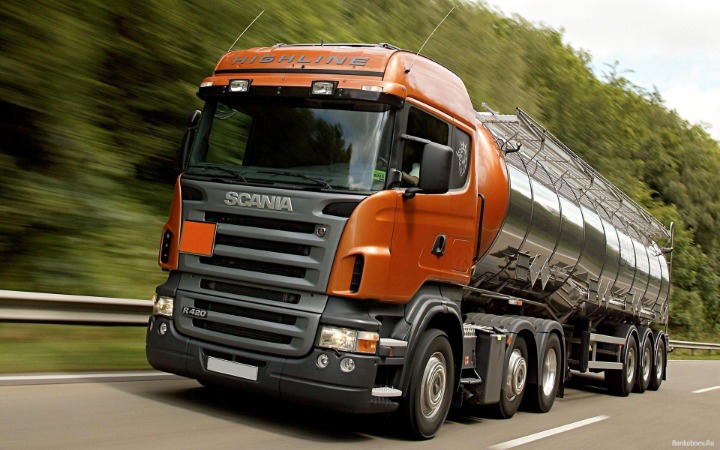
Scania Bus South Africa offers a robust aftersales program built on a comprehensive service network and reliable parts availability to keep urban and intercity fleets on the road. With authorized service centers across key regions and mobile service units, technicians provide scheduled maintenance, repairs, and digital service history tracking. Genuine Scania parts are stocked regionally for fast delivery, ensuring minimal downtime and predictable maintenance costs for operators in South Africa.
Authorised Dealer Network in South Africa
Scania Bus South Africa delivers more than buses; the focus on aftersales, a wide service network, reliable parts availability and a strong authorised dealer network is designed to maximise uptime for operators across the country.
Aftersales in South Africa is built around uptime, total cost of ownership and fleet reliability. Scania offers preventative maintenance programs, service contracts, and 24/7 breakdown support, with remote diagnostics and proactive maintenance reminders via Scania Connected Services. Local engineering and parts support are aligned to the operating conditions seen in South African fleets, from city shuttle services to long-distance coaches and school transport.
The service network is national, with certified Scania workshops in key metropolitan regions and regional hubs backed by trained technicians, specialised tooling and diagnostic systems. In addition to on-site and in-workshop service, Scania deploys mobile service units to support field maintenance, ensuring rapid response where a static workshop cannot be reached quickly. The network supports new bus models and proven reliability for older fleets, with service planning tailored to each operator’s route patterns and duty cycles.
Parts availability is a core pillar of uptime. Scania South Africa maintains regional distribution centres and local stockists to ensure genuine parts and consumables are available when they are needed. Fast order processing, straightforward warranty parts handling, and a robust logistics chain connect the national network with the global Scania parts system, helping operators minimise downtime during repairs or routine maintenance. Parts compatibility and quality are guaranteed by using Scania Genuine Parts.
The authorised dealer network in South Africa ensures customers access to official warranty coverage, certified technicians, and access to the latest diagnostic tools and software. Dealers operate under Scania standard operating procedures to deliver consistent service quality, transparent quoting, and predictable maintenance windows. The network also provides fleet management support, training for operators and on-going product updates, ensuring customers benefit from Scania’s global standards in a local context.
For public transport authorities, private operators and school fleets, the combined Aftersales, Service Network, Parts Availability and Authorised Dealer Network mean higher vehicle availability, better planning of maintenance, improved safety and lower overall operating costs for Scania buses in South Africa.
Maintenance Programs and Remote Diagnostics
Scania bus South Africa offers a comprehensive aftersales ecosystem designed to maximise uptime and fleet productivity across the country.
Aftersales and Service Network: Scania South Africa operates an authorized service network with strategically located service centers and trained technicians. Services include preventative maintenance, inspections, repairs, and mobile service where feasible, with 24/7 roadside assistance in key corridors to minimize downtime.
Parts Availability: The parts supply chain is structured to ensure quick access to genuine Scania parts. Regional depots stock the most-used parts for buses, with fast delivery and stock management supported by digital ordering and tracking. This supports short turnaround times for service and repairs, even during high demand periods.
Maintenance Programs: Flexible maintenance programs allow operators to choose between time- or mileage-based schedules and fixed-price contracts. These programs include preventive maintenance, major services, and component overhauls, tailored to different bus configurations and duty cycles. Telematics data can be used to plan maintenance windows and optimize utilization.
Remote Diagnostics: Scania remote diagnostics connects buses to a central diagnostics platform, enabling real-time health monitoring, fault code reporting, and predictive maintenance alerts. Remote access reduces unplanned downtime, supports proactive parts planning, and helps workshops prepare for repair before arrival.
Benefits for South African operators: A robust aftersales ecosystem helps ensure high bus availability on both urban routes and long-distance services, supports compliance with service intervals and warranty requirements, and contributes to lower operating costs through improved reliability and resale value.
Get in touch with Scania South Africa through authorized dealers and the Scania Customer Care team to discuss the best aftersales package for a South African bus fleet and to align service levels with operational needs.
Spare Parts Supply Chain and Lead Times
Scania Bus South Africa provides a dedicated aftersales ecosystem designed to keep urban and intercity bus fleets on the road with high uptime and predictable maintenance costs.
Aftersales offerings include preventative maintenance programs, diagnostics, and timely repairs delivered through Scania Service Centers and Authorized Service Partners. Trained technicians work with genuine Scania parts, supported by remote diagnostics and digital service tools that monitor vehicle health and schedule proactive services.
The service network spans major urban centers and regional hubs across South Africa, with Scania Authorized Service Partners and Service Centers near fleet bases. The network is complemented by mobile service units and 24/7 roadside assistance to support on-road incidents and urgent service needs.
Parts availability is anchored by a robust regional parts distribution framework. Genuine Scania parts are stocked in local depots and a central parts hub, enabling fast replenishment to service centers and partners. A demand-driven stocking approach, combined with efficient logistics partners, helps minimize downtime.
Spare parts supply chain and lead times are managed through an integrated process: orders are placed through the network, parts are picked from stock or sourced from suppliers, quality checks are performed, and parts are dispatched to the requested location. Lead times vary by part type and stock status, but Scania South Africa prioritizes stock availability and rapid delivery to reduce fleet downtime. Where parts are not in immediate stock, procurement times are communicated clearly to customers and scheduled with the service plan.
Overall, Scania Bus South Africa aims to deliver reliable uptime, predictable maintenance costs, and transparent service commitments through its aftersales, service network, and parts supply chain.
Customer Segments and Case Studies
In South Africa, Scania buses serve a diverse mix of customers—urban transit authorities, regional operators, private coach companies, school transport, and tourism operators. Understanding these segments helps Scania tailor bus configurations, service plans, and financing to meet specific needs, from low-floor city buses to high-capacity intercity coaches and hybrid options. Local case studies illustrate how fleets improve uptime, reduce total cost of ownership, and enhance passenger comfort through digital fleet management and integrated service packages across major South African routes and cities.
Public Transport and Municipal Fleets
Scania Bus South Africa delivers reliable mobility solutions tailored for city and regional transit, serving public transport authorities and private operators with a focus on uptime, sustainability, and passenger comfort.
- Customer Segments
In South Africa, Scania targets municipal transport authorities, public bus operators, concession and tendered services, and private operators managing commuter routes. The segment emphasis includes high-capacity urban routes, feeder networks, and school transport fleets, with a focus on reliability, safety, and accessibility.
- Public Transport and Municipal Fleets
Scania buses are designed to meet dense urban environments with low-floor designs, wide doors, and accessible features. The solution set includes efficient engines compliant with local emissions standards, robust aftersales support through a national service network, parts availability, and driver training. The emphasis is on reducing downtime, lowering operating costs, and improving passenger experience within municipal fleets.
- Case Studies
Case studies highlight how Scania bus deployments have delivered tangible benefits in South Africa, including lower fuel consumption, improved reliability, and better passenger comfort. Examples encompass pilot programs and long-term fleet replacements across multiple cities and operators, demonstrating total cost of ownership improvements and enhanced service reliability.
- Urban corridor deployments showing reductions in idle time and maintenance costs.
- Fleet modernization projects delivering accessible buses with improved reliability and service levels.
School and Private Hire Operators
This article explores how Scania Bus South Africa serves distinct customer segments and presents real-world case studies for schools and private hire operators operating in the region.
In South Africa, Scania Bus South Africa focuses on several customer segments, including school transport operators, private hire and shuttle operators, tour and event specialists, and corporate or municipal fleets. Each segment has its own requirements for safety, reliability, driver comfort and total cost of ownership, and Scania tailors its product and service offerings accordingly.
School transport operators require buses that maximize safety, predictable performance on peak routes and robust after-sales support. These customers value seating layouts, easy boarding for students, low lifecycle costs and access to local services for quick maintenance. Private hire operators look for high uptime, comfortable interiors, efficient heat and power systems, and flexible telematics that help manage bookings, dispatch and driver performance. Both segments benefit from Scania Fleet Management, remote diagnostics and the strength of Scania’s South Africa service network to minimize downtime between trips.
Case study: School transport operator in Gauteng. A large school transport contractor in Gauteng operates a fleet of 24 Scania buses deployed on 12 daily routes serving commuter students across a metropolitan area. After migrating to Scania K-series city buses with integrated telematics and driver assist features, the operator reported an on-time performance improvement to 98%, a 20% reduction in unscheduled maintenance, and a 12% cut in fuel consumption due to engine efficiency and driving style coaching. The local service agreement also included a tailored maintenance plan and training for drivers and fleet managers, helping the operator meet school safety standards and parent expectations.
Case study: Private hire operator and shuttle service. A Cape Town–based private hire operator expanded its fleet to 12 Scania coaches used for airport shuttles, corporate events and long-distance hires. With Scania Fleet Management in place, the operator gained real-time vehicle tracking, predictable maintenance windows and better dispatch visibility. The result was higher vehicle uptime, roughly 15% fuel savings, and a marked improvement in customer satisfaction and repeat business, supported by Scania’s local service and parts availability across the Western Cape and Gauteng routes.
These examples show how Scania Bus South Africa can align with school and private hire operators’ needs by delivering safe, reliable buses, strong after-sales support and data-driven fleet management. For operators in South Africa, the combination of local service coverage, driver training and efficient vehicles helps meet regulatory requirements, reduce operating costs and deliver better transport experiences for learners and customers alike.
Case Studies: Notable Deployments
Scania Bus South Africa serves a diverse range of customers across the country, supporting urban mobility, school transport, intercity connections and corporate shuttle services with reliable bus and coach solutions.
Customer segments include public transit authorities and municipal fleets seeking reliable urban buses, private bus and coach operators delivering commuter and tourism services, school transport providers ensuring safe student travel, corporate shuttle services for businesses and campuses, rental and leasing companies that deploy Scania vehicles, and government or parastatal transport programs focused on mobility and regional development.
Notable deployments illustrate how Scania buses are used to improve reliability, reduce operating costs and lower emissions across different mobility needs in South Africa. Each deployment leverages Scania’s local service network, parts availability, and customized configurations for safety and accessibility.
Case Study 1 – Municipal fleet modernization: A major South African city replaced an aging diesel bus fleet with Scania low-floor city buses designed for high daily uptime. The buses featured durable drivetrains, fuel efficiency improvements, accessibility for all passengers and on-board safety systems. The project reduced emissions, lowered maintenance costs and improved service frequency for urban routes.
Case Study 2 – School transport and safe mobility: A provincial school transport program embraced Scania buses equipped with seat belts, CCTV coverage and real-time monitoring to ensure student safety. The fleet benefited from optimized routing, standardized maintenance through Scania’s after-sales support and improved on-time performance for school runs.
Case Study 3 – Private operator modernization: A private commuter operator renewed part of its fleet with Scania coaches and city buses to boost reliability on peak-hour services. With Scania’s service network, proactive maintenance and parts availability, the operator achieved higher uptime, reduced breakdowns and better fuel efficiency for dense urban corridors and regional links.
Case Study 4 – Rural mobility and sustainability pilots: In regional networks, Scania deployed adaptable buses capable of handling mixed road conditions and longer routes, with hybrid or efficient diesel powertrains where appropriate. The program demonstrated improved access to essential services, community transport options and lower per-passenger emissions in rural areas.
Mobility and Sustainability Initiatives
Scania Bus South Africa is at the forefront of mobility and sustainability, integrating low-emission and electrified bus solutions into urban networks to reduce congestion and air pollution. Through partnerships with cities and operators, the company promotes sustainable transport planning, renewable energy-powered charging, and efficient fleet management, while prioritizing lifecycle responsibility—from production to end-of-life recycling. By expanding access to clean public transport, Scania Bus South Africa aims to improve commuter safety, cut greenhouse gas emissions, and support economic development across South African communities.
Emissions Reduction and Fuel Efficiency Targets
Scania Bus South Africa is driving mobility and sustainability by delivering modern buses and services designed to reduce emissions, improve fuel efficiency, and support urban transformation across South Africa.
Mobility and Sustainability Initiatives in South Africa include electrified city buses, hybrid solutions, and the exploration of alternative fuels, all supported by planning for charging infrastructure, depot energy management, and partnerships with municipalities to integrate buses into broader urban transport strategies. These initiatives aim to shift passenger flows from private vehicles to cleaner public transit while enhancing reliability and passenger comfort.
Emissions Reduction is a core focus for Scania Bus South Africa, with vehicles built to meet stringent emission standards through advanced engines, exhaust aftertreatment, and fuel-management systems. Diesel buses use selective catalytic reduction and AdBlue to cut NOx and particulate matter, while electric and hybrid configurations deliver near-zero tailpipe emissions in urban operations. The result is cleaner air in dense corridors and a lower carbon footprint across bus fleets.
Fuel Efficiency Targets are pursued through a combination of efficient propulsion systems, aerodynamic bus design, and intelligent drivetrain technologies. Scania optimizes fuel use with advanced engine management, fuel-efficient transmissions, and energy recovery in braking. Driver training, Eco-Drive practices, and telematics help operators minimize idle time and optimize speed profiles, contributing to meaningful reductions in daily fuel consumption.
In practice, Scania Bus South Africa collaborates with operators and municipalities to deploy pilots, scale up successful models, and provide a full lifecycle support package. This includes a robust service and parts network, maintenance programs designed to keep buses running at peak efficiency, and financing options that enable transit authorities to advance sustainable mobility without compromising service levels.
Digital tools and data-driven planning play a pivotal role in achieving targets. Scania’s Fleet Management System and telematics provide real-time insights into fuel use, route efficiency, and vehicle health, enabling proactive maintenance and optimized scheduling. By combining electrified options, cleaner propulsion, and intelligent logistics, Scania Bus South Africa aims to accelerate the transition to sustainable, reliable, and affordable urban mobility.
Transition to Low-Emission and Electric Buses
Mobility in South Africa is increasingly guided by sustainability goals, and Scania Bus South Africa is playing a key role in the transition to low-emission transport. By collaborating with cities, operators and authorities, Scania is helping develop reliable, efficient and cleaner bus networks that support urban growth while protecting air quality.
The Scania South Africa portfolio includes low-emission diesel engines, plug-in and battery-electric buses, and hybrid options designed for the needs of South African operators. These technologies are deployed with a local service and support network to ensure reliability and uptime for public transport fleets.
Transitioning to electric and low-emission buses in South Africa involves more than the vehicle itself. Scania Bus South Africa works with municipalities to plan depots, charging infrastructure, energy management and timetabling. Pilot routes, charge point siting and vehicle-to-grid readiness help municipalities build scalable e-mobility solutions.
Electric and low-emission buses bring tangible benefits: reduced greenhouse gas and particulate matter emissions, lower noise levels for urban areas, and more predictable operating costs through telematics, route optimization and energy-saving driving. Scania supports operators with advanced fleet management tools and driver training to maximise efficiency.
Partnerships are central to Scania Bus South Africa’s approach. The company collaborates with city authorities, public transport operators and local suppliers to share knowledge, build local skills and develop a robust after-sales and maintenance ecosystem that keeps electrified fleets on the road.
Beyond the bus itself, Scania emphasizes a sustainable lifecycle: durable vehicles built for long service life, remanufactured components where possible, and efforts to minimise the environmental footprint of manufacturing and servicing. Local job creation and skills development are part of the sustainable impact story.
Looking ahead, Scania Bus South Africa aims to accelerate the adoption of low-emission and electric buses across major metropolitan regions, aligning with South Africa’s national priorities for cleaner mobility, urban resilience and economic growth. The company remains committed to practical, scalable solutions that improve mobility while reducing emissions.
Partnerships with Government and Municipalities
Scania Bus South Africa is at the forefront of mobility and sustainability initiatives, delivering modern, reliable buses and a robust service network to cities and operators across the country. By integrating efficient propulsion, digital fleet management and a people-centered approach to transport, Scania helps South African urban areas move more people with less environmental impact.
Mobility initiatives focus on upgrading public transport with low-emission options, including efficient diesel engines, hybrids and electric buses in pilots and rollouts where infrastructure allows. Scania’s telematics and fleet-management tools optimise routes, maintenance planning and fuel use, delivering safer, more predictable services for commuters.
Sustainability is embedded in every stage of a Scania bus’s life cycle in South Africa—from responsible production and local servicing to end-of-life recycling and sustainable procurement. Local assembly support, a strong after-sales network and partnerships with suppliers reduce logistics-related emissions and improve vehicle uptime.
Partnerships with government and national, provincial and municipal authorities are central to Scania Bus South Africa’s strategy. The company supports policy development, funding mechanisms and procurement approaches that incentivize cleaner, more efficient public transport and help cities meet air-quality targets.
At the municipal level, Scania collaborates on fleet-renewal programs, BRT corridors and the provision of charging and depot infrastructure for electric buses. By working with city leaders on pilot projects, depots and operation models, Scania helps municipalities plan, finance and operate sustainable bus services.
Skilling and capacity building are core components of these partnerships. Scania runs training for technicians, drivers and fleet managers, creating local jobs and ensuring high levels of readiness to maintain and operate modern, low-emission buses.
Through sustained mobility and sustainability initiatives and active government and municipal partnerships, Scania Bus South Africa aims to accelerate the transition to cleaner, more inclusive public transport that serves riders, communities and the planet alike.
Financial and Procurement Landscape
Scania Bus South Africa operates in a complex financial and procurement landscape shaped by fleet renewal cycles, tender-driven contracts, and evolving funding mechanisms that include operator financing, leases, and government subsidies. The business balances local procurement with imports, navigating exchange risks, tariffs, and B-BBEE requirements, while prioritizing sustainable, low-emission buses to meet municipal and commuter transport mandates.
Financing Options for Bus Purchases
The financial and procurement landscape for bus purchases in South Africa is evolving, with municipal and operator fleets balancing upfront capital expenditure, lifecycle costs, and a range of funding opportunities. Scania Bus South Africa plays a central role in this market by offering integrated financing options, local support, and fleet solutions tailored to South African conditions.
Procurement channels include direct orders through Scania South Africa’s authorised dealer network as well as participation in public sector tenders for city fleets and parastatals. Preferences in government procurement, local content requirements, and B-BBEE status influence bid scoring and supplier selection, making value-added services and uptime commitments important differentiators.
Financing options for bus purchases range from cash purchases and traditional bank finance to captive financing arrangements offered through Scania Financial Services. Operators can choose operating leases, finance leases, or hire-purchase structures, often with flexible repayment terms, balloon payments, and maintenance-inclusive packages that align with budget cycles.
Public funding and incentives shape the procurement timeline for urban buses. National and provincial transport plans, PPPs, and grant programs can subsidise cleaner fleets or assist with the transition to modern city buses. Eligibility is typically tied to performance criteria, local content, route planning, and lifecycle cost considerations.
Total cost of ownership is central to decision-making. Scania focuses on fuel efficiency, reliability, and predictable maintenance to reduce downtime and operating costs. Telematics, service-level agreements, and optional maintenance packages help operators monitor performance, schedule preventative work, and preserve resale value over the fleet’s life.
Scania’s local footprint in South Africa combines a robust dealer and service network with financing partnerships and training programs. This enables tailored funding models such as contract hire or maintenance-inclusive schemes that fit municipal budgets and cashflow while preserving accessibility to spare parts and skilled technicians.
Emerging trends include the expansion of electrified and hybrid buses in urban networks. Scania’s e-mobility roadmap, charging infrastructure partnerships, and financing plug-ins support staged rollouts, helping operators manage capital outlays, electricity costs, and maintenance while pursuing emissions targets.
In summary, the financial and procurement landscape for Scania Bus South Africa blends competitive funding options, procurement channels aligned with public policy, and value-focused lifecycle solutions designed to optimise uptime and total cost of ownership for South African fleets.
Procurement Process for Public Transport
The financial and procurement landscape for public transport in South Africa shapes how buses are funded, acquired, and maintained. Scania Bus South Africa operates within this environment as a key provider of fleet solutions, financing options, and a nationwide service network that supports municipalities and operators in delivering reliable urban mobility.
Public transport fleets are funded through a mix of municipal budgets, provincial and national grants, development finance institutions, and vendor finance arrangements. Operators often combine own funds, leases, or long-term finance to manage capital costs. Scania Bus South Africa can support these needs with scalable financing options, maintenance packages, and telematics that help optimize total cost of ownership over the life of a fleet.
Procurement in the public sector in South Africa follows a framework that includes the Public Finance Management Act PFMA, the Municipal Finance Management Act MFMA, and the Preferential Procurement Policy Framework Act PPPFA, with emphasis on Broad-Based Black Economic Empowerment B-BBEE and local content. Tender opportunities are typically published on national and provincial e-tender portals, and bidders must demonstrate compliance with local content and empowerment criteria where applicable.
The procurement process for public transport typically proceeds through planning and business case development, pre-qualification or expressions of interest, invitation to tender, submission of technical and financial proposals, evaluation (technical followed by financial), award, contract negotiation, delivery and acceptance testing, and ongoing contract management. Warranties, service levels, spare parts availability, and performance guarantees are integral to the contractual framework.
A bid from Scania Bus South Africa would commonly address technical specifications for powertrains, emissions, passenger capacity, reliability, and fuel efficiency, alongside a robust total cost of ownership analysis. Proposals may also include financing or leasing arrangements, maintenance and parts supply, driver training, and telematics or fleet management services. Collaboration with local partners can help meet local content and empowerment requirements while ensuring a strong local footprint for service and parts.
Local content and supplier development are central to the procurement landscape. Authorities often award extra preference points for vehicles manufactured or assembled locally, for the involvement of black-owned entities, and for demonstrable supplier development initiatives. Scania’s local service network, technician training programs, and available spare parts supply support these requirements and align with broader national objectives for sustainable urban mobility.
Contract delivery emphasizes uptime, service levels, interoperability with existing city systems, and risk management. Public operators evaluate total lifecycle cost, considering maintenance, energy efficiency, potential electrification, and resale value. Scania’s experience in service delivery, digital fleet management, and a robust after-sales ecosystem can help minimize risk and maximize fleet performance.
Trends shaping procurement include electrified and alternative-fuel buses, integration with smart city and mobility platforms, and increased use of digital procurement tools. Early engagement with procurement authorities, transparent evaluation criteria, and a clear articulation of performance metrics and lifecycle savings improve bid success. Bidders should highlight emissions compliance, energy efficiency, and workforce development alongside financing flexibility.
For Scania Bus South Africa, success in the public transport market hinges on aligning fleet solutions with funding mechanisms, delivering compliant and locally supported solutions, providing reliable service and spares, and offering flexible financing that reduces lifecycle costs for municipalities and private operators alike.
Total Cost of Ownership and ROI Considerations
Scania Bus South Africa operates within a procurement and financial landscape shaped by public transport strategy, fleet renewal programs, and private sector demand. Operators assess total cost of ownership and return on investment across the vehicle lifecycle, balancing upfront capital expenditure with ongoing operating costs, service coverage, and resale value. A robust local aftersales network, financing options, tax considerations, and local content rules influence decision-making and contract structures.
- Procurement landscape in South Africa: tender frameworks, local supplier development, B-BBEE considerations, and Scania’s national service network helping meet uptime and maintenance requirements.
- Financing and ownership models: capital purchases, finance leases, operating leases or fleet management agreements, and how VAT, depreciation, and tax incentives affect cash flow and profitability.
- Total Cost of Ownership drivers: purchase price, fuel consumption, maintenance and parts costs, downtime, telematics and service agreements, warranty terms, and end-of-life residual value.
- ROI considerations and modeling: payback period, annual savings from fuel efficiency and reduced downtime, driver training benefits, potential ridership growth, and scenario analysis under fuel price and currency fluctuations.
- Risk and mitigation: currency and supply chain risks, import duties, regulatory changes, maintenance network coverage, and the importance of Scania South Africa’s aftersales support and local parts supply.
- Implementation best practices: phased rollouts, pilot deployments on select routes, performance monitoring via fleet management tools, and alignment with local standards and funding programs to optimize TCO and ROI.
Technology, Safety, and Innovation
Technology, safety, and innovation are reshaping public transport in South Africa, and Scania Bus South Africa sits at the forefront with solutions that blend advanced propulsion, driver assistance, and safety systems. From efficient engines and hybrid-electric options to local service networks, Scania’s buses aim to improve reliability, reduce emissions, and enhance rider experience across South African cities.
Driver Assistance and Safety Features
Scania buses in South Africa combine technology, safety, and innovation to support urban mobility and long‑distance travel across the country. Through a local network of operations, service centers, and training, Scania South Africa focuses on driver assistance and safety features that help operators run efficient, safer fleets while reducing emissions and fuel costs.
- Technology and propulsion: Scania buses use modular platforms with efficient engines, advanced telematics, and digital services that support route planning, fuel management, and vehicle diagnostics in South Africa’s markets.
- Driver assistance and safety features: Active braking, adaptive cruise control, lane departure warning, and collision avoidance systems help drivers maintain control and reduce risk on busy urban roads and highways.
- Safety-centric design: Rigid passenger cages, seatbelts, reinforced structures, and crash protection are integrated with modern safety electronics to improve resilience in accidents.
- Innovation and electrification: Scania offers electric and hybrid bus options in the SA market, with charging infrastructure planning, energy management, and depot optimization to support city and transit operators.
- Fleet management and digital services: Scania Fleet Management, remote diagnostics, and driver coaching tools help South African operators improve uptime, route efficiency, and maintenance planning.
- Local support and partnerships: Scania South Africa provides training for drivers and technicians, parts supply, and service networks to keep buses on the road across major cities and rural routes.
- Impact on urban mobility: Improved safety, cleaner emissions, and smarter fleet operations contribute to safer roads, better passenger experience, and funded public transportation programs in South Africa.
Telematics, Fleet Management, and Data
Scania Bus South Africa stands at the forefront of technology, safety and innovation in the region’s bus fleet. From city routes to long haul coach services, Scania combines proven drivetrains with modern digital tools to improve reliability, comfort and total cost of ownership.
Technology and Innovation: Scania’s bus platforms in South Africa emphasize modular design, fuel efficiency and new drivetrains, including hybrid and fully electric options as city networks move toward cleaner mobility. In markets like Johannesburg, Cape Town and eThekwini, Scania buses are being used to modernize fleets with quiet operation, lower emissions and better passenger experience.
Telematics: Scania Telematics connects vehicles to a secure cloud, providing real-time data on location, speed, fuel consumption, engine parameters and fault codes. For SA operators, this means proactive maintenance, faster fault isolation and improved service continuity.
Fleet Management: The integrated Telematics and Scania Fleet Management solutions enable operators to plan routes, monitor uptime, schedule preventive maintenance and optimize driver performance. Data-driven scheduling reduces unscheduled downtime and improves on-time performance on busy corridors across major SA cities and regional routes.
Data: Data generated by Scania buses helps operators turn raw numbers into actionable insights. Dashboards show fuel efficiency trends, engine health, service intervals and safety metrics. Local data governance and privacy considerations are addressed through compliant data handling and on-device storage when necessary.
Safety: Scania places safety at the core with features like advanced driver assistance systems, autonomous braking, stability control and lane-keeping aids. In SA’s diverse driving environment, these tools support safer driving, reduce collision risk and protect passengers, drivers and pedestrians.
Local impact: Scania Bus South Africa supports a network of service centers and trained technicians to maintain uptime. Partnerships with municipalities and transit operators help deploy new buses, including electric options, with charging infrastructure planning and driver training tailored to South African road conditions.
Conclusion: By integrating technology, safety innovations, telematics, fleet management and data analytics, Scania Bus South Africa helps operators deliver reliable, efficient and safe public transport while advancing sustainable mobility for cities across the country.
Connectivity and In-Vehicle Technology
Scania bus South Africa is at the forefront of technology-driven urban mobility, delivering reliable, safe and sustainable bus solutions that respond to the needs of South African cities and operators.
Technology in Scania buses in South Africa centers on modular platforms that adapt to city, intercity, and school routes. Modern diesel and bi-fuel options, along with electrification pathways, help operators lower emissions and fuel consumption. Scania Connect and Fleet Management provide real-time vehicle data, remote diagnostics, route and maintenance planning, and proactive service scheduling to keep buses on the road longer and with fewer surprises.
Safety is built into the design and operation of Scania buses. Active safety systems such as anti-lock braking, electronic stability control, and brake assist work together with advanced driver assistance technologies, including pedestrian detection and camera-based monitoring, to reduce risk for passengers, road users and the driver. Scania also emphasizes safe boarding, reinforced passenger areas and robust crashworthy design to help protect occupants in diverse SA road conditions.
Innovation in South Africa includes exploring electric and hybrid propulsion for urban fleets, with focus on energy management and charging infrastructure. Battery-electric and hybrid Scania buses can reduce local emissions, improve air quality in crowded city corridors, and harmonize with transit networks and BRT systems. Local pilots, training, and service partnerships ensure these innovations are practical on SA roads and at scale.
Connectivity underpins modern bus operations. Scania’s telematics and connected services enable fleet managers to monitor vehicle health, track location, and receive predictive maintenance alerts in real time. Over-the-air software updates, route optimization, and service planning help operators maximize uptime, reliability and passenger service levels across South Africa’s diverse urban environments.
Inside the vehicle, in-ride technology includes digital dashboards, driver information displays and passenger information systems. On-board connectivity supports Wi-Fi, USB charging for passengers, and robust climate control designed to handle hot South African conditions. Ergonomic, intuitive controls and durable materials support long shifts for drivers and safer, more comfortable journeys for passengers.
For South Africa, Scania bus technology, safety and connectivity translate into safer streets, reliable public transport, and more sustainable urban mobility. By combining advanced engineering with local expertise and service networks, Scania South Africa aims to support operators, city planners and commuters with transportation that is safer, smarter and more connected.
Localization, Partnerships, and Manufacturing
Scania Bus South Africa is advancing Localization, Partnerships, and Manufacturing to strengthen its regional footprint. By localizing components, building skills through training, and forging strategic alliances with suppliers, operators, and government bodies, the company aims to deliver reliable, sustainable buses while expanding regional production and job creation.
Operations of Scania in South Africa
Scania Bus South Africa is a leading supplier of city buses and coaches for public transport and operator fleets across South Africa, helping modernize urban mobility while aligning with regional transport goals. The SA operation focuses on reliable mobility, strong aftersales support, and a strategy that builds local value through localization, partnerships, and efficient manufacturing and operations to serve Southern Africa’s bus market.
Localization is central to Scania South Africa’s strategy. The company aims to increase local content by sourcing components from South African suppliers, integrating local engineering capabilities, and transferring skills through training programs. Scania runs technical and vocational training initiatives and collaborates with local colleges to develop a pipeline of qualified technicians and engineers, enabling faster maintenance and higher uptime for buses on the road. Localisation also supports transformation goals and creates jobs in the broader supply chain while meeting regulatory and operator requirements.
Partnerships are a cornerstone of Scania South Africa’s ecosystem. The company collaborates with local bus bodybuilders to fit chassis with regionally appropriate body designs and to ensure compliance with South African standards. It engages with transit authorities, bus operators, financiers, and service partners to tailor fleets, provide fleet management and telematics solutions, and streamline procurement and service. Partnerships with government programs and industry bodies help align product features with public transport policy, including safety, accessibility, and environmental targets.
Manufacturing and operations in South Africa combine local assembly of bus chassis and complete buses with a responsive aftersales network. The facility emphasizes quality control, safety, and sustainable practices, while a distributed network of service centers and mobile workshops supports uptime for operators. Scania’s digital tools, such as remote diagnostics and fleet-management platforms, help operators optimize maintenance, scheduling, and fuel efficiency. The local operations focus on training, standardization, and continuous improvement to meet the needs of South African operators and neighboring markets.
Through a combination of Localization, Partnerships, and robust Manufacturing and Operations, Scania Bus South Africa aims to be a reliable partner in modernizing urban and regional bus fleets, enabling safer, cleaner, and more efficient public transport across Southern Africa while creating local value and skills development.
Local Content and Supplier Network
Scania Bus South Africa is focusing on Localization, Partnerships, and Manufacturing to strengthen its presence in the South African market and serve neighboring regions with reliable, efficient bus solutions.
Localization under Scania Bus South Africa involves increasing local content across bus models, sourcing more components from South African suppliers, and expanding in-country assembly and integration capabilities. It also means skills development for technicians, engineers, and line workers, with training programs that build long-term capacity in the local supply chain and service networks.
Partnerships are at the core of Scania Bus South Africa’s strategy, bringing together local component suppliers, body builders, service providers, and operators. Strategic collaborations with municipal fleets, transport authorities, and operators help tailor buses to local routes, climate, and operating conditions while ensuring consistent after-sales support and parts availability.
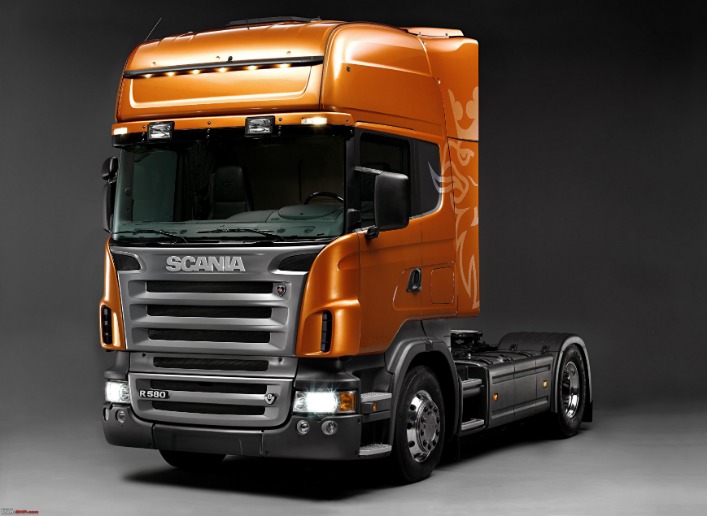
Manufacturing in South Africa allows Scania to adapt products to regional needs, shorten lead times, and improve reliability on challenging road conditions. Local assembly and integration enable faster response to customer feedback, better customization for city, school, and bus rapid transit applications, and the potential for export to nearby markets from a regional production base.
Local Content and Supplier Network development is a key focus, building a broad, resilient supplier ecosystem across provinces. By nurturing SMEs and larger local suppliers through capability-building, quality assurance, and long-term procurement commitments, Scania Bus South Africa aims to boost jobs, drive knowledge transfer, and secure a robust supply chain that supports uptime and maintenance across the network.
Looking forward, Scania Bus South Africa intends to deepen local content, expand supplier development programs, and invest in sustainable mobility solutions. The ongoing emphasis on localization, strong partnerships, and a capable manufacturing foundation positions the company to meet evolving customer needs while contributing to broader economic and skills development in the region.
In-Country Assembly and Aftermarket Capabilities
Scania Bus South Africa serves as the local face of Scania’s bus business, bringing global engineering excellence to the South African market and aligning with the needs of urban and regional transport operators across the country.
Localization is a cornerstone of Scania Bus South Africa’s strategy. The company focuses on local content where feasible, incorporating components and systems that suit South Africa’s road conditions, climate, and regulatory requirements. Local engineering teams tailor bus configurations for varying operator needs—urban fleets, intercity services, and school transport—while pursuing supplier development programs to strengthen the domestic supply chain and reduce lead times for customers.
Partnerships play a central role in delivering complete, reliable mobility solutions. Scania collaborates with public sector bodies, municipalities, and private operators to understand demand, align on lifecycle costs, and support sustainable procurement. The company also works with local bus body builders and engineering firms to create end-to-end solutions, ensuring compatibility between chassis, bodies, and aftersales service. Educational institutions and training partners are engaged to raise technical skills and support a capable workforce.
Manufacturing and In-Country Assembly are key elements of Scania’s presence in South Africa. By assembling and integrating components within the country, Scania improves responsiveness to customer needs, reduces import dependency, and enhances the local value chain. In-Country Assembly programs enable faster delivery, support local employment, and help meet national content requirements while maintaining the high standards associated with Scania’s global manufacturing footprint.
Aftermarket capabilities in South Africa are designed to maximize uptime and total cost of ownership for operators. Scania’s expansive service network, parts distribution, and trained technicians provide rapid support across major cities and regions. Digital services, remote diagnostics, and proactive maintenance planning help operators anticipate and prevent downtime, while Scania Service Partners and authorized workshops ensure access to genuine parts and dedicated aftersales expertise when needed.
The impact of localization, partnerships, manufacturing, in-country assembly, and aftermarket capabilities extends beyond uptime and efficiency. Local investment sustains jobs, builds skills, and strengthens the broader transport ecosystem. By aligning with South Africa’s procurement and development objectives, Scania Bus South Africa reinforces its role as a trusted partner for public and private operators seeking reliable, sustainable mobility solutions.
Looking ahead, Scania Bus South Africa intends to deepen localization, broaden its supplier base, and expand its service network to support a growing market for modern, efficient buses. The company is actively exploring opportunities in electrified bus technology and related infrastructure, aiming to integrate local components and partnerships that enable cleaner urban mobility while preserving the reliability and uptime that customers expect from Scania.
Regulatory Environment and Compliance
Regulatory Environment and Compliance shape how Scania Bus South Africa designs, tests, and delivers buses for local roads, ensuring safety, emissions, and quality are aligned with national standards. The company operates within a framework that includes type-approval and safety requirements, vehicle inspection and maintenance regimes, and adherence to road traffic laws, environmental regulations, and procurement rules. A robust compliance program helps Scania meet customer expectations, maintain market access, and support responsible transportation across South Africa’s evolving regulatory landscape.
Emission Standards and Compliance in SA
Scania Bus South Africa operates within a regulatory framework designed to protect air quality, road safety, and consumer interests. In South Africa, buses and other heavy vehicles must comply with the National Environmental Management Act and the Air Quality Act, which set the broad limits on emissions and require operators to minimize environmental impact. The National Road Traffic Act and related regulations govern registration, licensing, and roadworthiness, while the National Regulator for Compulsory Specifications (NRCS) and the South African Bureau of Standards (SABS) administer type approval and conformity of production for motor vehicles and components. Compliance is essential for sale, registration, and operation of Scania buses in the country, and Scania Bus South Africa works closely with regulators to ensure products meet local requirements.
Emission standards in SA are implemented through a combination of national environmental rules and vehicle-specific requirements. The regulatory framework aims to limit pollutants such as nitrogen oxides and particulates from diesel buses, and to ensure the after-treatment systems and engines installed in Scania buses meet the applicable limits. The standards are designed to align with international best practice, and Scania Bus South Africa maintains alignment with the relevant Euro-style emissions benchmarks or their SA-equivalent, through design choices, testing, and certification processes to achieve compliance before entering the market and during operations.
Before a Scania bus can be sold or registered in SA, it typically undergoes type approval by the NRCS and SABS validation to demonstrate compliance with Compulsory Specifications and safety requirements. After-market conformity is maintained through Conformity of Production assessments, periodic inspections, and roadworthiness testing mandated by regulators. Operators are also expected to keep service and maintenance records and to use approved spare parts to preserve compliance over the vehicle’s lifetime. Scania SA also engages in ongoing regulatory monitoring to respond to rule changes and to update engine and exhaust system configurations if needed.
For Scania Bus South Africa, regulatory compliance supports reliable performance, safer fleets, and cleaner air in cities. It influences product portfolios, service architectures, and the training offered to customers on maintenance and regulatory obligations. The company may face challenges such as evolving emission targets and compliance costs, but it also benefits from government programs encouraging modern, low-emission buses, potential access to incentives or favorable procurement for public transport, and alignment with South Africa’s climate and air quality objectives.
In summary, the regulatory environment in South Africa shapes how Scania Bus South Africa designs, certifies, and supports its buses. By meeting emission standards and complying with type approval, roadworthiness, and conformity requirements, Scania ensures its buses can operate legally and efficiently across the SA market.
Labor and Safety Regulations for Bus Operators
Scania Bus South Africa operates within South Africa’s tightly regulated public transport sector. This article outlines the regulatory environment and compliance obligations for bus operators, with a focus on labor and safety regulations, and how Scania and its customers navigate these requirements in South Africa.
National regulatory framework: The National Land Transport Act (NLTA) and the National Road Traffic Act establish the framework for public transport operations, licensing, and vehicle operation. Bus operators must hold a valid Operator’s License or route permit issued by the relevant provincial department of transport or the Road Traffic Management Corporation (RTMC).
Vehicle and emissions standards: Vehicles used in public transport must comply with South African Standards and Compulsory Specifications administered by the SABS and NRCS. Import and local bus equipment must meet type approvals, and operators should monitor engine and exhaust standards applicable to their model year and configuration.
Vehicle safety and roadworthiness: Regular inspections and roadworthy certificates are required, with maintenance logs and service intervals to ensure high safety standards. Operators must ensure that buses are maintained to SA safety standards and are roadworthy before operation, with documentation available for audits or inspections.
Labor and employment compliance: The Basic Conditions of Employment Act, Labour Relations Act, Unemployment Insurance Act, and COIDA apply to bus operator employees (drivers, conductors, maintenance staff). Employers must provide lawful working hours, leave, minimum wages where applicable, and protect workers’ rights, including processes for recognition and dispute resolution where necessary.
Occupational health and safety: The OHS Act requires risk assessments, safe systems of work, safe handling of passengers, and risk mitigation for hazards. Operators must provide safety training, appropriate PPE where needed, incident reporting, and clear emergency procedures for passengers and staff.
Driver licensing and professional driver requirements: In South Africa, Professional Driver’s Permit (PDP) is required for professional drivers of heavy vehicles, including buses, along with medical fitness certificates. Regular licence checks, drug and alcohol policies, and fatigue management programs are part of ongoing compliance for operator fleets.
Public transport operations and routes: Operators must obtain route authority for each service and comply with service quality standards set by authorities. Municipal contracts require adherence to timetables, passenger safety, fare collection integrity, and performance reporting to regulatory bodies.
Scania’s role in compliance and safety in South Africa: Scania South Africa designs buses with integrated safety features, efficient propulsion, and emissions controls to meet local standards. They provide comprehensive driver and technician training, robust aftersales support, and telematics solutions to monitor vehicle health, fuel efficiency, and compliance with maintenance schedules. Scania collaborates with regulators and operators to ensure fleets stay compliant, safe, and reliable in the South African regulatory environment.
Future Outlook
The future outlook for Scania Bus South Africa looks increasingly focused on sustainable urban mobility, with expanding electrified fleets, scalable service support, and close collaboration with municipalities to modernize public transport while lowering emissions and improving rider experience.
Market Trends and Growth Potential
The future outlook for Scania Bus South Africa is guided by accelerating urbanisation, growing demand for reliable passenger transport, and a policy environment that prioritises cleaner mobility. Municipalities across the country are renewing aging fleets, expanding BRT networks, and seeking total cost of ownership advantages, positioning Scania to win with robust bus platforms, dependable service, and local support networks.
Market trends show a clear move toward low-emission and data-enabled bus solutions. Hybrid and battery-electric buses are moving from pilot projects to regular operation in major cities, driven by municipal procurement targets and rising diesel costs. Demand is growing for integrated fleet management, telematics, charging infrastructure, and depot design that minimises downtime. Scania’s modular platforms, after-sales service network, and end-to-end electrification solutions align with these shifts.
Growth potential lies in fleet renewal across municipal and private operators, expansion into neighboring SADC markets, and the potential for local assembly or CKD import substitution to reduce lead times and VAT. Partnerships with local utilities, financiers, and public transport authorities can unlock new revenue streams through long-term service contracts, maintenance, and pay-per-use models. Tailored bus configurations for urban routes, school transports, and tourism can broaden addressable markets.
Challenges include electricity grid capacity constraints, charging infrastructure rollout, currency and import risk, and the need for skilled technicians. Regulatory environments and procurement cycles can influence timing, but targeted investment in local skills, supply chain resilience, and adaptable financing options can mitigate these risks.
To maximise growth, Scania Bus South Africa should expand local assembly and aftermarket footprint, deepen electric bus capabilities with charging solutions and energy management, and partner with cities on bus rapid transit projects. A focus on training, local content, and data-driven services will enhance uptime and lifecycle value, supporting a sustainable expansion across Southern Africa.
Strategic Roadmap for Scania Buses in South Africa
The future outlook for Scania Buses in South Africa hinges on a clear alignment between urban mobility needs, public transport modernization, and Scania’s global focus on sustainable and safe mobility solutions. In South Africa, cities are expanding and evolving, increasing demand for reliable, low downtime public transport and efficient private fleet solutions. Scania South Africa is positioned to leverage its long-standing reputation for uptime, fuel efficiency, and total lifecycle value to support operators and municipalities as they refresh and expand their bus fleets.
Market dynamics point to a growing emphasis on urban mass transit, with city corridors prioritizing safer, cleaner, and more predictable service. Government programs and municipal tenders continue to incentivize modern fleets, electrification where feasible, and safer passenger experiences. The South African bus market presents opportunities across urban buses, midibuses for peri-urban routes, and coach services for long-distance travel. Scania aims to capture share by offering robust platforms, flexible powertrains, and comprehensive service networks that minimize downtime and total cost of ownership for operators.
The strategic roadmap centers on three pillars: local value creation, electrification leadership, and customer-centric service excellence. Local value creation involves expanding assembly, parts supply, and skilled jobs within South Africa, building resilience in the supply chain, and aligning with the Automotive Masterplan 2035 to maximize incentives for local manufacturing and innovation. By increasing local content and fostering supplier relationships, Scania can reduce lead times, improve quality control, and deliver tailored solutions to South African operators.
Electrification is a core component of the roadmap. Scania’s progressive electrified bus lineup, including hybrid and fully electric options, will be offered with regionally tuned performance for urban routes, peri-urban corridors, and high-utilization fleets. The strategy includes piloting charging infrastructure partnerships, fleet-ready charging solutions, and aftersales services designed to maximize vehicle uptime. Scania will work with municipalities and operators to model total cost of ownership, grid readiness, and fueling/charging economics to accelerate informed decisions on electrification timelines.
Customer-centricity will be advanced through a tailored portfolio, flexible financing, and an expanded service footprint. This means end-to-end solutions from vehicle procurement to maintenance, parts availability, remote diagnostics, and predictive maintenance. Scania will empower operators with telematics, route optimization, and data-driven insights to improve reliability, punctuality, and passenger experience. An emphasis on uptime guarantees and service level agreements will differentiate Scania in a competitive market.
Digitalization and data will underpin the next phase of growth. Scania’s fleet management tools, remote diagnostics, and connected services will enable proactive maintenance, faster repairs, and better utilization of bus fleets. By leveraging analytics from deployed buses, Scania can provide operators with actionable insights on route performance, driver coaching, energy consumption, and maintenance scheduling, all contributing to safer, more efficient operations.
People and skills development will be central to sustaining growth. Scania South Africa will invest in local training, apprenticeship programs, and competency development to ensure a skilled workforce that can design, assemble, service, and upgrade modern buses. Collaborations with universities, vocational training centers, and government initiatives will help build local expertise, support sustainable employment, and drive quality in both manufacturing and aftersales.
Risk management will address currency volatility, supply chain disruptions, and regulatory shifts by maintaining diversified sourcing, strategic stock, and secure financing options for customers. Compliance with South African vehicle standards and safety regulations will be embedded in product development and aftersales support. Scania will also monitor and adapt to urban mobility policies and environmental targets to ensure the roadmap remains aligned with national and municipal priorities.
Key milestones for 2025 to 2030 include launching regionally tailored electrified bus programs, expanding local assembly capacity, and strengthening the service network to deliver higher uptime. By 2030, Scania envisages a more substantial share of urban and peri-urban bus fleets in South Africa embracing electrified or hybrid solutions where appropriate, supported by robust charging infrastructure and favorable total cost of ownership comparisons. Long-term, Scania aims to position South Africa as a regional hub for bus technology, local innovation, and aftersales excellence in Southern Africa.
Overall, the strategic roadmap for Scania Buses in South Africa focuses on sustainable mobility, strong local manufacturing and skills development, electrification where advantageous, and an uncompromising commitment to uptime and customer value. Through collaboration with cities, operators, suppliers, and government programs, Scania aims to enable safer, cleaner, and more reliable bus transportation that supports South Africa’s urban growth and social development goals.
Appendix and References
This Appendix provides supplementary data, technical notes, and methodological details to support the discussion of Scania bus operations in South Africa, while the References section lists the sources cited throughout the article on Scania bus South Africa.
Glossary of Key Terms
Appendix, References, and Glossary of Key Terms for the Scania Bus South Africa article.
- Appendix
- A.1 Vehicle specifications for the South Africa market: engine options, power outputs, transmissions, body configurations (city bus, intercity, coach), seating capacity, dimensions, axle configurations, and compatibility with local fuels and climate conditions.
- A.2 Maintenance schedules and service network: recommended service intervals, authorized Scania workshops in South Africa, parts availability, repair turnaround times, and remote diagnostics via Scania Online.
- A.3 Performance and operating data: typical fuel efficiency figures, range for different configurations, climate impact, reliability metrics, and uptime statistics from SA operations.
- A.4 Regulatory compliance and safety: applicable South African standards (SABS/NRCS), roadworthiness requirements, emissions standards, and driver training and safety programs.
- A.5 Operator case studies and fleet profiles in South Africa: anonymized examples showing deployment, route types, utilization, and outcomes.
- References
- Scania South Africa official website and regional press releases.
- Scania Group annual and sustainability reports.
- National Association of Automobile Manufacturers of South Africa (NAAMSA) statistics and reports.
- South African Bureau of Standards (SABS) and National Regulator for Compulsory Specifications (NRCS) standards for buses.
- South Africa Department of Transport guidance on heavy vehicle operation and compliance.
- Glossary of Key Terms
- Bus: a large motor vehicle designed to carry passengers for local urban or regional travel.
- Coach: a longer-range bus designed for comfort on intercity routes, with luggage capacity.
- Scania Bus South Africa: the local subsidiary providing sales, service, and support for Scania buses in South Africa.
- TCO (Total Cost of Ownership): the full cost implicated in owning and operating a vehicle over its lifetime.
- PDI (Pre-Delivery Inspection): a thorough check performed before delivering a bus to a customer.
- Emissions standards: regulatory limits on pollutants from engines; in SA, alignment with European norms (e.g., Euro VI) for new buses.
- NAAMSA: National Association of Automobile Manufacturers of South Africa, which publishes industry data and market trends.
- SABS: South African Bureau of Standards, the national standards body responsible for testing and certification.
- NRCS: National Regulator for Compulsory Specifications, responsible for enforcing essential safety and compliance requirements.
- AVL: Automatic Vehicle Location, a fleet-tracking technology used to monitor bus operations.