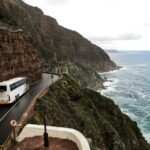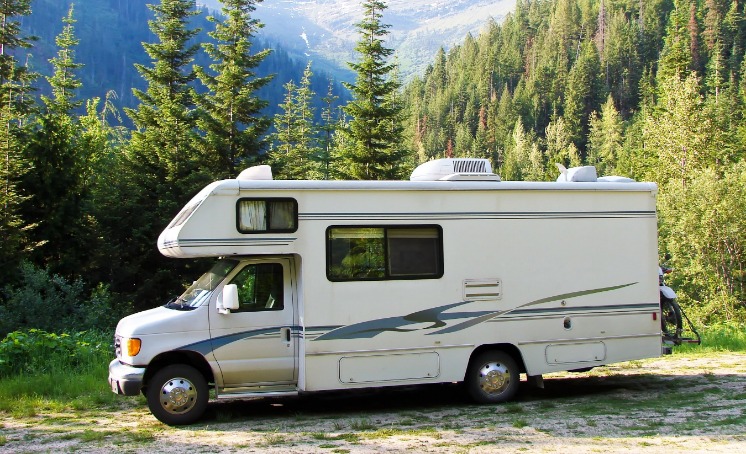

Overview of RV Buses in South Africa
South Africa’s RV bus scene blends rugged scenic routes with comfortable mobile living, making it a popular choice for road trips, safaris, and family adventures. From converted minibuses to purpose-built camper buses and luxury coaches, travelers can explore iconic destinations—from the Garden Route to Kruger National Park—while enjoying flexible lodging, on-board kitchens, and outdoor-friendly layouts. A growing network of caravan parks, service centers, and rental fleets supports the lifestyle, balancing adventure with practical travel needs.
Market Size and Demand
RV buses in South Africa refer to large buses or coach bodies converted into recreational vehicles, providing living quarters, kitchen facilities, and sleeping areas for long-distance travel and camping. The growing culture of caravanning and road-based holidays in South Africa has driven interest in RV buses as a flexible, self-contained travel option, particularly among retirees, adventure travelers, and families seeking to explore the country’s diverse landscapes.
Market size remains relatively small but is expanding. In South Africa, the leisure-vehicle segment includes motorhomes, campervans, caravans, and converted buses, with rough estimates suggesting a few hundred new RVs registered each year and a larger stock of used units on the market. The country serves as a regional hub due to good road networks, a favorable climate for year‑round camping, and a strong domestic tourism base. Imports of used motorhomes from Europe and North America supplement local production and conversions.
Demand is buoyed by domestic tourism demand, long road trips along scenic coastal routes, and a growing middle class looking for flexible travel options. The appeal of self-contained travel—especially where social distancing or remote work is valued—has increased interest in RV buses. Seasonal spikes occur during school holidays and major long weekend periods. The aging but affluent retiree segment represents a stable demand.
Supply consists of a small network of local conversion specialists, coachbuilders, and RV dealers, supplemented by imported or used buses converted abroad. Regional activity centers in the Western Cape and Gauteng show higher demand, with popular routes along the Garden Route, Kruger Park, and the Drakensberg. Service centers for maintenance and parts are concentrated in major cities, creating some parts availability challenges for remote areas.
Regulatory considerations include vehicle standards for motorhomes, licensing as a motor vehicle with living amenities, and import duties on components. Total ownership costs can be significant, factoring in purchase price, insurance, maintenance, fuel, and the need for specialized service providers.
Opportunities exist in solar and off-grid systems, lightweight, durable construction, and partnerships with RV parks and camping sites to develop dedicated RV camps. The growing interest among digital nomads and extended-travel planners could expand demand beyond retirees to younger families and professionals with flexible work arrangements. Government and industry bodies promoting domestic tourism can support market growth through infrastructure development and promotional campaigns.
Overall, RV buses in South Africa occupy a niche but evolving segment within the leisure-vehicle market. With continued tourism growth, improved service networks, and more affordable conversions, demand is expected to rise modestly over the next five to ten years.
Common Configurations and Use Cases
South Africa’s RV bus scene blends rugged bus-conversion culture with a love of wide-open spaces, creating a popular option for long-distance travel, safaris, and remote camping. Many RV buses are conversions built on former long-distance coaches or heavy-duty bus chassis, designed to provide durable transport and comfortable living spaces across diverse terrain and road conditions found from the Highveld to the Karoo and coastal routes.
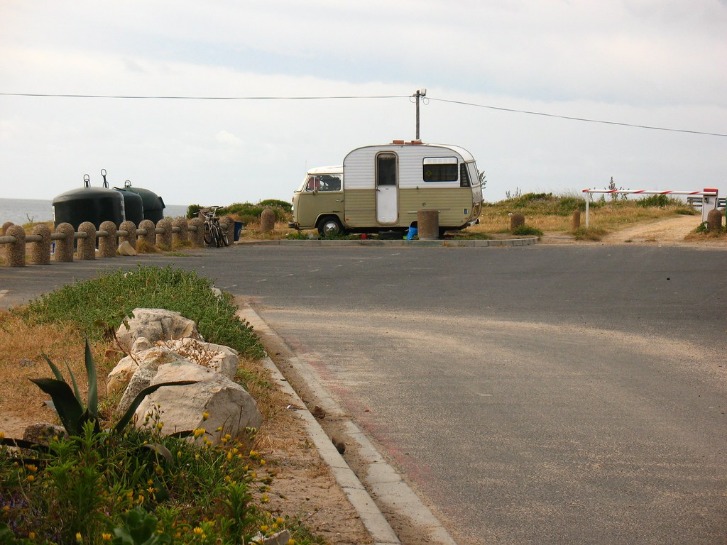
Base platforms typically come from established coach and bus chassis, with options ranging from full-size coach shells to large passenger-bus frames. Common configurations include 4×4 expedition buses for off-road work, and larger highway-style bus conversions built on 6×2/6×4 layouts for stability and payload. The choice of drivetrain and suspension is often driven by the planned routes and the need for reliability in remote areas.
Inside, layouts tend to emphasize living space and practical utilities. A typical coach-built RV bus will include a combined living and dining area, a kitchen, a bathroom with a shower, and a bedroom or bunks. Larger, luxury or expedition models may feature a separate master bedroom, multiple seating zones, and extensive storage. Outdoor living is common, with awnings, external kitchens, and external shower setups for safari-style use.
Power and water systems are a key focus. Solar panels with lithium battery storage, inverters, diesel or generator backups, and multiple water tanks are common to enable multi-day independence. Heating and air conditioning are standard in most units, while some buses integrate satellite communication, Wi-Fi, and entertainment options for extended trips.
Common use cases include self-drive safaris and wildlife watching in national parks, coastal and inland overland trips along routes such as the Garden Route or high-desert passes, and corporate or tour operator fleets that shuttle guests between lodges and attractions. RV buses are also used for event transportation, film and photography expeditions, and even mobile clinics or education units in some programs.
Operational considerations cover licensing, maintenance, and service networks. In South Africa, owners work with specialized conversion shops and authorized service centers for buses and motorhomes, and insurance is tailored to heavy vehicle use and remote travel. Costs vary widely by build quality, chassis, and equipment, but RV buses are typically a significant investment that pays off through long-distance travel flexibility and the ability to stay on-site for extended periods.
Overall, RV buses in South Africa offer a versatile platform for exploring the country’s diverse landscapes, combining robust transport with self-contained living spaces that support extended trips, safaris, and off-grid adventures.
Types of RV Buses and Conversions
In South Africa, RV buses and conversions offer a versatile way to explore the country, turning donated or retired coach and bus chassis into comfortable mobile homes. Types range from Class A‑style motorhomes built on heavy‑duty bases to compact mini‑bus conversions and luxury coach‑inspired campers, often fitted with solar power, water systems, and air conditioning for remote trips. Builders across the country tailor layouts to suit overland adventures, coastal tours, or festival routes, while local licensing and safety standards shape how these conversions are designed and registered.
Camper Van Conversions
South Africa offers a thriving scene for RV travel, with a range of bus conversions and camper van builds that suit everything from coast-hopping retreats to off-road safaris. Whether you’re touring the Garden Route, the Karoo, or Kruger, the choice of RV buses and conversions in South Africa reflects a mix of practicality, comfort, and adventure.
- Ex-bus motorhome conversions: Retired passenger buses are rebuilt into spacious motorhomes with multiple sleeping areas, full kitchens, and often a separate bathroom. They’re ideal for families or groups and can offer generous living space, but they tend to be heavy and require careful planning for fuel and parking in towns.
- Camper vans on van chassis (Hiace, Sprinter, Transit, VW): Compact to mid-size units based on popular van platforms. Typical layouts include a fold-out bed, kitchenette, compact toilet or shower, and solar power. Pros: easier to drive and cheaper to run; Cons: less living space.
- 4×4 and off-road bus conversions: Built for remote travel with raised suspension, rugged tires, and 4×4 drive. Features may include rooftop tents, external kitchens, water storage, and independent power with large battery banks. Pros: remote access; Cons: higher cost and maintenance, heavier on fuel.
- Luxury coach conversions: Long-wheelbase buses transformed into high-end homes on wheels with dedicated bedrooms, lounges, premium kitchens, and full bathrooms. Pros: luxury comfort and amenities; Cons: price tag and handling in tight urban streets.
- Family-friendly multi-berth builds: Buses or coaches converted to 3–6 berth layouts for families or travel squads, often with bunk beds or convertible seating, large fridges, and ample storage. Pros: social living space; Cons: can be bulkier to drive in town and require planning for toilet/shower needs in campsites.
When exploring RV bus options in South Africa, consider road conditions, camping infrastructure, and service networks to choose a setup that matches your travel style.
Full-Size RV Buses
RV bus South Africa options encompass a range of full-size coach conversions and custom builds that turn retired intercity buses into mobile homes, giving travelers and crews ample space for living, working, or safari-style trips across the country.
Full-size RV buses are typically built on long, heavy-duty chassis from brands such as Mercedes-Benz, Volvo, Scania, and Iveco. They offer generous interior volume for bedrooms, living areas, kitchens, and bathrooms, but weigh significantly more and consume more fuel than van-based conversions, which means weight, weight distribution, and licensing considerations matter from day one.
Conversion styles vary. You can have coach-built new chassis conversions designed specifically as RVs, or older buses gutted and rebuilt into bespoke homes. Some enthusiasts opt for DIY conversions on a used bus, while others work with professional RV builders who handle structural work, insulation, and compliance to SA road rules.
Common layouts for full-size RV buses include a rear bedroom or sleeping suite with a central living area and galley, sometimes with a second, sofa-based or bunk sleeping zone. Many builds add a raised roof or a bubble skylight for headroom, and some include slide-outs to expand the living space when parked. Insulation, climate control, and efficient cooking and sanitation systems are essential in South Africa’s varied climates.
In South Africa, practical considerations include access to trained service centers for coaches, availability of parts, and the ability to perform long-distance repairs. Road conditions, long overland routes, and remote campsites drive the choice of drum brakes vs disc upgrades, battery capacity, and fuel range. Regulatory aspects cover licensing, vehicle inspection, and safety requirements for heavy vehicles repurposed as RVs.
Power and utilities are a major focus in SA RV bus builds. Many projects install solar arrays with lithium battery banks to run refrigerators, lights, and water pumps off-grid, plus diesel or diesel-fired heating, water tanks, grey and black water management, and efficient appliances to minimize running costs on long trips.
Practical guidance for South Africa includes starting with a clear spec and budget, seeking a reputable local builder or converter with SA experience, and considering buying a used coach from auctions or fleets if you are prepared for refurbishment. Plan weight, axle load, and centre of gravity, arrange proper insurance and roadworthiness certification, and ensure access to spare parts and technicians near your travel routes.
Overall, full-size RV buses offer substantial space and a comfortable lifestyle for safari adventures and long-haul trips in South Africa, with a developing ecosystem of builders, suppliers, and resources to support safe, reliable and stylish RV bus South Africa experiences.
Owner-Built and Custom Conversions
South Africa’s RV bus scene blends rugged travel with home-on-wheels, spanning overland safaris, family road trips, and long-distance touring. This article explores the main types of RV buses and conversions you’ll find in South Africa, and explains the differences between owner-built projects and custom builds by specialist shops.
- Types of RV Buses and Conversions
- Full-size coach conversions: Built from retired intercity or tour coaches, these offer generous interior space for full kitchens, lounges, bedrooms, and bathrooms. They typically feature solid chassis, strong ride qualities, and ample room for off-grid systems.
- Mid-size bus conversions: Smaller footprints than full-size coaches, offering easier road handling and lower operating costs while still providing practical living spaces and amenities.
- School bus conversions: Reimagined interiors with wide aisles and modular layouts, often used for safari buses, mobile offices, or large family layouts.
- Shuttle and commuter van conversions: Compact, fuel-efficient options that fit tighter road networks and parking, suitable for weekend trips or short overland routes.
- Overland and expedition buses: Designed for remote travel with rugged suspensions, extra fuel and water capacity, and off-road capability for African landscapes.
- Luxury and comfort-focused builds: Premium finishes, high-end appliances, advanced climate control, and bespoke interiors for long-haul comfort.
- Mobile offices and multi-use hybrids: Kept flexible for work, meetings, or living spaces, often with modular furniture and strong data/power setups.
- Owner-Built Conversions
- Pros: Lower upfront cost, complete design control, the satisfaction of a hands-on project, and the ability to tailor every detail to personal needs.
- Cons: Longer build time, potential gaps in safety and weight planning, varying levels of electrical and plumbing expertise, and prospective challenges with roadworthiness certifications.
- What’s common in South Africa: Retired buses or shuttles are repurposed by individuals or small teams, with interior fit-outs ranging from basic to comfortable, often prioritizing practical layouts and off-grid systems.
- Key elements to plan: Layout and weight distribution, insulation and climate control, electrical system (solar, battery capacity, charging), water and waste handling, cooking and sanitation, and secure storage.
- Practical tips: Start with a solid shell, map electrical and plumbing plans before cutting, work with licensed trades for safety-critical systems, and check local regulations for conversions and vehicle fitness.
- Custom Conversions by Specialists
- Pros: Engineered designs, optimized space planning, professional-grade electrical and plumbing, warranties, and ongoing service options.
- What you get: A cohesive interior from concept to finish, weight and thermal performance modeling, high-quality materials, and adherence to safety standards.
- Process overview: Initial consultation and space planning, 3D layouts and engineering, shell preparation, outfitting (kitchen, bathroom, sleeping area), power and HVAC systems, testing, and handover.
- Considerations: Lead times and budgets can be significant, but design freedom is high; choose builders with strong portfolios and reference projects in South Africa.
- Regulatory and support: Reputable builders provide guidance on certification and compliance, aftercare, and possible upgrades as needs change.
Where to Buy, Rent, and Lease
Planning a road adventure across South Africa? This guide helps you find where to buy, rent, or lease an RV bus. In South Africa you can buy new and used RV buses from dealers and specialist marketplaces, rent from dedicated fleets for short or long trips, or pursue flexible lease options that include maintenance and insurance. From compact campervans to full‑size coach conversions, you’ll compare pricing, terms, and support to fit your itinerary and budget.
New Dealers and Used Market
South Africa’s RV bus market blends rugged travel capability with home-on-wheels comfort, making it attractive for explorers from the Karoo to the coast. Whether you want to buy, rent, or lease, a growing network of new dealers and a vibrant used market makes it possible to find options that fit different budgets and trip plans.
Where to buy new: Start with national dealer networks and regional showrooms in major cities like Johannesburg, Cape Town, and Durban. Many brands operate official South African importers that offer new RV buses, coachbuilt conversions, warranties, and after-sales service. Check manufacturer websites or contact local roving sales teams to locate the nearest authorized dealer and arrange a visit or test drive.
What new dealers typically offer includes financing plans, insurance packages, and maintenance programs designed for motorhomes and converted buses. Buying new can also simplify warranty coverage and parts availability, with local service centers that understand the specific chassis and electrical systems used in SA conversions.
Used market: The used market for RV buses in South Africa is active through online classifieds, caravan dealers, and specialty workshops. Platforms such as Gumtree, OLX, and local marketplace groups list pre-owned conversions, refurbished chassis, and travel-ready rigs. When shopping used, request full service histories, verify mileage (or engine hours), and consider a professional inspection to assess seals, plumbing, and electrical systems.
Renting: For short trips, long weekends, or a test-run, many rental outfits in SA offer motorhomes and converted buses for days to weeks. Booking early is wise during peak holiday periods. Look for inclusions such as bedding, kitchen equipment, generators, and 24/7 roadside assistance, and clarify mileage limits, cleaning fees, and insurance coverage before committing.
Leasing: Long-term leases are available through select dealers and fleet providers, useful for temporary projects, extended holidays, or corporate use. Leasing can provide a predictable monthly cost, maintenance inclusions, and the option to swap layouts if needs change. Compare total cost of ownership with outright purchase and review warranty terms, service intervals, and any end-of-lease options.
Tips for buyers and renters: Always inspect the chassis and drivetrain for signs of wear, check for water leaks and damp, test electrical and gas systems, and confirm compliance with SA safety standards. For used vehicles, demand documentation of service records, prior accidents, and any major refurbishments. Verify spare parts availability and the proximity of service centers to your typical travel routes in SA.
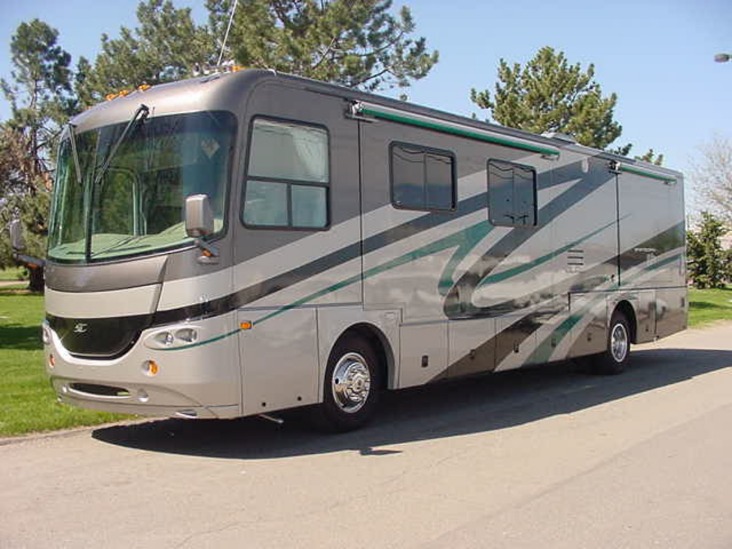
Getting started: Attend caravanning and outdoor shows, join local RV clubs, and connect with online communities to hear real-world experiences about different models and conversions. Using dealer inquiries, test drives, and seasonal promotions can help you compare layouts, comfort features, and overall value before making a decision.
Short-Term and Long-Term Rentals
Exploring South Africa by RV bus offers the freedom to travel from coastal towns to game reserves at your own pace. Whether you want to buy, rent, or lease, there are options for both short-term getaways and long-term adventures.
Where to buy: South Africa has a range of RV dealers and caravan outlets that stock motorhomes, campervans, and larger coaches. The new market includes units from international brands, while the used market is active on online platforms such as AutoTrader South Africa, Gumtree South Africa, and OLX South Africa. You can also find imported RVs through specialist importers. Always arrange a thorough inspection, request service history, and confirm roadworthiness and compliance before purchasing a vehicle.
Renting for short-term or long-term trips is common in major cities and along popular routes. Self-drive RV rental companies offer options from a few days to several weeks, with various layouts, solar setups, and generators. Long-term rental rates are sometimes discounted for monthly bookings, and many operators include insurance, mileage limits, and 24/7 on-road assistance in their packages. To compare options, search local RV rental fleets serving Cape Town, Johannesburg, Pretoria, Durban, and coastal routes like the Garden Route.
Leasing and lease-to-own options provide another pathway to use an RV without a full upfront purchase. Some dealers and specialist financiers offer long-term leases with a purchase option at the end of the term. Typical terms range from 12 to 48 months, with monthly payments that may include maintenance, warranties, and occasional upgrades. This can be a bridge between renting and owning, especially for travelers who want predictable costs.
Licensing, insurance, and safety considerations are important for any RV arrangement. Check the licensing requirements for driving larger vehicles, confirm that insurance covers rental or ownership scenarios, and understand roadside assistance arrangements. Consider gaps in maintenance, spare parts availability, and service network across longer travel routes, especially in remote areas.
Where to look for providers: start with well-established RV dealers, caravan parks, and travel clubs that list current stock or rental fleets. Explore nationwide and regional portals, and contact retailers and rental operators directly to discuss inclusions, deposit requirements, and insurance options. Asking about included equipment such as GPS, cooking gear, bedlinens, and spare parts can help you compare value across offers.
Tips for a smooth experience: book early in peak seasons, clarify mileage allowances and generator usage, and request a detailed checklist of included amenities. Plan routes with compatible campsites and service stops, verify that maintenance records are available, and confirm the level of on-road support provided. Whether you buy, rent, or lease, taking time to match the RV size and layout to your travel plans will enhance comfort and safety on your South African adventures.
Regulations, Licensing, and Safety
In South Africa, RVs and buses on public roads are governed by a framework of regulations, licensing, and safety standards designed to protect travellers. Vehicles must be registered and licensed, with a roadworthy check required to confirm safety before registration or transfer. Drivers need an appropriate licence for the vehicle category, and operators offering RV or bus services must comply with public-transport requirements where applicable. Ongoing safety relies on proper maintenance, appropriate loading and seating, seat belt use, adherence to speed limits, and compliance with road-safety campaigns.
Vehicle Registration and Licensing in South Africa
Regulations, Licensing, and Safety for RV buses in South Africa involve registration, licensing, driver qualifications, and safety standards to ensure road safety for travelers and operators.
-
Registration and vehicle classification: In South Africa, vehicles are registered with the National Traffic Information System (eNatis) under the Department of Transport. An RV bus may be treated as a light motor vehicle or a heavy motor vehicle depending on its gross vehicle mass (GVM) and seating. Light vehicles require standard license renewals, while heavy vehicles or those used for passenger transport trigger additional requirements such as a Certificate of Fitness (CoF) and, if operated for hire or reward, a Professional Driving Permit (PrDP) for the driver.
-
Vehicle safety and testing: Light vehicles typically require a roadworthy certificate (RWC) when transferring ownership or re-registering. Heavy motor vehicles and passenger buses require a Certificate of Fitness (CoF) issued by a licensed testing facility, confirming safety systems, brakes, steering, tires, and other critical components meet standards. Conversions and modifications to an RV bus may need re-certification to stay compliant.
-
Licensing and driver requirements: A valid driving licence appropriate to the vehicle class is required. For commercial passenger transport (hire or reward), a Professional Driving Permit (PrDP) is usually required in addition to the standard driver’s licence. Private RV buses may rely on the standard licence for the vehicle’s weight class, but operators should verify any local rules concerning passenger transport.
-
Registration and licensing process: To register or re-register an RV bus, owners should prepare documents such as the vehicle title or bill of sale, proof of address, prior roadworthy certificate if transferring ownership, and CoF documentation for heavy vehicles. Use the eNatis system to apply for new registration and license discs, pay fees, and manage annual licence renewals and inspections.
-
Safety standards for equipment and operation: RV buses used for travel should comply with seat belt requirements for all seating, appropriate seating capacity, safe loading of equipment, emergency exits where applicable, and clear signaling. Operators should implement regular maintenance, defect reporting, and carry adequate insurance. National and provincial authorities oversee safety standards for vehicle equipment and any conversions.
-
Operational considerations for RV bus owners: If you plan to operate tours or hire transport services, confirm whether a PrDP and any additional permits are required. Maintain thorough maintenance records, stay updated with eNatis validations, CoF requirements, and any provincial regulations. If cross-border travel is involved, check border and neighbouring-country rules for RV buses.
Insurance Requirements and Roadworthiness
South Africa’s rules for operating an RV bus combine road transport law with rules about safety, insurance and vehicle maintenance.
Regulations: Under the National Road Traffic Act and related regulations, any motor vehicle used on public roads, including an RV bus, must be registered, licensed and kept in a roadworthy condition. RV buses often sit in the heavy vehicle category and are subject to loading, braking, tire and safety equipment requirements. Before they can be used on public roads for passenger or private travel, they must comply with vehicle standards and pass periodic inspections at an accredited vehicle testing station or similar facility.
Licensing: The driver must hold a valid driving license appropriate to the size and use of the vehicle. If the RV bus is operated commercially or used to transport passengers, additional licensing or permit requirements may apply, such as professional driving permits or operator licensing depending on the service offered. All licenses and any authorizations should be checked with the licensing authorities in the province of operation.
Safety: Critical safety areas include seat belts for all seated passengers, clearly marked exits, functioning lights, and safe load securing. Gas installations for cooking or heating must be installed by certified professionals and inspected for leaks. Electrical systems inside the living space should meet wiring safety standards and be protected from water and moisture. Fire extinguishers, smoke and carbon monoxide detectors, and a first aid kit are strongly recommended. Regular maintenance checks on brakes, tires, suspension, and steering help keep the RV bus roadworthy in all conditions.
Insurance requirements: While not always legally mandatory for a private vehicle in South Africa, taking out comprehensive or at least third party liability insurance is strongly advised. The Road Accident Fund provides compensation for bodily injuries in road crashes but does not cover all property damages or losses. For commercial operations or passenger transport, insurers commonly require or offer products covering public liability, passenger liability, and vehicle damage, theft, and portable equipment. It is important to confirm policy terms with an insurer and keep proof of cover and compliance documents in the vehicle.
Roadworthiness: A roadworthy certificate demonstrates the vehicle is safe to operate on public roads and is typically required when registering, renewing registration, or transferring ownership. In practice, you will need to have the RV bus assessed by an approved testing facility, and keep the roadworthy certificate up to date. Maintained documentation, including maintenance logs and service records, supports roadworthiness and can help with insurance claims and inspections.
Safety Standards and Compliance
In South Africa, operating an RV bus requires compliance with road traffic laws, vehicle safety standards, and post-conversion certification. This article outlines the key areas: regulations, licensing, safety standards, and compliance for RV buses.
Regulatory framework includes the National Road Traffic Act and associated regulations, overseen by the Department of Transport and the Road Traffic Management Corporation. Registration, licensing, and roadworthiness are the core elements that keep vehicles legally on the road.
Vehicle classification and licensing: An RV bus is a motor vehicle whose registration and licensing depend on its weight and passenger capacity; if used commercially or to carry passengers for hire, operator licensing is required; even for private use, a valid registration and a current driver�s license appropriate to the vehicle category are essential.
Roadworthy and inspections: Before licensing or upon sale, a roadworthy inspection by an approved inspection authority is required. A current roadworthy certificate should accompany the vehicle for licensing, and all critical systems such as brakes, tires, lights, steering, and suspension must be in good condition.
Safety standards and compliance: Vehicle components and conversion fittings must comply with South African safety standards, and key systems such as gas, electrical, and fire safety must meet applicable requirements. The National Regulator for Compulsory Specifications, along with SABS standards, guides product safety and installation practices. Keep installation manuals and certificates from builders or fitters for verification.
Gas and electrical safety: Gas installations in caravans or motorhomes must be performed by approved practitioners and tested to safe standards; install gas and carbon monoxide detectors, ensure proper ventilation, and have electrical work carried out by qualified electricians in line with relevant standards and regulations.
Modifications and re-certification: Structural alterations to a bus to create living space can affect weight distribution and overall safety, and may require re-certification, updated roadworthy status, and possible changes to registration or licensing. Retain full documentation of all modifications and compliance checks.
Safety equipment and operating practices: Equip RV buses with essential safety gear such as fire extinguishers, smoke and carbon monoxide detectors, seat belts for all occupants, a first aid kit, and clearly marked emergency exits. Regular checks on safety devices and clear operating procedures contribute to ongoing compliance.
Insurance and ongoing compliance: Inform your insurer about the vehicle’s modifications and intended use; insurers may require proof of roadworthy, safety installations, and compliance with applicable standards as a condition of coverage. Keep a current file of compliance certificates, inspection reports, and supplier certifications.
Practical steps for compliance include verifying licensing requirements with the DoT/RTMC, scheduling an inspection with an Approved Inspection Authority, confirming weight and licensing categories, planning for gas and electrical safety installations, keeping thorough documentation, using qualified installers, maintaining roadworthiness, and staying up to date with regulatory changes.
Route Planning, Destinations, and Experiences
Route planning for an RV bus in South Africa blends practical travel logistics with the thrill of discovery, guiding you toward enticing destinations and enriching experiences. From Cape Town’s coastline and the Garden Route to Kruger’s wildlife safaris and the Drakensberg’s alpine scenery, plan around parks, towns, and campsites that match your pace. Each leg promises new landscapes, cultural encounters, and the freedom of the open road.
Popular Itineraries Across Provinces
South Africa offers epic RV bus adventures, where route planning, destinations, and experiences come together across diverse landscapes from ocean coastlines to arid deserts and lush highlands.
Route planning basics include choosing major corridors like the N2, N3, and N1 and weaving in scenic routes along the coast or through the Karoo. Consider daily drives of 2 to 4 hours to leave plenty of time for stops, photos, and campsite setup. Check road conditions, tolls, vehicle height limits, and fuel availability, and book caravan parks or campgrounds in advance during peak seasons.
Destinations in the Western Cape and along the Garden Route showcase Cape Town and the Cape Peninsula, the winelands around Stellenbosch and Franschhoek, Hermanus for seasonal whale watching, and the string of picturesque towns that make up the Garden Route—Knysna, Plettenberg Bay, and Nature’s Valley. Oudtshoorn in the Klein Karoo offers the Cango Caves and ostrich farms, while fit travelers can detour toward the scenic add-ons of the Cederberg or Swellendam’s surrounding wildlife reserves.
In Mpumalanga and Limpopo, the Panorama Route delivers dramatic scenery with Blyde River Canyon, Bourke’s Luck Potholes, and God’s Window near Graskop and Sabie. From there, the Kruger National Park calls wildlife enthusiasts with numerous gates and private campsites; plan animal-spotting mornings and afternoons and use designated campgrounds or lodges with RV facilities for a comfortable stay.
Eastern Cape and KwaZulu-Natal blend coastal drives with inland escapes. Addo Elephant National Park near Port Elizabeth is a prime safari stop, while the Wild Coast offers rugged beaches and remote feel. Across KwaZulu-Natal, the Drakensberg highlands appeal to hikers and nature lovers, and the north coast around Durban features iSimangaliso Wetland Park and St Lucia for marine life and beach days, plus a gateway to the uKhahlamba-Drakensberg range for longer treks.
Northern Cape and the Karoo present wide-open spaces and starry skies. Namaqualand blooms in spring, followed by desert trails around Springbok and the Gariep (Orange) River. Augrabies Falls provides dramatic geology, while Kimberley’s Big Hole is a historic detour. This region rewards slow travel and clear night skies with memorable stargazing experiences from remote caravan parks.
Popular itineraries across provinces include the Garden Route and Klein Karoo: Cape Town to Port Elizabeth over 7–10 days, with time to explore Knysna’s forests, Plettenberg Bay’s beaches, and Oudtshoorn’s caves and ostrich farms. The Kruger and Panorama Route circuit runs from Johannesburg or Pretoria to the Kruger Park via the dramatic viewpoints of the Panorama Route, typically 7–12 days with a mix of bush safaris and scenic drives. A KwaZulu-Natal coastal and Drakensberg loop combines Durban, St Lucia, and iSimangaliso with highland treks in the Drakensberg for a 7–12 day itinerary. For a desert and starry-night experience, a Northern Cape Karoo route from Cape Town or Upington to Springbok or Kakamas over 7–10 days showcases wildflowers, arid landscapes, and rich night skies.
Experiences to seek on an RV bus trip include whale watching along the coast near Hermanus, wine tastings and cellar tours in Stellenbosch and Franschhoek, cave adventures at Cango Caves, wildlife safaris in Kruger or private reserves, hiking in the Drakensberg, and multisport days along the Garden Route’s beaches and forests. Throughout your journey, prioritize well-maintained campsites, safety in remote areas, consistent fuel planning, and contingency time for weather or road closures to ensure a smooth and unforgettable South African RV adventure.
National Parks, Coastal Drives, and Scenic Routes
South Africa is a superb playground for RV travelers, offering diverse landscapes, camping options, and iconic wildlife experiences on the road. Planning an RV bus itinerary means balancing long coastal drives with inland adventures, considering seasonal weather, road conditions, and campsite availability to keep every day comfortable and safe.
- Route Planning for an RV Bus in South Africa: Start with regional blocks (Western Cape, Garden Route, Eastern Cape, KwaZulu-Natal, Mpumalanga). Map daily distances, check road types, plan fuel, water, and waste disposal stops, and book campgrounds or caravan parks in advance during peak seasons. Account for vehicle size, tolls on major highways, and potential border crossings if extending to neighboring countries; keep a flexible day-by-day plan to adapt to weather or wildlife viewing.
- Destinations and Experiences: Cape Town and the Winelands, the Garden Route with Knysna and Plettenberg Bay, the Karoo’s wide skies, the Drakensberg for hikes, and Kruger National Park or private reserves for Big Five safaris. Enjoy coastal towns, local markets, wine tasting, and stargazing under clear night skies in Karoo campsites.
- National Parks: Kruger National Park as a flagship safari, Addo Elephant Park near Port Elizabeth, iSimangaliso Wetland Park in KwaZulu-Natal for wildlife and wetlands, Table Mountain National Park for city-accessible icon scenery, and Karoo National Park for desert landscapes. Include tips on gates, self-drive routes, and campgrounds inside or near parks, plus seasonal wildlife viewing opportunities.
- Coastal Drives: The Garden Route along the southern coast offers coastal towns, forests, and lagoons; the Cape Peninsula drive to Cape Point showcases dramatic cliffs; the Wild Coast in the Eastern Cape offers rugged beaches and traditional Xhosa culture; add the Cape Agulhas lighthouse at the southern tip and the Sunshine Coast segments near Port Elizabeth for family-friendly sites.
- Scenic Routes: The Panorama Route in Mpumalanga features Blyde River Canyon and waterfalls; Route 62 connects Montagu to Oudtshoorn through the Klein Karoo with dramatic landscapes and wine stops; Drakensberg scenic drives traverse the uKhahlamba-Drakensberg Park with alpine scenery; combine these with stargazing sites and farm stays for a memorable RV journey.
Maintenance, Service, and Support
Maintenance, service, and support for RVs and buses in South Africa are essential for safe, dependable travel across diverse terrains and climates. Regular engine and mechanical checks, electrical and water system maintenance, and reliable on‑road assistance help keep trips on track while ensuring compliance with local regulations and a nationwide parts and service network.
Authorized Service Centers and Warranty
Spare Parts Availability and Supply Chains
Maintaining an RV bus in South Africa requires a practical approach to maintenance, service, and support that suits long journeys, varied terrain, and diverse climates. From the Highveld to coastal routes and savannah roads, owners depend on reliable diagnostics, routine servicing, and a network of trusted technicians to keep a converted bus on the move.
Routine maintenance for an RV bus typically covers the engine and drivetrain, electrical systems, plumbing, water tanks, waste systems, and the on-board generator or inverter. In South Africa, dust, heat, and humidity can accelerate wear on air filters, belts, cooling systems, and battery banks, so proactive checks every 5,000 to 10,000 kilometers or per manufacturer intervals are prudent. Regular servicing by qualified technicians helps maintain fuel efficiency, safety, and equipment such as refrigeration and solar power.
South Africa offers a growing network of RV dealers, conversion specialists, and mobile service providers in major cities, with more coverage along popular travel corridors. Authorized service centers for common chassis platforms (for example, Mercedes‑Benz Sprinter, Ford Transit, and Iveco Daily conversions) provide warranty support and access to OEM parts. For remote trips, many operators rely on regional mobile mechanics and service fleets that can respond to breakdowns at campgrounds or along public roads.
Spare parts availability for RV buses can vary because the fleet mixes different chassis, appliances, and bespoke interiors. Local stock is strongest in large metropolitan areas, but some components may require import from Europe or the United States, which can extend lead times. Owners should build relationships with reliable parts suppliers, maintain a stock of essential consumables (filters, belts, hoses, bulbs, fuses), and consider keeping backups for critical systems such as brakes, alternators, compressors, pumps, and water heaters.
Supply chains in South Africa are influenced by port delays, currency fluctuations, and cross‑border logistics. Importing major components or brand‑specific parts can involve several weeks of lead time, so planning well in advance is essential. Establishing agreements with regional suppliers and workshop networks across Southern Africa, plus using telematics and remote diagnostics to anticipate service needs, can reduce downtime and keep trips on schedule.
With a solid maintenance schedule, reliable local support, and a well‑managed spare‑parts strategy, RV bus owners in South Africa can undertake long journeys and off‑grid adventures with greater confidence, knowing help is accessible when needed.
Technology, Comfort, and Utilities
In South Africa, RV bus travel blends technology, comfort, and utilities to turn long road journeys into mobile experiences. Modern units pack smart tech—solar panels, lithium batteries, inverter systems, GPS navigation, and satellite connectivity—so you can explore from Cape Town’s coast to Kruger National Park with minimal fuel stops. Inside, ergonomic seating, climate control, convertible sleeping areas, and infotainment keep travel relaxed, while practical utilities such as water tanks, waste management, generators or shore power, and efficient heating and cooling ensure self-sufficiency in remote campsites.
Power Systems, Water, and Gas
South Africa’s RV bus culture blends rugged road readiness with modern technology, enabling comfortable living on the move. In SA, an RV bus is built to handle varied terrains—from coastal routes along the Garden Route to arid stretches across the Karoo—while delivering reliable technology, comfort, and utilities.
Technology in SA RV buses covers navigation, communication, and energy management. Many units feature advanced telematics, dash cameras, GPS navigation, satellite or cellular internet, and integrated multimedia. On the roof, solar panels feed a battery bank managed by an MPPT controller and a smart inverter, keeping essential systems online even when off-grid.
Comfort focuses on climate control, sleeping arrangements, and practical living space. Insulation and double-glazed windows reduce heat in summer and cold in winter. Beds fold away for lounge space, the galley includes a compact fridge, induction hob or gas stove, and a sink with hot water. Entertainment systems, seating layouts, and privacy curtains enhance long-distance trips.
Utilities cover water and waste management. Freshwater tanks supply taps and showers, with pumps delivering steady pressure. Grey water and black water tanks separate used water, with external hose connections for fills and drainage at approved dump stations. Water-saving fittings, such as low-flow taps, efficient pumps, and water filters, help in arid regions.
Power systems in SA RV buses typically combine solar, batteries, and the ability to run on mains if available. A roof solar array charges a deep-cycle or lithium battery bank, with an inverter supplying 230 V AC to kitchen appliances and comfort features. A secondary diesel or petrol generator can provide rapid recharge, while alternator charging keeps the batteries topped up when the engine runs.
Gas systems usually rely on LPG for cooking and sometimes heating. A dedicated gas cylinder storage locker is vented to the exterior, with gas detectors inside the living area and automatic shut-off valves. Appliances include a propane stove and a gas-powered water heater. Safe practices include proper ventilation, leak checks, and compliance with local regulations for gas installations.
In South Africa, service networks for parts, fuel, and campsites are widely available, especially around major towns and popular tourist routes. When planning routes, users look for powered campsites with draining stations, and some parks offer on-site gas refills or exchange. Climate considerations—heat in summer, cold nights in highveld—shape insulation, cooling options, and battery sizing.
By combining technology, comfort, and robust utilities, an RV bus in South Africa enables extended exploration with modern convenience, reliable power, clean water, and safe gas usage across diverse landscapes.
Connectivity, Entertainment, and Security
South Africa’s RV bus market blends rugged travel with modern technology, delivering flexible overland adventures across deserts, coastlines, and national parks. This article explores Technology, Comfort and Utilities, Connectivity, Entertainment, and Security as they apply to RV buses in South Africa.
-
Technology in South Africa’s RV buses focuses on robust power, efficient energy management, and reliable navigation. Many vehicles feature solar panels, lithium or AGM battery banks, inverters, and energy monitoring systems to extend off-grid capabilities across remote routes such as the Karoo or coastal corridors.
Smart dashboards can integrate climate control, fuel management, and fault diagnostics through telematics, helping operators keep maintenance costs predictable on long-distance trips.
-
Comfort and utilities in SA RV buses emphasize living space, insulation, and practical amenities. Expect efficient climate control, comfortable sleeping areas, modular seating, compact kitchens with propane or induction cooking, water tanks, and waste management that suits long-range travel in arid or coastal regions.
Notable is the emphasis on low-draft interiors, noise reduction, and ergonomic access to bathrooms and storage for family or tour groups.
-
Connectivity in South Africa’s RV buses includes satellite or cellular internet options, Wi‑Fi hotspots, and robust GPS navigation with offline maps for remote parks like Kruger or Baviaanskloof. Many vehicles integrate SIM-based telematics for remote monitoring of location, energy usage, and security alerts.
-
Entertainment systems in SA RV buses blend compact home theatres with durable outdoor setups. Screens can be mounted inside living spaces, while external audio setups and outdoor lounge areas let travelers enjoy movies, music, and streaming when parked in campsites with power access.
-
Security considerations in South Africa are a priority for RV operators and owners. Features may include reinforced exteriors, secure door locks, alarm systems, GPS tracking, immobilizers, and remote monitoring. Proper insurance and a routine of secure campsite selection also contribute to overall safety on long journeys.
Costs, Budgeting, and Total Cost of Ownership
Costs, budgeting, and total cost of ownership (TCO) for an RV bus in South Africa involve more than the purchase price. Ongoing expenses include fuel, maintenance and repairs, insurance, licensing and roadworthy tests, depreciation, storage, and unexpected costs. A practical budgeting approach weighs financing options, fuel efficiency, maintenance schedules, and potential resale value to estimate the long-term cost of ownership, helping travelers plan affordable trips across South Africa’s diverse landscapes.
Purchase vs Rental Costs
Costs, budgeting, and total cost of ownership for an rv bus in South Africa involve more than just the sticker price. Whether you buy a converted bus or hire one for a trip, understanding all the cost components helps you plan a realistic budget and avoid surprises on the road.
Total cost of ownership (TCO) includes upfront purchase price plus ongoing expenses such as financing, depreciation, insurance, maintenance, fuel, licensing, road taxes, tyres, and storage or camping fees. In practice, TCO is the sum of capital expenditure and operating costs over the period you intend to use the vehicle. When you compare options, it helps to model annual costs and how they change with usage, age of the vehicle, and currency fluctuations that affect parts and fuel in South Africa.
Upfront costs in South Africa vary widely. A used rv bus conversion can start from roughly several hundred thousand rand and go well into the millions, depending on the base vehicle, conversion quality, and included amenities. New builds or premium conversions push higher still. VAT, licensing, and possible import duties apply to new purchases, while second-hand purchases may have different tax treatment and broader warranty considerations. Importantly, the availability of service and parts in SA can influence your decision, especially if you purchase an older or unique model that requires specialised maintenance.
Ongoing costs you should budget for include insurance (often a few thousand rand per year for basic coverage and more for comprehensive protection), routine maintenance and unexpected repairs, fuel (diesel consumption for a large rv bus is higher than a regular car, so plan for substantial fuel costs if you do long trips), tyres and brake replacement, annual licensing and road taxes, and storage or campsite fees when the vehicle is not in use. Maintenance and parts can rise as the vehicle ages, so it’s wise to set aside a maintenance reserve and get a trusted, SA-based service plan or mechanic network for predictable pricing.
When budgeting, start with a clear usage plan. Create three buckets: upfront investment (purchase price and any financing costs), yearly operating costs (insurance, maintenance, fuel, licensing), and contingency (unexpected repairs, seasonal storage, and camping fees). Build a simple forecast for 3–5 years that reflects your intended travel style, distance, and the regions you’ll visit. This helps you compare scenarios such as owning versus renting and whether to finance a purchase or buy outright.
Purchase versus rental costs depend heavily on how often you will use the rv bus and how much you value ownership benefits like customization, flexibility, and potential resale. Renting can be attractive if your travel is seasonal, uncertain, or short-term. In SA, daily rental rates for a well-equipped rv bus can vary widely by season, location, and duration, but the cost can quickly add up for long trips. Owning a bus offers the potential to spread fixed costs across many trips and to tailor the layout to your needs, yet it comes with depreciation, maintenance, and storage commitments.
As a rough rule of thumb, if you plan to travel extensively and use the vehicle for many weeks or months each year, owning may become cheaper over time, especially if you can secure a favorable purchase price and a reliable service network. If your trips are infrequent or you’re trying out the lifestyle, renting can minimize risk and provide flexibility without long-term commitment. A practical approach is to estimate annual ownership costs (including depreciation, interest, insurance, maintenance, and fuel) and compare that to estimated rental expenses for the same amount of travel. That break-even point will help you decide whether to buy, rent, or perhaps consider a blended approach such as occasional rental plus a smaller, simpler vehicle for weekends and short getaways.
In South Africa, local factors such as fuel prices, maintenance availability, and camping fees should be included in your planning. Factor in the cost of servicing at SA-based workshops, potential tyre wear from mixed road conditions, and the impact of travel patterns on fuel consumption. By building a thoughtful budget that accounts for upfront costs, year-to-year operating expenses, and anticipated usage, you can choose the rv bus path—purchase or rental—that best fits your South African adventures.
Fuel, Maintenance, and Depreciation
South Africa’s road network, scenic routes and expansive campsites have helped a growing number of travellers adopt RV bus living. A converted bus offers living space, off-grid capability, and long-range travel across provinces. But costs go beyond the upfront price. Understanding Costs, Budgeting, and Total Cost of Ownership (TCO) is essential for anyone considering an RV bus in South Africa.
What is TCO? Total Cost of Ownership is a holistic view that combines the purchase price with ongoing costs over the asset’s life: fuel, maintenance, insurance, licensing, depreciation, and ancillary expenses such as storage and campsites. In South Africa, currency, taxes, service availability, and distance between major cities influence each component, so a local TCO model helps avoid surprises during long trips or retirement years on the road.
The initial outlay for an RV bus varies widely. A pre-owned or modestly converted bus in South Africa might start around R600 000 to R1,2 million, while a high-spec, purpose-built motorhome conversion on a large chassis can exceed R2,5 million. Costs depend on the donor chassis (for example, Mercedes-Benz Sprinter, Iveco Daily, Ford Transit or Isuzu), the level of conversion (galley, bathroom, insulation), solar array and water systems, and any on-road upgrades required to meet local regulations. Import duties, VAT and compliance checks can add to the sticker price, so factor these into the initial budget and seek transparent quotations from reputable converters.
Financing options, insurance, and registration shape the true cost of ownership. If you finance, interest payments extend the total cost beyond the purchase price. Insurance costs depend on the insured value, driving profile, and cover level, and are typically a few percent of the vehicle value per year. In South Africa you also pay annual vehicle licensing and periodic roadworthiness testing, so include those recurring fees in your plan.
Fuel is a major ongoing expense for an RV bus, which tends to be heavier and less aerodynamic than standard vehicles. Diesel is common for motorhomes. Real-world fuel consumption for a large RV bus can range from roughly 12 to 20 litres per 100 kilometres, depending on weight, cruising speed, terrain and whether auxiliary systems (generator, heating) are used. At current diesel prices in South Africa (roughly mid-2024 to mid-2025) of about R26 to R30 per litre, a 15 L/100 km figure translates to around R390 per 100 km, with higher consumption on long hill climbs. Plan for seasonal variation and fuel-price volatility when budgeting for trips across provinces or into neighboring countries.
Maintenance for an RV bus includes regular servicing, wheel alignment, tyre replacement, brake components, and water- and waste-system upkeep. Scheduled services on a converted bus typically occur every 10 000 to 20 000 kilometres or yearly, whichever comes first, with major services every 30 000 to 60 000 kilometres. Annual maintenance costs commonly range from around R25 000 to R60 000 or more for well-equipped units, depending on age, configuration, and the cost of parts. Tires for a heavy vehicle can be a notable ongoing expense; expect to budget for tires every 40 000 to 80 000 kilometres depending on usage and road conditions.
Depreciation is the gradual loss in value over time. In South Africa, a new RV bus can lose roughly 15% to 25% of its value in the first year, with depreciation continuing in the 10% to 20% range in subsequent years for well-maintained units. After five years, a typical RV bus might retain 40% to 60% of its original purchase price, though used-market demand, brand, condition, and service history can shift that range. Imported components, currency fluctuations and local maintenance costs also influence resale value in the SA market.
Other recurring costs include registration and licensing, the Roadworthy Certificate (RWC) where applicable, and insurance. Some owners also incur storage or campsite fees when parked for extended periods, solar system maintenance, and generator fuel if off-grid living is common. If you operate as a business (for example, as a tour operator or rental fleet), VAT treatment and tax deductions may apply, so consult a local accountant for guidance on deductions and allowances in South Africa.
To budget effectively, build a TCO model that spans a typical ownership horizon, such as five years. List all expected costs: purchase or financing, insurance, licensing, roadworthiness, fuel, maintenance, tyres, and contingency funds for repairs. Use scenario planning to compare minimal-use vs. full-time cruising costs, and set aside a reserve (often 5–10% of annual costs) for unexpected repairs. Regularly review actual expenses against the budget and adjust the plan for fuel price shifts or changes in use patterns.
Regional realities in South Africa matter. Distances between major service centres mean longer travel times for repairs; choosing a common chassis and ensuring readily available parts can reduce downtime. Fuel price volatility, road conditions, and the availability of RV parks or camping sites influence both cost and planning. If you travel to neighbouring countries, factor border fees, currency exchange, and vehicle documentation into your TCO and budgeting process.
In the end, the decision to buy an RV bus in South Africa should balance lifestyle goals with a disciplined budget. A clear TCO analysis helps you compare options, avoid over-limiting your trips or over-extending finances, and decide how much comfort, off-grid capability, and range you want from your RV bus journey across South Africa and beyond.
With careful budgeting, informed purchasing, and prudent maintenance planning, owning an RV bus in South Africa can deliver years of flexible travel and self-reliant exploration across diverse landscapes—without compromising financial peace of mind.
Environmental Considerations and Sustainability
South Africa’s RV bus travel blends adventure with responsibility, highlighting environmental considerations and sustainability at every mile. Prioritizing fuel efficiency, regular maintenance, sensible idling, and smart route planning lowers emissions across coastal routes, the Karoo, and protected areas. Solar charging, responsible waste management, water conservation, and low-impact camping reduce footprints while supporting wildlife and local communities. By choosing eco-certified campgrounds and following park rules, RV travelers can explore South Africa while preserving its ecosystems for future generations.
Emissions, Efficiency, and Eco-Friendliness
Environmental considerations are central when choosing an rv bus in South Africa, where exposure to diverse climates, long open roads, and communities along routes calls for responsible travel and vehicle design. The balance between adventure and stewardship means weighing emissions, fuel efficiency, and eco-friendly features as part of every purchase and trip plan.
Emissions and standards matter for both air quality and public health. South Africa follows international trends toward cleaner heavy-duty vehicles, with emphasis on reducing nitrogen oxides and particulate matter. Modern rv buses often use diesel engines equipped with selective catalytic reduction, exhaust gas recirculation, and diesel particulate filters to meet stringent limits. For buyers, prioritizing Euro 5/6-compliant models or newer, with certified emissions controls, can meaningfully cut NOx and soot on long drives through the Karoo, coastal highways, or urban corridors.
Efficiency is a practical pillar of sustainability. Heavier vehicles like rv buses inherently consume more fuel, so optimizing aerodynamics, weight distribution, and engine efficiency pays off in both cost and footprint. Consider vehicles with lighter materials where possible, efficient transmission, proper tire selection and inflation, and adaptive cruise control. Route planning, stable speeds, and minimizing idling in town areas further reduce fuel usage and maintenance demands on South African roads.
Eco-friendliness in an rv bus also comes from design choices that support low environmental impact during operation and stay. Onboard systems can feature energy‑saving LED lighting, high‑efficiency appliances, and insulated living spaces to cut energy draw. Solar panels and battery storage are increasingly common, providing power for water pumps, refrigeration, lighting, and entertainment without running the engine or generator constantly. An emphasis on durable, repairable components helps extend the vehicle’s life and reduces waste.
Alternative fuels and electrification are gradually expanding within South Africa’s public and commercial transport sectors, and some rv enthusiasts are exploring plug‑in hybrids or fully electric setups where charging infrastructure supports longer trips. While widespread long‑distance electric rv buses are not yet mainstream, hybrid options or solar-powered auxiliary systems can dramatically lower fuel burn for off-grid camping and daytime use. When considering such configurations, assess charging opportunities at bases, parks, and service centers, as well as battery availability and disposal options.
Lifecycle sustainability goes beyond emissions: it includes manufacturing impact, maintenance, and end‑of‑life recycling. Choosing locally supported brands in South Africa helps reduce transport-related emissions of parts and adds resilience to service networks. Seek manufacturers that offer extended warranties on emissions systems, access to affordable filters and fluids, and clear battery recycling programs. Responsible end‑of‑life planning, including battery repurposing or recycling, minimizes waste and conserves resources for future travelers.
For South African buyers and operators, practical steps include comparing total cost of ownership with environmental benefits, verifying emissions certifications, and evaluating the availability of parts and service in the regions you plan to travel. Look for rv buses that provide energy‑efficient systems, solar charging options, and lightweight yet durable construction. Supporting sustainable travel also means mindful route planning to reduce unnecessary mileage and respecting local communities and ecosystems along routes from Cape Town to Johannesburg and beyond.
Solar Options and Off-Grid Capabilities
Environmental considerations and sustainability shape every stage of owning and traveling in an RV bus in South Africa. From materials selection and construction to energy use, water management, and waste disposal, a greener approach helps protect diverse ecosystems—from the Karoo deserts to coastal dunes—while extending your travel range across the country.
Solar options in South Africa benefit from abundant sunshine across most regions. A roof-mounted array using monocrystalline or polycrystalline panels paired with a high-efficiency MPPT charge controller can supply most daily needs. For a mid-sized bus, plan roughly 250 to 600 watts of solar capacity; larger rigs with big fridges or air conditioning may require 800 watts or more. Place panels to minimize shade from vents, antennas, or roof skylights, and consider flexible or rigid panels depending on roof shape and weight allowances.
Off-grid capabilities hinge on a robust energy storage and management system. Lithium‑based batteries such as LiFePO4 are common for safe, long-lasting use, with 200–600 amp-hours (at 12 volts) or equivalent energy storage. Pair the pack with a pure sine-wave inverter (1000–3000 watts for typical loads) and a reliable MPPT solar charger. With careful load management—efficient LEDs, a DC compressor fridge, water pump, and fans—a well-designed system can support 1–2 kWh of usable energy per day and rotate through several days between charges, depending on weather and draw.
Maximizing efficiency reduces environmental impact. Use energy‑efficient appliances, wind or solar-powered ventilation, good insulation, and heat management to lower cooling loads. Water stewardship matters too: install low‑flow fixtures, collect or reuse shower and dishwater where appropriate, and plan for greywater disposal in permitted sites. Consider composting or chemical-free waste options where allowed, and minimize disposable plastics by carrying reusable containers and refillable water jugs.
Environmental stewardship is especially important in South Africa’s diverse habitats. Respect protected areas, stay on established tracks, and practice Leave No Trace principles. When boondocking, choose sites with responsible waste removal options, dispose of greywater properly, and avoid disturbing wildlife. Solar independence can reduce fuel use and emissions, but it also shifts the responsibility to meticulous maintenance and responsible camping habits.
Practical tips for choosing and operating in SA include assessing climate zones you’ll visit, from sunny Karoo to misty coastal forests. Inspect panel durability for dust and heat, verify battery and inverter cooling, and design a layout that keeps batteries out of direct heat and vibration. Regularly check connections, fuse blocks, and corrosion protection for salt spray or dust exposure. Keep a spare fuse, a basic tool kit, and a battery management plan for safe, long-term operation.
If you occasionally find campsite power, you can top up your battery bank with a limited mains hookup; otherwise, plan for complete off‑grid operation. In South Africa, many remote campsites and national parks have limited or no grid access, making a strong solar and storage setup essential for reliable travel. A modular approach—start with a modest solar array and batteries, then expand as your needs grow—lets you increase independence without overloading the roof.
In summary, solar options and off‑grid capabilities align with environmental considerations and sustainability for an RV bus in South Africa. By sizing systems to your load, choosing durable, efficient equipment, and adhering to responsible camping practices, you can travel farther with a lighter footprint while enjoying the country’s remarkable landscapes.
Future Trends and Opportunities in SA RV Buses
South Africa’s RV bus sector is poised for growth as tourism and flexible travel patterns push demand for self-contained, comfortable mobility. Key trends include electrified and hybrid propulsion, solar-equipped interiors, modular layouts that convert between travel, living, and remote-work setups, and smarter, lighter chassis. Opportunities span local manufacture and conversion, component supply, service networks, financing models, and eco-tourism incentives, supported by improving infrastructure and cross-border corridors within Southern Africa. Together, these dynamics position SA RV buses to captivate new travelers and expand regional mobility.
Electric and Hybrid RV Buses
South Africa’s recreational vehicle (RV) bus sector sits at an inflection point where rugged, off-road capable coaches meet modern propulsion and smart energy management. In SA, RV buses serve overlanders, safari operations, and premium mobile hospitality for domestic tourists and international visitors. The combination of vast travel corridors, conservation-focused tourism, and a preference for self-contained travel creates demand for reliable, comfortable, and adaptable vehicles. As interest in sustainable travel grows, electric and hybrid RV buses are moving from early adopter demos to scalable options, supported by new chassis options and evolving service networks.
Future trends include electrification and hybridization of heavier vehicles, expansion of charging and service infrastructure, and smarter energy management for long-range off-grid camping. Advances in lithium-ion and solid-state chemistries, higher energy density, and lighter materials help reduce weight and extend range for RV buses. In South Africa, plug-in hybrids and full-electric coaches are attractive where routes include game reserves and coastal parks with access to charging, while diesel-hybrid solutions offer a transitional path in rugged routes with limited charging. Solar integration on the roof and advanced airstream aerodynamics improve efficiency and reduce generator runs.
Opportunities abound in local manufacturing and retrofit ecosystems. Converting or retrofitting existing diesel coaches into hybrid or electric RV buses can lower upfront costs for operators and provide a path to compliance with emissions goals. Partnerships between OEMs, component suppliers, and tourism operators can create bundled offerings that include charging infrastructure, telematics, and service plans. The local supply chain for batteries, power electronics, and motor systems is growing, driven by mining, renewable energy projects, and the demand for energy storage in remote lodges.
However, several challenges must be navigated. The initial purchase price for electric or hybrid RV buses remains a barrier, especially for smaller operators. Range anxiety is real on long safari routes, and robust charging networks with fast charging are still uneven across the country. Weight and payload planning are critical for RV conversions, and service and support networks for high-voltage systems are still developing in SA. Battery end-of-life, recycling, and waste management also require clear policies. A reliable electricity grid and predictable tariffs are essential to enable fleet operations.
Technology considerations include battery management systems, thermal control, and safety standards for heavy EVs. Solar PV on roofs or portable panels, smart energy management, and hybrid propulsion architectures (diesel-electric or plug-in hybrid) help maximize uptime in camp settings. Lightweight, corrosion-resistant materials, rugged suspensions, and durable body assemblies suited for dusty, sandy, and mountainous terrain improve reliability. Telemetry and remote diagnostics enable operators to monitor range, charging status, and maintenance needs from base or on the road.
Market segments within SA include premium safari RV tours, resort-to-camp shuttles, and long-haul expedition buses that traverse multiple provinces. Rental fleets and mobile lodges are experimenting with flexible layouts to balance guest comfort with luggage capacity. Export potential exists to neighboring countries with similar tourism profiles and harsh travel routes, encouraging cross-border collaboration on standards and financing. Training programs for drivers and technicians raise safety and uptime while building a skilled local workforce.
Policy and ecosystem considerations will shape adoption. Supportive financing, tax incentives for clean vehicles, and local content rules could accelerate SA adoption of electric and hybrid RV buses. Standardization of charging interfaces and interoperability with existing workshop networks will reduce downtime. Public-private partnerships to deploy pilot fleets and charging hubs near popular routes can demonstrate the viability of electric long-distance RV travel and attract tourist operators and OEMs to invest in SA manufacturing and retrofit facilities.
Looking ahead, SA RV buses can become a competitive niche in Africa, blending rugged reliability with clean propulsion and smart energy use. As tourism, conservation, and remote hospitality continue to grow, operators who combine performance with affordable total cost of ownership, a robust support network, and strong local partnerships will lead the market in electric and hybrid RV buses in South Africa.
Tourism Growth, Infrastructure, and Regulations
South Africa’s RV bus sector sits at a crossroads of growing domestic tourism, flexible travel models, and a push for safer, cleaner transport. As travelers seek longer stays and more immersive routes, repurposing coach buses into mobile homes offers a scalable way to explore iconic corridors from the Garden Route to the Karoo and the Highveld hinterland.
Future trends include electric and hybrid propulsion, solar panels, and energy storage that allows multi-day excursions without frequent refueling. Lightweight, modular interiors enable rapid reconfigurations for families, retirees, or adventure groups. Connected fleets with telematics, real-time maintenance alerts, and geofenced safety features will improve reliability and reduce downtime.
Tourism growth in SA is anchored by wildlife experiences, coastal scenery, and cultural heritage. RV travel supports slow tourism and off-peak exploration, extending stays in towns that benefit from visitor spend. The RV bus model also facilitates group tours, school trips, and corporate retreats, expanding the market for guided experiences and self-drive itineraries across provinces and neighboring countries.
Infrastructure readiness requires a coordinated push to develop RV-friendly service networks. This includes purpose-built caravan parks, mobile waste and water disposal facilities, clean showers, and reliable power. Road connectivity, wayfinding for long-haul RV routes, and maintenance hubs for both mechanical and electrical systems will be essential to support growth.
Regulatory frameworks must balance safety, consumer protection, and innovation. Clear guidance on vehicle classifications, standards for conversions, licensing for drivers operating motorhomes and buses in caravan mode, and roadworthiness testing are critical. Cross-border rules within the SADC region, emissions standards, and incentives for green fleets will shape market dynamics.
Opportunities abound for operators, suppliers, and investors. Conversion yards, parts supply chains, and training programs can create jobs and stimulate regional economic impact. Public–private partnerships with parks, municipal authorities, and tourism bodies can fund infrastructure and marketing. Data-driven tourism platforms can connect travelers with RV-friendly routes, services, and curated itineraries.
Policy alignment with national tourism goals, climate commitments, and infrastructure investment will determine pace. A coordinated plan that aligns regulators, insurers, service providers, and local communities will unlock scalable growth for SA RV buses and the broader tourism ecosystem while preserving biodiversity and cultural heritage.