
Overview of the South Africa to Zambia Bus Journey
The bus journey from South Africa to Zambia unfolds as a long overland route from major hubs like Johannesburg or Pretoria to Lusaka (and sometimes Livingstone), with border crossings into Botswana or Zimbabwe. This overview focuses on bus fares, which vary widely by operator, service level, and season, typically ranging from about 60 to 180 USD for a one-way trip, with higher prices for direct or premium coaches. Travelers should expect overnight legs, multiple border checks, and a mix of budget-friendly and more comfortable options, with prices shaped by advance booking, luggage allowances, and whether meals or stops are included.
Popular Routes and Starting Points in South Africa
The South Africa to Zambia bus journey is a long-distance overland option that connects major South African cities with Zambia’s capitals and tourist hubs. Most itineraries head north from Johannesburg or Pretoria, crossing border posts into Botswana or Zimbabwe before continuing to Lusaka or Livingstone. Travel times typically range from 18 to 30 hours, depending on the route, border queues, and stops for meals and rest. Overnight legs and in-transit sleeping arrangements are common on longer services.
The most popular routes run from Johannesburg or Pretoria to Lusaka, Zambia. Coaches often travel via Botswana, with a typical path passing Francistown and Kasane before crossing into Zambia at the Kazungula border and continuing to Lusaka or Livingstone. An alternative route uses Beitbridge into Zimbabwe and then Harare before proceeding to Lusaka. Cape Town or Durban-based services exist but are less common and usually involve multiple connections, making them longer and less frequent.
Common starting points in South Africa include Johannesburg and Pretoria, which host the densest network of long-distance coaches. Cape Town serves as a starting point for some routes as part of extended itineraries, while Durban and other regional cities may offer occasional services or connection options through major hubs.
Bus fares from South Africa to Zambia vary by operator, vehicle class, and travel time. On typical Johannesburg to Lusaka routes, economy seats often start around 800 to 1,200 rand, with mid-range options ranging from 1,500 to 2,000 rand and premium or express services sometimes exceeding 2,000 rand one-way. Fares are commonly higher during peak travel periods and lower when promotions are offered, so booking in advance and comparing operators can help secure better prices.
When planning, be mindful of border formalities, visa requirements, and vaccination or health checks that may apply at entry. Travel times can be affected by border queues and road conditions, so budgeting extra time is wise. Carry essential documents, some snacks, and a small amount of local currency for border-related fees or meals during stops.
Overall, the SA to Zambia bus journey provides an affordable overland option to reach Lusaka, Livingstone, and other destinations in Zambia, with Johannesburg and Pretoria as the primary departure points and Botswana or Zimbabwe as common crossing routes. Check current schedules, fare quotes, and border rules with the operator before booking to ensure the best possible plan for your trip.
Typical Destinations in Zambia
The South Africa to Zambia bus journey is a long-haul northbound route that connects major cities in both countries. Most services depart from large cities in South Africa such as Johannesburg or Pretoria and travel north through Botswana and Zimbabwe before entering Zambia, with Lusaka or Livingstone as common endpoints. Travel times typically range from 20 to 30 hours depending on the route, border delays, and whether the trip includes overnight segments.
Bus fares for a one-way trip from South Africa to Zambia vary by operator, service level, and season. Commonly, you can expect fares in the ballpark of 1,200–2,500 South African Rand for a standard coach, with premium or VIP services costing more. Some operators quote prices in US dollars or include meals, border handling, and basic accommodation in the price. Always check what is included and factor in possible extra charges such as visas or border fees.
Typical destinations in Zambia served by cross-border bus routes include Lusaka, the capital and largest city; Livingstone, the gateway to Victoria Falls; Ndola and Kitwe in the Copperbelt for business travelers; and Chipata in the eastern province for travelers heading toward Malawi and routes toward lakes and national parks.
Tips: book in advance during peak travel seasons; carry valid passport and any required visas; ensure you have sufficient local currency or cards for border fees and meals; keep valuables safe; be prepared for long customs waits; confirm luggage allowances; check whether meals and onboard amenities are included; check the latest travel advisories; consider travel insurance.
Overall, the South Africa to Zambia bus journey offers a budget-friendly way to move between southern Africa’s big countries, with several plausible routes and destinations in Zambia to explore, including Lusaka and Victoria Falls via Livingstone. Prices and schedules change, so verify current fares and timings with the operator before travel.
Fare Structure and What Affects the Price
Bus fares from South Africa to Zambia are shaped by several factors that determine the final price. A typical fare structure combines base distance charges with service level (standard seated vs. sleeper/premium), booking timing, and border or toll costs. Prices vary by operator and route, with overnight or higher‑comfort options costing more. Additional influences include fuel and maintenance costs, exchange rates between the rand and the kwacha, seasonal demand, and how far in advance you book. Border crossing times and any visa or immigration fees, luggage allowances, and onboard amenities can also affect the price. In short, distance, service quality, timing, and cross‑border logistics drive what you pay, so compare operators and book ahead for better value.
Base Ticket Prices by Route
Bus travel from South Africa to Zambia is a popular option for travelers heading to Lusaka or Livingstone, with Johannesburg and Pretoria as the main starting points. This article explains the fare structure, what factors influence the price, and what you can expect as base ticket prices by route.
Most fares combine a base ticket price with optional add-ons and surcharges. The base price covers transport from origin to destination on a scheduled service, while extras can include guaranteed seat allocation, luggage allowances beyond standard limits, on-board meals or snacks, and access to air-conditioned comfort or sleeper seating on longer overnight journeys. Booking fees charged by some operators or travel platforms may apply, particularly if you reserve online. Border-crossing and transit through neighboring countries can add border/permit charges and visa considerations, although visa fees are typically pass-through costs not collected by the bus operator. In many cases, fares are quoted in South African rand (ZAR) but can also appear in US dollars or Botswana pula depending on the operator. Refund and change policies vary: some tickets are nonrefundable or carry penalties for changes, while others offer flexible fares with a higher price.
Several factors influence the price of a South Africa–Zambia bus ticket. Distance is a primary driver: longer routes like Johannesburg to Lusaka cost more than shorter legs, and routes to Livingstone may have premium due to demand and the inclusion of border stops. Vehicle type and service level matter: basic daytime coaches are cheaper than overnight sleeper buses with reclining beds and more legroom. The operator’s brand, safety record, and scheduling (peak travel periods such as school holidays or major festivals) push prices up. Booking in advance often secures lower fares, while last-minute purchases tend to be higher. Currency fluctuations and fuel costs, tolls, and port/border fees can add small surcharges. Promotions, group bookings, and loyalty programs may offer temporary discounts. Payment method can also affect price if some platforms charge processing fees.
Base ticket prices vary by route and service level. A typical Johannesburg to Lusaka ticket on a standard daytime service may start around 2,000 ZAR and can rise to 3,500 ZAR for an overnight sleeper option with extra amenities. Pretoria or Centurion departures to Lusaka tend to be similar, sometimes slightly cheaper depending on the operator and promotions. Services to Livingstone are in a similar range, though some routes with longer travel times or premium services may exceed 3,500 ZAR. For very budget travelers, some operators offer promo fares below 2,000 ZAR during sales, while luxury or express services can push prices higher. Always check what is included—baggage allowances, meals, and seat type—as a lower base fare may come with fewer inclusions. Base prices are typically quoted in ZAR and may be converted by agents to USD or other currencies at the time of booking.
Additional Fees: Baggage, Seat Selection, and Surcharges
Getting from South Africa to Zambia by bus is a common overland option for travelers, with routes typically linking Johannesburg or Pretoria to Lusaka, and occasional services to Livingstone or Ndola. Fares vary widely depending on the operator, level of comfort, and time of year.
Fare structure and what affects the price: Base fare is influenced by distance, travel time, and the type of coach (standard vs executive or luxury). Longer routes or overnight services tend to cost more. Additional price factors include the operator’s reputation, inclusions (onboard entertainment, power outlets, WIFI), departure city, seasonality (high season or holidays), fuel costs, taxes, border crossing charges, and whether the ticket is promotional or flexible.
Additional Fees: Baggage: Most cross-border bus services include a limited free baggage allowance, with excess baggage charged per kilogram or per extra bag. Some operators restrict weight or dimensions, and oversized items may incur freight charges. Always check the luggage policy before booking and be prepared for fees at check-in.
Additional Fees: Seat Selection: Some routes allow you to choose or reserve specific seats at booking, often for an additional fee. Premium seats near the front, extra legroom, or seats with power outlets may cost more than standard seating. In busy periods, seat selection fees are common and can significantly affect the total price.
Additional Fees: Surcharges: Expect surcharges for border or visa processing, tolls, or fuel adjustments, sometimes labeled as admin or service fees. Peak travel periods or weekends can bring higher prices. Currency exchange rates and cross-border insurance costs may also appear as small surcharges on certain tickets.
Tips for getting the best price: Compare several operators serving the SA–Zambia corridor, check what is included in the fare (baggage, meals, rests, onboard Wi-Fi), and read the terms on refunds or changes. Book in advance to lock lower prices, and be aware of border hours when planning the trip. If possible, consider a slower or less direct route if it saves money and suits your schedule.
By understanding how fares are built and what can add to the cost, travelers can find better value and avoid surprises on a bus trip from South Africa to Zambia.
Major Bus Operators on the Route
Travelers looking at the South Africa–Zambia corridor will encounter several major bus operators offering long-haul services between key South African cities and Lusaka. Prominent players include Intercape, along with regional carriers that run cross-border routes through Botswana or Zimbabwe, delivering various fare options from budget seats to sleeper coaches. Fares for the SA–Zambia route vary by operator, cabin class, departure city, and time of year, so checking current schedules and booking in advance is advised.
Direct Cross-Border Operators
This article focuses on bus fare from South Africa to Zambia and highlights the major bus operators on the route, including direct cross-border operators. It is intended to help travelers understand what to expect when planning a long-haul bus trip across Southern Africa.
Major operators on this route include South Africa–based long-distance carriers that offer international services to neighbouring countries. The most prominent name often cited for cross-border travel in the region is Intercape Mainliner, which operates long-distance routes within South Africa and has historically offered international links into the Southern African region. Other established South Africa–based operators such as Greyhound SA have also facilitated cross-border connections in the past, though it’s important to verify current schedules and routes, as cross-border services can change over time. In addition, regional operators and partners may run joint services that connect through border hubs in Botswana or Zimbabwe before continuing into Zambia. Always check the latest schedules with the operator or through trusted booking platforms before planning your trip.
Direct cross-border operators—those that run the full route from South Africa to Zambia without a change of bus at major hubs—are relatively limited and subject to route availability. When direct services exist, they typically advertise as through journeys with border formalities occurring at the bus or at the border crossings. In practice, many travelers end up using two-leg itineraries (SA to a regional hub, then hub to Zambia) via a partner operator or a transfer point. If you specifically need a direct cross-border option, confirm in advance whether the service is truly non-stop on the South Africa–Zambia corridor or if a transfer is required at an intermediate border town.
Bus fares for South Africa–to–Zambia trips vary with season, demand, and the level of comfort offered (standard vs. premium seating, luggage allowances, and on-board services). Typical one-way fares are commonly in the range of about 1,800 to 3,500 South African rand (roughly 100 to 250 USD), with higher prices during peak travel periods or on operators with premium service. Travel times for the full Johannesburg-to-Lusaka-type journeys generally run in the tens of hours, often around 28 to 40 hours depending on route, border processing times, and stops along the way. Always verify fare and travel time for your exact departure city and destination, as routes and prices can change.
Booking and planning tips: book in advance when possible, especially for peak seasons; use the operator’s official website or a reputable booking platform to compare options; confirm border crossing procedures and required documents (passport, visas if applicable, and any entry requirements); check luggage allowances and extra fees for oversize bags; carry some cash in local currency for border fees or small purchases at stops; and consider travel insurance for long-distance bus journeys in case schedules shift or delays occur.
Indirect Routes and Transfer Points
Bus fare from South Africa to Zambia varies widely depending on route, operator, and whether you travel direct or with overnight transfers. Direct long‑haul services are limited, so most travelers choose indirect routes that involve transfers at major regional hubs.
Major bus operators that serve long-distance routes in Southern Africa and commonly connect South Africa with neighbouring markets include Intercape Mainliner, which operates across South Africa and provides cross-border connections to regional hubs. Greyhound SA has historically offered cross-border services and can be an option where available, along with regional cross-border carriers that coordinate trips through Botswana and Zimbabwe to Zambia. Availability changes with schedules, borders and seasonal demand, so current timetables should be checked.
Indirect routes from South Africa to Zambia typically follow one of two patterns: SA to a Botswana hub (Gaborone or Francistown) and then onward to Lusaka or Livingstone in Zambia, or SA to Zimbabwe’s Beitbridge and Harare before continuing to Lusaka. In some itineraries travelers pass through multiple border points and overnight stops, using the same or different operators for each leg.
Key transfer points and border crossings along these routes include Beitbridge on the South Africa–Zimbabwe corridor and the Kazungula border crossing between Botswana and Zambia, near Livingstone. Major hubs in Zambia include Lusaka, the capital, and Livingstone near the Victoria Falls, where many cross-border itineraries terminate or break for onward travel. In Botswana, Gaborone and Francistown are common interchange points, while Johannesburg (or Pretoria) in South Africa commonly serves as the origin and a first transfer point for many journeys.
Bus fare for these journeys is influenced by the number of legs, the operators used, and how far in advance you book. Prices generally rise during peak travel periods and can differ between direct and indirect routes. To get accurate fares, check the operators’ official websites or contact their booking offices, and consider comparing through travel agents or regional bus networks that consolidate cross-border routes. Always confirm border crossing requirements and visa needs before travel.
When planning, map out your preferred route, confirm transfer times, and review baggage rules and visa requirements for each border crossing to ensure a smooth trip from South Africa to Zambia.
Booking, Tickets, and Payment Methods
Booking a bus from South Africa to Zambia is straightforward, with online portals, travel agents, or terminal counters offering tickets. You can choose standard seats or longer-haul options, and fares vary by route and season; you’ll usually receive an electronic ticket. Payment methods vary by operator but commonly include credit or debit cards, bank transfers, mobile wallets, or cash at the counter or terminal.
Online Booking Platforms
Booking a bus trip from South Africa to Zambia is commonly done online through operator websites and travel platforms. Online booking lets you compare fares, reserve seats, and receive digital tickets before you travel.
How online booking works: enter your origin (for example Johannesburg or Pretoria), destination (Lusaka or Livingstone), and travel date. Browse available routes, choose a service, and select your seat and any extras such as additional luggage or onboard meals.
Tickets and e-tickets: after payment, you typically receive an electronic ticket with your booking reference, passenger name, route details, date and time, and seat number. You can present the e-ticket on your phone or print it at home for check-in.
Ticket changes and cancellations: policies vary by operator and fare type. Some fares are refundable with a fee, others are non-refundable. Always review the terms before booking.
Payment methods: most online bookings accept major credit and debit cards (Visa, MasterCard). Some platforms support EFTs, mobile money wallets, or PayPal. Always ensure the payment method is secure and watch for extra charges from currency conversion for cross-border payments.
Online booking platforms: Booking direct with a bus operator can yield the best fares and flexible terms, while aggregator platforms let you compare multiple operators in one place, read reviews, and see estimated travel times.
Fares and travel times: Bus fares from South Africa to Zambia vary by route, operator, and seat type. Typical one-way prices can range from around ZAR 1,000 to ZAR 3,000 or more, with sleeper or premium services at the higher end. Longer travel times and border crossings affect price and duration.
Booking tips: book in advance to secure lower fares, compare several options, check luggage limits, and verify border crossing requirements. Avoid last-minute bookings around public holidays when prices rise.
Practical considerations: ensure your passport is valid for the trip, check visa requirements for Zambia, confirm border opening times, and have any necessary transit documents ready. Arrive at the station at least 30 minutes before departure.
In-Person Booking and Travel Agencies
Booking a bus trip from South Africa to Zambia involves choosing a route, selecting a service level, and securing a ticket through online platforms, travel agencies, or in-person at terminals. Fares vary by operator, season, and whether you choose a standard seat, a sleeper, or a premium service. In general, you can expect one-way fares to be roughly in the range of a few hundred to a few thousand South African Rand, depending on distance, comfort level, and how far in advance you book.
Booking options include online platforms hosted by the international bus operators that serve Southern Africa, as well as third-party booking sites and travel agencies. You can often compare schedules, durations, and prices side by side, then select a date and seating type. Some operators offer mobile apps or responsive websites with seat maps and the option to choose a specific seat. If you prefer human assistance, travel agencies in major cities can arrange multi-carrier itineraries and handle the cross-border elements for you.
Tickets typically detail the route, departure time, arrival time, seat type, luggage allowance, and any boarding requirements. On longer overnight journeys, sleeper or couchette options may be available for added comfort. Border formalities and any transit stops are usually noted on the ticket. In many cases, border fees or passenger handlings are included in the ticket price, but in others they may be paid separately at the border or at the departure terminal, so always check the ticket terms and conditions.
Payment methods vary by operator and platform but commonly include credit and debit cards (Visa, Mastercard), bank transfers or EFTs, and cash at ticket offices or partner outlets. Some online bookings also accept mobile wallet payments or regional mobile money services. When booking, verify whether you must pay in full at the time of purchase or if a deposit is allowed to hold your seat. If you’re buying in person, bring a form of identification and the payment method you intend to use.
In-person booking is convenient for travelers who prefer to pay and receive tickets on the day of travel. Major bus terminals and ticket offices in South Africa’s big cities typically offer international routes to neighboring countries, including Zambia. It’s wise to go early, especially during peak travel seasons, to secure preferred seats and confirm passport and visa requirements for cross-border travel. Always confirm the exact pickup point, as some services may operate from affiliated partner terminals or representative desks.
Travel agencies—both local and online—can be useful for multi-city or multi-operator itineraries, especially when crossing borders. They can bundle bus tickets with domestic connections, provide assistance with visa or entry requirements where applicable, and arrange alternative routes if schedules change. Some agencies offer flexible booking policies or included travel insurance options, which can be advantageous for longer journeys or if you’re unsure about dates.
Tips to keep in mind: prices fluctuate with demand and time to departure, so booking in advance often yields better rates. Compare direct routes with itineraries that involve transfers, as some multi-leg trips might be cheaper but add travel time. Check what is included in your fare (luggage allowances, onboard amenities, meals), and confirm border processing times to avoid missing connections. Finally, read recent traveler reviews of the operator or travel agency to gauge reliability and comfort on the specific SA-to-Zambia route you’re considering.
Timetables, Durations, and Schedules
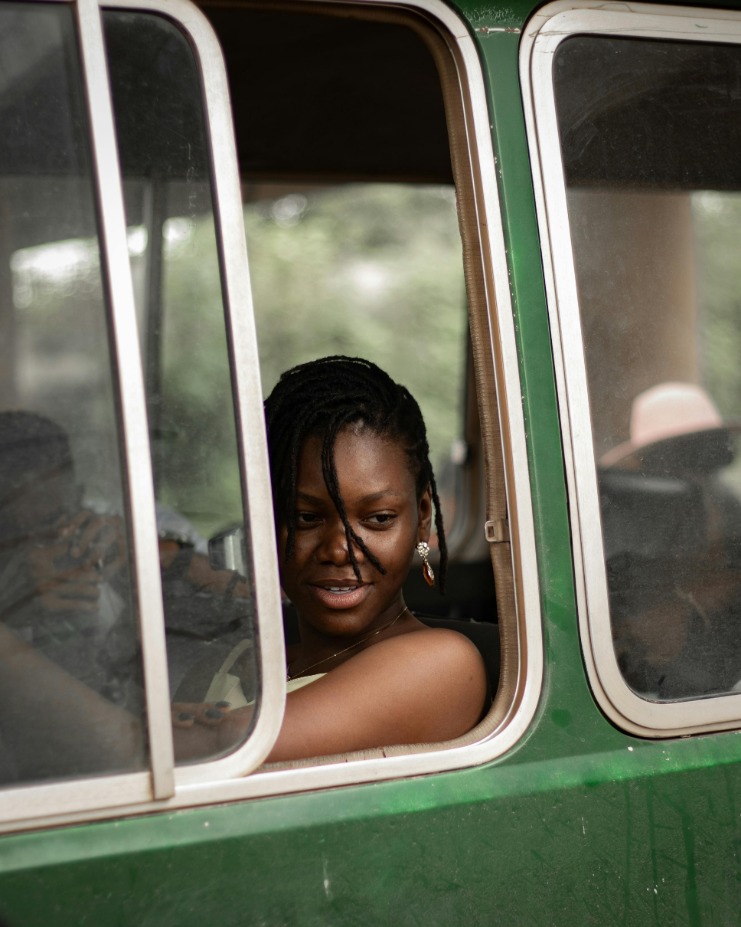
Timetables, durations, and schedules are the backbone of planning a bus trip from South Africa to Zambia, showing when buses depart, how long the journey takes, and the available routes that affect travel time and fare, helping you budget with confidence.
Typical Journey Duration by Route
Timetables, durations, and schedules for bus travel from South Africa to Zambia explain how long trips take, where they pause, and what you should plan for when budgeting fares.
Fares vary by route, operator, class of service, and how far in advance you book. One-way prices typically range from about 1,200 Rand to 3,500 Rand for travel from major South African cities to Lusaka or Livingstone, with sleeper seats usually at the higher end. Discounts often apply for round trips, students, or off-peak travel, and promotions may appear during shoulder seasons.
Timetables for these routes usually feature overnight departures and daytime options, with border crossings adding to total travel time. Many operators publish multiple departures per week, and some offer daily services between large cities and key towns in Zambia. Always verify the latest timetable on the operator’s page or through a booking platform, as schedules can change seasonally or due to maintenance and border policies.
Johannesburg to Lusaka is one of the most common long-distance routes. Typical journey durations range from roughly 28 to 40 hours depending on the exact path, number of stops, and how long border processing takes. Overnight departures are common, with several stops in transit countries along the way.
Pretoria or Johannesburg to Livingstone or Lusaka follows a similar pattern, often stretching to 30–42 hours. Some itineraries use a combination of roads through Botswana or Zimbabwe, with longer layovers at border posts and service areas.
Cape Town to Lusaka is much longer in distance and typically takes three days or more in practice, often around 60 to 72 hours with multiple legs and overnight rides, plus time spent at borders and checkpoints.
Less common routes from other South African cities to Zambia exist, often requiring changes in major hubs and may take 2 to 4 days depending on connections and visa processing at borders. If you are starting from a city with fewer direct services, expect longer total travel times and more transfers.
When reading timetables, note whether durations include layovers and border checks. Check the number of legs, the likely wait times at transfer points, and whether an overnight segment includes a sleeper option. Booking platforms usually display the total duration, departure and arrival times, and border handling notes to help you compare options.
Tips for planning and saving money: book in advance to lock in lower fares, compare both direct and multi-leg itineraries, consider sleeper seating for overnight legs to improve comfort, carry required travel documents for border crossings, and confirm visa or entry requirements for Zambia in advance. Some operators offer inclusive border handling and luggage allowances, which can affect total cost.
By understanding timetables, durations, and typical journey durations by route, travelers can plan more predictable budgets and smoother journeys when traveling by bus from South Africa to Zambia.
Common Departure and Arrival Points
Timetables, durations, and schedules for bus travel from South Africa to Zambia vary by operator, route, and season. Most services focus on connecting Johannesburg and Pretoria with Lusaka and Livingstone, with occasional routes from Cape Town or Durban via transits. Fares are influenced by distance, service level, and how far in advance you book.
Timetables: Long-distance buses to Zambia are typically offered several days a week on main routes and can increase during holidays or peak tourist periods. Operators publish weekly timetables with specific departure days, pickup points, and estimated times of arrival. Because border crossing can affect schedules, it’s wise to confirm the latest times close to your departure date.
Durations: Travel times can be lengthy due to the distance and border formalities. A Johannesburg to Lusaka trip commonly ranges from about 24 to 36 hours, depending on route, border delays, and stops for meals or refueling. Some itineraries include overnight driving with scheduled rest breaks to comply with safety regulations.
Schedules and departure points in South Africa: The most frequent origins for cross-border services are Johannesburg and Pretoria, typically from central bus depots or major transport hubs. Some operators also offer pickups in other urban centers, but the Johannesburg-Pretoria corridor is the core gateway for routes to Zambia. In Zambia, common arrival points are Lusaka’s main intercity terminal and, in some cases, Livingstone near the border with Zimbabwe.
Common departure and arrival points: Routes commonly run from Gauteng to Lusaka or Livingstone, sometimes via the border at the Kazungula or Livingstone/Victoria Falls area. The final stop in Zambia is usually the central bus terminal in Lusaka or a location near the city center; some services terminate in Livingstone for easy access to Victoria Falls tourism.
Fares: One-way fares vary widely by operator and service level, typically ranging from roughly 1,200 to 2,500 South African rand, depending on whether the service is standard, semi-sleeper, or sleeper, and whether it’s a direct cross-border trip or includes stops. Booking in advance often secures better prices, and some operators offer online discounts or bundled packages that include border assistance.
Practical notes: Always verify the latest timetable and border crossing requirements before travel, since schedules and entry rules can change. Have your passport and any visas ready, and factor in extra time for customs, immigration, and vehicle inspections at the border. Pack essentials for long journeys and consider travel insurance for international bus travel.
Overnight vs. Daytime Services
Timetables, durations, and schedules for bus travel from South Africa to Zambia revolve around long-haul cross-border routes. Overnight vs daytime services influence cost, duration, and what you will see on the road.
Timetables are published by operators and travel agents, but can change due to border formalities, road works, and seasonal demand. Always check the latest timetable on the operator’s site or at a ticket office; cross-border services may have limited daily departures and longer layovers.
Durations: A typical Johannesburg to Lusaka journey can take roughly 28 to 40 hours door-to-door, depending on the route, border processing time, and the number of stops. Some itineraries split the trip into two overnight legs with a day break in a city along the way.
Overnight vs daytime services: Overnight services use sleeper or reclining seats, allowing you to travel while you sleep and arrive in the morning. They can help save hotel costs but require comfort with longer hours on a bus and less personal space. Daytime services let you enjoy scenery and arrive during daylight, but the overall travel time can be longer due to more frequent stops and slower driving schedules.
Fares: Prices vary by operator, service level, and season. One-way fares commonly range from roughly 1,500 to 3,500 South African rand, with sleeper or premium seating options at the higher end. Additional charges may apply for border permits, luggage, and seat selection. Booking in advance or travelling in off-peak periods can reduce costs.
Planning tips: Compare schedules and departure times to fit your plans, consider overnight options to maximize daytime sightseeing, and verify visa and passport requirements for the South Africa–Zambia border. Also check luggage allowances, border crossing times, and any transit visa rules if applicable.
Sample itinerary idea: A typical overnight journey might depart around 18:00 and arrive the next morning, around 08:00–12:00, depending on border processing. Daytime legs could cover similar distances in 12–18 hours with several rest stops; always factor the possible delays when planning connections.
Budgeting for the trip means including fares, border costs, meals, and occasional overnight stays if connections require. By checking current timetables, you can choose a schedule that balances time, comfort, and price for your trip from South Africa to Zambia.
Cross-Border Travel Requirements
Cross-border travel between South Africa and Zambia requires travelers to meet entry rules at land borders. Before boarding a bus, check passport validity, visa requirements for your nationality, and any health documents, such as vaccination certificates, that may be requested. Expect border formalities and customs checks that can affect timing and costs, including the overall trip budget and the bus fare from South Africa to Zambia.
Passport, Visa, and Entry Rules
Cross-border travel from South Africa to Zambia by bus involves more than the journey itself. This guide covers the key travel requirements—passport and visa rules, entry conditions, and practical tips for securing a ride and a smooth border crossing—along with what to expect for bus fares.
Passport requirements: Your passport should be valid for at least six months beyond your intended date of entry. Ensure you have at least one or two blank pages for stamps and visas, and that the passport is in good condition. Carry a photocopy or digital scan of your passport as a backup when crossing borders.
Visa requirements: South African passport holders traveling to Zambia can usually obtain a visa on arrival at major land border posts or apply for an eVisa in advance. However, visa policies can change, so check the latest guidance from Zambian Immigration or the nearest Zambian embassy before you travel. Have cash or card handy for visa fees, and keep your passport data page ready for the border officer.
Entry rules and health considerations: You may be asked for proof of onward travel, accommodation arrangements, and sufficient funds for your stay. A yellow fever certificate is required if you are arriving from a country with yellow fever risk or if you have transited through such a country; South Africa is not a yellow fever zone, but confirm requirements if you have connections through other countries. It is also wise to have travel and health insurance and to carry basic medications and a copy of emergency contacts.
Bus border crossing specifics: Long-distance buses from South Africa to Zambia typically cross at major border posts and can involve waiting times at immigration queues. Have your physical passport and visa documents readily accessible, keep the passport in a safe, easily accessible place, and bring small denominations of cash for border fees. Luggage allowances vary by operator, and extra charges may apply for overweight bags or additional bags.
Bus fares and travel time: Fares vary by operator, departure point, service level, and season. A typical one-way bus ticket from South Africa to Zambia can range from the low hundreds to a few thousand South African rand, and the journey commonly lasts roughly 20 to 30 hours depending on route and border processing times. Book in advance and compare operators to find the best balance of price, comfort, and reliability.
Practical tips: Check current visa rules shortly before travel, confirm whether the operator offers an eVisa option, and carry a printout or digital copy of your passport and visa. Arrive early at the border and bring spare passport photos if required. Speak with the bus company for the latest border procedures and any changes to allowed luggage or on-board services. Finally, verify the fare and inclusions (such as meals or border transfers) with your chosen operator.
Health, Vaccination, and Safety Protocols
Travel by bus from South Africa to Zambia involves navigating border requirements, health considerations, safety protocols, and fare options. This guide covers what to expect and how to plan, with a focus on cross-border rules and the typical bus fare landscape.
- Cross-border travel requirements
- Passport validity: ensure your passport is valid for at least six months beyond your planned return date.
- Visas and entry permits: check whether your nationality requires a visa or can obtain one on arrival or electronically; verify at official government sources or with the bus operator.
- Border documents: keep your travel tickets, accommodation details, and any onward transport information ready; you may need a yellow fever certificate if requested due to border rules, especially if you have recent travel from or to yellow fever zones.
- Transit through third countries: some routes may involve crossing via another country; verify all entry requirements for each border in your itinerary.
- Health, vaccination, and malaria precautions
- Vaccinations: maintain routine vaccines (MMR, DTP, polio) and check if yellow fever vaccination is required or advised based on your travel history.
- COVID-19 and other health checks: rules can change; confirm current requirements with your operator and border authorities.
- Malaria risk: Zambia has malaria in many areas; seek advice on prophylaxis from a health professional and carry insect repellent, mosquito nets, and a basic first aid kit.
- Health kit: bring prescription medicines, copies of prescriptions, hand sanitizer, face masks if needed, and a basic travel health kit.
- Safety protocols on buses and at borders
- Choose reputable operators with clean, well-maintained vehicles and clear border-handling procedures.
- During border crossing: have your documents ready, follow staff instructions, and be prepared for queues and checks; keep valuables secure and avoid leaving bags unattended.
- On the bus: stay aware of your belongings, use seat belts where provided, and report any safety concerns to the crew.
- Emergency readiness: know who to contact for help and have local emergency numbers handy.
- Bus fare overview: South Africa to Zambia
- Providers and routes: common routes include Johannesburg to Lusaka, with variations to Livingstone or other towns; fares differ by operator and service level.
- Typical price ranges: one-way fares are influenced by seating class (economy, semi-sleeper, sleeper), border handling, and included amenities. Expect a broad range and verify current prices with the operator’s official site or terminal booking desk.
- What’s included: some services include meals, luggage allowances, and overnight accommodation; confirm what is included when you book.
- Booking and payment: book in advance through operator websites, at bus terminals, or via licensed travel agents; payment methods vary (cash, card, mobile money).
- Practical tips to plan and save
- Time planning: overnight services reduce hotel costs but require comfortable seating and longer travel; consider layovers and border opening times.
- Currency and expenses: carry local currency (South African rand and Zambian kwacha) and widely accepted cards or mobile payments where available.
- Documentation copies: keep digital and printed copies of your passport, visa, vaccination certificates, and itinerary.
- Safety and courtesy: respect local laws and border procedures; stay aware of your surroundings and travel with a companion if possible.
Practical Tips for Saving on Fare
Practical tips for saving on bus fare from South Africa to Zambia center on smart planning and careful comparisons. Compare routes and operators, book early, and stay flexible with travel dates and times—midweek and overnight journeys often cost less. Watch for promotions, student or group discounts, and loyalty programs, and use reputable online platforms to monitor price drops while avoiding hidden charges such as border fees or luggage limits. Travel light and plan the border crossing in advance to minimize delays and extra costs.
Advance Booking and Deals
Planning a bus trip from South Africa to Zambia can be affordable if you know where to look and when to book. Practical saving starts with smart choices before you buy a ticket.
Shop around for routes and operators that serve major hubs like Johannesburg, Pretoria, or Cape Town to Lusaka or Livingstone. Compare prices, schedules, and what’s included in the fare to avoid surprises at the counter.
Book in advance whenever possible. If you’re traveling on popular or high-demand routes, fares often rise as the departure date approaches. Start looking at least two to six weeks ahead to secure the best rates.
Be flexible with your travel dates and times. Midweek departures and off-peak seasons tend to be cheaper than weekend rides and public holidays, so shifting your plan by a day or two can save a lot.
Consider overnight buses. They let you travel while you sleep, saving on one night of accommodation and sometimes lowering the overall cost without sacrificing comfort.
Know what your fare covers. Some operators include luggage allowances, meals, or seat selection, while others charge extra for add-ons. A cheaper base fare might end up costing more if you pay for extras later.
Keep an eye out for deals, promotions, and loyalty programs. Subscribe to operator newsletters or follow them on social media to catch flash sales or special codes that reduce the price.
Group bookings, student or senior discounts, and referral rewards can reduce costs if you travel with others or qualify. Check the eligibility rules before you buy to maximize savings.
Use official channels only. Compare prices but book directly through operator websites or trusted platforms rather than unofficial sellers to avoid scams and hidden charges.
Factor border crossing costs and time. Routes from South Africa to Zambia may pass through neighboring countries and require visas or permits. Check visa requirements, border hours, and whether the ticket covers any border formalities to prevent unexpected delays and extra fees.
Flex your route if possible. Some journeys can be shortened with a change of bus or a stop in a city, which can cut the fare. Also consider whether a longer, indirect route saves money overall.
Pack light and plan for extras. Bring water and snacks to avoid buying overpriced items on board, and carry any required documents in an easily accessible place to keep your trip smooth.
Before you travel, verify current schedules and border rules, as services can change. With a little planning, you can enjoy a comfortable, budget-friendly bus ride from South Africa to Zambia.
Choosing Off-Peak Travel
Saving on bus fares when traveling from South Africa to Zambia is easier than you might think if you plan around off-peak travel and shop around for the best deals.
Compare prices across operators such as Intercape and other long-distance bus companies that run between major SA cities like Johannesburg or Pretoria and Lusaka or Livingstone in Zambia. Indirect routes via Botswana or Zimbabwe can sometimes be cheaper than a direct service, even if they take longer.
Book in advance when possible. Saver seats, early-bird fares, or return-trip discounts are common, and prices tend to rise as departure dates approach.
Choose off-peak travel days. Midweek departures and non-holiday periods usually have lower fares than weekend or school-holiday trips.
Consider overnight buses. They let you sleep through part of the journey and save on a night’s accommodation, but check seat comfort and safety.
Be flexible with departure times or routes. A slightly later bus or a route with a short connection can be cheaper than the most direct service.
Look for discounts: student, youth, senior, or loyalty programs; some operators offer group rates or promotional codes.
Pack light to avoid extra luggage charges. Confirm baggage allowances before you buy and use a compact bag that fits easily in storage areas.
Bring your own snacks and water; avoid paying high prices on board or in border towns where prices can spike.
Factor border crossing costs and visa requirements into your budget. Sometimes cheaper fares require longer waits at borders; plan your timing to minimize delays and extra spent hours.
Choose reputable operators to reduce the risk of delays or disruptions that can erase savings. Reading recent traveler reviews can help you pick a reliable option.
Budgeting and Example Fares
Budgeting for a bus journey from South Africa to Zambia starts with estimating the core transport cost and then adding meals, lodging, and contingencies. In this introduction we outline budgeting basics and present example fares to illustrate how price varies by route, operator, seat type, and season, helping you compare options and plan your trip more effectively.
Estimated Fare Ranges by Route
Budgeting a bus trip from South Africa to Zambia requires planning for the fare, border procedures, and travel time. The most common corridor runs from Johannesburg or Pretoria in South Africa to Lusaka, Zambia, with some services continuing on to Livingstone near Victoria Falls.
Budgeting tips include comparing operators, booking in advance, choosing the right class, and factoring extra costs such as border fees, passport checks, and baggage charges. Prices vary by operator, season, and how far in advance you buy the ticket. Plan for delays at borders and occasional price changes at peak travel periods.
Route: Johannesburg to Lusaka. Fares vary by class and operator. Economy or standard seats are typically around 800 to 1,200 ZAR for a one-way trip (roughly 45 to 85 USD). Midrange or express services usually cost between 1,200 and 1,800 ZAR (about 85 to 130 USD). Sleeper or overnight options can push prices beyond 1,800 ZAR up to 2,600 ZAR or more (roughly 130 to 170 USD) for longer journeys with beds.
Route: Pretoria or Johannesburg to Livingstone (via Lusaka). This route is longer and may add travel time and price. Fares generally start around 1,000 to 1,400 ZAR for economy seats (roughly 60 to 90 USD) and can range up to 2,400 to 3,000 ZAR for higher comfort or sleeper services (about 160 to 200 USD). If a service continues to Livingstone or Victoria Falls, total journey times can exceed 24 hours, so plan for rest stops and border queues.
Other routes and seasonal variations. Some operators run cross-border itineraries that begin in other South African cities such as Durban or Cape Town and connect through Johannesburg to Lusaka or Livingstone, which can alter pricing. Expect higher fares on peak seasons, holidays, or when seats are scarce. Always check inclusions such as terminal transfers, border handling, and luggage allowances in the fare.
Budgeting example. If you travel one-way on a standard economy seat from Johannesburg to Lusaka in a non-peak period, budget around 1,000 ZAR and add a buffer for border fees, meals, and small purchases, bringing total to about 1,200 to 1,500 ZAR. For a round-trip, simply double the one-way estimate, and consider discounts from some operators for return journeys if available. If you want more comfort or sleeper arrangements, plan for around 2,000 to 2,600 ZAR for a one-way trip.
Practical tips to manage costs. Book early, compare operators, read reviews, consider overnight journeys to save on accommodation, bring water and snacks, check baggage policies, and have local currency ready for border fees. Keep in mind that visa requirements for Zambia may apply depending on your nationality, and passport validity must meet entry rules at the border.
Sample Itineraries and Price Breakdowns
Budgeting for a bus trip from South Africa to Zambia involves planning the fare, border costs, meals, occasional overnight stays, and contingency funds for delays or changes in plans.
Most travelers route via Johannesburg or Pretoria to Lusaka, with some services extending to Livingstone or Ndola. Fares vary by operator, comfort class, and how far in advance you book. In general, one-way prices for a standard seat range roughly from 900 to 1,800 South African rand, while premium seats or sleeper options can push the cost above 2,000 rand. Always check current schedules and exchange rates, since prices change with demand and fuel costs.
When budgeting, include border crossing times, visa or entry requirements for your nationality, and potential delays at checkpoints. Banks and card payments might not be accepted everywhere on the route, so carry cash in the local currency or a widely accepted card. Plan for meals, snacks, and bottled water on the bus, and set aside funds for overnight stays if the journey requires an extra night. If you have flexible dates, compare multiple operators to find the best value for your travel window.
Example fares (one-way, rough ranges in rand): Johannesburg to Lusaka: 1,000–1,800; Pretoria to Lusaka: 1,000–1,900; Cape Town to Lusaka (via Johannesburg): 1,300–2,200. Sleeper or deluxe coaches can cost 1,800–2,800 or more depending on service level and season. Border or handling fees are not included in the ticket price and vary by operator and nationality.
Itinerary A: Johannesburg to Lusaka, roughly 30–34 hours with an overnight stop. Fare: about R1,200–R1,800 for a standard seat; optional sleeper upgrade around R2,000–R2,700. Estimated extras: meals R60–R120, border-related costs not included, and a potential one-night stay if you arrive late or depart early.
Itinerary B: Pretoria to Livingstone, similar duration with a closer approach to the Victoria Falls region. Fare: R1,100–R2,000 for standard seating; sleeper upgrade around R1,900–R2,800. Extras: meals R60–R120, lodging if needed R350–R600.
Itinerary C: Cape Town to Lusaka via a connecting line, typically 2+ days, with a higher price range: R1,300–R2,200 for standard seat; sleeper R2,000–R3,000. Factor in extra travel time and potential overnight stays; check visa requirements for your nationality before departure.
Tips to save money include booking well in advance, traveling in the off-peak season where possible, sharing a cabin or seat with others to split costs, and keeping an eye on bus operator promos. Also compare combined transport options if available and consider return-trip discounts where offered.
By planning ahead and comparing routes, you can budget effectively for a bus trip from South Africa to Zambia and choose a balance of comfort and price that fits your itinerary.
Refunds, Cancellations, and Policy Nuances
Refunds, cancellations, and policy nuances for bus fares from South Africa to Zambia vary by operator and fare type. Flexi tickets may allow free changes but incur admin fees, while non-refundable fares lock in the price and permit little or no amendment. Cross-border routes often require secure documentation, passport validity, visa checks, and potential border delays, which can affect schedules and refunds. Always check the operator’s terms, timing windows for cancellations, refund processing timelines, and how delays, no-shows, or missed connections are handled before booking.
Cancellation Windows and Penalties
Booking a bus fare from South Africa to Zambia involves refunds, cancellations, and policy nuances that vary by operator, fare type, and the booking channel you use. Understanding the terms before you buy can save time and money if plans change.
Refunds: In general, refunds are issued to the original payment method once a cancellation is processed, but many fares are partially or fully non-refundable. Non-refundable fares often apply to promotional or discounted tickets. If a refund is allowed, processing times can range from a few business days to a couple of weeks depending on the operator and your bank or card issuer. Some operators also offer travel credits or reissue options instead of a cash refund, which can be used toward future trips.
Cancellations: Cancellations are typically governed by a cut-off window that varies by fare type. Common patterns include full or near-full refunds when you cancel well in advance (often more than 48 hours), partial refunds or travel credits when you cancel within 24 to 48 hours, and little to no refund if you cancel within 24 hours of departure. It is common for the cheapest or promotional fares to carry stricter penalties, while flexible or premium fares offer more forgiving cancellation options. Always check the exact window and penalties on your ticket.
Policy nuances: Several details can affect refundability and changes. Name changes or date changes may be allowed with a reissue fee, while border-crossing requirements (passport validity, visas, and any entry restrictions) can influence your ability to travel as planned. Some tickets permit free changes up to a set deadline, while others impose service charges or fare differences if you rebook. E-tickets versus printed tickets may also determine how refunds are issued and how quickly they appear in your account. Border delays, operator disruptions, or force majeure events can lead to credits or alternative travel options rather than direct refunds, depending on the policy.
Cancellation windows and penalties: It is common for standard fares to impose higher penalties as departure approaches, with flexible or premium fares offering lower penalties or full refunds until a late deadline. Typical patterns you might encounter include: more than 48 hours before departure, a partial or full refund or credit; 24 to 48 hours before departure, a partial refund or travel credit minus a cancellation fee; within 24 hours of departure, little to no refund. No-shows usually incur the highest penalties, including loss of the entire fare. Exact percentages, fees, and whether refunds are issued as cash, card credit, or travel credits vary by operator and booking channel.
Practical tips: Read the terms and conditions before purchase, note the exact cancellation window and any fees, and keep your booking reference handy. If you anticipate a potential change, consider purchasing a more flexible fare or adding travel insurance that covers ticket refunds. Contact the operator or booking platform promptly if your plans change, and use official channels to request a refund or reissue to avoid higher penalties.
Final note: When traveling from South Africa to Zambia by bus, confirm passport, visa, and any border crossing requirements, and verify how delays at the border or on the road may affect your trip and cancellation rights. Policies can differ significantly between operators, so always check the specific terms tied to your ticket and channel of purchase.
Refund Processes and Timeframes
Practical Logistics: Baggage and Onboard
Planning a bus trip from South Africa to Zambia requires more than a ticket; practical logistics around baggage and onboard arrangements shape the journey and can influence total travel cost, including the fare. This introduction outlines how baggage allowances, handling, and onboard services interact with cross-border bus fares, helping travelers pack smartly, board smoothly, and avoid surprises along the route.
Baggage Allowances
When planning a bus trip from South Africa to Zambia, practical logistics around baggage and onboard services can save time and stress. Baggage allowances, storage options, and what you can bring onboard vary by operator, route, and border formalities. Always check the specific policy for your operator when booking a ticket, as fares from South Africa to Zambia may or may not include generous baggage allowances.
Most long-distance bus operators allow a checked baggage allowance of around 20 to 30 kilograms per passenger, often divided into one large bag plus a small carry-on. Some operators may permit two bags up to 20 kg each, while others cap total checked weight at 25 kg. Look for combined weight and size limits (for example, each bag not exceeding 75-100 cm in total dimensions). Exceeding limits typically incurs overweight or extra-bag fees that can range from a few dollars to a higher amount, payable at check-in or at the depot.
Carry-on or cabin baggage is usually more restricted—typically 5 to 7 kilograms, with a bag roughly 40x30x20 cm. Items such as essential documents, medications, valuables, a phone, wallet, small electronics, a light jacket, and snacks should be kept in this bag. Some routes and operators require that liquids stay in checked luggage; others allow small bottles in carry-on in compliance with security rules. Because buses may have limited overhead space, securing a compact bag is important.
During the trip, large suitcases are stored in the luggage hold or under the bus, while smaller bags may be placed on a rack near the seating or under the seat. Label bags clearly with your name and contact details; keep a checklist of what you checked in and photographed if necessary. Do not leave valuables in checked luggage and carry them with you whenever possible. If you need to bring bulky items (e.g., musical equipment or sports gear), contact the operator in advance to see if it can be handled and what charges apply.
Crossing into Zambia means going through border checks where inspectors may request to inspect baggage and declare items. Pack a practical set of essentials in your carry-on and have passport, visa, and any required health documents handy. Some items such as prohibited weapons, illegal substances, or restricted agricultural products can be seized. Check for any country-specific restrictions on food, plants, or liquids you may be allowed to bring across the border.
Ticket price for a Johannesburg to Lusaka or other Zambia route may or may not include baggage allowances. Some operators bundle 1–2 bags into fare, others treat baggage as an add-on. Always confirm the included baggage and the cost of extra bags or overweight luggage when booking. Paying for baggage in advance online can sometimes be cheaper than paying at the depot.
Onboard amenities vary by operator and vehicle. Some long-distance buses offer onboard toilets, a basic restroom, air conditioning, and occasional rest stops every few hours. Power outlets, wifi, or in-seat entertainment may be available on premium services. Bring your own snacks and water, as food options can be limited at border towns or stops. If you have mobility or accessibility needs, inform the operator when booking so they can allocate appropriate seating.
Pack a compact, sturdy bag with essential items on top. Use packing cubes to organize belongings and place fragile items in the center of a suitcase with padding. Keep medicines and important documents in your carry-on. Label gear with your contact details and consider a luggage strap or lock for security. Pack a change of clothes in your carry-on in case luggage is delayed or misrouted. Consider leaving non-essential valuables at home to reduce risk during border checks and transfers.
Before departure, double-check the baggage policy on your chosen operator’s website or with their call center, confirm the route and border procedures, and verify the current fare and baggage charges. With proper planning, baggage allowances and onboard logistics can help ensure a smoother journey from South Africa to Zambia.
Onboard Comfort and Amenities
Practical Logistics: Baggage and Onboard, Onboard Comfort and Amenities when traveling by bus from South Africa to Zambia focuses on how to manage luggage, what to expect onboard, and the levels of comfort and extras you can find, all in relation to the fare you pay.
Baggage allowances differ from operator to operator. Most long-distance cross-border services allow at least one checked bag and one smaller carry-on per passenger. Typical limits are expressed in kilograms and dimensions and may be enforced at the depot or border. Label bags clearly, lock them if possible, and keep valuables and essential documents in your carry-on that stays with you on the bus.
Pack with cross-border travel in mind: place important documents, medications, electronics and chargers in your carry-on, and use a sturdy bag for the checked luggage. Leave expensive or fragile items in your carry-on when possible. Check any country-specific restrictions on batteries, liquids and duty-free items for the border.
Prohibited items and security: do not carry weapons, explosives, or flammable items. Many operators limit or prohibit large quantities of liquids, and border checks can scrutinize goods. Have your bags ready for inspection at border crossings and be prepared to open them.
Boarding and documentation: arrive early on the day of departure to allow time for bag drop, ticket verification, and passport checks. You will need your passport and any visa or entry permits, and possibly a Yellow Fever certificate depending on your route and origin. Seats may be assigned or you may choose on boarding, depending on the operator.
Onboard comfort basics: seating on long cross-border routes varies. Expect seats with reasonable pitch and some recline, though legroom can be tight on budget services. Air conditioning or heating is common; windows can be opened or covered with a shade; some buses have onboard toilets, while others rely on stops.
Comfort enhancements and amenities: several operators offer extras like bottled water, light snacks or meals, and sometimes Wi-Fi or USB charging ports. Cleanliness and quietness depend on the vehicle and crew. Blankets or pillows may be provided on overnight legs.
Operational notes: long journeys between South Africa and Zambia typically include multiple stops for breaks, refueling, and border formalities. Rest stops offer food and restrooms; border crossing delays can be unpredictable, so allow time in your schedule.
Fare and comfort: cheaper services may have limited amenities and more stops, while premium services offer better legroom, assigned seating, and additional onboard services. Direct routes are usually faster but can cost more than routes with transfers. Your fare reflects both distance covered and the level of service.
Finding the best fare: compare operators, check official websites and reputable travel agencies, and read recent passenger reviews. Booking in advance often secures lower fares and preferred seats. Be mindful of refund policies and border-related charges that may apply at departure or at the border.
Tips for a smoother trip: carry a small bag with essentials, keep documents accessible, confirm border requirements, and have local currency for border fees or snacks. With proper preparation, the cross-border bus journey from South Africa to Zambia can be economical and comfortable given the fare tier you choose.