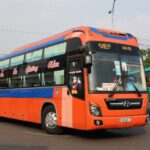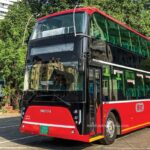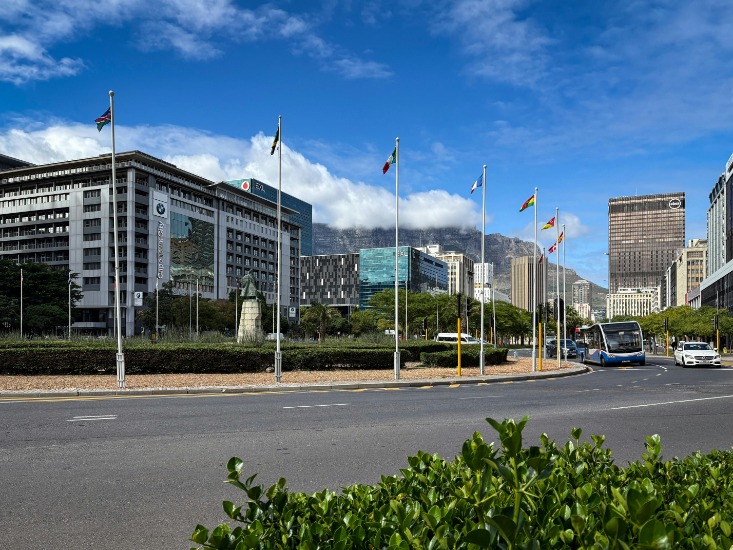

Overview of Bus Hire Pricing in South Africa
Bus hire pricing in South Africa varies by vehicle type, distance, duration, and service level, with minibuses, mid-size coaches, and luxury coaches all priced differently. Factors such as fuel, driver costs, permits, insurance, and peak-season demand shape quotes, while add-ons like bilingual guides, luggage handling, and dedicated coordinators can affect price. This overview outlines typical pricing structures and tips for obtaining accurate quotes to help planners budget effectively.
Pricing models commonly used (daily, hourly, per-kilometre)
Pricing for bus hire in South Africa is typically offered through three common models: daily rates, hourly rates, and per-kilometre rates. The exact price depends on vehicle size, province, season, and the services included.
Daily hires are convenient for day trips, events and school tours. They usually cover the vehicle and a professional driver, with fuel sometimes included and other times charged separately. Extra costs can apply for tolls, waiting time, overtime, and overnight accommodations if the trip runs beyond a single day.
Hourly pricing suits flexible schedules or short transfers. Rates are usually based on a minimum number of hours, with charges for extra hours and for waiting time if the vehicle is delayed. This model works well for airport transfers, city sightseeing with multiple stops, or itineraries that have precise time windows.
Distance-based pricing, or per-kilometre rates, charges a rate for each kilometre traveled, making it transparent for longer trips. In many cases there is a minimum distance or a daily cap, and tolls or extra time may be billed separately.
In practice, providers may combine models or adjust pricing depending on route length, time of day (peak vs off-peak), and whether the trip crosses provincial borders. Seasonal demand and local events can also influence the final rate.
Key cost drivers include vehicle type (minibus, mid-sized coach, or full-size coach), fuel policy, driver allowances, insurance, VAT, and any management or administration fees. Waiting time charges, route deviations, vehicle changes, and overnight stops can significantly affect the total price.
When comparing quotes, request a detailed written breakdown that lists inclusions and exclusions, confirms VAT status, and clarifies tolls, parking, waiting time, and overtime policies. Always check what is included in the base rate to avoid surprise charges later.
To budget effectively in South Africa, consider your group size, itinerary, start and end locations, and whether a single vehicle or multiple vehicles are needed. Booking in advance, especially during holidays and major events, can help secure better rates and ensure availability.
Typical inclusions in a standard quote (driver, fuel, VAT, service charges)
Bus hire pricing in South Africa varies widely depending on distance, duration, bus size, and season. Operators commonly structure quotes as a base rate plus mileage and time-based charges, with VAT and additional service fees applied. Understanding these elements helps organisers compare options and avoid unexpected costs.
Typical inclusions in a standard quote include:
- Driver
- Fuel
- VAT (15%)
- Service charges
Other pricing considerations to expect in a SA bus charter include:
- Distance and duration: longer trips or multi-day charters increase total price
- Bus type and capacity: mini-buses vs. full-size coaches
- Waiting time and out-of-route charges
- Peak-season or weekend surcharges
- Insurance, permits, tolls, and contingency allowances
Factors Influencing Bus Hire Prices
Bus hire prices in South Africa are shaped by a mix of factors including the bus size and type, the length of hire and total distance, and whether the journey is in major cities or rural routes. Seasonal demand, event-driven bookings, and peak travel periods can push prices higher, as can driver requirements, safety and insurance costs, tolls, and VAT. Additional inclusions such as guides, onboard amenities, and fuel surcharges can also affect the final quote.
Vehicle type and passenger capacity
Bus hire prices in South Africa are influenced by a range of factors, including the type of bus, the number of passengers, the distance and duration of the trip, and any extra services requested. Understanding these elements helps groups budget accurately and avoid unexpected charges.
Vehicle type and capacity play a central role in pricing. Common options include minibuses or microbuses with roughly 12–25 seats, midi coaches with about 30–40 seats, and full‑size coaches that typically carry 49–59 passengers. Each category comes with different operating costs, maintenance needs, and licensing requirements, which in turn affect the overall price. Larger buses often command higher base rates, but when fully loaded, the per‑seat cost can be more economical than running multiple smaller vehicles.
Pricing structures vary by operator but usually combine a base rate with distance and time components. Typical charges include a daily hire rate plus per‑kilometre or per‑hour fees, with potential extras for waiting time, out‑of‑route detours, and overtime. Some quotes may also add fuel surcharges, insurance, or driver allowances. The inclusions and exclusions of a quote—such as fuel, tolls, permits, or refreshments—significantly shape the total cost.
Passenger capacity influences cost in a few ways. A higher‑capacity bus increases the vehicle cost and staffing needs, but if the trip is fully utilized, the cost per passenger can drop. Conversely, for smaller groups, a large coach may be inefficient, resulting in a higher per‑seat price. Operators may also price by per seat or provide tiered rates based on capacity, so it’s important to ask how the price is structured for your group size.
Distance and duration are major determinants of price. Local city transfers are generally cheaper than long intercity trips or multi‑day charters. Longer journeys accumulate more fuel, driver hours, and potential overnight accommodations. Routes that include toll roads or night driving can add to the cost, as do trips requiring multiple pick‑ups, complex itineraries, or substantial waiting time at venues.
Seasonality and demand also affect bus hire prices in South Africa. Prices tend to rise during peak travel periods, school holidays, major events, and weekends when demand is high. Booking well in advance or targeting off‑peak days can help secure more favorable rates, while last‑minute requests often incur premium charges.
Amenities and accessibility features add to the price but may be essential for some groups. Extras such as onboard Wi‑Fi, air conditioning, luggage compartments, catering options, entertainment systems, or wheelchair accessibility can increase costs. If your itinerary requires a driver to stay overnight, additional accommodation and meal allowances may also apply, influencing the total price.
Location and regulatory considerations matter as well. Urban departures from large cities may incur higher rates due to traffic, parking, and higher operating costs, while rural routes can involve longer travel times and possible permit or route restrictions. Some operators factor insurance, licensing, and compliance costs into their quotes, so it’s wise to verify what is included and whether any additional regulatory fees apply.
To optimise a bus hire budget, obtain multiple written quotes and compare them on a like‑for‑like basis. Seek all‑inclusive offers where possible, and ask about mileage limits, waiting charges, and what happens if the itinerary changes. Consider whether a larger bus or splitting into two smaller buses improves efficiency and cost per seat. Clarify inclusions such as fuel, tolls, permits, and driver allowances to avoid hidden extras.
In summary, bus hire prices in South Africa are driven by vehicle type and capacity, trip distance and duration, seasonality, and added services. Matching the vehicle size to the group, planning a realistic itinerary, and obtaining clear, comprehensive quotes will help ensure you obtain a fair price while meeting safety and comfort needs for your travel party.
Operator reputation, safety records, and insurance coverage
Bus hire prices in South Africa are influenced by a mix of factors beyond simple distance, including the operator’s reputation, safety records, and the level of insurance coverage. Buyers should consider how these elements shape overall cost and value when comparing quotes.
Operator reputation matters because it signals reliability, professionalism, and consistency in service. Established operators with a history of on-time departures, well-trained drivers, clean vehicles, and good customer support can command higher rates, but their predictability reduces risk and potential disruption costs. New or lesser-known operators may offer lower base prices to win business, but buyers should weigh the potential for cancellations, subpar vehicle condition, or inconsistent service that could incur hidden costs later.
Safety records play a critical role in pricing and risk management. Fleets that undergo regular maintenance, adhere to strict servicing schedules, equip vehicles with safety features such as seat belts, GPS tracking, and CCTV, and invest in driver training typically incur higher ongoing costs. However, these practices can lower the likelihood and severity of incidents, sometimes translating to lower incident-related expenses and, in turn, more favorable insurance terms. Strong safety credentials can also reassure clients, supporting premium pricing for those prioritizing risk reduction.
Insurance coverage is a central price driver for bus hire. Coverage typically includes third-party liability, passenger liability, and often comprehensive policies, with optional add-ons for cancellation, theft, or equipment. Higher coverage limits and lower deductibles raise quotes, while robust coverage can reduce potential out-of-pocket costs after an incident. Some operators bundle insurance costs into their quoted price, while others itemize them separately. Clients should verify the exact coverage, limits, exclusions, and whether the policy meets local regulatory requirements and the needs of their group.
Other price influences in South Africa include vehicle age and condition, fuel prices, route characteristics, and trip logistics. Longer trips, more stops, and peak travel seasons (such as school holidays and major events) raise operating costs through fuel, driver hours, maintenance, and potential tolls. VAT, licensing, and compliance costs also affect quotes. Operators with newer fleets or higher maintenance standards may charge more, but they often deliver safer and more reliable service, potentially saving money by preventing delays or accidents.
To make informed comparisons, clients should ask for complete quotations that specify inclusions and exclusions, request copies of insurance certificates, verify roadworthiness and fleet maintenance records, and check driver qualifications. It’s wise to compare apples to apples by clarifying whether VAT is included, whether fuel and tolls are covered, and what backup plans exist for delays. Reading client reviews and requesting references can help assess reputation and safety history before committing to a price.
Fuel costs and driver wages
Bus hire prices in South Africa are influenced by a range of factors that go beyond the base hourly rate, including route length, service level, and local market conditions.
Fuel costs are a major driver of price. Diesel prices in South Africa fluctuate with global crude prices, currency movements, and domestic tax policies. Longer trips, higher speeds on highways, and extended idle times increase fuel consumption, and many operators apply fuel surcharges to reflect these variations.
Driver wages and labour costs significantly affect quotes. South Africa’s wage regulations, overtime rules, and the need for qualified passenger transport drivers contribute to the overall cost. Training, licensing, and annual competency renewals add to baseline wages, while overtime and on-site accommodations for multi-day charters can push prices higher.
Vehicle-related expenses such as depreciation, maintenance, tyres, insurance, and licensing also factor in. Buses require regular servicing, scheduled maintenance, and breakdown resilience, and insurance coverage is essential for passenger transport. Licensing and regulatory compliance add administrative overhead for operators, influencing the final hire price.
Distance, duration, and route complexity shape pricing. A longer, multi-city itinerary or trips with multiple pick-ups and drop-offs in congested urban areas tends to raise costs due to increased fuel use, wear, and potential delays. The size and type of vehicle chosen—standard coach versus a smaller minibus—also affect per-hour and per-kilometre rates but must balance capacity with efficiency.
Seasonality and demand cycles impact bus hire in South Africa. School holidays, public holidays, major events, and tourism spikes create tighter availability and higher prices in peak periods, while off-peak times may yield more competitive quotes.
Taxes, tolls, and regulatory charges contribute to the total cost as well. VAT at the applicable rate (15% in South Africa) applies to most hire services, and some routes incur tolls that may be billed as a separate surcharge. Insurance requirements and risk management add further cost layers that operators pass through to customers.
To get the best value, compare quotes from reputable operators and request itemised breakdowns that include fuel surcharges, driver allowances, tolls, and any inclusions or exclusions for the vehicle, driver, and onboard services. Verify licensing, safety records, and contingency terms, such as replacement vehicles in case of breakdown or delays, to ensure reliable service at a fair price.
Distance, duration, and route complexity
Bus hire prices in South Africa are shaped by a mix of distance, duration and route complexity, alongside a range of operational factors. Understanding how these elements interact helps organizers estimate costs and choose the most suitable fleet for events, tours or corporate travel.
Distance is a core driver of price. Longer trips typically incur higher fuel consumption, greater wear and tear on tyres and mechanical systems, and more time on the road for the driver. Rates are often quoted per kilometer, with a base fee plus a mileage charge. Distances between major cities such as Johannesburg, Cape Town, Durban and Port Elizabeth, as well as for regional tours through the Free State or the KwaZulu-Natal coast, can significantly affect quotations. One-way hires may be priced differently from round trips, and back-to-base returns can alter the overall cost structure.
Duration also matters because it encompasses not only the time the vehicle is in use but also driver hours, waiting time and potential overnight stays. In urban corridors with heavy traffic, delays can escalate costs through waiting surcharges and the need for additional driver breaks to comply with safety regulations. Many operators apply an hourly rate for time on the road beyond a contracted schedule, or charge for idle time if itineraries include long layovers or late-night returns.
Route complexity influences price in several ways. Routes with frequent stops, numerous pick-up points, or multi-city itineraries require more planning, coordination and sometimes multiple shifts of staff. Complex routes may involve toll roads, escarpment crossings, preferentially timed departures to avoid peak congestion, or overnight hotel accommodations for drivers and staff. In South Africa, routes that traverse tolled segments or touch remote areas can incur additional charges for tolls, permits or security escorts, and the need to secure route-specific permissions can add to administrative costs.
Vehicle type and capacity are major levers. Coaches with 50 to 60 seats command higher daily rates than smaller minibuses, reflecting greater fuel usage, higher maintenance costs, and the level of service expected by larger groups. Luxury or semi-luxury coaches with onboard amenities such as air conditioning, on-board entertainment, larger luggage allowances and dedicated drivers or hostesses will carry premium pricing. The age, condition and reliability of the bus also impact quotes, as newer or well-maintained fleets tend to incur lower risk of breakdowns.
Staffing, safety and regulatory compliance contribute to price. In South Africa, operators must employ qualified PSV (Public Service Vehicle) drivers, maintain insurance, and adhere to safety standards and licensing requirements. Additional crew, guided tours, or security personnel for high-risk or remote routes can raise costs. Insurance premiums, vehicle inspections, and licensing renewals are typically factored into the daily rate or added as separate charges. VAT (value-added tax) at applicable rates may also be included or added to the base price depending on the contract terms.
Seasonality and market dynamics affect pricing as well. Peak travel periods such as school holidays, public holidays and major events drive higher demand for bus hire, allowing operators to adjust rates upward. Conversely, off-peak periods can yield more competitive quotes, with operators offering discounts or flexible terms to secure bookings.
Additional costs to watch for include tolls, permits for specific routes, accommodation for drivers on multi-day itineraries, and any city congestion charges. Some itineraries require updated route planning to minimize tolls or optimize fuel efficiency, which can influence the final price. It is common for quotes to itemize these components so organizers can compare inclusions, understand what is included in the base rate, and identify optional add-ons.
To manage costs effectively, request detailed itineraries and a transparent breakdown of charges, compare quotes from reputable operators, and discuss alternative routing or scheduling options that reduce idle time or avoid unnecessary stops. Clarify whether prices are all-inclusive or exclude VAT, tolls, permits and driver allowances, and consider long-term contracts or bundled packages for recurring travel needs to achieve better rates.
Seasonality and demand spikes
Bus hire prices in South Africa are influenced by a range of factors, with seasonality and demand spikes playing a major role in quotes and availability. Understanding the key cost drivers helps planners budget accurately and compare quotes from South African operators.
- Vehicle type and capacity: coaches with 40–60 seats, mid-sized buses, and minibuses have different daily rates; higher capacity and premium interiors generally cost more.
- Distance, duration and mileage policies: longer trips, multi-day hires, and packages with included kilometers affect pricing; out-of-town routes may incur tolls and remote-access fees.
- Seasonality and demand spikes: peak tourist periods (notably December holidays and school vacations), public holidays, and major events (sports, conferences, concerts) reduce availability and push prices upward.
- Fuel costs and operating expenses: diesel price volatility, fuel surcharges, routine maintenance, tyres, and insurance contribute to base rates and seasonal adjustments.
- Taxes and regulatory costs: value-added tax (15%), licensing, road-use tolls, and operator compliance costs are often reflected in quotes.
- Fleet availability and mix: urban fleets may be more readily available than rural services; newer or well-maintained fleets command higher rates; seasonal depot maintenance can constrain supply.
- Driver costs and staffing: driver allowances, overtime, accommodation for overnight trips, and regulatory driver rest requirements can influence overall pricing.
- Inclusions and add-ons: on-board Wi-Fi, air conditioning, security, luggage handling, and a dedicated supervisor affect the total package and perceived value.
- Route accessibility and logistics: challenging routes, loading points, parking constraints, and the need for escorts or permits can raise charges.
- Booking lead time and terms: advance bookings may secure lower rates, while last-minute requests often incur premium surcharges or minimum-day requirements.
- Seasonal maintenance and standby time: fleets may charge for standby time during delays or heavy traffic, particularly in busy seasons or on long-haul itineraries.
Price Range by Vehicle Type
Price range by vehicle type in bus hire prices South Africa helps organizers compare options across minibuses, standard coaches, and premium coaches. Generally, smaller vehicles are cheaper for short trips, while larger or luxury options command higher rates, influenced by distance, duration, and season. Understanding these ranges supports smarter budgeting for events, school trips, and corporate travel.
Mini-buses and minibuses (12–25 seats)
Prices for bus hire in South Africa vary by vehicle type. For mini-buses and minibuses (12–25 seats), you will find price distinctions that reflect size, location, duration, and whether you require a driver or self-drive. Understanding these factors helps you plan a realistic budget for group travel.
Self-drive mini-buses (12–25 seats) are typically priced at roughly R1,800 to R3,500 per day, depending on the exact vehicle size, age, and the rental company. Prices may be lower for shorter hires or mid-week bookings, and higher for premium models or popular urban hubs.
Chauffeur-driven mini-buses are usually between R2,800 and R5,800 per day, with higher rates in major cities or during peak travel periods. Packages often include a driver, basic insurance, and standard maintenance, but fuel and tolls may be charged separately or bundled depending on the policy.
Weekly or longer-term hires often come with discounted daily rates, while many operators apply a daily mileage allowance. Excess mileage is typically charged separately, which can add extra cost if your itinerary covers substantial distances.
Prices can also rise during peak seasons such as December holidays or school break periods, as demand increases. Location matters too; Johannesburg, Cape Town, Durban, and other metro areas tend to have higher average rates than rural or smaller towns.
To get the best value, compare several quotes and check what is included in each package. Look for clarity on driver if needed, fuel policy, tolls, insurance coverage, breakdown assistance, and the process if a replacement vehicle is required. This helps ensure you’re comparing apples to apples when evaluating mini-bus hire options in South Africa.
Standard coaches (30–45 seats)
Prices for bus hire in South Africa depend on vehicle type and service level, and standard coaches with 30–45 seats are a popular option for groups traveling together. This article focuses on the price range for Standard coaches and explains what factors push costs up or down.
Daily hire rates for standard coaches typically fall in the range of about R3,000 to R7,500 per day. Some quotes include the driver, fuel, and basic insurance, while others charge these extras separately. VAT or other taxes may be included in the quoted price, so confirm the tax treatment when you request a quote.
Distance-based pricing, when offered, is usually around R8 to R15 per kilometer, with a minimum daily charge that guarantees the coach and driver for a certain block of time. For long trips, the total cost will reflect both the daily and per-kilometer components.
Prices can fluctuate by season and location. Peak travel periods (for example, the June–August school holidays and the December holidays) often see higher quotes. Rural or remote pickup points may incur additional access or travel surcharges, and long-distance trips may require overnight driving allowances for the driver.
Other factors that affect price include the duration of the hire, the number of days, pickup and drop-off locations, inclusions (such as luggage handling or onboard facilities), tolls, parking, waiting time, and cancellation terms. Some packages offer a flat daily rate for block bookings, which can reduce average daily cost for multi-day trips.
Tips to get the best price: request quotes from several operators, clearly list your itinerary and timings, ask what is included in the rate (driver, fuel, tolls, VAT), negotiate a single all-inclusive daily rate for multi-day trips, and watch for hidden charges like waiting time or extra kilometres beyond the agreed route.
Standard coaches in the 30–45 seat range provide a balance of capacity and cost for group travel in South Africa. By understanding typical price ranges and what affects them, you can compare offers more effectively and choose a deal that fits your schedule and budget.
Full-size coaches and luxury options (49–60+ seats)
Price ranges for full-size coaches and luxury options (49–60+ seats) in South Africa vary by distance, duration, and amenity level, but for bus hires of this size you can expect a baseline range that helps with budgeting.
Full-size standard coaches (49–58 seats) typically cost in the mid-range, with daily rates commonly in the ballpark of roughly R3,000 to R6,000 per day, depending on city, operator, and season. On longer round trips or during peak travel periods, rates can edge higher, while local, shorter hires may land on the lower end.
Luxury options (49–60+ seats) with enhanced seating, climate control, onboard amenities, and sometimes Wi‑Fi or a toilet generally start higher, often around R6,000 to R12,000 per day. Premium or VIP coaches can push beyond R12,000 per day, especially during holidays or in high-demand corridors.
In addition to daily hire, many operators price by distance or provide all-inclusive quotes that cover the driver, fuel, and tolls. Longer distances and multi-day hires increase cost, and some quotes include extras like luggage handling, beverages, or onboard services. It’s common to see add-ons such as a driver’s allowance, meals, or overnight accommodations reflected in the final price.
Tips to compare prices: request written quotes from multiple providers, confirm what is included (driver, fuel, tolls, VAT), ask about peak-season surcharges, and verify whether the rate is for a local charter or an interstate trip. Booking in advance and being flexible with pickup times can also unlock lower rates for full-size coaches and luxury options in South Africa.
Specialty fleets for tours or school trips
Price ranges for bus hire in South Africa vary by vehicle type and the inclusions you choose. For tours and school trips, operators often publish ranges rather than fixed quotes, and the final price depends on distance, duration, season, and the level of service.
Mini-bus (12–25 seats) typically range from about ZAR 2,000 to ZAR 4,500 per day. Prices can be higher in peak season, in major cities, or when a driver is included with fuel, insurance, and VAT.
Midi coaches (roughly 28–35 seats) commonly fall in the ZAR 3,000 to ZAR 6,000 per day bracket, with variations based on route length, time of day, and whether a guide or refreshments are included.
Standard coaches (44–49 seats) usually cost between ZAR 4,000 and ZAR 8,500 per day. Longer hops, high-demand routes, or weekend hires can push rates toward the upper end, especially in popular tourist corridors.
Large coaches and 50–70 seat options often range from ZAR 6,000 to ZAR 12,000 per day, depending on features such as air conditioning, reclining seats, Wi‑Fi, and luggage capacity, and whether a driver is included.
Specialty fleets for tours include double-decker buses for city sightseeing, open-top coaches, and VIP or executive coaches. Daily rates typically run from roughly ZAR 5,000 to ZAR 12,000, depending on city, duration, and included extras like a guide or refreshments. Accessible buses for travellers with mobility needs may fall in a similar range with added accessibility features.
For school trips, suppliers offer school-safe coaches designed for groups with emphasis on seat belts, safe loading, and supervision. Typical quotes range from around ZAR 3,000 to ZAR 7,000 per day for standard capacity coaches, with larger groups or additional supervision increasing the price.
Important price factors include distance, duration, the day of the week, season, fuel costs, driver requirements, insurance, and VAT. Some providers quote all-inclusive daily rates, while others bill extras separately for tolls, parking, or meals.
Tips to get the best price: compare multiple quotes, book in advance, consider off-peak dates, be clear about inclusions (driver, fuel, VAT, tolls), and check for hidden costs. If you need a tour guide or custom itineraries, request a package deal.
Regional Variations in Pricing
Regional variations in bus hire prices across South Africa reflect differences in distance, demand, and operating costs. Urban centers like Gauteng and the Western Cape often command higher rates due to traffic, higher fuel and toll costs, and premium fleets, while rural routes can be cheaper but less available. Coach charters for corporate events or tours may vary by province based on route length, crew requirements, and licensing, with coastal and tourist-heavy regions seeing seasonal price swings. Providers price per kilometer or per hour, and factors such as vehicle type, inclusions (driver, VAT, insurance), and peak-season demand influence the final quote. Understanding local pricing patterns helps planners compare options between cities and provinces and selects the best value without compromising safety and reliability.
Pricing trends in Gauteng
Regional variations in bus hire pricing across South Africa reflect consumer demand, travel patterns, and regional costs. In Gauteng, pricing trends stand out due to urban density and a high volume of corporate travel and events, making Gauteng one of the more expensive regions for charter buses.
Several factors determine regional price differences: distance and duration, vehicle size and type (minibus, mid-size coach, full-size coach), driver and incidentals, fuel costs, tolls, insurance, maintenance, and the local cost of living for operators.
Gauteng-specific pricing trends: Because Johannesburg and Pretoria are major business hubs with busy airports, conferences, and a heavy demand for airport transfers and day trips, operators price higher during weekdays and around major events. Peak seasons, last-minute bookings, and long-haul trips within the province or to neighboring provinces can carry premium rates.
By comparison, coastal and rural regions may show different patterns. The Western Cape and KwaZulu-Natal attract tourism and airport traffic that can push up daily rates in peak seasons, while some inland or less populated provinces may offer more competitive daily or hourly rates due to lower demand and less congested roads.
Pricing models vary but typically include daily rates, half-day rates, hourly rates, and surcharges for extra drivers, fuel, tolls, and overtime. Some operators offer all-inclusive packages, while others itemize add-ons. In Gauteng, surcharges for peak hours and high-demand days are common.
Seasonality and events drive fluctuations. Trade shows, sports events, school functions, and holidays can tighten capacity and push prices up. Conversely, off-peak periods may see more favorable rates if demand eases.
Tips to navigate regional pricing: request quotes from multiple operators, clarify inclusions (driver, fuel, tolls, insurance, VAT), check for hidden costs, consider booking in advance, and be explicit about trip duration and distance. Negotiating bundled packages for airport transfers or multi-day charters can yield savings, as can negotiating driver accommodation if needed.
Conclusion: Regional variations in bus hire pricing reflect different demand levels, infrastructure, and service expectations. In Gauteng, higher demand and busy travel corridors tend to raise prices, but advance planning and clear inclusions help secure competitive rates.
Pricing trends in Western Cape
Regional variations in pricing for bus hire in South Africa reflect how demand, seasonality, and service quality differ across provinces. In the Western Cape, pricing patterns are shaped by tourism, event calendars, and the popularity of routes between Cape Town, the winelands, and the Garden Route.
What drives pricing in the Western Cape includes vehicle type (coaches versus minibuses), distance and duration of the charter, peak-season surcharges, fuel costs, driver allowances, and insurance. Demand spikes in Cape Town and along tourism corridors during holidays and major events, which can push quotes upward compared with non-touristy periods or less-populated routes.
Seasonality plays a central role in Western Cape pricing. December to early January typically brings the highest demand due to holiday travel and international visitors, while shoulder seasons may see more favorable rates. Multi-day charters and tours along the Garden Route or to wine regions often attract premium pricing during peak weeks, with potential discounts for extended bookings.
Fleet and service mix influence price levels as well. Operators in the Western Cape tend to offer a range of options from 20- to 60-seater coaches, with variations in comfort features, luggage capacity, and onboard amenities. The inclusion of a tour guide, Wi-Fi, or tailored itineraries can add value but also lift the daily rate, especially for longer itineraries or complex schedules.
Costs to consider include tolls, fuel surcharges, and driver allowances, all of which are commonly factored into Western Cape quotes. Certain routes on the N2 or N1 corridors may involve tolls or additional access charges, and these are usually itemized on a transparent quote to reflect the true cost of the journey.
When comparing Western Cape prices to other provinces, Gauteng often experiences different cost structures driven by dense urban traffic and shorter highway legs, while KwaZulu-Natal pricing can vary with coastal tourism peaks and event calendars. Overall, Western Cape tends to command premium pricing relative to some regions due to high tourism demand and the expectation of higher service standards.
Tips for buyers to navigate regional pricing include obtaining multiple quotes, requesting a clear breakdown of base hire, distance, duration, fuel surcharges, tolls, and driver costs, and confirming inclusions such as meals, accommodation for drivers, or overnight fees. Planning for off-peak departures or grouping passengers efficiently can also help secure better value.
In summary, regional pricing variations in Western Cape are driven by tourism demand, seasonality, fleet options, and operational costs. Understanding these patterns helps organizers and travelers forecast budgets more accurately and negotiate quotes that balance cost with reliability and service quality.
Pricing trends in KwaZulu-Natal
Regional variations in pricing for bus hire in South Africa reflect demand, distances, and operating costs across provinces. In KwaZulu-Natal, the price landscape is shaped by coastal city demand, inland routes, seasonal spikes, and the competition among local operators.
Several factors drive price differences in KwaZulu-Natal: route length and distance travelled, tolls on major highways such as the N2 and N3, fuel costs, driver allowances, insurance, and vehicle maintenance. Buses with higher seating capacity, modern amenities, or longer service contracts often have higher daily or per-kilometre rates, while standard coaches follow more economical pricing bands. Fixed costs, such as minimum daily hire, can push up quotes for shorter trips, especially in areas with fewer operators.
Durban and the broader KwaZulu-Natal coastline tend to see stronger price pressure due to higher demand from tourism, events, and urban commuting. Inland destinations like Pietermaritzburg or smaller towns can have different pricing dynamics driven by fleet availability and competition. In some rural parts, limited operator density may result in higher per-kilometre charges to cover travel time and overheads, while in densely served urban corridors prices may be more competitive but tied to peak-hour demand.
Seasonal trends also shape KwaZulu-Natal pricing. Peak travel periods such as school holidays, year-end holidays, and major events (for example, large sports events or festivals in coastal cities) can cause prices to rise due to heightened demand and shorter lead times. Conversely, midweek trips or off-peak seasons may see more favorable rates as operators fill capacity.
When selecting a bus hire option in KwaZulu-Natal, buyers should consider what is included in the quoted price. Common inclusions are the driver, fuel, tolls, insurance, and VAT; additional charges may apply for overnight stays, overtime, kilometre overages, or cancellations. Clarifying inclusions helps compare quotes accurately and prevents unexpected costs on the day of travel.
Pricing trends in KwaZulu-Natal reflect a balance between high-demand coastal markets and more dispersed inland routes. Ongoing fuel price fluctuations, inflation, and maintenance costs influence quoted rates, while competition among operators can help moderate prices in well-served routes. For groups planning trips, obtaining multiple quotes, outlining travel requirements clearly, and negotiating bundled services (such as return trips or longer-term contracts) can help secure predictable pricing in a dynamic market.
Pricing trends in Eastern Cape and other provinces
Regional variations in pricing for bus hire in South Africa reflect geography, demand, and operating costs. Below is an overview of pricing variations and trends, with a focus on the Eastern Cape and other provinces.
- Regional variations in pricing
- Urban hubs like Gauteng and Western Cape tend to have higher day rates due to higher demand, urban congestion, and operator costs.
- Less urban provinces or rural routes may offer lower base rates, but surcharges for remote towns can apply.
- Distances between major towns influence price more than provincial borders; national operators may vary quotes by region.
- Pricing trends in the Eastern Cape
- Strong demand for school trips and coastal tourist circuits can push prices up during peak seasons.
- Seasonal fluctuations around holidays or events affect daily hire rates.
- Availability of operators in coastal towns can foster competition that stabilizes or lowers quotes in some corridors, while rural routes may carry premiums due to limited options.
- Fuel price volatility and maintenance costs influence operators to adjust quotes periodically.
- Pricing trends in Gauteng
- High-volume corporate travel, events, and school trips drive competitive bidding and potential discounts for longer hires.
- Urban tolls, traffic, and fuel costs are reflected in higher daily or hourly rates.
- Package deals for multi-day itineraries or inclusive services (driver, fuel, insurance) can reduce overall price per hour.
- Pricing trends in Western Cape
- Tourist-season spikes around Cape Town and the Garden Route can push prices up on popular routes.
- Coastal routes with high travel demand may carry premium rates in peak months.
- Competitive operator presence in major towns can yield better quotes for longer hires.
- Pricing trends in KwaZulu-Natal
- Tourist and event-driven demand, especially along the coast, can raise day rates during peak seasons.
- Transfers between airports and venues may incur higher fixed fees, while longer hires can unlock discounts.
- Rural areas may have fewer operator options, leading to higher quotes for longer trips.
- Pricing trends in other provinces (Limpopo, Free State, Mpumalanga, Northern Cape)
- Mpumalanga and Limpopo corridors to lodges or game reserves may include premium rates for remote locations or specialized tours.
- Free State often shows moderate pricing with occasional surges during central events or school transport periods.
- Northern Cape remote routes can be more expensive due to longer distances and limited operator presence.
Seasonal and Demand-driven Pricing
Seasonal and demand-driven pricing is a common approach in the South African bus hire market, where rates change with travel seasons, holidays, and major events. Operators raise quotes during peak periods and offer lower rates off-season to reflect fleet availability and demand fluctuations. Travelers benefit from clearer expectations but should compare quotes to find the best value across different times and routes.
Seasonal peaks: holidays, festivals, and school breaks
Seasonal and demand-driven pricing for bus hire in South Africa reflects how the market responds to changes in traveler demand, fuel costs, driver availability, and fleet capacity. Operators adjust quotes to reflect when and where groups want to travel, and to cover the costs of keeping vehicles ready for peak periods.
Seasonal peaks arise from holidays, school breaks, and major events. When schools close for holidays, public holidays lengthen travel windows, or large-scale events are on the calendar, demand for coach and bus charter tends to rise, pushing up prices and shortening the time to secure a booking.
Holidays and festive seasons: In South Africa, the December holiday period and the Easter long weekend see a spike in group travel as families, schools, and organisations plan trips. Bookings for airport shuttles, day trips, or longer charters often carry higher rates during these peak windows, and last-minute requests can attract premium pricing.
School breaks: The long December/January break is the largest seasonal spike for school-related hires, but there are regional mid-year breaks as well. Sports teams, tour groups, and field trips frequently hire buses around these times, and availability can tighten, which pushes up daily rates or requires minimum hours.
Festivals and events: South Africa hosts many festivals and conferences that attract crowds to cities like Cape Town, Durban, and Johannesburg. When a festival or major event coincides with travel dates, bus operators may implement demand-based pricing or package discounts that sell out quickly, especially for shuttle runs, overnight charters, or multi-day itineraries.
Implications for buyers: To manage costs, book early where possible, compare several quotes, and be flexible with dates or pickup locations. Consider combining groups to fill a bus, choosing off-peak days or shorter itineraries, and asking for all-inclusive quotes to avoid hidden surcharges such as fuel, driver allowances, or tolls.
Tips on navigating South Africa’s pricing: request itemized quotes, check the operator’s credentials, and confirm cancellation terms. For large trips, factor in driving time, rest breaks, and potential delays at borders or airports. A well-planned itinerary and clear terms help mitigate price spikes during peak seasons.
Conclusion: Seasonal and demand-driven pricing reflects how supply and demand shape bus hire prices in South Africa. With advance planning, groups can secure fair rates while still meeting their travel needs during holidays, school breaks, and festival seasons.
Impact of major events (sports, concerts, conferences)
Seasonal and demand-driven pricing significantly shape bus hire prices in South Africa, with price levels rising during peak travel seasons and around major events. As tourism flows increase in popular regions like Cape Town, the Garden Route, and parts of Gauteng, operators adjust rates to reflect higher demand, limited availability, and the cost of keeping fleets on the road during busy periods.
Seasonality affects pricing through school holidays, festive periods, and holiday weekends when many groups plan trips, school outings, or corporate retreats. In South Africa, December and January often see a surge in demand for longer hires and multi-day trips, while other holiday periods may trigger shorter peak rentals. Weather, road conditions, and seasonal maintenance also play a role, as fleets are sometimes deployed to or away from high-demand routes during these times, pushing up daily rates and minimum hire days.
Demand-driven pricing relies on dynamic models that adjust quotes based on factors such as trip distance, duration, vehicle type, and passenger counts. Higher-end coaches or VIP transport commands premium rates, while smaller minibuses or day-trip packages have their own tiered pricing. Time of day, day of week, and the need for premium services like door-to-door transfers, on-board amenities, or multilingual staff can all influence the base price. Short-notice or weekend hires often carry surcharges to reflect staffing and logistics challenges.
Major events such as sports matches, concerts, and large conferences create pronounced spikes in bus hire prices. When a stadium or arena hosts a popular event, there is a surge in demand for group transport to and from venues, airports, hotels, and city centers. In cities like Johannesburg, Cape Town, and Durban, event calendars can compress fleet availability for several days, leading to higher quotes and stricter booking terms. The proximity of the event, the expected crowd size, and the reliance on single-route or time-constrained transfers all contribute to pricing volatility.
In practice, prices rise most noticeably for routes that serve venues like national stadiums, convention centers, and entertainment districts, especially when events coincide with holidays or weekends. Operators may also implement minimum hire durations for event days and offer premium packages that include tailored routing, waiting times, and dedicated coordinators. Conversely, if bookings are generous and spread out, pricing can stabilize, with providers offering fixed-price or negotiated rates for corporate or recurring clients.
For customers planning bus hire in South Africa, proactive booking and clear scope help control costs. Compare multiple quotes, ask for itemized pricing that includes fuel, tolls, driver allowances, and any late-night surcharges, and inquire about fixed-price contracts for multi-day events. Consider off-peak travel days, group discounts for large parties, and long-term corporate arrangements that lock in favorable rates. Understanding the event calendar and coordinating with providers well in advance can reduce exposure to last-minute surges.
Operators manage seasonal and event-driven demand through careful capacity planning, dynamic pricing tools, and route optimization. They may deploy extra buses, adjust driver rosters, or subcontract to maintain service levels while mitigating excessive price spikes. Clear cancellation policies and contingency options help balance flexibility for clients with the realities of fluctuating demand, especially around major national or regional events.
Off-peak discounts and midweek rates
In South Africa, bus hire prices are shaped by seasonality, demand, vehicle size and the services included with the booking. Understanding seasonal and demand-driven pricing, as well as off-peak discounts and midweek rates, helps groups plan trips more efficiently.
Seasonal pricing tends to rise during peak travel periods such as the December holidays, school holidays, and long weekends when demand for coaches and minibuses is high. In these periods operators may allocate fewer vehicles and raise daily or hourly rates to cover higher operating costs. Conversely, the shoulder seasons when travel slows may see price reductions as operators try to fill empty capacity.
Demand-driven or dynamic pricing uses real-time demand signals to adjust rates. When an event, conference, or large sporting fixture creates a spike in bookings along a popular route, prices can go up quickly. For city hops and regional trips, popular times (late mornings, evenings around popular routes) can also fetch higher quotes. Booking in advance or choosing alternative times can help lock in lower rates.
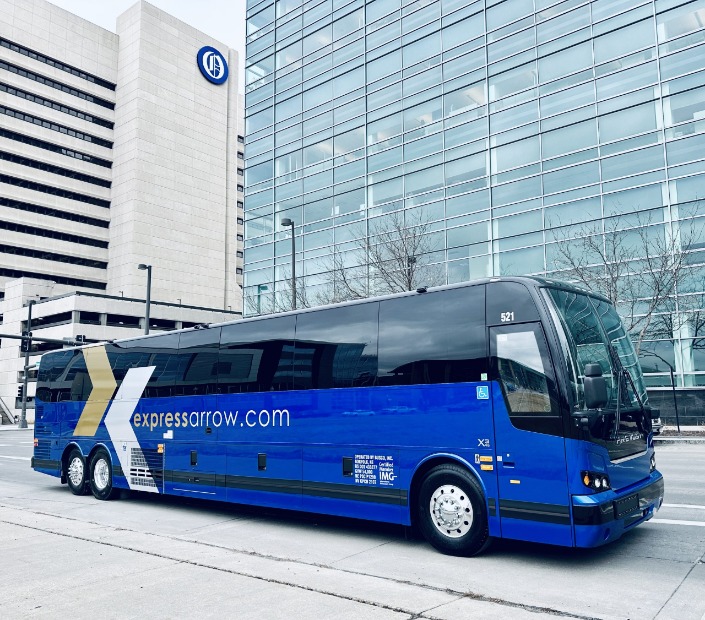
Off-peak discounts are common in South Africa for travellers who can travel outside busy periods or during less congested times of day. Operators may offer lower rates for early-morning departures or late-evening trips, as well as midweek or weekend promotions. Off-peak pricing is especially common for long-distance charters and for schools and corporate groups scheduling outside peak periods.
Midweek rates specifically target Monday to Thursday bookings. Many bus hire providers in South Africa bundle midweek specials with longer hire durations or include extra services at no extra cost to attract clients during slower days. Midweek charters are popular for conferences, corporate events, school trips, and non-peak group tours where price savings can be significant compared with weekend hires.
What affects the exact price? Vehicle size and type (minibus vs coach), distance, duration and number of travel days, driver allowances, fuel surcharges, tolls, insurance, VAT and any included amenities (on-board catering, guides, Wi-Fi). Additional requests such as luggage handling, child seats, or accredited guides can also change the quote. Seasonal and promotional pricing may add or subtract from the base rate.
Tips to get the best price in South Africa: compare quotes from several operators, ask for all-inclusive fixed-price quotes, check what is included (driver meals, tolls, VAT, fuel), inquire about off-peak and midweek discounts, and confirm cancellation terms. Booking in advance and being flexible with dates and pickup locations can yield substantial savings on bus hire prices in SA.
In summary, seasonal and demand-driven pricing, along with off-peak discounts and midweek rates, offer opportunities to reduce costs when hiring a bus in South Africa. By understanding how these pricing levers work and planning ahead, groups can secure reliable transport that fits their budget for tours, conferences or group travel.
Additional Costs and Fees
When budgeting for bus hire in South Africa, the quoted price typically includes the base rate plus several additional costs and fees. Expect fuel charges, driver allowances or per-day fees, kilometer charges beyond the agreed distance, tolls, parking, insurance, and value-added tax. There may also be cleaning fees, late-night surcharges, and optional extras such as extra drivers or specialised equipment. Always request a clear, written breakdown to avoid surprises on the day.
Toll charges, parking, permits, and route changes
When hiring a bus in South Africa, the base daily or hourly rate covers the vehicle and standard driver services, but additional costs and fees often apply for tolls, parking, permits, and route changes.
Additional costs and fees: Many bus hire quotes include VAT and may add fuel surcharges, overtime or standby fees, driver allowances for late-night hours, cleaning after events, or extra driver time if the hire extends beyond the agreed period.
Toll charges: Toll roads may require separate charges. Operators may bill tolls at cost or include them in the estimated total. Rates vary by route and time, and some trips may incur additional charges for congestion or road usage.
Parking and waiting: Parking fees at airports, venues, hotels, and waiting time when the bus sits idle between legs can be charged and passed through to the client as applicable.
Permits and licenses: For certain routes, especially intercity or cross-border travel, permits, road use authorizations, and border crossing fees may be required. These costs can be passed to the client or included in the quote, depending on the agreement.
Route changes: If you change the itinerary after booking, the operator may apply a route-change fee or adjust the quote to reflect different distances or durations. Pre-approval and written confirmation are often required.
How to manage costs: Request an itemized quote that separates base hire, tolls, parking, permits, and route-change fees; confirm whether VAT is included; ask for a fixed-price package or maximum cap; and clarify policies for late changes.
Practical notes for South Africa: Toll charges and parking policies can vary by province and city; some venues require special permits for oversized vehicles; always check the route in advance to minimize unexpected charges.
Driver meals, accommodation, and overtime
When you hire a bus in South Africa, the listed rate is only part of the total price. Additional costs and fees can add up quickly on longer journeys or when travelling across provinces, so it pays to understand what might appear on the final invoice.
Common additional costs and fees include value-added tax (VAT), booking or administration charges, and a security deposit or insurance excess. Some operators also apply a fuel surcharge, toll charges, or airport and out-of-town pickup/drop-off fees. Always confirm whether these items are included in the quoted rate or billed separately, and request an itemised breakdown.
Fuel and tolls are frequent add-ons. In some quotes, the base price covers vehicle fuel for the trip, while in others fuel is charged as a separate line item or passed through at actual cost. Tolls incurred along the route, as well as any required crossing of provincial borders, may be billed to the client in addition to the base rate. If you expect a rural or highway-heavy itinerary, clarify how these charges are calculated and capped if possible.
Driver meals are another area where costs can appear. For long or multi-day trips, operators may provide meals for the driver, offer a per diem allowance, or require clients to reimburse meal expenses. Common practice ranges from a modest per-meal allowance to meals included as part of the service; confirm what is provided and how it is charged before booking.
Driver accommodation becomes relevant when trips extend overnight. If a journey requires the driver to rest before continuing, accommodation costs are typically passed through to the client. This can involve hotel or guesthouse charges per driver per night, with rates varying by location. Always check whether accommodation is included in the package or billed separately, and request a cap or preferred hotel list where possible.
Overtime charges apply when the trip runs beyond contracted hours or the driver must wait due to delays. Overtime is commonly billed at a higher rate than the standard hourly price, often around 1.5 to 2 times the normal rate, and may be accompanied by waiting-time fees. Ensure your contract specifies overtime thresholds, rates, and what counts as overtime to avoid surprises.
Tips for managing bus hire costs in South Africa include getting a comprehensive, itemised quote, comparing offerings from multiple operators, and asking for inclusive packages that cover driver meals, accommodation, and overtime where feasible. Clarify what is included, request written caps on surcharges, and outline the exact itinerary to reduce unexpected fees.
Cancellation policies, deposits, and refunds
Bus hire prices in South Africa are typically quoted as a base rate for a specific vehicle class and set hours or distance. The base rate usually includes the vehicle, a qualified driver, insurance, and standard vehicle maintenance, but it often does not cover every possible cost, so review the full quote carefully.
Additional costs and fees can significantly affect the total price. Common items include fuel charges if fuel is not included in the base rate, tolls and road charges, permits for certain routes, parking fees, and airport pickup or drop-off surcharges. Some operators also apply a waiting time charge if the group is delayed beyond the agreed schedule.
VAT and taxes: Value Added Tax (VAT) at 15% is typically added to the quoted price where applicable in South Africa. Some quotes may include VAT, while others show it as a separate line item, so check how the total is presented.
Fuel policy: If fuel is included, the base price will reflect that. If not, fuel costs may be charged at cost plus a handling margin or at a fixed daily rate. Confirm how fuel is billed so you can compare quotes accurately.
Driver and crew costs: Overtime rates apply for extra hours beyond the agreed duration. Extra drivers may be required for long journeys or to comply with driving hour regulations. Accommodation and meals for drivers traveling overnight may also be charged if the trip spans multiple days.
Other fees: Late-night surcharges, weekend or public holiday surcharges, luggage allowances, extra stops, or changes in itinerary can incur fees. Some operators offer add-ons like onboard Wi-Fi, refreshments, or PA systems for an extra charge.
Cancellation policies: Many bus hire providers require a deposit to secure the booking. Cancellation terms vary: some may retain a portion of the deposit, while others refund if you cancel within a specified notice period. Penalties often increase as the departure date approaches.
Deposits and refunds: A typical deposit ranges from 10% to 30% of the total cost, depending on the operator and trip length. Cancellations within the allowed notice window usually qualify for a refund of the deposit, or a credit note for future use; refunds are typically issued to the original payment method within several business days, though processing times can vary by provider.
Tips for clarity: Always request an itemized contract or quote showing base rate and all additional charges; confirm whether VAT is included; verify cancellation windows and penalties; ensure refunds are offered as cash, credit, or bank reversal; keep all communications in writing to avoid disputes later.
How to Compare Quotes
When you’re comparing bus hire quotes in South Africa, start by collecting itemized estimates from reputable providers and comparing not just the price but what’s included. Look for base rates, driver and VAT inclusions, insurance, mileage limits, fuel surcharges, tolls, and cancellation terms, then check vehicle suitability and availability for your itinerary. Clear, itemized quotes help you spot hidden costs and choose the best value for your group.
What to request in a quote (inclusions, exclusions, terms)
When comparing quotes for bus hire prices in South Africa, ensure you’re comparing like-for-like and that the quote clearly distinguishes what is included and what is not.
- Define the trip and vehicle: confirm the vehicle type (coaster, mini-bus, or full-size coach), seating capacity, luggage space, and whether the quote is for a single journey or round trip within South Africa.
- Get an itemized quote: request a breakdown of base rate, driver fee, fuel surcharge, tolls, waiting time, standby time, and any surcharges or added services.
- Inclusions to verify: list itemized inclusions such as insurance, GPS, air-conditioning, seat belts, incidentals, VAT (typically 15%), and the number of professional drivers if the itinerary spans multiple days.
- Exclusions and potential add-ons: confirm exclusions like meals, accommodation, alcohol, extra drivers, overnight parking fees, and any items billed separately (parking, accommodation, tolls).
- Payment terms and timing: note deposit requirements, final payment date, accepted payment methods, whether rates are locked for a period, and any late-payment penalties.
- Insurance and compliance: verify driver licencing, operator permits, vehicle inspection certificates, third-party liability cover, passenger insurance limits, and how claims are handled in case of an incident.
- Operational terms: clarify mileage limits, daily or hourly rates, standby/idle time rules, and any call-out charges if the itinerary changes.
- Itinerary specifics and cross-border considerations: confirm if the quote covers nationwide travel within South Africa, tolls and e-tolls where applicable, and any cross-border fees if travel extends beyond SA.
- Cancellation and refund policy: understand how cancellations affect the quote, any non-refundable portions, and terms related to weather or force majeure.
- Vendor credibility and service levels: check references, on-time departure history, vehicle maintenance schedules, and contingency plans for breakdowns or delays.
Tips: ensure quotes are in the same currency (ZAR), include VAT, and compare the same itinerary with the same vehicle type to get a true price comparison for bus hire in South Africa.
How to verify operator credentials and insurance
When budgeting for bus hire in South Africa, prices can vary widely based on distance, duration, vehicle type, and service level. To get the best value, compare quotes side by side and verify that each operator is properly licensed and insured before making a decision.
How to compare quotes effectively: gather quotes from multiple reputable operators and ensure you are comparing the same service level and trip details. Ask for a full price that includes all compulsory charges, such as VAT, driver allowance, fuel surcharges, tolls, and any waiting time. Request a clear breakdown of costs and a written quote that specifies what is included and what might incur extra charges. Create a simple comparison sheet listing total price, inclusions, and any conditions so you can see where differences come from.
Verifying operator credentials: check that the operator has a valid business registration and a current operating license for passenger transport. Confirm that every bus in the fleet has up-to-date roadworthy certificates and current vehicle registrations. Ask for copies of the operator’s license, vehicle registrations, and proof of compliance with South African transport regulations. It helps if the operator is listed with recognized regulatory or industry bodies and can provide verifiable contact details and a physical office address.
Verifying insurance: require a current certificate of insurance that covers public liability and passenger liability, with explicit mention of the hire arrangement. Look for policy details such as coverage limits, policy start and end dates, and the named insured. Contact the insurer directly to confirm the policy is active and that the operator is indeed covered for passenger transport. Ensure the policy accommodates your specific trip, including the number of passengers and any potential extras like luggage or special equipment.
Vehicle and driver readiness: confirm that the fleet you will use meets safety standards and that each vehicle has seat belts, a valid safety certificate, working emergency exits, and basic safety equipment. Verify that the driver has the proper professional license, a clean driving record, and is fit to operate a passenger bus for the duration of your trip. Ask about driver hours, rest requirements, and whether a backup vehicle or driver is available in case of unforeseen issues.
Understand terms and service level guarantees: clarify inclusions such as waiting time after arrival, route flexibility, and any overtime or out-of-hours charges. Check the cancellation policy, deposits, refund rules, and the process for urgent changes to the itinerary. Make sure there is a clear point of contact for day-of-service support and a plan for contingencies if traffic or weather disrupts arrangements.
Red flags to watch for: quotes that are significantly lower than others, incomplete documentation, reluctance to share license or insurance details, or pressure to sign quickly without written terms. If a quote omits essential costs or offers vague guarantees, treat it with caution and seek clarifications before proceeding.
Practical next steps: request quotes in writing with a standard checklist of documents (copy of operating license, vehicle roadworthy certificates, registration, insurance certificate, and company registration). Compare total price and all inclusions side by side, verify credentials directly with the issuing authorities or insurers, and choose the operator who offers reliable service, transparent documentation, and appropriate coverage for your bus hire in South Africa.
Reading the fine print and avoiding common pitfalls
When you hire a bus in South Africa, quotes can vary a lot. A careful comparison helps you balance price, safety and reliability so your trip runs smoothly.
Collect consistent details from every operator: the date and duration of use, exact pickup and drop-off points, the planned route, headcount, the bus type (for example 29-seat minibus, 50-seat coach, or 60-seat coach), luggage requirements, accessibility needs, and whether you require a driver to stay overnight or handle other duties.
Reading the fine print is essential. Look for what is included in the base rate, such as VAT, fuel, the driver’s allowance, insurance, and any required permits. Check what is excluded: tolls, parking fees, fuel surcharges, overtime or waiting time, meals or accommodation for the driver, and any penalties for changes or cancellations. Also verify whether a replacement vehicle is promised in case of breakdown and what the terms are for delays or route changes.
Beware common pitfalls. Some quotes appear cheap but reveal hidden costs later, such as hourly rates that escalate quickly after a few hours, mileage caps, or high waiting-time charges. Differences in the exact bus model offered can affect comfort and luggage space. Inconsistent service levels, vague terms, or insufficient insurance coverage can create risk. Make sure the quote is valid for a reasonable period and that deposits or cancellations are clearly spelled out.
To compare quotes effectively, request a standard, itemized quote from each operator and use a simple side‑by‑side checklist: total price, inclusions, exclusions, VAT treatment, tolls, driver allowances, insurance coverage, cancellation terms, waiting time charges, and the exact bus type. Ensure the quote reflects the same service level so you are truly comparing apples with apples.
Do your due diligence on the operators themselves. Ask for proof of a valid Operating Licence and current vehicle registrations, as well as evidence of insurance coverage. Request driver qualifications or certifications, and consider checking past client reviews or testimonials. A reputable operator should provide clear contact details and have a track record of safe, on‑time service.
Use the final stage to negotiate and seal the deal. Seek a written contract that confirms the agreed price, price validity period, and all inclusions and exclusions. Clarify payment terms, cancellation policies, and what happens if a vehicle breaks down or cannot be provided as agreed. Ask for a 24/7 contact, a clear contingency plan, and a defined process for changes or delays.
South Africa specifics to keep in mind include toll road charges on certain routes and how these are handled in the quote. Confirm whether tolls are included or billed separately, and ensure the invoice shows VAT clearly. If your trip spans multiple provinces, verify that the operator is equipped to handle cross‑provincial travel and that any province‑specific requirements are covered. Finally, prioritize operators with solid safety records and transparent pricing to minimize last‑minute surprises on the day of travel.
Budgeting for Different Group Sizes
Budgeting for bus hire in South Africa depends largely on how many people you’re transporting. Group size influences the vehicle type chosen, per-seat costs, and the range of add-ons you may need. Smaller groups may pay higher per-person rates for minibuses, while larger groups can save with full-size coaches or combined trips; distance, pickup points, and peak-season demand also matter. Start with a headcount, request quotes from several operators, and allow a contingency for fuel surcharges and insurance to land a realistic budget that suits your needs.
Calculating cost per person for various group sizes
Budgeting for bus hire in South Africa starts with choosing the right vehicle for your group size and trip duration.
For small groups of up to around 20 passengers, a 12–19 seat minibus is typical. Medium groups of 21–40 passengers usually fit in a 20–29 seat midibus or a 40–50 seat coach. Larger groups of 41–60 travellers often require a full-size coach in the 50–60 seat range. Matching the seating capacity to the headcount helps minimize wasted space and protects your budget.
Pricing in South Africa typically includes several components: the base daily hire rate, distance charges (per kilometre), time charges (per hour if applicable), a driver fee (and sometimes a second driver for long trips), fuel surcharge, tolls, parking, insurance, and value-added tax (VAT) at 15%. Some quotes also add a contingency or administration fee. In some cases, highway tolls are billed separately as incurred.
Calculating cost per person involves adding all fixed and variable costs to a total trip cost, then dividing by the number of passengers. A simple formula is: Cost per person = Total estimated cost / Group size. To estimate Total estimated cost, sum: base rate + (distance × distance rate) + (hours × time rate) + driver fee + fuel surcharge + tolls + parking + insurance + VAT (if not already included) + any other fees.
Example: Suppose you need transport for 50 people, using a 50-seat coach for a one-day trip covering 160 kilometres and 6 hours. Hypothetical prices: base daily rate R 3,000, distance rate R 8 per km, distance 160 km, driver fee R 600, fuel surcharge R 250, tolls R 120, parking R 50, insurance R 60, VAT 15% applied to taxable subtotal. Subtotal before VAT: 3,000 + (160 × 8) + 600 + 250 + 120 + 50 + 60 = 5,360. VAT 15% of 5,360 = 804. Total estimated cost = 5,360 + 804 = 6,164 rand. Cost per person for 50 travellers = 6,164 / 50 ≈ R123.3 per person. If the group is only 30 travellers, the per-person cost would be 6,164 / 30 ≈ R205. All quotes vary, so use these numbers as a frame for budgeting and request firm quotes from providers.
Tips to optimize budgets for different sizes include booking early to lock in lower rates, choosing off-peak travel times when possible, comparing multiple quotes, asking for inclusive packages to minimize hidden fees, and considering a mid-size coach if the headcount falls between standard capacity ranges. Sharing the journey with another group can also help spread fixed costs, while planning for luggage and accessibility can prevent unexpected charges.
Budgeting for bus hire in South Africa requires tailoring the vehicle to group size and carefully calculating all cost components. With a clear headcount and a realistic route, you can estimate a cost-per-person that matches your budget while ensuring safe and comfortable transport.
Choosing seating arrangements and breakpoints for stops
Budgeting for bus hire in South Africa starts with understanding how group size, journey length, and price structures from operators come together to shape the final cost. Different routes, seasons, and vehicle types all influence what you pay, so a clear plan helps you avoid surprises on the day of travel.
Budgeting for different group sizes means mapping vehicle types to the number of passengers and luggage you expect. For smaller groups up to about 15 people, a 12 to 16 seat minibus or shuttle can be the most cost effective option while still offering comfort and row seating configuration. For mid sized groups of roughly 16 to 35, a 22 to 29 seater coach provides more space and can keep costs reasonable per person. For larger groups of 36 to 60, a 50 seater or full size coach is usually the most practical solution, offering better per person value when shared across a larger audience. When planning, also consider luggage capacity, accessibility needs, and whether space for equipment, banners, or merchandise is required.
Pricing in South Africa typically involves a base hourly rate plus distance charges, with a daily minimum in many cases. VAT is commonly added, and you may see extra line items such as a driver allowance, fuel surcharge, tolls, parking fees, and airport or accommodation fees if relevant. Seasonal demand, public holidays, and major events can push prices higher, while longer bookings that span multiple days may secure a discounted daily rate. To avoid surprises, request an itemized quote that clearly lists hourly or daily rates, per kilometer charges, and all potential surcharges, taxes, and extras.
Choosing seating arrangements depends on comfort, group dynamics, and the purpose of the trip. For families or schools with children, reserve front rows for caregivers or staff and designate systems for seat allocation to keep the group organized. If the trip includes presentations or performances, consider front rows or a configuration that keeps performers within easy reach of staff. For accessibility, plan a layout that accommodates wheelchairs or extra assistance devices and ensures unobstructed aisles for mobility aids and luggage. Also consider luggage layout—tight seating may reduce storage; a clear plan for bags helps prevent overloading or misplacement.
Breakpoints for stops should balance travel time with rest and safety. Plan fewer, well-timed breaks at logical points such as service stations or rest areas with facilities, rather than stopping at every town along the way. Communicate the stop plan to the operator and the driver, including expected durations and any needs related to accessibility or refreshments. Build in buffer time for traffic, road works, or delays, and ensure there is a mechanism for adjusting stop points if the route changes. Remember to factor driver rest requirements and legal limits on daily driving hours when scheduling breaks.
Practical steps to secure the best value include obtaining multiple, itemized quotes from reputable SA operators, verifying included services (insurance, breakdown cover, and emergency support), and checking cancellation terms. Compare the total cost per passenger rather than just the base rate, and ask about hidden fees such as airport charges, tolls, or late-night surcharges. Confirm the operator’s license, vehicle maintenance standards, and driver qualifications to avoid risk or liability issues. By planning around group size, seating, and breakpoints, and by securing transparent quotes, you can optimize both comfort and cost for bus hire in South Africa.
In summary, align vehicle size with group size, design seating to support the trip’s purpose and accessibility needs, and craft a stop plan that minimizes costs while maintaining safety and comfort. With clear budgeting that accounts for SA-specific pricing structures and surcharges, you can navigate bus hire prices in South Africa with confidence and clarity.
Planning for extra stops and contingency routes
Budgeting for bus hire in South Africa requires aligning your group size with the right vehicle type and factoring in time for stops and potential detours. Prices vary by city, distance, and the inclusions offered by operators, so a careful plan helps you avoid surprises.
Budgeting for different group sizes involves choosing the right vehicle category and understanding the typical cost drivers. Small groups of up to about 14 passengers usually use 9–16 seat minibuses, mid-size groups (15–40) use 24–40 seat coaches, and larger groups (40+ passengers) require full-size 50-seat coaches or larger. In practice, day hire rates rise with capacity because bigger vehicles cost more to operate, but the per-person cost often drops as you fill more seats. Expect a base daily rate that covers the vehicle and the driver, plus additional charges for distance, fuel, and time, so you should compare quotes that break out these elements clearly.
Key cost components to include in your budget are the base hire rate and driver, fuel or fuel surcharge, distance/kilometer charges, tolls, parking, and waiting time if you need the bus to stop or pause for longer than planned. VAT applies in South Africa, and some operators quote inclusive prices while others itemize VAT. Insurance, vehicle readiness, and possible credit card or booking fees may also apply. If your itinerary involves late hours or overnight driving, overtime charges and accommodation for the driver can add significantly to the total.
Planning for extra stops means building flexibility into your schedule and your budget. If you anticipate breaks for meals, restrooms, or photo opportunities, add buffer time (for example, 15–30 minutes per stop) and specify the number of stops in the contract. Consider the location of stops (security, accessibility, and comfort) and whether the operator can provide pre-arranged facilities. By listing stops and their expected durations in the quote, you reduce the risk of disputes over overruns later in the trip.
Planning contingency routes involves mapping alternate paths in case of roadworks, traffic congestion, or safety concerns. Work with your operator to identify at least one backup route for major legs of the journey and confirm that the vehicle’s navigation system and driver are prepared to switch routes if needed. Include contingency mileage and time in your plan, and ask the operator to provide route notes or a second set of directions, so you’re not locked into a single option if conditions change on the day.
A simple budgeting example can help you compare quotes. Suppose you hire a 30- to 40-seater coach for a day with 25 passengers, covering a 6-hour schedule with 2 hours of travel time and 1 hour for stops. Base hire: ZAR 3,000; driver and basic insurance: included; estimated fuel and mileage: ZAR 1,000; tolls and parking: ZAR 200; waiting time for planned stops: ZAR 300. Add a contingency of 10–15% for unforeseen costs and a 5% VAT. The total might land in the range of ZAR 4,000–4,800, depending on the operator and inclusions. Use this as a framework and adjust based on your quotes.
Practical tips for budgeting in South Africa include obtaining written quotes from multiple reputable operators, asking for a full breakdown of inclusions, and verifying the vehicle type, seating, and availability. Confirm the driver’s qualifications, insurance coverage, and the operator’s cancellation policy. If your itinerary includes international travel or cross-border movement, check any permits or additional insurance that may be required. Always request a final, all-inclusive price before signing a contract and keep a copy of the agreed route and timing.
With careful planning for group size, extra stops, and contingency routes, you can secure bus hire in South Africa that meets your needs while staying within budget. Clear communication with the operator and a well-documented itinerary are the best buffers against price surprises and logistical hiccups.
Tips for Getting the Best Value
Smart bus hire in South Africa starts with comparing quotes from several licensed operators and asking for a full breakdown of costs. Look for inclusive pricing (driver, fuel, tolls, taxes, insurance) and beware hidden fees or mileage limits that can spike the total. Align the deal with your itinerary and group size—off-peak days or longer hires can reduce the per-passenger cost, while larger buses may offer better value if fully utilized. Check terms on deposits, cancellations, and replacements, and choose a reputable provider with clear guarantees and recent customer feedback to ensure you get value without compromising safety.
When to book to secure better rates
Getting the best value when hiring a bus in South Africa comes from smart timing, clear inclusions, and a bit of negotiation. Here’s how to secure better rates.
- Book well in advance for peak periods (summer holidays, Christmas, Easter). For standard coaches, aim for at least 6–12 weeks ahead; for luxury or large groups, 2–3 months if possible to lock in lower rates.
- Be flexible with dates and times. Midweek pickups, daytime departures, and non-peak hours often cost less than weekend or early-morning slots.
- Shop around and compare multiple quotes. Ensure you’re comparing apples to apples—bus size, number of days, inclusions (driver, fuel, VAT), and any surcharges.
- Check inclusions and beware hidden costs. Confirm driver allowances, overtime, nighttime surcharges, tolls, parking, permits, and any accommodation if the trip spans multiple days.
- Consider shoulder seasons and regional demand. Off-peak windows can offer significantly lower rates, especially outside major events and holidays.
- Choose the right bus size and type. Avoid paying for extra seats you don’t need; sometimes a slightly smaller bus is cheaper overall and more economical per seat.
- Ask for bundled packages. Discounts for return trips, multi-day hires, or multiple routes can reduce the overall price.
- Review cancellation and change policies. Flexible terms protect value if plans shift, paying attention to any fees or penalties.
- Use reputable operators and verify licensing and insurance. Check reviews, confirm the vehicle is compliant, and ensure the driver has the appropriate qualifications.
Selecting the right vehicle type for the itinerary
Getting the best value when hiring a bus in South Africa starts with clarity about your itinerary, passenger load, and the level of service you need. A good value is not just the lowest price, but the right balance of price, reliability, and comfort.
Start by planning the route, timing, and activities. Knowing how many stops you will make, how long you will drive each day, and whether you need luggage space or accessibility features helps you pick the correct vehicle type and reduces unnecessary costs later.
Shop around and request formal quotes from several licensed operators. Compare like for like by checking what is included: driver, fuel, tolls, VAT, insurance, and any surcharges. A quoted price that excludes essential items can quickly become expensive at the end of the trip.
Look for hidden costs and fees. Overtime if you run late, waiting time at venues, out-of-hour pick ups, or changes in route can add up. Some operators also charge for extra luggage or for a second driver on long trips.
Inspect the vehicle and confirm safety standards before you commit. Check seat belts, air conditioning, legroom, seat configuration, and the presence of a working fire extinguisher and first-aid kit. Ask about the driver’s qualifications, rest breaks, and insurance coverage for passengers and cargo.
Choose the vehicle size that matches your group. A bus that is too large for a small group wastes money and fuel, while a bus that is too small may cause delays and discomfort. For very large groups, consider splitting into two vehicles to improve efficiency and reliability.
Consider luggage and special requirements. If you plan to bring sports equipment, stage gear, or mobility aids, make sure the vehicle has adequate storage and accessible doors. If accessibility is critical, confirm that the operator can provide a suitable vehicle and staff assistance.
Timing can affect price. Rates are typically higher during school holidays, long weekends, and peak tourist seasons. If your itinerary is flexible, book in advance and avoid peak times where possible to secure better value.
Use a broker or aggregator with a strong network in South Africa to compare options quickly, but also verify the operators directly. Read recent customer reviews, verify licenses and insurance, and ask for references if you are planning a complex itinerary or long rental.
Vehicle type recommendations by itinerary: a mini-bus or 20–30 seat coach works well for small groups with tight schedules; a 30–40 seat mid-sized coach suits medium groups with frequent stops; a full-size 50–57 seat coach is best for large groups covering longer distances or needing extra comfort. For close-in city hops, a high-density shuttle may be cost-effective; for rural routes with rough roads, ask about a vehicle built for tougher terrain and better suspension.
Conclusion: define your must-haves, compare and negotiate, and choose a vehicle type that aligns with your route, passenger comfort, and total cost to get the best value on bus hire in South Africa.
Leveraging quotes and negotiating terms
Planning a bus hire in South Africa isn’t just about chasing the lowest price. The best value comes from a careful balance of cost, reliability, safety and service quality. This guide helps you focus on total value when booking a coach or minibus for travel in South Africa.
Begin by collecting quotes from multiple reputable operators across key regions such as Gauteng, the Western Cape and KwaZulu-Natal. Make sure each quote reflects current conditions and clearly states whether VAT is included, since South Africa’s standard VAT rate is 15% and can affect the final price.
Ask for a detailed breakdown of every cost component. A transparent quote should show the base rate, driver allowance if applicable, fuel surcharge, tolls, insurance, VAT, and any potential surcharges for late pickups, airport fees, or overtime. This helps you compare like-for-like and prevents surprises later.
Clarify what is included and what is not. Exclusions such as driver meals and accommodation for multi-day trips, waiting time, parking, or luggage handling can add up. Confirm whether fuel is included or charged separately and if there are limits on mileage or distance within the quoted price.
Use quotes to your advantage by comparing apples to apples and creating a simple value matrix. Identify the quote that offers the best balance of price, inclusions, vehicle condition, modern amenities and driver experience, rather than simply choosing the cheapest option. If you have a competitor quote, you can use it to prompt a better offer from a preferred supplier.
When negotiating terms, start with the strongest quotes you receive and request price adjustments or added value. Propose discounts for multi-day bookings, larger groups or bundled services (such as airport transfers plus day trips). Consider requesting a price hold or negotiating a longer booking window for a lower daily rate, and discuss flexible hours to avoid peak-time surcharges.
Clarify payment terms and cancellation policies upfront. Seek reasonable deposits, clear balance due dates, and policies that limit penalties for changes caused by weather or unforeseen events. Include a robust cancellation clause and consider a contingency plan for route changes or driver delays.
Assess the vehicle and service quality before finalizing. Verify seating capacity, luggage space, air conditioning, and seat belt integrity. Confirm driver qualifications, language abilities, local knowledge, and access to a backup driver for longer trips to avoid disruptions.
Insurance and compliance are essential. Check that passenger liability cover and vehicle insurance are in place and that the operator complies with licensing and South African road rules. Request assurance of appropriate operator permits where required and confirm that drivers meet safety and rest requirements to reduce risk during the journey.
Finalize with a formal written contract that includes a detailed route plan, a single point of contact, and clear service level expectations. Ensure quotes have expiry dates, and require itemized invoices that support every line item. If possible, arrange a pre-trip inspection or brief video call to confirm vehicle condition and readiness.
Keep in mind local realities when planning in South Africa. Peak travel periods, school holidays and major events can affect availability and price. Build flexibility into your dates when possible and watch for hidden charges that may arise from remote destinations or additional stops, ensuring your schedule remains practical and affordable.
By gathering multiple quotes, demanding transparent breakdowns, and negotiating terms strategically, you can secure the best value for bus hire prices in South Africa while protecting safety, reliability and overall travel quality.
Future Trends in Bus Hire Prices in South Africa
Looking ahead, bus hire prices in South Africa are likely to face modest upward pressure as operating costs shift with fuel prices, maintenance, and regulatory compliance. Demand patterns tied to tourism, corporate events, and school transport will influence pricing cycles, with peak seasons driving tighter availability and higher quotes. Fleets upgrading to greener, more efficient buses may initially raise unit costs but could be offset by longer-term savings and efficiency gains. Competitive markets and digital booking platforms are expected to improve price transparency, while regional variations will see prices swing across provinces.
Impact of fuel price volatility on daily rates
Future Trends in Bus Hire Prices in South Africa are shaped by macroeconomic forces, fleet dynamics, and sector-specific demand, with the outlook suggesting a gradual rise in base rates over the next few years and periodic spikes driven by fuel volatility and regulatory changes.
Key drivers include diesel costs, maintenance and parts, depreciation and financing on fleets, wage inflation, tolls and road charges, and policy fees. As urban mobility and outbound tourism rebound, operators may invest in newer, more efficient buses, potentially lifting base rates even before add-ons. Availability of finance and the cost of capital will also colour price trajectories, as will currency movements that affect imported parts and fuel costs.
Regional and seasonal variations are significant in South Africa. Major urban routes and corporate events tend to see tighter supply and higher surcharges, while rural routes or off-peak periods may be priced more competitively. Long-term contracts can offer price stability, whereas ad-hoc bookings expose customers to more frequent adjustments tied to market conditions.
The impact of fuel price volatility on daily rates is direct and persistent. Diesel price movements feed through to operating costs, often via a fuel surcharge or a fuel-indexed component in the rate. When diesel climbs, surcharges rise; when it falls, some operators implement partial rebates or slower-adjusting adjustments. In practice, pricing models range from fixed daily rates with a separate fuel surcharge to fully indexed pricing that tracks a local fuel benchmark and exchange-rate movements.
Operators are likely to adopt strategies to manage volatility, including fuel hedging, longer-term contracts with built-in caps or floors, route optimization and telematics for efficiency, and gradual shifts toward hybrid or electric buses where feasible. The growing availability of cleaner fleets and potential government subsidies can also influence long-run pricing, with initial higher capital costs offset by lower operating expenses and maintenance over time.
For buyers, understanding the price structure and the mechanism for surcharges is crucial. Dynamic pricing platforms, transparent contract terms, and advance notice of any fuel-related adjustments can help corporate travel managers budget effectively. In the medium term, electric or hybrid buses may offer price resilience against diesel swings, while demand-side strategies such as group bookings, off-peak scheduling and route consolidation can reduce per-passenger costs.
Overall, the trend for bus hire prices in South Africa is toward greater sensitivity to fuel costs and operating efficiency, with technology-enabled efficiency gains and more hybrid or electric fleets offering potential stabilisers. Consumers and operators alike should plan for a base-rate uplift aligned with inflation, plus a transparent mechanism for fuel volatility that remains fair and predictable in a changing energy landscape.
Technology, online marketplaces, and price transparency
South Africa’s bus hire prices are set to be shaped by technology, expanding online marketplaces, and a rising push for price transparency as businesses and consumers seek clarity on transportation costs.
Advances in telematics, fleet management software, and AI-powered pricing will enable operators to optimize routes, fuel use, and capacity in real time, leading to more efficient pricing and better utilization of fleets.
Online marketplaces and aggregators are likely to continue tightening competition by aggregating quotes from multiple operators, offering instant or near-instant quotes, and enabling buyers to compare routes, vehicle types, and total costs on mobile devices.
Price transparency will become a differentiator, with operators required to show upfront quotes that itemize base rates, taxes, fuel surcharges, insurance, driver costs, and any optional extras, reducing the need for haggling and post-booking surprises.
Dynamic pricing and seasonality will influence prices, with weekends, public holidays, and peak tourist seasons driving higher rates, while long-term contracts or off-peak bookings can yield more stable or discounted pricing for corporate clients and schools.
For buyers, data-driven procurement means selecting platforms that share reliable pricing histories, insist on included terms, and provide clear cancellation and refund policies, while operators benefit from optimized utilization and better demand forecasting.
Challenges remain, including data privacy, accuracy of online quotes, and capacity constraints in certain routes, as well as regulatory considerations around fare advertising and consumer protection, which will shape how prices are displayed and compared.
Overall, the trajectory points toward more transparent, competitive, and technology-enabled bus hire in South Africa, with price outcomes increasingly tied to efficiency, service levels, and the ability to compare options quickly across a growing set of online marketplaces.
Regulatory changes and safety insurance requirements
Bus hire prices in South Africa are shaped by fuel costs, vehicle maintenance, demand from corporate events and tourism, and the evolving regulatory environment. As the market recovers from disruptions, price signals reflect diesel prices, exchange rate movements, and the cost of compliance.
Future trends in prices: In the short to medium term, price movements are likely to track diesel and maintenance costs, which remain volatile due to global oil markets and currency fluctuations. Inflation and wage settlements in the transport sector can push day-rate and hourly-rate quotes higher. Fleet modernization—such as upgrading to more efficient engines or electric buses—adds upfront capital but can reduce fuel costs over time, affecting long-run pricing. Strong competition among large operators may help cap price increases, while cyclical demand tied to conferences, sports events, and tourism can cause seasonal price swings.
Regulatory changes and safety requirements: South Africa’s bus industry is subject to licensing, route permits, safety audits, and driver hours regulations administered by national and provincial authorities. Ongoing reviews may introduce tighter vehicle fitness checks, mandatory use of safety equipment, digital logging of driving hours, and clearer standards for passenger safety. Increased emphasis on environmental compliance may also lead to extra costs for cleaner fuels, emission controls, or retrofits.
Safety insurance requirements: Operators typically need third-party liability insurance, passenger liability, and vehicle damage cover, with minimum limits set by regulators or insurers. Insurers increasingly require evidence of risk management practices—driver training certificates, regular maintenance logs, up-to-date roadworthy certificates, and accident incident reporting. Because of the higher risk profile in the South African transport sector, premiums can be price-sensitive to safety performance and compliance records. For hirers, verify that the operator provides the required cover, and request written proof of policies, limits, and active policy documentation.
Implications for buyers and operators: plan for price volatility by securing long-term or multi-year contracts, compare quotes from reputable operators, and confirm all regulatory and insurance documents are current. For operators, investing in training, maintenance, and compliance can improve risk ratings and potentially reduce long-run costs, even if initial expenses rise.
FAQs about Bus Hire Prices in South Africa
Welcome to our FAQs on bus hire prices in South Africa. Here you’ll find concise answers to what drives costs, how rates vary across cities and bus types, what’s typically included in quotations (driver, fuel, insurance, permits), and tips for getting the best value when planning group travel.
What is a typical daily rate for mid-sized coaches?
This FAQ covers bus hire prices in South Africa, focusing on mid-sized coaches and common pricing structures.
What is a typical daily rate for mid-sized coaches? In South Africa, mid-sized coaches (roughly 25–40 seats) typically range from around R2,800 to R6,000 per day for local hires. Prices vary with distance and duration, the inclusions offered (driver, fuel, tolls), and whether VAT is added. Shorter trips or off-peak periods may be cheaper, while peak travel times can push rates higher.
What factors influence bus hire prices in South Africa? Prices are driven by distance, duration, and the number of days; the size and model of the coach; optional extras such as a second driver, Wi‑Fi, air conditioning, or an on-board toilet; and seasonal demand. Local holidays and busy routes also affect rates, as do any required permits or insurance for the trip.
What is usually included in a daily rate? A typical daily rate often includes the coach, a professional driver, basic insurance, and VAT where applicable. Some quotes may include fuel or a set mileage limit, while others charge these separately. Always check exactly what is included before booking.
Are there extra costs to watch for? Yes. Common extras include waiting time beyond a set grace period, overtime, airport or port fees, tolls, parking charges, loading/unloading fees, and charges for mileage beyond the agreed limit. Fuel is sometimes included, sometimes charged separately, so confirm how it is handled.
How far in advance should I book? For local trips, booking 2–4 weeks in advance is common, while for longer trips, peak seasons, or popular routes, booking 4–8 weeks ahead helps secure better availability and rates.
How can I get the best value when hiring a bus? Compare multiple operators, clearly list inclusions and exclusions, confirm mileage limits and any surcharges, verify driver hours and regulations, read reviews, and ask for written quotes. Clarify the total cost, including VAT and all potential extras, before signing a contract.
Do prices vary by city or season? Yes. Rates can vary by city due to local demand, carrier competition, and operating costs, and they often rise during holidays, school trips, and major events. Getting quotes from several operators in your area can help you gauge the typical price for your route and season.
Are there hidden costs to watch for when comparing quotes?
Bus hire prices in South Africa vary by vehicle type, distance, duration, season, and provider. This FAQ covers common questions and tips to compare quotes effectively.
Q: What factors influence bus hire prices in South Africa? A: The main factors are vehicle type (minibus, midi coach, full-size coach), seating capacity, distance and duration of the hire, time of day or day of week, seasonality and demand, route complexity, and any optional add-ons such as luggage handling or on-board services.
Q: Are quotes all-inclusive or can there be hidden costs? A: Quotes typically show a base rate and explicit inclusions, but several common items are often charged separately. Watch out for fuel surcharges or price per liter, driver allowances or accommodation for overnight trips, tolls, airport fees, parking, city congestion charges, overtime or wait time, and VAT where applicable.
Q: Do I need to budget for a driver and other staff costs? A: Some quotes include the driver’s daily rate and meals/accommodation. If not included, you may incur per diem or accommodation costs for long trips or overnight events.
Q: Are tolls, permits, and parking fees included in bus hire quotes? A: Not always. Check whether tolls, congestion charges, city permits, airport fees, and parking charges are included or billed separately.
Q: How do seasonality and peak times affect pricing? A: Prices tend to rise during holidays, major events, school holidays, and weekends due to higher demand. Booking in off-peak windows can save money.
Q: What should I look for when comparing quotes? A: Ensure the quote lists all inclusions and exclusions, total price, mileage limits, wait times, fuel arrangements, insurance coverage, driver qualifications, cancellation terms, and substitution policies. A written contract helps.
Q: Do different vehicle types affect cost? A: Yes. Full-size coaches with extra luggage space, onboard amenities, and higher comfort usually cost more than minibuses or midi coaches, even for similar distances.
Q: Can I save money with fixed-rate or all-inclusive packages? A: Some providers offer daily fixed-rate packages that cover driver, fuel, and standard waiting times, which can simplify budgeting and reduce surprises—still verify inclusions.
Q: How far in advance should I book, and when should I request quotes? A: For peak seasons or large groups, booking several weeks to months ahead helps secure availability and better pricing. Request multiple quotes and compare carefully.
How far in advance should I book for peak seasons?
Bus hire prices in South Africa vary widely based on vehicle size, duration, distance, seasonality, and added services. Here are common FAQs to help you plan and budget for your trip.
- What influences bus hire prices in South Africa?
Prices depend on vehicle size (mini, midi, coach), distance and duration, peak-season surcharges, driver costs, insurance, VAT, and optional extras such as tolls, fuel, waiting time, and onboard amenities. - How far in advance should I book for peak seasons?
Book as early as possible—ideally 6-12 weeks in advance for peak December holidays and major school holidays. For large groups or popular routes, 2-3 months ahead is often safer to secure preferred buses and rates. - What is typically included in a bus hire price?
Common inclusions are the vehicle, a licensed driver, basic insurance, and VAT. Extras like fuel, tolls, overnight stays, additional drivers, waiting time, and passenger taxes may be charged separately. - Are there hidden fees I should watch for?
Yes. Common hidden charges include peak-season surcharges, overtime or after-hours fees, waiting time, mileage beyond a set limit, route deviations, and cleaning or damage deposits. - Do I need to pay a deposit to reserve a bus?
Most operators require a deposit to secure the booking, often a percentage of the total. The balance and cancellation policy vary by operator, so read the terms carefully. - What are typical price ranges by bus size in South Africa?
Prices vary by city and operator, but rough ballparks are: minibuses (12-25 seats) from a few thousand Rand per day, mid-size coaches (28-45 seats) from several thousand Rand per day, and full-size coaches (49-60+ seats) from several thousand to over ten thousand Rand per day, depending on distance and season. - How can I compare quotes effectively?
Compare total cost including all inclusions and potential extras, check the cancellation policy, confirm driver fees, fuel and tolls, waiting time, and overtime. Also read reviews and verify insurance coverage and vehicle standards. - Is a chauffeur included or is the driver charged separately?
In most cases a licensed driver is included, but some operators charge extra for additional drivers or for after-hours shifts. Confirm who is responsible for the driver’s meals, accommodation, and allowances if applicable. - What about insurance and safety standards?
Reputable operators provide liability and passenger insurance. Check that the vehicle meets local safety standards, has valid licensing, and that the operator follows regulatory requirements. - What should I consider about routes and wait times?
Provide a clear itinerary with pickup and drop-off times. Ask about waiting time rates and whether routes can be modified en route without penalties. Some operators charge for added stops or deviations. - Can I get discounts for long-term or multi-day hires?
Many operators offer discounts for multi-day hires or repeat bookings. Negotiate for extended durations, multiple trips, or combining services (transport plus event logistics) to improve value. - What payment methods are accepted and what is the cancellation policy?
Commonly accepted methods include bank transfer, credit/debit cards, or company invoicing. Cancellation policies vary; ask about prorated refunds, credit notes, and any penalties for changes.