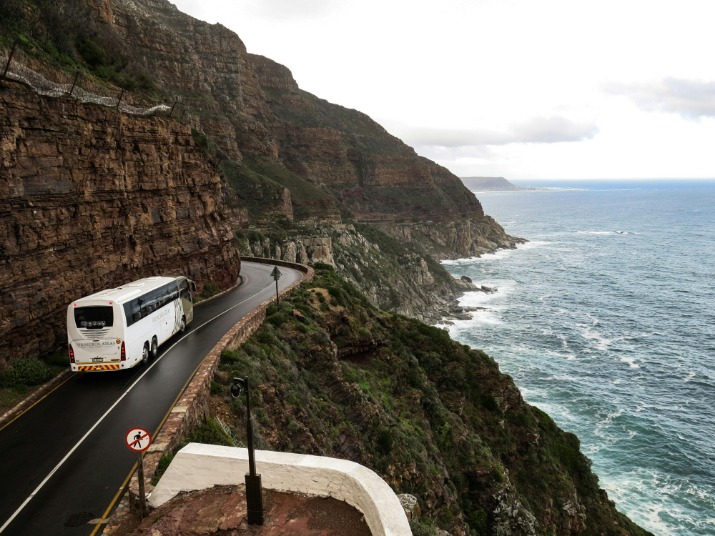

Overview of Bus Travel to South Africa
The overview of bus travel to South Africa outlines how travelers reach and move around the country by road, with cross-border services and city-to-city routes connecting major hubs such as Johannesburg, Cape Town, and Durban. Buses range from affordable daytime trips to comfortable overnight services, offering varying schedules, travel times, and amenities to fit different itineraries and budgets. This article’s topic, bus la kwenda south africa, highlights a practical, budget-friendly option for exploring South Africa’s diverse landscapes, cities, and cultural experiences.
Scope and Definitions
This overview of bus travel to South Africa explains the range of services, the scope of what is considered bus travel, and the standard definitions used by operators, travelers, and regulators. The phrase bus la kwenda south africa captures the sense of taking a bus to South Africa across regional borders and internal routes.
Scope of bus travel to South Africa includes international border-crossing services from neighboring countries into major gateways such as Johannesburg, Cape Town, and Durban, as well as domestic intercity routes that connect city centers, towns, and tourist destinations within South Africa. It covers long‑distance coaches, intercity buses, and cross‑border shuttle services operated by public and private companies, as well as travel arranged through booking agents and travel platforms.
Definitions: A bus is a large passenger vehicle used for intercity travel; a coach is a comfort-focused long‑distance bus with features such as larger seats and luggage space. A minibus is a smaller passenger vehicle typically used for shorter routes or group travel. An intercity bus operates between cities or towns; a local bus serves shorter, city‑center routes with frequent stops. A cross‑border service travels across national borders, often requiring border formalities such as visas or permits. A terminal or bus station is where departures and arrivals occur, while a booking agent or ticketing platform is used to reserve seats in advance.
Common routes connect neighboring countries to South Africa via key border posts such as Beitbridge, Ressano Garcia, and Oshoek, with SA gateways in Johannesburg, Pretoria, Cape Town, Durban, and Port Elizabeth. Within South Africa, major intercity corridors link Gauteng, the Western Cape, KwaZulu‑Natal, and the Eastern Cape, while tourism hubs offer routes to coastal towns and national parks. Travel times vary widely based on distance, border crossing time, and whether the service is express or with multiple stops.
Booking and planning typically involve checking operator timetables, booking seats online or at terminals, and confirming luggage allowances. Passports, visas, and border requirements may apply for cross‑border travel, with longer processing times at busy crossings. It is advisable to verify latest schedules, as services can change due to regulatory, security, or seasonal factors. Fares vary by distance, service level, and whether the journey is direct or makes stops.
Safety and comfort considerations include choosing licensed operators, reading reviews, and understanding cancellation policies. Arrive early at the terminal, keep track of border procedures, and have valid identification ready for travel across borders. This overview aims to clarify scope and definitions to help travelers plan responsible and efficient bus journeys to and within South Africa.
Common Entry Points for Bus Travelers
Bus travel to South Africa offers a budget-friendly way to reach the country and begin exploring its cities and landscapes. Regional bus networks connect South Africa with neighboring countries, making cross-border journeys feasible without flying. Long-distance coaches often stop at major urban hubs, giving travelers a convenient gateway to the country’s diverse regions.
Many routes connect South Africa with Zimbabwe, Mozambique, Eswatini, Lesotho, Namibia, and Botswana. Buses are typically comfortable, with varying levels of service from economy to premium, and routes may include overnight segments or day journeys that let you arrive in time for activities or onward trains and domestic bus connections.
Before you travel, check visa and entry requirements for your nationality, and ensure your passport is valid for at least six months. Have a copy of your itinerary and any onward tickets, as border officers may ask for proof of onward travel. Pack essential documents, money for tolls or border fees, and a small amount of local currency for border towns.
Common entry points for bus travelers include Beitbridge on the border with Zimbabwe, Lebombo or Ressano Garcia borders with Mozambique, Vioolsdrift or Noordoewer on the Namibia border, Golela and Oshoek on the Eswatini border, Maseru Bridge and Ficksburg on the Lesotho border, and Groblersbrug, Skilpadshek, Platjan and Martinsdrift on the Botswana border. These crossings connect major highways to South African cities such as Johannesburg, Pretoria, Durban, Cape Town, and Port Elizabeth.
Border crossings can vary in speed. Peak travel periods, large groups, or cargo checks can cause delays. It helps to arrive early, carry a printed itinerary, and have a backup plan if a border post closes or experiences a long queue. Some borders operate 24 hours, while others have limited hours, so verify times with your bus operator in advance.
When traveling by bus in South Africa, you’ll likely combine cross-border journeys with domestic routes. Popular domestic hubs include Johannesburg and Pretoria (connecting to northern, eastern, and coastal routes), Cape Town (for western routes), and Durban (for southern and eastern journeys). Many operators offer through-tickets that include border crossing handling and luggage transfers, which can simplify the process for first-time cross-border travelers.
Safety and comfort vary by operator, so review bus company reputations and passenger reviews. Carry a charged mobile phone, emergency contact numbers, and a basic first-aid kit. Stay aware of your belongings, especially in busy border areas, and follow local advice on safe travel times and areas to avoid after dark.
In summary, bus travel provides an accessible way to reach South Africa and to explore its regionally connected routes. With careful planning, knowledge of common entry points, and awareness of border procedures, you can enjoy a seamless cross-border journey into South Africa for business, tourism, or adventure.
Key Routes Into and Within South Africa
South Africa sits at the crossroads of regional travel, with bus routes that welcome travelers from neighboring countries and connect the country’s major cities. The long-distance corridors—such as the N1 linking Cape Town, Johannesburg and Beitbridge; the N3 between Durban and Johannesburg; the N4 from Pretoria toward Maputo; and the coastal N2 running from Cape Town through the Garden Route to KwaZulu-Natal—form the backbone of intercity and cross-border bus travel. Within the country, these routes knit together urban centers, tourist hubs, and rural towns, offering travelers a network of options to explore the Rainbow Nation by road.
Domestic Corridors (Johannesburg, Cape Town, Durban, Pretoria)
South Africa’s long-distance bus network knits together the four main domestic corridors—Johannesburg, Pretoria, Cape Town, and Durban—and links them with other key cities across the country. For travelers, buses provide a practical, often affordable way to move between provinces, explore tourist destinations, and connect economic hubs with regional towns.
Johannesburg acts as the primary gateway for bus travel into South Africa. The city hosts major long-distance terminals and sits at the intersection of the N1 north-south corridor toward Bloemfontein and Cape Town and the N3 corridor toward Durban. From Johannesburg, travelers can reach Cape Town along the N1 in roughly 1,400 kilometers, or head to inland destinations such as Bloemfontein and Port Elizabeth before continuing to coastal towns.
Pretoria, just north of Johannesburg, is a key coordinating hub on the Maputo Corridor and the Mozambican frontier. Bus services from Pretoria connect with the N4 toward Mpumalanga and the Mozambican border, while links to the N1 and N3 corridors provide routes to Cape Town and Durban. For travelers, Pretoria offers efficient access to both the inland heartland and the coastal routes that run along the Garden Route and beyond.
Cape Town sits at the southwestern tip of the country and serves as both a major destination and a starting point for coastal routes. Long-distance buses run along the N2 toward the Eastern Cape and KwaZulu-Natal, connecting Cape Town with East London, Port Elizabeth, Mossel Bay, and Knysna. The city is also a gateway for inland journeys via the N1 to Johannesburg and Bloemfontein, making it a pivotal node in both tourism and trade corridors.
Durban on the east coast is a major coastal hub that links with Johannesburg and Pretoria via the N3, and with the Western and Eastern Cape through the coastal N2 route. Durban’s bus services provide access to the KwaZulu-Natal coast, the Drakensberg region, and onward connections to Port Elizabeth and the Garden Route. This hub plays a critical role in linking maritime activity with inland travel and regional tourism.
In practice, these corridors are serviced by national and regional operators offering daytime and overnight options. Key routes include Johannesburg–Cape Town (N1), Johannesburg–Durban (N3), the coastal Cape Town–Port Elizabeth–Durban axis (N2), and Pretoria–Mbombela via the N4 along the Maputo Corridor. Seasonal tourism routes along the Garden Route and the Klein Karoo further enrich the network, giving travelers flexibility to plan multi-city trips.
When planning a bus trip on these corridors, consider travel times, comfort levels, luggage allowances, and safety best practices. Booking in advance, opting for reputable operators, and choosing daytime travel when possible can improve reliability and comfort. Whether you’re a local commuter or a visitor exploring the country, the bus networks across these domestic corridors—often described in the local spirit as the “bus la kwenda” experience—connect you to South Africa’s diverse cities, landscapes, and cultures.
Inter-Country Routes from Neighbouring Countries
Bus travel to South Africa connects six neighbouring countries to SA’s major cities, offering an affordable way to move for work, study, tourism, and family visits. The topic here focuses on key routes into and within South Africa and on inter-country bus routes from nearby nations. The phrase bus la kwenda South Africa captures the idea of taking a bus to reach SA in local terms, but here we present a practical overview in English.
Namibia to South Africa forms one of the main cross-border corridors. The Windhoek to Johannesburg route is commonly serviced by long-distance coaches that head south through the Northern Cape before linking with major SA cities such as Johannesburg and Cape Town. Travelers typically find overnight or daytime services, with border checks at the Namibian and SA sides and varying travel times depending on stops and customs processing.
Botswana to South Africa is another important corridor. Buses travel from Gaborone and Francistown toward Johannesburg or Pretoria, joining SA’s highways such as the N1 and N4. The journey may pass through border posts at Lobatse or other gates and can take a full day or more, depending on vehicle type and passenger loads.
Zimbabwe to South Africa is a well-established route with Beitbridge as the main crossing. Cross-border coaches connect Harare or Mutare with Johannesburg and Pretoria, offering services that cover long distances and include stops in major towns along the way. Typical trips can take a day or more, influenced by border formalities and road conditions.
Mozambique to South Africa focuses on the Maputo corridor, with routes that connect Maputo to SA ports and cities such as Johannesburg and Pretoria. Buses may route via the eastern lowveld or through border posts near Ressano Garcia, then proceed onto SA highways. Travel times vary widely with border and road conditions.
Eswatini (Swaziland) to South Africa offers direct links from Matsapha or Manzini to Johannesburg, Pretoria, and Durban. The route uses the N2 and N4 corridors, with border checks at Ngwenya or other posts. These services are popular for short to medium-length trips and often include evening departures.
Lesotho to South Africa provides direct connections from Maseru to Johannesburg and beyond. Because Lesotho is landlocked, buses cross into SA through border posts near the Free State or the North West province, connecting travelers to SA’s major urban centers and regional towns.
Within South Africa, intercity bus routes link the major metropolitan areas and coastal towns. The most frequented corridors run between Cape Town and Johannesburg/Pretoria, between Durban and Johannesburg, and along the coast to Port Elizabeth and East London. Other routes connect Bloemfontein, Nelspruit, Polokwane, and Upington to regional hubs. Bus travel within SA is supported by several operators and a network of coach stops and depots across the country.
Practical tips for bus travel include checking border requirements and visa rules for your citizenship, ensuring passports are valid for at least six months beyond travel dates, and having any required visas readily accessible. Plan for border delays, carry snacks and water, have local currency or cards for border towns, and book in advance during peak travel periods. Schedules can change, so confirm the latest times with the operator close to departure.
In summary, key routes into and within South Africa offer extensive options for travelers arriving from neighbouring countries and for exploring SA’s provinces by bus. Whether crossing a border or moving between SA cities, bus travel remains a practical, affordable way to experience southern Africa.
Major Bus Operators and Service Levels
South Africa’s major intercity bus operators connect cities and regions with a range of service levels to fit different budgets and travel needs. Leading players such as Intercape and Greyhound SA offer express and premium routes, while regional carriers provide standard and economy options, dependable schedules, and varying onboard amenities. For travelers exploring the country, commonly referred to in local talk as a “bus la kwenda,” these operators deliver choices that balance price, speed, and comfort.
Long-Distance Operators in South Africa
Bus la kwenda South Africa refers to long-distance coach travel to and within South Africa. This article looks at the major bus operators and the service levels you can expect from long-distance operators today.
Intercape is the largest long-distance intercity coach operator in South Africa, offering an extensive nationwide network and cross-border services into neighboring countries. Key routes include Cape Town to Johannesburg, Cape Town to Port Elizabeth, and Johannesburg to Durban, among others. Intercape’s lineup typically features Mainliner (the flagship express service), Express, and Premium options on selected routes. Mainliner generally offers faster travel with fewer stops, while Express services make more stops and can take longer. Across these services you can expect comfortable seating and air conditioning, with some routes offering additional conveniences on certain vehicles and journeys.
Greyhound South Africa is another major player in long-distance travel, known for a focus on comfort and reliability. Its routes connect major cities such as Cape Town, Johannesburg, Pretoria, Durban, and Port Elizabeth, with service levels that range from Express to standard long-distance options. Amenities and exact offerings vary by vehicle and route, but Greyhound typically emphasizes ample seating space, climate control, and a smooth long-distance experience on its branded coaches.
Beyond the two largest operators, there are other options for specific needs. City-to-City has historically provided direct, budget-friendly long-distance links between major cities like Cape Town and Johannesburg, often with fewer frills but dependable schedules. Baz Bus serves the backpacker market along the Garden Route and coastal towns, offering flexible, route-based travel that suits leisure travellers and those visiting multiple stopover points rather than fixed schedules.
Service levels across these operators generally fall into express/mainliner (fewer stops and faster travel), standard/intercity (more stops and lower fares), and night or overnight services (to maximize daytime travel). Travel times vary widely by route and stops, but a Cape Town to Johannesburg journey typically runs in the 18–22 hour range on premier or express services, with longer durations on more stop-heavy options. Always check the timetable for the specific route you plan to take.
Cross-border travel is a notable feature of South Africa’s long-distance bus scene. Intercape operates international routes into Namibia, Botswana, and Zimbabwe, offering convenient connections for travellers exploring Southern Africa. Border formalities, passport requirements, and visa rules apply, so ensure your travel documents are in order before departure and allow extra time at borders.
Booking and planning tips: book in advance through the operator’s official website or authorised agents, compare routes and travel times, and confirm luggage allowances for each service. If you are crossing a border, verify passport validity and any visa requirements, and be aware of possible changes to schedules or route availability. For safer, more comfortable journeys, choose a well-known operator and a service level that matches your comfort preferences and budget.
Budget, Mid-Range, and Premium Options
Bus travel in South Africa offers a range of options from budget to premium, with major operators providing dependable networks between key cities. Understanding the service levels helps travelers choose a ride that fits time, comfort, and budget while exploring the country’s regional hubs and scenic routes.
Major operators and networks include well-known national players such as Intercape and Greyhound SA, which run long-distance services across many routes between cities like Johannesburg, Pretoria, Cape Town, Durban, and Port Elizabeth. In addition, regional and niche operators like Eldo Coaches and backpacker-oriented services such as Baz Bus provide alternative options for specific legs of a journey or for travelers seeking a more social travel experience. These operators vary in fleet quality and schedule frequency, so it pays to compare offerings for your preferred itinerary.
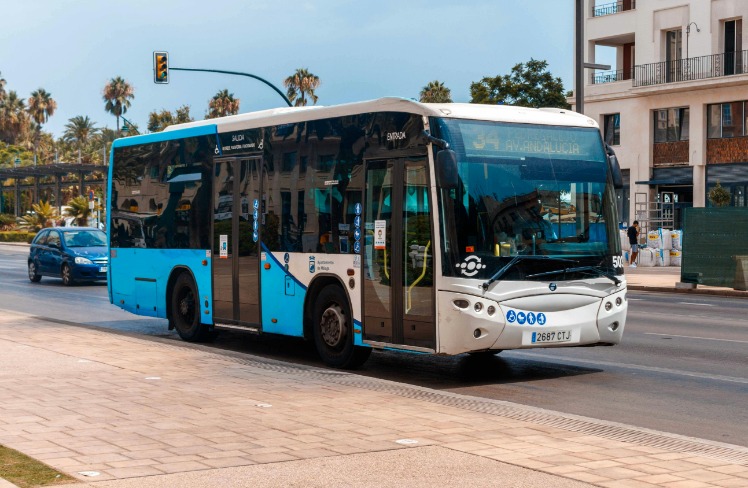
Budget options focus on affordability and practicality. These services typically use older or simpler coaches with basic seating, limited legroom, and fewer frills. Tickets are lower in price, often with fewer included amenities, and meals or refreshments are usually not provided. Budget travelers should plan for potentially longer travel times and be prepared for basic onboard facilities. Booking in advance and choosing direct or fewer-stop routes can help keep costs down.
Mid-range options balance comfort and value. Expect newer or well-maintained buses with comfortable seating, better legroom, air conditioning, and more reliable schedules. These services may offer periodic onboard amenities such as occasional Wi‑Fi or power outlets, and more frequent rest stops. Mid-range tickets are a popular choice for most long-distance trips when you want a solid level of comfort without paying premium rates.
Premium options provide the highest level of comfort and convenience. Premium coaches typically feature generous seating, extra legroom, plush interiors, quieter cabins, onboard restrooms, and sometimes meals or light refreshments. Some services offer enhanced entertainment, better luggage allowances, and dedicated check-in points or lounge access at departure hubs. These options are ideal for overnight journeys or travelers prioritizing comfort and a smoother travel experience, even on longer routes.
Tips for planning your journey include comparing operators and service levels for your route, checking baggage allowances, and reviewing safety records and passenger reviews. Book early during peak travel periods to secure preferred seats and times, and verify the start and end points of each service since pick‑ups and drop‑offs can vary by operator and city. Consider your comfort needs, travel time, and budget when choosing between budget, mid-range, and premium options to make the most of your bus trip across South Africa.
Online Booking Platforms and Ticketing Apps
Bus travel to South Africa, or bus la kwenda South Africa, is a practical way to move between major cities and explore the country. The market is led by two large brands and supported by regional operators, with online booking options ranging from official websites to global platforms that help compare routes and prices.
Major operators and service levels vary, but two long‑standing leaders are Intercape and Greyhound South Africa, each offering extensive networks that connect cities such as Johannesburg, Cape Town, Durban, Port Elizabeth, and Bloemfontein. Historically, other brands like Translux and Trans Africa Express have served long‑distance routes as well, alongside smaller regional operators that cover provincial corridors. Service levels typically include economy or saver options, standard or express services, and premium or executive niveaux in some fleets, with differences in travel time, comfort, and price.
Across operators, core features often include air conditioning, comfortable reclining seats, generous luggage allowances, and scheduled stops for rest breaks. Some coaches offer extras such as onboard restrooms, power outlets, and limited onboard Wi‑Fi. The exact amenities and seating configurations vary by route and coach type, so travelers should check the service level chosen at booking for specifics like legroom, stop duration, and onboard services.
Booking platforms and ticketing apps are central to planning a trip. You can book directly on operator websites, such as those operated by the major brands, for route maps, schedules, and seat selection. In addition, global booking platforms and aggregators like Busbud or Rome2Rio can help you compare options across operators, view estimated travel times, and convert prices into your preferred currency. Most operators also offer mobile‑friendly booking interfaces and e‑tickets that you can store on your phone or print at home.
Practical tips for travelers include verifying the exact schedule for your departure, understanding baggage allowances, and checking cancellation or change policies, which can differ by operator and fare type. It is wise to arrive early at designated pick‑up points and to confirm pick‑up locations, as routes may use multiple depots. For safety and comfort, choose recognized operators with good reviews, and keep a copy of your ticket and ID ready at the boarding point. Long‑distance bus journeys in South Africa can be lengthy, so planning rest stops and meals ahead of time helps make the trip smoother.
In summary, if you’re planning a trip within South Africa by bus, you’ll find a range of operators and service levels to suit different budgets and comfort preferences. Use operator websites for the most accurate schedules, or leverage booking platforms to compare options across brands. Whether you’re hopping between big cities or exploring coastal towns, bus travel remains a flexible and affordable way to experience the country.
Schedules, Fares, and Tickets
Exploring bus travel in South Africa starts with understanding schedules, fares, and tickets. Schedules show departure times, routes, and journey durations, while fares vary by distance and service level, and tickets can be bought online, at stations, or on some services onboard. Mastering these basics helps you plan efficient trips across the country and often save money.
Typical Frequency and Travel Times by Route

Planning a trip by bus to South Africa involves understanding schedules, fares, and ticket options. A clear view of typical travel times by route helps you choose the best balance of price and convenience for your journey.
Schedules for long distance buses in South Africa are published by major operators such as Intercape, Greyhound SA, and City to City, along with smaller regional services. Schedules can vary by season, day of the week, and demand. Night departures are common on the longest routes, while daytime departures are more frequent on popular corridors. It’s wise to check the operator’s website or a trusted booking platform a few weeks in advance, especially during holidays or long weekends.
Johannesburg to Cape Town is one of the busiest corridors. The distance is about 1,400 kilometers, and typical travel times range from roughly 26 to 28 hours by road depending on stops and traffic. Modern coaches frequently run daily, including overnight options. Expect several departures each day on peak routes, with fewer choices on less busy days or seasons.
Johannesburg to Durban is a shorter, high-frequency route. The distance is around 550 to 600 kilometers, and travel times generally fall in the 7 to 9 hour range. There are usually multiple daytime departures and some night buses, giving travelers flexibility to arrive for meetings or events or to maximize time at the destination.
Cape Town to Port Elizabeth (and the adjacent coastal segments) is another common long-haul route. The distance is roughly 750 to 800 kilometers, with travel times typically from 9 to 12 hours. This corridor often sees a mix of daily and semi-daily services, with more options during peak travel periods and fewer late-night runs than the Johannesburg–Cape Town route.
Cross-border bus services connect neighboring countries to South Africa, offering direct routes into major cities such as Johannesburg and Cape Town. Routes from Maputo, Harare, Windhoek, and Gaborone can involve long travel times due to border checks and road conditions. Border formalities add time, so schedule extra buffers when planning connections to flights or activities upon arrival.
Fares for bus travel to South Africa vary with distance, season, and the operator. Typical one-way prices for popular long-haul routes generally range from a few hundred to around a thousand-plus South African rand. Returns or round-trips often offer a discount compared with two one-way tickets. Discounts may also apply for students, seniors, groups, or early-booking promotions, and premium services or sleeper options will cost more.
Tickets can usually be booked online through operator websites or third-party platforms, at travel agents, or at bus terminals. Most operators issue e-tickets or mobile tickets, and you’ll typically need to present a valid ID when boarding. Luggage allowances vary by company and service, so check the policy before travel; excess luggage may incur fees. Cancellation and change policies differ by fare type, so review the terms when you buy the ticket.
By route, typical travel times and scheduling patterns can help you plan effectively. JHB–CT offers the most frequent departures with the longest travel time, while JHB–DUR provides more frequent daytime options and a shorter overall journey. Coastal routes like CT–PE balance mid-range travel times with moderate daily service. Cross-border routes require extra time for border processing, but can be convenient for travelers already in the region who want to reach major SA cities directly.
Pro tips for finding good schedules and fares: book early for the best selection and prices, compare multiple operators for the same route, consider overnight options to save on a night’s accommodation, verify luggage allowances before packing, and have your travel documents ready for border checks if you’re crossing into or out of South Africa. With careful planning, you can find reliable bus services that fit your timeline and budget while visiting South Africa.
Fare Structures, Discounts, and Payment Methods
Travel by bus to South Africa offers affordable, scenic routes between major cities such as Johannesburg, Cape Town, Durban, and smaller towns. Whether you are crossing borders from neighboring countries or traveling within South Africa, planning schedules, fares, and payment options in advance helps ensure a smooth trip.
Schedules are published by long‑distance bus operators and can change seasonally. Check operator websites or apps for daily timetables, frequency, and any holiday surcharges. Common departure points include major terminals like Johannesburg Park Station, Cape Town Station, and Durban Ridge; some routes operate from city center pick‑up points. For cross‑border journeys, anticipate longer travel times at border posts and have your travel documents ready. It’s usually possible to book online and receive an e‑ticket or QR code to present on boarding.
Ticket types typically include one‑way and return fares, with variations by service level. The fare you pay depends on distance, time of day, and how far ahead you book. Long‑haul routes often offer economy, standard, or premium seating, with additional charges for extra luggage or preferred seating. Prices vary between operators and can be higher during peak travel periods such as school holidays or long weekends. Always compare a few operators to find the best value and check whether a return trip is cheaper than two singles.
Fare structures may be distance based, zone based, or flat rate on some routes. Some operators use dynamic pricing that increases as seats sell out. Luggage allowances, boarding fees at terminal, and onboard amenities can affect total cost. Note any restrictions, such as non‑refundable tickets or changes penalties, and review the fare rules before buying.
Discounts are commonly offered for students, seniors, children, and groups. Return‑trip discounts or loyalty programs can save money over multiple trips. Some operators run promotions during off‑peak times or offer bundled tickets that include city transfers or hotel discounts. You will usually need to present valid ID or student cards to qualify for discounts.
Most operators accept a mix of payment methods. Online bookings are usually paid by debit or credit cards and some use local gateways such as PayFast or PayU. In‑person purchases at terminals or partner travel shops may accept cash and card payments. Mobile payments and wallets, like Zapper and SnapScan in South Africa, are increasingly supported, while some routes may still require payment at boarding. Always keep your receipt or e‑ticket until you reach your destination.
Cancellation, Refunds, and Change Policies
Traveling by bus la kwenda South Africa involves understanding schedules, fares and tickets, plus cancellation, refunds, and change policies. This guide covers essential policies to help you plan and book with confidence.
- Schedules and Availability
Check current departure times, frequency, and duration for routes into South Africa. Note regional time zones, border crossing times if your trip is international, and seasonal schedule changes during holidays or peak travel periods. Always verify on the operator’s site or authorized ticket agents just before booking.
- Fares and Tickets
Prices vary by route, service level (standard, express, or sleeper), seat type, and season. Look for adult and child fares, student discounts, loyalty offers, and any promo codes. Most operators issue electronic tickets (e-tickets) that you show on your mobile device or print at home. Bring a valid ID matching the ticket name.
- Booking and Payment Methods
Common payment options include credit/debit cards, mobile wallets, and bank transfers. Ensure your name matches the traveler’s ID and keep your booking reference. Some routes require a deposit to hold a seat; check terms and deadlines for payment in full.
- Cancellation Policy
Cancellation windows differ by operator and fare type. Some fares allow free cancellation within a short window, while others incur a cancellation fee or are non-refundable after booking. Review terms during purchase and retain your confirmation details for any requests.
- Refunds Policy
Refund processing times depend on the payment method and the operator’s procedures, typically ranging from a few business days to several weeks. Refunds are usually issued to the original payment method or as stored value with rules for use on future bookings.
- Changes Policy
Change rules cover date, time, or route modifications. These often carry a change fee plus any fare difference. Some fares allow free changes within a grace period; others require return of the original ticket and rebooking. Always confirm change policies before purchasing.
Border and Travel Logistics
Border and travel logistics for a journey by bus to South Africa involve coordinating passport and visa checks, customs clearance, vehicle permits, and border post procedures, along with scheduling, safety, and onward connections. For travel on a route described as bus la kwenda South Africa, travelers should verify operator credentials, keep essential documents handy, know baggage limits, and anticipate wait times at entry points, currency considerations, and local transport options from major gateways like Johannesburg, Cape Town, and Durban.
Passport and Visa Considerations for Cross-Border Buses
Cross-border bus travel to South Africa requires careful planning around border and travel logistics, including passport and visa considerations. For travellers taking a bus la kwenda South Africa, the route often involves crossing one or more land borders where immigration, customs, and transport permits must be in order.
- Documents you need: a valid passport with at least six months validity is often recommended, plus at least two blank pages. Carry photocopies and digital scans of your passport, visa pages, and bus ticket.
- Passport validity and identification: ensure your passport matches the name on your travel documents and tickets, and carry a second form of photo ID if required by the operator.
- Visa and entry requirements: check whether your nationality requires a visa for South Africa; some travelers are visa-exempt for short stays, while others must apply in advance or obtain a transit visa. Always verify with official sources before travel.
- Transit routes and border posts: understand which borders your bus will cross and the corresponding entry requirements for each country along the route; some borders have limited hours and longer queues.
- Vehicle and operator permits: cross-border bus services typically require the operator to have the appropriate cross-border transport permits and insurance; confirm that the bus is licensed for international service and that you know the exact border points used.
- Health and vaccination requirements: some borders require proof of yellow fever vaccination if coming from a risk country; carry your vaccination certificate if applicable and check latest port health rules.
- Customs allowances and declarations: know personal import allowances and declare items as required; be prepared to declare cash above thresholds and any restricted items.
- Border crossing process and timing: expect a sequence of immigration, customs, and possibly vehicle checks; queues can be long, so plan extra time and keep documents accessible.
- Practical tips: arrive early, keep documents secure, carry local currency for small fees, and stay in touch with the operator for any delays or changes.
- Arrival in South Africa: complete immigration formalities at your port of entry, understand local currency (South African rand), and confirm your onward travel from the border or bus terminal with your operator or accommodation provider.
Border Checks, Delays, and Travel Time Estimates
Safety, Comfort, and Travel Tips
Safety, comfort, and practical travel tips come together when planning a bus trip to South Africa. This guide, focused on the idea of “bus la kwenda South Africa,” covers choosing reputable operators, securing valuables, and staying aware of your surroundings, as well as staying comfortable on long rides—hydration, snacks, comfortable seating, and regular rest breaks. You’ll also find tips on planning routes, booking in advance, and handling common delays to keep your journey smooth.
Onboard Safety, Security, and Health Precautions
Planning a bus trip to South Africa involves safety, comfort, and practical travel tips to ensure a smooth journey from start to finish.
- Pre-trip planning and documentation
- Check visa and entry requirements for South Africa; ensure your passport is valid for at least six months beyond your stay
- Choose a reputable bus company with good safety records; read reviews and verify schedules, routes, and stops
- Prepare for border formalities: carry copies of important documents, and be aware of required health or vaccination documentation
- Onboard safety
- Fasten seat belts where provided; keep aisles clear and store bags securely to prevent trips
- Know the location of emergency exits and follow crew instructions in case of an incident
- Protect belongings: use a secure bag, keep valuables with you, and avoid displaying expensive items
- Security and personal safety
- Travel with a companion when possible and stay aware of your surroundings in terminals and stops
- Avoid unlit or isolated areas at night; use licensed, staffed terminals and routes
- Keep emergency contacts and local police numbers readily accessible
- Health precautions and comfort
- Stay hydrated, pack a basic first-aid kit, and bring any necessary medications
- Take breaks during long trips to stretch and move, reducing stiffness and fatigue
- Consider wearing a mask in crowded spaces if preferred and practice good hand hygiene
- Luggage, packing, and comfort tips
- Pack light but include essentials; label bags and keep valuables in a carry-on or personal pouch
- Bring a travel pillow, light blanket, and comfortable clothing for overnight journeys
- Plan for meals and water; know where rest stops and fueling points are along the route
- Border crossing and arrival in South Africa
- Arrive early to account for customs and immigration checks
- Complete arrival forms accurately and declare items as required
- Arrange onward transport in advance if possible, or verify local options at your destination city
Luggage, Seating, and Accessibility
Traveling by bus to South Africa can be affordable and convenient, whether you are heading across borders in southern Africa or moving between cities within the country. This guide covers Safety, Comfort, Travel Tips, Luggage, Seating, and Accessibility to help you plan a smooth journey.
Safety starts with choosing a reputable operator. Look for established intercity coaches with proper licensing, seat belts, and tracking. Compare reviews, confirm border procedures if crossing into South Africa, and have a plan for emergencies. Keep valuables with you at all times, use a bag with a lock, and avoid displaying large sums of money. At stops, stay in groups and be mindful of surroundings; lock luggage and keep doors closed when the bus is parked. Always have copies of important documents and traveler’s insurance information.
Comfort tips ensure you arrive rested. Choose the right seat for your preference—front seats can be quieter, while middle or window seats can offer better views. Consider sleeper seats for overnight trips, bring a neck pillow and lightweight blanket, wear comfortable clothing, and dress in layers to adapt to air conditioning. Bring a refillable water bottle, snacks, and noise‑reducing headphones. Check whether your operator offers charging ports or Wi‑Fi, and arrive early to confirm seat numbers and luggage allowances.
Luggage guidelines help you pack efficiently. Check the operator’s baggage allowances, which typically include a large checked bag plus a small carry-on. Label bags with contact details, use sturdy locks, and never leave valuables in checked luggage. Pack essentials such as medicines, a change of clothes, and personal items in your carry-on. If you have bulky equipment or special items, contact the operator in advance to arrange storage and handling.
Seating details vary by coach. Many coaches offer numbered seats that you reserve when booking; consider window seats for scenery or aisle seats for easier access. Legroom and seat width vary, so plan accordingly if you are tall or traveling with family. Look for buses that offer power outlets or USB charging, and keep aisles clear. Practice good seat etiquette by staying seated during takeoff and landing and using seat belts where provided.
Accessibility matters for travelers with mobility needs. Some buses provide wheelchair spaces, ramps, or accessible toilets, but these features often require advance notice and confirmation from the operator. If you use a mobility aid, contact the operator to confirm space, boarding assistance, and staff support. If a fully accessible coach is not available, consider arranging alternative transport or a private transfer with accessibility features.
Border and route planning can smooth international travel. When moving between neighboring countries and into South Africa, check visa requirements, passport validity, and health or vaccination rules. Allow extra time for border formalities and plan for possible delays. Choose a reputable operator that handles customs procedures and offers clear contact details, and ensure your SIM card works across borders for easier communication during the journey.
Quick tip checklist: carry your passport and any required visas, travel insurance details, operator contact information and ticket, labeled luggage, essential medications, chargers and adapters, snacks and water, lightweight clothing layers, and information about any accessibility needs. With careful planning, a bus trip to South Africa can be safe, comfortable, and enjoyable.
Tips for Comfortable Long-Distance Bus Travel
Traveling by bus to South Africa, often described simply as a “bus la kwenda South Africa,” can be a practical and scenic way to reach major cities and remote towns. This guide covers safety, comfort, and travel tips for long-distance bus journeys so you can ride with confidence from the border to the city center.
Safety first: choose a reputable bus company with good reviews and transparent routes. Check that buses have functioning seat belts, secure luggage compartments, and clear identification of stops. Keep valuables in a money belt or hidden pouch, and carry a small daypack with essential documents when you ride. Share your travel itinerary with a friend or family member, and plan overnight stops in well-lit terminals or staffed bus stations. Remain aware of your surroundings, especially during layovers or at unfamiliar stations.
Comfort tips for long rides: pick seats with adequate legroom, preferably near the front or along the aisle for easier exits. Bring a neck pillow, a light blanket or scarf, warm clothing, and comfortable layers. Pack earplugs, an eye mask, and a refillable water bottle plus healthy snacks. A portable charger or power bank helps keep phones and devices ready for maps, movies, or music. Move your legs and stretch during breaks to reduce stiffness.
Packing essentials: passport, visa documents if required, copies of important IDs, travel insurance, and cash or cards. Pack a small first aid kit, basic toiletries, hand sanitizer, wet wipes, and any medications you need. Use a secure backpack and a daypack for quick access to your essentials. Label bags clearly and keep important items within reach at the top of your carry-on.
Border and travel documentation: check visa rules for your nationality before heading to South Africa. Ensure your passport is valid for at least six months and that you have any required visas or permits. Have digital and printed copies of your travel documents, and know the entry requirements for your route. If you plan to use a local SIM card, ensure your phone is unlocked and you have roaming or eSIM options.
On the road: stay hydrated, avoid heavy meals before long stretches, and take scheduled breaks to stretch. At stations, keep to crowded, well-lit areas, store bags securely, and be mindful of pickpockets. Use official counters for ticketing and boarding, and confirm your bus number and arrival terminal in advance to avoid confusion.
Route planning for travel to South Africa: consider daytime buses for safety and visibility, or overnight sleeper buses if you want to maximize daytime sightseeing. Research expected travel times between points such as major hubs (for example, Johannesburg, Cape Town, Durban) and consider overnight connections to save on lodging. Stay aware of safety advisories for specific regions and stick to well-known routes and reputable operators.
With thoughtful planning, safety habits, and attention to comfort, a long-distance bus journey to South Africa can be an enjoyable part of your adventure rather than a stressful endurance test. Prepare, pace yourself, and enjoy the changing scenery along the way.
Practical Guidelines for Planning Your Trip
Practical guidelines for planning your trip by bus to South Africa help you travel smoothly, safely, and affordably. In this introductory guide, you’ll learn how to select reputable bus services, compare routes and schedules, budget for fares and extra costs, navigate visa and health requirements, and prepare for long journeys—from packing light to handling border crossings and transit transfers.
Choosing the Right Route and Operator
Planning a bus trip to South Africa can be straightforward with practical guidelines that help you pick the right route and operator.
Begin by clarifying your goals: where you want to go, your budget, time constraints, and comfort needs. This shapes route choices and how much you’ll rely on overnight travel, snacks, and on-board amenities.
Map out your route by geography and transport links. Decide which cities you’ll visit first, consider distances between hubs like Johannesburg, Cape Town, Durban, Port Elizabeth, and Bloemfontein, and check typical travel times between legs.
Research operators and fleets. Look for licensed long-distance operators such as Intercape and Greyhound SA, and consider others like Eldo Coaches or specialist backpacker services for routes near the coast. Review safety records, vehicle age, seating comfort, and onboard services.
Assess schedules and connections. Compare day trips versus overnight journeys, frequency of departures, transfer times, and whether a direct route exists or you’ll need to transfer at a major hub.
Check fares and inclusions. Compare ticket prices across operators, note luggage allowances, whether seats are reserved or open, air conditioning, power outlets, and cancellation or change policies.
Book thoughtfully. Use official operator sites or trusted travel platforms, confirm the pickup point and return times, and read the terms about refunds, rescheduling, and any handling fees.
Pack smart. Most long-distance buses allow a certain amount of checked luggage and a small carry-on. Pack a light bag with essentials, include a warm layer for chilly nights, water, snacks, and any medications.
Stay safe and comfortable on the road. Keep valuables with you, label bags clearly, sit in safe areas of the bus, and stay hydrated. If you’re unsure about a stop or station, ask staff for guidance and stick to well-lit, official terminals when possible.
Be mindful of local conditions. South Africa’s roads vary; weather, roadworks, and peak travel seasons can affect travel times. Have a backup plan for delays and consider arriving a day early to your connections.
Budget tips. Travel in shoulder seasons, consider group bookings to share costs, bring your own snacks to save, and check for student or senior discounts if applicable.
Final checks before you go. Confirm identity documents, visa or entry requirements if traveling internationally, and ensure you have emergency contact details and travel insurance in case plans change.
Booking in Advance vs On-The-Day Travel
Planning a trip with Bus La Kwenda in South Africa can be straightforward with practical steps and clear priorities. Start by outlining your route, dates, and the cities you’ll connect through, then align them with the typical travel times and road conditions you might encounter.
Begin by mapping your route and checking the main departure points. Note exact stations or pick-up locations, as well as where the bus stops along the way. Consider the distance, the expected driving time, and potential delays due to traffic, weather, or road works to set realistic expectations.
Booking in advance offers several advantages when traveling on Bus La Kwenda. Secured seats, better price options, and a clearer itinerary reduce last‑minute stress. For popular routes or holiday periods, advance booking can guarantee availability and preferred departure times.
On-the-day travel can work if you’re flexible and the route isn’t in peak demand. Some operators offer last-minute fares or standby seats, but availability is not guaranteed. If you choose this option, arrive early at the station, be ready with your ID and payment method, and have a backup plan in case your first choice is full.
Compare operators and routes carefully, even if you’re focused on Bus La Kwenda. Look at reliability records, safety standards, punctuality, and onboard amenities such as seating comfort, air conditioning, Wi‑Fi, and power outlets. Reading recent passenger reviews can help you gauge consistency across different trips.
Costs and budgeting are important. Fares can vary by time of day, distance, and how far in advance you book. Watch for extra charges such as luggage fees, seat selections, or payment processing. If possible, compare round-trip vs one-way pricing and check for student, senior, or loyalty discounts that may apply.
Luggage and packing guidelines should be checked in advance. Most long-distance buses allow a main suitcase or backpack plus a small personal bag; limits and fees vary by operator. Pack essentials, keep valuables with you, and bring a lock for your belongings at stations or during layovers.
Safety and comfort go hand in hand. Use licensed terminals or official bus stations, stay aware of your surroundings, and keep copies of your tickets and ID. For overnight or early morning journeys, dress in layers, carry a travel blanket if needed, and choose well-lit boarding areas when possible.
Plan ahead for connections and transfers between buses, airports, or trains. Build buffer time into your schedule to accommodate potential delays, missed connections, or terminal navigation. Have digital and printed copies of itineraries, addresses, and contact numbers handy.
Final tips: confirm your booking a day before travel, carry valid ID as required by regulators, and review the operator’s cancellation or refund policy. Keeping a simple, flexible plan for Bus La Kwenda in South Africa will help you travel more smoothly and enjoy the journey as much as the destinations.
Traveling with Children or Groups
Practical Guidelines for Planning Your Trip by Bus to South Africa When traveling with children or a group, careful planning helps ensure a smoother, safer, and more enjoyable journey. Start with a clear itinerary, realistic timelines, and a flexible mindset to accommodate the needs of younger travelers and larger groups.
Future Trends and Developments in Bus Travel
Future trends in bus travel in South Africa point toward greener fleets, smarter mobility, and more integrated journeys. Electric and hybrid buses are expanding along major corridors, supported by charging networks and government incentives aimed at reducing emissions and improving reliability. Digital ticketing, real-time passenger information, and unified transit apps are stitching city networks into seamless experiences for riders and operators. Bus rapid transit corridors in cities like Cape Town and Johannesburg are modernizing urban mobility, while safety, accessibility, and better last-mile connectivity enhance the appeal of bus travel. Regional routes and cross-border cooperation are shaping a more connected, sustainable bus system across the country.
Infrastructure Upgrades and New Routes
South Africa is at a crossroads for bus travel, with cities expanding networks, upgrading infrastructure, and planning new routes to improve access, reliability, and sustainability. The following trends are expected to shape future bus travel, infrastructure upgrades, and route development across the country.
- Electrification and alternative fuels
- Electric buses are rolling into major metros, with pilot fleets expanding into Cape Town, Johannesburg, and Durban as charging networks mature.
- Hydrogen fuel cell buses and hybrid solutions are being considered for longer intercity routes to reduce emissions and fuel costs.
- Depot-scale solar and energy storage are enabling off-grid charging and energy resilience.
- Dedicated bus corridors and infrastructure upgrades
- New or expanded Bus Rapid Transit (BRT) corridors and dedicated lanes are designed to boost reliability and speed.
- Upgraded depots, maintenance facilities, and safe, accessible bus stops improve service quality and safety.
- Network expansion with new routes
- Intercity and regional routes linking provincial capitals, ports, and economic hubs are planned to reduce travel times.
- Tourism-oriented express services connect airports, coastal towns, and game reserves, supporting regional development.
- Digitalisation and smarter mobility
- Real-time journey planning, predictive maintenance, and integrated ticketing across buses and other transit modes enhance user experience.
- Contactless payments, mobile apps, and multilingual passenger information boards improve accessibility.
- Safety, accessibility, and customer experience
- Low-floor, accessible buses with seating for people with disabilities; CCTV and improved driver training increase safety and confidence.
- Enhanced security at major hubs and well-lit stops support a more welcoming travel environment.
- Funding, governance, and partnerships
- Public-private partnerships and national transit funds finance fleet renewal and infrastructure upgrades.
- Local authorities coordinate with national agencies to align bus networks with rail services and land-use planning.
- Environmental and social impact
- Cleaner fleets reduce emissions, while job creation and skills development programs grow the transport sector’s contribution to local economies.
- Regional integration and cross-border prospects
- Cross-border bus links with neighboring countries are explored to boost trade and tourism while standardizing border procedures.
Impact of Tourism Growth and Technology on Bus Travel
This article explores future trends and developments in bus travel to South Africa (bus la kwenda South Africa) and how tourism growth and advancing technology are reshaping cross-border and domestic bus transport in the region.
Tourism growth across Southern Africa is expanding demand for affordable, dependable, and comfortable bus services. As more travelers plan longer stays and multi-destination trips, operators are offering extended itineraries between major hubs such as Cape Town, Johannesburg, and Durban, as well as cross-border routes into neighboring countries. This growth also increases pressure on border processes, luggage handling, and safety provisions, prompting operators to streamline schedules and invest in traveler-friendly services.
Technology is driving a rapid upgrade in booking, ticketing, and on-demand information. Online platforms and mobile apps enable digital ticketing, seat selection, real-time bus tracking, and multilingual journey updates, while contactless payments simplify purchases for travelers crossing borders. Data analytics help operators optimize staffing and capacity, reducing wait times and improving reliability for routes into and within South Africa.
Across the transport network, sustainability is becoming a core priority. Electric buses, hybrid propulsion, and hydrogen fuel cell options are progressively replacing older diesel fleets on high-demand corridors. Charging infrastructure at depots and along major routes, plus solar-powered stations, are turning green mobility from a trend into a standard practice for bus travel to and within South Africa.
The passenger experience is evolving with better comfort and safety. Modern buses offer high-speed Wi-Fi, USB-C charging, ergonomic seating, quiet cabins, and onboard information screens. Enhanced safety systems, including CCTV, driver monitoring, route deviation alerts, and automated emergency communications, are increasingly common to reassure travelers on cross-border journeys.
Policy and infrastructure development underline these changes. Governments and regulators are pursuing harmonized cross-border standards, streamlined visa and immigration processes, and standardized safety requirements for bus operators. Investment in bus terminals, rest stops, and last-mile connections is improving connectivity and making long journeys more convenient for tourists heading to South Africa.
Challenges and opportunities coexist. The transition to electric and alternative-fuel buses requires upfront capital, reliable charging networks, and skilled maintenance. Cross-border travel can face delays from border controls, security checks, and weather or infrastructure issues. Operators must balance cost, service quality, and safety while ensuring accessibility for diverse traveler profiles, including first-time visitors to South Africa.
Looking ahead, bus travel to South Africa is likely to become more integrated with other modes, offering seamless multi-modal itineraries through mobility-as-a-service platforms. As tourism grows and technology matures, the sector can deliver cleaner, safer, and more convenient journeys that open up South Africa’s attractions to an ever-wider audience while connecting regional travelers with the country’s diverse landscapes and culture.