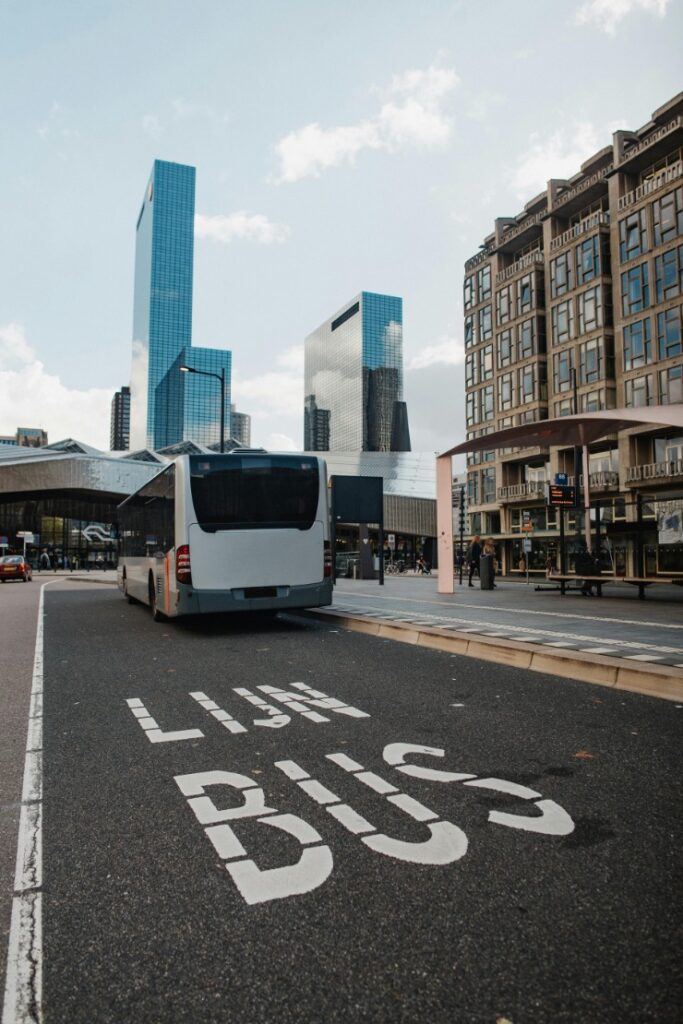

Overview of bus lanes in South Africa
Bus lanes in South Africa are a pivotal part of urban transport planning, aimed at boosting reliability and speed for public buses even in crowded cities. In major metros like Johannesburg, Cape Town and Pretoria, dedicated lanes, traffic signal priority, and bus rapid transit corridors help reduce travel times, encourage public transport use, and ease congestion. The rollout varies by city, with ongoing improvements, enforcement, and integration with feeder services to create a more efficient and accessible mobility network for residents and commuters.
Purpose and benefits
Bus lanes in South Africa are dedicated road spaces reserved for buses to improve speed and reliability of public transport. They are typically implemented along busy corridors in major cities to give buses priority over other vehicles and to reduce delays caused by mixed traffic.
The purpose of these lanes is to provide reliable, faster trips for bus passengers, encourage people to shift from private cars to public transport, and support broader goals of mobility, accessibility, and economic activity by moving people more efficiently through city centers.
Benefits include reduced travel times for bus users, better on-time performance, and more predictable schedules. Increased public transport ridership, reduced congestion on general lanes, improved air quality and lower emissions per passenger, and safer streets with dedicated space are also commonly observed outcomes.
Bus lanes usually operate during peak hours or on a 24/7 basis along major corridors, with enforcement by traffic authorities. They are often integrated with Bus Rapid Transit (BRT) systems and use features such as dedicated stops and transit signal priority to further speed up service.
Challenges can include high upfront costs, ongoing maintenance, and enforcement difficulties. Balancing the needs of buses with those of other road users, ensuring accessibility for people with disabilities, and coordinating timetables with a reliable bus supply require careful planning and ongoing investment.
In South Africa, bus lanes exist in several large cities and are part of broader public transport networks. Cities like Johannesburg, Cape Town and Pretoria have developed rapid bus corridors and BRT systems to support bus priority and improve urban mobility.
Overall, bus lanes are a key tool in South Africa’s urban mobility strategy, helping to deliver faster, more reliable public transport and supporting social and economic goals in metropolitan areas.
Historical context and policy goals
Bus lanes in South Africa are dedicated or priority lanes designed to move buses more quickly through urban corridors, improving reliability and speed for public transport users. They are implemented in major cities through bus rapid transit (BRT) systems and targeted lane restrictions on busy roads, aiming to separate buses from general traffic and reduce congestion and travel times.
Historically, South African cities prioritized private vehicles in planning, with limited dedicated bus infrastructure during the apartheid era. After 1994, there was a shift toward reforming urban transport to improve mobility for all residents, particularly for lower-income commuters. This led to the adoption of national planning frameworks and the emergence of bus rapid transit pilots and dedicated lanes in major cities as part of broader public transport reform.
Policy goals centered on making public transport safer, more affordable, reliable, and efficient, while integrating bus services with rail, taxis, and non-motorized transport. The National Transport Policy and the National Land Transport Act established a framework for coordinated planning, funding, and governance of public transport, with bus lanes playing a key role in prioritising public transport corridors and supporting modal shift away from private cars to reduce congestion and emissions.
Implementation has varied by city. Cape Town’s MyCiTi BRT and Johannesburg’s Rea Vaya are among the clearest examples of bus lanes and dedicated corridors, while other cities have pursued smaller-scale pilot projects, lane restrictions, and signage to give buses priority on busy routes. Benefits reported include shorter and more predictable journeys for bus users, lower average speeds for general traffic on bottlenecks, and reduced emissions with higher bus occupancy; challenges include enforcement, capital costs, and the need for integrated fare and timetabling systems.
Looking ahead, continued expansion of bus lanes is tied to broader urban mobility plans, transit-oriented development, and funding for public transport. A focus on clear governance, consistent enforcement, and public engagement is essential to maintain reliability and to ensure bus lanes deliver inclusive mobility across South Africa’s diverse cities.
Policy and regulatory framework
South Africa’s bus lane policy sits within a national transport framework that prioritizes public transport, safety, and sustainable urban mobility. The regulatory architecture combines national acts with provincial and municipal by-laws that designate, manage, and enforce bus lanes on approved corridors, while local governments handle planning, signage, and enforcement in coordination with national policy guidance and oversight.
National transport policy alignment
Policy and regulatory framework for bus lanes in South Africa is designed to prioritise public transport, improve reliability, and reduce congestion by linking national policy with municipal implementation and on-street design and enforcement.
National transport policy alignment components include the White Paper on National Transport Policy and its updates, the National Transport Master Plan, and the National Development Plan 2030. These instruments advocate integrated, multi‑modal transport planning that gives priority to affordable and safe public transport. Bus lanes are treated as a key instrument to create bus priority corridors, support reliable service times, and enable efficient movement of commuters within urban networks. Municipal Integrated Transport Plans are expected to reflect these national imperatives, aligning local bus lane schemes with provincial and national transport goals.
The regulatory framework is anchored in national legislation such as the National Land Transport Act and related regulations, which establish the policy space for public transport planning, licensing, and regulation. The Act creates national bodies to oversee and regulate public transport services, including bus operations and the integration of taxi and minibus taxi services within a regulated framework. It also empowers authorities to designate, regulate, and enforce road space for bus lanes, and to set standards for service quality, safety, and reliability that operators must meet to access priority corridors.
Enabling rules extend to municipal and provincial spheres, where road authorities designate bus lanes, install signage, and implement enforcement mechanisms. Local by-laws, traffic management regulations, and traffic signal prioritisation systems are used to ensure that bus lanes operate effectively during peak and off-peak periods. Enforcement tools, including penalties and monitoring, are coordinated with national standards to promote compliance by private operators and to deter misuse of bus-priority lanes by non‑authorized vehicles.
Alignment challenges include coordinating policy across national, provincial, and local governments, managing the interests of formal bus operators, and integrating the formal bus lane network with the larger, still diverse taxi and minibus sector. Successful alignment requires robust planning processes, transparent governance, stakeholder consultation, and data-driven evaluation of corridor performance. Funding and financing arrangements, performance targets, and accountability mechanisms are also essential to sustain bus lane investments and to scale successful pilot routes into city-wide networks.
In practice, South Africa’s bus lane policy framework aims to translate national priorities into concrete, enforceable on-road improvements. Strengthening alignment among policy documents, improving intergovernmental coordination, and embedding bus lanes within holistic transport plans will help unlock the benefits of reliable, affordable, and safer public transport for urban commuters across the country.
Local governance and by-laws
Bus lanes in South Africa sit at the intersection of national policy, regulatory oversight and local government implementation. The policy and regulatory framework establishes the rules for design, prioritization and enforcement of dedicated lanes for buses to improve reliability, reduce travel times and encourage public transport use.
Key national-level instruments include the White Papers on Transport Policy and the National Land Transport Act (NLTA) of 2009 (and its updates). These statutes frame the move toward an integrated public transport network and bus rapid transit (BRT) networks in metropolitan areas. The NLTA requires municipalities to develop Integrated Transport Plans, align transport initiatives across spheres of government, and create a formal framework for licensing, route allocation and standardised operating conditions for public transport, including bus lanes.
Within the NLTA framework, the National Public Transport Regulator is tasked with overseeing public transport operations, while provincial and metropolitan authorities coordinate licensing, concession contracts and network planning. This national regulator and the provincial counterpart structures aim to ensure consistency in how bus lanes operate, how transit priority is allocated on corridors, and how fares and service levels are managed across different municipalities and operators.
The policy goal is to embed bus lanes within an Integrated Public Transport Network that supports reliable services, facilitates transfer between modes and reduces congestion. In practice, this means prioritising certain road space for buses along key corridors, providing clear signage, and integrating bus lanes with other transport initiatives such as feeder services, park-and-ride facilities and pedestrian safety improvements. Funding mechanisms, including grants and subsidies channelled through national and provincial bodies, are also aimed at enabling these integrated networks to be planned and delivered coherently.
Local governance and by-laws play a crucial role in translating national policy into visible bus-lane corridors. Municipalities own and manage much of the road network and therefore must implement by-laws that designate specific lanes for buses, set operating hours, define permitted and prohibited vehicles, and determine penalties for infringements. By-laws must be aligned with national legislation (such as the NLTA and the National Road Traffic Act) and provincial regulations, and are typically developed through inclusive processes that involve community consultation, business groups and transport operators.
Municipal by-laws for bus lanes commonly cover: lane designation and signage, hours of operation, enforcement mechanisms, allowable exceptions (for emergency vehicles, accessibility needs, official vehicles), and the use of enforcement tools (traffic wardens, mobile squads and, in some cities, camera-based enforcement). The involvement of applicable taxi associations and minibus operators is often essential, given the shared road space and the need to minimise disruption to existing public transport services while gradually expanding priority lanes.
Coordination across spheres of government is essential for successful bus-lane deployment. Intergovernmental forums, integrated transport planning processes and aligned capital budgets help ensure that bus lanes are not implemented in isolation but as part of a coherent transport strategy. Local authorities may work with provincial departments of transport and national regulators to address cross-boundary corridors, set performance targets, monitor compliance and adjust enforcement approaches as needed.
Challenges commonly encountered include capacity constraints within municipalities to draft and enforce by-laws, funding limitations for road infrastructure and signalling, and the need to balance bus priority with the demands of other road users, including taxis and private vehicles. Best practices emphasize transparent governance, clear public communication about lane usage, data-driven enforcement, and continuous stakeholder engagement to refine rules and improve service reliability for commuters.
Traffic and enforcement mechanisms
South Africa’s approach to bus lanes is anchored in national policy that promotes efficient, reliable public transport as a cornerstone of urban mobility. Bus lanes are used to give priority to buses on key corridors, helping to reduce travel times for passengers and to encourage a shift from private to public transport. This is embedded in broader policy instruments that seek to integrate land use planning, transport planning and service delivery under a cohesive national framework.
The National Land Transport Act 5 of 2009 provides the statutory basis for planning and implementing Integrated Public Transport Networks (IPTNs), which include bus lanes on suitable routes. The Act assigns roles to national, provincial and local authorities to designate bus priority measures, coordinate service delivery with operator partners, and align funding and oversight to ensure that bus lanes are part of a connected public transport system rather than ad hoc facilities.
Key regulatory instruments include the National Road Traffic Act and related regulations, the Road Traffic Management Corporation (RTMC) framework, and municipal by-laws that govern lane designation, enforcement, and safety standards. These instruments establish how bus lanes are signed, marked, and operated, specify who can use the lanes, and outline the penalties for violations. The design and operation of bus lanes must also be compatible with road safety standards and traffic management principles set out by national and provincial authorities.
Responsibilities are distributed across spheres of government. The Department of Transport and the RTMC provide national policy guidance, technical standards, and enforcement capacity-building. Provincial road authorities and metropolitan or district municipalities translate policy into local rules, signage, lane markings, and enforcement protocols. This multi-layer governance aims to ensure consistent application of bus-priority policies while allowing local adaptation to corridor-specific needs.
Traffic management and enforcement mechanisms for bus lanes typically involve a mix of visible signage and road markings, policing by municipal traffic police or metro police, and automated enforcement where available. Violations can lead to fines issued under the National Road Traffic Act or under local by-laws, and in some cases may trigger additional administrative or licensing consequences as provided by statute. The use of cameras and other automated systems is increasingly integrated to support enforcement, particularly on high-traffic corridors where manual patrols alone cannot maintain consistent compliance.
Operational challenges include ensuring consistent interpretation of rules across cities, balancing bus priority with general traffic, and providing clear, durable infrastructure that remains effective over time. Effective implementation requires clear corridor design, appropriate enforcement staffing, ongoing public communication, and data-driven monitoring to measure impact on reliability, travel times, and safety. Harmonisation of standards, inter-agency cooperation, and long-term funding are essential for sustaining bus lanes as a core component of IPTNs.
In practice, major South African cities such as Johannesburg, Cape Town and others have implemented bus lanes as part of their BRT and IPTN initiatives. These corridors illustrate how policy, design standards, and enforcement interact to deliver reliable public transport. Lessons from implementation emphasize the importance of consistent signage, credible enforcement, regular maintenance of lane markings, and integration with feeder services to maximise the benefits of bus-only corridors.
Network coverage and typologies
Bus lanes in South Africa are woven into urban transport networks to improve reliability and speed for public buses. Coverage varies by city, from dense inner-city corridors to longer trunk routes on major arterials, with some areas lacking continuous priority infrastructure. Typologies commonly observed include all-day dedicated bus lanes, peak-period or time-of-day priority lanes, contraflow or queue-jump lanes, and bus rapid transit (BRT) corridors that combine dedicated lanes with elevated service standards. These configurations aim to separate buses from general traffic, enable signal priority, and support high-frequency service, though implementation is uneven across municipalities. Understanding the mix of coverage and typologies helps explain how South Africa’s bus networks deliver reliability and attract riders.
Urban corridors and key routes
Bus lanes in South Africa are designed to improve reliability, speed, and capacity for urban travel by prioritizing public transport on congested corridors. Across major cities, dedicated lanes, priority signaling and trunk-feeder networks aim to move more people with fewer vehicles and reduce travel times for bus users.
Network coverage in South Africa is strongest in the largest metropolitan areas, with Gauteng, the Western Cape and KwaZulu-Natal hosting the most established systems. In Cape Town, Johannesburg and Durban, protected on street lanes and BRT trunk routes connect city centers to suburbs and peri urban areas. Outside these metros, coverage remains uneven, with gaps in peri urban areas and new townships that require further investment and planning.
Bus lane typologies in SA include on street lanes protected by physical separation or buffer zones, grade separated busways that run in medians or in dedicated corridors away from mixed traffic, and bus priority measures implemented at intersections such as traffic signal preemption or optimized phasing. Some corridors combine median running with full or partial bus only lanes, while feeder services connect neighborhoods to the trunk routes to support efficient networks.
Urban corridors in South Africa are the spine of the bus lane network. They are designed to stretch from city centers to residential suburbs and industrial areas, and are often aligned with other transit modes such as rail or taxi routes to enable interchange. The strongest corridors are located on arterial routes that carry high daily demand and run through dense urban fabric, where dedicated lanes can deliver reliable journey times even during peak hours.
Key routes and corridors include trunk lines that run along major metropolitan arterials and connect central business districts with major growth nodes. In Cape Town, Johannesburg and Durban, these trunk corridors are supported by feeder networks to reach townships and outlying suburbs, forming a city wide network that makes bus travel predictable and accessible for a broader population. Implementations typically emphasize improving dwell times at stops, increasing bus speeds, and ensuring safe, well integrated transfer points with rail and other modes.
Challenges include funding constraints, land use conflicts, and the need for ongoing maintenance and enforcement of dedicated lanes. Success depends on strong governance, data driven planning, and coordinated land use planning to ensure corridors attract high ridership and remain compliant with safety standards. Opportunities lie in expanding trunk-feeder designs, integrating with rail systems, and using smart mobility tools to optimize signal priority and real time rider information.
South Africa’s bus lane network continues to grow as cities invest in faster, more reliable public transport. By focusing on well defined corridors, supported by robust typologies and intermodal connections, the country can improve mobility for residents and support more sustainable urban growth.
Bus rapid transit vs dedicated lanes vs peak-only lanes
Bus lanes in South Africa come in several typologies, each with different implications for network coverage, reliability, and equity. Designing effective services means more than painting a lane; it requires aligning corridors with demand, housing, employment centers, and rail or commuter rail interchanges.
Bus Rapid Transit (BRT) networks aim for high speed and reliability through dedicated corridors, fast boarding, and unified fare systems. In South Africa, flagship BRT networks include Rea Vaya in Johannesburg and MyCiTi in Cape Town, with trunk routes connected to feeder networks that bring riders from townships and suburbs to major nodes. BRT corridors often feature raised stations, off-board payment, and timed connections to minimize transfers.
Dedicated bus lanes are lanes reserved for buses on existing roads. They can operate full-time or during peak hours and often run alongside general traffic with enforcement to keep them clear. They improve reliability by reducing interaction with private vehicles and can be implemented incrementally on busy arterial routes as a step toward a full BRT-type network.
Peak-only lanes are a more economical option where roads are most congested during morning and evening peaks. By reserving a lane for buses only during these periods, cities can deliver faster trips without a continual dedicated lane footprint. Effectiveness depends on predictable demand, reliable service, and enforcement to prevent abuse by non-bus traffic.
Network coverage and typology choices must be guided by demand. Strategic coverage focuses on connecting dense residential areas to employment hubs, universities, and transit interchanges. A robust network includes feeder services, safe and accessible stops, pedestrian and cycling links, and integration with rail or metered services to create through routes rather than isolated corridors.
Implementation challenges in South Africa include funding, governance, and the need for integrated ticketing and reliable enforcement. Municipal and provincial agencies work with national transport policy to deliver BRT and bus lane projects, but success hinges on maintaining service quality, ensuring affordability, addressing safety, and coordinating land use with transport routes to sustain ridership gains.
Overall, bus lanes in South Africa offer a path to faster, more reliable urban mobility when well planned and properly implemented. The choice between BRT, dedicated lanes, and peak-only lanes depends on local demand, geography, and financial constraints, but all share the goal of improved network coverage and access for residents.
Rural and peri-urban lane considerations
This article examines bus lanes in South Africa, focusing on network coverage, typologies, and the specific considerations for rural and peri-urban lanes. It looks at how cities deploy priority corridors, how services connect with broader transit networks, and what design choices best support reliable bus travel across varied geographies.
Network coverage for bus lanes in South Africa tends to be strongest in the major metropolitan areas where demand and funding are highest. Urban corridors often feature dedicated or semi-dedicated lanes linked to trunk routes, with feeder services feeding into central business districts or node areas. Across many municipalities, bus priority is integrated with other modes—rail, taxis, and non-motorized transport—to create a more cohesive public transport network, even as coverage remains uneven outside metropolitan cores.
Typologies of bus lanes commonly seen or proposed include full-time dedicated bus lanes that operate only for buses, part-time or peak-period lanes that revert to mixed traffic outside of peak times, and busways or median lanes on high-capacity corridors. Bus rapid transit (BRT) corridors, where implemented, typically use clearly demarcated lanes, platform-level stations, and integrated fare systems to deliver higher speeds and reliability. In peri-urban and some urban fringes, priority measures such as signal phase adjustments, bus queue jumps at intersections, and shoulder-running where road geometry allows are used to improve performance without new road construction.
Rural and peri-urban lane considerations require different design logic than dense urban cores. Lower traffic volumes can make full-time dedicated lanes less justifiable, so planners often pursue flexible priority that preserves general traffic while granting buses quicker starts, fewer stop penalties, and better signal timing. Road design must account for longer bus travel times with adequate overtaking opportunities, safe pedestrian and cycling access to rural stations, and reliable connections to feeder services that bring people from villages or small towns to the main corridors. Lane widths, maintenance standards, and clear wayfinding become critical where roads double as essential lifelines for dispersed communities.
Practical implementation in South Africa also hinges on governance, funding, and community engagement. Successful bus lane projects typically align with broader transport plans, secure dedicated funding for construction and maintenance, and involve local stakeholders to address land use, access, and safety concerns. Enforcement mechanisms, clear signage, and consistent operation hours are important to protect the integrity of the lanes and to sustain reliability for riders who rely on timely service for work, education, and daily activities.
In summary, expanding bus lanes in South Africa demands a mix of urban-focused corridors with robust dedicated lanes and pragmatic rural/peri-urban adaptations that respect local traffic patterns and land use. By combining clear network coverage goals with typologies tailored to place and by addressing rural and peri-urban constraints, South Africa can improve bus reliability, widen access, and promote a more sustainable public transport system.
Operational models and technology
Operational models for bus lanes in South Africa blend dedicated lanes with priority signaling, real-time traffic management, and automated enforcement to deliver reliable, high-capacity urban transport. In cities such as Johannesburg, Cape Town, and Durban, technology—adaptive traffic signals, CCTV-based enforcement, passenger information systems, and centralized fleet monitoring—supports on-time performance, safety, and integration with feeder networks and rail links. These approaches aim to reduce congestion, encourage public transit use, and align with broader goals of sustainable mobility, inclusivity, and economic vitality across urban centers.
Paying vs priority lanes
Operational models and technology are redefining how bus lanes function in South Africa, where cities pursue reliable journeys and affordable mobility through dedicated corridors. The debate around paying versus priority lanes centers on whether access to faster bus services should be funded through toll-like charges or secured through guaranteed lane priority for buses and high-occupancy vehicles.
Operational models for SA bus lanes range from fully subsidised BRT concessions to public-private partnerships and multi-operator street designs. In major cities, dedicated bus corridors support trunk routes with feeder networks, separate rights-of-way, and traffic management that prioritises buses. Governance typically links transport authorities with operators, with performance-based contracts, punctuality targets, and revenue collection that aligns with fare structures. Integration with other modes, such as rail and microtransit, helps balance supply and demand and reduces pressure on core corridors.
Technology underpins these models through real-time vehicle tracking, smart signaling, and fare systems. GPS-enabled buses provide location data for passenger information and for bus signal priority at intersections. Off-board fare collection and contactless payment cards speed up boarding and improve reliability during peak periods. Cameras and enforcement systems deter illegal stopping and ensure lane integrity, while data analytics support planning, incident response, and maintenance scheduling.
Paying lanes would charge users to access priority corridors, potentially via congestion charges, lane tolls, or time-based passes. The aim is to manage demand, fund lane maintenance, and reinforce reliability for core buses. However, paying lanes raise equity concerns, requiring subsidies or exemptions for essential workers and those with low incomes. Priority lanes, by contrast, grant buses preferential treatment through physical separation, signal priority, and restricted access for non-buses during peak times, delivering consistent travel times but requiring robust enforcement and public buy-in.
In South Africa, BRT pilots such as Rea Vaya in Johannesburg and MyCiTi in Cape Town use dedicated lanes and integrated fare systems, showing how technology and operational discipline can improve reliability. Enforcement relies on a mix of road markings, cameras, and traffic police, while fare integration with smart cards supports seamless journeys. The long-term question is whether paying lanes can be phased in without undermining equity or whether priority lanes alone can deliver sufficient reliability, with technology enabling dynamic management of lane usage and occupancy.
Key challenges include maintenance costs, vandalism, and the need for consistent enforcement; balancing the needs of formal bus operators with minibus and taxi services common in SA; ensuring access for people with disabilities; securing sustainable funding and political consensus; and measuring success with clear metrics such as on-time performance, speed, ridership, and user satisfaction.
Recommendations for SA cities include pursuing corridor-based priority with robust bus signaling, scalable ITS, and flexible fare strategies; pilot paying lanes in a controlled, equity-conscious way; invest in off-board fare collection and interoperable payment platforms; strengthen governance with transparent contracting and performance dashboards; and design lane networks that align with land-use planning and first-mile/last-mile solutions.
As operational models mature and technology advances, paying and priority lanes can be complementary tools in South Africa’s urban transit toolkit, delivering faster, more reliable bus services while remaining accountable to citizens and budgets.
Signal priority, enforcement tech, and maintenance
Bus lanes in South Africa form a critical part of urban mobility strategies in cities like Johannesburg, Cape Town, and Durban. By separating buses from general traffic, dedicated lanes aim to speed up travel times, improve reliability, and encourage transit use. A structured mix of operational models and technology supports these corridors, from planning and design to enforcement and ongoing maintenance.
Operational models and technology: In SA, bus lanes are commonly delivered through either municipal service delivery or public-private partnerships. Concession models for BRT lines often involve a dedicated operator running services under a performance-based contract, with oversight from a city transport authority. Real-time operations are supported by centralized control centres, with advanced ITS that combine GPS vehicle location, passenger information systems, and fare integration to coordinate service frequencies, lane use, and interchanges.
Signal priority: Transit signal priority (TSP) is used to extend the green phase or shorten red at key intersections for approaching buses. This can be implemented through corridor-level phase adjustments, queue-jump lanes, or artificial green waves on arterial routes. In SA cities, TSP is most effective on dedicated bus corridors with consistent bus frequencies, and requires reliable data, compatible traffic controllers, and well-maintained road infrastructure to avoid disrupting general traffic.
Enforcement technology: Keeping bus lanes clear relies on enforcement tools such as fixed or mobile cameras and ANPR to capture violations, along with penalties and fines. Some cities deploy bus-lane roadside sensors to detect encroachment and integrate with digital ticketing or parking enforcement systems. Enforcement must be supported by clear signage, public awareness, and a legal framework that defines offences and penalties. Budget constraints and maintenance of cameras and networks are ongoing considerations.
Maintenance: The performance of a bus lane depends on sustained maintenance of road surfaces, lane markings, and signage. Regular resurfacing, crack sealing, and drainage maintenance prevent lane flooding and bus damage. High-contrast road markings, reflective studs, and lighting improve visibility for night-time operation. Vegetation clearance, curb protection, and safe passenger access at stops are essential, as is coordination with adjacent road works to minimize service disruption.
South Africa case studies: Johannesburg’s Rea Vaya BRT corridors include dedicated bus lanes and a priority signal system feeding into a central operations centre, using a combined fare system and real-time passenger information. Cape Town’s MyCiTi network features separated lanes on major corridors and an integrated e-ticket system with commuter information. Durban’s Go!Durban initiative operates with a bus-rapid approach along selected routes and coordination between buses and other transport modes, with enforcement and maintenance integrated into city traffic services.
Key takeaways for successful bus lanes in SA include clear governance, stable funding, and strong coordination between transport authorities and municipalities. A phased roll-out with rigorous performance monitoring, community engagement, and scalable technology allows for adaptive management as ridership grows and urban conditions change.
Maintenance budgets and staff training are essential to sustain benefits from bus lanes; investing in reliable enforcement, modern ITS, and resilient road surfaces ensures faster, more predictable journeys for riders while reducing congestion for all road users.
Case studies: major cities
This article presents case studies from major South African cities and their experiences with bus lanes, examining how dedicated lanes for rapid transit influence travel times, reliability, and urban form in Johannesburg, Cape Town, Durban, and Pretoria, and what these examples reveal for future bus lane planning across the country.
Cape Town’s MyCiTi and dedicated lanes
Bus lanes and dedicated priority corridors are a key component of South Africa’s urban mobility strategy, aiming to move more people efficiently and reduce congestion in major cities.
Case studies from cities such as Cape Town, Johannesburg, and Durban illustrate different approaches to implementing bus lanes, with Cape Town’s MyCiTi BRT standing out as a prominent example of a dedicated-lane, high-capacity service in a South African city.
Cape Town’s MyCiTi operates on a network of trunk routes served by red, climate-controlled buses with some sections running in dedicated bus lanes on core corridors. The system is designed to be highly legible to users, offering integrated feeder services, uniform stations, and a unified fare system across the network.
Benefits observed in Cape Town include shorter and more reliable travel times for riders, improved on-time performance, and a shift from private car use on busy routes. The service also interacts with other transit modes, such as trains and local buses, to create a city-wide mobility option.
Challenges faced by MyCiTi and similar systems in South Africa include high capital costs, ongoing maintenance of bus lanes, ensuring compliance with bus priority during peak traffic, and coordinating cross-municipal funding and governance. Construction impacts, land use changes, and community concerns have also shaped implementation.
Johannesburg’s Rea Vaya BRT represents another major case study for dedicated bus lanes in a dense metropolitan context. Since the late 2000s, Rea Vaya introduced bus priority lanes in urban corridors and created a transfer network linked to taxi and rail services. While it delivered improved access for many residents, sustaining funding and expanding the network remain ongoing issues.
Durban’s Integrated Rapid Transport (IRT) or Go Durban program illustrates the ambition for bus rapid transit in the eThekwini metro, with plans for dedicated lanes along key corridors and a simplified fare system. The project has endured delays and scaling challenges, but it has informed ongoing discussions about bus priority, corridor design, and transit-oriented development in the region.
Across these cases, common lessons include the need for sustained political commitment, predictable funding streams, rigorous enforcement of bus lanes, clear design standards for stations and priority signals, and strong public communication to encourage rider uptake and deter private-vehicle use along corridors.
Overall, South Africa’s major cities show that bus lanes and dedicated lanes can improve urban mobility when paired with well-planned corridors, integrated ticketing, and dependable service. The Cape Town example of MyCiTi demonstrates both the potential and the practical challenges of building high-quality bus-based transit in an African city.
Johannesburg’s Rea Vaya and lane implementation
Bus lanes in South Africa have become a central element in shaping urban mobility, with major cities adopting dedicated lanes to improve reliability, speed, and accessibility for public transport users.
Johannesburg’s Rea Vaya BRT, launched to provide a faster and more reliable alternative to private cars, uses a network of trunk routes and feeder services designed around dedicated busways. The system emphasizes off-board fare collection, efficient boarding at stations, and integration with the city’s transport hubs to connect outer suburbs with the central business district.
Lane implementation for Rea Vaya involved creating protected bus lanes on key corridors, along with station upgrades and transit priority measures at signalized intersections. While these busways improved travel times for BRT users, the rollout faced challenges related to road space allocation, maintenance, affordability, and ongoing enforcement to keep lanes clear of unauthorized vehicles.
Cape Town’s MyCiTi BRT stands as another prominent case study, featuring fully segregated bus lanes on major corridors that link townships, suburbs, and the city center. The network relies on dedicated lanes, frequent service, and well-designed stations to deliver reliable trips and encourage mode shift away from private vehicles.
Durban and the eThekwini municipality have pursued bus lane and BRT concepts through projects like Go Durban, incorporating bus-priority lanes on select routes and exploring integration with rail, minibus taxis, and pedestrian networks to expand accessible public transport options.
Across these cases, the key lessons highlight the need for protected lanes, consistent enforcement, robust maintenance, and effective fare and service integration. Coordinating with traffic signal priority and infrastructure upgrades is essential to maximize the benefits of bus lanes for travel times and reliability.
Successful implementations also depend on phased rollouts, stakeholder engagement, and data-driven adjustments to lane configurations as city traffic patterns evolve. Overall, bus lane developments in South Africa illustrate a growing commitment to BRT and priority corridors as tools for sustainable urban mobility.
Durban’s Go Durban and bus corridor concepts
South Africa has experimented with bus lanes to improve urban mobility and reduce congestion. Several major cities have implemented or piloted bus rapid transit (BRT) corridors and dedicated lanes, with Durban’s Go Durban standing out as a comprehensive city-wide program. Here are case studies from major cities and the bus corridor concepts they illustrate.
- Johannesburg – Rea Vaya BRT and bus lanes: The Rea Vaya network introduced dedicated lanes on key corridors and priority at traffic signals to improve reliability and connect townships with the CBD, signaling a shift toward corridor-based bus travel within the city.
- Cape Town – MyCiTi BRT and bus corridors: Cape Town’s MyCiTi uses dedicated lanes on main routes, bus priority at intersections, and hub-and-spoke transfer points to link townships with the city centre and other economic nodes, demonstrating how bus corridors can support dense urban areas.
- Durban – Go Durban and bus corridor concepts: Durban’s Go Durban mobility program aims to weave multiple bus corridors across the eThekwini Municipality, employing dedicated lanes, priority signaling, and integrated transfers to improve journey times and regional connectivity.
- Cross-city insights and governance: Across these cases, common requirements include long-term corridor planning, multi-level funding, coordination with taxi associations, and alignment with rail and non-motorized transport to create a coherent bus lane network.
Other city initiatives and pilots
Bus lanes have become a core element of South Africa’s urban mobility strategy, aimed at improving reliability for passengers and reducing congestion in the face of rapid urban growth. This article highlights case studies from major cities and outlines other city initiatives and pilots that have tested bus-priority networks across the country.
Case studies: major cities. Cape Town’s MyCiTi BRT system uses dedicated lanes on key corridors, complemented by off-board fare collection, level boarding and traffic-signal priority at some intersections. These design features are intended to shorten travel times, raise service reliability and encourage transit use. Early and ongoing results point to improved on-time performance on the corridors with dedicated lanes, though expansion depends on funding, space for lanes, and integration with park-and-ride facilities and other modes, including rail. Johannesburg’s Rea Vaya BRT includes bus-priority lanes on select corridors and traffic-signal priority to speed buses through busy intersections. The project has demonstrated travel-time advantages in its priority sections, but scale-up has faced financial and governance challenges, integration with rail and other bus services, and the need for continuous maintenance. In Durban and the eThekwini municipality, pilots and rapid-transit concepts included bus-priority corridors and protected lanes on particular routes to test reliability gains and passenger uptake. The Durban cases show that even limited buses-only segments can improve service regularity, while broader rollout requires coordination across agencies, street space reallocation, and sustained funding.
Other city initiatives and pilots. Across other cities, authorities have trialed bus lanes and priority measures on arterial streets during peak periods, using signal timing optimization and, in some cases, contraflow or elevated lanes limited to buses. Some pilots paired bus lanes with urban rail integration, park-and-ride programs and feeder bus networks to bolster overall network performance. Technology-enabled approaches—such as transit signal priority, real-time bus arrival information, and automated enforcement—have been used to monitor and improve performance, while ongoing evaluation focuses on reliability, capacity, equity of access, and the cost of design, construction and upkeep. In many cases, success hinges on active engagement with taxi associations and local stakeholders to manage street-space allocation and ensure compliance.
Conclusion and takeaways. The major city case studies show that dedicated bus lanes can deliver measurable improvements in reliability and speeds when well planned and funded, but scalability depends on multi-agency coordination, adequate funding, street-space reallocation, and robust enforcement. Early pilots offer valuable lessons for policy design, signaling, and fare integration that can guide future expansion of bus lanes in South Africa.
Impacts on mobility and equity
Bus lanes in South Africa are reshaping urban mobility by prioritizing public transit and speeding journeys for commuters who rely on buses, while raising questions about equity, accessibility, and how benefits are distributed across neighborhoods. As cities confront congestion, funding, and safety concerns, these lanes can improve reliability for low‑income riders and workers with limited car access, but thoughtful planning is needed to avoid unintended burdens on pedestrians, drivers, and marginalized communities.
Travel time reliability and capacity gains
In South Africa, bus lanes are being rolled out to reshape urban mobility, offering faster, more reliable, and more equitable transport options in cities like Cape Town, Johannesburg, and Durban.
- Impacts on mobility and equity:
- Improve access to jobs, education, and healthcare for people without cars, particularly in townships and peripheral neighborhoods.
- Increase reliability for low-income riders by separating buses from general traffic, reducing exposure to congestion and incidents.
- Promote inclusive growth by coordinating with feeder networks, park-and-ride facilities, and affordable fare structures.
- Travel time reliability:
- Dedicated bus lanes lower variability in travel times, allowing passengers to plan around fixed schedules with higher confidence.
- Better schedule adherence and fewer incidents from weaving and lane changes by mixed traffic.
- System-level data can be used to optimize runtimes and frequency, further stabilizing service calendars.
- Capacity gains:
- Bus lanes enable higher service frequency with less slowdown, increasing passenger throughput per hour.
- Improved reliability attracts more riders, expanding network demand and potentially reducing car usage.
- Better land-use efficiency near transit corridors, enabling denser development and more affordable housing near routes.
- Implementation considerations for South Africa:
- Enforcement and driver behavior: exclusive lanes require robust enforcement and clear signage to maintain performance.
- Land and rights-of-way: acquiring space in dense urban areas can be challenging and may affect parking and business access.
- Costs and financing: capital investments for lanes, stations, and signaling must be balanced with long-term operating savings.
- Equity safeguards: pricing, parity with feeder services, and inclusive planning to ensure benefits reach marginalized communities.
Accessibility for lower-income households
Bus lanes in South Africa are designed to separate high-frequency buses from mixed traffic to improve reliability, speed, and overall mobility for city residents, especially in dense urban corridors where work and services are concentrated.
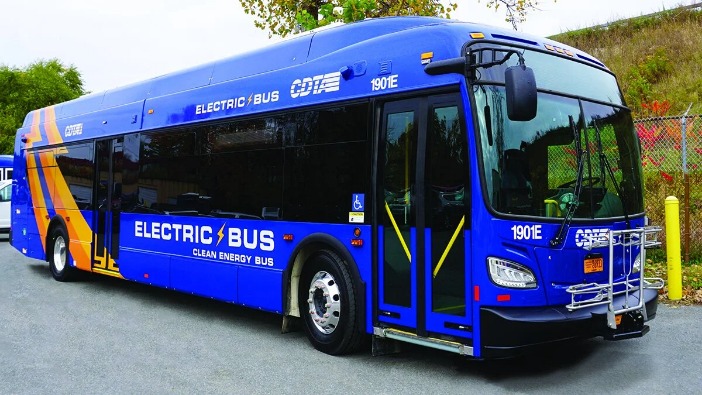
Impacts on mobility include shorter and more predictable travel times for bus users, which can reduce delays caused by congestion and stop-and-go traffic. For lower-income commuters who rely on public transport, faster buses can mean better access to jobs, education, healthcare, and social services, expanding daily options beyond their immediate neighborhoods.
Equity considerations emphasize that bus lanes can narrow transport poverty by lowering the cost and time burden of commuting. When designed with inclusive routes and well-placed stops, they can connect affordable housing areas and peripheral communities to economic hubs. Equitable outcomes depend on affordable fares, reliable service, and meaningful community involvement in route and stop planning to ensure that the benefits reach those most in need rather than concentrating advantages in wealthier districts.
Accessibility for lower-income households hinges on more than just a faster ride. The accessibility of bus stops and stations—including safe pedestrian access, ramps, step-free boarding, clear signage, and audible information—matters for older adults, people with disabilities, and caregivers with children. Efficient feeder networks and safe, well-lit sidewalks help residents reach bus lanes from surrounding neighborhoods and reduce the need for expensive last-mile options.
South Africa faces specific challenges in implementing bus lanes, such as integrating BRT-style operations with the dominant minibus taxi sector, coordinating funding for infrastructure and maintenance, and ensuring consistent enforcement without creating unfair penalties. Without careful integration, there is a risk that bus lanes become underutilized or that non-bus users are displaced, which could offset mobility and equity gains.
Policy and planning responses can improve outcomes by aligning bus lanes with affordable fare policies, expanding route networks to underserved areas, and developing seamless multi-modal connections. Engagement with community groups, transparent performance monitoring, and responsive adjustments to routes, frequencies, and stops are essential to ensure that mobility gains translate into real improvements for lower-income households.
In summary, bus lanes in South Africa have strong potential to enhance mobility and equity when they prioritize reliable service, affordability, and accessible infrastructure. Realized benefits depend on thoughtful integration with existing transport modes, targeted access to peripheral communities, and ongoing attention to safety, maintenance, and community needs.
Urban form and land use changes
Bus lanes in South Africa are a central tool in modernizing urban mobility. Across cities such as Johannesburg, Cape Town and Durban, dedicated lanes for buses aim to shorten travel times, improve reliability, and attract more people to public transport. These lanes are often part of broader corridor improvements that include better pedestrian facilities, signal prioritization, and feeder connections to rail and bus rapid transit networks. The goal is to shift trips from private cars to public transport, reducing congestion and emissions while increasing accessibility for everyday riders.
Impacts on mobility: When buses have dedicated lanes, they experience fewer delays caused by congestion and control signals, which translates into faster and more predictable trips. This reliability helps people plan their day and can expand the catchment area of jobs, education, and services. In many cities, bus lanes are combined with high-frequency services and integrated fare systems to create a truly corridor-focused transit option. However, the benefits depend on effective enforcement, reasonable service frequency, and safe street design that supports pedestrians and cyclists.
Equity: Bus lanes can advance equity by improving access to employment, healthcare, and education for low- to middle-income residents who depend on public transport. Reduced travel times and lower costs relative to car ownership can narrow income-based mobility gaps. But there are risks: if fare levels or first-mile/last-mile costs are high, or if bus lanes primarily serve middle-class commuters, real equity gains may be limited. Designing inclusive corridors requires engaging communities, ensuring affordable fares, and coordinating with informal transport operators so that gains are shared across all users.
Urban form and land use changes: Dedicated bus lanes influence urban form by prioritizing transit across street space, often at the expense of car lanes. Over time this can encourage higher pedestrian activity, street-front retail, and mixed-use development within walking distance of bus stations. Land is more likely to be developed or redeveloped along high-frequency corridors, promoting transit-oriented development. Yet there can be trade-offs, including displacement pressures if property values rise, and the need to manage curb space to balance stopping buses, loading, taxis, and on-street parking.
Challenges and local context: In South Africa, the informal minibus taxi sector remains a dominant mode in many places. Successful bus lane projects often require formal engagement, negotiations, or staged handovers to ensure taxis are integrated rather than displaced. Enforcement, maintenance, and safety are ongoing concerns; bus lane operations depend on clear signaling, cameras or wardens, and reliable bus services. The urban form changes must be planned with protection for vulnerable road users and adequate cycle and pedestrian networks.
Case examples and lessons: Cape Town’s MyCiTi corridors and Johannesburg’s Rea Vaya routes illustrate how bus lanes can anchor large-scale mobility improvements when paired with well-designed stations, real-time information, and cross-modal connections. Lessons include the importance of stable long-term funding, governance that coordinates transport and land-use planning, and community consultation to address fears about displacement and access.
Policy implications and future directions: To maximize mobility and equity gains, South African cities should advance transit-oriented development along bus lanes, align zoning with transport capacity, and implement affordable fare policies. Data collection on speed, reliability, ridership, and equity outcomes is essential to adjust the network. Integrating bus lanes with other modes, including rail and cycling, and formalizing collaboration with the taxi sector can help sustain inclusive growth.
Conclusion: Bus lanes offer a path to more equitable and efficient urban mobility in South Africa, but success depends on thoughtful design, inclusive planning, and continued investment in service quality and land-use coordination.
Challenges and risks
In South Africa, bus lanes are designed to speed up urban travel, but they come with challenges and risks that can limit their impact. Enforcement gaps, encroachment by other vehicles, and limited resources strain reliability and rider safety, while maintenance and funding shortfalls threaten long-term viability. Achieving equitable access requires coordinated planning across cities, integration with other transport modes, and attention to vulnerable road users amid rapid urban growth.
Funding gaps and project delivery timelines
Bus lanes in South Africa face a mix of operational, regulatory, and urban planning challenges that can delay delivery and reduce the potential benefits of faster, more reliable public transport. Common risks include political changes, intergovernmental coordination gaps, and capacity constraints at municipalities that must plan, fund, and manage the lanes alongside existing road networks.
Funding gaps are a central obstacle. Capital costs for dedicated bus lanes and associated BRT infrastructure are high, while ongoing operating subsidies for expanded services are often uncertain. Dependence on a combination of national grants, provincial budgets, municipal contributions, and potential external finance creates a fragile funding mix that can be disrupted by fiscal pressures or competing priorities. Cost overruns and inflation compounds the problem, threatening both project viability and long-term affordability.
Project delivery timelines are frequently affected by planning and procurement bottlenecks. Environmental and traffic impact assessments, land and utility relocations, and expropriation processes can add months or years to schedules. Tender processes in South Africa can be lengthy, with complex bid evaluation, compliance requirements, and the need to align multiple agencies, contractors, and engineers. Delays in any one stage push back construction, commissioning, and the realization of benefits for commuters.
Delivery risk is amplified by coordination challenges across national, provincial, and metropolitan authorities. Differences in policy priorities, budget cycles, and project governance can lead to fragmentation, inconsistent standards, and slower decision-making. The reliance on formal subsidies and the need to integrate with taxi and paratransit operators also introduces social and regulatory risks that can hinder timely rollout.
Enforcement and operational readiness pose further challenges. Ensuring consistent use of bus lanes requires adequate traffic policing, clear signage, and reliable bus services to avoid lane misuse or “bus lane ghosting” by non-compliant drivers. Performance depends on the availability of a sufficient number of buses, driver training, maintenance, and the seamless integration with feeder networks, which, if not properly planned, undermines schedule adherence and user confidence.

Mitigation and planning responses include phased rollouts, robust business cases, and multi-year funding plans that align with municipal capital budgets. Establishing dedicated delivery units, improving procurement timelines, leveraging public–private partnerships where appropriate, and engaging with taxi associations early can reduce risk. Transparent governance, clear project milestones, and independent program monitoring help manage timelines and close funding gaps while delivering on the promise of faster, more reliable bus travel in South Africa.
Enforcement and compliance difficulties
Bus lanes in South Africa are intended to speed up public transport along busy corridors and encourage a shift away from private cars, but they face a range of challenges and risks that can undermine their effectiveness.
Key challenges include competing transport modes, particularly minibus taxis, which operate with different rules and incentives. The dense urban network, limited right‑of‑way, and uneven infrastructure investment mean that bus lanes may be underused or abruptly cut off by junctions, turning them into underperforming streets rather than reliable transit corridors. Maintenance gaps, inconsistent signage, and the need for continuous capital expenditure also threaten the long‑term viability of bus lane systems in South Africa.
Enforcement difficulties hinder consistent compliance. Police and traffic authorities often face resource constraints, with limited visibility in high‑crime or congested areas and competing priorities across cities. Fragmented jurisdictions and varying municipal rules can lead to uneven enforcement, while concerns about corruption or informal deals may erode trust in penalties. Relying heavily on cameras or automated systems without robust governance can create gaps if upkeep and data management are weak.
Compliance challenges arise when drivers ignore lane restrictions, park or halt in bus lanes, or encroach on dedicated space during peak times. The presence of powerful taxi associations, informal transport operators, and informal parking practices can create persistent violations. Inadequate public awareness campaigns and insufficient penalties or enforcement follow‑through contribute to a culture of non‑compliance, especially among drivers who perceive limited personal risk in breaching the rules.
These enforcement and compliance dynamics have significant equity and mobility implications. If bus lanes become a policing burden or lead to frequent fines for lower‑income commuters who rely on public transport, public confidence can wane. Faulty or uneven enforcement may also advantage surface‑level efficiency without delivering reliable, predictable travel times for all users, undermining the broader goals of the bus lane network in South Africa.
Operational risks include bus bunching, where some services run ahead of schedule while others lag, undermining reliability and passenger confidence. Without coordinated scheduling, adequate layover time, and real‑time information, bus lanes can fail to deliver the expected performance gains. Tourists, commuters, and workers on different shifts may experience inconsistent service, reducing the perceived value of the investment.
To address these challenges, a combination of policy, governance, and technology solutions is needed. Clear, harmonized regulations across municipalities, sustained funding for maintenance and enforcement, and stronger partnerships with taxi associations can align incentives. Investments in signage, road design, and incident management, plus data sharing and transparent performance reporting, can improve compliance and safety. Public awareness campaigns that explain benefits and responsibilities, along with proportionate penalties and accessible appeal processes, can foster better adherence to bus lane rules.
In summary, while bus lanes in South Africa hold potential for faster, more reliable public transport, realizing that potential requires robust enforcement, predictable compliance, and carefully managed impacts on diverse road users. Without these elements, the benefits may not be fully realized, and the social and economic costs of misaligned enforcement could outweigh the gains.
Maintenance and climate resilience
Bus lanes in South Africa are designed to prioritize public transport and shorten travel times for commuters in cities like Johannesburg, Cape Town, Pretoria, Durban, and Port Elizabeth. While several corridors have been piloted or rolled out, achieving reliable performance depends on addressing a complex mix of operational, planning, and social challenges.
Key challenges and risks include enforcement gaps, encroachment by private vehicles, and illegal parking that erodes the efficiency of bus lanes. The strong presence of minibus taxis can lead to conflicts as operators push into lanes to pick up passengers, creating safety risks for bus services and pedestrians. Fragmented governance across municipalities and uneven standards complicate design, construction, and enforcement, while public perception of bus lanes as anti-vehicle infrastructure can hinder compliance. Bus bunching and inconsistent bus priority signaling also reduce reliability and deter riders.
Additional risks relate to funding and maintenance capacity. High initial capital costs are often followed by constrained maintenance budgets, delaying resurfacing, signage, vegetation control, and drainage repairs. Poor road conditions, potholes, and inoperative culverts quickly undermine the benefits of bus lanes and can increase wear on buses and tires. Security concerns, vandalism, and theft of bollards, cameras, and electrical components further increase lifecycle costs.
Maintenance needs for bus lanes extend beyond paint and signage. Routine resurfacing, repairing line markings, curbs, and medians, as well as maintaining drainage systems and lighting, are essential to keep lanes functional during rain events. Climate resilience requires drainage design that prevents standing water, floodable low-lying sections, and materials that withstand heat and UV exposure. In urban South Africa, heavy rainfall can flood bus corridors, while heat and drought affect pavement performance and vegetation management. Using durable asphalt mixes, proper subgrade preparation, permeable surfacing where appropriate, and resilient crash barriers helps sustain operations during extreme weather.
Operational resilience also depends on climate-aware planning. This includes keeping critical sensors and signaling equipment dry and functional, ensuring power reliability during outages, and establishing maintenance reserves for flood risks and storm-related damage. Regular inspections, remote monitoring, and rapid-response teams reduce downtime. Partnerships between transport authorities, local municipalities, and communities improve reporting of potholes, drainage blockages, and vandalism, enabling quicker repairs.
Effective bus lanes in South Africa require stable funding, strong enforcement, and climate-aware design, along with genuine collaboration among national, provincial, and municipal authorities and the taxi sector. When these factors align, bus lanes can deliver reliable, safer, and more sustainable urban mobility and resilience to climate variability.
Future prospects and policy recommendations
Future prospects for bus lanes in South Africa are bright, with potential to cut congestion, shorten travel times, and reduce emissions in major cities. Realising these gains requires clear policy direction, sustained investment, and strong enforcement to keep lanes open for buses during peak hours. Key recommendations include planning dedicated corridors with reliable priority signals, integrating feeder and non-motorized networks, and standardizing enforcement and driver education across municipalities. Ongoing evaluation with transparent performance metrics and inclusive stakeholder engagement will guide a phased expansion and ensure benefits reach all communities.
Integrated public transport strategy alignment
Future prospects for bus lanes in South Africa are promising within an integrated public transport strategy. As cities grow, congestion rises and climate goals tighten, reliable bus services offering fast, predictable journeys become essential for social equity and economic productivity.
Dedicated bus lanes can deliver significant improvements in travel times and reliability, attracting private car users to shift to public transport. When combined with strategically placed bus priority at signalized intersections, bus corridors can operate with high frequency and capacity, making bus travel more competitive with private vehicles.
Integrated public transport requires seamless connections between bus lanes, rail networks, and informal transport such as minibus taxis. South Africa’s IPTS should position bus lanes as the spine of a multimodal system, with feeder services and last‑mile options around stations to ensure convenient, end‑to‑end journeys.
Policy alignment with national frameworks is critical. Bus lane development should align with the National Development Plan 2030 and the National Transport Master Plan, while allowing metro‑level tailoring. A consistent framework for planning, procurement, and performance measurement is essential to prevent fragmentation across municipalities.
Governance and institutions: create or strengthen a national IPT coordination body with clear mandates to harmonize policy, standards, and funding across provinces and municipalities. This body should oversee corridor planning, BRT standards, and fare integration to ensure coherence across cities.
Legal and regulatory: adopt a clear legal basis for bus lanes, including reserved right‑of‑way, enforceable traffic rules, and penalties for obstruction; ensure appropriate exemptions for emergencies and essential services; align road‑use regulations with metropolitan policies to avoid conflicting rules.
Infrastructure and operations: prioritize continuous, segregated bus lanes on high‑demand corridors, with grade separation where feasible; provide reliable operational support through depots, maintenance facilities, and clean‑energy buses; implement priority signaling and real‑time traffic management to sustain reliability.
Financing and delivery models: establish stable funding streams from national and municipal budgets, with opportunities for concessional finance and public‑private partnerships; use performance‑based contracts to incentivize punctuality and reliability; pursue blended finance for upfront capital expenditure and risk management.
Technology and data: implement unified ticketing across modes, smartwallets or contactless payments, and open data for route planning; deploy real‑time passenger information and accessibility features to assist people with disabilities and seniors, enhancing overall user experience.
Equity, safety, and community engagement: ensure bus lanes connect underserved neighborhoods to jobs and essential services; enhance safety through lighting, cameras, and policing where needed; engage communities in route planning, maintenance, and monitoring to build local ownership and trust.
Implementation roadmap and monitoring: begin with pilot corridors to test design, enforcement, and operations; scale up in phased steps with rigorous evaluation; track KPIs such as on‑time performance, mode share, emissions, and user satisfaction; publish periodic performance reports to maintain accountability and public support.
With coherent policy alignment and well‑executed implementation, bus lanes in South Africa can become a robust catalyst for a more integrated, affordable, and sustainable public transport system.
Funding strategies and public-private partnerships
Future prospects for bus lanes in South Africa are promising as cities continue to urbanize and climate and mobility challenges sharpen the focus on reliable, affordable public transport. Well-implemented bus lanes can deliver faster, more predictable travel times, reduce congestion on arterial corridors, lower emissions, and support transit-oriented development around key hubs in cities like Cape Town, Johannesburg, and Durban. With integration into existing bus rapid transit networks and feeder services, bus lanes can become the backbone of a more inclusive urban mobility system.
Policy recommendations include establishing a clear national framework that treats bus lanes as essential infrastructure rather than temporary measures. This involves designating permanent priority lanes, standardizing signage and enforcement, integrating bus lanes with other modes (rail, metro, and minibus-taxi services), and ensuring safety and accessibility for all users. Local governments should embed bus-lane planning in broader transport plans, align with the National Development Plan, and implement performance targets for speed, reliability, and coverage while safeguarding the rights of vulnerable road users.
Funding strategies should combine capital investment with sustainable operating models. Potential sources include national conditional grants, municipal bonds, and development finance institutions, complemented by value capture from nearby property uplift, congestion charging pilots in busy corridors, and targeted user subsidies. A phased funding approach—prioritizing high-impact corridors and leveraging existing transit assets—can reduce upfront risk. Long-term financing should be tied to measurable outcomes such as bus speed, on-time performance, and rider satisfaction to ensure value for money and accountability.
Public-private partnerships can play a pivotal role in delivering and maintaining bus lanes, provided the arrangements are transparent, well-structured, and aligned with public service objectives. Suitable PPP models include design-build-finance-operate-maintain (DBFOM) or build-operate-transfer (BOT) agreements, with strong performance-based payments linked to reliability, journey times, and safety metrics. It is essential to engage minibus-taxi associations and other stakeholders early to manage transitional dynamics, establish clear risk-sharing frameworks, ensure local employment and skills development, and maintain affordable fares for commuters.
Implementation considerations include a staged rollout starting with high-potential corridors, robust data systems for monitoring and adjustment, and governance mechanisms that enable cross-government coordination across national, provincial, and municipal levels. Capacity building for planning, enforcement, and maintenance staff, along with community engagement and transparent reporting, will be crucial to sustain political will and public trust. If pursued thoughtfully, bus lanes can become a scalable, climate-friendly, and socially inclusive solution for South Africa’s urban transport future.
Technological innovations and data-driven planning
South Africa’s major cities face stubborn congestion, uneven service reliability, and urban growth that outpaces traditional road-dominated planning. Bus lanes offer a viable path to faster, more predictable public transit by giving high-occupancy buses priority on key corridors. This piece explores future prospects, policy recommendations, and how technological innovations and data-driven planning can strengthen bus-lane systems across South Africa, drawing on existing networks such as Rea Vaya in Johannesburg and MyCiTi in Cape Town.
Looking ahead, expanded bus-lane networks could transform commuting times, reduce emissions, and boost economic activity along dense corridors in Johannesburg, Cape Town, Durban, and other metros. When paired with bus rapid transit (BRT) systems, rail integration, and reliable first/last mile solutions, bus lanes can deliver consistent schedules and attract riders who might otherwise rely on private cars. Realizing these benefits will require sustained political commitment, predictable funding, and a transport planning approach that treats bus lanes as infrastructure for inclusive, climate-resilient growth.
Policy recommendations should start with a national bus-lane policy that standardizes lane design, enforcement frameworks, and performance metrics across municipalities. Cities need a corridor-prioritization method based on demand, connectivity, and social equity, supported by clear timelines and accountability. Legislation should empower dedicated bus lanes to receive traffic-signal priority, dynamic signage, and targeted enforcement, while safeguarding safety and accessibility for pedestrians and cyclists. A phased rollout with transparent dashboards will build public trust and demonstrate value.
Governance arrangements are essential. Establish an integrated transport authority or a cross-agency coordination cell to manage bus lanes within a multi-modal network, clarifying roles for traffic engineering, transit operators, and urban planners. Align national climate and transport plans to channel funding into high-frequency bus services and, where feasible, electric or low-emission fleets. Public-private partnerships can mobilize capital for corridor upgrades, while universal design standards ensure accessibility for people with disabilities, older adults, and passengers with mobility constraints.
Technological innovations can accelerate reliability and efficiency. Deploy intelligent transport systems for real-time vehicle tracking, dynamic signal priority, and adaptive lane management. Use GPS data, passenger information apps, contactless payments, and secure data platforms to improve service quality and transparency. Where appropriate, implement camera-based enforcement and automated systems to deter improper use, while protecting privacy. The transition to electric, battery-electric, or hydrogen-powered buses should be prioritized along busy corridors to maximize environmental and health benefits of bus lanes.
Data-driven planning is central to sustainable expansion. Integrate data from automatic passenger counters, fare systems, origin-destination surveys, bus GPS, and traffic cameras to model demand, capacity, and lane occupancy. Build longitudinal dashboards that track on-time performance, frequency, dwell times, and bottleneck locations. Use scenario planning to test corridor expansions, fleet configurations, and pricing or incentive structures before committing capital. Advanced analytics can forecast peaks, optimize headways, and identify maintenance needs before breakdowns disrupt service.
Data governance and privacy must underpin all data use. Establish formal data-sharing agreements among operators, municipalities, and national agencies with clear privacy safeguards, data minimization, and access controls. Promote responsible open data where feasible to support research and public accountability, while anonymizing personal information and limiting sensitive identifiers. Regular third-party audits and independent oversight can help maintain trust with riders and communities.
Equity and accessibility should be central to every bus-lane plan. Ensure routes and stations are accessible to people with disabilities, include multilingual passenger information, and design safe pedestrian crossings and lighting. Engage communities early, address potential adverse impacts, and incorporate affordable fare policies to prevent transport poverty from limiting access to jobs, education, and health services.
Pilot programs can test approaches before scale-up. Start with a few high-demand corridors that connect with rail and major transit hubs, monitor performance, and adjust lane design, enforcement, and operations based on evidence. Invest in protected lanes, clear markings, maintenance regimes, and reliable incident response to keep lanes open and safe. Use pilots to refine governance, finance models, and citizen engagement strategies for broader rollout.
Risks include funding shortfalls, political changes, and enforcement challenges. Mitigation requires robust governance structures, transparent performance reporting, diversified funding sources (including climate finance and concessional loans), and broad stakeholder participation. Maintaining lane discipline, ensuring equitable access, and communicating benefits clearly will be critical to sustaining public support over the long term.
In conclusion, South Africa can position bus lanes as a backbone of sustainable urban transport through coherent policy, strategic investments, and the convergence of technology and data-informed planning. By prioritizing protected lanes, intelligent signaling, clean fleets, and inclusive design, cities can deliver faster commutes, cleaner air, and more equitable access to opportunity for all residents.