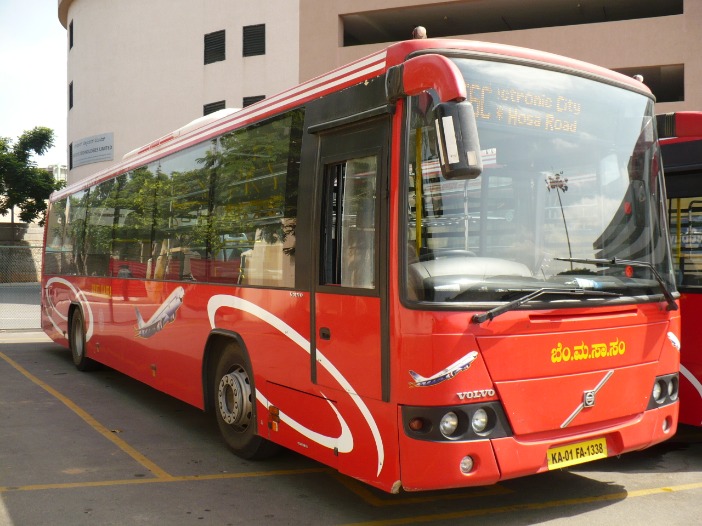

Overview of the South Africa bus news landscape
South Africa’s bus news landscape is shaped by ongoing fleet modernization programs, regulatory reforms, and the evolving role of public transport in urban and rural mobility. From government tenders and operator partnerships to safety improvements and fare policy debates, recent coverage highlights how buses connect communities, boost accessibility, and respond to urban congestion and climate goals.
Key players and operators
Overview of the South Africa bus news landscape focuses on how municipal and private operators, regulatory reforms, and evolving urban mobility demands shape coverage. News commonly centers on contracts, fleet upgrades, service reliability, safety incidents, wage disputes, and new routes or BRT-like programs.
Policy framework is driven by the national Department of Transport and provincial transport departments, with municipalities awarding contracts for subsidized and scheduled services. The push toward integrated transport networks, cleaner fleets, and modernization of public transport is reflected in tender processes, procurement of new buses (including CNG and electric options), and performance reporting requirements.
Key players include municipal networks like MyCiTi in Cape Town, Rea Vaya in Johannesburg, and the Durban municipal bus network operated by the eThekwini Transport Corporation, along with private operators such as Putco and Golden Arrow in commuter corridors.
Private and long-distance operators include Intercape and Greyhound SA, which provide intercity and cross-provincial services, as well as regional operators that service corridors between major cities and townships, often contracted for subsidized local routes.
News coverage frequently covers tender awards and cancellations, fare adjustments, and driver wage disputes, as well as safety incidents, maintenance backlogs, and the shift toward more sustainable fleets with electric or CNG buses, as cities pilot low-emission corridors.
Coverage varies by region, with Cape Town, Johannesburg, and Durban generating the densest stream of bus-related reporting, while smaller cities and townships feature more on service reliability and route changes stemming from municipal budget decisions and provincial transport policies.
For readers, the key indicators are tender announcements, fleet modernization milestones, and regulatory reforms that affect fares and service levels across South Africa’s bus sector.
Ridership trends and urban mobility context
South Africa’s bus news landscape spans municipal urban bus networks, national policy discussions, and ongoing implementation of rapid transit corridors. It is characterized by a mix of formal bus operations, integrated transport pilots, and the broader dominance of minibus taxis in urban mobility. Media coverage typically focuses on service changes, funding announcements, fleet upgrades, and policy shifts that aim to make bus travel more reliable, affordable, and accessible.
In major metros, city-run BRT systems and conventional bus networks are the backbone of daily commuting. Cape Town’s MyCiTi, Johannesburg’s Rea Vaya, and Durban’s bus services (including GoDurban and related routes) feature prominently in public transport news, alongside provincial and municipal networks in Nelson Mandela Bay and other urban centers. News often centers on expansions, route changes, fare adjustments, and the rollout of new fleets, including low-emission or electric buses.
Ridership trends in South Africa’s urban bus sector have been shaped by macroeconomic conditions, service reliability, and safety perceptions. The COVID-19 pandemic caused a sharp drop in trips across most operators, with gradual recovery in the subsequent years that has yet to return to pre-pandemic levels in many cities. Even as some metros report improving punctuality and ride experience, overall bus ridership competes with private vehicles and the dominant minibus taxi network for urban trips.
The urban mobility context in South Africa remains highly multimodal. Minibus taxis carry a substantial share of trips, often filling gaps left by formal bus networks. Policy efforts aim to improve integration across modes, connect bus corridors with rail lines and pedestrian networks, and provide better first- and last-mile options. Initiatives emphasize safer, more predictable travel, fare integration, and data-driven planning to support a more coherent urban transport system.
Policy and funding environments influence the bus sector through national and provincial plans, local procurement, and subsidies. National transport policy frameworks such as the National Transport Master Plan and related legislation set out goals for integrated transit, fleet modernization, and sustainable mobility. Public-private partnerships, municipal budgets, and donor financing shape the pace of fleet upgrades, electrification pilots, and the rollout of new routes and amenities at bus stops and terminals.
Technology and accessibility developments are increasingly visible in bus news. Cities are piloting contactless payments and smart-ticketing, deploying telematics for fleet management, and experimenting with electric or low-emission buses. Accessibility improvements—low-floor buses, clearer wayfinding, and audio-visual information—are highlighted as essential components of inclusive urban mobility, alongside safety and security enhancements for riders and operators.
Challenges persist, including financing constraints, aging fleets, maintenance backlogs, and fragmented governance across metropolitan, provincial, and local authorities. Service reliability, route coverage, and safe operations remain key concerns in media coverage. Yet many stakeholders see opportunities in corridor-based expansions, better integration with rail, and more resilient networks that can withstand shocks from weather, strikes, or public health events.
Looking ahead, the bus sector in South Africa is likely to see continued emphasis on expansion of high-capacity corridors, electrification pilots, fare integration, and improvements in last-mile connectivity. As urban growth continues, buses are expected to play a central role in delivering affordable, accessible mobility that supports economic activity, reduces congestion, and contributes to a more inclusive transport system.
Policy and regulation updates
Policy and regulation updates in South Africa are reshaping the bus sector, with new safety, licensing, and environmental rules aimed at improving reliability, accessibility, and emissions. Municipalities are rolling out integrated transport plans, while national policymakers review fare structures and subsidy criteria to better support urban and rural bus services. Operators and commuters should expect closer oversight on driver training, vehicle standards, route approvals, and data reporting as the sector adapts to a more accountable, climate-conscious public transport landscape.
National transport policy developments
Policy and regulation updates are reshaping the bus sector in South Africa as national transport policy developments align with city and provincial plans to improve reliability, safety and affordability. The National Transport Master Plan 2030 lays out a framework that prioritizes buses as the backbone of public transport, supports integrated networks, and calls for safer streets and more accessible services for all communities.
At the regulatory level, amendments to the National Land Transport Act and related regulations seek to streamline bus concessions, oversight of operators and the coordination between national, provincial and municipal transport bodies. These changes aim to reduce fragmentation, boost service quality and simplify compliance for operators while maintaining robust safety standards.
Funding and subsidies are evolving to better sustain bus networks. The Public Transport Operations Grant and concession subsidy schemes are being aligned to reward reliability and coverage, with emphasis on affordable fares and support for small and informal bus operators to formalise routes and service levels.
Bus Rapid Transit networks and integrated public transport continue to expand where feasible, with city authorities piloting or extending BRT corridors, connecting suburbs to city centres and improving last‑mile options. Efforts to harmonise ticketing and data sharing across operators are progressing to deliver a seamless passenger experience.
Environmental and energy policies are driving the adoption of cleaner fleets. National and municipal procurement policies encourage the procurement of electric and hybrid buses, with pilot projects testing charging infrastructures, depot readiness and whole‑of‑system energy planning.
Rural and peri‑urban connectivity remains a policy priority, with plans to extend bus services, improve reliability and integrate with rail and taxi services to deliver affordable mobility where car use is limited.
What to watch next includes the mid‑term review of NTMP 2030, updates to national regulation and funding frameworks, and greater emphasis on data, safety and accountability. Governments are also assessing public‑private partnerships and community engagement to ensure policy supports sustainable, inclusive bus networks.
For riders, the news is mostly about better planning, more reliable on‑time performance and lower fares as policy reforms take shape across the country.
Municipal bylaws and bus routes regulation
Bus news South Africa is currently shaped by policy and regulation updates, with municipalities updating bylaws and national bodies refining how bus routes are planned, licensed, and monitored to improve reliability and integration with other transport modes.
At the national level, the National Land Transport Act 5 of 2009 and its amendments provide the core legal framework for public transport. The act establishes processes for licensing bus operators, allocating routes, and setting performance standards. The National Public Transport Regulator (NPTR) oversees permits and service quality across operator types, with a policy aim to align bus routes with Integrated Public Transport Networks (IPTN) and to foster better coordination with rail and taxi networks through integrated planning and funding.
Municipal bylaws and route regulation are handled primarily by metropolitan and district municipalities. Local by-laws regulate public transport operations on municipal roads, designate bus stops and loading zones, and establish bus priority infrastructure such as dedicated lanes. Municipalities also manage permit issuance for routes, require operators to publish timetables and fares, and coordinate with provinces and the NPTR to ensure consistency with national policy and long-term transport plans.
Recent policy updates emphasize digitalization of permit processes, clearer data sharing between regulators and operators, and the move toward more integrated fare management across networks. There is a continuing push to implement performance-based contracts, align on IPTN designs, and facilitate improved interoperability between bus services, rail, and taxi networks to deliver more predictable and reliable journeys.
Challenges in the current landscape include fragmented governance across provinces and municipalities, uneven enforcement of bylaws, limited bus priority infrastructure in some corridors, and the ongoing need to balance the interests of different public transport stakeholders, including large bus operators and minibus taxi associations. Opportunities exist in expanding rapid transit elements, modernizing fleet and ticketing systems, and using data to optimize route networks and service reliability.
Examples of the evolving scene include major metropolitan networks such as Cape Town’s MyCiTi and Johannesburg’s Rea Vaya, which illustrate the push toward integrated networks and dedicated infrastructure, as well as smaller municipalities pursuing IPTN concepts to improve service coverage. The broader bus news in South Africa will likely feature ongoing updates to NLTA-related regulations, strengthened NPTR oversight, and continued municipal by-law refinements intended to deliver a more coherent, rider-friendly public transport landscape.
Looking ahead, watchers expect further NLTA enhancements to streamline route approvals, expand NPTR oversight, and promote sustainable bus networks with solutions such as electric or hybrid fleets. As bylaws converge toward standardized practices across municipalities, commuters can anticipate clearer route information, better reliability, and stronger integration between bus services and other transport modes across South Africa.
Fleet modernization and electrification
South Africa’s bus fleets are undergoing a decisive shift toward modernization and electrification as cities confront aging infrastructure, rising fuel costs, and air quality targets. Municipal authorities and operators are expanding procurement of electric and hybrid buses, deploying charging networks, and upgrading depots with digital fleet-management tools to boost reliability, reduce emissions, and improve rider experience across urban and regional routes.
Electric bus rollout progress
South Africa’s bus sector is undergoing a major shift as fleets modernize and electrify to reduce emissions, improve air quality, and deliver more reliable services for commuters. Across major metros, local governments are pursuing ambitious modernization programs alongside national climate goals, seeking to replace aging diesel fleets with cleaner, more efficient electric and hybrid buses where feasible.
Public funding, concessional finance, and public-private partnerships are unlocking procurement for cleaner buses. National and provincial policies encourage fleet renewal, while fleet operators explore lifecycle cost advantages of electric propulsion, including lower fuel and maintenance costs over time and the added benefit of quieter operation in dense urban centers.
Electric bus rollout progress is uneven but gains momentum. Cape Town’s MyCiTi network has begun integrating electric buses into its fleet and expanding charging infrastructure at depots and along busy corridors to support daily commuter services. Other metros are testing e-bus pilots to gauge performance in local climates and grid conditions before wider rollout.
In Gauteng, Johannesburg and Tshwane have pursued pilot programs to test electric buses within existing BRT and mixed-traffic networks, with partnerships aimed at scaling if performance and financing align. Durban and KwaZulu-Natal provinces have also been exploring electric buses as part of broader regional mobility upgrades, including depots and charging planning.
Challenges remain, however. High upfront capital costs and the need for reliable charging infrastructure, grid capacity upgrades, and skilled maintenance staff pose hurdles. Spare parts supply, after-sales support, and standardisation across operators are ongoing issues that require coordinated planning across municipalities, provinces, and national government.
Looking ahead, readiness for large-scale electric bus fleets will hinge on stronger financing terms, long-term depreciation frameworks, and robust charging ecosystems. Tenders and procurement cycles are expected to align with grid upgrades and land-use planning, while integration with rail and bus rapid transit networks will help maximise service reliability and reduce total travel time for passengers.
Ultimately, South Africa’s bus modernization and electrification efforts aim to deliver cleaner, more resilient urban transport that serves growing urban populations while supporting climate targets and job-creating green industries.
Funding, subsidies, and procurement models
South Africa’s bus sector is undergoing a shift toward fleet modernization and electrification as cities push to reduce emissions, improve reliability, and move away from aging diesel fleets. The transition blends upgrades to existing fleets with pilots of battery-electric and hydrogen buses, expanded charging infrastructure, and new procurement and financing models to accelerate deployment while managing risk for municipalities with tight budgets.
- Electrification and fleet upgrades: pilot programs in major metros (Cape Town, Johannesburg, eThekwini) are rolling out battery-electric buses; some depots are testing rapid charging and energy management; efforts focus on standardizing operations and maintenance.
- Funding and subsidies: a mix of municipal allocations, provincial grants, national subsidies, and concessional loans from development finance institutions, alongside private investment and original equipment manufacturer partnerships to share capital costs; emphasis on total cost of ownership and energy savings.
- Procurement models: use of framework agreements, performance-based contracts, public-private partnerships, and joint ventures with manufacturers to secure technology, financing, and local maintenance capacity; priorities include lifecycle cost, local content, and after-sales support.
- Policy and regulatory enablers: alignment with city transport plans (IPTN and BRT corridors), energy policy for charging infrastructure, and incentives to stimulate local bus manufacturing and skills development.
- Challenges and risks: grid capacity, charger uptime, spare parts supply, financing risk, and ensuring affordable fares while maintaining service levels; strategies include phased rollouts, demand aggregation, and data-driven route planning.
Public transport projects by city
Across South Africa, cities are rolling out ambitious bus projects to transform public transport. From Johannesburg’s Rea Vaya and Cape Town’s MyCiTi expansions to Durban’s Go Durban services, municipalities are investing in modern fleets, dedicated bus lanes, and integrated ticketing to improve reliability, shorten travel times, and connect riders to rail, work hubs, and essential services.
Johannesburg’s Rea Vaya updates
Johannesburg’s Rea Vaya bus rapid transit network remains a cornerstone of the city’s public transport strategy, driving changes in how residents move across the urban core and into surrounding areas. Recent updates highlight ongoing expansion, fleet upgrades, and better integration with other modes of transport as part of the broader South Africa bus news landscape.
Expansion and corridors continue to be a focus, with progress reported on existing Phase 1A services and planning advances for additional corridors intended to improve coverage in northern, southern, and central parts of the city. City officials have outlined timelines for phased rollouts, aiming to extend the network’s reach while maintaining reliability and service frequency for commuters who rely on Rea Vaya to reach work, education, and essential services.
Fleet modernization is under way, with the introduction of newer low-floor buses designed for easier boarding and improved passenger comfort. Upgrades at depots support more efficient maintenance, and the system is moving toward more real-time information for riders. Travelers can expect better travel planning through updated journey planners and fare options, including enhanced contactless payments and expanded use of MyJHB cards where available.
Intermodal connectivity remains a priority, with efforts to align Rea Vaya with other public transport modes as part of the city’s IPTN efforts. Plans emphasize integrated ticketing, coordinated timetables, and the development of feeder services and improved interchange facilities to help passengers switch seamlessly between buses, rail, and other transit modes, expanding the overall accessibility of urban mobility.
Station and service improvements focus on accessibility, safety, and passenger comfort. Upgraded bus stops and stations aim to provide level access, better shelter, clear signage, and enhanced security. These changes seek to boost rider confidence, encourage bus use, and make public transport more inclusive for people with disabilities and parents with prams.
Despite progress, project execution faces typical public sector challenges such as budget pressures and procurement timelines. City authorities continue to publish updates and engage with communities to address concerns, maintain service quality, and adjust plans as needed. For the latest developments on Rea Vaya and other South Africa bus news, check the City of Johannesburg Transport Department updates and official communications.”
Cape Town MyCiTi and regional networks
Public transport projects by city in South Africa are shaping how people move, with Cape Town’s MyCiTi at the core of urban mobility and regional networks aiming to connect cities with surrounding towns. The latest bus news covers expansions, modernizations and integration with other transit modes to improve reliability and reduce travel times.
- Cape Town: MyCiTi expansion and service improvements
- New routes and corridor extensions to growth areas and suburbs
- Upgraded fleet, depots and real‑time passenger information
- Fare integration pilots with rail and other transit modes to simplify connections
- Johannesburg and Gauteng regional network ambitions
- Expansion plans for bus rapid transit lines and feeder networks
- Integration with rail services and taxi networks for end‑to‑end trips
- Improvements in bus priority measures and network reliability
- Regional networks and intercity links
- Feasibility studies and pilots to connect metros with surrounding towns
- Co‑funding and public‑private partnerships to boost fleet and maintenance
- Efforts to standardize timetables and ticketing across municipal boundaries
- Other cities and provinces: bus news and modernization
- Western and Eastern Cape routes under review to expand service coverage
- Efforts to harmonize planning with national transport strategies
Durban GoDurban and KwaZulu-Natal networks
Public transport projects across South Africa are reshaping how people move, and Durban sits at the heart of KwaZulu-Natal’s bus network ambitions. In Durban and the wider province, GoDurban and related public transport initiatives dominate bus news, with reporters tracking progress, new fleets, and shifts in how commuters travel daily.
GoDurban is the umbrella for a proposed bus rapid transit system within the eThekwini Metropolitan Municipality. The plan features dedicated lanes, modern buses, and strategically placed stations designed to cut travel times and improve reliability for riders commuting to the city centre, the beachfront, and residential suburbs. A key goal is seamless integration with feeder bus routes and other modes of transport.
Implementation work has progressed in phases, supported by national transport funding and local planning. Stakeholders have highlighted the need to align the GoDurban project with existing taxi networks, rail links, and pedestrian and cycling infrastructure. Delays and procurement cycles have been part of the public transport news landscape, but planners say momentum remains steady.
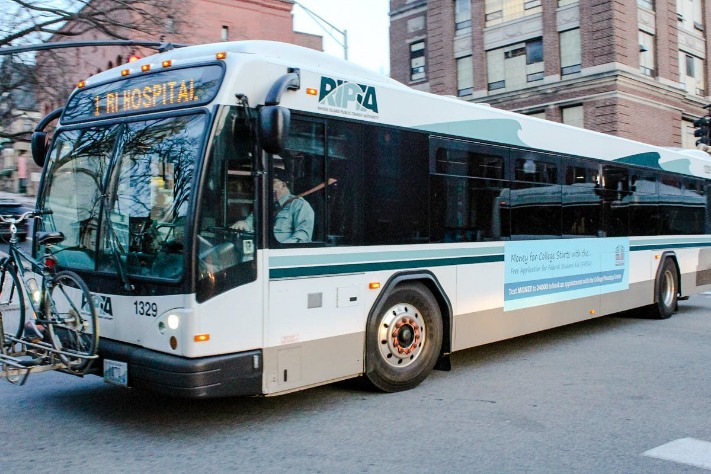
Beyond Durban, KwaZulu-Natal is pursuing broader public transport network improvements across major urban centers such as Pietermaritzburg, Verulam, and smaller towns. Provincial strategies emphasise a coordinated approach to bus and minibus taxi services, integration with rail where available, harmonised fare systems, and improved information for passengers on routes and timetables.
New fleets, smarter ticketing, and real-time passenger information are common themes in the bus news. Demonstration routes and pilot projects have tested electronic fare systems and mobile apps, while discussions continue around electrification and cleaner bus technologies to reduce emissions in busy corridors.
Looking ahead, officials expect further GoDurban developments and provincial network tweaks over the next few years. Quieter electric buses, bus rapid transit-grade corridors, and expanded coverage could gradually transform daily commutes for thousands of KwaZulu-Natal residents, while keeping safety, affordability, and accessibility front and centre.
Together, Durban GoDurban and the broader KwaZulu-Natal networks illustrate how public transport projects use city-scale planning to connect townships, suburbs, and city centres, delivering faster, safer, and more reliable bus travel across South Africa.
Other city BRT initiatives (Port Elizabeth, Pretoria, etc.)
South Africa’s urban bus news shows a city-by-city push to upgrade public transport through bus rapid transit and integrated networks.
Cape Town has positioned its MyCiTi BRT as a flagship system, with dedicated bus lanes, priority traffic signals, and a cashless fare structure that aims to provide fast, reliable service across key corridors and feeder routes into the city’s rail network.
Johannesburg’s Rea Vaya network began operation in the late 2000s and has since expanded along multiple trunk corridors with feeder services, progressively improving reliability and integration with rail and taxi services as funding and procurement timelines allow.
Durban, under the Go Durban initiative, has pursued BRT-style services alongside its existing bus operations, with route planning and modernization aimed at better urban coverage and connection to the city’s multi-modal transport system.
Port Elizabeth, part of the Nelson Mandela Bay Municipality, has explored BRT options within its public transport plan, including studies and pilots for a dedicated corridor. Implementation has faced funding and governance challenges, but planning continues to emphasize faster, more reliable bus travel and integration with other modes.
Pretoria has pursued a Tshwane Bus Rapid Transit agenda (TBRT), with planned and piloted corridors intended to deliver a city-wide rapid bus network. The project has progressed in stages, with ongoing efforts to align operations with other transport modes in the Tshwane metro.
Across South Africa, these city-led bus projects illustrate a broader push toward faster, more reliable urban mobility, while timelines and success hinge on funding, political support, and effective integration across buses, rail, and minibus taxi networks.
Infrastructure and operations
Bus infrastructure and operations in South Africa are evolving as cities expand and transit networks aim for reliability, safety, and accessibility. Upgraded depots, dedicated bus lanes, smarter timetables, and expanding fleet modernization are reshaping how people move, while new interchanges and multimodal hubs connect riders to work, education, and services. This article offers a concise look at the latest developments in South Africa’s bus infrastructure and operations.
Roadworks affecting bus corridors
Infrastructure and operations in South Africa’s bus networks are undergoing substantial upgrades as roadworks along major corridors proceed to improve reliability, safety and capacity.
Roadworks along key bus corridors are causing temporary detours, lane closures and revised timetables. Operators work closely with municipal traffic authorities to adjust routes, update splitting points for bus priority lanes and communicate changes to passengers through apps, signage and station announcements.
In Cape Town, the MyCiTi network is expanding its reach with new stations and upgraded facilities. Ongoing roadworks on busy corridors have required temporary reroutes and adjusted peak-hour frequencies, but the aim is to shorten overall travel times once the upgrades are completed and the new lanes are fully operational.
Johannesburg’s Rea Vaya system is undergoing corridor improvements that include enhanced bus priority signaling, better bus stops and more efficient depot operations. Detours on arterial routes are coordinated with traffic management centres to maintain schedule reliability and minimize delays during peak periods.
Durban’s Go Durban service and related bus operations are also navigating roadworks along major routes. The partnership between operators, contractors and traffic authorities seeks to keep buses moving through congested corridors, with real-time updates and strategic detours to protect commute times for workers and students.
Riders are advised to check official transit apps and station notices, plan extra travel time, and consider alternative routes during peak construction windows. As the upgrades complete, the result should be more reliable schedules, safer stops and faster travel across South Africa’s bus corridors.
Bus stops, shelters, and accessibility improvements
South Africa is ramping up investments in public transport infrastructure to improve urban mobility, reduce congestion, and support economic growth. In major cities and smaller towns, authorities are upgrading bus stops, shelters, and operating systems to deliver more reliable, safer and inclusive services.
Improvements in infrastructure and operations focus on modernizing depots, maintenance facilities, and deployment of more efficient fleets. Cities are introducing dedicated bus corridors, synchronized timetables, and transfer hubs that connect bus services with rail and paratransit options. The aim is to shorten wait times, improve reliability, and lower operating costs over the long term.
Bus stops and shelters are being redesigned to provide weather protection, seating, lighting, and information. Shade, durable materials, and vandal-resistant construction help shelters stand up to South Africa’s climate and weather. Solar-powered lighting, CCTV cameras, and real-time arrival displays give passengers a safer and more predictable experience, while clear signage helps both locals and visitors navigate unfamiliar routes.
Accessibility improvements are central to new designs. Low-floor buses with ramps, wide doors, and kneeling mechanisms enable easier boarding for people with mobility devices. Curb cuts, tactile paving, and audible/visual announcements at stops support riders who are blind or partially sighted. Braille signage and multilingual wayfinding help ensure equitable access for diverse communities.
Technology and data are shaping rider information and efficiency. Real-time arrival information, e-ticketing, and smart card systems streamline fare collection and reduce delays. Transit apps provide service alerts, service changes, and map-based journey planning, helping passengers plan their trips across multiple modes.
City examples illustrate progress and ongoing challenges. Cape Town’s MyCiTi network continues to expand shelter upgrades and accessibility features, while Johannesburg’s Rea Vaya programme focuses on bus priority corridors and integrated fare systems. In Durban and other metros, pilot projects are testing solar-lit shelters, accessible platforms, and high-visibility wayfinding to support safer nighttime travel.
Rural and peri-urban areas are also receiving attention. Municipalities are piloting demand-responsive transport, feeder services to rail lines, and community-focused shelter improvements near schools, clinics, and bus stops in townships. These measures help connect underserved communities to jobs and essential services.
Funding and partnerships underpin the pace of change. National and provincial grants, municipal budgets, and private sector collaboration support infrastructure upgrades, maintenance, and fleet renewal. Transparent procurement, local sourcing, and community input are helping ensure projects meet local needs and create job opportunities.
Challenges remain, including funding gaps, vandalism, safety concerns, and the complexity of coordinating multi-modal networks. Authorities are addressing these through dedicated security measures, better design standards, proactive maintenance, and clearer data sharing among agencies.
Looking ahead, South Africa’s bus infrastructure and operations plan aims to deliver more reliable, accessible and sustainable transit. With continued investment, improved shelter design, and a stronger focus on universal access, public transport can play a larger role in reshaping urban mobility and economic opportunity across the country.
Safety, accessibility, and passenger experience
South Africa’s bus networks are evolving to put safety, accessibility, and the passenger experience at the forefront, with new safety measures, accessible design for wheelchairs and mobility aids, and customer-focused services that aim to make daily travel reliable and comfortable across cities.
Driver training and safety protocols
South Africa’s bus networks are evolving rapidly, with safety, accessibility and passenger experience at the forefront alongside driver training and safety protocols.
In major cities, safety initiatives include extensive CCTV coverage, GPS tracking, emergency panic buttons on buses, and upgraded dispatch centers that coordinate rapid responses to incidents. Speed governors and intelligent transport systems help reduce speeding and improve route reliability. Clear safety signage at stops and well-lit stations also contribute to a safer travel environment.
Accessibility features are expanding to meet universal design principles. Many fleets now use low-floor, kneeling buses with wide doors and ramps for wheelchairs and strollers. There are priority seating areas, audible and visual stop announcements, braille signage, and routes designed to connect with feeder modes. Operators are also improving interchange points with accessible shelters and tactile guidance paths.
Passenger experience is being enhanced through real-time journey information via mobile apps and LED displays, seamless digital payments, and better on-board amenities. Buses are being cleaned more frequently, with regular cleaning protocols and transparent incident reporting. Customer service channels are being strengthened with multilingual assistance and robust passenger feedback loops.
Driver training and safety protocols are central to these improvements. Training programs cover defensive driving, hazard awareness, de-escalation techniques, and customer service. Fatigue management, wellness checks, and routine vehicle inspections reduce risk on the roads. Operators conduct regular safety drills, incident reporting with lessons learned, and, where required, random drug and alcohol policies to maintain professional standards.
The SA bus news landscape shows growing investment in bus rapid transit and modern fleets. Cape Town’s MyCiTi and Johannesburg’s Rea Vaya networks illustrate the push for safer, reliable transit, while national and city governments seek to replace aging fleets with cleaner, accessible buses. Public-private partnerships and tender programs are aimed at standardizing safety protocols and enhancing driver training across operators.
Challenges remain, including urban congestion, pressure on feeder routes and the need for consistent enforcement of safety rules. Nevertheless, progress in safety and accessibility is accelerating as cities adopt common data dashboards, driver safety scores, and community engagement programs to keep passengers informed and protected.
Overall, the focus on safety, accessibility and passenger experience, combined with rigorous driver training and safety protocols, is reshaping bus travel in South Africa to be more trustworthy, inclusive, and comfortable for all riders.
Disability access and customer info systems
South Africa’s bus networks are undergoing steady modernization, with safety, accessibility, and passenger experience at the center of planning and operations. In cities from Cape Town to Johannesburg and Durban, new fleets, better information systems, and inclusive service standards are reshaping how people travel by bus.
Safety remains a top priority. Operators emphasize comprehensive driver training, adherence to traffic rules, and procedures for emergencies. Many urban buses and depots are equipped with CCTV, panic buttons, and clear security protocols, while dedicated security staff patrol major termini and high-traffic stops to deter anti-social behavior and protect riders, especially during off-peak hours and at night.
Accessibility has moved from aspiration to reality in many corridors. Low-floor and kneeling buses with ramps enable wheelchair users and travellers with prams or mobility aids to board with dignity. Priority seating is clearly marked, while multilingual announcements and tactile signage help riders with visual or hearing impairments. Stops and routes are increasingly designed with inclusive specifications, and staff receive training to assist passengers with disabilities respectfully and efficiently.
Passenger experience is being enhanced through service reliability and convenience. Real-time tracking, mobile ticketing, and contactless payments reduce friction at the point of boarding. Clean, well-maintained vehicles, clear route information, and courteous customer service contribute to a more comfortable journey. When services face delays, proactive communication through apps, SMS alerts, and digital boards keeps travellers informed.
Disability access and user-friendly information systems are explicitly linked. Many operators reserve accessible boarding areas on buses, maintain accessible fare gates at larger stops, and publish route maps with accessible formats. Staff training covers disability etiquette and practical assistance, from helping with boarding to describing transfer options. Inclusive design underpins procurement policies and ongoing fleet renewal plans.
Customer information systems are a key pillar of modern SA bus travel. Real-time bus positions, estimated arrival times, and service alerts are increasingly available through apps, digital timetable boards, and stop signage. QR codes, SMS updates, and helplines give riders multiple channels to plan trips, report issues, or request assistance, while multilingual content reflects SA’s diverse linguistic landscape.
Cities still face challenges, including maintenance backlogs, funding pressures, vandalism, and gaps in coverage for rural and peri-urban areas. Operators balance cost with the need to upgrade fleets, expand accessible routes, and keep safety standards high. Ongoing collaboration among transit agencies, municipalities, and the commuting public is essential to sustain improvements.

Cape Town’s MyCiTi service provides a notable example of integrated safety, accessibility, and information features in action. Its low-floor buses, step-free boarding, clear signage, and real-time travel data illustrate how BRT systems can deliver inclusive passenger experiences while supporting safer journeys through monitored routes and well-lit stops.
Looking ahead, South Africa’s bus news is likely to be shaped by policy and investment that elevates standards nationwide. Projects that harmonize driver training, accessibility auditing, and open data for transit will empower riders, operators, and regulators alike. As technology and design converge, every trip can become safer, more accessible, and easier to navigate for all South Africans.
Together with ongoing extensions of service networks and fare integration, improved customer information systems and disability access measures will redefine the daily commute, making bus travel a more reliable, inclusive, and welcoming option across the country.
Environmental and sustainability focus
South Africa’s bus news is increasingly shaped by environmental and sustainability priorities, as cities roll out electric and low-emission fleets, expand charging infrastructure, and pursue cleaner air, affordable mobility, and resilient transport for communities.
Emission standards and green procurement
Bus news in South Africa is increasingly focused on environmental and sustainability goals as major cities overhaul their public transport fleets. Operators are moving toward cleaner fuels, more efficient engines, and smarter route planning to reduce emissions and improve air quality. Public demand for greener transit is rising alongside commitments to reduce carbon emissions and reliance on imported fuel. New bus contracts often include strict environmental requirements and performance targets.
Emission standards in the country are guided by national air quality policy and municipal tender specifications. For new bus purchases, cities are pushing for lower-emission technologies and equipment such as modern exhaust after-treatment, clean diesel, or alternative fuels. Where possible, tenders favour buses that meet Euro-equivalent standards or best-practice emission performance, while encouraging retrofits or phase-outs of older, high-polluting vehicles. This shift helps reduce NOx, particulate matter, and other pollutants in congested urban corridors.
Green procurement is a core pillar of South Africa’s public transport modernization. Procurement policies increasingly require life-cycle costing, energy efficiency, and demonstrable reductions in emissions. Buyers prefer electric, hybrid, or natural gas buses when feasible, and performance-based contracts link payment to reliability and environmental performance. National Treasury and transport authorities provide guidelines to ensure that new fleets deliver long-term value while minimizing environmental impact.
Cities such as Cape Town, Johannesburg, and Durban have piloted green bus initiatives as part of broader mobility strategies. The MyCiTi network in Cape Town, Rea Vaya in Johannesburg, and Durban’s bus services have experimented with electric or clean-fuel buses, with pilot routes designed to test charging infrastructure and driver training. Public-private partnerships and donor funding are playing a growing role in accelerating electrification and alternative-fuel deployment. These pilots help establish maintenance ecosystems and supply chains for greener buses.
Challenges remain, including the up-front cost of green buses, the need for charging or fueling infrastructure, and the capacity to service advanced technologies. Static procurement budgets, risk-averse fleet managers, and limited local manufacturing can slow adoption. Yet the long-term savings from lower fuel costs, reduced maintenance, and better urban air quality are strong incentives for continued investment. Training for technicians and operators is essential to ensure reliability and performance.
Looking ahead, environmental and sustainability focus in bus news South Africa is likely to intensify. Green procurement policies will shape more fleet renewals toward cleaner and electrified buses, supported by financing mechanisms and international partnerships. As municipalities scale up electric, CNG, and hybrid buses, South Africa can reduce transport emissions and improve urban mobility while creating green jobs and resilient transport networks.
Congestion reduction and park-and-ride schemes
South Africa’s bus sector is increasingly focused on environmental sustainability, congestion relief, and smarter park-and-ride planning as cities seek affordable, cleaner mobility options for residents and commuters.
- Environmental and sustainability focus: Operators are adopting lower-emission fleets, including electric and hybrid buses, along with fuel-switching, energy-efficient depots, route optimization, and collaborations with international partners to reduce greenhouse gas emissions and improve urban air quality.
- Congestion reduction: Cities are investing in bus rapid transit and dedicated bus lanes, plus signal priority and integrated ticketing to move more people more efficiently. Feeder networks connect suburbs to core corridors, helping to ease congestion and shorten travel times for urban dwellers.
- Park-and-ride schemes: Municipal plans are rolling out park-and-ride hubs at outer suburbs and transit terminals to feed high-frequency bus services, decrease inner-city car trips, and optimize parking capacity. Success hinges on safe, well-lit facilities and seamless payment integration with bus networks.
- Recent bus news highlights: Coverage includes expansion and modernization of BRT networks in major cities, procurement and pilots of electric and cleaner-fuel buses, upgrades to maintenance depots, and financing partnerships aimed at making public transport more reliable and affordable for communities across South Africa.
Economic impact and funding outlook
South Africa’s bus sector sits at a pivotal crossroads, with economic momentum tied to reliable, affordable mass transit. As cities expand and commuters return post-pandemic, the economic impact of buses—creating jobs, easing congestion, and linking people to work opportunities—has become increasingly evident. The funding outlook remains nuanced: municipal budgets, national subsidies, and public-private partnerships are together shaping procurement and fleet modernization, including electrification and safer, more efficient services. While funding gaps persist, targeted investment and policy incentives are likely to accelerate service improvements and long-term sustainability for bus networks across the country.
Budget allocations and public-private partnerships
South Africa’s bus sector sits at the heart of urban mobility and regional connectivity. Reliable bus services underpin access to work, education and healthcare, influence wage growth, and shape the overall competitive environment for cities and regions.
The economic impact of buses extends beyond passenger fare revenue. Bus fleets support jobs in manufacturing, maintenance, fuel supply, and service operations, and improved reliability reduces congestion costs and travel times. A well-functioning bus system expands labor markets by enabling more people to participate in the formal economy, encouraging investment and productivity across urban corridors.
Funding outlook in the sector is shaped by macroeconomic constraints and the need for sustainable, predictable capital. National Treasury and the Department of Transport emphasize a diversified funding mix that includes operating subsidies, capital grants for fleet renewal and bus rapid transit corridors, and private sector participation through public‑private partnerships. Fiscal pressures and debt levels mean the focus is on cost‑effective investments with clear returns, including green buses, digital ticketing, and integrated mobility solutions that can attract long‑term revenue streams.
Budget allocations are increasingly aligned with municipal needs, prioritizing subsidies for urban bus operations, capital investments in BRT infrastructure, fleet renewal, safety upgrades, and non‑motorized transport links. Local governments typically allocate funds for day‑to‑day operations and maintenance, provincial authorities support regional routes and capacity building, and national funds target major urban mobility projects. Public works programmes under EPWP also channel funds into job‑creating maintenance and fleet support activities tied to bus services.
Public‑private partnerships play a central role in accelerating fleet renewal, expanding coverage, and introducing new technologies. PPP models enable capital‑intensive projects and high‑standard service contracts without overburdening municipal balance sheets. Private operators can manage routes under performance‑based contracts, driving reliability and efficiency, while corporates bring in fleet management expertise, smart ticketing systems, and real‑time passenger information across networks. This collaboration is also a pathway to deploying low‑emission or electric buses in line with climate and air quality goals.
Prominent challenges include procurement delays, governance capacity at the municipal level, and the need to ensure affordable fares for low‑income commuters. Successful implementation relies on clear policy signals, standardized procurement processes, and well‑defined performance metrics that align with national transport objectives. When the funding outlook is coherent with strong PPP frameworks and targeted subsidies, the bus sector can deliver tangible economic benefits, including job creation, reduced travel times, and more inclusive urban growth.
Rider subsidies and fare reforms
South Africa’s bus sector is a backbone of urban mobility, moving millions daily and connecting workers with jobs in the formal and informal sectors. The economic impact cascades through increased productivity, reduced congestion, lower transport costs for households, and enhanced access to education and healthcare. Buses also support regional economies by enabling market access for small businesses and stimulating local maintenance and supply chains in bus depots and repair shops.
The funding outlook for bus systems combines national transport subsidies, provincial and municipal budgets, and public-private partnerships. The National Treasury and the Department of Transport have emphasised infrastructure grants under the Public Transport Infrastructure and System Development Programme and rolling subsidies for operational costs, with a tilt toward modern, environmentally friendly fleets. However, municipal fiscal pressures and debt service costs risk delaying fleet renewal and route expansion, so resilience measures, efficiency improvements, and blended finance will be essential. Potential reforms include performance-based subsidies, gateway funding for complete corridor improvements, and asset recycling to unlock private capital for depot upgrades and electrification projects.
Rider subsidies help keep buses affordable for low-income households, students, and pensioners. The subsidised component under SA’s public transport framework aims to reduce out-of-pocket costs, support access to employment, and protect essential trips during economic shocks. Digital fare management, targeted indigent subsidies, and improved verification can improve equity and reduce leakage. Strong governance and transparent subsidy formulas are needed to ensure subsidies reach intended riders and to avoid leakage or misallocation.
Fare reforms are shaping how subsidies translate into real prices for commuters. Proposals include fare harmonisation across bus, rail, and trunk services, distance-based pricing in long-standing routes, and caps on monthly transport expenditures for low-income users. The rollout of contactless payments, smart cards, and real-time fare adjustments supports easier cross-modal transfers and predictable costs. Considerations around fare re-pricing during peak periods and ensuring affordability stability for vulnerable riders are central to policy design.
In South Africa’s bus news, the intersection of economic impact, funding outlook, rider subsidies, and fare reforms will determine the sector’s ability to deliver reliable service, drive employment, and promote inclusive growth. Strategic alignment among national, provincial, and municipal actors, clear subsidy rules, transparent procurement, and evidence-based route planning will be critical to sustaining bus services as cities grow and living costs rise.