

Overview of Bus Transport in South Africa
South Africa’s bus transport landscape is a vital mobility backbone, connecting urban centers, regional towns, and rural communities. It blends municipal and state-supported city services with large private operators and a dense minibus-taxi and coach network that together carry millions daily. This overview highlights the main bus operators, how they serve commuters, and the opportunities and challenges shaping bus travel in the country.
Market Structure and Key Players
South Africa’s bus transport system provides the backbone for urban mobility and long‑distance travel, blending municipal bus networks, private operators, and national coach services. The sector moves millions of passengers daily and is central to commuting, regional integration, and economic activity.
The market is divided into urban commuter networks operated or contracted by municipalities (including bus rapid transit systems) and private or semi‑private intercity operators that run long‑distance and regional routes. Transport policy is overseen by the National Department of Transport with provincial and municipal authorities licensing routes, coordinating planning, and administering subsidies. Urban networks often operate under concessions or direct municipal management, while intercity services combine private operation with occasional franchising or contract arrangements.
Urban bus networks feature high‑profile BRT pilots and conventional city services in major metros. Cape Town’s MyCiTi, Johannesburg’s Rea Vaya, and Pretoria’s A Re Yeng are among the best‑known systems designed to improve reliability, frequency, and integration with other modes of transport. These networks typically rely on modern fleets, dedicated lanes where available, and integrated ticketing to enhance rider experience.
Intercity and long‑distance travel are largely served by private coach operators with national reach. Notable players include Intercape Mainline, which operates an extensive national schedule, and Greyhound SA, which provides cross‑country and cross‑border connections. Other regional operators have historically served shorter or feeder routes, sometimes under contract to municipalities or larger operators.
Fleets range from modern intercity coaches to standard city buses, with some municipal fleets aging and in the process of modernization. Financing for fleet upgrades comes from a mix of municipal budgets, government subsidies, and private investment. Fares are set by operators within regulatory guidelines and market conditions, with competition focused on service quality, coverage, frequency, and reliability rather than price alone in many corridors.
Key municipal and provincial operators include Cape Town’s Golden Arrow and Putco in parts of Gauteng and surrounding provinces, which have long served commuter markets with regular routes, feeder services, and fare integration with urban networks. In major metros, BRT systems and contracted operators work alongside standalone municipal fleets to maintain essential urban coverage.
National private operators such as Intercape Mainline and Greyhound SA are widely recognised for their long‑distance networks, while other operators like Translux and City‑to‑City have historically provided additional national and regional services. These operators have invested in modern coaches, ticketing systems, and cross‑regional connectivity to complement urban transit.
Technology and integration efforts are reshaping the sector, with digital ticketing, real‑time passenger information, and integrated fare systems improving convenience for riders. There is also increasing emphasis on sustainability, including more efficient and lower‑emission buses, and considerations of alternative fuels and electrification as part of broader transport and environmental strategies.
Challenges facing the sector include high operating costs, the need for fleet modernization, road safety concerns, regulatory alignment, and ensuring equitable access across urban and rural areas. Opportunities exist in public–private partnerships, expanded BRT networks, regional collaboration, and investments in cleaner, more efficient buses to support growth and improve mobility for all South Africans.
Regulatory Framework and Oversight
South Africa’s bus transport system is a diverse mix of urban bus networks, intercity coaches and a large informal minibus taxi sector that carries the majority of daily trips. In cities, organized bus services—often complemented by bus rapid transit (BRT) systems such as MyCiTi in Cape Town and Rea Vaya in Johannesburg—provide reliable, high-frequency options for commuters, while long-distance operators connect major towns and tourism hubs.
Market structure: Bus operations include formal scheduled services run by private operators and municipal fleets, as well as a dominant informal minibus taxi sector whose route-based operations are licensed by provincial or municipal authorities. Intercity and regional coaches, such as Intercape and other operators, link cities and towns, while several operators run rural routes subsidy-supported by government funding.
Regulatory framework: Public bus transport is governed primarily by the National Land Transport Act and related regulations, which establish policy guidance, licensing, planning and funding arrangements. The act creates national and provincial transport authorities and a framework for route permits, service standards and safety oversight. A national public transport regulator and provincial land transport authorities oversee permit issuance, compliance, and the implementation of integrated transport plans, working with municipal transport administrations.
Oversight and enforcement: The Department of Transport, provincial transport departments and municipal transport entities coordinate with the Road Traffic Management Corporation and law enforcement agencies to ensure road safety, vehicle roadworthiness, driver licensing and adherence to service standards. Public funding, such as subsidies for municipal bus operations, is tied to performance targets and route planning that prioritizes affordability, accessibility and integration with rail and taxi services.
Challenges and prospects: The sector faces aging fleets, fragmentation between formal operators and the minibus taxi sector, and the need for better integration and governance. Reforms focus on improving licensing processes, expanding safe and reliable BRT networks, upgrading fleet and maintenance, and aligning funding with integrated transport plans to create a more efficient, equitable and safer public transport system for bus operators and passengers alike.
Major Intercity and Long-Distance Bus Operators
South Africa’s intercity and long-distance coach network connects major cities and regional hubs with dependable, comfortable travel options. Leading operators such as Intercape and Greyhound SA offer extensive routes, modern fleets, and online booking, serving travelers from Gauteng to the Western Cape and along the coast. Others, including City-to-City and Translux, complement the market by providing additional routes and options for both holidaymakers and commuters as they explore the country’s diverse landscapes.
Intercape
Intercape is one of South Africa’s leading intercity and long‑distance bus operators, renowned for connecting major towns and cities across the country and into neighboring countries. The company has built a strong reputation for reliability, safety, and comfort on long journeys.
Its flagship offering is the Intercape Mainliner, a long‑distance service that links key urban centers with frequent departures and a nationwide network. Intercape’s routes span popular corridors such as the Western and Eastern Cape, the inland routes between Gauteng and the coast, and connections to other provinces, making it a popular choice for travelers and commuters alike.
The Intercape fleet comprises modern coaches designed for long-distance comfort. Passengers typically enjoy features such as air conditioning, reclining seats, and onboard restrooms, with some routes offering USB charging or other amenities. Availability and exact amenities can vary by service level and route.
Safety and reliability are central to Intercape’s operating model. The company emphasizes professional driver training, regular vehicle maintenance, adherence to schedule times, and compliance with national road transport regulations to ensure passenger safety on lengthy trips.
Booking and planning are straightforward, with options to reserve seats online, via a mobile app, or at regional terminals. Timetables are published in advance, and customers can choose between day and night departures, depending on route and availability.
South Africa’s long-distance bus sector also includes other major operators, such as Translux and Greyhound, which have historically competed for the same routes. The market has evolved with changes in regulation, branding, and fleet modernization, but Intercape has remained a consistent pillar of intercity travel.
Cross-border travel is common in the Intercape network. The company operates services to neighboring countries, with border checks and typical international travel requirements applying, such as valid passports for adults and any necessary visas or permits. Travelers should verify entry requirements before crossing borders, and allow extra time for border formalities on busy travel days.
Tips for travelers include checking the latest schedules in advance, arriving at terminals early, keeping a digital copy of your booking, and being mindful of luggage allowances on long journeys. While prices are generally competitive, booking early can help secure favorable fares, especially during peak travel periods.
As a major player in South Africa’s intercity and long-distance travel landscape, Intercape offers a practical option for those seeking safe, comfortable, and relatively affordable journeys across the country and beyond. Whether for business or leisure, the Intercape network connects South Africa’s major hubs with reliable service and a consumer-friendly booking experience.
Greyhound South Africa
South Africa’s intercity and long-distance bus network forms a crucial part of the country’s transport system, connecting major cities and regional hubs across diverse landscapes. Among the marquee operators in this space, Greyhound South Africa stands out for its national reach, complemented by other well-established coaches that serve different routes and budgets.
Greyhound South Africa operates one of the most recognizable long-distance coach brands in the country, offering routes between Johannesburg, Cape Town, Durban, Port Elizabeth, and other urban centers. The service emphasizes comfortable seating, on-board amenities, and a modern fleet to compete with air travel for longer legs of the journey. Ticketing is typically available online and at bus terminals, with schedules designed to balance frequency with travel times across major corridors.
Intercape is another major player with an extensive network that spans the length of South Africa and reaches neighboring countries. Intercape is known for its premium and deluxe coaches, a broad route map that includes major cities such as Cape Town, Johannesburg, Pretoria, and other regional towns, plus connections to Namibia and Botswana in some markets. The operator emphasizes safety, driver training, and reliable schedules, with a focus on comfort and value for longer trips.
State-influenced operators such as TransLux and CityLiner, historically part of Autopax, also figure in the long-distance market. These brands have served busy corridors linking Pretoria, Johannesburg, Cape Town, and coastal hubs. While the regulatory and operational environment for government-linked bus services has evolved, TransLux and CityLiner continue to be referenced in discussions of South Africa’s long-distance options, offering competitive prices and network coverage that remains relevant for many travelers.
Alongside these national brands, other regional and coach operators provide additional options on specific routes or during peak travel periods. Travelers can compare prices, departure times, and onboard amenities across operators at dedicated terminals or through online booking platforms. Bus travel in South Africa is influenced by road conditions, security considerations, and seasonal demand, so travelers often plan in advance and verify schedules close to departure dates.
Overall, Greyhound South Africa, Intercape, and Autopax’s TransLux and CityLiner brands represent the core of South Africa’s major intercity and long-distance bus operators. They offer a spectrum of services from budget to premium, enabling affordable travel between coastal cities and inland hubs while supporting tourism, commuting, and business travel across the country.
Translux and City-to-City (Autopax)
Major intercity and long-distance bus travel in South Africa has long been anchored by two prominent brands: Translux and City-to-City, which operated under Autopax, a subsidiary associated with the country’s public transport system. These operators were known for linking major cities across the country with scheduled services and a focus on comfort and affordability.
Translux and City-to-City offered routes between key urban centers such as Johannesburg and Cape Town, Johannesburg and Durban, as well as links to Bloemfontein, Port Elizabeth, and other regional cities. They provided reliable options for travelers seeking cost-effective long-distance journeys, with departures from central bus terminals and city hubs.
Fleet and amenities typically included modern coaches with air conditioning, reclining seats, and luggage compartments. Some services offered onboard facilities and planned stops along the route, along with options for different seating classes or service levels depending on the distance and demand.
Ticketing was traditionally available through Autopax counters at major terminals and, as online platforms matured, through official Autopax portals or approved booking partners. Schedules aimed to balance travel times with affordability, and operators sought to maintain reliability, though road conditions, maintenance needs, and regulatory changes could affect punctuality and capacity.
Historically, Autopax positioned City-to-City and Translux as mass-market brands intended to provide accessible long-distance travel for South Africans, complementing rail and air links. Over time, the business and branding around these services have undergone restructurings and shifts in management and ownership, reflecting broader changes in government policy and public transport strategy.
Today, the long-distance bus sector in South Africa includes a range of operators beyond Autopax, with private operators such as Intercape offering extensive intercity networks. Travelers seeking Translux or City-to-City services should verify current availability, routes, and booking options, as brand appearances and service levels can vary with regulatory changes and corporate restructurings.
Other National Operators
South Africa’s intercity and long-distance bus network connects major cities, tourist hubs, and border towns across provinces. A few large operators run most of the countrywide routes, complemented by smaller national operators serving regional corridors.
Intercape operates the Intercape Mainliner, a widely used nationwide service linking Cape Town, Pretoria/Johannesburg, Durban, Port Elizabeth, East London, Bloemfontein, and other centres. The fleet focuses on comfort for long trips, with luggage handling and in-coach services on selected routes.
Greyhound South Africa runs long-distance routes between major urban centres, including connections among Cape Town, Johannesburg, Durban, Port Elizabeth, and other cities. The brand emphasizes modern coaches, on-board services, and schedules designed for travel between cities rather than short hops.
Translux and City-to-City are brands that have historically been part of Autopax, providing national intercity and long-distance services. Autopax aimed to offer a nationwide network with different service tiers, though operations and branding have evolved over time.
Baz Bus is a well-known backpacker-focused operator that routes along the South African coast and popular tourist corridors. It caters to travellers who want a social, budget-friendly way to move between hostels and key attractions across regions such as the Western Cape, Garden Route, and KwaZulu-Natal coast.
Other national operators supplement the major networks, running regional routes, charter services, and cross-border connections to neighboring countries. Travel planning should compare schedules, prices, baggage policies, and reliability, especially during peak seasons.
Urban and Metropolitan Bus Operators
Urban and metropolitan bus operators in South Africa connect neighborhoods to city centers with daily reliability, forming the backbone of public transport in major metros. These operators span municipal fleets and regional networks, delivering feeder routes and rapid services that support commuting, education and commerce while navigating fare integration, safety improvements and modernization efforts across cities like Cape Town, Johannesburg, Pretoria and Durban.
Rea Vaya (Johannesburg)
Urban and metropolitan bus operators in South Africa form a vital part of the public transport network, connecting city centers with suburbs, townships, and key economic areas. Among these operators, Rea Vaya stands out as Johannesburg’s flagship bus rapid transit (BRT) system, created to offer a faster, more reliable alternative to congested roads and to integrate various modes of transport under one coordinated network.
Rea Vaya is managed by the City of Johannesburg Metropolitan Municipality and operates under a public‑private partnership model. The system uses dedicated trunk corridors and feeder services designed to move large numbers of passengers efficiently, reduce travel times, and improve service reliability. While the city owns the network and sets policy, private operators run the actual bus services under contract, with oversight aimed at maintaining standards, fare integration, and network expansion.
As an urban metropolitan operator, Rea Vaya emphasizes connectivity and multi‑modal access. The network is designed to link residential areas with economic hubs, universities, hospitals, and transit hubs, often in coordination with rail and taxi services. This approach helps to extend the reach of formal public transport into areas that were previously underserved, supporting inclusive mobility for residents across different income groups.
Technological and design features are central to Rea Vaya’s operation. The system typically employs branded stations and dedicated lanes to minimize interference from general traffic, with an electronic fare collection component and real‑time service information to improve user experience. The emphasis on reliability, frequency, and safety is intended to attract more people away from private cars and informal transport modes, contributing to reduced congestion and lower emissions in the city.
Rea Vaya exists alongside other urban and metropolitan bus operators in South Africa, such as Cape Town’s MyCiTi and Durban’s older municipal bus services, each with its own governance, funding, and implementation challenges. Across the country, these operators face common issues including funding for fleet renewal, maintenance needs, integration with informal minibuses, and the ongoing task of coordinating fares and timetables across disparate transport modes. Despite these challenges, Rea Vaya serves as a reference point for urban mobility in Africa, illustrating how a city can leverage transit corridors, modern bus technology, and public‑private collaboration to create a more accessible, efficient urban transport system.
MyCiTi (Cape Town)
Urban and metropolitan bus operators form a vital part of South Africa’s public transport landscape, shaping how millions move within and between cities. In Cape Town, MyCiTi stands out as the flagship urban bus rapid transit (BRT) network that aims to deliver fast, reliable, and affordable service across a trunk-and-feeder system and to integrate with rail and metered taxi services.
MyCiTi is built on a BRT model with dedicated lanes on core corridors, distinct high-capacity buses, and a fare system based on a reloadable smart card. The network typically features high-frequency trunk routes with passenger information at stops and real-time updates through mobile apps, while feeder services connect neighborhoods to the main lines.
Operational responsibility lies with private or semi-private operators contracted by the City of Cape Town. These operators, working under strict service standards, vehicle requirements, and safety rules, run the day-to-day services and keep the fleet in good condition. The City provides fleet procurement and branding guidelines to ensure a recognizable and cohesive system.
The impact of MyCiTi goes beyond transportation. It improves accessibility for those who do not own private vehicles, supports inclusive urban growth, creates employment in maintenance and driving roles, and can reduce congestion on congested corridors by shifting trips from private cars to public transport.
Like any large urban transport program, MyCiTi faces challenges. Securing sustainable funding for operations and expansion, maintaining high levels of fleet reliability, and ensuring safety and vandalism prevention require ongoing effort. The system also contends with competition from traditional minibus taxis, which can offer flexible routes but less predictability and safety standards.
Cape Town’s approach with MyCiTi is part of a broader trend in South Africa where cities experiment with BRT or enhanced urban bus networks. In Johannesburg, for example, the Rea Vaya network operates under a similar concession model, highlighting how public authorities partner with private operators to deliver metropolitan transport. The aim is to create integrated networks rather than isolated services.
Looking forward, urban and metropolitan bus operators in South Africa are expected to expand coverage, modernize fleets with low-emission or electric buses, and deepen integration with other transit modes. Digital ticketing, better last-mile connections, and data-driven planning will help improve reliability and user experience. The MyCiTi example remains a reference point for how city-led, contractor-run systems can deliver high-quality urban mobility.
Overall, MyCiTi demonstrates how an urban BRT-like operation can align with public goals of accessibility, safety, and sustainability while leveraging private sector efficiency. As South African cities continue to grow, strong governance, transparent contracting, and continuous investment will be essential to maintain momentum and extend benefits to more residents.
Putco and Municipal Bus Services
Urban and metropolitan bus operators in South Africa form a crucial layer of city transport, connecting housing areas with business districts and services. They operate in a landscape that blends private companies, municipal departments, and concession-based operators, all governed by national transport policy and local planning. Putco is one of the best known urban bus operators in Gauteng, with a long history of serving commuters around Pretoria and the wider Tshwane region, extending to other corridors in the province as part of contracted services.
Putco operates a network of urban routes with fleets ranging from standard buses to smaller shuttles, designed to move large numbers of daily riders. The operator’s services are typically arranged under concessions with municipalities, and performance is tied to service standards, fare arrangements, and reliability targets set by local authorities.
Municipal bus services are run by cities or by municipal transport entities contracted by cities to operate core urban networks. These services aim to offer affordable, high-frequency routes within metropolitan areas, complementing rail networks and other public transit options. Across South Africa, metros use a mix of direct municipal operation and outsourced contracting to ensure coverage, especially in underserved corridors.
Public transport in South Africa is shaped by the National Land Transport Act and the National Public Transport Regulator, with Integrated Transport Plans guiding the development of Public Transport Networks. Municipalities coordinate with provincial transport departments and with operators to grant operating licenses, set fare policy, and monitor performance. The regulatory framework seeks to promote safety, efficiency, and access while encouraging integration of services across modes.
Operators increasingly adopt telematics, driver behaviour monitoring, real-time passenger information, and cleaner energy fleets, including hybrid and electric buses where feasible. These upgrades aim to improve reliability, reduce emissions, and deliver a better passenger experience within budget constraints.
Urban and metropolitan bus networks face funding pressures, aging fleets, regulatory complexity, and competition from informal minibus taxis. Concessions and municipal budgets must align with capital investment for fleet renewal and infrastructure, while coordinated planning and bus priority measures can improve travel times and reliability. There is potential for better integration with rail, feeder services, and BRT elements in major cities.
In summary, urban and metropolitan bus operators, including Putco and municipal services, play a pivotal role in shaping South Africa’s city mobility. Their success depends on strong governance, sustainable funding, fleet modernization, and collaborative planning that aligns with national transport policy and local needs.
Public-Private Partnerships and Franchise Models
Public-Private Partnerships (PPPs) and franchise models are reshaping bus operations in South Africa, blending government oversight with private sector efficiency to expand network coverage, improve service reliability, and modernize fleets while aiming to deliver affordable and equitable transport for communities across the country.
Contracting Models and Accountability
Public-Private Partnerships and franchise models shape how bus operators deliver urban mobility in South Africa, balancing public service obligations with private sector efficiency and investment. Contracting models and clear accountability mechanisms are key to ensuring reliable, affordable, and integrated bus services across cities.
- Public-Private Partnerships in South Africa’s bus sector
- Definition and purpose: PPPs mobilise private capital, management expertise, and innovation to extend and improve bus networks while maintaining public oversight and policy goals.
- Concession and management structures: private operators may run services under concession agreements, management contracts, or hybrid arrangements with public authorities retaining core planning and oversight roles.
- Stakeholders and objectives: national and provincial transport authorities, municipalities, private operators, unions, and passengers collaborate to deliver coverage, reliability, and affordability.
- Urban mobility goals: PPPs support expansion of routes, integration with rail or BRT systems, and enhancements in safety, accessibility, and service frequency.
- Franchise models for bus operations
- Franchise design and governance: a public authority defines the network, quality standards, routes, and fares; private operators bid to operate under the franchise and are compensated under contract.
- Benefits: standardized service levels, predictable coverage, coordinated timetables, and easier regulatory oversight through a single contractual framework.
- Challenges: ensuring timely subsidies, avoiding fare increases, aligning franchise boundaries with other transport modes, and managing non-franchise operators in the same market.
- Contracting models and subsidy mechanisms
- Gross-cost contracts: the government pays operators to run services regardless of passenger numbers, transferring revenue risk to the public purse while prioritising service continuity.
- Net-cost contracts: operators retain fare revenue and receive subsidies to cover net costs, with performance targets shaping subsidies and payments.
- Performance-based contracts: payments and incentives link directly to punctuality, reliability, safety, coverage, and customer satisfaction metrics.
- Mode integration: contracting often aims to align bus services with rail, BRT, and walking/cycling networks to create a seamless urban mobility system.
- Accountability and governance
- Regulatory framework: national and provincial transport authorities, along with the National Public Transport Regulator, set standards, approve routes and tariffs, and monitor compliance.
- Monitoring and reporting: regular performance reports, safety inspections, financial audits, and passenger feedback channels help track service quality and financial integrity.
- Public auditing and oversight: external audit bodies, such as the Auditor-General, verify proper use of subsidies and adherence to contracts and procurement rules.
- Transparency and public participation: open tender processes, clear contract terms, and accessible information foster accountability to commuters and communities.
Role of Local and Provincial Governments
Public-Private Partnerships (PPPs) and franchise models are central to how South Africa organizes bus operations, balancing private sector efficiency with public service obligations. Local and provincial governments shape routes, standards, and funding to ensure accessible, reliable transport for residents and workers.
Public-Private Partnerships involve long-term agreements where private companies invest capital, operate services, and share risks with the public sector. In the bus sector, PPPs can finance new fleets, maintenance facilities, and IT systems, while the city or province retains oversight of service levels, safety, fare policies, and integration with other modes. PPP contracts typically include performance-based payments, penalties for non-performance, and clear KPIs such as reliability, punctuality, fleet age, and safety metrics.
Franchise models, by contrast, assign operating rights for specific routes or corridors to private or consortium operators under a municipal or provincial contract. The government sets service standards, network geometry, fare rules, and performance monitoring, while operators run the day-to-day services within the agreed framework. In South Africa, cities have explored franchise-style approaches to integrate procurement, fare collection, and scheduling with broader public transport plans, including bus rapid transit (BRT) components.
Local governments play a primary role in planning, licensing, and supervising bus services. They determine route networks, assign concessions or franchise areas, enforce vehicle standards and safety rules, and manage permit issuance. Municipal transport departments or agencies also coordinate with provincial authorities to align schedules with rail, minibuses, and taxis, and to ensure that urban mobility serves affordable transport for low-income residents.
Provincial governments provide strategic oversight and funding support. They align provincial transport plans with national policy, subsidize socially necessary routes or underserved corridors, and facilitate procurement programs for larger-scale bus fleets or depots. Provinces also help harmonize standards across municipalities, support capacity building for operators, and promote regional interchanges that improve connections between city centers and outlying towns.
Funding arrangements and risk-sharing mechanisms are critical to the success of PPPs and franchises. National, provincial, and municipal budgets, development grants, and state-backed financing can cover capital expenditures such as buses and depots, while fare revenue and performance payments cover operating costs. Transparent contract terms, robust oversight, and clear dispute resolution processes help manage risk and maintain service continuity during economic downturns or policy change.
Challenges in the South African context include fragmentation of the public transport system, integration gaps between bus services and minibuses (minibus-taxis), and capacity constraints in contract management and regulation. Ensuring transformation and supplier diversity—such as enabling smaller, black-owned operators to participate in franchises and PPPs—requires targeted capacity building, fair procurement, and robust financial support mechanisms.
Despite these challenges, PPPs and franchise models offer opportunities to modernize bus fleets, adopt cleaner technologies, and introduce smart fare collection and real-time passenger information. When designed with clear objectives, strong governance, and intergovernmental coordination, these models can deliver safer, more reliable bus services in South African cities and support broader goals of inclusive urban mobility.
Technology, Accessibility, and Customer Experience
Technology is transforming South Africa’s bus operators with real-time tracking, digital ticketing, and data-driven route planning, while accessibility enhancements—from low-floor vehicles to clear information and multilingual support—make travel easier for riders with diverse needs. Together, these advances elevate the customer experience by delivering safer, faster, and more reliable journeys for urban and rural commuters alike.
Electronic Ticketing and Real-time Tracking
Technology is reshaping the bus sector in South Africa, with accessibility and customer experience at the forefront. From urban corridors to longer intercity trips, operators are increasingly using digital tools to streamline payments, improve reliability, and make travel more inclusive for riders across the country.
Electronic ticketing and real-time tracking are two of the most visible changes. Cashless payments reduce queues and theft risk, while GPS-based tracking gives passengers and dispatchers accurate arrival times, enabling better trip planning and fewer missed connections.
Accessibility is more than compliance; it is core to user experience. Modern fleets include low-floor designs and ramps, designated spaces for wheelchairs or mobility aids, and audible or visual trip information. In multilingual South Africa, information is often provided in several languages to serve a diverse customer base.
Cape Town’s MyCiTi network is frequently cited for its integrated approach to ticketing and live-tracking. Riders use a smart card or mobile ticket and can see bus locations and ETAs on supported apps, while drivers access passenger information and route updates in real time.
Across major cities, other operators are piloting or rolling out similar solutions. Mobile-ticketing apps and QR-code boarding are being introduced on certain corridors to speed up boarding, reduce cash handling, and improve revenue protection, with the goal of expanding access to digital payments without leaving behind those with limited device access.
These technology-driven changes are designed to enhance the customer experience. Real-time information helps travellers plan more reliable journeys, while digital channels support customer service inquiries, trip changes, and refunds. Data-driven insights also help operators adjust routes to demand patterns and reduce crowding.
Yet there are challenges to ensure true accessibility. Not every rider has a smartphone or affordable data. Some rural routes suffer from weak network coverage. Operators are responding with offline or USSD ticketing options, printed receipts, and community outreach to ensure no rider is left behind.
Security, privacy, and data protection are critical as ticketing and tracking data accumulate. Operators should adopt strong encryption, transparent data policies, and clear retention practices, and regulators can provide guidelines for responsible data use.
Best practices for the industry include pursuing interoperability of ticketing across operators, standardizing ticket formats, and offering open APIs so third-party apps can support journey planning. Collaboration with mobile network operators can also help reduce data costs for users.
From an operator perspective, electronic ticketing and real-time tracking can improve revenue protection, fleet utilization, and maintenance planning. Real-time data supports proactive maintenance, fuel efficiency, and driver performance management, contributing to safer and more reliable services.
Public policy and funding play a role in accelerating digital adoption. Supportive frameworks, grants for accessible infrastructure, and procurement rules that favor inclusive technology can help ensure equitable improvements across urban and peri-urban routes in South Africa.
Looking ahead, the bus sector in South Africa is likely to deepen digital ticketing, expand real-time tracking to more routes, and leverage data analytics for smarter route planning. When implemented with inclusive design, these technologies can raise customer satisfaction and increase ridership while delivering social and economic benefits for communities.
Accessibility for All Passengers
South Africa’s bus operators are increasingly weaving technology and inclusive design into everyday travel to improve accessibility and customer experience across the country.
Technology is reshaping the journey with real-time tracking, digital timetable information, mobile apps for journey planning and fare payment, and data dashboards that help operators run reliable services. Onboard features like clear displays and audio announcements assist riders with vision or hearing impairments, while contactless payments and smart cards speed up boarding and reduce cash handling. Route optimization and fleet management further enhance punctuality and service planning for busy urban routes and regional lines.
Accessibility for all passengers goes beyond digits and devices. Buses with low-floor designs, ramps, kneeling systems, and secure wheelchair bays enable easy access for people with mobility challenges. Accessible stops—curb ramps, tactile paving, and audible stop announcements—help users navigate the network confidently. Regular staff training in disability awareness, inclusive route planning, and collaboration with disability groups ensure services consider the needs of the elderly, parents with strollers, and riders with different mobility requirements.
Customer experience focuses on reliability, safety, and dignity. Multilingual information and support in languages such as English, Zulu, Xhosa, Afrikaans, and others help a diverse rider base. Transparent fare policies, easy refunds, responsive customer service through phones, apps, and social channels, and proactive service recovery after disruptions all contribute to trust in public transport. Partnerships with municipalities and local employers can align schedules with school and work patterns, enhancing everyday usability.
Challenges and opportunities lie in funding, maintenance, and scale. Upgrading fleets to accessible low-floor models, retrofitting older buses, and expanding accessible stops require investment and coordinated planning across national, provincial, and municipal levels. Rural routes often lag urban networks, so targeted subsidies and public‑private partnerships can accelerate progress. Clear accessibility standards, dashboards for monitoring progress, and community engagement help ensure improvement is sustained and measurable.
Technology and accessibility are twin pillars that can transform passenger experience for bus travel in South Africa. When operators, regulators, and communities collaborate to deploy inclusive design, reliable services, and user-friendly technologies, more people can move freely, safely, and with dignity across the country.
Safety, Security, and Compliance
South Africa’s bus operators are navigating a digital era where technology, accessibility, and customer experience intersect with safety, security, and compliance. From Cape Town to Johannesburg to smaller towns, operators face a landscape shaped by urban mobility demand, municipal planning, and national transport policy.
- Technology adoption: real-time GPS tracking, mobile ticketing, contactless payments, automated service alerts, and fleet management systems enable operators like MyCiTi, Rea Vaya, and Metrobus to optimize routes and reduce delays.
- Accessibility: wheelchair-accessible buses, level boarding, multilingual announcements, audible and visual information, and staff training to assist passengers with disabilities improve inclusivity across urban corridors and rural routes.
- Customer experience: clear route maps, user-friendly apps, live service information, staffed help desks, and feedback channels enhance reliability, safety, and overall journey quality for commuters.
- Safety and security: CCTV on vehicles and facilities, driver training, fatigue management, incident reporting, emergency procedures, and collaboration with police to deter crime along busy corridors.
- Compliance and governance: adherence to the National Land Transport Act and municipal by-laws, licensing, vehicle roadworthiness, driver licensing checks, and audits by national regulators to ensure service standards.
- Operational resilience and energy transition: contingency planning for disruptions, data privacy protections for riders, and programs to transition fleets to cleaner energy sources such as electric or hybrid buses in line with South Africa’s environmental commitments.
As urban centers in South Africa grow, the alignment of technology, accessibility, customer experience, safety, security, and compliance will determine the success of bus operators and the resilience of public transport networks.
Fleet Modernization and Sustainability
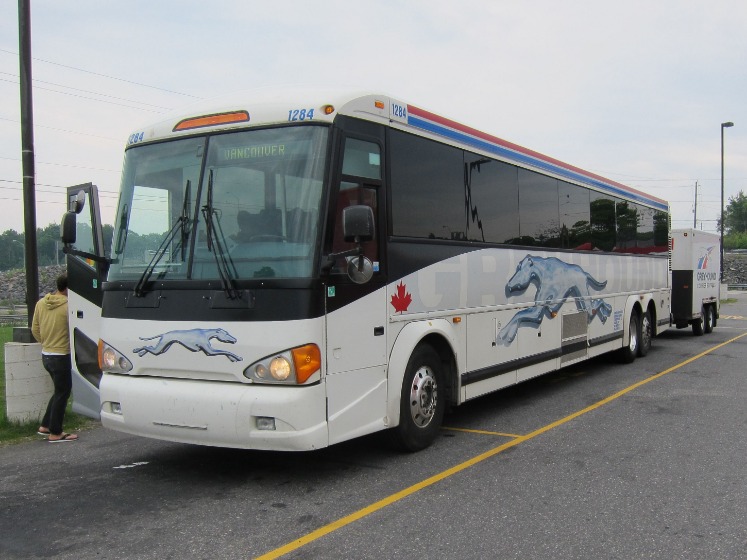
Bus operators in South Africa are pursuing fleet modernization and sustainability by upgrading aging vehicles with electric, hybrid, and other low-emission technologies, coupled with smarter maintenance and data-driven operations. Through route optimization, energy-efficient practices, and cleaner fuels, these operators aim to reduce emissions, lower operating costs, and improve reliability and access for urban, peri-urban, and rural communities.
Fleet Renewal and Maintenance Practices
South African bus operators are confronting rapid urban growth, air-quality commitments and the need to provide reliable, affordable mobility. Fleet modernization, sustainability, fleet renewal and disciplined maintenance are now core strategies to deliver safe, comfortable and economical services across major cities such as Cape Town, Johannesburg and Durban.
Fleet modernization involves upgrading to newer buses with clean-burning engines, better accessibility, and improved fuel efficiency. Operators are gradually adopting Euro V/VI compliant engines, low-emission technologies, and where feasible, alternative fuels like compressed natural gas or battery-electric propulsion. It requires reliable depots, charging infrastructure, and data-driven operations to minimize downtime and extend service life.
Fleet renewal is guided by lifecycle costing, reliability metrics, and service demand. Operators set replacement criteria based on age, mileage, spare parts availability, maintenance cost per kilometer, and sustained service reliability. Renewal programs are funded through municipal capital budgets, national transport subsidies, or public-private concession models, often with emphasis on improving passenger experience and reducing operating costs over the asset life.
Maintenance practices focus on preventive maintenance, condition-based maintenance, and real-time monitoring. Telematics, remote diagnostics, and depot-based workshops help reduce unplanned failures. Standard operating procedures include routine safety checks, brake and suspension testing, engine and emission controls, and timely component replacements. A strong maintenance culture reduces downtime and extends fleet life.
Sustainability extends beyond emissions. Operators pursue energy efficiency in depots, such as solar power for lighting and charging equipment, water and waste management, and the reuse of parts where possible. Driver training in eco-driving reduces fuel consumption, while schedule optimization and network planning minimize unnecessary mileage and congestion. Integration with rail or micro-mobility options can offer multimodal solutions that reduce dependence on single-occupancy vehicles.
In South Africa, metropolitan operators are leveraging modernization programs within the framework of the National Transport Master Plan and Green Transport Strategy. The shift toward bus rapid transit networks, improved fleet composition, and enhanced maintenance capacity are accelerating reliability and passenger satisfaction. Operators like Cape Town’s MyCiTi, Johannesburg’s Rea Vaya and other regional players are applying standardized maintenance regimes, asset management principles, and procurement approaches that prioritize durability and service quality.
Challenges remain, including funding constraints, aging legacy fleets, skill shortages in maintenance, and the need for stable electricity supply for electric or battery-operated buses. Policy support, targeted subsidies, and private sector participation will be key to scaling up modernization and ensuring the long-term sustainability of bus services.
Ultimately, effective fleet modernization, renewal and maintenance practices deliver cleaner air, safer travel, and more resilient public transport that supports inclusive urban growth in South Africa. By aligning procurement, maintenance, and operations with sustainability goals, bus operators can reduce total cost of ownership while expanding access to affordable mobility for all South Africans.
Electric and Alternative-Fuel Buses
South Africa’s bus operators are at a pivotal moment as fleet modernization and sustainability goals converge with urban growth, air-quality concerns, and the need for reliable, affordable mobility. Across major cities, operators are exploring electric and alternative-fuel buses as a path to cleaner transit and lower operating costs, while modernizing aging fleets that strain maintenance budgets and service reliability.
Fleet modernization encompasses not only new buses but enhanced depots, route planning, maintenance practices, and fleet-management systems that reduce downtime and improve on-time performance. Modern buses bring quieter operation, better accessibility, advanced safety features, and telematics that help operators monitor performance, optimize fuel use, and extend vehicle life through proactive maintenance.
Electric buses, along with compressed natural gas, liquefied natural gas, and emerging hydrogen options, offer meaningful reductions in tailpipe emissions and fuel costs where there is reliable electricity supply and accessible charging. Operators are weighing depot charging versus opportunistic charging, battery capacity needs, and charging infrastructure readiness, while evaluating total cost of ownership, vehicle warranties, and the resilience of the grid during outages.
In South Africa, funding constraints, procurement rules, and the intermittency of electricity supply pose challenges to rapid electrification. Battery costs, import dependencies, and the need for skilled technicians complicate rollout. Local manufacturers and assemblers are gradually expanding, but most operators rely on international suppliers, making supporting value chains and after-sales service critical for long-term success.
Policy frameworks and city-specific programs influence modernisation. The National Transport Master Plan and city transport strategies emphasise safe, sustainable, and affordable mobility and encourage the adoption of low-emission buses through grants, financing schemes, and preferential procurement. Public-private partnerships and consortiums between operators, municipalities, and manufacturers play a key role in rolling out pilot fleets and scaling up when the business case is proven.
Success hinges on charging infrastructure at depots, grid capacity, and energy management, as well as maintenance training and spare-parts supply. Operators must plan for vehicle life cycles, warranty coverage, diagnostics, and the reliability of charging equipment. A phased approach—starting with pilot routes, building data-driven scheduling, and expanding as cost and reliability improve—helps manage risk while delivering service improvements.
Beyond cleaner air and lower emissions, modernization improves rider experience, safety, and accessibility for people with disabilities. Local job creation comes through fleet upgrades, maintenance facilities, and skilled-trades programs. Efficient, reliable bus service also supports economic activity by improving access to employment and education, particularly in underserved urban and peri-urban areas.
For South Africa to accelerate fleet modernization and sustain a transition to electric and alternative-fuel buses, stakeholders should prioritise financing mechanisms, invest in charging-ready depots, build local capacity, and align procurement with clear sustainability criteria. A staged, data-driven approach that pairs pilot projects with scalable rollouts can deliver tangible environmental and social benefits while keeping public transport affordable and resilient.
Challenges and Market Trends
South Africa’s bus operators are navigating a complex mix of operational pressures and evolving market opportunities. Challenges include aging fleets, rising fuel and maintenance costs, fare-level pressures from subsidized competition from informal minibus taxis, safety and security concerns, regulatory compliance, and funding constraints for fleet renewal and expansion, especially within the framework of the National Transport Master Plan and bus rapid transit projects. At the same time, market trends point to modernization and consolidation, greater use of data-driven route planning and ticketing, and a shift toward cleaner energy with growing interest in electric and hybrid buses, as well as public-private partnerships and concession models to upgrade capacity and extend access in urban and peri-urban areas.
Infrastructure Gaps and Service Gaps
Bus operators in South Africa operate within a diversified ecosystem that includes municipal and provincial passenger services, long-distance operators, and a large informal minibus taxi sector. Public bus networks are central to urban mobility, serving low-income workers, students and commuters in sprawling cities as well as peri-urban and rural areas. The sector’s performance hinges on policy alignment, funding, and collaboration among government, operators and communities.
Challenges and market trends shaping the sector include a complex regulatory environment, inconsistent subsidies, and aging fleets that strain maintenance budgets. Operators face fuel price volatility, driver shortages, and the high costs of financing new buses, particularly cleaner technologies. The rise of minibus taxis remains a competitive pressure, often offering flexible routes and lower fares, complicating route planning and fare integration. Yet there are trends toward service consolidation, improved ticketing systems, and pilot deployments of bus rapid transit and electric buses in several cities, signaling a shift toward a more integrated and modern public transport network.
Infrastructure gaps constrain service quality. There are insufficient bus priority lanes, restricted access to dedicated depots, and limited maintenance facilities to keep fleets in good condition. In many cities, bus stops lack shelters, lighting, and clear schedule information, and real-time passenger information is patchy. The lack of integrated fare systems and interoperable ticketing across transit modes slows boarding and reduces passenger convenience. Rural and peri-urban routes often suffer from weak transit corridors, making schedules unreliable and vulnerable to disruptions.
Service gaps affect reliability, coverage, and user experience. Frequent, predictable services are still scarce outside core corridors, resulting in long wait times and crowding during peak periods. Affordability remains a concern for low-income travelers, while accessibility for people with disabilities requires more inclusive bus design and facilities. Safety and security—on board and at stations—remain a priority, with incidents of vandalism and crime affecting rider confidence and operator revenues. Data gaps in ridership and performance also hamper route optimisation and timely maintenance planning.
To close these gaps, South Africa needs coordinated investment in transit infrastructure, fleet renewal, and integrated planning across municipalities. Public funding, private capital, and international financing can accelerate the deployment of newer, cleaner buses and the upgrade of depots and information systems. Expanding BRT networks where appropriate, improving station access and real-time information, and implementing interoperable fare systems will enhance efficiency. Strengthening regulatory frameworks, driver training, and safety programs will improve reliability and rider experience, while dedicated rural corridors and feeder services will extend coverage beyond major cities. Collaboration among national government, metropolitan and regional authorities, operators, and communities is essential to create a sustainable, inclusive bus transport system.
Competition with Other Modes and Ride-Hailing
South Africa’s bus operators are navigating a complex landscape marked by urban mobility shifts, regulatory reform, and evolving passenger demand. This overview highlights challenges, market trends, competition with other modes, and the rise of ride-hailing as it relates to bus services.
-
Challenges and market trends: Bus operators face high operating costs driven by fuel prices, spare parts, maintenance, and aging fleets, along with financing hurdles for new buses and compliance with safety and environmental standards. Regulatory processes for route licensing and subsidies can be slow, impacting planning and expansion. Security concerns, vandalism, and crime affect reliability and operating costs. In parallel, market trends point to growing urbanization, demand for affordable mobility, and government programs to modernize public transport through BRT corridors, integrated ticketing, and fleet modernization, including cleaner and more fuel-efficient or electric vehicles.
-
Competition with other modes: Minibus taxis remain a dominant part of the mobility mix, offering flexible door-to-door service at low apparent costs but with safety and quality concerns. Bus operators compete on reliability, coverage, and price, while BRT and rail networks push for integration and faster travel over longer distances. Regulated tender processes and subsidies shape market access, and operators must differentiate through schedules, comfort, and safety to win ridership against informal and semi-formal modes.
-
Ride-hailing: International ride-hailing platforms bring dynamic pricing and on-demand options that can complement or compete with scheduled bus services. Potential benefits include improved last-mile connectivity and data-driven planning, while challenges involve regulatory oversight, safety standards, and the need for partnerships to integrate into the broader transport network. For bus operators, ride-hailing can offer collaboration opportunities, feeder services, and demand management, but may also pressure occupancy and fare structures if not integrated thoughtfully.
Future Outlook and Policy Implications
South Africa’s bus operators face a future shaped by expanded urban demand, vehicle electrification, and smarter mobility solutions. The outlook holds promise for cleaner, more reliable services as fleets modernize and networks become better integrated with rail and other transport modes. Policy implications include sustained funding for fleet renewal, clear licensing and route planning rules, and incentives for charging infrastructure, driver training, and safety upgrades. Achieving this will require stable regulation, standardized procurement, and strong public–private collaboration to deliver affordable, accessible transport for all.
Integrated Transport Planning
The future outlook for bus operators in South Africa is shaped by rapid urban growth, a push for cleaner mobility, and a policy environment that increasingly emphasizes integrated transport planning. As cities contend with congestion and rising demand for reliable, affordable transport, bus networks are being positioned as the backbone of urban mobility, while the large and diverse minibus taxi sector remains a critical component that must be integrated through policy design and implementation.
Integrated transport planning is central to harmonizing operations across modes, routes, and regulatory regimes. South Africa’s planning framework seeks to align bus operators with rail, non-motorized transport, and taxi networks through national and municipal planning instruments, including the National Land Transport Act and local Integrated Transport Plans. This approach aims to create seamless trip chains, improve reliability, and enable fare and information integration that reduces trip times and uncertainty for travelers.
Policy implications include formalizing and regulating the often informal minibus taxi sector while simultaneously supporting the modernization of bus fleets. Reforms may involve clearer route rights and scheduling rules, transparent tender and subsidy frameworks, and data-driven planning that supports equitable service across urban and peri-urban areas. A successful policy mix will balance investor confidence with social equity, ensuring that essential but low-profit corridors remain viable for operators who serve high-need communities.
Another key area is fleet modernization and environmental standards. Policy directions are likely to encourage investment in cleaner, more efficient buses, including electrification pilots and alternative fuels, supported by financing mechanisms such as concessional loans, subsidies, or blended finance tied to performance and emissions outcomes. Infrastructure investments—bus depots, charging facilities, maintenance hubs, and integrated ticketing—will be required to unlock improved reliability and lower operating costs for operators.
Integrated transport planning also has implications for governance and capacity. Effective coordination among national, provincial, and municipal authorities, as well as engagement with taxi associations and private operators, is essential. Data sharing, standardized performance metrics, and transparent procurement processes will help align incentives, reduce fragmentation, and enable better demand-responsive services in underserved areas.
Social and economic transformation is another important policy dimension. Ensuring opportunities for black-owned and women-owned transport businesses, supporting local employment, and developing capacity-building programs for operators and drivers can help deliver inclusive growth. In addition, safety, accessibility, and customer experience standards will need to be consistently applied across all operators to raise overall mobility quality and public trust in the system.
In summary, the future of bus operators in South Africa hinges on effective integrated transport planning, targeted regulatory reform, and robust investment in fleets, infrastructure, and information systems. When policy design aligns with city-level needs and respects the realities of the informal sector, bus networks can become more reliable, affordable, and sustainable pillars of multi-modal urban mobility.
Funding, Subsidies, and Investment Priorities
South Africa’s bus operators face a pivotal moment as cities grow and demand for affordable, reliable transport expands. The sector must balance the need to modernize aging fleets and depots with the pressure to keep fares within reach for everyday commuters. Policy certainty, stable funding, and credible delivery on contract commitments will determine whether operators can attract investment, improve service reliability, and meet emissions goals. Urban mobility integration with rail, Paratransit, and micro-mobility will shape route planning and pricing. The success of public transport depends on securing patronage, reducing operating costs, and delivering safe, accessible services.
Policy implications include stabilizing the regulatory environment, clarifying contract terms for municipal and provincial contracts, and accelerating licensing reform to reduce delays. Transparent performance standards, fare-setting mechanisms that protect passengers while allowing operators to cover costs, and enforceable safety and labor rules will be essential. A credible pipeline of announced routes and subsidies reduces investment risk and helps operators plan long-term fleet renewal. Greater cross-government coordination between transport, energy, and environmental ministries will support decarbonization and service expansion.
Funding and subsidies must be predictable and well-targeted. Operating subsidies should reflect service obligations, while capital subsidies and concessional loans are needed for fleet renewal and depot upgrades. Development finance institutions and international lenders can provide blended finance and guarantees to lower borrowing costs. Performance-based subsidies linked to service reliability, accessibility, and safety can incentivize improvements while protecting affordability for lower-income riders.
Investment priorities should prioritize fleet modernization, electrification or alternatively clean propulsion where feasible, and the build-out of charging and maintenance infrastructure. Modern depots, data systems for scheduling and real-time passenger information, and interoperable ticketing are critical for efficiency. Upgrades to safety features, accessibility for people with disabilities, and driver training programs should accompany every major procurement. Integrating bus networks with rail, BRT corridors, and urban redevelopment plans will maximize the impact of capital expenditure.
Financing models should combine public funding with private capital through PPPs, concession contracts, and blended finance. Risk-sharing instruments, long-tenor loans, and credit guarantees can attract manufacturers and operators to participate in urban and regional corridors. Supporting local manufacturing and parts supply can stimulate jobs and resilience, while rigorous procurement rules help ensure value-for-money and accountability.
Looking ahead, the sector will increasingly rely on digitalization, data-driven planning, and a shift toward cleaner energy. Open payment ecosystems, fare interoperability, and unified journey planning will improve convenience and patronage. Policy makers should prioritize rural and peri-urban service expansion to close mobility gaps, while protecting workers’ rights and providing up-skilling opportunities. A coordinated, well-funded program will help bus operators deliver affordable, safe, and reliable transport that unlocks broader economic and social benefits for South Africa.