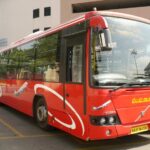
Overview of Bus Ownership in South Africa
Bus ownership in South Africa spans private operators, cooperatives, and large corporate fleets, all operating under licensing, subsidy, and safety regulations that shape who can run a route and how it’s financed. Owners navigate procurement, financing, maintenance, and route allocation while balancing profitability with service obligations to urban commuters and rural communities. This introductory overview highlights the main ownership models, regulatory context, and emerging challenges facing bus owners in the country.
Historical context of bus ownership in South Africa
South Africa’s bus sector is a mosaic of private ownership, municipal planning, and national transport policy. In urban areas, privately owned bus operators and owner-driven minibus taxi operators move the bulk of passengers, while formal bus companies and bus-rapid-transit contracts link major corridors and long-distance routes. Ownership is therefore not a single entity but a spectrum ranging from solo owner-operators to small fleets and larger private operators, underpinned by regulatory frameworks from national to municipal level.
Historical roots of bus ownership in South Africa stretch back to the mid-20th century, when state transport services and formal private bus companies served major cities under a framework that often included subsidies and regulated routes. In many townships, however, underinvestment by authorities and limited formal services created demand for alternative arrangements that eventually evolved into the robust minibus taxi sector that dominates origin-destination travel today.
Under apartheid, transport policy tended to favour white suburbs and urban corridors while township transport was neglected. This created a grassroots response in the form of small, largely black-owned bus operations and, more importantly, the rapid growth of independent minibus taxis as an affordable, on-demand option for millions of commuters. These owner-operators built businesses around individual routes and driver ownership models that still shape the sector.
From the late 1980s into the 1990s, deregulation allowed more private entrants into urban transport. The minibus taxi sector expanded into most urban routes, becoming the backbone of daily travel for many workers and students. Ownership tended to be concentrated in small fleets and owner-operated vehicles, with operators forming loose associations or cooperatives to secure routes and financing.
After 1994, national transport policy aimed to integrate different modes of transport and create a more coordinated system. The White Paper on Transport and subsequent acts established frameworks for route regulation, subsidies, and passenger safety, while city governments pushed rapid-transit projects and bus rapid transit (BRT) corridors to complement private fleets. Cape Town’s MyCiTi and Johannesburg’s Rea Vaya are examples of BRT initiatives that involve contracted private operators and city-led governance to steer ownership and accountability within the network.
Today, most urban bus services are privately owned by individuals, family-owned fleets, or small operator groups, who hold route permits and operate under municipal contracts or concession agreements. Long-distance and intercity buses are also predominantly private, with a mix of independent operators and larger transport groups. BRT systems rely on private operators under contracts overseen by cities, while government provides infrastructure, policy direction, and safety regulation.
Efforts to transform ownership patterns include empowerment programs, BBBEE considerations in procurement, and recapitulation funds for the taxi sector. While these initiatives have increased visibility of black-owned operators in some markets, the sector remains highly fragmented with ongoing challenges in access to capital, financing for fleet upgrades, and achieving true integration with formal bus services.
Key challenges include safety compliance, aging fleets, maintenance costs, and the need for investment in infrastructure and rail–bus integration. Financing remains a barrier for smaller operators, while regulatory complexity across national, provincial, and municipal levels can slow upscaling and modernization. Opportunities lie in fleet modernization, emission reductions through newer buses, technology-enabled route management, and stronger collaboration between private operators and city agencies to deliver reliable, affordable transport.
Overall, bus ownership in South Africa is characterized by a private-led, highly diverse landscape that is gradually being shaped by national policies and city-level planning to create a more integrated and safer transport system. The balance between private entrepreneurship and public-interest stewardship will continue to define how bus networks evolve, with transformation efforts aimed at broadening ownership while improving service quality for commuters.
Economic and social role of bus owners
South Africa’s bus ownership landscape is diverse, spanning small family-owned fleets, driver-owned cooperatives, and sizeable corporate operators. This sector underpins urban and rural mobility, providing a crucial link between homes, workplaces, schools and essential services. The way buses are owned, funded and regulated shapes how reliably they run, how affordable fares are, and how many jobs they create.
Ownership patterns are influenced by historical policy, access to financing, and regulatory frameworks established to govern road transport. Many operators are owner-operators who own the vehicle and employ drivers, cleaners and maintenance staff, while others operate larger fleets with external management. Financing often comes from banks, microfinance institutions or asset-finance providers, with the required collateral and interest costs that influence fleet expansion. Black economic empowerment and transformation policies have encouraged schemes where previously marginalised entrepreneurs and cooperatives gain a stake in bus fleets, including women-owned ventures and driver-owned hubs. Licensing regimes under the National Land Transport Act require operators to hold route licenses or operating permits, and periodic compliance checks add to the administration burden.
Economically, bus owners create work directly for drivers, assistants, mechanics, conductors and workshop staff, and indirectly for a wide network of suppliers, garages and fuel suppliers. A fleet purchase or maintenance cycle stimulates demand across a local supply chain and contributes to local tax receipts and municipal revenue. Buses facilitate access to employment and markets by enabling workers to reach clustered urban centres and enable students and public service users to attend schools and clinics. In many communities, a small operator is a major local employer and a community business hub.
Socially, buses underpin mobility and social inclusion. Affordable, reliable services help people access jobs, education and healthcare, reducing travel time and enabling family and community life. Ownership structures that include women or community cooperatives can strengthen local empowerment. Yet the sector faces safety, quality of service and working conditions concerns when regulation is weak or enforcement is uneven. Ensuring professional driver training, regular vehicle maintenance and accountable governance are essential for preserving public trust.
Challenges include regulatory complexity, delays in license renewals, fleet aging, and the high cost of parts and maintenance. Fuel price volatility, competition from informal paratransit operators, and patchy road infrastructure can also hamper reliability. Access to affordable finance for new entrants and for fleet modernization remains uneven, especially for cooperatives and black-owned businesses. Strengthening safety standards, monitoring compliance, and integrating bus services with urban planning are priorities for both operators and policymakers.
Opportunities lie in formalizing and professionalizing the sector through capacity building, access to funding, and technology adoption. Digital ticketing, fleet tracking and data collection can improve efficiency, safety and planning. Government and partners can support bus owners with credit facilities, maintenance grants or subsidised parts, and facilitate partnerships with municipalities for school and commuter contracts. Public transport reforms that integrate buses with bus rapid transit and other modes can expand business models for operators while improving service reliability and affordability.
In sum, bus owners in South Africa are a cornerstone of both the economy and everyday life. Their ability to grow and modernize depends on a conducive regulatory environment, access to finance, investment in skills and maintenance, and a shared commitment to safe, affordable mobility for all communities.
Market Structure and Ownership Models
Market structure in South Africa’s bus sector is varied, with a mix of small owner-operators, cooperative fleets, and larger companies that win contracts through competitive tender processes. Ownership models range from independent bus owners and family-run fleets to worker-controlled cooperatives and franchised networks linked to municipal and provincial transit programs. This diversity influences route access, capital costs, financing, and incentives for safety and service quality, as policy makers aim to formalize the sector, improve reliability, and expand affordable mass transit for urban and rural communities.
Independent operators and micro-entrepreneurs
South Africa’s bus sector sits at the crossroads of formal public transport planning and a vast, often informal minibus taxi network. In many urban and peri-urban corridors, independent operators and micro-entrepreneurs own and run small fleets on licensed routes, shaping how people travel, how prices are set, and how quickly transport opportunities can be expanded or constrained.
Market structure is highly fragmented. Large, formal operators run longer-distance intercity journeys and some city services, typically with more capital, staff, and access to fleet management systems. However, the larger market share of day-to-day mobility rests with thousands of independent operators who own one to a few minibuses and negotiate route licenses with associations and licensing authorities. The result is a two-tier market with different scales of operation, financing options, and risk profiles, all operating under a complex regulatory framework.
Ownership models vary. Solo owner-operators who own a single vehicle may hire drivers or work directly with a small pool of licensed drivers. Small fleets may be run by family members or partnerships, and a growing number of drivers participate in cooperative or shared-ownership arrangements where vehicles, permits, and revenue are collectively owned or rented through a cooperative. Some operators own the asset and lease it to drivers, while others act as fleet managers aggregating multiple micro-entrepreneurs under a common brand or route system.
Financing and risk are central to the micro-entrepreneur model. Access to credit for purchasing or upgrading buses is variable and often constrained by perceived risk, collateral requirements, and tenure in the licensing system. Operators increasingly rely on vehicle finance, dealer leases, or microfinance schemes, with maintenance, insurance, and regulatory compliance forming ongoing operating costs. Price volatility for fuel and spare parts, along with regulatory penalties for non-compliance, adds to uncertainty for small operators.
The regulatory landscape in South Africa is designed to balance public service obligations with competition. Route licenses, operating permits, and provincial traffic management regulations govern who can operate where and under what conditions. The National Land Transport Act and related policy frameworks promote integration with rail, paratransit, and, in some cities, bus rapid transit, while the taxi associations under SANTACO influence permit allocations and interface with licensing authorities. This environment can enable formalization but also creates entry barriers for new micro-entrepreneurs.
Market dynamics are also shaped by intermodal competition and city planning. BRT networks, rail upgrades, and conventional bus services define suitable corridors for independent operators, while the presence of unregulated or informal services in some areas persists. For micro-entrepreneurs, partnerships with larger operators, access to standardized routes, and better information on schedules can improve reliability and bargaining power, but require navigation of complex agreements and safety and service standards.
Opportunities exist to modernize ownership models and strengthen market structure. Encouraging cooperative ownership, where multiple drivers share ownership of a vehicle or a fleet, can unlock economies of scale and improve access to credit. Government and development finance institutions can support training, maintenance programs, safe driving, route planning, and digital ticketing platforms that increase transparency for customers and regulators. Arrangements that bundle vehicle ownership, financing, and driver employment under compliant governance can create a more stable and accountable micro-entrepreneur sector.
Challenges include aging fleets, regulatory complexity, and the need for better safety and consumer protection. Ensuring that independent operators can access affordable maintenance, secure waiting times at licensing offices, and enforceable wage standards for drivers are essential to sustainable growth. A robust data-driven approach to route planning, performance measurement, and subsidy targeting can help align the interests of micro-entrepreneurs with public transport goals and social welfare in South Africa.
In sum, the South African bus landscape relies heavily on independent operators and micro-entrepreneurs who own and operate the backbone of local mobility. By combining supportive financing, cooperative ownership models, clear regulatory pathways, and modern service standards, the market can become more efficient, safer, and more inclusive for residents who rely on affordable, reliable bus services daily.
Formation of cooperatives and associations
Market structure and ownership models among bus owners in South Africa are shaped by a mix of private operators, cooperative groups, and associations operating within a regulatory framework designed to manage licensing, safety, and service delivery on urban and intercity routes.
- Market structure: formal bus operators exist alongside informal paratransit operators (minibus taxis); large operators hold regional routes while smaller firms compete on local corridors, subject to licensing and regulatory oversight.
- Ownership models: private ownership by individuals or family groups; corporate ownership by transport companies; cooperatives owned by member bus owners and sometimes drivers; and associations that coordinate standards and procurement without owning assets.
- Formation of cooperatives: core steps include gathering interested bus owners, drafting a constitution, registering the cooperative under the Co-operatives Act, electing a board, opening financial accounts, and pursuing licenses for pooled services or joint procurement.
- Advantages: by pooling resources, cooperatives improve access to financing, enable bulk purchases of vehicles and parts, improve route planning and maintenance, and strengthen bargaining power with regulators and municipalities.
- Challenges: governance and accountability, capital requirements for upgrades, regulatory compliance, skills gaps in management, competition from large operators and policy changes; success depends on transparent governance and member commitment.
- Regulatory context: transport policy, operator licensing, safety standards, and local transit plans influence market structure; government programs may support cooperative formation through advisory services and access to finance.
- Practical steps for bus owners forming a cooperative: design a shared business model with defined routes, pooled maintenance facilities, driver training and welfare programs, clear financial reporting, and agreed rules for profit reinvestment and governance.
Ultimately, well-structured cooperatives and associations can enhance service reliability for commuters while providing sustainable income opportunities for bus owners and drivers in South Africa’s transport system.
Fleet types and ownership dispersion by region
Regulatory and Policy Environment
South Africa’s regulatory and policy environment for bus owners is defined by national transport laws and provincial administration that govern licensing, safety, routes, and fares. Key instruments include the National Land Transport Act and related regulations administered by the Department of Transport and the National Land Transport Regulator, which require operator permits, vehicle compliance, and ongoing safety inspections, while local authorities coordinate route planning and enforcement to integrate conventional services with mass transit initiatives such as bus rapid transit. This framework aims to balance service reliability, safety, and transformation goals with the operational realities of bus fleets.
Licensing, route allocation, and permits
Bus owners in South Africa operate within a framework of national transport policy, provincial regulation, and local planning. The regulatory and policy environment is shaped by the National Land Transport Act, the White Paper on National Transport Policy, and the work of the National Public Transport Regulator, alongside road safety and municipal transport mandates that guide how services are planned, licensed, and operated.
Licensing for bus operations is centered on obtaining a Public Transport Operator Licence, commonly referred to as an Operating Licence, issued by the relevant provincial regulator under the National Land Transport Act. Applicants must show they are fit and proper operators, have the financial wherewithal to run a service, and meet safety and vehicle maintenance standards. There are also permit routes for special or temporary services and additional permits for charter or ad hoc operations. Vehicles must comply with roadworthiness and safety requirements, and operators must adhere to the Road Traffic Act and related regulations.
Route allocation is tied to integrated public transport planning. Routes are declared and allocated through municipal Integrated Transport Plans and provincial regulatory processes. Operators apply for access to declared routes, often aligning with service timetables, stop locations, fare structures, and vehicle types. The allocation process seeks to balance passenger demand, operator viability, public safety, and service reliability, and it may involve public consultation and regulatory decisions at municipal or provincial levels.
Permits come in several forms, including Operating Licences for scheduled services, route permits for operating on declared routes, and temporary or special permits for certain operations or temporary replacements. Vehicle permits and PSV classifications may also be involved, with conditions tied to the declared routes and service parameters. Licences and permits are typically subject to renewal and ongoing compliance checks, ensuring adherence to safety, vehicle standards, and route declarations.
Compliance and enforcement involve regular vehicle inspections, driver licensing verification, operator registration, and adherence to declared routes and timetables. Regulators from provincial authorities, in collaboration with national bodies and municipal regulators, monitor compliance and may impose penalties, suspend or revoke licences, or restrict route access for non-compliance. Staying up to date with regulatory changes and engaging with regulators is essential for sustainable operation.
For bus owners, practical steps include engaging with the provincial regulator and local municipalities, developing a robust route plan aligned with municipal transport strategies, ensuring vehicle and driver safety standards are met, maintaining thorough records, and participating in public transport planning processes. Building partnerships with industry associations can also help navigate licensing procedures and interpret policy developments.
National and municipal transport legislation
South Africa’s regulatory and policy environment for bus owners is built around an integrated, three-sphere framework that licenses, plans, and regulates road-based public transport across national, provincial, and municipal levels. The National Land Transport Act (NLTA) of 2009 forms the cornerstone, aiming to harmonise the activities of bus operators, minibus taxis, and other operators within a single transport system and to support the transformation and modernisation of public transport.
The NLTA establishes the core regulatory architecture, including the National Land Transport Regulator and provincial land transport registries, to oversee operator permits, route allocations, and service standards. Bus owners must obtain appropriate Public Transport Operator Permits and operate on routes and in areas designated in municipal integrated transport plans.
National policy guidance comes from the White Paper on Transport and the long-term transport planning framework, which emphasises integrated public transport networks, safety, affordability, and accessibility. The policy environment drives how routes are planned, how assessments are conducted, and how new operators are absorbed into the system through transformation and capacity-building measures.
Vehicle and road safety are governed by the National Road Traffic Act and related regulations. Bus owners must ensure vehicles are roadworthy, maintained to the required standards, and equipped with compliance documentation. Drivers must hold appropriate licenses and qualifications, and operators face penalties for non-compliance, including fines, vehicle seizure, or permit suspension.
Municipal authorities implement the NLTA through Integrated Public Transport Plans and local by-laws that designate routes, bus stops, and ranks, and regulate access to municipal roads and facilities. Operators interact with municipal transport departments to secure route approvals, permits, and access to designated infrastructure such as bus ranks and stops.
Policy priorities include transformation and modernisation of the bus sector, safety and reliability improvements, and greater integration with other modes such as rail and bus rapid transit. Where available, funding and incentives support fleet upgrades, driver training, and the adoption of safer, cleaner, and more efficient buses as part of provincial and municipal transport strategies.
For bus owners, the regulatory environment requires ongoing compliance monitoring, timely permit renewals, alignment with municipal transport plans, and proactive engagement with regulators. Staying informed about changes to NLTA regulations, permit regimes, and local by-laws is essential to securing operating rights and avoiding disruption to services.
In summary, South Africa’s national and municipal transport legislation creates a structured framework for bus operations, balancing public service obligations with safety, efficiency, and transformation goals. Bus owners who plan ahead, maintain compliance, and collaborate with regulators will be best placed to operate sustainably within this evolving policy environment.
Impact of policy reforms on ownership
South Africa’s bus ownership and operation exist within a regulatory and policy environment designed to improve safety, efficiency, and transformation in public transport. Since the National Land Transport Act of 2009 established a national framework for route-based contracting, permits, and municipal transport planning, bus owners must navigate licensing, compliance, and governance requirements that shape ownership structures and opportunities.
- Regulatory framework and licensing: The National Land Transport Act of 2009 created a national framework for public transport, with route contracts and a permit system; municipalities implement Integrated Transport Plans and issue Public Transport Operator licenses to bus owners and operators.
- Policy reforms affecting ownership: The Taxi Recapitalisation Programme has pushed informal taxi operations toward more formal, fleet-standardized operations; empowerment policies and BBBEE aim to broaden ownership among black-owned and youth-owned bus companies, with funding and procurement rules favoring compliant operators.
- Impact on ownership structures: There is a trend toward consolidation into larger operator groups and joint ventures, alongside greater participation of black-owned consortia in contract awards; compliance and governance requirements increase costs for smaller operators and can affect entry barriers.
- Operational and financial implications: Upgrading fleets to meet safety and environmental standards requires capital investment; subsidies, grants, and favorable financing support fleet modernization, while performance-based contracts offer revenue stability contingent on meeting service standards.
- Outlook for bus owners: Policy emphasis on integrated, safe, and efficient transport continues, with expansion of BRT and multi-modal networks; ongoing transformation under BBBEE remains a key driver, requiring strong governance, risk management, and adaptability to funding cycles and regulatory changes.
-
Operations
Bus owners manage fleets, maintenance, and roadworthiness, with driver rostering, training, safety protocols, and depot management. Compliance with the National Land Transport Act, local licensing, and safety standards is essential, along with fare collection methods, incident reporting, and performance monitoring. Capital planning, financing options (own fleet versus leasing), and the use of technology such as GPS, telematics, and digital ticketing help optimize reliability and reduce operating costs.
-
Routes
Formal bus routes require operating licenses, route permits, defined timetables, and service levels that are coordinated with metropolitan transport authorities and transit integrations (BRT, rail). These routes emphasize reliability, predictable headways, and passenger information systems. Minibus taxi corridors, by contrast, are more flexible and often defined by taxi associations and corridor agreements; service is responsive to demand, with quicker route adjustments but less formal timetable discipline. Urban, peri-urban, and rural routes each present distinct planning challenges, including congestion, population growth, and last‑mile connectivity.
-
Service Models
Service models include contracted services with municipalities or provincial authorities, direct fare collection, school and corporate contracts, and charter operations. Bus owners may participate in subsidy-based or performance-based contracts, feeder services for BRT systems, or long‑distance commuter routes. Revenue models balance regulated fares with subsidies, while investments in cleaner technologies, staff training, and customer experience (branding, information systems) can differentiate operators. In taxi corridors, service models often rely on association-led pricing and flexible routing, sometimes creating competition or collaboration opportunities with formal bus operators.
- Operations, Routes, and Service Models
- Operations planning: scheduling, depot management, driver rostering, and on-time performance to meet commuter expectations
- Route design and rights: engaging with route authorities and permit regimes, designing urban corridors and feeder services for rural areas
- Service models: subsidised municipal contracts, private operation, concession agreements, and hybrid models combining multiple revenue streams
- Compliance and safety: driver training, traffic law adherence, safety audits, incident management, and record-keeping
- Customer experience: reliability, accessibility, and communication with passengers to build trust and loyalty
- Fleet management
- Fleet composition: selecting appropriate bus types (minibuses, midi, and full-size coaches) based on route length, passenger volumes, and accessibility needs
- Depots and maintenance scheduling: allocating workshop space, spare parts inventory, and preventive maintenance calendars
- Fuel and energy strategy: balancing diesel, alternative fuels, or electric options; monitoring fuel efficiency and emissions
- Telematics and data use: GPS tracking, driver behavior analytics, route optimization, and asset health monitoring
- Financing and ownership models: outright purchase, finance leases, or operating leases aligned with cash flow and risk tolerance
- Maintenance and lifecycle
- Preventive maintenance: regular inspections, safety checks, scheduled servicing, and warranty management
- Repairs and component lifecycle: engine, transmission, braking systems, tires, HVAC, and electrical components
- Lifecycle planning: replacement timelines, depreciation considerations, and financing options for new or upgraded fleets
- End-of-life and recycling: disposal, scrapping, and environmentally responsible recycling of parts and batteries
- Compliance and risk management: adhering to national and local standards, safety audits, and contingency planning for breakdowns
- Talent pipelines: partner with driving schools, technical colleges, and SETAs to create clear pathways from learner to licensed driver, including apprenticeship models and sponsorships.
- Recruitment criteria: implement inclusive hiring, comply with BCEA and LRA, conduct background and driving record checks, and ensure transparent, fair remuneration.
- Structured training: provide comprehensive induction, defensive driving, route familiarisation, customer service, and compliance training on road regulations and hours of service.
- Continuous skills development: offer refresher courses, hazard identification, load safety, passenger assistance, and training for new technologies such as hybrid or electric buses as fleets evolve.
- Safety culture: demonstrate leadership commitment to safety, establish near-miss reporting systems, run non-punitive investigations, appoint safety champions among drivers and maintenance staff, and post visible safety reminders.
- Wellbeing and labour practices: conduct regular health and safety audits, manage working hours to prevent fatigue, provide access to support services, and uphold fair shift scheduling.
- Performance and retention: create clear career paths, provide mentorship, recognise high performance, and align pay with regulatory requirements and sector norms to retain skilled staff.
- Compliance and governance: maintain robust HR policies, accurate record-keeping, audit readiness, and ongoing dialogue with transport authorities and unions to foster industrial harmony.
- Cashless fare collection reduces cash handling, theft risk, and processing costs
- Real-time revenue and occupancy data supports route planning and service reliability
- Passenger convenience increases ridership and satisfaction through contactless payments
- Fraud prevention and audit trails improve transparency for regulators and funders
- Interoperability with other transit modes enables integrated urban mobility
- Regulatory framework and licensing: comply with the National Land Transport Act, the National Road Traffic Act and Regulations, and oversight from the Road Traffic Management Corporation and provincial road traffic departments. Ensure operator licenses, vehicle licenses, and driver Professional Driving Permit endorsements are current and properly documented.
- Vehicle safety standards and maintenance: implement a preventive maintenance schedule aligned with SABS standards, conduct regular roadworthy checks, maintain thorough servicing logs, and enforce pre-trip inspections by drivers to identify defects before operation.
- Driver training and safety culture: provide ongoing professional development, defensive driving training, fatigue management, safe loading and unloading procedures, passenger safety briefings, and a program for coaching drivers based on performance data.
- Risk management framework: establish a safety management system or formal safety plan, conduct route and hazard assessments, implement near-miss and incident reporting, assign clear safety responsibilities, and maintain a live risk register with timely corrective actions.
- Incident management and insurance: define clear incident reporting protocols, cooperate with authorities, maintain appropriate public liability and fleet insurance, and conduct root-cause analyses to prevent recurrence.
- Regulatory compliance and audits: keep comprehensive records for inspections, audits, and renewals; prepare for roadworthy and compliance checks; monitor service intervals, tyre regulations, and passenger safety requirements to avoid penalties.
- Road safety standards in practice: plan safer routes, manage driver hours to reduce fatigue, ensure orderly passenger boarding and alighting, enforce seat belt use where required, adhere to speed limits, and implement effective loading and unloading controls at stops.
- Technology and data-driven safety: use telematics to monitor speed, harsh braking, and idling; employ GPS tracking for route adherence; deploy CCTV and video retention for incident review; use data to drive driver coaching and maintenance decisions.
- Challenges: licensing backlogs and permitting hurdles under the National Land Transport Act; aging fleets and high maintenance costs; volatility in fuel prices and foreign exchange for spare parts; access to affordable finance for fleet renewal; driver shortages and training needs; high insurance costs; competition from minibus taxi operators and on-demand transport; route allocation complexities; safety, accessibility, and environmental compliance requirements; and revenue volatility from fare controls and subsidy uncertainty.
- Risks: regulatory penalties and license suspensions for non-compliance; sudden changes in policy or funding that alter viability; procurement and corruption risks in subsidies or fleet contracts; strategic disruption from protests or route disruptions by taxi associations; supply chain risks for parts and maintenance; exposure to economic shocks and currency swings affecting import costs.
- Opportunities: public funding and tenders for school, commuter, or tourism routes; integration with Bus Rapid Transit and broader urban mobility plans; fleet modernization through electrification or alternative fuels; digital ticketing, online booking, and telematics to optimize routes and safety; public–private partnerships to share capital and risk; job creation and enterprise development in maintenance and training; tourism-linked services and cross-border travel growth in certain corridors.
- Regulatory uncertainty and political dynamics: policy direction can shift with elections, changing transport ministers, or reform agendas; potential reforms to the NLTA, route licensing, and subsidy frameworks; influence of taxi associations, unions, and municipal politics on route access and enforcement; the risk that policy changes benefit incumbents or constrained new entrants; opportunities arise when reforms promote transparent procurement, predictable subsidies, and integrated transport planning that rewards efficiency and safety.
Financing, Capital Access, and Ownership Transfer
Financing, capital access, and ownership transfer are central to bus owners in South Africa as they navigate fleet expansion, service reliability, and regulatory licensing. Access to affordable funding—from commercial banks, development finance institutions, and government-backed schemes—along with working capital solutions and lease-to-own arrangements, determines growth and cash flow. Smooth ownership transfer—through vehicle registration, permit transfers, and compliant handovers—ensures continuity, aligns with B-BBEE goals, and enables new operators to enter or scale the market.
Financing options for bus owners
South Africa’s bus owners, including minibus taxi operators and small fleet owners, face a complex financing landscape as they seek capital for fleet upgrades, expansion, and orderly ownership transitions.
Financing options for bus owners include bank term loans secured by the fleet or other assets, hire purchase agreements that transfer ownership at the end, and finance leases where the lessor retains ownership while the operator pays rental. Vehicle financing from suppliers/dealers, asset-based lending and chattel mortgages, and microfinance or specialised transport lenders can be alternative routes, especially for smaller operators. Pooling through taxi associations or cooperatives can also unlock group finance with better terms.
In addition, government-backed funds and development finance institutions provide pathways to capital. The National Empowerment Fund, Industrial Development Corporation, and Development Bank of Southern Africa offer debt, equity, or blended finance to transport businesses with black ownership or broader empowerment goals. Municipal and provincial programs and grants aimed at modernising fleets or supporting public transport can also improve access to capital, often with preferential terms or guarantees.
To improve access to capital, operators should build a solid financial foundation: accurate cash-flow projections, audited or well-prepared financial statements, and a credible fleet maintenance plan. Lenders typically look for sufficient collateral—primarily the vehicles themselves—adequate insurance, and a clear repayment plan. Diversifying funding sources, developing strong relationships with banks, and, where possible, aligning with B-BBEE or driver-owned models can enhance appeal to financiers.
Ownership transfer options include selling to family or partners, passing ownership to employees or driver‑owners through employee share schemes or driver cooperatives, or bringing in equity partners as part of a joint venture or franchise-like arrangement. Co-operatives and driver-owned associations can facilitate steady capital access and smoother succession, while B-BBEE ownership restructures may improve procurement chances and facilitate investment by empowerment funds.
Regulatory considerations matter for ownership and financing. Operators must maintain compliance with licensing regimes, route permits, and safety and maintenance standards, as well as tax and company law obligations. Clear documentation for ownership and share transfers, and proper estate or succession planning, help prevent value loss during transition.
Practical steps include preparing a compelling business plan and five-year cash flow forecast, assembling fleet data and maintenance records, and identifying the preferred financing mix. Engage with banks, development finance institutions, and reputable funding partners; consider industry associations for group financing or co‑financing; and ensure collateral is properly valued and insured. A phased upgrade plan can improve approvals and cash flow management.
With careful planning, diverse funding options, and thoughtful ownership transfer strategies, bus owners in South Africa can access the capital needed to modernise fleets, expand operations, and transition ownership to the next generation or to driver-owners in a sustainable way.
Credit access and risk for operators
Financing, capital access, and ownership transfer are critical issues for bus owners in South Africa, where urban transport networks and long-distance services underpin mobility, livelihoods, and regional development. Operators confront a mix of traditional lenders, emerging funding channels, and policy-driven opportunities that shape how fleets are financed, expanded, or transitioned to new ownership.
Accessing capital often involves a combination of bank finance, asset-backed lending, and fleet financing or leasing. Vehicle manufacturers and lenders offer finance packages tied to fleet acquisitions, while specialized development finance institutions and state-backed funds provide non-traditional avenues for operators who may face barriers with standard banks. Supplier credit, vendor partnerships, and operating leases can help preserve cash flow but may entail higher long-term costs or specific use restrictions.
Capital access is also influenced by the operator’s track record, credit history, and governance practices. A solid business plan with realistic revenue projections, maintenance budgets, and compliance records improves lending prospects. In South Africa, empowerment and transformation policies, as well as the operator’s B-BBEE credentials, can affect financing terms and eligibility for targeted funding or partnerships with public or development finance institutions.
Ownership transfer and succession planning are vital when fleet owners look to retire, pass the business to family, or implement employee ownership structures. Clear transfer plans, buy-sell agreements, and ongoing licensing continuity help protect asset value and revenue streams. Trusts or shareholder arrangements can facilitate smoother ownership transitions, preserve contract rights, and ensure that permits and routes remain secure during and after a transfer.
Credit access and risk for operators hinge on the ability to demonstrate sustainable cash flow and manageable debt levels. Lenders typically assess debt service coverage, maintenance and operating costs, fuel exposure, and regulatory compliance. Collateral such as vehicles and licenses may be required, and pricing will reflect perceived risk, with operators showing stronger governance, transparent financial records, and diversified revenue generally receiving better terms.
Risk factors for bus operators include regulatory risk related to permits, route allocations, and licensing regimes; volatility in fuel prices and maintenance costs; safety standards and insurance requirements; and economic conditions that affect passenger demand and fare revenues. Operational disruptions from strikes, road conditions, or policy changes can also impact repayment capacity and asset longevity.
Financing structures available to bus owners range from traditional debt and finance leases to operating leases, hire-purchase arrangements, and equity partnerships. Leases can reduce upfront cash requirements and provide flexibility, but may involve higher total costs and restrictions on asset use. Ownership transfer may be smoother with options that preserve asset control while enabling gradual equity buildup among new owners or employee shareholders.
To improve access to capital and manage risk, operators can strengthen financial management, maintain clean and up-to-date records, and pursue group procurement or consortium financing to achieve better terms. Building a credible performance track record, aligning with policy frameworks, and seeking strategic partnerships with OEMs, financiers, and government programs can broaden funding options and support sustainable growth for bus networks across South Africa.
Succession planning and ownership transfer
In South Africa, bus owners face a complex landscape when it comes to financing, capital access, and ownership transfer. Fleet upgrades, maintenance, and expansion are essential to meet urban mobility demands while complying with safety and emissions standards. Access to affordable capital is a recurring hurdle, particularly for smaller operators and Black-owned enterprises seeking to grow or retire ownership to the next generation.
Financing options commonly used by bus owners include bank loans secured by the fleet and future revenue, finance leases or operating leases, and hire-purchase agreements with vehicle manufacturers or dealerships. Asset-based lending tied to the value of the buses and existing contracts can be attractive, but lenders typically require solid cash flows, reliable subsidy or fare revenue, and comprehensive maintenance records. In addition, supplier credit and financing arrangements with manufacturers can provide favorable terms for fleet replacement or expansion, often alongside guarantees of service levels and maintenance support.
Cash-flow stability is central to accessing capital in this sector. Many operators depend on fare income and subsidies from municipalities or provincial authorities, which can be volatile or delayed. This means lenders scrutinize contract terms, performance metrics, on-time service delivery, and history of timely payments. Insurance costs, maintenance reserves, and depreciation planning also influence financing viability and the total cost of ownership for a bus fleet.
Access to capital extends beyond formal finance. Working capital is needed for parts, fuel, driver wages, and preventative maintenance, all of which impact reliability and safety. For smaller operators, alternative funding channels such as microfinance, SMME-focused lenders, or cash-flow-based lending can fill gaps, though these often come with higher interest rates or shorter tenors. Collaboration with suppliers, fleets, or consortia can unlock bulk purchasing or shared maintenance pools that ease capital pressure and improve bargaining power with financiers.
Cooperative ownership models and driver-operator partnerships are increasingly explored as ways to improve capital access and succession planning. By pooling resources, operators can access larger credit lines, negotiate better terms, and spread risk. Employee share schemes or trusts that allocate ownership to key staff or to a management consortium can align incentives, improve retention, and create a pathway for smoother ownership transfer while maintaining service continuity.
Succession planning is critical to ensure business continuity in the bus sector. Early identification of potential successors, governance reforms, and a formal transition timeline reduce disruption when ownership changes hands. Key steps include defining clear management roles, documenting standard operating procedures, and building a pipeline of trained managers who can maintain service standards and customer relationships during the transition.
Ownership transfer methods commonly used in this sector include transferring shares or equity to family members, selling to employees through an employee ownership plan, or transferring ownership to a cooperative or trust that represents drivers and other stakeholders. Valuation underpins any transfer, with considerations including fleet age, remaining useful life, existing contracts, maintenance history, and revenue stability. Tax implications, transfer timing, and continuity of municipal contracts should guide the structure of the transfer to minimize disruption and preserve value.
Implementing a successful transfer typically requires a formal agreement framework. This includes a buy-sell or share-sale agreement, a governance plan for the post-transfer leadership, and a financing strategy for the buyer(s) if external funds are needed. Valuation models, risk assessments, and transition milestones should be documented in a master plan, accompanied by training programs and mentorship for the successor to preserve relationships with municipalities, passengers, and suppliers.
To navigate financing, capital access, and ownership transfer effectively, bus owners in South Africa should engage early with insurers, financiers, regulators, and potential partners. Building transparent financial records, maintaining compliant operations, and pursuing transformation-focused partnerships can improve creditworthiness and unlock opportunities for fleet modernization, safer operations, and sustainable ownership succession.
Operations, Routes, and Service Models
Bus owners in South Africa manage Operations, Routes, and Service Models to run viable, compliant transport businesses. Operationally, they oversee fleet maintenance, driver rosters, safety, and regulatory compliance under national transport laws while optimizing uptime and fuel efficiency. Route planning balances demand, demographics, and concession rules to connect townships, cities, and economic hubs. Service models vary from government-funded scheduled services to private, on-demand or contract-based offerings, with owners tailoring partnerships and pricing to local markets and performance targets.
Public transit bus routes vs minibus taxi corridors
South Africa’s bus owners operate in a landscape where formal public transit routes and informal minibus taxi corridors coexist, shaped by regulation, funding, and demand. This overview covers Operations, Routes, and Service Models as they apply to bus businesses across the country.
Fleet management, maintenance, and lifecycle
South African bus owners operate in a challenging but evolving mobility landscape, balancing regulatory compliance, community needs, and the economics of running a profitable fleet. This article covers key areas of Operations, Routes, and Service Models, as well as Fleet management, maintenance, and lifecycle from the perspective of bus owners in South Africa.
Scheduling, dispatch, and reliability metrics
Bus owners in South Africa operate a diverse and challenging mobility landscape that spans formal routes, paratransit services, and semi-structured minibus taxi operations. The success of these businesses hinges on efficient operations, reliable scheduling, and strong partnerships with regulators and municipalities. With urban congestion, demand variability, and fluctuating costs, operators continually adapt their service models to keep communities moving safely and affordably.
Operations begin with fleet management and maintenance planning. Regular vehicle servicing, tyre and brake checks, and a proactive replacement schedule reduce unplanned breakdowns. Compliance with safety standards, driver training, and clear operating procedures are core to minimizing risk on busy corridors.
Routes and service models in South Africa range from fixed, scheduled routes contracted by municipalities or provinces to open-access or on-demand services operated by private owners. Some operators run integrated networks that connect with larger public transport systems, while others focus on feeder routes, school contracts, or corporate shuttle services. The choice of model impacts revenue stability, capital needs, and the degree of regulatory oversight required.
Scheduling combines timetable design with demand forecasting. High-demand corridors favor higher frequencies and shorter dwell times, while off-peak periods require leaner fleets and flexible routing. Operators increasingly use data to optimize departure times, align with feeder services, and reduce passenger wait times at key hubs.
Dispatch systems coordinate vehicle movement, driver assignments, and customer communications. Central dispatch centers monitor real-time vehicle locations, traffic conditions, and incidents, enabling quick re-routing or replacements when a vehicle breaks down or is delayed. Communications are supported by radio, mobile apps, and GPS data to keep drivers informed and passengers updated.
Reliability metrics provide a common language to measure performance and guide improvement. Key indicators include on-time performance (OTP), headway adherence, route completion rate, average journey time, and vehicle utilization. Maintenance turnaround time, breakdown frequency, and mean time to repair (MTTR and MTBF) help diagnose fault patterns and prioritize preventive actions.
Data and technology play a growing role in modern bus operations. Telematics deliver location, speed, fuel usage, and fault codes, while analytics dashboards translate this data into actionable insights. Real-time visibility supports proactive maintenance, dynamic scheduling, and customer-facing notifications that improve reliability and trust.
People and process factors shape day-to-day performance. Driver recruitment, training, and fatigue management are critical in high-demand cities. Incentive structures, shift design, and mentoring programs help maintain service quality and reduce turnover, which in turn supports more predictable schedules and better OTP.
The financial and regulatory environment influences what bus owners can invest and operate. Licenses, route permits, fare structures, and subsidy schemes shape revenue, while fuel costs, maintenance expenses, and financing terms affect capital planning. Transparent tender processes and timely payments from municipalities are essential to sustaining operations and enabling fleet upgrades.
Operators face several challenges, including urban congestion, aging infrastructure, and security concerns. Embracing technology, forming cooperative networks with other operators, and pursuing public-private partnerships can unlock efficiency gains and improve service continuity. Continuous focus on safety, driver welfare, and community accountability helps build sustainable, reliable networks for South African cities.
Best practices for bus owners in South Africa include investing in telematics, standardizing maintenance across fleets, and developing robust contingency plans for peak demand and incidents. Regular performance reviews against clearly defined reliability metrics, combined with transparent reporting to stakeholders, create a cycle of continuous improvement that benefits riders, employees, and the bottom line.
Ultimately, the success of bus owners rests on balancing cost control with high-quality service. By aligning operations, routes, service models, scheduling, and dispatch with clear reliability targets, owners can deliver dependable mobility that connects communities and supports economic activity across South Africa.
Labor, Employment, and Skills
Labor, employment, and skills development are central to South Africa’s bus transport sector, where bus owners help create jobs for drivers, conductors, maintenance workers, and support staff. Effective management of labor relations, safe working conditions, and ongoing skills training—from driver certification and vehicle maintenance to customer service and route planning—are essential to meet regulatory standards, improve service reliability, and foster inclusive growth in communities served by public and contracted transit.
Driver recruitment, training, and safety culture
Bus owners in South Africa operate within a tightly regulated labour environment where safety, reliability, and affordability are essential. Building a strong workforce through fair employment practices and targeted skills development is key to sustainable operations and sustainable public transport services.
Labor, employment, and skills strategies must address driver recruitment, training, and the cultivation of a safety culture that protects passengers, drivers, and the broader community while meeting regulatory requirements and service standards.
When bus owners invest in labor, employment, and skills, they build safer fleets, improve service reliability, and strengthen the communities that rely on public transport every day.
Labor relations and wage negotiations
Labor, Employment, and Skills in the South African bus sector sit at the heart of how bus owners manage operations, safety, and service reliability. The relationship between employers, workers, and their representatives shapes wages, working conditions, and the ability to attract and retain skilled drivers and support staff in a highly competitive transport market.
Bus owners in South Africa range from small, family-run operators to large fleet owners that operate metropolitan and regional routes. The scale of the business often determines how labor relations are structured, how wage negotiations are conducted, and how investment in skills is financed. In all cases, efficient labor management is essential to meet regulatory obligations, deliver consistent service, and maintain safe driving standards.
Labor relations in the bus sector are framed by a combination of national labor law, sectoral agreements, and industry-specific practices. Unions such as SATAWU or other transport-focused associations engage in bargaining on wages, hours, and conditions on behalf of workers. Employers participate through sectoral bargaining councils or recognized employer bodies, seeking to negotiate collective agreements that set minimum standards and help stabilize wage costs and workforce planning.
Wage negotiations in this sector typically involve annual or multi-year bargaining rounds, where base pay, overtime rates, allowances, shift differentials, and conditions of employment are discussed. Disputes are resolved through mediation or arbitration when consensus cannot be reached, underpinned by the Labour Relations Act and relevant sectoral agreements. For bus owners, clarity on wage structures, performance incentives, and compliance with maximum hours and rest periods is critical to sustaining operations and avoiding costly disruptions such as strikes or downtime.
Skills development is essential for safety, efficiency, and service quality. The South African transport sector relies on a pipeline of trained drivers, fleet managers, and maintenance personnel. Sector-specific training is supported by Sector Education and Training Authorities, such as the Transport Education and Training Authority (TETA), which funds and coordinates programs to build competence in areas like defensive driving, vehicle maintenance, safety compliance, and customer service. Apprenticeships and structured training pathways help transform new entrants into capable professionals who can meet evolving regulatory and logistical demands.
Beyond basic driving skills, urgent focus areas include safety management, regulatory compliance, and modern fleet technologies. Bus owners invest in regular driver refresher courses, hazard recognition, first aid, and incident reporting. Digital tools, route planning software, and telematics are increasingly integrated with training to ensure that skill development aligns with real-world operations and safety expectations.
Transformational goals, including driver development, inclusive hiring, and Black Economic Empowerment, influence wage negotiations and workforce design. Employers may implement clear career ladders, performance-based progression, and targeted recruitment to broaden participation across communities. Aligning wage offers with recognized skill levels and providing transparent advancement opportunities helps improve retention and workforce morale in a competitive market.
Challenges facing the sector include competition from alternative transport modes, regulatory costs, aging fleets, and the need to upgrade skills to operate and maintain modern buses. Effective labor relations require ongoing dialogue with worker representatives, transparent wage policy development, and credible plans for upskilling. Addressing skills gaps through SETA-funded training, on-the-job learning, and structured mentorship can reduce turnover and improve service reliability.
Best practices for bus owners include establishing constructive communication channels with unions and workers, publishing clear wage scales and progression criteria, and investing in long-term skills development. Employers who align business strategies with robust training programs, safety culture, and compliant labor practices are better positioned to negotiate fair wages, retain skilled staff, and deliver consistent, safe, and affordable transportation for South African communities.
Technology Adoption and Digital Transformation
Technology adoption and digital transformation are redefining the way bus owners in South Africa operate, from telematics and real-time tracking to route optimization and digital payments. As fleets modernize, owners can improve safety, reduce costs, and deliver more reliable service to passengers across urban and rural routes, while navigating funding, maintenance, and skills gaps along the way.
Telematics, GPS, and fleet monitoring
South Africa’s bus owners stand at a decisive moment as technology adoption and digital transformation reshape public transport. Telematics, GPS tracking, and fleet monitoring are moving from optional add-ons to core capabilities that boost safety, punctuality, and operating efficiency across urban routes and rural corridors.
Telematics systems collect real-time data on location, speed, idle time, fuel use, and route deviations while GPS provides precise positioning and ETA updates. For operators serving Johannesburg, Cape Town, eThekwini and distant townships, this visibility enables tighter schedule adherence, better incident response, and informed decision-making about where to deploy spare capacity.
Fleet monitoring supports proactive maintenance through remote diagnostics, fault alerts and historical trends. When engines, brakes, or tires are monitored remotely, breakdowns decline, maintenance can be scheduled before failures occur, and overall vehicle uptime improves. Paired with driver performance dashboards and coaching, telematics helps reduce risky driving behaviour and optimize fuel consumption.
Adopting these technologies in South Africa requires thoughtful planning. Costs include hardware, SIM data, software licenses, and integration with existing ticketing, payroll, or fleet management systems. Coverage gaps in rural routes, limited technical skills, data privacy concerns, and change-management challenges mean a staged rollout with local support and clear ROI is essential.
Choosing a telematics partner should consider local presence, service levels, and compliance with South African regulations such as RTMC safety reporting and vehicle maintenance standards. Look for solutions that offer offline-capable mobile apps, intuitive dashboards in local contexts, and APIs for integrating with ticketing, scheduling, and fuel procurement systems.
Beyond tracking, digital transformation enables new revenue and service models for bus operators. Online or mobile ticketing, contactless payments, and real-time passenger information improve the rider experience. Data-driven route analytics, fuel management, and maintenance forecasting can inform budgeting, procurement, and fleet replacement planning, helping operators stay competitive in a demanding market.
A practical adoption path starts with a pilot on a representative subset of buses, clear KPIs, driver engagement, and a plan for scaling across the fleet. Invest in training, create a data governance policy, and ensure governance around data privacy and security. With strong vendor support and a focus on ROI, South African bus owners can realize safer journeys, higher on-time performance, and lower operating costs.
Electronic ticketing and fare collection
Bus owners in South Africa are embracing technology adoption and digital transformation to modernize fleets, improve fare collection, and stay competitive in a rapidly evolving mobility landscape.
Electronic ticketing and fare collection (ETC) systems enable cashless payments via smart cards, contactless bank cards, and mobile wallets, delivering cleaner revenue streams, reduced fare evasion, and richer rider data. Integration with municipal and national transport information ecosystems supports planning, subsidies, and service oversight.
Successful adoption requires careful planning: phased rollouts, reliable connectivity, driver training, and strong cybersecurity. Local partnerships with fintech providers and public authorities help ensure interoperability with existing transit networks and compliance with regulatory requirements.
To succeed, owners should start with pilots, select scalable platforms, ensure data security, and plan for training and ongoing support, while engaging regulators and subsidy programs.
Data, analytics, and operational decision-making
Technology adoption and digital transformation are reshaping the way bus owners in South Africa run their fleets, from maintenance and scheduling to passenger experience and cost control. As fuel prices, maintenance costs, and regulatory expectations rise, owners who leverage data and analytics can make more informed decisions, improve reliability, and unlock new revenue opportunities.
At the heart of this shift is data. Modern buses equipped with telematics collect data on location, speed, idling, fuel consumption, engine health, and door status. Passenger counts, ticketing transactions, and driver rosters add another layer of insight. When aggregated in a single platform, this data provides a clear picture of asset utilization, route efficiency, and service reliability.
Analytics turn raw data into actionable decision making. Dashboards highlight on-time performance, deviations from schedules, driver behavior, and maintenance needs. Predictive maintenance flags equipment before failures occur, while route analytics suggest adjustments to minimize congestion, avoid delays, and maximize trips per day. With better visibility, owners can make evidence-based decisions rather than relying on instinct.
Digital transformation for SA bus operators typically follows a practical roadmap: assess current systems and data gaps, define clear goals (for example, reducing idle time or improving on-time departures), and select a stack that fits budget and skills. Core components often include telematics for fleet tracking, a maintenance management system, and digital ticketing or cashless payments for customers, linked to revenue reporting.
People and process changes are essential. Drivers and maintenance staff need training on new devices and routines, while management must establish data governance, data quality checks, and consistent decision-making processes. Change management helps ensure buy‑in from drivers who are on the road every day and from technicians who will use predictive alerts to service vehicles before breakdowns.
Infrastructure matters as well. Reliable network connectivity, scalable cloud storage, and secure access controls underpin safe data handling. In South Africa, operators should work with trusted local or regional vendors, evaluate data sovereignty and cybersecurity practices, and implement role-based access to sensitive information to protect passengers and assets.
For many bus owners, financing digital transformation is a practical constraint. Start with a pilot on a limited route or a small fleet, measure benefits in terms of punctuality, fuel efficiency, and maintenance costs, and then scale. Public sector programs, partnerships with OEMs, or bundled fleet management offerings can reduce upfront risk and accelerate adoption.
In the end, technology adoption, grounded in robust data and disciplined operational decision‑making, helps South African bus operators deliver safer journeys, better service reliability, and more sustainable profitability. Digital transformation is not a one-off project but an ongoing capability that evolves with routes, regulations, and passenger needs.
Safety, Compliance, and Risk Management
For South African bus owners, safety, compliance, and risk management are foundational pillars that safeguard passengers, drivers, and communities while supporting reliable service and sustainable operations. By prioritizing disciplined vehicle maintenance, rigorous driver training, accurate record-keeping, and proactive risk assessment in line with local regulations, operators reduce accidents, meet licensing and regulatory requirements, and build trust with customers and regulators.
Regulatory compliance and road safety standards
South Africa’s bus owners operate within a layered framework of safety, compliance, and risk management designed to protect passengers and reduce road incidents. This article outlines the regulatory landscape, key road safety standards, and practical steps to build resilient, compliant bus operations.
By aligning with these practices, bus owners in South Africa can strengthen safety, meet regulatory obligations, and reduce risk across their operations.
Accident prevention, incident response, and insurance
Safety, compliance, and risk management are not optional for bus owners in South Africa—they are essential to protecting passengers, drivers, and the business.
Compliance framework: Adhere to the National Road Traffic Act, the National Land Transport Act, and applicable provincial licensing rules. Maintain roadworthy vehicles, licensed drivers, and valid operating licenses or permits. Stay aligned with road safety campaigns and regulator guidance from the RTMC and NLTA.
Safety governance: Establish a written safety policy, appoint a safety officer, and implement a lightweight safety management system that covers policy, planning, implementation, evaluation, and continuous improvement. Ensure clear responsibilities, training, reporting channels, and incident handling.
Risk management: Carry out regular risk assessments for each fleet and route. Identify hazards such as driver fatigue, vehicle defects, unsecured loads, and crowded stops. Use a risk matrix to rate likelihood and consequence, and apply controls like preventive maintenance, service scheduling, load restraint, fatigue management, and driver coaching.
Accident prevention: Implement a robust preventive maintenance program with scheduled inspections, tyre checks, brake tests, lighting, and suspension. Run driver training programs on defensive driving, emergency braking, hazard perception, and passenger safety. Plan routes with safe boarding points, clear signage, and appropriate speed management.
Incident response: Have a clear incident response plan. In the event of a crash or other incident, ensure safety, call emergency services, attend to the injured, and preserve evidence. Notify the operator’s safety officer, regulators, and the insurer as required. Conduct a structured investigation to determine root causes, document findings, and implement corrective actions. Communicate with passengers and families as needed and maintain incident records.
Insurance: Secure comprehensive fleet insurance that includes third-party liability, passenger liability, theft and damage to vehicles, and business interruption where appropriate. Review policy limits, exclusions, and claim procedures regularly. Ensure policies cover all routes, vehicles, and contracted drivers, and have a clear incident-notification process with the insurer.
Practical steps for bus owners: Build a safety culture with regular safety meetings, near-miss reporting, and visible leadership. Use vehicle maintenance logs, driver rosters, fatigue monitoring, and telematics to improve compliance. Develop a documented SMS and review it annually. Train staff and drivers and keep records of licenses and permits.
Conclusion: When safety, compliance, and risk management are embedded into daily operations, bus services become more reliable, insurance costs are stable, and passengers travel with greater confidence.
Environmental Sustainability and Green Transitions
Environmental sustainability and the green transition are reshaping South Africa’s bus sector, compelling bus owners to rethink fleets, fuel choices, and operations. Operators are increasingly evaluating electric and hybrid buses, alternative fuels, and more efficient maintenance to cut emissions, reduce fuel costs, and improve air quality in crowded cities. The shift offers both challenges—capital costs, charging infrastructure, and regulatory hurdles—and opportunities to create more resilient, productive businesses that support jobs, urban mobility, and climate targets.
Cleaner fuels and emission reduction strategies
Environmental sustainability and green transitions are increasingly essential for bus owners in South Africa, as cities seek cleaner air, lower operating costs, and more resilient transport systems. Embracing cleaner fuels and smarter fleet practices can strengthen service reliability while reducing health impacts from emissions.
Cleaner fuels and powertrains offer several viable pathways for South African bus fleets. Natural gas in compressed or liquefied form can reduce particulate emissions and fuel costs where refueling infrastructure exists. Biodiesel blends can lower certain emissions without requiring immediate fleet-wide engine changes. Electric buses, including battery electric and plug-in hybrids, are gaining momentum in urban corridors with depot charging and solar-supported power. Hydrogen fuel cell buses may suit longer routes in the future, while hybrids and retrofits can provide transitional options for mixed fleets. A phased approach that matches each route’s distance, duty cycle, and depot capabilities helps minimize risk and optimize returns.
Emission reduction strategies should be practical and aligned with fleet operations. Upgrading engines and exhaust systems with particulate filters and selective catalytic reduction can significantly cut soot and nitrogen oxide emissions from diesel buses. Improving fuel efficiency through eco-driving training, optimized routing, and regular maintenance reduces fuel burn and emissions. Idle reduction, efficient air conditioning management, and correct tire inflation further cut energy use. Any upgrade plan should consider spare parts availability, service network, and technician training to ensure long-term reliability and cost control.
Economic considerations and financing are central to any green transition. Upfront capital costs for new clean buses or retrofits can be substantial, but total cost of ownership may improve through lower fuel use, reduced maintenance, and longer service intervals. Bus owners can explore financing models, government grants or incentives, and partnerships with manufacturers or service providers to share risk. Electricity prices, grid reliability, and charging infrastructure at depots influence the feasibility of electric buses, while fuel price volatility makes cleaner fuels appealing for budgeting and planning. A clear financial case and phased rollout help sustain modernization without compromising service levels.
Policy and market context in South Africa supports cleaner transport through programs that promote cleaner fuels, emission reductions, and sustainable public transport planning. National and municipal strategies encourage fleet modernization, electrification pilots, and the development of charging and refueling infrastructure. Public procurement policies may prefer low-emission vehicles, and carbon pricing or tax incentives can influence investment decisions. Bus owners should stay informed about these policy shifts and engage with local authorities, financiers, and OEMs to align procurement with strategic objectives and available support.
For bus owners embarking on a green transition, a practical road map helps manage risk and maximize benefits. Start with a fleet viability assessment to identify routes with the greatest emissions impact and the strongest case for cleaner powertrains. Run a pilot program with a small number of cleaner buses or retrofits to demonstrate performance, cost savings, and maintenance needs. Secure funding through grants, partnerships, or favorable financing, and establish a robust maintenance and driver training plan. Build partnerships with manufacturers, service providers, and energy suppliers to ensure reliable charging or refueling and a steady supply chain. Monitor performance, emissions, and cost metrics to inform scale-up and continuous improvement across the fleet.
Electric and alternative-fuel bus adoption
Across South Africa, bus owners are facing a pivotal moment as environmental sustainability meets the push for a green transition. Rising fuel costs, aging fleets, and urban air quality concerns are driving a shift toward cleaner propulsion, energy-efficient operations, and smarter route planning.
Environmental sustainability and public health are closely linked. Cleaner buses reduce local emissions, improving air quality in cities such as Cape Town, Johannesburg, and Durban, while also contributing to lower noise levels and safer streets for passengers and drivers.
Green transitions and policy context: Government and industry are moving toward cleaner transport through procurement preferences for low- and zero-emission buses, investment in charging and fueling infrastructure, and standards that prioritize efficiency and resilience. Operators can access incentives through partnerships with financiers and original equipment manufacturers.
Electric buses and alternative fuels: Battery-electric buses offer zero tailpipe emissions and lower noise, but they require charging infrastructure, reliable grid power, and careful route planning to match ranges. Hybrid buses can bridge the transition while infrastructure and maintenance ecosystems mature. Alternative fuels such as CNG and biodiesel can cut emissions and diversify energy supply, though supply chains and parts availability vary by city and operator.
Practical considerations for SA bus owners: Capital cost remains a major hurdle, so a thorough total cost of ownership analysis is essential to compare upfront investment with long-term savings on fuel and maintenance. Financing options include green loans from banks, development finance institutions, and government-backed programs. Depot readiness matters, including charging or fueling facilities, space for battery storage, staff training, and cybersecurity for fleet management. Energy planning, such as time-of-use electricity tariffs and potential on-site solar, can influence economics.
Pilots and lessons from early deployments: In several cities, operators have piloted electric buses with encouraging results in reliability and emissions, spurring renewed interest from others considering fleet renewal and modal shift within urban transport.
A practical roadmap for operators: Start with a fleet condition assessment, identify routes that are well suited to electric or alternative-fuel solutions, and develop a staged rollout plan. Invest in technician training, spare parts supply chains, and after-sales support from OEMs. Engage with local authorities to align with public transport strategies and secure access to depots and charging infrastructure. Build partnerships with energy providers and finance to de-risk the investment.
Conclusion: The shift toward electric and other low-emission buses offers significant environmental, health, and economic benefits for South African bus owners who plan, finance, and operate with resilience and local collaboration. With careful pilots, scalable deployment, and strong skills development, operators can lead a sustainable transformation of urban mobility in South Africa.
Incentives, subsidies, and financing for green fleets
South Africa’s bus owners face growing pressure to reduce emissions, improve urban air quality, and cut operating costs. Environmental sustainability and green transitions are not just about compliance; they can deliver longer-term competitive advantage through lower fuel consumption, reduced maintenance, and nicer passenger experiences. For South Africa’s cities, shifting to greener fleets is central to delivering reliable public transport that serves millions daily while protecting the environment.
Green transitions for bus fleets typically involve a mix of electrified buses, hybrid powertrains, biodiesel or CNG, and retrofits to improve efficiency. Electric and hybrid buses can offer lower emissions and quieter operation, while route-oriented energy planning and smart charging reduce demand on the grid. Local suppliers, maintenance partners, and training programs are essential to ensure service levels and uptime.
Incentives and subsidies exist to help fund these transitions. These can include capital subsidies or grants for new green buses, tax incentives for energy-efficient equipment, and subsidies for charging infrastructure or depot upgrades. Some programs may also support retrofitting diesel buses with cleaner technologies. Availability depends on national budgets, provincial schemes, and municipal priorities.
Financing options are a critical enabler. Many bus owners use development finance and specialized green finance facilities offered by national development banks, international funders, or public–private partnerships. These can take the form of soft loans, preferential interest rates, longer tenors, or guarantees to reduce risk for commercial lenders. Fleet owners should look for finance that aligns with lifecycle cost savings from reduced fuel and maintenance.
Building a bankable business case is essential. Owners should quantify total cost of ownership under current diesel operation versus electric or hybrid alternatives, including purchase price, charging and grid upgrades, vehicle lifetime, spare parts, and driver training. Engage OEMs early to secure favorable pricing and maintenance packages, and work with experienced financiers to structure payments that match cash flows.
Practical steps to access incentives include mapping eligible programs, preparing documentary requirements (business plan, route data, energy assessments), and coordinating with municipalities for depot upgrades and charging corridors. Local and regional procurement policies can also steer funding toward green fleets.
Challenges remain, including high upfront capex, grid capacity and charging logistics, spare parts availability, and the need for skilled technicians. A phased approach—pilot routes, a small electrified tranche, and scale-up—helps manage risk. Creating a just transition plan with job retention and skills development is important for stakeholders.
For bus owners in South Africa, embracing environmental sustainability and green transitions is increasingly feasible. With supportive incentives, accessible financing, and strong partnerships across OEMs, financiers, and municipalities, fleets can deliver cleaner air, better passenger experience, and lower operating costs while supporting South Africa’s climate and development goals.
Urban Mobility, City Integration, and Planning
In South Africa, bus owners are central to urban mobility, linking communities and economic hubs through coordinated routes and reliable services. As cities pursue integrated planning, operators, municipalities, and commuters must collaborate to balance affordability, safety, and sustainability within evolving transport networks.
Role of bus owners in city transport networks
Urban mobility in South Africa faces rapid urbanization, climate pressures, and changing commuter needs. Cities are pursuing integrated transport strategies that connect homes, work, and services. The role of bus owners—private and cooperative operators who run a large share of daily commuter services—is central to building reliable, affordable, and accessible city transport networks.
Bus owners provide essential capacity, capital, and local knowledge. They own fleets of minibuses, midibuses, or coaches, manage maintenance, hire drivers, and operate routes under government permits. Their willingness to invest in safer vehicles, compliant operations, and professional management influences reliability, safety, and passenger experience.
Urban mobility requires integration: buses connect with rail, taxi services, cycling and walking infrastructure, and urban space planning. In South Africa, city networks increasingly rely on private bus operators to complement municipal fleets and to feed into BRT corridors. Integrated ticketing and real-time information improve convenience but require standards and cross-government coordination.
Planning and policy require active participation from bus owners. Integrated Transport Plans (ITPs) at city level set routes, timetables, and service standards; operators must comply with licensing, safety, and emissions regulations. Cities encourage collaboration through operator forums, performance-based subsidies, and funding for fleet modernization and safety programs.
Governance and regulation shape the role: the National Land Transport Act and the National Public Transport Regulator oversee licensing, permits, and compliance; municipalities manage contracts and subsidies; provincial and national programs push for BRT and feeder services. Bus owners benefit from stable policy, predictable funding, and affordable access to finance to upgrade to safer, more efficient, and lower-emission fleets.
Challenges include fragmentation of the sector (private operators, taxi associations, and commuter groups), aging fleets, inconsistent fare systems, and the need for interoperable infrastructure. Opportunities lie in formal partnerships, fleet modernization (including low-emission and electric buses), driver training, data sharing for planning, and integrated payment systems that support seamless journeys.
In cities such as Johannesburg and Cape Town, the interaction between bus owners and city planners shapes daily mobility. Rea Vaya and MyCiTi show how BRT feeder networks rely on private operators, while ITMPs guide route design and investment priorities. Successful integration depends on aligned incentives, clear governance, and a shared commitment to accessible, affordable, and safe transport for all.
Ultimately, bus owners are key partners in urban mobility and city integration. With planning that recognizes their constraints and capabilities, and with regulatory frameworks that incentivize safety, reliability, and modern fleets, South African cities can move toward more inclusive, resilient transport networks.
Competition and coordination with other modes
Urban mobility in South Africa faces rapid urban growth, traffic congestion, and the demand for affordable, reliable transport across cities. Bus owners sit at the center of this system, moving millions of commuters every day within Johannesburg, Cape Town, Durban, and other metros, as well as linking peri-urban areas to city cores.
City integration and planning require buses to fit into an overall public transport network. Municipal Integrated Public Transport Plans set out how bus routes should feed rail lines, BRT corridors, and major activity hubs, while aligning with land-use planning to encourage compact, walkable neighborhoods. Bus owners thus operate within a framework designed to produce seamless journeys rather than isolated routes.
Planning and regulatory frameworks shape the way bus owners operate. The National Land Transport Act and provincial licensing regimes determine route permits, service standards, and the balance between formal bus services and other modes. In practice, many operators work with municipal transport authorities under concession or permit arrangements, balancing profitability with public service obligations.
Competition and coordination with other modes is a constant feature in South Africa. Minibus taxis, rail, and metro systems often compete on the same corridors, while cities seek integration through coordinated timetables, shared fare systems, and feeder connections to rail or BRT. Bus owners thus engage in multi-party planning forums and agreements to harmonize service levels and ensure reliability for passengers.
Modern urban mobility also pushes for fleet upgrade and cleaner operations. Bus owners are increasingly looking at higher-capacity, low-emission buses and exploring electric or hybrid options, spurred by city climate goals, fuel costs, and maintenance efficiency. Collaboration with city authorities on procurement, maintenance yards, and charging infrastructure is essential.
Financing and policy support remain critical. Subsidies and concessional financing help bus owners modernize fleets and expand coverage, while regulatory clarity reduces risk. Data-sharing requirements, real-time passenger information, and standardized ticketing can improve coordination across modes and give operators a clearer view of demand patterns.
Real-world examples in South Africa show how bus owners can contribute to a more integrated city. Where partnerships exist with BRT systems like Rea Vaya or MyCiTi feeders, bus operators can offer reliable connections to high-capacity transit, reducing travel times and easing congestion. Conversely, a lack of coordination can leave corridors over-served by some operators and under-served by others, underscoring the need for active governance and ongoing dialogue among stakeholders.
For a sustainable urban mobility future, bus owners, city planners, and regulators must work together to design inclusive, multimodal networks. Priorities include customer-focused planning, multi-operator governance, investment in fleet modernization, and coherent funding mechanisms that reward performance and integration rather than isolated route wins.
Case Studies and Profiles
Case Studies and Profiles explore how bus owners in South Africa build and sustain transport businesses, balancing regulations, financing, maintenance, and service quality while serving diverse communities. This short introduction highlights a range of operators—from long-established fleets to newer entrants—whose stories reveal strategic choices, daily realities, and the social impact of accessible urban and rural travel.
Profile of prominent South African bus owners
Case studies and profiles of prominent South African bus owners illustrate how different ownership models shape urban mobility, employment, and community development across the country.
Profile: The legacy family operator. In many cities, a long-standing family-owned fleet began with a single bus on a local route and grew through close ties with communities, drivers, and municipal authorities. These operators often emphasize personal reputations, reliability, and continuity, passing leadership from one generation to the next. Their operations hinge on maintaining maintenance schedules, securing permits, and managing relationships with unions and regulators, while gradually modernizing fleets through careful reinvestment.
Profile: The formalized urban operator. Some prominent operators have restructured into formal corporate entities with formal governance, standardized maintenance, and data-driven route planning. These owners attract finance through banks or leasing firms, pursue long-term contracts with municipalities, and implement formal driver training, safety protocols, and performance metrics. The scale and consistency of service in this profile tends to support higher reliability, predictable timetables, and better compliance with operating standards.
Case Study: Cooperative networks. A growing model in the SA bus sector is the cooperative or member-owned operator, where small fleets join together to access bulk procurement, collective bargaining, and shared technology platforms. This approach can enhance bargaining power, lower costs for fuel and maintenance, and enable access to modern ticketing systems. Success depends on clear governance, strong member engagement, and effective conflict resolution mechanisms, as well as credible financial management to sustain investment in safety and reliability.
Case Study: Public-private partnerships and tendered routes. Some prominent operators expand through contracts awarded by municipalities or transit authorities. In these arrangements, private owners bring fleet capacity and operational expertise to public transport goals, while public bodies provide regulatory oversight and fare governance. Key success factors include transparent procurement processes, robust vehicle maintenance programs, driver training, and risk-sharing arrangements that balance service quality with financial viability.
Profile: The female-led enterprise. A notable segment of the industry features women leaders who drive strategic change, champion safety and customer service, and mentor new drivers. These operators often emphasize community engagement, gender equity in recruitment, and resilience in navigating regulatory shifts and financing cycles. Their profiles demonstrate how diverse leadership can align social transformation with business performance in urban transport.
Profile: The tech-enabled operator. Some prominent owners invest in digital ticketing, fleet management analytics, and data-driven scheduling to improve reliability and reduce costs. These operators leverage real-time vehicle tracking, predictive maintenance, and driver performance metrics to optimize service levels. The emphasis on technology tends to attract partnerships with fintech providers and public sector programs aimed at modernizing public transport systems.
Conclusion. Across these profiles and case studies, common themes emerge: access to capital for fleet renewal, compliance with safety and regulatory standards, stable revenue through reliable routes, and strong relationships with communities and government bodies. While ownership models differ—from family legacies to cooperatives to formalized private operators—the most prominent bus owners share a commitment to safety, efficiency, and service quality that supports broader mobility and local economic activity in South Africa.
Lessons from successful community-based operators
Case studies and profiles of successful community-based bus operators in South Africa reveal how small, resident-led groups transform local transport, delivering affordable and reliable service while creating jobs and community resilience.
Profile: Umhlaba Transit Cooperative. Founded in 2014 by 40 drivers and conductors in a coastal township outside Durban, the cooperative operates eight minibuses on a core urban–rural shuttle network. Governance is member-driven with a board elected yearly, including a chairperson, a treasurer, and an operations supervisor. Financing comes from member shares, weekly contributions, and small loans from a local savings bank; profits are reinvested into maintenance reserves and safety equipment.
Lessons from Umhlaba emphasize that ownership creates accountability, while formal maintenance schedules and driver training raise reliability and safety. Clear route planning, regular performance reporting, and service-level agreements with municipalities help stabilize revenue and reduce conflict with competing operators.
Profile: Mzanzi Rural Riders Cooperative. Founded in 2012 by 55 members in a rural district near Pretoria, this operator links villages to schools, clinics, and markets. Fares are capped and reviewed annually with input from rider committees to keep transport affordable. Women hold leadership roles, with a chairperson and safety officer who champion inclusive governance and passenger safety. A safety program includes driver training, vehicle cameras, and community safety marshals. Revenue streams come from regular school transport contracts, clinic shuttles, and parcel deliveries, creating a diversified income base that buffers against demand swings.
Key lessons from Mzanzi Rural Riders include the power of community ownership to build trust, the value of formal safety commitments, and the benefits of inclusive leadership. Partnerships with schools and clinics anchor stable demand while expanding social impact.
Profile: Citynet Youth Mobility Network. In 2016 a group of university students and young drivers formed Citynet in Johannesburg’s southern belt to provide on-demand microbus services and reliable last-mile connections to train stations. The network emphasizes flexible routing, GPS-enabled fleet management, and timely maintenance logs. It also diversified into courier services for local businesses, creating multiple revenue streams. Digital payments and a lightweight loan program for new vehicles helped accelerate growth while maintaining affordability for riders.
Lessons from Citynet highlight the importance of diversification, access to microfinance, and technology-enabled operations. Partnerships with universities and local employers can provide training pipelines and extra revenue, while transparent financials build trust with lenders and municipal partners.
Across these profiles, several themes emerge as critical for success: strong governance and member ownership that align incentives with public service, professionalization of operations through maintenance and safety programs, and stable revenue through public contracts, school transport, healthcare access, and value-added services such as parcel delivery and last-mile logistics.
Policy context and practical steps matter as well. Community-based operators benefit from clear licensing pathways, formal recognition as cooperatives, and supportive procurement policies that prioritize social transport providers. Collaboration with umbrella bodies, such as transport associations and local authorities, can unlock training, credit facilities, and route-sharing opportunities. By aligning social mission with financial sustainability, these operators can scale responsibly while preserving affordability and safety for riders.
These case studies illustrate that community-based bus operators in South Africa can deliver reliable, affordable transport, empower local residents, and strengthen economies when governance is solid, finance is accessible, and constructive partnerships are in place.
Challenges, Risks, and Opportunities
Bus owners in South Africa operate amid a landscape of challenges, risks, and opportunities, from regulatory and security concerns to volatile fuel prices and maintenance costs, while seeking reliable demand and stable earnings. They face operational risks, safety and compliance pressures, and competition, yet can explore opportunities in enhanced service delivery, subsidies, and tech-enabled solutions such as digital ticketing and route optimization to improve efficiency and community mobility.
Regulatory uncertainty and political dynamics
South Africa’s bus owners operate amid policy shifts, funding pressures, and stakeholder dynamics that influence day-to-day operations and long-term planning. This overview highlights the key challenges, risks, opportunities, and regulatory-political factors shaping the bus sector in South Africa.
Financing volatility and market fragmentation
Bus owners in South Africa operate in a dynamic and highly regulated public-transport environment, where demand for affordable mobility coexists with policy-driven reform, aging fleets, and intense competition from informal operators. The sector supports millions of commuters and school learners, but its success hinges on navigating financing, regulation, and service quality in a fragmented market.
Financing volatility presents a core challenge. The capital required to acquire or lease buses, plus ongoing maintenance, insurance, and parts, can be a heavy burden for small and mid-sized operators. Interest rates have fluctuated, access to affordable credit is uneven, and currency movements can raise the cost of imported engines, buses, and spare parts. Shorter financing terms, stringent collateral requirements, and imperfect credit histories can push operators toward higher-cost funding or delayed fleet renewal, amplifying long-term cost and reliability risks.
Market fragmentation compounds financial and operational pressures. A large number of small operators compete on many routes, often with limited bargaining power in procurement, route planning, and maintenance networks. Fragmentation reduces economies of scale, leads to inconsistent service levels, and makes it harder to coordinate orderly tender processes, fuel purchasing, and spare parts supply. Reliance on a patchwork set of subsidies, licences, and route allocations can create uncertainty and delay long-term fleet modernization plans.
Risikos in the operating environment include fuel price volatility, maintenance backlogs, and fleet aging. Diesel price spikes directly affect operating costs, while the need for frequent servicing and parts replacement strains cash flow. Safety compliance, driver training, and crime-related losses also pose ongoing risks, as do tender payment delays and regulatory changes that alter subsidy frameworks or licensing rules. Disruptions such as strikes, extreme weather, or public health events can sharply reduce ridership and revenue.
Despite these challenges, there are meaningful opportunities for bus owners to grow and modernize. Government and municipalities are increasingly prioritizing integrated public-transport networks, presenting chances for contracts in bus rapid transit, school transport, and rural connectivity. The transition to greener fleets—electric, hybrid or alternative-fuel buses—offers cost savings on fuel, lower emissions, and potential access to green financing and incentives. Digital technologies for fleet management, route optimization, and real-time passenger information can improve reliability, reduce downtime, and support data-driven planning.
Financing volatility can be mitigated through a mix of strategies. Fixed-rate financing or long-term leasing can stabilize debt service in volatile times, while operating leases or sale-and-leaseback arrangements free up capital for fleet renewal. Fuel-hedging programs, prudent working capital management, and supplier credit terms help smooth cash flow. Access to development finance institutions, government-backed guarantees, and collaboration with banks or microfinance partners can expand funding options for small operators and enable staged modernization of fleets and maintenance facilities.
To address market fragmentation, operators can pursue cooperative models, joint procurement, and shared maintenance networks to gain bargaining power and reduce costs. Regional or route-based alliances, standardized maintenance practices, and data-sharing platforms can improve service consistency and planning accuracy. Government and industry bodies can support this with simplified licensing processes, transparent subsidy mechanisms, and incentives for operators who invest in safety training and fleet modernization.
In summary, bus owners in South Africa face a landscape of financing volatility, market fragmentation, and regulatory complexity, but also substantial opportunities to modernize, partner with government, and adopt green and digital solutions. Success will hinge on accessing diverse funding, forming strategic collaborations, improving operational efficiency, and aligning with national transport objectives to deliver reliable, affordable, and safe mobility for communities.
Growth opportunities in regional corridors
Bus owners in South Africa operate within a web of regional corridors that connect major urban centers to neighboring SADC economies. The Maputo Development Corridor, the North-South Corridor, and other cross-border routes provide channels for long-distance passenger services, school charters, and tourism. This regional connectivity offers growth potential but also imposes a complex set of regulatory, safety, and operational requirements that must be navigated to capture value from corridor traffic.
Regulatory complexity stands out: cross-border permits, operator licenses, vehicle roadworthiness certificates, and adherence to both South African and neighboring country transport rules create ongoing compliance costs and delays. Fleet maintenance is expensive as coaches age, parts supply can be inconsistent, and fuel price volatility compresses margins. Shortages of skilled drivers, wage pressures, and the need for rigorous safety and passenger screening add to operating costs. Competition from informal minibus taxis remains intense, often eroding market share on popular routes. Border post delays and inefficiencies can undermine reliability and schedule adherence.
Cross-border operations expose bus owners to currency fluctuations, import duties for spare parts, and potential policy shifts on cross-border passenger transport. Emissions standards, tire and brake requirements, or changes to licensing regimes can require costly retrofits or renegotiation of routes. Security risks along some corridors include vehicle hijackings or robberies, requiring enhanced security protocols, driver training, and insurance. Economic slowdowns, pandemics, or visa/permit bottlenecks can sharply reduce cross-border travel demand and cash flow. Infrastructure gaps on major corridors—road works, accidents, and poor border facility turnarounds—increase risk of delays and vehicle wear.
Despite these challenges, regional integration and tourist flows present opportunities for formal bus operators to differentiate with safer, reliable, and scheduled services. There is growing demand for cross-border travel between SA and its neighbors for work, education, and tourism, creating room for scheduled services and premium intercity routes. Public-private partnerships and corridor development programs can unlock access to financing, training, and infrastructure improvements at border posts and freight hubs. Operators can bundle services—airport shuttles, school contracts, guided tours—and explore flexible pricing models to attract corporate customers, NGOs, and government programs.
Growth opportunities come from fleet modernization and efficiency improvements, including newer coaches with better fuel economy and compliance with emissions rules. Adoption of digital ticketing, real-time vehicle tracking, and route analytics improves reliability and customer experience. Diversification into charter services for events, tourism packages along the MDC and TKC corridors, and partnerships with freight operators for mixed passenger-freight legs can diversify revenue. Exploring green technology such as CNG or electric minibuses on profitable short-haul routes could lower operating costs and appeal to environmentally conscious customers. Access to funding through government grants, banks, or development finance institutions, and collaboration with corridor authorities can accelerate expansion. Lastly, upskilling drivers and managers in safety, compliance, and customer service can build a premium, differentiated offering.
By focusing on compliance, security, service quality, and strategic corridor partnerships, bus owners in South Africa can convert regional corridor traffic into sustainable growth rather than a constant race to the bottom on price.
Future Outlook and Strategic Recommendations
South Africa’s bus owners face a dynamic outlook shaped by urbanization, infrastructure investment, and evolving transport policies. The future favors fleets that are efficient, reliable, and cleaner, with electrification and alternative fuels gradually expanding in urban corridors and transit projects. Strategic success will hinge on strong relationships with municipalities, access to affordable financing, and robust maintenance programs to reduce downtime. To capitalize on opportunities, operators should modernize fleets, optimize routes with data analytics, pursue public-private partnerships, and diversify revenue through school shuttles, tourism contracts, and on-demand services. By prioritizing safety, skill development, and resilient operations, bus owners can improve service quality while navigating regulatory and market shifts.
Policy recommendations for stakeholders
The future outlook for bus owners in South Africa is shaped by ongoing public transport reform, rapid urbanisation, and a global shift toward cleaner, safer mobility. Operators face tighter regulatory expectations around safety and emissions, growing demand for reliable services from metropolitan and peri-urban commuters, and a gradual uptake of new technologies that can reduce operating costs and improve service quality. In this mixed environment, long lead times for fleet renewal, access to capital, and the need to align with municipal transport plans remain critical constraints and opportunities for strategic planning.
Electrification and alternative powertrains are central to the medium-term horizon, supported by government policy signals and pilot programs in major metros. While initial capex and charging infrastructure require careful financing, electric and hybrid buses can lower total cost of ownership over the life cycle, improve air quality, and enable operators to meet aspirational sustainability targets. At the same time, diesel and biogas options will continue to play a role in diversified fleets, with maintenance and parts supply being the practical differentiators for small and mid-sized operators. Demand stability will hinge on reputable service delivery, fare affordability, and predictable subsidy or franchise arrangements.
Strategic recommendations for bus owners include diversifying fleet powertrains to balance upfront cost with operating savings, investing in preventative maintenance and telematics to optimise uptime, and adopting digital fare and ticketing solutions to reduce cash handling and improve revenue protection. Operators should pursue cooperative models or associations to access better financing terms, shared maintenance facilities, and streamlined procurement. Proactive route planning, performance dashboards, and collaboration with municipalities on city mobility plans can unlock stable routes and potential subsidies, while comprehensive driver training and safety programs reduce incidents and insurance costs.
Policy recommendations for stakeholders include: at the national level, accelerating a clear electric bus policy, providing capital subsidies or concessional lending for fleet renewal, and building out charging and depot infrastructure integrated with city networks; at the provincial and municipal level, offering transparent tender frameworks, predictable route allocations, and grants or rebates for operators who invest in cleaner fleets; for financial institutions, designing risk-sharing lending and lease products tailored to small and black-owned operators, with sensible collateral requirements and long-tenor facilities; for manufacturers and service providers, expanding local assembly, reliable spare parts supply, and after-sales support to reduce downtime; and for labour and civil-society groups, investing in training, accreditation, and safety campaigns to uplift industry standards and protect workers.
In sum, the sector’s outlook is one of cautious growth tempered by the need for prudent investment, strong partnerships, and enabling policy frameworks. By aligning fleet strategy with municipal mobility plans, pursuing sustainable financing, and advocating for supportive policy measures, bus owners in South Africa can improve service quality, expand market access, and contribute to more affordable, inclusive mobility over the next decade.
Trends shaping bus ownership in South Africa
South Africa’s bus owners operate in a transforming public transport landscape, where urbanisation, policy reforms, and the push for safer, cleaner and more reliable services are reshaping ownership and investment decisions. As municipalities seek to rationalize networks and expand access, owners must align with national mobility goals while managing costs and risks.
Trends shaping bus ownership include a shift toward modernized fleets and electrification, with city corridors and BRT networks creating opportunities for larger, more standardized operators, and regulators encouraging phased replacements of aging minibuses with safer, compliant buses. Digital technologies such as telematics, GPS routing, and real-time maintenance analytics are becoming essential to reduce downtime and improve asset utilization. Increased formalization of operations, licensing, and compliance requirements are pressuring smaller operators to consolidate or partner with more capable entities.
Financing and ownership models are evolving as capital costs rise and financing terms tighten. Access to grants, concessional funding, and public-private partnerships is critical, along with flexible leasing and maintenance contracts that shift some ownership risk to OEMs or financiers. Fuel price volatility, currency risk and grid reliability for electrification all influence budgeting and lifecycle cost analyses for fleet replacements.
Policy and regulatory outlook is framed by national transport policy goals, including improving urban mobility, reducing emissions, and integrating bus services with rail networks. Regulations on vehicle certification, safety standards, emissions, and operator licensing will shape when and how buses are acquired, refurbished, or retired. The pace of electrification and the development of charging infrastructure will be a major determinant of ownership strategy in the coming years.
Recommendation: pursue a staged fleet modernization plan aligned with corridor demand, prioritizing high-utilisation routes, standardizing bus types to simplify maintenance, and investing in telematics and predictive maintenance to extend asset life and minimize downtime.
Recommendation: structure financing to balance risk and flexibility. Use a mix of owner financing, operator leasing, government grants, and PPPs where possible; negotiate maintenance and parts agreements with OEMs to secure uptime; build a robust cash-flow model that accounts for fuel or energy costs and potential subsidies.
Recommendation: accelerate electrification where grid conditions and charging availability support it. Start with pilot BEB deployments on busy urban corridors, ensure battery warranties, establish charging hubs, and integrate energy management with existing operations. Consider alternative fuels (CNG, LNG) in appropriate routes as interim steps.
Recommendation: build partnerships with municipalities, transport authorities, financiers, and technology providers to share risk, access data, and leverage subsidies. Invest in workforce development—driver training, safety, maintenance skills, and gender and youth inclusion—to improve service quality and community impact.
Recommendation: strengthen governance, safety, and compliance frameworks. Implement robust fleet management policies, risk controls, regular audits, and adherence to licensing and emission standards to protect assets, customers, and livelihoods. Build resilience planning to manage shocks such as fuel price spikes or supply disruptions.
Outlook: with the right partnerships, funding mechanisms, and technology adoption, bus ownership in South Africa can deliver safer, more reliable, and more sustainable services while improving profitability for operators who align with policy goals and customer needs. The journey will require careful planning, capital discipline, and stakeholder collaboration to realise a modern and inclusive public transport system.