
Overview of Bus Rapid Transit in South Africa
Bus Rapid Transit in South Africa represents a concerted effort to deliver fast, affordable, and reliable urban mobility by linking major corridors with dedicated lanes and streamlined boarding. Since the launch of projects like Rea Vaya in Johannesburg and MyCiti in Cape Town, BRT networks have expanded to connect townships with city centers, reduce congestion, and promote inclusive transport options. While challenges remain—such as funding, integration with other transport modes, and ensuring consistent service—South Africa’s BRT programs continue to influence regional transport planning and urban development.
Scope of BRT systems in SA
Bus Rapid Transit (BRT) in South Africa represents a city-based, high-quality bus service designed to provide fast, reliable and affordable mobility across urban corridors. Since the late 2000s, several flagship BRT systems have shaped urban transport in major cities, with ongoing expansion and replication in other municipalities. The approach emphasizes dedicated or semi-dedicated lanes, off-board fare collection, level boarding and fast, comfortable travel that is competitive with private car use. BRT in SA also places strong emphasis on integrated multimodal networks, accessibility and urban development around transit corridors.
Scope and design features across SA BRT systems include trunk routes that carry high-frequency services and feeder networks that bring passengers from neighborhoods to trunk corridors. Stations are typically bus stops with platform-level boarding, ticketing that is valid across routes, and transfer facilities to other modes such as rail or traditional bus services. The systems aim to deliver reliable headways, efficient boarding, and safer, more comfortable travel, often with improvements to buses, stations, signage and information systems.
Prominent BRT networks in South Africa are in Johannesburg (Rea Vaya), Cape Town (MyCiTi) and Durban’s eThekwini BRT. Rea Vaya began service in the late 2000s and has evolved through multiple phases to expand trunk corridors and feeder services. MyCiTi in Cape Town launched around the 2010 World Cup period and grew into a city-wide network with integrated fares and feeder services. Durban’s BRT network has pursued a comparable model with dedicated lanes, rapid services and integration with the broader public transport system. These networks are designed to be interoperable with other modes, including rail and minibus taxi services, to form a more seamless urban transport network.
Governance and funding for SA BRT projects typically involve a mix of municipal budgets, provincial or national support, and sometimes public-private partnerships or concession arrangements for operations. Projects have benefited from international and development finance programs that supported planning, design, and initial rolling stock procurement. Successful implementation has required strong project management, stakeholder coordination, and ongoing maintenance and fleet renewal to sustain reliability and passenger experience.
Challenges faced by BRT in South Africa include high capital costs, the need for road space reallocation, integration with legacy transport modes, fare integration across agencies, and ensuring long-term financial sustainability. Operational issues such as maintenance, vandalism, and security can affect reliability, while urban planning and political cycles influence expansion timelines. Nevertheless, the SA BRT model has yielded important lessons on corridor planning, transit-oriented development, and the importance of strong governance and community engagement to build passenger trust.
Looking ahead, many SA cities continue to explore or implement BRT expansion as part of broader mobility and climate goals. National, provincial and city-level plans emphasize scaling trunk-and-feeder networks, improving non-motorized transport linkages, and integrating BRT with rail upgrades and urban development initiatives. As funding, policy frameworks, and technology evolve, SA’s BRT systems are likely to become more widespread and better integrated with other public transport to offer residents reliable, affordable and sustainable travel options.
Key objectives and policy alignment
Bus Rapid Transit (BRT) in South Africa refers to high-quality, bus‑based public transport systems designed to deliver fast, reliable, and affordable travel through dedicated lanes, efficient fare collection, and limited stops. Since the mid-2000s, SA has developed several BRT networks to transform urban mobility. The best-known implementations are Rea Vaya in Johannesburg and MyCiTi in Cape Town, with expansion and pilots in other cities aiming to provide city-wide networks that connect with rail, metropolitan buses, and feeder services.
The core features of South African BRT systems include dedicated median lanes or priority corridors, level boarding or near-level at stations, off‑board fare collection, all‑day, high-frequency service, and integrated feeder networks that link neighbourhoods to trunk routes. BRT vehicles are typically 12–18 metre low-floor buses, designed for rapid boarding and a comfortable passenger experience. The networks are planned to connect with rail and taxi services to form a cohesive public transport system.
Key objectives include improving mobility and travel reliability; reducing journey times; increasing access to jobs, education, and services; promoting inclusive growth by serving lower-income communities; reducing traffic congestion and greenhouse gas emissions; stimulating local economic development around corridors; and providing a scalable platform for future expansion.
Policy alignment: BRT is embedded in South Africa’s transport policy framework. It aligns with the National Transport Policy, the National Land Transport Act (No. 5 of 2009) which established the Public Transport Associations and the Integrated Public Transport System (IPTS) approach; the National Public Transport Strategy; and the National Development Plan 2030, which calls for a shift to more sustainable mobility. BRT projects are often coordinated under the Presidential Infrastructure Coordinating Commission (PICC) and local and provincial transport plans to ensure integration with rail, taxis, and non-motorized transport. Funding, standards, and governance are designed to support transit-led urban development and equitable access.
Challenges include integrating with a large taxi industry, achieving standardized operating contracts across cities, securing stable funding, and ensuring safety and affordability. Ongoing policy efforts focus on interoperable ticketing, multi-modal integration, and expanding networks from core urban cores to peri-urban areas to maximize social and economic benefits while maintaining affordable fares.
Overall, Bus Rapid Transit in South Africa represents a central component of modern urban mobility, aiming to deliver fast, reliable, and inclusive public transport, aligned with national plans and local implementation to transform city life.
Historical context and policy framework
South Africa’s bus rapid transit (BRT) emerged from a historical turning point after apartheid, as cities sought inclusive, efficient mobility that could repair segregated urban form and improve access for low‑income riders. Early policy laid the groundwork in the White Paper on National Transport Policy (1996) and the shift toward integrated, mass transit, culminating in the National Land Transport Act (2009) which established the framework for Integrated Rapid Public Transport Networks and authorized BRT corridors. The Rea Vaya system in Johannesburg and subsequent IRPTN pilots in Cape Town, Pretoria and Durban reflected this policy trajectory, blending dedicated lanes, standardized fares and interoperable ticketing with broader urban planning aims to rebalance transport investment, reduce congestion and promote sustainable mobility.
Origins of BRT concepts in SA
Bus rapid transit (BRT) in South Africa developed against a history of spatial segregation under apartheid and a policy push after 1994 to create inclusive urban mobility. The rapid urban growth, congestion, and the need to connect low-income neighborhoods with job centers spurred interest in high-capacity, cost-efficient bus-based transit that could function like a rapid rail system on city streets.
Historical context: Apartheid spatial planning created long trips, segregated townships, and fragmented transport networks; post-1994 governments sought integrated transport to overcome inequities. Informal minibus taxis filled gaps but operated with limited regulation; metropolitan areas faced fragmented funding and governance.
Policy framework: The White Paper on Transport (1996) set national policy toward integration of modes, public transport priority, and urban mobility; it promoted multi-modal planning and urban transport reform. Later legislation established a framework for public transport transformation and the regulated bus industry. The National Land Transport Act (2009) formalized the national public transport framework, enabling Local Transport Plans and BRT projects, and promoting dedicated corridors and fare integration.
Origins of BRT concepts in SA: The BRT idea traveled from global practice, notably Curitiba, Bogotá, and other cities, where high-capacity bus corridors with dedicated lanes and fast boarding were used as cost-effective alternatives to rail. South Africa adopted the concept within its policy discourse and city-level planning as a way to deliver rapid, scalable transit for large urban populations while preserving road space for other vehicles. International development agencies and city partnerships supported pilots and implementation.
Early SA pilots and policy uptake: Johannesburg’s Rea Vaya and Cape Town’s MyCiTi emerged as prominent BRT pilots aligning with national policy objectives. These projects tested governance models, concession frameworks, dedicated corridors, and integrated fare systems. They also highlighted challenges such as funding stability, integration with rail and feeder networks, and coherent management across spheres of government.
Context of policy instruments and governance: Cities developed Integrated Transport Plans as required under national policy; BRT was often pursued as a flagship project within broader transport strategies, linking with land use planning and economic development. Financing occurred through a mix of national grants, municipal budgets, and concession arrangements, with emphasis on social equity and access for lower-income residents.
Legacy and ongoing evolution: The SA BRT experience has shaped debates on governance, regulatory reform, and funding models. The policy framework continues to stress interoperability with rail, integration of fares, and alignment with spatial development plans to ensure sustained mobility improvements and urban transformation.
National transport strategy and funding mechanisms
Bus rapid transit in South Africa emerged in the post-apartheid era as a response to urban mobility inequities, aiming to deliver faster, more reliable, and affordable transport for densely populated city corridors. Historically, public transport was fragmented along lines of race and geography, dominated by minibus taxis with limited formal planning, while rail networks carried a smaller share of urban trips. Early BRT pilots, including Johannesburg’s Rea Vaya and Cape Town’s MyCiTi, were designed to showcase integrated networks that could complement rail and taxi services, reduce travel times, and improve accessibility for lower-income communities.
Policy framework in South Africa seeks to formalize and coordinate these efforts through a shift toward integrated mass transit. The White Paper on Public Transport and subsequent national legislation established a legal basis for coordinating bus, rail, and taxi operations within Special Integrated Transport Plans. The National Land Transport Act provides municipalities with the mandate to develop SITPs, regulate service provision, and plan orderly urban transport corridors. This framework emphasizes safety, reliability, equitable access, and the integration of fare systems and feeder networks to create seamless journeys.
National transport strategy centers on the National Transport Master Plan and related policy instruments that position bus rapid transit as a core component of urban mobility. The strategy envisions multimodal networks that connect BRT corridors with rail and non-motorized transport, supported by coordinated planning across national, provincial, and municipal levels. BRT is treated as the backbone of urban public transport, designed to scale with city growth, improve fare cohesion, and enhance service reliability while prioritizing safety and accessibility for all users.
Funding mechanisms for BRT networks draw on a mix of sources. National and provincial government grants, alongside municipal capital budgets, finance infrastructure, vehicles, and associated operations. Development finance institutions and private finance, often through public-private partnerships, contribute concessional funding for large-scale corridors and bus procurement. Operating subsidies and fare revenues help sustain services, while policy frameworks guide procurement to achieve value for money and standardization of vehicles and stations. In addition, targeted grants and reform of revenue sharing, such as fuel levy allocations or dedicated transport grants, support the capital-heavy nature of BRT projects and encourage alignment with SITPs.
Overall, the historical context informs a policy framework that supports integrated, fast, and accessible urban transport, with national strategy assigning BRT a central delivery role. Effective funding mechanisms—combining grants, municipal investment, PPPs, and development finance—are essential to scaling and sustaining bus rapid transit across South African cities, while close collaboration with taxi associations and commuters remains crucial for successful implementation.
Current BRT networks by city
South Africa’s bus rapid transit networks are expanding in major cities, offering fast, reliable urban transport through dedicated lanes and modern buses. Johannesburg’s Rea Vaya and Cape Town’s MyCiTi are the best-established BRT systems, delivering integrated feeder routes and citywide connections. Durban’s eThekwini BRT has conducted pilots and ongoing expansion, while other metros such as Nelson Mandela Bay and Pretoria have explored or planned BRT corridors as part of broader mobility strategies. These networks aim to link townships with CBDs, reduce travel times, and provide affordable mass transit options across the country.
Cape Town: MyCiTi system
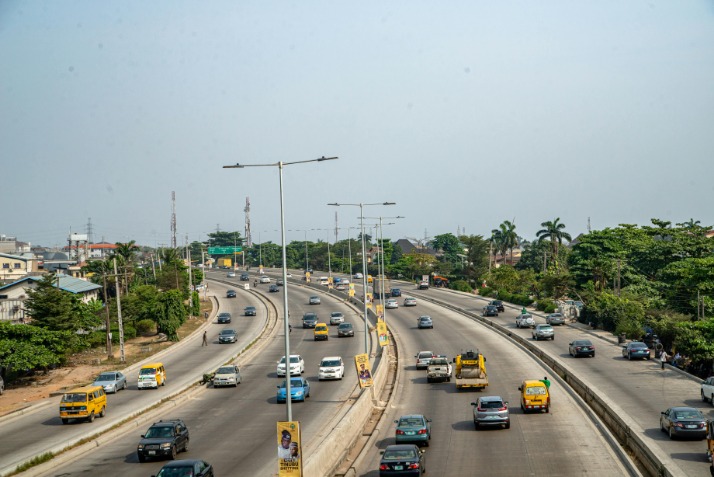
Bus rapid transit networks in South Africa are growing, with Cape Town’s MyCiTi system standing out as the most mature BRT network. Here is a city-by-city snapshot of current networks and status, focusing on the major BRT systems in the country.
Cape Town — MyCiTi system: The MyCiTi service uses a trunk-and-feeder model with dedicated bus lanes on key corridors that connect the city centre to northern and southern suburbs. High-frequency trunk routes are complemented by feeder services that bring passengers to major stops, and fares are integrated through the MyCiTi Card for seamless transfers between routes and other transport modes.
Johannesburg — Rea Vaya: Johannesburg operates a trunk-and-feeder BRT network known as Rea Vaya, serving the inner city and select northern corridors. The system includes dedicated lanes on major routes, rapid bus stops, and an integrated fare system designed to link with other bus and rail services, with ongoing expansions and service improvements in various phases.
Pretoria — A Re Yeng: Pretoria’s A Re Yeng BRT network serves central Tshwane with select corridor routes and dedicated bus lanes. The system provides rapid services aimed at improving connectivity within the city, with plans for expansion and integration with other municipal transport services.
Durban and eThekwini — GoDurban: The GoDurban BRT network in the eThekwini metro includes trunk routes and feeder services across Durban and surrounding areas. It is designed to offer fast, reliable bus travel with an integrated fare system and phased growth to cover additional corridors over time.
Other cities: Across South Africa, several municipal areas have studied or piloted BRT concepts under national transport programs, with progress varying by city. Some have advanced planning or limited pilot services, while others continue to evaluate feasibility, funding, and integration with existing transit networks.
Johannesburg: Rea Vaya and corridor integration
Johannesburg’s bus rapid transit system, Rea Vaya, is the flagship BRT network in South Africa’s largest city. It operates a trunk-and-feeder model with dedicated bus lanes, signal priority, and central transfer hubs designed to move large volumes of urban travellers quickly while integrating with other modes of transport. The corridor approach aims to connect the CBD with major residential districts and business nodes, and to progressively broaden coverage through feeder networks and expansions.
- Trunk corridors and service model: the network uses key arterial routes that run through the central business district to important suburbs, with frequent headways on the trunk and feeder routes bringing passengers from outlying areas to trunk stops.
- Corridor integration into the city fabric: aims to connect Soweto, northern suburbs, eastern and southern corridors, improving access to work, education, and services while reducing private car dependence along busy routes.
- Intermodal connections: major transfer hubs allow passengers to switch to rail services such as Metrorail, with ongoing exploration of stronger links to other rail networks along select corridors for longer trips.
- Fare collection and ticketing: moving toward a cashless or smartcard system with a unified fare concept that enables easier transfers across different modes and better affordability for daily commuters.
- Current status and expansion plans: the existing network covers several corridors with ongoing efforts to extend feeder networks and add new trunk routes, supported by municipal and provincial transport authorities and subject to funding and regulatory outcomes.
- Impact and performance indicators: monitoring focuses on passenger numbers, travel time savings, reliability improvements, and accessibility gains for underserved communities, shaping further corridor integration and service adjustments.
eThekwini: In-town routes and expansion
Tshwane: Bus rapid transit initiatives
This article surveys current bus rapid transit initiatives in South Africa with a focus on Tshwane’s A Re Yeng network and how it fits into the country’s city-based BRT programs.
Tshwane (Pretoria) – A Re Yeng BRT. The City of Tshwane operates the A Re Yeng BRT, originally designed to provide fast, reliable bus services along core corridors in Pretoria. The system includes trunk routes and feeder services intended to connect the central business district with northern and eastern suburbs. In line with Gauteng’s Integrated Public Transport Network, A Re Yeng has been the subject of modernization and expansion efforts, aiming to improve coverage, interchange facilities, and integration with other transport modes. Operational challenges have intermittently affected reliability and funding, prompting phased implementation and governance reviews.
Cape Town – MyCiTi BRT. Cape Town’s MyCiTi network runs a delineated trunk-and-feeder system with dedicated lanes on major corridors. It emphasizes frequent services, coordinated fares, and connections to rail and bus networks. The network has grown beyond its initial core routes to include additional corridors in the northern, southern, and central suburbs, with ongoing upgrades to stations and interchanges to support smoother transfers.
Johannesburg – Rea Vaya BRT. Johannesburg’s Rea Vaya network was launched to deliver rapid bus services across the city, featuring trunk routes feeding into a central CBD interchange. The system is designed to integrate with rail and other public transport modes and has seen updates to infrastructure, fleet, and fare systems as the city expands coverage and improves reliability.
Ekurhuleni – eBRT initiatives. In the East Rand and surrounding areas, eBRT planning and pilot projects have been pursued under Gauteng’s broader Integrated Public Transport Network mandate. Focus areas include rapid bus corridors feeding into key metro hubs, with emphasis on scalable routes and improved interchange with existing rail and bus services. Real progress depends on funding, governance, and effective integration with other transit modes.
Other cities. Beyond Pretoria, Cape Town, Johannesburg, and the East Rand, South Africa has seen various BRT proposals and pilots in cities such as Nelson Mandela Bay and Bloemfontein as part of provincial and national efforts to broaden rapid transit. Implementation status and scale vary by city and funding cycles, with ongoing debates about long-term sustainability and integration with other transport networks.
System design and technology
System design and technology shape bus rapid transit in South Africa by combining dedicated corridors, signal priority, and integrated ITS to deliver reliable, high-capacity urban mobility. Through centralized control centers, real-time passenger information, and data-driven fleet management, BRT networks in cities like Johannesburg and Cape Town aim to shorten journeys, cut emissions, and expand access for diverse communities.
Infrastructure: dedicated lanes, stations, and vehicle specs
Bus rapid transit in South Africa presents a practical approach to modern urban mobility by combining system design principles with targeted technology, focused infrastructure, and vehicle specifications tailored to dense city cores and growing suburbs. The topic encompasses how dedicated lanes, purpose-built stations, and high-capacity vehicles work together to deliver reliable, fast, and safe city travel while fitting within existing urban fabric and development plans.
System design and technology for SA BRT typically centers on a trunk and feeder network structure, where a limited number of high-capacity corridors carry the majority of riders and smaller feeder routes connect neighborhoods to the main lines. This design is paired with signal priority at key intersections, off-board fare collection, and real-time passenger information to minimize dwell times and keep buses moving. Effective network design also considers integration with rail services, bus depots, and maintenance facilities, as well as land-use planning, to enable transit-oriented development and improved accessibility at destinations like downtowns, markets, hospitals, and universities.
Dedicated lanes form the backbone of BRT performance, allowing buses to operate with minimal interference from general traffic. In South Africa, lane design emphasizes a balance between safety, throughput, and space efficiency. Typical features include clearly marked median or curbside lanes, protected by physical or semi-physical barriers where feasible, with enforcement and monitoring to ensure consistent operation. Lane widths are chosen to accommodate articulated buses and their turning radii, and lane configurations are designed to be reclaimed during off-peak periods when needed, while preserving predictable travel times during peak hours.
Stations in SA BRT systems are designed for rapid boarding and accessibility. They usually feature raised platforms aligned with bus floor height to enable level boarding, shelter, lighting, and clear wayfinding. Passenger information displays, step-free access, and weather protection improve comfort and reduce boarding times. Station design also considers safety and security, with good sightlines, lighting, and visibility into the platform area. In some networks, stations are integrated with surrounding retail and community spaces to encourage footfall and improve overall transit experience.
Vehicle specifications for South African BRT prioritize high capacity, low-floor access, and robust reliability in climate conditions. Buses are typically high-capacity, articulated units that offer multiple doors to speed up boarding and alighting. They are commonly diesel-powered with potential for hybrid or electric propulsion as technology and policy evolve. Key features include low-floor entry, wide doors, comfortable seating, climate control for hot inland summers, and universal accessibility for passengers with mobility challenges. Where feasible, fleets are designed for easy maintenance, with modular components and remote diagnostics to minimize downtime.
Technology and operations management play a central role in keeping SA BRT networks efficient. Fleet management systems track vehicle locations in real time, support dynamic headways, and provide schedule adherence data. Intelligent transport systems enable priority signaling at intersections, while off-board fare collection and smartcard or mobile payments streamline passenger flow and reduce dwell times. Data from passenger counts, CCTV, and incident reporting informs maintenance planning, security measures, and service reliability. A dedicated operations control center coordinates service delivery, incident response, and communications with passengers and operators.
South Africa faces unique challenges and opportunities in implementing BRT, including funding constraints, urban density patterns, security considerations, and integration with existing transport modes. Successful networks in cities like Johannesburg and Cape Town illustrate how political will, capital investment, and cross-agency coordination can deliver meaningful improvements in travel times and reliability. Key lessons include the importance of clear corridor prioritization, robust station design, dependable vehicle procurement, and ongoing maintenance and staffing to sustain performance over time.
Looking ahead, SA BRT can leverage electrification and energy efficiency measures as part of broader climate and urban resilience goals. Electrified or hybrid buses, improved corridor optimization through advanced data analytics, and expanded feeder networks can enhance accessibility and reduce total travel time. As cities evolve, ongoing upgrades to stations, fleet modernization, and better integration with other transit services will be essential to maintain high service standards and expand the reach of bus rapid transit across South Africa.
Fare integration and smart cards
Bus rapid transit in South Africa combines robust system design with modern technology to deliver fast, reliable urban mobility across multiple cities. By deploying dedicated lanes, trunk and feeder networks, off-board fare collection, and real-time information systems, SA BRT aims to offer a scalable, rider-friendly solution that can integrate with other public transport modes and future mobility solutions.
- System design and technology: trunk lines and feeder networks, dedicated bus lanes, station design, intelligent traffic signal priority, centralized operations centers, and depots that enable high-frequency service and quick vehicle turnaround.
- Vehicle and propulsion technology: low-floor, accessible buses that support rapid boarding, energy-efficient propulsion options, propulsion management, and telemetry for maintenance and performance monitoring.
- ITS and operations: GPS-based fleet tracking, automated vehicle location, real-time passenger information, incident management, dynamic scheduling, and preventive maintenance workflows.
- Fare integration and smart cards: off-board fare collection at stations or kiosks, contactless payment media, smart cards such as local and regional card schemes, and efforts toward interoperable fare systems across different BRT networks.
- Open standards and interoperability: common data models, APIs for service planning and third-party apps, and both closed-loop and open-loop payment options to facilitate cross-city travel and vendor flexibility.
- Data analytics and customer experience: ridership analytics, dwell-time and crowding monitoring, service quality dashboards, mobile ticketing apps, and multilingual support to improve accessibility and planning.
- Governance, procurement, and policy: clear governance structures, long-term finance strategies, public–private partnership frameworks, procurement rules that emphasize safety and accessibility, and alignment with national transport planning.
- Challenges and resilience in SA: ensuring reliable power supply for fare systems, protecting assets from vandalism, maintaining service during weather or load-shedding, integrating with rail and other bus services, and sustaining funding for expansion and maintenance.
Operations control centers and real-time information
System design and technology shape the effectiveness of bus rapid transit in South Africa by aligning infrastructure, operations centers, and real-time information into a cohesive, reliable network. Across major corridors such as Johannesburg and Cape Town, BRT systems rely on dedicated lanes, trunk and feeder networks, off-board fare collection, and platform-level boarding to deliver consistent travel times and high service quality. The design challenge is to create a scalable, resilient backbone that can handle peak demand, urban growth, and integration with other public transport modes without sacrificing reliability.
Operations control centers (OCCs) are the nerve center of modern BRT networks. An OCC aggregates data from multiple sources, including vehicle location, passenger flow, fare transactions, traffic signals, and incident reports, to monitor performance in real time. Dispatchers and control room analysts use dashboards to allocate resources, adjust headways, reroute buses in response to incidents, and coordinate with road authorities to prioritize BRT corridors. In South Africa, OCCs are implemented to support fast decision-making, reduce delays, and maintain service reliability across busy urban corridors where congestion can otherwise erode the benefits of BRT.
Real-time information is the backbone of passenger trust and urban mobility. On-street displays provide arrivals, service status, and any deviations, while mobile apps and SMS services deliver live updates to commuters who may not have advanced devices. Real-time passenger information relies on data streams from GPS-enabled buses, precise timetable feeds, and robust data fusion to produce accurate predicted arrival times. The result is a transparent experience where riders know when to expect the next bus, which improves boarding efficiency and reduces crowding at stops.
From a technology perspective, BRT systems in South Africa deploy a mix of hardware and software components that work together through open data standards. Global positioning and vehicle telemetry feed the OCC, while off-board fare collection and smart card systems synchronize with vehicle movements to prevent boarding delays. GTFS and GTFS real-time feeds enable third-party apps to present timetable data and live updates, creating an ecosystem where residents can choose the most convenient route and mode. Interoperability between operators and with other public transport services is essential to deliver a seamless travel experience in rapidly growing cities.
The software stack typically includes a transport management system (TMS), an operations control system (OCC software), and a passenger information system (PIS). The TMS handles scheduling, headway management, and resource optimization, while the OCC software provides alerting, incident management, and dispatch tools. The PIS translates real-time data into user-friendly information for platforms such as LED displays, stop announcements, and smartphone apps. Together, these systems enable proactive service management and rapid response to delays or incidents on the corridor.
Human factors and process design are critical to the success of OCCs and real-time information in South Africa. Trained operators and dispatchers monitor performance metrics, respond to service irregularities, and coordinate with police, traffic management, and maintenance teams. Standard operating procedures guide how to react to weather events, roadworks, or vehicle faults, ensuring consistent decisions that minimize disruption. Regular drills, data quality checks, and stakeholder feedback loops strengthen the reliability of the system and the accuracy of information provided to the public.
Challenges faced by South African BRT implementations include funding constraints, aging ICT infrastructure, and the need for robust cybersecurity. Ensuring power reliability for digital signage and data centers, maintaining accuracy of live feeds, and protecting rider data are ongoing priorities. Governance models that promote data sharing across agencies, clear responsibilities for maintenance, and long-term planning for expansion help address these challenges and sustain improvements in service quality.
Looking ahead, the fusion of OCC capabilities with data-driven analytics and MaaS concepts offers opportunities for South Africa to optimize operations, reduce costs, and enhance rider experience. Predictive maintenance for vehicles and infrastructure can lower downtime, while enhanced analytics can reveal patterns in demand that inform dynamic routing and timetabling. Expanded open data initiatives can empower developers to create new information services, plug into ride-hailing integrations, and support inclusive mobility for communities that rely on BRT as a backbone of urban transit.
Governance, funding, and partnership models
Governance, funding, and partnership models in South Africa’s bus rapid transit (BRT) systems sit at the intersection of national policy and local delivery. Governance typically rests with city transport authorities or dedicated BRT agencies that align with the National Transport Master Plan and Integrated Public Transport Networks, backed by provincial and national oversight and performance-based accountability. Funding blends public capital budgets, national grants, and development finance for capital costs with operating subsidies and fare revenue under contract, while partnership models range from private concession and management contracts to public–public or mixed PPP arrangements that incentivize reliability and urban integration, as illustrated by Johannesburg’s Rea Vaya and Cape Town’s MyCiTi.
Municipal responsibilities and intergovernmental coordination
Governance of bus rapid transit (BRT) in South Africa hinges on a clear division of responsibilities among national, provincial, and metropolitan or district municipalities, supported by robust intergovernmental coordination. National policy sets the framework for BRT adoption, standards, and accountability, while provinces provide regulatory alignment and oversight to ensure consistency across municipalities. At the city level, BRT is typically delivered through dedicated transit authorities or special purpose vehicles that manage planning, procurement, operations, and maintenance within the urban transport system.
Intergovernmental coordination is essential to align transport policy with land use planning, fiscal rules, and development goals. South Africa’s intergovernmental relations framework requires formal engagement between the National Department of Transport, the Department of Cooperative Governance and Traditional Affairs (COGTA), provincial departments, and city authorities. This coordination helps harmonize policy instruments, funding allocations, and performance expectations, while also facilitating joint problem-solving on cross-boundary routes, feeder networks, and integrated ticketing.
Municipal responsibilities in BRT include initiating and planning corridors, securing rights of way, designing station locations and integrated bus stops, and ensuring that corridors fit into broader urban development plans such as Integrated Development Plans and Spatial Development Frameworks. Municipalities lead procurement and contract management for the SPV or concessionaire, oversee day-to-day operations, and integrate BRT with other modes such as rail, minibus taxis, and non-motorized transport. They also steward fare policy, service standards, accessibility, and safety measures at the local level.
Partnership models for BRT in South Africa often rely on public‑private collaboration through SPVs or concessions. These arrangements can allocate capital investment, risk sharing, and operational responsibilities between municipalities (or metropolitan authorities) and private sector partners while keeping public interests central. Common models include Build-Operate-Transfer (BOT), Build-Own-Operate-Transfer (BOOT), or long-term management contracts, complemented by regulatory oversight to ensure service quality, affordability, and equity.
Funding for BRT combines capital and operating finance from multiple sources. National government grants and conditional allocations can seed capital expenditure, with provincial and municipal budgets providing complementary support. Development finance institutions (such as the DBSA and international lenders) often participate to fund large corridors. PPP or concession routes can attract private capital and expertise, while fare revenue, municipal subsidies, and value capture mechanisms help cover operating costs and ongoing maintenance. A well-balanced funding mix reduces reliance on a single source and improves project resilience.
In practice, funding blends for South African BRT systems typically involve a mix of capital grants, loan finance, and performance-based payments to operators. Municipalities may use funders’ affordability criteria, align with MIG (Municipal Infrastructure Grant) or equivalent national instruments, and structure payments that reward reliability, on-time performance, and farebox recovery where feasible. Transparent budgeting, long-term financial planning, and strict contract management are critical to maintaining financial sustainability and timely project delivery.
Governance arrangements emphasize accountability, performance monitoring, and independent oversight. Key components include clear service level agreements, performance indicators (coverage, frequency, reliability, safety, accessibility), financial reporting, and independent audits. Public participation and community voice are integrated to ensure that BRT serves the needs of diverse urban populations and supports social and spatial equity objectives.
Intergovernmental coordination also addresses cross-cutting issues such as corridor integration, transit-oriented development, and non-motorized transport links. Coordinated planning ensures bus lanes, station placement, and feeder networks complement rail services and taxi routes, while aligning with city climate objectives and inclusive mobility goals. Shared information systems, such as integrated ticketing and real-time passenger information, require collaboration across agencies and service providers.
Effective governance, financing, and partnership models for BRT in South Africa depend on political commitment, capable institutions, and ongoing stakeholder engagement. When municipalities, provinces, and national bodies work together within a transparent framework, BRT projects can deliver reliable, affordable, and inclusive mobility, unlock urban growth, and contribute to long-term social and economic development.
Financing: capital investment and subsidies
Governance, funding, and partnership models underpin the success of Bus Rapid Transit in South Africa, where cities have used BRT to expand affordable, high‑quality urban transport alongside conventional bus networks. The governance framework blends national policy guidance with city‑level implementation, demanding clear institutional roles, accountable oversight, and inclusive stakeholder engagement.
At the national level, policy frameworks steer BRT development by setting transport objectives, accessibility standards, and interoperability goals. Cities, as the primary implementers, establish metropolitan transport authorities or strategic projects offices to coordinate planning, procurement, asset management, and service delivery. Governance often relies on a mix of public ownership of core assets and private sector participation under formal contracts, ensuring accountability through performance dashboards, audited financials, and independent oversight.
Funding for capital investment typically comes from a combination of municipal budgets, national grants, and development finance. South Africa’s public transport grants and infrastructure funds, such as dedicated capital grants, enable the construction of BRT corridors and investment in fleet and stations. Development finance institutions and multilateral lenders also participate, offering concessional loans and technical assistance to share risk and reduce the cost of capital. Public–private partnership structures may mobilize private capital for initial build-out under well‑defined concession agreements while preserving public ownership of the transport network’s core assets.
Operating costs and subsidies rely on a mix of fare revenue, municipal support, and national subsidies designed to maintain affordability and service coverage. BRT systems in South Africa often require operating subsidies, particularly to serve low‑income users or to provide universal access across low‑density areas where farebox revenue alone would be insufficient. Policy instruments may include cross-subsidies within a system, targeted subsidies for social groups, or performance‑based payments tied to reliability, coverage, and customer satisfaction metrics.
Partnership models used in SA BRT projects range from city‑led concessions and joint ventures to public‑private partnerships. Common arrangements include: a city or SPV (special purpose vehicle) owning the infrastructure while contracting a private operator under a concession agreement; joint ventures where a private partner co‑owns the service with the municipality; or availability‑based payment contracts where government payments are made to secure defined service levels. These structures aim to transfer appropriate risk to the party best able to manage it—construction risk to developers, operating risk to professional operators, and demand risk mitigated by subsidies or long‑term planning continuity.
In practice, a successful SA BRT financing model combines capital discipline with predictable funding corridors. Long‑term concession terms align with asset life cycles, enabling depreciation and return on investment for private partners while preserving public ownership of land, stations, and rolling stock. Transparent procurement, rigorous due diligence, and clearly defined performance indicators help manage risk, maintain service quality, and sustain funding commitments across political cycles.
Challenges common to SA BRT financing—and governance—include securing stable, multi-year funding, coordinating across multiple government tiers, and preventing cost overruns. To address these, cities emphasize integrated transport planning, robust project governance structures, independent project monitoring, and stakeholder engagement from early planning through to operation. This approach supports scalable expansion of BRT corridors and fosters investor confidence in long-term, value-for-money outcomes.
Ultimately, the governance, funding, and partnership models for bus rapid transit in South Africa aim to deliver reliable, affordable mobility while leveraging public stewardship of core assets and prudent private participation. By aligning capital investments with ongoing subsidies and performance-based contracts, SA BRT can expand access, improve urban mobility, and support broader transport, land-use, and economic development objectives across cities.
Public-private partnerships and concession approaches
Bus rapid transit in South Africa is a high-priority urban mobility strategy that sits at the intersection of municipal governance, national policy, and private-sector participation. Across cities, BRT aims to deliver fast, reliable, and affordable transit along dedicated corridors while integrating with feeder services and non-motorized transport networks.
Governance for BRT typically involves a municipal or city-led governance structure supported by a special purpose vehicle (SPV) or a concession company. The SPV or operating entity owns or leases the infrastructure and fleet, while the city council sets policy, approves budgets, and ensures accountability. Provincial and national transport departments provide policy direction, regulatory oversight, and, where applicable, subsidies. A project steering committee or board coordinates strategy, procurement, design, construction, operations, and fare integration, with clear lines of accountability to the city’s executive and the electorate.
Funding for BRT in South Africa is built from a mix of capital and operating sources. Capital costs are commonly financed through municipal budgets supplemented by national and provincial grants (for example, infrastructure grants and subsidies targeted at urban public transport), development finance institutions, and private capital accessed through PPPs or concessions. Operating costs are often supported by fare revenue combined with ongoing subsidies to ensure affordability, social objectives, and service continuity, particularly during the early years of network rollout.
Public-private partnerships and concession models used in South African BRT projects are designed to transfer risk to the party best equipped to manage it, while preserving public ownership of the transport assets. Concessions typically involve a private partner designing, building, financing, and operating the service for a defined term, with the municipality maintaining ownership of assets and setting performance standards. Payment arrangements may combine a concession fee from the city, farebox revenue, and government subsidies, with service quality and reliability linked to performance. Contract types commonly described include design-build-finance-operate-transfer (DBFOT) or similar variations such as BOT or DBFOM, depending on the project structure.
Partnership models emphasize integration across modes and stakeholders. Effective BRT PPPs engage private operators, vehicle suppliers, information technology providers, and the taxi industry to ensure seamless service integration, consistent fare systems, and data sharing. The public sector typically leads planning, regulatory alignment, and social objectives (affordability, accessibility, job creation), while private partners bring capital, operational expertise, and efficiency incentives. Governance arrangements also include transparent procurement, performance-based payment mechanisms, and clear risk-management protocols to address demand volatility, vandalism, fleet maintenance, and service continuity.
Challenges include coordinating across municipalities and tiers of government, aligning procurement with long project timelines, and balancing rapid service delivery with cost control. A successful model relies on strong institutional capacity, robust contract management, clear performance metrics, and ongoing engagement with communities and taxi associations to manage competition and mitigate mode shift disruption. When well-structured, BRT PPPs in South Africa can deliver accountable, scalable, and financially sustainable transit solutions that support urban growth and social equity.
Social equity, accessibility, and community impacts
South Africa’s bus rapid transit systems, including Johannesburg’s Rea Vaya and Cape Town’s MyCiTi, are promoted as tools for social equity, aiming to make high‑quality, reliable transport available to underserved communities. By offering affordable fares, dedicated lanes, and accessible stations, BRT seeks to improve access to jobs, education, and healthcare, while reducing travel time and congestion—with tangible community benefits such as safer streets, local business growth, and more inclusive urban spaces.
Affordability and inclusive design
Bus rapid transit in South Africa offers a powerful opportunity to expand affordable, reliable mobility while shaping social equity, accessibility, and community impacts for rapidly growing cities.
Social equity is central to the promise of BRT. Many households rely on informal or costly transit to reach jobs, schools, clinics, and markets. Well-planned BRT corridors can shorten commutes, increase route reliability, and connect underserved neighborhoods to economic hubs. Achieving true equity requires affordable fares, targeted subsidies, and routes that reflect where people live and work, not just where the cities previously invested.
Accessibility and inclusive design must be non-negotiable in every BRT element. This means low-floor, step-free buses with priority seating; level boarding and wide doors for wheelchair users and parents with strollers; tactile paving, audible announcements, and multilingual signage for diverse communities; and well-lit, accessible stations with safe pedestrian links. Inclusive design also extends to job opportunities in operations and maintenance for people from marginalized groups, ensuring that the benefits flow to those most in need.
Community impacts go beyond travel times. BRT projects bring local employment during construction, procurement opportunities for small businesses, and potential improvements in air quality and road safety. However, they can also risk displacement if property values rise near stations or if consultation is rushed. Meaningful engagement with residents, workers, businesses, and civil society is essential to identify concerns, share benefits, and build trust throughout planning, implementation, and ongoing operations.
Affordability and inclusive design must be at the heart of fare policies and integration with other transport modes. Transparent, predictable pricing, with concessions for students, seniors, and low-income travelers, makes BRT a viable option for daily use. Integrated payment systems and feeder networks should minimize transfer friction and support first- and last-mile connectivity, including safe walking routes, cycling lanes, and community shuttle services.
Inclusive design in planning means co-creating solutions with communities, not delivering top-down programs. Early consultations, pilot services, and ongoing feedback loops help tailor routes, station accessibility, safety features, and service frequencies to local needs. Measuring equity impacts, accessibility outcomes, and user satisfaction provides accountability and guides iterative improvements.
South Africa’s BRT experiences—spanning Cape Town’s MyCiTi, Johannesburg’s Rea Vaya, and Durban-area pilots—offer lessons on governance, funding, accessibility, and community engagement. When these lessons inform policy and practice, BRT can deliver socially just mobility, reduce transport poverty, and support inclusive urban growth while advancing environmental and health benefits.
Ultimately, a BRT system that centers social equity, universal accessibility, and community well-being can transform daily life for millions, turning transit into a catalyst for opportunity and a more inclusive city fabric.
Impact on displacement and access to opportunity
Bus rapid transit networks in South Africa are increasingly envisioned as engines of social equity, designed to move people from townships and peripheral neighborhoods to schools, clinics, and job centers with reliability and affordability. When done well, BRT can democratize mobility, shrinking the distance between opportunity and where people live.
Key accessibility features matter: low-floor buses for easy boarding, level platforms, clear wayfinding in multiple languages, audible announcements, tactile guides for the visually impaired, and stations that are wheelchair accessible. Effective feeder services, safe pedestrian access, and well-lit stop environments also help ensure that people with disabilities, the elderly, and caregivers can rely on the system without barriers.
Affordability and predictable travel times directly affect access to opportunity. A well-priced BRT with reliable headways can reduce the share of income spent on transport, enabling families to allocate more resources to education, healthcare, and savings. By connecting townships to business districts and educational institutions, BRT can shorten job searches and expand schooling options for students who otherwise faced long, costly commutes.
Beyond moving people, BRT can influence local economies and community dynamics. Construction and operation create jobs, while well-designed routes open space for small businesses near stations. Integrating BRT with micro-enterprise support, local procurement, and feeder networks can help distribute the benefits more widely and reduce the risk of enclave consumption around transit corridors.
Displacement and rising property costs are real risks along busy BRT corridors. Investments can provoke gentrification, shifting demand and potentially pricing out long-term residents and existing small traders. Mitigation requires proactive planning: inclusive consultation with communities, caps on rent increases, preservation of affordable housing near stations, and support for existing businesses through licensing, grants, and technical assistance. Transit-oriented development should prioritize affordability and social mixing rather than exclusive prestige projects.
In South Africa, examples like Johannesburg’s Rea Vaya and Cape Town’s MyCiTi offer lessons in balancing access and disruption. While these networks broaden travel options for many residents, they also underscore the need for strong regulatory oversight, fair fare policies, and robust engagement with taxi operators, commuters, and local businesses to prevent marginalization and ensure a smooth transition to modern urban mobility.
To ensure equitable outcomes, cities should implement ongoing evaluation that tracks who benefits, who is displaced, and who gains access to opportunities. Metrics could include average travel time to work, transport cost as a share of income, station accessibility scores, and the rate of small-business survival along corridors. Community advisory bodies should have a formal role in route adjustments, fares, and development plans to keep the program accountable to residents most in need.
When designed with equity at the core, bus rapid transit in South Africa can expand opportunity, improve everyday mobility, and strengthen shared prosperity while mitigating displacement. The goal is a transit system that is affordable, accessible, and anchored in the places where people live and work.
Performance, ridership, and outcomes
South Africa’s bus rapid transit networks have shown promising performance, delivering faster and more reliable trips, expanding access, and integrating with other modes of transport along major urban corridors. Ridership has grown as networks like Rea Vaya in Johannesburg, MyCiTi in Cape Town, and other BRT routes connect dense job hubs with neighborhoods, while outcomes include reduced travel times, higher bus-system reliability, and positive spillovers for urban development and social inclusion.
Travel times, reliability, and coverage
Bus rapid transit in South Africa has progressed from pilots to city-scale networks in places like Cape Town and Johannesburg, with plans to broaden coverage in other metros. The focus remains on improving performance, boosting ridership, and delivering tangible outcomes in travel times, reliability, and overall service reach.
Performance, ridership, and outcomes: On core BRT corridors, operational practices, bus priority, and dedicated lanes have contributed to higher average speeds, shorter trip times, and a more predictable service than traditional bus operations. Ridership grows where the network is well integrated with feeder services and affordable, seamless fare systems. However, overall network performance is uneven, with some routes facing competition from informal transit, gaps in feeder connectivity, and funding limitations that restrain long-term outcomes.
Travel times and reliability: Travel times are typically reduced along sections with dedicated bus lanes and signal priority, especially during peak periods. Reliability improves through centralized dispatch, real-time information, and consistent headways. In mixed-traffic segments or where lane enforcement is weak, delays and bus bunching can erode perceived reliability and the time savings that BRT aims to deliver.
Coverage: Coverage remains strongest along major corridors rather than city-wide networks. Cape Town’s MyCiTi and Johannesburg’s Rea Vaya illustrate how core routes after correlation with feeder networks can move substantial passenger volumes, but full city-wide coverage is a longer-term objective. Expansion depends on funding, procurement cycles, and effective planning to ensure reliable feeder connections and transfers to other modes.
Outcomes and lessons: Sustainable BRT in South Africa benefits from stable funding, clear governance, and strong integration with rail, minibus taxis, and pedestrian access. Fare integration and a single smart card improve user experience by reducing transfer friction. Regular maintenance of buses, stations, and queue-jumping infrastructure is essential to sustaining travel-time and reliability gains and ensuring safety and comfort for riders.
Future prospects and considerations: For BRT to maximize impact, cities should emphasize protected bus lanes, robust enforcement, and interoperable fare systems. Expanding feeder networks, improving last-mile connectivity, and coordinating with land-use planning will help convert travel-time savings into broad usage and broader coverage across more neighborhoods, delivering meaningful mobility gains for more residents.
Customer satisfaction and service quality
Bus rapid transit in South Africa represents a strategic approach to delivering faster, more reliable urban mobility across major cities such as Johannesburg, Cape Town, and Durban. These systems aim to move large numbers of people with high-capacity, dedicated lanes and integrated fare and information services, complementing rail and minibus taxi networks.
Performance, ridership, and outcomes: The performance of SA BRT networks is assessed through reliability, travel times, headways, and fleet utilization. Across cities, the systems have invested in dedicated lanes, intersection priority, and centralized control to improve on-time performance, reduce delays, and shorten trip durations.
Ridership and outcomes: As networks expanded, ridership grew, with more people choosing BRT for daily commutes and access to job centers. The outcomes include reduced congestion on corridors, improved access for residents of underserved neighborhoods, and potential reductions in emissions when BRT replaces private car trips.
Customer satisfaction and service quality: User perceptions vary by city and corridor, but common themes include improved travel reliability, perceived safety at stations and on buses, and comfortable, accessible vehicles. Service quality is influenced by clean stations, real-time arrival information, courteous staff, and consistent fare processing.
Service design and operations: Capabilities such as all-day service, frequency during peak hours, and protected lanes contribute to service quality. However, overcrowding during peak periods, interruptions from road works, and limited last-mile connections can affect satisfaction.
Innovation and integration: Effective BRT in SA relies on integration with feeder bus networks, taxi routes, and rail lines, as well as fare integration across modes. When implemented with strong governance, robust maintenance, and ongoing stakeholder engagement, BRT can become a backbone for inclusive urban mobility.
Challenges and lessons: Funding constraints, vandalism, and maintenance requirements pose ongoing challenges. Lessons include the importance of clear performance targets, community engagement in corridor design, and ensuring maintenance budgets are protected to sustain reliability.
Outlook: With political will and continued investment, SA BRT can expand to more corridors, improve journey times, and increase overall transport equity. Priorities include expanding dedicated lanes where feasible, expanding feeder networks, enhancing safety measures, and delivering reliable, user-friendly fare systems.
Challenges, criticisms, and lessons learned
South Africa’s Bus Rapid Transit (BRT) projects promise faster, more affordable city travel but face notable challenges, from funding gaps and fragmented planning to inconsistencies in service and fare practices. Critics have raised concerns about equity, accessibility, and long-term sustainability. The emerging lessons emphasize integrated networks, reliable operations, clear governance, and meaningful rider engagement to ensure BRT improves daily mobility for all urban residents.
Funding pressures and maintenance
Bus rapid transit in South Africa has been pursued as a way to deliver high-capacity, reliable urban mobility in major cities, but projects have faced a range of challenges, criticisms, and hard lessons. This article reviews the key themes around challenges, criticisms, and lessons learned, with a focus on funding pressures and maintenance that affect long-term success.
Challenges in implementing BRT in South Africa include securing upfront capital in tight municipal budgets, navigating complex governance arrangements across city and provincial lines, and aligning BRT with land-use planning and feeder transport networks. Operational hurdles such as building and maintaining dedicated bus lanes, enforcing priority signaling, procuring and maintaining a modern fleet, and integrating fare systems across multiple service providers are common. In many cities, sustaining reliable service depends on robust maintenance and skilled workforce, which can be strained by skills gaps and supply chain disruptions for vehicles, spare parts, and ITS components.
Criticisms of South African BRT projects have centered on cost versus benefit, coverage gaps, and perceived inequities. Critics point to high capital costs relative to city budgets, long payback periods, and variable service quality, including inconsistent headways and transfers that reduce convenience. Some communities have criticized limited route coverage and poor integration with rail or secondary bus networks, while others have raised concerns about the affordability and accessibility of services for low-income riders and people with disabilities. Governance concerns, transparency, and the influence of political cycles on project scope have also been highlighted by stakeholders and researchers.
Lessons learned emphasize the importance of realistic phasing and cost estimates, rigorous business cases, and early and continuous engagement with communities, taxi associations, and potential private operators. Strong governance, clear performance targets, and independent oversight help reduce scope creep. Designing BRT as an integrated part of a wider transit network— including feeder buses, rail, and non-motorized transport— improves reliability. Standardized fare systems, open data, and measurable KPIs support accountability and continuous improvement. Planning for accessibility and resilience to climate and economic shocks is essential for sustainability.
Funding pressures are a central theme. Capital costs are often financed through a mix of city budgets, national grants, concessional lending, and, in some cases, public-private partnerships or private sector concessions. Debt service, maintenance funding, and operating subsidies create ongoing financial obligations that can outlive initial construction timelines. Economic uncertainty, exchange-rate risk for vehicle imports, and policy changes can tighten available subsidies and increase the need for prioritizing priority corridors or cost-saving measures. Transparent value-for-money assessments and contingency planning help manage these pressures.
Maintenance is critical to delivering on promised reliability. Fleet maintenance requires a steady supply of spare parts, trained technicians, and effective depot and workshop facilities. The performance of ITS, fare collection systems, and real-time passenger information hinges on regular software updates and cybersecurity. Maintenance of the road corridors themselves— including pavements, signals, cameras, and bus lanes— is needed to prevent performance degradation. Ensuring safe, accessible stations and reliable service hinges on ongoing investment in assets lifecycle management and staff training, as well as security measures to protect users and assets against vandalism and theft.
In sum, South Africa’s BRT programs have demonstrated the potential to transform urban mobility but require disciplined governance, stable funding, and a strong maintenance culture to realize lasting benefits. Learning from early pilots, maintaining political and financial commitment, and embedding BRT within a broader, integrated transport strategy will determine whether these systems can deliver consistent, affordable, and accessible services for diverse urban populations.
Operational challenges and vandalism
Bus rapid transit (BRT) in South Africa was conceived to deliver fast, affordable, and reliable urban mobility in major cities, but it has faced a range of challenges, criticisms, and hard-won lessons as programs mature and scale up.
- Operational challenges and service reliability: BRT systems contend with complex urban traffic, the need for strict enforcement of dedicated lanes, predictable bus frequencies, and robust maintenance regimes for vehicles, stations, and fare systems. Delays in procurement, vehicle turnover, and integration with feeder networks can erode reliability and user trust.
- Infrastructure, governance, and funding constraints: Dedicated lanes and station infrastructure require ongoing capital and operating subsidies. Budget overruns, political changes, and funding gaps have affected project timelines, enforcement capacity, and long‑term sustainability.
- Fare collection and financial viability: Implementing seamless, affordable fare systems across multiple operators is challenging. Issues include fare evasion, revenue leakage, transfer guarantees, and the balance between affordability for passengers and financial viability for operators and municipalities.
- Public perception, coverage, and equity concerns: Critics point to uneven coverage, gaps in feeder networks, longer wait times during off-peak hours, and perceptions of shifting priorities that may not reach underserved communities. Ensuring equitable access and benefits remains a central challenge.
- Vandalism, security, and maintenance costs: Vandalism to buses, shelters, and ticket machines, along with crime along some corridors, increases maintenance costs and undermines user confidence. Security measures, lighting, and surveillance are essential but add to operating expenses.
- Lessons learned and best practices: Key takeaways include strong political and stakeholder buy-in, phased rollouts with clear governance, integrated planning with taxis and rail, robust procurement and maintenance regimes, unified fare systems, data-driven performance monitoring, and ongoing community engagement to adapt services to local needs.
- Case examples and transferable insights: In Johannesburg, Rea Vaya has highlighted the value of trunk-and-feeder designs and dedicated corridors, while Cape Town’s MyCiTi illustrates both the potential for rapid improvements in reliability and the importance of sustained funding and operational discipline. Cities can adapt these lessons to their contexts, emphasizing enforcement, accessibility, and continuous improvement.
Integration with other transport modes
Bus rapid transit in South Africa has been developed to speed up urban travel, reduce congestion, and provide a reliable alternative to car use. Across cities like Johannesburg and Cape Town, BRT systems aim to offer fast, comfortable, and accessible service with dedicated lanes and station-based boarding, yet they face a mix of enduring challenges, criticisms, and important lessons for future projects.
Challenges include securing and sustaining funding for capital costs and ongoing operations, especially in the face of political changes and shifting municipal budgets. Governance and coordination across city departments, utility providers, and transport operators can be complex, slowing decision making. Maintaining dedicated lanes, stations, and vehicles to a high standard, and ensuring reliable service during peak and off-peak hours, are ongoing operational hurdles. Safety and security for passengers, vandalism, fare evasion, and ensuring accessibility for people with disabilities also require continuous attention. Additionally, aligning BRT service with existing transport networks and land use plans to deliver real connectivity remains a persistent planning challenge.
Criticisms of South African BRT projects often center on issues of equity, coverage, and value for money. Critics point to corridor-focused networks that may leave peripheral neighborhoods underserved, raising concerns that benefits do not reach all residents equally. Some schemes faced perceptions of being expensive, with limited routes and transfer requirements that increased total travel times for certain users. User experience concerns—such as delays, transfers, and fare complexities—can undermine trust and ridership, while the scale of investment invites scrutiny about opportunity costs relative to other mobility needs.
Lessons learned emphasize the need for early and ongoing stakeholder engagement, including dialogue with taxi associations and local communities, to secure buy-in and smoother operation. A clear, city-wide transport strategy helps ensure BRT is not implemented in isolation but as part of an integrated network. Phased rollouts with measurable performance targets, stable long-term funding, and robust governance structures improve accountability and adaptability. Investing in reliable maintenance, data-driven schedule optimization, and clear service levels helps build rider confidence and system resilience. Designing for accessibility, safety, and user-centric station environments also enhances the overall value of the network.
Integration with other transport modes is central to BRT success. A well-integrated system uses feeder buses, paratransit, and, where possible, commuter rail or metro services to create seamless journeys. Coordinated timetables, unified fare systems or smartcard payments, and real-time information across modes reduce transfer friction and improve reliability. Park-and-ride facilities, cycling and pedestrian linkages to stations, and easy access to taxi ranks help extend the reach of BRT networks and connect formal and informal transport. The lessons from South Africa show that the most effective BRT systems operate as part of a broader, multimodal mobility strategy rather than as standalone corridors.
Overall, South Africa’s BRT experience underscores that success depends on long-term commitment, cross-sector collaboration, and a deliberate focus on equitable, multimodal access. When designed with strong integration to rail, buses, taxis, and non-motorized travel, BRT can contribute meaningful mobility gains, economic opportunity, and urban transformation—provided challenges are anticipated and addressed through continuous learning and adaptation.
Future plans, expansions, and strategic priorities
Future plans for bus rapid transit in South Africa center on expanding reliable, high-frequency corridors across major cities and linking townships with rapid transit hubs. Key expansions include new BRT lines in Johannesburg, Cape Town, Durban, and Pretoria, plus feeder networks and intercity connections that knit suburbs to urban centers. Strategic priorities focus on dedicated lanes, interoperable smart ticketing, sustainable fleets, safe and accessible services, and strong governance that blends public funding with private participation, with a push toward transit-oriented development and seamless integration with rail and non-motorized transport.
Proposed projects and timelines
Future plans, expansions, and strategic priorities for Bus Rapid Transit in South Africa focus on creating a resilient, inclusive, and well-integrated urban mobility network across major cities and regions. The agenda emphasizes scalable corridor expansions, governance alignment, and sustainable operations that leverage technology and data to deliver reliable service.
- Corridor-led expansion and network integration to connect urban centers with regional rail and first/last-mile services.
- Governance and policy framework to standardize planning, procurement, fares, and interoperability across cities.
- Financing and procurement strategies, including blended finance, public-private partnerships, and lifecycle cost management.
- Technology, interoperability, and data systems to enable real-time information, unified fare platforms, and MaaS (Mobility as a Service).
- Sustainability and fleet modernization, prioritizing low-emission and electric buses, efficient depots, and energy management.
- Accessibility, safety, and service quality improvements to ensure inclusive access for all communities.
- Community engagement and local economic impact, emphasizing job creation, local procurement, and social development.
- Cape Town: MyCiTi expansion to additional corridors including airport and southern/northern links; phased implementation 2025–2030.
- Johannesburg: Rea Vaya network extensions to northern and eastern corridors; phased implementation 2026–2031.
- Durban: eThekwini BRT Phase 2 extending to major townships and port areas; 2025–2028.
- Nelson Mandela Bay (Port Elizabeth): BRT corridor development connecting suburbs to the city center; 2027–2030.
- Polokwane and other regional pilots: pilot corridors to test concept viability and readiness for scale; 2025–2027.
- National intermodal integration program: unified fare system and interoperable data platform across BRT networks; 2025–2030.
Intercity and regional integration
South Africa’s bus rapid transit (BRT) program is entering a new era of expansion, with a focus on future plans, intercity connections, and regional integration to weave public transport more tightly into the national economy and daily life.
Future plans anticipate the roll-out of additional BRT corridors in major metropolitan areas and growing feeder networks to create seamless trips from suburbia to city centers. Corridors will feature dedicated lanes, priority signals, off-vehicle fare collection, and integrated interchanges that connect with rail, taxi rapid transit, and other public transport modes. Fleet modernization will accompany expansion, with a shift toward low-emission and electric buses, digital ticketing, and real-time service information to improve reliability and passenger experience.
Strategic priorities emphasize governance and delivery efficiency, standardized design and safety, and citizen-centric services. National and provincial authorities will align on procurement frameworks to leverage economies of scale, ensure safety standards, and accelerate rollouts through public-private collaborations where appropriate. Emphasis will be placed on accessibility for people with disabilities, women and youth employment in construction and operations, and robust data governance to drive performance improvements.
Intercity and regional integration will be a central pillar, linking urban centres across provincial borders through trunk BRT corridors and interoperable fare systems. Plans include harmonizing ticketing platforms, timetables, and service levels so a passenger can transfer between metropolitan BRT, rail services, and long-distance bus routes with minimal friction. Cross-border coordination within South Africa and with SADC regional partners will support tourism, labor mobility, and supply chains by reducing transfer costs and improving predictability.
Financing strategies will blend public funding with private capital and blended finance instruments, supported by performance-based contracts and risk-sharing arrangements. Phased deployments, rigorous business cases, and transparent governance will guide investments, while a focus on local procurement, skills development, and community engagement will help secure social legitimacy and long-term sustainability.
Technology and data will underpin the agenda, including open data portals, interoperable APIs, and passenger apps that unify trip planning, real-time tracking, and fare management across regions. Data-driven operations will optimize headways, reduce downtime, and improve incident response, enabling BRT to scale with population growth and urban form changes.
Regional planning bodies will coordinate on land use, transport-oriented development, and corridor resilience to climate change. The long-term objective is to create an integrated mobility system that reduces car dependence, lowers emissions, and supports inclusive growth across provinces, cities, and neighboring regions while preserving the cultural and economic diversity that defines South Africa’s urban-rural landscape.
Environmental and sustainability considerations
Bus rapid transit in South Africa is increasingly framed as a climate- and equity-friendly mobility solution. By replacing many short car trips with high-capacity, reliable services, BRT can cut greenhouse gas emissions, improve air quality, and support denser, more walkable urban design. Key sustainability considerations include deploying energy-efficient and lower-emission buses (with ongoing moves toward electric or hybrid fleets), integrating with non-motorised transport, ensuring resilient infrastructure, and providing affordable access to underserved communities.
Emission reductions and climate resilience
Bus rapid transit in South Africa offers a path to stronger environmental performance and greater urban resilience by prioritising efficient, lower-emission travel corridors that connect communities to opportunities.
Emission reductions are achieved primarily through modal shift: when residents choose BRT over private cars and informal taxis, per-passenger emissions decline, especially on congested urban routes. The potential gains multiply as bus technology improves—from clean diesel and hybrid systems to fully electric or hydrogen-powered fleets—paired with progressive fuel standards and maintenance practices. Where electricity is cleaner, electrified BRT can substantially lower life-cycle emissions, while efficient fleet management, regenerative braking, and reduced idling further cut pollutants and greenhouse gases.
Environmental considerations extend beyond emissions to air quality, noise, and urban microclimates. BRT corridors can reduce roadside pollution exposure for dense populations, lower traffic noise through modern propulsion and smoother acceleration profiles, and diminish heat island effects when implemented with shaded stations, trees, and green landscaping. Construction and operation should incorporate sustainable materials, low-water landscaping, proper waste management, and measures to minimise habitat disruption while preserving water-sensitive urban areas.
Climate resilience is embedded in design choices that protect service continuity during extreme weather. Raised platforms, robust drainage, flood mitigation, and durable materials withstand heavy rainfall and heat waves. Redundant routes, resilient depots, and intermodal links with other transit modes improve system reliability during climate events. Planning also accounts for future climate scenarios, ensuring corridors can accommodate population growth and changing travel patterns without compromising service.
Energy security and resilience are advanced through depot efficiency, solar potential, and smart charging strategies for electric fleets. Integrating BRT with renewable energy sources, stormwater capture, and energy management systems helps reduce dependency on fossil fuels and strengthens urban energy resilience, particularly in small- and mid-sized cities implementing rapid-transit solutions.
Social equity and economic co-benefits are central. BRT provides affordable, accessible transport options that extend mobility to underserved communities, supporting outcomes in health, education, and employment. Well-designed stations and safe, well-lit corridors connect residents with jobs, healthcare, and markets, while local procurement and maintenance jobs stimulate economic activity and capacity building within city budgets.
Realising environmental and resilience benefits requires strong governance. Clear environmental standards, lifecycle cost analyses, and robust monitoring of emissions, energy use, and resilience outcomes should accompany procurement and project appraisal. Integration with land-use planning, housing, and non-motorised transport enhances overall sustainability, ensuring BRT delivers durable benefits for South Africa’s cities and their residents.
Urban air quality and congestion management
Bus rapid transit (BRT) networks in South Africa are evolving as a central pillar of urban mobility, designed to move more people with fewer vehicles while reducing environmental pressure on crowded city centers. By providing reliable, high-capacity service with dedicated lanes and priority at intersections, BRT can shift trips away from private cars toward public transport.
Environmental and sustainability considerations for SA BRT projects include selecting bus technologies with low tailpipe emissions, improving energy efficiency, and minimizing lifecycle impacts from manufacturing to end of life. Choices range from clean diesel with high Euro emission standards to compressed natural gas, hybrids, and emerging electric or hydrogen-powered buses, paired with efficient route design and regenerative braking where applicable.
Urban air quality benefits hinge on reducing pollutant concentrations along busy corridors. BRT fleets with cleaner fuels and better vehicle maintenance can cut NOx, PM, and volatile organic compounds per passenger-km, contributing to healthier urban environments. Complementary measures such as enhanced walking and cycling networks, tree canopies, and traffic demand management strengthen air quality gains.
Congestion management is a core objective. With dedicated bus lanes, lane prioritization at traffic signals, and off-vehicle priority, BRT can offer predictable travel times, encouraging modal shift from private cars and reducing stop-and-go conditions that worsen congestion and fuel consumption. Successful outcomes rely on careful corridor planning, integration with rail and non-motorized transport, and land-use strategies that concentrate activity near BRT nodes.
Implementation challenges in South Africa include funding stability, procurement of compliant buses, maintenance capacity, and ensuring ongoing service reliability. Ensuring local job creation, skills transfer, and community acceptance are also important. Robust emissions standards, performance monitoring, and data-driven adjustments are required to demonstrate environmental benefits and maximize air quality improvements.
Policy and practice recommendations to maximize environmental and air quality outcomes include accelerating electrification of bus fleets where feasible, adopting renewable energy for charging and depot operations, and prioritizing energy efficiency. Integrate BRT planning with transit-oriented development, improve accessibility, and connect with urban green spaces to amplify health and climate benefits. Strong governance, transparent reporting, and public engagement help sustain gains.
South Africa already hosts notable BRT networks in major cities. Johannesburg’s Rea Vaya and Cape Town’s MyCiTi illustrate how BRT corridors can deliver reliable service while supporting cleaner air, reduced congestion, and inclusive access. Ongoing expansion, sound financing, and continuous monitoring will deepen environmental and sustainability gains across the country.
Global comparisons and regional context
Global comparisons of bus rapid transit (BRT) systems show how features such as dedicated lanes, off-board fare collection, and signal priority can deliver faster, more reliable service, though outcomes depend on funding, governance, and integration with rail and feeder networks. Within Africa, South Africa frames BRT as a cornerstone of urban mobility, drawing insights from international implementations while tailoring solutions to its unique urban form and transport mix. In cities like Johannesburg, Cape Town, Durban, Tshwane, and Nelson Mandela Bay, BRT corridors aim to connect townships with city centers, complement rail networks, and work with minibus taxi operations to expand affordable, high-capacity travel across metropolitan regions.
How SA BRT compares with neighboring countries
Global comparisons and regional context: South Africa’s bus rapid transit (BRT) networks are among the most developed on the African continent, and they sit within a broader global trend toward high-quality, city-scale BRT systems that combine dedicated lanes, priority at signals, off-board fare collection, and level boarding. In South Africa, multiple cities have launched operational BRT networks and are expanding them, which makes SA a regional leader in BRT implementation.
Globally, BRT systems vary in scale and maturity, from single corridors in mid-sized cities to nationwide networks. Best-practice features include exclusive right-of-way or queue-jumped lanes, smart card or contactless payments, integrated multimodal hubs, and strong governance and funding models that ensure reliability and maintenance. Where these elements are in place, BRT can offer high levels of service at modest capital costs compared with heavy rail or light rail, while delivering fast, frequent, and predictable service for urban commuters.
Within Southern Africa, neighboring countries have not achieved the same level of BRT development as South Africa. Most have either limited, pilot, or planning-stage projects rather than fully operational networks. For example, some countries have explored BRT concepts or invested in trunk corridors, but face constraints such as funding, coordinating across metropolitan boundaries, and integrating with existing minibus taxi systems that serve much of the urban travel demand. In contrast, SA’s networks in Johannesburg, Cape Town, and Durban are already running and expanding, with attempts to integrate fares and feeder services to improve connectivity.
Across these neighbors, progress tends to be more tentative, with few fully implemented citywide BRT networks and more focus on improving conventional bus services and trunk corridors. In many cases, funding constraints, governance fragmentation, and competition from informal transport (minibuses) shape the pace and form of any BRT-like solutions.
South Africa benefits from a relatively mature municipal governance framework for transport, with established agencies, standardized procurement and operational practices, and funding mechanisms that support expansion and maintenance. The SA experience emphasizes the importance of integrated fare systems, structured feeder networks, priority traffic signaling, and dedicated right-of-way, which collectively drive reliability and ridership. These capabilities provide a blueprint as neighboring countries consider similar reforms, while also highlighting potential challenges such as maintaining service levels through political cycles and ensuring sufficient long-term funding for operations and maintenance.
Global comparisons show SA’s BRT as a regional benchmark, while regional context underscores a gap that could be bridged through knowledge sharing, regional planning collaboration, and targeted investments. The path forward for South Africa and its neighbors will likely involve expanding current networks, improving integration with rail and taxi services, and refining governance and funding models to sustain service quality over time.
Best practices transferable to SA
Global comparisons of bus rapid transit (BRT) systems show that cities across the world have achieved dramatic travel-time reductions by combining dedicated lanes, high-frequency services, and integrated fare systems. In particular, Curitiba, Bogotá, and Guangzhou illustrate different scales and governance models, from city-led corridor networks to city-region systems. For South Africa, these global and regional experiences offer a practical reference frame for adapting BRT to our urban form, transport demand, and funding environment.
Core design lessons common to successful BRT projects include establishing trunk corridors with grade-separated or well-protected lanes, linking to feeder networks that serve dense neighborhoods and peri-urban areas, implementing offboard fare collection, level boarding, and high-frequency headways (ideally every 5 to 10 minutes during peak periods). Additional factors include reliable service with strong operating hours, well-designed stations for accessibility, and robust passenger information systems that work in multiple languages.
Regional context in Africa and Southern Africa shows that BRT can deliver significant time savings and mode shift, but requires careful alignment with informal minibus operators, land-use planning, and municipal finances. In many cities, BRT succeeds where there is political will to formalize operations, clear governance, and predictable funding for operation and maintenance. Challenges often include capital cost, fare integration, security, and maintaining service quality across corridors with varying demand.
South Africa-specific context includes Cape Town’s MyCiTi and Johannesburg’s Rea Vaya pilots, which demonstrated the value of trunk-feeder designs, dedicated lanes in busy corridors, and integrated fare systems. Lessons from these programs highlight the need for scale-up with secure funding, alignment with urban development plans, and ongoing community engagement to ensure buy-in from operators and passengers.
Best practices transferable to SA include: phased rollout starting with high-demand corridors; protected bus lanes with enforcement; standardized vehicle types and reliable maintenance; offboard fare and distance-based pricing; a single integrated fare system across buses and other transit modes; strong governance with clear performance contracts and independent regulation if possible; stakeholder engagement with taxi and minibus associations; accurate demand forecasting; data-informed scheduling and dynamic management; universal accessibility at stations; and risk management that accounts for political, financial, and operational uncertainties.
Finally, success in SA will depend on matching technical design with local conditions: urban density, road networks, climate, crime and security, and maintenance capacity. The transferable lessons from global and regional BRT programs point to a pragmatic path: begin with well-chosen corridors, ensure the operational discipline and financing to sustain the network, and continuously align the system with long-term urban development goals to maximize accessibility, equity, and efficiency.
Conclusion and strategic recommendations
The conclusion from South Africa’s bus rapid transit programs is that BRT can deliver faster, more reliable mobility and catalyze urban renewal when paired with integrated fare systems, reliable feeder networks, and strong governance. Strategic recommendations include expanding high-frequency corridors into underserved neighborhoods, ensuring affordable fares and universal accessibility, investing in safe, climate-resilient infrastructure, adopting robust performance monitoring and transparent reporting, and pursuing scalable financing and partnerships to sustain expansion across major cities and medium-sized towns.
Key takeaways and policy recommendations
Conclusion: Bus rapid transit in South Africa has the potential to transform urban mobility if delivered as a well-governed, well-funded, and well-integrated system. When designed around reliable service quality, exclusive lanes, intelligent fare integration, and strong feeder networks, BRT can reduce travel times, ease congestion, cut emissions, and improve access for underserved communities. Realizing these benefits requires sustained political will, stable funding, coordinated governance across national, provincial, and local levels, and a commitment to safety, maintenance, and performance monitoring.
Strategic recommendations: Prioritize a network of trunk corridors with exclusive lanes and signal priority, complemented by dense feeder networks and integrated multimodal hubs. Establish a single, accountable governance body to align planning, procurement, operations, and maintenance across transport agencies. Create a diversified financing plan combining public budgets, concessional finance, public-private partnerships, and value capture around stations. Implement a universal fare and interoperable ticketing system that allows seamless travel with rail, minibus taxis, and last-mile services. Strengthen procurement with performance-based contracts and clear maintenance obligations.
Strategic recommendations continued: Phase the rollout to minimize risk, starting with high-demand corridors and expanding as performance data accumulates. Invest in reliable operations centers, real-time data, and predictive maintenance to improve reliability. Design stations and vehicles with universal accessibility, safety, climate resilience, and pedestrian-friendly environments. Ensure climate and resilience planning, including flood protection and heat mitigation, particularly for elevated or underground infrastructure. Align BRT corridors with land use and development plans to catalyze transit-oriented development and affordable housing near hubs.
Key takeaways: A successful BRT in South Africa hinges on coherent governance, stable funding, and strong integration with other transport modes. High-quality trunk services must be matched by accessible feeder networks and affordable fares. Public trust depends on consistent performance, safety, and transparent reporting. Early pilots should demonstrate measurable benefits before expanding. Local job creation and sourcing from domestic suppliers should be pursued as a component of delivery.
Policy recommendations: Develop a national BRT policy and standards covering design, operations, fare integration, procurement, and performance metrics. Create a dedicated national or regional fund for BRT capital and operating subsidies with multi-year commitments. Integrate BRT into metropolitan planning frameworks, requiring station-area planning and zoning that supports transit-oriented development. Enable value capture mechanisms and land-use incentives around stations to unlock private investment. Establish interoperable fare systems and data sharing across buses, rail, and paratransit, with open dashboards for transparency. Implement safety, accessibility, and environmental requirements across all corridors. Promote local manufacturing and skills development to support bus procurement and maintenance. Set clear, time-bound milestones and require independent evaluations to adjust strategy as needed.
Implementation steps: Convene a national and city-level BRT steering group to coordinate timelines and funding. Undertake corridor prioritization studies based on demand, equity, and economic impact. Launch a pilot on one or two high-fidelity corridors to test governance, operations, and finance models before scaling. Secure long-term funding guarantees, align with municipal budgets, and establish performance-based contracts. Develop community engagement plans to incorporate resident inputs and address concerns about disruption and safety. Monitor and publish performance metrics regularly to maintain public confidence and accountability.