
Overview of Bus Travel in Japan
Bus travel in Japan offers a practical complement to the famous rail network, with reliable local buses, highway services, and scenic routes that connect cities and rural areas. Whether navigating crowded city streets, making regional hops, or sightseeing along coastal and mountainous routes, buses provide affordable, comfortable transportation with clear schedules and convenient boarding options, making them a valuable way to explore Japan beyond the Shinkansen.
Key Features of Bus Networks
Bus travel in Japan offers a comprehensive transport option that complements trains and domestic flights. It covers local city routes, suburban connections, and long-distance highway services, making it possible to reach destinations not served by rail. The system is widely used by locals and travelers for its reliability, affordability, and ability to explore rural areas.
In big cities, bus networks are extensive and coordinated with rail lines to provide seamless connections. Tokyo, Osaka, and Kyoto have dense daytime schedules and frequent services on many routes. Across rural and regional areas, buses fill gaps where rail is limited, often serving as the only public transport link to small towns and national parks.
Long-distance highway buses offer a budget-friendly alternative to Shinkansen for many routes between major cities. They run overnight and daytime services, with modern coaches that may include comfortable seating, Wi-Fi, and power outlets in some operators. Tickets are usually reserved in advance through bus company websites, travel agencies, or at bus terminals.
Local city buses operate within urban areas, with frequent stops and clear route information. In many cities you can pay with an IC card or exact fare, and you typically board at the front door and exit from the rear. English signs and route maps are available in major hubs, and staff can help with basic questions.
Payment and smart cards: The IC card system such as Suica, Pasmo, Icoca, and others is widely accepted on buses in urban areas across Japan. You ride by tapping the card on the reader when boarding and, in some places, tapping again when you exit. In rural areas, some buses may be cash-only or have limited card acceptance, so carrying small change is wise.
Planning and accessibility: Use maps and apps like Google Maps or Navitime to plan bus routes and transfers. Some long-distance services require seat reservations; check schedules for last buses or seasonal changes. Buses are generally accessible with low-floor designs and priority seating, and some buses offer English announcements.
Travel tips and etiquette: Arrive a few minutes early at bus stops; queue calmly and wait for passengers to alight before boarding. Pay or tap as you board, and give up priority seating to those who need it. Carry light luggage when possible, as storage space on buses can be limited, especially on rural routes.
Overall, bus travel in Japan is a reliable, versatile option for exploring both urban centers and scenic regions, and it integrates smoothly with rail travel to create a comprehensive transportation network.
When to Choose Buses Over Trains
Bus travel in Japan encompasses local city buses, long‑distance highway buses, and overnight coaches, and it can be a practical alternative or supplement to trains depending on your itinerary and budget.
Highway buses connect major cities across the country at prices often lower than Shinkansen tickets, especially for late departures or when you are traveling with luggage. They travel on expressways with relatively few stops, which can make the trip reasonable in duration even for longer distances. Many services offer reserved seating, onboard toilets, and sometimes Wi‑Fi, making a cross‑country trip smoother for budget travelers.
Local and regional buses serve urban corridors and rural areas where train service is sparse. They are essential for last‑mile connections, reaching suburban neighborhoods, or towns not directly served by rail. Schedules can be less frequent than trains, so planning ahead helps avoid missed connections.
Night buses provide another option for saving time and hotel costs. These long‑haul sleep coaches run overnight and arrive in the morning, with varying levels of comfort from standard reclining seats to bus bunk layouts on some services. If you travel with heavy luggage, check the luggage policy and boarding location in advance.
When should you choose buses over trains? Choose a bus when price matters, when you want a direct route to a destination not well served by rail, or when you want to travel overnight to save on accommodation. Buses can be slower than Shinkansen for the same distance, but they often reach smaller towns or scenic routes that trains skip altogether.
To plan and book, use operator sites and aggregators. Popular highway bus operators include Willer Express and various JR Bus services, and you can also book through platforms like Japan Bus Online. English information and phone support are available on major sites, and many routes publish timetables well in advance. For urban trips, you may buy tickets at bus terminals or from vending machines within city centers.
Luggage rules vary by service. Highway buses typically allow one or two large bags checked in or stored in the luggage compartment and a smaller carry‑on for the seat. Local buses usually require less luggage, but they may have limited space during peak hours. On most long‑distance coaches you can expect comfortable seating, with legroom, reclining seats, and sometimes power outlets.
Payment methods differ by service. Many highway buses accept credit cards and mobile payments, while city buses in major cities often take IC cards such as Suica or Pasmo. Always bring cash as a backup, and check whether your ticket must be prepaid or can be paid on board.
Practical tips: check the departure point and terminal, as some highway buses use central city stops rather than train stations; read the fine print for luggage and cancellation policies; arrive early for reserved seats; and if you are traveling with companions, consider group seating options when available. English signage and staff assistance are more common on major routes, but rural buses may have limited English support.
Overall, buses in Japan offer flexible, affordable travel options that pair well with rail travel. By choosing the right service for your route and planning ahead, you can reach both popular destinations and off‑the‑beaten paths with ease.
Types of Buses in Japan
Japan’s bus travel offers a mix of city buses, suburban and intercity highway buses, airport shuttles, and even sightseeing double‑deckers in some areas. In urban centers you’ll ride compact buses with easy fare systems using IC cards, while longer trips connect major cities on comfortable highway buses, including overnight options. Modern fleets increasingly emphasize accessibility and eco‑friendly choices, with hybrid and hydrogen buses appearing in major cities as you explore Japan by bus.
Local City Buses
Japan’s urban bus networks are diverse, reflecting city size, traffic, and the needs of residents and travelers. Local city buses come in several main types, each designed for different streets, passenger loads, and accessibility requirements, forming an essential complement to trains and subways for bus travel in Japan.
Standard city buses are the backbone of most prefectural and city fleets. These are usually 9 to 12 meters long and run on diesel, with two or three doors for quick boarding and alighting. They serve frequent, trunk routes through urban centers and connect residential neighborhoods with major rail stations. Inside, seating is arranged to balance standing space and seat capacity, and most lines display route numbers and next-stop information on digital boards.
Low-floor buses are a common sight in modern Japanese cities because they ease access for everyone, including wheelchair users, strollers, and travelers with luggage. These buses often feature a kneeling function, a ramp or level entry, and wide doors. Inside, there are priority seating areas, tactile paving near doors, and audible announcements to improve accessibility for all passengers.
Articulated buses, which are longer and split into two sections, are used on high-demand corridors where passenger volumes exceed the capacity of a single rigid bus. They offer more doors and standing space, helping to reduce crowding during rush hours. In busy central areas, you may see these on major routes, especially where traffic patterns favor longer, frequent service along broad streets.
Mini buses and community buses fill a different niche. Smaller, around 7 to 8 meters, they serve narrow streets, residential neighborhoods, and rail-adjacent zones with lower demand. In rural or suburban areas, community buses (着席型のコミュニティバス) may operate on fixed timetables or on demand with simple reservation systems. These vehicles are often more maneuverable and better suited to local micro-routes than standard city buses.
Hybrid buses are used as an eco-friendly option along with traditional diesel fleets. They pair an internal combustion engine with an electric system to improve fuel efficiency and reduce emissions, particularly on routes with frequent stops. Hybrid buses can provide a smoother, quieter ride while still delivering reliable performance across varied urban terrain.
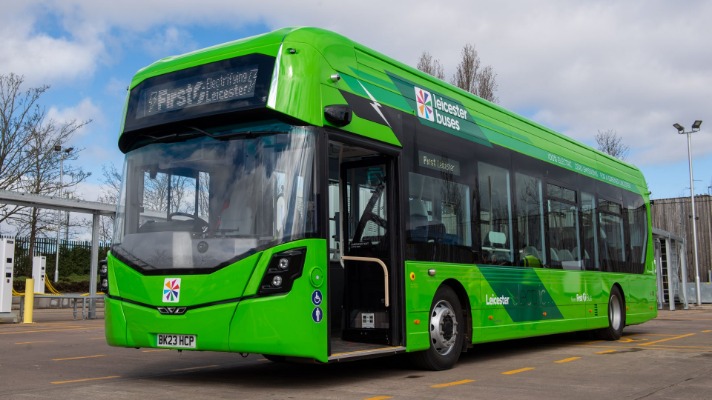
Electric and battery-electric buses are increasingly common in Japan’s cities as part of air-quality and climate goals. Battery-electric buses run on rechargeable lithium-ion or solid-state batteries, producing zero tailpipe emissions. They are deployed on routes where charging infrastructure is available either at depots or at bus stops with overhead or plug-in charging. These buses are quieter and offer a different rider experience, especially on short to medium-length urban routes.
Hydrogen fuel cell buses are another zero-emission option found in several cities as part of clean-transit pilots. They run on hydrogen and emit only water vapor, with refueling times comparable to diesel vehicles. Fuel cell buses are typically used on routes with longer daily miles or where rapid deployment of charging infrastructure is challenging, helping cities diversify their low-emission fleets.
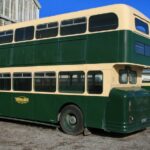
Double-decker and sightseeing buses are often present in tourist areas rather than as the everyday workhorse of a city’s bus network. These buses provide elevated views and open-top experiences for sightseeing along historic districts, waterfronts, or city centers. While not the standard commuter bus, they are a familiar sight on dedicated tourist circuits and certain city-run sightseeing routes.
Some cities also experiment with bus rapid transit (BRT) concepts or dedicated bus lanes to speed up urban travel. While not universal, BRT-style corridors use priority signals, separated lanes, or platform-level boarding to improve reliability and reduce travel times on busy routes. In Japan, these services emphasize efficiency on streets shared with cars and pedestrians, offering a balance between bus access and rail-like speed on select corridors.
In daily use, you’ll often ride local city buses with contactless IC cards such as Suica or Pasmo in the Tokyo area, or Icoca in the Kansai region, along with traditional cash fares. Signs at bus stops and onboard announcements help guide passengers, and many routes display English information for travelers. For first-time riders, it helps to know your route number and the destination in kanji or romaji, listen for the next stop, and have a plan for disembarking at major transfer hubs.
Overall, Japan’s local city buses offer a mix of standard, accessible, high-capacity, eco-friendly, and specialized services. This variety supports efficient urban mobility, from dense city centers to quieter suburban streets, making bus travel in Japan a practical option for both residents and visitors exploring the country’s cities.
Intercity and Highway Buses
Japan’s intercity and highway bus network provides an affordable and flexible way to travel between cities and regional hubs. This article focuses on those long‑distance buses and how they fit into a broader bus travel experience in Japan.
Intercity and highway buses are operated by multiple companies, with Willer Express and JR Bus Group among the most well known. Routes connect major cities such as Tokyo, Osaka, Kyoto, Nagoya, Fukuoka, and Sapporo, as well as many smaller towns along the way. While slightly slower than the Shinkansen, these buses offer competitive prices and generous luggage allowances, along with direct connections to suburban and rural areas.
Ticketing and seating: Most highway buses require advance reservations, especially for popular routes. Tickets can be bought online in English on operator sites or through travel portals. On many services, you can choose between standard and more comfortable premium or “queen” seats, and overnight services let you travel while you sleep.
Onboard facilities and comfort vary by operator and route. Common features include reclining seats, air conditioning, and sometimes onboard restrooms. Some long‑distance buses offer Wi‑Fi, power outlets, and welcome drinks, but amenities are not universal, so check the specific service when booking.
Luggage and boarding: Long‑distance buses provide luggage storage in a compartment under the bus and may allow one or two suitcases per passenger in addition to small bags carried on board. Always label your bags and verify the luggage policy during booking. Boarding usually happens at designated bus terminals or highway bus stops, not at every city bus stop.
Intercity buses connect with local transport networks in cities, so many travelers combine highway travel with city transit. In urban areas, local buses and trains are common for reaching stations and neighborhoods. When riding long‑distance buses, you will usually pay the fare when boarding or at the end of the trip, and some operators accept IC cards for city segments.
Tips for planning: book in advance for the best prices and seat availability, especially during peak travel periods. Bring a neck pillow, a light blanket, and earplugs for overnight journeys. If you are traveling with a lot of luggage or need to reach rural destinations, highway buses can be an economical and comfortable option that complements Japan’s rail network.
Night Buses and Overnight Services
Japan’s bus network provides a versatile option for travelers, spanning city routes, regional services, and long-distance overnight journeys. Whether you are exploring urban centers such as Tokyo or Osaka or making a budget-friendly cross-country trip, buses offer reliability, frequent schedules, and good coverage in many areas.
Types of buses include city buses that operate within metropolitan areas with frequent stops, highway or express buses that connect distant cities on faster intercity routes, airport shuttles that run between airports and central districts, and community buses in rural areas designed to serve smaller towns with flexible routes and stops.
Highway buses, also called express buses, are the backbone for long-distance travel by road. They run between major cities, often with comfortable seating, air conditioning, luggage storage, and sometimes onboard Wi‑Fi or power outlets. Tickets are typically cheaper than rail passes for the same route, and you can book in advance online or at major bus terminals.
Night buses and overnight services, known as 夜行バス, are especially popular with budget travelers and students. They depart in the evening and arrive at dawn, letting you save a night of accommodation and arrive ready to start the day. Many routes connect busy hubs such as Tokyo, Osaka, Nagoya, and Hiroshima, and some services offer comfortable reclining seats for a restful trip.
Some night buses offer premium or sleeper-style options with extra space, larger seats, better legroom, or semi-private areas. While most night buses use standard reclining seats, the best-sellers provide a quieter ride, USB charging, and clean facilities to help passengers sleep more comfortably on longer legs of the journey.
Booking and boarding tips include checking terminal locations such as Shinjuku Expressway Bus Terminal in Tokyo or Osaka’s Namba and Umeda pick-up points, arriving before the scheduled departure, and choosing seats in advance if possible. Bring a compact daypack for the cabin, and pack heavier luggage in the bus’s storage area if allowed; always confirm baggage allowances with your operator before travel.
Common routes cover the major urban and regional centers—Tokyo to Osaka, Tokyo to Nagoya, Tokyo to Hiroshima and Fukuoka, Osaka to Hiroshima and Fukuoka, and night routes linking northern and southern Japan. Operators such as Willer Express and JR Bus Group run multiple lines, often with English-language booking options and mobile apps to simplify reservations.
For bus travel in Japan, plan around your arrival times, consider ride length, and balance comfort with cost. With frequent services, clear signage, and widely accepted IC cards like Suica and Pasmo, buses are a practical and enjoyable way to explore the country without flying.
Planning and Booking
Planning and booking a bus trip in Japan begins with mapping your route, choosing between highway buses, night buses, and local services, and then reserving seats through bus companies or travel platforms. Compare schedules, fares, and luggage policies, consider passes or multi-route passes, and confirm English-language options and cancellation terms to ensure a smooth journey across Japan’s cities and countryside.
Timetables and Route Maps
Planning a bus trip in Japan can be a practical and economical way to explore the country while enjoying scenic views between cities.
Start by identifying your routes and comparing options. Long‑distance highway buses link major metropolitan areas such as Tokyo, Osaka, Kyoto, Hiroshima, Fukuoka, and regional destinations, often with overnight services that save both time and hotel costs. Local and community buses supplement travel between towns and tourist sites. Remember that routes and frequencies vary by season and day of the week, so check updated schedules in advance.
Booking is typically done online or at bus terminals. Reputable operators and aggregators include Willer Express, JR Highway Buses, and specialized platforms like Japan Bus Online. With a booking, you usually select a date, time, and seat, then pay by credit card. Some tickets are delivered as e‑tickets or QR codes you show on your phone, while others may require printing a voucher at the counter.
Timetables are published by each operator and are the backbone of planning. They show departure times, estimated travel durations, and transfer options if a single bus does not cover the whole journey. Timetable accuracy is high but can change for holidays, maintenance, or weather, so recheck on the day of travel. Night buses commonly depart late in the evening and arrive early in the morning, which can be convenient for maximizing daytime sightseeing.
Route maps and stop lists are available on operator websites and sometimes on third‑party booking pages. Route maps help you visualize how cities are connected and identify transfer points. When planning a transfer, verify stop names in English and Japanese and confirm the exact boarding point at the terminal or station. Digital maps can supplement paper timetables, but always confirm the local pickup location before heading out.
Practical planning tips include packing light to fit into luggage compartments, checking luggage allowances and fees, and labeling bags clearly. Arrive at the boarding point early, as some buses use bus terminals or private stops with specific check‑in procedures. English support is available on some routes, but staff may have limited language ability on quieter lines, so having your destination written in Japanese can help.
Choosing between buses and trains comes down to priorities. Buses are often cheaper and offer overnight travel, which can save on hotel costs, but they are slower than Shinkansen on many routes. If you prefer comfortable seating and a fixed schedule with good coverage to smaller towns, highway buses are a strong option. For flexibility and speed, consider trains for key legs, then switch to buses for less accessible areas.
Seasonal planning matters in Japan. Golden Week, Obon, and New Year holidays see crowded schedules and higher fares, so book early if you must travel during peak times. Cancellations policies vary by operator and ticket type, so read the terms when you buy. With a little planning, a well-chosen bus itinerary can be an affordable and enjoyable way to see Japan’s diverse regions.
Ticket Types and Fares
Planning and booking bus travel in Japan can be a budget-friendly way to hop between major cities and scenic regions. Highway buses connect Tokyo, Osaka, Kyoto, Nagoya, Hiroshima, Fukuoka, Sapporo and beyond, and many routes offer English-language booking and clear routes on comfortable, seat-based services. Night buses combine travel and overnight stays, saving time and hotel costs.
Before you book, outline your itinerary by choosing the cities you want to visit and the dates you’ll travel. Check typical travel times by bus, which are longer than Shinkansen for the same route, but often a fraction of the price. Decide whether you want a daytime ride to see the scenery or a night bus to maximize sightseeing time, and consider luggage needs and accessibility.
Popular English-friendly booking platforms include Willer Express, gateways such as Japan Bus Online, and operator sites like JR Bus Group affiliate pages. To book, enter your origin and destination, select your travel date, choose the number of passengers, and pick your seat type. You’ll usually receive an electronic ticket by email or as a QR code you can show on the bus.
Ticket types range from reserved seating, where you pick a specific seat in advance, to non-reserved seating, where seats are allocated on a first-come basis at the terminal or door. Many services offer premium or extra-legroom seats with larger space, and several operators provide comfortable night-bus options with reclining seats or bunk-style arrangements for longer trips.
Fares depend on distance, time of day, and seat type. In general, expect roughly a few thousand yen for short to medium hops (for example, Tokyo to Nagoya or Osaka), with longer routes costing more. Night bus tickets can be economical, but peak travel times and premium seats raise prices. Some operators also offer special deals or passes for multiple trips or limited periods.
Tips for planning: book early for popular routes during Golden Week, Obon, and New Year holidays, compare different operators for the same route, and check luggage policies and boarding procedures. Most buses allow one or two large suitcases in the luggage hold and a small bag on board; some budget options are stricter, so confirm in advance.
On the day of travel, bring your confirmation and a valid ID, arrive 15–30 minutes before departure, and follow the boarding instructions posted at the terminal or shown on your ticket. If you’ve got a reserved seat, your seat number will be on your e-ticket; if you have non-reserved seating, listen for announcements at the boarding area. Treat the ride as you would any long-distance journey in Japan: be punctual, quiet, and courteous.
With thoughtful planning and online booking, bus travel in Japan can be a smooth, affordable way to experience the country’s cities and countryside, complementing trains and domestic flights and offering a convenient alternative when timing and budget matter.
Seat Reservations and Passes
Planning a trip by bus in Japan can be a budget-friendly way to explore the country, from bustling cities to rural towns and scenic coastlines. Intercity highway buses connect major hubs like Tokyo, Osaka, Kyoto, Nagoya, and Fukuoka, while local and regional services help you reach smaller destinations. Travel times are longer than the Shinkansen, but the routes often pass through landscapes that trains simply don’t cover.
Begin by mapping your route and travel dates. Compare schedules, durations, and prices across operators such as Willer Express, JR Bus services, and regional carriers. Use official operator sites or trusted bus aggregators to see multiple options in one place. Seasonal demand spikes around Golden Week, Obon, and New Year, so plan early to secure the best seats and times.
Most intercity buses in Japan offer online booking in English and Japanese. When you book, you select a date, departure time, and seating type. You may receive an e-ticket by email or a booking reference to print, or you can use a QR code on your smartphone. Payment is typically by credit card, with some operators also accepting cash at the counter or on board.
Reserved seating is the norm on popular routes and is recommended if you want a guaranteed seat and a smoother boarding experience. Some services offer unreserved or mixed seating, where seats are assigned on a first-come basis at boarding. For overnight services, consider a seat or lounge option that suits your comfort level. Most buses allow at least one large suitcase in the baggage area and a small bag with you on the seat; check each carrier’s luggage policy before you travel.
Bus passes and multi-ride options exist for travelers planning several long-distance trips. These passes can offer good value if you plan to ride multiple times within a set period, but they vary by operator and may restrict routes or require activation on your first trip. Always read the terms carefully: which routes are included, the validity window, any blackout days, and whether seat reservations are required or not.
Practical tips help ensure a smooth journey: arrive at the bus stop early, have your booking reference or e-ticket ready, and keep your passport handy if required for verification. If you don’t speak Japanese, many operator sites and staff can assist in English, and mobile apps can display routes and times in your language. Overnight buses can save lodging costs and offer a comfortable way to travel long distances while waking up closer to your next destination.
Popular Bus Routes and Itineraries
Japan’s highway bus network offers affordable, scenic ways to explore the country. Popular routes include Tokyo to Kyoto and Osaka on overnight trips, Osaka to Hiroshima and Okayama, and connections to Kanazawa and Nagoya, making it easy to craft itineraries that mix temples, castles, hot springs, and coastal scenery. Day trips to Hakone and the Fuji Five Lakes region from Tokyo, plus coastal routes along the Sea of Japan, add variety for travelers seeking a slower, flexible pace.
Tokyo Area Bus Travel
Tokyo’s bus network offers an affordable and flexible way to navigate neighborhoods that lie beyond the reach of frequent trains, making it a popular option for travelers exploring the broader Tokyo area.
Classic central Tokyo loop: Start in Shinjuku and ride toward Shibuya, passing through busy commercial districts and residential pockets. This route gives you a feel for modern Tokyo, with chances to hop off in Shinjuku or Shibuya for quick photo walks, shopping, and street food, then resume the journey to explore nearby areas like Ginza and Akihabara.
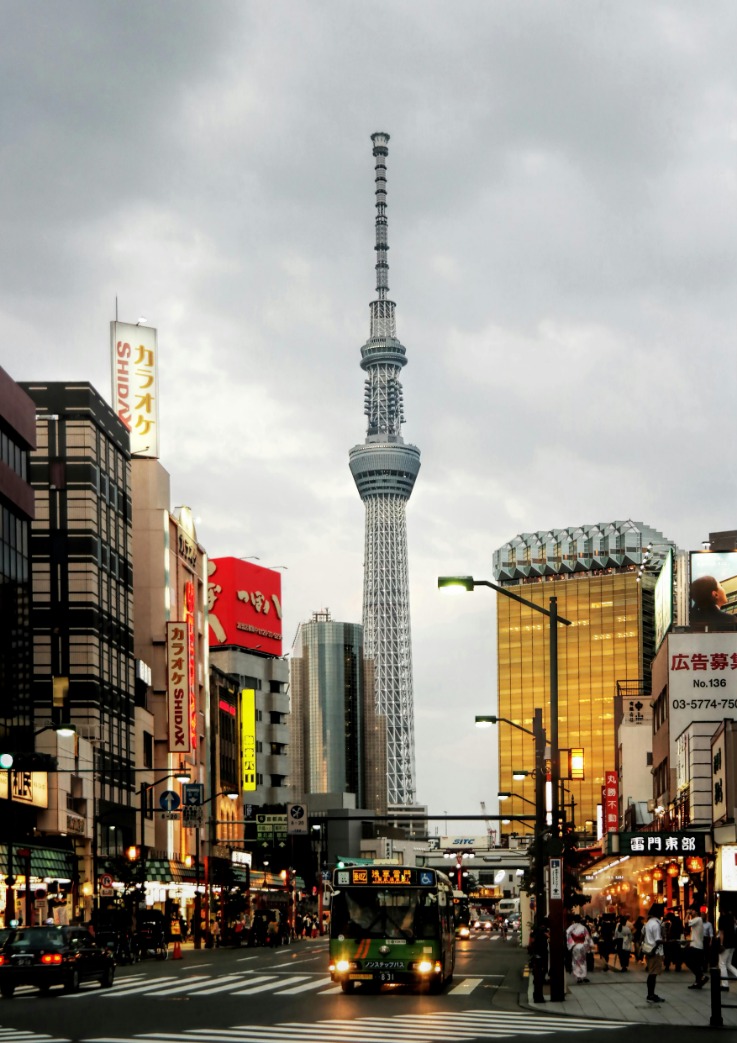
Asakusa to Ueno corridor: A scenic and practical daytime itinerary follows the Sumida River from Asakusa’s historic temples to Ueno Park and its museums and zoo. The ride covers old-town charm, markets, and leafy park lanes, offering a blend of traditional sites and easy access to cultural institutions on the Ueno side.
Shibuya, Harajuku, and Meiji Shrine route: This route links fashionable neighborhoods with leafy Meiji Shrine and Omotesando, letting you experience Tokyo’s contemporary style in Harajuku followed by architecture and luxury retail along Omotesando, all connected by frequent bus stops that keep you on the surface while enjoying city viewpoints.
Odaiba and Tokyo Bay scenic loop: Take a bus toward the waterfront districts for views of Rainbow Bridge and futuristic architecture, with stops near shopping complexes, entertainment centers, and the seaside promenade. This route pairs well with a final stroll along the bay or a short ride on a nearby transit line to return to central Tokyo.
Nostalgic and local highlights: A northward or northeastward loop can connect Yanaka’s retro streets with Ueno’s cultural pockets, letting you sample traditional eateries, craft shops, and quiet residential lanes away from the densest tourist zones while staying connected to major hubs by frequent bus service.
One-day itineraries that work well on a single day of bus travel often combine the central loop with a coastal or park-side extension. For example, start in Asakusa, move to Ueno for museums, continue to Akihabara for electronics or anime culture, then loop toward Ginza for a late lunch and finish with a sunset view in Odaiba or along the Tokyo Bay area.
Practical tips for Tokyo bus travel: Most buses in Tokyo accept IC cards like Suica and Pasmo, and you typically tap on boarding. Read the display panels at stops or on the bus to confirm the next major destination, and don’t be discouraged if you need to transfer—bus networks often connect cleanly with subway lines for longer trips. If you’re sightseeing, a simple two- or three-area plan can minimize backtracking and help you enjoy more stops with less fatigue.
Accessibility and etiquette: Buses are generally accessible, with priority seating and clear audio-visual information in multiple languages at major stops. A quick courtesy is to offer your seat to others and to keep conversations at a moderate level, especially near temples or residential neighborhoods where the pace slows and the surroundings are quieter.
Whether you’re chasing neon-lit nights, leafy shrines, or riverbank views, Tokyo’s bus routes provide a practical, low-stress way to widen your itinerary beyond trains. Pair bus travel with a few subway hops for a balanced exploration of the city and its outskirts, and you’ll uncover a broader, more relaxed side of Japan’s capital.
Osaka–Kyoto Corridor
The Osaka–Kyoto corridor is one of Japan’s busiest bus travel routes, offering affordable and comfortable links between two of the region’s most visited cities. Highway buses connect central Osaka and Kyoto Station with frequent daily departures, making day trips or quick hops practical for budget travelers as well as locals.
Popular routes include Osaka Umeda or Shin-Osaka to Kyoto Station, with travel times typically around 60 to 90 minutes depending on traffic. Fares usually range from about 1,000 to 2,000 yen for standard seating, with savings on longer daytime runs and premium seats available at higher prices.
Major operators serving the corridor include Willer Express, JR Bus Group services, and Hankyu Bus, along with other highway bus providers. Most operators offer online booking, easy seat selection, and free luggage handling within limits. Buses typically depart from major terminal hubs such as Osaka Umeda, Namba, or Shin-Osaka, and arrive at Kyoto Station or major bus stops near Kyoto’s city center.
One-day Osaka–Kyoto highway bus itinerary: start in Osaka with a morning bus from Umeda or Namba to Kyoto Station, then visit Fushimi Inari Taisha and the northern Higashiyama district in Kyoto by foot or short city bus. After lunch, explore Kiyomizu-dera and Gion, finish with a late return bus to Osaka to maximize time in both cities without rail transfers.
Two-day leisurely loop: day one by bus from Osaka to Kyoto, check into a Kyoto hotel, and spend the afternoon at Arashiyama or Nishiki Market. Day two, take a bus to Fushimi Inari or the Philosopher’s Path, then return to Osaka in the early evening. This approach reduces travel fatigue by splitting movement across two days while letting you enjoy both cities at a relaxed pace.
Tips for a smooth bus trip in the Osaka–Kyoto corridor: book in advance during peak seasons, compare morning and evening departures for price and traffic, bring a compact backpack for carry-on luggage, and keep a copy of the ticket QR code. Consider combining bus travel with a rail pass if you plan to visit areas outside the core corridor, and check operator maps for stop locations that best fit your planned sights.
Hokkaido Scenic Routes
Bus travel in Japan offers a scenic and comfortable way to explore Hokkaido, where wide coastal roads, volcanic landscapes, and quiet towns unfold along the route. The following popular bus routes and itineraries highlight scenic highlights and practical tips for a memorable journey.
Sapporo to Otaru and the Yoichi coastal loop is a classic day-trip option. Highway buses run regularly from Sapporo Station to Otaru, delivering you to a charming canal town famous for glasswork, music boxes, fresh sushi, and the scenic shoreline. A short detour to Yoichi lets you visit the Nikka Whisky Distillery and enjoy coastal views of the Sea of Japan. This route is especially rewarding in autumn when the trees along the highway glow with color, or in winter when the sea fog drifts over the harbor.
The Sapporo to Noboribetsu and Lake Toya corridor is another popular scenic option. Buses connect Sapporo with Noboribetsu, the gateway to Jigokudani (Hell Valley), and continue to the crater-lake scenery of Lake Toya. In addition to volcanic landscapes, the area offers hot springs, lakeside promenades, and easy walks around Toya’s volcanic cones. This itinerary works well as a two-day trip with an overnight stay by the lake for sunset views over the water.
A scenic Niseko loop combines mountain scenery with lakes and rural villages. Buses from Sapporo or Otaru can take you toward Niseko’s ski slopes in winter or the surrounding highland meadows in summer, with a possible add-on visit to Lake Toya or Shikotsu-Totoro National Park. The route showcases thick forests, volcanic landscapes, and panoramic vistas of the surrounding mountains, making it a favorite for photographers and hikers alike.
The Shiretoko Peninsula route from Abashiri or Utoro is a longer, more immersive scenic journey. Highway buses traverse coastal highways on the northern edge of Hokkaido, offering dramatic sea cliffs, dense forests, and opportunities to spot wildlife. This route is ideal for a multi-day itinerary, combining nature walks at Shiretoko Five Lakes with a ferry ride to nearby islands, and it rewards travelers with pristine scenery and a sense of remoteness.
Hakodate to Onuma Park and the southern coastal towns provides a gentler, family-friendly scenic option. Buses connect Hakodate City with the large Onuma Park landscape, where you can rent bikes or stroll along Lake Onuma. The trip offers views of the harbor, Mets and mountains, and a relaxed pace that suits a long weekend or a cruise-stop style itinerary.
Two to three day itineraries offer compact, rich experiences. One option is Sapporo → Otaru → Yoichi → Noboribetsu → Lake Toya, staying overnight near the lake and savoring local seafood and hot springs. Another option is Sapporo → Niseko → Lake Toya → Onuma Park, combining mountain scenery, lakeside walks, and a flavorful mix of inns and onsen towns.
Three to five day itineraries expand your horizons. Start with Sapporo for city life and food, move to Otaru for canal-side charm, then loop through Noboribetsu, Lake Toya, and Shikotsu-Tokoro National Park for volcanic landscapes and hiking. If you have more time, extend to the Shiretoko region or to Hakodate for a coastal finale with historical architecture, night views from Mount Hakodate, and fresh seafood markets.
Practical tips for bus travel in Hokkaido include choosing highway buses for longer legs with fewer transfers, and local buses for closer town hops. Check timetables in advance, especially in winter when snow can affect schedules, and consider seat reservations on popular routes or during peak travel seasons. A day pass or regional pass, if available, can simplify budgeting for multiple rides. Pack snacks and a light jacket, as some routes travel through open landscapes with limited services between towns.
Seasonal highlights can shape your route. Autumn brings fiery foliage along the coast and in forested valleys, while winter greets you with snow-blanketed landscapes and opportunities for hot springs after a day in the cold. Spring offers fresh sea breeze and whales along the coast, and summer reveals long daylight hours perfect for extended scenic drives and photo stops. No matter the season, Hokkaido’s bus routes reveal a tapestry of coastlines, volcanoes, and tranquil towns that define a memorable Japanese bus travel experience.
Kyushu and Southern Japan Routes
Bus travel in Kyushu and southern Japan offers a scenic, affordable way to hop between cities, hot springs towns, and rural landscapes. A well-developed highway bus network connects major hubs like Fukuoka (Hakata), Kumamoto, Nagasaki, Beppu, Kagoshima, and Miyazaki, letting you cover long distances without a train schedule to chase.
Popular routes in Kyushu include Hakata to Beppu, Hakata to Kagoshima, Hakata to Nagasaki, and Kumamoto to Beppu. These routes cater to both locals and travelers, with frequent daytime services and occasional overnight options. Many buses pass through scenic inland areas near Aso caldera and the Kunugi valley, giving you quick glimpses of rural Japan between stops.
Beppu is a classic starting point for a southern Kyushu itinerary. Direct highway buses from Hakata or Kumamoto connect you to Beppu’s hot springs and to nearby Yufuin, a picturesque onsen town surrounded by mountains. From Beppu or Yufuin, you can continue to Kumamoto to visit Kumamoto Castle and Suizenji Garden, or push on toward Aso for crater views and grassland, all by bus.
Kumamoto acts as a versatile hub for several day trips. From here you can reach the volcanic Aso region, Takachiho Gorge, and even Nagasaki by longer daytime routes or overnight services. The route network around Kumamoto makes it easy to stitch a circuit that includes hot springs, historical sites, and dramatic landscapes without changing trains frequently.
Nagasaki and its coastal routes are another highlight. Long-distance buses connect Hakata and Kumamoto with Nagasaki city, offering access to Huis Ten Bosch, the Dutch-themed theme park, and the harbor’s scenic views. For island excursions, some routes pair Nagasaki with ferry access to remote areas, or you can cluster Nagasaki with a side trip to the Shimabara Peninsula.
Kagoshima and the surrounding area are famed for Sakurajima, Ibusuki Onsen, and Kirishima’s volcanic scenery. Highway buses cover the cross-prefecture links between Kagoshima city, Ibusuki, and Kirishima, making it easy to base yourself in one spot and do day trips by bus to hot springs, volcanic landscapes, and coastal drives along the southern coast.
Sample itineraries can help you plan a multi-day bus trip. A compact 3–4 day Kyushu loop might start with Hakata to Beppu for hot springs, then Beppu to Yufuin for a quiet mountain town experience, followed by a day trip to Aso from Kumamoto or Beppu. On day four you could head to Kumamoto city to explore its castle and gardens, then transfer to Kagoshima or Nagasaki for a sunset finish. A longer 5–7 day plan could extend to Miyazaki’s coastlines, Takachiho Gorge, and a splurge day at Sakurajima or Kirishima, all connected by highway buses with scenic stops along the way.
Another approach is a southern-Kyushu coastal circuit: Hakata to Kagoshima by day or night bus, with excursions to Ibusuki Onsen and a stop at Kirishima, then a transfer to Miyazaki for coastal towns and the scenic Nichinan coastline. Overnight buses are a good option for saving time and accommodation costs, especially when you want to maximize sightseeing during daytime hours.
Practical planning tips for bus travel in Kyushu and southern Japan include booking ahead for popular routes, especially during holiday periods, and reserving seats on overnight services when possible. Luggage policies vary by operator, so check whether you can bring suitcases in the hold or need to carry them on the bus. Many operators accept IC cards or cash, but it’s wise to carry some cash for smaller stops and local transfers. If you’re planning an intensive itinerary, consider a balanced mix of longer daytime rides and shorter hops to avoid fatigue and keep pace with sightseeing.
Popular operators serving these routes include regional players and national highway bus services, with options ranging from budget to comfortable seating. For planning, check operator websites for route maps, schedules, and advance reservations, and consider combining bus travel with occasional rail hops for faster city transfers. Websites and apps from Willer Express and other highway bus providers can help you compare routes, travel times, and prices across Kyushu and southern Japan.
Bus Terminals and Hubs
In Japan, bus travel centers on a network of efficient terminals and hubs that link distant cities with regional routes and overnight services. Major hubs in Tokyo, Osaka, and Kyoto act as gateways where long-distance buses depart and arrive, while smaller city and rural terminals provide seamless transfers, easy ticketing, and multilingual support. Clean facilities, punctual schedules, and clear signage make exploring Japan by bus approachable and affordable, from bustling urban connections to scenic countryside journeys.
Major Bus Terminals in Tokyo
Bus travel in Japan relies on a network of terminals and hubs that connect local, regional, and long-distance routes. In Tokyo, these facilities function as central nodes where passengers transfer between lines, purchase tickets, and board comfortable coaches to destinations across the country and beyond.
A bus terminal is typically a place with multiple pickup and drop-off bays, a ticket counter, waiting areas, restrooms, and sometimes shops. A bus hub is a larger transportation center that links these highway buses with local city buses, convenient for transfers and multi-leg journeys.
Shinjuku Expressway Bus Terminal, commonly called Busta Shinjuku, is one of Tokyo’s busiest highway-bus hubs. Located near Shinjuku Station, it serves many operators and a wide range of routes to Kansai, Hokuriku, Tohoku, and northern regions, as well as connections to airports.
The Tokyo Station Bus Terminal sits inside the greater Tokyo Station area, providing convenient access for travelers arriving by train who want to catch highway buses to northern Honshu, Hokkaido, and other destinations. It is well connected to JR lines and the subway.
Tokyo City Air Terminal (TCAT) in Hamamatsucho functions primarily as an airport-bus hub, with express buses to Narita and Haneda airports. It is a practical option for international travelers arriving by air or domestic travelers heading to the airports.
Other important hubs include operations at central locations operated by major carriers. The Shinjuku area also hosts additional highway-bus stops and counters, and some operators maintain separate terminals within easy reach of major stations.
Tips for using Tokyo bus terminals: check operator signs in English, verify your departure bay and pickup time, arrive 10–15 minutes early, and keep your luggage secure. Consider purchasing tickets in advance for popular routes, and be mindful of peak travel times.
Overall, Tokyo’s bus terminals and hubs provide affordable, convenient options for exploring Japan by road, complementing trains and flights and offering routes to many regional cities and scenic areas.
Osaka and Kyoto Bus Terminals
Bus travel in Japan relies on a well-organized network of highway buses and urban routes, with major terminals acting as hubs that connect regional travel to local city transportation. In western Japan, Osaka and Kyoto stand out for their modern terminals, wide service options, and easy access for both domestic travelers and visitors from abroad.
Osaka’s main highway bus hub is OCAT, the Osaka City Air Terminal. Located in the central Osaka area near major subway and train lines, OCAT serves as a central gathering point for long‑distance buses heading to Tokyo, Hiroshima, Fukuoka, Kanazawa, and other destinations. The terminal consolidates many operators in one place, making it convenient to compare schedules, pick a route, and board without darting across the city. Inside, you’ll find clear multilingual signage, ticket counters, seating areas, vending machines, and restrooms to help you plan a comfortable journey.
Kyoto Centraliae’s bus terminal is the Kyoto Station Bus Terminal, integrated with Kyoto Station itself. This makes it a natural first stop for travelers arriving by Shinkansen or JR trains who want to switch to highway buses. The terminal services a wide range of routes—both city buses that circulate within Kyoto and longer buses that connect Kyoto to Osaka, Tokyo, Hiroshima, and other destinations. The proximity to the station complex means easy transfers between rail, subway, and bus lines, as well as access to shops and eateries in and around the station area.
Both Osaka and Kyoto terminals prioritize traveler convenience. Expect large waiting areas, clear departure boards, and multilingual staff or information desks. Luggage storage and coin lockers are commonly available, along with vending machines, restrooms, and comfortable seating. Signage typically covers major destinations and operator names, making it easier for visitors to locate the right platform or counter even if you do not speak Japanese.
When planning a trip, it helps to know that multiple operators run long-distance services from these hubs. You can buy tickets at the counter, through operator websites, or via third‑party booking apps. Some buses require advance reservations, especially for popular routes or peak travel times, while others allow same-day purchases at the terminal. If you plan to bring baggage, be prepared for luggage stored in the bus’s cargo hold, with typical allowances for one large suitcase and one smaller bag, depending on the operator.
Tips for Osaka travelers include arriving early to locate your platform and to pass through security checks if needed, especially during busy mornings and holiday periods. OCAT’s central location makes it easy to combine a bus trip with a food stop or city sightseeing in nearby neighborhoods. For Kyoto, take advantage of the close connection to JR Kyoto Station to explore the ancient city before boarding, or plan a ride to nearby Nara or Osaka as part of a day trip from the same hub.
In both cities, the bus terminal experience is designed to be straightforward for first‑time visitors: clear maps, visible schedules, and staff ready to help with directions or ticket questions. Whether you are heading to another major city or simply exploring the Kansai region, these hubs help streamline the journey and keep bus travel in Japan a practical and comfortable option for travelers and locals alike.
Regional Hubs and Access Points
Bus travel in Japan relies on a network of well-organized terminals, regional hubs, and accessible entry points that connect towns and cities across the archipelago. Understanding the roles of bus terminals and hubs helps travelers navigate efficiently and find convenient transfers between long-distance buses and local transit.
- Bus Terminals and Hubs
- Description: dedicated facilities for intercity and long-distance buses, often located near train stations or urban centers, with waiting areas, restrooms, luggage storage, vending machines, and multilingual information.
- Functions: ticket sales, timetable displays, baggage handling, transfer guidance, and connections to local transit networks.
- Facilities: food options, convenience stores, lockers, and accessibility services to assist travelers with different needs.
- Tips: arrive early to secure seats, verify gate or stand numbers, look for English signage, and use transfer screens or staff for directions.
- Regional Hubs
- Description: central nodes within a region that consolidate many intercity routes, linking rural areas with larger cities and providing connections to local buses, trains, and airports.
- Examples: major hubs in Honshu, Kyushu, and elsewhere where multiple operators converge, enabling broader regional travel.
- Benefits: more frequent services, consolidated passenger services, and wider route coverage across prefectures.
- Tips: check regional timetable aggregators, be mindful of busy holiday periods, and consider overnight services to save time and lodging costs.
- Access Points
- Description: points that enable access to the bus network, including local bus stops, terminals near rail stations, and tourist information centers.
- Connectivity: integrated with rail, subway, and airport systems; signage often provides English and other languages for travelers.
- Finding rides: use official websites or apps to locate stops, platform numbers, and pickup times.
- Tips: download maps or offline guides, consult station staff if unsure, and plan transfers around local timetables.
Whether you are planning a cross-country trip or a short hop between prefectures, understanding these nodes helps you navigate Japan’s bus network more smoothly and enjoy a comfortable, efficient journey.
Practical Tips for Bus Travel
Japan’s extensive bus network offers an affordable, scenic way to explore cities and rural towns alike. In this quick guide, you’ll find practical tips on buying tickets, reading schedules, choosing routes, and staying comfortable on longer trips—plus etiquette, luggage tips, and how to use IC cards and travel passes to save time and money.
Luggage and Accessibility
Traveling by bus in Japan can be a practical and affordable way to move between cities and connect rural towns, often with comfortable seats and convenient schedules.
Plan ahead with English-friendly operators such as Willer Express and JR Bus Group, and check timetables, service days, and seat options. Most highway-bus routes require reservations, especially during holidays, so booking online in advance is wise. On the day, arrive at the boarding point 10–20 minutes early to find your bus and settle in.
Luggage policies vary by operator, but highway buses typically allow two large suitcases and one smaller bag. Storage is in the undercarriage or a rear compartment, so pack valuables and essentials in your carry-on within reach. If you have oversized items or sports gear, contact the operator before your trip to arrange proper handling and fees.
Accessibility options depend on the operator and route. If you require a wheelchair or other mobility assistance, contact the company well in advance to confirm space, ramps, or lifts and to arrange boarding. Not all buses or stops are fully accessible, and some stations lack elevators, so plan extra time for connections and be prepared for steps at certain stops.
When boarding, follow signs in Japanese or English and present your booking reference or ticket. Seating is often assigned or first-come, first-served depending on the operator, so choose seats wisely if you need extra legroom or easy access to the aisle. Keep the aisle clear and store luggage in approved areas to avoid blocking exits.
Onboard amenities vary; many long‑distance buses have reclining seats, restrooms, and sometimes Wi‑Fi or power outlets. Bring a light sweater, a neck pillow, water, and snacks, since rest areas during the ride may be limited. If you need quiet surroundings, choose off-peak times or a neutral seating area.
Expressway buses stop at service areas for toilets and meals. Rest stops occur at predictable intervals, so use them to stretch, refresh, and reset your schedule. If you have a tight connection, check the route the driver uses and note the stop order on your map or ticket.
Signage at major stops and signs on boards are often bilingual, especially on popular routes. Carry a small card or note with your destination in Japanese to show staff if needed. Having a printed map or digital copy of your stop name helps prevent confusion during transfers.
Queue politely at the stop, board in order, and store bags in designated areas without blocking seats or exits. Speak quietly, avoid loud conversations, and respect other passengers. After disembarking, gather all belongings and dispose of trash properly. In case of delays or changes, stay informed via the operator’s app or information boards.
Onboard Etiquette
Traveling by bus in Japan is a practical and comfortable way to get around, whether you’re navigating busy city routes, sightseeing towns, or rural roads. Here are practical tips and onboard etiquette to help you ride smoothly.
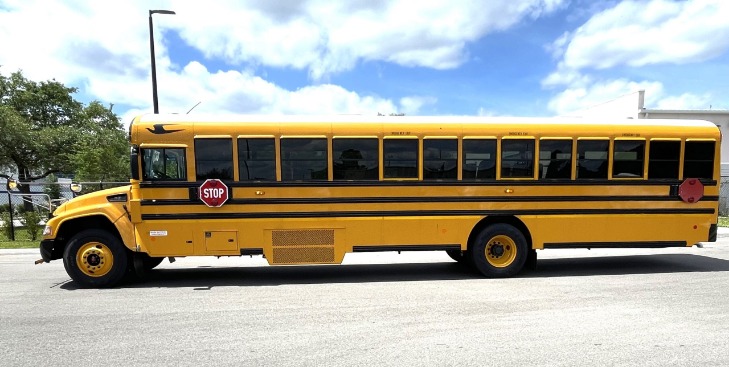
Know the bus types you’ll use: urban city buses for local travel, highway or express buses for long-distance trips, and airport limousines for gateways to airports. Local buses stop more often, while highway buses offer more comfortable seating and longer legs on fewer stops.
Tickets and payments are usually simple. In most urban buses you board from the front and pay at the fare box or by tapping an IC card such as Suica, Pasmo, or Icoca. Keep your card ready as you board. On some regional or highway routes, you may take a numbered ticket on boarding and pay when you alight, following the display or the driver’s instructions. If you’re unsure, ask politely at the stop or with the driver before you board.
IC cards are widely accepted across big city networks and many regional buses. Load money online or at ticket machines, and touch your card on the reader when you board (and again at a reader if required to exit). This makes fare calculation quick and contactless, which is especially convenient in crowded stops.
Boarding etiquette is simple and courteous. Line up at the curb and let people exit before you board. Have your fare ready or card in hand so lines move efficiently, and avoid blocking the doors while waiting for others to get off.
When it comes to seating, honor priority seats for elderly, disabled, pregnant travelers, and those with young children. If a priority seat is available but you don’t need it, offer it to someone who does. Avoid placing bags on empty seats and keep backpacks on your lap or on the floor where they won’t block aisles.
Luggage and space: Urban buses have limited space. Travel light when possible, store larger bags in the overhead or under a seat area if available, and never leave bags in the aisle. On long-distance or highway buses, luggage may go in a storage compartment or designated area; listen to announcements for where to place it.
Onboard etiquette in Japan is generally quiet and considerate. Keep conversations low and your phone on silent or vibrate. If you must take a call, step away from the aisle and speak softly. Eating on many city buses is discouraged; water is usually fine, but avoid strong smells or leaving wrappers behind.
Pay attention to signage and announcements. Destination signs on buses are often in Japanese and English, and many routes feature audio announcements. If you’re unsure whether you’ve arrived at your stop, ask the driver politely or step off at the next stop and walk back if necessary.
Getting off at your stop requires a little foresight. Press the stop-request button or pull the cord in advance of your stop and move toward the door as it approaches. Exit calmly, giving priority to people alighting before you board again deeper into the crowd.
Regional tips for Japan’s major areas: In Tokyo, buses are one of many ways to get around with a dense network and frequent service; use a prepaid IC card for speed. In Kyoto, buses connect temples and historic districts; a daytime bus pass can save money if you’re hopping between sights. In Osaka, the bus network complements the subway; expect compact seating and clear English signage. For rural areas, schedules can be sparse—check timetables in advance and have a backup plan or a phone with a map app ready.
Safety and courtesy go a long way. Keep an eye on belongings, especially on crowded stops; hold onto handrails when standing; and if you’re traveling with children, hold hands and use strollers or car seats where allowed. With a little preparation, bus travel in Japan is straightforward, affordable, and comfortable.
Language and Signage
Practical tips for bus travel in Japan, with emphasis on language and signage, help you navigate cities and rural routes with confidence.
- Use an IC card such as Suica or Pasmo. Tap on boarding; the card is accepted on almost all city buses and trains. If you prefer cash, have small coins ready for the fare box or driver.
- Look for bilingual signage at stops and on buses. Route numbers, destinations, and stop names are often shown in both Japanese and English in major cities; rural areas may have Japanese-only signs, so take photos or use a translation app when needed.
- Read the onboard displays. Many buses show the route number and destination on an electronic board, and announcements are increasingly made in English in big cities. If you miss a stop, you can press the stop request button to alert the driver.
- Board and pay wisely. In many systems you board from the rear door, and payment is collected when you alight or via an IC reader on board; with IC cards you simply tap when you board. If you’re unsure, don’t hesitate to ask the driver politely: Sumimasen, Eigo ga hanasemasu ka?
- Carry a few phrases in Japanese. Examples: Sumimasen, Eigo ga hanasemasu ka? (Excuse me, do you speak English?), Kono basu wa destination made ikimasu ka? (Does this bus go to destination?).
- Have your destination written in Japanese or on a card. The kanji or kana, plus a romanized reading, helps locals confirm your stop and assists drivers if you’re uncertain.
- Plan routes with maps and apps. Google Maps, Apple Maps, or local transit apps can show bus numbers, stops, and transfer options. Check times in advance, especially for rural routes or late-evening services.
- Respect bus etiquette. Queue at stops, let passengers alight before boarding, and give up priority seating to elderly, disabled, or pregnant travelers. Keep noise to a minimum and use headphones for phones.
- Be mindful of luggage. Place bags on the floor in front of you or on the luggage rack; avoid blocking aisles or doors.
- Airport and hotel shuttles. Look for dedicated Airport Limousine buses; signs usually include “Airport” in English and Japanese. These buses connect major hotels and stations to the airport with clear signage.
- In rural areas, buses can be infrequent. Check timetables in advance, allow extra time, and consider alternatives like trains or taxis if schedules are tight.
Costs, Value, and Alternatives
Bus travel in Japan offers a cost-conscious way to explore urban centers and scenic regions, balancing ticket prices, comfort, and on-time reliability. You can find good value through nationwide highway buses, regional routes, and night services, which often deliver lower fares than trains for similar distances. For travelers weighing costs against time, convenience, and scenery, alternatives like trains (including shinkansen), regional rail, and local buses provide flexible options to tailor an itinerary while staying within budget.
Comparing Buses to Trains
Bus travel in Japan offers a practical mix of affordability and reach, sitting alongside a dense railway network that makes both options viable for many routes.
Costs
- Highway buses are typically cheaper than Shinkansen for long distances, with fares from around 2,000 to 7,000 yen on major routes, depending on advance booking and seat type.
- Shinkansen fares vary by service; reserved seats and faster Nozomi options tend to be more expensive, but discounts, regional passes, and advanced booking can reduce the effective price.
- Overnight buses can provide significant savings for long journeys, sometimes rivaling daytime rail travel when lodging costs are considered.
- Local city buses and regional buses are inexpensive for short hops, but you may need to transfer to trains or subways to complete a longer itinerary.
Value
- Trains provide speed, punctuality, and reliability, with the Shinkansen offering rapid, predictable travel for long distances and frequent departures.
- Highway buses offer strong value for budget travelers, especially on overnight routes with comfortable seating and onboard amenities, though legroom and seat comfort can vary by operator.
- Ticketing options matter: JR passes and regional passes can unlock substantial savings on multi-city itineraries, while bus passes or discount codes may apply to specific routes.
- Time versus cost: trains often win on total time for key routes, while buses win on upfront price for flexible, budget-conscious plans.
- Flexibility and planning: trains allow easier last-minute changes; buses require careful alignment with schedules and pickup points.
Alternatives
- Trains remain the main alternative to buses, including high-speed Shinkansen for long legs and local/local express lines for regional travel.
- Domestic flights can save time on very long distances or to remote areas, though airport transfers and security checks add to total travel time and cost.
- Car rental or driving offers flexibility to reach rural sites and scenic routes, but tolls, parking, and driving on the left can complicate trips.
- Combination itineraries—bus to a rail hub, then train onward—can balance price with speed and coverage.
Overall, the choice between buses and trains in Japan depends on budget, desired pace, and travel preferences. For the most frugal, buses often win; for speed and reliability, trains take the lead.
Budgeting for a Japan Bus Trip
Bus travel in Japan can be a budget-friendly way to move between cities, offering direct routes and scenic rides alongside trains. This article covers Costs, Value, and Alternatives for a Japan bus trip and includes budgeting tips to help you plan efficiently.
- Costs
- Intercity highway bus fares typically range from about 2,000 to 6,000 yen for short to mid distances; longer routes can run up to 9,000 yen.
- Overnight sleeper buses are usually 4,000 to 9,000 yen, depending on distance and comfort level.
- Local city buses are usually around 210 to 320 yen per ride; day passes are often 500–1,000 yen.
- Booking costs or service fees are generally small and vary by operator; booking in advance can secure lower fares.
- Luggage policies vary by operator; plan for extra bags or storage fees if needed.
- Value
- Costs can be lower than trains for some routes, especially when you combine long legs with overnight travel and save on accommodation.
- Highway buses reach many cities not directly served by rail; they also offer direct routes with fewer transfers.
- Modern long-distance buses often include reclining seats, power outlets, Wi-Fi, and rest stops along the way, improving comfort for long journeys.
- Travel time vs trains varies by route; buses can be slower but still convenient if you want to maximize sightseeing time.
- English-friendly booking sites and call centers make it easier for non-Japanese travelers to plan trips.
- Alternatives
- Trains, including the JR network and regional passes, can offer faster service and high frequency on many routes.
- Domestic flights can be cost-effective for very long distances, especially with advance booking and during sales.
- Local buses and subways are inexpensive for city travel; consider combining with occasional train rides for efficiency.
- Car rental or car-sharing provides flexibility for rural areas, but expect higher costs and tolls.
Budgeting for a Japan Bus Trip
- Set a route and travel days based on your interests and pace.
- Estimate per-leg costs: intercity 2,000–6,000 yen; overnight 4,000–9,000 yen; local rides 210–320 yen.
- Book long-distance legs in advance to lock in the best fares; watch for weekend/holiday surges.
- Use overnight buses to save on accommodation, but factor potential discomfort and wakefulness.
- Keep a cushion for luggage, meals, and small souvenirs; set a daily transport budget as a cap.
- Compare options across operators and check cancellation policies in case plans change.
- Pair bus travel with occasional trains or flights when time is tight or routes are less economical by bus.
With careful planning, a bus-based itinerary can cover a lot of Japan while staying within a reasonable budget.
Preparing for a Bus Trip to Japan
Preparing for a bus trip in Japan means balancing careful planning with a sense of adventure. Map your route, check timetable apps, and consider passes or prepaid cards to save on fares, then pack light, learn some basic etiquette, and stay flexible to enjoy Japan’s efficient and scenic bus network that connects cities, towns, and rural landscapes.
Transit Passes and IC Cards
Preparing for a bus trip in Japan can open up easy access to neighborhoods not served by trains and help you see rural scenery. Buses cover many routes in cities like Tokyo, Osaka, and Kyoto, as well as regional towns, so knowing how transit passes and IC cards work will save time and money.
IC cards and how they work on buses are central to smooth travel. IC cards such as Suica and Pasmo (common in Tokyo) and Icoca (in the Kansai area) are widely accepted on buses across Japan. You can buy and top up these cards at train stations, airports, and many convenience stores. A typical card deposit is around 500 yen, and you can check your balance at card readers, vending machines, or smartphone apps. When you board a bus, tap your card on the reader; in many cities you do not need to tap again when you alight.
Transit passes come in several forms. Regional passes and city passes may allow unlimited or discounted bus rides within a designated area for a day or more. The nationwide Japan Rail Pass generally covers JR rail travel and some JR-affiliated buses, but it does not automatically cover most local city bus networks. Check coverage before you travel and look for city-specific passes like one-day bus passes if you plan heavy bus use in a single area.
Using IC cards on buses is straightforward. On boarding, approach the front door and tap the reader with your card. Some buses require you to tap only once, while others may also record your exit; when in doubt, follow the posted instructions near the reader or ask the driver. Always have a small amount of cash as a backup in case a particular route does not accept IC cards.
Rural and some regional buses may operate on cash-only systems or require exact change. In these areas, carry sufficient cash in yen to cover your fare, as IC card readers may be absent or out of service. If you’re unsure, observe what local passengers do or ask the driver before boarding.
Planning ahead with maps and schedules is essential. Google Maps and local transit apps are your best friends for checking bus numbers, stops, and arrival times. Signs at stops are often in Japanese, but major cities provide some English information. Allow extra time for transfers and remember that buses can be slower than trains, especially in traffic or during peak hours.
Etiquette on buses in Japan is simple but important. Queue in an orderly line and let passengers alight before you board. Keep voices low, offer your seat to elderly, disabled, or pregnant riders, and avoid eating or talking loudly on crowded services. Hold on to handrails when the bus is moving, and be mindful of your belongings near other passengers.
Special services like airport express buses provide convenient routes from airports to city centers. These buses often have English announcements and clear signage, but they may still require exact change or IC card payment. If you’re traveling with luggage, choose buses designed for longer rides or signposted for airport connections, and allow a bit more time for boarding and alighting.
In short, a successful bus trip in Japan comes from combining a valid IC card for everyday rides, knowing when regional passes make sense, planning with reliable apps, and following local etiquette. With a bit of prep, buses can be a comfortable and efficient way to explore both urban districts and scenic outskirts of Japan.
Mobile Apps and Resources
Preparing for a bus trip in Japan can save money while letting you see countryside and smaller towns along the way. Highway buses connect major cities like Tokyo, Osaka, Kyoto, Fukuoka, and Sapporo and frequently offer overnight options, which can save on a night of accommodation.
Plan your itinerary by comparing bus travel times with trains and flights. Buses are cheaper but slower than shinkansen, so choose routes that fit your schedule. Popular operators include Willer Express, JR Bus Group, and Nihon Kotsu, and many routes have English-friendly online booking.
Useful apps and online resources help you research schedules, purchase tickets, and track departures. Google Maps handles many routes in Japan, while Navitime and Jorudan provide timetable searches for buses. HyperDia remains a trusted reference for public transport timetables, and operator sites like Willer Express and Nihon Kotsu offer English booking options.
Prepare your payment method. In cities, many buses accept IC cards such as Suica and Pasmo; other regions use ICOCA, SUGOCA, and PiTaPa. Increasingly, contactless payments with Apple Pay or Google Pay are accepted on modern buses. Carry some cash as a backup, especially for smaller operators.
On travel day, arrive a little early to pick up tickets or locate your bus stop. Highway buses depart from major terminals as well as central stops in big cities. Luggage rules vary by operator; most allow one large suitcase plus a carry-on, with priority storage in the luggage racks or under the bus. Seating is usually assigned or first-come, first-served, and overnight buses may offer reclining seats, blankets, and sometimes onboard rest stops.
When planning routes, consider in-city buses for short hops and regional routes for scenic travel. In Tokyo, Osaka, and other large cities, signs and automated announcements are primarily in Japanese, so having a map or app handy is helpful. Some routes offer English announcements at major stops, but not everywhere.
Tips for non-Japanese speakers: keep copies of your destination names in Japanese, save station and bus stop addresses in your phone, and use apps with English interfaces. Staff at major terminals can assist in English, but responses may vary in smaller stops.
Resources to stay updated: official tourism organizations such as JNTO (jnto.go.jp), prefectural and city tourism sites, and the operator pages for Willer Express (willerexpress.com) and Nihon Kotsu (nihonkotsu.co.jp). Travel forums and travel blogs can also offer current tips on routes and seasonal discounts.