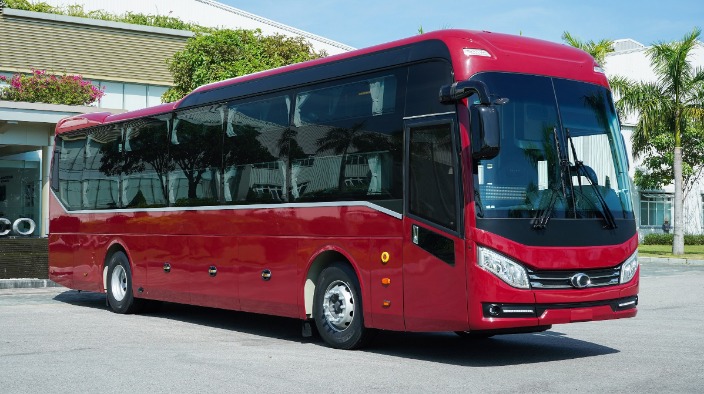

Bus ZA South Africa: An Outline
Bus ZA South Africa: An Outline provides a concise overview of South Africa’s bus transport landscape, outlining major networks, operators, routes, and the social and economic role of bus services in urban and rural areas, along with current reforms and ongoing challenges.
Definition, scope, and terminology
Bus ZA South Africa refers to the public bus sector in South Africa, encompassing urban, peri-urban, and intercity bus services within a framework of policy, regulation, and infrastructure aimed at safe, affordable, and reliable mobility for all riders.
- Definition: A broad term for motorized bus services on South Africa’s roads, including scheduled public bus routes, subsidized services administered through public transport programs, and larger private operators; it also covers bus rapid transit (BRT) networks designed for higher frequency, higher capacity, and faster boarding.
- Scope: Includes urban metropolitan networks, town and peri-urban routes, intercity connections, shuttle and school services, and para-transit elements that complement formal bus operations; involves depots, depots, bus stops, shelters, and, where available, dedicated lanes and priority signaling; governance spans national, provincial, and municipal layers along with private operators.
- Key terminology:
– Bus: a large motor vehicle used for scheduled public transport on defined routes.
– Minibus taxi: privately operated, smaller vehicles providing flexible point-to-point public transport on varied routes.
– Bus rapid transit (BRT): a high-capacity, faster bus service using dedicated lanes and efficient boarding.
– Public transport operator: any entity (municipal, provincial, or private) that runs bus services under permits or licenses.
– Route permit/licence: official authorization to operate a specific bus route with defined conditions.
– Integrated transport plan (ITP): a coordinated framework aligning road, bus, rail, and other modes to create a seamless transport network. - Regulatory context: Shaped by national legislation such as the National Land Transport Act and related regulations, with implementation carried out by the Department of Transport alongside provincial and municipal transport authorities; funding and subsidies support service coverage, reliability, and safety improvements.
Historical context of bus transport in South Africa
Bus ZA South Africa: An Outline and the Historical Context of Bus Transport in South Africa.
This outline surveys how bus transport developed in South Africa, including early forms of conveyance, state and municipal fleets, apartheid-era restrictions, the rise of minibus taxis, and post-apartheid reforms toward integrated public transport.
- Pre-1900s to 1930s: Early forms and the birth of organized bus services
In the late 19th and early 20th centuries, horse-drawn carriages and tramways laid the groundwork; by the 1920s and 1930s, diesel buses began to appear in major cities, paving the way for formal municipal fleets.
- Municipal and state-operated fleets (1930s–1980s)
Municipal authorities pioneered city bus networks to replace horse-drawn carriages and to support urban growth; fleets expanded with standardized routes and scheduling, forming the backbone of urban public transport in many cities.
- Apartheid era transport and segregation
During apartheid, transport systems operated under policies that reinforced racial segregation, with separate facilities and uneven investment that affected service quality and coverage for non-white communities.
- Rise of minibus taxis and informal networks (1980s–1990s)
Growing demand and regulatory gaps led to a large informal minibus taxi sector that became the dominant mode of urban transport for many commuters, often filling service gaps left by formal buses.
- Policy reforms and integration (1990s–2000s)
The post-1994 government pursued transport reform, culminating in White Paper on National Transport Policy and later frameworks aimed at integrating bus networks with other modes and improving regulation and financing.
- Bus rapid transit and modern systems (2000s–present)
South African cities pioneered or expanded bus rapid transit (BRT) schemes, notably Johannesburg’s Rea Vaya and Cape Town’s MyCiTi, to provide high-frequency, affordable service with dedicated lanes and standardized branding.
- Current landscape and challenges
Today the bus sector combines large municipal and private operators, with ongoing tensions between formal buses and the minibus taxi sector, infrastructure gaps, safety concerns, and the need for fare integration.
- Opportunities and the road ahead
Future gains depend on investment in infrastructure, integrated ticketing, driver training, and inclusive planning to improve urban mobility, reduce congestion, and lower emissions.
In summary, Bus ZA South Africa sits at the intersection of history, policy, and urban mobility, with ongoing efforts to connect people across cities while addressing inequities and changing travel patterns.
Current Landscape of Bus ZA
The current landscape of bus transport in South Africa, commonly referred to as Bus ZA, is evolving into a more integrated system driven by municipal contracts, provincial subsidies, and a mix of public and private operators. Urban corridors are seeing modernized fleets, better fare integration, and safer, more reliable service, even as funding constraints, aging buses, and maintenance skills shortages pose ongoing challenges. Overall, the sector is expanding access, easing congestion, and linking communities to economic hubs across South Africa’s metros and regional routes.
National networks vs regional systems
South Africa’s bus landscape today sits at the intersection of national long-distance networks and vibrant regional and municipal systems, shaped by policy reform and a large, informal minibus taxi sector. The sector aims to improve reliability, safety, and integration with rail and non-motorized transport, while serving a population with stark urban-rural mobility gaps.
National networks operate across provinces, linking the major urban hubs with cross‑provincial corridors and tourist routes. These operators typically provide longer-distance services on trunk routes, complementing rail and air travel, and they must navigate licensing, vehicle standards, pricing regulation, and the occasional subsidies that help keep fares affordable for long-distance travelers.
Regional and urban bus systems dominate day-to-day commuting. In big metros, city-operated or municipally contracted fleets run bus rapid transit corridors, feeder services, and cross-town links. The minibus taxi sector remains a significant mobility backbone in many areas, though efforts are underway to formalize operations and improve reliability and safety through integrated timetables and fare systems.
The policy and regulatory framework centers on the National Land Transport Act and related planning instruments, with a regulator overseeing operator licensing and service quality. Integrated transport planning at national, provincial, and municipal levels seeks to align urban buses, regional coaches, rail, and non-motorized transport into coherent networks, supported by public funding and concessional models where appropriate.
Infrastructure and fleet modernization are ongoing priorities. Cities have pursued bus priority lanes, branded BRT services, improved passenger information, and smart card or mobile ticketing. Fleet renewal programs are targeting safer, more accessible buses, with a push toward lower-emission vehicles, though procurement hurdles, financing gaps, and maintenance backlogs remain significant challenges.
Challenges include safety concerns, aging fleets, fragmentation between national and local agencies, and the dominance of the informal taxi sector which complicates formalization and integration. Economic pressures, fuel price volatility, and the need for resilient services in the face of climate change also shape investment and route planning.
Looking ahead, the balance between national networks and regional systems will hinge on stronger coordination, expanded BRT networks in more cities, and policy incentives to formalize and integrate services. There is potential for cleaner, electrified fleets and smarter ticketing to improve rider experience, while ensuring access for lower-income communities that rely on affordable, reliable bus transport.
Major operators and stakeholders
The bus sector in South Africa sits at the intersection of municipal planning, national transport policy and a large private operator base, delivering urban mobility, intercity travel and feeder services across nine provinces. The current landscape emphasizes integration, affordability and safety, even as aging fleets, funding constraints and regulatory complexity continue to shape service levels in many cities.
Urban bus networks are primarily organized around city and metropolitan contracts, with two standout models in major cities: municipal or publicly funded bus rapid transit (BRT) systems and privately run feeder networks that stitch into those systems. Cape Town’s MyCiTi and Johannesburg’s Rea Vaya are the two best-known BRT networks, designed to move large volumes of riders quickly on dedicated or prioritized corridors, complemented by conventional bus routes that feed into the core lines. Other cities have pursued feeder or conventional bus services under municipal contracts, aiming for fare integration and reliable timetables.
Major private operators provide the bulk of conventional urban bus services in several metropolitan areas. Golden Arrow Transport operates extensively in the Western Cape, serving the Cape Town metro and surrounding routes, and forms a key link in the region’s mobility mix. Putco is another long-established operator that serves parts of Gauteng and Limpopo with commuter routes that feed into municipal networks. Between these operators and municipal fleets, the country relies on a mix of contracted, subsidized and feeder services to keep everyday commuting moving.
In the long-distance and interprovincial space, Intercape remains one of the best-known players, running cross-country services with a network that connects major urban centers and rural towns. Other long-distance brands have competed for national routes, though the market has seen consolidation and shifts in demand driven by affordability, safety perceptions and economic cycles. The intercity space remains sensitive to fuel costs, consumer confidence and competition from air travel on high-demand corridors.
Stakeholders in the bus sector span government, regulators, workers, operators and the traveling public. At the national level, the Department of Transport and the National Public Transport Regulator oversee policy, licensing, subsidy frameworks and route approvals under the National Land Transport Act. Provincial and municipal transport departments design tendering processes, contract management and regulatory compliance for their jurisdictions, while local authorities set standards for safety, fleet maintenance and roadworthiness in collaboration with traffic authorities.
Industry associations and unions play a crucial role in shaping outcomes. Bodies representing bus operators advocate for fair subsidy allocations, regulated fare increases and consistent service standards, while worker unions negotiate wages, working conditions and safety protocols with operators. Public engagement and commuter groups also influence service planning, particularly in areas pursuing integrated fare systems and network planning that align bus, rail and taxi services.
Looking ahead, the landscape is likely to be defined by continued pushes for integrated, affordable and safe public transport. Key priorities include harmonizing regulatory rules across provinces, funding fleet upgrades and zero-emission initiatives, expanding BRT coverage and improving fare interoperability to make multi-operator journeys smoother for riders. The balance between municipal leadership, private operators and national policy will determine how quickly and effectively South Africa can build a more cohesive bus network that serves both city cores and outlying communities.
Urban, peri-urban, and rural coverage
South Africa’s bus sector, often described as Bus ZA, forms a crucial pillar of urban, peri-urban, and rural mobility. Across cities, townships, and rural districts, bus networks mix formal municipal fleets, bus rapid transit corridors where implemented, commuter routes, and a heavy reliance on minibus taxis to complete journeys.
In major cities, bus services underpin daily commuting. Some metros have dedicated or semi-dedicated BRT corridors and modern fleet upgrades, aiming for better reliability, safety, and fare integration. Cape Town’s urban bus network is relatively mature with integrated feeder services, while Johannesburg and other metros maintain large conventional bus fleets and evolving rapid-transit elements. Yet coverage density, service frequency, and operating hours vary by neighborhood, with poorer and peripheral urban areas sometimes underserved.
Peri-urban zones—areas on the edge of cities—are a focus for expanding access as economies grow outward. Bus services along key corridors link townships to city centers and regional hubs, helping to bridge the gap between urban centers and surrounding settlements. Challenges include congestion, longer trips, and coordinating with rail and taxi networks for seamless journeys.
Rural coverage remains the most challenging. Many rural communities rely on minibus taxis or infrequent bus routes; distances are long, and schedules may not align with work hours. Government and provincial programs aim to support rural mobility, but gaps persist, particularly in remote districts, making transport less affordable or reliable for daily needs.
Planning and funding frameworks seek to regulate and improve public transport, encourage integrated networks, and subsidize operations and fleet modernization. Municipal and provincial authorities are responsible for planning and delivering bus services, with efforts to integrate fares and schedules across modes, including rail and taxi services.
The outlook for Bus ZA is one of gradual evolution: urban corridors show improving efficiency and reliability where investments have been made, while peri-urban expansion and rural access depend on sustained funding, governance, and coordinated planning. Emphasis on cleaner fleets, digital ticketing, and multi-modal integration could expand coverage and make public transport a more viable option for more South Africans.
Operators, Governance, and Regulation
South Africa’s bus sector operates within a framework of Operators, Governance, and Regulation that shapes daily mobility across cities and towns. A mix of public, private, and parastatal operators work under national and provincial rules, with licensing, route allocation, and performance standards overseen by regulatory bodies and municipal authorities. Regulation covers safety, fare policies, driver training, accessibility, and environmental compliance, aiming to provide reliable, affordable transport while supporting urban planning and social equity.
Public sector entities and municipal roles
South Africa’s bus landscape operates within a multi-layered governance framework that connects national policy with provincial and municipal service delivery to support affordable mobility, social inclusion, and urban growth management.
Operators, governance arrangements, and regulatory frameworks determine how buses move people in cities and towns, including state-owned and contracted services, as well as the large informal minibus taxi network that is integrated into formal planning.
- Operators: The bus system includes municipal fleets, contracted private operators, and integrated public transport networks; minibus taxi associations provide a substantial share of urban trips and are regulated through licensing and route planning to align with formal networks.
- Governance: National transport policy guides overall direction, with provincial transport departments and municipal transport authorities implementing plans; Integrated Transport Plans and multi-modal transport strategies coordinate investment, timetables, and fare integration.
- Regulation: Licensing of routes and operators, vehicle fitness and safety standards, driver training, fare regimes, and service performance monitoring are overseen by national and provincial authorities, supported by data collection and auditing systems.
- Public sector entities and municipal roles: National and provincial departments set policy, fund and regulate services, and establish performance frameworks; municipalities plan, procure, and operate or contract bus services; BRT corridors such as MyCiTi and Rea Vaya illustrate large-scale municipal initiatives and their integration with rail and non-motorized transport.
- Challenges and opportunities: Fragmentation between levels of governance, funding pressures, regulatory complexity, and competition from informal operators require reform toward streamlined licensing, standard safety rules, fare harmonisation, and expanded low-emission bus fleets to improve reliability and access.
In short, effective bus governance in South Africa hinges on clear roles for national policy, provincial oversight, and municipal delivery, combined with robust regulation and strong public-sector capacity to deliver inclusive, safe, and reliable bus services.
Private operators and tendering processes
Bus transport in South Africa operates within a diverse framework that blends formal municipal and parastatal operators with a large informal minibus taxi sector. The governance, regulation, and tendering processes that steer these services determine how riders access affordable, reliable, and safe transport across cities like Johannesburg, Cape Town, Durban, and smaller towns.
Governance and regulation are anchored in the National Land Transport Act of 2009, which assigns roles to national, provincial, and local authorities to plan, license, fund, and oversee public transport. The Department of Transport sets national standards and policy, while provinces and municipalities translate these into integrated transport plans, route approvals, licensing, and service concessions. The National Public Transport Regulator administers licensing, monitors performance, and helps ensure compliance with safety and service obligations, alongside the Road Traffic Management Corporation and traffic police for on road safety.
Private operators and tendering: Municipalities and metropolitan authorities contract private bus operators to run specified routes under concession or service-level agreements. Tendering typically follows a competitive process that includes prequalification, technical proposals, financial bids, and compliance checks on safety, vehicle standards, driver training, accessibility for disabled passengers, and adherence to subsidies or fare policies. Successful bids result in concessions that specify service standards, coverage, fleet renewal, maintenance, and reporting requirements. In parallel, high capacity corridors have seen BRT-like projects (for example MyCiTi in Cape Town and Rea Vaya in Johannesburg) that use tendered private operators under integrated urban transport plans.
Private tendered operations must align with broader governance objectives, including transformation aims, local ownership, black economic empowerment, and skills transfer. Funding for subsidized routes comes from national, provincial, and municipal budgets, with performance incentives linked to reliability, passenger safety, and accessibility. The regulatory regime also seeks to harmonize formal bus services with the dominant minibus taxi sector by formal licensing, performance monitoring, and structured route planning as part of integrated transport networks.
Challenges persist, including the legacy of a fragmented market, regulatory overlaps, and occasional tender irregularities. Reforms focus on strengthening the regulator’s oversight, expanding safe and accessible services, accelerating fleet modernization, and creating predictable procurement processes to attract credible operators. The long-term goal is a more integrated, safe, and affordable public transport system that serves growth corridors while gradually incorporating more private operators under transparent, accountable governance.
Looking ahead, bus governance in South Africa aims to deepen integration across modes, extend BRT corridors, and standardize tendering to reduce risk and improve service quality. Effective governance and robust regulation will be essential to bringing larger private investment into bus networks and delivering on the promise of reliable, affordable public transport for all South Africans.
Regulatory framework and oversight (DoT, RTMC, etc.)
The bus sector in South Africa is a backbone of urban and rural mobility, featuring a mix of formal scheduled services, long-distance coaches, and smaller operators. Governance in this space aims to deliver safe, affordable, reliable transport while supporting transformation of the sector and integration with other modes of travel.
The regulatory framework rests on the National Land Transport Act (NLTA) of 2009 and related regulations, which provide the architecture for planning, licensing, and regulating public transport across national, provincial, and municipal levels. The NLTA seeks to harmonise planning and regulation to create a more coherent public transport system.
The Department of Transport (DoT) sets national policy, standards, and coordination mechanisms for public transport. It develops policy directives, technical standards, and oversight arrangements that guide how buses are operated, funded, and regulated, and it works with other regulators to ensure alignment across the system.
The Road Traffic Management Corporation (RTMC) is the national authority responsible for road traffic safety, enforcement, and the coordination of road traffic management. Its duties include driver and vehicle compliance, roadworthiness, and the enforcement of traffic laws, all of which impact bus operations and safety on South Africa’s roads.
The National Public Transport Regulator (NPTR) is the key regulatory body that registers public transport operators, issues and renews operator permits, and assigns routes and service standards. It monitors compliance with licensing conditions and plays a central role in ensuring transparent, lawful access to public transport markets for buses and other modes.
Integrated transport planning is a shared responsibility at municipal, provincial, and national levels. Municipalities develop Integrated Transport Plans (ITPs) that set out bus routes, service standards, and interchange facilities, while provincial and national processes align funding, regulatory requirements, and policy direction to support coherent service delivery.
Permitting and route licensing for bus services are governed by permit systems that require operators to hold valid route permits and vehicle licenses. These permits regulate where and when services run, promote fair competition, and enable authorities to balance service provision with public subsidy and policy objectives.
Vehicle and driver licensing and ongoing roadworthiness are enforced through RTMC activities, including vehicle fitness testing, driver licensing checks, and periodic inspections. Compliance with safety regulations, vehicle standards, and maintenance regimes is essential to protect passengers and road users.
Funding and subsidies for scheduled bus services are administered through national and provincial schemes, with oversight to ensure value for money, service reliability, and accessibility. Subsidy contracts and performance monitoring are used to align operator incentives with policy goals such as urban mobility, rural access, and transport equity.
Oversight and enforcement mechanisms include inspections, sanctions such as fines or permit suspensions, and regular reporting requirements. DoT, NPTR, and RTMC collaborate to audit operator compliance, review service performance, and adjust regulatory instruments as needed to maintain safety, reliability, and fair access to the public transport system.
Current reforms in the bus sector focus on improving data-driven planning, expanding safe urban bus networks, supporting Bus Rapid Transit (BRT) projects in cities, and enhancing the formalisation and transformation of informal operators. These efforts aim to deliver better service standards, safety, and broader access for all South Africans.
In summary, operators, governance, and regulation of buses in South Africa operate within an interlinked framework of NLTA-based rules, DoT policy guidance, NPTR licensing, RTMC safety enforcement, and municipal planning. This structure seeks to deliver safe, affordable, and reliable bus services while enabling transformation and integration across the public transport system.
Ticketing, Fares, and Access
Ticketing, fares, and access are central to the bus experience in South Africa, shaping affordability, convenience, and mobility for millions of riders. Across cities and rural routes, modern ticketing—ranging from contactless cards to mobile payments—aims to simplify boarding and ensure accurate charges. Fare structures include time-based passes, distance-based rates, and concessions for students, pensioners, and people with disabilities, with ongoing efforts to keep rides affordable for low-income commuters. Access initiatives focus on reliable schedules, accessible stops and stations, and inclusive policies so that work, education, and essential services remain within reach for all communities.
Fare structures and affordability
Public bus networks in South Africa are essential for urban mobility, connecting workers, students, and residents to schools, hospitals, and markets. Ticketing, fares, and access shape how affordable and practical these systems are for riders across cities and townships.
- Ticketing systems: A mix of cash fares, smart cards, and contactless payments, often integrated with other transit modes through city apps to reduce fare fragmentation.
- Fare structures: Some networks use flat fares, others employ distance-based pricing or time-based caps, and most offer weekly or monthly passes along with concessions for students, seniors, and people with disabilities.
- Affordability and equity: Government subsidies and cross-subsidies help keep fares low in low-income areas, but affordability gaps persist in peri-urban areas and on longer trips, affecting access to jobs and schooling.
- Access and mobility: Buses aim to be accessible with low-floor designs and priority lanes, yet barriers remain in terms of service frequency, route coverage, safety, and last-mile connectivity for many communities.
- Policy and reforms: National and municipal transport policies seek integrated fare systems, better financing, and expanded coverage, including public-private partnerships and investment in maintenance and reliability.
Improving ticketing and affordability in South African bus networks requires coordinated funding, inclusive design, and ongoing evaluation to ensure that fares stay within reach while keeping services frequent and reliable.
Electronic payments and smart cards
Ticketing, fares, and access on South Africa’s urban bus networks are increasingly shaped by electronic payments and smart card technology, aiming to make boarding faster and travel more affordable for riders across cities.
Ticketing systems vary by city but share core goals: simple access, predictable fares, and minimal cash handling for operators. Many networks offer either flat fares or distance-based pricing, with some introducing time-based passes such as daily or weekly tickets to encourage higher ridership and faster journeys during peak periods.
Electronic payments and smart cards are being rolled out to complement or replace cash payments. Riders can encounter contactless payments using bank cards or mobile wallets, smart transit cards issued by the network, or QR code tickets accessed via a smartphone. These options reduce boarding times, improve revenue collection, and provide clearer ride data for planners.
Access considerations are central to fare design. Concessions for students, senior citizens, people with disabilities, and low-income commuters help ensure affordability. Many systems also focus on accessibility features such as low-floor buses, audio-visual passenger information, and card readers positioned at accessible heights to assist all travelers during boarding and payment.
Smart card programs build toward interoperability so a rider’s card works across multiple modes and agencies. This requires standardized card technology, secure data handling, and coordinated fare structures. While some networks exist in isolation, ongoing collaborations aim to create a more seamless national or regional fare environment for bus travel in South Africa.
Challenges remain, including securing reliable digital infrastructure in all areas, protecting rider data, and ensuring that rural routes are not left behind as urban systems advance. Investment, public-private partnerships, and clear policy guidelines will be key to expanding electronic payments and smart card adoption while keeping fares affordable and access inclusive for all South Africans on the move by bus.
Discount programs and concessions
Ticketing, fares, and access on South Africa’s bus networks vary by city and operator, but generally aim to make travel affordable and inclusive across urban, peri-urban, and some rural routes in the country.
Ticketing options range from cash-on-board payments on many routes to more modern solutions such as smartcards, contactless debit or credit cards, and mobile wallet payments where the operator and city have deployed digital fare systems. Some systems use pre-paid cards issued by the operator or municipality, and balance can often be topped up online, at kiosks, or at designated outlets. Interoperability between different operators and systems can be limited, so travellers should check the accepted payment methods for each route or city they plan to use.
Fares are typically set by distance or by zones in metropolitan networks, with higher costs for longer journeys. Most cities offer weekly or monthly passes or capped daily fares to encourage regular travel, along with off-peak discounts on certain routes. Fare structures and the availability of passes can vary between operators, so it is important to verify the current rates, transfer rules, and any restrictions that apply when changing buses.
Access features on buses range from low-floor vehicles with step-free boarding to priority seating and ramps for wheelchairs. Buses in newer fleets often include audible or visual announcements and space for assistance devices, but availability can vary by operator and route. If you need help, ask the driver or a station or depot staff member; some services also provide accessible information resources or support at major terminals.
Discount programs and concessions are offered in many cities for eligible riders, such as seniors, students, and people with disabilities. Concession eligibility usually requires proof of identity and enrollment or registration with the local transport authority or operator, and concession cards or travel passes may be issued by the city or operator. Not all concessions apply on every route, and some programs are city-specific, so travellers should check with the local transport authority for current eligibility, required documents, and how to obtain a concession card.
Practical tips: plan ahead, check the official transit app or website for fare information and live service updates, keep a valid payment method handy, and be aware of transfer and fare cap rules to avoid overpaying. When travelling in South Africa, it is advisable to verify route details with the local bus operator or municipal transport office for the most up-to-date ticketing options and concession availability in the area you plan to visit.
Service Quality, Accessibility, and Safety
Bus ZA in South Africa is built on three pillars: service quality, accessibility, and safety. Quality means reliable schedules, clean and comfortable buses, and helpful staff. Accessibility emphasizes affordable fares, accessible vehicles, clear information, and routes that connect communities across urban and rural areas. Safety covers well-maintained buses, secure stops, visible staff or surveillance, and easy ways to report concerns, all essential to building rider trust and increasing ridership.
Timeliness, reliability, and route planning
Bus transport in South Africa plays a vital role in urban and rural mobility, shaping how people access work, education, and services. Focusing on service quality, accessibility and safety, timeliness and reliability, and thoughtful route planning helps operators deliver safer, more comfortable, and more efficient journeys for millions of passengers every day.
Service quality in bus networks encompasses vehicle condition, driver professionalism, clean facilities, clear fare structures, and reliable information. Operators strive to maintain clean, well-maintained buses with functional air conditioning or heating, comfortable seating, and accessible onboard information such as maps and next-stop announcements. Customer service touchpoints, including call lines and on-bus staff or marshals, also contribute to a positive travel experience.
Accessibility and safety go hand in hand. Low-floor buses, ramps or lifts, and priority seating improve access for people with disabilities, the elderly, and travelers with strollers. Clear, multilingual stop signage, audible and visual announcements, and well designed bus stops with lighting and shelter support safer, more inclusive journeys. Planners also work to ensure routes reach underserved communities and that stops are safe to use at all hours.
Safety on South African buses covers on-vehicle security, safe boarding and alighting, and maintenance practices. Many operators employ CCTV, visible security personnel, and emergency response protocols. Regular vehicle servicing, driver training in conflict de-escalation, and clear rules of conduct help reduce incidents. Passengers can improve safety by staying aware of their surroundings, keeping belongings secure, and using official stops and staffed services where available.
Timeliness and reliability remain challenges as roads grow busier and urban networks expand. Service performance depends on vehicle availability, driver reliability, traffic conditions, and occasionally weather events. Where possible, operators publish timetables and headways, and some routes provide real-time tracking and arrival estimates to help passengers plan and adjust to delays.

Route planning in South Africa seeks to connect major hubs with residential areas and create coherent networks. Planners design trunk corridors that move large numbers of people efficiently, complemented by feeder routes to reach neighborhoods. Interchanges and park-and-ride facilities encourage multi-modal trips, while coordination with rail and other public transport modes supports seamless journeys across cities and regions. Regular reviews using passenger demand data help refine routes and schedules over time.
Governance and stakeholder collaboration are essential to raise service quality. National and local authorities, municipalities, and transport operators work together on standards for accessibility, safety, and reliability, while passenger feedback channels guide continuous improvement. For travelers, staying informed about schedules, using official channels to report issues, and providing feedback helps shape a safer, more reliable bus network in South Africa.
Accessibility for disabled and elderly riders
Public bus travel in South Africa connects communities across major cities and rural areas, delivering essential mobility for work, education, and daily life. This article looks at Service Quality, Accessibility, and Safety, with a focus on how disabled and elderly riders experience bus transport in South Africa today.
Service quality in South African bus networks varies by city and operator. In well-resourced urban systems, fleets are cleaner, newer, and better maintained, with regular driver training and clear timetables. Real-time tracking, electronic fare systems, and customer service channels are increasingly common, improving reliability and transparency. Yet many rural routes and smaller municipalities still face delays, crowded buses, and limited coverage, which can undermine punctuality and convenience. Affordability remains a strength in many areas through affordable fares and passes, though peak-time congestion and occasional fare disputes can affect the user experience.
Accessibility is a growing priority, but progress is uneven. Many newer or purpose-built systems feature low-floor buses, kneeling ramps, and wide doors to ease boarding for wheelchair users and travelers with mobility aids. Some routes provide boarding assistance at key stops, while signage and announcements aim to aid riders with visual or hearing impairments. However, not all fleets are fully accessible, and older buses or informal routes may lack ramps or level access. Visual timetables, audible announcements, and clear wayfinding help, but more can be done to ensure every bus and every stop is truly accessible, especially in high-traffic urban corridors and in rural networks.
Safety on public buses is a central consideration for riders and operators alike. Many major cities have security officers, CCTV cameras, and coordinated policing around busy corridors and at major bus stops. Emergency buttons, audible alerts, and driver training on de-escalation and safe boarding contribute to a sense of security. Nevertheless, crime, vandalism, and incidents on or around stations and stops remain concerns in some areas. Strong lighting at stops, visible security presence, well-maintained infrastructure, and clear reporting channels are essential to bolster rider confidence, particularly during early morning and late evening travel.
Accessibility for disabled and elderly riders requires targeted design and policy supports. Wheelchair users benefit from ramps, level boarding, secure wheelchair anchors, and prioritized seating. Elderly riders often rely on seating, proximity to doors, and straightforward routes with minimal transfers. Policies that permit caregivers or companions to travel without hardship, along with fare discounts for seniors and accessible ticketing options, further improve experiences. Training for bus staff on assisting riders with mobility devices, vision or hearing impairments, and cognitive needs can make boarding and navigation safer and more dignified. A nationwide commitment to accessible stops, curb ramps, and step-free routes is crucial for meaningful progress.
In practice, a few city systems illustrate strong accessibility features. Cape Town’s MyCiTi network, for example, emphasizes low-floor buses, dedicated boarding areas, and accessible stations along major corridors, with staff trained to assist riders with disabilities. Johannesburg’s Rea Vaya and other municipal networks have invested in accessible vehicles and clearer onboard information, while other operators are expanding their fleets with newer, more navigable models. While these examples show promise, there remains variability across the country, and ongoing investment is needed to ensure consistent accessibility for all routes and timeframes.
To improve service quality, accessibility, and safety for all riders, ongoing collaboration among government agencies, transport operators, and disability advocacy groups is essential. Expanding accessible fleets, increasing the number of low-floor buses, improving stop infrastructure, deploying more security personnel, and leveraging technology for real-time information can collectively raise standards. Riders are encouraged to check official operator websites or apps for route details, accessibility features, and safety information before traveling, and to provide feedback when experiences fall short of expectations.
Passenger safety measures and security concerns
Public buses in South Africa connect cities, townships, and rural communities, offering an affordable backbone for daily travel and long‑distance trips. The quality of service, accessibility, and safety across the sector are shaped by a mix of formal urban and intercity operators, newer long‑distance coaches, and the large informal minibus taxi network that still serves many routes.
Service quality varies widely. In major cities, orderly timetables, digital ticketing, real‑time passenger information, and newer fleets can boost reliability and curb delays during peak hours. In less urban areas, routes may be sparse, vehicles older, and information less consistent, which can undermine punctuality and convenience. Regular maintenance, driver training, clear fare rules, and responsive customer service are essential to improving the passenger experience.
Accessibility aims to include all travellers, including people with disabilities, the elderly, and parents with strollers. Many urban buses now use low‑floor designs with ramps or kneeling platforms, and priority seating is clearly marked. Stops and stations are increasingly designed for easy boarding, with audible and visual information, multilingual announcements, and smooth connections to rail or other transit modes. However, coverage and accessibility remain uneven outside major centres, requiring ongoing investment and planning.
Passenger safety measures cover vehicle design and operations. Features such as emergency exits, fire extinguishers, first‑aid kits, and driver vigilance programs help protect riders. Stopping at well‑lit, staffed terminals and visible policing at bus ranks also contribute to safety. Training for drivers on safe driving practices, anti‑corruption and conflict resolution, and clear incident reporting procedures are key components of a safer system.
Security concerns include risk of theft, pickpocketing, and assault, particularly at busy bus ranks or late at night. Group travel and crowded boarding can increase exposure to petty crime. Operators and authorities have responded with measures such as CCTV cameras on longer‑distance coaches, panic buttons, better radio communications with control rooms, and a visible transit police presence. Community safety initiatives and improved lighting and governance at ranks further reduce risk, but security remains a priority in many corridors.
Passengers can reduce risk by planning trips with reliable operators, using official stops, staying aware of surroundings, and avoiding isolation at night. Keep valuables secure, travel in groups when possible, and follow posted safety instructions, including seat belt use where available. Report suspicious activity to staff or authorities and use emergency contact points if needed. Operators should communicate service changes promptly and provide accessible channels for feedback on safety concerns.
Strengthening service quality, accessibility, and safety in bus transport in South Africa requires coordinated policy and investment. Priorities include upgrading fleets to meet safety and accessibility standards, expanding low‑floor buses and accessible routes, implementing fare integration and digital ticketing, and increasing the presence of trained guards or transit police at busy ranks. Clear performance standards, regular audits, and meaningful community engagement can help ensure that bus travel becomes safer, more reliable, and easier to access for all South Africans.
As South Africa continues to grow its public transport network, focusing on service quality, accessibility, and passenger safety will be essential to expanding mobility, reducing congestion, and improving urban and rural connectivity for everyday travellers.
Infrastructure, Fleet, and Technology
In South Africa, bus transport hinges on robust infrastructure, a modern and resilient fleet, and smart technology that links riders with reliable service. Expanding networks, upgraded depots, and dedicated lanes improve access and speed; a growing mix of standard and electric buses advances sustainability; and digital ticketing, real-time tracking, and maintenance analytics elevate safety and reliability for passengers across the country.
Depots, maintenance, and fleet modernization
South Africa’s bus systems are a critical part of urban and regional mobility, supporting millions of commuters daily. Infrastructure, fleet, and technology choices shape reliability, safety, and affordability, while depots, maintenance practices, and fleet modernization determine how efficiently those services run across cities and townships.
Infrastructure for buses in South Africa must include a well distributed network of depots and maintenance yards, fueling or charging facilities, and reliable road corridors that support punctual service. In major metros, depots need sufficient capacity, secure parking, clean workshops, wash bays, and stores for spare parts. Upgrading electrical supply, power distribution, and charging infrastructure is essential as fleets move toward electric buses and alternative fuels.
The current fleet in the country comprises a mix of older diesel buses, newer low-floor units, and pilot projects exploring alternative fuels. Age and reliability challenges drive higher maintenance costs and longer downtime. Modernizing the fleet involves replacing oldest buses on a clear renewal cycle, standardizing vehicle types to simplify upkeep, and expanding capacity on busy routes with suitable sizes such as articulated or midibuses where appropriate.
Technology underpins improved service delivery. Telematics, GPS tracking, and real-time passenger information help operators optimize routes, monitor performance, and share accurate arrival times with riders. Cashless fare collection, smart card systems, and contactless payments streamline revenue and reduce boarding times. For electric and hybrid fleets, onboard diagnostics, energy management dashboards, and smart charging strategies reduce downtime and extend vehicle life.
Depots and maintenance require disciplined practices. A preventative maintenance regime, scheduled servicing, and a robust spare-parts supply chain keep buses on the road. Depots should include dedicated bays for diagnostics, electrical work, body repair, tire service, and cleaning, with space for secure parking and safe handling of batteries and hazardous materials. A skilled workforce trained in modern drivetrains, electrification, data analytics, and cybersecurity is essential to sustain high service levels.
Fleet modernization is best pursued through coordinated procurement, standardized specifications, and sustainable financing. Public-private partnerships, OEM collaborations, and blended funding models can accelerate electrification, fuel-switch trials, and the deployment of efficient buses. Emphasis on accessibility, low-floor designs, and safety features ensures that services meet the needs of all riders while reducing operating costs through durability and common spares.
There are challenges to overcome, including funding gaps, governance and procurement delays, and grid or infrastructure constraints for charging. Supply chain volatility for parts and batteries can hinder rollout. Yet there are opportunities in aligning national transport policy with urban planning, leveraging electrification programs, and expanding high-quality BRT networks to scale efficient, clean, and reliable bus services across South Africa.
Ultimately, a holistic approach that links infrastructure, fleet renewal, and technology with sound depot design and rigorous maintenance will deliver safer, more dependable, and more affordable bus services for communities across South Africa.
Fuel types, emissions standards, and electrification
South Africa’s bus sector sits at the intersection of city planning, infrastructure development, and technology adoption as urban areas seek reliable and cleaner public transport. Across major cities there is a push to modernize fleets, upgrade depots, and expand the networks that connect commuters to work, school, and services, while also improving safety and passenger experience.
Infrastructure development is central to this effort. Cities are building and upgrading bus rapid transit corridors, dedicated bus lanes, and integrated transport hubs that link buses with rail, taxis, and walking routes. Maintenance depots, fueling or charging facilities, and park-and-ride sites are being planned or expanded to support larger fleets. National and provincial funding programs are used to accelerate bus infrastructure, including upgrades to depots, traffic signal priority, and real-time passenger information systems.
Fleet renewal and technology adoption are advancing in step with infrastructure. Operators are moving toward low-floor, accessible buses to improve mobility for all passengers, including those with disabilities. Fleets are increasingly equipped with telematics, GPS tracking, electronic fare collection, and passenger information displays to improve reliability, safety, and passenger experience. Procurement practices are also evolving to emphasize reliability, spare parts availability, and maintenance efficiency across municipal, parastatal, and private operators.
Fuel types in use reflect South Africa’s mix of legacy diesel and ongoing exploration of cleaner propulsion options. Diesel remains the dominant fuel for most buses, but there are pilot projects and demonstrations of alternative fuels such as compressed natural gas and biogas on select routes. Hybrid configurations are also being trialed by some operators, and a growing number of cities are examining electric buses as a long‑term option within their projected fleet plans.
Emissions standards in South Africa are framed to reduce the environmental and health impacts of road transport, with regulatory emphasis on cleaner engine technology, fuel quality, and vehicle compliance. The regulatory landscape is evolving toward alignment with international practice, encouraging newer, cleaner engines and retrofit opportunities for older fleets where feasible. Municipal and national authorities increasingly emphasize monitoring, enforcement, and emissions reporting to support cleaner urban air and compliance with air quality targets.
Electrification is a major strategic objective for reducing emissions and improving air quality, but it unfolds gradually given technical and financial realities. Pilot electric bus programs have been launched in several major cities to test performance, charging needs, and grid impacts. The main challenges include ensuring reliable and affordable charging infrastructure, expanding grid capacity, securing affordable electric buses and batteries, and developing supportive procurement and maintenance ecosystems. When scaled, electrification offers potential benefits in energy efficiency, urban air quality, and quieter streets, alongside job creation in manufacturing, installation, and servicing.
Looking ahead, a successful transition will require coordinated planning across governments, operators, and utilities; sustained capital investment; standards for charging and interoperability; and capacity-building to maintain and repair newer technologies. The result could be a more reliable, accessible, and sustainable bus network across South Africa that connects communities, supports economic activity, and contributes to cleaner urban environments.
Bus priority lanes and traffic integration
Technology and Passenger Information
Technology is reshaping how bus riders in South Africa access information and plan their journeys. Real-time GPS tracking, digital timetables, mobile ticketing, and dynamic passenger information displays are making schedules more predictable and fares easier to manage. With enhanced journey planning apps and SMS alerts, travelers can track arrivals, compare routes, and navigate both urban and rural networks with greater confidence.
Real-time tracking and passenger information systems
Technology is reshaping bus travel across South Africa, enabling real-time tracking and smarter passenger information systems that help riders plan and ride with confidence.
Real-time tracking relies on GPS-enabled buses feeding location and status data into central systems, which then push updates to apps, SMS, stop displays, and public information boards, giving passengers current arrival estimates and service notices.
Passenger information systems (PIS) include at-stop signage, mobile apps with live ETAs, route maps, service advisories, voice guidance, and journey planners that integrate with other transport modes to provide seamless travel planning.
In major cities like Cape Town, Johannesburg, and other urban areas, the adoption of PIS has improved reliability and reduced wait times; data from operators feeds into centralized platforms to deliver live bus locations and estimated arrival times to riders.
The benefits to passengers include reduced uncertainty, better trip planning, inclusive features for people with disabilities, and enhanced safety through known vehicle location and predictable service patterns.
Challenges include inconsistent network coverage, data costs for users, power outages affecting displays, funding constraints for maintenance and expansion, and the need to keep hardware and software up to date in busy urban environments.
Future developments may include standardized data feeds, interoperable apps across municipalities, multilingual support for South Africa’s diverse population, and the use of AI to match service levels with demand and optimize routes in real time.
Overall, technology-enabled passenger information is transforming bus travel in South Africa, helping cities move more people efficiently while keeping riders informed throughout their journeys.
Mobile apps, route planning, and payments
Technology is transforming passenger information, mobile apps, route planning, and payments for buses across South Africa. Real-time data feeds, integrated journey planning, and digital payments are helping riders move more reliably and conveniently in cities such as Cape Town, Johannesburg, and Pretoria.
- Real-time passenger information: live bus locations, estimated arrival times, and service alerts delivered through apps, SMS, or in-station displays.
- Mobile apps for riders and operators: official operator apps (for example, MyCiTi, Rea Vaya, and A Re Yeng) alongside popular navigation apps (Google Maps, Moovit) that show schedules, routes, and updates.
- Route planning and journey planning: multi-stop itineraries, integration with other modes (rail, minibus taxis, walking), and offline maps for areas with limited connectivity.
- Payments and fares: contactless payments using bank cards and mobile wallets, digital tickets or QR codes, and smart card options with potential fare capping and digital receipts.
- Data security and privacy: encryption, privacy-focused design, and clear controls for users to manage their information and permissions.
- Inclusivity and accessibility: multilingual interfaces, accessibility features for riders with disabilities, and easy access to information at stops and on devices.
In South Africa, these technologies face challenges such as coverage gaps, network reliability, and data costs, but they also offer opportunities to improve reliability, reduce cash handling, and enhance the overall rider experience. Ongoing investment and collaboration among operators, city authorities, and tech providers are expanding the reach and usefulness of bus information, planning tools, and digital payments for all travelers.
Safety, Security, and Public Accountability
Safety, security, and public accountability form the backbone of South Africa’s bus network. Strong driver training, meticulous vehicle maintenance, and clear safety protocols protect riders, while visible security at terminals and on board helps deter crime. Public accountability ensures transparent incident reporting, fair pricing, reliable service, and independent oversight—giving commuters confidence that bus travel in South Africa is safe, accessible, and well managed.
Road safety performance and enforcement
Safety, security, and public accountability are core pillars of the bus sector in South Africa. As urban and rural mobility relies more on bus networks for daily commutes, school runs, and long-distance travel, it is essential to strengthen how buses are operated, monitored, and held to account to protect passengers and improve road safety outcomes.
Safety and security measures in SA bus operations include rigorous vehicle maintenance standards, regular inspections, and fatigue management for drivers. Operators deploy driver training programs, certified safety briefings, and standardized procedures to respond to emergencies. Many city and intercity buses use security features such as CCTV cameras, GPS tracking, and panic buttons to deter crime and support rapid response in the event of incidents. In densely populated corridors, partnerships between operators, police, and transit authorities aim to reduce hijacking and violence, while fostering safer waiting areas and better lighting at bus stops and depots.
Public accountability in the bus sector is grounded in regulatory frameworks, transparent procurement, and accessible performance information. National and local transport authorities establish licensing, route networks, and safety requirements under statutes that balance public service obligations with rider protections. Public transport operators are expected to publish performance data, respond to passenger complaints, and participate in safety audits. Independent oversight bodies, passenger rights charters, and whistleblower protections contribute to governance that can be scrutinized by commuters and civil society alike.
Road safety performance and enforcement in South Africa involve a combination of national strategy and local enforcement. Road safety campaigns target speeding, seatbelt use, drunk driving, and adherence to operating hours for certain vehicle classes. Enforcement is conducted by traffic police, metropolitan police, and dedicated road safety units in collaboration with the Road Traffic Management Corporation and other regulatory bodies. The focus is on deterring risky behavior, ensuring vehicle roadworthiness, and applying sanctions to operators and drivers who fail to meet safety standards.
Best practice approaches include the expansion of safe, well-integrated bus rapid transit systems in major cities, with dedicated lanes, real-time passenger information, and coordinated fare systems. These systems often incorporate higher safety standards, CCTV coverage, and continuous driver training, coupled with active community engagement to address local security concerns. The use of technology for monitoring on-time performance, incident reporting, and route optimization helps authorities respond quickly to problems and maintain public trust.
Public accountability is enhanced when passenger feedback is taken seriously and acted upon. Transparent reporting on service reliability, safety incidents, and enforcement outcomes helps commuters understand how public funds are used and what improvements are being pursued. Mechanisms such as hotlines, online portals, community forums, and independent audits support ongoing dialogue among operators, regulators, and riders, ensuring that safety and security concerns are prioritized in policy and practice.
Continued investment in safer vehicles, better driver support, robust enforcement, and transparent governance will strengthen the bus sector in South Africa. By aligning safety and security measures with clear accountability, the country can improve road safety performance, reduce crime on public transport, and build a more reliable and trustworthy bus system for all communities.
Insurance, liability, and incident reporting
In South Africa, safe and secure bus operations require a clear framework of safety standards, security measures, public accountability, robust insurance, clear liability rules, and structured incident reporting. Operators, regulators, and passengers all play roles in reducing risk, improving service reliability, and ensuring transparency in how incidents are handled.
- Safety and vehicle standards
Regular maintenance, pre-trip checks, and safe operating procedures reduce the risk of mechanical failures. Drivers should receive ongoing training on defensive driving, passenger safety, disability access, and fatigue management. Vehicles should comply with applicable safety regulations, have functioning emergency exits, fire suppression equipment, seat belts where applicable, and a process for reporting and addressing safety defects. Documentation of maintenance and safety audits should be kept and reviewed regularly.
- Security and passenger protection
Security measures protect passengers and staff from theft, violence, and harassment. This includes on-board security protocols, proper fare collection controls, controlled boarding and alighting, adequate lighting at stops, surveillance where appropriate, and coordinated response with transit security and police. Clear guidelines for reporting suspicious activity, handling disruptions, and assisting vulnerable passengers are essential.
- Public accountability and governance
Public accountability involves transparent ticketing and fare policies, accessible channels for complaints and feedback, and regular reporting on safety performance and incident trends. Independent audits, public dashboards, and opportunities for stakeholder input help build trust between operators, regulators, and passengers.
- Insurance and liability
Operators should maintain appropriate insurance coverage, including third-party liability, passenger injury protection, and property damage. Clear documentation of insurance certificates, claims procedures, and timely handling of legitimate claims protects passengers, operators, and funding bodies. Liability frameworks should clarify responsibilities among operators, vehicle owners, and service funders, and provide guidance on recourse in the event of incidents.
- Incident reporting and investigation
Incidents should be reported promptly with details such as time, location, vehicle, driver, passengers involved, injuries, damages, and contributing factors. Reports typically go to the relevant authorities (police, road traffic regulators, and transit agencies) within established timelines. Investigations should identify root causes and lead to corrective actions, with findings communicated to stakeholders and used to improve safety and security practices.
Environmental Impact and Sustainability
Bus ZA South Africa stands at the forefront of sustainable urban transport, where environmental impact guides every route and policy. By advancing cleaner buses, electrification, and efficient operations, it aims to reduce emissions, improve air quality, and ease congestion across cities. Sustainable practices—from fleet modernization to integrated planning with rail and cycling networks—help build healthier communities and a greener economy for South Africa.
Emissions profiles and fuel strategies
South Africa’s bus sector is central to urban mobility, and environmental considerations are shaping how fleets are built, operated, and financed.
- Emissions profile and health impacts: diesel buses emit NOx and particulate matter that affect air quality in cities; newer engines and aftertreatment (filters, SCR) reduce pollutants, while older fleets require retrofit or retirement to meet tighter standards.
- Fuel strategy and energy mix in SA: most urban buses run on diesel with low-sulfur fuel; some fleets are exploring biodiesel blends and biogas; pilot programs for natural gas and electric/hybrid propulsion are expanding in major metros.
- Electrification and alternative propulsion: battery electric buses are being piloted in cities like Cape Town and Johannesburg; charging strategies include depot charging and opportunity charging; challenges include grid capacity, charging infrastructure, and total cost of ownership.
- Procurement, policy, and lifecycle sustainability: municipal and national procurement policies favor lower-emission buses; emphasis on lifecycle assessment, spare parts availability, maintenance skills, and depot energy efficiency to improve overall sustainability.
- Operational efficiency and depot management: regenerative braking, energy-efficient depots, and solar PV at facilities can cut fuel use and emissions; route optimization and driver training further reduce consumption.
- Future outlook, challenges, and opportunities: scaling up electrification, pilots in hydrogen or biomethane, financing through public-private partnerships, and addressing funding, skills, and grid readiness to accelerate a cleaner bus sector.
Public transit as a tool for urban air quality
Urban air quality in South Africa’s cities is shaped by transportation choices, and public buses offer a path toward cleaner air and more sustainable mobility. By shifting riders from private cars to efficient, low-emission buses, SA can address health and climate goals while supporting economic growth.
- Lower emissions and improved air quality when buses shift from diesel to low-emission or electric propulsion, with fleet modernization and cleaner fuel standards reducing particulate matter and nitrogen oxides in busy corridors.
- Health benefits for urban residents, including reduced exposure to PM2.5 and NOx, which are linked to respiratory and cardiovascular conditions, particularly for communities near congested routes.
- Climate impact and efficiency: buses can lower greenhouse gas emissions per passenger-kilometer, especially when bus rapid transit (BRT) networks maximize ridership and economies of scale.
- Urban planning and mobility: reliable bus networks with dedicated lanes encourage mode shift, shorten commute times, and support transit-oriented development, reducing pressure on road networks.
- Social equity and access: affordable, accessible bus services connect workers to jobs, students to education, and vulnerable residents to essential services, helping to close transport poverty gaps.
- Policy and investment: successful outcomes require clear decarbonization targets, funding for fleet turnover, charging infrastructure for electric buses, and supportive regulations that spur private and public sector collaboration.
- Challenges and solutions: upfront capital costs, maintenance capacity, and grid readiness for electric fleets can be addressed through phased rollouts, public-private partnerships, and skills development programs for the workforce.
In South Africa, the deployment of buses—such as Cape Town’s MyCiTi and Johannesburg’s Rea Vaya—illustrates how public transit can be central to improving urban air quality and achieving sustainability goals. Continued investment and policy alignment can unlock cleaner air, healthier communities, and more equitable growth across ZA.
Future Developments and Policy Direction
South Africa’s bus sector is poised for transformative change as government policy, operators, and investors converge on a clear direction for public transport. Future developments emphasize expanded Bus Rapid Transit networks, fleet electrification, and modern, accessible services that connect urban centres with peri-urban and rural areas. Key policy pillars—guided by the National Public Transport Master Plan and related transport acts—seek to improve reliability, safety, fare integration, and planning data while fostering local manufacturing and skills development. Together, these efforts aim to deliver affordable, cleaner mobility, reduce congestion, and support inclusive growth across the country.
Bus Rapid Transit (BRT) and corridor expansion
South Africa’s urban transport landscape is being reshaped by a clear policy direction that places Bus Rapid Transit (BRT) and corridor expansion at the heart of future mobility. Cities across the country are pursuing elevated BRT networks as a backbone for affordable, reliable, and safe travel, linking townships to city centers and unlocking broader economic opportunities.
Policy direction is guided by the National Transport Master Plan 2030 and related transport frameworks that promote integrated, low-emission, and people-centered mobility. The approach emphasizes multi-modal integration, between BRT, commuter rail, minibus taxis, and non-motorized transport, along with unified fare systems and data-driven planning to improve reliability and convenience.
Corridor expansion targets major urban corridors: expanding existing BRT lines in large metros and launching new routes that connect peripheral suburbs with central business districts. In Johannesburg, Cape Town, Durban, and other metros, planners are designing corridors that facilitate high-capacity, dedicated lanes, access-controlled stations, real-time passenger information, and safe first/last-mile options through pedestrian-friendly precincts and bike facilities.
Governance and financing are oriented toward multi-source funding, including national grants, municipal budgets, and public-private partnerships that leverage private sector efficiency while protecting affordability and equity. Strengthening municipal capacity, improving procurement, and delivering predictable project pipelines are central to sustaining long-term corridor expansions.
Key policy directions include fare integration to allow seamless transfers across modes, standardizing bus technologies, and exploring green buses and electric fleets to reduce emissions and noise in dense urban cores. Land-use policies and transport-oriented development around BRT corridors aim to enhance walking, cycling, and access to services, employment, and education.
While challenges remain—financing gaps, maintenance backlogs, vandalism risks, and the need for skilled project management—the long-term outlook is one of more inclusive mobility and economic resilience. If implemented well, BRT corridors can shorten travel times, improve reliability, reduce congestion, and attract private investment in urban regeneration projects along these routes.
In the near term, the focus will be on completing priority corridors, implementing pilot fare systems, and building the data systems needed to monitor performance and guide expansions. The policy direction seeks to ensure that BRT becomes a scalable, sustainable, and citizen-centric component of South Africa’s transport future.
Funding models and investment priorities
South Africa’s urban transport system relies on buses as a backbone for accessible, affordable mobility. Looking ahead, future developments aim to scale up mass transit, better integrate bus networks with rail, and shift to low-emission fleets to improve reliability, safety, and inclusivity for all users.
Policy direction is being shaped by national and city-level frameworks such as the National Transport Master Plan and existing metropolitan transport strategies. The emphasis is on expanding bus rapid transit (BRT) corridors, extending rural and peri-urban routes, delivering fare integration across modes, and ensuring safety, resilience, and universal access while prioritizing decarbonization and data-driven planning.
Funding models for SA bus networks combine public capital with private capital and international finance. Public subsidies, concessional loans, and credit facilities from development finance institutions are complemented by public‑private partnerships and blended finance arrangements. Outcomes-based or performance-based subsidies, risk sharing, and grant funding for depots, charging infrastructure, and digital systems are increasingly part of the toolkit.
Investment priorities focus on fleet renewal with low-emission buses, expanding and upgrading depots, workshops, and spare-parts supply chains; charging and energy infrastructure for electric or hybrid buses; and information technology to enable real-time service data, integrated ticketing, and demand-responsive scheduling. Equally important are accessibility features, staff training, and local manufacturing capabilities where feasible.
Implementation challenges include aligning procurement processes with streamlined timelines, building governance and accountability mechanisms, and overcoming capacity and skills gaps in municipal transport departments. Achieving value for money requires clear project pipelines, robust risk management, and standardized specifications to attract capable manufacturers and operators.
Case studies from SA illustrate progress and challenges. Cape Town’s MyCiTi network demonstrates the benefits of BRT in urban corridors, while Johannesburg’s Rea Vaya offers lessons on integration with rail, feeder services, and fare harmonization. Other cities are testing radial and cross-town bus corridors and exploring feeder links to rail hubs to create a more coherent national network.
Beyond electrification, future developments may include hydrogen fuel cell pilots, solar canopies at depots and interchanges, and smarter energy management to optimize grid demand. Data-driven routing, dynamic timetabling, and contactless, integrated fare systems will improve user experience and operational efficiency while supporting demand management during peak periods.
To realise these ambitions, policy makers and funders must align on a clear investment chain, with dedicated revenue streams, streamlined approvals, and predictable tariff and subsidy regimes. Local content policies, finance reform, and international cooperation can help accelerate scale, while governance and accountability frameworks ensure that funds deliver promised service improvements and social outcomes.
In the medium term, a well-funded, well-governed bus network in South Africa can transform mobility, unlock economic opportunities, reduce congestion, and cut emissions. The path requires coordinated action across national and provincial authorities, municipalities, operators, financiers, and communities, with a focus on affordable, reliable, and inclusive bus services for all South Africans.
Integration with other modes (rail, taxi associations)
South Africa’s bus network is a backbone of urban and peri-urban mobility, spanning formal bus rapid transit systems, conventional bus operators, and the dominant minibus taxi sector. After decades of fragmentation, policy makers are steering a more integrated, safer, and affordable public transport system across cities like Johannesburg, Cape Town, Durban, and smaller municipalities where buses remain essential for work, education, and access to services.
Future developments and policy direction are being driven by the National Transport Master Plan (NTMP) with a long-term horizon to 2050, seeking to grow mass transit, expand rail and bus networks, and deepen integration across modes. Key priorities include expanding reliable bus services focused on urban corridors, modernising fleet with cleaner propulsion, digital ticketing, and better governance in municipal public transport. An emphasis on rider safety, affordability, and accessibility informs both capital investments and operating subsidies.
Policy direction also calls for better integration of public transport with rail, to create high-quality feeder networks and seamless journeys. This involves coordinating timetables with PRASA and the regional rail operators, developing multi-modal transport hubs, and implementing transit-oriented development around stations. Integrated fare systems and real-time information improve experience and make a combined rail-plus-bus journey more attractive to commuters.
Integration with taxi associations remains a central feature of the plan. The government aims to formalise key minibus taxi routes, improve safety standards, and ensure fair access to subsidies and infrastructure. Modernisation programmes, route licences, and shared ticketing can align taxi services with the broader network while still capturing the flexibility that taxis provide, ultimately expanding the reach of public transport into underserved areas.
Implementation modalities emphasise funding, governance, and data-driven planning. Public funds and grant schemes will prioritise corridor upgrades, BRT expansions, and ITS (intelligent transport systems) to monitor performance, manage demand, and optimise operations. Public-private partnerships and municipal public transport plans are expected to align operators, including taxi associations, under clear accountability, with outcomes measured in reliability, safety, and affordability.
Challenges remain, including balancing costs with affordability, achieving steady fare revenue for operators, and coordinating across dozens of municipalities with varying capacity. Yet the policy direction anticipates using pilots, standardised procurement, and shared services to accelerate progress. Rural and peri-urban bus networks will receive attention to extend access, supporting regional economic activity and social inclusion.
In summary, the future of bus transport in South Africa hinges on a deliberate shift toward integrated, multi-modal mobility. By aligning buses with rail, formalising and modernising taxi operations, and leveraging data and technology, the system can deliver safer, cheaper, and more reliable journeys for millions of commuters while contributing to climate goals and inclusive growth.
Case Studies by City
Case Studies by City examines how urban bus systems across South Africa are planned, funded, and operated, city by city, to uncover what works, where challenges persist, and how lessons from one metropolis—such as Cape Town, Johannesburg, Durban, and Pretoria—can guide improvements to bus services nationwide.
Cape Town: MyCiTi and intermodal integration
Case studies by city focus on how Cape Town’s MyCiTi system demonstrates intermodal integration within South Africa’s bus transport landscape, showing how a metropolitan network can connect buses with rail, taxis, and non-motorized transport to improve urban mobility.
Overview of MyCiTi: a bus rapid transit system launched in the early 2010s to provide high-frequency, predictable service along trunk corridors with feeder routes feeding into main hubs, supported by dedicated lanes and centralized management. The system used a fare and ticketing structure designed to enable transfers across modes and to simplify boarding.
Intermodal design: The network centers on transfer hubs where riders can switch from feeder buses to trunk services, with connections to the national rail network and to intercity taxi services. Intermodality is supported by park-and-ride facilities, pedestrian-friendly station precincts, and bicycle parking, aiming to reduce car dependence.
Operational model and governance: The project relied on city leadership, procurement of operators through contracts, and a mix of public funding and fare revenue. The intermodal integration required data sharing, standardised fares or smart cards, and coordinated timetables to minimise transfer times.
Outcomes and challenges: Early indicators showed improvements in reliability, travel times, and access to jobs along trunk corridors. Challenges included capital-intensive lines, coordinating with rail and taxi operators, and maintaining service levels across the full network in the face of socio-economic disparities.
Lessons for other cities: Key takeaways include the importance of clear transfer policies, strong hub design, phased implementation, stakeholder alignment, and leveraging technology to support real-time information and fare integration. Intermodal success depends on political commitment and sustained funding for operations and maintenance.
Conclusion: Cape Town’s MyCiTi case study illustrates both the potential and the complexity of intermodal bus integration in South Africa, offering transferable ideas for other cities seeking to align bus services with rail, taxi, and active transport to create a more accessible urban mobility system.
Johannesburg: Gauteng corridors and Rea Vaya connections
Johannesburg’s Gauteng corridors and Rea Vaya connections illustrate how South Africa’s bus rapid transit approach translates into real mobility gains in a dense, diverse metropolis.
Gauteng corridors are planned to knit the city by running high-frequency trunk services along major arterial routes while feeding into suburbs and townships with affordable feeder buses, aiming to shorten trips, reduce car dependence, and support economic activity.
Rea Vaya, Johannesburg’s BRT, centers on rapid trunk routes that prioritize speed and reliability and a complementary feeder network that extends reach to areas not directly served by the main lines. Interchanges connect with rail systems and other modes, creating a multi-modal fabric for daily travel.
Case study findings show that when corridors align with land use and employment centers, residents gain better access to jobs, education, and healthcare. The strength of Rea Vaya lies in predictable schedules, articulated transfers, and integrated tickets that allow seamless movement across bus lines and rail links.
Key challenges include maintaining lane discipline, funding ongoing operations, and ensuring safety at busy interchanges. Addressing these requires collaboration among city authorities, bus operators, taxi associations, and rail partners, plus community engagement and clear wayfinding.
Lessons for other South African cities point to the value of early corridor planning, strong governance, and flexible financing that can scale as demand grows. The Johannesburg experience also underscores the need to integrate non-motorized transport, pedestrian safety, and last-mile solutions to maximize the impact of Rea Vaya connections.
Ultimately, case studies from Johannesburg contribute to the broader bus ZA South Africa agenda by showing how Gauteng corridors and Rea Vaya connections can deliver reliable, affordable, and accessible urban mobility.
Durban and KwaZulu-Natal networks
This article presents case studies by city that illustrate how Durban and the KwaZulu-Natal networks contribute to Bus ZA South Africa. It explores how urban and provincial bus systems are planned, operated, funded, and integrated to improve mobility, accessibility, and reliability across South Africa’s bus sector.
Durban, as a major urban centre, provides a focused city case study in which planners sought to align bus services with rail corridors, taxi routes, and pedestrian networks. The aim was to create a more seamless travel experience through coordinated timetables, unified fare structures, and integrated passenger information.
Key elements of the Durban city case included corridor planning to concentrate services along high-demand routes, the establishment of governance structures to coordinate between the municipal transport authority, provincial departments, and operators, and attempts to deploy a BRT-like service with dedicated lanes and centralized management. Although ambitions were high, the project faced financial constraints and operational hurdles.
Outcomes from Durban highlighted improvements in information access and route clarity for riders, but challenges persisted in fleet modernization, maintenance funding, and ensuring consistent service across a fragmented operator landscape. Lessons also pointed to the importance of stable political backing and predictable funding to sustain long-term integration beyond pilot phases.
At the provincial level, KwaZulu-Natal provides a broader case study of network design that links urban centres like Durban and Pietermaritzburg with regional nodes and rural feeders. The emphasis is on interoperability among municipalities, standardized fleet specifications, and a unified information and ticketing framework to support cross-boundary trips.
Provincial case study findings emphasize governance and finance as critical enablers: clear roles for the provincial transport authority, multi-year funding commitments, and public‑private partnerships that align operator incentives with service quality. Regional planning also highlighted data collection, performance measurement, and the adoption of technology such as real-time passenger information and smart card fare systems as catalysts for integration.
Across both city and provincial contexts, common drivers include population growth, the need for affordable mobility, and the demand for reliable services that connect work, education, and healthcare. The KwaZulu-Natal experience shows that progress hinges on long‑term political support, stable funding, and robust stakeholder engagement with taxi associations, community groups, and operators.
Together these case studies illuminate practical pathways for Bus ZA in South Africa: invest in integrated planning across modes, align funding with service quality, and build user‑centred systems that provide clear information and fair pricing. The Durban and KwaZulu-Natal experiences offer insights for other cities seeking to scale up public transport and achieve more cohesive regional networks.
Challenges and Opportunities
Public bus transport in South Africa faces a mix of challenges and opportunities. Key hurdles include financing, maintenance of aging fleets, safety concerns, and fragmented planning across municipalities, while opportunities lie in modernizing fleets with cleaner technologies, expanding affordable routes to underserved communities, and integrating with rail and other modes to create a more reliable, rider-friendly network.
System funding gaps and revenue diversification
Public bus systems in South Africa are essential for mobility, social equity, and economic activity, yet they operate in a landscape of fiscal pressure, rapid urban growth, and uneven service quality. Addressing the challenges while seizing opportunities requires a clear view of funding gaps and strategies for revenue diversification that make public transport reliable, affordable, and sustainable.
One of the core challenges is funding gaps between what is needed to replace aging fleets, maintain infrastructure, and expand networks, and what is available from government subsidies and municipal budgets. Fleet renewal costs for diesel and electric buses, depots, maintenance facilities, and driver training exceed short-term budgets, leading to spotty service delivery and deferred capital plans. Revenue collection and fare recovery remain imperfect, with fare evasion, administrative bottlenecks, and inconsistent subsidy flows undermining financial viability.
Fragmented governance across national, provincial, and municipal authorities creates misaligned priorities, procurement delays, and inconsistent standards for vehicle procurement, ticketing, and data sharing. Security concerns and crime on some routes undermine rider confidence, while inadequate bus priority infrastructure such as dedicated lanes and signal pre-emption reduces reliability and speed, eroding the appeal of buses relative to private cars or ride-hailing options.
Despite the headwinds, the South African bus sector has significant opportunities. Expanding and upgrading Bus Rapid Transit networks, integrating them with rail and taxi services, can deliver faster, more predictable journeys. Moving toward low- or zero-emission fleets with support from climate finance and concessional funding can reduce operating costs and meet environmental targets. Strong governance reforms, digital ticketing, real-time passenger information, and interoperable smart card systems can improve fare collection and user experience.
Revenue diversification can strengthen financial resilience beyond fares. Advertising and branding on buses and stations, rental income from transit-oriented developments around hubs, and paid partnerships with schools, universities, and employers can create additional streams. Operational efficiencies, demand-responsive services, and performance-based subsidies tied to service quality can align incentives. Public-private partnerships and international finance for capital expansion can unlock large-scale interventions while maintaining public control over essential routes.
Case studies from cities like Cape Town’s MyCiTi and Johannesburg’s Rea Vaya show that progress is possible with dedicated funding streams, clear governance structures, and customer-centric planning. Key steps include establishing a national transport fund or unified subsidy mechanism, harmonizing ticketing systems, accelerating procurement reform, and deploying bus lanes and intelligent transport systems to improve reliability and safety.
With a coordinated strategy that pairs funding reforms with service quality improvements and technology-enabled operations, South Africa can turn bus networks into a backbone of inclusive, sustainable urban mobility.
Rural accessibility and service equity
In South Africa, bus services are essential for rural and peri-urban communities, but the system grapples with coverage gaps, reliability issues, and limited funding that affect who can travel and when.
Key challenges include uneven route coverage, aging and underutilized fleets, high operating costs, fragmented governance, and safety concerns. Many rural routes are unprofitably run, leading to service reductions and unreliable schedules that isolate communities and hinder access to jobs, schools, and healthcare.
There are clear opportunities too. Integrated planning across provinces, municipalities, and transport agencies can align land use with transport needs. Demand-responsive or community transport models can extend service to sparsely populated areas. Public-private partnerships and targeted subsidies can help modernize fleets and reduce fares, while digital ticketing and real-time information improve reliability.
Rural accessibility is about more than buses on a timetable. It requires reliable road networks, affordable fares, flexible timetables, and safe support services for women, the elderly, and people with disabilities. Seasonal road conditions, long distances, and last-mile gaps can still limit access, so solutions such as feeder services, on-demand shuttles, and integrated transport hubs near clinics and schools are important.
Service equity means prioritizing underserved communities in planning and pricing. Equitable service ensures that rural residents are not priced out of mobility, that vulnerable travelers have safe routes, and that fares are affordable in real terms, not just nominal. This includes sensitized staff, clear security measures, multilingual information, and accessibility features in all vehicles.
To unlock these benefits, a mix of data-driven planning, pilot programs, and community involvement is needed. Regular monitoring of route performance, user satisfaction, and safety outcomes should inform subsidies and route adjustments. Investments in fleet modernization, driver training, and digital platforms can raise reliability and reduce travel times.
With coordinated policy support, targeted funding, and community participation, bus services in South Africa’s rural areas can become more accessible and equitable, expanding opportunities for rural residents and strengthening regional growth.
Coordination across agencies and stakeholders
South Africa’s urban bus networks are a vital part of mobility, economy, and social inclusion. They connect townships with city centers, link housing with jobs, and provide affordable travel for millions each day. Yet the sector faces persistent challenges that hamper reliability, safety, and scalability. At the same time, the country has clear opportunities to expand access, reduce carbon emissions, and create jobs through coordinated action.
The main challenges include funding constraints that limit fleet renewal, maintenance, and expansion. Many municipalities grapple with aging bus fleets, dwindling spare parts, and backward maintenance cultures, which translate into frequent breakdowns and service interruptions. Procurement processes can be slow and fragmented, delaying the introduction of modern, efficient, and cleaner buses. There is also a governance gap across national, provincial, and local layers that complicates route planning, licensing, and service standards. Fragmented regulatory frameworks make it hard to achieve fare integration, standard ticketing, and consistent safety measures across different operators and corridors.
Coordination hurdles extend to the interactions between the bus sector and other transport modes. The taxi industry, a major travel option for many South Africans, often operates outside formal networks and can conflict with scheduled bus services. Security and safety remain critical concerns for passengers, especially women and schoolchildren, and incidents of crime or bus theft erode trust in public transport. Infrastructure constraints, such as roadworks, congestion, and limited bus priority measures, also erode reliability and travel times, undermining competitiveness with private cars and ride-hailing.
Despite these hurdles, there are significant opportunities to transform bus transport. Expanding and modernizing bus rapid transit (BRT) corridors and trunk routes can dramatically improve reliability and travel times. Investing in cleaner fleets—electric, hybrid, or hydrogen buses—can reduce emissions, improve air quality, and align with national climate objectives. Integrated ticketing and data-driven planning offer a path to seamless journeys, where passengers pay once across modes and operators, with real-time information guiding transfers. Public‑private partnerships and development finance can unlock capital for fleet renewal, depot upgrades, and digital systems.
Coordination across agencies and stakeholders is essential to realize these opportunities. A clear, shared national bus strategy helps align policy, funding, and performance targets across government levels and operators. An effective coordination mechanism should standardize procurement, maintenance schedules, safety protocols, and data sharing, enabling interoperable ticketing and unified planning. Involving all stakeholders—national and provincial transport departments, municipalities, public operators, the taxi sector, unions, and passenger groups—ensures that routes reflect demand, preserve livelihoods, and address safety concerns. Citizens deserve accurate travel information, predictable schedules, and consistent service quality across cities.
Successful examples in South Africa show what coordinated action can achieve. Cape Town’s MyCiTi system demonstrates how trunk routes, feeder networks, and integrated fare systems can deliver reliable service while guiding urban redevelopment. Johannesburg’s Rea Vaya BRT network illustrates the potential of dedicated corridors to improve access to employment hubs, schools, and health facilities, provided governance, funding, and maintenance are managed effectively. Durban and other metros are experimenting with feeder services and partnerships that connect informal and formal transport modes, signaling a path toward more inclusive mobility if coordination is strengthened and funding is sustained.
To accelerate progress, several concrete steps can be pursued. Establish a national bus strategy with a clear funding envelope for fleet renewal, depot upgrades, and digital systems. Create an interagency coordination platform that includes national, provincial, and municipal representatives, operator groups, and commuter stakeholders to align planning, licensing, and performance monitoring. Streamline procurement and encourage standardized, scalable procurement frameworks that support next‑generation buses and charging infrastructure. Invest in universal, interoperable fare systems and real-time passenger information to improve the user experience and attract more riders. Finally, prioritize safety through targeted security measures, women-friendly design, and community engagement to build trust and resilience in the bus system.
Overall, the bus sector in South Africa sits at a crossroads of challenge and promise. With deliberate coordination across agencies and meaningful engagement with operators, commuters, and communities, buses can become faster, cleaner, safer, and more affordable. The result would be not only improved mobility but also stronger economic activity, reduced congestion, and a step forward in meeting national goals for inclusive growth and sustainable transport.
Key Takeaways and Recommendations
Key takeaways and recommendations for bus transport in South Africa highlight the essential role buses play in urban mobility, the gaps in coverage and reliability, and the opportunities to improve safety, affordability, and integration with other transport modes.
Buses are a cost‑effective backbone for daily commuting and regional connectivity, capable of reducing traffic congestion and emissions when services are reliable, frequent, and well planned.
Coverage and integration: City networks are strongest in major metros and weaker in rural areas; successful systems connect with rail, minibuses, and non‑motorized options to create seamless journeys.
Reliability and operations: Frequent, punctual services with predictable routes build rider trust; delays from road conditions, vehicle downtime, and limited maintenance undermine demand.
Safety and security: Visible policing, safe stops, well‑trained drivers, and robust incident response are critical to rider confidence.
Affordability and fare integration: Simple, affordable pricing and interoperable fare media across modes encourage use by low‑ and middle‑income riders.
Fleet and infrastructure: Modern, well‑maintained buses, low‑emission options where possible, and infrastructure like depots, bus lanes, and priority measures improve service quality.
Governance and planning: Clear roles for national, provincial, and municipal authorities, with performance‑based contracts and transparent oversight are essential for accountability.
Technology and data: Real‑time tracking, mobile ticketing, route planning apps, and open data platforms enable better planning, operator accountability, and rider information.
Recommendations – Short term: strengthen safety protocols, upgrade high‑traffic routes with bus priority measures, and implement interoperable fare systems in pilot cities.
Recommendations – Mid term: scale up bus rapid transit‑like networks, expand dedicated lanes, and increase fleet reliability and maintenance capacity.
Recommendations – Long term: pursue a unified national transport strategy that integrates buses with rail and road networks, accelerate the transition to low‑ and zero‑emission buses, and explore public‑private partnerships for sustainable funding.
Implementation steps: establish a coordinating body, set clear key performance indicators, secure long‑term funding, run pilots, collect data, and adjust policies based on performance.
Conclusion: With coordinated investment, governance, and community engagement, bus transport in South Africa can become safer, more affordable, and more reliable for all.