
Overview: Greyhound bus tickets South Africa prices
Overview: Greyhound bus tickets South Africa prices. This article offers a concise look at how intercity fares are set, what factors affect the cost, and practical tips to save, including booking in advance, checking online promos, and considering flexible or return options on routes between major cities such as Johannesburg, Cape Town, Durban, and Port Elizabeth.
Pricing landscape in the South African intercity bus market
Greyhound bus tickets South Africa prices and the pricing landscape in the South African intercity bus market reflect a mix of distance, demand, and competition. Greyhound operates across major corridors in South Africa, competing with Intercape and City to City, among others. Ticket prices are influenced by route length, travel date, how far in advance you book, and current promotions.
Pricing in this market is dynamic rather than fixed. Operators typically publish base fares online but then apply discounts for early purchase, return trips, and off-peak departures. Demand spikes during holidays can push prices up, while midweek and non-peak times often yield cheaper seats. Bundled deals, loyalty offers, and online-only specials are common across major operators.
Greyhound South Africa pricing specifics: For the main intercity routes, fares tend to rise with distance and demand. Short trips—on the order of a few hundred kilometres—often fall into the lower end of the price spectrum, while longer journeys such as Johannesburg to Cape Town or Durban runs reach higher price points. Booking well in advance and shopping on the official Greyhound site or through trusted travel portals frequently yields the best published prices; last-minute fares can be substantially higher.
Comparing Greyhound with rivals shows a similar pricing framework: price bands by distance, competition on key corridors, and periodic promotions. Intercape and City to City may run parallel fare structures, with occasional route-specific promos that can undercut standard Greyhound prices. Overall, the South African intercity bus market tends toward competitive pricing, with service quality and schedule reliability also affecting perceived value.
Tips to save on Greyhound and other intercity bus tickets: book early to access online specials, compare multiple operators for your date and route, travel on off-peak days and times, be flexible with travel dates, and look for student or senior concessions if eligible. Checking the operator’s official site and subscribing to newsletters can help you catch limited-time promotions.
Bottom line: The pricing landscape for Greyhound bus tickets in South Africa is shaped by distance, timing, and competition. While you can often find affordable fares by early booking and taking advantage of promotions, prices will vary by route and season, so a little comparison shopping goes a long way.
How Greyhound positions itself among competitors
Greyhound operates long-distance intercity bus services in South Africa as part of the Greyhound network. It covers key routes between major cities such as Johannesburg, Cape Town, Durban, Bloemfontein, and Port Elizabeth, offering an affordable alternative to air travel with predictable schedules.
Prices for Greyhound bus tickets in South Africa vary by route, distance, season, and how far in advance you book. In general, fares range from a few hundred rand for short hops to well over a thousand rand for long-distance journeys. Dynamic pricing and occasional promotions mean you can save by checking the site regularly and booking early.
Booking and travel experience: Tickets can be booked online or via a mobile app, with digital tickets issued at purchase. On the day of travel, passengers check in at the terminal and board the bus for a scheduled departure. Luggage allowances and policies vary by route and fare type, so it’s wise to review details at booking.
How Greyhound positions itself among competitors: In South Africa, Greyhound positions itself as part of an international network offering consistent schedules, reliable service, and a user-friendly booking experience. It competes with established SA operators such as Intercape by emphasizing brand recognition, safety standards, and convenient online ticketing, while often appealing to travelers seeking the familiarity of a global brand.
Practical tips to get the best price: book in advance, compare routes, consider midweek travel or off-peak times, and watch for promotions on the Greyhound site or app. Joining loyalty programs (if available) and bundling services or group bookings can also yield savings.
Routes and coverage
Greyhound’s routes in South Africa cover a broad network that connects the country’s major cities with a range of regional towns, making long-distance travel across provinces practical from Johannesburg and Cape Town to Durban, Port Elizabeth, Bloemfontein, and beyond. Service patterns vary by route and season, with frequencies and stops reflecting demand. Ticket prices depend on the route, travel time, and how far in advance you book, and most fares include different tiers or promotional deals, so checking the schedule and buying early can yield the best value.
Major corridors served by Greyhound in South Africa
Greyhound South Africa operates an intercity bus network that links major cities and regional towns across the country, targeting both business travel and tourism. The map of routes focuses on core corridors between economic hubs and popular destinations, and ticket prices vary by route, season and how far in advance you book.
Major corridors include the Johannesburg to Cape Town route, which typically runs via Bloemfontein and other inland stops before heading south along the Western Cape. This is one of the longest and most frequently serviced corridors, connecting South Africa’s two largest metropolitan areas and offering connections to secondary towns along the way.
Another central corridor is Johannesburg to Durban, which moves from Gauteng to KwaZulu-Natal and serves key stops along the east coast and inland towns. This route is popular for business travel and for access to the KwaZulu-Natal coast.
The Cape Town to Port Elizabeth corridor follows the coast and the Garden Route, linking the Western and Eastern Cape cities with regional towns along the southern littoral. It is a scenic but long journey and serves travelers headed to coastal destinations and tourist centers.
Other commonly served corridors include Cape Town to East London and Johannesburg to Bloemfontein, as well as connections between Port Elizabeth and Johannesburg or Bloemfontein. These routes broaden coverage to provincial capitals and regional centers in the interior and along the coast.
Greyhound’s coverage varies by route and season, with some corridors offering multiple daily departures and others operating on a limited schedule. Schedules can change, and some long-haul trips may require overnight travel with stops in several towns along the way.
Prices for Greyhound South Africa bus tickets are shown at purchase and depend on route, date and seat type. Typical one-way fares span roughly from a few hundred rand for shorter hops to around a thousand rand or more for long, cross-country trips, with higher prices during peak travel periods. Booking online in advance often yields lower fares, and promotions or student and senior discounts may apply when available. Always check the official Greyhound South Africa site or app for the latest prices and schedules.
When planning routes and coverage, consider practical factors such as travel time, overnight options, and transfer points. If you value flexibility or want to hit multiple towns on a single trip, Greyhound’s long-haul corridors may offer meaningful savings versus air travel, while shorter hops can connect you to regional hubs and tourist destinations across South Africa.
Secondary routes and regional services
Greyhound bus tickets in South Africa cover a broad network that links the country’s major cities and stretches into regional hubs, offering travelers a way to move across provinces with comfort and convenience. Core routes typically connect Johannesburg (and Pretoria), Cape Town, Durban, and Port Elizabeth, with continued services to Bloemfontein and East London. Coverage is strongest along the major highway corridors, ensuring frequent departures on popular legs while providing options for less-travelled routes as demand allows.
Main routes form the backbone of the network, delivering longer-haul journeys with regular schedules and standard coaches. Secondary routes and regional services fill the gaps by connecting smaller towns and regional centres to the core corridors, often with shorter travel times and fewer stops. This structure broadens access across provinces such as Gauteng, Western Cape, KwaZulu-Natal, Eastern Cape, Free State, and beyond, enabling travelers in more communities to reach the major cities without complex transfers.
Ticket prices vary by distance, travel date, demand, and how far in advance you book. On longer core routes, fares tend to be higher, while some secondary routes may offer cheaper options or more flexible timing. General ranges for one-way tickets can span from a few hundred rand for shorter regional hops up to roughly R500–R900 or more for longer intercity journeys, with occasional promotions that reduce cost further when booked early or as part of return-ticket deals.
To find the best fares, check the official Greyhound South Africa booking platform for the latest timetable and price details. Prices are dynamic, influenced by promotions, day of travel, and seat availability. If your schedule allows, compare main routes and regional services to identify the most convenient timing or the best value, and consider early booking, off-peak travel, or return tickets to maximize savings.
Understanding how routes and regional services are laid out helps you plan efficient trips with fewer transfers and clearer connections. If your destination sits off the main corridor, a secondary route can still get you there in a reasonable time and at a competitive price, making multi-leg journeys more practical by balancing distance, time, and cost.
Fare structure and pricing tiers
Greyhound bus tickets in South Africa use a tiered fare structure that rewards early booking and flexible travel options. Prices vary by route, time of day, and service type, with saver, standard, and flexible fares giving travellers a choice between lower prices and greater changeability. Peak periods and last‑minute bookings typically cost more, while advance purchases and promotions help reduce the price of Greyhound South Africa tickets.
Standard fare vs flexible fare
Fare structure for Greyhound South Africa tickets generally revolves around two main pricing bands: Standard and Flexible. Prices vary by route, date, time of day and demand, with dynamic pricing applied as seats fill up. Tickets can be booked online, at Greyhound terminals, or by phone.
Standard fare: This is the cheaper option. It typically has the strictest terms, with limited or no refunds and limited options to change travel dates or times. Seat allocation may be automatic or first-come, and some add-ons such as extra baggage or seat selection may require additional fees or be unavailable.
Flexible fare: This option costs more but offers more flexibility. Changes to travel dates or times are usually allowed with a lower penalty, and cancellations may be refunded or credited with fewer restrictions. Flexible fares often include the ability to reserve or choose seats, and may come with additional allowances or perks.
Pricing is not fixed; the displayed fare on booking pages reflects current demand and availability. In South Africa, the price gap between Standard and Flexible fares can be substantial on busy routes or during peak travel periods. Taxes and service fees are typically included in the published price, with any extra baggage allowances shown at booking.
How to decide: If your plans are firm, the Standard fare can save money. If your plans might change or you want the option to cancel with minimal penalty, the Flexible fare provides peace of mind despite the higher price.
Tips to save: book early to lock lower rates, be flexible with travel times and days, compare Standard and Flexible prices for your route, and watch for special promotions on the Greyhound South Africa site or app. If your plans are fixed, Standard fare is often the best option; if you might need to change, consider Flexible.
Advance purchase discounts and last-minute fares
Greyhound South Africa offers a structured fare system with several pricing tiers designed to balance value and flexibility for long-distance bus travel.
- Fare structure and pricing tiers
- Base fares vary by route and distance; shorter routes often have lower base prices, while longer journeys cost more.
- Tiered pricing typically includes Economy, Standard, and Premium options, each with different seat allocations and onboard services.
- Dynamic pricing: fares can fluctuate based on demand, time of day, and how far in advance you book.
- Advance purchase discounts
- Discounts are typically offered when you reserve seats weeks or days in advance.
- Bulk or multi-trip passes may provide additional savings for frequent travelers.
- Online booking often features exclusive promo codes or limited-time offers.
- Last-minute fares
- Last-minute fares are usually higher, reflecting demand and seat availability.
- There may still be limited discounts or flexible options at the counter or app close to departure.
- Advice: compare several departure times and consider off-peak hours to find better last-minute options.
Peak-season and holiday pricing considerations
Greyhound bus tickets in South Africa use a structured fare system designed to reflect distance, travel flexibility, and demand. Prices are quoted in South African rand (ZAR) and can vary by route, date of travel, and how far in advance you book. Understanding the fare structure helps you spot the best value and avoid surprises at the counter.
Fare types and pricing tiers typically include economy or saver fares, standard or flexible fares, and fully flexible or premium options. Saver or economy fares are the lowest-priced tickets and usually carry the most restrictions, such as limited or no changes and non-refundable terms. Standard or flexible fares are the middle tier, allowing changes or cancellations with a small fee or fare difference. Fully flexible or premium fares offer the greatest flexibility, often with free changes and refunds, but at a higher base price.
Distance-based pricing is common: longer journeys cost more, while shorter trips cost less, even within the same fare tier. Some routes may use a per-kilometre calculation or zone-based pricing, and you may encounter add-ons such as seat selection or onboard service charges. Booking options often include online, app, or counter purchases, with online channels occasionally offering exclusive saver fares or promotions.
Peak-season and holiday pricing considerations are among the strongest drivers of price changes. During school holidays, public holidays, Christmas, Easter, and long weekends, demand rises and fares tend to increase, sometimes with limited availability on popular routes. Midweek travel may be cheaper than weekend journeys, and late cancellations during peak periods can incur higher penalties or be non-refundable.
To manage price during peak times, consider booking well in advance, comparing different departure times and nearby routes, and looking for promotions or loyalty offers. Travel off-peak for better prices, and keep an eye on fare calendars or price alerts from the official Greyhound South Africa site or app. If you travel in a group, inquire about group rates or special packages as these can provide additional savings.
In short, South Africa Greyhound fares combine distance, fare type, and demand. By choosing the right fare tier, booking ahead of peak periods, and identifying off-peak options, you can secure reliable transport at competitive prices on long-distance routes across the country.
Ticket types and validity
Greyhound South Africa offers several ticket types, with one-way and return options that carry distinct validity rules tied to your travel date. Return tickets are generally valid for a specified window from the outward journey, while other fare types may offer greater flexibility or be more restrictive in terms of changes and refunds. Prices vary by route, date, and fare type, so comparing options helps you balance cost with the level of flexibility you need.
One-way, return, and multi-ride options
Greyhound South Africa offers several ticket options to suit different travel plans. This guide explains ticket types and validity, focusing on one-way, return, and multi-ride options and how prices are typically structured in South Africa.
- One-way tickets — valid for a single journey from a chosen origin to a destination on the date and departure time shown. They are the simplest option and are usually non-refundable; changes or rescheduling may incur a fee. You can use either a mobile or a printed ticket, depending on how you purchase it, and seats are reserved when available.
- Return tickets — include both the outbound and return legs, often at a discounted combined price compared with two separate one-way fares. Return dates must fall within the ticket’s allowed validity window, and changes or cancellations may incur penalties. Seat reservations for both legs are typically required when booking.
- Multi-ride passes — provide access to multiple trips within a specified validity period. These passes are useful for frequent travelers or groups and can cover several routes or a defined area. Each ride may require a separate reservation and activation, and passes usually expire after the validity period; refunds or exchanges are often limited.
Prices for Greyhound SA tickets vary by route, distance, travel time, and how far in advance you book. Check the official site or app for current prices, promotions, and peak-time surcharges. Early booking and off-peak travel can yield the best value in South Africa.
Ticket validity windows and usage rules
Greyhound South Africa offers several ticket types for long-distance coach travel, and prices vary by route, date and fare type. This guide explains the common ticket types, how validity works, the windows during which tickets can be used, and general usage rules, with a focus on Greyhound SA prices and how to get the best value.
Ticket types include one-way (single) tickets for a specific departure, and return tickets that include a return journey on a future date. Many routes also offer flexible or flexi fares that allow changes to the travel date or time, usually subject to a fee or fare difference. Concession options such as student, senior, or child fares may be available, and some bookings allow group or corporate pricing for multiple seats. Tickets can be purchased online, via mobile apps, or at ticket offices, and e-tickets are typically scanned when boarding.
Validity means how long a ticket remains usable and what journeys it covers. A standard one-way ticket is valid for the specific departure shown on the ticket. A return ticket is valid for the outward trip and the specified return trip, subject to the terms, and some fares may require the return to be used within a set window. Flexible fares often have broader validity options but may carry higher prices or restrictions on changes. Always read the terms on your ticket for transferability and whether name changes are allowed.
Usage rules cover when to check in, boarding times, and how seating is assigned. Some fares reserve seats and require pre-booking, while others are open seating with limited availability. Check-in times usually close a short period before departure, and late arrivals may result in the ticket being void. Luggage rules vary by fare and route, with limits on both hand luggage and checked bags; some routes have exceptions for essential equipment or travel with infants. Always verify luggage allowances before you travel.
Ticket validity windows for Greyhound SA can range from same-day use to travel across a defined window for returns or flexible permits. For most standard tickets, you should travel on the date printed. Return or flexi tickets specify the allowed travel window, which can be days or weeks; extensions or changes might be possible for a fee. Because rules vary by route and fare type, check the fine print on your ticket or the Greyhound South Africa terms and conditions when you book.
Prices for Greyhound South Africa tickets are dynamic and depend on route, demand, time of day, and fare type. Basic one-way fares are typically lower, while flexible or premium fares cost more but offer more options for changes. Promotions and advance purchase discounts can reduce prices, and bundled return tickets may offer additional savings. To get the best value, compare options across dates, book early, and watch for special deals on the official site or app.
Tips for travellers: plan ahead, compare different fare types, check validity windows, confirm luggage limits, and keep your ticket handy in digital or printed form. By understanding ticket types, validity, and usage rules, you can navigate Greyhound SA prices and travel with confidence.
Rescheduling, changes, and refunds
Greyhound bus tickets in South Africa come with different ticket types that determine how you can use the ticket, its validity, and how you can modify it. Prices vary widely by route, travel date, and how far in advance you book.
Ticket types and validity: Non-refundable or non-changeable fares are typically the cheapest. They have a fixed route and travel date and cannot be refunded or altered once purchased. If you miss the trip or the plan changes, you generally forfeit the ticket value.
Flexible fare options are more expensive but allow some changes. Changes may be allowed with a fee and sometimes require paying the fare difference if your new trip costs more. These tickets usually remain valid for the travel date shown or for a limited window if you reschedule in advance.
Fully flexible or flexible fare options offer the broadest freedom. They usually permit changes or cancellations with little or no penalties, subject to fare rules, and refunds may be issued back to the original payment method.
Rescheduling and changes: To reschedule, you typically need to access your booking online or contact Greyhound SA customer service before the departure time. You may select a new date or route, and a change fee (and any fare difference) will apply. Some fare types may restrict changes to a single time window, while others allow multiple changes until travel date.
Refunds: Refund eligibility depends on the fare type chosen at purchase. Non-refundable fares generally do not qualify for refunds, while semi-flexible or flexible fares may offer partial or full refunds minus a service fee. Refunds are usually returned to the original payment method, and processing times can vary by payment provider and region.
Practical tips: Always read the fare rules at purchase, keep your booking reference, and check the official Greyhound SA site or your agent for the exact terms. If you’re planning to travel on busy dates, book in advance to secure better prices, and consider a flexible fare if your plans may change. For the latest prices on your route, consult the official Greyhound South Africa website.
Discounts, promos, and loyalty
Discounts, promos, and loyalty programs can help travelers save on Greyhound bus tickets across South Africa. In this article, we explore how pricing works, what to expect for route prices between major cities like Johannesburg, Cape Town, and Durban, and how to stack deals—from advance-booking discounts to student, senior, and loyalty rewards—that help you get the best value for Greyhound South Africa journeys.
Student, senior, and youth discounts
Discounts, promos, and loyalty programs for Greyhound South Africa tickets help travelers save on interstate and intrastate trips, with special rates for students, seniors, and youth. While prices vary by route and season, signing up for promotions can lead to meaningful savings.
Discounts and promos are offered in bursts—seasonal sales, limited-time codes, or bundle deals when you buy more than one ticket at once. Promotions are typically advertised on the official Greyhound SA site, via email newsletters, or on social media. To get the best price, book early, compare routes, and look for off-peak travel options, such as midweek departures.
Greyhound’s loyalty options reward repeat travelers. Most loyalty schemes accumulate points for every ride and can be redeemed for discounts, upgrades, or free trips. Members may get early access to sales or exclusive promo codes. Check your account or the official app for the latest offers and expiry dates.
Student discounts are offered when you present a valid student ID or ISIC card at the time of booking or at pickup. The discount amount and eligibility vary by route and promotion, so always verify on the booking page or with customer service. ISIC and other recognised student identities are commonly accepted in South Africa for travel discounts.
Senior discounts are available to eligible travellers who are typically aged 60 and over, subject to proof of age with a government-issued ID. Like other discounts, they may apply only on certain routes or times and could require presenting the ID when collecting tickets or boarding. Availability and terms vary, so confirm before booking.
Youth discounts are often targeted at travellers under a certain age (commonly under 26 or 25). As with student discounts, you’ll need to show a valid ID or youth card when booking or collecting tickets. Check the terms for specific routes and times, as not all services may qualify.
How to redeem discounts: when you book online on the Greyhound SA site, apply promo codes on the payment page if you have one. For student, senior, or youth discounts, ensure your status is specified and your ID is ready at pickup. Some offers are only available at ticket desks, while others automatically apply in online checkout.
Prices shown are base fares with taxes and fees included, though some special offers exclude certain surcharges or require a minimum number of passengers. The final price can change with demand, route length, time of day, and how far in advance you book, so always review the total before purchase.
Promotional codes, bundles, and seasonal sales
Discounts, promos, and loyalty programs can significantly reduce Greyhound bus prices in South Africa. This guide explores how to spot savings on Greyhound tickets, what kinds of promotions are common, and how to make loyalty rewards and bundles work for you when planning travel across the country.
Discounts and loyalty: Check the official Greyhound South Africa site or app for any loyalty program details, membership benefits, and how points or credits are earned and redeemed. In many cases, students, seniors, or group travelers may qualify for reduced fares, and loyalty members can access exclusive offers that lower the price of future trips.
Promotional codes: Look for promo codes through newsletters, mobile apps, or trusted partner sites. Codes may offer a percentage off the base fare, a fixed discount, or free add-ons. Always read the terms and conditions, note any blackout dates or route restrictions, and ensure the code is applied during checkout before payment.
Bundles and add-ons: Some promotions come as bundles or add-ons, such as bundled seating options, extra luggage allowances, or combined deals with hotels or car rental. Compare the bundled price with booking items separately to verify real savings and watch for any restrictions or expiry dates.
Seasonal sales: Seasonal sales are common around holidays and peak travel periods, including end-of-year breaks, Easter, and long weekends. Prices may dip on off-peak routes or specific days of the week to encourage travel, so staying flexible can unlock better deals.
Tips to maximize savings: Book early when possible, compare dates and routes, set fare alerts to catch drops, sign up for newsletters or app notifications, and use loyalty programs or codes when available. Consider traveling on less busy days or times to access lower fares.
How discounts apply: Discounts usually apply to the base fare or select fare classes, with taxes and service charges still included. Some fares may be non-refundable or have change fees, so review the fare rules before purchase. Always verify the final price at checkout.
Bottom line: By staying aware of promotions, signing up for loyalty communications, and planning around seasonal sales, you can reduce the cost of Greyhound bus tickets in South Africa and still enjoy comfortable travel across the country.
Group bookings and corporate programs
Greyhound bus ticket prices in South Africa vary by route, date, and demand, but you can often lower the cost through discounts, promos, and loyalty programs as well as through group and corporate travel options.
Discounts and promos: Booking early usually unlocks the lowest fares, and promotional periods occasionally cut prices on select routes or time slots. Additional savings may come from student, senior, or special-rate discounts where available, and you should check the official Greyhound South Africa site or app for current offers and promo codes.
Loyalty and rewards: A loyalty program (where offered) rewards repeat travelers with points that can be redeemed against future trips, and members often receive exclusive promos, early access to sales, or upgraded seating options.
Group bookings: For groups of five or more travelers, group rates are often available. You can request a group quote through the official channel or speak with a sales agent to lock in either a discounted fare or a fixed price for your party.
Corporate programs: Businesses can set up corporate travel accounts to streamline bookings for employees, access negotiated rates, receive consolidated invoicing, and generate spend reports for easier expense management.
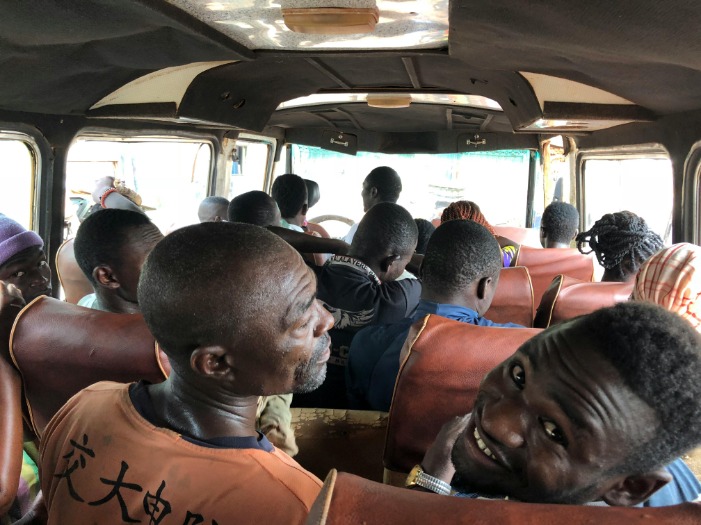
Prices in South Africa: On common intercity legs such as Johannesburg to Cape Town, one-way fares typically fall in a broad range from roughly R500 to R1,200 depending on how far in advance you book, the day of travel, and whether a promo is running; shorter routes cost less, while peak times may be higher.
Tips to save: Compare prices across dates, book early, be flexible with travel times, join loyalty programs if available, check app-only deals, and consider midweek travel to avoid weekend surges.
Always verify current prices and terms on the official Greyhound South Africa site or app, as promotions, discounts, and group or corporate options can change.
Additional fees and baggage
When budgeting for Greyhound bus tickets in South Africa, remember that the published prices often exclude additional fees for baggage, seat selection, and payment processing. Most fares include a basic carry-on item, but checked luggage, oversized or extra bags, and specialty items can incur charges that vary by route and peak travel times. Online bookings may add convenience fees, while changes, refunds, or upgrades can carry separate costs, so reading the baggage policy and terms at purchase helps avoid surprises when you travel.
Hand luggage vs checked baggage allowances
When booking Greyhound bus tickets in South Africa, you should consider both the base fare and any baggage-related charges, because these can affect the overall price and the convenience of your trip. The policy distinguishes hand luggage (carry-on) and checked baggage, and allowances can vary by route, service level, and fare type.
Hand luggage on Greyhound buses is generally allowed free of charge. This is the bag you can carry onto the bus and store in the overhead rack or under the seat in front of you. Keep your carry-on within the size and weight limits published by the operator and avoid items that are restricted for safety or security reasons.
Checked baggage allowances vary, but many routes permit at least one checked bag in addition to your carry-on. The usual limit is around 20 kilograms per piece, with size restrictions to ensure the bag fits in the storage area. If you need more or heavier bags, you will likely incur additional fees per bag or per extra kilogram, and the exact charges depend on the route and fare you have chosen.
Fees for excess or oversized baggage are typically charged at the counter or during online booking. Some fares include a certain amount of luggage, while others charge per piece or per kilogram. If you anticipate bringing unusual items or multiple bags, it’s best to prepay for baggage or select a fare that includes higher luggage allowances to avoid delays at check-in.
These baggage charges can influence the overall price of Greyhound tickets. A cheaper base fare may look appealing, but extra baggage fees can push the total beyond a more flexible fare that includes more luggage. Always compare the total cost for your specific route and travel date when shopping for Greyhound SA tickets.
Tips for travellers: weigh and measure bags before you travel, pack only what you need, and use a sturdy bag with a clear label. Check the official Greyhound South Africa site or your booking confirmation for exact allowances, limits, and fees for your route, and arrive early to sort any baggage at the terminal without stress.
In summary, understanding the difference between hand luggage and checked baggage, and knowing where fees apply, helps you choose the right ticket and avoid surprises when you travel on Greyhound bus services in South Africa.
Seat selection, boarding, and service fees
Greyhound bus tickets in South Africa typically have a base fare plus a range of additional fees that can affect the total price you pay. Understanding what these fees cover helps you estimate the full cost when planning trips across major cities.
Additional baggage fees are a common part of the total price. Most fares include a standard allowance for carry-on and checked luggage, but extra or overweight bags, or specialized items like sports equipment, can incur per-bag charges. Some routes or fare types may have stricter limits, and fees can vary depending on how you book (online vs. at a station).
Seat selection and boarding fees can also impact the final ticket price. Some fare options let you choose your seat in advance for free, while others charge a small fee for preferred or assigned seating. In some cases, priority boarding or early bird access may be offered as a paid option, which adds to the overall cost of the ticket.
Service fees are another factor to consider. When booking online or over the phone, a service or booking fee may be added by the operator or the booking platform. Card processing charges and any fees charged by third-party agents can also contribute to the total price, especially if you purchase through a partner site.
In practice, the total price you pay for a Greyhound SA trip can rise by a noticeable margin above the base fare, depending on baggage, seat and boarding options, and any service charges. To estimate accurately, check the fare rules for your route, review the baggage policy, and compare whether online booking or in-person purchase offers different fee structures.
Payment processing and platform charges
Greyhound South Africa ticket prices are shown as a base fare with possible extras. This article explains typical additional charges related to baggage and how payment processing and platform charges can affect the total cost.
- Additional baggage and handling fees: Many routes include a standard baggage allowance. Extra baggage, oversized items, or special items (sports equipment, musical instruments) may incur per-item charges that are added to the ticket price or payable at check-in. Fees vary by route, date, and operator policy in South Africa.
- Excess and special luggage: If your luggage exceeds the included allowance or is considered unusual (bicycles, surfboards, large boxes), expect additional fees that are charged at booking or at the station.
- Seat and service fees: Some online platforms or the operator may charge for seat selection, premium seating, or other services. These charges are separate from the base fare and baggage fees.
- Payment processing fees: Online payments may incur a payment processing fee charged by the payment gateway or booking platform. This can be a fixed amount or a small percentage of the total and covers card processing, security, and fraud prevention.
- Platform charges or convenience fees: Third-party booking sites or the Greyhound SA booking platform may add convenience or service charges at checkout. These appear in the final total and are separate from the ticket price and baggage fees.
- Taxes and currency considerations: Some prices include local taxes; others show the base fare with taxes added later. If paying in a currency different from the local one, currency conversion fees may apply.
- Cancellation and changes: Fees for changes or cancellations can affect the total cost. Some platforms deduct a processing fee in addition to any fare difference when you modify or cancel a ticket.
Booking options and payment methods
Booking Greyhound bus tickets in South Africa is straightforward, with options to book online, via the mobile app, or at station counters and travel agents. Payment methods typically include major credit and debit cards, EFT/bank transfers, and cash at outlets, with some locations also offering mobile wallet payments. Prices for Greyhound South Africa tickets vary by route, time of day, and how far in advance you book, and you can often secure lower fares by planning ahead or taking advantage of promotions and multi-journey passes.
Online booking portal and mobile app
Booking options and payment methods for Greyhound bus tickets in South Africa are centered around online and mobile channels as well as physical ticket counters. Prices on Greyhound routes vary by destination, day, and demand, with lower fares typically available when you book in advance or take advantage of promotions.
Online booking portal: Use the official booking portal to search routes between major cities such as Johannesburg, Cape Town, Durban, Pretoria, and Bloemfontein. You can select travel dates, number of passengers, and view available seats. Fare types usually include Standard, Economy, and Flexi options, with the total price shown before you confirm. The portal also shows baggage allowances, optional add-ons, and the terms for cancellations or changes.
Payment methods: When booking online, accepted payment methods typically include major credit and debit cards, and local options such as instant EFT or reputable mobile wallets. Some outlets or the app may allow payment at the depot or cash-on-delivery equivalents. All online transactions use secure payment processing and confirm by email or SMS with your e-ticket.
Mobile app: The Greyhound mobile app brings booking and ticket management to smartphones. Features usually include route and date search, seat selection, secure payment, and the ability to store and display a digital ticket at boarding. The app can provide real-time trip updates, boarding reminders, and easy access to changes or cancellations depending on fare type.
Prices and tips: Fare prices are dynamic and depend on route, day of the week, and demand. Booking early, choosing off-peak times, and taking advantage of promotions can reduce costs. Consider group or family discounts if offered, and check whether the app or portal offers price alerts or bundles that include luggage or flexible changes.
Payment methods accepted (cards, wallet, EFT)
Booking a Greyhound bus ticket in South Africa is straightforward, with several booking options and flexible payment methods to suit different budgets and travel plans.
Booking options include online purchases on the official Greyhound South Africa website, a mobile app, reservations by phone, or in person at Greyhound counters and through authorised travel agents. Online booking typically lets you choose routes, dates, and seats and to receive confirmation instantly.
Prices for Greyhound tickets in South Africa vary by route, travel date, time of day, and how far in advance you book. Shorter notice or peak travel periods may cost more, while early purchases and promotional fares can reduce the price. Compare options across different days or times to find the best value.
Payment methods accepted include cards, wallets, and EFT. For card payments, Greyhound generally accepts major credit and debit cards from networks such as Visa and Mastercard. Some terminals or online checkout also support additional cards. Wallets and digital payments are available where supported by the checkout flow, including popular mobile wallets in South Africa. If you use a wallet, ensure the merchant page shows the wallet option at checkout.
Electronic Funds Transfer (EFT) is another option. When paying by EFT, you may be given a booking reference and bank details; funds should be transferred with the correct reference and typically need to clear before your ticket is issued or held. Processing times can vary, so allow enough time for the payment to reach Greyhound’s account before departure.
Tips: Always verify which payment methods apply to your specific route and booking channel, as acceptance can vary by country, terminal, or promotion. If in doubt, contact Greyhound customer support or check the payments page during checkout for the most up-to-date options and any restrictions.
Where to buy tickets (agents, stations, online)
This guide covers how to book Greyhound bus tickets in South Africa, the available payment methods, and where to buy tickets—online, at stations, or through agents. Prices vary by route, date, and how far in advance you book.
Online booking through the official Greyhound South Africa website lets you search routes, view live seat availability, compare fare options, and choose your travel date and seats. After you confirm, you’ll usually receive an e-ticket by email that you can present on the bus or at the boarding gate.
Tickets can be purchased at Greyhound ticket counters at major bus stations and at official Greyhound booking offices. You can also buy through authorized travel agents and partner outlets. In-person staff can help with route options, fare types, and special requests.
Online payments are typically made with major credit or debit cards (Visa, MasterCard). Some online channels may support direct bank transfers (EFT) or mobile wallet payments. At stations and with agents, you can usually pay with cash or card; some agents may also accept bank transfers or mobile payments. Always check what payment methods are accepted for your chosen channel before completing the purchase.
Ticket prices are set per route and may vary by date and time of travel. Booking early or choosing non-peak times can help you find better rates. If you’re travelling with a group or require flexibility, ask about alternative fare types and change policies at the time of booking.
Pricing changes: seasonality and demand
Pricing for Greyhound bus tickets in South Africa follows the calendar and the level of demand. Prices usually rise during holidays, school breaks, and long weekends when more people travel, and fall in off-peak periods with lighter demand. Route popularity, events, and capacity constraints can push fares higher, while advance booking, midweek travel, and choosing less busy times may unlock cheaper options. By tracking seasonality and demand, travellers can plan ahead to secure better fares on South Africa’s intercity coach network.
Holiday periods and school holidays
Prices for Greyhound South Africa bus tickets are not fixed year-round; they fluctuate with seasonality and demand, and the timing of your trip can have a big impact on the fare you pay.
Seasonality and demand drive most price changes. Peak travel periods when families and students are off school or on long breaks see higher demand, while midweek and off-peak times often come with lower fares. Booking well in advance can lock in lower prices, while last-minute purchases during busy periods may be more expensive.
Holiday periods in South Africa typically push up prices. The December holidays, when schools close for the year and many people travel for festivities, are usually the most expensive, with limited seats and higher average fares. Easter, and other long weekend periods, also see spikes as travellers plan trips around public holidays.
School holidays, which follow the school term calendar, have a strong effect on demand. The long December break and the mid-year winter holiday (around June and July) are times when families and students travel the most, often pushing fares up and seats booked out on popular routes.
Beyond the big breaks, long weekends created by public holidays can also raise prices, as demand tightens on popular routes such as Johannesburg to Cape Town, or Durban to Bloemfontein. Prices may rise on peak travel days like Fridays and Sundays when people are returning from trips.
To navigate pricing changes, consider travelling on midweek days, avoiding peak departure windows, and booking early when planning for holidays. Checking for promotions, student discounts, or flexible fare options offered by the operator can also help you save on Greyhound tickets.
Remember that exact holiday dates vary by year and by school schedule, so it helps to monitor itineraries and price trends across months. If you can keep your travel flexible around non-peak days, you’re more likely to find affordable fares for your Greyhound bus tickets in South Africa.
Events, tourism seasons, and demand spikes
Pricing for Greyhound bus tickets in South Africa is highly sensitive to seasonality, events, and demand spikes.
Seasonality drives major shifts: peak travel tends to occur during the December and January holidays when families and friends move between cities, and school holidays in March, June and September also boost demand. Off-peak travel, such as mid-year or shoulder months, generally offers lower fares, while weekends and holiday periods may see price variation based on how crowded a route is.
Events and festivals push prices up: large concerts, sports events, and regional festivals can tighten seat availability on popular routes, leading to higher fares. Long weekends and public holidays often create spikes as travelers flock to main hubs like Johannesburg, Cape Town, and coastal destinations.
Tourism seasons and route choice add to price volatility: the most-traveled corridors – for example, Johannesburg to Cape Town, Cape Town to Durban, and other trunk routes – tend to have more price movement tied to demand. Routes with multiple daily departures might see more stable pricing, while remote or less-used legs can have fewer seats and sharper price changes when demand rises.
Demand spikes and pricing mechanisms: as seats fill, fares typically rise in a dynamic pricing model. Last-minute bookings are commonly more expensive, and you may see lower prices for earlier or midweek departures or for overnight options that appeal to budget travelers.
How to save money: plan ahead and compare prices across dates, be flexible with travel days (midweek and non-peak hours often cost less), and consider shorter hops if they add up to similar travel time at a lower price. Look for student or loyalty discounts if available, and watch for promotions or bundle deals offered by the operator or partners.
Practical tips: set price alerts on the official Greyhound SA site or app, book directly to avoid third-party booking fees, and verify terms such as refundability and transfer options. Understanding the season and event calendar helps you choose earlier and cheaper departures while avoiding peak spikes in price.
Dynamic pricing policies and their transparency
Pricing for Greyhound bus tickets in South Africa changes with the seasons and the level of demand, and many operators now rely on dynamic pricing policies to manage capacity and revenue. Understanding how seasonality and demand shape fares can help travelers plan and save.
Seasonality in South Africa creates predictable price waves. Holidays like the December festive period, Easter, long weekends, and school holidays drive more demand on popular routes such as Johannesburg to Cape Town, Pretoria to the coast, or coastal trips along the Indian Ocean. On weekdays with fewer travelers, prices may be lower or more stable, while peak travel windows can see higher fares as seats fill up.
Dynamic pricing policies adjust the fare in real time or over short intervals based on inventory, booking pace, and expected demand. When a few seats remain on a popular departure, prices can rise; when buyers are slow to purchase, fares may drop to fill seats. Factors often considered include how far in advance you book, the day of the week, the proximity to departure, and whether there are events or holidays nearby.
Transparency is a key concern with dynamic pricing. Travelers benefit when the price shown before checkout includes a clear base fare, taxes, and any service or booking fees, along with an explanation of add-ons such as seat selection or luggage allowances. Ideally, operators disclose change or cancellation terms, and whether the price is guaranteed for a stated period or can fluctuate before payment is completed.
For Greyhound and similar operators in South Africa, dynamic pricing can help optimize comfort and seat availability during busy periods, but it can also create price volatility that surprises cautious travelers. The challenge is balancing revenue management with predictability, so customers can budget trips without fear of sudden price spikes on popular routes or dates.
Travelers can minimize price surprises by planning ahead, comparing fare options across platforms, and using flexible dates when possible. Checking fare calendars, setting price alerts, and considering off-peak departures can reveal cheaper tickets. If you have fixed travel dates, booking early often locks in lower prices before demand rises, but be mindful of cancellation terms just in case plans change.
Transparent pricing means more than low base fares. Look for a clear price breakdown, including base fare, taxes, fees, and any optional extras. Read the cancellation and change policies, understand whether prices are protected for a period, and verify if last-minute changes incur additional charges. A transparent policy helps customers compare options and avoid unexpected costs at checkout.
Regulators and consumer protections in South Africa encourage fair pricing practices, and many travellers expect clarity on how fares are determined. While dynamic pricing reflects market demand, a transparent practice provides a predictable framework so passengers can plan journeys and compare alternatives without hidden costs.
In the end, understanding seasonality, demand, and transparency in pricing can save money and reduce stress when buying Greyhound bus tickets in South Africa. By comparing options, booking ahead when possible, and looking for clear price explanations, travelers can navigate dynamic pricing with confidence.
Tips for saving on Greyhound tickets in South Africa
Planning travel across South Africa on Greyhound? This quick intro offers tips to save on Greyhound tickets, from booking in advance and traveling off-peak to using student or senior discounts, loyalty programs, and price comparisons to get the best Greyhound bus prices in South Africa.
Plan ahead and book early
Saving on Greyhound tickets in South Africa starts with planning ahead and booking early. Knowing your route and travel window lets you lock in lower fares for long‑distance trips between major cities such as Cape Town, Johannesburg, Durban, and Port Elizabeth.
Plan ahead and book early to secure the best prices. Greyhound prices typically rise as the travel date approaches, with the largest jumps during holidays, weekends, and school breaks.
Be flexible with travel dates and times. Midweek departures and off-peak hours are often cheaper, so if your schedule allows, shifting by a day or two can save a significant amount.
Compare prices and look for saver fares and return-ticket options on the official Greyhound site. Saver fares, bundles, and return tickets can be cheaper than buying separate one‑way trips, especially for longer routes.
Bundle trips to save. If you know you will be travelling again within a short period, a return ticket or multi‑trip package usually costs less than two singles and helps you plan cash flow.
Check baggage allowances and avoid extra charges. Review the allowed luggage and avoid paying for extra bags or oversized items at the counter by packing light or paying the small excess in advance online if available.
Sign up for promotions and loyalty options. Subscribe to the Greyhound SA newsletter or follow their official channels for promo codes, flash sales, student discounts, and other limited deals that cut ticket prices.
Plan around peak seasons and holidays. If your dates are flexible, aim for shoulder periods outside major vacations, and book as early as possible to lock in the best prices on popular routes.
Smart booking steps: decide your route and dates, compare saver fares, consider return tickets, check for promotions, and complete the booking early to lock in lower rates before prices rise.
Be flexible with departure times and routes
Saving on Greyhound tickets in South Africa can be easier than you think with a few smart strategies that focus on prices and routes.
Be flexible with departure times. Bus prices often rise at peak travel times like weekends or late afternoon departures. If you can travel midweek, early mornings, or late at night, you’ll often see lower fares and more seat options.
Be flexible with routes. A direct trip isn’t always the cheapest. Check if stopping in another city or taking a longer route with one or two connections saves money. This can also give you a chance to see more of the country while sticking to your budget.
Book in advance when possible. Freight-style pricing on buses usually increases as the travel date approaches. If your plans are firm, lock in lower fares by booking early and checking prices on different days of the week.
Look for discounts and special offers. Students, seniors, youth travelers, or large groups can sometimes access reduced fares. Sign up for fare alerts or newsletters from Greyhound and trusted travel sites to catch promotions.
Compare prices across platforms. Check the official Greyhound South Africa site as well as reputable ticket platforms to compare prices, seating options, and baggage rules. Always factor in service charges or reservation fees when comparing.
Travel off peak and outside holidays. School holidays and long weekends tend to push prices up. If your schedule allows, plan trips during quieter periods to save money and avoid crowded terminals.
Consider passes or bundles if available. Some operators offer value bundles or multi-journey passes for frequent travelers. If you expect to take multiple trips within a given period, a pass could lower the per-trip cost.
Plan ahead and minimize extras. Bring your own snacks and water to avoid inflated on-board purchases, and make sure you know the baggage policy to prevent surprise fees at the station.
Join loyalty programs and watch for promos
Greyhound bus tickets in South Africa can vary in price, but saving money is possible with a few smart strategies.
Join loyalty programs: Sign up for the official Greyhound loyalty program and any available student, senior, or partner program. Members often earn points for trips, receive exclusive discounts, and get early access to special fares.
Watch for promos: Keep an eye on seasonal offers, holidays, and school breaks. Subscribing to the Greyhound newsletter and following the company on social media can give you access to promo codes and limited-time prices.
Book in advance: Prices tend to be lower when you book several weeks ahead. If your dates are fixed, locking in your fare early can save you money.
Be flexible with dates and times: Midweek departures, early mornings, or late-night trips may cost less than peak-hour daytime journeys. If your schedule allows, shifting travel days can add up to big savings.
Compare routes and options: Some routes offer cheaper alternatives with longer travel times or stops. Check nearby stations or slightly different routes to see if a cheaper option exists.
Return tickets and bundles: Look for round-trip tickets, multi-journey passes, or bundled fares. These can be cheaper than buying two separate one-way tickets.
Extra tips: Travel with a group for potential group discounts, look for student or youth discounts if you qualify, and try to avoid extra charges by packing light and checking baggage policies.
Practical considerations and travel planning
When planning Greyhound bus travel in South Africa, start with practical considerations that save time and money: compare prices across routes and times, book tickets early to lock in lower fares, and map your trip between major centers like Johannesburg, Cape Town, Durban, and Port Elizabeth. Check baggage allowances, seating options, and cancellation policies, and be mindful of peak holiday periods, weather-related delays, and road conditions that can affect travel times. If you’re budget-conscious, look for online deals, consider off-peak travel days, and read traveler reviews to gauge comfort and safety for a smooth, well-planned journey.
Travel times and traveling with baggage
Practical considerations and travel planning for Greyhound bus tickets in South Africa focus on price awareness, route choices, and preparing for long journeys so you travel efficiently and comfortably.
Ticket prices for Greyhound South Africa vary by route, time of day, season, and how far in advance you buy. Short hops tend to be cheaper, while longer cross‑country trips cost more. In general you can expect fares to range from a few hundred rand up to around a thousand rand or more for the longest routes, with occasional promotions or student and senior discounts.
Booking ahead online or via the Greyhound app often yields the best prices and gives you a clear view of schedules. Compare direct routes versus connections, and check the fare type (non‑refundable, flexible, or specials) to match your plans.
Travel times depend heavily on distance and road conditions. Johannesburg to Cape Town is typically around 26 hours by bus, while Johannesburg to Durban usually takes about 6 to 9 hours. Cape Town to Port Elizabeth runs roughly 8 to 10 hours in many services, and Durban to Port Elizabeth can exceed 20 hours with stops.
Most long‑distance buses set baggage allowances to two large checked bags plus a small carry‑on, with weight limits and size restrictions. Excess or overweight bags may incur fees. Keep valuables with you and label bags clearly. Use security ties or luggage straps and remove tags from other bags.
Packing tips include traveling light, using durable luggage, and packing a change of clothes and essential items in your carry‑on. Bring a comfortable neck pillow, a light blanket, earplugs or headphones, and a refillable water bottle. Pack chargers and adapters, and keep important documents and medications with you.
On the day of travel arrive at the station early—typically 30 to 60 minutes before departure—to check in, tag your bags, and pass through any security checks. Have your ID and booking reference ready and, if you have a mobile ticket, ensure your phone is charged.
During the journey expect rest stops for meals and bathroom breaks. Seats on longer routes may have limited recline and legroom, so dress in layers and bring a travel blanket if you tend to get cold on air‑conditioned buses.
Safety and security matter: keep purses and wallets in a secure location, store bags in overhead racks or under the seat, and avoid leaving belongings unattended during stops. If you are traveling late at night or alone, consider additional safety precautions.
After you arrive, plan your onward travel in advance. Check options to reach your final destination from the station by taxi, rideshare, or public transit, and verify any changes to local transport schedules.
Prices and policies can change, so check the official Greyhound South Africa site or trusted ticket platforms for the latest information before you buy and again before you travel.
Station locations, check-in, and boarding times
Planning a Greyhound bus trip in South Africa typically involves balancing price, schedule, and comfort. Ticket prices vary by route, day of week, and how far in advance you book. Short intra-city hops can be affordable, while longer intercity journeys cost more, particularly if you choose peak travel times or last-minute bookings. Always check live fare quotes online or through a travel agent to compare options and snag the best deals.
Before you buy, map your route and possible connections, consider overnight options that save on lodging, and estimate how long you’ll be on the road. Check each departure’s duration, whether there are rest stops, and what facilities are available on board. Pack light but include essentials such as water, snacks, a charger, and any medications. If you have specific seating needs or mobility considerations, confirm with the operator in advance.
Greyhound operates from major city hubs across South Africa. Typical departure and arrival points serve Johannesburg, Cape Town, Durban, Port Elizabeth, Bloemfontein, and Nelspruit, with schedules published online. In practice, you’ll be using the main intercity terminals in these cities; exact street addresses and pickup desks are listed on the official site and your e-ticket. Arriving to the correct terminal ahead of departure helps avoid last-minute confusion.
Check-in and boarding windows vary by route and local procedures. In general, plan to arrive at least 20–40 minutes before your scheduled departure and follow the instructions on your ticket for boarding. Have a valid photo ID ready and keep your ticket handy, whether printed or on a mobile device. Boarding usually begins a short time before departure and runs until the bus is full or the door closes.
Most Greyhound services allow a combination of carry-on and checked luggage, but baggage rules can differ by service and route. Label bags clearly and keep valuables with you. On longer trips you’ll want a comfortable seat and a way to pass the time; some coaches offer wifi or power outlets, but it’s not guaranteed, so bring a charged device and offline entertainment as a backup.
To get the best Greyhound South Africa price, book online in advance, compare options across times of day, and watch for off-peak departures. Returning trips, student or senior discounts, or group bookings can offer savings. If you’re flexible, midweek or off-peak travel often costs less than weekend or holiday services. Always verify the current fare on the official Greyhound SA site or through an authorized agent before purchase.
Safety, reliability, and terminal amenities
Practical considerations and travel planning for Greyhound bus tickets in South Africa involve understanding prices, choosing routes, and preparing for a comfortable trip.
Prices and fare structure: fares vary by route, distance, demand, and season. Shorter trips are generally cheaper than longer intercity journeys, and you may find online-only or early-bird fares as well as discounts that apply on certain dates or for specific groups. Always check the official Greyhound South Africa site or app for the latest prices and promotions before you book.
Planning and saving tips: book as far in advance as possible to secure the best fares, compare different departure times and routes, and consider overnight services to save on accommodation. If your schedule allows, traveling during off-peak periods can also help you find lower prices and less crowded terminals.
Documentation and check-in: carry a valid ID or passport and your booking reference. Have your ticket available in print or on your mobile device, and arrive at the departure point well before the scheduled time to navigate the terminal and boarding procedures without stress.
Safety on board and at terminals: keep valuables secure and out of sight, use licensed terminals, and follow staff guidance. If traveling late or through unfamiliar areas, stay in well-lit, populated areas and share travel plans with a friend or family member.
Reliability and contingencies: road transport can be affected by weather, traffic, or roadworks, which may cause delays or cancellations. Check the status of your trip before departure, and understand the operator’s refund or rebooking policy in case plans change.
Terminal amenities and services: in major cities, terminals typically offer seating, restrooms, vending or coffee options, and Wi‑Fi or charging points. Accessibility varies by location, and some stations provide lounge areas or select conveniences, so plan ahead if you rely on specific amenities.
Baggage and on-board policies: luggage allowances and restrictions differ by route, so verify weight and size limits when you book. Label bags, keep essential items with you, and avoid overpacking to maintain comfort on longer rides.
Practical steps before you travel: use the official Greyhound SA site or app for current fares and route maps, note your boarding point, and prepare a backup plan in case your preferred service is full or altered. Clear, up-to-date information helps you travel with confidence.
FAQs about Greyhound South Africa ticket prices
Welcome to a quick FAQ overview of Greyhound South Africa ticket prices, designed to help you understand fare options, how prices vary by route, booking date, and seat type, and where to find the best deals. This intro covers standard and promotional fares, discounts for students and seniors, group bookings, and policies on refunds, changes, and baggage that can affect the total cost.
Where can I check current prices?
Greyhound South Africa ticket prices vary by route, travel date, demand, and how far in advance you book. This FAQ helps you understand pricing and where to check current fares.
Q: What factors influence Greyhound South Africa ticket prices?
A: Prices are affected by route distance, time of day, level of service, advance booking, and any promotions or discounts that may be available.
Q: Do fares include luggage?
A: Luggage allowances depend on the fare type. Most fares include a small carry-on and personal item, with fees for additional or oversized luggage where applicable.
Q: Are there discounts for children, students, or seniors?
A: Yes, discounted fares for children, students, and seniors are commonly offered, subject to route and date availability.
Q: Are there promotions or loyalty programs?
A: Promotions are offered from time to time. To stay informed, check the official site or app, and consider subscribing to updates or alerts when available.
Q: How can I get the best price?
A: Book in advance, travel off-peak when possible, be flexible with travel dates and times, and look for promotional fares on the official booking platform.
Q: Where can I check current prices?
A: Check current prices on the official Greyhound South Africa website or through the mobile app by entering your route and travel date. Prices update in real time, and you can also inquire at a ticket office or by calling the customer service center.
Do prices vary by platform or agent?
Do prices vary by platform or agent? Yes. Greyhound South Africa ticket prices can differ depending on where you book.
Official channels such as the Greyhound South Africa website or mobile app typically show the base fares and may run promotions or discounts.
Third‑party platforms, travel portals, or local ticket counters may add service fees or commissions, which can push prices up—or, occasionally, unlock exclusive deals that are not available elsewhere.
To get the best price, compare across the official site/app and a few trusted agents, look for promo codes or seasonal discounts, and be mindful of any extra charges at checkout. Booking in advance or traveling off-peak times can also help lower costs.
Additionally, price might vary by route, date, or seat type (e.g., standard vs priority), so always check the specific itinerary you want to confirm the exact fare.
How do I compare prices across routes?
Greyhound South Africa ticket prices vary by route, date and how far in advance you book. Here are common FAQs about pricing and how to compare prices across routes.
- What factors influence Greyhound South Africa ticket prices? Factors include route distance, travel date and time, demand, how far ahead you book, seating class or fare type, and any online promotions or discounts that may apply.
- How can I find the lowest fare for my trip? To find the lowest price, book early, compare flexible-date options, look for promotions on the official site or app, and consider travelling during off-peak times.
- How do I compare prices across routes? Compare the base fare for each route on the same travel dates, then consider total journey cost by including any luggage fees, seat selection charges, and travel time when evaluating value.
- Do ticket prices change after I book? Prices generally do not change after booking, but some fare rules may allow changes or cancellations with penalties; always check the fare conditions at purchase.
- Are there discounts for students, seniors, or groups? Discounts or special promotions may be available for eligible travellers or groups; verify eligibility, required documentation, and terms during booking.
- What about luggage and extra costs? A standard luggage allowance is often included; additional bags or oversized items may incur extra charges, so include these in your price comparison.
- What is the cancellation or change policy for tickets? Fare rules vary by ticket type; some tickets are refundable or changeable with penalties, while others are non-refundable—read the policy before buying.
- Where can I buy Greyhound South Africa tickets and what payment methods are accepted? Tickets are usually available on the official Greyhound SA website and mobile app, at select terminals, or through travel agents, with payment by card or other online methods.