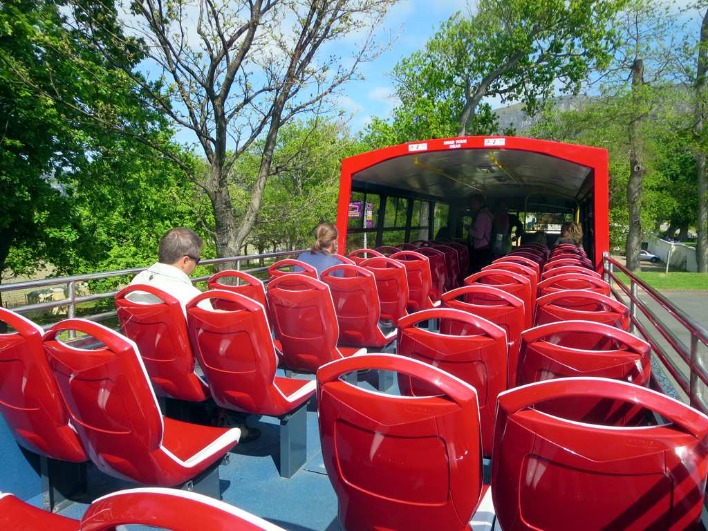

Overview of Hop-on Hop-off Buses in South Africa
Hop-on hop-off buses in South Africa provide flexible city sightseeing, letting travelers explore highlights at their own pace. With routes in major destinations such as Cape Town, Johannesburg, and Durban, these services typically use open-top buses, offer multiple convenient stops at key attractions, and sell a time-based pass that allows unlimited hops for a fixed period so you can tailor a day or weekend itinerary to your interests.
What is a hop-on hop-off bus
Hop-on hop-off buses provide a flexible, sightseeing option across South Africa, letting visitors explore major cities and coastal areas at their own pace with a single prepaid ticket.
A hop-on hop-off bus is a guided sightseeing service that runs on a fixed route with multiple stops. Passengers buy a day or multi-day pass, board at any stop, and can hop off to visit an attraction. When ready, they rejoin the same route at any stop on the loop to continue the tour, using the same ticket.
In South Africa, these services are common in Cape Town, Johannesburg and Durban, with networks that cover key sights such as historic districts, the waterfront, beaches and other popular neighborhoods. Buses are usually open-top for easy viewing of city streets and coastal scenery.
Typical routes include city center circuits, the V&A Waterfront area, and coastal or suburban extensions, with stops at museums, markets, parks and viewpoints. Onboard commentary in multiple languages helps riders learn about landmarks as they travel.
The benefits of hopping on and off are convenience and flexibility. A single pass can replace multiple short-hop taxi rides or bus trips, making it easier to fit a day of sightseeing into a busy itinerary while controlling pace and focus.
Ticket options usually come as a 24-hour, 48-hour or longer pass, sometimes with discounts on included attractions. Many passes include multilingual audio guides, maps and practical route information, and some combine with entries to selected attractions.
Tips for riders include checking current timetables and stop locations, starting early to beat crowds, dressing for the weather, wearing sunscreen, and leaving time for long stops at favorite spots. It helps to plan your highlights in advance and use the hop-on hop-off option to cover more ground efficiently.
These services are ideal for first-time visitors who want a broad overview, families and small groups seeking ease and value, and travelers who prefer a relaxed pace over a rigid itinerary.
Tickets can usually be bought at stops or online, and many providers offer flexible booking terms and practical information about routes, departure times and safety at stops.
Key routes and cities
Hop-on hop-off buses in South Africa offer a flexible, city-wide approach to sightseeing, letting visitors board at bus stops near major attractions and explore at their own pace. Typical routes are open-top double-deckers with recorded or live commentary, and tickets are valid for 24 to 48 hours (some operators offer longer passes) allowing unlimited hops on and off at designated stops.
Cape Town operates one of the best-known hop-on hop-off routes, typically circling the V&A Waterfront and the city bowl with stops at the V&A Waterfront, the Cape Town CBD, Green Point, Camps Bay, the Table Mountain vicinity and Kirstenbosch Gardens. This setup makes it easy to combine iconic sights like the waterfront, seaside views, and mountain-accessible areas into a single flexible day or two.
Durban’s service focuses on the city’s coastal and cultural highlights, with stops along the Golden Mile beachfront, near uShaka Marine World, the city centre and surrounding parks and museums. The route offers easy access to the beachfront promenade, botanical areas and the mix of Indian Ocean views and urban attractions that define Durban.
Johannesburg and Nelson Mandela Bay (Port Elizabeth) also offer hop-on hop-off options. In Johannesburg, the route typically covers central sights such as the CBD, major squares and landmarks, with connections to surrounding business and cultural districts. Nelson Mandela Bay provides a coastal loop around the harbour, beachfront attractions and central museums, giving visitors a different South African city experience.
Tips for using hop-on hop-off buses in South Africa include checking which operator runs the route, validating the ticket duration (24–72 hours is common), and planning a rough sequence of stops to maximize time at your must-see sites. It’s also helpful to consider combining passes with nearby attractions, staying hydrated in warm weather, and wearing comfortable footwear for easy walking between stops.
How the service works
Hop-on hop-off buses in South Africa offer flexible, on-demand sightseeing across major cities and coastal areas. With a single ticket, travelers can hop on and off at key stops to explore top attractions at their own pace while listening to city commentary.
- What the service is: A network of open-top buses with fixed routes, frequent stops, and recorded or live commentary highlighting sights and neighborhoods.
- How the service works: Purchase a pass online or at participating stops, board at any stop on the route, and use the same ticket for multiple stops within the validity period. Buses run on a regular schedule and you can hop off to visit an attraction and hop back on later.
- Routes and coverage: Popular routes cover Cape Town and surrounding sights such as the V&A Waterfront and Table Mountain area, plus services in other cities like Johannesburg and Durban, connecting beaches, museums, parks, and city centers.
- Ticket options and validity: Common options include 24, 48, or 72-hour passes; some packages may include entry to attractions. Boarding is at any stop on the route within the pass period, with buses typically running every 15–45 minutes.
- Onboard amenities and accessibility: Open-top seating, multilingual audio commentary, and occasional Wi-Fi; some operators offer accessible vehicles for passengers with mobility needs and family-friendly features.
- Practical tips: Check operating hours and route maps before you go, consider weather and clothing, plan your day around top sights, and be aware of peak-season crowds and traffic that may affect timing.
Popular Hop-on Hop-off Routes in South Africa
Discover the best way to see South Africa’s highlights on a hop-on hop-off bus, offering flexible stops at top sights and neighborhoods. Popular routes include Cape Town’s city and peninsula circuit, with easy access to the V&A Waterfront and Table Mountain, and the scenic Garden Route along the coast from Mossel Bay to Port Elizabeth. Urban hops in Durban and major cities like Johannesburg and Soweto add cultural city centers, beaches, and wildlife stops, all on a convenient, self-paced itinerary.
Cape Town City Routes
Hop-on hop-off buses are a popular way to explore South Africa’s top sights at your own pace, offering flexibility, easy access, and a scenic introduction to each city. In Cape Town, the city routes let visitors combine culture, history, and dramatic coastal views in one day or over several days.
Across the country, these services operate in major urban centers with open-top double-decker buses, multilingual audio commentary, and 24- or 48-hour tickets that let you hop off at any stop to linger at a museum, market, or viewpoint before catching the next bus.
The most frequented routes in South Africa generally include a Cape Town City Route, a coastal or Atlantic Seaboard option in Cape Town, and services in other big cities such as Johannesburg and Durban, each with its own mix of attractions and stops along a fixed loop.
The Cape Town City Route is built around the heart of the city, with stops at the V&A Waterfront, the Cape Town CBD near Parliament, Bo-Kaap, Company’s Garden, Green Market Square, Long Street, and Green Point. Passengers can naturally link these stops with sights like the Signal Hill lookout and nearby museums while enjoying sweeping views from the open-top deck.
To round out the Cape Town experience, many operators offer a coastal or Atlantic Seaboard route that runs along Sea Point, with stops near Camps Bay, Clifton, and the V&A Waterfront, giving a mix of city culture and ocean scenery.
Tips for getting the most from hop-on hop-off tours: check the timetable, choose a ticket that covers both city and coastal routes if available, plan around peak hours and sunset viewpoints, carry water and sunscreen, and keep your ticket handy for easy access at each stop.
Overall, hop-on hop-off in South Africa offers a relaxed way to cover highlights and tailor your day to your interests, with Cape Town’s city routes standing out for their concentration of historic sites, cultural neighborhoods, and iconic vistas.
Johannesburg and Soweto Routes
Hop-on hop-off buses are a popular way to explore South Africa’s cities, giving travelers the freedom to visit major sights at their own pace. In Johannesburg and the Soweto area, dedicated routes let you hop off to explore historic neighborhoods, museums, markets and parks, then hop back on to continue your day with minimal planning.
Johannesburg’s hop-on hop-off routes typically cover the core urban highlights, from downtown landmarks to cultural districts. Common stops include Constitution Hill, the Newtown Cultural Precinct, the Maboneng Precinct and other central sights, with some itineraries extending toward the Gold Reef City area and nearby museums. Along the route you can join guided commentary that provides context about the city’s history, art and current life.
The Soweto route focuses on the township’s most famous sites and neighborhoods. Highlights often include Vilakazi Street, home to Mandela and Tambo’s houses, the Hector Pieterson Memorial and Museum, and the Walter Sisulu Square. Some tours also stop at Regina Mundi Church and other historic venues, giving visitors a window into Soweto’s vibrant culture and resistance history.
Tickets are usually sold as 24 or 48-hour passes, though some operators offer single-day options. A pass lets you hop on and off at designated stops as often as you like during the validity period, with onboard commentary—either live guides or multilingual audio—sharing facts about each stop and the city’s story.
Onboard experience commonly features open-top double-decker buses (weather permitting), with seating that offers views of city streets and milestones. Buses run at regular intervals and may operate on a single route or offer combined city-and-township itineraries. Check the day’s timetable and the map at each stop to plan your day.
Best times to ride are usually mid-morning to late afternoon when light is best for photos and traffic is manageable. Stay alert in busy areas, keep valuables secure, and remember that Soweto and some inner-city stops can be busy. If you’re traveling with kids, many routes suit family days and can be combined with a short township tour for a deeper experience.
Plan a sample day by starting with a Soweto route in the morning to explore Vilakazi Street and Hector Pieterson, then switch to a Johannesburg route in the afternoon to visit Constitution Hill, the Newtown precinct and the Maboneng area. This approach minimizes backtracking and lets you see both the township’s heritage and the city’s modern energy in one day.
To book, check the operator’s official site or local tourism desks for current routes, stops and pricing. Having a ticket in hand saves time, and you can often combine hop-on hop-off with other city experiences like museum visits or guided township tours for a fuller South African day out.
Durban and the KwaZulu-Natal Vista
Popular hop-on hop-off routes in South Africa offer a simple way to see Durban and the KwaZulu-Natal Vista. These bus services let travelers board at central stops, hop off to explore, and catch the next ride to the next attraction, making city highlights and coastal scenery easy to reach.
- Durban City Hop-On Hop-Off Route — This route centers on the Golden Mile and the harbor area, with stops at uShaka Marine World, the Durban Botanic Garden, the Moses Mabhida Stadium precinct, and the City Hall area. It’s a convenient way to see Durban’s waterfront, markets, and historic streets, with options to grab a bite along the beachfront.
- KwaZulu-Natal Vista Coastal Route — A scenic trip along the coast from central Durban through Umhlanga and Ballito, with viewpoints over the Indian Ocean and stops at popular beaches, coastal reserves, and shopping hubs. Ideal for photography, beach access, and relaxed coastal strolls.
- KZN Vista Hinterland & Cultural Route — An inland extension that circles Pietermaritzburg and the Midlands Meander, stopping at cultural sites, museums, markets, and gardens, with opportunities to explore Howick Falls and other inland attractions.
Garden Route and Coastal Stops
Hop-on hop-off buses in South Africa offer flexible sightseeing along the country’s sparkling coasts and over the Garden Route, letting travelers dip in and out at popular towns and coastal sights.
Cape Town is a hotspot for this style of exploring. The city’s hop-on hop-off networks typically run on open-top buses with routes that weave between the V&A Waterfront, the City Bowl and the Atlantic Seaboard, and they often extend toward the Cape Peninsula and the iconic Table Mountain area. Tickets give you unlimited hops within a set period, with recorded commentary and signposted stops.
Garden Route and coastal journeys are a highlight for many travelers. A typical Garden Route hop-on hop-off itinerary travels from Mossel Bay along the line of towns to Knysna, Plettenberg Bay, and on to Nature’s Valley and Tsitsikamma, with stops at picturesque lagoons, beaches and forest-clad reserves. Passengers can spend a day wandering Knysna’s waterfront and heads or Plettenberg Bay’s golden sands, then rejoin the next bus when ready.
Coastal stops along the route showcase South Africa’s marine life and dramatic shorelines. Many operators include Hermanus, Cape Overberg, Sedgefield, Wilderness and Storms River as optional detours or regular stops, offering whale watching (in season) from shore, coastal hikes and forest walks, and easy access to national parks and viewpoints.
KwaZulu-Natal and Durban’s coastline also features hop-on hop-off concepts for travelers who want sun, surf and city experiences. Durban and nearby coastal towns such as Umhlanga and Ballito are sometimes included in longer passes or as separate city routes, with stops along the sunny beachfronts, the Golden Mile and midlands entrances to the inland attractions.
Tips for planning include checking how long passes are valid, whether the service operates year‑round, and the frequency of buses. It helps to align your hops with daylight hours, research the key stops you want to visit, and factor weather and sea conditions into outdoor plans.
Overall, hop-on hop-off buses offer a flexible way to sample South Africa’s coast and Garden Route, combining convenient transport with the freedom to linger in beaches, towns and nature reserves at your own pace.
Ticketing, Passes, and Pricing
Hop On Bus South Africa offers simple ticketing, flexible passes, and clear pricing for travelers exploring major routes. You can buy a single ride onboard or in advance via the mobile app, and choose from day passes or multi-day passes that let you hop on and off at stops along the network. Prices are transparent, with city- and route-specific fares and discounts for students, seniors, and groups to help you plan your South African adventures.
Day passes vs. multi-day passes
Ticketing for Hop On Bus South Africa offers flexible options for visitors who want to explore major cities with ease. Whether you are planning a single day of sightseeing or a longer stay, you can choose from day passes and multi-day passes that fit different itineraries and budgets.
Day passes provide unlimited rides within a set period, typically starting from the moment you first use the pass. They are ideal for a packed day of sightseeing, hop-on hop-off stops, and spur-of-the-moment detours. After activation, you can ride to multiple stops as long as the pass remains valid.
Multi-day passes are designed for travelers staying longer and wanting to maximize value. These passes usually cover a range of consecutive days and may include unlimited rides on the network, as well as access to multiple routes or cities. They are cost-effective if you plan to travel on many routes or on consecutive days.
Pricing varies by city, season, and the specific routes included in a pass. Look for options that offer student or senior discounts, family or group rates, and bundled deals that pair transport with entry to popular attractions. Some passes require activation on the first ride, while others remain valid for a fixed calendar window regardless of activation date. Be sure to check cancellation and refund policies where applicable.
Purchasing options typically include online purchases through the official Hop On Bus South Africa site or partner apps, at designated ticket kiosks, or on-board where permitted. Digital tickets delivered by email or a mobile app are common, with a QR code or reference number for validation. Accepted payment methods usually include major credit and debit cards and mobile wallets.
Before you buy, compare day passes and multi-day passes against your travel plan. If you expect to ride the network multiple times in a single day, a day pass might be the simplest choice; if you will be on the move across several days, a multi-day pass can save money. Consider route coverage, transfer rules, and whether the pass includes access to all Hop On Bus South Africa routes or just selected services.
Tips to get the most value: map your intended stops, start early to beat crowds, keep your pass accessible on your phone, and track expiration to avoid losing value. Always validate your pass when boarding and be prepared to present ID for any discounted fares. With the right pass, you can enjoy flexible travel between cities and attractions without worrying about individual ticket purchases.
Where to buy tickets
Ticketing for Hop On Bus South Africa is built around flexibility, making it easy to explore major cities and routes at your own pace. Whether you are visiting Cape Town, Johannesburg, Durban, or other destinations, a range of passes, single-ride tickets, and bundles are available to fit different itineraries and budgets.
Ticket options include single-ride tickets for one journey, Day Passes that grant unlimited rides for a 24-hour period, and Multi‑Day Passes that cover multiple days of access. There are also Combo Passes that bundle ride access with discounts or entry to select attractions, helping you save on combined sightseeing.
Pricing is shown in South African Rand (ZAR) and can vary by city, duration, and passenger category. Typical ranges you may encounter include lower fares for children or students and higher rates for adults during peak travel periods. As a rough guide, single-ride tickets and short rides are generally the most affordable, while day and multi-day passes offer value for longer stays. The exact prices are listed when you select your city and pass on the official booking channels.
Where to buy tickets is straightforward. The official Hop On Bus South Africa website and mobile app let you purchase and store e-tickets. You can also buy at major ticket counters or information desks at central hubs and popular stops. In some locations, onboard sales are available, and you may find ticket counters or partner retailers in hotels or tourist centers.
Tickets are commonly delivered as a mobile QR code or e-ticket that you present on your smartphone, with contactless card or wallet payments accepted in most cases. Some venues require a printed ticket, so check your confirmation for any printing needs. Always have a valid ticket for the duration of your ride and keep it handy in case of inspections.
Tips and policies to note include checking for kid, student, or senior discounts, understanding the validity window of your pass, and knowing whether transfers between routes are included. Refunds, changes, or extensions depend on the provider’s terms, so review the fare rules at the time of purchase. By buying through official channels, you’ll get up-to-date pricing, clear terms, and support if plans change.
Discounts, group rates, and refunds
Hop On Bus South Africa offers convenient sightseeing across major cities with flexible ticketing and pricing options. This guide covers ticket types, passes, pricing, discounts, group rates, and refunds to help travelers plan their rides.
Ticket types include single-ride tickets for a specific journey and time-based passes that allow unlimited hops for a defined period. Pass durations commonly cover 24, 48, or 72 hours from first use, with routes and schedules aligning to popular city attractions. Tickets are typically valid on the designated network for the chosen city or region, and you can board at official stops or partner locations.
Pricing for Hop On Bus South Africa varies by city, route coverage, and pass length. Prices are expressed in South African Rand and may change due to season, demand, or promotions. It’s best to check the official site or mobile app for the latest rates and any bundled experiences such as guided tours or sunset runs.
Discounts are usually available for students, seniors, and children, with some operators offering family or companion discounts. Group rates can apply for parties of a certain size, offering per-person savings when booking together, often with a single payment and reserved seating. Check if your pass can be shared among members of your party or if each rider needs a ticket.
Group rates and private charters are common options for schools, corporate outings, or special occasions. Booking in advance via the official platform helps secure preferred times and seating, and may include a dedicated guide or priority boarding.
Refunds and cancellations policy typically allows refunds for unused passes within a set window before first use; once a pass is activated, refunds may be limited or subject to a cancellation fee. Some passes are non-refundable after activation, while others offer partial refunds if canceled within a grace period. Always review the terms and conditions at purchase and keep your receipt or e-ticket handy.
To purchase, travelers can usually buy online, via a mobile app, or at onboard ticket counters or official kiosks. E-tickets or QR codes can be scanned at boarding, and some operators permit exchanges or replacements if a ticket is lost or delayed. Saved vouchers or digital Wallet passes can simplify boarding on busy days.
Plan ahead by mapping your desired routes, check peak times, and consider a pass that bundles several attractions or experiences. By understanding ticketing, passes, discounts, group rates, and refunds, travelers can enjoy Hop On Bus South Africa with flexibility and transparency, focusing on the views and experiences rather than logistics.
Itineraries and How to Use the Service
Hop On Bus South Africa offers flexible itineraries that let you explore major cities and scenic coastal routes at your own pace. Start by selecting a pass and an itinerary that fits your trip—whether a city loop, a multi-stop coastal journey, or a scenic route along the Garden Route. To use the service, simply board at approved stops with your ticket, hop on and off as you wish, and consult the schedule for stop times, transfer options, and duration estimates. Plan ahead with maps and stop information, and you can tailor a personalized adventure across South Africa in just a few days or weeks.
Planning a day on a hop-on bus
Hop-on hop-off buses in South Africa are a convenient way to sample the country’s cities at your own pace, with the flexibility to linger at sights you love and skip between highlights with a single ticket.
How to use the service: buy a ticket online or at a stop, choose a 24- or 48-hour pass, and keep the card or voucher accessible. You ride the same bus line on a loop, with designated stops where you can hop on or off as you please. Check the operator’s timetable for first and last departures and the frequency of buses, which is usually every 30 to 60 minutes depending on the season. Board at major stops such as the waterfront hub, the city center, or popular neighborhoods, and ride to the stop you want. When you hop off, you can explore on foot and then simply catch the next bus when you’re ready to continue. The buses are typically air conditioned and accessible, with a commentary or map in your language and staff to help. Always carry water and sunscreen, and keep an eye on the time to return to your final stop before the service ends.
Planning a day on a hop-on bus works best with a rough route in mind. Decide two to three must-see stops, note their order to minimize backtracking, and build in time for meals and photo stops. Start with an early morning ride to beat crowds, then hop off at a neighborhood for lunch and culture, and finish with a sunset viewpoint on a final leg. If you have a 24-hour pass, you can spread your sightseeing across the day and even repeat a favorite stop later in the afternoon.
One-day Cape Town itinerary on a hop-on bus: begin at the V&A Waterfront around 9:00, ride the loop to viewpoints and neighborhoods near the city bowl, hop off for a stroll through Bo-Kaap and admire the views from Signal Hill, then continue to the coastal stops and end the day with a sunset moment in Camps Bay or along the Atlantic seafront. Plan for about 60 to 90 minutes per leg and allow extra time for meals or photos. If you want more time at Kirstenbosch or the Table Mountain area, simply stay on the bus for one longer loop and hop off again later when you have time.
In other South African cities, a hop-on bus can follow a similar pattern: pick a core route, identify two or three neighborhoods or landmarks, and use the flexible hops to tailor the day to your interests, whether it’s culture, history, beaches, or viewpoints. Always check the operator’s map and app for current stops and seasonal changes, as some routes adjust during peak travel times or weather conditions.
Safety and accessibility notes: watch valuables, travel with a copy of your itinerary, and enjoy family-friendly seating. Children often qualify for discounted rates with a valid ID, and some operators offer audio commentary in multiple languages. The buses are designed to be accessible for people with mobility devices, but it’s best to confirm with the operator about specific stops and the ease of boarding on your chosen day.
With a hop-on bus, you gain a flexible, low-stress way to sample South Africa’s cities and decide what you want to explore more deeply during the rest of your trip.
Top attractions along the routes
Hop On Bus South Africa offers a flexible way to explore major cities and stunning scenery with a hop-on, hop-off approach, letting you tailor your days to what you love most. This guide covers itineraries, how to use the service, and top attractions along the routes.
Cape Town and the Peninsula itinerary offers a compact introduction to both city life and dramatic scenery. Plan 2 to 3 days: begin with a city loop to see the historic core, the Bo-Kaap color, and the V&A Waterfront. Take a cable car or a hike up Table Mountain for panoramic views. Include a day trip along the Atlantic seaboard to Camps Bay and Hout Bay, then extend to the Cape Point Reserve and the penguin colony at Boulders Beach for a memorable coastal experience.
Garden Route itineraries showcase forests, coastlines, and wildlife. Allow 4–7 days: start with a Cape Town departure or a short break in Mossel Bay, then proceed to Knysna for the lagoon views and Featherbed Nature Reserve. Continue to Plettenberg Bay for beaches and marine life, and to Tsitsikamma National Park for forest trails and suspension bridges. Consider a side trip to Oudtshoorn for the Cango Caves and ostrich farms, finishing in Port Elizabeth or East London.
Johannesburg and Pretoria itineraries highlight urban culture and history. 2–4 days: visit the Apartheid Museum and Constitution Hill in Johannesburg, explore the Maboneng Precinct for street art and dining, and take a Soweto tour including Vilakazi Street and the Nelson Mandela House. A day trip to Pilanesberg National Park offers a safari experience or a visit to Cradle of Humankind for ancient fossil sites.
Durban and KwaZulu-Natal coast itineraries blend beach life with biodiversity. 2–5 days: enjoy the Golden Mile and uShaka Marine World in Durban, ride along the Valley of a Thousand Hills, and visit Phezulu Safari Park or Tala Game Reserve. For longer trips, extend inland to the Drakensberg mountains or combine with a coastal drive along the Dolphin Coast for more scenery and culture.
How to use the service: choose a route and ticket type online or at stops, check the timetable, and board at any designated stop. You can hop off to explore attractions and hop back on at a later time, using the same ticket where applicable. Routes run on regular intervals, with more frequent departures in peak season and lighter schedules in the off-season. Carry a small bag, follow safety guidelines at each stop, and have your ticket ready for quick boarding.
Booking and tickets: you can buy single-ride passes, day passes, or multi-day passes that cover multiple stops. Digital tickets are common and often valid for a chosen route for a set number of hours or days. Look for combos that include entry to popular attractions, and check the policy for date changes or weather-related disruptions.
Tips for planning: align travel times with opening hours of key stops, allow extra time for scenic viewpoints and wildlife experiences, and stay near major stops to minimize backtracking. Pack a light rain jacket, sunscreen, water, and a power bank for mobile maps. If you have accessibility needs or mobility considerations, confirm bus accessibility and elevator options at each stop in advance.
Top attractions along the Cape Town Peninsula route include Table Mountain, the Robben Island ferry experience, the V&A Waterfront, the Cape Point nature reserve, and the penguin colony at Boulders Beach. Don’t miss Kirstenbosch National Botanical Garden and scenic drives along the Atlantic coast for a perfect day on the route.
Top attractions along the Garden Route include the Knysna Heads and Featherbed Nature Reserve, Plettenberg Bay’s beaches, Storms River Mouth for dramatic coastal scenery, and Tsitsikamma National Park with forest trails and suspension bridges. Mossel Bay’s history and coastal walks are also highlights, with Oudtshoorn offering the Cango Caves and ostrich farms nearby.
Top attractions along the Johannesburg and Pretoria route include the Apartheid Museum, Constitution Hill, the Soweto townships with Vilakazi Street, and the vibrant Maboneng Precinct. For wildlife lovers, Pilanesberg National Park provides a classic safari experience close to the city, while Cradle of Humankind offers important fossil sites and visitor centers.
Top attractions along the Durban and KwaZulu-Natal coast route include the Durban Golden Mile and uShaka Marine World, the Valley of a Thousand Hills for panoramic views and cultural experiences, and Phezulu Safari Park or Tala Game Reserve for wildlife encounters. If you have extra days, consider a day trip to the Drakensberg mountains for alpine landscapes and hiking, or a coastal drive to explore the Dolphin Coast towns.
Timing, pacing, and recommended routes
Hop on Bus SA offers flexible sightseeing across South Africa with hop-on hop-off routes that let you explore at your own pace. This guide covers itineraries and how to use the service, timing, pacing, and recommended routes to help you plan your trip.
How to use the service: Buy a ticket online or at a stop, and select the routes you want to cover. You can board at any active stop and show your digital pass on your mobile device. Your ticket usually includes unlimited hops within a set time window (commonly 24 to 48 hours), with real-time map and timetable details available in the app or at stops. You’re free to hop off at any stop to explore, then hop back on when the next bus arrives. Carry a water bottle, sunscreen, and a light jacket, as conditions can change along the coast or at higher elevations.
Timing and pacing: Buses typically run with frequent headways in peak season and slightly longer gaps in off-peak periods. In major cities expect buses every 20–30 minutes during the day, with later arrivals as sunset approaches. Plan 60–90 minutes for city stops with significant sights, and longer if you want to visit museums, markets, or viewpoints. Leave buffer time for traffic, especially in coastal towns or during holidays, and avoid packing too many stops into a single day if you want a relaxed pace.
Cape Town city loop – one day: Start at the V&A Waterfront and ride the City Loop through central sights such as Parliament, Green Market Square, Bo-Kaap, and Company Gardens. Include a Table Mountain stop if weather allows, either before or after the city sights. End the day back at the Waterfront for sunset, with optional short side trips to Camps Bay or Clifton along the way.
Cape Town wine country add-on – two days: Day one covers the city loop’s core sights. On day two, hop off at Stellenbosch or Franschhoek stops to enjoy half- or full-day winery visits, tastings, and lunch. Return to Cape Town in the evening for a relaxed dinner. This pairing gives you urban culture plus a taste of the Cape winelands without renting a car.
Cape Peninsula and coastal scenery – half to full day: Use a Peninsula route to visit coastal towns and famous viewpoints such as Hout Bay, Chapman’s Peak Drive, Cape Point, and the penguin colony at Boulders Beach. Allocate more time if you want longer walks along scenic paths or time for a seafood lunch by the sea. This route is especially rewarding on clear days with expansive ocean views.
Garden Route highlights – two to three days: If you’re extending beyond Cape Town, consider Garden Route connections to Mossel Bay, Knysna, and Plettenberg Bay. Plan overnight stays in two or three towns to enjoy beaches, forests, and coastal scenery, plus optional activities like boat tours or hikes. Some operators offer longer trips or partner tours; otherwise combine the hop-on pass with other regional transport options for full coverage.
Other city options and practical tips: In Johannesburg, Soweto, and Durban, look for city loops that cover key cultural sites, markets, and beaches. Always check current routes, stops, and timetables on the official Hop on Bus SA site or app, as services change by city and season. For best results, map your day around 2–4 main stops, stay flexible, and use dip-in experiences to balance sightseeing with downtime.
Recommended routes in brief: Cape Town City Loop for iconic landmarks, Cape Peninsula for scenery and wildlife, Stellenbosch/Franschhoek for wine country experiences, and Garden Route for a multi-stop coastal adventure. In other cities, choose urban culture routes or beachfront routes to suit your interests and time. Plan with the operator’s current schedules, and tailor each day to your pace and preferences.
Safety, Accessibility, and Practical Tips
Safety, accessibility, and practical tips guide every hop-on bus journey in South Africa. Board licensed services, stay aware of your surroundings, secure belongings, and keep a safe distance from doors. Many hop-on buses offer accessible features such as low-floor entry, ramps, and priority seating—check ahead with your operator. For practical tips, confirm routes and timetables, have backups for delays, carry emergency contacts, and give yourself extra time for transfers while remaining mindful of crowds and pickpockets in busy areas.
Safety on board and at stops
Hop On Bus South Africa provides practical travel options across cities and routes. This article focuses on Safety, Accessibility, and Practical Tips, with an emphasis on Safety on board and at stops.
On board safety: Keep your belongings secure and within reach, and hold onto a handrail or strap when you are standing. Stay seated while the bus is moving and avoid moving around the cabin during transit. Place luggage and bags in designated areas to keep aisles clear, and never block exits. Follow the instructions of drivers and staff, and use emergency equipment only if there is a real emergency.
At stops: Arrive at stops early and stand in designated waiting areas away from the road and traffic. Let passengers alight before you board, and give priority to those with mobility needs or large luggage. Be mindful of other passengers, street traffic, and weather conditions when stepping on and off the bus. Avoid blocking doors or pedestrian pathways, and follow any posted safety signs at the stop.
Accessibility: Where available, Hop On Bus South Africa offers features to help travellers with mobility needs, including step-free entry, priority seating, and spaces for wheelchairs or mobility devices. Audio and visual announcements can assist passengers with hearing or sight challenges. If you require accessibility assistance, contact the operator in advance or speak with staff on board for support.
Practical Tips: Plan your route and check schedules in advance, and keep a digital or printed copy of your itinerary. Carry a valid ID and a payment method that works for your fare, and have a small amount of local change if needed. Secure valuables in a cross-body bag or backpack that stays close to your body, and avoid displaying large sums of money in public. Dress for the weather and stay hydrated, especially on longer trips. If you need help, ask staff or fellow passengers for assistance, and use designated customer service points at major stops.
Emergency and support: If you encounter any safety issues, report them to the driver or station staff immediately. Note down the emergency contact numbers provided by the operator and keep them accessible. For accessibility-related concerns, request assistance as soon as possible so staff can help you navigate stairs, platforms, and boarding procedures safely.
Accessibility and mobility considerations
Hop on bus travel in South Africa offers affordable and flexible mobility across many cities, from Cape Town to Johannesburg and beyond. To make trips safe and comfortable, consider three areas: safety, accessibility, and practical tips for everyday use.
Safety: Always ride with licensed operators and approved services. Keep valuables close and out of sight, and stay aware of your surroundings, especially at busy stops. Plan your trip during daylight when possible, and use well lit stops and official stations. If you feel uncomfortable at any time, move to a safe area and seek help from staff or bystanders, and report any theft or harassment to the authorities. Have the route and contact details ready, and avoid carrying large amounts of cash.
Accessibility: Bus accessibility varies by city and operator. If you use a wheelchair, walker, or have other mobility needs, check in advance whether the service offers low‑floor buses, ramps, or space for a mobility device. Whenever possible, request assistance from the operator or station staff and travel with a helper if you need one. Identify routes with accessible stops and be prepared for ground gaps or stairs at certain stops. If a service is not accessible, consider alternative transport that can best meet your needs.
Practical tips: Plan ahead using official route maps and timetables, and buy tickets from licensed outlets or apps where available. Arrive early to account for queues and boarding time, and keep a small change purse or a digital payment method ready. Stand back from the curb when the bus approaches and let passengers alight before boarding. Keep bags and belongings secure and avoid overloading seats. Check bus numbers, stops, and transfer points carefully to avoid missed connections. Travel during peak hours when crowds can be safer in busy areas, and avoid filming or photographing people without their consent.
Mobility considerations and a closing note: If you rely on assistance, identify the support resources in the city you are visiting and contact the operator ahead of time for specific arrangements. Some cities have inclusive transport programs that coordinate accessible buses, trained staff, and dedicated stops. Always carry a form of identification and emergency contacts, and have a backup plan in case your chosen service is delayed. With planning and awareness, hopping on a bus in South Africa can be a convenient and inclusive way to explore the country.
Weather and seasonal considerations
Hop-on hop-off bus tours provide flexible city sightseeing across South Africa, with routes that cover Cape Town, Johannesburg, Durban, and other popular stops. To get the most from your experience, plan ahead, choose licensed operators, and stay mindful of safety, accessibility, and weather.
Safety: Keep valuables secured in a zipped bag, use hotel safes for larger items, and avoid displaying pricey electronics when walking between stops. Stay on official stops and observe posted rules; listen to the driver or guide for safety briefings, keep the aisle clear, and wait for the bus to come to a complete stop before boarding or alighting. If you travel at night or in unfamiliar areas, stick to well-lit, busy areas and arrange trusted transport back to your lodging. Carry a copy of your itinerary and emergency contact numbers, and have a plan in case you get separated from your group.
Accessibility: Availability varies by operator and city. Some hop-on buses offer low-floor entry, ramps, or space for wheelchairs, but many double-decker or older models may be less accessible. Check each operator’s accessibility policy in advance, confirm stops with staff, and consider contacting the operator for any required accommodations or to arrange assistance at boarding points.
Practical tips: Buy tickets from licensed operators, preferably with a map or app showing stops and schedules. Arrive early, especially in peak tourist seasons, to secure seats on your preferred routes. Bring a small daypack with water, sunscreen, a hat, and a light jacket, as weather can change quickly along the coast. Dress comfortably, wear good walking shoes for short explorations at stops, and keep a photo ID and any needed travel documents handy. If you plan to visit attractions along the route, allocate time for optional stops and check if entrances require separate tickets or timed entries. Tipping of drivers and guides is common in South Africa, typically a small gesture for good service.
Weather and seasonal considerations: Cape Town and the Western Cape have a Mediterranean climate with dry, sunny summers (roughly November to February) and wetter, cooler winters (June to August). The coast can be windy in spring and summer, while inland areas like Johannesburg can see chilly nights in winter. Durban and the eastern coast are generally warm and humid in summer and mild in winter. Pack layers, sun protection, and water, and be prepared for sudden showers on the coast. Peak tourist season runs from December to February, so expect longer lines and higher demand, while shoulder seasons can offer quieter routes and better value.
Before you travel, verify the operator’s safety record, accessibility options, and weather expectations for your travel window. A well-planned hop-on bus itinerary can be a safe, enjoyable, and accessible way to experience South Africa’s cities and coastlines.
Booking Platforms and Providers
Booking platforms and providers connect travelers with Hop On Bus South Africa, offering easy access to routes, schedules, and passes from multiple operators in one place, along with secure payments, real-time availability, and user reviews to tailor flexible, affordable trips.
Major operators in South Africa
Hop‑on hop‑off bus tours in South Africa offer a convenient way to explore city highlights, mix sightseeing with easy transport, and hop off at attractions that interest you most. These services are popular with first‑time visitors and travelers seeking a flexible itinerary across major urban centers such as Cape Town, Johannesburg, and Durban.
Booking platforms range from global travel marketplaces to operator websites. You can compare routes, durations, prices, and pass options on GetYourGuide, Viator, or TripAdvisor Experiences, and then buy directly from the operator or the platform. Mobile apps often show real‑time bus locations, route maps, and ticket validity, making it easier to plan your day on the go.
Major operators in South Africa include City Sightseeing, the long‑established brand with city routes in Cape Town, Johannesburg, and Durban. City Sightseeing offers multi‑city passes, family‑friendly hop‑offs, and multilingual commentary, with stops near many top attractions and convenient transfer points to other local transport.
Local operators add variety to the market, with Cape Town‑focused services from Hippo Tours offering flexible passes and routes that cover central sights and waterfront areas. In other cities, you may find smaller or seasonal operators that tailor routes to local attractions, festivals, and neighbourhoods, providing a more intimate experience alongside the bigger brands.
Ticket options typically include single‑day passes, 24‑hour or multi‑day passes, and sometimes combinations that include entry to certain attractions or boat trips. Always check what is included with a pass, the validity period, and whether you can use the pass across multiple cities if you plan to travel between Cape Town, Johannesburg, and Durban.
When choosing a hop‑on bus service in South Africa, consider route coverage, frequency, and the start times that fit your itinerary. Look for multilingual commentary if available, accessibility options, and safety standards. A well‑chosen pass can save time and money while giving you the freedom to explore at your own pace in vibrant urban destinations.
Comparisons with other transport options
Hop on Bus South Africa offers a flexible way to explore major cities and popular routes by letting you board and alight at designated stops, turning transit into a lightweight, sightseeing-friendly experience.
Booking platforms and providers for this service fall into two main groups: operator-owned channels and third-party aggregators. Operator sites often provide the most accurate schedules, real-time updates, and confirmed itineraries for specific cities or routes. Aggregators and travel marketplaces, such as Viator, GetYourGuide, and TripAdvisor Experiences, compile options from multiple operators, compare routes, prices, and pass validity, and sometimes bundle in add-ons like guided tours or attractions. In South Africa, you may also find city-specific sightseeing operators like those offering hop-on, hop-off tours in Cape Town, Johannesburg, and other urban centers, with tickets bookable directly or via these platforms.
When comparing options, look for standard features such as route coverage and frequency, pass validity windows (for example, 24, 48, or 72 hours), inclusions (attractions, guided comments, or bus commentary), and whether transfers between stops are seamless. Check cancellation and change policies, especially for international travellers, and read recent traveler reviews to gauge reliability and onboard experience. Consider ticket delivery methods (email or mobile pass) and whether the platform supports offline maps or multilingual audio commentary for convenience in urban areas.
Compared with other transport options in South Africa, hop-on bus services typically offer lower upfront costs than private tours or domestic flights and can be more convenient than fixed-time trains or long-distance coaches when city sightseeing is the goal. They shine for short stays and intro-level exploration, enabling you to cover hotspots without committing to a strict itinerary. However, they may be slower than trains for long urban-to-suburban hops and may have limited coverage beyond central tourist districts. For intercity travel, dedicated long-distance buses or flights usually provide faster connections between major centers, while car rental or rideshare can offer maximum flexibility but at higher costs and with parking and traffic considerations in busy cities.
Safety and convenience are also important considerations. City hop-on services typically operate on established streets with predictable stops, but schedules can be affected by traffic or weather. Inspect the route map to ensure it aligns with the sights you want to see and the neighborhoods you plan to visit. Accessibility features vary by operator, so if you or your travel companions need step-free access or wheelchair accommodations, verify with the provider before booking. Finally, compare total trip time and whether the hop-on pass provides value given the number of stops you intend to visit.
To get the best experience with a hop on bus in South Africa, start by defining your city and timeframe, then check a couple of booking platforms for route options, prices, and inclusions. Cross-check the operator’s official site for the latest schedules and stadiums if your plan centers on a specific attraction. Read traveler reviews for reliability and safety notes, and consider pairing a hop-on bus day with adjacent transit options like a short train ride, a coastal drive, or a guided walking tour to maximize sights while keeping logistics simple.
Booking tips and cancellation policies
Hop-on hop-off bus experiences are a popular way to explore South Africa’s cities and coastal routes, offering flexible sightseeing with pre-set routes, stops, and commentary. In cities like Cape Town, Johannesburg, and coastal towns along the Garden Route, you can combine city highlights with a single ticket that lets you hop off at attractions of interest and hop back on later. Availability varies by city and operator, with both national brands and local operators providing services tailored to tourists and day-trippers.
Booking platforms for hop-on buses in South Africa include provider websites such as City Sightseeing Cape Town and regional operators, as well as travel platforms like Viator, GetYourGuide, Klook, and TripAdvisor Experiences that list routes, times, and customer reviews. You can book segments or day passes, or choose city-wide passes that cover multiple routes. In some cases you’ll receive a mobile ticket or an e-voucher that you present on the bus via a QR code, while other operators require you to exchange a voucher at a central depot. Always check what is included, route coverage, and the validity of the ticket when comparing options.
Booking tips for hop-on buses in South Africa include comparing routes and stops to your planned itinerary, confirming operating hours and seasonality, and paying attention to inclusions such as guided commentary, museum entries, or boat trips. Look for flexible or cancellable options, confirm the ticket type (day pass vs. 24- to 48-hour window after first use), and check whether you can reuse the ticket across multiple days if your plans change. Reading recent traveler reviews can reveal real-world issues like bus frequency, stop locations, and crowding.
Cancellation policies vary by operator and platform. Some tickets offer free cancellation up to 24 hours or more before the first departure, while others are non-refundable or carry a fee. Some providers allow date transfers or credit for future bookings if a tour is canceled by the operator due to weather or service disruptions. Always read the policy at checkout, note any penalties, and look for options that give you a full refund if the service is canceled by the operator.
On the day, arrive at the designated departure point a little early, have your voucher or mobile ticket ready, and identify the correct bus stop for your route. Buses run on a schedule but delays happen, so plan buffer time for popular attractions. If you’re traveling with children or accessibility needs, check whether the stop layout and boarding steps are suitable and whether the operator offers accessible seating or assisted boarding.
Weather, time of year, and crowd levels can affect your experience, so consider off-peak times for shorter queues and more comfortable boarding. If you’re combining with other tours, ensure you avoid overlapping times and that your pass is valid for the day you intend to use it. For long distances along the coast or the Garden Route, verify whether the hop-on bus is the best choice versus private transfers or train services, and factor in travel time between stops.
Overall, hop-on bus services in South Africa offer a flexible, family-friendly way to see multiple sights with minimal planning, supported by a range of booking platforms, clear provider options, and straightforward cancellation policies when you check the terms before you buy.
Local Insights and Cultural Tips
Discover local insights and cultural tips as you ride South Africa’s hop-on buses. From greetings and etiquette to safety and tipping norms, this guide helps travelers connect with communities, respect diverse customs, and navigate schedules along Cape Town, the Garden Route, and Johannesburg with confidence.
Best times to ride for views and crowds
Embarking on a Hop On Bus South Africa is a chance to see iconic scenery and meet diverse communities. Here are local insights and cultural tips to help you travel respectfully and get the most from your ride.
South Africa has 11 official languages, with English, Afrikaans, isiXhosa, and isiZulu widely used in tourism hubs. A friendly greeting goes a long way—try Sawubona (Zulu) or Molo (Xhosa) or simply say hello and thank you; smiling and small talk are appreciated but not forced.
Be mindful of personal belongings and avoid flashing valuables. Tipping is common but not obligatory; consider 5-10% for guides if service is good. Respect queues at bus stops, wait for staff to assist you boarding, and stay behind barriers where marked. Dress modestly when visiting religious or cultural sites and carry water and sunscreen on hot days.
When exploring townships or cultural villages, choose licensed operators and obtain clear consent for photography. If you want a photo with a performer or vendor, ask first and offer a fair price. Learn about Ubuntu and local customs, and be mindful of social and economic differences you may encounter on the route.
Carry a small wallet with cash in the local currency, but most hop on bus systems accept card payments from official operators. Have a copy of your ID or passport, and store maps offline in case of spotty signal. Respect bus rules, stay seated when the vehicle is moving, and listen to guides for safety briefings.
For dramatic views, ride early in the morning or late in the afternoon when light is soft. In Cape Town, clear mornings reveal Table Mountain and the Atlantic coastline; the golden hour along the coast makes photos pop. Spring and autumn offer comfortable weather and clearer vistas compared with peak summer heat and afternoon haze.
To avoid crowds, aim for weekdays and shoulder seasons, such as spring and autumn. Start your day early to beat others at major stops, or ride later in the afternoon when local activity shifts and many attractions are quieter. Booking ahead with your hop on bus operator can also help secure seats and shorten lines.
Remember that the best experiences come from balance: comfortable timing for lighting, fewer people, respectful interactions, and flexible plans to enjoy the scenery and culture of South Africa.
Local etiquette and safety tips
Hop on Bus South Africa offers a flexible way to explore major cities with convenient routes and guided commentary. To make the most of your ride, here are local insights and cultural tips, along with etiquette and safety pointers that help you connect with people, respect local customs, and travel smart.
South Africa is a diverse, multilingual country often described as a rainbow nation. In city centers English is widely spoken, but you’ll also hear Zulu, Xhosa, Afrikaans and other languages. A few friendly phrases help: hello is often understood in English, while you can say thank you as dankie (Afrikaans), ngiyabonga (Zulu), or enkosi (Xhosa). When visiting markets, townships, or religious sites, dress modestly, ask permission before photographing people, and be patient with different customs. Tipping is appreciated for good service, typically a small amount for drivers and guides if you’re happy with the tour.
Local etiquette on public transport includes greeting others, queueing politely, and giving space to passengers boarding and alighting. Use please or asseblief and thank you or dankie in local contexts. Allow staff to assist with boarding or luggage and follow safety briefings on board. Keep conversations respectful and avoid loud debates or sensitive political topics in public spaces. Respect cultural norms at places of worship or historic sites, and photograph only with consent.
Safety tips for hopping on and off buses include staying on licensed operators, planning your route in advance, and sticking to well-lit, populated areas after dark. Keep valuables secure, carry only what you need, wear modest clothing, and use a money belt or zipped pockets. Be mindful of pickpockets in crowded stops and on busy streets, and avoid displaying large amounts of cash or expensive jewelry. If you’re unsure about a stop or area, ask the bus staff or your hotel for guidance and avoid wandering into unfamiliar neighborhoods alone at night.
By blending local insights with respectful etiquette and common-sense safety, you can enjoy a smooth, enriching experience on Hop on Bus South Africa while connecting with the warmth and diversity of the country.
Environmental impact and responsible travel
A hop-on hop-off bus tour in South Africa offers a flexible way to see major cities and scenic routes, from Cape Town’s iconic Table Mountain to the Garden Route’s coastal towns. It can be a convenient backbone for your itinerary, letting you hop off at stops that interest you and hop back on when you’re ready to move on.
Local insights and cultural tips: Greet people with a warm “Sawubona” (Zulu), “Molo” (Xhosa), or “Dumela” (Sesotho) when you meet locals, and switch to English as needed. South Africa is culturally diverse, with many languages, cuisines, and traditions coexisting. Dress modestly when visiting religious sites, keep valuables out of sight, and be mindful of sensitive topics. Tipping is customary for guides and drivers—round up or give a 10–15% tip if the service was good. Use official bus stops and be polite to staff; if you’re in townships or local markets, ask before taking photos and support vendors rather than photographing people without consent.
Language and signage: English is widely spoken in urban areas, but signs may appear in other languages. Learn a few phrases in local languages to show respect, and carry a translation app or small phrasebook. When engaging with communities along the route, listen more than you speak and follow local guidance about where to go and what to do.
Environmental impact: Hop-on buses can reduce traffic and emissions by consolidating sightseeing into a single ride rather than multiple private cars. Choose operators with newer, well-maintained fleets and fuel-efficient or hybrid options if available, and avoid unnecessary short trips by planning routes efficiently. Carry a reusable water bottle, minimize plastic, and dispose of waste responsibly. Respect wildlife and natural areas if your route includes parks or reserves, staying on designated paths and following park rules.
Responsible travel: Support local economies by choosing operators that employ local guides and use community-based experiences. Read operator credentials and reviews, and opt for tours that pay fair wages and avoid exploitative practices. If your itinerary includes township tours, select regulated, ethical operators who ensure funds stay in the community. Be mindful of photography ethics and wildlife interactions; never feed animals or approach endangered species. Respect sacred sites and local customs, and always ask before taking photos of people or performances.
Practical tips: Check what is included (entrance fees, guides, meals). Carry sunscreen, a hat, water, and a lightweight jacket. Bring cash and cards, but confirm payment methods; many operators accept cards, but some attractions require cash. Plan your day with official stop times, and give yourself a buffer for weather or delays. At busy stops, stay with the group and follow staff directions. If you’re travelling with children or mobility needs, verify the accessibility of buses and stops in advance.
FAQs
Welcome to the FAQs for Hop On Bus South Africa. This quick guide answers common questions about routes, schedules, fares, booking, safety, accessibility, and tips to help you plan a smooth hop-on hop-off adventure across South Africa’s cities and scenery.
Common questions about hopping on
Frequently asked questions about hopping on a hop-on hop-off bus in South Africa. Here are common questions and clear answers to help you plan a city sightseeing day or multi-day trip.
-
What is a hop-on hop-off bus?
A hop-on hop-off bus is a sightseeing service with fixed stops at key attractions. You can board at any stop, explore on foot, then rejoin the next bus to continue your route. Tickets are usually valid for a set period (for example 24 or 48 hours) and allow unlimited hopping within that window.
-
Which places in South Africa offer these buses?
Most commonly in major tourist cities such as Cape Town, Johannesburg, and Durban. Availability may vary by operator, so check current routes and stops before you travel.
-
How do I buy tickets and what do they cost?
You can typically buy online, at ticket desks near major stops, or onboard where allowed. Prices vary by city and duration (one day, two days, etc.) and by whether child or family rates apply.
-
How long is a pass valid?
Most passes are valid for 24 or 48 hours from first use. Some operators offer longer passes for a fixed price; confirm the validity when purchasing.
-
How does hopping on and off work?
Look for marked stops along the route. Show your ticket and board when the bus arrives. You can alight at any stop to visit attractions and reboard on the next bus when it arrives.
-
Are the buses open-top, and is there commentary?
Many buses are open-top with covered seating and multilingual audio commentary. If a language option is important, check the available languages for your trip.
-
Do passes include entry to attractions?
Some combinations include entry fees to selected attractions or cruises. Others are pure transport; read what’s included on your ticket and at the operator’s site.
-
Is it safe and accessible?
Operators aim to meet safety standards. The buses are typically well maintained, with secure boarding. Accessibility varies—check with the operator about wheelchair access or other mobility needs.
-
What should I bring?
Bring sunscreen, water, comfortable shoes, a hat, and a map or phone for navigation. A rain jacket is useful in SA’s variable weather.
-
What is the policy on refunds or changes?
Cancellation and refund policies vary by operator. If plans change, contact the operator promptly to review options or switch dates if allowed.
-
Is advance booking necessary?
During peak seasons or holidays, booking ahead is recommended to guarantee a seat, but many routes also accept walk-up purchases at stops.
Refunds and cancellations
Welcome to Hop On Bus South Africa. This article provides answers to frequently asked questions and outlines refunds and cancellation policies to help you travel with confidence.
FAQs overview: How does the hop on hop off service work? What passes are available and how long are they valid? Can I board at any stop? Are mobile tickets accepted? Are discounts available for children or groups?
Ticket validity and use: Passes are valid for the number of days you purchase and allow unlimited hops on the network during the validity period. You can board at any active stop while the service operates, and you should check the latest timetable for your travel dates.
Delivery and boarding: Tickets are issued digitally or as a printable document. Present the QR code or booking reference to the driver or staff on boarding. Staff will scan or verify your ticket as you go.
Timetables and routes: The network covers major city routes and popular attractions. Timetables are published daily and can vary by season or weather; always confirm the current schedule in the official app or website before you travel.
Refunds and cancellations – general policy: If you cancel at least 24 hours before the first scheduled ride, you may receive a full refund minus a small processing fee. Cancellations within 24 hours of the first ride or after the ride has begun are typically non refundable, though exceptions may be considered in certain circumstances.
Refunds for service interruptions: If Hop On Bus South Africa cancels a service due to weather, technical issues, or other reasons outside your control, you will be offered a full refund or the option to switch to an alternate date or route. In some cases a credit toward a future trip may be offered.
How to request a refund or cancellation: Sign in to your bookings on the official site or app and follow the cancellation flow, or contact support with your booking reference, full name, date, and route. Keep confirmation emails until the refund is completed.
Processing times and exclusions: Approved refunds are typically issued back to the original payment method within 5–10 business days. Promotional tickets, special events, and some group bookings may have different terms or be non-refundable; read the specific terms for each ticket at purchase.
Support and contact: If you need help, reach the Hop On Bus South Africa support team via the Help Center on the official site, by email, or by phone during local business hours. We aim to respond promptly and resolve your issue.
What to bring and how to prepare
Hop on bus South Africa offers flexible transport and sightseeing options across major cities and scenic routes, letting you explore at your own pace with easy stops and simple boarding.
Q: What is a hop-on bus in South Africa?
A: A hop-on bus is a ticketed service that lets you board at designated stops and hop off at places you choose. You can resume travel on the next bus when you’re ready, giving you freedom to spend more time at attractions and neighborhoods.
Q: Which cities or routes are included?
A: Hop-on bus services are common in major South African cities such as Cape Town, Johannesburg, Pretoria, Durban, and Port Elizabeth, plus scenic routes along the Garden Route. Availability varies by operator, so check the route map and timetable before you go.
Q: How do tickets work and how long are they valid?
A: Tickets are typically day passes or multi-day passes. Your pass allows unlimited boarding on the selected routes within the validity period, so you can hop off and on as you please during that time.
Q: Do I need to book in advance?
A: It depends on the operator and season. During peak times, bookings are often recommended to secure a seat on popular routes. In off-peak times you may be able to buy on board or online just before you start your journey.
Q: Where do I board and how do I locate stops?
A: Stops are listed on the operator’s map and app. In cities you’ll find hubs near central districts, waterfronts, and major attractions. Look for clearly marked boarding points and show your pass or ticket to the driver when you board.
Q: What should I expect on a hop-on bus ride?
A: Buses are usually comfortable with seating and onboard guides or apps. You may have access to discounts on attractions and occasional commentary. Pack light since luggage storage space is often limited and some stops have brief boarding times.
Q: Is it safe and suitable for families?
A: Reputable operators follow standard safety practices with trained drivers. Stay aware of belongings, keep children supervised near doors, and choose routes and times that suit your group’s needs.
Q: Are services accessible for travelers with mobility needs?
A: Accessibility varies by vehicle and route. If you require accessibility features, contact the operator in advance to confirm options and accommodations.
Q: Are discounts available for students or seniors?
A: Many operators offer discounts for children, students, seniors, or groups. Check the operator’s site or ask at the boarding point for current promotions.
Q: Can I bring luggage?
A: Most hop-on services allow a small bag or backpack. Large luggage may be restricted or stored at certain stops. Check luggage policies before you travel to avoid issues.
What to bring
Bring a valid photo ID or passport, a digital or printed copy of your booking, a form of payment, a reusable water bottle, sunscreen, hat, sunglasses, comfortable walking shoes, a light jacket, a small daypack, snacks, and a phone with offline maps or roaming plan. If you’re traveling with kids, pack essentials like snacks and a small first-aid kit.
How to prepare
Plan your route and check stop times in advance, download offline maps, and note the operating hours of your chosen routes. Check the weather forecast and pack accordingly. Confirm visa or travel document requirements if you’re combining trips across borders or entering national parks. Bring enough local currency or a card that works internationally, and have travel insurance details handy. Finally, arrive early at your boarding point to avoid missing your bus and give yourself time to orient yourself at the city stops.