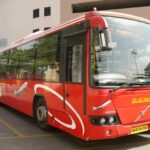

Overview of Intercity Express Bus in South Africa
Intercity express buses in South Africa provide reliable long-distance travel between major cities such as Cape Town, Johannesburg, Durban and Port Elizabeth. Modern coaches offer comfort features like air conditioning, reclining seats and onboard toilets, with luggage allowances and options to book online or at depots. These services complement rail and domestic air travel, serving business travellers and tourists with scheduled day and overnight routes on a growing, safety‑minded network throughout the country.
Definition and scope
Intercity express buses in South Africa are scheduled long‑distance coach services that connect cities and major towns across the country, offering faster routes with fewer stops and a focus on timely travel between urban centers.
Definition: These services use modern express coaches, typically with comfortable seating, climate control, onboard restrooms, and sometimes Wi‑Fi and charging ports; tickets are sold in advance via operators’ websites, apps, or ticket offices, and travel times depend on distance and corridor traffic.
Scope: The intercity express bus network covers all nine provinces, linking capital cities like Pretoria and Cape Town to other metros and regional hubs; many routes extend across provincial borders within South Africa to provide nationwide connectivity.
Cross-border: Some operators run services into neighboring countries such as Namibia, Botswana, Zimbabwe, Mozambique, Lesotho, and Eswatini, supported by cross-border licensing and border controls.
Key players: The sector is led by national brands such as Intercape and Greyhound SA, along with other operators offering scheduled routes, online booking, and a mix of express and semi‑express services.
Regulation and safety: Intercity express buses operate under transport regulations that require operating licenses, vehicle roadworthiness, driver working hours compliance, and safety standards; operators invest in fleet maintenance, route planning, and customer service to ensure reliable travel.
Impact and trends: Intercity buses provide affordable, accessible travel that connects people to jobs, education, and tourism; growth is influenced by road conditions, fuel prices, and competition from air travel, while digital booking and integrated transport planning are shaping the sector’s future.
Historical context and growth
Intercity express buses in South Africa provide long-distance, scheduled road travel between major cities and towns. They are designed for efficient, comfortable journeys over long distances, often serving as a more affordable alternative to air travel while connecting economic hubs and tourist destinations across the country.
The modern intercity bus network in SA emerged from a liberalization of transport markets in the post-apartheid era. In the 1990s and early 2000s, private operators entered the market, expanding routes and upgrading fleets. Government policy such as the National Land Transport Act and related reforms created a framework for licensing, safety standards, and coordination with other modes, fostering private operators alongside any public options.
During the 2000s and 2010s, operators like Intercape, among others, expanded international and domestic routes, modernized fleets with more comfortable coaches, and adopted online booking and centralised ticketing. Growth was driven by rising demand from business travelers, migrant workers, students, and tourists seeking reliable, affordable long-distance travel. Cross-border services also extended to neighbouring countries, reinforcing the role of bus travel in regional mobility.
Intercity express services typically feature fewer stops on longer legs, larger luggage allowances, and amenities such as air conditioning, reclining seats, and on-board toilets. Premium express services may offer additional comforts, while standard options focus on reliability, punctuality, and safety. Operators continually upgrade fleets to improve fuel efficiency, safety, and passenger experience, including GPS tracking and digital ticketing.
Safety, road conditions, and regulatory compliance remain central concerns. The sector faces competition from domestic air travel, car ownership, and cross-border transport, as well as the costs of maintenance and fuel. Regulators have pursued measures to improve driver standards, vehicle inspections, and road safety awareness, while working to balance affordability with sustainable service levels across regions.
Looking ahead, digitization, better integration with other transport modes, and continued fleet modernization are likely to shape the intercity express bus sector in South Africa. Enhanced planning and investment in road networks, passenger protection, and rural connectivity could expand access for communities outside major urban centers and support tourism, commerce, and regional mobility.
Regulatory Framework and Safety Standards
Intercity express bus operations in South Africa are guided by a regulatory framework that prioritizes passenger safety, vehicle roadworthiness, and operator accountability. This framework combines national transport legislation, licensing and inspection regimes, and safety standards enforced by transport authorities and standards bodies, covering vehicle design, maintenance, driver qualifications, and incident reporting. Together, these rules aim to ensure reliable services on major routes, align with international best practices, and support safe, efficient travel for travelers across the country.
Licensing and route approvals
In South Africa, intercity express bus operations are governed by a layered regulatory framework that spans national and provincial levels. The core pillars include the National Land Transport Act, the National Public Transport Regulator, road safety authorities, and vehicle standards bodies. This framework aims to ensure passenger safety, service reliability, and orderly access to routes for intercity services.
Safety standards cover vehicle fitness and equipment. Coaches must comply with compulsory specifications overseen by the relevant standards body, and all buses must pass regular roadworthy inspections at accredited testing stations under the Road Traffic Management Corporation. Fleet safety expectations typically include reliable braking systems, functional safety equipment, adequate seating and emergency exits, working fire suppression measures, seatbelts, and clear passenger information. Operators are also expected to implement a safety management regime, driver training programs, fatigue management, incident reporting, and ongoing maintenance controls.
Licensing for intercity operations involves obtaining a Public Transport Operator Permit and route-specific permissions. An operator must secure a Public Transport Operator Permit from the National Public Transport Regulator and obtain the appropriate route permits for the corridors they intend to serve. Vehicles require valid roadworthy certificates and current license discs issued by the provincial licensing authority. Drivers must hold valid licenses and meet medical fitness requirements under national road traffic regulations.
Route approvals are managed to ensure alignment with national transport policy and local planning. Route authorities assess applications for intercity corridors, considering service levels, timetables, fare structures, safety records, and how the service integrates with other public transport modes within an Integrated Public Transport System. Provinces or municipalities may issue concessions or additional approvals, and route permits are typically subject to periodic renewal and review.
Process guidance for a new intercity express bus service typically includes: planning the service and routes; submitting PTO and route permit applications to the regulator; demonstrating safety compliance (vehicle roadworthiness, operator safety management, and driver training); ensuring vehicle and component compliance with NRCS/SABS standards; securing roadworthy status and provincial license discs; coordinating with licensing authorities; and implementing IPTS integration and reporting. Ongoing compliance requires up-to-date records, maintenance logs, driver rosters, safety audits, incident reporting, and timely renewal of permits and certificates.
Passenger safety and vehicle standards
Intercity express buses in South Africa operate within a national regulatory framework designed to safeguard passengers and ensure reliable service.
The backbone is the National Land Transport Act (NLTA) 5 of 2009, which establishes the Public Transport Regulator and sets out licensing, route allocation, subsidization and service standards; policy direction sits with the Department of Transport, while the Road Traffic Management Corporation coordinates enforcement and roadworthiness standards.
Operator licensing and route permits: Intercity operators must obtain an operating license and route permits from the Public Transport Regulator, and periodically renew them; these licenses tie to safety, service levels, and compliance with vehicle standards.
Vehicle roadworthiness and inspections: Each intercity bus must pass a Certificate of Fitness (CoF) after inspection by accredited testers; annual or periodic checks are required; noncompliance leads to penalties or license suspension.
Passenger safety standards: Buses should have functional seat belts where installed; secure seating, clear boarding/alighting procedures, and accessible features for people with disabilities; emergency exits, fire extinguishers, first aid kits; clear passenger information; driver training on safety, fatigue management, and conflict avoidance.
Vehicle standards and equipment: Buses must meet structural crashworthiness and safe passenger accommodation; compliance with SABS/SANS vehicle standards and, where applicable, UN ECE regulations for buses; safety equipment like fire suppression in engine compartments, adequate lighting and signaling, and CCTV where provided.
Emissions and environmental standards: Operators are expected to use compliant vehicles with emissions meeting national air quality norms; fleet renewal programs support lowering pollution and improving reliability.
Enforcement and compliance: RTMC, traffic police, and other inspectors enforce CoFs, licensing, weight and dimension limits, speed limits and seat belt use; breaches can lead to fines, license suspension or revocation, and restricted operation.
A robust regulatory framework aims to raise safety, reliability, and passenger confidence in intercity express bus services across South Africa.
Driver training and fatigue management
Intercity express bus services in South Africa operate under a structured regulatory framework designed to protect passengers, ensure service reliability, and promote safe operations. The framework brings together national laws, regulator oversight, and industry standards to guide licensing, vehicle safety, and driver conduct on long-distance routes between cities.
Regulatory framework and safety standards are anchored by key statutes such as the National Road Traffic Act and its regulations, the National Land Transport Act and related regulations, and the roles of national and provincial traffic authorities. Operators must be licensed and registered, obtain route permits for public transport, and ensure their fleets comply with safety and roadworthiness requirements. Enforcement and coordination are supported by the Road Traffic Management Corporation and its provincial partners, which monitor compliance, conduct inspections, and promote road safety campaigns across intercity networks.
Vehicle safety standards for intercity buses emphasize roadworthiness, structural integrity, and passenger safety features. Buses must adhere to applicable South African Bureau of Standards specifications and maintainers’ schedules, with regular inspections to verify braking, steering, lighting, and suspension systems. Passenger safety features typically include seat belts where applicable, clearly marked emergency exits, fire extinguishers, first aid equipment, and accessible emergency procedures. Operators are also expected to keep vehicles within permitted weight and dimension limits and to maintain accurate fleet records and maintenance histories.
Driver training is a core component of the regulatory framework. Operators are required to ensure drivers hold valid professional driving licenses and participate in formal training programs approved by the regulators. Training covers defensive and anticipatory driving, passenger safety and crowd management, safe boarding and alighting practices, emergency response procedures, incident reporting, and customer service. Regular refresher courses and competency assessments help drivers stay current with evolving safety standards and operational best practices.
Fatigue management is integrated into scheduling and operations to mitigate risks from long-distance driving. Operators must implement fatigue-aware rostering, provide adequate rest periods between shifts, and monitor driver wellbeing. The use of logbooks or digital recording systems to document driving and rest times is encouraged, along with health checks and fatigue awareness training. These measures aim to ensure drivers are rested, alert, and able to respond effectively to changing road and traffic conditions on intercity routes.
Oversight and compliance are enforced through routine vehicle inspections, route and permit verification, driver licensing checks, and enforcement actions for violations. Inspectors from RTMC and provincial authorities, along with traffic police, conduct spot checks on buses, verify maintenance records, test passenger safety features, and ensure operators adhere to scheduled timetables and permitted routes. Non-compliance can result in penalties, suspension of permits, or other enforcement actions to safeguard passenger safety and service quality.
In the South African intercity express bus sector, this regulatory framework, coupled with strong safety standards, comprehensive driver training, and proactive fatigue management, supports safer travel for passengers, more reliable service delivery, and ongoing improvement in long-distance public transport safety.
Major Operators and Market Structure
South Africa’s intercity express-bus market is dominated by a small set of major operators that structure routes, pricing, and service quality. Leading players such as Intercape and Greyhound South Africa compete on long-haul corridors, while City-to-City and other regional operators fill niche legs and shorter connections. The market tends to be oligopolistic, with licensing, fleet standards, and safety compliance shaping who can operate where, and with competition often centered on reliability, comfort, and network connectivity rather than price alone. Regulators oversee route rights, safety, and accreditation, influencing how networks expand and how operators respond to demand shifts between urban hubs and outlying towns.
Historical major players
Intercity express bus services in South Africa connect major urban centers through long-distance coach networks, forming a key part of the country’s public transport system. The market covers routes linking Johannesburg and Pretoria, Cape Town, Durban, Port Elizabeth, East London, Bloemfontein, and other provincial hubs, with operators varying from large, national networks to more regional players.
Market structure: The long-distance bus sector is an oligopoly with a few large operators controlling most of the licensed route networks. Entry is capital-intensive, requiring modern coaches, maintenance facilities, and route permits under the National Land Transport Act. Operators compete on reliability, reach, comfort, and price, while regulatory oversight, safety standards, and scheduling discipline shape the competitive landscape.
Current major operators include Intercape, Greyhound South Africa, Translux, Citiliner, and Golden Arrow Bus Services. Intercape operates one of the broadest national networks, serving most major cities and regional towns. Greyhound SA has been a prominent brand in long-distance travel, with attempts to rebuild and expand its SA network. Translux and Citiliner, historically associated with Autopax, have been important players in cross‑country routes, particularly in the pre-2000s era, though their brand presence has evolved with market changes. Golden Arrow, with deep roots in the Western Cape, remains a key regional operator with intercity services around Cape Town and beyond.
Historically, Golden Arrow Bus Services dominated Western Cape intercity travel for much of the 20th century, running long-standing routes and building a reputation for reliability. Translux and Citiliner, under Autopax, provided nationwide coverage and competed on many of the same corridors before restructuring and privatization shifts changed the landscape. Intercape emerged as a major national player from the 1980s onward, expanding its network to reach most major centers and linking urban hubs with regional towns, while private and smaller operators filled niche corridors.
Regulatory and market shifts have influenced the balance of power. Reforms in public transport policy, licensing regimes, and safety standards have reinforced the role of licensed operators and created a framework in which large networks can scale efficiently, but competition from privately owned minibuses (paratransit) and emerging travel options continues to challenge full market consolidation. Cross-border and border-post routes add another dimension to market structure, with some operators pursuing regional Southern Africa networks.
In summary, the intercity express bus market in South Africa today is characterized by a small set of large, well-established players who control the majority of licensed routes, complemented by regional operators and legacy brands with historic significance. The structure reflects high entry barriers, regulatory oversight, and ongoing evolution as operators adapt to safety, service quality, and changing travel demand.
Current market share and competition
Intercity express bus services in South Africa connect major cities and tourism hubs across provinces, offering a balance of affordability and comfort for travelers who need longer-haul trips without flying. The market operates along key corridors such as Johannesburg or Pretoria to Cape Town, Durban to the Eastern Cape, and Bloemfontein routes, serving business travelers, students, tourists and budget-conscious travelers. The sector is dominated by a small set of established operators, with competition shaped by licensing, fleet size, route rights and service standards rather than mass-market price wars alone.
Major Operators: The two largest national players are Intercape and Greyhound SA, which operate extensive networks across South Africa and into neighboring countries. Intercape has a long-standing presence on multiple long-distance routes and is known for a large fleet and regular schedules. Greyhound SA also serves major corridors with a complementary network and higher frequency on some routes. In addition to these two, several regional operators run focused services on particular corridors (for example Western Cape routes) and tourism-oriented services, while smaller niche operators compete on specific routes or travel segments.
Market Structure: The market resembles an oligopoly in which a few firms control the majority of long-distance passenger traffic. Entry requires regulatory licenses from the Department of Transport and safety-compliant fleets, which raises barriers to new entrants. Competition is primarily qualitative (frequency, reliability, comfort, safety) rather than purely price-driven because fare levels on popular corridors tend to converge around a known range. Fleet scale, maintenance capability, and service networks create a tiered structure where the top two players offer the most extensive networks, while smaller operators concentrate on selected routes and tourist circuits.
Current Market Share: Publicly available data on precise market shares are scarce. Industry observers generally place Intercape and Greyhound SA among the dominant players, together accounting for a substantial portion of long-distance passenger traffic. Estimates vary by corridor, but Intercape is often cited as holding a leading share on many routes, with Greyhound SA close behind; the remaining share is distributed among regional operators and niche services.
Competition: Competition comes from several fronts. Minibus taxis remain the dominant mode of intercity travel for many travellers, especially on routes with less frequency or where price sensitivity is high, which constrains pricing power for bus operators. Air travel competes on time-sensitive routes and for high-end travellers, while rail services are limited in reach and frequency, though future investments could alter the mix. Online booking, loyalty programmes and improved on-board amenities are differentiating factors as operators seek to attract and retain customers on high-demand corridors.
Regulatory Environment and Barriers to Entry: Licensing, vehicle safety standards and driver qualifications are strictly enforced. Operators must adhere to scheduling requirements and passenger safety regulations, which increases operating costs. The capital outlay for a modern intercity fleet and maintenance, fuel price exposure and insurance costs further raise entry barriers. Government transport policy and public subsidies can influence route rights and competition dynamics, particularly on frequently traveled routes.
Outlook: The market is likely to remain concentrated, with the two largest players maintaining leadership. Growth may come from higher-frequency services, revamped on-board experiences, and more efficient booking platforms. The emergence of cleaner fleets and potential regulatory support for safer road travel could influence competition, while macro factors such as fuel costs and tourism demand will continue to shape market share and service strategies across major corridors.
New entrants and consolidation trends
The intercity express bus sector in South Africa links major cities across long distances, forming a backbone of road transport for travelers and businesses. The market is characterized by a mix of a few large operators and a larger number of smaller players, with routes often focusing on high-demand corridors such as Johannesburg to Cape Town, Johannesburg to Durban, and other metro connections.
Major operators and market structure: The market has long been dominated by a few large operators, with Intercape widely regarded as the largest nationwide bus operator, offering extensive routes, fixed schedules, and a sizable fleet. Greyhound SA has also been a visible player on several key routes. Beyond these brands, a number of regional operators provide coverage on specific corridors, creating a two-tier structure: national reach with scale advantages on core routes, and a diversified set of smaller operators meeting localized demand. High-capacity coaches, safety standards, and passenger expectations drive competition on reliability, comfort, and price.
New entrants: New entrants have tended to be smaller operators, tech-enabled ticketing, and niche players focusing on particular routes or service levels. Entry barriers include licensing, safety compliance, fleet investment, and route rights. Some transport firms have pursued partnerships with online travel platforms and corporate accounts to reach customers more efficiently. The rise of app-based booking and dynamic pricing has gradually increased competition, particularly on price and convenience, while service quality and safety remain differentiators.
Consolidation trends: Consolidation trends include mergers, alliances, and capacity consolidation as operators seek economies of scale, better route planning, and procurement leverage for fleets and maintenance. In some corridors, operators have formed informal collaborations to optimize schedules and reduce empty runs. Regulatory pressure around safety, driver hours, and licensing has also nudged players toward more formal, compliant operations, which can encourage consolidation. However, the market remains fragmentary on less-prioritized routes, with room for niche operators to survive alongside the majors.
Overall, the South Africa intercity bus market combines the dominance of a few large operators with a vibrant set of smaller players, ongoing entry by new entrants leveraging technology, and a trend toward consolidation as the sector seeks efficiencies and scale.
Network and Route Coverage
Network and route coverage for intercity express buses in South Africa links major cities with reliable day and night services, forming an integrated cross-country grid. Operators such as Intercape and Greyhound offer routes between Johannesburg and Cape Town, Durban, Port Elizabeth, and Bloemfontein, with feeder connections to smaller towns. Key corridors—Gauteng–Western Cape, KwaZulu-Natal coast, and the Eastern Cape routes—prioritize frequency, punctuality, and broad coverage to support business travel, tourism, and regional mobility.
Key intercity corridors in South Africa
Intercity express buses form a backbone of long-distance travel in South Africa, linking key urban centers and regional hubs. The network is built around a core set of trunk corridors that carry the bulk of passenger traffic, with supplementary routes feeding smaller towns along the way.
The primary north–south corridor connects Johannesburg and Pretoria with Cape Town, passing through major inland centers and offering connections to towns along the N1 and adjacent routes. This corridor serves high-demand routes with frequent daily departures and overnight options for long journeys, forming a central spine of intercity travel.
The Johannesburg–Durban corridor follows the N3 and linked routes toward the KwaZulu-Natal coast, linking Gauteng with Pietermaritzburg and Durban. This route handles substantial traffic between South Africa’s economic heartland and the major coastal city, with a mix of day and overnight services to accommodate business and leisure travelers.
The coastal and Garden Route corridor runs from Cape Town along the N2 to Port Elizabeth and beyond to East London, connecting the Western and Eastern Capes with the southern coastline. This route is popular for tourism and regional travel, offering scenic journeys with stops at coastal towns and inland cultural centers.
Inland east–west corridors connect Johannesburg and Pretoria with Bloemfontein and the Free State towns, and extend toward Polokwane in Limpopo and Mbombela (Nelspruit) in Mpumalanga. These routes support business travel and access to mining and agricultural centers, with strategic hubs where services converge for onward connections.
Major urban centers—Johannesburg, Pretoria, Cape Town, Durban, Bloemfontein, Port Elizabeth, and smaller gateway towns—anchor the network as hubs. From these hubs, a mix of frequent trunk services and feeder routes extend to regional towns, creating a web of connectivity across the country.
Service patterns typically include daytime departures and overnight options, with travel times influenced by distance, road conditions, and demand. Operators frequently offer varying seating classes, luggage allowances, and on-board amenities to suit both business travelers and holidaymakers.
Overall, the intercity express bus network in South Africa emphasizes robust trunk corridors supported by feeder routes, enabling broad geographic coverage that connects major cities with regional centers while preserving travel flexibility and affordability for travelers across the country.
Urban-to-rural connectivity
A robust intercity express bus network in South Africa can stitch together urban centers with rural towns, improving mobility, access to markets, and opportunities. Focusing on network and route coverage and urban-to-rural connectivity highlights how long-distance coaches shape travel across provinces and border areas.
In South Africa, intercity express operators concentrate on core corridors along major highways, creating dense route networks between the country’s large urban hubs such as Johannesburg, Pretoria, Cape Town, and Durban, with extended links to other provincial capitals and regional centers. This results in strong route coverage around Gauteng, the Western Cape, and KwaZulu-Natal, while longer-distance trips serve secondary towns and district towns along the way.
Rural connectivity in this context depends on feeder networks and the extent to which direct long-distance services reach smaller communities. Many rural residents rely on infrequent services that connect to provincial capitals or regional hubs, while direct daily or near-daily services to remote towns are less common. The outcome is a mix of solid urban-primary coverage with uneven rural reach and occasional long-haul detours to serve outlying communities.
Urban-to-rural connectivity through intercity buses offers tangible benefits: improved access to jobs, healthcare, education, and markets; reduced travel times for residents who would otherwise undertake longer road trips or rely on less predictable transport options; and the potential to unlock rural tourism and local commerce by linking countryside destinations with city markets.
Several barriers constrain broader rural coverage, including gaps in route density, limited frequency on smaller corridors, affordability for low-income travelers, safety perceptions, inconsistent road conditions, and regulatory or permit hurdles. The result is pockets of underserved rural areas where travelers must rely on indirect routes or alternative transport modes.
Strategies to improve network coverage and urban-to-rural connectivity include: data-driven route planning to identify high-demand corridors and under-served towns; developing feeder connections from smaller settlements to express-bus hubs; integrating services with rail, BRT, and local minibus networks for seamless last-mile access; implementing interoperable ticketing and real-time scheduling; and fostering public-private partnerships with provincial transport authorities to ensure safety, reliability, and affordability across the network.
Current intercity operators in South Africa generally cover major city pairs and regional corridors, while rural towns are often reachable through indirect journeys or multi-leg itineraries. Expanding direct services to key rural nodes, alongside improved feeder links and integrated ticketing, can enhance overall network cohesion and ensure that urban growth benefits rural communities as well.
Ultimately, a coordinated approach—combining private operators, municipal and provincial planning, and multi-modal integration—can expand Network and Route Coverage in South Africa’s intercity express bus system and strengthen urban-to-rural connectivity, supporting inclusive economic development and regional resilience.
Night services and reserved routes
Intercity express buses in South Africa form a practical backbone for long-distance travel between the country’s major urban centers and popular regional hubs. Operators focus on trunk routes that link Johannesburg and Pretoria with Cape Town, Durban, and Port Elizabeth, with networks expanding to Bloemfontein, East London and other key towns. The coverage and frequency vary by operator and season, but most services aim to offer reliable, comfortable, and safe door-to-door transport with central terminals in big cities.
Network and route coverage: The core network centers on established corridors such as Johannesburg–Cape Town, Johannesburg–Durban, and Cape Town–Port Elizabeth via the N2 highways. From these cores, operators extend outward to additional towns along the routes, providing day services and often overnight options to improve efficiency. Major terminals in Johannesburg, Pretoria, Cape Town, Durban and Bloemfontein serve as transfer hubs, enabling passengers to connect between long-distance services and regional routes. Availability of routes and stops can vary, so checking current timetables with the operator is important.
Night services: Night-time or overnight services are offered on several trunk corridors, allowing travelers to save on accommodation and to reach destinations early in the morning. These services typically run with limited stops to keep travel times competitive and may feature added comfort such as reclining seats and onboard amenities. Security and luggage policies can vary, so passengers should verify safety provisions and booking requirements in advance.
Reserved routes: On some corridors, operators run express or reserved routes that use limited stops and planned schedules to guarantee faster, more predictable travel times. These routes may involve coordination with highway authorities or terminal operators to ensure priority boarding or streamlined transfers at major hubs. Reserved routes are designed for travelers who want a quicker journey between capitals and primary economic centers, rather than sightseeing trips that require frequent stops.
Practical tips: Plan ahead by checking current timetables and booking early, especially for peak travel periods. Compare operators for fare, luggage allowances, seating types, and on-board services. Consider safety and comfort factors, choose routes that operate from reputable terminals, and allow extra time for changes if your plans are not fixed. Using the major hubs can simplify connections between long-distance services and local transport.
Fleet, Technology, and Services
In South Africa, the intercity express bus sector is driven by a modern fleet, smart technology, and integrated services that together raise reliability, safety, and passenger comfort. Fleet design emphasizes fuel efficiency and low emissions, supported by telematics, live tracking, and predictive maintenance. Technology enables real-time passenger information, seamless payments, and robust safety systems, while Services cover scheduling, booking, customer support, and end-to-end maintenance partnerships for routes linking major cities across the country.
Types of buses and amenities
Intercity express buses in South Africa offer scheduled long-distance travel between major urban centers and smaller towns, combining wide corridor coverage with a focus on comfort, safety, and value.
Fleet across operators typically consists of modern long-distance coaches built by leading manufacturers such as Volvo, Scania, Mercedes-Benz, MAN, and Setra. These coaches range from 40- to 54-seat configurations, with high-back reclining seats, generous luggage compartments, and smooth suspension designed for the varied terrain of the country.
Technology in the fleet supports reliability and passenger convenience. Fleet telematics provide real-time tracking, driver performance monitoring, and predictive maintenance, while booking systems and mobile apps enable digital ticketing, seat selection, and contactless payments. Onboard Wi-Fi and USB charging ports are common at the premium end of the market, supported by GPS-based passenger information systems.
Operators segment services into express or premium offerings. Express services emphasize shortest travel times and frequent departures, while premium or executive options may include extra legroom, larger luggage allowances, and enhanced on-board service. Routes are mapped to major corridors such as Johannesburg to Cape Town, Durban to Johannesburg, and other intercity links, with strategic stops for passenger comfort and safety.
Types of buses include standard intercity coaches, premium coaches with extra legroom and additional amenities, and accessible coaches for wheelchair users. Overnight or night services exist on longer routes and are designed with more comfortable seating and blackout cabins to help rest.
Amenities on modern SA intercity coaches commonly include air conditioning, reclining seats with footrests, generous luggage space, onboard toilets in some coaches, reading lights, personal charging points, USB ports, and sometimes a cabin supervisor serving beverages.
Safety and standards are maintained through licensed operators, regular maintenance, CCTV in some vehicles, seatbelts, and trained drivers. Operators monitor schedule adherence to minimize delays, and customer service channels are available for feedback.
Traveling by intercity express bus in South Africa offers a balance of affordability, comfort, and network reach, enabling travelers to explore the country’s diverse landscapes with modern amenities.
Safety technology and telematics
Intercity express buses in South Africa are a vital transport artery, linking major cities and regional hubs with a focus on reliability, comfort, and efficiency. As demand for safe, punctual long‑distance travel grows, fleets are increasingly shaped by integrated fleet management, advanced technology, and responsive service models that keep intercity journeys predictable across corridors such as Johannesburg to Cape Town and Durban to Bloemfontein.
Fleet and technology come together through standardized coaches equipped with telematics platforms that monitor location, speed, engine health, fuel usage, tire condition, and other critical metrics in real time. Operators leverage these data feeds for route optimization, dynamic scheduling, and proactive maintenance, reducing downtime and improving asset utilization across large regional networks.
Safety technology on intercity buses in South Africa typically includes active systems like anti-lock braking, electronic stability control, and emergency braking, along with driver assist features where available. In addition, onboard CCTV, passenger safety alarms, secure luggage handling, and driver monitoring help safeguard travelers and support incident investigations when required.
Telematics and predictive maintenance are central to reducing breakdowns and extending vehicle life. Remote diagnostics, tire‑pressure monitoring, fuel‑efficiency analytics, and brake wear monitoring enable maintenance teams to schedule services before problems arise. Local telematics providers such as MiX Telematics, Cartrack, and Ctrack are commonly employed to tailor maintenance windows and parts supply to South Africa’s express‑bus operations.
Services and passenger experience are enhanced by reliable communication and comfort features. Many intercity services offer on‑board Wi‑Fi, USB charging, climate control, and ergonomic seating, complemented by real‑time service updates, mobile ticketing, and contactless payments. Comprehensive fleet support—including 24/7 maintenance, spare parts logistics, and driver training—further strengthens reliability and safety on long journeys.
Regulatory and compliance considerations shape fleet operations, with safety, hours of service, and vehicle inspection standards guiding day‑to‑day practice. Telemetry data supports regulatory reporting, fatigue management, and incident reviews, helping operators meet South Africa’s governance requirements while maintaining high service standards for intercity travel.
Looking ahead, the intercity express sector in South Africa is exploring electrification and other alternative propulsion options for long‑distance routes, alongside continued advances in telematics, remote diagnostics, and integrated services. The combination of safer technology, smarter fleet management, and enhanced passenger services positions South Africa’s express bus networks to deliver reliable, efficient, and safer long‑haul travel for the years to come.
Ticketing platforms and payment methods
Intercity express bus services in South Africa connect major cities and towns with modern fleets, advanced technology, and customer-focused services, complemented by ticketing platforms and diverse payment options.
- Fleet
Long-distance coaches are designed for comfort and safety on South Africa’s highways, typically featuring high-back seats, ample luggage space, stability systems, and efficient engines. Operators maintain fleets with regular servicing and real-time vehicle tracking to minimize delays on routes between major hubs such as Johannesburg, Cape Town, Durban, and Port Elizabeth.
- Technology
Telematics and GPS-based fleet management enable precise scheduling, live ETAs, and incident response. Passengers benefit from Wi‑Fi, USB charging, climate control, and passenger information displays. Mobile apps and onboard systems support route optimization, safety monitoring, and remote diagnostics for proactive maintenance.
- Services
Express and semi-express services offer varying stop patterns, with clear baggage policies and accessibility features for travellers with reduced mobility. Reliability, punctual departure times, clean terminals, and customer support are key service differentiators, along with partnerships for luggage handling and hotel or shuttle integrations where available.
- Ticketing platforms
Ticketing is delivered through operator websites, dedicated mobile apps, and authorized travel portals. Features often include seat selection, e-tickets, real-time schedule updates, flexible fare options, and easy refund or transfer policies, with multilingual support to cater to a diverse traveller base.
- Payment methods
Common payment methods include credit and debit cards, electronic funds transfers, and mobile wallets. South Africa’s ticketing ecosystem also leverages options like SnapScan, Zapper, and Apple Pay or Google Pay where accepted, with cash-on-bus being less common and subject to operator policy.
Pricing, Accessibility, and Customer Experience
Pricing, accessibility, and customer experience shape the intercity express bus scene in South Africa, where competitive fares, broad route coverage, and easy booking meet reliable schedules, comfortable seating, and helpful service to connect cities and communities across the country.
Fares, pricing strategies, and discounts
Intercity express bus travel in South Africa offers affordable, accessible, and convenient connections between major cities and regional hubs. This article explores pricing, accessibility, and customer experience, along with fares, pricing strategies, and discounts used by operators in the South African market.
- Pricing and Fares
- Fares vary by distance, service level (Economy, Comfort, Express), and route popularity. Base prices are commonly set for short hops and adjusted for longer journeys.
- Pricing strategies include dynamic or tiered pricing, peak-period surcharges, early-bird discounts, and loyalty programs to reward repeat travelers.
- Additional charges may apply for luggage, seat selection, or on-board facilities; VAT and booking fees are typically included in the total fare.
- Payment options often include card payments, mobile wallets, and in some cases cash at stations; online booking is widely available.
- Accessibility and Inclusive Travel
- Stations and many buses are increasingly equipped for accessibility, with wheelchair access, priority seating, and assistance services available on request.
- Booking platforms allow accessibility notes, and staff training supports travelers with mobility, visual, or hearing needs.
- Clear information on routes, timetables, and platform changes helps travellers plan with confidence.
- Customer Experience and Service Quality
- On-time performance, route coverage, and the overall reliability of services are key drivers of satisfaction for intercity travel in South Africa.
- Comfort features such as ergonomic seating, climate control, and clean rest areas contribute to a positive journey, while on-board amenities vary by operator.
- Booking channels, real-time status updates, friendly customer support, and clear policies enhance trust and convenience for travelers.
- Discounts and Promotions
- Common discounts include student, senior, and group rates, as well as special promotions during holidays or off-peak periods.
- Loyalty or rewards programs and corporate or school booking contracts can reduce costs for frequent travelers.
- Travelers are advised to compare operators, book well in advance when possible, and consider off-peak travel to maximize savings.
Booking channels and customer support
Intercity express buses in South Africa provide a widely used option for travel between major urban centers, offering value, regular schedules, and regional coverage. The landscape includes several operators and a range of services designed for different budgets and needs.
- Pricing
- Competitive fares with tiered pricing (standard, economy, express).
- Dynamic pricing and advance booking discounts.
- Discounted fares for students, seniors, and groups; promotions during holidays.
- Hidden costs: luggage fees, seat selection, on-board extras; read the terms.
- Accessibility
- Extensive route network connects major cities such as Johannesburg, Cape Town, Durban, Port Elizabeth, and Bloemfontein.
- Wheelchair-accessible vehicles and accessible booking options where available; assistance at terminals.
- Airport connections and central urban terminals; parking and drop-off options.
- Considerations for rural travelers: regional stops and feeder services.
- Customer Experience
- Comfort: legroom, reclining seats, onboard amenities depending on class.
- Reliability: on-time performance, check-in times, luggage handling.
- Safety: driver training, vehicle maintenance, hygiene measures where applicable.
- Cleanliness: restrooms, air conditioning, power outlets where offered.
- Booking Channels
- Online platforms: operator websites, mobile apps, and third-party aggregators.
- Phone reservations and in-person ticket offices at major terminals.
- Last-minute vs. advance bookings; cancellation policies and refunds.
- Group and corporate bookings; travel packages and bundles.
- Customer Support
- Pre-travel assistance: 24/7 call centers, live chat, email support.
- On-the-day support: terminal staff, on-bus attendants, lost luggage handling.
- Refunds and complaint handling: response times, escalation processes.
- Accessibility of support: multilingual options common in SA (English, isiZulu, isiXhosa, Afrikaans, etc.).
Accessibility for people with disabilities
Intercity express buses in South Africa connect major cities such as Johannesburg, Cape Town, Durban, and Port Elizabeth, offering a practical alternative to air travel and long road journeys. For travelers, three areas matter most: pricing, accessibility, and the customer experience. Getting these right can make long-distance trips reliable, affordable, and comfortable for people with disabilities.
Pricing should be transparent and fair across operators. Effective pricing strategies include clear fare brackets based on distance and service level, early-bird discounts, off-peak fares, student and senior discounts, and group rates. Hidden fees for baggage, seat selection, or boarding should be avoided. Online booking platforms should show total costs upfront, with accepted payment methods and currency. For travelers on fixed budgets, price comparisons across operators and routes help plan trips without sacrificing reliability.
Accessibility considerations include both the physical bus and the stations. Intercity coaches should offer wheelchair-accessible ramps or lifts, accessible seating, and spaces for accompanying caregivers. Onboard features may include priority seating, wide aisles, securement points, accessible restrooms where available, and cabin announcements. Stations and pickup points should have clear signage, step-free access, ramps, tactile guides, and trained staff to assist passengers with disabilities. Booking systems should allow accessibility requests to be noted and honored, with confirmation of such arrangements.
Customer experience encompasses ease of booking, clarity of information, on-time performance, and comfort. Buses should be clean, well-maintained, with comfortable seating, adequate legroom, climate control, and reliable Wi-Fi or charging ports where offered. Staff should be courteous, multilingual when needed, and capable of assisting passengers with special needs. Real-time updates by SMS or app about delays, gate changes, and expected arrival times improve confidence, as do simple, accessible processes for getting help or filing feedback.
Travelers with disabilities benefit when operators publish accessibility policies, training standards for drivers and customer service teams, and a clear process for requesting accessibility accommodations. For best results, travelers should contact operators ahead of travel, confirm accessible seating options, and carry any required documentation or equipment. A strong focus on pricing transparency, accessibility, and a positive customer experience supports safer, more inclusive intercity travel across South Africa.
Environmental and Sustainability Considerations
Environmental and sustainability considerations shape the growth of intercity express buses in South Africa by promoting cleaner travel, reducing traffic congestion, and expanding mobility across provinces. Through fuel-efficient fleets, regular maintenance, optimized scheduling, and the gradual adoption of cleaner fuels or electric drives where feasible, these services aim to lower per‑passenger emissions, minimise noise, and protect air quality while supporting economic development and access to remote communities.
Emissions and fuel efficiency
Intercity express buses in South Africa form a vital link between major cities and distant towns, offering affordable travel while shaping regional development. As passenger demand grows, environmental and sustainability considerations have moved from afterthought to central planning in fleet procurement, route design, and day-to-day operations.
Emissions from diesel buses include carbon dioxide, nitrogen oxides and particulate matter, all of which affect air quality and human health along busy corridors such as Johannesburg–Pretoria, Cape Town–Port Elizabeth, and Durban routes. Because long-distance routes cover hundreds of kilometers, even small improvements in fuel efficiency or engine technology can translate into meaningful emission reductions when multiplied across fleets and days.
Reductions are increasingly achieved through newer powertrains and after-treatment systems. Modern intercity buses often incorporate high-pressure common-rail engines, diesel particulate filters, selective catalytic reduction, and exhaust gas recirculation to meet stricter standards. The availability of low-sulfur diesel and refined maintenance practices enhances the effectiveness of these technologies and lowers real-world emissions.
Fuel efficiency is driven by multiple design and operational factors. Aerodynamic body shells reduce drag, light-weight materials cut engine load, and efficient transmissions improve power delivery. Retrofitting with energy-saving technology, such as intelligent cruise control and precise speed management, reduces fuel burn on long legs and when climbing grades typical of South Africa’s escarpments. Effective driver training and telematics enable smoother acceleration and reduced idling, further lowering consumption and emissions.
Alternative fuels and powertrains are part of the longer-term sustainability strategy. Biodiesel blends, hydrotreated vegetable oil (HVO) and other renewable options can lower lifecycle carbon intensity of fleets already in operation. Electric and hybrid buses are being piloted in select corridors, with potential to eliminate tailpipe emissions on some intercity routes while charging infrastructure expands.
Lifecycle sustainability covers manufacturing, maintenance, and end-of-life considerations. Operators are paying attention to supply chain ethics, the recyclability of composite body panels, tire and brake material recycling, and the safe management of batteries in electric or hybrid buses. Regular maintenance ensures engines operate closer to design efficiency, and proper scrapping reduces the environmental footprint of decommissioned vehicles.
Policy and market dynamics support cleaner intercity travel. Government programs, municipal incentives and regulatory standards encourage fleets to adopt lower-emission technologies, monitor fuel quality, and set performance targets for emissions per passenger-kilometre. Industry associations also help share best practices, from route optimization to procurement strategies that favor fuel-efficient vehicles.
For operators aiming to maximize environmental benefits, a practical package includes updating to newer, cleaner fleets, deploying telematics to optimize routes and speeds, and pursuing financing options for cleaner technologies. Life-cycle cost analysis helps justify investments in higher-efficiency buses, while partnerships with fuel suppliers and maintenance providers ensure consistent performance and lower emissions over the vehicle’s lifetime.
In South Africa’s intercity network, sustainable express buses can deliver reliable, low-emission travel that supports tourism, business, and regional growth. By prioritizing fuel efficiency, advanced emission controls, and cleaner energy options, operators can reduce health impacts from air pollution, lower operating costs, and create a more resilient transport system for the country’s evolving mobility landscape.
Electric and alternative-fuel options
Intercity express buses in South Africa connect major cities and towns while offering a lower-emission alternative to private car travel and short-haul flights. Environmental and sustainability considerations are central to planning, procurement, and operations as operators explore electric and alternative-fuel propulsion to reduce carbon footprints, improve air quality, and support climate commitments.
Key environmental benefits include reductions in tailpipe pollutants such as NOx and particulate matter, lower sound levels from electric drivetrains, and potential improvements in road safety and urban livability when fleets transition from older, higher-emission diesel buses. A comprehensive sustainability approach also requires addressing upstream emissions, fuel life cycles, and end-of-life battery or component recycling.
Electric options offer zero tailpipe emissions at point of use and can leverage South Africa’s growing renewable energy capacity for cleaner operation. Battery-electric intercity buses require sufficient range on long corridors, robust depot charging or opportunity charging along routes, and grid-ready charging infrastructure. Energy efficiency, thermal management, battery pack safety, and high upfront costs are important considerations for operators and policymakers.
Hydrogen fuel cell buses present an alternative for longer ranges and rapid refueling, with the advantage of similar duty cycles to diesel for longer intercity legs. However, this pathway depends on reliable green hydrogen production, a national fueling network, and cost-effective storage and safety systems. In parallel, hybrid configurations can provide a bridging solution during fleet modernization.
Biomass-based or renewable biofuel blends, compressed natural gas (CNG), liquefied natural gas (LNG), and renewable diesel are other options that can reduce well-to-wheel emissions relative to conventional diesel. The suitability of these fuels depends on local supply chains, vehicle compatibility, maintenance practices, and the regional energy mix used for electricity and fuel production.
In South Africa, the environmental case for switching to alternative fuels or electrification must contend with the current electricity mix, which has historically relied heavily on coal but is gradually changing with more renewables. Fleet operators can maximize benefits by pairing clean energy procurement with route optimization, load management, and smart charging to align charging with periods of high renewable generation.
Practical considerations include capital costs, maintenance expertise, availability of spare parts, and the development of charging or fueling infrastructure along major intercity corridors such as Johannesburg to Cape Town, Pretoria to Richards Bay, and port-centric hubs. Public-private partnerships, government incentives, and regional energy planning are important to accelerate rollout and ensure equitable access to cleaner transit options.
Long-term sustainability for intercity express buses in South Africa will rely on a mix of technologies, lifecycle thinking, and integrated planning. By aligning vehicle choices with grid readiness, renewable energy expansion, and efficient service planning, the intercity bus network can deliver lower emissions, improved air quality, and a more resilient transportation system for the country.
Waste management and sustainability policies
Intercity express buses in South Africa connect major urban centers across long distances and are increasingly viewed through the lens of environmental stewardship and sustainability.
Vehicle technology and fuels: Many operators upgrade to modern coaches with efficient engines, better aerodynamics, and low-rolling-resistance tires. Onboard features such as idle-reduction systems and advanced exhaust after-treatment help meet local emissions standards. There is growing exploration of alternative fuels and powertrains, including compressed natural gas, biodiesel blends, and pilot electric or hybrid buses on select routes, driven by policy signals and total-cost-of-ownership considerations.
Emissions and air quality: National policies, including the National Environmental Management Act and the Air Quality Act, set the framework for vehicle emissions, fuel quality and monitoring. Operators are encouraged to optimize routes and schedules to minimise idling, reduce unnecessary mileage, and maintain vehicles to operate at peak efficiency, thereby lowering particulate matter and NOx emissions along busy corridors.
waste management on intercity services: Buses and depots produce waste from passenger amenities and servicing stops. Operators implement onboard waste management with recycling bins, minimize single-use plastics, and ensure proper disposal or recycling of used oils, filters, batteries, and tires through approved facilities and hazardous-waste streams.
Depot and fleet maintenance sustainability: Depots can incorporate energy-efficient designs, solar PV installations, LED lighting, rainwater harvesting, and water-saving measures. Maintenance workshops follow safe chemical handling, spill control, and waste segregation, while refurbishment and careful component reuse extend vehicle life and reduce waste.
Sustainability governance and policy alignment: Intercity operators align with national transport and environmental policies, including climate and green transport initiatives. Procurement may require gear toward fuel efficiency, lower-emission options, lifecycle cost analysis, and independent audits of environmental performance. Public reporting on fuel use, emissions, and waste management is increasingly expected by regulators and financiers.
Social and economic dimensions: Sustainability also covers road safety, driver training, customer experience, and local employment. Efficient intercity services can reduce road congestion, support tourism, and encourage modal shift from private cars to a shared transport option with lower per-capita emissions.
Challenges and opportunities: Implementation requires investment in cleaner fleets and maintenance capacity, and older buses may present waste and emissions challenges. Opportunities include depot-scale energy systems, pilots of battery-electric or hybrid intercity buses, data-driven route optimization, and expanded recycling networks for vehicle parts and end-of-life components.
In summary, environmental and waste-management considerations in South Africa’s intercity express bus sector are shaped by policy, technology, and responsible operations, contributing to cleaner air, reduced waste, and sustainable travel between cities.
Impact of COVID-19 and Recovery
The COVID-19 pandemic disrupted South Africa’s intercity express bus network, halting or delaying services, reducing passenger demand, and challenging operators to keep routes viable while protecting travelers. As the country moved toward recovery, the sector has begun rebuilding with stricter health protocols, digital ticketing, and smarter scheduling, creating a more resilient and safer intercity travel option that supports regional connectivity and economic rebound.
Operational disruptions and recovery strategies
Intercity express bus services in South Africa form a critical backbone for mobility between major cities, supporting daily commuters, students, and regional trade. The sector’s resilience during the aftermath of the COVID-19 shock has highlighted how essential reliable cross-city transport is for economic activity and social connectivity across provinces.
The COVID-19 pandemic brought sweeping lockdowns and travel restrictions that halted normal intercity operations and sharply curtailed passenger demand. Border controls, curfews, and safety concerns reduced long-distance bus travel to a fraction of pre-pandemic levels, forcing operators to rethink scheduling, routes, and capacity as passenger confidence gradually returned.
Operational disruptions extended beyond demand. Fleets spent long periods idle or underutilized, maintenance backlogs accumulated, and servicing contracts were renegotiated under tighter cash flow conditions. Staff rostering and training plans were disrupted, and some operators faced higher insurance costs and financial strain from deferred payments on vehicles and depots. These realities created a need for agile fleet management and tighter financial discipline.
Health and safety protocols became permanent considerations in the recovery phase. Operators adopted enhanced cleaning regimes, contactless check-ins, and reduced carriage capacity to support distancing where possible. Mask mandates and sanitization stations became standard, and communications with passengers emphasized transparency about schedules, health measures, and changes to service levels.
Recovery strategies focused on rebuilding demand with a phased, demand-driven approach. Operators implemented flexible cancellation and rescheduling policies, restarted services progressively as restrictions eased, and prioritized routes with the strongest demand signals. Cost containment through optimized fuel use, maintenance scheduling, and depot utilization helped stabilize cash flow while keeping essential connectivity intact.
Digital transformation played a central role in restoring passenger trust and convenience. Online ticketing, mobile payments, real-time schedule updates, and digital boarding processes reduced contact points and improved the user experience. Data analytics supported better demand forecasting, dynamic pricing, and more accurate capacity planning, enabling quicker responses to changing travel patterns.
Resilience through collaboration and diversification became a key recovery theme. Partnerships with tourism boards, regional authorities, and private sector stakeholders supported targeted campaigns to revive domestic travel, especially to tourism hotspots. Some operators explored diversification into freight or charter services to smooth revenue during low passenger periods, leveraging existing fleets and networks.
Looking ahead, the intercity express bus sector in South Africa is likely to continue integrating with broader transport and tourism strategies. A focus on reliability, safety, and sustainability—alongside continued digitalization and flexible service design—will be crucial for recovering passenger volumes and sustaining rural and peri-urban connectivity. The experience from the COVID-19 era offers a blueprint for building more resilient, customer-centric intercity bus networks across the country.
Health and safety protocols
The intercity express bus network in South Africa plays a crucial role in connecting cities and rural towns, and the COVID-19 pandemic significantly disrupted travel across provinces. Lockdowns, travel restrictions, and border controls curtailed passenger demand, forced route suspensions, and altered travel patterns for commuters, students, and tourists relying on bus services for affordable mobility.
Economically, operators faced a sharp drop in revenue as high fixed costs met reduced passenger numbers. Fleets were idled or repurposed, staff faced furloughs or layoffs, and cash flow tightened. Many companies restructured routes, renegotiated leases, and sought ways to preserve essential services while balancing safety and financial viability in an uncertain environment.
Health and safety protocols became central to the recovery process. Operators implemented enhanced cleaning regimes, deploying disinfectants on high-touch surfaces and between trips. Mask requirements, personal protective equipment for drivers, and clear health guidelines for staff were adopted. Terminals and vehicles were equipped with hand sanitizers, and information materials educated passengers on hygiene practices and how to travel responsibly during the pandemic.
For passengers, experience shifted toward contactless and risk-aware travel. Online booking and digital payments reduced cash handling, while boarding procedures and queue management helped minimize close contact. Signage and announcements reminded travelers about mask use, hygiene, and the importance of staying home if they felt unwell, contributing to safer journeys for both staff and patrons.
Vehicle design and operations evolved to support safer travel. Improved ventilation within coaches, regular cleaning between trips, and, where feasible, physical barriers in the driver area helped reduce risk. Operators also reviewed seating arrangements to allow for greater spacing between passengers and adjusted schedules to avoid crowding at terminals during peak times.
As restrictions eased and domestic mobility rebounded, the intercity bus sector in South Africa began a cautious but steady recovery. Tourism, business travel, and education-related trips gradually returned, supported by flexible booking options, improved reliability, and ongoing emphasis on health and safety. The experience underscored the sector’s resilience and its essential role in rural connectivity and regional economies.
Looking ahead, standardizing health and safety practices across operators will be key to sustaining recovery. Ongoing staff training, transparent passenger communication, and contingency planning for future health events will help maintain service continuity. Embracing technology for real-time occupancy insights, enhanced cleaning verification, and streamlined passenger experiences will support a safer, more reliable intercity express bus network across South Africa.
Challenges, Risks, and Opportunities
Intercity express buses in South Africa sit at a crossroads of challenges, risks, and opportunities. The sector must navigate aging highway infrastructure, inconsistent security on some routes, and stringent safety and driver-welfare regulations, all while coping with volatile fuel prices and the pressure to deliver reliable, punctual service across vast urban and rural corridors. Operational risks include maintenance backlogs, vehicle downtime, and exposure to crime or vandalism, as well as regulatory changes that impact pricing, licensing, and labor practices. Yet compelling opportunities exist: expanding affordable mass transit to reduce congestion and emissions, deploying digital ticketing and real-time tracking, and strengthening links with rail and tourism to boost regional connectivity and job creation.
Infrastructure constraints and road conditions
Intercity express bus services in South Africa play a crucial role in linking major cities, regional towns and tourism hubs. They offer an affordable, relatively reliable travel option that complements rail and air transport, but they operate within a challenging environment shaped by infrastructure constraints and varying road conditions.
Challenges facing operators include a complex regulatory framework for permits and licenses, vehicle safety standards, and driver qualification requirements. Differences across provinces create fragmentation in scheduling, tolling and road-use charges. Safety and security concerns, from passenger theft to hijackings in rural corridors, require investment in security measures, training and monitoring. Vehicle maintenance costs are high given varied road surfaces, long distances, and the need for spare parts availability across the country. Availability of skilled drivers, financing for modern fleets, and competitive pressure from minibus taxis and unregulated operators also pressurize margins. Weather, load-shedding and fuel price volatility further complicate reliable timetabling and operational planning.
Risks include service disruption from roadworks, traffic congestion, and accidents on busy corridors such as the N1 and N3. Crime risk can impact both passengers and staff, and there is a risk of insurance costs rising due to incidents. Regulatory risk exists if policy shifts affect route rights or subsidies. Economic shocks can dampen demand, while civil unrest or safety incidents can erode traveler confidence. On long routes, breakdowns can strand passengers if maintenance networks aren’t robust.
Opportunities arise from growing urbanization, a need for affordable long-distance travel, and potential modal shift away from private cars. Partnerships with rail, airlines or tourism operators can broaden networks and share facilities. Digitization—online ticketing, real-time tracking, dynamic pricing—can improve reliability and reduce no-shows. Investments in cleaner or electric buses, biofuel options, and energy-efficient fleets can lower running costs and emissions. Rest stops, secure depots, and integrated multimodal hubs can enhance passenger experience. Public-private partnerships and targeted subsidies could help extend intercity coverage to underserved regions.
Infrastructure constraints and road conditions: South Africa faces a maintenance backlog on national and provincial roads, with potholes, degraded shoulders and insufficient signage being common on many routes. Roadworks, lane closures and detours cause delays and schedule deviations. Limited bus-priority lanes and scarcity of safe, well-equipped rest facilities for long-distance travelers reduce service reliability. Toll regimes and weighbridges can slow operations, while limited access to high-quality spare parts and qualified technicians increases downtime. Climate variability and extreme weather can degrade roads, posing safety risks. Inconsistent electrification for charging electric buses also poses a challenge in the absence of widespread charging infrastructure.
To unlock opportunities, stakeholders should focus on road maintenance funding, expand and upgrade intercity depots and rest stops, enable predictable regulatory environments, and encourage fleet modernization with safer, cleaner vehicles. Coordinated planning with rail and aviation sectors, investment in digital platforms and data sharing, and targeted subsidies can boost reliability, safety, and affordability while supporting broader economic growth.
Regulatory changes and price volatility
Intercity express buses in South Africa play a vital role in connecting cities and towns, offering affordable and relatively reliable travel along major corridors such as Johannesburg to Cape Town, Pretoria to Durban, and Port Elizabeth routes. The sector supports tourism, enables regional mobility, and complements rail and air travel by serving routes where other modes are less convenient. Operators range from long-standing incumbents to newer entrants leveraging digital booking and modern fleets.
Challenges facing the intercity bus sector include aging fleets and rising maintenance costs, high fuel prices, insurance, and tolls; intense competition from minibus taxis and, on some routes, air travel; road safety pressures and enforcement; regulatory compliance and licensing complexities; driver shortages and skills gaps; and vulnerability to weather, protests, or disruptions on busy corridors.
Key risks include regulatory and safety compliance risk, financing risk from debt or lease obligations, and exposure to fuel price volatility and currency fluctuations for spare parts. Security risks on certain routes and reputational risk from incidents can affect demand. Policy shifts, such as changes in permit regimes or subsidy policies for public transport, can alter the operating environment quickly.
Opportunities exist through digitalization and data-enabled route optimization, online ticketing, dynamic pricing, and real-time fleet monitoring to improve punctuality and asset utilization. Fleet modernization with more comfortable and efficient buses, including low-emission or electric/hybrid options, can reduce operating costs and appeal to sustainability-minded passengers. Partnerships with tourism boards and local authorities can expand services to underserved towns, while public-private collaborations may unlock subsidies or grants for safety upgrades and training.
Regulatory changes shape how operators run intercity services. Reforms under the National Land Transport Act and related regulations aim to streamline permit processes, standardize safety checks, and improve consumer protection. For operators, this means tighter vehicle fitness requirements, driver training standards, hours-of-service rules, and mandatory reporting. The regulatory environment can be a barrier to entry but also a driver of safer, more reliable services if implemented transparently.
Price volatility affects cost structures and fares. Diesel price swings, changes in fuel taxes, and tolls on major corridors quickly translate into higher operating costs. Inflation and wage pressures add to price sensitivity among passengers, who often compare intercity bus fares with air and rail options. Operators may respond with hedging strategies, tiered pricing, or optimization of routes and schedules to maintain margins.
Taken together, the intercity express bus market in South Africa faces a mix of headwinds and opportunities. Strategic investments in safety, efficiency, and customer experience, aligned with clear regulatory compliance, can improve resilience and expand access for more communities while helping operators navigate price volatility and shifting policy landscapes.
Growth opportunities and regional expansion
Intercity express bus services in South Africa play a critical role in connecting major cities, regional towns, and tourism destinations, offering affordable, reliable travel options that complement rail and air transport while supporting economic activity and job creation.
Key challenges include navigating a complex regulatory environment, securing operating licenses and route rights, and complying with safety and maintenance standards. Fleets are often aging, requiring significant capital investment for modernization, while fluctuating fuel costs, tolls, and road maintenance expenses strain profitability. Security concerns on certain routes and reputational risks from delayed services or incidents can undermine passenger trust even when incidents are isolated.
Risks to operators include macroeconomic volatility, currency and parts price fluctuations, labor disputes or skilled-workforce shortages, and regulatory shifts related to cross-border travel, safety requirements, and environmental policies. Heavy reliance on road networks also exposes operators to disruptions from strikes, extreme weather, roadworks, and accidents that can cascade into cancellations and customer dissatisfaction.
Nevertheless, there are clear opportunities arising from digitization, better fleet management, and product differentiation. Real-time scheduling, dynamic pricing, online ticketing, contactless payments, and loyalty programs can improve occupancy and customer experience. Partnerships with tourism boards, event organizers, and accommodation providers can create bundled offerings, while integration with rail or micro-mhubs can boost connectivity in smaller towns.
Growth opportunities exist in expanding high-demand corridors, increasing service frequency on busy routes, and introducing premium or express options with enhanced comfort, Wi‑Fi, and on-board amenities. Night services for business travelers and longer-range routes between Gauteng and coastal provinces can capture new market segments. Public procurement channels, corporate travel programs, and school or university shuttle contracts can provide steady demand as the intercity network scales.
Regional expansion beyond South Africa offers substantial upside, particularly into neighboring SADC markets such as Botswana, Namibia, Zimbabwe, and Mozambique. Cross-border expansion requires navigating CARTA and SADC road transport frameworks, securing border permits, harmonizing safety standards, and addressing visa and customs logistics for passengers and crew. Infrastructure quality, border efficiency, currency considerations, and cultural expectations must be factored into feasibility studies, but successful regional networks can unlock tourism growth, trade, and labor mobility while benefiting fleet utilization and economies of scale.
To capitalize on regional growth, operators should pursue standardized service levels, interoperable ticketing, and scalable fleet solutions, leveraging data analytics to optimize routes and mitigate risk. Embracing sustainable practices, including energy-efficient vehicles and potential alternative fuels, can reduce operating costs and align with environmental goals while appealing to increasingly eco-conscious travelers.
Future Trends and Innovations
Future trends in South Africa’s intercity express bus network point toward faster, cleaner, and more connected travel between cities. Electric and hybrid buses, hydrogen fuel cells, and smarter charging and depot infrastructure will expand high-quality long-distance services across key corridors. Digital ticketing, real-time journey information, and AI-powered maintenance will boost reliability and customer experience while optimizing fleet utilization. Public-private partnerships and proactive regulation will drive investment in safer roads, comfortable coaches, and affordable travel for commuters and travelers alike.
Digital booking and dynamic pricing
Intercity express bus travel in South Africa is at an inflection point, with rising demand for safe, affordable, and convenient long-distance transport. The next wave of future trends and innovations centers on digital booking and dynamic pricing, delivered through smarter fleets and streamlined passenger journeys.
Digital booking and distribution are expanding across channels, including mobile apps, user-friendly websites, and in-terminal kiosks. Passengers can search routes, compare departure times, reserve seats, and receive e-tickets and digital boarding passes. Integration with local payment methods and wallets is broadening access across diverse communities and improving convenience at the point of sale.
Dynamic pricing and revenue management are becoming common as operators leverage data-driven models to adjust fares based on demand, time-to-departure, peak-season load, and competitive activity. Transparent policies and proactive communication help balance profitability with affordability, ensuring essential travel remains accessible while maximizing load factors.
Customer experience on intercity trips is evolving with on-board connectivity, charging for devices, comfortable seating, and real-time updates on delays and arrivals. Personalization through loyalty programs and targeted offers can increase perceived value, while seamless ticketing and mobile boarding reduce friction at every touchpoint.
Operational efficiency is enhanced by fleet telematics, predictive maintenance, and fuel-efficient driving practices. Real-time route optimization, dynamic scheduling, and automated dispatch enable operators to adapt to traffic, weather, and incursions with minimal disruption to passengers.
Safety and security are reinforced through contactless check-ins, digital IDs, and mobile ticket validation, along with remote monitoring of driver hours, vehicle health, and route risk. Terminal digital queuing systems and integrated CCTV dashboards contribute to safer and smoother journeys for travelers and staff alike.
Sustainability is a growing priority, with the introduction of cleaner fleets such as hybrid or electric buses as charging and maintenance infrastructure expands. The use of alternative fuels, solar-powered depots, and optimized loading practices helps reduce emissions and supports South Africa’s climate and energy objectives.
Data ecosystems and partnerships are central to scaling these innovations. Standardized APIs, open data sharing, and collaborations with fintechs and travel platforms enable seamless multi-operator itineraries. Strong data governance and privacy protections are essential as passenger data circulates across providers.
Challenges remain, including bridging the digital divide in rural areas, managing data costs and literacy, delivering multilingual support, and addressing cybersecurity risks. Operators will need robust investment, regulatory clarity, and ongoing user education to realize the full potential of digital booking and dynamic pricing.
Looking ahead, South Africa’s intercity express network is likely to become increasingly digital-first, with real-time tracking, dynamic pricing, and cross-operator booking that delivers a cohesive travel experience. This transformation can boost tourism, create jobs, and improve regional connectivity, provided stakeholders collaborate with a clear focus on affordability, safety, and sustainable growth.
Intermodal integration with rail and air
Intercity express bus networks in South Africa are evolving as travelers seek faster, safer, and more sustainable long‑distance options. Future trends and innovations are increasingly defined by stronger intermodal links with rail and air, enabling seamless journey planning across modes and expanding coverage to smaller towns.
Electric and low‑emission buses are set to transform intercity corridors, supported by depot charging, fast charging along major travel routes, and partnerships that optimize battery use and maintenance. Hydrogen fuel cell concepts and hybrid solutions may appear on longer routes, providing zero‑emission legs where charging options are limited and helping to reduce noise and local air pollution in urban gateway towns.
Digitalization will reshape operations and the passenger experience through real‑time service information, dynamic pricing, contactless payments, and smart ticketing platforms. Fleet optimization with telematics, predictive maintenance, and data analytics will improve reliability, reduce downtime, and enable personalized travel options such as on‑demand feeder services for remote communities.
Intermodal integration with rail can unlock new efficiencies by creating feeder and express links between bus depots and key rail hubs. Planned or existing partnerships at major cities can align timetables, share standardized data, and offer combined tickets that simplify multi‑leg journeys, boosting convenience and mode shift from car travel.
Air integration complements rail by connecting intercity bus networks to domestic and regional airports. Bus feeders to airports like Johannesburg, Cape Town, and Durban can streamline check‑in, baggage handling, and boarding, with unified boarding passes and shared baggage policies enabling smoother end‑to‑end travel across modes.
Policy and regulatory frameworks, including South Africa’s transport planning priorities and public‑private partnership models, will shape how intermodal projects are funded and scaled. Standards for interoperability, safety, data privacy, and passenger rights will be crucial to building trust and ensuring long‑term viability of integrated networks.
Pilot programs and industry collaboration are already testing airport feeder services, rail‑bus harmonization, and joint ticketing in several corridors. As these pilots mature, operators may offer more predictable schedules, competitive pricing, and enhanced accessibility for rural and peri‑urban communities, contributing to broader tourism, work, and education opportunities.
Ultimately, the future of intercity travel in South Africa rests on creating a seamless, multimodal ecosystem where intercity express buses, rail, and air services complement each other. The result could be a more resilient, sustainable, and inclusive mobility landscape that expands reach, reduces travel times, and lowers the environmental footprint of long‑distance travel.
Smart fleets and autonomous considerations
South Africa’s intercity express bus sector stands at the intersection of mobility demand, energy transition and digital transformation, offering a strong case for future trends that combine reliability, safety and passenger-centric services across long-distance routes.
Smart fleets in this market rely on real-time telematics, predictive maintenance, and automated dispatch to reduce downtime, optimize fuel use, and improve on-time performance on intercity corridors linking major cities with regional hubs.
Electrification and alternative powertrains are reshaping the vehicle mix, with battery electric buses, hydrogen fuel cells, and modular charging strategies enabling overnight depot charging or on-route fast charging, subject to South Africa’s grid constraints and cost considerations.
Autonomous considerations are entering the conversation but with cautious progression. Operators are exploring assisted driving features and platooning in controlled environments, while regulators weigh safety, liability, data governance and road-risk profiles before any large-scale deployment on intercity roads.
Passenger experience and accessibility will be central to future intercity travel, with seamless digital ticketing, multilingual onboard information, high-speed connectivity, and demand-responsive services that adapt to peak travel periods and events.
Data strategy and cyber security will underpin smart fleets, as operators collect vehicle data, passenger information and network analytics. Compliance with POPIA, robust encryption, access controls and incident response plans will be essential to maintain trust and resilience.
Infrastructure and grid readiness are critical enablers in South Africa, where reliable power supply, charging infrastructure in depots and along major corridors, and upstream integration will determine the pace of electrification and intercity scheduling.
Policy alignment and financing models matter. The National Transport Master Plan and related provincial strategies, coupled with public-private partnerships, concessional finance and local content requirements, can accelerate fleet renewal and foster domestic manufacturing of buses, batteries and charging hardware.
Local industry capability and skills development will be central to sustainable growth, with training programs for maintenance engineers, fleet managers and operations planners, ensuring a resilient supply chain that can respond to demand cycles and new technologies.
Looking ahead, intercity express buses in South Africa are likely to tread a balanced path of gradual autonomy, electrification and data-driven operations, underpinned by strong governance, stakeholder collaboration and patient investment that prioritizes safety, accessibility and reliability for travelers across the country.
Conclusion and Outlook
Intercity express bus services in South Africa have matured into a reliable, affordable mode of long-distance travel that fills critical mobility gaps between cities and smaller towns. They support daily commuting, tourism, and regional commerce by offering flexible schedules, broad route coverage, and competitive fares, making transport accessible to a wide cross-section of the population.
With steady improvements in safety, service quality, and digital convenience, operators are delivering better passenger experiences. Real-time tracking, online booking, varied service classes, and standardized safety protocols contribute to greater reliability and trust in the network, which in turn fuels demand for longer and more diverse routes.
EEconomic and social benefits accrue as intercity buses connect labor markets, students, and visitors with economic centers, urban peripheries, and rural areas. The sector also supports tourism by enabling affordable access to regional attractions. By reducing dependence on private cars and helping to alleviate road congestion, it complements other modes of transport in a more integrated national system.
Yet challenges remain. Operating costs, maintenance of aging fleets, driver training, safety enforcement, and licensing processes can constrain growth. Environmental pressures and the need for cleaner fleets require shifts toward more efficient and lower-emission buses. Ensuring consistent service quality across remote routes and managing disruptions from weather or pandemics demand resilience investments.
Outlook: The long-term horizon for intercity express buses in South Africa is positive if stakeholders pursue fleet renewal, digital modernization, and stronger intermodal links with rail and air. The adoption of electric or hybrid buses, improved fuel efficiency, and closer public-private collaboration could unlock new routes and lower operating costs. Cross-border services and regional integration with neighboring countries offer additional growth avenues, while a coordinated regulatory framework and safety culture will be essential to fully realize the sector’s potential.
Conclusion: Taken together, the intercity express bus sector is well positioned to sustain inclusive mobility, support economic activity, and contribute to a more connected and resilient transport system in South Africa, provided that investment, governance, and customer-focused service continue to advance.