
Overview of Long-Distance Bus Travel from South Africa to Uganda
Long-distance bus travel from South Africa to Uganda opens a cross‑continent route that links major southern and eastern African centers, crossing several borders through diverse landscapes. Journeys usually take multiple days with overnight segments, varied comfort levels among operators, and a mix of border formalities, so a careful plan—covering visas, timetables, costs, and safety considerations—is essential for a smooth and affordable adventure from the southern tip of Africa to East Africa.
What to Expect on a Multi-Country Overland Journey
A long-distance bus journey from South Africa to Uganda is a multi-country overland adventure that spans southern and eastern Africa, inviting you to experience a variety of landscapes, cultures, and roadside rhythms along the way.
Most travelers start in major South African hubs such as Johannesburg or Cape Town and head north or east, with common overland routes passing through Botswana, Zimbabwe, and Zambia before reaching Tanzania, Kenya, and finally Uganda. Alternative itineraries may weave through Mozambique and Malawi into Tanzania or follow different cross-border corridors. Each route offers its own blend of scenery, border stops, and logistical quirks.
Plan for a steady pace rather than a straight sprint. Depending on the leg count, border delays, vehicle changes, and rest stops, a multi-country overland trip from South Africa to Uganda can take from about one to two weeks or more. Short hops between major hubs might still require several days of overnight buses and long daytime drives, while some legs are shorter but slower due to border checks and road conditions.
Border crossings are a defining feature of this journey. You will likely encounter multiple visas, permits, and sometimes yellow fever or other vaccination requirements. Carry your passport, photos, and any needed visas in order, plus some extra passport photos and cash for border fees. Border areas can be busy and time-consuming, so factor in delays and keep your valuables secure. It’s wise to verify current visa rules for each country before you depart, as policies can change.
Vehicle quality and comfort vary widely. You may ride in older coaches, semi-sleeper buses, or newer long-haul models, and overnight legs are common. Expect long hours on the road, occasional stops for meals or fuel, and a mix of air-conditioned cabins and warm seating. Bring a travel pillow, a light blanket, and a small amount of snacks and water for comfort during the journey.
Safety and security are important considerations. Road conditions can range from smooth highways to rough secondary roads, and driving styles differ across countries. Avoid night travel where possible, stay aware of your surroundings, and keep valuables secure. Use reputable operators with good reviews, and consider budgeting for extra time in case a leg is canceled or rescheduled.
Costs vary by operator, leg length, and comfort level. You should expect to pay for each segment, with longer cross-border legs typically representing a larger portion of your budget. Plan for occasional meals at roadside stalls or markets, occasional hotel or hostel nights between legs, and local SIM data for staying connected. It helps to have a rough budget in the 2–4 week window and to reserve key legs in advance when possible.
Having the right preparation makes a huge difference. Pack light but include a small daypack, a universal adapter, power bank, essential medicines, and a compact towel. Bring copies of important documents, and keep digital backups. Learn a few phrases in the local languages you’ll encounter, and have a plan for staying in safe, well-reviewed accommodations during layovers. Remain flexible, curious, and patient, as overland travel through multiple countries is as much about the journey as the destination.
In summary, a bus trip from South Africa to Uganda offers an immersive way to see Africa’s diversity—from desert landscapes and savannas to vibrant towns and border markets. It rewards travelers with rich cultural interactions, memorable scenery, and a sense of connection to the continent’s vast road network. If you enjoy slow travel, logistics challenges, and the camaraderie of shared long rides, this overland journey can be a uniquely rewarding experience.
Key Route Corridors Linking South Africa to East Africa
Long-distance bus travel from South Africa to Uganda sits at the intersection of Africa’s internal markets and its overland travel routes. The journey covers vast landscapes and multiple border crossings, offering an affordable alternative to air travel for travelers who have time and curiosity. The routes generally connect major South African hubs such as Johannesburg and Cape Town with East Africa through a chain of southern and eastern African countries, converging in Kampala and other Ugandan cities.
Key route corridors linking South Africa to East Africa fall into a few core arteries. The Western/Southern corridor typically starts in Johannesburg or Pretoria, passes through Botswana and Zimbabwe into Zambia, then heads east into Tanzania before turning north into Kenya or directly into Uganda via Tanzania or Kenya. This corridor is the most established overland link between SA and East Africa, with operators offering multi-day services that stop at major towns and border posts along the way.
A second corridor runs along the route that passes through Tanzania to Nairobi: Johannesburg to Dar es Salaam or to Moshi/Arusha, then onward to Kenya and Uganda. In practice, many operators piece together segments: a leg from SA to Tanzania, followed by a separate bus onward to Nairobi or Kampala. This corridor makes use of Tanzania’s trunk routes to link East Africa’s northern corridors and is popular with travelers who wish to split the journey into shorter legs.
A third route family emerges via Mozambique into Tanzania and then into Kenya and Uganda. The Maputo corridor travels north through Mozambique and Malawi into Tanzania, then connects with Kenyan routes that lead to Uganda. Though less frequent than the SA–TZ–Kenya corridor, it remains a viable option for travelers starting from the southern coast or interior Mozambique who prefer a different border path or view less-traveled scenery.
Typical journey characteristics include long distances, frequent border checks, and several overnights in buses or at bus bases. Distances from Johannesburg to Kampala can exceed 4 000 kilometers and require 2–6 days of travel depending on connections, layovers, and slow border processing. Passenger comfort varies widely by operator from semi-sleeper seats to fully reclining beds, with price points reflecting comfort, luggage allowances, and whether meals are included. Tickets are commonly sold per leg, with some operators offering through-tickets that cover multiple borders.
Practical planning tips: check visa requirements for each country and whether a single transit visa is possible for cross-border hops; carry digital and physical copies of travel documents; ensure vaccines and health precautions for malaria and yellow fever if required; have local currency or widely accepted card options; confirm baggage allowances and any extra charges for luggage or bicycles; be prepared for border delays, weather changes, and language differences. Many travelers break the journey into comfortable segments, choosing overnight stops in major towns to rest and resupply.
Accessibility and safety vary by country and route. Choose reputable operators with clear schedules, real-time updates, and transparent refund policies. Travel insurance that covers long overland trips is advisable. Have contingency plans in case a bus runs late or a connection is missed, and remain aware of safety practices at bus stations and border posts. For those with time, the bus routes offer dramatic scenery, cultural encounters, and the chance to travel with local passengers, making the overland journey itself a core part of the experience.
Overall, long-distance bus travel from South Africa to Uganda is a feasible option for budget-conscious travelers with an appetite for overland adventure. While slower and more complex than flying, these corridors connect Africa’s diverse regions in a shared, evolving network, and offer a tangible sense of the continent’s vastness and connectedness.
Routing Options and Proposed Itineraries
Routing options and proposed itineraries for a bus journey from South Africa to Uganda offer a practical view of northward routes, key border crossings, and pace-friendly stopovers. From major starting points like Johannesburg or Cape Town, travelers can follow routes through Botswana and Zambia into Tanzania, or use variants through Zimbabwe and Mozambique toward Tanzania or Kenya before crossing into Uganda, with suggested legs, approximate travel times, and recommended towns for rest, provisioning, and visa considerations to help plan a comfortable overland trip.
Direct Route vs Multi-Stop Itineraries
Routing Options and Proposed Itineraries for a bus journey from South Africa to Uganda vary widely depending on operators, border conditions, and how much time you want to spend exploring along the way. Travelers can choose a direct, point‑to‑point route or a multi‑stop itinerary that passes through several countries and major hubs.
Direct Route options aim to move passengers quickly from a city in South Africa, such as Johannesburg, straight toward Uganda with minimal mid‑journey changes. Advantages include shorter overall travel time, simpler logistics, and fewer transfers. Drawbacks include limited availability of true direct services, higher susceptibility to delays at a single border, and fewer opportunities to rest or break the journey in comfortable stops.
Multi‑stop itineraries are the more common choice for overland travel from South Africa to Uganda. They offer the chance to experience multiple countries, cultures, and landscapes, while allowing you to pace the trip with planned stops. Commonly, these routes sweep north through Botswana, Zambia, Tanzania or Kenya, and then into Uganda, using a sequence of bus segments rather than a single nonstop ride.
Proposed Itinerary A — Botswana / Zambia / Tanzania / Kenya corridor: Start in Johannesburg, with a scheduled leg to a Botswana gateway such as Gaborone or Francistown, then continue to Zambia through the Livingstone/Lusaka corridor. From Lusaka, cross into Tanzania at the Tunduma/Nakonde border and travel toward Dar es Salaam or Arusha. From Tanzania, connect to Kenya (via Nairobi or a northern corridor) and finally edge into Uganda through a northern border such as Malaba or Busia into Kampala. This route emphasizes major rail or road hubs, predictable transfer points, and opportunities to restock and refresh at larger towns along the way.
Proposed Itinerary B — Zimbabwe / Mozambique / Tanzania / Kenya corridor: An alternative path begins in Johannesburg and moves north into Zimbabwe, stopping in Harare or Mutare, then proceeds to Mozambique via Beira or Maputo. After Mozambique, head to Tanzania (Beira corridor or an inland route to Dar es Salaam), then continue through Kenya to Uganda. This route can offer a different scenic profile and may align with specific operator networks or seasonal services, but may involve longer border queues and fewer frequent cross‑border departures in some segments.
Practical considerations for either itinerary include visa and entry requirements, health advisories, and safety considerations at border posts. Always verify current visa rules for South Africa, Botswana, Zambia, Tanzania, Kenya, Mozambique, and Uganda, and plan for possible multiple visa applications or e‑visas. Allow extra time at borders, carry copies of travel documents, and be aware that schedules can shift due to weather, road work, or customs checks.
Other planning tips: choose a route based on your priorities—speed vs. scenery, city amenities vs. rural experiences, and the reliability of operator networks. Break the journey into manageable day segments, budget for overnight stops, and confirm which borders require visa on arrival or pre‑clearance. Booking with reputable operators, asking about layover facilities, and understanding each segment’s typical duration can help you manage expectations for both direct and multi‑stop options.
Popular Border Crossings and Major Towns Along the Route
This guide covers routing options for a bus journey from South Africa to Uganda, with proposed itineraries, popular border crossings, and major towns along the route.
-
Route A: Central Corridor via Zimbabwe, Zambia, Tanzania to Uganda
- Popular border crossings: Beitbridge (South Africa–Zimbabwe), Chirundu (Zimbabwe–Zambia), Nakonde (Zambia–Tanzania), Mutukula (Tanzania–Uganda); an optional crossing into Botswana and Zambia via Kazungula is also used by some operators.
- Major towns along the route: Johannesburg, Beitbridge, Harare or Masvingo, Chirundu, Lusaka, Kapiri Mposhi, Nakonde, Arusha or Moshi, Dar es Salaam, Mutukula, Kampala.
- Proposed itineraries:
- Itinerary A1 (fast pace, 4–6 weeks): Johannesburg to Harare, Harare to Lusaka, Lusaka to Nakonde, Nakonde to Mutukula, Mutukula to Kampala. Minimal sightseeing with longer travel legs each day.
- Itinerary A2 (balanced pace, 6–9 weeks): add a detour to Victoria Falls/Livingstone, plus extended stays in Lusaka and Nakonde regions for cultural market visits and light safaris.
- Itinerary A3 (slow pace, 8–12 weeks): multiple short legs with several overnight stops in provincial towns, plus optional side trips to national parks and lakeside towns along the way.
-
Route B: Botswana–Zambia–Tanzania–Uganda Corridor (Kazungula to Nakonde to Mutukula)
- Popular border crossings: Kazungula (Botswana–Zambia), Nakonde (Zambia–Tanzania), Mutukula (Tanzania–Uganda).
- Major towns along the route: Gaborone, Francistown or Kasane, Livingstone/Victoria Falls area, Lusaka, Kapiri Mposhi, Nakonde, Arusha or Moshi, Mutukula, Kampala.
- Proposed itineraries:
- Itinerary B1 (moderate pace, 5–7 weeks): start in Johannesburg or Gaborone, cross Kazungula into Zambia, proceed to Lusaka, then Nakonde into Tanzania, and finish at Mutukula before crossing into Uganda.
- Itinerary B2 (inclusive pace, 7–9 weeks): include a longer stay in Livingstone and a scenic detour through the Great North Road towns, with extra rest days in Lusaka and Arusha region.
-
Route C: Mozambique–Tanzania–Uganda Coastal Corridor
- Popular border crossings: Ressano Garcia (South Africa–Mozambique), Maputo corridor into Mozambique interior, Mtwara or the Beira corridor into Tanzania, Mutukula (Tanzania–Uganda).
- Major towns along the route: Maputo, Matola, Ressano Garcia border area, Beira or inland Mozambican towns, Dar es Salaam or Arusha, Mutukula, Kampala.
- Proposed itineraries:
- Itinerary C1 (short to mid, 4–6 weeks): Ressano Garcia into Mozambique’s coast, cross into Tanzania via Beira corridor, then travel north to Mutukula and into Uganda.
- Itinerary C2 (long, 6–10 weeks): extended coastal and inland stops in Mozambique, a longer Tanzania leg (Dar es Salaam/Arusha), and a relaxed pace with multiple beach or market town stays before crossing into Uganda.
Estimated Travel Times for Different Routes
Traveling by bus from South Africa to Uganda offers several routing options that balance distance, border complexity, and road conditions. This guide outlines common routing options, proposed itineraries, and rough travel times for the main routes.
Routing options generally fall into three corridors: the northern corridor via Botswana, Zambia and Tanzania to Uganda; a southern corridor through Mozambique and Malawi into Tanzania and then Uganda; and a route that uses Kenya’s network via Nairobi into Uganda. Each corridor offers different border experiences, landscapes, and daily drive windows.
Itinerary A — Northern Corridor (South Africa -> Botswana -> Zambia -> Tanzania -> Uganda). Typical path: Johannesburg to Gaborone, then Lusaka, then Dar es Salaam or Mwanza, and finally Kampala. Estimated driving times: Johannesburg to Gaborone 6–8 hours; Gaborone to Lusaka 14–20 hours; Lusaka to Dar es Salaam region 28–40 hours; Dar es Salaam to Kampala region 26–36 hours. Total driving time roughly 80–100 hours, which translates to about 6–9 days of travel with rest days and border checks included.
Itinerary B — Mozambique/Malawi Corridor (South Africa -> Mozambique -> Malawi -> Tanzania -> Uganda). Path example: Johannesburg to Maputo, Maputo to Blantyre, Blantyre to Dar es Salaam, Dar es Salaam to Kampala. Estimated driving times: JHB to Maputo 6–9 hours; Maputo to Blantyre 9–12 hours; Blantyre to Dar es Salaam 16–22 hours; Dar es Salaam to Kampala 24–30 hours. Total driving time around 55–73 hours, or roughly 5–9 days including rest and border delays.
Itinerary C — Kenya Corridor (South Africa -> Botswana -> Zambia -> Tanzania -> Kenya -> Uganda). Path example: Johannesburg to Gaborone, Gaborone to Lusaka, Lusaka to Nairobi, Nairobi to Kampala. Estimated driving times: Gaborone to Lusaka 14–20 hours; Lusaka to Nairobi 28–40 hours; Nairobi to Kampala 9–12 hours. Total driving time about 50–72 hours, or about 4–7 days of travel with stops.
Practical notes: Border crossings, visas, and vehicle permits vary by country and can affect schedules. Road conditions range from good highways to rough secondary roads, especially in rural border areas. Always verify current routes, ensure up-to-date travel documents, and consider scheduling buffer days for delays or vehicle checks. For long-distance trips, using a reputable bus operator with route support, planned rest stops, and safety measures is essential.
Planning, Documentation, and Visas
Planning a bus trip from South Africa to Uganda requires careful coordination of routes, timings, and budget, along with the right documentation and visas. This introduction covers the essentials: planning the journey, gathering and verifying travel documents, and securing the necessary visas to navigate border crossings smoothly while considering safety, insurance, and vehicle requirements along the overland route.
Passport, Visas, and Entry Requirements
Planning a bus trip from South Africa to Uganda requires attention to documents, visas, and entry rules, along with route planning and vehicle preparation.
Map out your route across neighboring countries such as Botswana, Zambia, Tanzania, and into Uganda, and be mindful that overland journeys can take several days to weeks depending on stops, border waits, and road conditions.
Make sure your passport is valid for at least six months beyond your planned departure date and has blank pages for visa stamps. Carry two or more passport-sized photos, printouts or digital copies of your passport, and any necessary driver or vehicle documents. If you will be driving a bus across borders, check whether a carnet de passage en douane and international driving permit are required, and ensure the vehicle’s registration, insurance, and ownership letters are ready for border checks.
Uganda offers a online visa system (eVisa) for many travelers, and visa-on-arrival options may be available at some land borders, though these can be slower or restricted. Plan to apply for an Uganda eVisa before you travel when possible, and verify current entry options for your nationality. You will typically need to provide a valid passport, a passport photo, travel plans or accommodation details, and pay the visa fee online.
When traveling by bus through other countries on the route, check visa rules for each country you will pass through. Some nationalities can obtain visas on arrival or via eVisas, while others must apply in advance through a consulate. Have copies of your visas or eVisas accessible, and allow extra time at land borders for processing.
Health requirements commonly include a yellow fever vaccination certificate for Uganda, particularly if you are coming from countries with yellow fever risk or after transiting through high‑risk areas. Other recommended vaccines include hepatitis A, typhoid, and routine immunizations. Carry your yellow fever certificate and keep both a paper copy and a digital copy handy for border checks.
Beyond visas and vaccines, you may need to arrange cross‑border vehicle paperwork, export/import permits, and insurance coverage for the bus. An International Driving Permit is often recommended alongside your national license, and a Carnet de Passage may be required to temporarily import the vehicle across borders. Check with your bus operator for the specific requirements they will enforce.
At border crossings, be prepared for delays, have cash in the local currencies or US dollars for fees, and be patient with passport control procedures. Ensure you have contact details for embassies or consulates along the route in case of delays or emergencies.
Plan well in advance, verify current entry and visa rules with official sources, and confirm with your bus operator which documents you must carry. This will help you navigate the long overland journey from South Africa to Uganda more smoothly.
Vaccinations and Health Considerations
A bus journey from South Africa to Uganda requires careful planning, a clear route, and awareness of border procedures, safety considerations, and travel times across several countries in southern and eastern Africa.
Planning considerations include choosing a route with reliable long‑distance bus services, estimating travel times for each leg, and understanding the safety and border procedures you will encounter along the way. Common routes pass through Botswana, Zimbabwe, Zambia or Tanzania, and Kenya before reaching Uganda; some travelers also explore alternatives that go via Mozambique or Malawi. Check current schedules with reputable operators, confirm layovers and overnight stops, and budget for border fees and unexpected delays. Coordinate with your bus company about border crossing rules, meals, and security at stops, and build in rest days or shorter driving stretches to limit fatigue.
Documentation you will need includes a valid passport with at least six months of validity and blank pages, digital/backups of important documents, and any required visas. A Yellow Fever vaccination certificate is often requested by Uganda and may be required if you have transited through or originated from certain risk countries. International Driving Permit may be useful if you will be driving, and you might need vehicle import permits if the bus will cross borders. Check visa requirements well in advance on the Ugandan embassy or official e‑visa site, and consider arranging an e‑visa or visa on arrival if offered for your nationality. Carry copies of your travel insurance, emergency contacts, and the operator’s details, and ensure you have proof of onward travel if requested at the border.
Visas: For South African travelers, Uganda typically requires a visa. The most common option is the Uganda e‑visa, applied for online before departure; processing can take several days, so apply early. Some borders may still issue a visa on arrival, but this is not guaranteed and can be slow, especially on busy routes. If your journey also includes a stop in another East African country, consider whether an East African Tourist Visa is appropriate, as it may cover multiple countries and simplify border crossings. Always verify current visa requirements with the Ugandan embassy or official government sources before you travel and ensure your passport and supporting documents meet the stated rules.
Vaccinations and health considerations include yellow fever vaccination if advised or required, plus routine vaccines such as MMR, diphtheria-tetanus-pertussis, polio, and influenza. Additional vaccines commonly recommended for East Africa include hepatitis A and B, typhoid, and meningitis ACWY. Malaria is present in Uganda and many border regions, so consult a travel clinician about malaria prophylaxis and take preventive measures: use insect repellent, sleep under mosquito nets, wear long sleeves and pants in the evening, and choose accommodations with proper screening. Pack a basic health kit with anti‑emetics, pain relievers, personal prescription medicines, oral rehydration salts, and any medications you require. Finally, check for current health entry requirements related to COVID-19 or other diseases and expect longer border checks and health screening at some borders.
Travel Insurance and Emergency Contacts
Planning a bus journey from South Africa to Uganda requires careful route selection, reliable operator choices, and preparation for multiple border crossings. Start by mapping possible routes that head north through southern Africa into East Africa, with common corridors passing Botswana, Zambia, Tanzania, and Kenya before entering Uganda. Build a realistic timeline, including overnight legs, long border queues, and rest stops, and set aside extra time for potential delays or health checks at borders.
Documentation matters as you cross several countries with varying entry requirements. Ensure your passport has at least six months of validity and two blank pages. Carry both physical and digital copies of your passport, visa pages, and travel insurance. If you will need Yellow Fever vaccination to board or enter certain countries, bring the International Certificate of Vaccination or Prophylaxis. Check each country on your route for specific documentation needs, vaccination requirements, and whether visas must be obtained in advance or can be issued on arrival or electronically.
Visas require careful planning because requirements differ by nationality and by country you transit. For a trip from South Africa to Uganda, verify whether you need visas for Botswana, Zambia, Tanzania, and Kenya in addition to Uganda. Some travelers opt for an East Africa Tourist Visa that covers Kenya, Rwanda, and Uganda, though Tanzania is not always included, and policies can change. Apply through official government portals well ahead of your trip to avoid delays, and confirm whether transit visas are needed for any layovers or border stays along your chosen route.
Travel insurance is essential for a cross-border bus journey. Choose a policy that includes medical expenses abroad, emergency medical evacuation, trip disruption, and coverage that applies across all countries on your route. Ensure the policy explicitly covers delays, lost or delayed luggage, and pre-existing medical conditions if relevant. Keep your policy number, the insurer’s 24/7 hotline, and a digital copy accessible offline in case you lose connectivity while crossing remote stretches.
Emergency contacts should be compiled and tested before departure. List local emergency numbers for each country you will pass through, including police, ambulance, and fire services, and know how to reach your home country’s embassy or consulate in each destination. Share your itinerary, passport details, visa status, and travel insurance information with a trusted contact back home. Carry backups of important documents (digital scans stored securely online and offline) and know the nearest medical facilities along major border towns. In case of theft or loss of documents, contact your insurer and your country’s embassy promptly to initiate replacement procedures and safe repatriation if needed.
Bus Operators, Tickets, and Service Levels
Traveling by bus from South Africa to Uganda offers a cross‑continent option with a range of operators, ticket types, and service levels. You can choose from budget coaches with basic seating to mid‑range and premium services that provide more legroom, air conditioning, and on‑board amenities. Tickets are typically available online, at major terminals, or through agent desks, with prices varying by operator, seating class, advance purchase, and season. Service levels may include standard, comfort, and sleeper options, plus additional perks like Wi‑Fi, power outlets, and refreshments, depending on the operator and route.
Types of Buses and Comfort Levels
How to Book Tickets and What Is Included
Traveling by bus from South Africa to Uganda is a long journey that typically requires multiple legs and several border crossings. There is no single nonstop service that covers the entire route, so travelers usually plan around connections through regional hubs in southern or East Africa. To avoid surprises, check visa and entry requirements for each country and allow extra time for border procedures and transfers.
Bus Operators
Operators vary by country and leg. In South Africa you may start with a large long‑distance carrier to a neighboring country, then transfer to East Africa networks or local operators for the next segment. Some operators partner with regional networks to offer through services, while others require separate tickets for each leg. Always verify current routes, schedules, and transfer arrangements with the operator or a trusted travel agent before you book.
Tickets
Tickets are usually sold per leg rather than as a single SA-to-Uganda ticket. You may need to buy different operators’ tickets for each segment, and some operators provide combined itineraries through partner networks. Digital tickets are common, with e‑tickets or booking references sent by email or SMS. Prices vary by leg, service level, and time of year, and availability can be limited during peak travel periods. Keep your booking references and passport details handy; you may be asked to present them at each border and check-in.
Service Levels
Common service levels include Standard or Economy, Premium or Comfort, and Sleeper or Semi‑Sleeper for overnight legs. Standard seats are basic and are usually air‑conditioned with basic amenities; Premium seats offer more legroom and sometimes reserved seating. Sleeper options provide bed‑like arrangements for overnight travel. On longer legs you can expect onboard toilets, scheduled breaks for meals or snacks, and sometimes power outlets or Wi‑Fi—though availability varies by operator and country. Border crossings can slow service, and some legs may require transfers with little time in between.
How to Book Tickets
Steps typically include: 1) research your route and confirm the legs you need; 2) compare operators or use a licensed travel agent to coordinate the journey; 3) select travel dates and the desired service level; 4) enter passenger details and make payment; 5) receive e-tickets or pickup details; 6) review visa and entry requirements and carry required documents on the day of travel.
What Is Included in the Ticket
Inclusions depend on the leg and operator. Common inclusions are a reserved seat, carry‑on and checked baggage allowances (check limits per leg), onboard water or snacks, and scheduled rest stops or meals on longer legs. Some operators include meals or blankets on sleeper services; others charge extra for meals, extra baggage, or preferred seating. Visas, border entry fees, and personal expenses are not included and must be arranged separately.
Tips for Planning
Plan extra time for border crossings and potential delays; ensure your passport is valid for all countries on your route and obtain any visas in advance or at the border as required. Carry local currency or cards for incidental expenses and border fees. Pack comfortable clothing, a light blanket, a refillable bottle, and essential medications. It’s wise to have a copy of your itinerary and emergency contacts, and to confirm the latest route and transfer points with your booking or travel agent before departure.
Traveling by bus from South Africa to Uganda is possible but involves careful planning and flexibility. By understanding the typical operators, what tickets include, and how to book for each leg, you can assemble a smooth, multi‑step journey across southern and eastern Africa.
Reliability, Schedules, and Customer Feedback
Traveling by bus from South Africa to Uganda is a long-haul journey across several countries, requiring careful planning for visas, border controls, and schedules. Long-distance coaches offer a cost-effective alternative to air travel, but passengers should be prepared for multi-day travel and varying service levels across operators.
Bus Operators in this corridor range from South Africa-based long-distance coaches to regional operators operating across southern and eastern Africa. Many fleets use modern coaches with comfortable seating, air conditioning, luggage compartments, and trained drivers. Because routes cross borders, operators often work with partner agencies to secure permits and manage border formalities, and some services exist as part of itineraries that connect with rail or air legs in major hub cities. Service quality can vary by operator and country, so travelers should compare fleets, amenities, and on-board rules before booking.
Tickets and Booking: Tickets can be booked online, through travel agents, or directly at operator depots. Fares vary by distance, seating class, and whether the trip is direct or includes multiple legs. Common ticket types include standard, flexible, and sleeper/berth options for overnight sections. When buying, confirm the departure point, border stopovers, and required travel documents (passport, visas, vaccination certificates if applicable). E-tickets and mobile payments are typical in many markets, but some operators may still require physical tickets at the point of boarding. Refund and change policies differ; read the terms to understand penalties and timelines.
Service Levels: Service levels on cross-border routes typically include varied seating configurations (standard seats and some sleeper options on longer legs), air conditioning, clean restrooms, and onboard announcements. Some operators offer wifi, power outlets, and complimentary bottled water or snacks, but these amenities are not guaranteed on every leg. Rest stops are planned at intervals for meals, refueling, and immigration checks. Luggage allowances vary, so confirm the limit and whether extra bags incur charges. Language support may be limited on some legs, especially at border posts, so have essential translations ready.
Reliability and Timings: Reliability depends on border processing, road conditions, and weather. Border crossings can introduce delays, which in turn affect schedules and connections with other transport modes. Operators typically publish revised times if delays occur, but guests should build buffer time into their plans. In case of cancellations or delays, check refund or rebooking options with the operator or booking platform. It’s wise to carry a mobile phone with roaming or a local SIM for updates.
Schedules and Planning: Long-haul routes in this corridor run across multiple days and may require overnight travel. Schedules vary by season, with higher demand during holidays and peak travel periods. Some itineraries offer direct segments, while others require transfers at major hubs. Always verify the latest timetable close to departure, and consider aligning with onward domestic transport within Uganda or other countries to minimize layovers. Time zones can shift across borders, so track local times at each step of the journey.
Customer Feedback and Reviews: Customer feedback on cross-border bus services often focuses on punctuality, cleanliness, and the quality of border handling. Positive reviews tend to highlight reliable schedules, helpful staff, and comfortable seating, while negative feedback frequently cites delays at borders, lost luggage, or poor communication. When choosing a service, read multiple reviews on platforms such as travel sites or social media, and look for operator responses to complaints, which indicate how issues are handled. If possible, reach out to fellow travelers who have taken the route to get current insights.
Practical Tips: Prepare needed documents in advance: passport validity, visas, and any health requirements. Check luggage rules and pack light to ease handling through border posts. Have sufficient cash or mobile payments for border fees and meals. Keep essentials in your daypack, stay hydrated, and plan for rest breaks. Consider travel insurance that covers delays and medical needs. Finally, have a backup plan in case a leg is canceled, such as alternative departures or air options.
Costs, Budgeting, and Budget Ranges
Planning a bus journey from South Africa to Uganda requires first thinking about costs, budgeting, and budget ranges. Travel costs will include long-haul bus tickets across multiple countries, border fees and visas, insurance, meals, and occasional overnight stays, plus contingency for delays or route changes. By defining budget ranges—tight, comfortable, and flexible—you can tailor choices to transport operators, sleep options, and pace. A practical approach is to estimate core transport and visa costs, add daily living expenses, then pad for surprises, aiming for a realistic total that aligns with your travel style and timeline.
Ticket Prices by Section and Operator
Traveling by bus from South Africa to Uganda involves planning costs, budgeting for cross-border travel, and understanding ticket prices by section and operator. This guide covers typical costs, budgeting ranges, and how prices vary by seating class and carrier.
- Costs to budget for
- Base ticket price (one-way) for economy/standard seating
- Seat class upgrade (comfort, premium, or sleeper)
- Cross-border fees: border taxes, visa where applicable
- Travel insurance and medical cover
- Visa and passport costs, if required
- Food, water, and on-bus refreshments
- Luggage allowances and potential surcharges for extra bags
- Changes, cancellation fees, and fare rules
- Budget ranges (indicative)
- Economy/Standard: approximately 150–350 USD per one-way journey
- Comfort/Plus: approximately 250–450 USD per one-way journey
- Sleeper/Bed: approximately 450–900 USD per one-way journey
- Round-trip or multi-stop itineraries: 600–1400 USD or more, depending on routing and operators
- Ticket prices by section and operator
- Operator profile A (national long-distance carrier): Economy 180–320 USD; Comfort 280–420 USD; Sleeper 500–800 USD
- Operator profile B (cross-border regional operator): Economy 200–360 USD; Comfort 320–520 USD; Sleeper 600–1000 USD
- Operator profile C (multi-country or tour-focused operator): Economy 220–380 USD; Comfort 340–560 USD; Sleeper 700–1100 USD
Additional Costs: Border Fees, Meals, Accommodation
Traveling by bus from South Africa to Uganda is an epic overland journey that threads through several countries and many border crossings. Understanding costs, budgeting, and where money goes can help you plan a smoother trip.
Costs on such a trip are shaped by the route you choose, the operator, and the level of comfort you want. Some travelers opt for longer, slower itineraries with frequent border stops, while others pay more for direct, sleeper services that cut travel time.
Ticket costs: A one-way long-haul bus from South Africa to Uganda typically ranges from about 350 to 900 USD, depending on whether you’re buying a basic seat, a semi-sleeper, or a full sleeper with extra legroom. Cheaper options may involve more border stops and slower transit; premium services offer faster routes and more comfortable seating.
Border fees and visas: Across multiple borders you’ll encounter exit and entry fees, which can range from a few dollars up to around 20–30 USD per border in some cases. Visas for the countries you pass through can add another 50–200 USD in total, depending on whether you use eVisas or visa on arrival. Always verify current requirements and costs before you travel.
Meals: If you’re not traveling on an overnight sleeper, plan for daily meals along the road. Simple, budget-friendly meals can cost roughly 5–12 USD each; budgeting 2–3 meals per day yields about 10–36 USD daily. Over a 2–3 week trip, that’s roughly 140–400 USD.
Accommodation: Overnight buses with sleeper options can reduce the need for hotel stays, but you will still encounter stops where you want a rest or an overnight stay in a town. Budget hostels or guesthouses typically cost 10–25 USD per night in many routes, mid-range options 25–50 USD, and nicer hotels 60 USD and up. If you mainly ride overnight, you might only need a few nights of lodging; if you break the journey into many days, budget for a week or more of accommodation.
Other costs: Travel insurance for a long overland trip, SIM cards and data, local currencies and cash for border fees, baggage allowances or extra luggage charges, and tipping for drivers and helpers are common extras to plan for.
Budget ranges: For a lean, backpacker-style trip you might aim for roughly 800–1,200 USD in total (ticket 350–600 USD, visas 50–100 USD, meals 140–360 USD, lodging 0–100 USD, and a small contingency). A more comfortable budget could sit around 1,200–2,500 USD, and a higher-end plan with more hotel stays and faster transit could run 2,500–4,000 USD or more depending on choices and season.
Tips to manage costs: compare several operators and route options, book well before travel, carry a mix of cash and card, ask for the sleeper option where possible to reduce lodging costs, keep a cushion for visas and border delays, and note the currency used at each border to avoid exchange hassles.
Planning ahead with a realistic budget helps you handle delays, currency fluctuations, and border changes. Check official visa sites, operator pages, and traveler forums for the latest fees and schedules before you depart.
Border Crossings and Customs Procedures
Border crossings and customs procedures for a bus trip from South Africa to Uganda involve navigating multiple borders and a set of rules across southern and eastern Africa. As the bus travels through Botswana, Zambia, Tanzania, Kenya, and into Uganda, you’ll encounter visa requirements, vehicle import permits, cargo declarations, and routine health and vehicle inspections at each border. Planning ahead for visa rules, vaccinations, and valid vehicle papers will help ensure a smoother journey.
Crossing Points Between South Africa and Neighboring Countries
Documentation Checks and Processing Times
Traveling by bus from South Africa to Uganda is an epic overland journey that crosses several international borders. Each border post has its own customs procedures, document checks, and processing times, so being prepared helps you move smoothly from one country to the next.
- Documentation you’ll need for you and the bus
Passengers should carry a passport valid for at least six months, plus any visas required for Uganda and any transit countries on your route. A Yellow Fever vaccination certificate is often required or recommended. The bus also needs vehicle documents: registration papers, proof of ownership or a letter of authorization if you are not the registered owner, and any temporary import permits or carnet de passage if applicable. Keep copies of all documents in a separate location from the originals, and have digital copies accessible.
- What happens at border checks
At each border, officials will check passports, visas, and vaccination certificates as required. The bus may be asked to declare cargo and passengers’ luggage, and both the vehicle and goods can be subject to inspection and fumigation. You may be charged border fees or insurance; pay in the local currency or as advised by the border authority. Some borders require an exit stamp for the country you are leaving and an entry stamp for the country you are entering. Be prepared for possible language barriers and queue times.
- Vehicle import permits and carnet requirements
Most countries require a temporary import permit for vehicles brought across borders. A carnet de passage en douane (CPD) is accepted in some regions but not universally. Confirm which documents your route accepts. The bus operator often handles formalities, but you may be asked for registration documents, proof of ownership, and a letter of authorization if you are not the registered owner. Ensure the vehicle’s insurance covers cross-border travel and is recognized in each country.
- Typical processing times at border posts
Processing times vary widely. Routine checks at smaller border posts can take 30 minutes to 2 hours per crossing. Busy or poorly resourced posts, or checks requiring inspections, can stretch to 3–6 hours or more, especially if additional documentation is needed or if there are fines or vehicle issues. Allocate full travel days for major borders and stay in touch with the bus operator for updates on delays.
- Tips to speed up border crossings
Pre-arrange visas where possible (or confirm eligibility for e-Visas), obtain any required vaccinations ahead of time, and carry digital copies of documents on a phone or USB. Ensure names and dates match across passports, tickets, and vehicle documents. Prepare a clear passenger manifest if requested, declare all goods, and have local currency for border cash payments. Travel with a reliable, multilingual contact from the bus operator in case you need assistance at a border.
- Common issues and how to resolve them
Common issues include missing or inconsistent names on documents, passport expiry approaching, or missing vehicle permits. If a document is missing, request copies in advance or ask the border authority for a temporary solution. If a currency or payment problem arises, the operator can often assist, or you can use official desks at the border. Avoid unofficial payments and always obtain receipts for any fees paid.
Tips to Speed Up Immigration at Borders
Traveling by bus from South Africa to Uganda involves crossing several national borders and navigating different customs procedures. Knowing what to expect at each border and how to prepare can save time and reduce stress during this long journey.
Before you depart, check visa and entry requirements for every country you may transit, as rules vary widely. Ensure your passport is valid for at least six months beyond your planned return date, and have digital and printed copies of your passport, visas, and vaccination certificates. Yellow fever vaccination is commonly required or recommended for many African borders, so carry your proof if you have it. Plan your route (for example via Botswana, Zimbabwe, Zambia, Tanzania, and into Uganda) and confirm current border hours and fee structures with the bus operator or official embassies.
At border crossings, the process typically involves exiting your current country, immigration stamping, and customs checks for both passengers and luggage. The bus crew often coordinates with border officials to streamline the flow, but you should still be prepared to respond clearly and patiently to questions, present your travel documents, and declare any items that may attract duties. In some places, your luggage may be searched or scanned, and you may need to separate carry-on items from checked bags for inspections.
To speed things up, keep documents organized and easily accessible. Have your passport, visa (or e-visa confirmation), yellow fever certificate, and bus ticket ready, along with any required onward entry documents. Fill out any forms in advance if possible, or use digital versions when allowed. If you travel with electronics or valuable items, keep receipts or declare them if required to avoid delays at customs. For tolls or border fees, carry local currency but also have a card as a backup, since some borders accept only cash in local currency.
Ask your bus operator about border post specifics and any One-Stop Border Posts (OSB) where processing is consolidated to save time. When OSBs are available, procedures for exit, entry, and customs are often combined, reducing queuing and duplicate checks. Follow staff directions, move promptly to lines designated for short-stay travelers or federation posts, and avoid bringing unnecessary items across borders to minimize inspections.
Pack light and keep essential items in a small, easily accessible bag—passport, money, meds, and important documents should never be locked inside checked luggage. Store electronics and valuable items in your carry-on, and have a plan if a border delays the bus (a phone with offline maps or contact numbers for the next leg). Be mindful of local currency needs for border fees, and avoid attempting to smuggle restricted goods, which can lead to fines or arrest.
As you travel from South Africa toward Uganda by bus, expect variability in border efficiency and queues. Patience helps, but preparation helps even more. With the right documents, clear answers, and organized gear, you can minimize delays and keep your journey on track across Africa’s border crossings and customs procedures.
Safety, Security, and Health on the Road
Traveling by bus from South Africa to Uganda demands attention to safety, security, and health across borders and changing conditions. Choose a reputable operator, keep valuables secure, follow crew instructions, and stay vigilant in busy terminals and at border crossings; protect your health with up-to-date vaccines and malaria precautions, carry a small medical kit, stay hydrated, and rest adequately along the journey.
Common Safety Concerns on Long-Distance Buses
Safety, security, and health on the road are essential when planning a long-distance bus journey from South Africa to Uganda. This overland route crosses several borders and diverse road conditions, so staying prepared helps you arrive safely and in good health.
Vehicle safety and operator reliability matter first. Choose a well-known, licensed bus company with a track record of maintenance and on-time service. Check that the vehicle has functioning seat belts, working headlights and indicators, well-inflated tires, and a clearly marked emergency exit. If possible, verify the operator’s permits and route approvals with transport authorities. Avoid buses that feel overcrowded, poorly maintained, or operated by unknown promoters.
Driver fatigue and driving standards are a common risk on long trips. Ask about rest stops and driver shift plans, and listen for any signs of schedule pressure or unsafe driving practices. If you notice erratic driving, do not hesitate to request a break or switch to another service. A well-rested driver and properly functioning brakes, steering, and suspension reduce the chance of accidents on rough stretches or at night.
Road conditions vary widely between countries. Expect potholes, construction zones, unlit stretches, and animals on the road in rural areas. Plan for delays, which are common when crossing borders or navigating busy urban corridors. Stay alert to changing weather, especially during the rainy season, and keep an adaptable mindset about timelines and connections.
Security and personal safety are important on cross-border journeys. Pickpockets and bag thieves target travelers in crowded terminals or on buses at city stops. Keep valuables close to you, use a small daypack, and store wallets and phones securely. Avoid flashing cash or expensive gear, stay in well-lit areas, and travel with a companion when possible. If a bus stops at a crowded or unfamiliar border area, remain vigilant and keep an eye on your belongings.
Border crossings require careful documentation. Carry your passport, visas (if needed), vaccination certificates, and any required permits in an accessible but secure place. A Yellow Fever vaccination certificate is commonly requested when entering some countries in this region, so check the latest entry rules for each border you will cross. Have digital and hard copies of key documents, and allow extra time for customs and health checks, as delays are not unusual.
Health and preventive care play a big role on long journeys. Uganda’s malaria risk is present in many areas, so consider malaria prevention measures appropriate for your itinerary, such as antimalarial medication if advised by a health professional, insect repellent with DEET or picaridin, and lightweight long-sleeved clothing in the evening. Stay hydrated, drink clean water or treat it if necessary, and eat fresh, well-cooked foods at rest stops. If the bus makes a long stop in hot weather, use sunscreen and stay cool to avoid heat fatigue or heat stroke.
Managing hydration, sun exposure, and rest helps maintain health on the road. Bring a small basic first aid kit, any personal medications, and a plan for handling illness or sudden symptoms. Carry electrolyte drinks or sachets, items to treat minor stomach upset, and a reusable water bottle. If you become unwell, seek medical help at the earliest opportunity rather than continuing a long journey.
Practical safety and planning tips include reviewing operator reviews, sharing travel itineraries with friends or family, and having a backup plan if transfers fall through. Pack a compact travel kit with a flashlight, charger, spare SIM card, and essential toiletries. Keep emergency cash and a card for medical emergencies in a separate secure place. Know the local emergency numbers for each country you pass through and the location of your country’s embassy or consulate in major stopovers.
In summary, prioritizing vehicle safety, driver fatigue management, road-condition awareness, border documentation, and health precautions will improve safety on a South Africa to Uganda bus journey. By choosing reputable operators, staying alert, and preparing for health and security considerations, you can reduce risks and enjoy the adventure more confidently.
Health Precautions and What to Pack
Traveling by bus from South Africa to Uganda is an epic overland journey that takes you across several countries and diverse landscapes, so safety, security, and health planning are essential from start to finish.
Before you set off, map your route through potential corridors such as Botswana, Zimbabwe, Zambia, Tanzania, and into Uganda, and choose a reputable operator with modern buses, transparent schedules, and good safety records.
On the road, stay vigilant for road conditions and fatigue. Sit near the middle or front of the bus if possible, wear a seatbelt if provided, and avoid distractions that could compromise awareness of road hazards. Keep your valuables secure and avoid flashing money or electronics at stops.
At stops and in towns along the way, use trusted facilities, lock luggage, and be mindful of petty theft. Travel with a buddy if possible, and keep important documents on your person in a zipped inner pocket. If you must use ATMs, choose bank-owned machines in busy areas and shield your PIN.
Inspect the basic safety features of the bus when possible, including tires, lights, horn, and emergency exits. Ask about air conditioning, water, and toilet availability, and keep a small, secure daypack with essentials within reach during the journey.
Border crossings require careful preparation. Carry your passport, visa if needed, and a Yellow Fever vaccination certificate since many borders in this region require proof of vaccination. Bring copies of important documents and keep originals separate from copies. Allow extra time for delays, be prepared for cash payments at border posts, and stay calm if paperwork takes longer than expected.
Whenever possible, avoid night travel through unfamiliar or volatile border regions, as visibility is reduced and security conditions can change. If your itinerary includes night segments, choose well-known operators and sit in populated, well-lit areas of the bus terminal and during layovers.
Health precautions include checking vaccination status and malaria risk. Ask a travel health clinic about Yellow Fever, Hepatitis A and B, Typhoid, and Meningococcal vaccines as appropriate for the route. Malaria risk is present in many of the countries you’ll pass through, so discuss a prophylaxis plan and bring insect repellent containing DEET or picaridin, long sleeves at dusk, and bed nets if staying in accommodations with limited protection. Carry a basic first aid kit and any prescription medicines in their original packaging with your doctor’s notes.
Water and food safety is important. Drink bottled or boiled water, avoid ice in informal stalls, and eat thoroughly cooked foods from reputable vendors. Wash hands with soap or use sanitizer before meals. Carry a small bottle of hand sanitizer for long stretches between stops.
What to pack for a bus journey from South Africa to Uganda: a valid passport and multiple photo copies; visas and entry permits; Yellow Fever certificate; travel insurance details; emergency cash in local currencies; a credit/debit card; a reliable SIM card and offline maps; a compact first aid kit; basic medicines and any personal prescriptions; anti-nausea meds; pain relievers; antiseptic wipes; rehydration salts; insect repellent; sunscreen; a hat; light rain jacket; a warm layer for nights; comfortable clothing; a refillable water bottle; snacks; a small flashlight or headlamp; earplugs and a travel pillow; a universal adapter; power bank; sturdy bag locks; a simple towel; clothes for layering; sunscreen; wet wipes.
Share your travel plan with someone you trust, keep emergency numbers handy, and have a plan for if travel is disrupted. With careful preparation, the bus journey from South Africa to Uganda can be safe, secure, and more comfortable than expected.
Lodging, Meals, and Daily Logistics on the Route
Traveling by bus from South Africa to Uganda blends long crossing segments with practical lodging, meals, and daily logistics. You may sleep in comfortable seats on overnight legs, book simple guesthouses or hotels at longer stops, and rely on meal options provided by the operator or available at market towns along the route. Daily logistics involve border crossings and visa checks, scheduled rest breaks, luggage handling, refueling, and coordinating connections between bus segments to keep the journey moving toward Uganda.
Accommodations for Overnight Legs
Traveling by bus from South Africa to Uganda is an epic overland journey that covers several countries, diverse scenery, and long stretches on the road. Lodging, meals, and daily logistics are the backbone of a comfortable trip, especially on overnight legs when you’re on the move for days at a stretch.
Accommodations for overnight legs vary by operator. If your bus offers sleeper or reclining seats, you may not need separate lodging, but if you’re scheduled to disembark at border towns for a hotel night, plan ahead. Budget travelers typically choose guesthouses, hostels, or basic hotels in town centers near the bus stops, while travelers with a bit more comfort might book midrange hotels with secure parking and easy access to the terminal. In many cases, the itinerary includes a hotel stop in a major town after a long day of driving; you’ll be asked to present your passport and may be given a room key for the night. Always verify whether your ticket includes the overnight lodging or if you must pay locally on arrival.
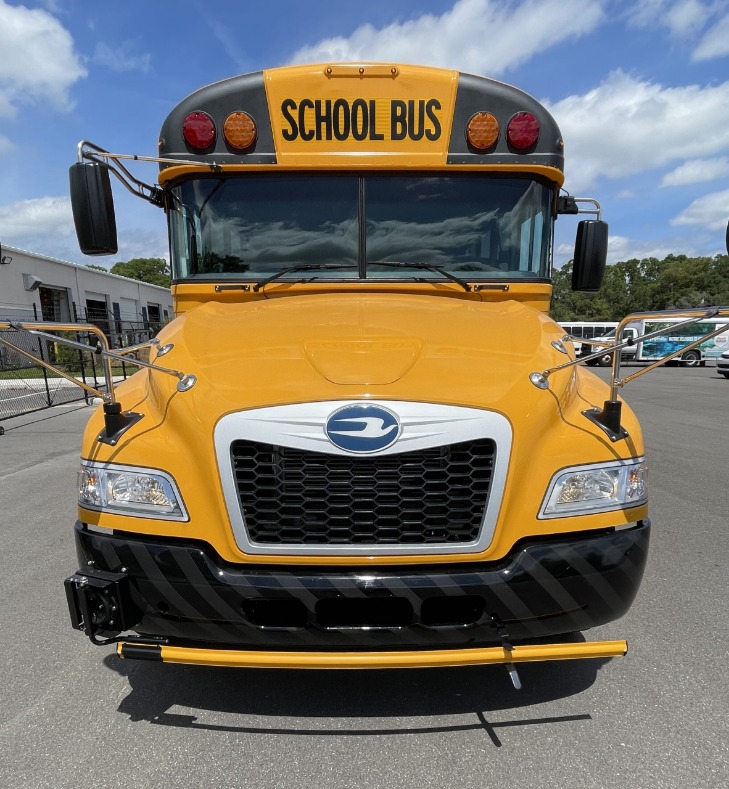
When overnight stops are built into the route, expect quick pre-dawn calls or wake-up check-ins, with the bus ready to depart on schedule. In border towns, the group may gather in a local hotel or camp in the bus park overnight. For safety and convenience, choose accommodations within walking distance of the terminal or with a reputable transfer service arranged by the operator. If you prefer to stay solo, you can sometimes exit the group and book your own stay, but confirm the pickup times and meet-up location with the crew.
Meals on a long bus journey may be included or offered at scheduled stops. Some operators provide a basic meal served on the bus or at a rest stop, while others rely on you to purchase food at service stations or town markets. Pack snacks such as dried fruit, nuts, crackers, and bottled water in addition to a refillable bottle for safety. When border crossings slow, you may have a longer break for meals, so plan around the schedule and keep cash for local eateries. If you have dietary restrictions, communicate ahead with the operator and carry a few preferred items.
Daily logistics revolve around the timetable, border procedures, and luggage management. Carry a small daypack with essentials, keep valuables close, and label bags clearly. Have copies of your passport, visa documents, and vaccination certificates in case required at border crossings. Ensure you have local currency or a usable card for border towns, where some merchants may not accept international cards. Keep transit insurance details and emergency contact numbers accessible, and stay in touch with the crew for any changes to departure times due to delays or border checks.
Pack light and smart for an overland trip: a small backpack for daily needs, a compact sleeping bag or liner for nights in modest lodging, a reusable water bottle, a compact first-aid kit, and a universal adaptor for charging devices. Check the luggage allowance with your bus operator; some coaches allow a larger suitcase in the cargo hold and limit carry-on to a small bag. Tag belongings clearly and remember not to leave valuables unattended at stops.
Health considerations include malaria prophylaxis in many regions, drinking safe water, and using insect repellent. If you’re traveling through high-risk routes, ensure you have appropriate vaccinations, travel insurance, and a basic medical kit. Report any illness to the crew promptly and seek local medical care if needed, especially after long travel days where fatigue can lower your alertness.
Practical tips: arrive at the terminal early to confirm boarding details, keep a small flashlight for overnight waits, and wear layered clothing suitable for varying temperatures in buses and lodgings. Engage with fellow travelers and crew for recommendations on the best value lodgings in border towns and the tastiest local snack options along the way. A well-planned itinerary with built-in rest days will help you enjoy the journey from South Africa to Uganda rather than rushing through it.
Food Options and Meal Planning in Transit Towns
Crossing from South Africa to Uganda by bus is a long, multi-day journey that passes through several countries and border posts. Most routes begin in major South African hubs such as Johannesburg or Pretoria and head north or east toward Botswana, then often through Zimbabwe or Zambia, into Tanzania or Kenya, and finally into Uganda. Route choices depend on the operator, visa requirements, border schedules, and the level of comfort you want. Counting rests and border delays, you should plan for several overnight legs and a flexible daily rhythm.
Lodging options in transit towns range from budget guesthouses and hostels to simple inns and family-run lodges near bus stations. Look for accommodations close to the terminal to minimize long transfers with luggage. Book ahead where possible in peak travel seasons, but be prepared to switch to a different place if your schedule changes. Safety matters: read reviews, avoid isolated streets, keep valuables secure, and use reputable taxi options to reach your lodging after dark.
Daily logistics on the route require patience and preparation. Have your passport, visa documents, and vaccination certificates accessible; carry photocopies as backups. Keep some local currency and a debit/credit card. Use local SIM cards or roaming data for maps and border updates. Pack light but complete with a small daypack for border queues, snacks, water, and a light jacket for early mornings or evenings. Border crossing times can be long, so build buffer time into your plans.
Food options in transit towns vary from street stalls offering fresh fruit and samosas to sit-down eateries serving regional dishes. In many towns you will find bakeries, fast-food chains, and local stews. On bus, some operators provide meals or snacks, but in many cases you’ll eat at a hotel, cafe, or market near the bus station. Watch for safe water and hygiene, and ask for vegetarian or halal options if needed. If you have dietary restrictions, call ahead or pack reliable snacks.
Meal planning in transit towns is best done with a mixed strategy. Pack non-perishable snacks such as nuts, dried fruit, crackers, and cereal bars for long stretches between towns. Bring a refillable water bottle and a simple utensil kit. When you reach a town, aim for a predictable lunch and dinner near your lodging or the bus terminal. Try local dishes in well-reviewed places to experience cuisine, but avoid questionable street food if you’re unsure about hygiene. If you rely on hotel breakfasts, factor that into your daily budget.
Practical tips to simplify lodgings, meals, and logistics: arrive early at bus depots to reserve a good seat and understand the schedule; keep a small change of clothes and basic toiletries in your daypack; use currency exchange desks with clear rates; maintain a simple packing checklist (documents, meds, chargers, a flashlight). Be mindful of safety near crowded markets; carry a small lock for luggage and never leave bags unattended during border stops.
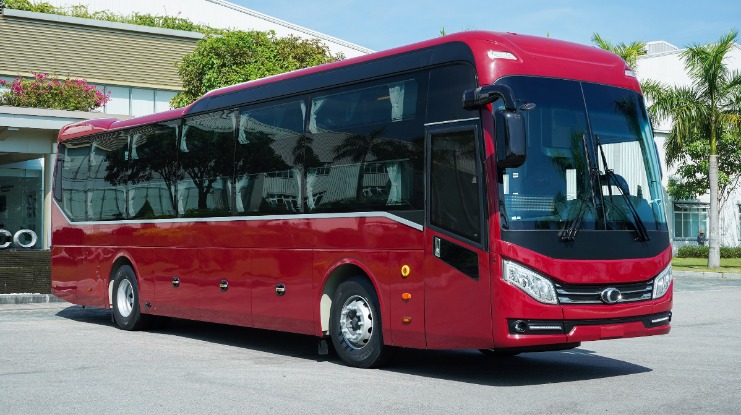
With thoughtful lodging choices, prepared meals, and realistic daily pacing, a bus trip from South Africa to Uganda can be affordable and rewarding, offering glimpses of diverse cuisines, landscapes, and cultures across southern and East Africa.
Connectivity, Money, and Communication
Traveling by bus from South Africa to Uganda weaves together connectivity, money, and communication. Reliable road networks and cross-border hubs keep the journey on track, while mobile networks and offline maps help you track schedules, delays, and detours across several countries. Budget considerations range from ticket prices and visas to tolls, fuel, and currency exchange, so planning ahead can prevent surprises along the route. Language diversity and digital tools shape communication, with English often serving as a bridge while local languages and signage require adaptability, aided by translation apps and messaging platforms to stay in touch with companions and authorities.
Cellular Coverage, SIM Cards, and Data
Traveling by bus from South Africa to Uganda is an epic overland journey that tests one’s planning, especially for connectivity, money, and communication across many borders. Here is a practical guide to stay connected throughout the trip.
-
Connectivity, Money, and Communication
Plan to stay in touch with fellow travelers and family using apps like WhatsApp and maps. Have a mix of payment methods: cash for border fees and small purchases, plus a card or mobile wallet for longer legs. If you use roaming, check your home network’s rates; alternatively buy local SIM cards in major towns for affordable data and calls. Carry emergency contact numbers and save key bus operator details offline as well.
-
Cellular Coverage
Cellular coverage improves in major cities and along main highways but can be spotty in rural stretches and near borders. Expect reliable service in capital cities and large towns, with slower or no data in remote areas. Border crossings can temporarily disrupt service, so download offline maps and important documents in advance.
-
SIM Cards
Buying local SIM cards is usually the most economical way to stay connected. In each country (South Africa, Botswana/Zimbabwe/Zambia, Tanzania/Kenya, Uganda, etc.), visit official shops to buy a data bundle, register your SIM with a passport, and choose a plan that fits your route’s length. Some countries require SIM registration by law. If crossing borders frequently, consider SIMs that allow roaming or a regional data pack from providers that operate across the route.
-
Data
Download offline maps and translation packs before long legs. Use data sparingly on the bus, as speeds may fluctuate and Wi‑Fi on board is often limited or unreliable. A compact portable hotspot can help if you travel with others; top up data at towns using mobile money or bank transfers where available. Keep backups of essential documents offline in case of network issues.
Currency Exchange and Payment Methods
Travelers planning a bus journey from South Africa to Uganda should expect a multi-country trip that hinges on cross-border bus networks and several border crossings. There is rarely a single direct service; most itineraries consist of two or more legs or a combination of long-haul buses and short shuttles between hubs.
Connectivity and routes typically move north from major South African cities like Johannesburg or Pretoria into neighboring Botswana, then on to Zambia, Tanzania, and finally into Kenya or directly into Uganda via Tanzania. Common waypoint hubs include Gaborone or Francistown in Botswana, Lusaka in Zambia, Dar es Salaam or Arusha in Tanzania, Nairobi in Kenya, and Kampala in Uganda. Availability of daily schedules varies by operator and season, and some legs may require you to change buses at a major city or border town.
Border crossings can be time-consuming, and visa requirements, yellow fever certificates, and passport validity can affect your timing. Plan to arrive early at borders, have printed reservations or e-tickets from your bus operator, and carry both cash and cards for border fees and incidental costs. Weather, road conditions, and security at night should also be considered when choosing a travel window.
Connectivity for communication during the trip relies on mobile networks that differ by country. Buying a local SIM or eSIM at major border towns or capital cities provides the best data rates, while roaming can be expensive. In most countries you will find 3G/4G coverage in cities and along main highways, with more limited access in rural stretches. Pack a portable power bank and offline maps as back-up.
When it comes to currency exchange and payment methods, expect to encounter several currencies along the route. South Africa uses the rand, Uganda uses the Ugandan shilling, while major transit stops may handle large amounts of US dollars or euros. Many border posts and cities have currency exchange bureaus that offer cash exchanges, and some larger towns have ATMs. Some long-haul operators accept cash or bank cards in major hubs, but cash remains the most universal method for border fees, snacks, and smaller purchases. Mobile money options are growing in East Africa, but availability varies by country and provider, so check in advance whether you can pay for any leg of the trip with services like M-Pesa, MTN Mobile Money, or Airtel Money.
Practical tips: carry a small denomination mix in hard currency (US dollars or euros are widely accepted for visa or border fees), keep a backup card, and have coins for tolls and vendors. Confirm the exact route and timings with your ticket seller, and allow extra time for border formalities. With proper planning, a bus trip from South Africa to Uganda can be a rewarding way to see multiple landscapes and communities along the way.
Practical Tips, Pitfalls, and Alternatives
Traveling by bus from South Africa to Uganda is an ambitious overland journey that blends budget travel with real road adventures. This brief guide highlights practical tips on choosing routes and operators, budgeting for borders and delays, packing efficiently, and staying safe; flags common pitfalls such as unreliable timetables, extra charges, and lengthy border crossings; and offers alternatives like flights or mixed-mode travel when time or comfort matter more than cost.
When to Choose a Bus Over Flying
Taking a long-distance bus from South Africa to Uganda is a substantial undertaking that appeals to budget travelers and adventure seekers. This guide covers practical tips, common pitfalls, and viable alternatives, focusing on overland travel rather than flying.
Practical tips start with route planning and visa checks. Most overland services northward pass through several countries, so verify entry requirements, passport validity, and any needed visas for South Africa, Botswana, Zimbabwe, Zambia, Tanzania or Kenya, and Uganda well ahead of time. Vaccinations such as yellow fever and other health precautions should be up to date, and travel insurance is highly recommended. Book with reputable operators, ask about overnight legs, luggage allowances, and what happens if a bus breaks down. Pack light but complete: a sturdy daypack, water, snacks, a warm layer for cooler buses, a power bank, universal adapter, and copies of important documents. Have a flexible mindset for delays and changes to schedules.
Border crossings can define the journey, so plan for slower processing times. Bring local currency or small denominations for border fees and meals, keep valuables secure, and avoid displaying expensive gear. If a bus stops at several borders, confirm where to present passports and where the next leg departs. Night travel and unfamiliar terminals can pose risks, so weigh comfort and safety—some operators offer overnight rides with scheduled rest stops rather than long continuous drives. Stay hydrated, choose reputable stops for meals, and be wary of unofficial agents offering shortcuts or cheaper routes.
Pitfalls to watch include lengthy travel times (often days to a week or more), inconsistent schedules, older buses with limited amenities, and variable road conditions. Delays at borders, customs, or fuel stops are common, and you may need to change buses multiple times, spending time at crowded terminals. Hidden costs such as visa fees, insurance add-ons, meals, or paid border services can inflate the total price. Documentation requirements can shift, so carry both digital and physical copies of itineraries and permits, and confirm what you need for each leg before departure.
Alternatives to a straight overland route exist and can save time or reduce hassle. Flying directly or with connections to major hubs (for example, Nairobi or Entebbe) often shortens travel to a few hours or a day, and many promotions make flights competitive with long bus journeys. A hybrid plan—bus for the long stretch to a regional hub, then a flight to Kampala or Entebbe—can balance cost and time. If you prefer guided support, a regional overland tour or a private transfer option may offer smoother logistics and safety assurances.
Choose the bus over flying when cost is a primary driver, when you want to experience multiple countries, meet fellow travelers, and have the time to explore landscapes and cultures along the route. Slow travel enthusiasts, environmental considerations, and those with time to spare often find the journey enriching despite its challenges. If you value predictability, speed, and convenience, or need to minimize border complexity, flying or a hybrid plan may be the better choice.
Before booking anything, research current routes, schedules, visa rules, and border advisories with the travel provider and official government sources. Read traveler reviews, confirm what is included in the price, and have a clear backup plan in case a leg is canceled or delayed. With careful planning and realistic expectations, a bus journey from South Africa to Uganda can be a memorable and economical adventure.
Handling Delays and Itinerary Changes
Traveling by bus from South Africa to Uganda is a major overland journey that can take several days to weeks depending on routes and rest stops. There is no single direct service connecting Johannesburg or Cape Town to Kampala, so most travelers piece together several bus legs, cross multiple borders, and overnight in towns along the way. Preparation, flexibility, and a realistic schedule are essential to navigate the route safely and enjoyably.
Practical tips: before you depart, verify visa requirements for each country you will pass through and check if you need yellow fever, polio, or other immunizations. Carry your passport, visa documents, and a few passport photos in a safe, waterproof pouch. Have printed copies and digital backups of important documents, and share your itinerary with a trusted contact. Learn border procedures for each country, including any cash declarations or vehicle permits, to avoid last‑minute delays.
Practical tips: budgeting is crucial because border fees, visas, and intermittent fuel stops add up. Carry enough cash in small denominations and a card that works widely, along with a small amount of hard currency (USD or EUR) for emergencies. Pack snacks, water, a light blanket, a travel pillow, and basic meds; long legs and cramped seats make comfort items worthwhile. Dress in layers and prepare for heat in day and cooler evenings. Keep valuables in a theft‑proof bag and avoid displaying electronics on shared transport.
Pitfalls to watch for include variable bus quality and schedules, long border queues, and the risk of scams around overland routes. Some legs may be delayed by road works, fuel shortages, or weather. Road conditions can be rough, with dusty tracks and frequent highway diversions. Language barriers and different driving styles can cause miscommunications, and not all buses have reliable air conditioning or rest stops, so plan for comfort and safety accordingly. Check reviews of operators and try to book with reputable agencies or tour operators who can coordinate multi‑country legs.
Alternatives: consider flying between major hubs and using a bus for shorter legs within East Africa. For example, fly from South Africa to a regional hub such as Nairobi, Entebbe, or Kigali, then continue by bus to Kampala or across neighboring countries. A more flexible option is to break the journey into two or more trips: one long flight to a nearby country, then a combination of buses and trains where available. If time permits, a guided overland tour that handles permits and logistics can save frustration, though it may be pricier than DIY travel.
Handling delays and itinerary changes: build buffer days into your plan and have a flexible ticket where possible. Keep the operator’s contact details and monitor any delay notices. Have backup routes in mind and a list of alternative buses or transport modes. Maintain emergency funds for unexpected rebooking fees or hotel stays, and consider travel insurance that covers missed connections. If you must re-route, verify visa requirements for the new path and ensure your documents remain valid for longer stays.
Final thoughts: a Johannesburg, Pretoria, or Cape Town–to–Uganda bus trip can be an epic adventure, but it is not for the faint of heart. Thorough planning, realistic expectations, and a readiness to adapt your plans will help you navigate borders, health checks, and changing schedules. With careful preparation, you can experience a cross‑continental journey that reveals landscapes, cultures, and people across southern and eastern Africa.
Environmental Considerations and Sustainable Travel
Traveling by bus from South Africa to Uganda is an ambitious overland journey that can take many days, but it offers a way to see changing scenery and meet people along the way.
Practical tips start with choosing a route and booking well in advance where possible. Common corridors run north from South Africa through Botswana, Zimbabwe or Mozambique, then Zambia, Tanzania, and into Uganda. Be prepared for long stretches between towns, irregular schedules, and border delays, and keep flexible with connections.
Check visa requirements for all countries you plan to pass through, and arrange e-visas or visas where possible before departure. Ensure your passport is valid for at least six months beyond your travel dates, and carry digital and physical copies of important documents. Some borders may require onward flight returns or proof of onward travel, so have a clear plan.
Health considerations include vaccines such as yellow fever (sometimes required for entry into Uganda), routine vaccines, and malaria prophylaxis. Pack a basic first-aid kit, any necessary prescription medications, and water purification options. Bring a small medical insurance card that covers overseas travel and know how to access local medical care if needed.
Safety should guide your choices of operators and timing. Prefer reputable, well-reviewed bus companies and official stations. Keep valuables with you, use luggage locks where available, and stay alert for scams or overcharged fees at border points. Avoid nighttime travel through unfamiliar or high-risk areas, and stay informed about local security advisories during your route.
Luggage and comfort matter on such a long trip. Travel light enough to move quickly at border crossings, but bring essentials for several days on the road. A small daypack for valuables, a reusable water bottle, snacks, a neck pillow, earplugs, and universal adaptors can improve comfort on long hauls.
Border crossings can be the most time-consuming part of the journey. Have local currency for minor fees, prepare digital copies of documents, and stay with the bus and its staff to avoid confusion. Expect multiple checks and queuing at each border, and budget extra time for delays. Clear communication with the driver or guide helps manage expectations.
Expect multiple days of travel with occasional delays while crossing borders and negotiating road conditions. Night buses can save on accommodation costs but may be less comfortable; if you choose them, pack sleep aids and a travel blanket. Build buffer time into your itinerary for inevitable changes.
Pitfalls include visa delays, inconsistent schedules, rugged roads, high border crossing costs, and scams aimed at travelers. Transport risks vary by country and season, so stay adaptable and have contingency plans, including alternative routes or partial air segments if necessary.
Alternatives to a continuous overland journey include flying directly from major South African cities to Entebbe or Kampala, often with one stop in a regional hub like Nairobi or Addis Ababa. Another option is to fly to a East African hub and then take a longer bus leg within East Africa. Guided overland tours or combining a short flight with a regional bus can also help manage risk and timing more predictably.
Environmental considerations suggest that overland buses typically emit less CO2 per passenger than long-haul flights, but this depends on occupancy, vehicle efficiency, and driving practices. Choose newer, well-maintained buses, use carbon offset programs when possible, and travel with a lighter footprint—pack fewer disposable items, bring a reusable bottle, and prioritize non-diegetic waste reduction and recycling where available.
Sustainable travel tips include supporting local economies by buying from local traders at border towns, choosing operators with transparent practices, and carrying enough water and snacks to minimize frequent small purchases. Offset unavoidable emissions where you can, and aim to minimize unnecessary stopovers by planning efficient connections.
With careful planning and realistic expectations, a bus trip from South Africa to Uganda can be a memorable and rewarding experience. Weigh the trade-offs between cost, time, comfort, and environmental impact, and choose the approach that best fits your travel style and goals.
Brief Travel Planner and Quick Reference
Brief Travel Planner and Quick Reference offers a concise, practical introduction for travelers planning a bus trip from South Africa to Uganda, covering core routes, typical durations, border and visa considerations, ticketing tips, and essential safety notes to help you plan with confidence.
Departure Day Checklist
Brief Travel Planner and Quick Reference for a long-haul bus journey from South Africa to Uganda.
Route overview: The typical overland route runs north from South Africa through Botswana and Zambia into Tanzania, then crosses into Uganda. Direct daily services are rare, so most travelers split the trip into multiple legs and change operators at major hubs such as Johannesburg, Lusaka, Dar es Salaam, and Kampala. Expect several border crossings, long drives, and overnight legs with varying levels of comfort.
Timing and seasons: Dry months in southern Africa (roughly May through September) can offer more predictable roads and border conditions, but schedules still vary. Plan for 6 to 12 days or more depending on how many legs you book and how long you stay in transfer hubs. Always confirm visa timelines and allow extra days for border delays and vehicle changes.
Costs and booking: Long-distance buses are offered by regional operators through travel agencies and bus terminals. Prices differ by leg, comfort level, and how far in advance you book. Budget a few hundred to a couple thousand USD in total for the full journey, including transfers and visas. Book where possible in advance and keep printed or digital copies of all tickets and operator contact details.
Documents and health: A valid passport and Uganda visa are typically required (check whether you use an eVisa or visa-on-arrival option for your itinerary). A Yellow Fever vaccination certificate is commonly requested, so bring the certificate if required for entry or transit. Carry travel insurance, discuss malaria prophylaxis for the regions you’ll pass through, and bring copies of documents plus digital backups.
Connectivity and language: English is widely spoken in Uganda; Swahili is common in Tanzania and some border towns, with other local languages throughout the journey. Mobile data can be unreliable in remote stretches, so consider buying a local SIM in major hubs and downloading offline maps and essential information before you travel.
Quick Reference: At a glance—route via Botswana, Zambia, and Tanzania into Uganda; typical journey time 6–12 days with multiple legs; visas/eVisas for Uganda; Yellow Fever certificate often required; malaria risk in transit zones; currencies mainly USD and local cash (UGX); languages English, Swahili, and regional tongues; maintain flexibility for border delays and vehicle changes.
Departure Day Checklist
Before departure, confirm all bus connections and times, print or save digital copies of tickets, and verify that your passport and Uganda visa are valid for entry. Pack a lightweight day bag with important documents, cash and cards, a phone with charger, a basic first-aid kit, any necessary medications, vaccination certificates, a face mask and hand sanitizer, a reusable water bottle, and some snacks. Ensure your luggage is within airline or bus carrier limits and that you have a comfortable outfit for long travel legs.
On travel day, arrive at the terminal early to allow time for check-in, luggage handling, and potential border waits. Keep valuables secure and within easy reach, wear comfortable clothing and footwear, and carry emergency contact numbers and operator details. Have vaccination documents and any required forms ready for border checks, and be prepared for queue times or delays at crossings.
Money and connectivity: Carry a small amount of USD or local currency for border town purchases and tips. Ensure you have roaming or a local SIM with data, and consider offline maps for the route. Charge devices the night before if possible and keep essential numbers written down as a backup.
Health and safety reminders: Stay hydrated, avoid unverified street food in border towns, take malaria precautions where advised, and use insect repellent as needed. Travel with a basic first-aid kit and know where to seek help in major hubs along the route.
Backup plans and flexibility: Maintain a flexible mindset for transport changes; have alternative contact numbers and be ready to adjust plans if a leg is canceled or delayed. If you encounter a delay, consider safe, affordable lodging in a major stop and rebook connections rather than risking fatigue on the road.
Emergency Contacts and Support Lines
This Brief Travel Planner and Quick Reference offers a practical guide for a bus journey from South Africa to Uganda, with route ideas, border notes, packing tips, and emergency contacts.
Brief Travel Planner: The main northbound bus routes typically move from South Africa toward Botswana, then Zambia, Tanzania, Kenya, and finally Uganda. Another option follows a Zimbabwe–Zambia corridor into Tanzania, then Kenya and Uganda. Distances exceed several thousand kilometers and total overland travel time can range from about 3 to 7 days of actual bus travel, depending on connections, border waits, and overnight stops. Plan for multiple legs between major cities and be prepared for variable border procedures, weather conditions, and road quality. Check with your operator for exact schedules, required documents, and luggage allowances, and build in contingency time for delays.
Quick Reference: Before you depart, confirm visa requirements for Uganda (e-visa or passport-on-arrival where allowed) and ensure your passport is valid for at least six months beyond your planned stay. Have vaccination records as required (yellow fever may be requested for entry to Uganda). Carry travel insurance details and copies of important documents. Carry local currency and some USD for border fees, noting that cash is often needed at border posts. Have an unlocked phone or a local SIM card for data and calls. Pack a compact first-aid kit, water, non-perishable snacks, a flashlight, and a small travel blanket. Stay alert to personal safety, keep valuables secure, and avoid traveling at night when possible. Time zones: South Africa is UTC+2 year-round; Uganda is UTC+3, so Uganda is one hour ahead of South Africa during your trip.
Emergency Contacts and Support Lines: South Africa emergency numbers include Police 10111, Mobile emergency 112, and Ambulance 10177. In Uganda, police emergencies are commonly reached at 999 or 112 depending on the network. For medical emergencies, contact local hospitals or your travel insurer’s 24/7 line. Keep the contact details of your home country’s embassy or consulate in Uganda for consular assistance, and have your bus operator’s 24/7 helpline for on-the-ground support. Travel insurance providers also offer 24/7 emergency assistance and can coordinate medical care or evacuation if needed.