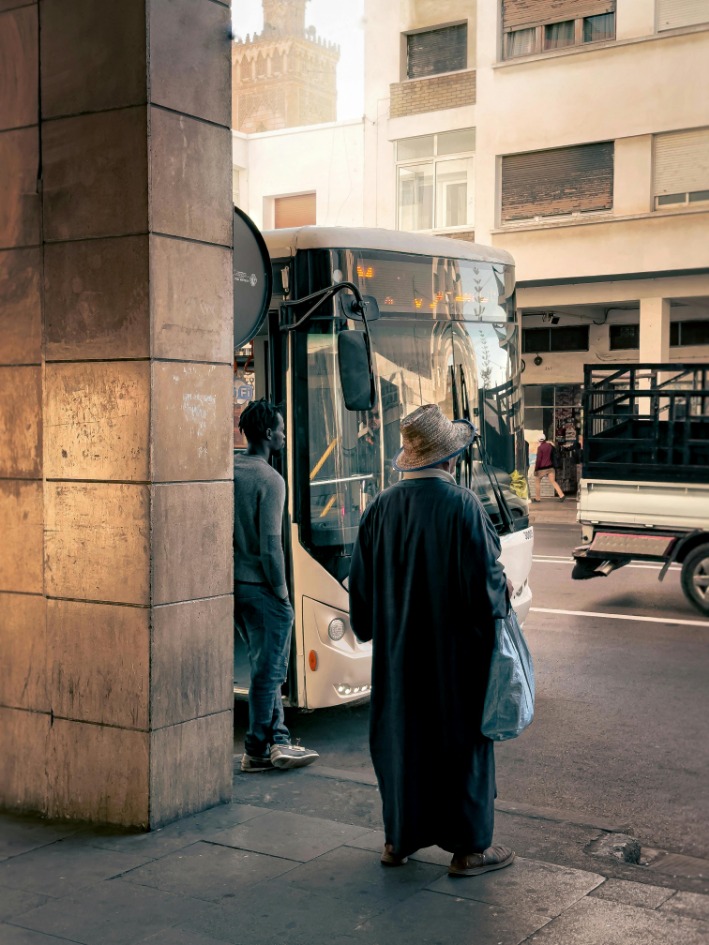

Overview of MAN Bus Operations in South Africa
MAN Bus Operations in South Africa delivers a range of urban and intercity buses from MAN Truck & Bus South Africa to municipal fleets and private operators, backed by local service, parts, and training networks that support reliability, low running costs, and comfortable passenger experience across major South African cities and transport corridors.
Brand Presence and Market Position
MAN Truck & Bus South Africa serves as the local arm of the German manufacturer, delivering MAN buses and coaches to operators across the country. The operation focuses on urban buses (Lion’s City) and intercity coaches (Lion’s Coach), supported by a national dealer network, service centers, and a parts supply chain designed to keep fleets on the road with minimal downtime.
Brand presence in South Africa is built on MAN’s engineering reputation and the availability of modern bus technology such as efficient diesel and alternative-fuel powertrains, driver-assistance features, and comfortable interiors. The company maintains showrooms, training for technicians and drivers, and a parts network that underpins reliable after-sales support for operators in major metros and regional centers.
Market position wise, MAN positions itself as a premium European bus brand targeting municipal fleets, cadre of private operators, and long-distance operators requiring durability and total-cost-of-ownership advantages. It competes with other established players in the SA market, including Volvo Buses, Scania, and Mercedes-Benz, with its strengths lying in global engineering resources, service network, and a focus on uptime and passenger comfort. Price and financing competition remains a factor in tenders and fleet purchases.
Looking ahead, MAN is pursuing modernization through technology, telematics, and efficiency improvements, aligning with South Africa’s transport objectives around cleaner fleets and better passenger experience. The brand continues to leverage its international footprint to support local operators with parts availability, training, and after-sales coverage, aiming to strengthen its market presence and market share in both city and long-distance bus segments.
Key Milestones in South Africa
MAN Bus operations in South Africa are centered on delivering reliable, efficient bus solutions to urban and rural operators, backed by an extensive service network, parts availability, and local training. The portfolio covers city buses, intercity coaches, and school buses, designed to meet local road conditions and regulatory requirements while supporting sustainable mobility across the country.
- Establishment of a dedicated South Africa operation to provide sales, service, and parts coverage across major regions.
- Introduction of low-floor urban city buses and versatile intercity coaches tailored to South African road conditions and operator needs.
- Development of a robust aftersales network, including spare parts distribution and technician training through MAN’s local partnerships.
- Expansion of fleet deployments in both municipal and private sector transport to improve reliability and safety of public transport services.
- Investment in service centers and mobile service capabilities to minimize downtime for operators across provinces.
- Active participation in government and private sector tenders to deploy modern, compliant bus solutions for public mobility.
- Focus on local content and supplier engagement to build a sustainable ecosystem around MAN Bus operations in South Africa.
Historical Background and Market Entry
MAN, the German bus and truck manufacturer, has a long global heritage in commercial vehicles. In South Africa, the bus market evolved from early imports to formal dealership networks and robust after-sales support, driven by demand from urban transit, mining logistics, and coach operations. MAN entered the South African market through established local distributors and partnerships, aligning with regulatory requirements and customer needs, and has since focused on durable, fuel-efficient buses and reliable service networks to support operators across the country.
Entry into the South African Bus Market
MAN, a German global player in trucks and buses, has a long history of supplying city buses and coaches to operators around the world. The South African bus market, which supports city councils, parastatals, and private operator fleets, has been an important arena for international manufacturers seeking to provide durable vehicles capable of coping with varied routes and climates.
Historically, MAN traces its origins to 18th-century engineering enterprises and matured into a diversified heavy-vehicle manufacturer after the Second World War. Through the decades it built a broad bus and coach portfolio, establishing a global reputation for reliability, fuel efficiency, and strong after-sales support networks. This background underpinned its push into emerging markets, including Africa and South Africa, where fleets require robust service ecosystems.
The South African market presents a mix of municipal and private operations, with fleets renewing and expanding to meet urban mobility goals. Regulatory requirements, import duties, and the need for local service networks have shaped how foreign manufacturers enter and compete. Public transport reform and investment in fleet modernization created opportunities for bus makers offering durable, easy-to-service vehicles with good total cost of ownership.
MAN entered South Africa through established distributor networks and local service footprints, often supporting sales with local bodybuilder partnerships and, where feasible, CKD assembly to meet local content and price targets. This market-entry approach allowed MAN to offer service coverage, parts availability, and customized configurations suited to South African operators while leveraging global engineering standards.
To meet local conditions, MAN adapted its bus designs for the South African climate, terrain, and regulatory requirements. This included engine tuning, air conditioning, filtration for dusty environments, and cabin ergonomics suitable for long urban and intercity routes. The Lion’s City urban bus family and intercity offerings were positioned to handle high-duty cycles common in major South African cities.
In terms of product strategy, MAN has emphasized urban mobility solutions, with the Lion’s City range serving city corridors and public transport corridors, and the Lion’s Coach and other lines addressing longer-distance and contracted services. The market also created space for hybrid and fuel-efficient options as operators sought lower operating costs and reduced emissions, aligning with broader moves toward greener municipal fleets.
Looking forward, MAN’s presence in South Africa hinges on ongoing fleet renewal programs, partnerships with local operators, and collaboration with local engineers and bodybuilders to extend the serviceable life of buses through robust maintenance ecosystems. Electrification and alternative-fuel buses offer growth avenues, supported by government incentives and urban transport initiatives that continue to shape demand in the South African bus market.
Partnerships, Localization, and Local Content
MAN Truck & Bus South Africa has built a regional footprint to serve public and commercial fleets, with a focus on reliability, local service networks, and responsive support across major cities. The company has pursued a strategy that blends its historical heritage with local partnerships and product tailoring to meet South Africa’s diverse operating conditions.
- Historical Background and Market Entry
MAN’s bus heritage spans decades, and its South Africa entry leveraged established regional distributors and service partners. Market entry was supported by establishing a dedicated regional presence, building a nationwide service and parts network, and aligning with fleet renewal programs and municipal tenders. This approach aimed to position MAN as a trusted supplier to public transport operators and private fleets seeking fuel efficiency, durable performance, and strong after-sales support. Over time, the brand expanded its showroom presence, driver training, and regional service capabilities to strengthen market reach.
- Partnerships
The success in South Africa has depended on collaborations with local dealers, workshop partners, and distribution networks to ensure broad coverage. Official distribution and service agreements with established local groups enabled extensive sales reach and reliable maintenance support. Partnerships with local body builders for bus shells and with operators for tailored configurations helped ensure the product meets regional route and passenger needs. Joint initiatives for training and regional maintenance centers contributed to skills development and parts availability on the ground.
- Localization
Localization efforts included configuring buses to suit local route profiles, climate, and passenger requirements, along with engineering adaptations for South African road conditions. Engagement with local suppliers for components such as electrical systems, interiors, and seating reduced downtime and supported faster maintenance cycles. Investment in regional training programs and the establishment of service centers ensured better parts availability and uptime across the country.
- Local Content
Local content strategies focus on maximizing the value added within South Africa through local assembly, sourcing from domestic suppliers, and job creation. Procurement policies and tender requirements encourage local content while maintaining safety and quality standards. MAN’s local content initiatives aim to bolster supplier development, support skills transfer, and contribute to broader economic empowerment objectives in the South African transport sector.
Current MAN Bus Models Available in South Africa
In South Africa, MAN’s bus line-up centers on the Lion’s City urban buses and the Lion’s Coach for longer trips, with diesel-powered options supported by modern hybrid and electric variants like Lion’s City Hybrid and Lion’s City E to meet city-surface demands and sustainability goals, backed by MAN’s local service and parts network.
City Buses and Midibuses
In South Africa, MAN Truck & Bus South Africa offers a focused lineup of urban and midibus buses under the Lion’s City family, designed for municipal fleets and private operators across major cities and towns. The Lion’s City range is the core option for city transport, coupled with the Lion’s City M midibuses for tighter routes and lower-capacity networks.
MAN Lion’s City city buses in South Africa come in multiple configurations to suit busy urban routes. Operators typically choose low-floor, easy-access models for rapid boarding and passenger comfort, along with articulated versions for higher passenger volumes on busy corridors. The buses are equipped with modern features such as air conditioning, ergonomic seating, clear passenger information systems, and safety aids. Powertrains are primarily diesel with compliance to local emission standards, and transmissions are available in automatic configurations to ease urban operation.
Electric and alternative-drive options are part of the Lion’s City family as MAN expands zero-emission solutions. The Lion’s City E offers an electric option for city routes, with batteries and charging configurations chosen to suit fleet operations and route lengths. Some customers also explore hybrid concepts and fuel-efficient drivetrains as part of ongoing modernization programs.
For midibuses, the MAN Lion’s City M lineup provides compact, low-floor buses designed for routes with tight streets, shorter dwell times, or lower passenger volumes. Midibuses offer flexible seating layouts, good turning radius, and easy maintenance, making them a popular choice for feeder services, university shuttle routes, and circular town networks. They are powered by diesel engines with comparable emission standards and automatic transmissions for operator ease.
Beyond city and midibus models, MAN also supplies coaches and intercity options for longer-distance services, giving operators a complete family to cover both urban and regional needs. In South Africa, these offerings are supported by local service networks and after-sales programs tailored to fleet operators.
MAN SA runs a nationwide dealer and service network, ensuring parts availability, scheduled maintenance, and operator training. The company supports fleet customers with retrofit options, finance, and on-site service plans to minimize downtime on busy routes.
Interested operators can contact the official MAN Truck & Bus South Africa dealers to discuss current stock, order lead times, and specification choices. Public transport contracts and tender opportunities are often managed through local authorities, with MAN able to provide fleet configuration guidance and support.
Overall, the current MAN bus lineup in South Africa centers on the Lion’s City city buses for urban routes and the Lion’s City M midibuses for smaller networks, with electric options and strong after-sales support to help fleets modernize and run efficiently.
Intercity and Coach Buses
Current MAN bus models available in South Africa cover urban, intercity and coach segments, supported by MAN South Africa’s service network. Operators can choose from diesel and electric propulsion, with right-hand drive configurations tailored for local roads and conditions.
- MAN Lion’s City — urban city bus for high-frequency routes, offered in diesel and alternative propulsion variants, with right-hand drive and multiple lengths to suit city networks.
- MAN Lion’s City E — fully electric city bus for zero-emission urban operation, supported by local charging solutions and after-sales support.
- MAN Lion’s Intercity — intercity coach designed for longer-distance routes, delivering comfort and reliability for South African intercity services.
- MAN Lion’s Coach — long-distance coach for tour and long-haul operations, featuring high passenger comfort, safety systems and Euro 6 engines compliant with SA regulations.
Electric and Hybrid Options
Manufacturing and Assembly Footprint in South Africa
South Africa’s manufacturing and assembly footprint for buses, including MAN Bus South Africa, centers on regional facilities that assemble and equip urban and intercity fleets, tapping local suppliers, skilled labour, and established logistics to serve the Southern African market and beyond.
Plants, Locations, and Capacity
MAN Bus South Africa operates a focused manufacturing and assembly footprint designed to support the local market and neighboring regions with reliable buses and coaches. The footprint emphasizes localisation, quality control, and a robust service network to ensure availability of spares, maintenance, and after-sales support across major urban centers.
- Plants and locations
- Flagship assembly facility in Gauteng province for complete bus and coach builds
- Regional service and parts hubs in Cape Town, Durban, and Bloemfontein to support fleet operations
- Contract or partner assembly capabilities in other provinces to increase local content and reduce lead times
- Production scope and capacity
- Chassis and body assembly lines for urban, intercity, and coach applications
- Local content strategy with suppliers embedded in the regional automotive ecosystem
- Annual production capacity adaptable by model mix, targeting hundreds of units per year
- Capacity planning and supply chain
- Dedicated logistics and parts distribution to minimize fleet downtime
- Quality control aligned with MAN global standards
- Market reach and export footprint
- Serving South Africa’s metro markets and exploring opportunities to export to neighboring SADC countries
- Support through a national maintenance network and mobile service units
- Future developments
- Electrified bus initiatives and new model rollouts to meet municipal and operator demand
- Investment in local manufacturing capabilities and skills development
Local Content, Jobs, and Skills Transfer
MAN Truck & Bus South Africa plays a key role in the local manufacturing and assembly ecosystem, delivering a range of trucks and buses tailored to the needs of the South African market and regional operators.
Manufacturing and assembly footprint in South Africa comprises a dedicated assembly line and regional distribution network designed to support both domestic demand and export potential. The operation leverages local suppliers and logistics capabilities to assemble chassis, cabs, and completed vehicles, while preserving high quality standards and engineering expertise.
Local content is a central pillar, with sourcing from South African suppliers across components, sub-assemblies, and aftersales parts. The approach aligns with national industrial and enterprise development goals, incorporating supplier development programs, quality collaboration, and B-BBEE commitments to improve the participation of local enterprises in the value chain.
The footprint sustains jobs across multiple disciplines, including welding, bodywork, electrical and hydraulic systems, quality control, logistics, and aftersales support. In addition to direct manufacturing roles, the network supports indirect employment through parts distribution, service centers, and regional fleets that rely on timely maintenance and supply.
Skills transfer is embedded in the operations through structured training, apprenticeships, and continuous upskilling. Partnerships with local TVET colleges and technical training providers facilitate OEM-standard training, while on-the-job learning ensures that South African technicians gain hands-on experience in modern manufacturing, digital tooling, and vehicle electrification readiness.
Investments in human capital are complemented by knowledge transfer in engineering, maintenance planning, and quality management, helping to build a sustainable pipeline of skilled professionals who can support current and future generations of MAN vehicles on South African roads.
Looking ahead, the South African manufacturing and assembly footprint is positioned to adapt to evolving market demands, including the expansion of electrified and alternative-fuel bus and truck options. This shift will further emphasize local content, advanced manufacturing techniques, and continued skills development to meet industry standards and customer expectations.
Supply Chain and After-Sales Network
MAN Truck & Bus South Africa maintains a strategic manufacturing and assembly footprint designed to serve local demand and regional export needs for buses and coaches. The footprint emphasizes local content, quality control, and alignment with South African regulatory standards to deliver reliable mobility solutions for urban transit, school transport, and private fleets.
- Manufacturing and assembly footprint: central assembly facilities in key hubs support chassis integration, body-building collaborations, and final vehicle integration, with localization strategies to reduce lead times and improve price competitiveness.
- Supply chain network: a mix of local suppliers for critical components and carefully managed imports, regional logistics hubs, and digital parts planning to ensure steady availability of spares and timely maintenance.
- Distribution and after-sales network: a widespread dealer and service center network complemented by mobile service teams, regional parts depots, technician training programs, and digital service platforms for remote diagnostics and support.
- Localisation and partnerships: engagement with local suppliers, training institutes, and government programs to meet localisation targets and support employment, skills development, and supplier development initiatives.
- Market reach and customer segments: buses and coaches catering to urban public transport authorities, school transport operators, urban and regional private fleets, and long-haul operators across Southern Africa.
- Future roadmap: ongoing modernisation of assembly lines, expansion plans to strengthen regional coverage, electrification and alternative-drive bus programs, and enhanced after-sales capabilities to boost uptime and total cost of ownership for customers.
MAN Bus South Africa continues to strengthen its value proposition by integrating manufacturing excellence with a robust supply chain and comprehensive after-sales support, ensuring dependable mobility for customers across the region.
Market Dynamics and Customer Segments
Market dynamics in South Africa’s bus sector are driven by urbanization, public transport policy, and the push for modern, efficient fleets, with manufacturers like MAN Bus South Africa adapting to lifecycle costs, reliability, and service networks. Government subsidies and urban transit improvements are expanding demand from fleet operators, while total cost of ownership, fuel efficiency, and after-sales support shape purchasing choices. Customer segments include public transport operators and municipal fleets, government agencies, private corporate and school transport services, tour and charter operators, and long-haul operators, each with distinct requirements for capacity, comfort, fuel type, and maintenance infrastructure.
Public Transit Operators and Municipal Fleets
Market dynamics in South Africa are reshaping demand for urban transport solutions, and MAN Bus South Africa is aligning its offerings to the needs of public transit operators and municipal fleets.
Key market dynamics include rapid urban growth, aging bus fleets, and pressure to improve reliability and total cost of ownership. Transit authorities seek durable, fuel-efficient buses with low downtime, strong after-sales support, and flexible financing to meet tender requirements.
Customer segments include public transit operators such as city agencies and metro transport authorities that require high-capacity, robust buses designed for high passenger turnover on congested routes. Municipal fleets cover depots and districts with buses for community routes, schools, and staff shuttles, facing tight budgets and a need for easy maintenance and parts availability. Private operators and shuttle services also seek reliable, cost-effective buses for commuter and corporate transport.
Public Transit Operators rely on well-defined procurement cycles driven by tender windows, compliance with emissions and safety standards, and fleet standardization. They value fleet commonality, driver safety features, telematics, and predictable servicing to minimize route disruptions and downtime.
Municipal Fleets prioritize low lifecycle cost, accessible spare parts, and flexible service agreements. They often require strong local support networks, training for municipal technicians, and adaptability to varied operating conditions across districts, all within constrained budget environments.
MAN Bus South Africa positions itself with a portfolio of urban and intercity buses that emphasize efficiency, durability, and local service capability. A network of service centers and trained technicians supports maintenance, spare parts availability, and driver training, enabling municipalities and operators to manage total cost of ownership effectively.
Market opportunities include electrification and other low-emission options, as well as hybrid solutions and alternative fuels that can reduce running costs. Pilot programs, public-private partnerships, and improved fleet management (via telematics and data analytics) can enhance route performance, though they require investment, regulatory alignment, and skilled technicians. External factors such as currency dynamics, import duties, and procurement rules also influence pricing and lead times.
In summary, MAN Bus South Africa aims to address the needs of public transit operators and municipal fleets by delivering reliable vehicles, strong after-sales support, and flexible ownership models that maximize uptime and minimize lifecycle costs.
Private Bus Operators and Tour Services
Market dynamics in South Africa’s private bus sector and tour services are shaped by urban mobility needs and a growing tourist appetite. The landscape includes private bus operators of minibuses and small coaches who transport daily commuters, students, workers, and visitors across cities and tourist corridors, sometimes alongside formal public transit systems.
Key demand drivers include rapid urbanization, high travel frequency within major metros, seasonal tourism peaks, and the resilience of domestic tourism after disruptions. Price sensitivity remains strong as travellers compare fares with rail, taxis, and rideshare options. Fuel price volatility, maintenance costs, and vehicle age influence operating economics and capex plans for fleet renewal. Regulatory and safety standards gradually push operators toward formalization, driver training, and safer vehicles, shaping the cost structure and service quality.
Customer segments in this market can be categorized as commuters seeking affordable, reliable daily transport; students and school groups requiring school runs; corporate clients needing shuttle services for employees or events; local tourists seeking guided experiences; domestic travelers on short breaks; and international visitors seeking wildlife safaris, city tours, or wine and coastal journeys. Each segment values different attributes such as price, reliability, safety, language support, and route flexibility.
Private bus operators vary from small standalone outfits to larger fleets with 14-32 seat minibuses and light coaches. Many operators source vehicles from manufacturers such as MAN. They often supplement licensed public transport with contracted work for schools, businesses, airports, hotels, and tour guides. Fleet management focuses on safety, maintenance cycles, insurance, and licence compliance, while digital tools—GPS tracking, CCTV, cashless payment, and route planning—enhance efficiency and security. Access to affordable finance and risk-sharing arrangements influence whether operators modernize or extend aging vehicles.
Tour services in South Africa cover wildlife safaris, city and historical tours, coastal routes along the Garden Route, wine routes in the Western Cape, and adventure experiences in coastal and inland regions. Segments include international visitors, domestic tourists, and business travelers, with differentiation by length (half-day, full-day, multi-day), language (English, Afrikaans, isiXhosa, isiZulu, etc.), and level of personalization from group itineraries to private charters. Partnerships with hotels, inbound operators, and regional tourism boards help operators access stabilised demand and curated experiences.
Marketing and distribution channels are shifting toward partnerships, travel agents, and online platforms. Operators leverage hotel concierges, destination management companies, and attractions to create packaged offers, while direct bookings via mobile apps and websites reduce intermediaries. Seasonal trends, event tourism, and regional accessibility shape capacity planning and pricing strategies. Safety training, driver professionalism, and clear service guarantees are essential to building trust with customers and regulators.
Challenges include navigating regulatory reform towards formalization, access to finance for fleet renewal, and competition from rail, domestic flights, and ridesharing platforms. Opportunities lie in electrification and hybrid buses, improved safety standards, staged fleet upgrades, and diversified tour products that appeal to both local residents and international travellers. Building steady relationships with schools, hotels, and tour operators can stabilize demand and raise service quality across the South Africa landscape.
Overall, market dynamics in South Africa’s private bus and tour services hinge on balancing affordable mobility with safety and quality, while meeting diverse customer needs across urban and tourist corridors.
Rural and Regional Transportation Initiatives
Regulatory and Environmental Context
In South Africa, regulatory and environmental frameworks shape the operation of MAN buses by setting emissions, safety, and public-transport standards. National and municipal rules on air quality, vehicle roadworthiness, and licensing guide fleet technology, maintenance, and operations, while environmental assessments and lifecycle considerations push toward cleaner fuels, lower noise, and reduced waste. Collectively these provisions support safe, efficient, and sustainable MAN bus services across the country.
Standards, Certification, and Compliance
MAN Bus South Africa operates within a robust regulatory and environmental context that shapes how buses are designed, certified, and operated in the country. This framework affects vehicle development, local assembly, imports, and the daily lifecycle of buses used in both urban and intercity service.
Regulatory framework: South Africa’s vehicle rules are anchored in the National Road Traffic Act and related regulations that govern vehicle registration, licensing, roadworthiness testing, and operator responsibilities. The National Regulator for Compulsory Specifications enforces mandatory specifications for vehicles and components to ensure basic safety and performance. The South African Bureau of Standards provides standards and conformity assessment for automotive parts and comprehensive product certification, including marks that signal compliance.
Environmental context: Vehicle emissions and air quality are managed under national environmental laws that aim to reduce pollution from road transport. Emissions standards, fuel quality requirements, and vehicle repair and maintenance practices are part of a broader strategy to improve urban air quality and reduce greenhouse gas emissions. Bus manufacturers and operators are expected to integrate cleaner technologies where feasible, including modern diesel engines, emission control systems, and efficient drivetrains.
Standards and certification: In line with international best practice, buses and components in South Africa commonly align with ISO standards and UN/ECE regulations for safety, performance, and environmental attributes. Buses may be subject to type approval, component conformity, and performance verification via SABS or NRCS processes. Compliance marks and documentation provide assurance to operators, regulators, and customers that vehicles meet essential requirements.
Certification process: The certification pathway typically includes type approval for the vehicle family, conformity of production verification, and a certificate of conformity for the specific model. Importers and manufacturers must collate technical data packages, perform testing, and obtain the necessary approval before registration. For local assembly, ongoing production conformity monitoring ensures that vehicles entering service remain compliant.
Compliance and ongoing obligations: Operators must maintain roadworthiness, adhere to licensing regimes, and comply with environmental and safety rules throughout a bus’s service life. Regular inspections, emissions testing where required, maintenance programs, and proper record-keeping support compliance. In the public transport segment, additional regulatory requirements may cover route authorization, fare controls, and passenger safety standards.
Implications for MAN Bus South Africa: The company works with local authorities, SABS, and NRCS to ensure vehicles entering service meet all regulatory and environmental requirements. This includes supporting customers with training on regulatory compliance, providing documentation such as certificates of conformity, and maintaining service networks that enable compliant maintenance and recall management when needed.
Conclusion: A strong regulatory and environmental compliance framework helps MAN Bus South Africa deliver safe, reliable, and environmentally responsible buses that meet the needs of South African operators and passengers while aligning with international standards.
Emissions and Fuel Efficiency Regulations
MAN Bus South Africa operates within a regulatory and environmental context that governs how buses are designed, manufactured, tested, and operated in the country. The regulatory framework seeks to reduce emissions, improve fuel efficiency, and promote cleaner public transport for cities and towns across South Africa.
Key national frameworks include the National Environmental Management Act and the Air Quality Act, administered by the Department of Forestry, Fisheries and the Environment (DFFE) and enforced through provincial authorities. The Carbon Tax Act imposes a tax on carbon dioxide equivalent emissions by industry, including the transport sector, creating a price signal for cleaner buses and more efficient operations. Together these laws drive fleet modernization and adherence to air quality standards in metropolitan corridors and rural routes alike.
On vehicle emissions and type approval, new buses entering the South African market typically align with international emission standards, with manufacturers adopting technologies to reduce NOx and particulate matter. Buses from MAN Bus South Africa often incorporate selective catalytic reduction (SCR), diesel oxidation catalysts, diesel particulate filters, and other after‑treatment systems, and they undergo testing and certification in line with national and SABS/SA standards before sale and operation.
Fuel efficiency regulations and incentives push operators toward lower total cost of ownership through improved fuel economy and reduced maintenance. Public sector procurement criteria increasingly favour efficient, low-emission fleets and may encourage or reward the use of hybrid, CNG, LNG, or electric drivetrains where feasible. Government programmes and subsidies, along with rising carbon costs, drive the adoption of cleaner technologies in MAN Bus South Africa’s vehicle offerings and aftersales services.
For MAN Bus South Africa, regulatory and environmental requirements translate into product development priorities, supply chain readiness, and service capabilities. They must ensure compliance with emission standards and type approvals, provide documentation for environmental compliance, maintain aftertreatment systems and real-world fuel efficiency performance, and support customers with driver training and telematics to monitor and optimize fuel use. Engaging with fleet operators, manufacturers, and regulators helps align product capabilities with South Africa’s climate and air quality goals.
As South Africa pursues cleaner public transport, MAN Bus South Africa is positioned to expand its portfolio of efficient and lower-emission buses, including potential electrified or alternative-fuel options, while continuing to meet evolving regulatory requirements and environmental expectations.
Incentives, Funding, and Procurement Policies
South Africa’s public transport sector operates within a layered regulatory and environmental framework that directly influences the deployment of MAN buses in urban and rural networks. The regulatory context combines national transport law, environmental standards, and city-by-city transport plans to govern bus procurement, operation, and licensing.
Key national instruments include the National Land Transport Act and related regulations that set the framework for public transport operations, permits, and franchise arrangements. The Act empowers planning bodies to develop integrated networks, define quality of service requirements, and guide fleet modernization. Local government, metropolitan municipalities, and provincial authorities translate these guidelines into license issuance and route allocation. Compliance with safety, vehicle roadworthiness, and operator conduct is enforced by the relevant traffic and transport authorities.
South Africa’s environmental governance for vehicles is anchored in the National Environmental Management Act and the Air Quality Act, with vehicle emissions standards applied through fuel and vehicle regulations. Bus fleets are expected to meet progressively stringent emissions standards for heavy-duty diesel engines, and operators may be required to retrofit or replace older models to reduce particulate matter and NOx. Environmental impact assessments and green procurement considerations influence site selection for depots and refurbishment of bus facilities, and there is growing emphasis on lifecycle emissions, energy efficiency, and alternative propulsion options.
Incentives include preferential procurement measures under national policy frameworks that support B-BBEE and local content. Public sector bodies may apply scoring criteria that favor locally manufactured or assembled buses, supplier development, and black-owned enterprises in bids. Tax-based or grant-based incentives may exist for operators who adopt low-emission or energy-efficient fleets, and grant programs can subsidize fleet renewal under national or municipal programs.
Funding for bus procurement and modernization is channeled through national and municipal budgets, with key mechanisms such as public transport infrastructure grants and fleet renewal subsidies. National Treasury and the Department of Transport coordinate funding for urban and rural public transport networks, while development finance institutions and municipal debt facilities can bridge gaps for large fleet purchases, depot upgrades, and maintenance facilities. Partnerships with multilateral lenders may support rolling stock acquisition, financing, and lifecycle maintenance plans for MAN buses in SA.
Procurement policies emphasize transparent, competitive bidding under national procurement law, including the Preferential Procurement Policy Framework Act and related BBBEE considerations. Tender evaluations balance price, quality, and social/economic development impact, with preference given to suppliers that demonstrate local manufacturing, technology transfer, and skills development. In practice, this can mean bids favor buses assembled in South Africa, with adaptation to comply with local road conditions, maintenance support, and spare-parts availability for MAN-manufactured models.
For MAN Bus South Africa, the regulatory and environmental context shapes product specifications, after-sales support, and long-term fleet viability. Compliance with SA standards, environmental requirements, and procurement policies is essential for winning public transport contracts and sustaining a local service network.
Maintenance, Service Network, and Support
Maintenance, Service Network, and Support for MAN buses in South Africa are designed to keep fleets moving with minimal downtime. Through an authorized nationwide service network, skilled technicians, genuine parts, and 24/7 on-road assistance, operators can access proactive maintenance, diagnostics, and responsive support tailored to urban and intercity routes. Digital service tools and dedicated fleet management enable efficient scheduling, while regional workshops ensure quick turnaround and local expertise across major cities.
Warranty Coverage and Maintenance Schedules
In South Africa, MAN buses are supported by a nationwide maintenance and service network designed to maximise uptime, safety, and total cost of ownership. Whether you operate city shuttle fleets, intercity coaches, or long‑haul service, the MAN approach combines authorised workshops, genuine parts, and proactive maintenance planning to keep buses on the road.
Maintenance and service network: MAN South Africa operates a countrywide network of authorised service centres and mobile technicians in key regions. Each workshop is equipped with manufacturer‑level diagnostic tools and access to the latest parts for rapid turn‑around. Training programs ensure engineers understand the latest bus platforms, engines, and safety systems. Part availability is supported by regional distribution hubs to minimise downtime on spare parts.
Warranty coverage: New MAN buses come with a manufacturer warranty subject to terms published in the local warranty schedule. The warranty typically covers defects in materials and workmanship for a defined period or mileage, with certain exclusions such as wear parts and misuses. Extended warranty options may be available, providing additional years or kilometres of cover subject to service history and inspections at authorised centres.
Maintenance schedules: Maintenance is mapped to both time and distance, with intervals defined per model and duty cycle. MAN provides service calendars through its dealer network and digital tools, detailing inspections, fluid changes, filter replacements, brake and cooling system checks, and safety system tests. Fleet operators can customise schedules for urban, suburban, or rural use, and historical service records help optimise future maintenance.
Service and support: In addition to routine servicing, operators have access to 24/7 roadside assistance, remote diagnostics, and technical support from trained technicians. On‑site maintenance and mobile service units can visit depots or planned routes to minimise downtime. Genuine parts availability is supported by a parts supply chain with express options for urgent needs. Training and technical updates are provided to fleet managers and drivers to improve operating efficiency and safety.
Engaging with MAN South Africa: Contact your nearest authorised dealer to book services, schedule maintenance, or discuss warranty options. Online booking portals, service reminders, and digital maintenance records help keep a fleet on track. For emergencies or technical questions, the dedicated support line is available to provide guidance and dispatch assistance as required.
Parts Availability and Dealer Network
MAN Bus in South Africa offers a robust maintenance, service network, and dealer support designed to keep fleets on the move and operating at peak efficiency.
Maintenance and service programs are built around regular, scheduled servicing, preventative checks, and the use of genuine MAN parts. Maintenance plans can be tailored to route profiles, duty cycles, and operating climates to maximise uptime and minimise unscheduled downtime.
The service network comprises authorized MAN Bus service centers located in major urban centers such as Johannesburg, Pretoria, Cape Town, Durban, and Port Elizabeth, complemented by regional workshops and mobile service units that reach vehicles on site. Trained technicians use the latest diagnostic tools and remote diagnostics to resolve issues quickly, often without a depot visit.
Parts availability is supported by regional hubs and a dedicated parts distribution network that stocks a comprehensive range of genuine MAN components for buses. An efficient ordering process, fast delivery timelines, and stock transparency via the parts portal help operators keep spare parts on hand and minimize downtime.
The dealer network provides end-to-end support, from new bus sales and fleet financing to aftersales services and parts supply. Each authorized dealer offers on-site service, certified technicians, driver training programs, and tailored maintenance plans to fit fleet size and operating needs. The network spans across key locations to ensure quick access to support wherever the bus operates in South Africa.
Comprehensive support includes fleet management resources, telematics and remote diagnostics, proactive maintenance reminders, warranties, and a 24/7 customer helpline or roadside assistance. This integrated support helps operators plan maintenance, manage warranties, and optimise fleet performance.
With a nationwide dealer footprint, access to genuine parts, and a dedicated aftersales team, MAN Bus in South Africa delivers reliable maintenance, extensive service coverage, and strong dealer support to keep passenger and intercity fleets productive in the local market.
Remote Diagnostics and Telemetry
MAN bus operations in South Africa rely on a comprehensive Maintenance, Service Network, and Support ecosystem, enhanced by Remote Diagnostics and Telemetry to keep urban and intercity fleets on the road.
Maintenance and Service Network: An established nationwide network of authorized MAN service centers and mobile service units provides scheduled maintenance, repairs, and genuine parts. Trained technicians follow MAN maintenance plans to keep buses operating at peak efficiency between service intervals.
Remote Diagnostics and Telemetry: MAN’s telematics systems collect data from vehicle controllers, engine, and subsystems to monitor health in real time. Operators receive proactive alerts for faults, performance trends, and predicted part wear, while remote software updates and over-the-air configuration changes can be delivered when needed.
Benefits for South African operators: Reduced downtime and in-service time, improved route reliability, better fuel management, and enhanced driver safety. Remote diagnostics enable faster fault isolation, minimizing workshop visits and improving first-time fix rates.
Data security and compliance: Telemetry data is owned by the fleet operator, transmitted via secure channels, and handled in line with South Africa’s data protection regulations (POPIA). Access controls, encryption, and audit trails protect sensitive information.
Getting started: New MAN buses can be equipped with standard telematics hardware or retrofitted at authorized centers. Fleets can set up a dashboard for live monitoring, configure alert thresholds, and enroll staff for training. MAN Support provides 24/7 helpdesk and coordinated maintenance scheduling across the network.
Conclusion: In South Africa, MAN’s integrated approach to maintenance, a wide service network, and remote diagnostics and telemetry deliver higher uptime, improved safety, and lower lifecycle costs for bus operators serving urban transit, school transport, and long-distance routes.
Case Studies and Deployments
Case studies and deployments of MAN Bus solutions across South Africa illustrate how modern buses are reshaping urban and regional transportation. From fleets in major cities improving reliability and frequency to rural routes expanding access, these real‑world examples highlight performance, total cost of ownership, maintenance, and passenger experience, offering a practical view of what successful implementation looks like in the South African context.
Municipal Fleet Modernization Projects
Case Studies and Deployments in Municipal Fleet Modernization Projects featuring MAN Lion’s City buses across South Africa illustrate how cities are modernizing urban mobility, improving reliability, reducing emissions, and lowering total cost of ownership. The examples below highlight typical strategies and outcomes.
- Case Study A — Municipality A: Objectives and approach: replace aging diesel fleet with modern MAN Lion’s City buses to improve reliability and passenger comfort. Deployment: 40 diesel Euro 6 buses integrated with route planning and driver training. Key outcomes: improved on-time performance, lower maintenance costs, and lower emissions. Lessons learned: ensure robust depot readiness and driver change-management programs.
- Case Study B — Municipality B: Green mobility corridor: phased deployment of MAN Lion’s City E electric buses as part of a green transport initiative. Deployment: 12 electric buses with rapid charging facilities and battery management. Outcomes: significant emissions reductions, quieter operations, and enhanced rider experience. Lessons learned: align energy supply and grid capacity with charging schedules and ensure reliable spare parts supply.
- Case Study C — Municipality C: Financing and local capacity building: a public-private partnership for fleet modernization featuring MAN services and local maintenance partners. Deployment: series of bus acquisitions coupled with a local training program. Outcomes: job creation, upskilling of technicians, and improved maintenance turnaround times. Lessons learned: strong local partnership and long-term service contracts are critical.
- Case Study D — Municipality D: Digital fleet management and predictive maintenance: installation of MAN telematics and service support to optimize operations. Deployment: remote diagnostics, route analytics, and maintenance scheduling across the city network. Outcomes: higher uptime, better spare-part management, and data-driven planning. Lessons learned: invest in data literacy for fleet managers and ensure reliable connectivity across depots.
These illustrative cases demonstrate how MAN buses can play a central role in municipal fleet modernization in South Africa, supporting cleaner urban transport and more resilient public services.
Private Operator Success Stories
Case studies and deployments of MAN buses in South Africa highlight how private operators are delivering reliable urban mobility and efficient intercity transport across major cities and coastal towns.
UrbanLink Transit, Durban, operates 30 MAN Lion’s City 12m buses on a high-demand urban corridor. The project included route optimization, driver training, and a digital maintenance plan. After 18 months, uptime averaged 99.2%, fuel consumption declined by 9%, and maintenance costs dropped by 15%, enabling a significant uplift in daily passenger trips and rider satisfaction.
Coastline Shuttles in Cape Town rolled out 15 MAN Lion’s City E electric buses on CBD and coastal routes, supported by on-site charging infrastructure and a smart charging strategy. The deployment achieved zero tailpipe emissions in daytime operations, reduced energy costs by around 25%, and achieved a 98% vehicle availability rate, while drivers reported smoother performance and quieter cabins.
Prairie Express, serving the Johannesburg–Pretoria corridor, added 12 MAN Lion’s City 13m intercity buses for day routes and commuter services. A five-year pilot integrated telematics, remote diagnostics, and regular maintenance. On-time performance rose to 95%, average trip times improved by 8%, and total cost of ownership dropped by about 12% over the fleet life, with a 20% increase in peak-hour capacity.
Beaconline Shuttles in Port Elizabeth deployed 20 MAN Lion’s City 12m buses to support a peri-urban network. The private operator reported ridership growth of 20% in the first year, reduced dwell times by 25%, and strong driver and passenger feedback. The fleet benefited from MAN’s ServiceCare program and aftersales support, ensuring high uptime across peak hours.
Valley Transit in KwaZulu-Natal introduced a small fleet of 18m articulated MAN Lion’s City buses on key trunk corridors. The deployment delivered higher capacity, improved journey times, and a notable modal shift from private vehicles. Vehicle availability reached 99.5%, emissions dropped by 18%, and passenger miles increased by a double-digit percentage in the first year.
Across these cases, private operators in South Africa leveraging MAN buses emphasize common success factors: robust aftersales support through MAN ServiceCare, real-time telematics, comprehensive driver training, and strategic network sizing aligned with demand. The result is improved reliability, lower operating costs, and growing ridership within the MAN Bus South Africa ecosystem.
These case studies illustrate how MAN Bus South Africa deployments by private operators are reshaping urban mobility, environmental performance, and business viability across the country.
Future Outlook and Trends
The future outlook for MAN buses in South Africa combines modernization with greater accessibility, safety, and sustainability. Trends shaping the sector include electrified and hybrid fleets, stricter emissions standards, digital ticketing, and smarter route planning to improve reliability. Regulatory reforms, investment in maintenance and driver training, and public-private partnerships will help formalize the market while expanding affordable mobility for urban and rural commuters alike.
Electric Mobility Adoption
Electric mobility adoption in South Africa’s bus sector is accelerating as cities seek cleaner air, quieter streets, and lower operating costs. For MAN Bus South Africa, the shift toward electric city buses aligns with public transport modernization and the need to deliver reliable, affordable mobility across major urban corridors.
Municipal fleets in Cape Town, Johannesburg, and Durban are evaluating and piloting battery-electric buses through tenders and BRT programmes, while national and provincial agencies support mass transit electrification with funding and procurement frameworks. The evolving policy environment, combined with private capital partnerships, is opening opportunities for long-term bus electrification.
Technological advances are expanding the practical range and uptime of electric buses in South Africa. Battery energy density, charging speeds, and software-enabled energy management are improving, with depot charging and mid-route opportunistic charging forming the core of early rollouts. MAN Bus South Africa is positioning its Lion’s City line and local service network to support these deployments with integrated charging solutions and maintenance.
Total cost of ownership is becoming more favorable as batteries mature and service costs decline. Fuel savings, reduced maintenance, and quieter cabins contribute to lower operating expenses over the bus lifecycle. In large markets with scale, procurement costs are expected to fall further, accelerating adoption in municipal fleets.
Operational challenges remain. Reliable grid capacity, the availability of spare parts, and trained technicians are critical to sustaining electric bus operations. South Africa’s power reliability challenges require careful charging scheduling, contingency planning, and potential on-site generation or grid-upgrades at depots to ensure consistent service.
MAN Bus South Africa is building local capabilities to support these trends, including dealer networks, technician training, and aftersales spare parts. By collaborating with utilities, fleet operators, and financiers, MAN aims to offer end-to-end solutions—from turnkey electrified depots to service contracts—helping customers de-risk their transitions.
The outlook for electric mobility adoption in South Africa’s bus sector remains positive. As city authorities and private partners co-create electrified routes, manufacturers like MAN, infrastructure providers, and finance partners will shape a resilient, low-emission public transport system that serves millions of riders daily.
Autonomous and Connected Buses
South Africa’s urban mobility landscape is evolving as cities expand, traffic pressures rise and demand for safe, affordable transport grows. MAN Truck & Bus South Africa is aligning its bus portfolio with this future, emphasizing reliability, efficiency and a service model that supports cleaner, smarter fleets. This piece outlines the future outlook and trends for MAN buses in South Africa, with a focus on autonomous and connected technologies, electrification, and the evolving ecosystem around public transport.
Electrification is set to play a pivotal role in South Africa’s bus market. Operators are seeking lower operating costs, reduced emissions and improved air quality in dense urban areas. MAN’s electric bus offerings, coupled with flexible charging solutions and robust thermal management for hot climates, position the brand to support city ambitions for cleaner fleets. The pace of adoption will be shaped by battery costs, charging infrastructure, depot logistics and the total cost of ownership over the vehicle’s life cycle.
Autonomous and connected technologies are increasingly important for improved safety, reliability and efficiency. In the near term, South African bus fleets are likely to deploy advanced driver-assistance systems that enhance braking, steering, and awareness, along with enhanced driver fatigue management. Over time, these connected capabilities can enable more autonomous operation on fixed routes under supervision, delivering consistent service levels, optimizing driver rosters and reducing downtime caused by incidents or maintenance needs.
Connectivity is a core enabler for modern bus fleets. MAN’s telematics and fleet management platforms provide real-time vehicle health monitoring, predictive maintenance, remote diagnostics and proactive service scheduling. Onboard passenger information systems and contactless payment integration improve rider experience and fare collection. The data generated from connected buses also supports transport planning, traffic management and performance benchmarking for city operators.
The South African market features a mix of municipal bus services, BRT corridors and private operator fleets, often with diverse requirements. MAN South Africa focuses on collaborative models with municipalities and operators, offering integrated solutions that include financing, maintenance, training and parts support. Building a strong local service network and ensuring reliable spare parts supply are essential to sustaining uptime and confidence in electrified and connected buses.
Infrastructure readiness and policy frameworks will shape the speed of adoption. Electrified fleets require charging infrastructure—depot charging for daily operation and strategic fast charging along corridors for longer routes. Grid capacity, energy supply reliability and incentives will influence investment decisions. Simultaneously, clear safety standards and regulatory pathways will guide the deployment of autonomous features and ensure consistent safety outcomes for passengers and road users.
Skill development and local content remain critical for long-term success. Training for drivers, technicians and fleet managers is essential to maximize the benefits of electric and connected buses, while local assembly and after-sales capability support job creation and resilience of the transport ecosystem. MAN South Africa aims to partner with local institutions and operators to build a capable workforce that can maintain high uptime and deliver quality service across the country.
From a market perspective, the outlook is favorable for reliable, durable buses that can thrive in South Africa’s climate and road conditions. MAN’s focus on robust engineering, modular solutions and scalable telematics aligns with operators’ needs for predictable performance, lower risk and a clear path to smarter fleets. As urban centers continue to grow and public transport goals sharpen, MAN’s locally supported portfolio is well positioned to contribute to safer, cleaner and more efficient mobility.
Looking ahead to the next five to ten years, electrification and connectivity are expected to become standard features in major urban corridors, with autonomous capabilities evolving gradually as regulations and infrastructure mature. Operators equipped with MAN buses that combine durable design, efficient electrified propulsion, and integrated digital services will likely see improved service reliability, lower operating costs and enhanced rider experience. This combination of technology, local support and collaborative partnerships will shape the future of MAN Bus in South Africa.
Competitive Landscape
The competitive landscape for MAN Bus in South Africa features a mix of global bus manufacturers such as Volvo, Scania, Mercedes-Benz, Iveco, and local players competing for city, commuter, and coach fleets. Buyers evaluate total cost of ownership, after-sales support, and the availability of service networks, while the rise of alternative fuels and electrification reshapes tender criteria and procurement strategies. MAN Bus differentiates itself through rugged chassis, regionalized service, and adaptable configurations to win contracts in a price-conscious, regulation-driven market.
Major Competitors in South Africa
MAN Bus South Africa operates in a competitive landscape shaped by global brands, local service networks, and municipal tender dynamics. The market for buses in South Africa covers urban transit fleets, intercity coaches, and the emerging demand for cleaner and more efficient propulsion options.
Major competitors in the South African bus market include Volvo Buses South Africa, Scania South Africa, Mercedes-Benz South Africa, Iveco South Africa, and Higer South Africa. These brands compete across city buses, intercity coaches, and mass transit applications with varying price points, service support, and local content capabilities.
Additional players and ecosystem contributors include Isuzu Bus for mid-range and minibus segments, as well as global and regional body builders such as Marcopolo and Irizar that assemble and fit bus bodies to various chassis. Local assembly facilities and distributors help these brands deliver turnkey solutions to municipal operators and private fleet customers.
Competitive differentiators in this market hinge on total cost of ownership, fuel efficiency, reliability, and after‑sales support. MAN competes by leveraging European engineering, a broad parts network, technician training, and integrated service packages, while also highlighting compatibility with popular body builders and ease of maintenance in local conditions.
Procurement dynamics in South Africa are heavily influenced by municipal and provincial transport tenders, with city networks like urban bus fleets renewing their stock periodically. Winning bids often depend on a combination of price, reliability, local support, and the ability to meet delivery timelines and regulatory compliance.
The competitive landscape is also evolving with new propulsion options and stricter emissions standards. Operators are increasingly evaluating electric, hybrid, and CNG buses, pushing OEMs to offer compliant platforms, financing options, and robust after‑sales support. MAN’s response includes aligned product offerings, partnerships with trusted body builders, and a focus on service coverage to reduce downtime for fleets.
In summary, MAN Bus South Africa competes in a market with well-established global brands, a growing emphasis on total cost of ownership, and ongoing shifts toward cleaner propulsion. Success hinges on strong local service, strategic bids, and early adoption of responsive, regulation-ready solutions.
MAN’s Competitive Differentiators
South Africa’s bus market is highly competitive, driven by urban transit upgrades, tender cycles, and private fleet expansion across major cities and corridors.
The competitive landscape includes established global OEMs such as Volvo Buses, Mercedes-Benz, Scania, and MAN, all supported by local service networks and parts supply that influence operator choice.
MAN’s competitive differentiators lie in its comprehensive bus portfolio that spans urban, intercity, and coach segments under the Lion family, including Lion’s City urban models and Lion’s Coach, with options for hybrid and electric propulsion where available. The brand emphasizes a modular architecture that simplifies maintenance and reduces downtime, along with easily sourced common parts across models.
Another key differentiator is total cost of ownership. MAN designs for fuel efficiency, durable drivetrains, and operation in hot, dusty South African conditions, complemented by proactive maintenance programs and flexible service contracts that minimize unplanned downtime and optimize uptime.
Digital tools and services, such as fleet management integration, driver training, and aftermarket support packages, enhance reliability and planning for operators while enabling better utilization of each asset.
Localization advantages, strong aftersales support, and a track record of reliability on challenging routes help MAN carve a distinctive position in South Africa’s competitive bus landscape.
Conclusion and Engagement
As we close our look at MAN buses in South Africa, this introduction to the conclusion and engagement section highlights how these buses influence urban mobility, reliability, and rider experience. We invite readers to engage by sharing experiences, asking questions about maintenance and service networks, and offering ideas for future fleet improvements in South Africa.
How to Engage with MAN Bus South Africa
Conclusion: MAN Bus South Africa remains committed to delivering reliable, efficient, and sustainable bus solutions for public transport operators, schools, and corporate fleets across South Africa. With a strong local presence, a wide dealer network, robust aftersales support, and a focus on safety and total cost of ownership, MAN Bus SA helps customers keep fleets moving and passengers protected.
How to engage with MAN Bus South Africa: Start by exploring the current bus models, service plans, and digital offerings on the official website. Then contact your nearest authorized MAN Bus South Africa dealer or service center to arrange demonstrations, test drives, or a tailored maintenance package.
If you need direct assistance, reach the customer care team via the contact options listed on the site, or submit an inquiry through the online form to receive a tailored response.
Stay connected and informed by following MAN Bus South Africa on social media for product news, case studies, and industry updates. Participate in roadshows and industry events where MAN showcases its latest bus platforms, technology, and fleet solutions.
For operators seeking collaboration, MAN Bus South Africa welcomes feedback, partnerships, and opportunities to work with transit authorities, schools, and corporate fleets to design and implement optimized transport solutions. Reach out today to discuss your needs and discover how MAN Bus South Africa can support your mobility goals.