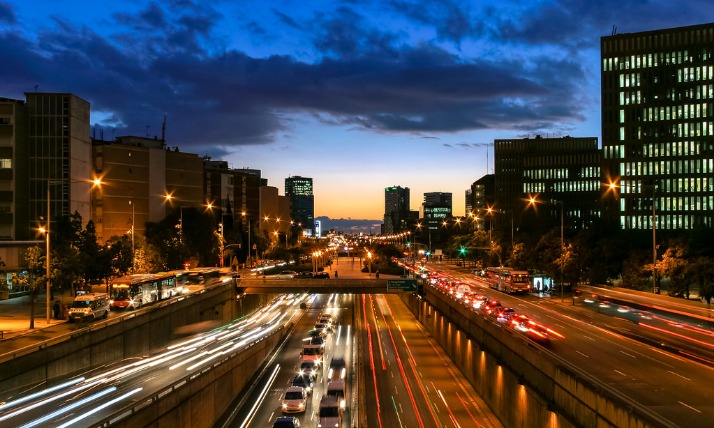

Overview of Barcelona’s city bus network
Barcelona’s city bus network offers a comprehensive way to explore the city beyond the metro, with frequent daytime routes operated by TMB that thread through all districts and neighborhoods, linking major sights, business districts, and beaches. The system is designed for easy transfers with a unified ticketing system, integrates seamlessly with the metro and tram networks, and includes NitBus night services for late travel. Smart planning tools and a mobile app help riders map journeys, check real-time arrivals, and choose among options for a convenient and affordable way to navigate Barcelona by bus.
Coverage, routes, and key hubs
Barcelona’s city bus network, operated primarily by Transports Metropolitans de Barcelona (TMB), provides a dense and versatile complement to the metro and tram. Buses reach every neighborhood in the city, with frequent daytime service, long hours, and a growing night network on selected routes. Tickets are integrated with the broader public transport system, and real-time information is available at stops and through the TMB app.
Coverage extends across all districts of the city, from Ciutat Vella and Eixample to Gràcia, Sant Martí, Sants-Montjuïc, Nou Barris, Horta-Guinardó and Les Corts. The network serves tourist areas as well as residential neighborhoods, with high-density stop spacing in central corridors and longer hops in outer zones. Many lines run on major avenues such as Gran Via, Avinguda Diagonal, and Ronda de Dalt, ensuring cross-city connections.
Routes are designed to link neighborhoods to the city center and to key transport hubs. Core corridors follow arterial streets, offering both local routes with frequent stops and express links that skip some stops to speed longer trips. Routes connect important districts like Eixample to Gràcia, Sants, Poblenou and Sant Andreu, and feed into the metro and regional rail network. Night services operate on weekends and late nights along several routes.
Key hubs include Plaça de Catalunya, a central interchange where many bus lines meet and where connections to multiple metro lines are available; Sants Estació, a major rail and bus interchange; Passeig de Gràcia and Diagonal, which link high-density commercial corridors with residential areas; Glòries and the 22@ district in Poblenou for east-side access; and the Barceloneta / Port area for beach and tourist travel. These hubs enable smooth transfers between bus, metro, and regional lines.
Planning tips: check the TMB app or stop signage for live times, look for the most frequent routes on central corridors, and consider using a bundled ticket or travel card for unlimited rides. Buses offer accessibility on most routes and audible and visual information where available. With a well-planned plan, city bus travel can be a convenient way to explore Barcelona alongside the metro and tram.
Major operators and governance
Barcelona’s city bus network is a core pillar of urban mobility, connecting neighborhoods across the city and linking with the metro and tram to form a dense, integrated transport system. Buses operate at high frequency on main routes during the day, with extensive coverage in the evenings and on weekends to serve residents, workers, and visitors. In addition to standard daytime services, night buses (NitBus) run through important corridors after midnight to maintain connectivity.
The bus network is part of the metropolitan transport system coordinated by the Autoritat del Transport Metropolità (ATM). The ATM plans services, coordinates scheduling, sets fare policies, and administers the integrated ticketing system across operators. Governance also involves the Ajuntament de Barcelona (the city council) and other regional bodies that participate in the metropolitan transport framework.
Two main public operators run the city buses: EMT Barcelona (Empresa Municipal de Transportes) operates most urban services within the city, while Transports Metropolitans de Barcelona (TMB) operates a large portion of central routes and coordinates with EMT on interchanges. A minority of lines may be run by private concessionaires under ATM contracts, typically for specific express or cross-town services.
Fares and tickets are unified across EMT, TMB, and other modes through the ATM fare system. Passes such as the T-Casual, T-usual, and other integrated tickets allow transfers between bus, metro and tram. Tickets can be bought at vending machines, on a mobile app, or with contactless payments on many buses and at boarding.
Core bus corridors connect the city center with residential districts and business hub areas, with frequent daytime service and reliable interchange points at major hubs like Plaça de Catalunya, Sants Estació and diagonal corridors. Night buses, under the NitBus network, provide late-night connectivity along key routes.
Buses are generally low-floor for easy boarding, with priority seating for people with reduced mobility, and real-time information available via apps and digital displays at major stops. Route planning and service updates are published by the ATM and operators and are accessible to travelers.
Barcelona is expanding a more sustainable fleet with electric, hybrid, and low-emission buses as part of a broader mobility strategy. Both EMT and TMB have electric buses in operation and are gradually increasing their proportion of clean-energy vehicles, while bus lanes and signal priority improve efficiency and reduce travel times.
For visitors, using an integrated ticket simplifies travel across EMT and TMB networks, and a single contactless payment method often works on all city buses. Check live service information via official apps to plan routes and avoid delays.
Ticketing and passes for travelers
Ticketing for Barcelona’s buses blends flexible pay-as-you-go options with visitor passes. You can buy a single ticket or use a contactless card on board or at machines, and choose from multi-ride and time-based passes such as a 10-ride card or the Hola Barcelona Travel Card, which offers unlimited travel for 2, 3, 4, or 5 days. These passes cover most buses in the city and surrounding areas, making it easy to explore Barcelona by bus.
Single tickets, reloadable cards, and contactless options
Travelers exploring bus travel in Barcelona have several ticketing options designed for short visits and longer stays, all coordinated across the city’s bus and metro network.
Single tickets (Billete sencillo) cover one journey on a Barcelona bus and can be used across the TMB network for that trip. They are convenient for day trips or occasional rides. You can buy them at metro station vending machines, at TMB service points, and through the official app, and in some cases on board with contactless payment.
Reloadable cards let you top up credit or load a travel pass so you don’t need to buy a ticket for every ride. The Hola Barcelona Travel Card is popular with visitors and offers unlimited travel within the Barcelona area for a fixed number of days (2, 3 or 4). For residents and longer stays, reloadable cards such as the T-usual or similar city cards provide ongoing access to buses, the metro and tram with one card.
Contactless options are widely supported across Barcelona’s bus network. You can pay with a contactless bank card, a mobile wallet (such as Apple Pay or Google Pay), or other contactless devices by tapping on readers. On buses, tap near the front door; on metro and tram, tap at the fare gates or turnstiles.
Where to buy and how long passes are valid varies by card. Tickets and passes can be purchased at metro stations, ticket machines, the TMB website or app, and some newsstands or partner shops. Passes like the Hola Barcelona Travel Card are valid for consecutive days from first use, and reloadable cards keep their value until it’s spent.
Tips for travelers include comparing a multi‑day pass with per‑ride tickets to see what saves money for your plans. If you plan to ride frequently during a stay, a reloadable or multi‑day card will usually be cheaper. Discounts or free rides may apply for children and seniors on certain passes, so check the latest terms.
With a bit of planning, navigating Barcelona by bus is straightforward and affordable, and the city’s ticketing options make it easy to hop on and off as you explore its neighborhoods, beaches, and sights.
Tourist passes: T-Casual, T-Usual, and Hola Barcelona
Bus travel in Barcelona is convenient and offers a few ticket options designed for visitors and casual travelers. This article explains the main ticketing options for travelers and introduces the tourist passes: T-Casual, T-Usual, and Hola Barcelona.
T-Casual is a personal 10-ride ticket that is valid for a limited period from the first validation. It can be used on most of Barcelona’s public transport, including buses, the metro, and tram lines within the city. The ticket is non-transferable, so it must be used by the person to whom it is issued and cannot be shared.
T-Usual is a monthly pass intended for residents and long-stay visitors who want unlimited travel within the chosen zones. It covers the same network as other passes—metro, bus, tram, and certain regional rail lines— and is issued to a specific person. Prices and zone coverage vary, and proof of eligibility or residence may be required.
Hola Barcelona is a tourist travel card that offers unlimited travel on Barcelona’s public transport network for a set number of consecutive days (2, 3, 4, or 5 days). It includes metro, bus, tram, and most FGC services within Barcelona’s zone structure, making it a convenient option for short visits and easy trip planning.
How to use and where to buy: these passes can be purchased at major transport hubs, at stations, some airport shops, and online through official transit portals. T-Casual and T-Usual come as a physical card or a digital version where available, while Hola Barcelona can be obtained in a digital format or as a physical card for pickup at select locations.
Tips for travelers: if you use T-Usual, carry proper identification as required for eligibility. Validate your ticket on entry when using T-Casual, and ensure you are traveling within the appropriate zones. For a short stay with multiple trips, Hola Barcelona can be the simplest value option; for longer stays or targeted local travel, a T-Casual or T-Usual may fit better.
Ultimately, the best choice depends on the length of your trip, how often you plan to ride, and whether you’ll be moving across different zones. Hola Barcelona is often the easiest unlimited option for short visits, while T-Casual and T-Usual provide flexible alternatives for longer stays or more localized travel across Barcelona’s bus and rail networks.
Reading routes, signage, and schedules
Getting around Barcelona by bus is easy when you know how to read routes, signage, and schedules. This introduction explains how route numbers point you toward neighborhoods, what the stop symbols and color codes mean, and how to interpret timetables and frequency. It also covers where to check real-time updates, how to use the TMB app and integrated tickets, and tips for smooth transfers between lines at key stops like Sants, Plaça Catalunya, and Barceloneta, so you can plan efficient journeys across the city.
Understanding bus numbers, colors, and stop displays
Barcelona’s bus network, mainly operated by TMB, covers the city and its neighborhoods. To travel smoothly, learn how to read routes, signage, and schedules, and how to interpret the numbers, colors, and stop displays you will see on the streets and at stops.
Reading routes in Barcelona starts with the route number and the listed destination. Route numbers identify the path the bus takes, and the destination helps you confirm you are heading the right way. On maps and at stops, you’ll see the numbers paired with clear names of neighborhoods or key locations. When planning a trip, check the route number on your ticket or a transit app and compare it with the map to confirm you will stop at your intended destination along routes that connect your starting point to your goal, such as central squares, large avenues, and main railway or metro hubs.
Signage at Barcelona bus stops is designed to be traveler friendly. A stop sign typically lists the lines that serve that stop, with their route numbers and common destinations. Many stops also have a timetable or a digital display showing the next buses and the approximate waiting times. At busy hubs, you’ll often find clearer boards and clearer destination names, making it easier to choose the right bus for your transfer or final stop. Bilingual signage in Catalan and Spanish is common, with maps sometimes offering English translations for major routes.
Schedules and frequency vary by route, time of day, and day of week. During weekday daytime, buses on popular routes run quite frequently, often every 5 to 15 minutes, while less busy lines come less often. In the evenings, on Sundays, and on holidays, frequencies drop and headways can be longer. Late-night service, known as NitBus on many routes, operates after midnight with fewer trips but still connects key areas and transit hubs. Always check the live timetable at the stop or in an app for the most accurate information.
Understanding bus numbers and colors helps you navigate faster. Route numbers are the primary identifier of a bus line, while color coding on maps and signage helps you visually separate major corridors and service types. In Barcelona, maps and displays often use distinct colors to highlight different routes or groups of routes, so you can spot your line at a glance. Night-time services are usually shown in a distinct color (often purple) to differentiate them from daytime routes. If you’re unsure, follow the destination on the board or ask a staff member or local rider for confirmation.
Stop displays and onboard signs keep you informed throughout the ride. At stops, look for a list of upcoming buses with their numbers and destinations, plus the estimated arrival in minutes. Inside the bus, the front display shows the route number and final destination, and some buses announce stops aloud or show upcoming stops on a screen. If you’re heading to a major hub, you’ll often find connectors to metro lines or other bus routes, making transfers straightforward when you’ve read the signs and schedules carefully.
Tips for travelers: use official apps like the TMB app or reliable transit apps (such as Google Maps or Moovit) to check real-time arrivals and plan transfers. Consider buying a Barcelona transit card (such as Hola Barcelona or T-casual) for convenience and cost savings on multiple trips. When in doubt, give yourself a little extra time at busy stops, listen for announcements, and if you’re unsure which bus to take, don’t hesitate to ask locals or staff at major stops.
Where to find real-time arrivals
Reading routes, signage, and schedules for bus travel in Barcelona is easier than you might think once you know where to look. This guide explains how to read route numbers, what the signs at stops show, and where to find real-time arrivals in English.
Reading routes at stops: Each bus stop lists the routes that serve it. Look for the route number, usually a bold digit, and the final destination shown on the sign. Signs can also indicate direction (toward the city center or toward the outer districts) and may highlight popular intermediate stops along the line.
Reading the signage on buses: When a bus approaches, the front display shows the route number and the destination. Inside the vehicle you may see a digital panel with the next stops and the approximate time to the next major stops. Buses in Barcelona use clear, visible displays so you can confirm you’re boarding the right service quickly.
Schedules and headways: Timetables vary by line and time of day. During the day, many routes run every 5–10 minutes, while early mornings, late evenings, weekends, or holidays may have longer gaps. Check the stop’s timetable board or the app for the most accurate arrivals.
Where to find real-time arrivals in English: The official TMB app provides real-time arrival estimates and is available in English. Other trusted options include Google Maps, Apple Maps, and Moovit, which also show live arrival times for Barcelona bus routes and allow you to search by route or stop.
Tips for using real-time data: Locate your nearest stop on the map in the app, note the route number, and set alerts if the app supports it. If you are traveling with friends or with luggage, use the live arrivals to time your walk or ride so you don’t wait in the elements.
Extra notes for travelers: Barcelona’s bus network is integrated with TMB’s ticketing system, making it easy to transfer between buses or combine with metro trips. When you’re unsure, you can ask staff or locals in English at major stops or use the in-app translations to confirm the route and destination before boarding.
Conclusion: With a little practice reading route signs and using real-time arrival tools in English, navigating Barcelona by bus becomes straightforward and efficient.
Planning trips and optimizing routes
Planning trips and optimizing routes for bus travel in Barcelona means balancing practical specifics with time-saving choices. Start by mapping essential sights in neighborhoods like Eixample, Gràcia, and the Gothic Quarter, then pick bus lines that minimize transfers and connect you to landmarks such as Sagrada Família, Park Güell, and Barceloneta Beach. Use real-time transit apps or Google Maps to compare schedules, identify the fastest routes, and spot peak-hour congestion, while considering passes like the Hola Barcelona card to simplify fare payments and maximize efficiency.
Using maps, apps, and stop-by-stop planning
Planning trips around Barcelona by bus can be efficient and enjoyable when you map out routes in advance and break each journey into simple steps.
Start with a clear goal: where you are going, when you want to travel, and how much walking you’re comfortable with. If you’re visiting Barcelona’s beach area, the Gothic Quarter, or the hills in the north, choose a route that minimizes transfers without making you rush.
Get to know the bus network: the city’s buses are run by TMB and EMT Barcelona, with frequent lines in the central districts and slower but scenic routes in the surrounding areas. Knowing which operator serves your area helps you find reliable timetables and real-time updates in one place.
Use maps and apps: Google Maps, Citymapper, and Moovit all show live bus times, transfer options, and service alerts. When planning, switch to transit mode, set your origin and destination, and filter results by fewer transfers or shorter duration. Enable real-time ETAs and save routes for offline reference if your data is limited.
Stop-by-stop planning: create a leg-by-leg plan. Note the exact bus stop names or numbers, the first bus to catch, and the transfer point to the next leg. Check walking distances between stops and estimate wait times from the app’s live data. Leave a small buffer for delays at busy intersections or during weekend schedules.
Optimizing routes: compare multiple options. A direct line is ideal but often a bit of walking to a major hub can cut travel time via a faster corridor. Consider whether one transfer at a central hub like Plaça de Catalunya, Sants Estació, or the Barceloneta area reduces total time. If you’re out late, weigh night buses (NitBus) against staying on a slower daytime route.
Tickets and passes: Barcelona offers various tickets and travel passes for buses. Check the official transport sites for current options, including single-ride tickets, short-term passes, or day cards. Choose a option that matches your trip length to avoid long waiting times at ticket machines or boxes.
Accessibility and safety: most buses have low floors and priority seating, with clear audio and visual announcements in many vehicles. If you’re traveling with luggage, a stroller, or a bike, verify accessibility and space restrictions in advance and plan around peak times when vehicles can be crowded.
Night and weekend service: NitBus night routes operate on weekends and some holidays, offering a fallback when daytime services end. Always check the exact frequencies and last buses in your plan to avoid being stranded and allow buffer time for late arrivals.
Example plan: you’re in Gràcia and want to reach Barceloneta Beach for an afternoon by the sea. Open your map app, set Gràcia as origin and Barceloneta Beach as destination. A practical plan might be to take a fast central bus to Plaça de Catalunya, then transfer to a second bus that heads toward Barceloneta. Check live ETAs, confirm transfer times, and set up a backup route in case of delays. Save this route and share it with travel companions to stay coordinated.
By combining clear goals, reliable maps, and a step-by-step approach, you can optimize bus travel in Barcelona for any day, from quick hops to full-day explorations along the city’s diverse neighborhoods.
Transfers and interchanges with metro and tram
Planning trips and optimizing routes in Barcelona with buses, metro and tram interchanges starts with understanding how the network fits your itinerary, helping you travel efficiently with fewer detours and lower costs.
Use planning tools such as the official TMB app and website, along with Google Maps or Citymapper, to compare routes, check real-time bus arrivals, see transfer points, and estimate total travel times across different modes.
Before you travel, map possible options—look for direct bus lines that minimize transfers, and when a transfer is needed, choose a hub that makes the change quick and safe, often at central stations like Plaça de Catalunya, Sants Estació, or major interchange corridors.
Transfers between bus, metro and tram rely on ticketing rules that allow multiple legs within a single ticket or time window; always verify how your card or pass covers transfers and whether you need to validate at each mode to keep your journey seamless.
Tickets and passes in Barcelona include single-trip options, multi-ride cards, and unlimited travel passes such as the Hola Barcelona Travel Card; choose based on your stay length and how many journeys you expect to make across buses, metro and tram.
Timing and frequency vary by mode and time of day, with daytime services offering frequent buses and trams and night services filling gaps when the metro closes, so plan ahead for late arrivals or changes to schedules.
Practical tips for optimizing trips include checking live updates for disruptions, factoring in a short buffer for transfers, and being prepared to walk a comfortable distance to a nearby stop if a preferred route is delayed.
In Barcelona, a well-planned bus-first approach often yields flexibility and savings, especially when you combine buses with strategic metro or tram interchanges to reach destinations quickly while enjoying the city’s diverse neighborhoods.
Popular routes for sightseeing
Discover Barcelona from the comfort of a sightseeing bus by following routes that thread through the city’s most iconic sights. The Blue Route sweeps from the Gothic Quarter to Sagrada Família and past Gaudí’s masterpieces along Passeig de Gràcia, while the Red Route climbs to Montjuïc for panoramic views and cultural sites. The Green Route links the Barceloneta waterfront with the Modernist wonders of Park Güell and the Eixample district, making it easy to cover a lot of ground in one day. Whether you’re short on time or simply prefer a gentle overview, these bus routes help you see Barcelona’s highlights—Sagrada Família, Park Güell, the historic core, and beyond—with minimal hassle.
City center and Gothic Quarter loops
Barcelona offers an easy and scenic way to see the city from the upper deck of a sightseeing bus, with routes designed to cover the main sights while letting you hop on and off at your own pace.
Popular routes for sightseeing commonly feature color coded loops that circle the city and stop at the key landmarks. The central loop weaves through the Eixample and Ciutat Vella, with stops near the Sagrada Família, Casa Batlló, La Pedrera, the Gothic Quarter, and the waterfront. Extensions toward Montjuïc and Port Vell add views of the castle, the Magic Fountain, and the Olympic precinct, while a seaside stretch to Barceloneta offers a break for a stroll along the beach before returning to the city center.
The city center loop is a classic choice for first time visitors, tracing a route around Plaça de Catalunya, Las Ramblas, the Gothic Quarter, and El Born. It also includes stops on the modernist boulevards of Passeig de Gràcia, placing you within reach of Casa Batlló and La Pedrera, as well as views of the cathedral and historic streets that define Barcelona’s heart.
A Gothic Quarter loop takes you deeper into the oldest part of the city, skimming through narrow medieval lanes past the Cathedral and the ancient Roman walls. You’ll pass lively squares such as Plaça Reial, glide along the waterfront near Port Vell, and return through the atmospheric streets of the Gothic Quarter and nearby El Born, with easy access to Santa Maria del Mar and other historic sights.
Tips for riders include choosing a hop-on hop-off option or a regular sightseeing bus with a day pass that covers all loops. Tickets are commonly available as 24 or 48 hour passes, and allow unlimited rides on the routes described within the validity period. Check if the ticket is valid on the city buses and whether transfers between loops are included, and keep an eye on morning and late afternoon schedules for the light-filled city views.
In practice, planning a day around these routes lets you cover major sights efficiently while preserving flexibility. You can start with the central loop to get oriented, then dedicate a morning to the Gothic Quarter loop, and finish with the Montjuïc and Barceloneta extensions for a well-rounded Barcelona bus experience.
Beaches, Montjuïc, and museums
Barcelona is a great city to explore by bus, allowing you to combine popular sightseeing with beach visits, Montjuïc sights, and world-class museums in a single day or over a few days.
Popular routes for sightseeing on the city buses take you past the Sagrada Família, the Gothic Quarter, Passeig de Gràcia, Park Güell, and other iconic landmarks. The main sight-seeing options include a couple of dedicated routes and regular city buses that circle the center and the Eixample district, making it easy to hop off for photos and a stroll along the boulevards.
Beaches are well-served by the bus network, with frequent services from the city center to Barceloneta and the coastal districts. A daytime ride along the seafront lets you pair sun and tapas, while evening services give you a scenic return to the city core.
Montjuïc is another standout on the bus map. You can catch buses from central hubs such as Plaça Catalunya or Parallel to reach Montjuïc hill, the Magic Fountain area, and Montjuïc Castle. For the best views, combine the bus ride with the Montjuïc funicular or a short walk to the viewpoints.
Barcelona’s museums are easy to reach by bus as well. The Picasso Museum sits in the El Born district, MACBA the Raval, and MNAC on Montjuïc. Regular routes connect these neighborhoods with central hubs, letting you plan museum days around lunch or coffee stops in convenient neighborhoods.
Practical tips: check the official TMB maps and live updates, consider a transport pass for unlimited rides, and download a route planner to minimize transfers. Always have a backup plan for late Sundays or holidays when some services run less frequently.
Night buses and late-night travel
Barcelona’s night buses, part of the NitBus network, keep the city moving after the metro closes, offering a reliable and affordable way to travel late into the night. They stitch together central districts like the Gothic Quarter, El Born, and the Barceloneta with outlying neighborhoods, making evenings of dining, nightlife, and late arrivals safer and easier. For locals and visitors alike, these routes provide practical late-hour transport with frequent service and easy access when other transit options pause. Check live timetables and carry a transit card to ride smoothly from sunset to dawn.
Nocturnal services and schedules
Night buses in Barcelona, known as NitBus, fill the gap when the metro stops running and late-night travel becomes necessary. They connect central districts with residential neighborhoods across the city, making it easier to reach bars, clubs, theaters, and late-shift workplaces after hours.
Operated by Transports Metropolitans de Barcelona (TMB), the NitBus network comprises several night routes identified with the N prefix. These lines run primarily on weekend nights and during special events, offering a vital option for getting home safely without a car. They complement the daytime bus and tram services and extend coverage to areas not served by late metro services.
Typical night-service hours run from late evening through the early hours of the morning, with frequencies varying by line and time of night. In general, you can expect buses to appear every 15 to 30 minutes at bus stops during peak late-night hours and more sparsely in the early morning. Some routes may begin after the last metro trains finish and end around 5:00 or 5:30 am, while others may have slightly different schedules on weekend nights.
To plan a nocturnal trip in Barcelona, check the official TMB NitBus schedules and the route map on the TMB website, or use public-transit apps such as Google Maps or the TMB app. The app and maps show current timetables, live departures, and the quickest night-route connections from your location to your destination. When traveling late, it’s wise to confirm that a chosen line operates on the intended night and to note the approximate headway for that hour.
Tickets and fares for NitBus are the same as daytime services. Most passes, including the T-Casual card or the Hola Barcelona card, are valid on NitBus, and contactless payment is often available on newer buses. Remember to validate your ticket or scan your pass when boarding, and plan for potential longer waits during late-night service. For safety, stay in well-lit stops, ride with other passengers when possible, and have a backup plan in case a line is temporarily suspended or you miss the last bus home.
In Barcelona, nocturnal travel by bus is a practical option for late evenings, weekend outings, and early morning arrivals. By checking schedules in advance, using reliable apps, and allowing extra time, travelers can navigate the city’s night landscape confidently and avoid the hassle of driving or long taxi queues.
Safety tips for late hours
Barcelona’s night buses, known as NitBus, keep the city moving after dark and connect central districts with the outer neighborhoods when the metro is quieter or unavailable.
These night routes complement the metro and tram networks, offering safer, affordable travel through areas like the Gothic Quarter, El Raval, Eixample, Gràcia, and Poblenou late at night.
Most NitBus lines operate from late evening until around 5:30 in the morning, with frequencies that vary by night and route. Always check the timetable for your specific line.
To plan a late-night trip, use the official Barcelona public transport app or the TMB website. Look up the night routes, map your stop, and note the last buses and any overnight connections.
Safety tip: stay in well-lit areas at stops and be aware of your surroundings while waiting. If a stop feels unsafe, move to a busier, more illuminated area or wait at a commercial stop with lighting.
Keep your belongings secure and close to you. Use a cross-body bag, zip pockets, and keep your phone in sight. Avoid flashing valuables.
Know your stop before boarding and consider using the app to track your bus in real time. If you feel unsafe during a ride, press the bus stop button or contact a fleet staff member; for emergencies, dial 112.
When choosing a seat, sit near the driver or with other passengers rather than in a lone back area. Hold on during starts, stops, and sharp turns and avoid standing or blocking aisles.
Buy a valid ticket before boarding. Most NitBuses accept T-Casual, T-usual, and other Barcelona transport passes, and many accept contactless payments with debit or credit cards and mobile wallets.
Night buses in Barcelona are designed to be accessible: many buses are low-floor and offer priority seating. If you have mobility needs, check accessibility notes for your route in the app or on the website.
If you’re out late in neighborhoods with a lively nightlife such as El Born, Gràcia, or the waterfront, plan your route in advance and consider traveling in pairs or groups when possible.
As a backup or for longer trips, taxis or ride-hailing options are available, though they cost more. NitBus remains a cost-effective alternative for late-night travel when you’re staying in the city center or nearby districts.
In short, Barcelona’s NitBus network makes late-night travel practical and relatively safe with good planning, situational awareness, and sensible precautions.
Airport and regional bus connections
Barcelona sits at the center of a well-connected bus network that links the city with its airport and the wider Catalonia region. From Barcelona-El Prat Airport, the Aerobus and city buses shuttle travelers into the heart of the city, while regional services reach coastal towns, inland attractions, and nearby cities. For travelers, bus travel in Barcelona offers a cost-effective, flexible alternative to trains and flights, with frequent departures and straightforward ticketing that makes both short trips and day trips convenient.
Aerobus and airport-to-city connections
Bus travel in Barcelona offers reliable options for getting between the airport and the city, as well as for reaching regional towns across Catalonia. If you fly into Barcelona–El Prat (BCN), the Aerobus is the fastest direct link to the city, while the city’s regular bus network and regional services expand your options beyond the center.
The Aerobus provides a fast airport-to-city connection with two terminal-origin services. Aerobus A1 serves Terminal 1 and Aerobus A2 serves Terminal 2, both terminating at Plaça de Catalunya in the heart of the city. The service typically runs every few minutes during the day and takes around 30 minutes to reach the city center, depending on traffic. Tickets can be bought online, at airport kiosks or machines, or directly on the bus in some cases, and a one-way ticket usually costs around 6 to 7 euros. The Aerobus drop-off near Plaça de Catalunya makes onward connections to metro, bus, and train lines simple.
Beyond the Aerobus, Barcelona’s public bus network (TMB) operates frequent routes from the airport area to various neighborhoods, allowing direct or convenient connections to places such as the Eixample, Gràcia, Sants, Barceloneta, and Montjuïc. You can combine bus rides with the metro for rapid city coverage. Tickets and fares use the same TMB system, including single-journey tickets, the T-Casual, and the Hola Barcelona Travel Card for unlimited travel over a set period.
Night and early-morning services provide options when daytime schedules end. Night buses connect central Barcelona with the airport area and key districts, though frequencies are lower. If you’re arriving late, check the latest N-bus routes and timetables on the official TMB or airport information channels to plan a safe return or onward journey.
If you’re planning to explore beyond Barcelona, regional and intercity buses depart from Barcelona’s bus hubs such as Estació d’Autobusos del Nord and, to a lesser extent, Sants. These services link Barcelona with towns and tourist destinations across Catalonia and the coast, including Girona, Costa Brava resorts, Tarragona, and inland towns. Multiple private operators, such as ALSA and local carriers, run these routes, and timetables vary by season. It’s wise to check operator websites or the Barcelona Nord station timetable in advance and buy tickets online when possible.
Tips for a smooth trip: use the Aerobus for a quick airport-to-city link, especially if you’re carrying luggage and want a direct ride. For budget travel around the city, a single TMB ticket or the Hola Barcelona Travel Card offers flexibility and savings. Regional buses require more planning, so verify departures, especially in off-season, and arrive a bit early at Estació d’Autobusos del Nord or Sants. Always validate tickets where required and keep a copy of timetables on your phone for real-time updates.
Regional buses to nearby towns and resorts
Barcelona is a major hub for bus travel, with efficient connections from the airport to the city center and a wide network of regional services that reach nearby towns and coastal resorts.
Airport connections are the quickest route into town. The Aerobús operates two lines, A1 from Terminal 1 and A2 from Terminal 2, with frequent departures and a direct ride to Plaça Catalunya in the city center. A cheaper option is the regular city bus network, such as line 46, which links the airport with central districts and can be combined with metro connections to reach other areas. Always check the latest schedules on the operator sites before traveling.
From Barcelona, regional buses depart from the main intercity hubs, notably the Barcelona Nord Bus Station and Sants Estació. These services are run by several operators, including ALSA and Monbus, and they connect the city with towns along the Costa Brava and Costa Dorada as well as inland Catalonia. Timetables vary seasonally, with more frequent services during the summer to service popular beach destinations.
Typical regional routes include trips to coastal towns along the Costa Brava such as Blanes, Lloret de Mar and Calella, and to southern coastal resorts like Sitges, Tarragona and Salou. Buses also reach inland towns such as Manresa and Vic and other regional centers, providing an alternative to the train for longer trips or when trains are full. It is common for services to run once or twice daily outside peak seasons.
Ticketing and planning options are straightforward. Check schedules and buy tickets online at ALSA or Monbus, or at the station on the day of travel. If you plan several trips in a day or during a single trip, look for combined or day passes. Signage in stations is usually bilingual, and staff can help with connections to rail or metro networks if needed.
Tips for a smooth journey include arriving at the bus station 10–15 minutes before departure, keeping your ticket handy, and allowing extra time for peak-season traffic on the coast. For multi-destination trips, consider using Barcelona as a base and returning to the city by night, or plan overnight stays in coastal towns to maximize time at beaches and sightseeing.
Online resources to plan your trip include the official ALSA (alsa.es) and Monbus (monbus.es) pages, as well as general Barcelona travel information portals. By combining airport transfers with regional bus routes, travelers can explore a wide range of coastal towns and inland villages from a single city base in Barcelona.
Accessibility and passenger etiquette
Traveling by bus in Barcelona is designed to be accessible for everyone. Buses typically feature low floors, ramps or kneeling platforms, and priority seating for people with disabilities, seniors, and parents with strollers, along with visual and audible announcements at many stops. To show courtesy, offer your seat to someone who needs it, let passengers alight before boarding, and keep aisles clear. If you require assistance, speak to the driver or staff, and plan extra time for accessibility considerations during peak hours. By respecting these practices, riders help ensure a smooth, inclusive experience for all on Barcelona’s bus network.
Accessibility features on buses
Barcelona’s bus network prioritizes accessibility to help everyone travel with confidence, from locals to visitors exploring the city. Whether you are heading to the beach, the Gothic Quarter, or Montjuïc, you can expect buses designed to be easier to board and maneuver for all riders.
Accessibility features on Barcelona buses typically include low-floor entry, ramps, and a kneeling function that lowers the front of the bus to meet the curb. Inside, there are designated spaces near the front for wheelchairs or mobility devices, with securement points to keep a chair in place during the journey.
Riders with sensory or vision needs will find information presented both visually and audibly. Stop announcements and route information are usually provided by speakers and screens to help passengers anticipate their stop.
Priority seating is near the front and is reserved for people who need it most. If you are seated in a regular seat and see someone approaching for a priority seat, offer space or move if you can.
Etiquette on the bus includes giving way to passengers alighting before boarding, keeping the aisle clear, holding onto handrails if you are standing, avoiding storing luggage in the wheelchair space, and speaking softly to respect others’ comfort and concentration.
Boarding with a mobility device typically involves signaling the driver if you need the ramp, and the driver will deploy it at the first door. If you are able to transfer to a regular seat, follow the driver’s instructions; if not, the designated wheelchair space can be used with seat belts or restraints to secure the chair during the ride.
Planning and assistance are made easier through the TMB app or website, where you can check line accessibility, stop locations, and real-time bus status. For in-person help, transport information points can provide guidance in multiple languages to meet diverse needs.
Travelers visiting Barcelona should remember that accessibility features improve the experience for everyone. By observing etiquette and making use of the available facilities, you can enjoy comfortable, efficient bus travel around the city.
Etiquette and tips for a comfortable ride
Accessibility and passenger etiquette go hand in hand when traveling by bus in Barcelona. A comfortable ride for everyone starts with understanding the accessibility features of the fleet and following considerate etiquette on board.
Barcelona buses are designed with accessibility in mind. Many vehicles are low-floor and equipped with ramps or kneeling functions to help people using wheelchairs, scooters, strollers, or those with limited mobility. Inside you will often find designated priority seating near the doors, space to secure mobility aids, and clear audio announcements along with visual stop information to assist riders with different needs. Look for the universal accessibility symbol on the bus and at stops to confirm features.
Plan ahead and use the official channels to ride with ease. Check the TMB app or the city transport website for accessible routes and real-time stop announcements. Buy and validate tickets using the app or ticket machines, and keep your pass handy during the ride. If you require assistance, you can ask the driver or station staff for help with boarding or locating accessible entrances.
Boarding etiquette. If a person with mobility needs boards, yield the priority seating area to them when possible and let them sit near the doors. Keep the aisle clear and avoid squeezing into the front seats if there is a wheelchair or stroller in the vicinity. Children should be supervised to prevent blocking aisles.
Exiting and boarding flow. Let passengers alight before boarding to keep the aisle clear. If you have a heavy bag or luggage, place it on the floor between your feet or in a designated area, not in the way of doors. If you use a mobility aid, follow the staff’s directions for safe boarding, and keep the path clear for others.
Noise, space, and courtesy. Keep conversations at a considerate volume, use headphones for music or videos, and keep bags and belongings out of the aisle. Give others enough personal space and avoid blocking seats or mobility-aid areas. If you need help, ask politely; many drivers and staff are glad to assist.
Special considerations in Barcelona. Busy tourist routes around the Sagrada Família, Gothic Quarter, and beaches can mean crowded buses. Plan ahead, arrive early at stops, and be prepared for occasional delays. Look for real-time updates in the app, and consider traveling outside peak times if possible to reduce crowding.
Conclusion. By combining accessible design with thoughtful etiquette, riders in Barcelona can enjoy a smoother, more comfortable bus experience for locals and visitors alike.
Practical tips for a smooth bus experience
Traveling by bus in Barcelona can be smooth with a few practical tips: check real‑time routes and plan ahead with the TMB app, buy or validate the right ticket before boarding, board at the correct doors, and keep belongings secure at busy stops. For late hours, know the NitBus options and transfer points, and be aware of accessibility at major stops. A little prep goes a long way for a comfortable ride.
Payments, validation, and security
Planning a smooth bus trip in Barcelona starts with knowing your route, having a valid ticket, and using the right payment option. Barcelona’s bus network, run by Transports Metropolitans de (TMB) and partners, connects neighborhoods quickly and is a good option for reaching sights beyond the metro lines.
Payments are flexible on Barcelona buses. You can pay with cash on some buses, but more convenient options are contactless bank cards and mobile wallets (Apple Pay, Google Pay) at the reader, or using a TMB card such as T-Casual or T-Usual loaded in the TMB app. For unlimited travel, a Hola Barcelona card or a time-based pass can be used on buses and other transit. If you’re unsure, ask the driver before boarding.
Validation rules depend on your ticket. If you use a physical card or a digital ticket in the TMB app, you typically validate by tapping the reader on the bus when you board. If your ticket is already time-based or mobile-validated, show or scan as required. Keep an eye on the screen or the reader in case of errors, and remember to validate only once per journey unless your ticket requires multiple validations.
Stay secure while riding. Watch your belongings at stops and on crowded buses, and avoid leaving bags on seats where they can be grabbed. Use official payment interfaces (readers, apps) and avoid sharing PINs. If your card or phone is lost, contact the card issuer or TMB customer service promptly to suspend or replace it. Be mindful of scams around popular stops and never trust strangers offering help to validate tickets.
Plan ahead with maps and live service information. Use the official TMB app or Google Maps to see bus numbers, schedules, and real-time arrivals. Validate the correct bus by checking the destination sign, and board from the front door in most cases. If you miss a bus, there’s usually a frequent service that runs every few minutes, especially in central districts. For comfort and accessibility, choose seats near the front and prioritize aisle seats for easy exit when the bus stops near your destination.
When sightseeing in Barcelona, combine buses with metro lines to reach places like Park Güell, Sagrada Família, or Montjuïc. Buses can be especially useful for neighborhoods beyond central zones. If you’re visiting for a short time, consider the Hola Barcelona card for 48, 72, or 96 hours of unrestricted travel across buses, metro, and trams, simplifying both payments and validation.
Handling delays, crowding, and itinerary changes
Barcelona’s bus network is a practical and scenic way to explore the city, complementing the metro and tram. With extensive routes across neighborhoods and beaches, buses let you reach popular sights like the Gothic Quarter, Montjuïc, and the Sagrada Família without worrying about transfers when planned well.
Plan ahead by checking routes and times before you set out. Use the official TMB app or Google Maps to see real-time bus arrivals, transfer options, and the best connections. Look for direct routes when possible to minimize crowding and delays, and keep a rough itinerary handy in case you need to adjust on the go.
Tickets and payment are straightforward: the Hola Barcelona Travel Card offers unlimited travel on buses, metro, and trams for 2, 3, or 4 days, which is convenient for visitors. You can also pay with contactless bank cards or mobile wallets, or use a T-Casual or other pre-paid card if you already have one. Having a valid payment method ready before boarding speeds things up.
When boarding, enter through the front doors and validate your ticket or tap your contactless card. If you’re using a mobile wallet, place your device near the reader to confirm. Keep your pass handy in case you’re asked to show it, and try to sit where you have a clear view of the route and upcoming stops.
Delays can happen in Barcelona due to traffic, especially during rush hours or poor weather. Stay flexible and monitor real-time updates through apps. Build a little buffer into your plans, and if one bus is late, you can often take a nearby alternative line or switch to the metro for the next leg of your journey.
Crowding is common around central hubs and popular times. If possible, travel slightly off-peak to enjoy a more comfortable ride. If you must ride during busy periods, stand near the doors for easy alighting, keep aisles clear, and be courteous to other passengers and to transit staff.
Itinerary changes happen, so use your navigation app to find backup routes and stops. If your destination changes, you can often switch to another bus that serves a nearby stop or hop on a NitBus late at night if applicable. Don’t hesitate to ask the driver or fellow passengers for the best detour, especially in areas where signage isn’t obvious.
Night travel in Barcelona is supported by the NitBus network, which operates after regular service hours on weekends and late nights. Check the latest night routes and stops in advance so you’re never left stranded. A little planning goes a long way toward a smooth, enjoyable bus experience in Barcelona.