
Overview of bus travel from South Africa to Zimbabwe
Traveling by bus from South Africa to Zimbabwe offers a budget-friendly overland option that connects Johannesburg and other South African hubs with Harare and Bulawayo. Buses are operated by regional carriers with varying trip times, typically around 9 to 14 hours plus border formalities. Passengers should be prepared for border checks and visa requirements, and choosing reputable operators can help ensure a smoother, safer journey.
Typical routes and distance
Bus travel between South Africa and Zimbabwe offers a practical, affordable way to move between the two southern African countries. The most common connections link major South African cities, notably Johannesburg and Pretoria, with Zimbabwean hubs such as Harare and Bulawayo, using the Beitbridge border crossing as the main gateway.
Typical routes from South Africa to Zimbabwe run north from Johannesburg or Pretoria toward Harare, with Beitbridge on the border near Musina serving as the primary crossing point. This route is by far the best connected and has the most frequent departures, including overnight options that let you travel while you rest.
Johannesburg to Harare via Beitbridge covers roughly 900–1,000 kilometers, depending on the exact road chosen and any diversions for border checks. Travel times are commonly in the 15–20 hour range, subject to border delays and stops for meals or fuel.
Johannesburg or Pretoria to Bulawayo is also a common cross-border option. Distances are typically in the 800–900 kilometer band, with journeys often taking 12–16 hours. Some itineraries may include a stop in Bulawayo before continuing to Harare.
Longer or less frequent routes may connect South Africa to Victoria Falls or other northern Zimbabwe destinations, often via Botswana and Botswana routes. These trips can cover roughly 1,200–1,600 kilometers and may take 20–28 hours, depending on border formalities and the number of stops.
Border crossings and practicalities: Beitbridge is the principal crossing between South Africa and Zimbabwe. Border checks, vehicle inspections, and queue times can add several hours to a trip, especially on busy days. You will typically need a valid passport; visa requirements vary by nationality and can usually be arranged at the border or in advance. Check current entry requirements before you travel.
Booking and planning tips: Compare schedules across major bus companies a few days in advance, especially during holidays or peak travel seasons. Overnight services can save you a night of accommodation, but ensure you have comfortable seating and a plan for sleep. Have cash in local currency for border costs and small purchases, and carry water and snacks for long legs of the journey.
Overall, bus travel from South Africa to Zimbabwe is a well-trodden option with reliable connections between Johannesburg and Harare or Bulawayo. With proper planning, you can experience a straightforward cross-border journey across southern Africa.
Duration and travel time considerations
Travel by bus from South Africa to Zimbabwe is a budget-friendly option for crossing the Beitbridge border into Zimbabwe and reaching major cities such as Harare and Bulawayo. Routes typically originate in Johannesburg or Pretoria, with a variety of operators offering daytime and overnight services. Durations depend on the route, border processing, and road conditions.
- Common routes and rough travel times: Johannesburg/Pretoria to Harare typically 12–16 hours; Johannesburg to Bulawayo around 14–18 hours; Cape Town to Harare can take 28–36 hours with multiple legs.
- Border crossing impact on duration: Beitbridge border checks can add 1–4 hours or more, especially on weekends, holidays, or after delays; factor extra time for immigration and customs on both sides.
- Overnight vs daytime services: Overnight coaches help manage overall travel time and avoid daytime heat; daytime trips may be longer due to more stops and traffic but can be less tiring if you sleep during the day.
- Stops, delays, and road conditions: Regular rest breaks are built into schedules, but road works, heavy traffic, and weather can extend trip times significantly.
- Planning considerations: book in advance, confirm pickup/drop-off points, check visa and passport requirements for your nationality, and have contingency time for border queues and unexpected delays.
Planning and Tickets
Planning a bus trip from South Africa to Zimbabwe begins with mapping the route, selecting a reliable operator, and securing the right tickets early. Check border requirements, visa rules, departure points, travel durations, and baggage allowances, then compare online booking options with on-site counter purchases to find the best price and schedule for your journey.
Choosing a bus operator
Planning a bus trip from South Africa to Zimbabwe combines route planning, ticket shopping, and operator selection to ensure a safe and comfortable journey from major cities like Johannesburg to Harare or Bulawayo.
- Planning considerations: choose your route (direct Johannesburg to Harare vs. stops in between), estimate travel time, and account for border crossing times at Beitbridge or other border posts; factor visa and entry requirements and potential delays.
- Ticket options: buy online or at ticket offices, compare prices and what’s included (baggage allowance, rest stops, on-board amenities), and check the cancellation or rebooking policy; confirm which currency is accepted for payment.
- Choosing a bus operator: prioritize licensed operators with a good safety record, up-to-date fleets, comfortable seating and adequate legroom, punctuality, responsive customer service, and experience with cross-border travel and border formalities.
- Documentation and border process: ensure your passport is valid, verify visa requirements, have any needed travel documents for the vehicle, and ask the operator if they provide border assistance; be prepared for customs checks and possible delays.
- Practical tips for the trip: arrive early at the departure point, keep essential documents handy, pack snacks and water, comply with luggage limits, and have local currency or a card that works at stops; consider travel insurance and emergency contacts.
Booking methods and payment options
Planning a bus trip from South Africa to Zimbabwe involves choosing routes, timing, and tickets to ensure a smooth journey across the border and back. By understanding the typical options, you can compare routes, durations, and prices before you buy a ticket.
Popular routes include Johannesburg to Harare and Johannesburg to Bulawayo, with Beitbridge as the main border crossing into Zimbabwe. Travel times vary, but a direct long‑distance bus commonly takes roughly 12 to 20 hours depending on stops, road conditions, and border formalities.
When planning tickets, consider your travel dates, flexibility, and seat preferences. Decide whether you prefer a direct service or one with stops, and check luggage allowances, seat selection, and any included amenities. Also compare prices across operators and look for promotional fares or bundled options with onward transport in Zimbabwe.
Booking methods include online bookings via official operator portals, mobile apps, or call centres, as well as bookings through travel agencies and at terminal ticket counters. If you’re unsure, an agent can help you compare schedules and connect you with the best option for your dates.
Payment options typically include online card payments (Visa or Mastercard), bank transfers or EFT, and cash payments at a booking counter or on pickup where permitted. Some operators also accept mobile money or local wallet options. Always confirm the accepted payment methods at the time of booking to avoid delays.
Border and travel documents are essential. Ensure your passport is valid for the duration of your trip, and check visa requirements for Zimbabwe and any transit countries. Some travellers also need onward visas or permits, so verify entry rules before you depart.
Tips for a smoother trip: book early during peak travel periods, arrive at the terminal with time to spare, and keep your ticket or confirmation number handy. Confirm border crossing times in advance and be prepared for queue times at Beitbridge or other crossing points.
By planning ahead, you can secure a reliable bus service from South Africa to Zimbabwe, choose convenient departure times, and manage payment with your preferred method while enjoying a comfortable ride across the border.
Schedules and Routes
Schedules and routes for buses traveling from South Africa to Zimbabwe connect major hubs like Johannesburg and Pretoria with Harare and Bulawayo, typically crossing at Beitbridge. Operators offer daytime and overnight services with varying frequencies—from daily departures to several times a week—so travelers should check current timetables online or at bus stations. Journey times can range from around 12 to 18 hours depending on the route and border checks, and tickets are usually available in advance or on departure with some providers offering flexible fares. When planning, consider border crossing requirements, luggage allowances, and potential delays during holidays and peak travel periods.
Common routes between major cities
Bus travel between South Africa and Zimbabwe connects major urban centers such as Johannesburg and Pretoria in South Africa with Harare, Bulawayo (and often Victoria Falls) in Zimbabwe. Schedules vary by operator and season, but you can generally find daily or near-daily cross-border services from large South African transport hubs to the main Zimbabwean cities. The journey is long, usually requiring a full day or overnight on board, and border crossings add to travel time.
Johannesburg to Harare is the most travelled cross-border route. Buses typically run from Johannesburg’s main long-distance terminals and travel via the Beitbridge Border Post. The distance is roughly 860 to 900 kilometers depending on the exact route, with journey times commonly in the 12 to 16-hour range. Some operators offer daytime departures, while overnight options depart in the evening and arrive the next day.
Pretoria offers similar cross-border services to Harare, often sharing the same Beitbridge corridor. Travel times are comparable to Johannesburg, with departures in the morning and afternoon and overnight options available. Buses may stop at key towns along the route for breaks and border procedures.
Johannesburg to Bulawayo is another popular corridor. The route usually goes through Beitbridge and then heads northwest toward Bulawayo. The distance is around 600 to 650 kilometers and the trip typically takes about 10 to 14 hours, depending on border queues and road conditions. Overnight services are common for this route as well.
For visitors aiming at Victoria Falls or other northern Zimbabwe destinations, some operators run longer itineraries that connect Johannesburg or Pretoria with Victoria Falls, with stops in major towns and optional extensions to Hwange or Mutare. These journeys are longer (often 18 to 24 hours plus) and may involve more border formalities, so check whether the service is direct or requires a transfer.
Schedules are published by each operator and can change with seasons, holidays, and road conditions. When planning, confirm the departure point, approximate travel time, and the border crossing time. Tickets can be booked online or at the terminal; prices vary by service level, comfort of seating, and whether meals or extras are included. It is common to choose between standard and premium coaches, with overnight options giving you a bed or a seat that reclines more for comfort.
Crossing Beitbridge is the most common border for SA-Zimbabwe travel. Have your passport ready, ensure visas if required for your nationality, and be prepared for queues at both sides, immigration checks, and vehicle inspections. Carry some cash in the local currency or USD for border charges and on-board purchases, and pack snacks and water for the journey, especially on longer routes. Arrive early at the terminal to check in, and keep your booking reference handy.
Major long-distance operators serving this corridor include well-established South African bus companies that offer international routes to Zimbabwe. Always use official channels such as the operator’s website or authorized ticket offices to book, and verify which Zimbabwean cities are served on a given departure. For the latest schedules, border requirements, and prices, check directly with the operator close to your travel date.
Traveling by bus from South Africa to Zimbabwe provides an affordable option to move between the region’s major cities, with a selection of daytime and overnight departures. Planning ahead, checking current schedules, and allowing extra time for border procedures will help ensure a smoother trip.
Seasonal schedules and frequency
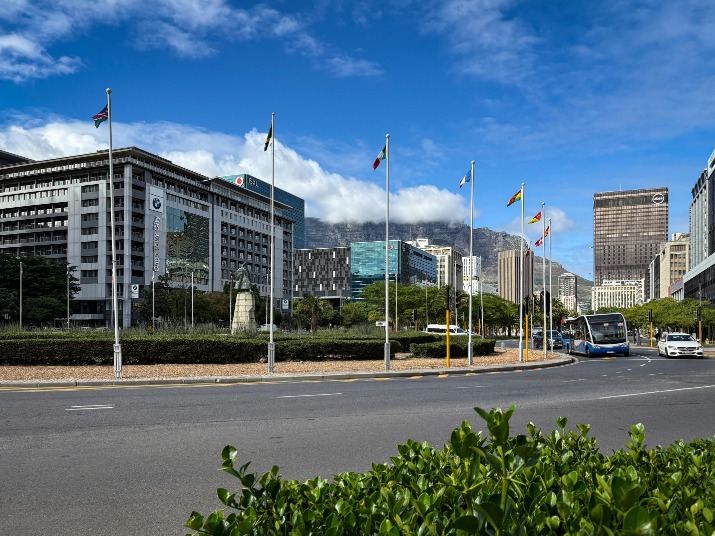
Travel by bus from South Africa to Zimbabwe centers on a few key routes, with the Beitbridge border post serving as the main crossing point between the two countries. The most common corridor runs from Johannesburg or Pretoria to Harare, with direct overnight services that aim to reach the capital in the morning. A second popular route connects Johannesburg and other South African hubs to Bulawayo, offering a shorter journey time compared with Harare but still using the Beitbridge crossing or a similar southern Zimbabwe entry point.
Schedules and routes are determined by long-distance bus operators who run cross-border services. In practice, daily departures are common on the Joburg–Harare route, with overnight trips taking roughly 12 to 14 hours. The Joburg–Bulawayo service, when available, can take around 8 to 12 hours depending on stops and border time. Buses typically depart in the evening and arrive at dawn, giving travelers a full day on arrival. Some operators offer daytime trips as well, though overnight options are often favored to maximize travel time and reduce daytime road fatigue.
Seasonal schedules and frequencies reflect demand. Peak travel seasons—especially late December to early January, and holiday periods like Easter—see more frequent departures and sometimes multiple services daily. In the off-peak months, services may be reduced to a few trips per week or depend on demand and maintenance schedules. Weather, road works, and border queues can also influence frequency and travel times, particularly in the rainy summer months when heavy rains can slow journeys.
Border crossing at Beitbridge can add a significant chunk of time. Travelers should plan for passport control, vehicle checks, and possible queues, sometimes lasting 1–3 hours or more at busy times. It’s advisable to arrive at least two hours before the scheduled departure if you have a hand-luggage or check-in process. Check visa requirements for Zimbabwe and any transit rules for your nationality; some travelers may need a visa in advance or on arrival, depending on nationality and purpose of travel.
Tickets are usually purchased through the operator’s website, at the depot, or via selected travel agents. To guarantee a seat during peak seasons, buy in advance and confirm your boarding point in advance. Some routes offer flexible or refundable fares; others are non-refundable and impose change fees. Carry essential documents and a small amount of local currency for border fees and incidental expenses.
Practical tips: check the latest schedules close to your travel date; consider overnight options to save on accommodation; ensure you have valid passport; check if you need a Zimbabwe visa; carry photocopies; be aware of customs restrictions for luggage; consider travel insurance; have contact numbers for the operator in case of delays.
In summary, cross-border bus travel from South Africa to Zimbabwe offers several route options and seasonal schedules designed to meet demand, with Beitbridge as the major crossing point. Always verify current timetables with the operator, consider seasonality, and plan for border times to make your trip smooth and predictable.
Border Crossing and Documentation
Border crossing by bus from South Africa to Zimbabwe involves passport control, visa or permit checks, and vehicle documents at Beitbridge. Ensure your passport is valid for at least six months, verify whether your nationality requires a visa or eVisa for Zimbabwe, and carry any required entry papers for the bus. The journey typically includes exit formalities in South Africa and entry procedures in Zimbabwe, with the bus operator ready to assist with current rules and health or travel declarations as needed.
Passport, visa, and travel documents
Traveling by bus from South Africa to Zimbabwe typically involves crossing the Beitbridge Border Post, where you leave South Africa and enter Zimbabwe in a single border stop near Musina. Border formalities can vary in length, so plan for several hours and have your travel documents ready.
Passport and identification: A valid passport is usually required for international travel. Ensure it has at least six months validity beyond your intended entry date. National ID cards are generally not accepted for international border crossings, so carry your passport. If traveling with children, bring the child’s birth certificate and, if required, a consent letter for travel with guardians where applicable.
Visa and travel documents: Visa requirements depend on your nationality. Zimbabwe offers visas on arrival for many travelers, and an electronic visa option is available for some nationalities. Others must obtain a visa before departure. Check the latest entry requirements with Zimbabwe’s Department of Home Affairs or your travel agent, and confirm with your bus operator.
Border crossing procedures: At the South African border exit, present your passport and answer routine questions. Do not forget any required exit forms. At the Beitbridge border into Zimbabwe, present your passport, visa or e-visa proof if needed, and complete immigration forms if requested. You may also be asked to declare goods; carry receipts for purchases and be prepared for health or vaccination questions, including yellow fever requirements if applicable.
Minors and travel documents: If a child travels with both parents or guardians, carry consent letters and copies of guardians’ IDs or passports. If a child travels with one parent, additional documentation may be required. Ensure the child’s passport is valid and that you have any required school or travel letters.
Bus and vehicle documentation: The bus operator typically handles vehicle import permits and passenger manifest documentation. Passengers should carry a copy of their passport and visa, if required, as well as passport photos if needed. The operator can provide guidance on border procedures and any fees for the vehicle’s entry.
Currency and payments: Border fees, visas, and related charges are usually paid in cash; check acceptable currencies with your operator. Have small denominations ready and confirm whether card payments are accepted at the border.
Practical tips: Allow extra time at border crossings, keep digital and hard copies of essential documents, monitor local travel advisories, and confirm requirements with your bus company a few days before departure.
Border crossing times and procedures
Taking a bus from South Africa to Zimbabwe usually involves crossing at Beitbridge, the main land border between Musina in South Africa and Beitbridge in Zimbabwe. The process includes two immigration checks (one on exiting South Africa and one on entering Zimbabwe) plus customs for the bus and any passenger luggage. Planning ahead helps keep the journey smooth, since border queues can be long at peak times.
Passport validity and visas are the foundation of the documentation you need. All passengers should carry a valid passport with at least six months remaining before expiry. Visa requirements depend on your nationality, so check with the Zimbabwean embassy or your bus operator before you travel. Some travellers may be eligible for visa on arrival or eVisa, while others must obtain a visa in advance. If travelling with children, bring birth certificates or custody documents, and if a minor is travelling with only one parent, a notarised letter of consent may be required.
For the bus itself, the operator typically arranges vehicle clearance and related paperwork. You should have the bus registration documents, proof of ownership or authorization to operate the vehicle, and any temporary import permit required to carry the coach across the border. The driver or company may issue passenger manifests and ensure all luggage is declared. It’s wise to keep a copy of the company’s contact details and the vehicle permit handy in case border staff need to verify information.
On the South Africa side, you will present your passport to the border control official to exit the country and have your baggage checked by customs. Expect a stamp in your passport and a quick scan of the vehicle or luggage if requested. After clearing South Africa, you’ll proceed to the Zimbabwean side where an immigration official will check your documents again and stamp your entry. Luggage may be inspected at either border; place bags in the screening area as directed and have any bags containing restricted items ready for inspection.
Entering Zimbabwe requires completing the immigration form, which asks for basic personal details and travel information. Some forms may be available at the border desk or on the bus. Passengers should be ready to declare goods and answer questions about currency, electronics, and valuable items. A customs officer may perform a quick inspection of belongings and may assess duties if complicated declarations are involved. It’s common for border staff to ask about the purpose of travel and the length of stay, so respond clearly and politely.
Border crossing times vary, and queues can be lengthy, especially on Friday afternoons, before holidays, or during peak travel seasons. During busy periods you might wait one to several hours in total for both exits and entries. If possible, travel early in the day, avoid peak holiday windows, and have all paperwork ready to speed up the process. Some operators provide a shared border assistance service or a dedicated line for buses, which can reduce waiting times.
Tips for a smoother crossing include: arrive at the border with all documents organized, keep passport photos and copies of important documents in an accessible folder, and have a clear luggage manifest for quick checks. Confirm with your bus operator which forms you need to fill and whether there are any extra fees at the border. While in the queue, stay patient and follow the directions of border staff to expedite the process for you and other travellers.
Once you have cleared the border, you will continue your journey into Zimbabwe, with Beitbridge being a common gateway to major towns such as Harare and Bulawayo. Remember to keep emergency contacts, your return or onward travel details, and any medication or essentials you may need during the border crossing phase. Being prepared makes the border crossing on a long bus ride much less stressful.
Safety, Comfort, and On-board Experience
Traveling by bus from South Africa to Zimbabwe combines safety, comfort, and a positive on-board experience. Modern intercity coaches are driven by trained professionals and maintained to high standards, with seat belts, clear border procedures, and monitored routes designed to minimize delays. Inside, passengers enjoy comfortable seating with ample legroom, climate control, and on-board amenities such as Wi‑Fi, charging ports, and light refreshments, along with attentive staff and regular rest stops to ensure a relaxed, stress-free cross-border journey.
Amenities and seating
Traveling by bus from South Africa to Zimbabwe connects major cities such as Johannesburg and Pretoria with Harare and Bulawayo, offering a cost-effective alternative to air travel. Safety, comfort, and the on-board experience are important considerations for long-distance journeys across the Beitbridge corridor and other routes.
Safety starts with choosing a licensed operator with a well-maintained fleet and professional drivers. Reputable companies conduct routine vehicle checks, comply with traffic regulations, and have clear incident and border procedures. While most modern long-haul buses include essential safety features, seat belts and other equipment can vary by vehicle and operator, so it’s wise to confirm before boarding and to follow crew instructions at all times.
Most cross-border trips involve crossing Beitbridge and may also pass through other border posts depending on the route. Staff at depots and on-board teams guide passengers through immigration and customs, but travellers should keep their passport, any required visas, and travel documents ready. Allow extra time for border checks, and have local currency for small fees or incidentals that may arise at the border or along the route.
Comfort on these long journeys depends on the bus and the seating layout. Coach-style seats typically offer varying degrees of legroom and reclining capability; tighter seating can occur on older or lower-cost coaches. Air conditioning and climate control are common, but comfort can be affected by the time of day and weather, so layering clothing is a good idea. Clean interiors, adequate lighting, and reasonable suspension contribute to a more restful ride, especially on overnight trips.
On-board experience and amenities vary by operator. Some buses provide clean restrooms, potable water, and periodic rest stops for stretch breaks. Quiet cabins, helpful staff, and clear announcements improve the travel experience, while others may offer limited services. If entertainment is important, check whether the service includes Wi-Fi, portable devices, or on-board screens, and note that connectivity can be inconsistent on cross-border routes.
Amenities and seating options often differentiate operators. Many coaches include USB or power outlets for charging devices, some offer free or paid Wi-Fi, and a few provide complimentary snacks or bottled water. Luggage handling policies and overhead storage capacity differ, so verify limits and keep valuables with you. When selecting seating, consider whether you prefer extra legroom in a premium section or standard seating in the main cabin, as prices and configurations can vary by route and operator.
Tips for a smoother trip: book with a well-reviewed, licensed operator, and confirm the itinerary and border procedures in advance. Have a printed or digital copy of travel documents, arrive early at the pickup point, and plan for potential border delays. Pack essentials like a light jacket, medications, a small snack, and a charged power bank to stay comfortable and prepared throughout the journey.
Safety policies and travel tips
Taking a long-distance bus from South Africa to Zimbabwe can be a safe, comfortable, and efficient option when you choose a reputable operator, prepare for border formalities, and travel with sensible luggage.
Safety policies you should expect and follow include: verify you have a valid passport and any required visas or permits before departure; keep your ticket, travel documents, and valuables with you in a small bag; use luggage tags; avoid leaving bags unattended; report suspicious activity to the bus crew.
On-board comfort and experience: most cross-border coaches offer options like reclining seats, air conditioning, and scheduled rest stops; some buses provide a toilet, drinking water, and optional Wi-Fi or USB charging; amenities vary by operator; bring a light blanket, a supportive neck pillow, and headphones to reduce noise; wear comfortable clothing.
Border crossing tips: Beitbridge is the main crossing between SA and Zimbabwe; border waits can be long, especially during holidays; have your passport, visa (if required), and any health documents ready; declare goods as required; keep cash and prescription medicines in your carry-on; follow crew instructions for a smooth process.
Packing and personal safety: pack a small day bag for easy access to essentials; carry bottled water, snacks, any medications, and a basic first-aid kit; secure valuables in a money belt or zipped pocket; use a lock on checked bags; avoid flashing valuables.
Practical travel tips for this route: book with a licensed operator and confirm border transfer times; plan for possible delays at the border; check luggage allowances and weight limits; confirm stops for meals or rest; currency considerations: have a mix of cash in widely accepted currencies (e.g., USD, ZAR) and a card where possible.
Final note: by choosing a trusted service, staying alert to your surroundings, and packing thoughtfully, your bus journey from South Africa to Zimbabwe can be safe, comfortable, and a smooth part of your travel experience.
Costs and Budget Planning
Costs and budget planning for a bus trip from South Africa to Zimbabwe involve estimating ticket prices, border and visa fees, insurance, meals, and incidental expenses, then building a contingency fund for delays or schedule changes. By comparing operators, travel times, and comfort levels, travelers can forecast total costs and avoid surprises while choosing the best route and timing. With a clear plan, you can manage cash flow, pack efficiently, and enjoy a smoother cross-border journey across southern Africa.
Fares, payment methods, and refunds
Traveling by bus from South Africa to Zimbabwe is a practical and budget-friendly option for cross-border travel. Most services operate between major cities such as Johannesburg or Pretoria in South Africa and Harare or Bulawayo in Zimbabwe, crossing the Beitbridge border. Journey times can vary widely depending on the route and border wait times, but many trips are completed in a full day or overnight.
Costs and budget planning: Start with a baseline estimate for a one-way trip, using a range rather than a fixed price since fares shift with demand, season and service level. Expect economy or standard-seat fares to be significantly cheaper than premium or express options. Add border-related costs such as visa where required and any border-post fees, plus a small contingency for meals, snacks, and unexpected delays. If you plan to travel on short notice, prices can rise, while booking several weeks ahead may secure a lower fare. Consider whether you might need overnight accommodation or a taxi from the bus stop to your final destination, and include those costs in your plan.
Fares: Typical one-way prices vary by operator and route; a standard Johannesburg–Harare or Johannesburg–Bulawayo trip commonly falls in the range of roughly 600–1,400 ZAR (about 35–85 USD) for an economy seat. Direct overnight services are usually toward the higher end, while daytime or slower services can be cheaper. Prices on popular dates or with premium coaches may exceed this range. It’s best to check live quotes when you book, as fares can change with demand, promotions, and currency fluctuations.
Payment methods: Most bus operators accept cash at ticket counters in South Africa and Zimbabwe, and many offer online or phone bookings with card payments. Credit or debit cards are widely accepted by larger operators, and EFTs are common for online purchases. In Zimbabwe, some operators also accept mobile money (for example EcoCash) and other digital wallets; in South Africa, wallet options may include standard card payments and EFT services. Always carry some cash in small denominations for border fees and small purchases, and confirm accepted methods during booking to avoid surprises at the station.
Refunds and ticket changes: Refund policies vary by operator and fare type. Fully flexible or fully refundable tickets usually allow cancellations up to 24–72 hours before departure with a modest admin fee. Promo or non-refundable fares are typically not refundable, or carry a higher penalty. Cross-border tickets may have additional restrictions, and refunds may be issued as credit rather than cash. To minimize loss, read the terms at purchase, keep your e-ticket or receipt, and contact the operator promptly if plans change.
Hidden costs and tips: Watch for luggage charges, as many services include limited free baggage and apply fees for excess luggage. Border crossing may require small fees or stamps; factor in visa costs if applicable. Meals, snacks, and accommodation delays can add to your budget, especially on longer journeys or if you encounter overnight wait times. If possible, book in advance, compare carriers, travel in the off-season to save, and verify exchange rates for any currency conversions to avoid unfavorable rates at borders.
Practical checklist: Bring your passport and any required visas or health documents, have a preferred payment method ready, and carry some local currency for small purchases at the border. Save operator contact details and ticket numbers, and keep digital copies of your booking. With careful budgeting and by choosing the right fare and payment method, a bus from South Africa to Zimbabwe can be a cost-effective way to travel between these two countries.
Hidden costs and travel insurance
Planning a bus trip from South Africa to Zimbabwe involves budgeting for a long overland journey, typically starting in Johannesburg or Pretoria and ending in Harare or Bulawayo, with a border crossing at Beitbridge.
Core costs you will face include the bus fare, luggage allowances, and optional extras such as reserved seating or extra bags. Standard tickets for a one-way ride usually range from about 25 to 80 USD depending on the operator, service level, and season. Luxury or sleeper buses cost more and may include on-board facilities.
Hidden costs to watch for include border and visa fees, passport or photo expenses, transit charges that some operators apply, meals or snacks bought outside the bus, tipping, and potential overnight stays if the trip is split into legs.
Border and visa notes: entry requirements for Zimbabwe vary by nationality and can change, so check official sources and confirm with your bus operator before you travel. Some travelers need a visa on arrival or an e-visa, while others may require advance arrangements. Have a valid passport (often at least six months remaining) and budget for any visa costs.
Travel insurance is essential for a long cross-border journey. Choose a policy that covers medical emergencies, evacuation, trip delays, baggage loss, and personal liability. Check inclusions for pre-existing conditions and ensure the period of coverage matches your travel dates.
Insurance details: read exclusions, understand what happens if you miss a bus due to delays, and confirm how to file a claim. A policy with 24/7 assistance and a straightforward claims process will save stress if problems arise.
Budget planning steps: start by selecting your route and bus operator, then list all likely costs (fare, visa, border fees, meals, tips). Add a contingency buffer (10–30%), and plan for local currency needs and payment methods. Keep digital and paper copies of important documents.
Money and payments: carry a mix of cash in local currency and USD, as border towns sometimes rely on cash. Card acceptance is uneven at border posts and smaller towns, so have small denominations for purchases, tips, and transport changes. Use official exchanges or banks to avoid scams, and beware fluctuating exchange rates.
Example budget (one-way, Johannesburg to Harare, mid-range service): bus fare 40–70 USD; visa/border fees 20–40 USD; meals and drinks 5–15 USD; snacks and water 5–10 USD; baggage charges 0–15 USD; travel insurance 5–10 USD per day; contingency 10–20 USD. Total roughly 110–210 USD (about 2,000–3,500 ZAR at typical rates), depending on choices and border conditions.
Tips to save costs: book in advance, compare several operators, travel in the off-peak season, pack light to avoid extra baggage fees, and carry essential supplies instead of buying at the border. Always prioritize reputable operators for safety and reliability.
Bottom line: a careful budget and an appropriate travel insurance plan will reduce stress on a bus journey from South Africa to Zimbabwe, helping you focus on the scenery, the people, and the experience across the Beitbridge route.
Practical Tips for the Trip
Traveling by bus from South Africa to Zimbabwe is an overland journey that rewards careful planning. Start by choosing a reputable operator, confirming schedules and border crossing times, and preparing the right documents—passport, visas if needed, and some local currency for fees. Pack light but include essentials like a water bottle, snacks, a portable charger, a small first‑aid kit, and copies of important documents. Expect border delays at Beitbridge and other crossings; arrive early, stay patient, and keep valuables secure. Have realistic expectations about wifi and meal stops, and budget for extra time and contingencies so you can enjoy the ride as you move from Gauteng through Limpopo to Harare and beyond.
Packing essentials for long bus journeys
Traveling by bus from South Africa to Zimbabwe is a long journey through multiple border crossings. Practical tips and packing essentials help you stay comfortable and stress-free on the road.
- Choose a reputable operator and confirm the route and border stop times; read recent traveller reviews.
- Check visa and passport requirements for Zimbabwe well before departure; ensure passport validity (at least 6 months) and copies of documents.
- Carry all essential documents in an easily accessible carry-on bag; keep digital copies offline.
- Plan for border delays: have cash for border fees and snacks, and be prepared for queue times.
- Pack light but smart: a compact daypack inside your main bag with essentials you’ll need on the bus.
- Look after your valuables: use a money belt or zipped compartments and avoid flashing valuables on the bus.
- Dress in layers and bring a travel pillow, blanket, eye mask, and earplugs for comfort and sleep.
- Stay hydrated and pack healthy snacks; avoid heavy meals just before boarding to prevent discomfort.
- Health and safety: bring basic first aid items, medications, hand sanitizer, wet wipes; know where to find medical help at key stops.
- Connectivity: offline maps and entertainment; consider a local SIM for better data at stops, if roaming is costly.
- Money matters: carry a mix of cash and cards; notify your bank of international travel; be mindful of exchange rates at border towns.
- Be patient at borders: declare only what is required; customs officers vary in processing times; plan for delays.
Packing essentials for long bus journeys
- Passport, visa documents, and copies; travel insurance details; emergency contacts.
- Cash in the currencies you’ll use (local Zimbabwean dollars or US dollars are commonly accepted) plus a debit/credit card; small denominations help at border stops.
- Carry-on bag with: water bottle, snacks, wet wipes, hand sanitizer, a small towel or scarf, medications, basic first aid kit.
- Clothing: multiple lightweight layers, a warm top, rain jacket if needed, comfy socks, sturdy shoes.
- Sleep comfort: travel pillow, eye mask, earplugs, light blanket.
- Hygiene: toothbrush and toothpaste, deodorant, sunscreen, lip balm, wet wipes, pocket tissues.
- Electronics: phone, charger, power bank, headphones; universal travel adapter; downloaded entertainment.
- Documents: copies of your itinerary, bus ticket, emergency numbers; a small waterproof bag for valuables.
- Security: small padlock for checked luggage; bag with anti-theft features if available.
- Misc: insect repellent, sunscreen, spare hair ties, pen for forms, a small notebook.
Time management and potential delays
Planning a bus trip from South Africa to Zimbabwe offers a budget friendly, scenic option for travelers. Most journeys run from major South African cities like Johannesburg to Harare or Bulawayo, crossing Beitbridge into Zimbabwe. Travel times vary, and overnight options can save a night of accommodation while giving you time to enjoy the changing landscapes.
Practical tips for the trip: Book your ticket in advance with a reputable operator and confirm the departure point and terminal. Arrive early at the station, allow extra time for check‑ins, and keep your ticket, passport and any visas accessible. Pack light but bring a small backpack with water, snacks, a phone charger, a power bank and a light layer for temperature changes on the bus or at the border. Carry copies of important documents and keep digital backups. With cash, have both local currency and US dollars to cover border fees and small purchases, as some border posts still rely on cash for smoother transactions.
Time management is crucial for this route. Since South Africa and Zimbabwe share the same time zone (UTC+2), there is no clock change to worry about, but border delays can significantly affect the schedule. Build in buffer time around the Beitbridge border crossing, especially during weekends, holidays or peak travel periods. If possible, consider daytime departures to enjoy the scenery and stay alert, while overnight buses can be convenient but require careful planning for seating comfort and personal security. Set reminders for check‑in times and keep your essentials within easy reach to reduce delays caused by searching for documents mid‑journey.
Potential delays at the Beitbridge border post are among the most common issues. Border processing times can vary, there may be queues for immigration and customs, and road conditions or weather can slow the ride. Vehicle checks, cargo inspections, or unforeseen mechanical issues with the bus can also add hours to the trip. To minimize disruption, check the latest border requirements with official sources before travel, have alternative plans if the timetable tightens, and stay flexible with your arrival times in Zimbabwe. Keeping informed ensures you can adjust your plans calmly if delays arise.
Cultural and Practical Considerations
Traveling by bus from South Africa to Zimbabwe involves more than a long ride; it requires mindful attention to cultural etiquette, border procedures, and practical planning. Expect crossing international borders with proper documents, respecting the multilingual landscape—English is widely understood, but greetings in local languages show courtesy—and planning for border delays, visa requirements, and currency differences. Prepare for varied road conditions, luggage limits, overnight stops, and health and safety considerations. Have valid travel documents, the right visa if needed, current vaccinations if required, and cash or payment methods widely accepted along the route, and stay flexible and respectful with fellow travelers and local communities.
Language, currency, and etiquette
Traveling by bus from South Africa to Zimbabwe blends long-haul road travel with cross-border cultural experiences. This guide covers Cultural and Practical Considerations, Language, Currency, and Etiquette to help you plan and travel smoothly.
-
Cultural and Practical Considerations
Be prepared for a long journey, often 16–24 hours depending on route and border waits. Popular departure points in South Africa include Johannesburg and Pretoria, with final destinations such as Harare or Victoria Falls in Zimbabwe. Border crossings typically occur at Beitbridge; check visa requirements for your nationality well in advance and have any documents ready (passport validity, visas, or eVisas). Booking tickets in advance is wise, especially around holidays, as cross-border services can sell out. Carry snacks, water, and a charged phone; some buses have limited power outlets and limited onboard services. Travel during daytime is safer and border processing tends to be quicker in daylight. Keep valuables secure and stay aware of your surroundings, especially at busy stations and border points. Also, confirm luggage allowances with your operator and label bags clearly.
-
Language
Zimbabwean official languages include English, Shona, and Ndebele. In travel zones and on cross-border buses, English is widely used for announcements, signage, and staff communication. Knowing a few basic phrases in Shona or Ndebele can help with courtesy and local interactions (for example greetings and pleasantries). Most border staff and bus crews will communicate in English, but patience and a friendly tone go a long way if language gaps arise.
-
Currency
The economic landscape in Zimbabwe is multi-currency in practice. The Zimbabwean dollar (ZWL) is the official unit, but US dollars and South African rand are widely accepted in towns, shops, and at some border points. On cross-border services and at smaller suppliers, cash is often the preferred method, sometimes in USD or ZAR. Card payments are becoming more common in larger towns, but not guaranteed on rural segments or border posts. Carry a mix of currencies in small denominations for tickets, snacks, tips, and border fees, and use licensed currency-exchange services where available.
-
Etiquette
Greet people politely on boarding and in queues; a warm hello and a smile are appreciated. In Zimbabwe, respect for elders and modest behavior are valued, so dress modestly and speak calmly in public spaces. Tipping bus staff (towards the end of the journey) is common but not obligatory; a small amount for luggage handlers and drivers is appreciated. At the border, follow official procedures, keep your passport handy, and queue patiently. Avoid discussing sensitive political topics in transit. Public spaces are generally friendly and relaxed; keep noise to reasonable levels, especially on overnight buses or in sleeping areas.
Connectivity and emergency contacts
Traveling by bus from South Africa to Zimbabwe connects major cities like Johannesburg and Harare or Bulawayo and is a popular, budget-friendly option for overland travel. Buses often cross the Beitbridge border post and journeys can span a full day depending on routes, border checks, and stops for meals and passport controls.
Cultural and practical notes: Zimbabwean hospitality is warm, and English is widely spoken, alongside Shona and Ndebele. Dress modestly for border procedures and keep your passport, visa where required, and any necessary medical documents handy. Be prepared for cash payments in local currency at border posts, and understand that currency use can vary by town. Health tips include drinking bottled water, taking malaria precautions in affected areas, and carrying basic medications.
Connectivity: Mobile signal can be strong in cities but patchy in rural stretches. Consider roaming with your South African provider or buying a local Zimbabwean SIM (such as Econet, NetOne, or TelOne) for data and calls. Check whether your phone is unlocked and consider a data bundle for on‑the‑go access. Carry offline maps and a power bank, as power outages can affect charging along the route.
Emergency contacts: In South Africa, dial 112 on mobile networks, or 10111 for police and 10177 for ambulance. In Zimbabwe, emergency services are generally reachable by dialing 999; your bus operator will also share an on-board emergency line and local contact details for assistance. Save the contact details of your country’s embassy or consulate in Harare, and carry your travel insurance information for quick support if needed.