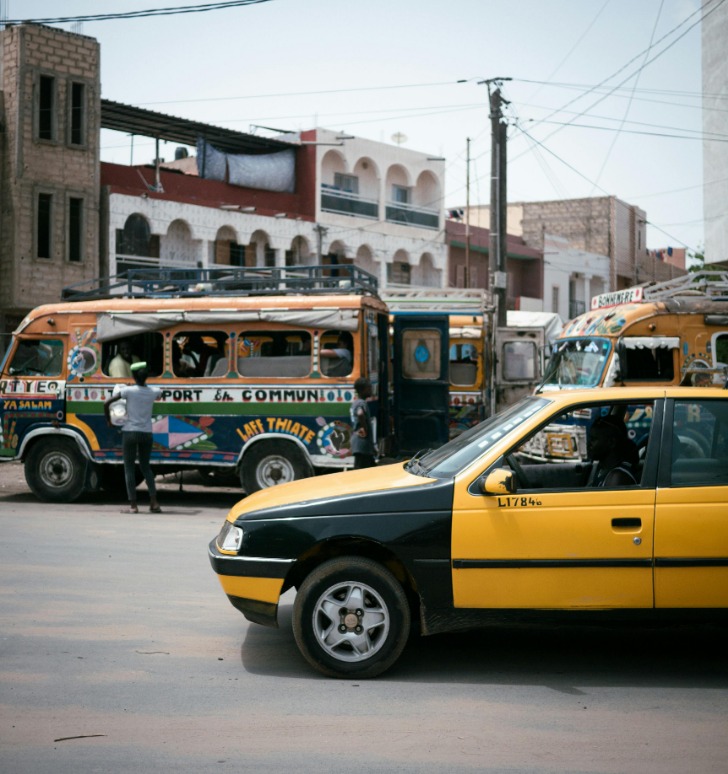

Overview of Swiss Bus Initiatives in South Africa
Swiss bus initiatives in South Africa reflect collaborative efforts to upgrade public transit, promote sustainable mobility, and share Swiss expertise in efficient transport systems. Through partnerships with local authorities and operators, these programs focus on fleet modernization, safety, and service quality, aiming to improve accessibility for communities and support regional development. This article provides an overview of the key projects, their goals, and the impact on urban and rural transport across South Africa.
Origins and context of Swiss involvement in South African public transport
Swiss involvement in South Africa’s public transport sector has centered on shaping sustainable, accessible urban mobility through development cooperation, policy support, and technical expertise. Swiss initiatives in the bus sector have sought to complement South Africa’s ambitious transport reforms by improving planning, financing, and service delivery for urban bus systems.
The origins of Swiss engagement trace to post-apartheid development partnerships in the 1990s and 2000s, when Switzerland broadened its development agenda to support governance, urban planning, and infrastructure in a democratic South Africa. Public transport was identified as a key lever for inclusive growth, reducing congestion and emissions while expanding access for low-income urban residents.
South African cities faced rapid urbanization, fragmented transport networks, and budget constraints. The need for integrated, efficient, and user-friendly bus systems became central to city planning. Swiss actors—mainly through the Swiss Agency for Development and Cooperation and partner NGOs—sought to align transport interventions with broader urban development goals, climate objectives, and social equity.
Swiss bus initiatives in South Africa have included technical advisory support for bus rapid transit concepts, capacity building for municipal transport departments, and funding for pilot projects and studies that explore demand, financing, and governance models for urban bus networks. Partnerships with South African universities, transport authorities, and private operators have facilitated knowledge transfer, data collection, and the testing of passenger information systems and scheduling improvements. Some efforts emphasized the integration of bus networks with rail and non-motorized transport to create corridor-based mobility and TOD (transit-oriented development) opportunities.
While not all pilots scaled into major systems, Swiss-supported activities contributed to a better planning culture, more robust feasibility analysis, and improved stakeholder coordination. The work helped to frame bus modernization as a part of comprehensive urban mobility rather than a stand-alone project, and highlighted the importance of political commitment, local capacity, and sustainable financing in realizing durable outcomes.
Looking ahead, Swiss involvement continues to emphasize sustainable mobility, climate resilience, and inclusive access. The partnership aligns with South Africa’s urban mobility goals, national development priorities, and international climate commitments, with a focus on knowledge exchange, capacity building, and scalable solutions for bus networks that serve diverse urban populations.
Overall, Swiss bus initiatives in South Africa illustrate how international cooperation can support reform of urban public transport by combining technical expertise, policy dialogue, and pragmatic pilots that inform longer-term planning and investment.
Scope of collaboration between Swiss firms and South African operators
Swiss bus initiatives in South Africa bring together Swiss technology, funding, and know-how with South African transport operators and municipal authorities to advance sustainable, safe, and affordable urban mobility.
These efforts are broadly coordinated by Swiss development partners, including the Swiss Agency for Development and Cooperation, often in collaboration with Swiss private sector players and research institutions that specialize in transport, energy, and digital solutions.
Scope of collaboration commonly covers the procurement and deployment of modern buses, including low-emission diesel, hybrid, and electric buses, along with the necessary charging and energy management infrastructure.
Beyond vehicles, the partnerships emphasize capacity building — training for drivers and maintenance staff, fleet management, and the deployment of telematics and data-driven operations to improve reliability and safety.
Policy support and financing are central, with Swiss partners assisting in planning frameworks, emission targets, and the design of blended finance or guarantees to mobilize public and private investment in transit modernization.
Operational improvements are pursued through route redesign, timetable optimization, real-time passenger information, smart ticketing, and digital asset management to raise on-time performance and passenger experience.
Equity and accessibility are also prioritized, ensuring buses accommodate persons with disabilities, provide multilingual information, and offer affordable, reliable service to underserved communities.
The collaboration also aims to strengthen the local supply chain, build domestic maintenance capabilities, and foster research and innovation hubs that test new bus technologies and charging solutions in real-world conditions.
Challenges include navigating regulatory environments, ensuring grid capacity for increased electric charging, securing long-term financing, and aligning national transport goals with local operational realities.
Overall, the Swiss bus south Africa initiatives hold promise for greener fleets, job creation, and improved mobility outcomes, with ongoing pilots and potential scale-up as governance, finance, and technology align with South Africa’s urban transport priorities.
Key Players in the SA‑Swiss Bus Landscape
The SA-Swiss bus landscape is shaped by Swiss-origin OEMs, engineering partners, and their South African distributors, alongside local operators and transit authorities that deploy, maintain, and modernize fleets across major cities and corridors. Key players include manufacturers and integrators offering new buses and electrification solutions, service networks delivering maintenance and spare parts, and regulatory bodies guiding cross-border routes and fleet standards—collectively advancing a more efficient, sustainable transport ecosystem between Switzerland and South Africa.
Swiss manufacturers and technology suppliers active in South Africa
Key Players in the SA-Swiss Bus Landscape
Swiss manufacturers and technology suppliers active in South Africa bring together precision engineering, reliability, and advanced systems that support modern bus fleets, from electrification to interior comfort, diagnostics, and maintenance solutions.
ABB, the Swiss electrical engineering group, is a major contributor to bus electrification in South Africa. Through local presence and partnerships, ABB supplies traction power systems, charging infrastructure for both depot and opportunity charging, and energy-management software that helps operators run electric fleets efficiently and safely.
Sensors and onboard electronics are another core strength from Switzerland that influences South African buses. Sensirion provides air-quality, humidity, temperature, and flow sensors that support intelligent HVAC control, passenger comfort, and energy efficiency. Local distributors and system integrators implement these sensors in buses and depot environments to improve reliability and data monitoring.
Georg Fischer’s GF Piping Systems division offers piping, fittings, and fluid-handling solutions used in bus maintenance facilities, cooling circuits, and ancillary systems. South Africa serves as a regional hub for distribution, service, and project support, helping operators keep fleets running in diverse climates and road conditions.
Sika South Africa supplies adhesives, sealants, coatings, and structural materials used in bus assembly, refurbishment, and repair work. By providing durable bonding and protective solutions, Sika supports the longevity of buses operating across South Africa’s varied terrain and weather.
As South Africa expands its mobility and e-mobility programs, Swiss players continue to collaborate with local OEMs, transport authorities, and integrators to deploy robust charging ecosystems, reliable interiors, and advanced sensing and control technologies that meet regional requirements and support the growth of SA’s public transport landscape.
South African transport authorities and operators partnering with Swiss partners
The SA-Swiss bus landscape is defined by collaborations between South African transport authorities, local operators, and Swiss partners to modernize urban mobility, accelerate electrification, and improve service reliability across major cities.
- South African transport authorities: National Department of Transport, provincial departments (e.g., Gauteng and Western Cape), and city transport authorities in Cape Town and Johannesburg coordinate policy, regulation, procurement, and oversight for joint initiatives with Swiss partners.
- South African bus operators: Public and private operators such as MyCiTi in Cape Town, Rea Vaya in Johannesburg, and regional operators exploring Swiss-enabled mobility solutions participate in pilots, fleet modernization, and shared service models with Swiss partners.
- Swiss partners and their role: PostBus Switzerland and related mobility divisions bring expertise in network planning, service design, and day-to-day operations; Swiss ITS providers and engineering consultancies offer telematics, route optimization, and training support to SA partners.
- Focus areas of collaboration: Electric and hybrid bus technology, hydrogen solutions where applicable, charging infrastructure planning, real-time passenger information, interoperable fare systems, driver training, and maintenance hubs to ensure sustainable, scalable operations.
- Notable projects and pilots: Joint demonstrations and tender-led pilots in major cities aim to test Swiss technologies and management practices within SA contexts, with emphasis on reliability, safety, and efficiency.
Routes, Services, and Deployment
Swiss bus operators are introducing a coordinated network of routes across South Africa, linking major cities like Cape Town, Johannesburg, and Durban with regional towns, and offering a mix of intercity, commuter, and charter services. Deployment focuses on modern fleets, GPS-enabled scheduling, digital ticketing, multilingual customer support, and strategically located depots to improve reliability, safety, and accessibility.
Urban bus networks and major corridors influenced by Swiss design
Swiss design principles are shaping bus networks in South Africa, bringing a focus on Routes, Services and Deployment to create efficient urban mobility across cities such as Johannesburg, Cape Town and Durban. The Swiss approach emphasizes reliability, interoperability, and clear passenger information as a backbone for urban bus networks inspired by Swiss practice.
Routes are conceived around high-frequency trunk lines that connect dense corridors to feeder services. In practice this means grid-like route planning, standardized stop spacing, well-defined interchanges, and predictable headways, often 5 to 10 minutes in peak periods. Bus networks adopt trunk-and-feeder concepts to mirror Swiss regional networks and to ensure transfers are intuitive at major hubs such as central business districts and rail stations.
Services emphasize on-time performance, reliability, and passenger experience. Real-time information on stops and apps, synchronized timetables with rail and minibus taxi routes where appropriate, and uniform fare structures enable easy access for riders. Cross-operator coordination is designed to minimize transfer times and maximize service continuity across municipal boundaries.
Deployment follows a phased pattern with careful depot placement, vehicle procurement, and maintenance planning. Swiss-inspired deployment prioritizes low-floor, accessible buses, standardized vehicle types, and modular fleets that can scale with demand. Electrification options and energy-efficient technologies are integrated where viable, alongside smart stop infrastructure and digital signage to support timetable adherence and passenger guidance.
Urban bus networks in South Africa are oriented around major corridors that carry high volumes and connect townships with city centers. Suggested corridors influenced by Swiss design include routes from Johannesburg’s inner city toward Sandton and OR Tambo, Cape Town’s CBD connecting Woodstock, Sea Point and the northern suburbs, and Durban’s coastal and inland corridors linking the central precinct with Umlazi and other townships. These corridors benefit from dedicated lanes, signal priority where feasible, and robust interchange nodes.
Major corridors influenced by Swiss design emphasize trunk routes with dedicated lanes or priority signaling, simple and legible wayfinding, and coordinated fare systems. The focus is on reliable, frequent service that minimizes transfer anxiety and encourages mode shift from private cars to public transit. Intermodal hubs integrate bus with rail, taxi, and cycling infrastructure to create seamless travel experiences across districts and municipalities.
Implementing a Swiss-inspired framework in South Africa faces challenges such as funding, governance, and safety considerations. Success relies on clear policy alignment among cities, operators, and national agencies, plus ongoing monitoring, performance measurement, and community engagement to ensure equitable access. When well implemented, routes, services, and deployment strategies can deliver faster journeys, better reliability, and broader mobility for residents across urban South Africa.
Case examples in Cape Town, Johannesburg, and Pretoria
Swiss bus South Africa is piloting a mobility model that blends Swiss planning precision with South Africa’s urban dynamics to improve routes, services, and deployment of bus networks.
Routes are designed as hub-and-spoke corridors anchored in Cape Town, Johannesburg, and Pretoria, with main arterial lines feeding feeder networks. Intercity connections link coastal and inland regions to support day trips and daily commutes. Route design emphasizes reliability, predictable headways, and seamless transfers through unified timetables and clear digital signage.
Services include commuter daily services, intercity express options, airport shuttles, school and worker contracts, and on-demand microtransit in peri-urban areas. Ticketing is app-based with contactless payments, multilingual support, and accessibility features to accommodate riders with mobility needs and varying levels of digital literacy.
Deployment focuses on phased fleet rollouts, beginning with pilot routes that mix electric and hybrid buses, supported by charging infrastructure at central depots. The plan includes local maintenance facilities, driver training programs, and standardized safety protocols aligned with Swiss quality practices, all coordinated with existing South African operators for smooth integration.
Case example: Cape Town. A coastal corridor from the City Bowl to the Atlantic Seaboard was launched with electric buses, fast charging at a central depot, and timetables synchronized with university hours and tourist flows. The initiative highlighted improved on-time performance, reduced local congestion in peak periods, and increased ridership among students and visitors.
Case example: Johannesburg. A high-capacity corridor connected Sandton CBD with the city center and OR Tambo, featuring a mix of 12-meter and 18-meter coaches, dedicated lanes where possible, and smart ticketing. The service aimed to shift commuters from private vehicles to reliable bus travel, lowering travel times and easing peak-hour traffic.
Case example: Pretoria. A university-focused route linked Pretoria CBD with the University of Pretoria and Hatfield precincts, using low-emission buses and a 30-minute peak headway. The service integrated with municipal bus fleets and major government and academic campuses to support students and staff with predictable, affordable travel.
Across all deployments, Swiss bus South Africa emphasizes sustainability, job creation, and social inclusion by aligning routes with community needs, adopting green technologies, and partnering with local operators and authorities to deliver safe, reliable mobility for Cape Town, Johannesburg, and Pretoria.
Technology, Design, and Sustainability
Technology, design, and sustainability converge when Swiss bus innovation meets the South African transport landscape, blending precise engineering, modular systems, and efficient propulsion to improve reliability and efficiency. Thoughtful design enhances passenger comfort and safety, while sustainability goals drive lower emissions, energy efficiency, and lifecycle thinking—creating buses that navigate diverse cities and climates with resilience and responsible stewardship.
Emissions, fuel efficiency, and hybrid/electric solutions
Swiss bus technology is reshaping urban transport in South Africa by combining precision engineering with a strong emphasis on sustainability and user comfort.
Technology and design in these systems bring modular vehicle platforms that can be customized for South African routes, with low-floor access, wide aisles for passenger flow, panoramic windows for visibility, advanced telematics for real-time monitoring, and robust cooling systems for hot climates.
Sustainability and emissions are central to the approach, using efficient drivetrains, low-emission engines where applicable, and hybrid or electric options to reduce tailpipe emissions. Lifecycle thinking includes durable components, modular maintenance, recyclable materials, and optimized performance from cold starts to minimize emissions across use cycles.
Fuel efficiency is achieved through aerodynamic shaping, lightweight materials, energy-efficient auxiliaries, regenerative braking, and efficient heating, ventilation, and air conditioning systems, all contributing to lower fuel consumption on busy South African corridors.
Hybrid and electric solutions are a core focus, with battery-electric buses featuring high-energy-density packs, long service life, and depot or in-route charging capabilities, as well as hybrids that combine internal combustion and electric drive to extend range. Hydrogen fuel cell options may be explored in scenarios where grid power is limited or where long-range, zero-emission operations are prioritized.
In the South African context, grid reliability and charging infrastructure vary by city, so Swiss partnerships emphasize service networks, technician training, spare-part availability, and robust procurement frameworks to ensure uptime. Pilot programs in major cities illustrate route optimization, emissions reduction, and measurable gains in fuel efficiency while building local capabilities for maintenance and support.
The collaboration between Swiss engineering and South African mobility needs aims to deliver safe, durable, and sustainable buses that reduce emissions, improve fuel efficiency, and provide reliable transportation for growing urban populations.
Intelligent transport systems and fleet management
Swiss design and technology are reshaping public transportation in South Africa through a focus on efficiency, safety, and sustainability. By bringing together precise engineering, advanced passenger experience design, and forward-looking mobility strategies, Swiss bus solutions are helping to modernize fleets across urban and peri-urban environments.
Technology and ITS: Intelligent transport systems in South Africa enable real-time tracking, dynamic routing, and demand-responsive services. Swiss-inspired approaches emphasize modular platforms, secure data exchange, and interoperable standards that connect buses with traffic signals, transit appliances, and mobile apps. This creates smoother journeys, reduces congestion, and improves safety for both drivers and pedestrians.
Fleet management and maintenance: Advanced telematics, predictive maintenance, and remote diagnostics help operators cut downtime and lifecycle costs. With Swiss attention to detail, fleets can monitor tire wear, battery health, engine performance, and fuel efficiency, scheduling preventive maintenance before failures occur. Centralized dashboards give managers a clear picture of utilization, uptime, and cost per kilometer.
Design and passenger experience: Vehicle interiors designed for endurance and comfort in South Africa climate and road conditions, with ergonomic seating, accessible entry, clear wayfinding, and inclusive features for wheelchair users. Weather-resistant exteriors, durable materials, and modular interiors allow operators to adapt buses for school routes, urban shuttles, or long-distance services while keeping maintenance simple.
Sustainability and energy transition: Switzerland’s emphasis on low-emission technology supports SA’s air quality and energy goals. Electric and hybrid buses, hydrogen fuel cell options, and regenerative braking reduce emissions and fuel costs. Lifecycle thinking—from material selection to end-of-life recycling—helps operators lower total cost of ownership and minimize environmental impact.
Intelligent transport systems anchors: Real-time fleet visibility, smart charging management for electric buses, and integrated ticketing enable seamless passenger experiences. In South Africa, pilots and partnerships are exploring multi-operator platforms, intermodal connections, and data-driven service planning to extend mobility to underserved areas while maintaining reliability.
Challenges and opportunities: Grid capacity, upfront capital, and maintenance training are critical constraints. Swiss partners bring process excellence, modular design, and engineering rigor to shorten implementation times. Building local capability, supplier networks, and after-sales support is essential to sustain safety, performance, and resilience.
Conclusion: The collaboration between Swiss design and South African mobility needs presents a path toward greener, safer, and more efficient public transport. By aligning technology, design, and sustainability with on-the-ground realities, cities can unlock smarter fleets that serve people and the planet alike.
Regulatory, Policy, and Economic Context
The regulatory, policy, and economic context for Swiss bus activity in South Africa is shaped by public transport reforms, safety and vehicle standards, and the modernization of procurement processes. Key elements include licensing and route allocation under the National Land Transport Act, regulatory oversight for vehicle type approval and emissions, and incentives or requirements for local partnerships and skills transfer. Economically, the sector is influenced by macro conditions, exchange rate dynamics, financing for fleet upgrades, and opportunities for public-private partnerships, all of which affect how Swiss bus operators align with local procurement rules and mobility objectives.
Public procurement frameworks and cross-border standards
Swiss bus manufacturers see South Africa as a strategic arena for urban and regional mobility, where Swiss reliability, safety, and environmental performance can meet SA’s growing demand for dependable public transport and bus rapid transit corridors.
Regulatory and policy context in South Africa centers on shaping safe, efficient, and accessible public transport. Key pillars include national transport legislation and policy frameworks that push integrated mobility, as well as procurement rules designed to ensure fair competition and value for money. The Public Procurement Act, the Preferential Procurement Policy Framework Act, and related regulations guide how government bodies purchase vehicles and services, while the National Land Transport Act and municipal transport plans shape demand signals for buses and related systems. Agencies such as the National Treasury and sector regulators emphasize transparency, competition, and adherence to local empowerment goals, including local content and Black Economic Empowerment requirements in procurement.
Public procurement frameworks in SA typically operate through the eTender portal and formal bid processes where bidders are evaluated on price, functionality, and compliance with policy objectives. Tender committees assess functional qualifications, after which bids are ranked for award. Local content and BBBEE scoring can influence outcomes, particularly for large fleet purchases or turnkey public transport solutions. In the bus sector, contracts may span supply, maintenance, and financing, making long-term service commitments a critical factor in bid evaluation and risk allocation.
Cross-border standards in the South African context combine domestic regulatory oversight with international norms. Vehicles and components must meet South Africa’s compulsory specifications set by bodies such as the South African Bureau of Standards (SABS) and the National Regulator for Compulsory Specifications (NRCS). At the same time, SA recognizes international standards and conformity assessments, with many bus and component suppliers aligning to ISO standards, ISO/TS specifications, and UN/ECE vehicle regulations to facilitate import, testing, and interoperability with regional networks. This alignment supports safety, reliability, and compatibility with SA’s growing public transport networks, including metropolitan bus rapid transit systems.
In Switzerland, procurement law emphasizes fair competition, transparency, and non-discrimination, with the federal Public Procurement Act and related ordinances guiding how public buyers source vehicles and services. Swiss policy also encourages cross-border participation and open competition, reflecting Switzerland’s commitment to aligning with international standards and fostering export opportunities. Exports of heavy vehicles and components benefit from robust quality management, traceability, and compliance with international automotive standards, which can help Swiss suppliers meet the expectations of SA buyers and regulators.
The economic context for Swiss buses in South Africa includes a stable Swiss macroeconomy and a dynamic, revenue-constrained South African market that prioritizes cost-efficiency, reliability, and lifecycle value. Currency considerations, financing structures, and long-term maintenance arrangements influence total cost of ownership for public fleets. Public sector budgeting cycles, development finance from international lenders, and potential public–private partnership (PPP) models shape how fleet purchases are planned and financed. Demand for safer, lower-emission vehicles aligns with Swiss strengths in propulsion technology, energy efficiency, and after-sales support.

To bridge regulatory, policy, and standards gaps, Swiss suppliers should align early with SA procurement processes and regulatory requirements. Practical steps include engaging with local authorities and potential operators, securing NRCS/SABS approvals, and designing offerings that meet local content expectations where applicable. Building a local footprint—through partnerships, local assembly or complete knock-down kits, and a service and parts network—can improve tender competitiveness and lifecycle performance. Clear demonstration of safety, reliability, and after-sales support is essential for success within SA’s public procurement framework.
Opportunities arise from SA’s continuing expansion of urban transit, upgrading of BRT networks, and emphasis on sustainable mobility. Swiss bus players can differentiate through advanced safety systems, modular fleet platforms, and turnkey solutions that include maintenance and digital fleet management. However, challenges such as price competition, stringent local empowerment criteria, and the need for robust service networks must be anticipated. A balanced approach—combining Swiss engineering excellence with local collaboration, regulatory compliance, and adaptable financing—offers a path for Swiss buses to contribute to South Africa’s mobility goals while meeting cross-border standards and procurement expectations.
Funding models, grants, and private investments
Swiss bus operators and mobility technology providers looking at South Africa face a regulatory and policy landscape shaped by ongoing public transport reform, rapid urbanisation, and a drive toward cleaner mobility. This article outlines the regulatory, policy, and economic context, as well as funding models, grants, and private investments that influence Swiss involvement in South Africa’s bus sector.
Regulatory and policy context: South Africa regulates public transport under the National Land Transport Act (NLTA) and related regulations, which established the National Public Transport Regulator and provincial/regional bodies to coordinate licensing, route allocations, and service standards. Municipalities issue operator permits and oversee day-to-day compliance, while national frameworks guide the development of Integrated Public Transport Networks and metropolitan bus rapid transit systems. Vehicle safety, emissions standards, and workplace regulations apply across fleets, and procurement policies increasingly link public contracts to Broad-Based Black Economic Empowerment (BBBEE) criteria, local content rules, and supplier development requirements. Aligning with these rules is essential for any Swiss entry into the market, whether through direct operations, partnerships, or supply of buses and related services.
Economic context: South Africa faces structural growth challenges alongside a strong imperative to modernise urban mobility. Rapid urbanisation creates demand for reliable, affordable, and greener public transport, while energy security issues and currency volatility affect operating costs and financing. Public transport investments are a priority, but funding remains constrained and highly dependent on national and provincial budget cycles, concessional finance, and public-private partnership opportunities. A shift toward low-emission fleets and electrification aligns with climate ambitions and potential cost savings from fuel efficiency, yet requires upfront capex and capabilities in charging infrastructure, maintenance, and spare parts supply chains.
Funding models: A mix of funding sources is typical for large bus projects in South Africa. Government grants and subsidies may support fleet renewal, electrification, and BRT implementation, often complemented by concessional loans or guarantees from development finance institutions. Public-private partnerships (PPPs) and availability-based payments can monetize fleet availability and service quality. Private capital, including equity and project financing from international investors, banks, and vehicle manufacturers, is commonly structured through lease agreements, maintenance contracts, and fleet-as-a-service models that transfer risk and ensure lifecycle support. Local currency revenues, passenger tariffs, and subsidy mechanisms are critical to de-risk investments and ensure long-term sustainability.
Grants: Swiss development cooperation can play a role through channelled grants and concessional funding aimed at sustainable mobility, capacity building, and technology transfer. Potential programs include support for pilot projects in electric or clean-fueled bus fleets, charging infrastructure deployment, data analytics for transit planning, and collaboration with South African research and training institutions. Grants may be used to catalyse private investment, demonstrate proof-of-concept, and strengthen regulatory readiness, while fostering knowledge exchange on urban mobility planning, safety, and maintenance practices.
Private investments: Swiss private capital and Swiss-based technology providers may pursue SA opportunities through joint ventures, long-term supply and service agreements, or equity investments in transport operators and infrastructure. Benefits for Swiss investors include access to a large, growing urban market, exposure to green mobility and digitalization trends, and proximity to a regional hub for Southern Africa. Key risks include regulatory volatility, currency risk, policy changes, and the need for strong local partnerships to meet BBBEE and local content requirements. Mitigation strategies focus on partnering with established South African operators, building local maintenance and training facilities, and adopting transfer-of-technology arrangements to ensure sustainable after-sales support.
In summary, Swiss engagement in South Africa’s bus sector sits at the intersection of evolving regulatory frameworks, a policy push toward modern, green public transport, and a financing landscape that blends grants, concessional finance, and private investment. Success hinges on early regulatory alignment, credible project pipelines, robust local partnerships, and financing structures that combine public support with market-based return and risk management.
Impact on Jobs, Skills, and Social Inclusion
Swiss bus initiatives in South Africa are reshaping the mobility landscape by creating new jobs, expanding skills through training and apprenticeships, and promoting social inclusion. By transferring Swiss expertise in efficiency, safety, and sustainable design to South African manufacturers, operators, and service providers, these programs open pathways for youth and marginalized communities and strengthen access to affordable, reliable transport for all urban and rural riders.
Skills transfer, training programs, and local manufacturing
Swiss bus companies are expanding their footprint in South Africa, merging Swiss efficiency with South Africa’s growing transit market. This collaboration centers on modern, clean-energy buses, local manufacturing, and a commitment to creating jobs, building skills, and promoting social inclusion as part of a broader mobility strategy.
Impact on jobs: The introduction of Swiss-built or Swiss-assisted buses typically creates direct roles in assembly plants, electrical and mechanical maintenance, testing, and fleet management. Indirect effects include supply-chain jobs for component suppliers, service networks, and after-sales support. By prioritizing local hiring and training, these programs help reduce unemployment in urban and peri-urban areas while spreading employment opportunities across skilled and semi-skilled roles.
Skills transfer: Swiss partners bring advanced manufacturing practices, quality management, and system integration know-how. This includes lean production, design-for-serviceability, battery and drivetrain technology, telematics, and data-driven maintenance. Knowledge transfer occurs through secondments, joint development projects, and the integration of Swiss standards into local processes, gradually elevating the skill base of the South African workforce.
Training programs: The initiative typically pairs with technical and vocational education and training (TVET) institutions to run multi-year apprenticeships in metalwork, electrical wiring, hydraulics, and software for bus fleet management. Training often includes classroom instruction, hands-on shop floor work, and simulator-based diagnostics, along with leadership and quality assurance modules for mid-level technicians and supervisors. Scholarships and competency certifications help workers upgrade toward supervisory roles.
Social inclusion: Programs emphasize fair hiring, wage parity, and opportunities for women, youth, and people with disabilities. Partnerships with community organizations and procurement policies that favor local, diverse suppliers help broaden access to the benefits of the transit upgrade. Accessibility features on buses and inclusive design in maintenance facilities support transit users who rely on wheelchairs, mobility aids, or low-vision technologies.
Local manufacturing: Establishing assembly and light manufacturing near major hubs can shorten lead times, improve maintenance response, and nurture a local supplier ecosystem. Local content policies encourage component sourcing from South African SMEs, stimulate downstream industries (paint, upholstery, electronics, tires), and position South Africa as a regional hub for maintenance and retrofit services. This approach also helps with export potential to neighboring markets and supports technology transfer on a broader scale.
Challenges and considerations: To maximize impact, alignment with South African procurement rules, regulatory approvals, and safety standards is essential. Ensuring long-term demand, stable funding, and continuous upskilling will sustain job creation. Close collaboration with government, unions, and industry bodies helps address wage, labor, and social inclusion concerns while allowing Swiss partners to maintain high safety and reliability benchmarks.
In summary, Swiss bus engagement in South Africa signals a strategic blend of technology, local manufacturing, and inclusive development. By creating jobs, enabling skills transfer, delivering targeted training programs, and fostering local fabrication ecosystems, the program contributes to more sustainable urban mobility and stronger economic resilience in South Africa while extending Swiss expertise to new markets.
Access improvements and mobility for underserved communities
Swiss bus initiatives in South Africa are reshaping public transport by combining modern vehicle fleets with people-centered planning to boost jobs, build new skills, and advance social inclusion while expanding mobility for underserved communities.
Jobs: The programs create direct and indirect employment across procurement, vehicle maintenance, workshop operations, and network planning. Local hiring targets, apprenticeship schemes, and long-term maintenance contracts help reduce unemployment in townships and peri-urban areas.
Skills: Training programs partner with local colleges to deliver driver training, electrical and mechanical maintenance, safety, and passenger assistance. Digital systems for ticketing, data collection, and route optimization strengthen local capacity and create pathways for career progression.
Social inclusion: Buses are designed with accessibility in mind–low-floor designs, priority seats, audible/visual information, and staff trained to assist riders with disabilities. Outreach and consultation with women, youth, and marginalized groups help ensure services meet diverse needs.
Access improvements: New and extended routes connect neighborhoods with employment centers, schools, clinics, and markets. Improved interchanges, safe bus stops, better lighting, and integrated fare systems reduce the need for multiple modes and shorten transfer times.
Mobility for underserved communities: Reliable services increase travel confidence, enabling people to seek education, healthcare, and job opportunities. Reduced travel costs and predictable schedules help families manage daily expenses and improve social participation.
Economic and social outcomes: Local suppliers, maintenance shops, and service providers benefit from steady demand. Better mobility supports entrepreneurship—commuting to work, access to customers, and participation in broader regional economies.
Challenges and sustainability: Long-term success requires stable funding, maintenance capacity, governance alignment with national transport policy, and continuous stakeholder engagement. Monitoring, transparent reporting, and community feedback loops are essential.
Swiss partners’ commitment to inclusive mobility in South Africa has the potential to deliver lasting social and economic benefits, but it depends on ongoing investment, local ownership, and shared accountability.
Case Studies and Lessons Learned
Case studies of Swiss bus initiatives in South Africa illustrate how international collaboration can yield transferable lessons in planning, procurement, and operations. By examining pilots, maintenance regimes, and technology transfer, these cases show what works to improve reliability, safety, and passenger experience while balancing cost and local capacity. Core lessons include governance and stakeholder alignment, data‑driven performance monitoring, training and local workforce development, interoperability with existing networks, and scalable strategies for expanding service without compromising resilience.
Case Study: Swiss‑designed bus refurbishment project in SA
This case study examines a Swiss-designed bus refurbishment project in South Africa, highlighting how design intent from Switzerland was translated into a practical, durable upgrade for aging city buses.
Context and objectives: confronted with an aging municipal fleet, the project aimed to improve reliability, passenger comfort, and safety while extending the service life of vehicles and reducing operating costs. A core goal was to demonstrate how modular, Swiss-inspired design can facilitate rapid maintenance, standardized components, and easier future upgrades in the South African urban transport environment.
Stakeholders and governance: a Swiss engineering firm partnered with a South African bus operator, local suppliers, and a metropolitan transport authority. A clear governance framework defined responsibilities, risk sharing, and knowledge transfer, anchoring the project in local decision making while leveraging Swiss expertise in process robustness and quality assurance.
Design approach: the refurbishment centered on modular retrofit kits that could be applied across multiple bus models. Swiss design principles emphasized standardization, maintainability, and ease of manufacturing, enabling local workshops to assemble and service kits with minimal specialized tooling while achieving consistent performance and safety standards.
Technical features: improvements included redesigned interiors with durable, easy-to-clean materials; upgraded seating and accessibility features; enhanced HVAC and ventilation for passenger comfort; energy-efficient lighting and streamlined electrical systems; modern passenger information displays and CCTV for safety; and upgraded braking and drivetrain components aligned with current emissions and reliability targets.
Implementation and testing: the process began with a fleet condition survey and a pilot refurbishment on a representative bus to validate performance metrics. A phased rollout allowed for feedback loops with maintenance crews, operators, and regulators, ensuring that workmanship met Swiss-quality benchmarks while adapting to local supply chains and climate conditions.
Results and benefits: the project delivered tangible improvements in ride quality, passenger safety, and on-time performance. Vehicles demonstrated lower downtime and less frequent major overhauls, while the refurbishment extended service life and reduced the need for costly new bus purchases in the near term. The initiative also strengthened local skills through hands-on training and created opportunities for local suppliers to participate in long-term maintenance and upgrades.
Lessons learned: key takeaways include the value of early alignment among operators, regulators, and funders; the importance of tailoring Swiss design to local maintenance capabilities and climate; the benefits of modular kits for rapid upgrades and future scalability; the necessity of robust data collection and performance tracking; and the critical role of hands-on training and after-sales support in achieving sustainable outcomes.
Recommendations and implications: for future programs, invest in local retrofit hubs, build a longer-term maintenance and spare-parts plan, and codify modular standards to ease expansion. Ensure regulatory alignment from the outset and establish clear funding commitments to sustain the refurbishment program. The Swiss-South Africa collaboration offers a replicable model for upgrading public transport fleets with a focus on durability, safety, and local capability growth.
Conclusion: the case study demonstrates that Swiss-designed refurbishment, when paired with strong local involvement, can deliver durable, cost-effective upgrades to urban buses in South Africa, offering transferable lessons for fleet modernization, resilience, and public service quality.
Case Study: Swiss‑South African joint venture in urban transit
This case study analyzes a Swiss‑South African joint venture in urban transit, illustrating how Swiss engineering and bus platforms intersect with South African operating capability to improve city mobility.
Context and goals: rapid urbanisation in South Africa, growing demand for reliable, safe, and affordable bus services; Swiss partners contributed advanced vehicle technology, maintenance know‑how, and digital fleet management; South African partners provided route networks, local procurement channels, and regulatory navigation.
Partnership structure: a joint venture with shared equity, a local maintenance facility, a technology transfer program, staff training institutes, and long‑term service contracts with city authorities.
Implementation approach: phased deployment on selected corridors, standardised bus platforms designed for rough roads and varying climates, and a blended financing model that combined public funding, concessional loans, and equity.
Challenges: procurement rules and local content requirements; currency and financing risk; integration with existing rail and bus networks; skills gaps; maintenance backlog; regulatory approvals; safety and cybersecurity.
Innovations and responses: modular bus design with interchangeable components, remote diagnostics, remote maintenance scheduling, local supplier development programs, driver training and capacity building, community outreach.
Outcomes: improved reliability and uptime; higher on-time performance; increased ridership and user satisfaction; reduced emissions through cleaner buses; local job creation; knowledge transfer and upskilling; growth of a local supply base.
Lessons learned: alignment of objectives and KPIs across partners from the outset; a robust governance structure with clear decision rights and conflict resolution; early and ongoing regulatory engagement; phased risk sharing and contingency planning; strong emphasis on local capacity building and supply chain development; invest in data analytics to monitor performance and drive improvements; design financing with long‑term sustainability and flexibility; plan for scalable expansion to other corridors.
Implications for practice: for policymakers and operators, the case underscores the value of public‑private collaboration, standards compatibility, and transparent accountability; for OEMs, it highlights the importance of adapting technology to local contexts, building local ecosystems, and delivering measurable outcomes.
Conclusion: the Swiss‑South African urban transit venture demonstrates that with aligned objectives, capable governance, and a commitment to skills transfer, cross‑border partnerships can deliver durable improvements in city mobility.
Future Outlook and Opportunities
The future outlook for Swiss bus development in South Africa is shaped by a growing demand for reliable, sustainable urban transport and the strong appetite for advanced bus technologies. Opportunities abound in electrification, hybrid solutions, and cutting-edge safety systems, enabling cities to modernize fleets while reducing emissions. Collaboration between Swiss manufacturers and South African operators can unlock local job creation, skills transfer, and end-to-end mobility solutions, from design to maintenance. Public-private partnerships, favorable policy frameworks, and access to green finance will be key to accelerating procurement, local assembly, and after-sales support. As South Africa expands its bus rapid transit networks and regional corridors, Swiss expertise in efficiency, reliability, and innovation positions buses as a central pillar of the transport transformation.
Scalability across more SA cities and rural areas
The future outlook for Swiss bus South Africa is anchored in rapid urbanization, demand for reliable public transport, and a shift toward lower-emission mobility. Swiss bus South Africa is positioned to scale its proven engineering and service model to address both city networks and rural connectivity.
Scalability across more SA cities starts with modular vehicle platforms, flexible charging options, and a service network that can support fleets of 50 to 500 buses per city. By offering 12-meter and 18-meter models, electric and hydrogen fuel-cell variants, and rapid depot design, Swiss bus South Africa can tailor solutions to varying urban densities, route lengths, and peak demand patterns in Johannesburg, Cape Town, Durban, Pretoria, and emerging regional hubs.
Expanding into rural areas presents different challenges and opportunities. Swiss bus South Africa can deploy robust, fuel-efficient buses for trunk corridors and last-mile services, supported by solar-powered charging at depots, mobile maintenance units, and community-centered demand-responsive transport pilots. In villages and townships with limited grid capacity, hybrid or battery-electric solutions paired with standby generation and optimized timetables can improve reliability and social access.
Partnerships with municipalities, national agencies, and private financiers are essential. Public-private partnerships, blended finance, and development funding can reduce upfront risk, while local content and skills transfer create jobs and build a sustainable ecosystem. Local assembly and spare parts hubs reduce downtime and strengthen maintenance, with Swiss warranties and service commitments underpinning long-term confidence.
Technology and operations will drive scalability. Integrated fleet management, telemetry, predictive maintenance, and route optimization improve uptime and passenger experience. Data-driven planning supports integration with existing bus rapid transit networks and taxi-bus partnerships, enabling demand-responsive services in rural and peri-urban areas without sacrificing efficiency.
Regulatory alignment is critical. Adherence to South Africa’s emissions standards, safety requirements, and energy regulations will guide the rollout of electric and hydrogen buses. Collaboration with national and local government on grid upgrades, charging infrastructure, and grid load management will facilitate reliable operation across diverse environments.
Challenges include initial capital outlay, skills shortages, and ensuring a resilient charging and maintenance network. These can be mitigated through phased pilots, targeted training programs, and the establishment of regional service centers. A staged approach—from urban cores to regional and then rural corridors—reduces risk and demonstrates tangible social and economic benefits early on.
Looking ahead, Swiss bus South Africa has the potential to redefine mobility by delivering safe, comfortable, and sustainable transportation at scale. With a focus on modularity, local capacity building, and strategic partnerships, the initiative can unlock broad opportunities for cities and rural communities alike, while contributing to South Africa’s climate and inclusive-growth goals.
Potential for innovation hubs and knowledge exchange
The future outlook for Swiss bus technology in South Africa is shaped by rapid urbanization, a push toward decarbonized public transport, and a growing demand for reliable mobility solutions that meet diverse city needs.
Key opportunities lie in electrification and hybrid propulsion, robust maintenance ecosystems, modular bus designs, and scalable charging infrastructure. Swiss bus systems bring precision engineering and long-life performance that can help South African cities modernize fleets while controlling total cost of ownership.
Innovation hubs and knowledge exchange are well placed to flourish through joint labs, regional testbeds, and university-industry collaborations across major hubs such as Gauteng, the Western Cape, and KwaZulu-Natal. Such ecosystems can accelerate the co-development of e-mobility solutions, interoperable telematics, and smart charging strategies tailored to South Africa’s grid realities.
A sustained Switzerland–South Africa collaboration can blend Switzerland’s strengths in battery systems, safety standards, and engineering excellence with South Africa’s demand for scalable, affordable public transport, creating export-ready capabilities and regional learning networks.
Policy alignment and targeted funding will be crucial. Public-private partnerships, concessional financing, and incentives for electric bus adoption can catalyze pilots, drive local job creation, and foster supplier development within local ecosystems.
Workforce development should accompany technology transfer, with training programs, apprenticeships, and knowledge exchange that build local capacity in fleet operation, maintenance, and data-driven fleet management, ensuring sustainable impact beyond initial deployments.
The broader impact includes cleaner air in congested urban cores, reduced fuel import dependence, resilient urban mobility, and the emergence of regional supply chains that benefit neighboring markets and spur further innovation.
Looking ahead, a strategic, collaborative approach that combines Swiss engineering excellence with South Africa’s urban planning needs can unlock a resilient, innovative mobility future for the region, anchored by ongoing pilot projects, scalable deployment, and enduring knowledge sharing.