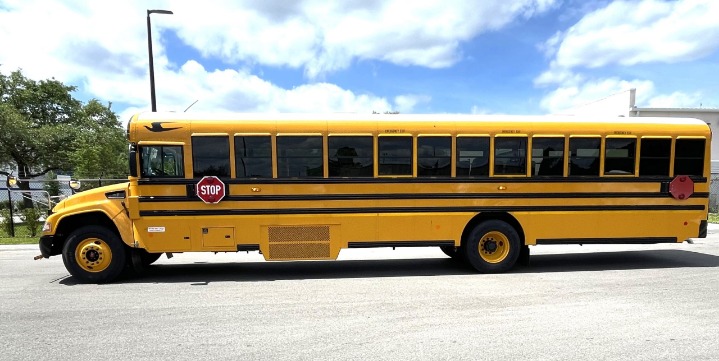

Overview of Bus Travel from South Africa to Tanzania
Traveling by bus from South Africa to Tanzania offers an extensive overland route across southern Africa, linking major cities and diverse landscapes without flying. The journey typically traverses several countries and involves multiple border crossings, with travel times spanning days rather than hours. While slower and sometimes subject to delays or variable service quality, long-haul buses can be a budget-friendly, immersive way to see the region and meet fellow travelers. Preparation for visas, health checks, and border procedures helps ensure a smoother trip and a more rewarding adventure.
Geographical Route and Distances
Bus travel from South Africa to Tanzania offers an ambitious overland journey that connects southern Africa with East Africa. The route spans thousands of kilometers and crosses several borders, presenting an adventure as well as practical challenges, with landscapes ranging from the highveld and savannas to coastal plains and inland plateaus.
Geographical routes: There are two broad overland corridors commonly used by long-distance bus operators and travelers. One western corridor travels north from South Africa through Botswana and Zambia into Tanzania, while the other eastern corridor follows Mozambique’s coast and then climbs inland toward Malawi and Tanzania. Distances vary by starting city and final destination, but the overall journey typically covers roughly 2,500 to 3,500 kilometers depending on the chosen path.
Western corridor details: Starting in major South African hubs such as Johannesburg or Pretoria, travelers head north toward Botswana and then proceed toward Zambia before crossing into Tanzania. This route often follows major highways across Botswana, with a border crossing into Zambia, then a trek across eastern Zambia toward the Songwe/Mbeya border into Tanzania. Typical legs include several long daytime drives punctuated by overnight stops, with total travel times commonly ranging from about 3 to 6 days of driving, plus layovers for border formalities.
Eastern/Coastal corridor details: The coastal route generally begins in Maputo or another South African coastal city, passing through Mozambique along the coast and then turning inland toward Malawi and Tanzania. This corridor may reach Tanzania via the border towns that connect to the north, potentially ending near Dar es Salaam or Arusha. Distances are similar in scale to the western route, often in the 3,000 to 3,500 kilometer range, with travel times of roughly 4 to 7 days depending on road conditions and stops.
Border crossings and paperwork: Cross-border bus travel requires valid passports and any required visas, as well as vehicle permits and insurance. Border queues can be long and services vary by season, so travelers should budget extra time. It is common to book legs separately and confirm with operators about luggage policies, crossing times, and allowed items, especially for large or fragile luggage.
Road conditions and safety: Road surfaces in southern Africa range from well-maintained national highways to rougher regional roads. Weather can affect travel, particularly in rainy seasons. It is important to stay aware of personal safety, keep valuables secure, and follow local advice about safe stops for meals and overnight stays.
Ticketing and operators: Major cities such as Johannesburg, Pretoria, Maputo, and Dar es Salaam host long-distance bus operators offering multi-country itineraries. Most routes require at least two or more different operators or legs, with changes at border towns. Booking in advance is advisable, though some legs can be arranged on the day of departure, weather permitting.
Practical planning tips: Check visa requirements for your nationality well ahead of time, confirm entry exemptions for transit, plan for rest stops, factor in border delays, carry some cash in local currencies, and have a universal adaptor. A flexible schedule helps manage delays and unexpected detours, and budgeting for meals, snacks, and accommodation along the way is essential.
Conclusion: While the overland bus journey from South Africa to Tanzania is lengthy and less common than air travel, it offers a unique way to see southern Africa and meet fellow travelers. With careful planning, realistic expectations about time and border processes, and a preference for comfortable overnight stops, the voyage can be a rewarding adventure rather than just a transfer between cities.
Major Border Crossings
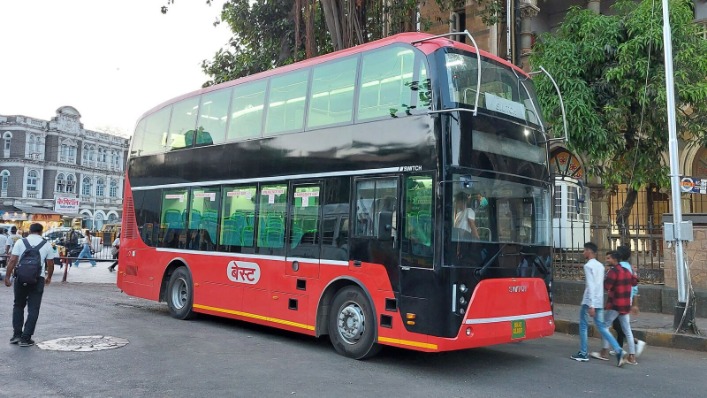
Long-distance bus travel from South Africa to Tanzania connects southern Africa with East Africa, offering a budget-friendly overland option for travelers who prefer ground transport over flying. The journey crosses several countries and multiple border posts and requires careful planning for documents, timings, and possible delays.
There are a couple of common routing options. A route that passes through Botswana and Zambia into Tanzania is widely used, as is a longer route that goes through Zimbabwe into Zambia and onward. Depending on the starting city in South Africa, the Botswana route is often shorter in distance, but all routes involve long days on the road with overnight stops.
Border crossings form the core of the logistics. From South Africa, you may cross into Botswana at the Ramatlabama border post (near Lobatse) or use the Pioneer Gate route depending on your operator. The next major crossing is the Botswana–Zambia line at Kazungula, now served by a road bridge that connects the two countries and allows through-traffic.
On the Zambia–Tanzania leg, common crossings are the Nakonde border post on the Zambian side and the Tunduma border post on the Tanzanian side. Some itineraries also route through the Songwe area in western Tanzania to reach the Rift Valley corridor and destinations such as Mbeya, Dodoma, and Dar es Salaam.
Travel times vary widely. A typical overland journey from Johannesburg or Pretoria to Dar es Salaam or Arusha can take roughly 3 to 7 days, depending on the exact route, the number and length of overnight stops, and how smoothly border formalities proceed. Buses often operate with scheduled stops for meals and rest, but delays at borders are common.
What to expect on board varies by operator. Most long-distance coaches offer basic to comfortable seating, air conditioning, and overnight berths or seating that can be converted into beds. It is common to have a few in-journey stops for meals or shopping, and luggage handling may involve limited space in the hold or under the bus.
Documentation and visas are a key part of planning. You will typically need a valid passport, and visa rules differ by nationality and transit country. Some travelers obtain visas on arrival or use eVisas, while others must apply in advance. Check current entry requirements for Tanzania and any transit countries, as well as vaccination requirements such as yellow fever where applicable.
Money and border fees are practical considerations. Expect to carry cash in the currencies accepted at borders (often South African rand, US dollars, or local currencies) and to pay border or service fees in cash. Some borders or agencies may accept card payments, but cash is still widely required for immigration and port-of-entry charges.
Tips for a smoother trip include booking with a reputable operator, confirming exact border crossing points and times, and allowing extra time for delays. Pack essentials, keep valuables secure, and be prepared for different climates as you move from southern to eastern Africa.
In short, a bus trip from South Africa to Tanzania is a long but rewarding overland route that links southern Africa with East Africa. With careful planning, clear expectations about crossing times, and flexibility for delays, it can be an economical and scenic way to travel between these regions.
Typical Travel Time and Schedules
Overview of bus travel from South Africa to Tanzania covers a long overland journey that typically connects major cities and border towns across Southern Africa into East Africa. Travelers will pass through several countries, experience varied landscapes, and often need to transfer between buses at transit hubs. There is generally no direct daily service, and trips commonly involve at least one or more changes along the route, with overnight legs a common feature to save time and accommodation costs.
Common routes and how they work include connections from a major South African city, such as Johannesburg, heading north through Zimbabwe and into Zambia before continuing to Tanzania. From there, travelers may use the TAZARA corridor to reach Dar es Salaam, or options that route through Mozambique and into eastern Tanzania. Because multiple operators serve regional networks and schedules can shift with demand and border conditions, travelers should expect a variety of connections rather than a single fixed timetable.
Typical travel time and schedules vary widely. The actual driving time from South Africa to Tanzania can be well over a thousand kilometers of road, with border crossings often causing delays. While some segments can be completed in a day or two of continuous travel, the total journey usually takes about 4 to 7 days when accounting for stops, overnight legs, and connections. Buses in this network may run several times per week in each direction, but departures are not always predictable, and cancellations or rescheduling can occur due to weather, visa processing, or road conditions. Booking with a reputable operator ahead of time is advisable, though flexibility remains important.
Practical tips for the trip include checking visa requirements for each country along the route, ensuring your passport is valid for an adequate period, and carrying sufficient local currency or US dollars for border fees and incidentals. Expect long border queues and the potential need to present documents multiple times, so bring copies of essential papers. Pack light, bring water and snacks, and prepare for overnight segments with a small neck pillow or blanket. Use licensed operators, verify luggage allowances, and keep personal belongings secure, as border towns can be busy and opportunities for petty theft exist.
Overall, a bus journey from South Africa to Tanzania offers a challenging yet potentially rewarding overland experience, exposing you to diverse cultures and landscapes. If time allows and a slower pace suits your itinerary, it can be an economical adventure; however, for tighter schedules or greater comfort, flying to Tanzania and continuing by road within the country is often a more convenient option.
Popular Routes and Operators
Popular routes for bus travel from South Africa to Tanzania connect major South African cities such as Johannesburg and Pretoria with Tanzanian hubs like Dar es Salaam and Arusha, often via neighboring countries such as Zambia or Malawi. Cross‑border operators in Southern Africa focus on safety, comfort, and reliable schedules, offering overnight and day services that suit long journeys and multi‑city itineraries.
South Africa to Tanzania International Bus Services
Popular Routes and Operators for bus services from South Africa to Tanzania cover several long-haul corridors, with travelers typically routing through neighboring countries before continuing into East Africa however direct SA–TZ services are rare and schedules vary by season.
Common route patterns include a northern corridor from Johannesburg or Pretoria through Botswana or Zimbabwe into Zambia, then onward to Tanzania via the TAZARA corridor or through northern Tanzania towns like Mbeya and Dar es Salaam, as well as coastal routes starting from Maputo or Beira in Mozambique and climbing along the coast into Tanzania. Travel times often span several days and may require overnight legs and connections.
Major operators and networks in the Southern Africa region typically offer cross-border long-distance services that can be used as building blocks for a SA-to-Tanzania itinerary. In South Africa, established long-distance carriers operate intercity routes that connect with regional partners for cross-border travel. In East Africa, local Tanzanian bus networks provide onward connections from Dar es Salaam to other major destinations such as Arusha, Mbeya, and Mwanza.
Booking and planning tips: use reputable ticketing platforms or speak with licensed travel agents to confirm current routes and border times. Expect multiple legs, border crossings with possible visa requirements, and varying baggage policies. It’s wise to have flexibility with dates, carry necessary currency for border posts, and confirm that the operator accepts your preferred payment method.
What to expect on the bus: long-distance coaches offer varying levels of comfort, with air conditioning, reclining seats, and onboard rest stops. Some services are operated with overnight legs, so bring a travel pillow, eye mask, and a lightweight blanket. Food is often limited on-board, and stops may be sparse depending on the route and operator.
Safety and practicality: always check the latest travel advisories, ensure your passport is valid for the duration of the journey, and be prepared for possible delays at border posts. Crossing several borders can add time, so allow for contingency when planning connections to Tanzania’s domestic transport network.
Alternatives to long-distance buses include flights that cut travel time dramatically, or a combination of bus and rail in East Africa. If you choose to pursue a bus-based itinerary, start with a clear multi-leg plan, verify each leg’s operator, and book in advance where possible to secure your seat across borders.
Estimated Ticket Prices
Traveling by bus from South Africa to Tanzania is a long-haul overland journey that many backpackers and travelers undertake to explore the region. Direct, single-ticket options are limited, so most itineraries involve multiple legs across southern and eastern Africa, with transfers at key hubs such as Johannesburg, Lusaka, and Dar es Salaam.
Popular routes typically begin in major SA cities such as Johannesburg or Cape Town and move north and east through Botswana, Zimbabwe, and Zambia before reaching Tanzania’s coast or interior hubs. Availability and schedules vary by season and operator, so checking current timetables and booking ahead is important.
Route A commonly used by overland travelers is Johannesburg to Lusaka, then onward to Dar es Salaam or Mbeya in Tanzania. This corridor is served by several cross-border bus networks and can take roughly 3–4 days of travel across at least two to three legs, depending on connections. Ticket prices for the SA to Zambia leg typically range around 2,500–4,500 South African rand (about 140–260 USD) per leg when booked as separate segments.
Another popular corridor runs from Cape Town or Bloemfontein north through the Mozambican corridor via Maputo toward Pemba or Beira before heading inland toward Tanzania. This route is less frequent and can require longer travel times, often 4–6 days with multiple border crossings. Expect cross-border ticket prices in the neighborhood of 2,000–4,000 rand (roughly 110–230 USD) per leg in local currency, with additional connections into Tanzania.
For travelers aiming at central Tanzania, a combined route via Lusaka or Livingstone in Zambia with a final leg to Dar es Salaam is also common. The total journey can be 5–7 days depending on layovers. Cross-border segments in this pathway typically cost in the range of 2,000–4,000 rand (about 110–230 USD) per leg, with the final Tanzania-bound leg often priced separately at around 60–120 USD depending on the operator and mileage.
Popular operators that serve regional routes in southern Africa include Intercape and Greyhound SA, along with several regional and cross-border networks that operate in and through neighboring countries. Schedules vary and service coverage can change, so travelers should verify current routes with the operator or through a regional travel agent.
Estimated ticket prices for a multi-leg SA to Tanzania journey are highly variable but provide a rough guide. A typical Johannesburg–Lusaka leg might cost around 140–260 USD, while the following cross-border segments often range from 60–160 USD per leg. In total, a full overland trip from South Africa to Tanzania could fall roughly in the 260–450 USD range per major leg, with the entire multi-leg journey commonly totaling around 500–900 USD if you book everything separately and include border crossing fees. Real-world prices depend on season, promotions, and booking lead time.
Tips: plan for delays, check visa and border requirements in advance, carry copies of travel documents, and book legs with verified operators. If time is flexible, consider combining bus travel with short flights for longer hops to reduce travel time.
Vehicle Types and Comfort Standards
Border Crossing Requirements
Traveling by bus from South Africa to Tanzania requires careful attention to border crossing rules. Ensure your passport is valid for at least six months, obtain the necessary visa or eVisa for your nationality, and carry any required vaccination certificates or entry documents. Be prepared for multiple border checks, varying fees, and different procedural requirements at each border along the route.
Visas and Entry Policies
Passport, Vaccination, and Health Checks
Planning a bus trip from South Africa to Tanzania involves crossing several international borders and complying with passport, visa, vaccination, and health-check requirements. This guide explains the key points you should know and how to prepare.
Passport: Your passport should be valid for at least six months beyond your planned entry date and have at least one blank page for stamps. Carry a few extra blank pages if possible and keep photocopies or digital scans of the passport data page and any important visas. Ensure the name, date of birth, and passport number match your travel documents and booking references.
Visas and entry: South African passport holders are commonly eligible for a visa on arrival at Tanzanian border posts or may use an online e-visa. It is advisable to confirm border-post rules in advance, as not all land crossings issue visas on arrival. If you prefer, apply for an e-visa in advance through the official portal and have a printed or digital copy ready for inspection.
Yellow fever vaccination: Tanzania requires a yellow fever vaccination certificate for travellers arriving from countries with yellow fever risk, and some land borders may require proof even if you are traveling by bus. South Africa is not normally listed as a yellow fever risk country, but you should carry your certificate if you have recently visited a yellow fever area or if the border post you use requires it. Check the latest guidance with the Tanzanian embassy or your bus operator before departure.
Other health considerations: Vaccination recommendations typically include hepatitis A and B, typhoid, and routine immunizations. Malaria risk exists in many parts of Tanzania, so consider malaria prophylaxis, use of insect repellent, bed nets where needed, and personal protective measures. Consult a travel clinic or healthcare provider 4–6 weeks before your trip for personalized advice.
Health checks at the border: Border controls may perform health screening, which can include fever checks or health declaration questions. Be prepared to answer about recent illnesses, exposure to contagious diseases, or malaria symptoms. Carry any relevant health documents and keep medications in your carry-on in case you are asked about them.
Documentation and practical tips: Bring your passport, visa or e-visa confirmation, yellow fever certificate if required, onward or return ticket, accommodation details, and travel insurance. Have copies of important documents and some local or USD cash for border fees. Arrive early at border crossings, follow the directions of border officials and bus staff, and expect possible delays during processing.
Customs and Luggage Rules
Traveling by bus from South Africa to Tanzania involves several border crossings, customs checks, and luggage rules that can vary by operator and border post. Here is a practical guide to help you prepare.
- Border crossing requirements: At each border, you will present your passport, visa (if required), and any applicable health documents. Ensure your passport is valid for at least six months beyond your planned travel date and has at least one blank page for entry stamps. The route typically traverses several borders, so verify visa needs for each country on your itinerary and confirm whether visa on arrival or e-visa is available for your nationality.
- Passport, visas and permits: Carry printed copies of your travel documents, including your e-visa approval or visa on arrival confirmation, accommodation details, and a return or onward ticket. If a Yellow Fever certificate is required for entry to Tanzania or other countries on the route, bring the certificate.
- Health and vaccination requirements: Some borders require proof of vaccination or health declarations. Yellow fever vaccination is often required for travellers arriving from or transiting through yellow fever risk countries. Check up-to-date requirements with your bus operator and official sources before departure.
- Customs and declarations: You must declare any items above free allowances, electronics, large sums of money, or restricted goods. Agricultural products (fruits, meat, dairy) are usually restricted or prohibited. Pack a small number of personal items and avoid carrying prohibited goods across borders; declare items as required by customs officers.
- Luggage rules for the bus: Baggage allowances are set by the operator and can vary. Common limits are 20–30 kg of checked luggage per passenger and 5–10 kg of carry-on luggage, plus a small personal bag. Some operators charge extra for additional bags or overweight luggage. Use sturdy bags and keep valuables with you in your carry-on. Do not pack prohibited items in checked luggage.
- What to expect at the border: Border formalities can take time, especially on busy routes. You may need to disembark, present documents, have your bags scanned, and answer questions about your trip. Keep your passport, visa, and important documents accessible, and stay patient. Border staff speak local languages and sometimes English; having print copies can help.
- Tips for a smoother crossing: Check latest border policies with your bus operator, keep digital and printed copies of all documents, carry small cash in the local currency for fees, and label your bags. Arrive at the border with enough time to complete checks, and ensure batteries or power banks are within baggage rules because some countries restrict charged electronics in carry-on during border checks.
Travel Experience on the Road
Traveling by bus from South Africa to Tanzania is a road experience that unfolds like a long, living postcard. From the highveld and savannahs to border towns and inland plains, every kilometer carries a new scene, a new conversation, and a deeper sense of connection with the people you meet along the way. The journey blends practical grit with the romance of the open road, inviting you to slow down, observe, and savor the changing rhythms of Southern Africa as you move toward the Indian Ocean.
Onboard Amenities
Traveling by bus from South Africa to Tanzania is a long, immersive road adventure that reveals Africa in motion: red dirt roads, endless savannahs, bustling border towns, and the promise of new encounters in East Africa.
Onboard amenities vary by operator, but many long-haul coaches offer comfortable, reclining seats with generous legroom, reliable air conditioning, and clean facilities. Some buses include USB charging ports, Wi-Fi, and small entertainment screens to pass the hours.
The journey unfolds across several climates and landscapes: the Highveld’s quiet plains, the arid stretches near the Kalahari, riverine corridors along border routes, and the first hints of East Africa’s green hills as you approach Tanzania.
Meals and snacks appear at scheduled stops. You might be offered tea or coffee, fruit, sandwiches, or local specialties. Carry a refillable bottle and some cash for extra treats at stops.
Border crossings are a ritual of the road: you queue, hand over passports, visas, and customs declarations, and you may stamp in and out of several countries in one day. Have digital or printed copies of documents, and be prepared for delays.
Night driving is common on long hauls, so pack a warm layer, eye mask, earplugs, and a travel pillow. A small flashlight and a personal water bottle can be handy at stops.
The journey is as social as it is scenic: you meet fellow travelers from different corners of Africa and beyond, swap tips, practice phrases in Swahili or Zulu and perhaps share stories around the stops.
Practical tips: book with a reputable operator, choose daytime routes if you prefer scenery or safer daytime borders, check luggage limits, keep valuables secure, carry enough cash in local currencies, and factor time for delays.
In the end, the South Africa to Tanzania bus ride is not just transport; it’s a moving classroom and a window into Africa’s vast diversity, offering memories that linger long after you arrive.
Food, Water, and Breaks
Traveling by bus from South Africa to Tanzania is a long, changeable journey that unfolds across landscapes as diverse as the stories you hear in the seats around you. The road starts in the southern plains and winds through mountains, deserts, savannas, and busy border towns, each stop revealing a different tempo of life and food vendors that greet you with familiar scents and new flavors.
On the road, the bus is a moving microcosm of southern Africa and beyond. You watch the world drift by: fields of maize, dusty roads curling around riverbeds, towns built from corrugated iron and color, and the occasional animal herd crossing the horizon. Night journeys bring a quiet hush and the hum of the engine, while day drives offer a panorama of sky that grows lighter as you roll north. The rhythm of the seats, the chatter of fellow travelers, and the occasional song from a shared speaker create a traveling chorus that turns a miles-long trek into a series of memorable moments.
Food along the way is a mosaic of regional flavors. In South Africa you might start with a quick boerewors roll or biltong from a roadside stall. As you pass into Botswana and Zambia, napkins, sachets of peri-peri sauce, pap (a coarse maize porridge) or nshima with some relish become common offerings at layover stops. In Tanzania the aroma shifts toward ugali, nyama choma, and fresh fruit sold by roadside sellers. Snacks bought from market stalls—roasted peanuts, fried plantains, samosas, or mandazi—provide quick fuel for longer stretches, while the occasional hot meal at a larger stop can feel like a welcome feast after hours in the sun.
Water is a constant companion on a journey of this length. A reusable bottle is worth carrying, and you’ll refill at larger stops when safe. It’s wise to drink regularly rather than waiting for thirst to signal you. In many towns the water you can buy is bottled, sealed, and clean enough for daily use, but it’s smart to carry a small purification method or to boil water when possible in more remote areas. Hydration is essential, especially when the bus windows are shut and the heat builds outside.
Breaks are the heartbeat of the trip. Short 5–15 minute pauses at smaller towns let you stretch legs, use a toilet, or grab a coffee, while longer layovers of 20–40 minutes give you time to wander a bit, snap a photo, or pick up fruit and snacks. Border crossings can be the longest breaks of all, with passport checks, visa processes, and queue times adding up. During these waits, vendors congregate near the bus, offering snacks and cold drinks, and travelers trade travel tips and rough itineraries while you wait for the line to move.
Along the route you meet a mosaic of people: fellow travelers sharing a ride toward the same horizon, local vendors with friendly smiles, and drivers who know the road as well as they know their own neighborhoods. Conversations drift from the safety tips for crossing borders to where best to find a reliable meal or a quiet place to rest. Those interactions add texture to the journey, turning a long bus ride into a social thread that ties together many different lives just for a few hours or a few days.
There are challenges, too: heat and dust at certain hours, occasional delays at borders, and the monotony of long stretches where the scenery barely changes. Preparation helps—packing light but essential, carrying a few extra snacks, having a reliable map or offline route guide, and keeping a small amount of local currency for early purchases at border towns. With patience, the road reveals its rewards: a sense of scale, the feeling of moving through multiple cultures, and the anticipation of arriving in a new corner of East Africa.
Bottom line: a bus trip from South Africa to Tanzania is less about speed and more about tempo—the tempo of landscapes shifting, flavors evolving, and breaks restoring energy for the next leg. When you finally reach Tanzania, the change in climate, language, and street life is both dramatic and welcoming, making the journey itself a memorable part of the destination.
Safety and Security
Travel experience on the road from South Africa to Tanzania often feels like a rolling passport to Africa’s diversity. The journey challenges the traveler with long hours, but rewards with changing landscapes, people, languages, and the sense of adventure that comes from crossing borders by bus.
- Planning and booking: select a reputable cross-border bus operator with good reviews. Check route options (direct or with layovers), typical travel times, visa and vaccination requirements, and luggage policies. Book seats in advance during peak travel seasons.
- Route and scenery: the overland leg commonly moves north from South Africa through Botswana or Zimbabwe into Zambia, then Malawi, and finally into Tanzania. Expect savannas, plains, forests, and highland passes; you may see wildlife silhouettes in the distance and busy border towns with markets and music.
- Onboard experience: buses vary from standard seats to more comfortable semi-sleeper coaches. Expect air conditioning, occasional meals, and planned rest stops. Bring a neck pillow, headphones, and a light blanket; carry water and snacks for long stretches between stops.
- Border crossings and paperwork: have a valid passport, visas if required, Yellow Fever certificate if necessary, and vehicle permits. Border queues can be long, so keep essentials handy and be prepared for cash payments in local currency for fees.
- Safety and security: keep valuables secure, use a money belt or stash valuables out of sight, avoid flashing electronics at rest stops, travel during daylight where possible, and maintain contact with someone at home about your plans. Sit near the driver if possible and use reputable operators to minimize risk of scams or theft.
- Health and malaria precautions: malaria risk exists in many border regions and northern Tanzania; take prophylaxis if advised by a doctor, use insect repellent, sleep under nets in lodgings, stay hydrated, and snack healthily to avoid stomach issues on the road.
- Practical tips for a smoother journey: pack light, use a sturdy backpack, pack a basic first aid kit, bring a universal adaptor, have local currency for border fees, keep digital copies of documents, and download offline maps.
- Cultural and emotional aspects: you’ll meet fellow travelers and locals, practice patience with delays, and learn about different regions’ customs and languages. This overland route emphasizes resilience, flexibility, and curiosity as you travel from the southern tip toward the east African coast.
Practical Tips for Planning
Practical tips for planning a bus trip from South Africa to Tanzania help you travel with confidence across southern Africa. Start by choosing a reliable operator and a realistic route, then map budget, visas and border procedures, luggage limits, and refreshment breaks. Consider travel time, overnight options, safety, health precautions, and flexible plans in case of delays, so you can focus on the journey and the destinations you want to explore.
Best Time to Travel
Planning a bus journey from South Africa to Tanzania is an ambitious overland adventure that rewards you with scenery and cost savings. To make it work smoothly, you’ll need to map routes, check visa rules, and build in flexibility for border crossings and delays.
Most travelers go north from major SA hubs such as Johannesburg or Cape Town by taking cross-border bus legs through Botswana or Namibia, then into Zimbabwe or Zambia, continuing on toward Malawi or directly into Tanzania via Mbeya and the Tunduma border. There isn’t a single direct daily service, so expect to change buses at major towns or hire separate segments. Compare operators, durations, and border crossing times, and consider whether you prefer reliable schedules or more freedom with flexible tickets.
Before you set out, check the visa requirements for each country you will pass through and for Tanzania. Some travellers use e-visas or obtain visas on arrival, while others must apply in advance. Ensure your passport is valid for at least six months beyond your travel dates and has several blank pages. Carry photocopies or digital scans of your passport, visas, and emergency contacts, and have a plan for border payments in multiple currencies if needed.
For an overland trip from southern Africa to Tanzania, the dry season generally offers the best road conditions and more predictable border crossings. May through October typically sees less rain, nicer daytime temperatures, and fewer delays caused by mud or washed-out roads. However, it’s also peak travel season in some corridors, so book early if you’re traveling in June to August. If you want to combine the journey with wildlife spotting in Tanzania, the period June to October covers great safari conditions as well.
Visit a travel clinic well before departure to get up-to-date advice on vaccines and malaria prophylaxis. Tanzania requires certain vaccinations depending on your itinerary and origin, and some regions are malaria zones. Carry a basic first-aid kit, prescription medications, insect repellent, and anti-malarial tablets if advised. Stay hydrated, eat safely, and use bottled or boiled water for drinking in remote areas.
Budget for multiple segments, border fees, visas, and possible overnight accommodation during layovers. Compare ticket prices across operators, read recent traveler reviews about comfort and reliability, and decide whether you want fixed schedules or flexible tickets that let you adjust as you go. Booking ahead for peak periods can save time, but in shoulder seasons you may secure seats with some flexibility.
Pack light but complete for long hours on a bus: a comfortable neck pillow, a solid bag, a reusable water bottle, a small tote for essential items, a power bank, and a universal adapter. Bring snacks, a flashlight, a lightweight rain jacket for sudden showers, and entertainment for long stretches. Keep valuables in a secure pouch and carry a copy of your important documents in a separate place.
Crossing borders by bus can be slower and less predictable than flying. Allow extra time for passport control, cargo checks, and possibly reorganizing passengers on shared taxis at transfer points. Use reputable operators and official border posts, avoid traveling at night across unfamiliar stretches, and arrange ground transport only through recognized services.
With careful planning, a bus journey from South Africa to Tanzania can be a memorable way to see southern and East Africa up close. Start with route research, secure necessary documents, align your travel windows with the dry season, and pack smartly for long days on board. Enjoy the experience and stay flexible as you move from country to country along the route.
Booking and Refund Policies
Planning a bus journey from South Africa to Tanzania involves long distances, multiple borders, and varying service standards. Use these practical tips to plan, book, and understand refunds.
Planning tips for a SA to Tanzania bus trip
- Map your route and options: determine whether there is a direct service or if you will need multiple legs via neighboring countries, and estimate total travel time.
- Check visa and entry requirements for Tanzania and any transit countries; arrange e-visa or visas in advance if required.
- Review health and vaccination requirements, including any border-crossing health checks; carry copies of vaccination certificates if needed.
- Ensure passport validity and blank pages; carry at least 6 months validity and sufficient blank pages for visas/stamps.
- Budget for cross-border delays, meals, and rest stops; pack snacks and water, and have a small amount of local currency for border fees.
- Packing: pack light but complete; check luggage limits with the operator; consider a sturdy backpack, a lock, and a small day pack for border stops.
- Consider weather, road conditions, and driving hours; plan for overnight segments and comfortable rest stops.
- Plan for safety: share your itinerary with someone, use reputable operators, and avoid solo travel at night when possible.
Booking tips
- Compare operators across countries for reliability, schedule frequency, and safety records; read recent traveler reviews.
- Verify cross-border service availability; confirm if a single ticket covers all segments or if you must transfer at a border or city.
- Book in advance to secure seats, especially during peak travel seasons; check for peak travel dates and school holidays.
- Provide traveler details exactly as they appear on passports; have passport numbers, dates of birth, and nationality ready.
- Check what’s included in the fare: luggage allowances, seat selection, meals, and onboard facilities; watch for hidden fees.
- Review payment options and security of the booking site; use reputable payment methods and consider travel insurance.
- Ask about seat preferences (aisle/window) and estimated border-crossing times to plan rest breaks.
- Keep digital and printed copies of your booking confirmation, visa documents, and emergency contacts.
Refund policies to check before you buy
- Read the tariff rules: refundable, semi-refundable, or non-refundable fares; understand any change penalties.
- Note the time window for free cancellation and the amount of refunds; note any service charges or processing fees.
- Understand how refunds are processed: method (credit, bank transfer) and typical processing times.
- Check change policies: whether you can change date/destination; any rebooking fees and fare difference charges.
- Consider travel insurance or a credit option; many policies cover trip cancellation or delays, but verify coverage for cross-border bus travel.
- Be aware of policy exceptions: border closures, strikes, or operator insolvency may trigger refunds or rerouting; confirm procedure with the operator.
- Document requirements: booking reference, passenger name, ID/passport number; keep emails or text confirmations for refunds.
- Keep a plan B: have alternative travel options in case your first choice is canceled or delayed.
By planning ahead, choosing reputable operators, and understanding refund terms, a bus trip from South Africa to Tanzania can be smoother and less stressful.
Checked Baggage and Carry-On Limits
Planning a bus trip from South Africa to Tanzania involves careful preparation for long journeys, cross-border logistics, and sensible luggage limits. Here are practical tips for planning, checked baggage, and carry-on limits to help you travel lighter, safer, and more comfortably.
Start by mapping your route and schedules with your chosen operator. Long-haul routes may include overnight drives and border crossings at various points depending on the service. Confirm which towns the bus stops in, the expected travel time, and whether you need to switch buses. Check visa requirements, passport validity, and any health documentation before you depart.
Plan your route with the operator’s timetable, note overnight segments, and identify border crossing points. Factor in visa requirements, passport validity, and health regulations, such as recommended vaccines. Have digital and paper copies of important documents, and ensure your mobile plan works across countries or buy a local SIM at key stops.
Check baggage allowances directly with the operator, as rules vary widely. Commonly, long-haul buses allow one large checked bag around 20–40 kg per passenger plus a smaller day bag; extra bags or overweight items may incur fees. Do not rely on standard airline limits. If your luggage is heavy, distribute weight across two bags and ensure sturdy, lockable luggage. Also measure dimensions to avoid surprises at the loading point.
Carry-on limits likewise vary, but expect a small bag plus a personal item, total weight around 5–7 kg, with dimensions constrained by the bus’s storage compartments. Keep essentials handy: passport, travel documents, medications, a snack, water bottle, a phone, chargers, and a light layer for temperature changes. If you’re sharing a seat with a companion, coordinate on what items to keep accessible.
In your checked luggage, pack clothing suitable for warm and cooler climates across different borders. Use packing cubes to organize outfits by day or activity. Place heavier items at the bottom and fill gaps with accessories. Keep a small bag of essential toiletries in a transparent pouch for security checks. Consider locking your bags with a sturdy lock and label them clearly with contact information.
Avoid packing valuables, electronics, expensive jewelry, or documents in checked baggage. Do not carry flammable items, aerosols, or perishable goods that could leak or spoil. If you must carry liquids, place them in compliant containers in a leak-proof bag. Keep spare batteries and power banks in your carry-on if allowed by the operator and local regulations.
Border procedures can involve additional checks and bag inspections. Pack your carry-on so that you can present documents quickly. Keep a digital and physical copy of visa approvals, vaccination certificates if necessary, and your itinerary. Depending on the country, you may need to pay visa taxes in cash; have some USD or local currency on hand.
Declare fragile items if necessary and consider carrying them in your carry-on or as a separate, easily accessible bag inside the vehicle. Avoid placing fragile items in the cargo hold where shocks may occur. Use protective wrap and keep important items with you whenever possible.
Use packing cubes and breathable clothing to stay comfortable on long rides. Bring a lightweight travel pillow, a small blanket, earplugs or noise-cancelling headphones, and a water bottle. Snacks can help bridge meal gaps when border stops are brief. Having a small first-aid kit, motion-sickness remedies, and any daily medications is wise.
Plan for delays, cancellations, or multiple border checks by budgeting extra time and funds. Have local cash in small denominations, a backup bank card, and access to emergency contacts. Share your travel plans with someone at home and keep them updated if possible.
Before you depart, double-check operator policies on luggage, confirm pickup points, and note any security checks. A well-packed, organized bag and awareness of carry-on limits will help you navigate the long journey from South Africa to Tanzania with less stress and more comfort.
Arranging Overnight Stays and Break Points
Planning a bus journey from South Africa to Tanzania requires careful preparation, especially for overnight stays and break points along the route. The tips below cover route planning, lodging, and in-transit logistics to help you travel safely and comfortably.
- Choose a reputable operator and confirm the route and schedules well in advance. Long-distance buses may run only a few times per week, and routes can change with the season.
- Map your route and plan break points every 4–6 hours of driving to rest, stretch, fuel up, and refresh. Identify safe towns with known hotels or guesthouses near the route.
- Book overnight stays ahead of time in major stopovers. Look for accommodations close to bus terminals or main streets, with 24-hour access in case of delays.
- Prepare for border crossings: check visa requirements, transit visas if needed, and possible health checks. Have copies of your passport, visa pages, and vaccination certificates ready.
- Pack a travel kit for overnight segments: a light blanket, compact pillow, earplugs, eye mask, a reusable water bottle, snacks, and chargers for devices. Include a small first-aid kit and basic toiletries.
- Luggage strategy: carry valuables in a daypack; use a zip-lock or lock for checked bags; keep essential documents, cash, and medicines with you at all times.
- Stay connected: buy local SIM cards at key towns or use an international roaming plan; save emergency numbers and bus company contact details offline as well.
- Budget for border towns: accommodation, meals, and potential transport to and from the terminal. Some borders have limited food options, so carry non-perishable snacks.
- Meal planning on the road: pack non-perishable snacks and a thermos with a hot drink; plan stops at towns with reliable food options or supermarkets for fresh supplies.
- Safety and comfort: stay in well-lit, populated areas after dark; avoid showing large amounts of cash; travel with a companion if possible and share itinerary with a friend or family.
- Health precautions: carry a small travel health kit, check prescription meds, and have copies of medical information. Stay hydrated and rest when needed to prevent fatigue.
- Financial planning: have a mix of cash in local currencies and a travel card; know where you can withdraw cash at stops along the route and watch for ATM limits.
- Documentation and tickets: print or download electronic tickets, keep confirmations on your phone, and have a backup copy of important documents.
- Flexibility: long overland routes can be delayed by weather, border processing, or road conditions. Build buffer days in your plan and know your exit options in case of disruption.
Alternative Modes and Considerations
Traveling from South Africa to Tanzania by bus opens up an adventurous overland option, but exploring alternative modes can save time and adjust for the realities of interregional travel. In addition to long-haul buses, consider flights for faster passage, or trains and ferry links where they exist to cut through traffic and border delays. When weighing options, take into account travel time, total cost, visa and border requirements, safety and health considerations, luggage limits, reliability of services, and the potential need for overnight stops. Map routes carefully, verify operator schedules, and stay informed about current border policies, weather conditions, and seasonal closures. Mixed-mode itineraries often offer a practical balance of price, convenience, and experience.
Flights vs. Overland Bus Options
Traveling from South Africa to Tanzania offers a choice between flying and taking an overland bus, each with distinct advantages and challenges. This piece looks at alternative modes and practical considerations to help you plan a safe, efficient journey.
Flights are the fastest way to cover the distance, typically linking Johannesburg or Cape Town with Dar es Salaam or Zanzibar. Direct options exist or you may route via Nairobi, Addis Ababa, or Doha depending on the airline. Expect travel times roughly 4 to 7 hours for direct connections and longer with layovers. Costs vary widely by season and how far in advance you book, often ranging from a few hundred to over a thousand dollars round-trip in premium periods. Consider visa rules for Tanzania, potential malaria zones, and baggage limits. Check whether you need a transit visa if you connect in a third country and verify whether your passport is valid for the duration of your stay plus some extra months.
Overland bus travel from South Africa to Tanzania is possible but slow and variable. Routes typically move up the eastern corridor via Mozambique or via Zambia and Malawi into Tanzania, sometimes combining bus segments with ferry crossings. Travel times can stretch from multiple days to a couple of weeks, depending on the border delays and service frequency. Buses are cheaper than flights, but comfort, road conditions, and reliability vary by operator. You should budget for unpredictable border queues, occasional delays, and the need to carry sufficient cash in local currency for visas and border fees. Plan for night drives with safety considerations and ensure you have up-to-date travel documentation and vaccines.
Many travelers opt for a mixed-mode plan, flying to a regional hub such as Nairobi or Kinshasa, then continuing by bus or domestic flights to Tanzania. Another common approach is to fly to a major city in Tanzania first (Dar es Salaam, Kilimanjaro, or Zanzibar) and then take local flights or ground transfers to your final destination. This can cut total travel time while still delivering a lower overall cost than a long, direct overland route.
Whether you fly or bus, visa rules matter. Tanzania generally requires a visa for many nationalities, sometimes available on arrival or as e-visa, but entry depends on the passport held and the country of origin. Border crossings can be slow; have local currency ready and keep copies of travel documents. Vaccination and health considerations include malaria prophylaxis for certain areas, and ensure your routine vaccines are up to date. Insurance with activity coverage and medical evacuation is wise for long overland routes.
Safety varies widely on overland routes through southern and eastern Africa. Use reputable operators, verify the vehicle condition, and read recent traveler reports. In flights, choose well-known carriers and consider airport transfers and security at arrival. For Zanzibar, factor in ferry schedules and potential weather-related delays.
Best travel windows align with dry seasons to improve road conditions and visibility. Book in advance for flights during peak seasons and for longer overland journeys, and pack light but include essentials such as a universal power adapter, a basic first-aid kit, and a converter for malaria prophylaxis if needed.
Ultimately, the choice between flights and overland buses depends on your budget, time constraints, appetite for adventure, and tolerance for potential delays. Weigh the speed and convenience of air travel against the experience and cost savings of an overland route to plan a journey from South Africa to Tanzania that matches your priorities.
Rail Options if Available
When planning a journey by bus from South Africa to Tanzania, travelers should consider alternative modes and any rail options that may be available, along with practical factors such as cost, time, safety and border requirements.
- Overland bus options: Typical overland routes may pass through Botswana, Zimbabwe, Zambia and Malawi before entering Tanzania. Travel times can stretch over several days, with multiple border crossings, varying road conditions, and a need for careful planning of visas, border fees, and overnight stops. Choose reputable operators, confirm schedules, and leave extra time for delays.
- Rail options, if any: There is no direct passenger rail service linking South Africa to Tanzania. The primary long-distance rail in the region is the TAZARA line between Dar es Salaam and Kapiri Mumba in Zambia, which does not connect to South Africa. Realistically, a SA-to-Tanzania rail option is not practical; rail may be useful for segments once you are in East or Southern Africa, but it does not provide a complete SA-to-TZ route.
- Air travel as an alternative: Direct or one-stop flights from Johannesburg, Cape Town or Durban to Dar es Salaam or Zanzibar are common. Flights are faster and often more reliable but can be more expensive. Consider visa requirements, vaccination rules, baggage limits, and airport transfers when comparing with overland routes.
- Hybrid or multi-modal itineraries: You can combine travel modes, such as taking a bus to a regional hub and then flying to Tanzania, or flying into a nearby country and continuing by bus. Multi-modal plans may save time but require careful coordination of visas, schedules, and connections, plus higher total costs and potential delays.
- Practical considerations: Check visa and entry requirements for each country on the route, Yellow Fever vaccination rules for Tanzania, travel insurance, health precautions, safety of overnight stops, road safety, currency and payment options, language, emergency contacts, and flexibility in your itinerary. Plan for luggage limits, border crossing delays, and contingencies for weather or political unrest that could affect schedules.
Traveler Testimonials and Experiences
Welcome to traveler testimonials and experiences from the bus journey from South Africa to Tanzania. This collection highlights real stories of long road days, memorable landscapes from the savannas to highlands, friendly fellow travelers, border crossings, and the lessons learned on routes that connect diverse cultures. Read on to feel the pulse of overland travel and the sense of adventure that comes with this cross-country trek.
Common Routes Shared by Travelers
Travelers who choose the overland bus from South Africa to Tanzania often find that the journey is as much about people and shared moments as it is about reaching the destination on the coast or in the highlands.
Two broad corridors shape most trips. The southern corridor typically runs north from Johannesburg through Botswana into Zimbabwe or directly into Zambia, then across Malawi into Tanzania, finishing toward the coast or the Great Rift valleys. The Mozambican corridor takes a coastal route from Maputo or Beira up toward Niassa and the highlands before turning inland toward Tanzania. Both routes cross busy borders, reveal changing landscapes, and bring together travelers from many backgrounds.
“The bus was rough and the nights long, but I met the friendliest people along the way. We cooked together, traded music, and swapped tips on borders—that made the miles disappear,” says Lars, a backpacker who rode the southern route from Johannesburg to Dar es Salaam.
“Border crossings were lengthy but predictable,” writes Amina, a student who joined a Mozambique-to-Tanzania leg. “We learned to pace ourselves, to share snacks, and to greet the officials with smiles. The sunsets over the Zambezi or the Rift Valley kept the mood hopeful.”
“Overland travel taught me patience and curiosity,” adds Keira, an aspiring photographer who joined the route via Malawi. “We watched dialects shift, tasted new fruits at every stop, and found small acts of kindness in every town—from a ride to the next border to a safe place to sleep.”
Across these journeys, common experiences emerge. Overnight drives become a rhythm, with early sunrises over savanna or tea breaks in roadside towns marking transitions between legs. Shared meals, song, and bargaining for важные supplies turn strangers into a makeshift crew by the end of the trip.
Travelers also note that visa rules and border procedures vary by country and time of year. A Tanzania entry might be possible via visa on arrival or an e-visa for many nationalities, but it’s essential to verify current requirements before departure and to carry digital copies of important documents.
Practical tips that recur in testimonials include packing light but prepared: a compact daypack for border stops, reusable water bottles, snacks for long stretches, and a small first aid kit. Keep cash in small denominations for petty purchases, and have a plan for SIM cards or mobile data once you reach Tanzania.
Along the routes, the scenery shifts from the dry expanses of the Kalahari to riverine valleys, the Great Rift landscapes, and the green highs around Mbeya and near Kilimanjaro. Travelers often say the journey is a moving collage of landscapes, cultures, and the soundtrack of shared playlists and conversation across languages.
In the end, the bus from South Africa to Tanzania is less about a single timetable and more about the cumulative stories—of strangers who become companions, of borders navigated together, and of destinations that glow brighter after the long ride. It’s a route that rewards patience, openness, and a willingness to let the journey shape you as it carries you forward.
Tips from Frequent Bus Travelers
Travelers who repeatedly hop buses across southern Africa say the journey from South Africa to Tanzania is less an ordinary trip and more an adventure that reveals landscapes, towns, and stories you won’t see from a plane.
Planning and booking matter as much as the ride itself. Frequent bus travelers recommend comparing operators for safety records, comfort, and schedules, then booking a few weeks ahead during peak travel seasons. Keep digital and printed copies of your passport, visa pages, and ticket receipts handy.
There isn’t a single set route from South Africa to Tanzania; most travelers route through neighboring countries such as Botswana, Zimbabwe, Zambia, Mozambique, or Malawi before entering Tanzania. Common hubs along the way include Johannesburg or Pretoria, crossing into neighboring countries, and on to Zambia or Mozambique before continuing toward Mbeya or Dar es Salaam in Tanzania.
Long-haul buses vary in comfort. Frequent travelers look for seats with legroom, clean bedding, functioning air conditioning, and onboard staff who speak helpful languages. Overnight buses with reclining seats or sleeper berths can save a night’s hotel cost, but bring a travel pillow and a light blanket as some buses aren’t always climate controlled.
Border crossings require patience. Expect visa checks, sometimes cash payments in local currency, and occasional delays. Pack passport photos if a visa-on-arrival is possible, and have extra passport copies. A small translator app can smooth conversations at border posts where English may be limited.
Carry valuables with you in a small day bag rather than a backpack that sits in the aisle. Use sturdy locks on suitcases, and avoid leaving bags unattended at rest stops. Most operators allow a reasonable amount of luggage, but always confirm weight limits and extra charges before boarding.
Stops for meals range from licensed roadside eateries to larger towns with markets. Bring water, snacks, and a few nonperishable foods for days when meals are sparse. Some buses offer snacks, but you can’t rely on them for every leg, so plan ahead.
Health precautions travel with the season. Hydrate, protect against sun and heat, and have basic medications on hand. If you have climate-sensitive conditions, speak to your doctor about adjusting travel plans or seeking local medical support at major hubs along the route.
Timing on these routes is variable. Expect delays at borders, schedule changes, and unexpected road works. Quick tip from frequent riders: build an extra travel day or two to buffer for delays and consider arriving in your Tanzania destination with a flexible plan for onward travel within the country.
“The sunrise over the Zambian plains and the first glimpse of Lake Malawi were unforgettable,” says Lena, who travels this route twice a year. “My favorite part is meeting travelers from different countries who share tips at border towns.”
Ahmed, a freight and travel operator who also takes the bus, shares, “With careful packing, a good neck pillow, and a willingness to adapt, the journey becomes a moving classroom—every stop teaches you something about the region.”
Tip from a veteran rider: “Never rely on one sleep schedule. Sleep when you can, nap when you must, and use daylight hours to stretch your legs at safe stops.” Another rider adds, “Always carry some local cash for border fees and small purchases—cards don’t always work on the road.”
For frequent bus travelers, the South Africa to Tanzania corridor is less about speed and more about the experiences, people, and horizon lines you cross along the way. With planning, flexibility, and a sense of adventure, this overland journey becomes a tapestry of memories rather than just a ticket from point A to point B.
Environmental and Economic Impact
Traveling by bus from South Africa to Tanzania highlights how regional road journeys can shape both the environment and local economies. Environmentally, buses can offer lower per-passenger emissions than air travel when well maintained and efficiently operated, but long overland routes involve fuel use, maintenance, and potential border delays that affect emissions and fuel efficiency. Economically, such services can foster tourism, create jobs, and boost cross-border trade by easing affordable travel for people and small businesses, while requiring investment in infrastructure, safety, and regulatory coordination to sustain growth.
Fuel Efficiency and Emissions
The bus route from South Africa to Tanzania combines long-distance travel with cross-border logistics across southern Africa. This option carries clear environmental and economic implications, along with considerations of fuel efficiency and emissions that affect travellers, operators, and host communities along the corridor.
- Environmental impact
Choosing a long-haul bus for the South Africa to Tanzania journey can reduce per-passenger emissions compared with private car trips and some air travel, especially when buses run near full capacity. The route passes through varied terrain and busy border regions, so fuel burn, tyre wear, and maintenance contribute to local air quality. Environmental benefits rise with efficient engines, optimized routing to minimize detours, high passenger load factors, and regular vehicle maintenance to lower emissions and fuel use.
- Economic impact
Cross-border bus services support regional jobs in driving, ticketing, maintenance, and border processing, while enabling tourism, student and worker mobility, and easier access to markets along the corridor. This can boost local economies in towns and border towns through passenger spending and increased demand for services. Challenges include competition with cheaper flight options and the need for investment in fleet modernization, border infrastructure, and streamlined processes to maximise positive economic effects.
- Fuel efficiency and emissions
Intercity coaches typically offer lower emissions per passenger-kilometer than cars or many flights when occupancy is high. For a long-haul bus on the South Africa to Tanzania route, fuel consumption might range around 20–30 liters per 100 kilometers, influenced by engine type, load, terrain, and driving style. Emissions per passenger-kilometer commonly fall in the ballpark of 50–100 grams of CO2 equivalent, with improvements as occupancy rises and newer, cleaner engines are adopted. Upgrading to modern engines, maintaining aerodynamics, and ensuring efficient tires can further reduce both fuel use and pollutants along this corridor.
Job Creation and Tourism Revenue
Cross-border bus services from South Africa to Tanzania offer a potential shift toward greener, more inclusive regional mobility. Environmentally, long-distance buses can cut per-passenger emissions compared with air travel when occupancy is high and modern engines are used, while reducing the need for domestic flights and their carbon footprint. Economically, such a service can stimulate regional commerce by linking cities, facilitating cross-border trade, and creating predictable demand for fuel, spare parts, and maintenance services along the route. The plan also prompts investment in cross-border transport infrastructure and coordination among ministries, customs, and transport authorities.
Operational efficiency and environmental gains depend on fleet modernization, driver training, and smoother border procedures to minimize idling and delays. A modern, high-occupancy bus can reduce emissions per traveler and ease congestion on busy corridors, especially if supported by regional standards for vehicle efficiency and emissions. The economic impact includes job creation in transport, logistics, and related service sectors, as well as new demand for maintenance facilities, spare parts suppliers, and roadside amenities along the corridor.
Tourism revenue stands to grow as travel between South Africa and Tanzania becomes more accessible and affordable. Passengers can spend more time in destination towns, national parks, cultural sites, and coastal areas, boosting hotels, eateries, tour operators, and local artisans. Growth in tourism can diversify income streams for communities along the route, create seasonal employment, and encourage the development of themed itineraries that showcase regional heritage and wildlife.
To maximize these benefits, the route should prioritize fuel-efficient fleets, regular maintenance, streamlined border processing, and regional cooperation on safety and standards. Public‑private partnerships, incentives for low-emission vehicles, and affordable, reliable service can sustain demand while protecting the environment and distributing economic gains across communities along the South Africa–Tanzania corridor.
Safety Standards and Responsible Travel
Safety Standards and Responsible Travel on a bus journey from South Africa to Tanzania mean more than following rules; they shape every mile of the trip. Reputable operators ensure roadworthy buses, licensed drivers, and regulated rest breaks to curb fatigue. Border crossings are conducted with proper documentation and clear safety briefings, and seat belts are encouraged where fitted. Passengers contribute by staying seated, keeping aisles clear, and respecting local communities and environments. Plan ahead to minimize waste, support responsible vendors, and travel with awareness of health and safety guidelines. By prioritizing these practices, the long overland route becomes safer and more considerate for everyone involved.
Road Conditions and Driver Regulations
Traveling by bus from South Africa to Tanzania is an overland journey that combines long distances with varied road surfaces and border crossings. Focusing on safety standards, responsible travel, road conditions, and driver regulations helps ensure a smoother, safer experience for passengers and local communities along the route.
Safety standards and responsible travel start with choosing a licensed operator that complies with national and international regulations. Reputable bus companies maintain well‑kept vehicles, perform regular maintenance, and carry essential safety equipment such as first aid kits, fire extinguishers, and clearly marked emergency exits. Passengers should wear seat belts where available, respect safety instructions from crew, and avoid overloading buses or traveling with unlicensed or unofficial operators. Practicing responsible travel also means respecting local communities, minimizing environmental impact, and avoiding activities that could create unnecessary risk or disruption at border posts and on rural roads.
Road conditions along a South Africa to Tanzania corridor vary from modern highways to rural stretches. Major routes on well‑maintained segments can offer reliable travel, but delays at border posts, roadworks, and temporary detours are common in cross‑border travel. In some sections, roads may be narrow, potholed, or unpaved, particularly outside major cities or during rainy seasons. Weather can affect visibility and surface conditions, so travelers should plan for extra travel time, stay informed about current conditions, and be prepared for occasional slower progress on certain legs of the journey.
Driver regulations are essential to a safe trip. Operators should ensure drivers hold valid professional licenses and appropriate medical fitness certificates, and they should be subject to fatigue management practices that include scheduled rest breaks. Cross‑border services typically require drivers to hold international driving permits in addition to their national licenses and to comply with the traffic laws of each country they travel through. Vehicle operation permits, up‑to‑date accreditation from transport authorities, and adherence to speed limits and commercial driving standards further support safe travel on this route.
Practical tips for travelers include verifying the operator’s credentials and safety record, requesting information about maintenance schedules and the presence of safety equipment, and keeping personal documents secure. Carry valid travel documents (passport, visas, and any required health certificates or vaccinations), a basic first aid kit, water, snacks, and a charged mobile phone or communication device. Before departure, review the border crossing procedures, be prepared for queue times, and respect local regulations and guidelines at each border post. If possible, choose daytime travel on well‑lit, guarded terminals and stay aware of your surroundings and fellow passengers throughout the journey.
Emergency Contacts and Support
Traveling by bus from South Africa to Tanzania is an ambitious overland journey that requires attention to safety standards, responsible travel practices, and reliable support in case of emergencies. Choosing reputable operators with documented safety procedures and well-maintained fleets is the first step to a smoother trip.
Safety standards to look for include licensed passenger transport operators, properly maintained vehicles, functioning seat belts, clearly marked emergency exits, a stocked first aid kit, and fire extinguishers. Operators should provide regular driver rest periods, GPS tracking where available, and a clear policy on luggage handling and man-overboard or assistance procedures. Before departure, verify the operator’s safety record, read passenger reviews, and confirm that itineraries include safe border crossings and planned rest stops.
Responsible travel means respecting local communities, cultures, and environments along the route. Stay in accredited accommodation, use local guides when appropriate, and support local businesses. Minimize waste by carrying a reusable bottle and avoiding single-use plastics; dispose of trash responsibly; respect wildlife and natural areas you may encounter during stops. Practice courteous behavior at border posts and in towns you pass through, and refrain from impromptu or unsafe side trips that put you or others at risk.
Planning and preparation are essential for a long bus journey across multiple countries. Ensure your passport is valid for the required period and that you have the necessary visas or permits for each country on your route. Obtain comprehensive travel insurance that covers medical emergencies, trip disruption, and theft. Carry digital and physical copies of important documents (passport, visa, insurance, emergency contacts), a reasonable amount of local currency and some widely accepted cards, and a basic health kit with any prescribed medications. Check vaccination recommendations and entry requirements for each country you will pass through.
On the road, stay aware of safety while traveling by bus. Keep valuables secure and out of sight, use the official luggage storage areas, and be cautious when accepting food or beverages from strangers. Follow the driver’s instructions, stay seated while the bus is moving, and use seat belts where provided. At border crossings, have your documents ready for inspection, and follow the operator’s guidance on where to queue and how long to expect waits. If you feel unwell or uncomfortable, inform the crew promptly so they can assist or direct you to a nearby medical facility if needed.
Emergency contacts and support are your safety net when traveling by long-distance bus across borders. Rely on the operator’s 24/7 helpline for urgent assistance, delays, or changes to the itinerary. Carry the contact details of your country’s embassy or consulate in the major stops along the route, as well as local emergency numbers and the numbers of any travel insurance provider. Share your route, accommodation plans, and a return contact with a trusted friend or family member. If you require medical help, contact your insurer first when possible, then seek local medical care and keep all receipts for reimbursement. In case of loss or theft of documents, report to the local police and your embassy as soon as possible, and request replacement documents through the quickest official channels.