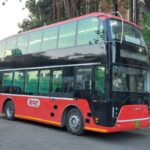

Overview of Bus Travel from South Africa to Zambia
Bus travel from South Africa to Zambia offers an affordable overland option that connects major southern Africa cities with Lusaka and other Zambian destinations. Most itineraries depart from Johannesburg or Pretoria and traverse neighboring countries—usually via Botswana or Zimbabwe—before crossing into Zambia. Journey times vary widely, from a full day to more than a day and a half, depending on stops and border formalities, with comfort levels and schedules differing by operator. Planning ahead for visas, passport validity, and luggage allowances helps ensure a smoother trip.
Common Routes and Bus Operators
Overview of bus travel from South Africa to Zambia focuses on long-distance trips between major hubs such as Johannesburg or Pretoria in South Africa and Lusaka or Livingstone in Zambia. These journeys cover large distances and cross international borders, typically taking one to two days or more depending on the route, border handling, and layovers. Bus travel can be cheaper than air travel and offers scenic routes, but schedules can be less predictable and delays at borders are common.
Common routes include the Botswana corridor and the Zimbabwe corridor. The Botswana corridor often travels from a South African city like Johannesburg to Lusaka or Livingstone via Botswana’s major towns such as Gaborone and Francistown, crossing into Zambia at the Kasane/Kazungula border. The Zimbabwe corridor uses the Beitbridge border into Zimbabwe, continuing through Harare to Chirundu or other crossing points into Zambia and then on to Lusaka or Livingstone. Some operators combine segments and may stop in gateway towns for rest breaks or border processing, making the journey comfortable but longer than a direct flight.
Typical journey times vary widely, usually ranging from 24 to 40 hours depending on the route, number of stops, and border processing times. Tickets are commonly sold in South African cities and can be booked online or through travel agents or station counters. Passports and valid visas (if required) are essential, and you should check the current entry requirements for Zambia and any transit countries prior to departure. It’s also wise to budget for longer border queues and potential delays, and to carry some local currency for border payments if needed.
Bus operators commonly used on this corridor include large South African long-distance providers that offer cross-border routes, as well as regional carriers based in Botswana, Zimbabwe, or Zambia. When planning, verify that the operator has legitimate cross-border licenses and up-to-date safety records. It’s advisable to compare schedules, luggage allowances, and boarding points across operators and to book in advance during peak travel periods. If you cannot find a direct service, you may need to take multiple legs with connections in major hubs.
Practical tips for a smoother trip include arriving at the bus terminal well ahead of departure, carrying copies of travel documents, having small denominations for border payments, and staying aware of travel advisories. For visitors, a visa may be required for Zambia depending on nationality, and some travelers may obtain a visa on arrival or via e-visa programs. The best approach is to confirm entry rules before departure and keep your documents easily accessible during border crossings. Once in Zambia, intercity buses connect Lusaka with Livingstone and other towns, making it convenient to continue your journey by road to Victoria Falls, noted for its dramatic scenery along the Zambezi River.
Typical Travel Times and Distances
Bus travel from South Africa to Zambia spans a long cross-border route along southern Africa’s major corridors. Long-distance coaches connect key cities in South Africa such as Johannesburg and Pretoria with capitals and major towns in Zambia, including Lusaka and Livingstone. The journey is usually cheaper than flying and can be a convenient way to see the region, but it is a long ride that requires patience and careful planning for border crossings and overnight stops.
Typical routes and distances are defined by the border you choose. The most common route goes north from South Africa through Zimbabwe via Beitbridge, continuing to Lusaka via Chirundu. The overall road distance for this corridor is in the approximate range of 1,700 to 1,900 kilometers, depending on the exact start point in South Africa and the final destination in Zambia. An alternative is to travel first to Botswana and then cross into Zambia at Kazungula, which can add miles but may offer different border processing times and road conditions. Distances on this route also fall roughly in the same broad range, with variations based on the specific towns served by the coach.
Travel times reflect the long distances and the realities of cross-border travel. Typical scheduled journey times from Johannesburg or Pretoria to Lusaka fall around 28 to 40 hours in total, inclusive of stops for meals, border checks, and overnight rests. Real-world times can be longer when visas, customs checks, or road works add delays, or shorter if a bus runs with efficient border processing and minimal delays. Buses often operate with overnight segments, so passengers should be prepared for sleeping on board or during scheduled breaks.
What to expect on board varies by operator but most long-distance coaches offer comfortable seating, air conditioning, and restroom facilities on board, with luggage compartments for suitcases and bags. Journeys may include one or two long daytime or overnight legs, with scheduled stops at service stations or towns for refreshments. Some routes offer direct services, while others require a change of bus at a major hub. Safety, comfort, and reliability depend on choosing a reputable operator and confirming current schedules in advance.
Practical tips for planning include checking visa and entry requirements, having a valid passport, and confirming the border crossing point and time estimates with the operator. Book in advance during peak travel periods, carry water and snacks, and pack any needed medications or comfort items for long rides. Arrive early at the departure point to allow time for check-in and border formalities, and be aware that delays at borders are possible even with a prepaid ticket.
In summary, bus travel from South Africa to Zambia offers a cost-effective option for travelers who enjoy overland journeys and want to see the landscape. Distances are substantial, typically in the 1,600–2,000 kilometer range depending on the route, and total travel times commonly span multiple days. Planning ahead, choosing a reliable operator, and keeping flexible with timings will help ensure a smoother crossing into Zambia and a comfortable arrival in Lusaka or Livingstone.
Departure Cities in South Africa
Bus travel from South Africa to Zambia offers an overland option for travelers seeking to see multiple countries along the route. Most services depart from major South African cities and connect to Lusaka or Livingstone in Zambia, with border crossings depending on the operator. The journey can take a full day to two days or longer when including layovers and border delays. Passengers should check current schedules, visa requirements, and travel advisories before booking.
- Departure cities in South Africa: major hubs such as Johannesburg and Pretoria are common starting points, with Cape Town and Durban also serving some routes, while smaller towns may offer connections.
- Typical routes and destinations in Zambia: Lusaka is the main destination for long-distance coaches, with some services reaching Livingstone and other towns via shared or separate legs.
- Travel time and pacing: journeys often range from 24 to 40+ hours depending on the route, stops, overnight segments, and border processing times.
- Border crossings and visa considerations: overland travel involves crossing international borders; check visa requirements for your nationality and keep passport, IDs, and funds for border fees handy.
- Booking and operators: options include long-distance coaches and overland transport services; book ahead when possible and confirm luggage allowances and onboard facilities.
- Practical travel tips: carry currency or SIM data for border towns, pack snacks and water, wear comfortable clothing, and bring a neck pillow for long stretches.
- Onboard expectations: services may vary from day buses to sleeper options on longer legs, with periodic rest stops and basic amenities.
- Safety and preparation: choose reputable operators, share itineraries with trusted contacts, and have travel insurance and emergency contacts readily available.
Arrival Cities in Zambia
Bus travel from South Africa to Zambia offers a budget-friendly option for long-distance journeys, with trips typically starting in major South African cities and heading north toward Zambia.
Routes usually depart from Johannesburg or Pretoria and travel toward Zambia. The journey often takes roughly 24–40 hours, depending on the chosen route, border processing times, and layovers, with overnight segments and several breaks built into most itineraries.
Arrival cities in Zambia commonly include Lusaka, the capital, and Livingstone, the gateway to Victoria Falls. Some services also stop in Ndola or Chipata on longer itineraries, but Lusaka and Livingstone are the most frequent endpoints for SA–Zambia bus routes.
Border and entry requirements vary by nationality and current policy. Expect passport checks and vehicle documentation at the border. Check visa requirements in advance; many travelers can obtain visas on arrival or online, but it depends on your nationality. Have funds available for border fees and carry suitable local currency for on-board purchases where needed.
What to bring and what to expect on board: wear comfortable clothing, bring a light jacket, water and snacks, and a small pillow or blanket for overnight segments. Luggage allowances vary by operator, and you may need to move bags during border stops. Some coaches offer charging ports and occasional wifi, but services vary by company.
Practical tips include booking in advance during peak travel periods, verifying the operator and route, and keeping essential documents handy. Travel safety involves using reputable operators and staying aware of your surroundings at stops or terminals.
Alternatives and planning: flying is usually faster, while bus travel provides a cheaper, scenic route with the chance to see border towns along the way. If you choose the bus, check schedules, departure points, and terminal facilities in Johannesburg or Pretoria and plan your connections into Lusaka or Livingstone accordingly.
Route Details and Itineraries
Route details and itineraries for a bus journey from South Africa to Zambia outline the main legs, travel times, and border crossings you’ll typically encounter. Most routes begin in major South African cities, cross into Botswana or Zimbabwe, and culminate in Lusaka or Livingstone, with options for fast, direct services or longer journeys that pause at towns and scenic spots along the way. A well-planned itinerary covers visa and border requirements, rest stops, overnight options, and how to align travel with Zambia’s highlights such as Victoria Falls and national parks.
Direct Routes vs. Connections
Traveling by bus from South Africa to Zambia is a long overland journey that combines cross-border travel with south-to-north scenery across southern Africa. Most routes start from Johannesburg or Pretoria, with options that go directly to Lusaka or Livingstone, or that pass through Botswana or Zimbabwe with one or more connections along the way.
Route details vary by operator and season, but you can expect journeys to cover roughly 1,000 to 1,600 kilometers depending on the path chosen. Travel times are strongly influenced by border formalities, road conditions, weather, and the number of stops for meals, fuel, or passport checks. Direct services aim to minimize changing buses, while connecting routes intentionally include one or more layovers in towns such as Gaborone, Francistown, Bulawayo, or Harare.
Direct routes vs. connections: a direct route means you stay on a single service from start to finish (subject to border checks and scheduled breaks) with no changes of vehicle. Direct options are convenient for time efficiency but still require patience at borders and occasional brief stops. Connecting routes involve one or more changes of bus or operator, which can add time but may offer more departure options, lower prices, or access to different cities along the way.
Example of a direct route itinerary: Johannesburg to Lusaka aboard a single long-haul service. You might depart from Johannesburg in the morning, travel through the night with scheduled breaks for meals and stretching, cross the border into Zambia at a designated point, and arrive in Lusaka the following day in the late afternoon or early evening. Total travel time typically ranges from about 28 to 34 hours, depending on the day’s border process and the driver’s schedule.
Example of a connecting route itinerary: Johannesburg to Lusaka with one or two overnight stops. A common pattern is to travel from JHB to a border town such as Francistown or Gaborone in Botswana (overnight or daytime), then continue to a Zimbabwean border town like Bulawayo or Harare before crossing into Zambia to reach Lusaka. This type of itinerary can take 2 to 3 days in total, with 2 or 3 brief overnight breaks and an overall longer travel time, but it may offer more affordable fares and more frequent departures.
Practical tips for planning: check current visa and entry requirements for Zambia well before you travel, as rules can change. Ensure your passport is valid for at least six months after your planned return and have any necessary supporting documents for the vehicle and passengers. Book in advance when possible, especially during peak travel periods, and confirm baggage limits with the operator. Carry snacks, water, a small first-aid kit, and layers for changing temperatures on long daytime drives and cooler nights.
Border and safety notes: border crossing times vary and can be lengthy. Have your travel documents ready, including your passport, any visas, and proof of onward travel or accommodation. Be mindful of personal belongings, use reputable operators, and follow the crew’s guidance about stops and security. If you’re on a connecting route, ensure you know exactly where and when to change buses and where to rejoin the service to avoid missing legs of the journey.
Choosing between direct and connecting routes comes down to your priorities: speed and simplicity versus flexibility, price, and access to different cities. Either way, a bus trip from South Africa to Zambia offers a chance to see varied landscapes, experience border towns, and travel affordably across southern Africa.
Major Border Crossings and Transit Hubs
Traveling by bus from South Africa to Zambia links major Southern African cities with long distance services that run overnight and through the day, often with border stops and scheduled layovers. The most common journeys start in Johannesburg or Pretoria and head north toward Lusaka, with variants that include Victoria Falls and Livingstone as stopover points for travelers seeking a cross border experience.
Route details along the Beitbridge–Harare–Chirundu corridor are the backbone of many South Africa to Zambia services. From Johannesburg or Pretoria the route typically crosses the Beitbridge border into Zimbabwe and then follows well maintained highways toward Harare. Some operators offer options that bypass Harare by routing inland toward Chirundu, where the border crossing between Zimbabwe and Zambia sits on the Zambezi River. After clearing Chirundu, buses usually continue to Lusaka, the capital, with occasional stops in major towns for meals, fuel, and passenger changes. Journey times are influenced by border queues, road conditions, and the number and length of overnight stops, but a typical trip can take roughly 24 to 30 hours of travel time across multiple days.
A second, longer route option uses the Botswana and Kazungula corridor. Travelers may depart from Johannesburg or nearby hubs and proceed to the Botswana border at Kasane or a traditional crossing point, then cross into Zambia via the Kazungula Bridge near Livingstone. This path can connect onward to Lusaka or to Victoria Falls in Zimbabwe before looping back into Zambia. Operators offering this route emphasize scenic sections and metropolitan hubs along the Zambian side, with total travel time that is broadly similar to the Beitbridge route, depending on border processing and transfers.
Major border crossings along these routes include Beitbridge (South Africa–Zimbabwe), Chirundu (Zimbabwe–Zambia), and the Kazungula Bridge crossing (Botswana–Zambia). Beitbridge is a busy commercial crossing with potential delays during peak periods, particularly around holidays and weekends. Chirundu is a key entry point for the Harare–Lusaka corridor and can also experience short to moderate queues, depending on the time of day and immigration throughput. The Kazungula Bridge, opened in the late 2010s, provides a direct link between Botswana and Zambia and is typically faster than older crossings, though tolls and local procedures can affect timing. It’s wise to check real-time border information and carry passport pages, valid visas where required, and sufficient funds for any border fees.
Transit hubs for these routes include Johannesburg and Pretoria as the main departure bases in South Africa, with Harare or Bulawayo often functioning as overnight or connection points for the Zimbabwean leg. On the Zambia side, Lusaka serves as the primary arrival hub for long-distance buses, while Victoria Falls and Livingstone are common stopovers for travelers aiming to explore the Zambian side of the Victoria Falls region. Chirundu acts as a practical border crossing hub for the Zimbabwe–Zambia segment, and Kasane/Livingstone areas function as strategic nodes for the Botswana–Zambia option.
Itinerary example one, Johannesburg to Lusaka via Harare. Day 1 typically begins with an early morning departure from a Johannesburg or Pretoria terminal, followed by a border crossing at Beitbridge. Overnight stops may be planned in or near Harare to rest and refresh. Day 2 continues toward Chirundu, crossing the border into Zambia, and arriving in Lusaka by late afternoon or evening depending on border times and road conditions. This route emphasizes straightforward border processing and regular overnight breaks to reduce fatigue.
Itinerary example two, Johannesburg to Livingstone via Chirundu. This option mirrors the Beitbridge start but routes through Chirundu with a stronger focus on breaking the journey into two comfortable legs. After crossing into Zambia, the bus may stop in towns along the line to Lusaka or proceed directly to Livingstone for guests seeking the Victoria Falls experience. Overnight stays are common in mid-route towns, allowing time for visa checks and meal breaks while keeping travel days manageable.
Itinerary example three, Johannesburg to Lusaka via Kazungula. Departing from a Gauteng terminal, travelers travel to Botswana and cross into Zambia at Kazungula, then continue to Lusaka. This route offers the chance to see the Kazungula region and, if time permits, a short detour to Livingstone/Victoria Falls. As with other long-distance bus trips, timing can vary with border operations, and some itineraries may include an additional overnight stop for safety and comfort.
Practical tips for planning this journey include checking current visa requirements well in advance, as some nationalities may need eVisas or visas on arrival, while others may travel visa-free for short stays. Always ensure passports are valid for at least six months beyond your travel dates and have a few spare passport photos where required. Prepare for border queues by carrying sufficient cash in the local currency and USD for border fees, meals, and small purchases. Pack light but include essentials such as a lightweight jacket, a power bank, a refillable water bottle, snacks for long stretches, and basic personal care items. Keep valuables secure and stay aware of your surroundings in busy terminals and waiting areas.
Sample Itineraries (Johannesburg to Lusaka, Cape Town to Livingstone)
Route Details and Itineraries for bus travel from South Africa to Zambia cover two main northbound corridors and practical planning tips for travelers crossing borders, times, and stops along the way. The topic focuses on buses from South Africa to Zambia and how to navigate routes between major cities such as Johannesburg, Cape Town, Lusaka, and Livingstone.
Common routes head north from major South African hubs to cross into Botswana or Zimbabwe before entering Zambia. The Botswana corridor often goes from Johannesburg or Pretoria to Gaborone and Francistown, then crosses into Zambia at a Kazungula border point or into Livingstone, continuing to Lusaka. An alternative Zimbabwe corridor follows Beitbridge to Harare and then to Lusaka. Travel times vary with border formalities and overnight stops, typically 24 to 40 hours for Johannesburg to Lusaka and about 2 to 3 days for a Cape Town to Livingstone journey that uses multiple legs or connections.
Stops and operators vary by service, but common layovers include major cities and border towns; routes may feature direct segments or require overnight connections in cities with longer crossing times. Tickets often bundle border fees and provide options to change buses at key border towns. Always check the operator’s itinerary for the latest border crossing points and schedule windows.
Itineraries usually structure the trip into 1 to 3 travel days per leg, with scheduled overnight rests and time allocated for passport checks, visas where required, and health or customs processes. For travelers who want a bit more site time, some services allow a day or two in places like Gaborone, Livingstone, or Lusaka before continuing the journey.
Sample Itinerary Johannesburg to Lusaka. Day 1: Depart Johannesburg in the late morning or afternoon by bus, cross into Botswana at the border, and continue to an overnight stop in or near Gaborone. Day 2: Travel from Gaborone toward the border with Zambia, cross into Zambia at Kazungula or another border point, and arrive in Lusaka by evening. If the bus stops overnight in a border town, account for border formalities, passport checks, and meal breaks. This route typically spans about 30 to 40 hours in total depending on connections and wait times.
Sample Itinerary Cape Town to Livingstone. Day 1: Leave Cape Town and travel north toward Johannesburg, with an overnight stop in the greater Johannesburg area or a midway city. Day 2: Continue from Johannesburg toward the Botswana border, with an overnight stay in a Botswana town such as Gaborone or Francistown. Day 3: Cross into Zambia at Kazungula or another border point and head toward Livingstone, arriving in the late afternoon or the next day depending on service. This longer voyage can take 3 to 5 days, with layovers in select towns for meals and border processing.
Tips for planning include checking current border requirements, confirming visa policies for each country, verifying layover durations, and booking through reputable operators. Bus travel across southern Africa offers scenic routes and shared experiences, with Lusaka and Livingstone as key destinations in Zambia.
Booking, Tickets, and Costs
Booking a bus from South Africa to Zambia is simple, with several operators offering online and offline options and clear steps to secure your seat. Tickets come in different classes and durations, with prices that vary by season, route, and how far in advance you book. Consider early booking, flexible dates, and group or student discounts to manage costs.
Where to Book Bus Tickets
Booking a long-distance bus from South Africa to Zambia is a practical and affordable option for travelers who want to see the region without flying. This guide explains how to book, what a ticket covers, and what to expect for costs on the South Africa to Zambia route.
Where to book bus tickets from South Africa to Zambia includes official bus operator websites, reputable online travel platforms, and local travel agencies. Look for operators that offer cross-border services between SA and Zambia, and use trusted aggregators such as Busbud or 12Go. In South Africa you can also visit major bus terminals or travel desks in cities like Johannesburg, Pretoria and Cape Town to buy tickets in person. In Zambia, local agents can help with onward connections from Lusaka or Livingstone.
To book, select your route and date, choose seat class, enter passenger details (names as on passport, date of birth, contact information) and, if required, passport information for border checks. You can often choose add-ons like extra luggage or seat preferences. Complete payment with a card or other supported methods. After payment you’ll receive a ticket by email or via the app, which you should carry on departure and present at the border if required.
Tickets typically cover a reserved seat on the coach, basic luggage allowance, and on-board comfort such as air conditioning and reclining seats. Some operators offer overnight services with blankets and, occasionally, meals. Always check what is included and what you need to bring, such as a passport or visa documents and any required eSIM or mobile connectivity. Border formalities may require you to present your passport at departure and arrival.
Costs vary by distance, service level, and season. Standard day buses are cheaper than overnight or premium options with extra legroom or direct routes. Prices also fluctuate with demand, distance, and whether you book early or last minute. Prices can be higher during peak travel periods and holidays. Taxes, border crossing fees, and luggage add-ons can affect total cost, so always review the final quote before payment.
Plan ahead to save: compare several operators and aggregators, book early for the best fares, and consider off-peak travel. If you need to connect to flights or other transport, allow extra time for border crossings and delays. Keep digital copies of your travel documents and carry a small amount of cash for border fees and local purchases.
Common destinations on SA to Zambia routes include Lusaka, the capital, and Livingstone near Victoria Falls. Some services also serve other towns in Botswana and Zimbabwe on the way. Check the timetable for the exact endpoints and the daily or weekly frequency of departures, as routes can change with operators and seasons.
Check visa requirements for your nationality and ensure your passport is valid for the duration of your trip. Some crossings may require a visa on arrival or e-visa and may have specific luggage or health checks. Confirm border operating hours and whether you need to change buses at certain border points.
Booking a bus from South Africa to Zambia is doable and can be cost-effective if you compare options, book in advance, and stay flexible with dates. Use official operator sites or trusted aggregators to secure your ticket and enjoy the journey across Southern Africa.
Pricing and Value for Money
Booking a bus from South Africa to Zambia involves comparing routes, operators, and prices to find a balance of speed, comfort, and value.
Popular long-distance options include Intercape and Greyhound SA, which operate cross-border services into Zambia, with routes often connecting Johannesburg or Gauteng hubs to Lusaka and Livingstone via border towns in Botswana or Zimbabwe. Some travelers also use regional operators or travel agencies that package cross-border itineraries.
Ticket prices depend on service level and season. Standard daytime seating is usually the most affordable, while sleeper or premium express services cost more but save time and offer greater comfort. Expect additional charges for excess luggage, seat selection, and meals on board in some operators. Border clearance, visa requirements, and local taxes are sometimes included or billed separately by the operator or at the border.
Value for money comes from reliable schedules, comfortable seating, sufficient luggage allowances, and straightforward border crossings. If you value saving time, a direct or express service can be worth the extra cost; if you are price-conscious, a slower route with generous luggage and stopovers may suit you better.
Book through the operator’s official website or a trusted booking platform. Have your passenger details ready, choose your seat if available, and confirm any visa or passport information required for border control. Keep a digital or printed ticket and note the bus number, departure time, and pick-up point.
To save, book as far in advance as possible, compare prices across operators and aggregators, travel in the off-peak season, and be flexible with dates. Some operators offer group discounts or loyalty programs; bundling transport with accommodation can also reduce overall costs.
Journeys can take one full day or more, depending on routings and border queues. Expect rest stops, basic meals, and limited on-board services on cheaper fares; longer or premium services may offer air conditioning, charging points, and Wi-Fi. Pack water, snacks, chargers, and any medications you may need, and keep valuables secure during border crossings.
Crossing from South Africa into Zambia typically involves customs checks and may require a visa or e-visa for certain nationalities. Border times vary; factor in potential delays at checkpoints, particularly during peak travel periods or inclement weather. Ensure passport validity and any required documents before departure.
Some itineraries route through Botswana or Zimbabwe, which can affect travel time and border arrangements. If you have a fixed deadline, choose a direct or express option to minimize transfers and ensure you arrive when planned.
With careful booking and clear expectations about timing, cost, and what is included, a bus from South Africa to Zambia can offer good value for money, a scenic overland experience, and a practical alternative to flying, especially for travelers on a budget or those who want to see the countryside along the way.
Refunds, Cancellations, and Changes
Traveling by bus from South Africa to Zambia provides an affordable way to cross the border and see Southern Africa, with routes typically running between major South African cities and key towns in Zambia such as Lusaka and Livingstone. This guide covers Booking, Tickets, and Costs, Refunds, Cancellations, and Changes to help you plan.
Booking your trip is straightforward. You can book directly with bus operators that run cross-border services, or use regional travel platforms and agents. Start by selecting your route (for example Johannesburg to Lusaka or Pretoria to Livingstone), choose a date, and pick a seat or cabin type. You will usually need passenger details as shown on the passport, a contact email or phone number, and a payment method. After payment you typically receive an e-ticket by email or via SMS that you should carry on the day of travel.
Tickets and costs vary by distance, service level, and season. Prices for a one-way journey can range from roughly 60 to 180 USD or more, with premium or sleeper options costing more. Longer routes or overnight trips may include meals or rest stops in the fare. Some operators offer return tickets or multi-city passes, and there may be discounts for students, seniors, or group bookings. Always check what is included in the fare (baggage allowance, on-board entertainment, and border procedures) before you buy.
Baggage allowances and seating depend on the operator. Most services allow at least one small bag and a larger suitcase or duffel, sometimes with a weight limit and additional charges for excess baggage. Seat selection may be available at booking for a small fee, and some buses provide sleeper or reclining options for longer night journeys. Arrive early at the departure point to find your bus and boarding gate and to clear border checks calmly.
Refunds and cancellations: if you cancel before the stipulated cutoff time, you may receive a full or partial refund minus an administrative fee. Many operators allow cancellations up to 24 to 48 hours before departure, with a reduced refund or a credit note for later travel. Within the cutoff window or for no-shows, refunds are often not available or are issued as a travel credit rather than cash, depending on the fare rules you chose at booking. Processing times for refunds can take several business days.
Changes: changing your travel date, time, or even the route is often possible but typically carries a change fee and may require paying any fare difference if the new ticket costs more. Changes are usually subject to seat availability and cross-border clearance, and some fares prohibit changes or reduce flexibility. If the operator cancels or delays the service, you are normally offered a rebooking free of charge or a full refund.
Border crossing and travel documents: when traveling by bus from South Africa to Zambia you will cross an international border, so carry a valid passport and any required visas or permits. Some nationalities may require a visa on arrival or an e-visa; others may have visa-free access for short stays. Ensure your passport is valid for at least six months beyond your travel date and check entry requirements well in advance. Have your booking reference and e-ticket ready for border checks, and be prepared for potential customs and immigration delays at land borders.
Tips for a smoother experience: compare several operators, read recent traveler reviews, and confirm border procedures and transit times. Check whether meals, water, or medical support are included on longer journeys. Bring snacks, a light blanket, charger adapters, and a copy of your travel documents. Pack light and keep valuables with you during border crossings.
Booking ahead is recommended for cross-border bus travel between South Africa and Zambia, especially in peak travel seasons. By understanding Booking, Tickets, and Costs, Refunds, Cancellations, and Changes, you can plan a safer, cheaper, and less stressful trip across Southern Africa.
Onboard Experience
Taking a bus from South Africa to Zambia promises more than reaching a destination—it offers a thoughtful onboard experience designed for comfort and convenience on a long-haul journey. Expect clean seats, climate control, regular rest stops, helpful staff, and clear travel information as borders are crossed and landscapes change from rolling plains to bustling cityscapes. With practical amenities, secure luggage handling, and a focus on safety, this route blends travel value with the adventure of southern Africa’s diverse scenery.
Seating, Comfort, and Amenities
Traveling by bus from South Africa to Zambia offers an affordable overland option that connects major urban centers like Johannesburg, Pretoria, and Cape Town to Lusaka and beyond. Journeys typically take a full day or more, with scenic routes across vibrant towns, rural landscapes, and the border crossing into Zambia adding a practical layer to the experience.
Onboard experience varies by operator, but most long-distance coaches aim to provide a comfortable atmosphere for hours on the road. Expect a clean, well-lit cabin, a stable climate controlled by air conditioning, and a steady rhythm of stops for rest breaks and border formalities. A calm, seated ambiance helps travelers settle in for a long haul.
Seating and comfort are key priorities on these routes. Modern coaches commonly feature with two seats on either side of a central aisle, generous legroom, and seats with decent padding and headrests. Reclining functionality and adjustable seating angles allow you to find a relaxed posture for sleeping or reading. Some buses offer extra-wide seats or footrests, which can make a big difference on a long journey.
Amenities on board typically include air conditioning for year-round comfort, individual reading lights, and overhead or side pockets for small personal items. Many coaches provide USB charging ports or power sockets at each seat to keep devices powered. On longer routes, you may find on-board toilets and occasional snacks or bottled water, with some operators offering light meals or a hot beverage service during stops.
Connectivity varies by service. A few coaches offer Wi-Fi for passenger use, though bandwidth can be limited and unreliable in rural stretches. If staying connected is important, bring a fully charged device and a portable charger. For comfort, simple items like a travel pillow, a light blanket, and comfortable clothing help you manage varying temperatures and seating height during the trip.
Stops and border crossings are a regular part of the journey. Expect passport checks and possible delays at border control, and plan for extra time when crossing into Zambia. Some operators provide assistance with paperwork or handle formalities as part of the service. Being seated near a comfortable exit and a window can improve the experience if you need quick fresh air during stops.
Tips for choosing and enjoying the trip: select a reputable operator with good reviews, check what is included in the fare (water, snacks, meals), and confirm whether USB charging and Wi-Fi are available. Bring essentials like water, snacks, sunscreen, a power bank, and a neck pillow. Dress in layers to adapt to changing cabin temperatures, and arrive early at the departure point to secure your preferred seat if possible.
In summary, a bus journey from South Africa to Zambia can be a cost-effective and pleasant way to travel, with attentive seating, reasonable comfort, and a range of onboard amenities designed for long-distance comfort. With careful seat selection and a few practical preparations, you can arrive refreshed and ready to explore Zambia’s cities and landscapes.
Food, Breaks, and Rest Stops
Traveling by bus from South Africa to Zambia offers a slow-burn journey that reveals changing landscapes, border crossings, and the chance to meet fellow travelers along the route. Most routes depart from major hubs like Johannesburg or Pretoria and head north toward Lusaka, with variations via Botswana or Zimbabwe depending on the operator. The trip can span a full day or stretch into the next, but the experience often rewards patience with scenic glimpses of towns, markets, and rural scenery along the way.
Onboard experience: modern long-distance buses usually provide comfortable seats with ample legroom, adjustable recline, and reliable air conditioning. Lighting and climate control are designed for overnight or long daytime legs, and many buses offer USB charging ports, a basic Wi‑Fi option, and overhead racks for personal bags. The crew handles luggage, offers assistance during border formalities, and keeps the bus clean and orderly. Seating arrangements vary by operator, with some choosing reserved seating and others operating on a first-come, first-served basis. Overall ride quality depends on road conditions and the operator’s maintenance standards.
Food: meals and snacks on board vary by company. Some long-haul services include a light meal or hot tea/coffee at specific points, while others rely on onboard vendors or rest-stop eateries. Expect snacks like sandwiches, fruit, biscuits, and bottled drinks during breaks. If meals aren’t included, it’s wise to bring non-perishable snacks and a refillable bottle of water. Dietary needs can often be accommodated with advance notice, and many passengers take advantage of local rest stops to sample regional options between legs.
Breaks and rest stops: schedules typically feature regular breaks every few hours, with longer stops planned near border towns to complete immigration and customs procedures. Rest stops provide toilets, shade, and opportunities to stretch, purchase water or snacks, and browse local shops. Border crossing times can extend these breaks, so keeping essential documents handy and allowing extra buffer time is helpful. Having some local currency on hand is convenient for small purchases at vendors who may not accept cards.
Safety and Security on Long-Distance Buses
Traveling by long-distance bus from South Africa to Zambia offers an affordable way to cross southern Africa while enjoying steadily improving comfort on modern coaches. This guide focuses on onboard experience, safety and security to help you plan, travel smoothly, and stay safe along the route.
- Onboard experience — Expect varied seating layouts (often 2+2 or 2+1), with reclining seats, air conditioning, and occasionally power outlets or Wi‑Fi. Rest stops and toilets are usually provided at scheduled intervals. Some services include meals or snacks; others offer bottled water. Bring a neck pillow, a light blanket, earplugs, and a small headlamp for overnight legs.
- Route and duration — Common itineraries run from major South African hubs (like Johannesburg) to Lusaka or Livingstone in Zambia, with border crossings through Botswana or other transit points. Journeys can take from 24 to 40 hours depending on stops, delays, and border procedures. Verify departure points, terminal directions, and estimated arrival times with the operator.
- Safety and security on board — Reputable operators train drivers, monitor schedules, and install safety features such as CCTV and emergency exits. Keep valuables with you in a secure bag, use luggage locks, and store bags in designated compartments. Be mindful of strangers and avoid sharing personal details or travel plans openly in crowded terminals.
- Border crossing and documentation — International trips require your passport and any visas or permits (if applicable) for entry into Zambia. Have digital and paper copies of travel documents, and follow staff guidance at borders. Delays can occur, so plan extra time between connections and overnight segments.
- Health, hygiene and comfort — Carry basic medical supplies, water, and snacks. Use hand sanitizer, and be mindful of malaria risk in some border and rural areas—consult a healthcare professional about prophylaxis. Dress in layers and stay hydrated to cope with varying climates on long rides.
- Luggage and valuables — Check the operator’s luggage policy and weight limits. Label bags clearly and secure important documents (passport, tickets, cash) in a carry-on or inner jacket pocket. Don’t leave unattended bags at rest stops, and use a travel pouch for valuables.
- Planning, booking and support — Book with licensed operators and read recent passenger reviews for safety and cleanliness. Keep emergency numbers and the operator’s helpline handy, and note where to obtain assistance if you miss a connection or face delays.
- Arrival and onward travel in Zambia — Arriving in Lusaka or Livingstone, arrange trusted onward transport in advance or via reputable local operators. Use official taxi services or pre-booked shuttles, especially at night, and be aware of your surroundings when reaching your destination.
Cross-Border Requirements
Cross-border requirements for traveling by bus from South Africa to Zambia involve preparing for entry and exit at border posts with proper travel documents, vehicle paperwork, and potential health checks. Passports should be valid for at least six months, and visa or entry permissions depend on your nationality, so check with Zambian authorities or your bus operator well in advance. The coach company typically guides on or arranges temporary vehicle permits and insurance, and travelers may need an international driving permit where required. Be prepared for customs checks, border delays, and any vaccination or health requirements that apply to your route.
Passport and Visa Requirements
Cross-border travel by bus from South Africa to Zambia involves standard passport checks, visa processing, and a few health and vehicle formalities. Being prepared with the right documents and current rules helps ensure a smooth border experience on your journey.
Your passport is the primary travel document. Ensure it is valid for at least six months from your date of entry into Zambia and that you have at least two blank pages for entry and exit stamps. Carry a photocopy or a digital scan of the passport as a backup, and keep it separate from the original document.
Visa requirements vary by nationality. South African passport holders typically need a visa to enter Zambia, though convenient options such as an online e-visa or a visa on arrival at certain border posts may be available. Always check the latest requirements with the Zambian embassy or official immigration website, and confirm with your bus operator which visa option they recommend for your itinerary.
For those using an online e-visa, you can apply before you travel and present the approval when you reach the border. Visa on arrival is offered at select entry points, but availability can change and may depend on your route and travel history. Have the exact passport details, travel dates, and accommodation information handy when applying for a visa.
Border formalities also include health documentation. A valid yellow fever vaccination certificate is required for travelers arriving from countries where yellow fever is a risk, or for travelers who have transited through such countries within a specified period. While South Africa itself does not universally require it for entry to Zambia, border officers may request proof if your travel history includes yellow fever–risk regions. Other health precautions, such as malaria prophylaxis and general travel insurance, are strongly advised.
In addition to passports and visas, border checks for bus passengers may involve temporary vehicle permits or related consignments for the bus itself. Your operator typically handles these arrangements, but you should carry all booking details, your personal identification, and any documents you received from the operator so you can present them if asked by border officials.
Common border crossings for a Pretoria/Durban-to-Lusaka route include Chirundu and Kazungula on the Zambia–Zimbabwe and Zambia–Botswana corridors, with Nakonde serving routes toward northern Zambia. Border procedures can vary by crossing point, time of day, and season, so arrive early, stay patient, and follow the instructions of immigration and customs officers. Keep your valuables secure and be prepared to answer questions about your travel plans, accommodation, and onward transport.
Tips for a smoother experience: check entry requirements well in advance, ensure your passport and visa documents are in order, carry both digital and physical copies, and confirm with your bus operator which border posts you will use. If visa-on-arrival is available, have the correct fees ready in the local currency or accepted payment methods, and have your return or onward ticket available if requested.
Health Declarations and Vaccinations
Traveling by bus from South Africa to Zambia involves crossing international borders, so you should be aware of cross-border requirements, health declarations and vaccination guidance before you travel.
Cross-border routes: The most common overland routes from South Africa to Zambia pass through neighboring countries such as Botswana before entering Zambia, with major border posts at Kazungula and Livingstone. Plan for possible additional formalities at each border and check with your bus operator for the route, schedule and any border-specific rules, as services and hours can vary.
Documentation and visas: Your passport should be valid for at least six months beyond your planned stay and have at least two blank pages. Visa requirements vary by nationality; South African passport holders often need a visa to enter Zambia. Some routes or operators may offer visa on arrival or eVisa options, but policies change, so confirm with the Zambian Immigration Department and your bus operator before departure. You may also be asked to show proof of onward travel and accommodation.
Health declarations and screening: Borders may require a health declaration form or a short health screening on arrival or during the journey. Be prepared to answer questions about recent illness or exposure to contagious diseases. Have any required health forms ready and ensure you can present vaccination certificates if requested. If you have recently traveled from a country with yellow fever risk, you may be asked for a yellow fever vaccination certificate.
Vaccinations and travel health: Routine vaccines should be up to date for all travelers (such as MMR, diphtheria-tetanus-pertussis, polio). Vaccines commonly advised for Zambia include Hepatitis A and Typhoid; Hepatitis B is recommended for longer stays or if you have risk factors. Malaria is present in many parts of Zambia, so discuss malaria prevention with a travel clinic and use preventive measures such as insect repellent, bed nets and, if appropriate, prophylactic medication. A Yellow fever vaccine is only required for travelers arriving from or transiting through countries with yellow fever risk; South Africa itself is not a yellow fever country, but verify requirements with official sources or your clinician in case of route-specific rules.
Practical tips for the bus journey: Keep all travel documents, vaccination certificates and any health declarations in a secure, easily accessible place. Carry local currency or a card for border fees, snacks and incidental costs. Border crossings can be lengthy, so allow extra time and stay informed about any changes to service schedules with your operator. Always verify current entry requirements with official government sources and your bus company before you travel.
Luggage Limits and Border Procedures
Traveling by bus from South Africa to Zambia involves crossing an international border, so planning around cross-border requirements, luggage limits, and border procedures is essential for a smooth journey.
Cross-border travel requires valid travel documents and, depending on your nationality, may require a visa or e-visa. Ensure your passport is valid for at least six months beyond your planned departure date and has at least two blank pages for entry and exit stamps. Visa rules vary: some travelers can obtain a visa on arrival or apply online (e-visa) at the entry point, while others must obtain a visa in advance. Check with the Zambian embassy or your bus operator for the most current rules for your nationality. You may also be asked for proof of onward travel or sufficient funds. If you are coming from countries with yellow fever risk, carry a valid yellow fever vaccination certificate, as some border posts require it. Health declarations may be required, and some borders may still request COVID-19 related documents, so verify current requirements with your operator before departure.
Carrying luggage on a Johannesburg–Lusaka/Livingstone bus typically involves checked luggage in the hold and a small carry-on. Most operators allow 20–30 kg of checked luggage per passenger and one piece of hand luggage in the cabin (about 5–8 kg). Some services permit two pieces of checked luggage, while others charge fees for excess or oversized bags. Use sturdy, labeled suitcases, remove fragile items, and keep valuables, travel documents, medicines, and essential items in your hand luggage. Prohibited items include weapons, flammable liquids, and other restricted gear. Always confirm the exact luggage allowance with your bus operator before travel, as policies vary by company.
At the border, you will typically follow a two-step process: first exit formalities at the South African border post, then enter formalities at the Zambian border post. You may be asked to disembark with your carry-on for immigration and customs checks, or you may stay with the bus while officers inspect the vehicle. Have your passport ready, along with any required visas or e-visas, your yellow fever certificate if required, and completed forms. After immigration, your luggage may be screened by customs, and you will reboard once cleared. Allow extra time (often 1–2 hours or more) for border formalities, as traffic and queues can affect processing times. Border staff may use mobile scanners, so follow directions from the crew and be patient.
Tips for a smoother experience: book with a reputable operator who advertises clear luggage policies and border guidance, carry both physical and digital copies of important documents, have local currency for small border fees or charges, and stay up‑to‑date on travel advisories. If you have questions about visa status or vaccination requirements, contact the Zambian embassy or consulate in advance or ask the bus company before you depart.
Practical Tips for Travelers
Planning a bus trip from South Africa to Zambia can be an exciting journey, and a few practical tips help ensure a smooth ride. Check visa requirements and border rules in advance, choose reputable operators, and confirm schedules, routes, and baggage allowances. Pack essentials like a passport, cash in local currency, copies of documents, a basic medical kit, and chargers, and be prepared for long drives, varying road conditions, and time changes. Arrive early at terminals, stay aware of safety and security, keep valuables secure, and stay flexible for delays or detours.
Seasonal Considerations and Weather
Traveling by bus from South Africa to Zambia can be a budget-friendly and scenic option for overland travelers. Journeys typically cover long distances and may involve one or more border crossings, with travel times that vary widely depending on the route and wait times at borders. Plan for 24 to 40 hours of in-bus time, including stops for meals, border formalities, and rest breaks.
When planning routes, expect options that pass through neighboring countries such as Botswana or Zimbabwe. Bus services from major South African cities often offer cross-border itineraries to Lusaka and other Zambian hubs, with the route chosen by the operator and season. Check current schedules, travel times, and border stop locations directly with the operator or a trusted travel agent, and book in advance for the best seats and prices.
Documentation is essential. Ensure your passport is valid for at least six months beyond your travel dates and verify visa requirements for your nationality before departure. Some travelers use visas on arrival or e-visas, but requirements can change, so consult official government sources or your embassy well ahead of time. For malaria-prone areas and certain travel times, consider necessary vaccinations and carry your vaccination card if required by border controls.
Cross-border procedures can be slower than expected, especially at busy borders. Have all documents easily accessible, including your passport, visa or e-visa confirmation, and any transit visas if needed. Carry local currency for small fees, tips, and purchases at border stalls, and be prepared for currency exchange delays. Typical border checks may include luggage inspections, declaration of goods, and form filling, so keep patience and polyglot-friendly communication handy.
Packing smartly makes a long bus journey more comfortable. Most operators allow a checked bag and a smaller carry-on; keep valuables secure and within sight. Pack a compact daypack for border queues and rest stops, plus a reusable water bottle, snacks, a light jacket for cool evenings, a hat and sun protection, and basic toiletries. If you have special dietary needs or medications, bring sufficient supplies for the trip plus copies of prescriptions.
Health and safety on the road are important. Zambia and surrounding regions have malaria risk in many areas, so consult a travel health advisor about prophylaxis and repellents. Stay hydrated, protect yourself from the sun, and avoid non-essential night travel on unfamiliar roads. Inspect the bus’s safety features, fasten seat belts where advised, and keep valuables secure in a bag that can be locked or placed in a damp-proof container.
Seasonal considerations influence weather and road conditions. The dry season (roughly May to October) usually offers clearer skies, less rain, and drier roads, but nights can be cool and days can be hot. The rainy season (roughly November to April) brings lush landscapes but can cause delays due to heavy rains and muddy roads, particularly in rural areas or around border approaches. Pack layers, a lightweight rain jacket, and plan for possible schedule changes when rain is forecast.
Weather in Zambia varies by region. Lusaka and central Zambia tend to be warm to hot year-round, with wet-season humidity that can feel heavy. If you’re heading toward Victoria Falls or the Copperbelt, be prepared for heat, and carry sun protection and hydration. Air travel is fast, but if you’re on a bus, plan for some air-conditioning adjustments and intermittent warm or chilly cabin conditions during the drive.
Practical tips to smooth the trip: bring a small amount of local currency for border fees, know the operating hours of your bus company and border post, and keep a printed backup of your tickets and passport data page. Have a basic understanding of common phrases in the local languages encountered along the route, and maintain a flexible mindset to adapt to delays or changes in the plan. These preparations help ensure a safer, more comfortable, and rewarding bus journey from South Africa to Zambia.
Budgeting and Currency Tips
Practical tips for travelers planning a bus trip from South Africa to Zambia begin with solid preparation. Start by researching the available routes, cross-border options, and typical journey times. Long-distance bus travel can involve overnight trips and border stops, so build a flexible schedule that includes time buffers for delays, customs checks, and potential changes in service.
Common routes often pass through major South African hubs (like Johannesburg) and cross into neighboring countries before continuing toward Zambia’s capital, Lusaka, or popular destinations such as Livingstone for Victoria Falls. Check current operator routes, as services can change with seasons. Always verify visa and health requirements for the countries you will traverse, and ensure your passport has at least six months validity remaining.
When it comes to booking, choose reputable operators with good safety records and comfortable buses. Read recent traveler reviews, confirm seat type (aisle/window and legroom), and ask about amenities such as air conditioning, Wi-Fi, and on-board rest stops. Book in advance for long trips, especially during peak travel periods, and confirm cross-border border procedures so you know what to expect on arrival and departure.
Budgeting for a South Africa–to–Zambia bus trip involves several components. Bus fares vary by operator, class, and distance but plan for long-haul pricing in the range of a few hundred to a few thousand South African Rand per leg. Overnight buses save a hotel night but may require a travel pillow and warmer clothing. Add costs for meals, bottled water, snacks, and any border crossing fees or visa charges. Consider travel insurance and extra funds for contingencies like timetable changes or accommodation if you arrive late.
Currency tips are essential for this route. In Zambia the local currency is the Zambian kwacha (ZMW). South Africa uses the rand (ZAR). Some border towns and small vendors may accept US dollars, but it’s best to carry enough ZMW for local purchases and tipping. When exchanging money, use licensed exchange services or banks and avoid street kiosks. ATMs are common in major cities, but may be scarce near rural borders, so withdraw what you need in advance and keep small notes for day-to-day purchases and tips.
Be prepared for border crossings. Carry a valid passport, any required visas, and copies of travel documents. Have your bus ticket handy and check if you need yellow fever or other vaccination certificates depending on your travel path. Border waits can be lengthy, so pack water, snacks, a charger, and motion sickness remedies if needed. Some borders require vehicle permits in addition to passenger documents, so confirm with your operator about what you must present at each checkpoint.
Health and safety should be in focus. Stay hydrated, dress in layers for varying cabin temperatures, and keep valuables secure. Travel with basic first aid supplies, a small lock for luggage, and digital backups of important documents. If you plan malaria-prone areas (like some parts of Zambia), consult a health professional about prophylaxis and preventive measures well before departure. Travel insurance is a smart safeguard for medical needs, trip cancellations, or lost belongings.
Packing smartly makes long bus rides more comfortable. Bring a lightweight blanket or shawl, a travel pillow, a reusable water bottle, healthy snacks, a hat or sunscreen, and a small personal charger. Pack a change of clothes and essential toiletries in your carry-on in case luggage is delayed. For connectivity, consider a local Zambia SIM card (MTN, Airtel, or Zamtel) for cheaper data and easier navigation, and download offline maps and important phrases in local languages.
Budget-conscious travelers can optimize costs by planning meals around border towns where prices are lower, booking hostels or budget hotels in advance, and using public transport within cities rather than private taxis. Compare prices for excursions and activities in advance, and look for combo deals or guided tours that include transport from Lusaka or Livingstone. With careful planning, a bus trip from South Africa to Zambia can be an affordable and rewarding way to see these two beautiful Southern African countries.
Safety Precautions and Travel Insurance
Traveling by bus from South Africa to Zambia offers a budget-friendly overland route that lets you see the region’s landscapes, but it requires careful planning and patience. Most travelers start in Johannesburg or Pretoria and aim for Lusaka or Livingstone in Zambia, with journey times that can range from 24 to 36 hours or more depending on the route, border delays, and stops along the way.
Choosing a reputable operator is key. Look for long-distance coaches with good safety records, updated schedules, and clear luggage policies. Compare services such as seat comfort, air conditioning, wifi, and toilet facilities. Confirm what baggage is included and what will be charged as excess, and ask about security of luggage during layovers. Read recent traveler reviews and verify that the company holds valid licenses for international routes.
Prepare your travel documents well in advance. A valid passport with at least six months remaining is usually required, and you may need a visa or e-visa for Zambia depending on your nationality. Some travelers can obtain a visa on arrival, while others must apply beforehand. Check entry requirements with the Zambian embassy or official government site, and keep copies of your passport, visa, and travel insurance separate from the originals.
Border crossings are a major part of the trip. Expect queues and slow checks at land borders, and carry enough local currency or US dollars for border fees, transit meals, and occasional tips. Have a printed or digital copy of your itinerary and contact details for your bus operator. If you have multiple borders to cross on the way, be prepared for varying rules on documents, vaccinations, and permitted medicines. For safety, avoid night crossings where possible and travel with a companion if you can.
Safety on the road matters. Keep your valuables secure, use a sturdy padlock and tamper-evident bag seals, and keep a small daypack with your passport, money, and essential items with you during stops. Be cautious of touts and unsolicited offers near bus stations, and use only official boarding points. At night, choose well-known stops and secure accommodations if you need to rest. If you feel unwell or uncomfortable, inform the crew and seek assistance at a safe stop.
Health considerations include malaria and other tropical diseases in certain regions of Zambia. Pack a basic medical kit, including any prescription medicines, a first-aid kit, and anti-malarial prophylaxis if advised for the areas you’ll visit. Use insect repellent, sleep under a mosquito net where provided, and drink bottled or boiled water if you’re unsure of the local supply. Ensure your routine vaccines are up to date and carry any needed doctor’s notes for medications to avoid customs questions.
Pack light and smart. A soft duffel or backpack is easier to handle on buses and at border towns. Bring a universal adapter, a small towel, snacks, a reusable bottle, sunscreen, a hat, and a lightweight rain jacket. Label bags clearly and secure them on the luggage rack or under the bus. Check the bus company’s luggage allowances in advance and avoid leaving valuables in checked bags at overnight stops.
Money and connectivity are important on long trips. Have a small amount of cash in US dollars or local currency for border fees and snacks. A local SIM card or portable wifi device will help you stay connected for maps and emergency contact information. Download offline maps and keep the operator’s contact details handy. Remember that card acceptance may be limited in some border towns, so carry some cash.
Travel insurance tailored for this route should cover medical emergencies and evacuation, trip disruption, baggage loss, and theft. Look for policies that include international coverage and 24/7 assistance, ideally with a regional network in Africa. If you have pre-existing conditions, check whether they are covered, and declare any high-risk activities planned during the trip. Read the policy fine print for exclusions and the process to file a claim.
In case of problems, contact your bus operator first for assistance, then your travel insurer if it involves medical or evacuation needs. Keep a paper and digital copy of important documents, emergency contacts, and the policy number. If you need local assistance, reach out to your country’s embassy or consulate. Staying prepared with a good plan and reputable insurance can reduce stress and help you enjoy the journey from South Africa to Zambia.
Key Destinations in Zambia Served by Buses
Key bus destinations in Zambia connect travelers from South Africa and across the region, with Lusaka as the central hub and routes radiating to Livingstone for Victoria Falls, Ndola and Kitwe in the Copperbelt, and Chipata in the east. From these hubs, buses provide access to Zambia’s urban centers, markets, and tourist sites, forming the backbone of overland travel between South Africa and Zambia.
Lusaka: The Capital and Transport Hub
Lusaka, the capital and transport hub of Zambia, sits at the center of overland routes linking South Africa to the interior. For bus travelers, including those journeying from South Africa to Zambia, Lusaka acts as the primary gateway where long-distance services converge before heading to regional cities and provincial capitals across the country.
From Lusaka, key destinations in Zambia that are routinely served by buses include:
- Livingstone – the gateway to Victoria Falls and southern Zambia, with frequent cross-border and domestic services from Lusaka.
- Ndola – a major Copperbelt city with continued connections northward and to the regional capital Kitwe.
- Kitwe – a central Copperbelt hub with regular long-distance links to Lusaka and other Copperbelt towns.
- Kabwe – halfway between Lusaka and the Copperbelt, a common stop on the Lusaka–Ndola corridor.
- Kapiri Mposhi – transport junction linking Lusaka with northern routes and the Copperbelt; strong bus connectivity.
- Chingola – copper mining town served by buses from Lusaka via the Copperbelt corridor.
- Solwezi – capital of North-Western Province, reached by long-distance services from Lusaka through mining districts.
- Mansa – capital of Luapula Province, connected by longer-distance routes from Lusaka.
- Chipata – gateway to Eastern Province near the Malawi border, with routes from Lusaka that support overland travel to the east.
- Mongu – western Zambia access via the Barotse Floodplain, with Lusaka serving as a starting point for longer Western Province routes.
Livingstone: Gateway to Victoria Falls
Key Destinations in Zambia Served by Buses, Livingstone: Gateway to Victoria Falls highlights how long-distance bus services connect South Africa with Zambia, with Livingstone serving as a practical gateway for travelers heading to the world-famous Victoria Falls.
Lusaka, the capital, is the primary bus hub where routes from South Africa converge. From Lusaka, buses fan out to most major towns, offering onward connections to the Copperbelt, the Eastern Province and national parks, making Lusaka the most reliable starting point for exploring Zambia by road.
Livingstone sits at the doorstep of Victoria Falls and is a favored stop for visitors taking in the falls and related activities. Long-distance buses that go to Lusaka often continue or pause here, giving travelers a chance to book guided tours, river activities and day trips before continuing their journey.
Ndola and Kitwe in the Copperbelt are important industrial towns that also attract tourists who want to explore Zambia’s copper mining heritage. Buses serving these routes provide access for travelers heading north toward the Copperbelt towns or onward to neighboring countries via rail and road links.
Chipata in the Eastern Province is another key destination on some routes from South Africa, offering access to lakeside and rural scenery, as well as proximity to wildlife parks and the option to connect toward Malawi and beyond.
Other stops such as Solwezi in the northwest and Mfuwe near South Luangwa National Park appear on some schedules, though services can be less frequent and subject to seasonal adjustments. Always confirm current timetables and transfer points when booking.
Travel tips for bus travel from South Africa to Zambia include booking with reputable operators, opting for overnight services to maximize daytime sightseeing, checking visa requirements and border procedures, keeping essential documents handy, and allowing extra time for border crossings. In Livingstone, Victoria Falls offers dramatic viewpoints, activity tours and river excursions that can nicely complement a road journey into Zambia.
In summary, bus travel from South Africa to Zambia connects several key destinations, with Livingstone serving as a compelling gateway to Victoria Falls and Lusaka providing a central hub for exploring the country’s cities, parks and cultural sites.
Other Stopovers and Regional Connections
Buses from South Africa to Zambia connect travelers to a set of key destinations across the country, with Lusaka acting as the primary hub for national and regional services. From the capital, long-distance routes fan out to major towns and provincial centers, linking business districts, markets, and tourist sites.
Key destinations in Zambia served by buses include Lusaka, Livingstone, Kitwe, Ndola, Kabwe, Chipata, Solwezi, Mongu, and Mansa. Lusaka is the central interchange where routes converge; Livingstone provides access to Victoria Falls and the southern circuit; the Copperbelt towns Kitwe and Ndola anchor the northern corridor; Chipata connects travelers to Malawi’s eastern routes; Solwezi serves the North-West and the mining belt; Mongu reaches the Barotse Plains in the west; Mansa sits on the Luapula province corridor.
Other stopovers and regional connectors play important roles for pace and accessibility. Common waypoints along the main inter-city corridors include Mazabuka, Chongwe, Kafue, Kapiri Mposhi, Mkushi, Serenje, Chingola, Luanshya, and Nakonde on some schedules. These towns offer markets, border facilities, and rest points for long journeys and freight services.
Regional connections extend beyond Zambia’s borders. From Lusaka and other hubs, buses offer cross-border travel to Zimbabwe (via Chirundu) and to Malawi (via Chipata toward Lilongwe and Blantyre). Through border towns and shared transport links, travellers can transfer onto services that continue into Botswana, Namibia, or the broader Great Lakes region, depending on the operator and route.
Practical travel notes for those undertaking a bus voyage from South Africa to Zambia include checking current schedules with operators, allowing for border crossing times, and planning overnight stops if needed. Travel times vary by route and road conditions, and services may change due to maintenance or policy. Keeping documents up to date and buying tickets in advance is advised.
Conclusion: Buses provide a robust network to reach Zambia’s major destinations and regional connections, turning a cross-country trip into a series of manageable segments, with Lusaka as the central gateway and Livingstone, Kitwe, Ndola, Chipata, Solwezi, Mongu, and Mansa as key stops along the way.