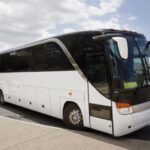

Best Bus Service in South Africa: An Outline
Best Bus Service in South Africa: An Outline examines how to determine the top long‑distance and regional operators across the country by weighing safety, reliability, coverage, comfort, and value. This introductory overview highlights the factors to consider, the major routes and hubs, and practical tips for travelers evaluating options from major cities to coastal towns.
Defining the “best” in bus travel: safety, reliability, value, and user experience
Best Bus Service in South Africa: An Outline. This article defines what makes a bus service the best in South Africa by focusing on safety, reliability, value, and user experience, and it surveys the leading operators such as Intercape, Greyhound SA, Translux, Baz Bus, and City-to-City routes.
Defining the “best” in bus travel means balancing four core criteria. Safety encompasses vehicle maintenance, driver training, adherence to road rules, and clear emergency procedures. Reliability covers on-time performance, service frequency, route coverage, and the ability to handle disruptions. Value reflects ticket price relative to comfort, baggage allowances, and any included amenities. User experience includes how easy it is to book, how friendly the staff are, seating comfort, cleanliness, wi-fi or power options, and the quality of rest stops along the journey.
Safety first: high-quality operators implement regular maintenance checks, modern coaches with seat belts, trained professional drivers, GPS tracking, and transparent incident reporting. South Africa’s major long-distance operators invest in fault reporting, coach replacement schedules, and adherence to road safety guidelines to minimize risk on the road.
Reliability means schedules that run as published, predictable travel times, and responsive customer service when delays occur. Top operators maintain a broad network so connections are preserved even if one leg is disrupted, and they provide real-time updates through apps or SMS to keep travelers informed.
Value considers not just price but the overall package. Some operators offer lower base fares with basic amenities, while others price higher for more legroom, better leg rest, free Wi-Fi, or included baggage allowances. Loyalty programs, student discounts, and flexible change policies also affect perceived value.
User experience covers the ease of booking online or at ticket offices, clear seat layouts, comfort of seating, cleanliness of vehicles, onboard amenities, and the helpfulness of staff. A smooth boarding process, reasonable wait times at depots, and well-run rest stops contribute to a positive experience on long journeys.
In practice, Intercape frequently emerges as the strongest all-around option due to its wide network, modern fleet, and consistent service quality across major routes. Greyhound SA remains a strong legacy brand with cross-border linkages and long-standing routes, while Baz Bus serves a different niche for backpackers seeking social travel along popular corridors. City-to-City and other regional services can be ideal for shorter legs or urban routes. The “best” choice depends on your route, budget, and priorities for comfort and timing.
How to choose the best bus service for your trip: map your route, compare on-time performance and cancellation policies, review baggage allowances and seating options, check for onboard amenities, and read recent traveler feedback to gauge reliability and safety standards on the routes you need.
Key Criteria for Evaluating the Best Bus Service
Evaluating the best bus service in South Africa requires looking at several key criteria: safety and security for passengers, punctual reliability and on-time performance, wide network coverage and frequent service on core routes, affordability and good value for money, comfort and cleanliness of the fleet, accessibility for people with disabilities, modern and well-maintained vehicles with environmental considerations, easy booking and real-time travel information, and responsive customer service. A service that balances these factors across major urban, intercity, and rural routes stands out.
Safety, regulatory compliance, and fleet maintenance
Choosing the best bus service in South Africa requires evaluating several key criteria. Below are the essential factors to consider when comparing operators on safety, regulatory compliance, and fleet maintenance, along with overall service quality.
- Safety performance: accident history, on-board safety features, driver training, passenger safety programs, and security measures at stops and on routes.
- Regulatory compliance: adherence to national and local transport regulations, proper licensing and permits, fare policy compliance, and transparent complaint handling.
- Fleet maintenance and reliability: age and condition of vehicles, preventive maintenance schedules, uptime metrics, regular inspections, and policy for component replacements.
- Driver training and professional standards: comprehensive initial training, ongoing refresher courses, customer service expectations, and adherence to a code of conduct.
- Service reliability and coverage: on-time performance, service frequency, route reach to key destinations, accessibility for people with mobility needs, and contingency plans for disruptions.
- Safety and security measures: presence of CCTV, adequate lighting at stops, emergency communication options, and coordination with local authorities for crime prevention.
- Passenger comfort and accessibility: seating quality, climate control, cabin noise levels, wheelchair and pram accessibility, and accommodations for the elderly or disabled.
- Fare transparency and affordability: clear fare structures, ease of payment, availability of multi-ride passes or concession schemes, and perceived value for money.
- Connectivity and integration: compatibility with other transit modes, timetable synchronization, real-time tracking, and user-friendly trip planning tools.
- Sustainability and environmental impact: fuel efficiency, emissions, noise reduction, and adoption of greener fleets or alternative propulsion where feasible.
- Customer service and feedback mechanisms: accessible channels for inquiries and concerns, responsiveness, and quality of issue resolution.
- Transparency and accountability: public reporting on safety incidents, maintenance records, and performance metrics toward continual improvement.
In South Africa, the best bus service often depends on the city and route, but services scoring highly across safety, compliance, maintenance, and customer-focused operations typically offer the strongest overall value.
Route network, coverage, and service frequency
Evaluating the best bus service in South Africa requires looking at several interrelated criteria that affect riders daily. The most important factors include the route network and coverage, service frequency, reliability, safety and comfort, affordability and payment options, accessibility and inclusivity, integration with other transport modes, information and customer support, and governance and performance accountability.
Route network and coverage measure how many destinations are reachable by bus, the existence of core corridors, and the presence of feeder lines that connect underserved areas to transit hubs. A strong network prioritizes high-demand corridors, offers extensive daytime and reasonable off-peak coverage, and provides access to both urban centers and peripheral communities to avoid stranded riders.
Service frequency and reliability refer to how often buses run (headways) and how consistently they depart on time. Short, predictable headways during peak periods and reliable service in off-peak times reduce wait times, improve trip planning, and increase overall system attractiveness.
Safety and comfort cover vehicle condition, driver training, security on buses and at stops, and on-board amenities. Well-maintained buses, clear lighting and surveillance, safe boarding procedures, low-noise and smooth rides, and comfortable seating contribute to a positive travel experience and encourage use.
Affordability and payment options address how reachable the service is for people with different incomes. Reasonable fares, concession schemes for students and seniors, and simple, fast payment methods (smartcards, contactless cards, or mobile payments) help sustain ridership and reduce financial barriers.
Accessibility and inclusivity ensure the service serves riders of all abilities. This includes low-floor or accessible buses, wheelchair ramps, priority seating, audible announcements, clear signage, multilingual information, and convenient transfer points for people with limited mobility or young children.
Information, signage, and user experience focus on how easily riders can plan trips, track buses in real time, and find routes. Real-time tracking, clear route maps, dependable timetable information, and responsive customer service help riders feel confident and reduce uncertainty during travel.
Integration with other transport modes emphasizes seamless transfers between buses, rail, and other mobility options. Coordinated timetables, shared fare structures, and aligned ticketing reduce complication and encourage multi-modal trips across the city or region.
Governance, accountability, and performance measurement involve transparent reporting on service levels, punctuality, safety incidents, and consumer complaints. Regular audits, public dashboards, and clear complaint-resolution processes build trust and drive continuous improvement.
In South Africa, the best bus service is context dependent and tends to be the one that best balances these criteria for a given city. In major urban areas, city-led BRT networks such as Cape Town’s MyCiTi and Johannesburg’s Rea Vaya are frequently cited for strong route networks and coordinated operations, though ongoing upgrades and governance reforms are essential to maintain overall performance and extend coverage to underserved areas.
Pricing, ticketing options, and value for money
Choosing the best bus service in South Africa depends on your priorities, but several key criteria help you compare options. This discussion focuses on pricing, ticketing options, value for money, and the broader aspects that influence the overall travel experience.
Network reach and route reliability: a good bus service should cover the routes you need between major cities and towns and offer predictable schedules. Wide network coverage across provinces, frequent departures on popular routes, and reasonable transfer options are signs of a strong operator. Intercape and Greyhound SA are commonly cited for broad nationwide coverage, while regional operators may serve specific corridors.
On-time performance and reliability: punctual departures and arrivals minimize delays. Look for operators with published timetables, transparent delay notifications, and proactive customer support. Reliable maintenance practices, clean vehicles, and well-rested drivers contribute to consistent performance.
Fleet comfort and onboard amenities: comfortable seating with adequate legroom, climate control, and quiet cabins improve long trips. Extras like Wi-Fi, power outlets, USB charging, clean restrooms, and scheduled comfort stops are meaningful for value-conscious travellers.
Safety and security: vehicle maintenance standards, certified drivers, and adherence to road safety regulations matter. Consider safety records, handling of luggage, and passenger security features on board, such as seat belts and security staff at terminals.
Pricing and value for money: compare base fares, peak surcharges, and any fuel or toll charges. Consider the cost per kilometre or per hour of travel, not just the ticket price. Discounts for students, seniors, or group bookings, as well as family or return-trip deals, influence value for money. Also account for baggage policies; some operators include free baggage while others charge extra.
Ticketing options and ease of booking: online booking, mobile apps, e-tickets, and physical receipts. Flexible change and refund policies save money if plans shift. Payment methods (credit/debit card, QR, mobile wallets) and the availability of instant confirmations affect convenience.
Accessibility and customer service: clear information for travelers with mobility needs, elderly travelers, or families with children. Helpful staff, multilingual support, and accessible ticket offices improve the user experience.
How to evaluate the best option for your trip: define your route and dates, compare operators on the criteria above, read recent customer reviews, and, if possible, try a short journey with a new operator before committing to a long trip. Consider a total cost of travel that includes time, comfort, and reliability, not just the upfront fare.
Conclusion: the best bus service in South Africa varies by route and personal priorities, but focusing on network reach, reliability, comfort, safety, and transparent pricing with flexible ticketing will help you find the best value for money.
Onboard comfort, accessibility, and amenities
Choosing the best bus service in South Africa involves evaluating several key criteria, with a focus on onboard comfort, accessibility, and available amenities to suit different traveller needs.
Onboard comfort includes the quality of seating, legroom, and the overall ride experience. Look for well-padded seats with adequate recline, a smooth suspension that minimizes motion on rough roads, consistent air conditioning, and a quiet cabin. Cleanliness of the bus, reliable climate control, and adequate luggage space also contribute to a comfortable journey.
Accessibility covers how easily all passengers can use the service. This includes step-free entry where possible, wheelchair access, and priority seating. Staff readiness to assist travellers with mobility needs, clear boarding procedures, and accessible announcements or signage in multiple languages are important. Accessibility at stations and efficient handling of luggage for those with special requirements are also key.
Amenities matter for convenience and enjoyment during the trip. Useful features include Wi-Fi, power outlets or USB charging, clean toilets, bottled water or snacks, and entertainment options. Clear and visible route information, real-time updates, and straightforward ticketing processes enhance the overall experience.
Reliability and safety are fundamental criteria. Consistent on-time performance, accurate schedules, and transparent delays help travellers plan. A strong safety record, well-maintained fleets, trained drivers, and adherence to road regulations contribute to peace of mind during long or overnight journeys.
Network and coverage describe how broadly the service operates. Operators with extensive route networks, frequent departures on popular corridors, and convenient hub connections offer greater flexibility. Availability of cross-town, regional, and border-crossing routes expands options for travellers moving across provinces.
Value for money includes transparent pricing, fair fare structures, and clear policies on baggage and refunds. Compare ticket costs across operators for similar routes, note any extra charges, and assess whether bundled services (like luggage, meals, or Wi-Fi) add genuine value without hidden fees.
Customer service quality is essential, from the ease of booking to on-trip support. Friendly, knowledgeable staff, multilingual assistance, responsive customer service channels, and helpful information at points of sale contribute to a smoother experience if issues arise.
When evaluating options, start by checking schedules and route maps, reading recent traveller reviews, and comparing fleets and facilities. Consider the specific route you need, your comfort preferences, accessibility requirements, and whether the operator provides reliable real-time updates and easy ticketing. This approach helps identify the service that best matches your priorities on South Africa’s long-distance roads.
Prominent operators to consider include Intercape and Greyhound SA, both known for broad route networks and service standards in long-distance travel across the country.
Customer service, accessibility of information, and responsiveness
Choosing the best bus service in South Africa requires looking beyond price to a set of core criteria that affect every stage of the journey. Key factors include customer service, accessibility of information, and responsiveness, all of which shape a traveler’s confidence and ease of travel.
Key criteria for evaluating the best service also include reliability and safety, network reach and frequency, travel comfort, and value for money. A good operator provides timely departures, well-maintained coaches, clean terminals, and up-to-date fare details.
Customer service describes how an operator treats travelers before, during, and after travel. Effective service means easy booking support, courteous staff, clear guidance at terminals, friendly on-board conduct, and a fair process for refunds and complaint handling.
Accessibility of information means schedules, routes, fares, terms, and service notices are easy to find, understand, and access in multiple formats. Operators should provide clear website information, accessible mobile apps, real-time alerts for delays, and information in languages common in the areas served.
Responsiveness is how quickly a provider answers inquiries and adapts to problems. This includes fast responses on email and social media, efficient refund processing, timely notification of disruptions, and the ability to rebook or reroute passengers smoothly.
In South Africa, the best services tend to combine a broad network with strong customer touchpoints. Examples of prominent intercity operators include Greyhound SA, Intercape, and Golden Arrow Bus Services, each with different strengths in information provision and support channels.
To compare options, travelers should check schedules and fare transparency online, test the booking and support channels, and assess on-ground accessibility features such as terminal signage, staff assistance, and wheelchair accommodations.
Ultimately, the best bus service in South Africa is the one that consistently delivers reliable travel, clear information, and responsive support across routes and times.
Major Bus Operators in South Africa

South Africa’s major long‑distance bus operators include Intercape, Greyhound South Africa, and Translux/City-to-City, offering extensive networks that connect major cities and smaller towns nationwide. This article looks at which is the best bus service in South Africa by comparing safety records, punctuality, comfort, price, and route coverage.
Intercape Mainliner: long-distance network, reliability, and price
Which is the best bus service in South Africa? Intercape Mainliner is often cited as a top choice for long-distance travel due to its extensive network, solid reliability, and competitive pricing. The best option, however, depends on your route, comfort preference, and budget.
- Intercape Mainliner
- Long-distance network: Intercape operates a broad network across South Africa’s major cities and many regional towns, with routes linking Cape Town, Johannesburg, Pretoria, Durban, Port Elizabeth, East London, Bloemfontein, and beyond, plus some cross-border options.
- Reliability: The service is known for a modern fleet and straightforward online booking; on-time performance is generally reliable, though it can vary by route, season, and road conditions.
- Price: Fares are typically competitive for long-distance travel, with prices varying by route, season, and how far in advance you book; online bookings and return-trip discounts are sometimes available.
- Greyhound South Africa
- Long-distance network and premium options: Offers several long-distance routes with a focus on comfort, though pricing can be higher than other operators on similar routes.
- City to City
- Budget-friendly option: Known for lower fares on key routes between major hubs, with varying comfort levels and schedule frequency depending on the leg.
- Translux
- Mid-range option: Provides long-distance services with a balance of price and comfort, though availability and routes can be more limited than the largest operators.
Greyhound SA: international brand presence and service quality
Which is the best bus service in South Africa? A quick look at the major operators shows that Greyhound SA, Intercape, City to City, and Translux dominate long‑distance travel. This piece focuses on Greyhound SA and how its international brand presence and service quality compare within the South African market.
Greyhound SA is the South African arm of the global Greyhound brand. Its international brand presence means travelers encounter a familiar travel experience, standardized booking systems, and consistent service expectations across routes. The network connects major urban centers such as Cape Town, Johannesburg, Pretoria, Durban, and other key destinations via a single, recognized brand.
On service quality, Greyhound SA emphasizes modern coaches, climate control, comfortable seating, and on‑board amenities on many routes. The company promotes safety standards, trained drivers, and GPS‑based tracking to improve reliability. Passenger experiences can vary by route and peak periods, with some routes offering extra legroom or wifi while others focus on value fare options.
Intercape is another major player with a large domestic footprint. Its Mainliner services are known for comfortable, well‑maintained coaches, good punctuality, and helpful staff. Intercape covers a wide range of corridors across South Africa, providing multiple daily departures on popular routes and often appealing to travelers seeking reliability and a higher‑end travel experience.
City to City and Translux (Autopax) also feature prominently in the long‑distance market. They can offer competitive fares and solid schedule options on key routes, making them a practical alternative when Greyhound or Intercape schedules do not align with travel plans. These operators are particularly popular with budget‑sensitive travelers and those seeking flexible ticket options.
So, which is best? For many travelers, Greyhound SA stands out for its international branding and standardized service quality, especially on routes where the Greyhound network is strongest. Intercape often delivers the broadest domestic coverage and dependable comfort. City to City and Translux can be excellent choices for budget trips and specific corridors. The best choice depends on your route, budget, and what you value most—price, speed, comfort, or consistency.
Tips to choose the right service: check the latest route maps and timetables, read current passenger reviews, verify luggage policies, compare fare classes and onboard amenities, and consider schedule flexibility and cancellations. Booking in advance, especially for peak travel periods, can secure better prices and seats.
Putco and other regional operators: local and commuter routes
South Africa’s major bus operators include Putco and several regional players that serve local urban routes and commuter corridors across provinces. The debate about the best bus service often depends on location, reliability, safety, and price. Here are the main operators and what they are best known for.
- Putco — a long-established Gauteng-based operator providing urban local routes in Johannesburg, Pretoria, Soweto, and surrounding townships, along with longer commuter links to nearby towns and industrial areas. Known for dense daytime networks that many daily commuters rely on.
- Golden Arrow Bus Services — dominant in the Western Cape, especially Cape Town and the southern suburbs; local routes across the metro and commuter routes into surrounding towns such as Bellville, Durbanville, and Somerset West region. Recognized for a wide in-city fleet and stable service.
- Intercape — a national long-distance coach operator offering intercity routes linking major cities (Cape Town, Johannesburg, Durban, Port Elizabeth, East London); ideal for travelers and longer trips with established comfort options.
- Greyhound SA — another long-distance option with an established network connecting major centers; similar role to Intercape for longer journeys and cross-country travel, with varying fare and service levels by route.
- Translux / Autopax — traditional national operator with intercity coaches and city-to-city services; reliability and fare options vary; part of the Autopax family alongside Translux and the City-to-City brand.
- MyCiTi and Rea Vaya (municipal BRT networks) — not private operators, but major urban bus systems; MyCiTi operates in Cape Town with reliable metro routes, while Rea Vaya serves Johannesburg; both focus on city commuting with dedicated lanes and integrated fares, often regarded as strong options for urban travel when available.
Which is the best bus service in South Africa? It depends on your travel needs and location. For Cape Town residents, Golden Arrow plus MyCiTi offer strong local coverage; for Gauteng commuters Putco and Rea Vaya provide essential networks; for long-distance travel Intercape or Greyhound are the go-to options. In short, there is no single best service nationwide; the best choice is the operator that serves your route with reliability, safety, and value in your area.
Other notable operators and new entrants
If you are asking which is the best bus service in South Africa, there is no single answer. The best choice depends on your route, budget, and comfort needs. South Africa’s long‑distance coach market is dominated by a few major brands, complemented by regional operators and a growing number of newer entrants that are changing prices and options.
Intercape is the largest private long‑distance operator with the Mainliner and Express networks that cover most provinces and even cross into neighboring countries. It is known for modern coaches, generous legroom, and regular schedules that passengers rely on for cross‑country travel.
Greyhound SA has a long history and a widespread network across major cities, offering reliable service, safety focus, and familiar branding for travelers who want broad coverage.
City to City and Translux are other established brands. City to City frequently runs premium services on key domestic corridors, while Translux (traditionally positioned as a premium coach operator) serves major routes with comfortable coaches and a strong on‑board experience.
Golden Arrow Bus Services is the main operator in the Western Cape, providing intercity links within the province and some cross‑border options; Putco also delivers intercity and regional routes in Gauteng, Limpopo, and neighboring areas with a focus on affordability and accessibility.
Other notable operators and niche players include Baz Bus, the backpacker‑focused hop‑on network that links major tourist towns, as well as smaller regional operators that plug gaps on specific corridors and rely on online booking tools for wider visibility.
New entrants and market changes in recent years include digital booking platforms, route expansions by smaller operators, and a push towards more affordable fares with modern fleets. These entrants increase competition and offer more choices for travellers, sometimes with shorter lead times and flexible booking options.
Which is the best bus service in South Africa? It depends. For cross‑country travel with broad coverage and consistent comfort, Intercape is often a strong choice. For city‑region travel in the Western Cape, Golden Arrow offers reliable service; for budget or local routes, Putco or regional operators can be economical; for backpackers, Baz Bus provides flexibility. The best approach is to compare schedules, prices, and reviews for your specific route and booking needs, and check the operator’s official site for the latest information.
Comparative Analysis by Route Type
Comparative Analysis by Route Type examines how South Africa’s bus services perform across different travel needs—from urban commuter networks to long‑distance intercity routes—to identify which operator offers the best value, reliability, and service quality for each route type. By evaluating coverage, frequency, travel time, affordability, safety, and accessibility, the analysis shows how the best option can vary between short-city trips, regional connections, and express services.
Long-distance intercity routes: reach, frequency, and punctuality
Comparative Analysis by Route Type: Long-distance intercity routes in South Africa reveal how reach, frequency, and punctuality shape traveler experience. This analysis compares how bus services perform on long-distance corridors and explains why the “best” option depends on route, schedule, and traveler priorities.
Reach measures how widely a service covers destinations along a corridor. In South Africa, long-distance operators typically focus on major urban hubs such as Johannesburg, Cape Town, and Durban, with additional connections to provincial towns and neighboring countries. A broader network means travelers can start and end their journeys with fewer transfers. To assess reach, review official route maps, posted stops, and cross-check with third-party schedules.
Frequency describes how many departures are available on a route. On busy corridors, operators commonly offer several daily departures, providing flexibility for morning, afternoon, or evening travel. On less-populated routes, departures may be limited to once per day or a few times weekly, with seasonal adjustments. Travelers should check the specific timetable for their travel date, as frequency can change by day of week and season.
Punctuality indicates reliability in departures and arrivals. It is influenced by road traffic, road works, weather, and border formalities where applicable. Operators that implement disciplined dispatch practices, buffer times, and real-time tracking tend to show stronger on-time performance. Reading recent traveler reviews and looking for published punctuality data can help gauge reliability for a given route.
Best for reach or flexibility vs best for punctuality depends on priorities. If reaching more towns is essential, choose the operator with the widest network. If you need multiple options on a single route, favor services with higher frequency. If timeliness matters most, compare on-time performance records and choose the operator with the strongest reliability. In practice, travelers often blend options, using the strongest network for the main legs and validating schedules for connections.
Practical steps: map your origin and destination, compare official timetables, and read current passenger reviews. Check luggage allowances, seat comfort, onboard amenities, price, and cancellation terms. If you travel across borders, verify visa requirements and border crossing times. Always allow extra time for potential delays on long-distance routes.
Conclusion: There is no single universal best bus service for all South African long-distance intercity routes. The best choice depends on your route, travel date, and what you value most—reach, frequency, or punctuality. Use up-to-date schedules and performance indicators to guide your decision.
Regional and commuter services: affordability and network coverage
Comparative Analysis by Route Type, Regional and commuter services: affordability and network coverage in South Africa examines how different bus services perform across urban, regional and rural routes, and what this implies for travellers seeking value and reach. The question of which is the best bus service in South Africa cannot be answered with a single operator; instead, the best option depends on the route type and travel needs.
Urban commuter services prioritize frequent schedules, predictable fares and dense coverage. In major cities, bus networks such as Cape Town’s MyCiTi and Johannesburg’s Rea Vaya offer integrated fare structures, cashless payments and direct connections to suburbs and employment hubs. Affordability tends to be favorable for short hops with daily or monthly passes, and network coverage is strongest within the city core and surrounding areas, though it varies by municipality’s investment and planning. Traditional municipal operators like Golden Arrow in Cape Town also contribute to local mobility, particularly for shorter local trips.
Regional and intercity services connect provincial capitals and larger towns beyond city boundaries. Operators such as Intercape and Greyhound SA provide long-distance routes across multiple provinces, typically with higher fares than urban routes but broader geographic coverage. Affordability in this segment depends on distance, service class (standard versus premium), and promotional fares. Network coverage tends to be strongest along main express corridors but can be limited or infrequent in rural pockets, requiring planning and sometimes overnight travel for certain legs.
Rural and commuter gaps persist where municipal funding, fleet replacement and route subsidies are inconsistent. Many rural routes rely on smaller operators or blended municipal services, and reliability can vary due to funding cycles, traffic conditions and maintenance. Affordability in these areas is influenced by subsidy presence and fare policies for pensioners or students, but access to reliable timing and direct routes may be more constrained than in urban cores or on popular intercity corridors.
Overall, there is no single “best” bus service across all contexts in South Africa. For urban and peri-urban travel, the most economical and convenient options are the city-led networks (such as MyCiTi and Rea Vaya) complemented by local operators, which together deliver dense coverage and predictable pricing. For long-distance and regional travel, Intercape and Greyhound SA provide the widest reach, though travelers should weigh higher fares against direct routes and comfort. The most effective approach to mobility is a combination strategy: leverage strong urban commuter networks for daily needs and rely on established regional operators for intercity travel, while remaining mindful of rural gaps that may require alternative arrangements or time flexibility.
Ticketing, booking platforms, and payment options

Which is the best bus service in South Africa? A comparative analysis by route type, ticketing, booking platforms, and payment options helps travelers choose.
Route type: In South Africa, bus networks typically include intercity trunk routes that connect major cities, regional shuttles serving smaller towns, cross-border services to neighbouring countries, and rural connections to remote areas. The best option depends on your priorities: speed and long-haul travel favor express intercity services with fewer stops and newer coaches; flexibility and local access favor regional and shuttle services with more frequent departures and smaller stop patterns.
Ticketing: Fare structures vary across operators. Some quote all-in fixed prices, while others price by distance or zone, with different bands for peak versus off-peak travel. Look for return or return-journey tickets, student and senior concessions, and clear change or refund policies. Baggage allowances, seating options, and included perks (wifi, power outlets) can also influence value.
Booking platforms: Most major operators offer official websites and mobile apps for direct booking, seat selection, and live schedule updates. Third-party booking platforms may provide wider route options and price comparisons but can include additional fees. When comparing, check how easy it is to modify bookings, view terms and conditions, and read recent traveler feedback.
Payment options: Common methods include major credit and debit cards, cash payments on boarding or at booking counters, and digital wallets or instant EFT options popular in South Africa. Some platforms support QR payments, vouchers, or prepaid credits. It’s helpful to confirm payment safety, refund timelines, and how quickly a payment posts to your booking.
Conclusion: There is no single “best” bus service for all travelers in South Africa. The top choice depends on route coverage, price, payment method, and booking convenience. To decide, map your route, compare schedules and fares across operators, evaluate the usability of booking platforms, and verify accepted payment methods before you travel.
Popular Routes and Travel Scenarios
South Africa’s bus network links major cities and scenic routes, from Johannesburg to Cape Town and along the Garden Route, catering to a range of travel styles from affordable overnight hops to comfortable daytime journeys. When choosing the best bus service, travelers weigh factors like price, schedules, luggage allowances, and comfort, with operators such as Intercape and Greyhound SA offering extensive nationwide networks while smaller providers tailor to short-haul trips or backpacker itineraries. This focus on popular routes and travel scenarios helps readers compare options and find the right fit for their South African journey.
Cape Town to Johannesburg: distance, duration, and operator options
Cape Town to Johannesburg covers roughly 1,400 kilometers by road, and a coach journey typically takes about 18 to 22 hours depending on the route, traffic, and stops. Popular travel scenarios include overnight journeys to save on hotel costs, daytime trips with scenic stops, and flexible connections for budget travellers.
Intercape is the most widely used operator on this corridor, with frequent daily departures and a robust network that connects major cities and towns along the route. Passengers can choose from standard intercity coaches and longer overnight services, which helps to split the journey into more comfortable segments. The large fleet and predictable timetables make Intercape a reliable default for Cape Town–Johannesburg travel.
Greyhound South Africa is another established option on this route, known for comfortable seating and a focus on passenger service. Greyhound often runs long-distance services that compete well on reliability and travel comfort, with convenient schedules that align with popular departure times from both cities. It can be a good alternative if you want a slightly different network or pricing structure.
When choosing between operators, consider schedule alignment with your plans, night versus daytime travel, price, and luggage allowances. Booking in advance is advised, especially during peak holidays, and online booking can often secure better prices. During busy periods, a combination of an overnight service and a daytime leg can balance comfort and cost.
Overall, most travellers regard Intercape as the best bus service on the Cape Town–Johannesburg corridor due to its broad coverage, consistent schedules, and perceived reliability. Greyhound SA remains a strong alternative for those who prioritise comfort or a different network. The best choice depends on your priorities—speed, comfort, price, and travel style.
Pretoria to Durban or Port Elizabeth routes: typical schedules
Choosing the best bus service in South Africa depends on your route and priorities. For long-haul trips, the major operators Intercape, Greyhound SA and City to City compete for your attention, especially on popular routes like Pretoria to Durban or Pretoria to Port Elizabeth.
Pretoria to Durban is a well-trafficked long-haul route. Typical schedules include multiple daily departures from early morning to late afternoon, with some services offering overnight options. Journey times usually range from about 9 to 12 hours, depending on the number of stops and border or road conditions. Expect on-board comfort varying by service level, with options ranging from standard coaches to more spacious, air-conditioned seats, and regular rest stops at service stations along the N3 corridor for meals and legroom breaks.
Pretoria to Port Elizabeth is a longer coastal inland journey. Schedules commonly feature several departures each day, including morning and afternoon options, and occasionally overnight services. Travel times are generally in the 10 to 12 hour range, influenced by terrain, traffic, and how many stops the coach makes. Coaches may offer a mix of seating configurations and amenities, with longer legs typically requiring a comfortable seating option and planned breaks for refreshment and stretching.
For different travel scenarios, the choice of operator can matter. Budget travelers may opt for cheaper seats on City to City or similar lower-cost services with fewer frills but reliable timetables. Comfort-focused travelers might prefer Greyhound SA or Intercape’s premium or higher-grade coaches, which often feature more legroom, better air conditioning, and nicer rest-stop facilities. Families or travelers with tight connections tend to value frequency and punctuality, so choosing a operator with consistent daily departures and clear online booking options helps minimize delays and missed connections.
So, which is the best bus service in South Africa? In practice, Intercape often earns a strong reputation for long-haul reliability, broad network reach, and consistent scheduling on routes like Pretoria–Durban and Pretoria–Port Elizabeth. Greyhound SA appeals to those seeking newer fleets and plush seating on premium options, while City to City remains a solid budget-friendly choice with straightforward booking. The best pick hinges on your priorities: cost, schedule frequency, comfort, and the specific route you plan to travel.
Practical tips: book in advance when possible, compare exact departure times and travel times on the operator’s site, verify luggage allowances, and check for any seasonal schedule changes. Always confirm the latest times close to your travel date, as long-haul bus timetables can shift with road work and holidays.
Durban to Johannesburg: peak travel periods
The Durban to Johannesburg route is one of South Africa’s busiest long-distance journeys, with several bus operators offering daily departures and a range of travel styles from economy seats to more comfortable options. Understanding popular routes and travel scenarios helps you plan around peak periods and lock in the best value.
Peak travel periods for Durban to Joburg typically align with school holidays and public holidays. December to January holiday rush sees a surge in bookings as families travel to visit relatives and take vacations. Easter and long weekends such as Labour Day and Freedom Day, along with the mid-year school break, also bring higher demand. Weekends, especially Friday departures, can be busier than midweek. Expect higher fares and full buses during these windows, and book well in advance to secure preferred times and seats.
Travel scenarios vary. A solo traveler might favor early departures to secure seats and avoid traffic, while a family often seeks practical luggage allowances, onboard comfort, and after-hours safety. Business travelers may prefer reliable on-time performance and quiet onboard spaces. Night services are a popular option for saving daytime travel time and hotel costs, though they may have stricter luggage checks and limited onboard amenities. Always check the operator’s luggage policy and safety measures at pick-up points.
When asking which is the best bus service in South Africa, two names frequently top the list for the Durban to Johannesburg corridor: Intercape Mainline and Greyhound SA. Intercape Mainline is often praised for its wide route network, regular departures, newer coaches, comfortable seating, and predictable schedules, making it a reliable choice for most travelers. Greyhound SA is valued for strong safety standards, consistent service, and competitive fares, with frequent promotions and a solid nationwide network. Fleet quality, punctuality, price, and customer service can vary by route and season, so it’s wise to compare schedules and read recent passenger feedback before booking.
Practical tips: book early for peak periods, compare return fares, check for direct vs. transfer options, and consider travel insurance. If you value a blend of price and comfort, Intercape Mainline usually represents the best balance on the Durban–Johannesburg route, while Greyhound SA can be a good alternative if you snag a promotion or need a specific timing. For a broader perspective on South Africa, evaluating both remains a smart approach to determine the best fit for your needs.
User Experiences and Feedback
User experiences and feedback play a pivotal role in identifying the best bus service in South Africa. Travelers share stories of reliability, safety, comfort, and value across cities, intercity routes, and rural corridors, helping others compare timetables, booking ease, peak-hour performance, and customer support. By aggregating reviews from passengers, operators can highlight strengths such as punctuality and clean fleets while addressing gaps in service, making the search for the top bus line more transparent and community-guided.
Common traveler reviews: safety, comfort, and reliability
- Intercape — Travelers commonly note strong safety practices with well-maintained coaches and trained drivers; comfort is usually good thanks to roomy seats and reliable climate control; reliability is solid due to a wide route network, though some passengers report delays on busy holidays or during roadworks.
- Greyhound SA — Passengers frequently praise a modern fleet and clean, comfortable interiors; safety is consistently rated as solid with professional drivers; reliability is strong on key routes, though some journeys can experience delays on longer trips or peak periods.
- City to City — Users often choose this option for short to medium-distance journeys and urban hops; they report competitive prices and reasonable comfort, with safety generally good and on-time performance decent on many runs, though schedule changes can occur during peak seasons.
Overall, the best choice depends on your priorities: Intercape is often favored for broad coverage and consistent safety, Greyhound SA for newer fleets and comfort on major routes, and City to City for budget-friendly city-to-city travel. Checking recent traveler reviews for your specific route and season is always a smart step.
How operators respond to complaints and improve service
The question of which bus service is the best in South Africa is often answered not just by fleets and maps, but by how well operators listen to user experiences and turn feedback into action. Across major cities, riders share stories about punctuality, comfort, accessibility, and safety, and those stories drive how the service evolves. This article looks at user experiences and feedback, how operators respond to complaints, and how those responses lead to improvements in service, with examples from Cape Town, Johannesburg, and beyond.
User experiences shape whether a bus service feels reliable or frustrating. Riders notice how often buses run on time, how frequently services arrive at stops, how clean and accessible the vehicles are, and whether information at stops and on apps is clear. Positive experiences come from predictable schedules, helpful staff, clean buses, and safe environments. Negative experiences often involve delays, overcrowding, broken ticket machines, confusing fare rules, or poor communication during disruptions.
Feedback channels are essential for surfacing problems and opportunities. Operators commonly offer hotlines, SMS or web forms, official apps, and social media channels where riders can log complaints or suggestions. Many services publish service standards and response times, so users know what to expect. Feedback may cover delays, missed connections, safety concerns, accessibility issues, or faults with ticketing and information systems.
When complaints come in, responsible operators acknowledge them quickly, assign cases to customer service staff, and set clear timelines for resolution. Practical responses include adjusting timetables, deploying additional buses during peak periods, prioritizing maintenance and cleaning, repairing faulty equipment, improving wayfinding at stops, and increasing security presence where needed. Transparent updates—whether via app alerts, social posts, or public notices—help riders feel heard even if the problem takes time to fix.
In South Africa, operators in major cities have made efforts to close the feedback loop. Cape Town’s MyCiTi system emphasizes real-time information and a dedicated customer care team, with channels for riders to submit feedback and track progress on issues affecting service. Johannesburg’s Rea Vaya network uses a regional call center and social media to respond to complaints, and the broader network benefits from integrating rider input into timetable adjustments and route planning. Other cities use SMS feedback, on-board announcements, and rider forums to surface recurring problems and test improvements.
Improvements driven by feedback tend to show up in several areas. Route optimization and better timetable alignment reduce waiting and transfers; more buses are deployed to relieve overcrowding during peak periods; maintenance cycles are tightened so breakdowns are less frequent; safety measures, including lighting at stops and visible security, contribute to a more confident rider experience. Accessibility features—low-floor buses, clear announcements, and step-free access—make services usable for more people. Clear, consistent fare rules and user-friendly payment options also reduce confusion and delays.
Despite progress, challenges remain. Congestion, vandalism, and funding limitations can slow improvements, and rural or peri-urban routes may still struggle with reliability. The best services address these challenges with transparent reporting, continuous stakeholder engagement, and partnerships between municipalities and operators. Regular performance dashboards, published response times, and documented case studies help riders and city officials track progress and hold services accountable.
Ultimately, the best bus service in South Africa is the one that continually closes the loop on feedback: listen to riders, respond promptly, and report back on what changed as a result. When reliability, safety, cleanliness, accessibility, and clear information improve because operators act on complaints, riders experience tangible value in their daily commutes. Cape Town’s MyCiTi and Johannesburg’s Rea Vaya are often cited as leading examples in this regard, but the ongoing test is whether all services maintain strong, responsive feedback mechanisms and sustain service improvements over time.
Regulatory, Safety, and Environmental Considerations
Choosing the best bus service in South Africa means weighing regulatory compliance, safety standards, and environmental impact alongside price and convenience. This overview explains how licensing, operator oversight, vehicle maintenance and driver training, safety measures, and green practices influence reliability and rider welfare across the country.
South African transport safety regulations and oversight
Choosing the best bus service in South Africa requires looking beyond price and timeliness to how well the service aligns with regulatory, safety, and environmental expectations set by national and provincial authorities.
South African transport safety and oversight operate under a framework that includes the National Land Transport Act, which regulates public transport operations, route planning, permits, and service quality. The National Public Transport Regulator (NPTR) and the Road Traffic Management Corporation (RTMC) play central roles in licensing, safety audits, driver training, vehicle fitness, and enforcement. Provincial departments of transport and municipal transport authorities implement the national rules on the ground, issuing operator permits, monitoring compliance, and coordinating with police and traffic agencies to enforce rules at local level.
In terms of safety, reputable bus operators are expected to meet strict vehicle maintenance standards, conduct regular fitness checks, and ensure drivers receive proper training and rest periods. Enforcement activities by RTMC and traffic police help ensure roadworthiness, valid operator permits, and adherence to service schedules. Public safety reporting, upstream maintenance records, and transparent incident handling are important signals that a service prioritizes passenger wellbeing and accountability.
Environmental considerations are increasingly central to evaluating bus services. National and local environmental regulations drive cleaner fleets, with a push toward newer buses that meet stricter emission standards, the use of cleaner fuels, and the adoption of low-emission or electric and hybrid technologies where feasible. City-led initiatives, such as green transport strategies and public transit upgrades, aim to reduce noise, improve fuel efficiency, and lower greenhouse gas emissions while maintaining reliable service for commuters and travelers.
Oversight mechanisms provide a practical basis for judging a service’s performance. Operators with up-to-date NPTR operator permits, regular roadworthy inspections, compliant driver scheduling, and robust maintenance programs are more likely to deliver safer, more reliable service. Publicly available regulatory reports, performance dashboards, and procurement criteria from municipalities and national programs can help passengers compare how different operators meet safety and environmental standards across routes and regions.
When assessing which bus service is the best, consider how well it demonstrates regulatory compliance, prioritizes safety, and minimizes environmental impact. On urban corridors, well-regulated network services and city BRT systems such as MyCiTi in Cape Town or Rea Vaya in Johannesburg often exemplify high safety and environmental performance due to structured oversight and modern fleets. For intercity travel, look for operators with transparent safety records, verified maintenance practices, and a commitment to newer, cleaner buses. Ultimately, the best service is the one that consistently meets regulatory requirements, protects passengers, and progresses toward cleaner, more efficient public transport.
Vehicle maintenance standards and fleet upgrade initiatives
The bus network landscape in South Africa features several prominent operators, but when evaluating regulatory alignment, safety, environmental impact, maintenance standards, and fleet modernization, Cape Town’s MyCiTi system frequently stands out as a benchmark for urban mobility.
-
Regulatory, safety, and environmental considerations: South African transport policy emphasizes safe, affordable, and environmentally responsible mobility. Leading urban bus services align with national regulations on licensing, driver training, and vehicle standards, and integrate local procurement rules with environmental targets. MyCiTi, operating under city concession requirements, maintains safety management systems, CCTV coverage on stations and buses, accessibility for people with disabilities, and regular reporting to city authorities. Environmental considerations include cleaner fuels, emissions controls, and energy-efficient operations to reduce urban pollution and noise.
-
Vehicle maintenance standards and fleet upgrade initiatives: The best services uphold rigorous preventive maintenance programs, scheduled inspections, and transparent maintenance records. Modern fleets emphasize low-floor buses for accessibility, standardized parts, and dependable serviceability. Ongoing fleet upgrade initiatives typically replace older buses with newer models, implement telematics for real-time health monitoring, and pilot hybrid or electric buses to cut emissions. MyCiTi and other leading networks typically disclose fleet renewal cycles to sustain reliability and passenger comfort.
-
Operational performance and safety culture: Safety is supported by driver training, robust safety protocols, onboard CCTV, secure station access, and rapid incident response. Regular audits, safety drills, and community engagement help maintain high service quality and security. In cities with dedicated lanes and priority signaling, reliability improves as buses experience fewer delays and fewer interactions with general traffic, enhancing overall safety for passengers.
-
Why MyCiTi is often cited as the best bus service in South Africa: MyCiTi offers an integrated fare system, consistent service standards across the network, user-friendly stations, and strong records of punctuality and accessibility. The combination of regulatory alignment, maintenance discipline, fleet upgrades, and a focus on safety and environmental responsibility positions MyCiTi as a leading benchmark for urban bus transit in the country. While other operators excel in regional coverage, MyCiTi’s comprehensive approach to governance, maintenance, and modernization makes it a standout choice for best-in-class urban bus service.
-
Conclusion: which is the best bus service in South Africa? Across the country, several high-quality operators exist, but MyCiTi in Cape Town is widely regarded as the leading example for regulatory compliance, safety, environmental stewardship, maintenance standards, and proactive fleet upgrade programs. It serves as a strong reference point for delivering reliable, safe, and sustainable urban bus transportation.
Environmental impact and sustainable mobility plans
Choosing the best bus service in South Africa involves evaluating regulatory alignment, safety performance, and environmental stewardship alongside service quality. This article focuses on how regulatory frameworks, safety measures, and environmental initiatives shape the sustainability and effectiveness of leading bus systems such as those operating in Cape Town, Johannesburg, and other major urban areas.
Regulatory considerations are anchored in the National Land Transport Act of 2009 and related policy instruments that establish the framework for planning, licensing, and funding public transport. The National Public Transport Regulator and provincial and municipal transport departments oversee route licensing, fleet standards, service levels, and performance monitoring. Effective governance requires clear integration of bus services with rail, taxi, and non-motorised transport plans, as well as transparent procurement, compliance, and accountability measures to ensure that operators meet safety, reliability, and environmental requirements.
Safety considerations cover driver training and licensing, vehicle maintenance, operational controls, and incident response. Best-practice bus services implement rigid maintenance schedules, fatigue management, visible security measures, CCTV on board, real-time vehicle tracking, and emergency communication systems. Regular safety audits, rider information programs, and accessibility features for people with disabilities are essential components. A safe service also depends on the reliability of dedicated lanes or priority signals in BRT corridors to reduce interaction with mixed traffic and improve crash avoidance.
Environmental considerations focus on fuel type, emissions, noise, and the overall footprint of the bus fleet. Leading services pursue fleet renewal to reduce exhaust emissions, adopt cleaner fuels where feasible, and implement energy-efficient depots and charging infrastructure for electric or hybrid buses. Compliance with local environmental standards, use of low-noise vehicles, and proper waste management in depots further reduce environmental impact. Encouraging regenerative maintenance and reducing idling time are common practices that contribute to cleaner urban air.
Environmental impact and sustainable mobility plans aim to maximize the shift from private cars to public transit while integrating with walking and cycling networks. This includes coordinating feeder and trunk services, creating safe park-and-ride facilities, and delivering transit-oriented development that concentrates housing, jobs, and services near high-quality bus corridors. Plans often emphasize energy efficiency, potential electrification of a portion of the fleet, and exploring renewable energy at depots or charging stations to reduce lifecycle emissions. A sustainable mobility approach also considers social equity, ensuring affordable fares, reliable service, and accessibility for all communities.
In practice, Cape Town’s MyCiTi and Johannesburg’s Rea Vaya are frequently cited as leading examples in terms of regulatory compliance, safety, and environmental practices. MyCiTi’s network emphasizes dedicated lanes, integrated fare systems, and feeder services that improve reliability and reduce car dependence, while pursuing environmental measures such as fleet renewal and energy-efficient depot operations. Rea Vaya’s corridor-based BRT system demonstrates how regulatory alignment with municipal transport plans, strong safety protocols, and ongoing fleet upgrades can deliver visible benefits in safety, reliability, and environmental performance. Other regional services, such as Pretoria’s Metrobus and intercity operators, contribute valuable lessons on scale, funding, and local adaptation to regulatory and environmental requirements.
Ultimately, the “best” bus service in South Africa depends on the city context, the strength of regulatory oversight, the rigor of safety programs, and the commitment to sustainable mobility. Where regulatory bodies enforce standards, where operators invest in safer fleets, and where environmental and urban-planning goals are integrated, the resulting bus service tends to offer better reliability, lower emissions, and a more humane urban travel experience.
Future Trends and Opportunities
The future of bus services in South Africa is shaped by trends such as digital ticketing, real‑time tracking, and greener fleets, unlocking opportunities to compare and elevate the best bus service through reliability, coverage, affordability, and sustainability.
Electrification, hybrid buses, and greener fleets
Choosing the best bus service in South Africa hinges on how well a system blends reliability, coverage, affordability, and sustainability while embracing upcoming trends such as electrification, hybrid propulsion, and greener fleets.
Future trends and opportunities are reshaping urban bus networks. Cities are moving toward dedicated lanes, improved passenger information systems, and integrated transport planning that connects buses with rail, micro-mobility, and last-mile services. This holistic approach expands access, reduces travel times, and enhances the overall value of public transport for residents and visitors alike.
Electrification is a central pillar of greener fleets. Electric buses offer lower operating costs, reduced noise, and substantially lower tailpipe emissions, which improves air quality in dense urban areas. South Africa’s cities are piloting and gradually scaling electric buses, supported by growing charging infrastructure, depot upgrades, and policy frameworks that encourage zero-emission procurement. Challenges remain, including upfront capital, grid capacity, and maintenance capacity, but the long-term savings and environmental benefits are driving steady progress.
Hybrid buses provide a practical transition for fleets seeking to cut emissions while leveraging existing diesel infrastructure. Hybrid propulsion can lower fuel consumption and emissions during peak urban operations, accelerate progress toward electrification goals, and reduce the risk of reliability gaps during grid or charging shortages. Hybrids also help operators gain experience with electric powertrains, maintenance planning, and rider comfort improvements without a full shift to battery electric fleets.
Greener fleets extend beyond propulsion type to include procurement strategies, energy efficiency, regenerative braking, solar-powered depots, and smarter idle-management. Fleet renewal programs, better vehicle analytics, and efficient route planning amplify environmental gains and improve service reliability. A green procurement approach also signals a commitment to public health and climate resilience, which can attract investment and community support.
Data-driven planning and technology enable better service design. Real-time tracking, predictive maintenance, demand-responsive routes, and integrated fare systems help operators respond to changing passenger patterns, optimize capacity, and shorten wait times. When combined with strong governance and transparent performance metrics, these tools make the best bus service more responsive and consistently improving over time.
In South Africa, different cities excel in different aspects. Cape Town’s bus system is frequently highlighted for its modern fleet, reliable service, and customer-oriented operations, while Johannesburg and other metros are expanding network reach and integrating with rail and other modes. The “best” service often means the one that best fits a city’s specific needs, including population density, geography, and future growth plans, while advancing electrification and greener practices at scale.
Ultimately, the best bus service in South Africa will be the one that delivers dependable daily mobility while pursuing aggressive electrification, adopting hybrid solutions where appropriate, and continuously upgrading fleets and operations to be cleaner, quieter, and more efficient for all South Africans.
Digital ticketing, real-time tracking, and mobile apps
Choosing the best bus service in South Africa depends on route availability, reliability, price, and the level of digital service you value. This article looks at how future trends in digital ticketing, real-time tracking, and mobile apps are reshaping who is considered the best option for travelers.
Digital ticketing is simplifying how people book and board intercity buses. Online booking platforms, e-tickets, and QR code boarding reduce queues, enable contactless payments, and improve accessibility for both urban riders and travellers in remote areas. In South Africa, more operators are adopting these systems to streamline operations and offer flexible cancellation policies.
Real-time tracking gives passengers visibility into vehicle locations, ETAs, and service changes. Live maps, driver data, and push notifications help travellers plan pickups, adjust for delays, and increase perceived safety. For operators, real-time data supports dispatch optimization, better asset utilization, and proactive maintenance.
Mobile apps are becoming the hub of the travel experience. Through a single app, customers can search routes, compare prices, book seats, receive digital tickets, and access customer support. Apps that work offline for maps, bilingual or multilingual interfaces, and accessible features for people with disabilities can broaden the user base and boost loyalty.
Which is the best bus service in South Africa? There is no one-size-fits-all answer. Major operators such as Intercape and Greyhound SA offer extensive networks and have begun integrating digital ticketing and mobile apps, but route coverage, schedule reliability, and pricing vary by region. The best choice depends on your specific route, travel times, and how much you value digital convenience.
Opportunities for bus operators include expanding digital ticketing across all routes, standardizing real-time tracking across fleets, and delivering user-friendly apps with flexible payment options. Data analytics can optimize timetables, reduce delays, and guide fleet renewal. Sustainable practices, such as adopting electric or hybrid buses and using energy-efficient routing, will appeal to environmentally conscious travelers.
For travelers, the key is to look for operators that offer seamless digital experiences along with solid on-the-ground reliability. When evaluating options, check whether the operator provides online booking, mobile tickets, live tracking, clear cancellation policies, and responsive customer support. Reading app reviews and testing on a short trip can reveal how well the digital tools actually work in practice.
Ultimately, the future of bus travel in South Africa lies in integrated digital ecosystems. As digital ticketing, real-time tracking, and mobile apps mature, the best bus service will be the one that most effectively connects you to your destination with ease, clarity, and value.
Conclusion: Selecting the Best Bus Service for Your Needs
Choosing the best bus service in South Africa depends on your destination, budget, and comfort preferences. With several national and regional operators offering long-distance coaches, you can tailor your trip to fit your timetable while enjoying a safer alternative to driving.
Key factors to consider include route coverage and frequency, safety records, punctuality, seat comfort, luggage allowances, and price. National operators typically run the widest networks between major cities such as Cape Town, Johannesburg, Durban, and Port Elizabeth, while regional services cover provincial corridors.
Compare options by checking schedules, seat configurations, onboard amenities, and baggage policies. Reading recent passenger reviews can help you gauge reliability and level of customer service across operators.
Booking and flexibility matter. Look for online booking options, mobile apps, e-ticketing, clear refund and rescheduling policies, and transparent pricing. Promotions or bundled deals can further reduce travel costs.
Safety and support should not be overlooked. Ensure the operator maintains a modern fleet, follows safety guidelines, and provides responsive assistance if plans change or delays occur.
For longer trips, reliability and speed are often decisive; for shorter hops, price and schedule convenience may take priority. If you value comfort, seek buses with newer interiors, comfortable seating, air conditioning, Wi‑Fi, and charging ports. If you are budget-conscious, compare base fares, luggage fees, and any extra charges.
Conclusion: Selecting the Best Bus Service for Your Needs. The right choice in South Africa is the option that best matches your route, budget, and comfort preferences. For long, cross‑country travel, look to operators with the widest nationwide networks and proven reliability. For provincial trips, evaluate regional services that serve your corridor and schedule. Always compare schedules, luggage allowances, seating comfort, and onboard amenities, and read recent traveler reviews. By weighing safety, reliability, and value, you can pick the bus service that fits your plans and delivers a smooth, stress‑free journey.