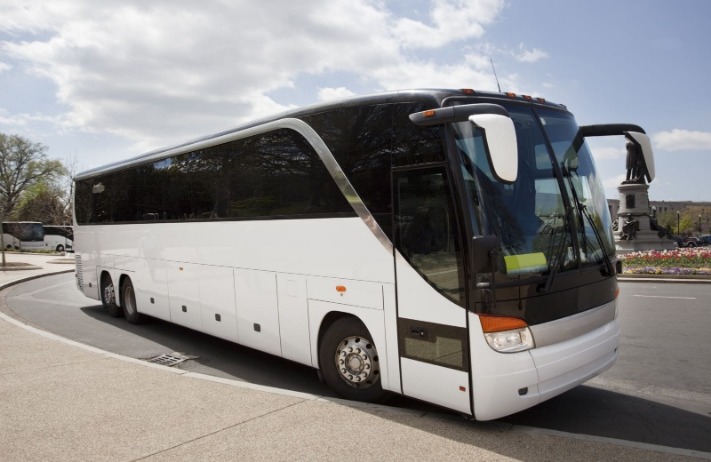

Overview of bus travel options
Bus travel today offers a spectrum of options, from budget intercity buses and express services to comfortable luxury coaches, overnight night buses, and compact minibuses. This article explores which option is best for different needs, weighing price, travel time, comfort, accessibility, and schedule flexibility to help travelers choose the right ride for a given trip.
Long-distance coaches vs regional buses
Bus travel offers a spectrum of options, from long-distance coaches that connect major cities to regional buses that weave through towns and suburbs. Understanding the differences helps travelers choose the best option for a given trip.
Long-distance coaches are designed for intercity or cross-region journeys. They typically feature comfortable seating with more legroom, onboard restrooms, power outlets or USB ports, and sometimes wifi. Tickets are often reserved and can be purchased in advance. Buses tend to use express routes and larger depots, aiming to minimize stops and reduce travel time, though schedules can vary with traffic and border or toll conditions.
Regional buses, by contrast, operate on shorter routes with frequent stops, serving towns, suburban areas, and intra-regional connections. They may have simple seating, less legroom, and fewer amenities, but they offer greater flexibility, more frequent departures, and easier access from local neighborhoods. Luggage allowances are usually more modest and transfers between multiple regional legs are common.
Cost and value are a major consideration. Long-distance coaches can be cost-effective for overnight trips, with savings on hotels and meals, while regional services are often cheaper per ride and sold as passes or day tickets. However, prices vary by country, operator, and demand, so a regional route with many stops might end up taking longer and costing more if you need to transfer or repeat journeys.
Speed and reliability depend on route structure and traffic. Express long-distance coaches minimize stops and can be faster for longer distances, but they may be delayed by highway conditions, border controls, or weather. Regional buses may be more responsive to demand and can offer more predictable schedules on local corridors, yet the total travel time across many stops can be longer.
Comfort and amenities differ. Coaches often pride themselves on better seats, climate control, and on-board facilities, whereas regional buses emphasize practicality and frequent service. If comfort matters for a night trip or a long day of travel, a long-distance coach is usually preferable; for a casual daytime trip, a regional bus can be perfectly adequate.
Luggage and accessibility are practical factors. Long-distance services usually permit larger luggage allowances and dedicated storage spaces, and they pass through larger hubs with more accessibility options. Regional buses may have stricter limits and fewer amenities, but they can be more accessible in terms of boarding points and connections to local transit.
Which bus travel is best depends on your priorities. If speed, comfort on a long journey, and a single ticket from city to city matter most, a long-distance coach is often the better choice. If budget limits are tighter, you need to reach smaller towns, or you want flexible, frequent services with easy pickups, regional buses may win out. For some trips, a combination of both can balance time and cost.
Tips for choosing the right option: compare routes and travel times, check ticket prices and any additional fees, read reviews of the operator, consider luggage needs, and look at transfer requirements. If possible, book in advance for long-distance trips and check for direct connections to minimize transfers.
In the end, there is no single best option for all trips. The best choice depends on distance, timing, budget, comfort, and how much flexibility you need. By weighing these factors, travelers can select the bus travel option that delivers the best overall experience for their journey.
Ticketing models: point-to-point vs passes
Choosing the best bus travel approach depends on how often you ride, where you go, and how flexible you need to be. This article surveys common bus travel options and ticketing models to help you decide between point-to-point tickets and passes.
- Bus travel options
- Urban local buses for everyday city trips
- Express and intercity coaches for longer hops
- Regional shuttles and park-and-ride services
- Charter and private hire options for groups or special events
- Ticketing models
- Point-to-point tickets
- Single ride fares, sometimes with limited transfers
- Pay-as-you-go pricing, often distance-based
- Best for occasional trips or irregular schedules
- Passes and unlimited use
- Day passes, multi-day passes, weekly or monthly passes
- Zone-based passes and regional passes
- Best for frequent riders and stable routines
- Point-to-point tickets
- Choosing the best option
- Match to your travel pattern: how often you ride, where you go, and when you travel
- Consider total cost and flexibility, including transfers and cancellations
- Look for integration with other transport modes and digital payment options
What makes the best bus travel choice
Choosing the best bus travel option means weighing comfort, speed, price, reliability, and convenience against your route and schedule. A great choice combines smooth seating and quiet cabins with reliable departures, easy ticketing, and flexible options—so you reach your destination on time, without overspending or unnecessary hassle.
Cost efficiency and total travel time
Choosing the best bus travel option means balancing cost efficiency with total travel time. The optimal choice depends on route, schedule, and your personal priorities, but some rules apply across most trips.
Cost efficiency is not just the ticket price. It includes the per-mile or per-minute cost, transfer charges, bags or luggage rules, and the value of your time spent waiting or traveling.
Total travel time is made up of several parts: the time you spend on the bus, the waiting time for the next bus, the walking time to reach stops or stations, and any transfers or delays. A longer ride on a fast direct bus can beat a shorter ride that requires multiple changes.
Direct routes with high frequency reduce the time spent waiting and changing buses. Even a bus that is slightly slower can win on time if it runs every few minutes.
Comparison of service types shows that express buses may offer faster door-to-door times but sometimes with higher fares or fewer stops, while local buses are cheaper but slower. For cost efficiency and total time, weigh both fare and speed, not just the sticker price.
Plan through real-time apps and schedules. Look for buses with shorter headways (minutes between buses) and reliable on-time performance. If you can time your trip to avoid peak congestion, you can save both money and time.
Consider transfer penalties, boarding times, accessibility, luggage, and comfort. A cheaper fare with poor seating or limited space can cost you time and aggravation.
Hidden costs include fees for extra bags, seat reservation charges, or changes in schedule. Also consider return fares and passes that allow multiple trips in a day or week.
Steps to compare: list direct options, calculate total door-to-door time including walking and waiting, compare total price including all fees and passes, check reliability and frequency, and choose passes for frequent trips.
Bottom line: the best bus travel choice for cost efficiency and total travel time is a route that combines a short door-to-door duration with the lowest total cost when considering time, not just fare. Often this means a direct, high-frequency route or a cost-effective pass that minimizes waiting and transfers.
Reliability and on-time performance
When choosing the best bus travel option, reliability and on-time performance are at the top of the list. A dependable service helps you reach your destination without unnecessary delays and reduces the stress of planning around transit.
Reliability means you can expect the service to run as scheduled on most days. It includes consistent frequency, predictable headways, and the ability to complete trips without unexpected cancellations or misses. A reliable bus system minimizes surprises and keeps your plans intact.
On-time performance focuses specifically on punctuality. This includes departures and arrivals happening as scheduled, low average delays, and narrow variability in travel times. Strong on-time performance turns a long ride into a predictable part of your day rather than an unpredictable event.
Several factors influence reliability and on-time performance. Vehicle maintenance and readiness, driver availability, and well-planned routes matter. Traffic management, road conditions, weather, and the presence of priority lanes or dedicated bus corridors can dramatically affect punctuality. Public transit agencies that invest in real-time updates and contingency planning tend to perform better in OTP.
To identify the best option, look for operators with transparent OTP data, solid maintenance practices, and clear performance reporting. Route-level reliability, rather than broad averages, helps you choose the specific path that fits your timing needs. A service with strong track records on the routes you actually use is more valuable than a general reputation.
Practical tips for travelers include checking live update apps, comparing on-time departure percentages across routes, and prioritizing routes with higher reliability. Consider traveling during off-peak times when possible to reduce congestion, and always build a buffer for connections or transfers. If a route offers real-time alerts about delays, use them to adjust plans promptly.
Beyond punctuality, also weigh comfort, accessibility, pricing, and coverage. The best bus travel choice balances high reliability and strong on-time performance with your specific route, schedule, and personal needs, ensuring a smoother and more predictable journey.
Comfort, seating, and amenities
The best bus travel choice blends comfort, seating design, and thoughtful amenities to create a smooth, enjoyable journey. While price and schedule matter, the experience on board often determines whether a trip feels quick and relaxing or tiring and stressful.
Comfort starts with the seat itself: padding, back support, and the ability to adjust positioning. A good bus should offer generous seat pitch for legroom, a recline that doesn’t push the person in front into you, and a suspension system that cushions road irregularities.
Seating details matter: wider seats, ergonomic shapes, adjustable headrests, lumbar support, and adequate elbow room greatly improve comfort during long rides. The layout also affects mood: a quiet, uncluttered cabin with clear sightlines and personal space reduces fatigue.
Amenities enhance the journey: reliable Wi-Fi, usable USB and power outlets, clean restrooms, bottled water or snacks, and sufficient luggage storage. Cleanliness and strong climate control are essential. In overnight trips, sleeper seats or privacy features are a big plus.
Other considerations include punctuality, route frequency, and overall service quality. A bus with well-trained staff, regular maintenance, and transparent ticketing reduces stress and uncertainty.
How to choose the best option: compare seat pitch and seat type, read rider reviews focusing on comfort and amenities, and if possible, sample the seating before booking. For long-distance trips, prioritize seating comfort and a strong amenity set; for short hops, reliability and quick boarding may dominate.
In the end, the best bus travel choice is the one that feels comfortable, offers supportive seating, and provides convenient amenities that align with your trip length and priorities.
Safety and accessibility
Choosing the best bus travel option means prioritizing safety and accessibility while ensuring reliable service and comfort.
- Rigorous safety standards and regular maintenance of buses, with certified technicians and documented inspections to prevent faults before they happen.
- Modern safety technology on board, including CCTV, clearly marked emergency equipment, and reliable communications with drivers and dispatch in case of incidents.
- Comprehensive driver training and safety protocols, covering defensive driving, incident response, and respectful passenger interactions.
- Clear, multilingual safety information and audible/visual announcements to help all riders understand actions to take during emergencies.
- Accessible vehicle design with low-floor entry, ramps or lifts, kneeling capability, and ample space for wheelchairs and walkers.
- Wide aisles, sturdy handrails, securement areas for mobility devices, and prioritized seating to support safe and comfortable travel.
- Level boarding at compatible stops and well-planned curbside access to minimize barriers for riders with mobility needs.
- Accessible trip information and booking options, including real-time updates, high-contrast displays, and screen-reader friendly digital tools.
- Supportive staff availability and passenger assistance programs to help riders board safely and manage transfers.
Regional comparisons
Regional comparisons in English-speaking regions reveal how different bus travel systems stack up against each other, from city networks to intercity coaches. This article weighs options to determine which bus travel is best by examining coverage, frequency, price, comfort, and reliability across regions, helping readers decide whether urban rapid transit, regional buses, or express coaches best meet their needs.

Europe: dense networks and premium service
Regional comparisons across Europe show that the “best” bus travel depends on what you value most: route density, frequency, price, and the level of service. In broad terms, Western and Central Europe tend to offer the most extensive networks and a growing line-up of premium services, while Eastern and Southern Europe deliver strong value and expanding routes with more variability in comfort and reliability.
In Western Europe, dense networks center on major corridors such as France-Germany, the Benelux axis, and Spain’s core routes. Many routes run multiple times daily, making bus travel a convenient alternative to trains for medium-length trips. Premium features are increasingly common on longer journeys and on top-tier services, including larger legroom, USB charging, free Wi‑Fi, quiet zones, and sometimes included snacks or meals. FlixBus dominates the cross-border market and is often the default option for long-distance travel, complemented by national operators that maintain high service levels on key city pairs.
Central Europe and the Benelux region showcase some of the most intensive intercity networks in Europe. Poland, Czechia, Austria, and Germany offer frequent services between capitals, regional hubs, and tourism destinations. The high density translates into short connections and flexible choices, with premium tiers appearing on routes where operators differentiate through comfort and added value. Operators such as RegioJet and LuxExpress promote more comfortable seating, improved onboard service, and on longer journeys sometimes enhanced refreshments, signaling a clearer premium option within a strong standard network.
Northern Europe and the Baltic region balance high-quality standards with select premium offerings. The Baltic states, in particular, have built recognizable premium experiences on certain routes via operators like LuxExpress, delivering spacious seating and refined onboard service across Baltic capitals. In many parts of Northern Europe, international operators such as FlixBus fill gaps with modern coaches and reliable amenities, while domestic networks vary in density and premium presence depending on country size and travel demand.
Southern Europe—Italy, Spain, and Portugal—shows robust long-distance networks concentrated on major corridors. The market remains price-competitive, with frequent standard services and newer coaches on many long journeys. Premium features appear on selected routes, especially where competition among operators is strongest or where cross-border connections link major tourism and business hubs. National operators like ALSA in Spain illustrate how premium elements can be bundled into longer itineraries, alongside a broad base of affordable options.
Eastern Europe continues to expand rapidly, offering broad coverage between capitals and regional centers at very competitive prices. The level of premium service varies more by operator and route, with some services delivering enhanced legroom, better seating, and added onboard perks on longer or cross-border trips. As networks grow, the best balance often comes from choosing routes that connect major cities or tourism nodes, where a mix of affordability and comfort is more reliably available.
Bottom line: the best bus travel in Europe is region-dependent. If you want the broadest choice and highest frequency, Western and Central Europe generally perform best. If your priority is comfort and premium features on longer journeys, look to operators that market premium tiers in the central and northern markets and in the Baltics. If price and value are your main criteria, Eastern and Southern Europe offer strong standard-service options across a wide range of routes. Always check specific routes and current operator offerings, as networks and branding evolve over time.
North America: intercity vs. Greyhound alternatives
Regional comparisons in North America show that intercity bus travel offers a mix of options beyond the traditional Greyhound network. On many routes, Greyhound remains a widely reachable option, but newer and regional carriers provide price advantages, different schedules, and city-center departures that can change the travel experience. This article weighs Greyhound against key alternatives to help travelers determine which bus is best for their route and budget.
- Greyhound: broad network with many small-town routes
Pros: extensive coverage, multiple daily departures on many corridors, and easy cross-border connections in some markets. Cons: variable on-time performance, an aging fleet on some routes, and occasional service disruptions. Best for travelers who need the widest possible reach across rural and mid-sized towns.
- Megabus and FlixBus: low-cost, high-frequency on major corridors
Pros: cheap fares, frequent schedules on key city-to-city routes, simple online booking, and regular promotions. Cons: limited service to rural areas, pickup points may be farther from central locations, and extra fees can apply for seat selection or luggage on some routes. Best for budget-conscious riders on busy corridors with flexible timing.
- Regional and Trailways carriers: Adirondack Trailways, Peter Pan, and similar networks
Pros: reliable service on focused regional routes, often better suited to mid-size cities and university towns, and strong local knowledge. Cons: smaller networks than Greyhound, which can mean more transfers for longer trips. Best for routes in the Northeast and certain corridors where regional carriers have established schedules.
- Choosing the best option by travel goals
Scenarios: For the lowest price on long-haul routes, Megabus or FlixBus can win; for maximum network coverage and direct connections to rural towns, Greyhound remains strong; for dependable regional service with city-centric departures, Trailways carriers are worth checking. In many trips, a combination of providers across legs yields the best overall itinerary.
- Practical tips to compare options
Tips: use aggregators and booking sites to compare prices and schedules (such as Wanderu, Busbud, or Omio); verify pickup and drop-off points in city centers when possible; review cancellation policies and luggage rules; check onboard amenities like Wi-Fi and power outlets; book early to secure the best fares and seating options.
Asia-Pacific: budget options and high-speed coach networks
Regional comparisons across the Asia-Pacific region reveal distinct strengths in budget bus travel and high-speed coach networks. The best option depends on country, route, budget, and the traveler’s priorities such as speed, comfort, and ease of booking.
- Budget options across Asia-Pacific: In Southeast Asia, long-distance buses and sleeper services offer the lowest prices for cross-country hops; in East Asia, fare levels are higher but still affordable with modern fleets and basic comforts; booking apps and English signage improve accessibility in major corridors.
- High-speed coach networks: In China and Japan, well-developed networks connect major cities with frequent departures, reserved seating, and convenient schedules; Korea and Taiwan also offer reliable intercity express buses with good coverage and comfortable cabins.
- Key comparison factors: price per kilometer, travel time, fleet quality, safety records, language support, and ease of booking; reliability tends to be higher on premium networks but costs more; budget options are cheaper but may have fewer amenities and less consistent service.
- Traveler-type guidance: backpackers and cost-focused travelers should prioritise Southeast Asia’s budget buses; time-sensitive or comfort-oriented travelers should consider high-speed networks in Japan or China for long legs; for cross-border itineraries, mix routes to balance cost and speed.
- Bottom line: there is no single best choice for all routes; the optimal bus travel in the Asia-Pacific depends on the specific route, budget, and speed needs. A practical approach is to use budget options for savings on shorter legs and deploy high-speed coaches for longer, time-critical journeys.
Africa and Latin America: coverage and value
Choosing the best bus travel depends on the region. This article compares Africa and Latin America in terms of coverage and value, and explains how these factors shape what travelers can expect on the road.
Africa tends to have strong coverage along major corridors such as coastal and cross‑border routes, but overall network density is uneven from country to country. Long distance coaches and local minibuses provide the bulk of intercity travel, while remote and rural areas may rely on irregular minibuses or shared taxis. Cross‑border routes exist, but border waits, visa rules, and vehicle standards can vary, which affects how travelers plan multi-country trips.
Value in African bus travel is usually good compared with air travel for similar distances, particularly for budget travelers. Ticket prices are often affordable, and a range of comfort levels exists from basic seating to more comfortable couchettes on some routes. However, reliability and safety can be variable, with delays, road conditions, and maintenance differences depending on country and operator.
Latin America generally offers a denser and more consistent bus network. From Mexico to Chile, a wide range of intercity and cross‑border services link major cities and provincial towns, with many routes operating daily and night options widely available. The market includes many private operators alongside some state involvement, and timetables, ticketing, and information are typically clearer for travelers.
Value is a strong point for Latin American bus travel. Buses often rival or beat air fares on long journeys, and a spectrum of seating classes—standard, semi‑cama, cama/dormitorio—lets travelers balance cost and comfort. Reliability is generally higher in popular corridors, though travel times can still be long in mountainous or sparsely connected areas, and delays do occur.
Overall, Latin America tends to offer broader coverage and higher perceived reliability for most routes, making bus travel a practical backbone for regional trips. Africa can match or exceed that value on key routes and in certain countries, but coverage gaps mean travelers may face longer planning cycles and more variability in service quality.
For travelers choosing between regions, book with reputable operators, check reviews and schedules, and consider night buses to maximize daytime sightseeing. In Africa, factor border procedures and potential visa requirements. In Latin America, be aware of overbooking and ensure you have a confirmed ticket, especially on popular routes during holidays. Pack light, stay hydrated, and keep important documents handy.
Both regions offer strong value for bus travel, but Latin America generally provides more consistent coverage and a smoother booking experience, while Africa rewards travelers with affordable options when you ride the best equipped corridors and are flexible about schedules and reliability. The best choice depends on your route, budget, and tolerance for variability.
Choosing the best option for different traveler needs
Choosing the best bus travel option depends on your traveler needs, from budget and speed to comfort and flexibility. Intercity coaches are typically the cheapest for daytime trips, night buses let you rest while you travel, and luxury or express services add more legroom and amenities for longer journeys. For groups or local hops a minibus or shuttle can be most convenient, so weigh luggage, schedules, and ticket flexibility to decide which bus travel is best for you.
Budget backpackers
Family travel with kids
Choosing the best bus travel depends on your needs, and families traveling with kids have special requirements that can steer you toward the most comfortable option. By weighing comfort, safety, convenience, and budget, you can pick a service that keeps the journey smooth for both adults and little travelers.
There are several bus travel types to consider. Standard intercity buses are affordable and cover many routes, but they may offer limited legroom and fewer amenities. Coaches or express buses prioritize comfort with padded seating and smoother rides, which helps on longer trips. Double-decker buses can add capacity and a fun ride for kids, while minibuses or private charters suit smaller groups or shorter, slower trips where you want more personalized service. Understanding these differences helps you match the trip length, pace, and guest count to the right option.
When traveling with kids, certain features matter most: generous seating space, easy access to aisles, stable environments with fewer interruptions, secure storage for strollers and backpacks, clean restrooms or frequent restroom breaks, and predictable schedules. A service that minimizes transfers, has straightforward boarding, and accommodates families with child-friendly policies will reduce common travel stress for children and caregivers alike.
For families, the best overall option is usually a full-size, well-equipped coach or intercity bus with assigned seating and a calm, family-friendly cabin. Look for extra legroom, comfortable seats, a quiet cabin, and the ability to reserve seats together for the whole family. Some lines offer dedicated family seating or flexible ticketing that helps you adapt if plans change. A bus with accessible storage for strollers and room to move around during the journey is especially helpful for younger children and babies.
Booking tips can make a big difference. Book in advance to secure adjacent seats or a family block, and choose daytime departures if possible to align with kids’ routines. Check the operator’s policies on children’s fares, required age for discounts, and whether strollers or car seats are allowed on board. Review the seating map to avoid cramped corners and to ensure you have a comfortable spot for rest stops or feeding times. Finally, verify luggage allowances to bring essentials without costly excess fees.
Onboard amenities play a key role in keeping kids engaged and comfortable. Look for buses with power outlets or USB charging, Wi-Fi if you want to entertain devices, and kid-friendly entertainment options or screens. A clean, well-maintained restroom and air conditioning that keeps the cabin comfortable are important too. Some operators offer snack options or a vending area, which can help with picky eaters or sudden hunger between meals.
Practical travel considerations also matter. Shorter journeys with frequent rest stops help children reset and stretch, while long trips may require a plan for meals, activities, and quiet time. Pack snacks, refillable water, small activities, and a lightweight blanket or jacket for comfort. If your kids have special needs or sensitivities, contact the operator in advance to confirm service features, seating arrangements, and any safety policies that apply.
If a bus journey still seems challenging for your family, you can compare alternatives such as trains or private charters, which may offer more space or higher comfort levels for kids. Some families find value in booking a private coach for a day trip or a multi-city itinerary, which provides predictable schedules, door-to-door service, and can be tailored to children’s routines. The key is to balance cost, convenience, and the specific needs of your family to choose the best travel option.
Business travelers needing reliability
Choosing the best bus travel for business travelers requires prioritizing reliability, punctual schedules, and efficient logistics. When time is money, a dependable bus option can outpace other modes in predictable performance.
Core options for reliability include premium intercity coaches with fixed timetables and fewer stops; express services that operate on dedicated routes; night buses with reserved seating for overnight arrivals; and corporate shuttle or charter services for private routes.
What makes a bus service reliable? On-time departures and arrivals, consistent maintenance, professional drivers with proper rest, real-time trip updates, and clear transfer windows at hubs.
Amenities important to business travelers include high-speed Wi-Fi, reliable power outlets, quiet cabins, comfortable seating, ample desk space, and generous luggage allowances. Clean terminals and helpful staff also reduce delays.
How to choose the best option: review a service’s on-time performance, read current rider reviews, check fleet age and maintenance schedules, verify frequency and direct routes, and understand cancellation or rebooking policies.
Best options by travel pattern: for same-day meetings within a region, choose a premium express service with direct routes and strict schedules; for multi-city trips, pick a carrier that offers a consistent timetable and a single booking experience across legs; for overnight travel, select a night service with comfortable seating and predictable arrival times; for airport connections, ensure the route has reliable transfers and minimal layovers.
Tips to maximize reliability: book early, confirm the exact departure point and terminal, request to be seated near power outlets, and keep digital documents handy; use mobile apps for real-time updates and alerts.
Bottom line: the best bus travel for business needs is the option that pairs a proven on-time record with productivity-friendly amenities and clear policies, even if it costs a little more.
Tourists seeking comfort and scenery
Choosing the best bus travel for tourists seeking comfort and scenery means evaluating seat quality, ride smoothness, onboard amenities, and the scenic value of the route. Here are the top options to consider based on comfort and views.
- Luxury or executive coaches: extra legroom, wide seats, climate control, quiet interiors, and convenient charging; ideal for daytime trips where comfort matters and you want to enjoy the scenery without rush.
- Overnight sleeper buses: seats that recline toward a bed, privacy curtains, dim lighting, and power outlets; great for long distances when you want to sleep and wake up near your destination and still see landscapes along the way.
- Scenic-route or panoramic-view buses: large windows, minimal obstruction, and sometimes guided narration at viewpoints; perfect for travelers who want immersive scenery while staying comfortable.
- Hop-on hop-off sightseeing buses: comfortable seating, smooth ride, and flexible itineraries near major scenic spots; best for short trips within a city or region where scenery is concentrated.
- Guided tour buses with planned routes: comfortable interiors and knowledgeable guides who point out viewpoints, helping you optimize time for photography and breaks.
Practical tips for booking and boarding
Choosing the best bus travel comes down to reliability, comfort, and value. This quick guide offers practical tips for booking and boarding—from comparing routes and fares to understanding seating options and baggage rules. Plan ahead, verify boarding times, and check cancellation policies to ensure a smooth start to your trip.
Compare operators and routes
Which bus travel is best? Practical tips for booking and boarding can help you choose the right option for your trip and avoid common hassles.
Start by identifying your priorities: price, travel time, comfort, and reliability. When you compare operators, look at route networks, frequency of departures, and whether they offer direct services or require transfers.
Check baggage policies and seating options. Some operators include carry-on luggage only, while others allow checked bags. See if seat reservations are included or available as paid add-ons, and whether the fleet offers power outlets, Wi‑Fi, or restrooms.
Compare routes carefully. A longer direct route may beat a cheaper, slower option with one or more transfers. Overnight buses can save a night’s hotel cost but may affect comfort and safety, so weigh the trade‑offs with your schedule and tolerance for overnight travel.
Practical booking tips: use price alerts and flexible date searches to find the best fare, book in advance for cheaper tickets, and check refunds or change policies in case plans change. Create a short list of operators that serve your route and compare the total journey time, not just the ticket price.
Boarding tips: arrive at the station early, allowing extra time for security checks or boarding queues. Have your ticket or booking reference ready, along with any required ID. If you have a reserved seat, locate your coach and seat quickly; if not, line up with other passengers and listen for announcements. Keep your luggage with you or store it in the designated area as instructed.
Safety and reliability considerations: check operator licensing and maintenance standards, read recent passenger reviews, and note policies on cancellations, refunds, and delays. For accessibility needs, verify if the operator can accommodate wheelchairs or extra assistance.
By weighing route options, comparing operators, and following smart booking and boarding practices, you can find the best bus travel for your trip. The best choice balances price, time, comfort, and convenience for your specific plans.
Read terms on cancellations and refunds
Choosing the best bus travel comes down to route, schedule, comfort and price. Here are practical tips for booking and boarding, plus guidance on reading cancellation and refund terms in English.
Practical booking tips: Compare operators on the same route, check total travel time, price, and comfort features. Decide between direct services and connections, and look for flexible fares or refunds. Book directly with the operator when possible to simplify refunds and changes, and use the official app or website to avoid hidden fees.
Seat selection and comfort: Look at bus type (coaches with extra legroom, power outlets, and Wi‑Fi versus standard city buses). For overnight travel, consider sleeper or premium coaches. Check luggage allowances and storage space, and reserve accessible seating if needed.
Read the terms on cancellations and refunds: Always review the fare rules in English before purchase. Note cancellation windows, penalties, and whether refunds are issued to the original payment method or as credits. Check if transfers or date changes are allowed, and whether delays or service interruptions qualify for rebooking.
Boarding tips: Arrive early, usually 15 to 60 minutes before departure depending on the station. Have a printed or digital ticket ready, along with any required ID. Verify the exact departure point, platform or pickup curb, and listen for announcements. When boarding, follow staff directions and keep aisles clear.
Luggage and packing: Know the baggage rules for carry-on and checked bags, size and weight limits, and any fees. Pack essentials in a small bag for easy access. Keep valuables with you; label bags with your contact info.
On board tips for comfort and safety: Keep valuables secure, use seat belts if provided, and charge devices at outlets if available. Bring water and snacks if allowed; plan for rest breaks on longer trips. Be mindful of noise and space for other passengers.
Which bus travel is best depends on your needs: cost-efficient standard services are great for short hops; premium coaches offer extra comfort for longer journeys; sleeper buses are best for overnight trips. Look for operators with reliable schedules, transparent policies and good customer service.
Final quick checklist: compare routes and prices, read terms in English, confirm luggage rules, arrive early, have tickets ready, and know the boarding point.
Check luggage policies and onboard services
Choosing which bus travel is best depends on your priorities like price, total travel time, comfort, and reliability. This guide offers practical tips for booking and boarding, plus luggage policies and onboard services to help you pick the right option for your trip.
Practical tips for booking: start by comparing multiple bus operators that serve your route, including national carriers and regional services. Check schedules to find the most convenient departure and arrival times, and note whether the fare is fixed or subject to change. Look for flexible fares if your plans might shift, and consider booking in advance to secure preferred seats and better prices. Use the operator’s app or website to view seat layouts, baggage allowances, and any optional add-ons, and read recent passenger reviews for insights on reliability and comfort.
Practical tips for boarding: arrive at the departure point early to allow time for check-in, ticket validation, and baggage drop. Have your ticket or booking reference handy, and bring a valid ID if required. If seat selection is possible, choose a row with easy access to exits and consider legroom preferences. Follow posted boarding instructions, listen for announcements about delays or gate changes, and make use of any reserved seating or priority boarding if offered. Keep valuables with you in a carry-on and store larger bags in the designated luggage area before finding your seat.
Luggage policies and tips: check each operator’s baggage allowance before you travel. Some buses include one carry-on and one small checked bag; others may charge for checked luggage or oversized items. Be aware of weight limits, maximum bag dimensions, and any prohibited items. If you have sports equipment, musical instruments, or bulky gear, verify how it counts toward your allowance and whether extra fees apply. Label bags clearly, keep essential items in your carry-on, and pack fragile items with protective padding to reduce the risk of damage during loading and unloading.
Onboard services and comfort: assess what matters most for your comfort, such as seating type (reclining seats, 2+2 vs. 3+2 configurations), legroom, and climate control. Some buses offer free Wi-Fi, power outlets or USB charging, and entertainment options; others provide basic seats with limited amenities. Check if rest stops are planned and how long the breaks last, and whether restrooms are available onboard. If you travel with kids or require accessibility features, confirm these services in advance and ask about any special accommodations. For overnight trips, see if blankets, pillows, or quiet sections are available and whether snacks and bottled water are provided or available for purchase.
In choosing the best bus travel, weigh price, travel time, comfort, and luggage flexibility. A cheaper option may save money but offer less space or fewer services, while a pricier service might deliver better reliability and a more comfortable ride. By planning ahead—checking policies, securing flexible fares, and understanding onboard amenities—you can select the best bus option for your route and travel style.
Conclusion: what to remember when choosing bus travel
Conclusion: When choosing bus travel, the best option isn’t universal; it depends on your priorities—speed, price, comfort, and schedule across your route. Look beyond the headline fare and weigh the whole journey: reliability, coverage, and service quality often matter more than a low ticket price.
Reliability and schedules matter most if you have tight connections or a fixed timetable. Check on-time performance, frequency of trips, and whether the service operates your preferred route at convenient times. A modern, well-maintained fleet and clear signage at stations reduce the risk of delays and missed connections.
Comfort and amenities can make long rides bearable. Consider seat width and legroom, climate control, rest stops, and whether the bus offers Wi‑Fi, power outlets, or USB charging. Also review luggage allowances and whether there are practical policies for carry‑on bags and checked items.
Value is more than the ticket price. Look at bag fees, seat selection costs, cancellation or change policies, and whether discounts apply for students, seniors, or groups. A slightly higher fare with flexible tickets and generous refunds can save stress and money if plans change.
Safety, accessibility, and customer support round out the decision. Check the provider’s safety record, accessibility options for travelers with mobility needs, and the robustness of the booking system and helplines. Clear terms, easy changes, and responsive help desks are signs of a traveler-friendly option.
Practical tips: read recent passenger reviews, compare multi‑operator itineraries, and verify pickup and drop-off points. Book in advance when possible, especially for peak travel, and have a backup plan in case of delays. By balancing price, timing, comfort, and policy, you can choose the bus travel that fits your trip best.