
Overview of Wine Bus Tours in South Africa
Wine bus tours in South Africa offer a flexible, scenic way to explore world-class wine regions such as Stellenbosch, Franschhoek, and Constantia. With guided routes, comfortable transport, and options ranging from intimate tastings to full-day adventures, visitors can savor premium wines, learn about terroir, and enjoy vineyard landscapes without the hassle of driving.
Definition and How Wine Buses Operate
Wine bus tours in South Africa provide a convenient and sociable way to explore world-class wine regions while traveling between estates in comfort and safety.
A wine bus is a group transport service that takes travelers from a central starting point, such as a hotel or city center, to a sequence of wine estates. The experience typically combines transport, tastings, and cellar visits, and is usually led by a licensed driver with an accompanying guide or host who shares information about the regions, the wines, and the estate practices.
Most itineraries are designed around popular wine routes in the Western Cape, including Stellenbosch, Franschhoek, Constantia, and Paarl, as well as Robertson and neighboring valleys. Departures are scheduled to fit winery hours, and vehicles range from standard minibuses to larger coaches. Tickets or bookings cover transport and often tastings, while some options also include a meal or lunch stop; wine fees at the estates may be prepaid or paid on site depending on the operator.
A typical day lasts several hours and includes time at multiple estates, usually with a guided or self-guided tasting at each stop. The pace is paced to allow a relaxed experience, with breaks for photos, scenery, and meals. Operators may offer private tours for groups or add-on experiences such as cellar tours or chocolate and wine pairings.
Wine bus operators prioritize safety with licensed drivers, vehicle insurance, and adherence to local regulations. Age restrictions apply to tastings, and many tours include water and snacks to accompany tastings. Responsible drinking policies and a reasonable tasting cap help ensure a safe and enjoyable day for everyone.
When planning a wine bus tour, check what is included: transport, tastings, meals, and any extras. Bring comfortable clothing and shoes, sun protection, a light jacket for evenings, and a charged phone for photos. It is wise to book in advance, verify pickup points, cancellation terms, and accessibility needs for guests with mobility considerations.
Cape Town’s surrounding regions offer year-round appeal, with Stellenbosch and Franschhoek famed for red blends and Chardonnay, Constantia known for crisp whites and historic estates, and Paarl offering scenic landscapes and a mix of varietals. The best experience often depends on personal taste and the season, with harvest periods bringing additional activity and limited tastings in peak times.
Overall, wine bus tours in South Africa present a curated, hassle-free way to sample the country’s diverse wines while enjoying scenic routes and guided insights into winemaking traditions.
Common Formats: Half-Day, Full-Day, and Multi-Day Tours
Wine bus tours in South Africa offer guided, comfortable transport to the Cape Winelands and surrounding regions, combining scenic drives, cellar doors, and expert wine tastings with the convenience of door-to-door pickup.
Most itineraries depart from Cape Town or nearby accommodations, using air‑conditioned minibuses or coaches. A knowledgeable guide shares insight into the region, the winemaking process, and the stories behind each estate.
Half-day tours typically last about four hours and include visits to two wineries, a few tastings, and a short winery tour or barrel room stroll. They are ideal for visitors with limited time who still want a taste of the Winelands.
Full-day tours run around eight to ten hours and usually include three or more winery visits, a curated tasting, and a meal such as a vineyard lunch or picnic, along with additional opportunities to explore picturesque towns like Stellenbosch or Franschhoek.
Multi-day wine tours cover longer itineraries—often two to five days—featuring multiple wine regions, overnight stays in towns such as Stellenbosch, Franschhoek, or Paarl, and sometimes additional experiences like chocolate, cheese tastings, or a coastal excursion.
Private tours offer tailored routes, flexible pacing, and personalized service for couples, families, or corporate groups, while group tours provide a cost-effective option with a shared itinerary and fellow wine lovers.
Popular regions include Stellenbosch and Franschhoek in the Cape Winelands, known for historic estates and gourmet food; Constantia near Cape Town for classic cool-climate wines; Paarl with dramatic granite scenery; and the Hemel-en-Aarde Valley for exceptional Chardonnay and Pinot Noir.
Tasting experiences vary by estate but commonly include a guided tasting of multiple wines, education on varietals and terroir, and often a pairing with food or chocolate. Some tours include cellar tours, blend-your-own experiences, or behind-the-scenes winemaker talks.
Plan around the season: summer (Nov–Mar) brings longer days and warmer weather, while winter (Jun–Aug) can be cooler with more dramatic valley mists. Check inclusions, tasting fees, meals, and whether a designated driver is provided. Wear comfortable shoes for walking estates and dress in layers for changing temperatures.
Book with a reputable operator and read reviews for route flexibility and winery selection. If you have dietary needs or prefer private tastings, request it in advance. Arrive early to secure seats on popular tours during peak season.
Overall, wine bus tours in South Africa provide a convenient, scenic, and educational way to explore Cape Town’s wine regions, enjoy diverse wines, and create memorable experiences with minimal planning.
Major Wine Regions Accessible by Bus
South Africa’s Cape Winelands are inviting to explore by wine bus, with major regions reachable on day trips from Cape Town. In the Stellenbosch and Franschhoek corridors you’ll find heritage cellars, top-tier restaurants, and scenic vineyard lanes, while Paarl offers strong Chenin Blanc and dramatic granite landscapes. Constantia provides a leafy, city-adjacent route, and nearby Elgin and the Hemel-en-Aarde Valley expand the scene with cool-climate whites and nuanced profiles. A guided wine bus makes tastings, cellar tours, and scenic views easy—no driving required.
Stellenbosch: History, Estates, and Tasting Experiences
From the university town of Stellenbosch, a wine bus route makes it easy to explore South Africa’s most storied wine regions, with each stop offering a slice of history, standout estates, and memorable tasting experiences.
-
Stellenbosch and its immediate surroundings
History: One of the oldest wine regions in South Africa, Stellenbosch grew from Dutch settler viticulture in the 17th century and preserves a rich architectural and agricultural heritage.
Estates: Spier, Blaauwklippen, Waterford, Rust en Vreugd, Neethlingshof are prominent names in and around town.
Tasting experiences: cellar tours, guided tastings featuring classic varieties, wine-and-food pairings, and scenic vineyard walks that pair well with a day of exploring on a wine bus.
-
Franschhoek
History: Franschhoek was settled by French Huguenots in the late 17th century and remains a cultural hub for wine and cuisine, often celebrated as the Food and Wine Capital of South Africa.
Estates: La Motte, Haute Cabrière, Boschendal, Le Lude, Môreson are notable stops in the valley.
Tasting experiences: elegant cellar tastings, pairing menus at estate restaurants, and the popular Franschhoek Wine Tram experience can be paired with a bus itinerary for convenience.
-
Paarl
History: Paarl hosts centuries of winemaking, with historic farms and dramatic granite peaks shaping its character and terroir.
Estates: Nederburg, KWV, Fairview are well-known stops, with other nearby farms adding variety to a day trip.
Tasting experiences: structured tastings with winemakers, cheese and olive tastings, and relaxed vineyard picnics that showcase both iconic and newer styles.
-
Constantia
History: Constantia is among the Cape’s oldest wine regions, famed for its legendary dessert wines and a winemaking tradition that dates back to the 18th century.
Estates: Groot Constantia, Klein Constantia, Constantia Uitsig, Buitenverwachting offer a range of historic cellars and modern facilities.
Tasting experiences: heritage cellar tours, tastings of iconic fortified and dessert wines, and cellars that emphasize a historic narrative alongside contemporary styles.
-
Somerset West / Vergelegen corridor
History: The region blends 18th-century estates with modern winemaking, with Vergelegen standing out for its grand manor, historic gardens, and long tradition of viticulture.
Estates: Vergelegen, Lourensford, Audacia are popular stops in the Somerset West area, each offering its own ambiance and range of wines.
Tasting experiences: guided tastings, estate-to-table dining options, wine-and-cheese pairings, and picturesque vineyard settings ideal for a relaxed day on a wine bus itinerary.
Franschhoek: The Gourmet Route and Award-Winning Wineries
Discover major wine regions accessible by bus from Cape Town, focusing on Franschhoek: The Gourmet Route and Award-Winning Wineries. Traveling by wine bus makes day trips easy, safe, and social while exploring the Western Cape’s finest wines.
- Franschhoek Valley — The Gourmet Route and Award-Winning Wineries: Franschhoek is the Gourmet Capital of the Western Cape, offering a cluster of acclaimed estates along the Gourmet Route. Enjoy curated tastings, pairings, and often award-winning wines, with convenient hop-on-hop-off bus options that connect the village to iconic estates like Haute Cabrière and La Motte.
- Stellenbosch — Historic wine country with a dense concentration of acclaimed estates: A wine bus can shuttle visitors between cellar doors such as Spier, Tokara, and Kanonkop, all set in a picturesque valley rich with wine history and scenic vines.
- Constantia Valley — A near-Cape Town wine escape: The oldest wine region in the area, home to estates like Groot Constantia, Klein Constantia, and Steenberg; easy to reach by city-to-wine bus routes for tasting flights and hillside views.
- Paarl — Bold reds and historic farms: This region features well-known names such as Nederburg, Fairview, and KWV; bus itineraries offer relaxed tastings amid granite hills and the iconic Paarl Rock formation.
- Robertson and the Cape Route 62 — Scenic by-road wine touring: For a longer day or multi-region itinerary, dedicated wine buses connect with Robertson’s boutique estates along Route 62, celebrated for expressive whites and Rhône-style reds set along a sun-drenched valley.
Tips for planning: book ahead with reputable wine bus operators, confirm tasting fees and lunch options, and consider guided tours that include multiple regions for a seamless day of wine, scenery, and safe transport.
Paarl: Romantic Estates and the Cape Dutch Legacy
A wine bus journey through South Africa makes it easy to explore major wine regions in a single day, with Paarl offering romantic estates and a strong Cape Dutch legacy at the heart of the landscape. From the granite peaks of Paarl to the oaks of Stellenbosch and the French flair of Franschhoek, these routes pair scenic drives with world‑class wines.
- Paarl — Romantic Estates and the Cape Dutch Legacy: Set below dramatic granite hills, Paarl’s Cape Dutch farmsteads and flowering gardens create a romantic backdrop for tasting premium reds, Chenin Blancs, and dessert wines. A wine bus can stop at candlelit cellars, olive groves, and family‑run estates that celebrate heritage as much as they do viticulture.
- Stellenbosch — Historic Oaks and Elegant Cellars: The Stellenbosch Valley is famed for tree‑lined lanes, timeless courtyards, and some of South Africa’s oldest cellars. On a bus tour you can hop between classic estates, sample award‑winning blends, and savor paired meals beneath centuries‑old oaks.
- Franschhoek — Gourmet Capital and French Colonial Flair: Franschhoek blends wine with haute cuisine and a distinctly French influence. Wine bus itineraries often include world‑class estates, mountain views, and the option to ride a scenic wine tram or enjoy intimate tastings in chateau‑style settings.
- Constantia — Proximity to Cape Town and Cool‑Climate Classics: Just a short ride from the city, Constantia offers cool‑climate Sauvignon Blanc, elegant whites, and historic estates like Groot Constantia. A bus day here pairs colonial mansions with crisp wines and scenic river valleys.
- Durbanville — Coastal Breezes and Bright Whites: Close to the Atlantic coastline, Durbanville delivers fresh Sauvignon Blancs and perfumed whites. A bus excursion lets you combine sea views with vineyard tastings on a compact, breezy route.
Constantia: City-Adjacent Vineyards and Historic Wines
Exploring South Africa’s wine country by bus opens a door to iconic regions within easy reach of Cape Town, with Constantia standing out as a city-adjacent corridor of historic wines and leafy estates.
Constantia sits just a short ride from the city center, set on the southern slopes of the Table Mountain range. It is one of the oldest wine regions in South Africa, with a winemaking history dating back to 1685. The valley is home to legendary estates such as Groot Constantia, Klein Constantia, and Constantia Uitsig, where visitors can taste wines that inspired early South African legends like Vin de Constance and the modern renditions that continue the tradition today.
Bus itineraries from Cape Town commonly combine Constantia with other renowned regions such as Stellenbosch, Franschhoek, and Paarl. Each area brings its own character: Stellenbosch offers slatey mountains, oak-aged reds and well-regarded mid-range wines; Franschhoek is famous for gourmet dining and scenic valleys; Paarl is known for wide, historic estates and strong Chenin Blanc and Shiraz lines. Distances are short enough for full-day or half-day tours, and many operators include transfers, tastings, and lunches in one seamless trip.
On a typical wine bus day trip, you’ll ride through rolling winelands scenery, stop at several cellar doors, and enjoy guided tastings paired with regional cheeses, olives, and lunch selections. The group format makes it easy to sample a range of styles, from crisp Sauvignon Blancs to rich Bordeaux-style blends, while a knowledgeable guide shares stories of terroir, the history of winemaking, and notable vintages such as Constantia’s historic Vin de Constance.
Practical tips for a bus wine tour in South Africa: book in advance, especially in peak season, and choose a company that includes safe transportation and responsible tasting policies. Dress for variable weather, as Cape Town can be windy and the highlands can cool quickly. Pace matters—opt for a day with 2–3 stops to avoid tasting fatigue—and bring water, sunscreen, and your camera for mountain views and sea panoramas along the route.
Constantia remains a standout choice for first-time visitors to South Africa’s wine country because it blends city convenience with historic wines, while nearby Stellenbosch, Franschhoek, and Paarl offer deeper dives into classic wine styles. Together, they define what a wine bus experience in South Africa can be: accessible, enriching, and delicious from the very first sip.
Cape Town and Surrounding Winelands: Scenic Itineraries
Explore Cape Town and the surrounding Winelands via scenic itineraries on a wine bus in South Africa, where Table Mountain frames vine-clad valleys from Constantia to Stellenbosch, Franschhoek and Paarl, offering coastal breezes, world-class wines, and sweeping views at every stop.
Combining City Landmarks with Vineyard Visits
Experience Cape Town and the surrounding Winelands through scenic itineraries that weave city landmarks with vineyard visits, all accessible by a comfortable wine bus. From Table Mountain to Stellenbosch, Franschhoek and Paarl, these routes reveal a dynamic blend of cosmopolitan energy and pastoral beauty.
- Classic City Start + Constantia Winelands: Begin with Table Mountain views and a stroll along the V&A Waterfront, then ride to Constantia for cellar doors at Groot Constantia and Klein Constantia, enjoy a vineyard lunch, and watch the sun set over the hills as you ride back to Cape Town on a wine bus.
- Stellenbosch & Franschhoek Grand Tour: Depart Cape Town for Stellenbosch’s historic town centre, sample wines at a valley estate, lunch on Dorp Street, then continue to Franschhoek for scenic vineyard scenery, a premium wine tasting, and a return trip through the mountain passes.
- Paarl & Franschhoek Scenic Circuit: Start in Paarl with its dramatic granite landscape and stop at select family-run cellars, then head to Franschhoek for a village lunch and wine pairings, returning over a scenic pass with panoramic valley views.
- Coastal Cape Town Sunset & Winelands Blend: Combine a morning coastal drive along the Atlantic Seaboard with views of Camps Bay and Clifton, followed by an afternoon wine tasting in Constantia or nearby Stellenbosch, ending with a sunset over the vineyards as the wine bus returns to the city.
Trip Planning and Logistics
Trip planning for a wine bus tour in South Africa combines smart logistics with the pleasure of exploring acclaimed vineyards. Key steps include choosing a route through the Cape Winelands, coordinating pickups and drop-offs, managing tasting room reservations, and ensuring driver rest periods and safety while balancing driving times with estate visits. A well-structured itinerary accounts for seasonal harvests, weather considerations, and local regulations to create a relaxed, enjoyable day of wine and scenery.
Choosing the Right Tour Length for Your Schedule
Planning a wine bus trip in South Africa blends scenic routes with cellar doors and practical logistics. The Cape Winelands around Stellenbosch, Franschhoek, and Paarl offer world-class wineries, but the success of your day depends on how you structure travel times, tasting sessions, meals, and pickup/drop-off arrangements.
Before you book, map the route from your base—Cape Town or the winelands—and estimate drive times. A typical route from central Cape Town to Stellenbosch or Franschhoek can take 40 to 60 minutes, and if you hop between several estates you’ll want to cap total driving at a few hours per day to keep energy high. Consider the time needed for tastings, exploring estates, and a relaxed lunch without feeling rushed.
Decide between a shared group wine bus and a private tour. Shared tours are usually more economical but can constrain pacing due to other guests. Private tours offer full flexibility for pickup times, tempo, stops, and dietary needs, at the premium price tag.
Choosing the Right Tour Length for Your Schedule: The right length depends on your group size, interests, and travel rhythm. If your aim is a broad overview with several tastings, plan a longer day. If you want depth at a few estates, a shorter itinerary with more time at each stop works better. Always factor buffer time for traffic, weather delays, and lunch.
Short or half-day options (about 3 to 4 hours) are ideal for travelers with limited time or who want to combine wine tasting with a city visit in Cape Town. Medium-length tours (about 5 to 6 hours) work well for a couple of estates and a relaxed lunch. Full-day itineraries (6 to 8 hours) let you visit multiple vineyards, enjoy paired tastings, and include a sit-down lunch or riverside meal.
Multi-day wine tours provide immersion and variety, with overnight stays in Stellenbosch, Franschhoek, or nearby towns. These are best when you want a deeper look into terroir, winemaking processes, and culinary experiences, plus time to rest between tastings.
Practical planning tips include booking early, especially in peak season (December to March). Confirm pickup and drop-off points, assess accessibility for mobility needs, and note any dietary restrictions or wine-tasting caps. Check if the itinerary includes winery fees, lunch, or additional experiences, and verify cancellation policies in case plans change.
Finally, tailor the day to your pace. Allow extra time for photo stops in the stunning countryside, and keep a comfortable pace for the group to avoid fatigue. A well-planned wine bus trip in South Africa can be as leisurely or as immersive as you want, letting you savor two worlds at once: spectacular scenery and excellent wines.
Seasonality, Weather, and Vineyard Hours
Planning a wine bus trip in South Africa requires attention to trip planning and logistics, seasonality, weather, and vineyard hours. Use this guide to design a seamless experience.
- Trip planning and logistics: define your group size, choose a base region (Stellenbosch, Franschhoek, or Paarl), pick a licensed wine bus operator, and map a realistic route with drive times between farms. Create a rough timetable that includes tastings, lunch, and buffer time for delays, and confirm accessibility needs and any special requests before booking.
- Transportation and route design: select a vehicle with adequate capacity, confirm licensed chauffeurs, arrange safe pickup and drop-off points, plan rest stops, and avoid backtracking by grouping farms in a logical circuit to minimize drive time.
- Seasonality and crowds: peak harvest months (roughly February through April) bring busier tasting rooms and longer waits. Shoulder seasons offer quieter experiences, but some farms may have reduced hours or tastings. Align your plan with harvest activity and book well in advance if visiting during peak times.
- Weather and packing: the Cape region has a Mediterranean climate—hot, dry summers and cool, wet winters. Pack layered clothing, sun protection, a hat, comfortable walking shoes, and water. Consider wind at coastal farms and bring a light rain layer for winter visits.
- Vineyard hours and tasting room policies: most wineries open around 10:00–17:00, but hours vary and some close on Sundays. Check last tasting times and whether reservations are required for tastings or private tours; verify if outdoor spaces are weather dependent.
- Tastings, meals, and on-bus experiences: decide if you want tastings-only, wine flights paired with small bites, or a structured lunch. Some operators offer curated lunches or wine-pairing menus at partner estates—book these options ahead of time to ensure availability.
- Safety, legal considerations, and accessibility: designate a driver if not using a professional tour; South Africa drives on the left and alcohol limits apply. Ensure all participants have transport, accessibility needs are noted, and tastings are done responsibly with adequate time between stops.
- Practical tips and contingencies: confirm bookings and cancellation policies, carry contact numbers for each estate, have a backup plan for weather or closures, and budget for tips and additional experiences. A well-planned itinerary with flexibility helps accommodate the unpredictable nature of travel.
Safety, Accessibility, and Comfort on Buses
Exploring South Africa’s wine regions by bus offers a relaxed, scenic way to sample top estates while staying safe and comfortable. When planning a wine bus tour, consider the itinerary, time on the road, and the logistics of pickup and drop-off as you move between Stellenbosch, Franschhoek, Constantia, and Paarl.
Trip planning starts with choosing an itinerary that fits your taste and schedule. Decide whether you want a half day or full day, how many estates to visit, and whether tastings are included or pay-as-you-go. Check what is included in the package: driver, guide, tasting fees, lunch, and any shuttle between farms. Confirm the transportation type (group coach, mid-size minibus, or private vehicle), pickup location, and exact timing to minimize waiting. Consider travel times between estates and allow for weather-related delays, especially in summer storms or winter rain. Always book with a licensed operator and read cancellation terms, age requirements for wine tasting, and safety policies.
Safety comes first on any wine bus trip. Ensure the operator holds the required licenses and insurance, that drivers are trained and professional, and that seat belts are used where provided. Plan for a designated driver or a tasting-only policy to avoid drinking and driving. Bring a small first-aid kit, water, and a mobile phone with emergency numbers. Be mindful of alcohol consumption limits and know when to rest or end a stop early if fatigue or dehydration sets in. In case of an incident, know how to contact the operator and local emergency services.
Accessibility varies by operator and venue. Some wine tours use standard coaches or minivans with limited steps, while others offer wheelchair-accessible vehicles. If you require mobility assistance or have accessibility needs, contact the operator well in advance to arrange suitable seating, ramps, or a private transfer. Check whether the estates visited have accessible facilities and whether tastings require stairs or uneven paths. When accessibility is essential, consider a private tour that can tailor stops and timing to your pace.
Comfort on board is influenced by seating quality, climate control, and onboard amenities. Look for air conditioning or heating appropriate to the season, cushioned seats with adequate legroom, and clear announcements about stops. Some buses provide bottled water, snacks, or rest-stop breaks with toilet facilities along the route. Pack a light jacket for cooler mornings or evenings, wear comfortable shoes, and bring a small bag for purchases at the estates. A sensible pace and frequent breaks help maintain comfort on longer itineraries.
By aligning planning, safety, accessibility, and comfort, a wine bus tour in South Africa can be enjoyable and stress-free. Choose a reputable operator with transparent terms, read reviews, and confirm the day’s route and inclusions. With careful preparation, you can savor Cape winelands scenery while staying safe and comfortable throughout the journey.
Inclusions: Tastings, Meals, Transport, and Guides
Planning a wine bus itinerary in South Africa centers on balancing route choice, tasting experiences, meals, transport, and knowledgeable guides to deliver a seamless day or multi-day journey.
Popular day trips from Cape Town weave through the Cape Winelands around Stellenbosch and Franschhoek, with a separate track through Constantia’s cellar doors. For multi-day tours, consider a loop that covers Paarl, Franschhoek, and Stellenbosch, or a coastal detour to the Elgin or Hemel en Aarde wine routes, depending on the season and group interests.
Inclusions for tastings should be confirmed in advance: private tastings, barrel-room experiences, and estate-to-estate transitions. Reserve tastings to accommodate the bus schedule, and check tasting fees, any minimum spend, and whether the price includes a winery tour or only the tasting. Allow some time for wine purchases and cellar etiquette briefings.
Meals can be arranged as winery lunches, a gourmet tasting menu, or curated picnics in vineyard settings. Align meal timings with tasting slots to avoid rushing, and accommodate dietary needs, such as vegetarian, vegan, or gluten-free options. Include water and optional wine pairings as part of the package or as add-ons.
Transport is the backbone of the plan: hire a comfortable, licensed vehicle appropriate for the group size, with a professional driver who knows local routes and winery access times. Plan for scenic driving between estates, designated pickup and drop-off points, and buffer time for traffic or weather delays. Ensure the vehicle has safety features, insurance, and accessibility options if needed.
Guides play a dual role as sommeliers and local storytellers. A good wine bus guide will provide context on grape varieties, terroir, and wine-making methods, while coordinating tastings and meal service. Language options, local knowledge of vineyard staff, and safety briefings are valuable, especially for international travellers.
Map out a realistic timetable that accounts for tasting durations, meal service, travel time, and rest breaks. Build in contingency time for flight arrivals, late buses, or weather changes. Communicate the itinerary clearly to guests before departure and provide contact details for the guide or operator on the day.
Be explicit about what is included: transport, guides, tastings, meals, and transfers between estates. Clarify what is not included, such as extra wines, specialty experiences, or gratuities. Present a single price or a transparent breakdown with add-ons to avoid surprises at the estates.
Seasonality affects vineyard access and traffic. Peak harvest months (late summer) can be busy, requiring earlier bookings. Weather-ready plans should include shade, sunscreen, and rain contingencies. For safety, set a maximum drinking-and-driving policy and provide non-alcoholic options and a designated driver plan if needed.
Focus on sustainable practices: supporting family-owned estates, minimizing travel distance between stops, and promoting responsible tasting etiquette. A well-planned wine bus itinerary in South Africa should leave guests with memorable tastings, delicious meals, and a safe, efficient travel experience.
On the Road Experience
On the Road Experience invites you to explore South Africa’s acclaimed wine regions from the comfort of a dedicated wine bus, combining scenic drives, cellar doors, and guided tastings with easy logistics and local insight for a relaxed, immersive tasting adventure.
Sample Itineraries: Timelines from Pickup to Return
On the Road Experience offers immersive wine bus journeys through South Africa’s renowned winelands, pairing comfortable transport with guided tastings, vineyard tours, and scenic routes. This article outlines sample itineraries with timelines from pickup to return, helping travelers picture a day spent exploring Cape Town’s nearby wine regions by bus.
Sample Itinerary 1: Classic Stellenbosch & Franschhoek Day Tour. Pickup 08:00 at a central Cape Town hotel, 08:15 depart toward the Stellenbosch wine corridor. 09:45 arrive at Estate A for a structured cellar tour and tasting, 10:45 second tasting focused on instruction and food pairing. 12:15 lunch at the estate restaurant, 13:45 depart for Franschhoek. 14:15 arrive in Franschhoek, 14:30 wine tasting at Estate B with a brief stroll through the village. 16:00 depart Franschhoek for Cape Town, 17:30 scenic drive back along the Helderberg foothills. 18:30 drop-off at the hotel, completing a full day of wine, cuisine, and countryside views.
Sample Itinerary 2: Constantia Valley Half Day & Seaside Views. Pickup 09:00 from select hotels, 09:15 depart for Constantia wine estates. 09:40 first tasting with vineyard history and wine education. 10:50 transfer to a second estate for a comparative tasting and a light snack. 11:45 depart for a coastal photo stop at Camps Bay or Muizenberg for ocean views. 12:15 return drive to Cape Town and drop-off by 12:45, offering a compact yet curated taste of the southern wine coast.
Sample Itinerary 3: Cape Winelands Sunset Experience. Pickup 15:00 from central accommodations, 15:15 depart toward the winelands. 16:00 arrive at Estate C for a sunset-friendly tasting and vineyard terrace view. 17:20 optional sparkling wine or chocolate pairing as golden hour light shifts. 18:30 depart for Cape Town, 19:30–19:45 return to the original pickup area or hotel drop-off depending on the group’s preference. This itinerary emphasizes late-afternoon flavors, warm ambiance, and a dramatic twilight end to the day.
Additional notes. Each itinerary can be tailored to suit group size, dietary needs, and preferred estates. All timelines include hotel pickup where possible, professional hosts, and comfortable transport on a wine-friendly bus designed for a relaxed, scenic South African wine experience. If you have a specific wine region in mind—Stellenbosch, Franschhoek, Constantia, or beyond—On the Road Experience can adapt itineraries to create a personalized South Africa wine bus adventure that fits your timeline.
Guide Expertise, Local Insights, and Language Options
On the Road Experience delivers a seamless journey through South Africa’s famed wine country aboard a wine bus that glides from Stellenbosch to Franschhoek and beyond. Comfortable seating, panoramic windows, and planned stops create a relaxed pace for admiring vineyard scenery, learning about terroir, and savoring cellar-door tastings with minimal travel time between estates.
Guide Expertise ensures the knowledge behind the tastings is rich and contextual. Our guides are trained sommeliers or wine professionals with deep local know-how: grape varieties, regional styles, winemaking methods, and the history of South Africa’s wine regions. They tailor experiences to your interests, share storytelling about vintners, and offer practical tasting tips, all while prioritizing safety and guest comfort.
Local Insights bring you closer to the heart of the region. Expect access to boutique family-run farms, conversations with winemakers, and tips on lesser-known stops that deliver character and authenticity. Guides point out seasonal highlights, best times to harvest, and food pairings with local cheeses, chocolates, and farm-to-table meals that elevate the tasting experience.
Language Options are available to suit diverse groups. English is standard, with select tours offering Afrikaans and multilingual commentary. Some itineraries provide German, French, or Spanish speaking guides, and audio headsets in additional languages to ensure you enjoy every note of the tasting. Prior arrangement can secure a language option that fits your group.
Choosing a wine bus in South Africa blends scenic road travel with expert guidance, insider access, and flexible language support, turning a day of wine into a memorable journey through world-class estates and local flavors.
Wine Tasting Protocols and Etiquette
A wine bus journey across South Africa offers an On the Road Experience that blends scenic routes with the finest wine regions, including Stellenbosch, Franschhoek, Constantia, and Paarl.
What makes a wine bus trip special is a guided itinerary delivered by seasoned hosts who share vineyard stories, terroir details, and vintner practices while you travel between tastings in comfort and style.
Before you lift a glass, plan for reservations, group size, and a designated driver or shuttle if needed. Dress smart casual for vineyard visits, bring comfortable shoes, and stay hydrated with water provided along the day.
Wine tasting protocols begin with proper glass handling—hold the base or stem, not the bowl—to preserve aroma. Swirl gently to release scents, sniff to identify notes, observe color, and take a small sip to evaluate sweetness, acidity, tannins, and body. Decide whether to swallow or spit, using the spittoon provided, and cleanse the palate with water between pours.
In tasting rooms, follow the host’s lead on order and pacing. White wines are usually tasted before reds, and lighter styles before fuller ones. Sip small amounts, avoid overpowering other tasters, and refrain from touching winery sample bottles or corks. Photograph with permission and respect no-flash guidelines in sensitive cellars.
Engage with winemakers and guides with thoughtful questions about terroir, vineyard practices, fermentation, and aging. Listen attentively, avoid interrupting, and keep conversations respectful so everyone can savor the experience.
On the road, share tasting notes, nibble on offered snacks, and practice common courtesy—keep noise considerate, help with seating, and manage pace so the group enjoys every stop. Always respect safety rules, especially around alcohol and transport, and plan your day to ensure a responsible return journey.
Ultimately, the On the Road Experience on a wine bus in South Africa is more than a sequence of tastings; it is immersion in landscapes, hospitality, and the vibrant wine culture that defines this region.
Wine and Food Pairings on South African Tours
Wine and food pairings on South African tours celebrate the country’s diverse terroirs and culinary flair, turning a ride on the Wine Bus South Africa into a flavorful, educational journey. From crisp Sauvignon Blancs and unoaked Chardonnays to bold Pinotage, each tasting is thoughtfully matched with regional dishes—breads, cheeses, game, and seasonal produce—designed to elevate both the wine and the plate. Guides share stories of vineyards, climate, and winemaking while guests soak in sweeping landscapes, making these experiences as memorable for the palate as for the eyes.
Iconic South African Varieties to Seek
A wine bus South Africa offers a rolling canvas of Cape wines and culinary pairings, turning a day of tastings into a flavorful journey. On a typical South African wine tour, you’ll travel between estates in comfort, savoring pairings that showcase the country’s diverse terroirs and food traditions.
To maximize a pairing, start with a cool-climate Sauvignon Blanc alongside seafood such as snoek or prawns, or a crisp salad with lemony vinaigrette. Chenin Blanc, including off-dry examples, pairs beautifully with creamy sauces, spicy dishes, and fruit-forward desserts, making it a versatile partner on many menus.
Iconic South African varieties to seek on a wine bus tour include Pinotage, Chenin Blanc, Sauvignon Blanc, Chardonnay, Shiraz, Merlot, and Cabernet Sauvignon. Pinotage offers red-fruited, smoky notes that match grilled meats; Chenin Blanc brings structure and brightness; the Cape’s Sauvignon Blancs shine with herbaceous and citrus lift; Chardonnay ranges from flinty to creamy; Shiraz brings spice and depth; Merlot and Cabernet add age-worthy options for hearty dishes. Cape blends, often named after their region, are another hallmark of the country’s wine landscape.
Food pairings by variety on a South African itinerary often reflect local cuisine. Pinotage pairs well with barbecued meats and peri-peri flavors; Chenin Blanc’s versatility suits curries and creamy fish dishes; Sauvignon Blanc enhances grilled seafood, salads, and citrusy sauces; Chardonnay complements butter-rich sauces and roasted chicken or seafood; Shiraz and red blends stand up to grilled lamb, rooibos-spiced meats, or venison; Merlot and Cabernet Sauvignon can accompany richer casseroles and aged cheeses.
Where you travel matters on a wine bus in South Africa. In Stellenbosch and Franschhoek you’ll find refined pairings that pair estate lunches with iconic wines; Constantia provides cool-climate elegance; Paarl offers robust reds and historic cellars. Your guide can tailor the route to incorporate estate kitchens, cellar tours, and market-inspired tastings that echo the region’s food traditions.
Booking a wine bus South Africa experience yields scenic routes, expert tastings, and thoughtful food pairings that reveal how wine and cuisine reflect the land. Whether you’re chasing a specific variety or exploring a region’s culinary landscape, a guided bus trip makes it easy to savor the best of South Africa’s wine and food.
Estate Food Pairings, Picnics, and Pairing Dinners
On a wine bus tour through South Africa, guests discover not only world-class wines but the art of pairing them with exceptional cuisine. From the rolling vineyards of the Cape winelands to intimate estate cellars, these experiences blend scenic drives with sensory moments that linger long after the last sip.
Estate food pairings on these tours are crafted to echo the character of the wines you taste. Estate kitchens spotlight seasonal produce, garden herbs, and farm-to-table ingredients, creating menus that harmonize with the wine flight. Expect locally cured meats, artisan cheeses, fresh seafood, and dishes that tell a sense of place, often finished with herbs grown on site or in nearby fields.
Picnics on vineyard grounds are a beloved highlight, turning a wine tasting into a leisurely feast. Picture a carefully arranged basket under shade trees or with sweeping views of the vines, featuring crusty bread, preservers, cheeses from nearby dairies, smoked fish or charcuterie, fruit, and pastries. A crisp Sauvignon Blanc or a bright Chenin Blanc makes a refreshing companion, while a picnic with red wines invites conversations about how tannin, acidity, and texture interact with flavors.
Pairing dinners elevate the experience with multi-course menus designed to match each wine. Master sommeliers and estate chefs curate courses that reveal contrasts and complements—first courses that wake the palate, mid-course pairings that deepen the wine’s fruit and spice, and finishes that leave a lasting impression. Expect courses inspired by Cape Dutch and French influences, braai-inspired elements, and modern South African料理 that celebrate culture alongside terroir.
Understanding the wine style helps travellers anticipate pairings. Sauvignon Blanc from the Western Cape often shines with bright acidity and citrus notes, pairing well with goat cheese, salads, and seafood like prawns or calamari. Chenin Blanc brings fruit-forward balance and can handle creamy sauces or roasted poultry. Chardonnay, especially barrel-aged styles, pairs nicely with lobster, roasted pork, or mushroom dishes. Pinotage, a distinctly South African red, loves grilled lamb, venison, and venison pâté, while Shiraz or Syrah can stand up to rich stews and spiced meats. These pairings can be tuned by the chef to highlight regional ingredients and seasonal specialties.
Regions matter in shaping pairing experiences. Stellenbosch offers robust reds and structured wines with equally confident food pairings, Franschhoek blends French influence with South African farms for refined menus, and Constantia is renowned for elegant whites that pair beautifully with seafood and lighter dishes. In addition, areas like Elgin and Walker Bay deliver cool-climate whites that pair gracefully with citrus-driven courses and fresh cheeses. A well-planned wine bus South Africa itinerary weaves these regions together, balancing drive time with harvest-hour tastings and bites.
Travelers planning their day should consider a few practical tips. Reserve a dedicated wine bus experience to ensure safe transport between tastings. Allow time for strolls through vineyards, cellar tours, and a relaxed pace for picnics and dinners. Mention dietary preferences and allergies in advance so estate kitchens can tailor pairings. Bring a light jacket for evenings and comfortable shoes for walking estates and gardens. A well-curated itinerary can combine estate explorations, scenic routes, and curated food and wine pairings into a memorable South African tasting journey.
Sustainability, Safety, and Responsible Tourism
A wine bus through South Africa’s celebrated wine regions invites visitors to experience terroir responsibly, where sustainability, safety, and responsible tourism come first. Eco-conscious transport, support for local producers, and careful conservation of water and biodiversity anchor the ride, while professional drivers and clear safety protocols keep travelers secure. By choosing responsible tours, guests enjoy world-class wines and hospitality without compromising communities or landscapes that make South Africa’s wine routes unique.
Environmental Practices in Vineyards and Transport
Wine bus tours in South Africa offer a celebration of scenery, wine, and people, but sustainable practices, safety, and responsible tourism ensure these journeys protect the land and communities for future generations.
On the transport side, many operators are adopting electric or hybrid buses, optimizing routes to reduce mileage, and prioritizing regular maintenance and driver training to cut emissions and improve reliability.
In vineyards used by wine bus itineraries, environmental practices include efficient irrigation (drip systems and reclaimed water), soil health through cover crops and compost, integrated pest management, and the use of solar power and other renewables on farm buildings.
Safety is a core concern: licensed drivers with training in first aid and crisis response, clearly marked seating and seat belts, vehicle safety checks, emergency plans, and adherence to local road laws protect passengers during scenic drives between Stellenbosch, Franschhoek, and Paarl.
Responsible tourism means engaging with local communities, buying from small producers, and respecting cultural sites and stories. Tours can highlight family-owned cellars, ethical labor practices, minimal single-use plastics, and educational tasting experiences that emphasize terroir without creating waste.
Environmental stewardship in transport also includes considering the broader footprint: reducing single-use packaging, offering water stations instead of bottled water, and encouraging passengers to use public transport for city transfers where feasible. Operators should publish sustainability data and invite guest feedback.
By weaving sustainability, safety, and responsible tourism into the experience, a wine bus trip in South Africa becomes more than a day out; it becomes a model for mindful travel that protects vineyards, supports communities, and invites visitors to explore the Cape’s wine routes with confidence and care.
Health, Safety Protocols, and Accessibility
A wine bus tour in South Africa can be a gateway to the country’s diverse terroirs while prioritizing sustainability, safety, and responsible tourism from start to finish.
Sustainability in wine bus experiences begins with choosing operators who minimize environmental impact through energy efficient transport, route optimization, and partnerships with vineyards that practice water stewardship, soil health, and biodiversity conservation. Tour teams can reduce waste by avoiding single-use plastics, using reusable or compostable materials, and sourcing food and wine from local, certified producers. Educational moments about vineyard ecosystems, conservation efforts, and responsible farming help guests understand the environmental footprint of their journey and how to lessen it during and after the trip.
Responsible tourism in the South African wine country also means supporting communities and culture. Small-group itineraries limit traffic and disruption, while collaborations with family-owned and Black-owned wineries foster inclusive economic benefits. Transparent pricing, cultural respect, and opportunities to engage with local guides, vintners, and artisans create memorable experiences without commodifying places or people. Visitors are encouraged to leave positive legacies—such as patronizing sustainable estates and contributing to community-led projects—rather than simply ticking off attractions.
Health and safety protocols are essential for enjoyable wine bus experiences. Licensed drivers with professional training ensure road safety, compliant vehicles meet maintenance standards, and seat belts are mandatory. Clear pre-boarding briefings cover itinerary, what to expect at each stop, emergency procedures, and alcohol tasting guidelines to protect guests’ wellbeing. Stop durations are balanced to prevent fatigue, while first aid kits, communication devices, and emergency contacts are readily available. Operators should have weather contingency plans and procedures for unexpected changes, ensuring guests remain safe and comfortable throughout the day.
Accessibility considerations are integral to inclusive wine touring. Flexible itineraries and accessible transport options—such as step-free entry and seating arrangements—help guests with mobility needs participate fully. Wineries with accessible tasting rooms, ramps, appropriate restroom facilities, and sensory-friendly spaces improve experiences for all visitors. Staff training on assistive communication, inclusive service, and accessible event planning ensures meaningful interaction and helps guests disclose and address any accessibility requirements in advance.
For travelers, choosing a wine bus experience in South Africa that prioritizes sustainability, safety, and accessibility enhances enjoyment and minimizes impact. Look for operators with transparent environmental practices, clear safety policies, and accommodations for accessibility needs. By supporting responsible tours, guests can savor Cape Winelands landscapes, meet passionate producers, and contribute to a resilient and inclusive tourism sector.
Choosing a Wine Bus Provider in South Africa
Choosing a wine bus provider in South Africa means weighing safety, reliability, and a knowledgeable itinerary as you explore iconic wine regions such as Stellenbosch, Franschhoek, and the Cape Winelands. Look for licensed operators, experienced guides, comfortable transport, flexible itineraries, and transparent pricing to ensure a seamless, enjoyable day of tastings and scenery.
Licensing, Insurance, and Industry Certifications
Choosing a wine bus provider in South Africa is about reliability, safety, and the ability to craft an enjoyable day visiting the country’s famed wine regions from Stellenbosch to Franschhoek and Paarl. A good provider blends comfortable transport with knowledgeable hosts and smooth logistics to let you focus on the wine and scenery.
When selecting a wine bus provider, evaluate the fleet condition and seating comfort, including accessibility for all guests. Confirm driver experience with wine tours, knowledge of local routes, and the ability to manage group sizes and pacing. Check for flexible itineraries, dependable pickup and drop-off timing, and clear communication before and after the tour. Reading recent guest reviews and requesting references can reveal consistency in service and safety standards.
Licensing is essential for lawful operation. In South Africa, passenger transport operators usually need a Public Transport Permit or Operator’s Licence under the National Land Transport Act. Buses and minibuses should have valid roadworthy certificates and up-to-date vehicle licensing. Drivers typically require a Professional Driving Permit (PDP) for heavy vehicles, and operators should verify current requirements with the National Public Transport Regulator or the Department of Transport to ensure compliance for your specific tour.
Insurance is a critical risk-management piece. Require comprehensive public liability insurance covering bodily injury and property damage for passengers and third parties, as well as passenger liability and employers’ liability where applicable. Vehicle insurance, including collision and comprehensive cover, is essential, along with clear terms for inclusions during wine tours, such as alcohol-related incidents. If the operator offers bespoke charters, ensure the policy explicitly covers hire-and-reward activities and the geographic scope of your itinerary.
Industry certifications and professional standards add credibility and protection. Look for operators engaged with established tourism bodies or associations, such as membership with national tourism organizations, which often enforce codes of conduct and safety standards. Driver training certificates in defensive driving, first aid, and passenger safety are valuable, as is ongoing safety briefings for guests. Certifications related to quality management, health and safety, and environmental responsibility—along with a commitment to staff training through recognized sector bodies—enhance trust. For corporate or larger groups, confirm the operator’s BBBEE status and any relevant industry ratings or accreditation programs specific to South Africa’s wine tourism sector.
To proceed with confidence, request copies of the operator’s licensing documents, insurance certificates, and any certifications or training records. Verify permits and policy coverage directly with the issuing bodies or insurers, and ask for policy numbers and expiry dates. A practical checklist includes confirming the vehicle’s roadworthy status and license discs, PDP status for drivers, the presence of a public liability policy with adequate limits, and accessible contact channels for emergencies. By combining licensing compliance, solid insurance, and credible certifications with a track record of excellent service, you’ll choose a wine bus provider in South Africa that delivers a safe, enjoyable tasting journey.
Evaluating Itinerary Quality, Pace, and Inclusions
Choosing a wine bus provider in South Africa requires balancing safety, value, and wine-region experience. With world-class wines in Stellenbosch, Franschhoek, Paarl, and Constantia, the right operator can elevate a day trip into a memorable exploration.
Begin by clarifying your goals: which region you want to explore, how many wineries you wish to visit, the desired pace of the day, and whether you prefer a guided commentary or more independent tasting time. Knowing these preferences helps you compare itineraries effectively and avoids overbooking or underfilling a day.
Evaluate itinerary quality by looking for a logical flow: a mix of winery types (historic estates, boutique producers, and a representative tasting profile), balanced driving time between stops, and enough time at each stop to enjoy the experience without rushing. A strong itinerary should also note whether meals or snacks are included and whether there are optional activities such as cellar tours or food pairings.
Pace matters as much as the stops. For a relaxed day, ensure the schedule allows ample time for tastings, lunch, and short breaks. If you have mobility needs or are traveling with beginners, confirm that the plan avoids long stretches of highway driving or crowded tasting rooms and that the bus has comfortable seating and climate control.
Inclusions are a key differentiator. Look for clear details on tastings and fees, meals or snacks, bottled water, transport between wineries, a knowledgeable guide, and any extra experiences such as a winemaker talk or vineyard walk. Check whether tasting fees at each winery are included or payable on-site, and whether the price covers the entire day or if there are hidden charges.
Safety and licensing should not be overlooked. Choose a licensed tour operator with reputable vehicles, proper insurance, and experienced captains or drivers. Verify adherence to local regulations, vehicle maintenance schedules, and expectations around responsible drinking, safety briefings, and emergency procedures.
To compare providers effectively, request sample itineraries, compare the number and type of stops, and read recent guest reviews for consistency in quality. Ask direct questions: how many wineries are included, whether the schedule is flexible, what happens if a winery is closed, the group size, accessibility options, and the cancellation policy.
Practical tips include booking in advance during peak seasons, confirming pickup and drop-off locations, and considering daylight hours which vary seasonally in South Africa. Dress for the day’s weather, bring a light jacket for cooler mornings, and remember that tastings can be potent—plan meals and hydration accordingly.
For a typical Stellenbosch-based day, look for a well-curated mix of classic estates and a boutique producer, with a comfortable travel pace, a fixed lunch venue, and a guide who can share insights into terroir, history, and wine styles without rushing you through tastings.
Checklist before booking: region and route focus, number of winery stops, inclusions and exclusions, pace suitability, vehicle safety and accessibility, driver or guide expertise, cancellation terms, and guest reviews. With clear expectations and a reputable operator, a wine bus day in South Africa can deliver memorable tastings alongside comfort and safety.
Booking Tips, Cancellations, and Refund Policies
South Africa’s wine routes offer world‑class tasting experiences, and a dedicated wine bus is a convenient way to explore Stellenbosch, Franschhoek, Paarl, Constantia, and the surrounding winelands without the hassle of driving. When choosing a provider, you want reliability, safety, and a smooth itinerary that maximizes time in the vineyards.
-
Choosing a Wine Bus Provider in South Africa
Look for operators with proper licenses and insurance, and verify that their vehicles comply with local safety standards. Check the size and condition of the fleet, seat belts, and accessibility features. Read reviews and ask for a sample itinerary to judge pacing and winery selections. Confirm whether tastings, meals, or winery fees are included or payable separately, and ensure the driver or guide speaks your preferred language. Compare private tours versus shared day trips, and clarify inclusions, start times, pickup points, and whether the route can be customized to fit your group.
-
Booking Tips
Book well in advance, especially for peak seasons in spring and autumn. Provide clear pickup and drop-off locations, estimated group size, and any dietary or accessibility needs. Ask for a written quotation with all inclusions and potential extra costs. Confirm cancellation terms, payment deadlines, and the method of payment accepted. Request a sample itinerary and route map, and check that winery appointments align with tasting room hours. If you have a larger group, inquire about a private vehicle or split departures to avoid long waits.
-
Cancellations
Understand the provider’s cancellation policy before paying a deposit. Free cancellations may be offered within a set window (for example 24–72 hours before departure); after that, penalties or partial refunds may apply. Weather, road closures, or minimum passenger numbers can also trigger changes or cancellations by the operator. Ask whether alternative dates or transfers are allowed and how they are handled if the itinerary must be altered.
-
Refund Policies
Refunds should be clearly defined in writing, including whether deposits are non‑refundable and how long processing takes. Some operators issue refunds to the original payment method within a specified timeframe, while others provide travel credits for future bookings. Be aware of any fees for processing or currency conversion. Keep your booking confirmation and receipts in case you need to request a refund or a transfer, and document any service shortfalls if you believe you are entitled to compensation.
Tips for a Memorable Wine Bus Experience
A wine bus tour across South Africa blends scenic Cape Winelands landscapes with guided tastings in Stellenbosch, Franschhoek, and beyond. For a memorable experience, choose a licensed operator, plan a relaxed itinerary, and pace tastings so you can truly savor each wine. Pack sunscreen, water, and a camera, and leave space for delightful cellar doors and lunch stops along the way.
What to Bring, Dress Code, and Comfort
A wine bus tour through South Africa offers scenic drives through world-renowned wine regions such as Stellenbosch, Franschhoek, and Constantia, pairing breathtaking scenery with cellar doors and tastings. To make the day memorable, pick a reputable operator, check route length, and plan for a relaxed pace that lets you savor each stop rather than rushing from estate to estate.
Tips for a Memorable Wine Bus Experience: choose routes that suit your pace—more time at boutique estates or more frequent tastings—book in advance to secure small-group experiences, and consider a guided tastings option that includes food pairings. Bring a sense of curiosity, respect winery rules, stay hydrated between tastings, tip your guide, and keep the group environment friendly so everyone enjoys the day.
What to Bring: a valid photo ID, some cash or card for purchases, a refillable water bottle, sunscreen, a wide-brimmed hat, sunglasses, a light jacket for cooler evenings or sea breezes, comfortable closed-toe shoes, a small bag, portable phone charger, and any dietary or medication needs. If you have allergies or specific wine preferences, note them for the guide in advance.
Dress Code: South African wine routes tend toward smart casual, with comfortable layers. Wear breathable fabrics for warm days and bring a light jacket for evenings. Closed-toe shoes are recommended for vineyard walks, while flip-flops are not ideal on bus tours. A hat and sunscreen are essential in sunny weather, and a rain jacket will save the day if rain comes through.
Comfort on the day is key: book with operators offering comfortable seating, adequate legroom, and reliable air conditioning. Plan for rest breaks and photo stops, verify bus amenities, and pace the day so you’re not overwhelmed by tastings. Hydrate, sit during tastings when needed, and choose a tour that fits your energy level so you end the day relaxed and with great memories of South Africa’s wine landscape.
Tips for Maximising Tasting Value and Pace
Embarking on a wine bus tour in South Africa blends scenic mountain passes with world‑class terroir, offering a memorable way to explore regions like Stellenbosch, Franschhoek, Constantia, and Paarl. Whether you’re a first‑timer or a seasoned wine lover, a well‑planned day on a wine bus can balance tasting, scenery, and social moments.
Tips for making it memorable start with selecting a reputable operator, checking the route, and confirming the bus type, comfort level, and driver expertise. Look for small‑group options if you want a more intimate experience, or a larger bus if you’re attending with a big party. Review the itinerary to ensure a good mix of tastings and time for photos, meals, and spontaneous stops.
To maximise tasting value, do a little pre‑reading on South African wines and the estates you’re likely to visit. Begin with lighter, aromatic whites and increasingly move to richer and bolder reds. Sip water between tastings, cleanse the palate with a crisp cracker or bread, and take notes so you can recall favourites later. If possible, request a guided tasting or a note card at each stop to capture styles, vintages, and terroir highlights.
Pace is essential. Plan for roughly 20–30 minutes per estate tasting and factor in travel time between stops. If you want more time for a particular estate, discuss this with the operator in advance. Build in a relief break for stretching legs, a snack, or a coffee, and consider a lunch stop that offers a pairing with local cheeses or seasonal dishes to avoid palate fatigue.
Practical planning makes a big difference. Dress for South Africa’s climate—sun and wind can be stronger than expected—so wear layered clothing and a hat, sunscreen, and comfortable shoes. Bring a small bag or tote for purchases, keep a spare water bottle, and have a means to split or carry wine responsibly. Check your travel insurance, confirm pickup and drop‑off times, and have a backup plan in case a stop runs late or an estate closes early.
On the bus, practice courteous etiquette: keep noise at a considerate level, handle glassware carefully, and respect fellow tasters’ pacing. If you’re sharing, coordinate your tasting order to avoid overwhelming the palate and remember to tip the driver and staff for their expertise and safe transport.
Region notes: Stellenbosch offers a classic wine‑country landscape with a dense cluster of estates that make it easy to combine multiple tastings in a day. Franschhoek is renowned for its culinary scene and village charm, often pairing wine tastings with gourmet meals. Constantia, just outside Cape Town, features coastal breezes and elegant wines, ideal for a more relaxed pace and scenic photos. A well‑planned wine bus itinerary can weave these contrasts into one rewarding experience.
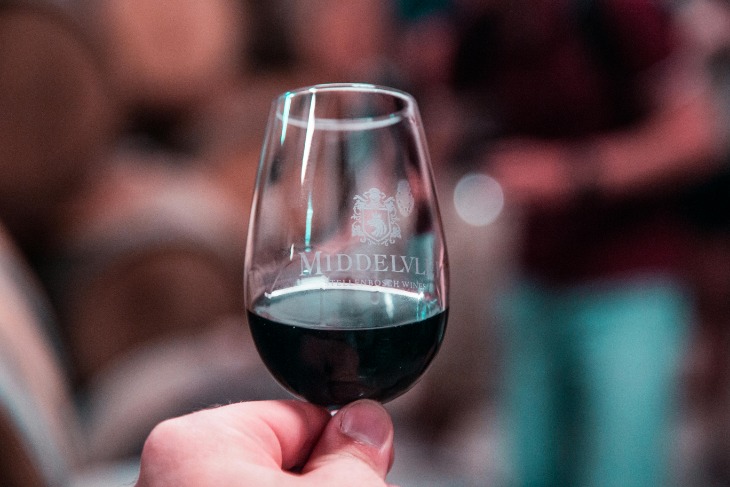
Ready to plan your next wine bus South Africa adventure? Choose a route that suits your pace, tastes, and time, and enjoy the journey as much as the wines you discover along the way.
Respectful Tastings: Etiquette and Estate Rules
A wine bus tour in South Africa offers a scenic and convivial way to explore the Cape Winelands, from Stellenbosch to Franschhoek and beyond. With a licensed driver handling logistics, you can focus on the views, the conversation, and the tasting notes as you move between estates.
Plan ahead by selecting a reputable wine bus operator that covers the routes you want and accommodates your group size, dietary needs, and timing. Check the route order, tasting fees, and lunch options, and confirm pickup and drop-off points so the day runs smoothly without rushing between stops.
Respectful tastings begin with simple etiquette at each estate. Hold your glass by the stem, observe the color, swirl gently to release aromas, then inhale the bouquet before taking a small sip. If you’re unsure, start with lighter wines and gradually move to fuller expressions, and use the spit bucket when you need to pace your day.
Within the tasting room, give others space to sample and listen to the pourer’s notes. Don’t hover at the bar or monopolize the tasting, and avoid talking over the guide. If a wine isn’t to your liking, say so politely and move on rather than prolonging a single choice.
Estate rules vary, so pay attention to posted guidelines and follow staff directions. Some areas may restrict photography, video, or handling of bottles, and some estates prohibit outside food or alcohol. Respect signage, stay on designated paths, and ask a host if you’re unsure about where cameras are permitted.
On the bus, keep voices at a considerate level so the guide and fellow tasters can enjoy the journey. Ensure belts are fastened when the vehicle is moving, avoid standing or leaning in aisles, and store bags securely to prevent movement during drives between estates.
If your day includes lunch, use it as a palate reset and a chance to discuss favorites from the tastings. Pair local cheeses, charcuterie, or tapanade with regional wines, and drink water between tastings to stay hydrated and refreshed for a full itinerary.
Dress comfortably for warm sun and occasional cool breezes common in South Africa’s wine country, and wear sensible shoes for easy walking on varied terrain. Bring sunscreen, a hat, a lightweight jacket, and a small bottle of water to stay hydrated between stops, plus cash or cards for purchases and tips.
Engage with the region’s distinctive varietals—Sauvignon Blanc and Chardonnay shine in Constantia and Stellenbosch, while Pinotage offers a uniquely South African expression that pairs well with hearty braaied or grilled dishes. Let yourself be guided by the estate staff and the bus captain to understand the terroir and winemaking stories that make a South Africa wine bus experience memorable.
Finally, savor the experience with mindfulness and courtesy. A well-paced day that respects estate rules, hosts, and fellow travelers creates lasting memories of a wine bus adventure through South Africa’s celebrated wine country.
Regional Highlights: Notable Estates and Landmarks
Regional Highlights: Notable Estates and Landmarks guide your wine bus journey through South Africa’s renowned wine routes, where historic cellars, scenic mountains, and elegant estates tell the story of a winemaking heritage. From Stellenbosch and Franschhoek to Constantia and Paarl, travelers sip estate wines, admire landmark architecture, and discover the charm of the country’s most celebrated wine regions along the road.
Stellenbosch: Historical Town and Iconic Wineries
Regional highlights in Stellenbosch for a wine bus South Africa experience showcase notable estates and landmarks, highlighting a historical town with iconic wineries. Here is a focused guide to the estates and landmarks you may encounter on a wine bus tour through the Cape Winelands.
- Notable Estates
- Landmarks and Town Heritage
- The wine bus experience
Franschhoek: Wine, Food, and Culture Hub
Franschhoek sits at the heart of the Cape Winelands, a regional hub where wine, food, and culture mingle in a picturesque valley shaded by mountains. For visitors exploring South Africa by wine bus, the route through Franschhoek offers a concentrated taste of historic estates, landmark sites, and culinary excellence that define the wine-and-dine spirit of the region.
Notable estates in and around Franschhoek include La Motte, with its cellar and art-filled gardens; Haute Cabrière, perched on the valley slopes with a dramatic tower and sparkling cave-style tastings; Grand Provence, a stately estate offering elegant wines alongside a renowned restaurant and seasonal gardens. Chamonix, a historic estate in the valley, offers a dramatic mountain backdrop and a boutique tasting room. Holden Manz, a boutique winery known for its modern style, rounds out a portfolio that showcases both tradition and innovation in Franschhoek’s wine scene.
Beyond the cellar doors, landmarks anchor the town’s identity. The Huguenot Memorial Museum commemorates the French settlers who shaped Franschhoek’s language and culture, while the town’s Cape Dutch architecture, iconic thatched-roof farms, and the scenic Franschhoek Pass reveal the area’s architectural and landscape heritage. The Franschhoek Wine Bus and other wine-touring options offer a convenient doorway to tasting rooms, historic sites, and photo-worthy viewpoints without the hassle of driving.
Franschhoek is also a living culture hub. The town’s restaurants, from hillside bistros to fine-dining rooms, fuse traditional French techniques with South African ingredients. Art galleries, boutique shops, and farmers markets celebrate local produce, making a wine bus itinerary as much about culture and cuisine as it is about grape varieties. The culinary scene often mirrors the scenic terroir, with seasonal menus that highlight the valley’s citrus, game, and fresh produce.
Wine bus itineraries in South Africa commonly structure a Franschhoek day around multiple estate visits, paired tastings, and a stop for lunch at a world-class restaurant. A typical route weaves a couple of historic estates with a modern tasting room, plus a landmark stop like the Huguenot Memorial or a scenic look-out. The experience emphasizes relaxed pace, picturesque vineyards, and the chance to understand terroir—from chalky soils to mountain fog—that shapes the wines.
Whether you are drawn by star-worthy Pinotage and chardonnay, or the romance of the town’s architecture and cuisine, Franschhoek remains a premier wine, food, and culture hub in South Africa. A wine bus trip here is a curated microcosm of the Cape Winelands: landscapes of blue-violet vines, a constellation of estate icons, and an invitation to savor South Africa’s hospitality on wheels.
Paarl: A Blend of Reds, Whites, and Scenic Drives
Paarl sits at the heart of the Cape Winelands and is a standout regional highlight for wine lovers, offering a blend of expressive reds, bright whites, and scenic drives. In a wine bus itinerary through South Africa, visitors weave between rolling vineyards and granite outcrops, tasting wines that capture the climate and terroir of the region.
Notable estates along the Paarl route include Nederburg, a historic cellar known for award‑winning wines and elegant tastings; Laborie, a heritage estate with a stately manor and lush gardens; Bosman Family Vineyards, a family‑run estate famed for its welcoming cellar and sustainable farming; and Val de Vie, a luxury wine and lifestyle oasis near the hills.
Beyond estates, Paarl is marked by landmarks that anchor its identity: the Paarl Mountain Nature Reserve with its massive granite dome, the Paarl Rock crest that rises above the town, and the Afrikaans Language Monument perched on the hillside—a nod to the region’s cultural heritage.
Scenic drives around Paarl weave between vineyards and mountain views, from winding roads along the N1 to lookout points over the Berg River valley, with pass routes like Du Toitskloof Pass and the Bainskloof Pass offering dramatic panoramas.
A wine bus experience in South Africa makes the most of these highlights by providing guided transport, curated tastings at select estates, and stories about terroir, history, and winemaking. Passengers can enjoy a relaxed pace, stop for lunch at a vineyard bistro, and sample varietals from Shiraz and Pinotage to Sauvignon Blanc and Chardonnay.
In Paarl, the blend of red and white wines, iconic landmarks, and scenic drives creates a compact, memorable chapter in any South Africa wine tour, with the wine bus serving as a comfortable doorway to the region’s flavors and landscapes.
Constantia: Profile of Historic Wines and Modern Tastings
Regional Highlights in the Constantia Valley reveal a storied blend of colonial estates and contemporary wineries, a cornerstone of South Africa’s wine bus itineraries that pair scenic drives with cellar doors and sweeping mountain views.
Groot Constantia stands as the oldest wine estate in South Africa, founded by Governor Simon van der Stel in 1685, and its grand colonial manor still anchors a museum, a tasting room, and sweeping vineyards that visitors reach on a wine bus route structured around history and scenery.
Klein Constantia is famed for Vin de Constance, the dessert wine once beloved by European aristocracy, reimagined for modern palates with estate tastings that pair the wine with chocolate or stone-fruit dishes, set on a hillside with views of False Bay.
Steenberg Estate, one of the Constantia Valley’s oldest, established in 1682, offers a portfolio of Sauvignon Blanc and Merlot, a renowned restaurant, and a cellar-door experience that complements a day on the wine bus with a picnic on the lawn against Table Mountain backdrops.
Buitenverwachting and Constantia Uitsig add a second wave of terroir-driven wines, with crisp Sauvignon Blancs, robust reds, and modern tasting rooms that emphasize artful interiors and cooking demonstrations, all within short hops on a circular Constantia route.
Beyond the cellars, landmarks such as the sandstone architecture of Groot Constantia’s manor and its Cape Dutch outbuildings, with the dramatic contours of Table Mountain framing the vineyards, create iconic vistas that visitors photograph between tastings on the winding roads toward Constantia Nek.
In a wine bus itinerary, visitors experience a spectrum from historic vintages—re-creating Vin de Constance vibes in late harvest styles—to crisp modern releases, with guided tastings that explain terroir, vine age, and cellar practices, followed by on-site eateries that champion local produce and pairings.
For travelers seeking a curated South African wine day, a Constantia wine bus delivers not just a flight of wines but a narrative—an accessible portal to regional highlights, estates galore, and the enduring charm of Constantia’s historic wines and modern tastings.