
Overview of Williams Bus South Africa
Williams Bus South Africa is a prominent provider of bus solutions in the South African market, offering a range of reliable passenger vehicles for public transit, schools, and corporate fleets. With a focus on safety, efficiency, and local servicing, the company combines regional expertise with modern bus design to support efficient urban and intercity travel across the country.
Company profile and scope
Williams Bus South Africa is a leading provider of bus solutions in the South African market, offering a range of city buses, coaches, and shuttle vehicles designed to meet the needs of public transport operators, schools, tourism, and corporate shuttle services.
As part of the Williams Bus network, the South Africa operation brings global engineering expertise together with local market knowledge to deliver vehicles and mobility solutions that perform under South African road conditions and regulatory requirements.
The company profile emphasizes sales, service, and parts support, with a nationwide network of authorized service centers, trained technicians, and digital maintenance tools to minimize downtime and maximize uptime.
The scope of operations includes new vehicle sales, fleet customization, repair and maintenance, spare parts supply, fleet management services, driver training, and financing or leasing partnerships to help operators acquire and operate buses efficiently.
The value proposition centers on durability, fuel efficiency, low total cost of ownership, reliable after-sales support, and compliance with South African safety and road transport standards.
Sustainability and safety initiatives include adoption of fuel-efficient and low-emission drivetrains where appropriate, ongoing driver training programs, and adherence to environmental and safety regulations.
Looking ahead, Williams Bus South Africa aims to expand its electrified bus options, digital fleet management capabilities, and after-sales footprint to support urban mobility projects and public-private partnerships across the country.
Key services and passenger segments
Williams Bus South Africa is a regional passenger transport operator delivering reliable bus services across South Africa, with a focus on safety, accessibility, and value for money.
The company maintains a modern, well-maintained fleet that includes intercity coaches and regional shuttles designed for comfort and efficiency, along with school buses for contracts.
Key services include daily commuter routes connecting suburbs to urban centers, intercity services linking major towns, school transport contracts, charter services for groups and corporate events, tourism and day trips to regional attractions, and airport transfer services.
Passenger segments served include daily urban and suburban commuters seeking affordable and reliable travel; students and families on school routes; rural residents needing access between towns; leisure and business travelers on intercity and tourism itineraries; groups attending events; and customers requiring accessible transport.
Network and coverage: Williams Bus operates across major urban corridors and regional towns in South Africa, building a network of frequent routes with timetabled services, day and night operations where feasible.
Safety, compliance, and sustainability: The operator adheres to national transport regulations, implements rigorous driver training, regular vehicle maintenance, safety protocols, and strives to reduce emissions through newer vehicles and efficient routing.
Customer experience and digital services: Customers can book online or via a mobile app on select routes, with online payment, real-time service information, and responsive customer support.
Future focus: expand route coverage, enhance accessibility, invest in driver development, and explore partnerships to improve reliability and value for passengers.
History and Background
Williams Bus South Africa traces its history to a family-owned transportation operator that emerged as South Africa’s bus network expanded in the postwar era. Over decades it grew from a small local fleet into a regional operator, offering commuter, charter, and tourism services while prioritizing safety, reliability, and compliance with evolving transport regulations. Its background reflects the changing landscapes of South African mobility and the company’s commitment to serving communities across the country.
Founding and evolution
Williams Bus South Africa is a regional bus operator that has grown from a small, family‑run service into a respected player in the country’s transport landscape.
History and background: The company exists within the larger story of South Africa’s bus and shared‑transport sector, where formal coach services, minibus taxis, and regional operators have long shaped mobility. In the late 20th century, urban growth, road networks, and the demand for affordable travel created space for dedicated operators to emerge beyond rail and private car use, setting the stage for firms like Williams Bus South Africa to establish a regional footprint.
Founding: Williams Bus South Africa was founded in 1992 by David Williams and his partner Naledi Khoza. What began as a single intercity link between a small inland town and a coastal destination grew from a family venture into a broader network as demand for reliable, safe, and punctual transport increased across several provinces.
Evolution: Through the 1990s and 2000s, the company expanded its route map beyond its initial corridor, adding intercity connections, commuter services, and charter offerings. The fleet shifted from aging, single‑deck vehicles to purpose‑built coaches with better comfort and safety features. Investment in driver training, maintenance routines, and regulatory compliance followed, as did partnerships with local authorities and travel industry bodies to improve scheduling, ticketing, and passenger information systems.
As South Africa’s transport policy and infrastructure evolved, Williams Bus South Africa adopted modernization measures to stay competitive. The company introduced GPS tracking, online ticketing options, and centralized dispatch to improve reliability. It also began adopting more modern, lower‑emission buses and implemented safety management programs aimed at reducing incidents and improving passenger experience on busy intercity routes and school contracts.
Today: Williams Bus South Africa operates a diversified portfolio that includes intercity routes, commuter and school contracts, and tailored charter services. The business emphasizes safety, reliability, and regional connectivity, contributing to local economies by creating jobs, supporting tourism, and providing essential transport links for communities across several provinces. Its evolution reflects broader trends in South Africa’s bus industry, including fleet modernization, digitalization, and a focus on better service quality within a dynamic regulatory environment.
Milestones and growth
Williams Bus South Africa has established itself as a leading transport operator, delivering reliable commuter and intercity bus services across major urban centers and regional towns in South Africa. Built on a foundation of safety, punctuality, and customer service, the company has grown from a local shuttle service into a recognized player in the country’s public transport landscape.
History and Background: The company traces its roots to a family‑run shuttle operation that emerged to meet rising mobility needs in a growing South African city. Early days focused on a single corridor and a small fleet, driven by practical service to workers and students. Over time, the business expanded through new routes, improved maintenance practices, driver training, and a commitment to safety and compliance with evolving transport regulations. The shift from a local fleet to a regional operator was supported by partnerships with municipalities and service contracts that underscored reliability and value for communities.
Milestones along the journey include the expansion beyond the original service corridor to key regional towns, the introduction of scheduled intercity routes, and partnerships with municipalities to operate on public road networks. The fleet grew from a handful of buses to a mixed lineup of coaches and high-capacity buses designed for longer journeys and school transport. Milestones also included fleet modernization to meet safety standards, the adoption of GPS tracking and centralized dispatch, and the rollout of computerized ticketing systems to improve accessibility for passengers. The company also pursued environmental improvements by upgrading to more fuel-efficient engines and exploring low-emission options as part of a broader sustainability agenda.
Growth and outlook: Williams Bus South Africa has pursued growth through technology, talent development, and strategic collaborations. Investments in driver training, safety programs, and maintenance regimes have supported better reliability and safety records. Digital platforms enabled online booking, real-time service updates, and better route optimization, while a refreshed customer service ethos strengthened community trust. Geographically, the company aims to extend its footprint to additional provinces, expand charter and school transport services, and continue modernizing its fleet with eco-friendly vehicles, all while maintaining a focus on affordability and accessibility for everyday travelers.
Through consistent investment in people, technology, and buses, Williams Bus South Africa positions itself as a durable part of the country’s mobility infrastructure, contributing to job creation, social development, and improved access to education and work for communities across the region.
Fleet and Vehicle Models
Williams Bus South Africa offers a versatile fleet of vehicle models for urban, intercity, and charter transport. The lineup emphasizes reliability, fuel efficiency, and passenger comfort, with city buses, standard coaches, and specialty minibuses designed for South African road conditions. This introduction highlights how each model supports rugged performance, easy maintenance, and flexible seating to meet diverse operator needs.
Bus models and specifications
Williams Bus South Africa offers a comprehensive range of fleet and vehicle models designed for urban transit, commuter corridors, school routes, and corporate shuttle operations across South Africa. The brand emphasizes reliability, low operating costs, and strong local support through an extensive parts and service network.
Fleet categories encompass city buses, midibuses for shorter routes, coaches for long-distance transport, and school buses tailored to capacity needs. Each model can be specified with accessibility features such as low-floor entry, kneeling suspension, and wide doors to improve passenger flow and boarding efficiency.
Typical bus models include compact 8–10 meter city buses for tight urban corridors, 12–14 meter standard buses for suburban and metro routes, and 18 meter articulated units for high-capacity trunk routes. In addition, 7–8 meter mini-buses and shuttle variants serve rural areas or corporate campuses where tighter turning circles and higher maneuverability are required.
Powertrain options cover diesel with common-rail engines delivering approximately 180–350 horsepower, paired with automatic or manual transmissions from leading suppliers. Drive configurations include front-, mid-, or rear-engine layouts, with strong emphasis on fuel efficiency and low total cost of ownership. Emissions packages typically align with Euro VI or equivalent regional standards, with potential CNG or hybrid options on select models.
Body and chassis configurations support robust bodies from regional bodybuilders, with options for steel or aluminum panels, corrosion protection, and customizable seating plans—ranging from standard 2+2 layouts to premium seating on executive shuttle models. GVW ranges from light urban configurations to high-capacity heavy-use vehicles able to sustain high daily mileage.
Safety and ride quality are prioritized with ABS, electronic stability control, hill-hold assist, lane-keeping or stability features, and advanced braking systems. Modern buses include ground-breaking features such as CCTV, passenger information systems, and integrated telematics for fleet management, diagnostics, and remote fault codes.
Fleet management capabilities enable operators to monitor fuel consumption, utilization, route performance, maintenance scheduling, and uptime. Williams Bus South Africa supports on-site servicing, certified technicians, and a parts network designed to minimize downtime, backed by warranties and service level agreements tailored to fleet size and utilization patterns.
Choosing the Williams Bus South Africa fleet enables operators to optimize capital expenditure, simplify maintenance, and improve passenger experience through consistent quality, comfort, and reliability across all models and configurations.
Fleet management and maintenance
Williams Bus South Africa operates a diverse fleet of passenger vehicles and emphasizes efficient fleet management and regular maintenance to deliver reliable service across city and regional routes.
Vehicle models in a typical Williams Bus SA fleet include city shuttles for short urban trips, mid- and full-size coaches for longer intercity routes, school buses for pupil transportation, and accessible minibuses designed for mobility-challenged passengers. Selection focuses on passenger capacity, accessibility, fuel efficiency, and total cost of ownership.
Effective fleet management combines telematics, route planning, driver management, and regulatory compliance. Real-time tracking and driver performance data help optimize utilization, reduce fuel consumption, and improve safety. Regular audits of maintenance records ensure alignment with OEM service schedules and local regulations.
Maintenance programs in Williams Bus SA style rely on preventive maintenance at manufacturer-recommended intervals, condition-based checks, and rapid diagnostics. Key elements include engine and transmission service, brake and tire inspection, cooling and electrical systems, battery health, and regular cleaning and safety inspections. Spare parts management and access to on-site or rapid-response workshop support minimize downtime.
Technologies such as fuel management, telematics, and, where available, alternative power options (ethanol blends, hybrids, or electric propulsion) support sustainability goals and lower lifecycle costs as the fleet ages. Lifecycle planning helps decide when to refurbish, upgrade, or retire vehicles to maintain performance and compliance.
In summary, Williams Bus South Africa benefits from aligning vehicle models with service needs and employing integrated fleet management and disciplined maintenance to ensure safety, reliability, and cost efficiency for its passengers.
Operations and Network
Williams Bus South Africa operates a coordinated network that links key cities, towns, and rural communities with safe, reliable, and affordable bus services. Its Operations team oversees vehicle maintenance, driver rosters, and on-time performance, while Network Planning designs routes, termini, and interchanges to maximize coverage and efficiency. By leveraging real-time tracking, centralized scheduling, and data analytics, Williams Bus SA adapts to demand, weather, and road conditions, delivering a resilient transport solution that supports local economies and daily mobility across South Africa.
Route planning and coverage
Williams Bus South Africa operates a nationwide network designed to connect urban centers with regional towns, prioritizing reliability, safety, and value for money for commuters and travelers.
- Operations and network: The company designs a hub-and-spoke network with central depots in key cities, complemented by feeder services that extend coverage to smaller communities and rural areas.
- Route planning: Routes are planned using demand data, population density, tourism trends, and seasonal travel patterns to optimize frequency, travel times, and asset utilization.
- Coverage balance: The network balances high-density corridors with critical rural links to ensure accessibility while maintaining financial sustainability.
- Fleet deployment and maintenance: A mix of standard and high-capacity coaches supports varying demand, with scheduled maintenance cycles to minimize disruptions and extend asset life.
- Timetables and frequency: Services are scheduled to align with peak commuter hours and major events, with contingency buffers to maintain reliability during disruptions.
- Operations technology: GPS tracking, centralized dispatch, and real-time passenger information systems enhance visibility, coordination, and customer communication.
- Safety and compliance: Rigorous driver training, vehicle safety standards, and adherence to South Africa’s regulatory requirements ensure secure and compliant operations.
- Future planning: Ongoing route optimization, fleet modernization, and potential expansion into underserved corridors support sustainable growth and improved access.
Williams Bus South Africa continues to refine its operations and planning processes to deliver dependable service while expanding coverage to meet evolving travel needs.
Depots, logistics, and scheduling
Williams Bus South Africa operates a nationwide bus network designed to connect major cities, townships, and peripheral communities with a focus on safety, reliability, and affordable transport. The operation blends urban commuter routes with intercity services to support daily travel, tourism, and regional commerce.
Operations and network planning center on demand-driven route design, frequency optimization, and geographic coverage. The network uses a hub-and-spoke concept in urban cores while maintaining direct point-to-point services on busy corridors. Regular performance reviews measure on-time performance, passenger loads, and vehicle utilization to guide capacity adjustments and route rationalization.
Depots and maintenance form the backbone of reliability. Williams Bus SA would typically operate a network of depots in strategic locations such as Gauteng, the Western Cape, and KwaZulu-Natal, with secondary facilities in peri-urban areas. Each depot houses parking, fueling, cleaning, maintenance bays, and a workshop for routine servicing, tire and brake checks, and emergency repairs. Robust depot security, CCTV, and controlled access protect assets and passengers.
Logistics and fleet management cover fuel supply, spare parts, and scheduled servicing. A centralized logistics hub coordinates parts inventory, procurement, and distribution to depots to minimize downtime. Telematics-enabled fleets provide real-time vehicle status, location, and performance metrics, enabling proactive maintenance, efficient turnaround times, and safer driving. Scheduling also coordinates driver rosters with depot operations to balance shifts and rest periods while meeting service level agreements.
Scheduling focuses on timetabling, reliability, and adaptability. Fixed timetables cater to peak commuter flows, while flexible adjustments handle events, road works, and weather disruptions. Dynamic scheduling tools weigh factors such as passenger demand, traffic conditions, and vehicle availability to optimize headways, reduce dwell times, and maintain on-time performance across the network.
Compliance and safety are integral to operations. Williams Bus SA adheres to South African transport regulations, driver working hours, and passenger safety standards. Regular driver training, safety drills, and accessibility features for passengers with reduced mobility help build trust and expand the customer base.
Customer experience is enhanced by digital tools and data analytics. Real-time trip tracking, mobile booking, and clear information at depots improve efficiency and transparency. Data from operations informs ongoing optimization of routes, depots, and schedules to deliver a resilient, efficient network that serves both urban neighborhoods and long-distance travelers in South Africa.
In sum, Williams Bus South Africa’s operations and network, depots, logistics, and scheduling are interdependent systems designed to maximize service reliability, safety, and affordability while expanding access to mobility across the country.
Safety, Compliance, and Standards
Safety, compliance, and standards are central to Williams Bus South Africa, guiding every journey from driver training and vehicle maintenance to regulatory adherence and service quality. By aligning with South African transport regulations and international standards such as ISO 39001, ISO 9001, and ISO 14001, the company ensures passenger safety, accountability, and environmental responsibility across its bus operations.
Regulatory compliance and certifications
Williams Bus South Africa prioritizes safety, compliance, and adherence to applicable standards across its operations, from fleet acquisition and maintenance to service delivery and customer safety.
- Regulatory framework and standards in South Africa
- Compliance with the National Road Traffic Act and related regulations governing public transport vehicles
- Engagement with the South African Bureau of Standards (SABS) for vehicle and component standards
- Alignment with regulatory requirements for passenger carriers, including certifications and inspections where applicable
- Vehicle safety design and equipment
- Implementation of passenger safety features such as seat belts, emergency exits, and accessible design where required
- Structural integrity, crashworthiness, and fire safety considerations in bus design and refurbishment
- Adherence to relevant international and regional safety guidelines when sourcing components
- Regulatory compliance program
- Mapping of applicable laws, standards, and specifications affecting operations
- Clear allocation of roles for compliance, documentation control, and change management
- Regular regulatory audits, gap analysis, and implementation of corrective actions
- Certifications and audits
- ISO 9001 certification for quality management systems to ensure consistent service and process quality
- ISO 14001 for environmental management and sustainability in fleet operations
- ISO 45001 for occupational health and safety management to protect drivers, staff, and customers
- SABS approvals and, where required, NRCS certifications for vehicles and critical components
- Operational safety and workforce training
- Ongoing driver training, safety refresher courses, and competency assessments
- Preventive maintenance programs, inspections, and safety reporting mechanisms
- Emergency response planning, incident investigation, and corrective actions
- Supply chain, procurement, and asset management
- Vendor qualification and performance monitoring to ensure safe, reliable components
- Traceability of parts, safety data, and recall management processes
- Documentation and recordkeeping for inspections, audits, and regulatory reviews
- Performance monitoring, audits, and continuous improvement
- Key safety and compliance indicators tracked across operations
- External and internal audits, with corrective action plans and renewal of certifications
- Transparent reporting to customers, regulators, and stakeholders on safety and compliance milestones
Driver training and safety programs
Williams Bus South Africa is committed to safety, compliance, and standards, and it builds its operations around robust driver training and comprehensive safety programs to protect passengers, staff, and the public.
Safety, compliance, and standards in South Africa operate within a regulatory framework that includes the National Road Traffic Act and Regulations, administered by the Department of Transport and the Road Traffic Management Corporation. Vehicles must be roadworthy and properly licensed, with ongoing maintenance schedules and inspections. Williams Bus South Africa ensures that records, maintenance plans, and inspections are up to date, and where possible it aligns practices with SABS vehicle standards and, for formal risk management, with ISO 39001 road traffic safety management systems.
Driver training at Williams Bus South Africa is designed to be comprehensive and ongoing. Programs cover induction and onboarding, defensive driving, passenger safety and comfort, wheelchair accessibility and securement, evacuation procedures, first aid, and incident response. Training emphasizes fatigue management, speed control, hazard recognition, weather and road-condition awareness, and ongoing refresher courses, supported by on-board telematics and coaching feedback to reinforce best practices.
Safety programs extend beyond training to daily operational discipline. A rigorous preventive maintenance program supports vehicle reliability, with daily pre-trip checks and scheduled servicing guided by manufacturer recommendations and regulatory requirements. The company maintains a formal safety policy, promotes incident reporting and near-miss capture, conducts root-cause analyses, and implements corrective actions. A strong safety culture is fostered through continuous coaching, safety drills, and transparent communication with drivers and staff.
Compliance governance at Williams Bus South Africa includes meticulous record-keeping, regular internal audits, and participation in external regulatory inspections. The company ensures licensing, vehicle documentation, and driver qualification records are complete, and it adheres to accessibility and safety standards for passengers with disabilities. Feedback mechanisms from passengers and communities are used to improve safety performance and regulatory compliance.
The commitment to Safety, Compliance, and Standards is ongoing at Williams Bus South Africa. The organization continuously invests in training, technology, and governance to elevate road-safety outcomes, supports transparent reporting of safety metrics, and engages with regulators, customers, and employees to drive meaningful improvements in driver safety and passenger protection.
Technology and Digital Solutions
Technology and digital solutions are reshaping Williams Bus South Africa, elevating how the company designs, operates, and maintains its fleet. From real-time tracking and intelligent transport systems to data-driven maintenance and rider apps, digitalization enhances safety, efficiency, and reliability across South Africa’s bus network, enabling smarter route planning, optimized fuel use, and an improved rider experience.
Telematics and fleet optimization
Williams Bus South Africa is leveraging technology and digital solutions to transform bus operations across the country. From the city routes of Gauteng to intercity services along the coast, modern fleet management hinges on data-driven decisions that improve reliability, safety, and passenger experience.
At the core is telematics: installed hardware collects real-time data on location, speed, engine health, fuel use, door activity, and driver behavior. This data feeds into a centralized fleet management platform where operators can monitor every vehicle, set alerts, and generate dashboards for performance review.
Fleet optimization benefits: dynamic route planning, schedule adherence, and proactive dispatch help Williams Bus South Africa maximize asset utilization. By analyzing traffic patterns, dwell times, and peak demand windows, the company can adjust timetables, reduce layovers, and lower fuel consumption.
Maintenance and reliability: predictive maintenance uses sensor data to predict component wear before failures occur. With fault codes, oil temperature, coolant levels, and filter status monitored in real time, service intervals are optimized and unscheduled breakdowns reduced.
Safety and compliance: telematics support safer driving through coaching on harsh braking, excessive idling, and speed. Onboard cameras and telemetry can be integrated for incident analysis, while digitized records help meet South African transport regulations and operator licensing requirements.
Passenger experience and reporting: real-time tracking availability for fleet managers, and when integrated with passenger apps or information boards, timetables become more reliable. The data also informs maintenance planning and capital investment decisions.
Digital solutions stack: Williams Bus South Africa uses cloud-based platforms, secure data storage, role-based access, and open APIs to connect telematics with ticketing systems, maintenance management, and ERP. This interoperability accelerates decision making and reduces manual data entry.
People and training: technology is effective only when drivers and technicians are trained to use it. Williams Bus South Africa runs ongoing training programs, dashboards tailored to roles, and change management initiatives to ensure adoption across operations and maintenance teams.
Looking ahead: as South Africa’s mobility landscape evolves, Williams Bus South Africa is exploring AI-driven demand forecasting, route optimization under dynamic conditions, and pilots in eco-friendly propulsion options. The goal remains simple: safer, more reliable transport that serves communities efficiently.
Booking platforms and customer apps
Williams Bus South Africa is embracing technology to transform how passengers search, book, ride, and engage with bus services across the country.
Modern booking platforms enable Williams Bus SA to centralize inventory, present real-time seat availability, offer dynamic pricing, and process secure payments online. The system can integrate with travel agencies, corporate accounts, school fleets, and group charters, providing a consistent experience across web and mobile channels.
Customer apps play a crucial role by giving riders control over their journeys. A Williams Bus SA mobile app can display route options, provide digital tickets, enable contactless payments, and support live trip tracking with ETA updates. Push notifications alert customers to delays, gate changes, or special promotions, while an in-app feedback channel helps gather insights to improve service.
Operationally, digital solutions empower fleet management, predictive maintenance, and route optimization. Analytics dashboards track occupancy, on-time performance, fuel efficiency, and customer satisfaction, guiding decisions on scheduling and capacity planning. Security and privacy considerations are also essential, with robust authentication and data protection measures.
- Centralized booking and inventory management with real-time seat maps
- Multi-channel accessibility: web, iOS, and Android apps, plus partner integrations
- Secure digital payments and receipt issuance, including mobile wallets
- Digital tickets and QR codes for faster boarding and reduced paper waste
- Live trip tracking, ETA updates, and push notifications for passengers
- Dynamic pricing and promotions to optimize revenue and fill seats
- Fleet monitoring, predictive maintenance, and route optimization analytics
- Data-driven customer insights to personalize offers and improve loyalty
Sustainability and Environmental Initiatives
Williams Bus South Africa is embracing sustainability and environmental stewardship by rethinking how it moves people. The initiative focuses on cleaner propulsion options, reducing emissions, and improving fuel efficiency through smarter route planning, regular maintenance, and driver training. Depot operations are being optimized for energy use, waste reduction, and resource conservation, while community engagement programs promote environmental awareness and sustainable mobility. Through these efforts, Williams Bus South Africa aims to provide reliable transport that supports economic growth while protecting the environment for future generations.
Emissions reduction goals
Williams Bus South Africa is positioning itself as a leader in sustainable public transport, aligning its operations with South Africa’s climate goals and improving air quality in the communities it serves. The company recognizes that reliable mobility must go hand in hand with responsible environmental stewardship.
Emissions reduction goals are central to the company’s strategy. Williams Bus South Africa has committed to measurable targets across its operations, aiming to reduce absolute emissions from its fleet and depots by a defined percentage by 2030, while pursuing a long-term transition to zero-emission vehicles on dedicated routes. Progress will be tracked and publicly reported to ensure accountability to passengers, employees, and regulators.
Fleet modernization and technology play a key role. The company plans to progressively replace older buses with newer, more efficient models that meet or exceed latest emissions standards. This includes Euro VI diesel buses, hybrid configurations, and pilot programs for electric buses on high-demand corridors, with charging infrastructure installed at major depots and maintenance facilities.
Operational efficiency also drives emissions reductions. Williams Bus South Africa is expanding telematics and route optimization to shorten journey times and reduce idle periods. Driver training emphasizes eco-driving techniques, while maintenance programs focus on fuel efficiency and reducing unnecessary wear and tear on engines.
Depot energy and infrastructure are being upgraded to lower overall energy use. Solar photovoltaic systems, battery storage where feasible, and energy-efficient lighting and climate control reduce the carbon footprint of facilities. Waste management, water conservation, and sustainable procurement practices support broader environmental goals, including responsibly sourced parts and materials.
The company also emphasizes partnerships and community impact. Engagement with government agencies, manufacturers, and local suppliers supports a just transition and local job creation while ensuring that procurement choices minimize environmental footprint and maximize social value for South African communities.
Transparency and measurement are central to the sustainability program. Williams Bus South Africa commits to publishing regular progress reports, including fleet emissions, energy use, and progress toward targets, with third-party verification where possible. This approach promotes trust with riders and stakeholders as the company scales its green ambitions.
Through these efforts, Williams Bus South Africa seeks to provide reliable, affordable transportation that also protects air quality and the environment for present and future generations, reinforcing the business case that sustainability and strong service go hand in hand.
Energy efficiency and alternative fuels
Williams Bus South Africa is committed to sustainability, integrating energy efficiency, alternative fuels, and responsible fleet management to reduce emissions, improve air quality, and provide reliable public transport across the country.
- Fleet modernization and energy efficiency: Upgrading to newer, fuel-efficient buses with lightweight components, aerodynamic design, low-rolling-resistance tires, and advanced engine management to lower fuel use and emissions.
- Alternative fuels and propulsion: Exploring bi-fuel or dedicated systems such as biodiesel blends, compressed natural gas or LPG where feasible, and piloting hybrid and electric buses to reduce greenhouse gas emissions.
- Onboard technology and eco-driving: Implementing telematics and GPS routing to optimize journeys, minimize idling, and train drivers in fuel-efficient driving techniques to cut consumption and wear.
- Maintenance and lifecycle planning: Routine preventive maintenance to sustain peak engine efficiency, extend vehicle life, and ensure emissions controls operate effectively.
- Energy-neutral operations and charging infrastructure: Planning for energy-efficient depots, smart charging for electric vehicles, and integrating renewable energy where possible to support cleaner operation.
- Community engagement and sustainable procurement: Collaborating with government, suppliers, and local stakeholders to promote green procurement, local job creation, and public awareness of environmental initiatives.
- Measurement and transparency: Tracking fuel consumption, CO2 reductions, and noise levels, and reporting progress to customers and regulators to demonstrate impact and accountability.
Market Position and Competitiveness
Williams Bus South Africa sits in a competitive position within the country’s bus and coach market, combining value, reliability, and local service through a growing fleet footprint and a network of service partners. Its market position is shaped by tailored configurations for municipal, operator, and private fleets, strong after-sales support, and collaborations with local suppliers. Competitiveness hinges on cost efficiency, uptime, responsive maintenance, and the ability to meet evolving regulatory and environmental demands while delivering durable, easy-to-operate vehicles for South Africa’s transport needs.
Competitive landscape in South Africa
Williams Bus South Africa positions itself in the local bus market as a provider of reliable, cost-efficient transport solutions tailored to municipal, school and corporate operators. The company emphasizes total cost of ownership, uptime, and a service network designed to minimize downtime across regional routes. By combining proven bus platforms with targeted customization, Williams Bus aims to meet the diverse needs of South Africa’s public and private transport segments.
In market positioning, Williams Bus focuses on a balanced product portfolio that covers mid-spec to high-spec buses, with emphasis on durability, ease of maintenance, and local support. The strategy includes flexible financing options, warranties, and a robust after-sales network that spans major urban centers and provincial hubs. Local sourcing and potential assembly partnerships help reduce lead times and improve service responsiveness.
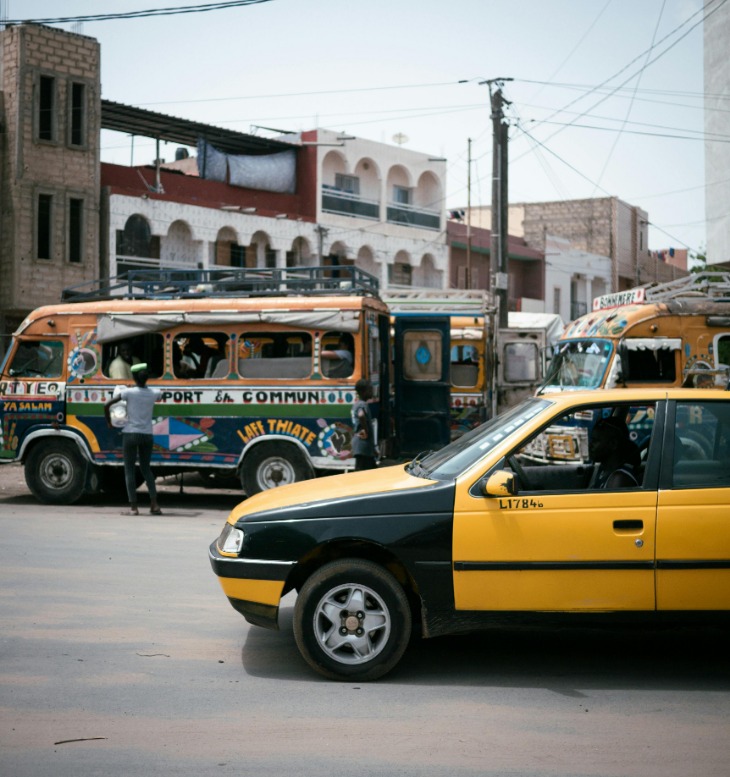
The competitive landscape in South Africa features a mix of global OEMs and regional players. Well-established brands such as Volvo Buses South Africa, Mercedes-Benz Trucks & Buses, Scania, Iveco, and MAN bring strong dealership networks, proven reliability, and long-standing relationships with municipal and operator clients. Chinese manufacturers like Yutong, Higer, and King Long have expanded market share through competitive price points and growing after-sales footprints. In this setting, Williams Bus competes on total cost of ownership, customization options, and the strength of its local service network.
Key differentiators for Williams Bus lie in local adaptation, quick service turnaround, and a focus on life-cycle support. The company can leverage local content, training programs, and partnerships to meet procurement criteria and B-BBEE requirements that influence government and corporate tenders. By offering vehicle uptime guarantees, parts availability, and operator training, Williams Bus can build long-term relationships with operators who depend on dependable daily service.
Market dynamics in South Africa continue to reward efficiency, fuel flexibility, and environmental compliance. The shift toward electrification and alternative fuels presents opportunities for Williams Bus to align with public and private projects, including bus rapid transit corridors and school-transport fleets that require low emissions and modern telematics. However, currency volatility, import costs, and competition from established OEMs remain challenges that necessitate a disciplined pricing and after-sales strategy.
Looking ahead, Williams Bus South Africa can strengthen its market position by expanding dealer coverage, investing in training and after-sales capabilities, and pursuing targeted tenders with tailored packages that combine vehicle technology, maintenance, and financing. A sustained focus on reliability, service quality, and local collaboration will determine its competitive standing in South Africa’s dynamic bus market.

Strengths, weaknesses, opportunities, threats (SWOT)
Market Position and Competitiveness of Williams Bus South Africa rests on delivering durable, affordable buses and a reliable after-sales network to public transport operators, schools, and private operators across South Africa. The company positions itself through local customization, responsive servicing, and competitive lifecycle costs, aiming to win recurring contracts through tenders and long-term maintenance partnerships.
Strengths: A well-established local service and parts network across key regions; a reputation for durability and ease of maintenance; cost-conscious manufacturing leveraging local suppliers; ability to tailor buses for SA road conditions and climate; experience with government tender processes and maintenance contracts; potential for local content partnerships that meet regulatory requirements; a flexible product portfolio including standard passenger buses and school buses.
Weaknesses: Limited scale compared to global OEMs leading to higher unit costs per volume; exposure to tender-driven revenue; reliance on imported components or specific suppliers causing supply risk; brand recognition beyond SA; funding constraints limiting R&D, especially in electrified solutions; dependence on a few key customers or municipalities; gaps in EV charging infrastructure may hinder electrified bus adoption.
Opportunities: Growing demand for affordable urban transit and school transport; expansion into electrified buses, hybrid, and alternative-fuel options; maintenance and after-sales service contracts as a steady revenue stream; public-private partnerships and government incentive programs for local content and EV adoption; regional expansion into neighboring markets (SADC) with similar regulatory frameworks; potential for collaborations with local component manufacturers.
Threats: Economic slowdowns and budget constraints in local government affecting tender wins; intensified competition from established global OEMs and low-cost manufacturers; currency volatility impacting import costs for components; regulatory changes in safety or emissions standards; potential supply chain disruptions; shortage of skilled technicians and engineers; rapid technology shifts requiring ongoing training and capital investment.
Customer Experience and Service Quality
Williams Bus South Africa places customer experience at the heart of its operations, delivering dependable service quality through reliable schedules, safe and comfortable journeys, and responsive support. From effortless booking to on-time departures and courteous staff, every touchpoint is designed to earn trust and exceed passenger expectations. By maintaining a modern fleet, prioritizing safety, and listening to feedback, Williams Bus South Africa works to raise standards of travel across the country.
Reliability, punctuality, and comfort
Williams Bus South Africa is focused on delivering a superior customer experience by combining service quality, reliability, punctuality, and passenger comfort into every journey.
Service quality starts with well-trained drivers and courteous, knowledgeable staff who provide clear information before and during trips. Clean vehicles, orderly boarding, and consistent on-board announcements help passengers plan their day with confidence.
Reliability is the backbone of Williams Bus South Africa, supported by a modern, well-maintained fleet and rigorous maintenance schedules. Real-time service updates, route monitoring, and contingency plans minimize disruption and keep travelers moving with minimal hassle.
Punctuality is pursued through optimized timetables, buffer times to absorb traffic fluctuations, and proactive dispatching. Passengers receive timely alerts about departures and arrivals, reducing wait times and uncertainty.
Comfort is a key differentiator, with comfortable seating, ample legroom, effective climate control, and clean interiors. Where available, passengers can enjoy amenities like USB charging and stable Wi-Fi to stay productive or entertained on the road.
Safety and security are integrated into every aspect of operations, from rigorous vehicle checks and driver training to compliance with local regulations and passenger safety briefings. Transparent sanitization practices and secure payment options further build trust.
Accessibility and inclusivity are prioritized, with vehicles and services designed to assist elderly travelers, families with children, and passengers with mobility needs. Clear signage, accessible boarding points, and helpful staff support these goals.
Customer feedback is valued, with multiple channels for comments and concerns, rapid responses, and visible actions to close the loop. Regular surveys and feedback reporting help Williams Bus South Africa evolve with rider needs.
Pricing and value are communicated transparently, with straightforward fare structures and options for discounts or loyalty rewards. Clear terms help travelers choose the best value for their journeys without surprises at the counter.
Sustainability and community engagement guide long-term planning, including fuel-efficient practices, potential fleet upgrades, and partnerships that support local economies while reducing environmental impact.
Overall, Williams Bus South Africa aims to set a high standard for customer experience by aligning service quality, reliability, punctuality, and comfort in every route and every passenger interaction.
Customer support and feedback mechanisms
Williams Bus South Africa operates in a competitive passenger transport landscape where customer experience and service quality are essential differentiators. The company recognizes that a positive journey from booking to arrival drives loyalty, repeat travel, and favorable word-of-mouth in a market with rising expectations for reliability and comfort.
Service quality at Williams Bus South Africa is anchored in core pillars: reliability and punctuality, safety and security, comfort and cleanliness, and value for money. These dimensions are measured through on-time performance, vehicle maintenance standards, driver professionalism, hygiene levels on board, and transparent pricing that matches the service offered.
Customer experience touches are planned across the journey: seamless booking experiences, straightforward boarding processes, comfortable seating, accessible luggage handling, courteous drivers, and clear in-bus communications. By aligning operations with a smooth end-to-end journey, Williams Bus South Africa aims to minimize friction and maximize convenience for travelers of all backgrounds.
Digital experience plays a growing role in meet-and-exceeding expectations. Williams Bus South Africa emphasizes a user-friendly online booking platform, real-time trip tracking, clear schedule information, and mobile-friendly interfaces. A well-designed digital ecosystem reduces wait times, improves visibility, and enables proactive updates during delays or disruptions.
Customer support channels are vital to addressing questions, concerns, and feedback. Williams Bus South Africa typically offers multi-channel support, including phone, email, online chat, social media, and in-person service counters at major hubs. Availability, language options, and empathetic, knowledgeable agents help resolve issues quickly and maintain traveler trust.
Feedback mechanisms are embedded into the service model to capture actionable insights. Post-journey surveys, on-bus feedback prompts via QR codes, SMS check-ins, and email follow-ups enable passengers to share experiences. Net Promoter Score and customer satisfaction metrics provide a pulse check on service quality and guide improvement priorities.
Effective complaint handling is essential when service gaps occur. Williams Bus South Africa implements clear escalation paths, defined response times, and thorough investigations of each complaint. Transparent communication about findings and resolutions helps restore confidence and demonstrates accountability to customers.
Service recovery is treated as an opportunity to strengthen relationships. Depending on the situation, compensation, alternative travel arrangements, or goodwill gestures are offered, accompanied by timely updates and remedies that reflect the company’s commitment to fairness and customer care.
Data-driven improvement underpins continual progress. Operational dashboards track on-time performance, occupancy levels, maintenance backlogs, and customer feedback trends. Regular reviews translate data into concrete actions, whether it is route adjustments, schedule optimizations, or targeted staff training.
People and culture are central to delivering high-quality customer experiences. Ongoing training for drivers and frontline staff covers safety, customer service excellence, conflict resolution, multilingual communication, and accessibility awareness. Recognizing frontline excellence reinforces a service-oriented mindset across the organization.
Partnerships with communities and accessibility initiatives help Williams Bus South Africa broaden its reach and inclusivity. Engaging with passenger groups, disability advocates, and local municipalities informs enhancements to routes, facilities, and information accessibility—ensuring more travelers can rely on safe, respectful, and reachable transportation options.
Partnerships and Public Sector Engagement
Williams Bus South Africa leads strategic partnerships and public sector engagement to shape reliable and affordable mobility for communities across the country. By collaborating with national and municipal transport authorities, regulators, and local stakeholders, the company aligns fleet modernization, safety, and service delivery with public policy goals and community needs. This approach positions Williams Bus South Africa as a catalyst for inclusive transport solutions that support economic growth and social equity.
Public transport contracts and tenders
Williams Bus South Africa is focused on building strong partnerships with national, provincial, and municipal transport authorities to deliver safe, reliable, and affordable public transport services. Effective public sector engagement underpins every stage of our operations, from strategic planning and network design to tender submission and delivery of contracted services.
Public transport contracts and tenders in South Africa are governed by national policy frameworks, procurement regulations, and local empowerment imperatives. Williams Bus SA engages early with departments of transport, transport authorities, and tender boards to understand priorities, align service concepts with policy goals, and map procurement timelines to ensure timely, compliant bids.
Contracts may cover full operations and maintenance, partial route operations, fleet supply, or long-term PPP arrangements. We work to design joint ventures with competent operators or public-private partnerships that share risk and ensure service continuity, funding, and performance guarantees.
Bid preparation emphasizes safety, reliability, life-cycle cost, and social value. We prepare robust technical proposals, acceptable safety management systems, driver training programs, maintenance facilities, and fleet performance metrics. Compliance with B-BBEE, local content targets, and environmental standards are integral to our offers.
Public sector engagement involves ongoing dialogue with transport authorities, labour representatives, communities, and oversight bodies to address issues like accessibility, affordability, and route optimization, while maintaining transparency and governance.
Williams Bus SA prioritizes local content and transformation goals by sourcing parts locally, building capacity in the supply chain, and investing in skills development, apprenticeships, and empowerment of historically disadvantaged groups in line with South Africa’s transformation agenda.
Post-award, we commit to timetabled operations, regular maintenance windows, incident reporting, performance dashboards, and continuous improvement programs to meet contractual KPIs such as on-time performance, vehicle availability, and passenger safety.
Public sector contracts require clear financing approaches, including capex funding for fleet renewal, opex-based service delivery models, and risk-sharing arrangements. We explore blended finance, concessional funding, and government subsidies to ensure sustainable operations while maintaining affordable fares for passengers.
We maintain rigorous governance frameworks, transparent procurement processes, anti-corruption controls, and third-party audits to uphold integrity in public procurement and to foster long-term trust with government partners and the traveling public.
Across major cities and metropolitan corridors, Williams Bus SA envisages contracted networks that expand affordable mobility, support economic activity, reduce congestion, and lower emissions through modern, low-emission fleets and digital fleet management solutions.
Technology enables smarter contracts, including real-time fleet tracking, data sharing with authorities, dynamic routing, and passenger information systems, all designed to improve service levels and public value while meeting tender requirements.
By combining strong public sector engagement with rigorous tender readiness, Williams Bus South Africa aims to be a trusted partner for delivering high-quality public transport that serves communities today and into the future.
Private sector collaborations
Williams Bus South Africa sits at the intersection of public sector needs and private sector innovation, focusing on accessible, sustainable urban mobility. Partnerships and public sector engagement are central to delivering reliable bus services that align with national transport strategies, city mobility plans, and social outcomes. Through collaborative frameworks, Williams Bus South Africa leverages public funding, regulatory support, and private capital to scale manufacturing, procurement, and maintenance of buses that meet local conditions.
- Strategic alignment with government transport agendas: how Williams Bus SA collaborates with national and municipal authorities to align fleet renewal, emission targets, and routes.
- Public-private procurement models: master service agreements, concessional financing, and risk sharing that enable affordable access to modern buses.
- Local value creation and skills transfer: factory jobs, apprenticeships, and supplier development to boost SA’s automotive ecosystem.
- Private sector collaborations across suppliers and service providers: maintenance networks, parts supply chains, and digital platform partnerships for uptime and efficiency.
- Public sector engagement in governance and oversight: performance metrics, safety standards, and transparency in reporting and accountability.
- Impact on mobility, inclusivity, and social outcomes: how partnerships with SA cities improve access for underserved communities, school runs, and worker commutes.
- Challenges and risk management: regulatory hurdles, financing cycles, and currency/price volatility considerations in cross-sector deals.
Geographic Coverage and Key Routes
Williams Bus South Africa offers a broad geographic footprint, connecting major urban centers and regional hubs across the country. The network features key routes that link business districts, tourist destinations, and regional towns, providing reliable intercity and commuter services. This coverage is designed to maximize convenience and accessibility for travelers, with frequent departures along principal corridors and expanding reach to underserved areas.
Major regions and corridors
Williams Bus South Africa operates a network designed to connect major urban centers and regional hubs across the country. The focus is on reliable service, frequent departures on key routes, and broad geographic coverage to support commuting, tourism, and intercity travel.
- Geographic coverage
- Provinces served: Gauteng, Western Cape, Eastern Cape, KwaZulu-Natal, Free State, Limpopo, Mpumalanga, North West, Northern Cape
- Key hubs and cities: Johannesburg, Pretoria, Cape Town, Durban, Port Elizabeth, Bloemfontein, Polokwane, Nelspruit, George
- Key routes and corridors
- Johannesburg to Cape Town corridor via the N1 and N12 routes
- Pretoria/Johannesburg to Durban corridor via the N3 route
- Cape Town to Port Elizabeth and East London along the N2 corridor
- Inland north–south routes: Johannesburg to Bloemfontein and Kimberley via N1/N12
- Major regions and corridors
- Coastal corridors linking Western Cape, Eastern Cape, and KwaZulu-Natal
- Interior corridors supporting travel between Gauteng, Free State, Limpopo, and North West
Strategic depots and hubs
Williams Bus South Africa operates a nationwide network designed to connect major economic centers with regional towns, providing reliable, affordable transport across the country.
Geographic coverage spans Gauteng, the Western Cape, KwaZulu-Natal, Eastern Cape, Free State, Limpopo, North West and the Northern Cape. Core routes link Johannesburg and Pretoria with Durban and the coastal cities, while regional services reach Cape Town, Port Elizabeth, East London, Bloemfontein, Polokwane, and Upington. The network leverages major highways such as the N1, N3, N4, and N2 corridors to serve both commuters and long distance travelers, with seasonal routes catering to tourism hubs along the Garden Route and interior game reserves.
Key routes include express intercity services between the largest urban centers and important provincial capitals. Typical high-demand pairings include Johannesburg to Pretoria for metro commuting, Johannesburg to Durban for east coast travel, and Johannesburg to Cape Town for long-haul travelers. Coastal and southern routes connect Cape Town, Port Elizabeth, East London, and Mthatha, while central routes tie Bloemfontein and Polokwane to the hubs of Gauteng and the Vaal Triangle. Overnight and day services are scheduled to maximize efficiency for business travellers and families alike.
Strategic depots and hubs form the backbone of Williams Bus South Africa’s operations. Central depots near Johannesburg serve as maintenance and dispatch centers, with additional regional hubs stationed in Pretoria, Cape Town, and Durban to support timely departures. Secondary depots in Port Elizabeth, Bloemfontein, and Polokwane provide last-mile provisioning, vehicle servicing, and crew rest facilities. These depots are co-located with highway interchanges and rail-linked facilities to optimize turnarounds and minimize travel times.
By aligning geographic coverage with key routes and strategically placed depots, Williams Bus South Africa offers a scalable network capable of meeting rising demand while prioritizing safety, comfort, and punctuality. The approach supports regional mobility, tourism access, and workforce connectivity across the country.
Regulatory Landscape and Licensing
Williams Bus South Africa operates within a structured regulatory landscape that governs licensing, vehicle safety, and service standards for passenger transport. Operators must obtain public transport permits under national legislation, ensure vehicle fitness through regular inspections and compliance with compulsory specifications, and maintain accreditation and ongoing compliance with road traffic and transport authority requirements across national and provincial levels. This framework balances safety, reliability, and accountability for passengers and operators alike.
Licensing, permits, and compliance
Impact of SA road transport regulations
South Africa’s regulatory landscape for bus operations sits at the intersection of national Acts, provincial regulations and city by-laws. For Williams Bus South Africa, compliance begins with the National Road Traffic Act and the National Land Transport Act, administered through the Department of Transport and the Road Traffic Management Corporation, with route licensing and service approvals managed at provincial and municipal levels. This framework governs who can operate a scheduled service, where routes can run, and how safety and service quality are measured.
Licensing for public transport operators is built around operator permits issued under the National Land Transport Act. Williams Bus South Africa must secure an operator permit for each defined service area and route, with the permit specifying permitted routes, hours of operation, and passenger numbers. Permits are subject to renewal and periodic audits, and any changes in service patterns typically require re-application or amendment.
Vehicle licensing and roadworthiness are essential for a fleet to operate. Each bus must be licensed for road use, with annual license discs, and heavy vehicles require a Certificate of Fitness (COF) from an approved inspection authority. Before a Williams Bus South Africa fleet can operate a route, each bus must pass a roadworthy test and meet maintenance standards to ensure safety and reliability on South African roads.
Driver licensing and professional driving requirements also shape operations. Bus drivers must hold the appropriate heavy-vehicle license class and, in many cases, a Professional Driving Permit (PDP) or equivalent certification as required by national and provincial regulators. Williams Bus South Africa will need training programs to keep drivers compliant with safety, fatigue management and defensive driving standards.
The impact of SA road transport regulations on Williams Bus South Africa includes compliance costs, administrative overhead, and the need for robust fleet and driver management. Regular audits, safety incident reporting, and timely renewal of licenses, COFs and operator permits are essential. Non-compliance can lead to fines, route suspensions, or revocation of operator status, directly affecting service continuity and revenue.
Regulatory trends and reforms in South Africa are shaping the long-term operating environment. The National Transport Plan 2050, the NLTA and related policy work aim to create a more integrated and safer public transport system, encourage safer and greener fleets (including buses with low-emission technology), and improve oversight through data and digital compliance tools. For Williams Bus South Africa, staying ahead means anticipating changes to emissions standards, safety audits, and procurement rules for public bus fleets.
Practical steps for Williams Bus South Africa to thrive under the regulatory regime include appointing a dedicated compliance officer, maintaining up-to-date operator permits, COFs and roadworthy certificates, and implementing a formal safety management system. Digital record-keeping, driver training programs, regular vehicle maintenance schedules, and a proactive approach to regulatory changes will help minimize risk and ensure smooth operations across routes.
Ultimately, a strong compliance posture under South Africa’s Regulatory Landscape and Licensing framework positions Williams Bus South Africa to deliver reliable, safe and compliant public transport services, while also unlocking growth opportunities tied to national transport goals and cleaner, more efficient bus fleets.