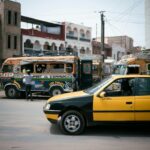

Overview of Bus Overturns in Johannesburg
Bus overturns in Johannesburg, South Africa, pose a persistent safety concern for a city with a dense transit network and rapid urban growth. This overview outlines the scale of incidents, typical contributing factors—from road conditions and driver fatigue to vehicle maintenance—and their impact on commuters, operators, and urban planning, as well as ongoing safety initiatives aimed at reducing such accidents.
Definition and scope
Overview of bus overturns in Johannesburg, South Africa, focusing on the definition and scope of these events within the city’s transport system and safety landscape.
- Definition: A bus overturn refers to a rollover incident in which a passenger bus tips onto its side or roof, disrupting service and potentially causing injuries or fatalities among passengers, drivers, and bystanders.
- Scope and geography: Incidents occur in Johannesburg and the wider Gauteng region, involving public transit buses operated by city agencies such as Rea Vaya, private operators, and occasional long-distance coaches, with reports flowing from local media and safety authorities.
- Transport context: Johannesburg’s dense urban core, high volumes of traffic on major arterials, and a mix of formal bus routes and informal transport contribute to exposure to rollover risk.
- Common contributing factors: Speeding, sharp maneuvers at intersections, driver fatigue or distraction, vehicle overloading or mechanical faults, poor road conditions or potholes, adverse weather, and collisions that destabilize the bus.
- Impacts and consequences: Rollovers can lead to injuries or fatalities, disrupt public transit, block roads, overwhelm emergency services, and affect public confidence in bus travel.
- Frequency and patterns: Rollover events are relatively infrequent compared with all traffic incidents, but when they occur they attract substantial attention; patterns may relate to peak travel times, maintenance cycles, or road conditions, though comprehensive official data can be limited.
- Safety responses: Authorities focus on driver training, vehicle maintenance, road engineering to reduce rollover risk, enforcement of speed and load limits, improved incident response, and post-incident investigations to identify root causes.
- Data and credibility: Information typically comes from police reports, transport authorities, emergency services, and media coverage; official statistics are essential for formal trend analysis and should be consulted when available.
Recent incident timeline
Bus overturns in Johannesburg, South Africa, occur across several urban corridors, often involving commuter services on busy routes. This overview summarizes common factors, emergency response patterns, and ongoing safety improvements in the city.
- Initial report and dispatch: A call to emergency services about a bus that has overturned on a road or highway route near Johannesburg triggers immediate dispatch of municipal police, paramedics, and fire services.
- On-site assessment and triage: Responders assess injuries, stabilize the vehicle, extricate passengers as needed, and establish a safe perimeter to manage traffic and prevent secondary incidents.
- Medical treatment and patient transport: seriously injured passengers receive on-site first aid or are transported to nearby hospitals; those with minor injuries may be treated at the scene and released after assessment.
- Scene management and traffic control: Roads are partially or fully closed or diverted; public communication channels inform commuters about delays and alternative routes.
- Investigation and safety reviews: Police and road safety authorities begin an investigation into cause, vehicle maintenance, operator compliance, and potential contributing factors; data from the bus and route are reviewed.
- Clearance and remediation: The scene is cleared, routine safety checks are conducted on other vehicles on the fleet, and operators may face sanctions or required safety improvements based on findings.
- Common contributing factors: overloading, driver fatigue or error, speeding, sudden maneuvers, adverse weather, road surface conditions, brake or mechanical failure, and maintenance lapses.
- Response and safety improvements: enhanced driver training, stricter maintenance regimes, seat belt policies where applicable, improved route planning, and public awareness campaigns about safe passenger behavior.
- What passengers should do: remain calm, follow crew instructions, use emergency exits only when safe, and report hazards to authorities.
Geographic hotspots
Bus overturns in Johannesburg, South Africa, refer to incidents where large passenger buses capsize or roll onto their sides, often during routine city travel on busy streets and along major bus routes.
Geographic hotspots for these incidents tend to align with high-traffic corridors and areas with dense populations. In Johannesburg, this includes inner-city routes through the central business district, busy corridors connecting townships such as Soweto and Alexandra to the city center, and major routes passing through densely developed suburbs like Braamfontein, Hillbrow, Sandton, and surrounding areas. These zones experience higher volumes of urban traffic, frequent lane changes, and a concentration of bus services, which can elevate rollover risk on certain days or under particular weather conditions.
Common contributing factors include speeding on busy arterials, driver fatigue or misjudgment, vehicle overloading, and mechanical issues such as brake or suspension faults. Poor road conditions—potholes, uneven surfaces, and insufficient drainage—especially after rain or flash floods, can also increase the likelihood of a bus losing control and tipping. Weather, visibility, and sharp curves at intersections or on ramped highways can further compound risk.
Impact is significant for riders and the wider transport network. Overturns can cause injuries or fatalities, disrupt peak-hour commutes, block major roads, and trigger delays across other buses and feeder services. Emergency services, tow trucks, and the city’s transport operator staff are routinely mobilized to recover passengers, assist injured people, and restore service as quickly as possible.
Efforts to reduce overturns focus on a combination of road infrastructure maintenance, traffic management, and safer bus operations. This includes enhanced road repairs, pothole filling, better drainage, and road surface improvements in high-risk corridors; stricter enforcement of speed limits and weight limits; targeted maintenance for fleet reliability; and safety campaigns encouraging proper boarding, seatbelt use where applicable, and adherence to routes and speed restrictions on known hotspots.
Data on bus overturns in Johannesburg are frequently sourced from city safety dashboards, transport operators, and emergency services, but reporting may be inconsistent by area or over time. An ongoing emphasis on transparent incident reporting and analysis helps identify persistent hotspots and evaluate the impact of safety interventions.
Overall, while not unique to Johannesburg, bus overturns in the city reflect the broader challenges of managing a dense, fast-moving urban transit system. Attention to geographic hotspots, proactive road maintenance, and safer bus operations are essential to reduce rollover incidents and improve rider safety across Johannesburg’s bus network.
Causes of Bus Overturns
Bus overturns in Johannesburg, South Africa, result from a blend of road conditions, vehicle factors, and human behavior. Poor road surfaces, potholes, and uneven pavement can destabilize a tall, heavy bus, especially at speed or on tight bends. Congested streets, sharp turns near dense neighborhoods, and interactions with minibuses and other heavy traffic increase the likelihood of loss of control. Weather and wet roads heighten slipping risks, while overloading, inadequate maintenance, and tire or brake failures compromise stability. Driver fatigue, distraction, and pressure to meet tight schedules also play a role. Mitigating these incidents requires safer road design, stricter maintenance and load enforcement, and better driver training and adherence to safety standards.
Road conditions and road layout
In Johannesburg, South Africa, bus overturns are shaped by an interplay of driver behavior, vehicle design, and the road environment.
Causes of bus overturns include high speed on bends, sudden steering, braking or evasive maneuvers, fatigue, and driver distraction or fatigue. Overloading or improper loading of passengers and cargo raises the bus’s center of gravity, increasing rollover risk, especially on slopes or curved sections.
Road conditions in Johannesburg often contribute to overturn risk. Potholes, cracked surfaces, and uneven tar damage create unpredictable suspension movements. Poor drainage leaves water pooled on roads after rain, turning surfaces slick and reducing tire grip. In many areas, heavy wear and limited maintenance lead to rough roads that can destabilize a tall bus, particularly on uneven sections or when negotiating speed bumps and manhole covers.
Road layout and geometry play a major role. Narrow lanes and tight turning radii make it difficult for large buses to maneuver safely, especially at junctions and roundabouts. Sharp curves without adequate banking or sightlines can surprise drivers. Bus stops and loading zones placed close to intersections force sudden deceleration and lane changes, increasing rollover risk in crowded traffic. In some corridors, inconsistent lane widths and inadequate separation between buses and other traffic create situations where a bus must yaw or lean during maneuvers.
Weather and visibility compound the problem. Heavy rains common in Johannesburg can flood road shoulders and create hydroplaning risks. Night driving in poorly lit sections reduces reaction time and makes it harder to detect potholes or debris. Construction zones add temporary lanes, cones, and uneven surfaces that challenge stability.
Road maintenance and investment patterns influence overturn risk. Delayed resurfacing, inadequate drainage upgrades, and insufficient attention to critical bottlenecks in busy corridors can leave routes vulnerable to destabilizing events. Regular load checks, better tire maintenance, and stricter adherence to speed limits, plus improvements to bus stop design and traffic signal timing, can reduce overturn chances.
Vehicle maintenance and mechanical failures
Bus overturns in Johannesburg, South Africa are frequently linked to a combination of maintenance lapses, aging fleets and challenging operating conditions on busy streets.
Causes related to vehicle maintenance and mechanical failures span tires, braking, steering and suspension components; when these parts degrade or fail, stability is compromised and the risk of a rollover increases.
Tire condition and maintenance: underinflated or overinflated tires heat up, wear unevenly and can blow out, especially on long downhill stretches or during full-load operations common on Johannesburg routes.
Braking systems: worn pads, seized drums, leaking hydraulics or ABS faults can lead to reduced stopping power or brake failure, which may force sudden maneuvers near pedestrians or in traffic.
Steering and suspension: worn tie rods, ball joints, steering racks and failed shocks reduce steering precision and wheel contact with the road, increasing the chance of a loss of control on corners or evasive moves.
Center of gravity and loading: buses carry many passengers and luggage; uneven distribution or last-minute boarding can raise the center of gravity, making sharp turns or swerves more dangerous.
Maintenance practices in Johannesburg corridors: aging fleets operated by municipal and private companies face budget pressures, leading to gaps in regular inspection, parts replacement and tire rotation.
Environmental and road factors: pothole-riddled roads, water accumulation and heavy rain can worsen vehicle instability; poor drainage on routes and construction zones can contribute to loss of control.
Preventive strategies: implement rigorous preventive maintenance schedules, standardized inspection checklists, regular brake and tire testing, timely suspension repairs, and driver training focused on safe loading and handling to reduce overturn risk.
Conclusion: Focusing on vehicle maintenance, regulatory oversight and data-driven maintenance planning is essential to reduce bus overturns on Johannesburg streets.
Driver fatigue and human factors
Bus overturns in Johannesburg highlight how crashes are rarely the result of a single fault. In the crowded urban and peri-urban routes that serve millions of commuters each day, a complex mix of mechanical, environmental and human factors can push a vehicle toward a rollover, especially in high-speed segments, on curves and when abrupt maneuvers are required.
Common causes include excessive speed on bends, uneven load distribution inside the bus, and sudden steering inputs to avoid obstacles or to weave through heavy traffic. Poor maintenance such as worn tires, brake fade, or suspension problems can reduce control and increase rollover risk, particularly on the city’s variable road surfaces and during heavy rain.
Driver fatigue is a central factor. Long shifts, tight scheduling, overtime and limited rest periods create sleep debt that dulls reaction times, impairs judgment and reduces vigilance. In Johannesburg’s busy transport corridors, fatigue can turn a routine curve or stop into a moment of compromised control, especially for drivers who operate late into the night or early morning shifts.
Human factors extend beyond fatigue. Distraction from mobile devices, in-cab conversations, or passenger interactions can divert attention away from road hazards. In high-pressure urban driving, decision making under fatigue and stress can lead to risky lane changes, misjudged gaps in traffic, and delayed responses to sudden events.
Environmental and road conditions in Johannesburg also contribute. Potholes, broken pavement, and uneven surfaces can destabilize a vehicle, while heavy rain or slick road surfaces reduce tire grip. Congested streets, irregular lane markings and the mix of bus services with minibus taxis increase the complexity of driving and the likelihood of abrupt maneuvers near curves or exits.
Vehicle maintenance and equipment play a role. A bus with degraded tires, worn brake systems, faulty steering, or inadequate load securing equipment is more prone to loss of control. Older fleets or vehicles with delayed maintenance can accumulate small faults that interact to produce a rollovers in demanding driving conditions.
Operational and organizational factors matter too. Scheduling pressures, insufficient rest breaks, and limited fatigue management programs can encourage drivers to push through tiredness. Inadequate route planning, poor enforcement of speed limits, and gaps in safety culture within some transport operators can increase risk during peak hours.
Mitigation efforts in Johannesburg include stricter enforcement of traffic laws, fatigue management training for drivers, and investments in fleet maintenance and road repairs. Introducing dedicated bus lanes and improved intersection design can reduce sudden braking and weaving. Comprehensive safety policies, driver coaching, and data-driven oversight help identify high-risk routes and hours, lowering the chances of overturns.
Addressing bus overturns requires coordinating transport authorities, operators and communities. By recognizing fatigue as a core safety issue and strengthening human factors training, Johannesburg can improve resilience on its busiest corridors and protect riders on every leg of the journey.
Weather and visibility
Bus overturns in Johannesburg, South Africa, raise concerns about road safety and the range of factors that can cause a single vehicle to topple. Understanding the causes, including weather and visibility, helps explain why these accidents happen and what can be done to reduce them.
Causes of overturns often involve the dynamics of a tall, heavy vehicle on urban roads. A bus can topple when stability is compromised during sharp curves, evasive steering, or high-speed cornering, particularly when fully loaded with passengers. Mechanical failures such as brake or steering faults, worn tires, or suspension problems can worsen the risk. Poor loading practices, where weight distribution is uneven or near capacity, also raise the center of gravity and tipping potential. Driver fatigue, distraction, or rushing in traffic can trigger abrupt maneuvers that contribute to overturns.
Road and infrastructure factors in Johannesburg contribute to tipping risk. Potholes, uneven surfaces, and wet or oily patches can affect grip and steering response. Construction work, lane changes, and high traffic volumes on major routes create situations where drivers may have to swerve or brake suddenly. Municipal and bus operator maintenance, including the condition of tires, brakes, and suspension, directly influences stability on city streets and expressways around the city.
Weather and rainfall play a major role in overturns. In Johannesburg, summer thunderstorms and heavy rain can leave roads slick and reduce tire traction, increasing stopping distances and the likelihood of hydroplaning on multi-lane highways and busy feeder roads. Flooded sections may mask hazards and destabilize a bus as water erodes road edges or causes drivers to try to pass through standing water. Wind gusts on exposed routes can push a high-sided bus, especially in open stretches or near overpasses and bridges.
Visibility is a critical factor in many bus overturns. Rain, mist, fog, or glare from the sun can reduce a driver’s ability to detect hazards in time and can also affect other road users’ perception of the bus. Night-time driving compounds these risks, with dim street lighting and oncoming headlights creating dazzle or shadows that obscure pedestrians, cyclists, and unexpected obstacles. Poor visibility can lead to late braking, misjudged distances, and abrupt steering that increases tipping risk on curves and lanes with poor maintenance.
To reduce the risk in Johannesburg, concerted actions are needed, including enforcing speed limits on curves, improving road maintenance, ensuring buses are properly loaded and inspected, and training drivers to handle urban traffic, adverse weather, and high-sided vehicle stability. Weather alerts and route planning that considers forecasted rainfall or winds can help operators and drivers make safer decisions about speeds and travel times.
Public safety campaigns and data-driven analysis of overturn incidents in Johannesburg can help target interventions, from pothole repair to targeted driver training, to reduce fatalities and injuries related to bus overturns in the city.
Impacts on People and Communities
Bus overturns in Johannesburg, South Africa reverberate beyond the immediate scene, shaping the lives of survivors, families, and communities. The immediate human costs—injuries, grief, and fear—complicate daily routines and erode trust in public transport. In the longer term, crashes disrupt work, schooling, and access to healthcare, as roads become congested and neighborhoods contend with detours and crowded alternatives. Communities mobilize through informal networks and municipal responses, providing support, information, and safety improvements while grappling with the economic and social ripple effects that reveal both the fragility and resilience of urban life in a rapidly changing city.
Injuries and fatalities
In Johannesburg, South Africa, bus overturns disrupt daily life and cast a shadow over communities that rely on public transport for work, school and essential services.
The immediate human impact is profound. Passengers and pedestrians nearby may suffer injuries ranging from minor cuts to life-threatening trauma, while families face sudden loss and grief. The disruption extends beyond those directly in the vehicle, affecting friends, colleagues, and neighbors who depend on reliable transport to keep jobs, attend school, and access healthcare.
Injuries and fatalities require not only urgent medical care but long-term support. Survivors may endure chronic pain, mobility limitations, or neurological and spinal injuries that change daily routines and living arrangements. Mental health effects, including acute stress, anxiety and post-traumatic stress, can follow the event, influencing school performance for children and productivity for adults.
The aftermath strains families financially, emotionally and socially. Medical bills, rehabilitation costs and potential loss of income compound existing financial pressures, sometimes pushing households into debt or poverty. The incident can also impact children’s education if families face transport disruptions or caregiving demands that pull them away from school or work.
Communities rally in response, offering immediate aid through shelters, emergency supplies, and cash or in-kind donations. Local organizations, faith groups and volunteers provide counseling, transport assistance, and support networks that help families navigate hospital visits, funeral arrangements and the grieving process. These acts of solidarity strengthen social ties, even as they underscore the need for broader safety improvements.
Emergency services, hospital staff and police play a critical role in the initial response, triaging injuries, securing the scene and safeguarding victims. The incident can reveal gaps in readiness, including response times, access to trauma care and coordination among agencies, which in turn affects outcomes for those injured.
Various factors can contribute to bus overturns in Johannesburg, including road conditions, weather, traffic density and vehicle maintenance. Overcrowding, driver fatigue and insufficient enforcement of safety standards may also play a role. Addressing these factors requires coordinated action from transport authorities, city planners and operators to reduce risk and protect vulnerable passengers.
Long-term improvements hinge on safer vehicle design and operation, better road and sidewalk infrastructure, regular maintenance checks, and stronger enforcement of transport regulations. For communities, investing in trauma-informed care, mental health support and social services is essential to help families recover and rebuild after tragedy, while ongoing public education can raise awareness about bus safety and protective behaviors for passengers and bystanders alike.
Emergency response and hospital strain
When a bus overturns on a busy route in Johannesburg, South Africa, the immediate consequences extend far beyond the crash site. The incident disrupts transport for hundreds, heightens fear in neighborhoods, and places a spotlight on how cities respond when mass casualty events strike a dense urban environment.
Impacts on people and communities go beyond physical injuries. Survivors endure pain, confusion, and trauma, with families frantically seeking information about loved ones. Children and elderly passengers can be among the most vulnerable, facing heightened anxiety and disruption to schooling or care routines. The sudden loss of mobility can also cut into work schedules, reduce daily earnings, and strain households that rely on predictable public transport to reach jobs, clinics, and essential services. Local businesses along the affected corridor may suffer from reduced foot traffic and longer delivery times, while neighborhoods experience road closures and altered routines for days.
Emergency response teams mobilize quickly to manage the scene. Paramedics, firefighters, police, and traffic controllers coordinate triage, stabilisation, and extraction of injured passengers. The objective is to secure the scene, prevent further harm, and transport the most serious cases to hospitals with the capacity to treat trauma. In a city with multiple hospital options, regional coordination is essential to spread patients to facilities with appropriate trauma units and specialists. The response also involves crowd management, information hubs for family members, and rapid situational updates to keep commuters informed while streets are being cleared and re-opened.
Hospitals in Johannesburg may experience a surge in trauma cases in the wake of a bus overturn. Emergency departments activate surge plans to expand capacity, mobilise trauma teams, and allocate operating rooms and ICU beds where available. Staff may work extended shifts under high pressure, and elective procedures can be postponed to retain capacity for the injured. Ambulance offload delays, bed shortages, and competing needs across the system can influence wait times and discharge planning. The incident underscores the importance of robust hospital networks and cross-institution collaboration to maintain essential care for all patients during a surge.
Communities often respond with solidarity. Local shelters, faith-based groups, NGOs, and volunteers provide immediate comfort, food, clothing, and psychosocial support to those displaced or distressed. Family members gather at designated contact points, and social workers connect victims with counselling services and financial assistance where available. The event can become a catalyst for community conversations about road safety, public transport reliability, and ways to build resilience against future emergencies, including buddy systems for vulnerable passengers and improved incident reporting mechanisms.
In the longer term, authorities and transit operators review the incident to identify safety gaps and lessons. This can lead to improvements such as enhanced vehicle maintenance standards, driver training focused on safe operation and passenger management, better dispatch and real-time communication with road users, and upgrades to bus lanes or traffic signal timing to reduce exposure to high-risk intersections. Public health planning can also expand trauma care capacity and mental health support for communities affected by mass casualty events, ensuring a quicker return to routine life.
As Johannesburg continues to grapple with the complexity of urban transit risks, a coordinated approach that strengthens emergency response, hospital readiness, and community resilience remains essential. Transparent communication with the public, accurate casualty reporting, and ongoing road safety initiatives can help mitigate the impact on people and communities when the next bus overturn occurs.
Disruption to daily life and economy
A bus overturn in Johannesburg, South Africa, triggers immediate humanitarian concerns and reverberates through the fabric of the city’s communities, highlighting how public transport incidents can quickly disrupt daily life and local economies.
The most visible impact is on people: injuries to passengers and pedestrians, possible fatalities, and the strain on families suddenly facing medical needs, loss of loved ones, or long hospital stays. Emergency workers, nurses, and doctors respond under pressure as trauma care is stretched to meet urgent demand in the moments after the incident.
Beyond physical harm, there is a deep psychosocial toll. Survivors may endure anxiety, flashbacks, and fear of traveling by bus again, while families and friends wrestle with grief, financial worries, and the burden of supporting affected relatives during recovery or rehabilitation.
Communities often rally in the wake of a crash, with neighbors, colleagues, and civil society groups organizing support, collecting supplies, and providing practical help to those stranded or displaced. Local volunteers and non-governmental organizations may assist with information, shelter, or meals while people navigate the aftermath.
Daily life is disrupted as road closures, lane reductions, and bus detours slow travel times. Commuters face longer journeys, inconsistent service, and changes to pickup points, which can cascade into missed classes, late arrivals at work, and the need to rearrange routines for children and caregivers.
Economically, disruption to commuting erodes productivity and increases costs for workers who rely on public transport. Some may incur higher fares for alternative travel options, while others lose wages due to delays or unattended shifts. Local businesses along the affected corridors see changes in foot traffic, delays in deliveries, and potential revenue losses as customers adjust their routines.
The strain on the public transport system is another key factor. An overturn can shorten service reliability on the day and influence rider confidence in buses, potentially shifting demand to cars, rideshare services, or trains, which may saturate those modes and raise congestion elsewhere.
Road infrastructure and safety concerns follow, as authorities conduct investigations to determine causes, inspect vehicles, and repair any damage to roads or signaling. Temporary closures may persist for hours or days, delaying construction or maintenance work that could otherwise support safer, more efficient travel in the longer term.
Municipal authorities, police, and emergency services coordinate to manage traffic, provide real-time information to the public, and support affected individuals. In the days after an overturn, official communications often outline detours, available transport options, and resources for medical or financial assistance.
Looking ahead, incidents like this can prompt reviews of bus fleet safety, driver training, passenger protection measures, and urban transport planning. Investments in safer bus design, better incident reporting, and faster emergency response can reduce the risk of recurrence and help restore public confidence in mass transit.
Despite the disruption, communities can emerge more resilient when there is inclusive support for affected residents, clear information from authorities, and coordinated efforts to maintain essential services while repairs and investigations proceed. The goal is to restore normal routines, safeguard livelihoods, and build a safer, more reliable transport system for Johannesburg and its surrounding areas.
Response and Recovery
Response and recovery in Johannesburg, South Africa, after bus overturns centers on rapid emergency response, triage, and safe passenger evacuation, coordinated by local authorities, police, and EMS. It continues with scene security, traffic management, and clear public communication to reduce secondary harm, followed by post-incident recovery such as road repairs, support for affected passengers and families, and a review of safety practices to prevent future overturns through better driver training and vehicle maintenance.
Emergency services coordination
When a bus overturns on a busy road in Johannesburg, the speed and effectiveness of response and recovery determine lives saved and injuries mitigated. Coordinated actions across emergency services are essential in the minutes after the crash and in the hours that follow.
A robust response relies on a unified command structure that brings together Johannesburg Emergency Management Services, the South African Police Service, the Johannesburg Metropolitan Police Department, and hospital-based clinicians, with support from City Disaster Management, traffic authorities, and accredited medical responders. Clear roles, common objectives, and predefined escalation paths help avoid confusion in the hectic early moments after the overturn.
On arrival, scene safety is the priority: securing the overturned vehicle, stabilising the structure if necessary, creating a safe zone for passengers, and diverting traffic away from the crash site. A dedicated staging area allows responders to assemble equipment, triage supplies, and coordinate patient movement without bottlenecks.
Immediate triage using a standard tool (for example START or a locally adopted SALT approach) helps identify those in immediate danger, those needing urgent transport, and those with minor injuries. Rapid hemorrhage control, airway management, and pain relief are provided by skilled prehospital teams while rescue operations continue.
Effective communication is essential. Interoperable radio channels, a common communications plan, and a joint operations centre enable real-time information sharing about patient numbers, injury severity, resource status, and hospital capacity. Media relations are coordinated to prevent misinformation and protect families.
Resource management ensures the right patients reach the right facilities. Ambulances, rapid transport units, and, where available, air medical support are allocated to high-acuity cases based on distance, hospital trauma capacity, and clinical needs. Hospitals receive pre-arrival notifications to prepare trauma teams and beds.
In the recovery phase, hospitals take over patient care while the incident command coordinates casualty clearance, reunification with families, and psychosocial support for survivors and responders. After-action reviews, data collection, and a debrief help identify gaps in procedures and inform improvements to equipment, training, and logistics for future bus incidents.
Public information and risk communication are integral throughout. A designated spokesperson provides regular, accurate briefings to the media and to communities, while social channels and emergency alerts inform road users about closures, detours, and safety messages to prevent secondary incidents.
Training and exercises in Johannesburg that simulate bus overturns improve readiness. Joint drills across EMS, SAPS, Metro Police, and hospitals test incident command, interagency handovers, casualty prioritization, and the rapid deployment of critical resources under realistic time pressures.
Key considerations for Johannesburg include strengthening prehospital trauma pathways, ensuring adequate ambulance and air-ambulance capacity, improving driver and passenger safety standards in public buses, maintaining updated road infrastructure along high-traffic corridors, and sustaining interagency relationships through regular joint training and data sharing.
Effective response and recovery in bus overturns require disciplined coordination, continuous learning, and a shared commitment to protecting lives on Johannesburg’s crowded roads.
Investigation processes and authorities involved
Bus overturns in Johannesburg, South Africa, trigger a rapid, multi-agency response coordinated to save lives, treat the injured, and secure the scene. In the initial moments, the City of Johannesburg’s emergency services, including Emergency Medical Services, Fire and Rescue, and the Johannesburg Metropolitan Police Department, mobilize to reach the site, provide triage, and begin life-saving interventions while police manage crowd control and traffic.
Response and recovery efforts focus on medical care, safe extraction, and scene management. Paramedics perform triage to identify the most seriously injured and transport them to hospitals capable of delivering advanced trauma care. Fire and Rescue teams may use specialized equipment to extricate passengers trapped in the wreckage and to contain hazards such as fuel leaks. The incident command system is established, usually with a joint operations center, to coordinate ambulance arrivals, crowd control, traffic detours, and securing the area to prevent secondary accidents. Support services, including family reception points and psychological first aid, are provided to those affected and witnesses.
Recovery after the immediate medical needs includes removing the wreckage, clearing debris, and ensuring the roadway is safe for traffic. Scene protection continues during investigation, and authorities monitor for environmental hazards. Public communications are issued to inform motorists of detours and to provide casualty updates where appropriate. Visible efforts to restore normal transport operations, such as temporary shuttle services or alternate routes, may be arranged to minimize disruption.
Investigation processes follow a structured approach to determine causes and accountability. On scene, SAPS or other police units lead the criminal and safety investigations, with support from traffic authorities and transport regulators. Investigators collect evidence, interview witnesses and the drivers, document the scene, and review vehicle data recorders or event data recorders if available. CCTV footage from the area is retrieved and analyzed. Mechanical and maintenance records of the bus are examined to assess vehicle fault, maintenance lapses, or negligent operation. If fatalities are involved, forensic pathology and accident reconstruction experts may participate to establish the sequence of events.
Authorities involved in bus overturn investigations typically include the South African Police Service (SAPS) and, at the municipal level, the Johannesburg Metropolitan Police Department (JMPD) for traffic-related matters. Emergency Medical Services and City of Johannesburg Fire and Rescue handle trauma care and extrication, while the City’s Disaster Management Centre coordinates overall incident response and recovery. Provincial and national bodies such as the Gauteng Department of Transport or Department of Community Safety and the Road Traffic Management Corporation (RTMC) may participate to review road-safety implications and to issue safety recommendations. Hospitals, forensic services, and regulatory inspectors also contribute as required by the circumstances.
In addition to immediate action, authorities publish incident reports and safety advisories to prevent recurrence, review bus operating procedures, and inform policy discussions on road safety and public transport. The overarching aim is to protect lives, ensure accountability, and strengthen emergency response and transportation safety in Johannesburg.
Support for victims and families
In Johannesburg, South Africa, when a bus overturns, the immediate response aims to save lives, stabilize the injured, and protect the families affected as the scene is secured and information is shared with responders and authorities.
Emergency services, including ambulance crews, police, and the municipal fire department, coordinate on the ground to perform rapid rescue operations, triage the wounded, and transport the seriously injured to hospitals equipped to treat trauma, spinal injuries, or head injuries.
At the scene, an incident command structure brings together Johannesburg Emergency Management Services, the South African Police Service, City of Johannesburg officials, and hospital liaison teams to communicate updates to hospitals and to families as soon as possible.
Hospitals provide immediate trauma care, identify patients requiring critical care, and arrange for safe transfers to specialized units. Medical teams also monitor for hidden injuries, manage pain, and begin discharge planning with families when appropriate.
Psychosocial support is essential. Trauma counsellors and social workers offer assessment, short-term counseling, and ongoing follow-up to victims and witnesses, helping them cope with shock, grief, anxiety, and stress in the days and weeks after the incident.
Families play a central role in recovery. Family liaison officers or designated coordinators provide timely updates, help arrange accommodation, transportation to hospitals, and translation services where needed, and connect families with legal and financial guidance.
Financial and legal support options include claims with the Road Accident Fund (RAF) for medical expenses and injuries sustained in road crashes, as well as insurance for passengers and, where applicable, the bus company. Authorities and NGOs can assist with funeral costs, burial arrangements, and interim relief for families facing immediate expenses.
Recovery extends beyond medical care. An assessment of the vehicle, driver credentials, and road conditions informs safety reviews and policy changes to prevent similar incidents. Communities may implement road safety campaigns, driver training, seatbelt enforcement, and more robust passenger safety features on buses.
Community organizations, faith groups, and corporate partners often provide practical aid such as meals, clothing, counseling access points, and help with logistics during the days after the overturn. Volunteers help with coordination, information desks, and support lines for affected families.
If you or someone you know is affected, contact the local emergency number for immediate help, reach hospital social workers for family support, and ask for a dedicated family liaison officer or victim support service. Keep records of medical bills, incident details, and any correspondence with authorities to support claims and ongoing assistance.
Rescue operations and timelines
Bus overturns in Johannesburg, South Africa, create crowded, high‑risk scenes that demand rapid, coordinated response from multiple agencies. In a city where urban bus services carry thousands daily, every minute counts to save lives, minimize injuries, and restore transport links.
Response and command: The incident typically triggers City of Johannesburg Emergency Management Services (EMS), the South African Police Service (SAPS), Johannesburg Metropolitan Police Department, and medical partners. An on‑scene incident command is established to coordinate dispatch, triage, rescue, medical care, and scene safety. Clear communication channels between responders, hospitals, and bus operators help ensure that information flows quickly to affected families and the public.
Rescue operations and on‑scene safety: The initial focus is scene safety, securing the vehicle to prevent movement, and creating safe access routes for trapped passengers. Rescue teams use stabilization devices, hydraulic tools (spreaders and cutters), and air lifting bags to lift or separate the bus from entrapments. Medical teams perform rapid triage, provide hemorrhage control, airway support, and cervical spine protection, prioritizing those with life‑threatening injuries for immediate treatment and transport.

Rescue timelines: Typically, first responders arrive within minutes; triage and stabilization proceed within 10–30 minutes. Extrication of trapped passengers can take 30 minutes to several hours depending on entrapment, vehicle position, and injuries. Transportation to hospitals occurs as patients are stabilized, often involving multiple facilities to match capacity and acuity, with waves of casualties managed to prevent overwhelming any single hospital.
Recovery and scene management: After casualties are removed, attention shifts to transport logistics, scene decontamination of fuel leaks or spills, and debris clearance. Investigators from traffic authorities examine the bus, road conditions, and driving behavior to determine causes. Families are notified through official channels, and public communications provide casualty numbers and road closure details to minimize further risk and confusion.
Recovery of operations and service restoration: The bus operator and city agencies arrange replacement services, including temporary shuttle routes, and offer counselling and support to survivors and witnesses. The area remains under traffic control until the scene is cleared and roads are reopened. A post‑incident debrief and after‑action review helps refine training, protocols, and interagency coordination for future incidents.
Prevention and resilience: Ongoing emphasis on seat belt use, safe passenger management, driver fatigue management, and routine safety inspections of buses reduces severity. Urban planning, improved road design, and regular multi‑agency drills strengthen preparedness and response, helping Johannesburg respond more effectively to bus overturns and similar emergencies.
Legal and Policy Framework
Johannesburg’s bus overturns are addressed within a layered safety framework that combines national and local law. National legislation such as the National Road Traffic Act and the National Land Transport Act sets vehicle standards, licensing, and public transport regulation, while the City of Johannesburg implements these rules through municipal transport plans, by-laws, and road-safety enforcement. Together, these laws support operator accountability, driver training, vehicle inspections, and incident reporting to prevent overturns and improve response when they occur.
Regulations governing public transport buses
The National Land Transport Act of 2009 provides the core overarching framework. It establishes the framework for integrated public transport networks, the National Land Transport Programme, and the Public Transport Regulator to supervise licensing, performance, and compliance. Through these provisions, Johannesburg’s bus services are expected to operate within an integrated system that supports safety, efficiency, and accessibility.
Licensing and route regulation are governed by Public Transport Service Licences and related regulatory processes. The Public Transport Regulator issues and monitors licences for bus operators, including adherence to service standards, route allocation, and performance requirements. In Johannesburg, this framework supports the operation of the Rea Vaya BRT and other municipal and private bus services within an integrated network.
Vehicle safety and roadworthiness are anchored in road traffic law and safety standards. The Road Traffic Act and accompanying regulations govern vehicle fitness, driver licensing, and roadworthiness testing. Operators must ensure buses meet safety and mechanical standards, with inspections and certifications required to maintain operability and passenger safety.
Driver qualifications and operator responsibilities are a key focus of the framework. Bus drivers must hold appropriate professional driving permits where required, receive ongoing safety training, and operate within fatigue management and safe driving practices. Operators are obliged to implement safety management plans, incident reporting, and corrective actions in response to safety concerns.
Municipal and provincial roles are critical in Johannesburg’s context. The City of Johannesburg administers local transport bylaws, contracts with operators, and oversight of service delivery within its limits. Coordination with provincial authorities and national regulators ensures alignment with broader transport policy while enabling city-specific safety and reliability improvements.
Oversight, monitoring, and enforcement ensure that the legal framework translates into real improvements. Data from national and local systems, including fare and service performance, informs regulatory actions. The regulator can impose sanctions, suspend licences, or require service changes to address deficiencies and enhance passenger safety.
Standards and compliance are supported by bodies such as the National Standards bodies for vehicle components, and testing authorities that validate safety features and equipment. These standards reinforce the requirements for safe bus design, maintenance, and operation as part of the broader transport policy environment.
In the wake of bus overturn incidents, there is an emphasis on learning, accountability, and policy refinement. Investigations into crashes feed into safety improvements, driver training enhancements, maintenance regimes, and urban planning measures to reduce risk and enhance the protection of passengers across Johannesburg’s public transport network.
Investigations and accountability
Bus overturns in Johannesburg, South Africa highlight gaps and strengths in safety governance for public transport. This article outlines the legal and policy framework, how investigations are conducted, and the accountability mechanisms that apply when such incidents occur.
- Legal and policy framework
- National transport policy and legislation, including the White Paper on Transport Policy and the National Land Transport Act 5 of 2009, which provide for integrated public transport planning and regulation of operators.
- Road safety and enforcement: National Road Traffic Act 93 of 1996 and the role of enforcement agencies such as the Road Traffic Management Corporation and provincial/municipal traffic authorities.
- Public transport governance: municipal and provincial oversight, including City of Johannesburg Integrated Transport Plan and the Rea Vaya bus system under contractual and safety standards.
- Vehicle safety and compliance: vehicle safety standards through the South African Bureau of Standards, roadworthiness testing, and operator compliance requirements.
- Accountability mechanisms: regulatory oversight, licensing and permitting regimes for operators, corporate governance standards, and avenues for redress through courts or regulators.
- Investigations and accountability
- Initial response and scene management: emergency services, police, and traffic authorities secure the site and conduct preliminary assessments.
- Technical investigations: examination of driver factors, vehicle condition, maintenance records, road design, and contributing factors using evidence from records, telemetry, CCTV, and expert analyses.
- Criminal and regulatory outcomes: potential charges for negligent or reckless driving, penalties or suspension of licenses, and civil liability against operators or owners.
- External oversight and review: involvement of bodies such as the Public Protector or parliamentary committees, as well as judicial processes where warranted.
- Transparency and remedial action: publication of findings, implementation of recommendations, monitoring of safety improvements, and accountability to victims and the public.
Prevention and Safety Measures
Prevention and safety in the context of bus overturns in Johannesburg, South Africa, focus on proactive measures that protect passengers, drivers, and pedestrians. Key steps include rigorous vehicle maintenance and safety checks, reliable braking and stability systems, and not overloading buses beyond capacity. Training for drivers on defensive driving, speed management, fatigue monitoring, and emergency procedures helps reduce risk on busy urban routes. Clear boarding procedures, secure seating, and the use of seat belts where available, along with safe passenger flow at stops, minimize injury during incidents. Road infrastructure improvements, signage, and enforcement of traffic laws, especially in high-traffic corridors, support safer travel. Finally, effective emergency response and public education ensure swift, coordinated action if overturns occur.
Infrastructure improvements
Bus overturns in Johannesburg, South Africa, have drawn attention to how safety, maintenance, and infrastructure intersect in a dense urban transport system. In a city with varied terrain, weather patterns, and aging road networks, preventing overturns requires coordinated action across vehicle safety, driver management, road design, and emergency readiness.
Prevention begins with rigorous maintenance and pre-trip inspections for all buses operating on city routes, including the Rea Vaya corridor and other services. Regular checks of tires, brakes, suspension, steering, and rollover protection, along with mandated service intervals and documented compliance audits, help catch faults before they contribute to a crash. Clear guidelines for overloading limits and passenger distribution reduce the risk of sudden shifts in center of gravity that can lead to overturns on sharp bends or during braking.
Driver training and fatigue management are essential. Ongoing programs should cover defensive driving, route-specific hazards, proper speed management on curves, safe lane discipline, and secure passenger boarding and alighting. Work schedules must ensure adequate rest, limit excessive overtime, and promote shift rotations that minimize fatigue, particularly on long urban routes that traverse challenging road sections around Johannesburg.
Vehicle design and safety features should be prioritized where feasible and mandated. Modern buses equipped with electronic stability control, anti-lock braking, reinforced rollover protection, and clearly marked emergency exits can significantly reduce overturn risk. Seating configurations, door mechanisms, and interior layouts should support quick, orderly evacuations, and where possible, seat belts on appropriate bus models can enhance occupant safety during abrupt maneuvers.
Infrastructure improvements play a pivotal role. Regular road maintenance to fix potholes, improve road surface grip, and address drainage prevents hazardous water pooling that can cause loss of control. Improved street lighting, clearer signage, and better lane markings increase predictability for drivers. Dedicated bus lanes, protected pedestrian crossings, and traffic signal priority for high-frequency routes can reduce interactions with other vehicles and minimize sudden braking or lane changes that contribute to overturns.
Road design and traffic management must encourage safer behavior at critical points such as intersections, ramps, and steep grades. Implementing curvature-appropriate speed limits, enforcing speed camera programs, and using intelligent transport systems to manage congestion can help buses navigate complex urban corridors more safely. Regular safety audits of major bus routes in Johannesburg should identify high-risk segments and guide targeted improvements.
Emergency response and post-incident procedures require clear, practiced protocols. Training for bus crews and local responders on rapid incident containment, safe evacuation, first aid, and secure liaison with police and medical services reduces harm when overturns occur. Designating emergency access routes and ensuring clear signage at major crash sites helps responders reach passengers quickly.
Data collection, transparency, and accountability strengthen prevention over time. Comprehensive incident reporting, near-miss logging, root-cause analyses, and independent audits of vehicle and road safety performance enable evidence-based prioritization of interventions. Public dashboards and regular progress reports build trust and keep authorities accountable to residents and commuters.
Community engagement and governance are crucial for sustained safety gains. Public transport agencies, the City of Johannesburg, and the Gauteng Department of Transport should collaborate with operators, unions, civil society, and residents to align safety standards, share best practices, and fund safety improvements. Inclusive forums can help identify local risk factors, such as specific routes with recurrent issues, and support responsive fixes.
A multi-stakeholder approach that combines rigorous maintenance, driver wellbeing, smarter vehicle design, targeted infrastructure upgrades, proactive traffic management, and strong emergency readiness offers the best path to reducing bus overturns in Johannesburg. With clear priorities, adequate funding, and sustained oversight, the city can improve safety for its bus passengers and restore confidence in public transport.
Vehicle standards and maintenance programs
Bus overturns in Johannesburg, South Africa, have highlighted the critical need for strong prevention and safety measures in urban passenger transport. Factors such as road geometry, weather conditions, and driver fatigue can contribute to rollover risks, especially on high-frequency routes with mixed traffic and bus lanes.
Prevention and safety measures focus on reducing rollover risk and protecting passengers. These include robust driver training programs that emphasize safe mentoring, defensive driving, adherence to posted speed limits, hazard anticipation, and fatigue management. Route design and traffic management can help by reducing sharp curves and complex merges where overturns are more likely. Real-time monitoring, disciplined dispatch practices, and safe passenger boarding procedures also reduce abrupt acceleration or braking that can destabilize a bus, especially when turning or negotiating obstacles.
Vehicle standards and safety technologies play a central role. Buses used in Johannesburg should meet national vehicle standards established by regulators, including regular roadworthiness testing and compliance with braking, steering, suspension, and rollover resistance requirements. Where available, systems such as anti-lock braking (ABS), electronic stability control (ESC), and other traction and rollover-prevention features should be installed and maintained. Cab design, seating arrangements, emergency exits, and clear sightlines for the driver are part of vehicle standards to improve passenger safety in a rollover event.
Maintenance programs underpin safety in daily operation. Preventive maintenance schedules should cover daily inspections of tires, brakes, lights, and fluid levels; weekly checks of steering, suspension, and wheel alignment; and monthly servicing of engines, transmissions, and cooling systems. Tire management, including monitoring tread depth and tyre pressure, is crucial for grip and stability on wet or uneven road surfaces. Regular inspection and replacement of worn components, documented defect reporting, and prompt corrective actions reduce the likelihood of mechanical failure that could lead to a rollover. Fleet operators should maintain records to track compliance, identify recurring issues, and plan replacements before components fail.
Strengthening prevention also requires coordinated response and accountability. Safety programs should include driver wellness and fatigue monitoring, regular audits of route risk, and transparent incident reporting to authorities. Training for emergency response, passengers, and staff helps minimize harm in the event of a rollover. Collaboration among bus operators, city authorities, and regulators can ensure that standards are kept, maintenance cycles are funded, and technology is updated to reduce overturn incidents on Johannesburg roads.
Driver training and fatigue management
Bus overturns in Johannesburg, South Africa, have highlighted the critical need for prevention and safety measures, along with strong driver training and fatigue management. By focusing on vehicle safety, road infrastructure, and human factors, authorities and operators can reduce the risk of rollovers and protect passengers and pedestrians.
The following recommendations summarize practical steps tailored to Johannesburg’s urban bus network and climatic conditions.
- Strengthen vehicle maintenance and inspection regimes, including daily pre-trip checks, roadside inspections, and routine stability testing to detect brake, steering, suspension, and tire issues that can contribute to rollovers.
- Implement analytics-driven route risk assessments to identify curves, grades, congestion points, and weather-prone corridors where bus rollovers are more likely, and adjust speed limits and routing accordingly.
- Enforce strict speed management and penalties for speeding in high-risk zones, particularly on steep descents and sharp curves common on some Johannesburg corridors.
- Equip buses with rollover- and stability-focused safety features such as electronic stability control, anti-lock braking systems, seat belt integrity, and modern collision avoidance technologies where feasible.
- Improve road infrastructure around busy bus routes, including clear signage, lighting, pedestrian refuges, protected bus lanes, and drainage to reduce skid hazards during rainstorms.
- Enhance emergency response readiness with well-coordinated incident command, trained staff, and rapid dispatch of EMS and tow services following any overturn incident.
- Provide passenger safety education, clear announcements, and visible safety procedures on buses to help passengers respond calmly and avoid injuries during incidents.
- Strengthen governance with independent audits, data sharing on incidents, and collaboration among RTMC, Gauteng Department of Transport, City of Johannesburg, bus operators, and labor unions to ensure accountability.
Driver training and fatigue management
- Adopt robust driver recruitment, licensing verification, background checks, and mandatory induction programs that cover local traffic conditions, Johannesburg road networks, and passenger safety expectations.
- Provide rigorous initial training and ongoing refresher courses on defensive driving, rollover risk awareness, speed management on downhill runs, lane discipline, and safe stopping distances in congested city traffic.
- Implement fatigue management policies that cap daily and weekly driving hours, enforce mandatory rest breaks, and use shift scheduling that minimizes consecutive long shifts and night driving where risks are higher.
- Use technology to monitor fatigue and performance, such as telematics, driver drowsiness detection, and real-time coaching alerts, with clear escalation paths for dangerous patterns.
- Incorporate simulator-based and on-road rollover scenario training, including safe emergency responses, passenger evacuation, and coordination with emergency services.
- Promote a supportive safety culture with regular coaching, performance feedback, and non-punitive reporting of near-misses and fatigue-related concerns to drive continuous improvement.
- Provide access to health support, regular medical assessments, and mental well-being resources to address fatigue susceptibility and overall driver health.
- Regularly review incident data, conduct root-cause analyses, and share lessons learned across operators and regulators to close safety gaps and prevent recurrence.
Passenger safety and information systems
Bus overturns in Johannesburg highlight the need for comprehensive prevention and safety measures that protect passengers and support reliable operations across the city’s urban routes.
Prevention starts with safe road design and maintenance, including clear bus priority corridors, well-regulated intersections, proper signage, and effective drainage to reduce hazardous surface conditions during rains.
Vehicle design and maintenance are crucial. Buses should have crashworthy structures, secure seating, functional handrails, non-slip flooring, and reliable braking and steering systems. Regular inspections, tire and suspension maintenance, and timely replacement of worn components help reduce rollover risk.
Driver training and safety culture matter greatly. Programs should cover defensive driving, speed management, adherence to timetables without compromising safety, load management, daily pre-trip checks, fatigue management, and crisis response skills for crowded urban environments.
Passenger safety and information systems support safe behavior onboard. Clear boarding/alighting guidance, reminders to remain seated when traveling, availability of seat belts where fitted, and accessible information through PA systems, digital displays, and real-time updates at stops help passengers stay informed and less exposed to risk.
Information systems can include real-time vehicle location, occupancy data, and emergency alert buttons or call-centre access. CCTV coverage and incident reporting dashboards enable rapid response and post-incident analysis to prevent recurrences.
Emergency response and evacuation planning should be embedded in every route and depot. Buses should have clearly marked secondary exits, emergency lighting, and well-rehearsed procedures for safe passenger evacuation, with guidance for assisting vulnerable passengers such as the elderly or disabled.
Data-driven safety management supports continuous improvement. Incidents and near-misses should be recorded, analyzed for root causes, and used to adjust driver training, maintenance schedules, and route design. Public reporting of safety performance can build trust with riders.
Urban planning and governance play a role in reducing overturn risk. Regular pothole repairs, proper drainage, adequate street lighting, and safe speed limits on busy corridors contribute to safer bus operations in Johannesburg’s climate and traffic patterns.
Public awareness and stakeholder collaboration are essential. Transport authorities, bus operators, drivers, and commuters must work together to report hazards, comply with safety rules, and support technology-enabled safety systems that reduce the likelihood of overturns and injuries on city streets.
In summary, preventing bus overturns in Johannesburg requires an integrated approach that combines road safety engineering, vehicle safety, driver competence, passenger information, and rapid emergency response to protect lives and ensure dependable public transport.
Case Studies
Case studies offer a structured way to analyze complex events in real-world settings, and when applied to bus overturns in Johannesburg, South Africa, they help illuminate how factors such as road conditions, vehicle design, driver decisions, and emergency response interact to shape outcomes. By examining individual incidents and identifying patterns across cases, researchers can pinpoint risk factors, assess safety interventions, and inform urban transport policies aimed at reducing the frequency and severity of crashes in the city.
Notable Johannesburg incidents
Case Studies, Notable Johannesburg incidents in South Africa’s bus network reveal recurring risk factors and the human impact of overturns on busy urban corridors. This article presents illustrative case studies from Johannesburg to highlight how weather, vehicle maintenance, driver factors, and city infrastructure interact to shape outcomes when buses overturn.
Case Study 1 — Riverside Park, 2015: On a rain-slick arterial near Riverside in the southern part of the city, a mid-sized bus overturned while navigating a gentle bend during an afternoon shower. Investigations pointed to excessive speed for the curve and drainage problems that worsened slick conditions. Emergency responders and bystanders evacuated passengers as rescue operations unfolded, and several people were injured or killed. The incident underscored the need for improved road maintenance, weather-aware driver training, and safer speed management on curves in wet conditions.
Case Study 2 — Soweto Corridor, 2018: A municipal bus overturned on a downhill stretch during the morning peak along a busy Soweto corridor. Overloading and driver fatigue were cited as contributing factors, alongside timetable pressures that encouraged rushed driving. Limited enforcement of passenger limits and maintenance checks allowed vulnerabilities to persist. The event highlighted the importance of enforcing passenger capacities, implementing driver rest policies, and strengthening fleet inspections to prevent similar outcomes.
Case Study 3 — Johannesburg CBD, 2020: A bus on a busy express route collided with a minibus taxi near a major taxi rank in the central business district and then overturned at a congested intersection. The crash exposed risks from lane-sharing, aggressive driving, and high pedestrian traffic in central corridors. Emergency services faced challenges coordinating triage and evacuation, prompting authorities to review traffic signal timing, the potential for bus priority lanes, and collision-avoidance measures for articulated vehicles. Inquiry findings emphasized driver condition and vehicle maintenance as persistent factors.
Case Study 4 — Midrand Express Route, 2022: A long-distance city bus overturned after a tire blowout on a highway-style exit serving a busy commuter hub in Midrand. Investigations cited aging tires and gaps in routine maintenance within the operator’s fleet, along with past maintenance backlogs that allowed the vehicle back into service. The incident stressed the need for stronger preventive maintenance programs, regular independent inspections, and proactive tire replacement schedules. Emergency responders noted the value of practiced evacuations and clear passenger communication during incidents.
Case Study 5 — Alexandra Corridor, 2024: A bus serving a central north-south route overturned following brake failure on an incline near a busy market area. Passengers evacuated with assistance from bystanders, and traffic disruptions affected nearby businesses and commuters. Probing pointed to missed maintenance audits and insufficient brake-system diagnostics, reinforcing calls for more timely fleet checks, transparent maintenance reporting, and enhanced incident reporting channels for operators operating in high-density districts.
Across these illustrative cases, common threads emerge for Johannesburg’s bus overturn risk profile: weather-affected loss of control, vehicle overloading, driver fatigue, maintenance gaps, and the pressures of dense urban transit environments. Effective responses combine strict enforcement of passenger limits, robust driver training and fatigue management, comprehensive fleet maintenance programs, safer road design (drainage, curve safety, bus lanes), and well-coordinated emergency response and passenger communication. These case studies provide a framework for operators, city planners, and safety regulators to reduce overturn risks and improve resilience in Johannesburg’s public transport system.
Influence on policy changes
Case studies of bus overturns in Johannesburg highlight how a mix of vehicle maintenance, driver factors, road conditions and policy frameworks shape safety outcomes.
Case Study A: An overturn incident in Soweto during the mid-2010s was linked to overloading and signs of brake wear. Investigations pointed to a pattern of long operating hours for some public transport drivers, combined with vehicles that did not meet ideal maintenance standards. The incident sparked community concern and pushed authorities to scrutinize fleet maintenance records, licensing compliance, and the accountability of operators for passenger safety.
Case Study B: A 2018 rollover on a busy Johannesburg corridor was attributed to a tyre failure on a long-distance bus carrying workers. Reports highlighted gaps in tyre age checks, uneven maintenance routines, and limited oversight of tire providers. In response, policymakers tightened inspection regimes, introduced stricter tire maintenance requirements, and heightened penalties for operators who neglected essential safety components.
Case Study C: A 2021 incident during heavy rains resulted in a bus overturn on a major arterial road. The root causes included waterlogged roads, limited drainage, and fatigue-prone routes with inadequate safety buffers. This case drew attention to the need for weather-aware transport planning, improved drainage in high-risk corridors, and better coordination between road authorities and public transport operators during extreme weather.
Across these cases, common factors emerged: load management and vehicle condition, driver training and fatigue, speed management, and the adequacy of enforcement and auditing systems. The cases underscored the importance of robust data collection from incidents, transparent reporting, and interagency collaboration among transport authorities, road agencies, and police to identify risk patterns and implement timely reforms.
Influence on policy changes in language English became evident as these case studies fed into broader reforms. They contributed to stronger maintenance regimes for passenger fleets, clearer standards for operator licensing and vehicle inspections, and targeted investments in driver training and fatigue management. The incidents also supported the expansion and integration goals of the Johannesburg bus rapid transit system, along with reforms to the National Land Transport Act framework to emphasize safety, accountability, and service reliability. Overall, the cases illustrate how specific accidents can catalyze policy shifts toward safer, more accountable public transport in Johannesburg and South Africa at large.
While no single policy guarantees complete safety, these case studies demonstrate how incident-driven learning can lead to practical improvements—better vehicle condition, smarter route planning, weather-informed operations, and stronger governance of public transport providers in Johannesburg.
Media Coverage and Public Perception
Media coverage of bus overturns in Johannesburg, South Africa, shapes how the public views transport safety, accountability, and city planning. Headlines and live updates emphasize human impact, traffic disruption, and investigations, while experts urge transparent reporting on maintenance and incident causes. Public perception then influences trust in municipal services and support for safety reforms and investment in public transport.
Media reporting patterns
Media coverage of bus overturns in Johannesburg often hinges on immediacy and optics, shaping public perceptions of transport safety, municipal responsiveness, and the everyday risks faced by commuters.
- Framing and headlines: emphasis on dramatic images of the overturned bus, rescue operations, and casualty counts, which can frame the event as a systemic safety crisis rather than a single incident.
- Sourcing and verification: initial reports draw from emergency services, police, and eyewitnesses; official statements follow, with corrections issued as investigators reveal more details.
- Temporal dynamics: breaking news cycles drive rapid updates in the first hours, followed by backgrounders on causes, maintenance history, and regulatory gaps.
- Geographic and audience focus: coverage prioritizes Johannesburg city neighborhoods affected by the incident, with local language outlets providing context for non-English speakers.
- Visuals and social media: citizen videos, photos, and live streams circulate quickly; journalists corroborate with authorities but must guard against misinformation and sensationalism.
- Public perception and accountability: repeated incidents can erode trust in public transport and municipal governance, prompting calls for accountability, transparency, and investment in safer fleets and infrastructure.
- Policy implications and follow-up reporting: investigations into fleet maintenance, driver hours, pothole repairs, and traffic management input into ongoing coverage and legislative scrutiny.
- Impact on commuters: disruptions to routes, ride-hailing demand, and the daily rhythm of the city; coverage often connects the event to wider transport reliability debates.
- Language and accessibility: English coverage reaches national audiences, while multilingual reporting ensures broader community coverage; translation can influence understanding and responses.
- Ethical considerations: balancing respect for victims with public interest, avoiding sensationalism, and clearly distinguishing verified facts from rumors.
Public reaction and community voices
The aftermath of a bus overturn in Johannesburg, South Africa, is shaped as much by how the event is reported as by what actually happened on the road. Media coverage—local TV bulletins, national news, radio updates, and online outlets—scrambles to confirm facts, identify victims, and explain what caused the crash, all while the community watches for reassurance and accountability.
In the hours after a crash, reporters rely on official statements from city and transport authorities, police, and emergency services. Court of public trust hinges on how quickly these sources provide accurate information, what is verified, and how updates are framed. Sensational headlines and dramatic footage can capture attention but may distort complexity—such as maintenance history, road conditions, or driver fatigue—that matters for understanding why the overturn happened and how to prevent a recurrence.
Public reaction often blends sympathy for victims with concern about public transport safety and reliability. On social media, residents share eyewitness accounts, call for answers, demand transparency about compensation and support for families, and debate broader issues like vehicle maintenance, driver training, and infrastructure. Rumors can spread just as quickly as verified facts, underscoring the need for responsible reporting and responsible sharing by the public.
Community voices—from commuting groups, neighborhood associations, faith-based organizations, and unions—play a crucial role in shaping the narrative and the response. Occupants who rely on buses for daily travel want clear information about rerouting, refunds, and safety measures. Local journalists often amplify these voices, inviting affected residents to speak about their experiences and needs, while NGOs and civil society groups push for rapid humanitarian aid, counseling, and long-term safety reforms.
Coverage can influence policy conversations. Public pressure, if grounded in accurate reporting and inclusive dialogue, can prompt authorities to review bus maintenance schedules, driver shift patterns, fare policies during disruptions, and the transparency of investigations. Crises also test the credibility of communications from the City of Johannesburg and the provincial transport department, highlighting the importance of timely, honest, and accessible updates for all communities involved.
Ultimately, media coverage, public perception, and community voices intersect to determine not just the immediate response to a bus overturn, but the longer arc of road safety and urban transport governance in Johannesburg. Balanced reporting that centers victims, respects privacy and dignity, and elevates informed discussion helps communities heal while building trust and accountability for better transit in the future.
Challenges and Gaps
Bus overturns in Johannesburg, South Africa, reveal a set of intertwined challenges and gaps in urban transport safety. Aging fleets, maintenance backlogs, and uneven enforcement of vehicle standards contribute to crash risk, while fragmented data systems hinder clear insight into where and why incidents occur. Emergency response times, road design, and urban planning gaps can amplify the consequences for passengers, especially vulnerable riders. There are also gaps in transparent reporting, open data, and stakeholder collaboration that impede evidence-based policy making. Addressing these issues requires coordinated action among municipal authorities, transport operators, and communities to invest in safer vehicles, reliable service, robust incident data, and equitable transport access.
Data availability and reporting limitations
Bus overturns in Johannesburg, South Africa, present persistent safety concerns and a need for robust, consistent data to understand frequency, causes, and outcomes of these incidents.
Challenges and gaps include fragmented incident capture across multiple agencies—SAPS, JMPD, Gauteng Transport and Traffic Police, EMS, hospitals, and bus operators—leading to inconsistent definitions and undercounting.
Data availability is limited by the lack of a unified database or standardised reporting form for overturns; many smaller or private operators may not report, and counts may rely on media, hospital records, or police narratives that do not align.
Reporting limitations: delays between incident occurrence and data entry; incomplete fields such as location, time, number of passengers, injuries, fatalities, operator, vehicle age; privacy and patient confidentiality can restrict data sharing; language and reporting bias may affect completeness.
Data quality and comparability issues: duplicates, misclassification (overturn vs crash), missing geolocation or timestamps, inconsistent severity scales, or missing operator identifiers; limited road-asset data to contextualize surfaces, speed zones, or road design contributing factors.
Impact of these gaps includes impaired risk assessment, delayed emergency response improvements, and weak evidence for policy or infrastructure interventions.
Systemic gaps require stronger coordination: a centralized data repository or dashboard; standardized reporting protocols; mandatory reporting for overturns; capacity building; data sharing agreements between city departments, SAPS, EMS, hospitals, transit operators; open data with anonymized fields.
Potential steps to improve data availability and reporting include piloting a harmonised incident reporting template, implementing geocoded incident recording, ensuring timely updates to public dashboards, and regular data quality audits.
Resource constraints for emergency services
Bus overturns in Johannesburg pose frequent and complex emergencies that challenge emergency services across the city. The rapid convergence of passengers, bystanders, and multiple responding agencies creates a high-pressure environment where seconds count and the risk of secondary harm is real. This context makes understanding challenges and gaps essential to improving outcomes for victims and the communities affected.
One major challenge is scene access and safety. Urban streets and busy corridors experience heavy traffic, poor road design in some areas, and limited space around overturned buses, which can impede ambulance and rescue vehicle movement. Night-time incidents amplify visibility issues, increasing the risk to both responders and survivors. Hazardous conditions such as fuel leaks, arcing electrical systems, and the potential for secondary crashes demand swift hazard assessment and coordinated mitigation actions from fire, police, and EMS personnel.
Extraction and technical rescue present further difficulties. Overturned buses can trap occupants in confined spaces, requiring specialized equipment and trained personnel to perform extrication without causing further injury. The need for hydraulic tools, cutting and spreading devices, and stabilisation gear is constant, yet not always readily available at the scene or on every responding unit. Limited access can delay critical time to triage and transport.
Medical response faces gaps in triage, treatment, and transport decisions. Efficient prehospital triage is essential to identify life-threatening injuries and allocate resources accordingly. Challenges include managing spinal injuries, head trauma, and pediatric patients, as well as the emotional and language barriers that may hinder information gathering from patients and bystanders. Prolonged on-scene times in congested urban environments can compromise patient outcomes if transport to definitive care is delayed.
Resource constraints are a core issue. The city relies on a finite fleet of ambulances and a limited pool of trained paramedics and rescue specialists. High call volumes, long shift cycles, maintenance needs, fuel costs, and equipment wear reduce availability during peak periods or major incidents. Hospital capacity constraints—bed shortages or trauma capacity surges—compound the pressure on EMS to rapidly stabilize and route patients to appropriate facilities.
Systemic gaps in dispatch, command, and interagency coordination hinder efficiency. A lack of interoperable communications between emergency medical services, municipal fire services, and police can lead to fragmented information, duplicated efforts, or delayed decisions at the incident command level. Inconsistent data collection and limited after-action reviews also hamper learning from each event and the replication of best practices across districts.
Training and standard operating procedures require strengthening. Regular mass casualty drills, joint exercises across EMS and fire services, and updated extrication and triage protocols are essential to ensuring responders can act cohesively under stress. Gaps in ongoing professional development can leave personnel underprepared for the specialized demands of bus crash scenes, leading to slower response and potential errors in patient care or scene safety.
Infrastructure and urban planning gaps influence emergency response capability. Insufficient bus depots near high-traffic routes, inadequate lane designation for emergency vehicles, and limited pre-positioned equipment can hinder readiness. Road infrastructure and traffic management during incidents need better integration with emergency response planning to reduce bottlenecks and enable faster clearance of crash scenes.
Policy and governance issues also contribute to constraints. Enforcement of bus safety standards, adherence to passenger limits and seat belt use, and quality maintenance of fleets affect incident severity and survivability. Collaboration with bus operators, regulatory bodies, and funders must be strengthened to ensure resources, training, and safety investments align with the city’s risk profile and population needs.
To address these challenges, a strategic approach is needed. Priorities include expanding and modernizing rescue and EMS fleets, ensuring round-the-clock availability of trained paramedics and specialized equipment, and improving cross-agency incident command and communication systems. Emphasizing pre-positioned equipment on high-risk corridors, leveraging technology for real-time scene assessment, and conducting regular joint exercises can build responder readiness. Strengthening data collection, reporting, and after-action learning will help identify gaps quickly and guide continuous improvement in the management of bus overturns in Johannesburg.
Urban planning and transport demand pressures
Bus overturns in Johannesburg spotlight a complex mix of challenges in urban planning and the growing pressures of transport demand. The city relies on a multimodal network that includes Rea Vaya buses, a fleet of urban minibuses, rail, and private transport, yet safety incidents point to gaps in how planning and operations align with changing travel patterns.
Urban planning in Johannesburg faces rapid population growth, expanding informal settlements, and uneven access to housing and jobs. This creates concentrated travel demand on a few corridors, while long stretches lack appropriate infrastructure. Insufficient bus priority lanes, constrained intersections, and limited off-street bus stops contribute to uncomfortable speeds and abrupt maneuvers that heighten rollover risk in certain conditions.
Transport demand pressures are intensifying as more residents commute across large distances for work, education, and services. Peak-hour congestion lengthens journey times, destabilizes schedules, and can push drivers toward higher speeds to maintain timetables. A reliance on aging buses and mixed fleets magnifies the consequences when maintenance or braking performance falls short, especially on uneven or potholed roads.
Road infrastructure and vehicle factors interact to produce rollover risks. Narrow or poorly aligned road geometries, sharp curves near transit routes, inadequate lane markings, and drainage issues on major corridors can surprise drivers, particularly in wet or windy weather. Potholes, uneven pavement, and deteriorating curb edges increase the chances of sudden swerve or loss of control for large buses during turns or in emergency maneuvers.
Vehicle and operator factors also play a role. Fleet age, maintenance backlogs, and inconsistent inspection regimes can lead to braking, suspension, or tire failures that compromise stability. Driver training, fatigue management, and adherence to speed limits across a diverse operator base are uneven, especially in high-demand routes where pressurized timetables meet challenging traffic conditions.
Infrastructure and safety gaps extend beyond vehicles to the built environment and service design. Insufficient bus lanes and protected turn paths, limited protected pedestrian crossings near stops, and inadequate lighting at night increase exposure for passengers and drivers. Safety audits, standardized crash data collection, and consistent enforcement across jurisdictions are often fragmented, hindering proactive risk mitigation.
Data and accountability gaps hamper learning from incidents. Incomplete root-cause analyses, underreporting of minor overturn events, and siloed information across city agencies limit the ability to implement targeted interventions. A lack of shared dashboards and harmonized safety metrics makes it harder to track improvements over time or to compare performance across corridors.
Policy and governance fragmentation compounds these challenges. Getting different levels of government and multiple transit operators to coordinate—planning, funding, safety regulation, and emergency response—remains difficult. Budget constraints, competing priorities, and unclear accountability for bus safety further slow the adoption of durable solutions.
Opportunities exist to address these gaps with integrated planning and data-driven action. Priorities include expanding bus rapid transit (BRT) and dedicated bus lanes on high-demand corridors, redesigning intersections for safer, slower speeds, and ensuring robust maintenance funding for the entire bus fleet. Strengthening driver training, fatigue management, and speed enforcement, paired with reliable scheduling, can reduce exposure to rollover risk.
Effective implementation also requires better data, community engagement, and transparent accountability. Upgrading data collection on bus incidents, improving incident reporting quality, and sharing findings across transport agencies can inform targeted improvements. Engaging communities around safety near stops and in high-traffic areas helps tailor interventions to local conditions.
In sum, addressing bus overturns in Johannesburg demands a holistic approach that links urban planning, transport demand management, road and fleet safety, governance alignment, and continuous learning from data. By prioritizing equitable access, safer corridors, and reliable services, the city can reduce rollover risks while accommodating growing mobility needs.
Future Outlook
The future outlook for bus overturns in Johannesburg, South Africa, focuses on safer, more reliable urban transport through stricter vehicle standards, enhanced driver training, better road design, and real-time traffic management that together reduce risk, protect passengers, and restore public confidence in the city’s bus network.
Projected trends in bus safety in Johannesburg
The future outlook for bus safety in Johannesburg, South Africa, focuses on reducing overturns and injuries through a combination of policy reforms, technology adoption, and targeted infrastructure upgrades on high-risk routes.
- Policy and regulation: Strengthened safety standards for urban buses, including rollover resilience features and enhanced inspection regimes, with tighter enforcement of operator compliance.
- Driver training and human factors: Expanded accredited programs for city bus drivers, fatigue management, ongoing professional development, and routine refresher courses on safe driving and emergency maneuvers.
- Technology and operations: Widespread use of telematics, automatic braking, stability control, CCTV monitoring, and predictive maintenance alerts to prevent mechanical failures that can lead to overturns.
- Infrastructure and urban design: Implementation of dedicated bus lanes, safer bus stops, improved drainage and road surfaces on high-risk routes, and clearer signage to reduce abrupt braking and lane changes.
- Fleet modernization and maintenance: Phased replacement of aging buses, improved rollover protection, seat belt integration where feasible, and standardized maintenance checks documented digitally.
- Data, accountability, and emergency response: Comprehensive incident reporting and analytics to identify hotspots, enhanced accountability for operators, and coordinated emergency response protocols with services.
- Public engagement and equity: Transparent communication with communities, ensuring safety gains benefit all neighborhoods, including Johannesburg South, and addressing service quality disparities.
- Economic and resilience considerations: Stable funding for safety upgrades, resilience to extreme weather, and contingency planning for floods and other disruptions that affect bus stability.
Recommended actions for stakeholders
Future outlook for bus safety in Johannesburg is shaped by rapid urban growth, ongoing transport reforms, and the need to reduce overturn incidents. With increasing demand for reliable public transport, authorities are likely to accelerate fleet modernization, urban design improvements, and data-driven safety measures. The longer-term risk landscape includes weather extremes, road infrastructure wear, and operational pressures on operators, which demand proactive risk management and resilient emergency response systems.
Over the next decade, a strong emphasis on integrated transport planning, standardized safety audits, and investment in fault-tolerant bus designs will help reduce overturn risk. Adoption of intelligent transport systems, speed management, stability control, and automatic emergency braking, combined with better loading practices and driver training, can lower incident frequency and severity. The success will hinge on credible monitoring, transparent reporting, and collaboration among government, operators, and communities.
For government and regulators, implement mandatory safety standards for bus fleets, require regular safety audits, and accelerate fleet renewal programs with subsidies or favorable financing for safer buses. Invest in road maintenance, dedicated bus lanes, and safe bus stops to reduce exposure to high-risk maneuvers. Create centralized incident reporting, data sharing, and independent investigations to ensure accountability and continuous learning. Strengthen trauma care networks and emergency response capacity to shorten casualty risk after overturns.
Operators should adopt a risk-based maintenance program, retrofit older buses with stability features and driver-assistance technologies where feasible, and implement rigorous load management and route risk assessments. Enforce fatigue management, safe driving policies, and continuous driver training, including scenario-based drills for overturn risk, emergency evacuation, and crowd management. Improve incident preparedness, including clear crisis communication plans and liaison with authorities.
Drivers need ongoing professional development, fair rest schedules, and safe working conditions. Unions can advocate for protective policies, wage structures that do not incentivize unsafe shortcuts, and support for safe driving incentives. Encourage reporting of safety concerns without fear of retaliation, and participate in joint safety committees with management to monitor and address risk factors.
Insurers should adjust pricing to reflect safety investments and support models that finance fleet upgrades. Financial institutions can offer favorable terms for operators investing in stability-enhanced buses and telematics. Establish risk dashboards to track safety performance and drive continuous improvement across the sector.
Researchers should study the specific overturn dynamics in Johannesburg traffic contexts to refine stability technologies and evacuation procedures. Transport tech firms can pilot telematics, video analytics, and real-time hazard detection in collaboration with operators, with open data to inform policy. Build local capacity for data-driven decision-making and rigorous evaluation of safety interventions.
Community outreach and responsible media coverage are essential to maintain public confidence, share safety tips, and encourage reporting of near-misses. Civic organizations can partner on education campaigns about safe boarding, queuing, and boarding distances to prevent crowding at stops. Transparent communication before and after incidents helps manage fear and reinforces a culture of safety.
Overall, the future safety of Johannesburg’s bus system depends on coordinated action across government, operators, drivers, insurers, researchers, and communities. With committed leadership and sustained investment in better design, training, and emergency response, overturn incidents can decline and public transport can become safer and more reliable for all residents.