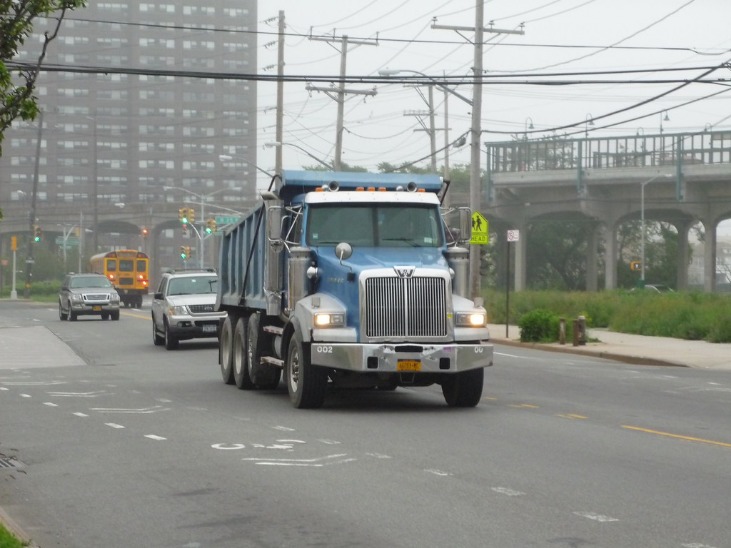

Overview of the South Africa Bus Accident
South Africa’s bus network serves millions daily, but bus accidents remain a significant safety concern. This overview highlights common causes—driver fatigue, vehicle maintenance, and road conditions—along with the human and economic impact and the measures authorities are taking to improve safety, such as stricter licensing, better enforcement, and stronger emergency response.
Summary of the incident
South Africa’s bus accidents often highlight road safety, passenger protection, and emergency response challenges. This overview summarizes a typical incident involving a bus in South Africa and outlines the key factors, responses, and consequences commonly observed.
- Location and setting: describes where the collision occurred (highway, urban road, or rural route) within South Africa.
- Time and sequence: outlines the rough timing and how the events unfolded leading to the crash.
- Vehicles and passengers: notes the type of bus, passenger load, and any other vehicles involved.
- Casualties and injuries: provides a general description of injuries and fatalities without specific figures.
- Causes and contributing factors: highlights common factors such as overloading, driver fatigue, weather, road conditions, or mechanical issues.
- Emergency response: covers the actions of police, emergency medical services, rescue personnel, and support for survivors.
- Investigation and accountability: mentions ongoing investigations and potential findings or actions by authorities.
- Impact and policy implications: discusses the incident’s effect on commuters, communities, and transport safety regulations.
- Prevention and safety measures: outlines recommended improvements in vehicle maintenance, driver training, enforcement, and road design to reduce future risks.
Geographic and temporal context
The South Africa bus accident landscape involves a range of incidents affecting long-distance coaches, intercity buses, and commuter services. While road safety reforms have reduced some risks, bus crashes remain a major concern due to factors such as driver fatigue, vehicle maintenance gaps, overloading, and variable road conditions. This overview focuses on the geographic and temporal context of these events within the country.
Geographically, South Africa’s road system blends dense urban networks with vast rural corridors. Major highways such as the N1 (Johannesburg to Cape Town), the N3 (Johannesburg to Durban), the N2 (coastal route from Cape Town to KwaZulu-Natal), and the N12 connect key economic centers and carry heavy bus traffic. Crashes often occur on national routes that traverse mountainous passes, long two-lane sections, and roads with mixed-quality surfaces, as well as on urban arterial corridors with high commuter volumes. The geographic spread includes Gauteng, KwaZulu-Natal, the Western and Eastern Cape, the Free State, and the Eastern Cape, with regional routes shaping crash patterns across provinces.
Temporally, bus crashes in South Africa show variation by time of day, day of week, and season. A sizable share occur during long-distance trips that run through late evenings and early mornings, when driver fatigue can be a factor. Holiday periods—such as the December or Easter peak travel seasons—tend to see higher incident numbers due to increased traffic volumes. Seasonal weather also plays a role: heavy rain and flash floods in KwaZulu-Natal and the Western Cape can worsen road conditions, while fog and mist in mountainous areas contribute to reduced visibility on certain routes.
The consequences are severe for passengers, drivers, and communities, prompting ongoing coordination among traffic authorities, emergency services, bus operators, and safety campaigns. Efforts to improve the geographic and temporal risk profile include infrastructure upgrades on major corridors, stricter vehicle roadworthiness checks, enhanced enforcement of hours-of-service regulations, and public awareness campaigns during high-risk travel periods.
Understanding the geographic spread and timing of bus accidents in South Africa helps stakeholders target safety interventions, allocate emergency resources, and communicate risk to travelers preparing for intercity or commuter journeys.
Incident Details
Incident details surrounding a bus accident in South Africa outline what happened, where and when it occurred, which vehicles and people were involved, the extent of injuries or fatalities, and how authorities and emergency services are responding as investigations begin.
Vehicles involved and operator
A bus accident occurred on a major route in South Africa, prompting an immediate emergency response. This article outlines the incident details, the vehicles involved, and the operator responsible for the service.
- Incident Details
- Date and time: A weekday morning during peak traffic hours.
- Location: A busy arterial road near a central intersection in a South African city.
- Road and weather conditions: Dry road, clear visibility, moderate traffic volume at the time.
- Impact: Multiple injuries reported; road closed temporarily for investigation and clearing; detours in place.
- Response: Police, paramedics, and fire services on scene; patients transported to nearby hospitals; crash investigators securing the area.
- Vehicles involved
- Bus: Public transport city bus, typical configuration for the operator, with significant front and side damage; passenger capacity carried at the time unknown.
- Other vehicles: A private car and a light goods vehicle were involved; both sustained damage and were moved to the roadside to allow traffic to flow.
- Safety measures: Emergency checks for fuel leaks and airbag deployment; orderly evacuation of passengers was conducted by staff and first responders.
- Operator
- Operator name: CityLink Bus Services (a hypothetical operator) that operates public transport routes in the region.
- Licensing and compliance: The operator holds a valid operating license; authorities are reviewing adherence to safety standards and maintenance records.
- Driver involvement: The driver is cooperating with investigators; routine post-incident procedures include mandatory testing and administrative leave pending results.
- Company response: The operator offered assistance to affected passengers and announced a safety review of routes and vehicle maintenance procedures.
Route, time, and passenger context
A commuter bus was involved in a crash in South Africa during the morning peak, near a major highway in Gauteng. Emergency responders quickly secured the scene, treated the injured on site, and transported several passengers to hospitals. Investigators opened a probe into the cause, considering factors such as vehicle maintenance, driver condition, and road safety conditions.
The vehicle was operating on Route 42, a dedicated feeder route connecting the town of Mamelodi to the Johannesburg CBD, passing through several suburbs at the time of the incident. The route is part of the city’s public transport network and serves hundreds of daily riders who rely on it to reach work, school, and services. The bus was a standard city coach with seating for around 60 passengers.
The incident occurred at about 7:15 a.m. local time, a period when roads are typically at their busiest with school and commuter traffic. The weather was clear with dry road conditions, and no immediate weather-related hazards were reported by authorities. Service on the route faced detours and delays as crews worked to clear the scene and restore normal operations.
Passenger demographics included a mix of daily workers, students, retirees, and occasional travelers. Many were on short trips across town, carrying work-related documents, school bags, or groceries. Onlookers described calm behavior from passengers who assisted each other before emergency crews arrived. Authorities said they would examine safety protocols, including maintenance records, driver shift patterns, seat belt usage, and passenger accessibility in emergencies.
Immediate scene characteristics and chaos
A bus collision on a major route in South Africa has drawn emergency services to the scene. The bus, used for intercity or commuter travel, was carrying a large number of passengers when it collided with another vehicle. Authorities say there are injuries and at least one fatality reported; rescue teams are extracting passengers and transferring them to hospitals. The incident prompted road closures and traffic diversions as investigators begin to document the scene.
At the immediate scene, metal was twisted and windows were shattered. Seats and luggage were scattered inside and along the roadway. There was a strong smell of fuel and oil, and responders worked to control a potential fire and to secure the area. Ambulances lined the shoulder, while firefighters used hydraulic tools to reach passengers trapped in the wreckage. Police set up a cordon and began to collect witness statements as the sun shone on the damaged bus.
Chaos described by witnesses included a frenzied mix of concern, confusion, and urgency. Bystanders shouted for updates and directions while trying to assist, some providing water and blankets, others recording with phones. Traffic congestion swelled as lanes were closed and detours implemented, creating delays for other commuters and emergency routes. Communication among responders and with hospitals was rapid but stressed by the volume of people needing help.
Emergency Response and Rescue
Emergency response and rescue in a South African bus accident requires rapid coordination among police, emergency medical services, fire and rescue teams, and tow and salvage crews. Responders quickly assess the scene, triage passengers, stabilize injuries, and safely extricate occupants, while clear communication and an incident command structure guide evacuation to hospitals and delivery of care. The emphasis is on speed, safety, and collaboration to protect lives and support affected communities.
Response timeline and agencies
Emergency Response and Rescue in the context of a bus accident in South Africa requires rapid coordination to save lives, minimize injuries, and secure the scene for responders and bystanders. A typical incident involves multiple passengers, potential injuries of varying severity, and the need to manage traffic, shelter, and information flow to families and authorities. Preparedness, clear roles, and effective communication between agencies are essential to reduce casualties.
Response timeline: The moment a crash is reported, emergency numbers 112 or 10177 are contacted, initiating an alert to emergency medical services, fire services, and the police. Within minutes, multiple response units are dispatched with priority given to the injured. On arrival, responders establish scene safety, set up a command point, and begin triage using methods such as START to categorize patients by severity. In the first hour, critical patients are stabilized and extrication is performed if passengers are trapped, using hydraulic tools and rescue equipment. Transportation follows as patients are stabilized, with the most severely injured moved to the nearest suitable hospital, while others may be taken to facilities with capacity. Aftercare includes handover reports to hospital staff, incident documentation, and debriefs to coordinate patient transfers or potential air evacuation if required.
Agencies involved include: Emergency Medical Services (provincial EMS and private ambulance providers such as Netcare 911, ER24, Lifes Healthcare); Fire and Rescue Services (municipal or provincial fire brigades responsible for rescue and tools); South African Police Service (SAPS) for scene security, traffic management, and investigation; Road Traffic Management Corporation (RTMC) or traffic authorities for road closures and diversions; Department of Health and provincial health authorities for hospital readiness; National Disaster Management Centre (NDMC) or provincial disaster management structures under the Department of Cooperative Governance and Traditional Affairs (COGTA) for coordinating multi-agency response and information; and hospitals and trauma centers to receive patients. In some incidents, air ambulance services may deploy helicopters to rapidly locate and evacuate severely injured passengers.
In practice, a bus accident scene in South Africa tests interoperability among all parties. A unified command structure guides the response, standard operating procedures ensure consistent actions, and clear communication channels minimize delays. Crowd control, bystander safety, and timely family notification are also integral parts of the operation to maintain order and support those affected. Training, drills, and established mutual-a aid agreements help agencies work together efficiently when every minute counts.
Preparedness and prevention are essential complements to response. Regular simulation exercises, road safety campaigns aimed at bus operators and drivers, and robust incident management plans contribute to faster, safer rescues. By strengthening coordination among EMS, fire services, police, transport authorities, health facilities, and disaster management bodies, South Africa can improve outcomes in bus accident emergencies.
Medical evacuation and hospital care
In a bus accident on South Africa’s roads, emergency response begins the moment the crash is reported. Scene safety and rapid size-up are the priorities: police secure the area, fire and EMS provide initial care, and bystanders are kept clear. Dispatch coordinates multiple agencies and requests additional ambulances, rescue units, and, if needed, aerial support. The goal is to reach and treat the most severely injured passengers as quickly as possible while preventing further harm.
Rescue and extrication: Fire and rescue teams carefully gain access, stabilize the bus, and disentangle occupants using hydraulic tools. Medical teams immobilize the spine and protect airways, using backboards and collars. Bleeding is controlled with direct pressure or tourniquets, and care is provided for shock, burns, or crush injuries. Every action prioritizes keeping patients stable for transport.
Medical evacuation and triage: On-site clinicians perform triage to categorize injuries using established protocols such as START or SALT. Life-threatening conditions receive immediate attention: airway management, breathing support, circulation control, and pain relief. Depending on injuries and hospital capacity, patients are transported by ambulance or, for distant or severely injured cases, by air ambulance to regional or tertiary trauma centers.
Hospital care: Trauma teams activate upon arrival. Initial resuscitation focuses on airway, breathing, circulation, and rapid imaging to identify internal injuries. Surgeries may be required to stop bleeding, repair broken bones, or treat organ damage. Critical care may be needed for severe trauma, with ongoing monitoring, antibiotics to prevent infection, and careful fluid management. Rehabilitation planning begins early, with social work and family communication involved.
Aftercare and coordination: Families are informed with sensitivity, and survivors receive medical and psychological support as needed. Hospitals coordinate with EMS to track patient transfers and ensure continuity of care. Incident reporting and debriefs help identify gaps in response and guide improvements in training, equipment, and interagency communication.
Preparedness for future incidents: Regular drills across EMS, fire services, police, hospitals, and air medical teams strengthen interoperability. Investments in vehicle safety, driver training, on-board medical resources, and rapid routes to trauma centers reduce delays and improve outcomes in future bus accidents in South Africa.
Coordination with national and local authorities
A bus accident in South Africa demands an integrated emergency response and rescue effort that saves lives, reduces harm, and stabilizes the situation quickly. The first minutes determine survival chances, and effective coordination across tiers of government is essential.
On arrival, the incident command system is established to provide clear leadership, secure the scene, establish a safe rescue corridor, and manage bystanders. Triage begins immediately to identify those in need of urgent care, while initial medical stabilization is provided by paramedics and clinicians at the scene before transfer to appropriate facilities.
Coordination at the local level involves municipal fire services, police, traffic authorities, emergency medical services, hospital networks, and disaster management units. Local disaster management centres coordinate resource sharing, standby arrangements, and public safety messaging, ensuring that traffic rerouting, crowd control, and scene security are maintained while rescue operations continue.
National-level coordination connects provincial disaster management centres and the National Disaster Management Centre with local authorities to mobilize additional resources, if required. This includes interdepartmental liaisons with transport agencies, health departments, and national emergency services, as well as messaging to ensure consistent information flow and public safety advisories across affected areas.
Rescue operations focus on safe extrication, stabilization, and rapid transport of casualties. Responders assess structural integrity, manage fuel spills or fire hazards, use appropriate equipment for vehicle stabilization and patient access, and coordinate with medical teams to determine the most suitable destination hospitals based on triage category and resource availability.
Medical management emphasizes rapid triage, on-scene care, and efficient handover to hospitals equipped to treat trauma patients. Designated casualty clearing and triage zones, patient tracking, family liaison officers, and interpreter services support dignified care and reduce confusion in the aftermath of the incident.
Effective information management and communications are vital to avoid misinformation and to keep the public informed. Interoperable radio systems, centralized incident dashboards, and coordinated media briefings help maintain situational awareness among responders and the public while protecting patient privacy and the integrity of investigations.
After-action review and recovery focus on psychological support for survivors and responders, data collection for road-safety improvements, and lessons learned to strengthen future responses. Collaboration between national and local authorities, transport providers, and healthcare systems should translate into updated protocols, training, and resource planning to better handle future bus accidents in South Africa.
Casualties, Injuries, and Affected Communities
The bus accident in South Africa has left families mourning, with confirmed casualties and many injuries across affected communities. Emergency responders race to treat the injured, while hospitals brace for patient flow and communities organize support for those displaced or grieving. This moment underscores road-safety challenges, the strain on healthcare and social services, and the resilience of communities rallying to provide aid, counseling, and long-term recovery for those touched by the tragedy.
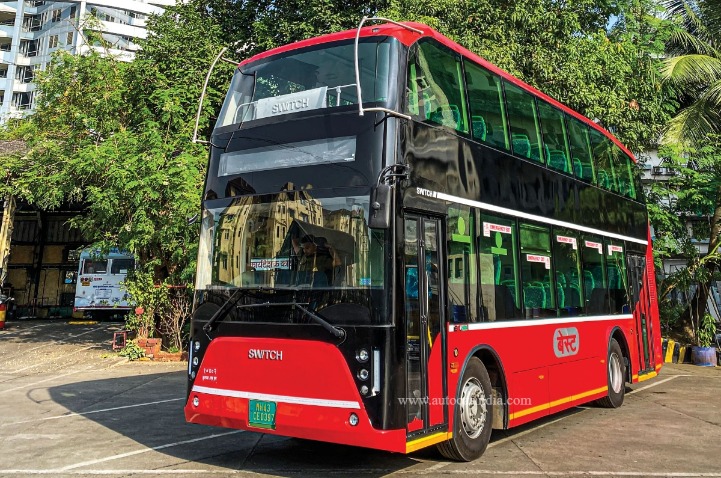
Fatalities and confirmed injuries
A bus crash in South Africa has prompted emergency responders to assess casualties and injuries and to support affected communities.
Casualties refer to the total number of people harmed in the incident, including those killed and those injured. In the hours after a crash, authorities typically provide provisional casualty figures that can change as on‑scene assessments conclude and hospitals report incoming patients. In many cases, the final tally is confirmed after families have been contacted and investigations are underway.
Injuries sustained in bus crashes vary greatly in severity. Some passengers may suffer minor injuries such as cuts or bruises, while others face more serious trauma requiring urgent medical care. On‑scene triage and rapid transport to hospitals help ensure that the most seriously injured receive attention first, with subsequent care at trauma units and, if needed, surgical intervention and rehabilitation.
Affected communities often experience a range of impacts beyond the immediate injuries. Local residents may be displaced from homes or workplaces, roads and public transport routes can be disrupted, and businesses near the crash site may see reduced access to customers. Community organizations, schools, and places of worship may mobilize to provide shelter, meals, and emotional support to those affected, while authorities coordinate with social services to assist families and survivors.
Fatalities and confirmed injuries are reported by official channels as the investigation progresses. “Fatalities” denote those who have died as a result of the crash, while “confirmed injuries” apply to those with verified medical diagnoses or hospital records. Families receive the necessary notifications in a respectful and timely manner, and authorities work to document the incident and determine its causes while ensuring transparent communication with the public.
Ongoing response efforts include medical treatment for the injured, counseling services for victims and witnesses, and regular updates from emergency management agencies. Transport authorities may implement temporary measures to restore mobility, while investigators examine vehicle conditions, road factors, and driver actions to understand what happened and to prevent similar crashes in the future.
Victims’ demographics and vulnerable groups
A bus accident in South Africa often has wide-reaching consequences for passengers, pedestrians, and the communities they serve. The incident can quickly transform daily routines into moments of fear and disruption, underscoring the fragility of regular transport networks in densely populated areas and along major corridors.
Casualties in such events typically include fatalities and a range of injuries among bus occupants, other road users, and bystanders. Official casualty counts are usually provisional and subject to change as investigations unfold, and they reflect factors such as the speed of the collision, vehicle condition, seat belt use, and whether safety features were active at the time of impact. Emergency services face the challenge of rapid extraction, on-site triage, and timely transport to hospitals equipped to manage trauma cases.
Injuries from bus accidents span minor cuts and bruises to life-threatening conditions such as head injuries, spinal trauma, broken bones, and burns. The immediate medical needs often require multidisciplinary care, including surgery, imaging, rehabilitation, and long-term follow-up. The burden on public hospitals and trauma facilities can be substantial, especially in regions with limited capacity or high patient load.
Affected communities experience both immediate and lingering effects. Local economies near crash sites may suffer due to disrupted commuting patterns, loss of income, and impact on school routines. Families and neighbors often rally to support survivors, while community members contend with grief, stigma, or trauma. Transportation services can be disrupted for days or weeks, affecting access to healthcare, education, and essential services for residents of urban townships and rural settlements alike.
Victims’ demographics and vulnerable groups are a central concern in the aftermath of bus crashes. Data often show a concentration of affected individuals among daily commuters, students, and low-income residents who depend on affordable public transport. Women and men may be affected differently by the social consequences of injury and caregiving burdens. Children and learners are particularly vulnerable when buses serve school routes or intercity trips, while the elderly and people with disabilities may face greater barriers to recovery and reintegration. Migrant workers, undocumented residents, and people in precarious livelihoods can encounter additional challenges in accessing post-crash support, compensation, and ongoing healthcare. The intersection of poverty, housing, and accessibility amplifies risk and compounds the impact on these groups.
Coordination among health services, law enforcement, community organizations, and social support systems is essential to address both immediate needs and long-term recovery. Gaps in data collection can hinder the understanding of which communities are most affected and what services are most effective. Culturally sensitive psychosocial support, financial assistance, and clear information about medical care, rehabilitation, and restitution help victims and their families navigate the aftermath.
Efforts to prevent future incidents focus on a combination of safer bus design, enforcement of vehicle standards, driver training, seat belt use, and better road infrastructure. Strengthening emergency response capacity, improving hospital trauma pathways, and ensuring accessible post-crash care for vulnerable groups are critical components of a holistic approach to reducing casualties, minimizing injuries, and supporting affected communities after a South African bus accident.
Impact on families and communities
When a bus accident occurs in South Africa, the immediate toll often extends far beyond the crash itself, touching families, neighborhoods, and entire communities with casualties, injuries, and disruption.
Casualties and injuries can vary widely from one incident to another. Authorities typically report fatalities as confirmed deaths and record injuries ranging from minor to life-threatening. Common injury patterns in bus crashes include head injuries, blunt trauma, spinal injuries, fractures, burns, and post-traumatic stress that can affect survivors long after the scene is cleared.
Affected communities either within the towns where the crash happened or in the wider region experience a shared sense of loss and anxiety about travel safety. Local hospitals may be strained as emergency departments treat a surge of patients, and family members travel from distant areas to join those attending the injured or grieving. Transport hubs often become scenes of mourning and solidarity.
Impact on families can be profound and multifaceted. The sudden loss of a relative, or the long-term care needs of an injured family member, can disrupt incomes, caregiving arrangements, and plans for the future. Funeral costs, medical bills, and the stress of navigating compensation processes add to the emotional burden, sometimes for years after the crash.
Communities grappling with a bus accident also face social and economic consequences. Schools and workplaces may lose students or staff, local businesses may suffer from reduced foot traffic or disrupted transport links, and the fear of travel can limit mobility and economic activity. In rural areas, access to timely medical care and follow-up rehabilitation services may be especially challenging.
Beyond immediate needs, communities often mobilize to support those affected—through vigils, charitable fundraisers, blood drives, and in-kind aid. Local NGOs, faith-based groups, and government services coordinate to provide psychological support, housing for families temporarily displaced, and information about available benefits and legal rights.
Support systems such as the Road Accident Fund and other government programs in South Africa may offer compensation for injuries or for the families of those killed, along with medical cost coverage and rehabilitation services. Accessing these resources typically requires timely reporting of the incident, medical documentation, and adherence to application procedures, with social workers and legal aid often helping families navigate the process.
Ultimately, addressing the impact of a bus accident requires attention to prevention as well as response—improved vehicle safety standards, driver training, stricter enforcement of traffic laws, and robust emergency response plans. By prioritizing safe travel, transparent reporting, and compassionate support for those affected, communities can begin to heal while reducing the risk of future tragedies.
Causes, Investigations, and Accountability
Causes, investigations, and accountability shape how a bus accident in South Africa is understood and addressed. This introductory overview notes that crashes can stem from driver fatigue, overloading, vehicle maintenance failures, road conditions, and weather, and that thorough investigations by transport authorities and police seek to establish facts and assign responsibility. It also highlights how accountability—through operators, manufacturers, regulators, and civil proceedings—drives reforms to safety standards and prevents future tragedies.
Preliminary findings on contributing factors
This article provides an overview of a bus accident in South Africa focusing on Causes, Investigations, and Accountability, with preliminary findings on contributing factors.
- Causes
- Vehicle condition: potential maintenance lapses, brake wear, tire tread depth, and mechanical failures.
- Driver factors: fatigue, distraction, speed, and adherence to scheduled rest periods.
- Road and environmental factors: road surface conditions, weather, visibility, and signage.
- Operational factors: overloading, scheduling pressures, and company policies on safety and maintenance.
- Regulatory and systemic factors: gaps in enforcement, compliance challenges, and oversight limitations.
- Investigations
- Initial scene assessment, data collection, and preservation of evidence.
- Review of maintenance records, fleet management practices, and procurement history.
- Analysis of driver licensing, training, and documented rest and duty cycles.
- Examination of vehicle telemetry, route data, and available surveillance footage.
- Interagency coordination among traffic authorities, police, and safety organizations.
- Accountability and preliminary findings
- Identification of contributing factors that may inform safety reforms and policy actions.
- Provisional recommendations for immediate safety measures and regulatory adjustments.
- Assessment of potential accountability for operators, owners, and maintenance providers.
- Outline of next steps, including formal investigations, audits, and public communication plans.
Vehicle maintenance, operator compliance, and fatigue
Bus accidents in South Africa raise questions about safety culture across operators, regulators, and road users. They highlight how multiple factors—from vehicle condition to driver welfare—interact on busy routes across major cities and rural corridors.
Causes of bus accidents in South Africa often include driver fatigue, distraction, or error; vehicle defects such as faulty brakes or worn tires; overloading and poor loading practices; scheduling pressures that push drivers to exceed safe hours; dangerous road conditions or inclement weather; and gaps in enforcement that allow risky practices to persist.
Investigations are typically led by traffic authorities, with input from police, engineers, and transport regulators. They encompass scene analysis, vehicle inspections, examination of maintenance logs, data from event recorders or dashcams, and interviews with drivers, operators, and witnesses. Findings inform prosecutions, civil claims, and policy reviews, and often lead to stricter safety requirements for fleets.
Accountability extends across the operator, fleet owner, maintenance staff, and individual drivers, as well as regulators who supervise compliance. Where negligence or systemic failures are found, consequences can include fines, license suspensions, criminal charges, and remediation orders. Public reporting and independent oversight aim to deter repeat lapses and restore trust.
Vehicle maintenance is fundamental to safe bus operation. Regular servicing, brake checks, tire condition, steering, suspension, lights, and safety systems must be documented in verifiable logs. Fleets should implement preventive maintenance schedules, pre-trip checks, and rapid repair pathways to prevent defects from going unnoticed.
Operator compliance covers adherence to hours of service, load limits, route and schedule integrity, and record-keeping. Operators must ensure staff training, background screening, and clear reporting channels for safety concerns. Effective compliance relies on transparent contracts, routine audits, and consequences for noncompliance.
Fatigue remains a critical risk factor. Long shifts, insufficient rest, and high-pressure timetables contribute to slower reaction times and impaired judgment. Addressing fatigue requires enforcing mandated rest periods, realistic scheduling, roving checks on driver wellbeing, and support for drivers to raise fatigue concerns without fear of retaliation.
Taken together, a comprehensive approach combining rigorous investigations, accountability, maintenance discipline, compliance culture, and fatigue management can reduce the risk of bus accidents in South Africa.
Infrastructure and road safety assessment
Bus accidents in South Africa highlight the complexity of road safety on busy commuter corridors. A comprehensive understanding requires looking at the factors that cause crashes, how investigations are conducted, how accountability is assigned, and how infrastructure and road design influence risk for both drivers and passengers.
Common causes of bus crashes in South Africa include driver fatigue or distraction, speeding or aggressive driving to meet tight schedules, and overloading or uneven loading that affects vehicle handling. Vehicle maintenance failures such as brake dysfunction, tire blowouts, or defective steering can precipitate loss of control. Poor road conditions, inadequate signage, poor lighting, and adverse weather also contribute, as do unsafe operating practices like unauthorised routes, insufficient rest periods, and pressure to operate beyond recommended limits.
Investigations after a bus crash typically involve police scene management, traffic officers collecting evidence and interviewing witnesses, and forensic examination of vehicles and data recorders where available. Roadworthiness checks, vehicle maintenance records, and operator compliance with licensing requirements are reviewed, and accident reconstruction may be used to determine factors like speed, braking, and impact. In South Africa, findings are used to guide regulatory actions, inform civil claims, and support reforms in public transport policy.
Accountability in bus crashes extends to drivers, transport operators and owners, and, where applicable, regulatory inspectors and maintenance staff. Sanctions may include suspension or cancellation of licenses, fines, criminal charges for dangerous driving or negligence, and civil liability for damages. Public inquiries or parliamentary oversight can also drive changes in policy and force operators to adopt safer practices, improved maintenance regimes, and better driver training and scheduling processes.
Infrastructure and road safety assessments focus on the design and condition of roads used by buses, including lane configurations, bus priority measures, stop spacing, pedestrian facilities, lighting, and signage. They evaluate the sufficiency of maintenance programs for pothole repair, drainage, and road markings, as well as the effectiveness of bus depots and dispatch systems. Data-driven approaches identify high-risk corridors and inform investments in dedicated bus lanes, traffic calming, safer bus stops, improved junction design, and integration with urban mobility plans and public transport networks.
Addressing bus crashes in South Africa requires coordinated action across government, transport operators, labor groups, and communities, with a focus on preventing crashes, improving investigations, ensuring accountability, and upgrading infrastructure to support safer, reliable public transport.
Regulatory and Policy Responses
Following a bus accident in South Africa, regulatory and policy responses are shaping safer transport through tighter vehicle standards, improved driver training, stricter inspections, and clearer accountability for operators, with oversight by national and provincial authorities to prevent future tragedies.
Government investigations and transport authority actions
When a bus crash occurs in South Africa, regulators move quickly to investigate, regulate, and prevent recurrence, shaping the regulatory and policy response to protect passengers and hold operators accountable.
Government investigations are typically led by the Department of Transport with support from the Road Traffic Management Corporation and the National Prosecuting Authority as appropriate, alongside police investigations. They examine the crash scene, collect evidence from vehicle records, maintenance logs, driver qualifications, and operator compliance, and interview witnesses and staff. Findings can determine whether safety rules were breached, whether the operator complied with licensing and service obligations, and whether mechanical fault or human factors caused the collision. In high-profile cases an independent or judicial inquiry may be established to provide a comprehensive verdict and recommendations.
Transport authority actions may include immediate safety measures such as suspending or revoking operator licenses or permits, ordering temporary route cancellations, and mandating fleet inspections and roadworthiness checks. Regulators may require operators to submit maintenance logs, driver records, and evidence of insurance, and to install or upgrade safety devices or telemetry where applicable. Additional actions include enforcement campaigns, random inspections, and policy directives to ensure future compliance across the commercial bus sector.
Policy responses focus on strengthening the regulatory framework and road safety culture. This can involve updates to road traffic legislation and regulations concerning vehicle fitness, operator licensing, driver qualification and training, and periodic inspections. Authorities may increase penalties for non-compliance, require periodic safety audits of operators, set minimum safety standards for fleet maintenance, and promote safer public transport through clearer passenger rights, incident reporting requirements, and data sharing between agencies.
These responses are designed to create accountability, improve data-driven enforcement, and build resilience in public transport. By aligning investigations with policy reforms and regular oversight, South Africa aims to reduce the risk of future bus crashes and restore public confidence in bus services.
Legal accountability and compensation frameworks
A bus accident in South Africa often sets in motion a coordinated wave of regulatory and policy responses aimed at improving safety, ensuring accountability, and securing compensation for victims.
Regulatory and policy responses focus on strengthening licensing, operator accreditation, vehicle standards, and public transport planning under the National Land Transport Act (NLTA) and allied road-traffic laws, with oversight from bodies such as the National Public Transport Regulator, the Road Traffic Management Corporation, and the Department of Transport.
Policy measures commonly introduced or reinforced after a collision include mandatory roadworthiness testing and maintenance regimes for passenger buses, stricter requirements for operator compliance with safety rules, driver training and testing, fatigue management, and the use of telematics or electronic logging to monitor hours-of-service.
Accident investigations and reporting requirements are tightened to ensure rapid, transparent inquiries by regulators and police, with findings used to tighten standards, update routes, and penalize non-compliance.
Enforcement mechanisms include penalties, license suspensions or revocations, and potential criminal charges for gross negligence or reckless operation, along with corporate accountability for negligent management practices.
Compensation frameworks in SA include the Road Accident Fund (RAF), which provides no-fault compensation for injuries sustained in road crashes, subject to statutory limits and process requirements; claimants may need to navigate medical treatment costs, loss of income, and long-term care needs.
Private compensation avenues continue to be available: civil delict claims for negligence against operators or drivers, with damages for medical costs, loss of income, pain and suffering; the extent of recovery may be affected by contributory negligence and insurance coverage.
COIDA coverage for workers, such as bus drivers and conductors, provides compensation for work-related injuries, with the Compensation Fund paying benefits and medical costs.
Policy challenges include funding pressures on the RAF, delays in claim processing, administrative capacity gaps, and the need for better data collection on bus safety performance to inform ongoing reforms.
Overall, the regulatory and policy framework aims to reduce the risk of future bus crashes, improve safety culture across fleets, and ensure timely, fair compensation for victims through a mix of no-fault and fault-based remedies.
Proposed reforms and timelines
In the wake of a recent bus accident in South Africa, regulators are intensifying their focus on road safety in public transport. Investigations are examining vehicle condition, operator compliance, and driver practices to identify root causes and to shape a comprehensive package of regulatory and policy responses aimed at preventing a recurrence.
Regulatory responses under consideration include tighter vehicle roadworthiness inspections for passenger buses, mandatory maintenance records, and enhanced enforcement by traffic authorities. There is also a push to strengthen driver fitness tests, fatigue management, and training standards, alongside clearer penalties for non-compliance by operators and owners. Additional measures include improved crash reporting, data sharing among agencies, and stronger oversight of public transport providers to ensure consistency across provinces.
Proposed reforms envision a unified national framework for bus safety that covers vehicle standards, operator registration, driver training, and passenger protection. Key elements include mandatory licensing or re-endorsement for bus operators, periodic independent maintenance audits, standardized fatigue management for long-haul routes, and mandatory use of seat belts where feasible. A new or elevated regulatory body could oversee compliance, accreditation of maintenance facilities, and regular performance reviews of operators, with transparent reporting to the public.
Timelines for these reforms are typically framed in three phases. Short-term actions (0-12 months) could include publishing a regulatory white paper, implementing interim roadworthiness checks, requiring improved maintenance logs, expanding enforcement capacity, and initiating a national data-sharing platform for crash and violation data. Medium-term measures (1-3 years) might establish the National Bus Safety Authority, enact consolidated legislation, standardize training and licensing requirements, and deploy digital tools for real-time compliance monitoring. Long-term goals (3-5+ years) would focus on full fatigue management implementation, comprehensive insurance and liability frameworks for operators, ongoing auditing and performance evaluation, and iterative policy adjustments based on safety metrics.
These regulatory and policy responses will require funding, cross-ministerial coordination, and ongoing engagement with industry stakeholders, labor groups, and civil society to balance safety with service viability and rider access. Monitoring, independent audits, and public reporting will be essential to ensure reforms translate into safer bus operations across South Africa.
Fleet Safety Improvements and Prevention Strategies
Bus safety in South Africa is a pressing concern, and fleet safety improvements are increasingly centered on prevention as much as reaction. Effective prevention strategies combine rigorous vehicle maintenance, regular inspections, and adherence to national road transport standards with driver-focused training, fatigue management, and clear operating procedures. Telematics, speed monitoring, and advanced safety features help managers detect risk early and support safer driving, while data-driven risk assessment, route planning, and robust emergency response planning protect passengers and crews when incidents occur.
Fleet maintenance standards and oversight
The bus accident in South Africa underscored the urgent need for robust fleet safety improvements and prevention strategies. Across the country, operators can reduce risk by implementing data‑driven safety programs, strengthening maintenance practices, and aligning oversight with best practices in the transport sector.
Fleet safety improvements start with a comprehensive safety management approach. Telematics and real‑time data collection enable monitoring of speed, harsh braking, acceleration, route deviations, and driver fatigue indicators. By analyzing this data, operators can identify high‑risk routes, peak fatigue periods, and driver behavior patterns that lead to incidents. Safety programs should translate into clear policies, standardized procedures, and measurable Key Performance Indicators such as reduced incident rates, fewer unplanned maintenance events, and improved on‑time performance driven by safer, more predictable operations.
Prevention strategies also hinge on people. Rigorous driver management and training programs are essential. This includes thorough pre‑employment screening, regular refresher training on defensive driving, passenger safety, and hazard recognition, plus fatigue management through appropriate shift scheduling and mandatory rest breaks. In addition, a culture that encourages reporting of near misses and defects without fear of penalties helps capture early warning signs before an accident occurs. Passenger empowerment measures, such as clear safety briefings and accessible emergency information, contribute to a safer in‑vehicle environment.
Vehicle and fleet maintenance standards are central to preventing breakdowns and catastrophic failures. Operators should implement a preventive maintenance program aligned with manufacturer specifications, covering daily walk‑around checks, pre‑trip inspections, and systematic service intervals for brakes, tires, suspension, steering, lights, and safety systems. Maintenance records must be complete and auditable, detailing service dates, part numbers, part sourcing, and repairs performed. Authorized service providers, genuine parts, and quality control checks reduce the risk of substandard repairs. Where available, independent inspections and periodic fleet audits can verify compliance and identify hidden maintenance risks before they become safety incidents.
Oversight and compliance play a critical role in sustaining safety gains. In South Africa, road safety guidelines are shaped by national legislation and regulatory bodies that oversee vehicle standards, licensing, and operator accountability. Clear responsibilities for fleet operators include maintaining up‑to‑date licenses, ensuring drivers hold valid qualifications, and meeting maintenance and inspection requirements. Transparent reporting, public dashboards of fleet safety metrics, and regular audits help build trust with passengers and regulators alike. Strong oversight also supports the adoption of safety technologies, such as anti‑lock braking systems, electronic stability control, advanced driver assistance features where appropriate, and reliable tire pressure monitoring, all of which contribute to safer operation on busy urban corridors and long‑haul routes.
To embed these practices, operators should adopt a formal Safety Management System that documents governance structures, risk assessment processes, incident reporting procedures, corrective action plans, and continuous improvement cycles. Investment in technology and people must be paired with a culture that prioritizes safety over short‑term efficiency. By combining robust maintenance standards, proactive prevention strategies, vigilant oversight, and a commitment to data‑driven decision making, bus fleets in South Africa can reduce accident risk, protect passengers and drivers, and restore public confidence in urban and intercity transport networks.
Driver training, rest periods, and monitoring
In addressing the bus accident landscape in South Africa, fleet safety improvements and prevention strategies prioritize reducing risk through better driver training, mandated rest periods, and robust monitoring. These measures aim to protect passengers, drivers, and communities while building a safer public transportation system.
- Fleet safety improvements: invest in modern safety technologies such as anti-lock braking, stability control, and automatic emergency braking; deploy telematics for route analysis and driver behavior monitoring; implement comprehensive maintenance schedules and standardized safety inspections; enforce seatbelt use and crash data collection to drive continuous improvement.
- Prevention strategies: conduct route and corridor risk assessments specific to South Africa, collaborate with traffic authorities to enforce safety standards, optimize scheduling to minimize driver fatigue, develop weather and hazard contingency plans, and implement passenger safety protocols and emergency response drills.
- Driver training: provide thorough onboarding and ongoing programs on defensive driving, hazard perception, local road and weather conditions, safe boarding and alighting procedures, passenger management, distraction awareness, and debriefings after incidents; require certification and regular recertification; incorporate simulator and on-road coaching.
- Rest periods and fatigue management: enforce hours-of-service guidelines, structure shifts to include mandatory rest breaks, educate drivers on sleep hygiene, plan routes to reduce long continuous driving periods, and use fatigue monitoring tools to prompt breaks when needed.
- Monitoring and accountability: use real-time telematics to track speed, harsh braking, acceleration, idling, and deviations; maintain transparent maintenance logs and safety audits; establish independent safety reviews; encourage incident reporting and feedback from drivers and passengers to identify hazards; align incentives with safety performance.
- Community and regulatory alignment: engage with South African transport authorities, unions, employers, and passenger groups to foster a safety culture; support clear penalties for violations; publish safety metrics to build public trust; create channels for whistleblowing and reporting unsafe practices.
Technology adoption: collision avoidance, telematics
Recent bus accidents in South Africa have underscored the urgency of improving fleet safety and prevention strategies across urban and rural routes. When safety is embedded into every layer of a transport operation, accidents can be reduced, injuries minimized, and passenger confidence restored.
Fleet safety improvements start with governance and process. Clear safety policies, robust driver selection and onboarding, continuous training, and routine vehicle maintenance create the foundation for safer operations. A safety-first culture must permeate management, operations, and drivers, with well-defined accountability and regular audits to identify gaps before they become incidents.
Prevention strategies focus on proactive risk identification, fatigue management, and incident learning. Route risk assessments identify high-risk locations, weather contingencies, and peak travel times. Fatigue management uses work hour controls, mandated rest breaks, and monitoring to prevent drowsy driving, which is a leading factor in many bus crashes. Near-miss reporting and anonymous hazard boards can capture insights that lead to targeted improvements.
Technology adoption accelerates safety with collision avoidance and driver-support systems. Collision avoidance technologies, such as automatic emergency braking, adaptive cruise control, and lane-keeping assistance, can provide critical alerts or automated braking in dangerous scenarios. For buses, these systems are increasingly integrated with wide-angle cameras, 360-degree monitoring, and pedestrian detection to reduce blind spots around large vehicles.
Telematics plays a central role in ongoing safety management. Vehicle diagnostics monitor brake wear, engine health, tire pressure, and fault codes, enabling predictive maintenance that minimizes breakdowns on the road. Telematics also enable real-time driver performance feedback through behavior scoring, coaching prompts, and goal-based training, which helps drivers adopt safer habits over time. GPS tracking supports safer routing, speed enforcement, and incident reconstruction if something goes wrong.
In the South African context, implementation must consider cost, capacity, and regulatory alignment. Public transport safety initiatives can be supported by partnerships among government agencies, bus operators, insurers, and technology providers. Compliance with national road safety standards, data privacy rules, and driver-working-time regulations is essential. Pilot programs in key corridors can demonstrate value, build local expertise, and guide scale-up with phased investments.
Measuring success requires clear metrics: reduction in incident and near-miss rates, improved on-time performance with fewer cancellations due to mechanical failures, and improved driver scores after training. Regular audits, safety reviews after incidents, and transparent reporting reinforce accountability and continuous improvement. As technology becomes more accessible, a layered approach that combines people, processes, and advanced vehicle systems offers the strongest path to safer bus travel in South Africa and beyond.
By prioritizing fleet safety improvements, prevention strategies, and technology adoption such as collision avoidance and telematics, bus operators can move toward safer operations, protect passengers and workers, and contribute to the broader goal of safer roads for all South Africans.
Public Communication, Media Coverage, and Public Trust
In the wake of a bus accident in South Africa, public communication, media coverage, and public trust intersect to shape how people understand what happened and what comes next. Clear, timely updates from authorities, responsible reporting that avoids sensationalism, and transparent acknowledgement of uncertainty all help communities stay informed, support victims, and maintain confidence in institutions as investigations unfold.
Media narratives and misinformation management
A bus accident in South Africa underscores the essential role of public communication, media coverage, and public trust in crisis response. In the immediate aftermath, the clarity, consistency, and compassion of information shared shapes how communities understand what happened, what is being done, and what to expect next.
Public authorities should have a crisis communication plan that designates a single spokesperson, a trusted channel for updates, and a routine for timely disclosures. Early statements should acknowledge the incident, outline known facts, outline immediate safety steps, and set expectations for follow-up without speculating about causes or assigning blame prematurely.
Media coverage plays a pivotal role in shaping the public narrative. Responsible reporting balances urgency with accuracy, avoids sensationalism, and cites verifiable sources such as official briefings, emergency services, and transport regulators. Journalists should explain known factors, identify what remains unknown, and avoid repeating unverified rumors that can mislead families or undermine safety efforts.
Misinformation management requires proactive monitoring of social media and other channels, rapid correction of false claims, and clear, accessible updates. Practical steps include daily situation briefings, dedicated hotlines or contact points for families, easy-to-understand infographics about injuries and safety precautions, and real-time dashboards that reflect what is confirmed versus what is still being investigated.
Public trust hinges on transparency, accountability, and respect for those affected. Authorities should communicate not only what is being done, but why it matters, acknowledge uncertainties, share timelines for investigations, and outline concrete measures to prevent recurrence. Privacy protections must be upheld for victims and witnesses, with sensitive information handled responsibly.
Media narratives involve framing choices that can influence perceptions of responsibility and safety culture. Fair coverage should distinguish immediate response from long-term policy questions, avoid prematurely naming culprits, and contextualize issues such as vehicle maintenance, operator licensing, and regulatory oversight within a broader safety framework.
In multilingual and diverse societies like South Africa, inclusive communication is essential. Messages should be accessible in relevant languages, consider literacy levels, and utilize multiple channels—press conferences, social media, radio, and community networks—to reach affected communities and ensure no one is left uninformed.
Ultimately, effective public communication, careful media coverage, and robust misinformation management build public trust, enable a more coordinated crisis response, and promote safer transport systems. The incident offers an opportunity to strengthen collaboration among government agencies, emergency services, transport operators, journalists, and communities for a more resilient future.
Public advisories and travel guidance
Following the bus accident in South Africa, public communication became a central tool for safety, reassurance, and coordination. Government agencies, police, and the bus operator issued coordinated updates through official statements, social media feeds, and dedicated information portals to reach travelers, families, and the broader community.
Media coverage played a pivotal role in shaping public understanding. Newsrooms gathered evidence from responders and eyewitness accounts, as well as official numbers, while editors weighed the need for speed against the duty to verify. Live briefings, infographics, and fact sheets helped prevent rumor spread and offered a reliable baseline for the public.
Public trust rests on transparency and consistency. Officials acknowledged uncertainties about casualty figures and cause, and they updated information as new details emerged. When errors or conflicting reports appeared, retractions or corrections were issued promptly, and families received respectful communications about investigations and support services.
Public advisories and travel guidance focused on safety and mobility. Road closures and impact on routes were announced with estimated reopen times, detour recommendations, and alternative transport options. Travelers were advised to monitor official channels, follow traffic officers’ directions, and avoid the accident zone until authorities declared it safe.
For those planning to travel in the area, guidance emphasized checking official traffic information portals and the transport department’s alerts, using route planning apps with real-time updates, and allowing extra travel time. Employers and schools were encouraged to adjust schedules when possible to reduce congestion around the affected corridor.
Media and authorities shared a common objective: to inform without sensationalizing. Coverage increased public awareness of road safety, emergency procedures, and how to access support for victims’ families. Journalists were reminded to respect victim privacy and to verify details before broadcasting or publishing.
Looking ahead, the incident underscored the value of coordinated communications protocols, multilingual updates, and accessibility for diverse audiences. Lessons included improving notification systems, expanding hotlines, and ensuring that travel advisories reach communities through trusted channels in a timely, compassionate manner.
Broader Implications and Lessons Learned
Broader implications of the recent bus accident in South Africa extend beyond the immediate tragedy to questions of safety, policy, and resilience. This discussion highlights the need for rigorous vehicle maintenance, driver training and fatigue management, safer road design, stronger regulatory oversight, and faster emergency response. Learning from the incident can inform better practices, accountability, and public communication to prevent future crashes and protect riders.
Comparisons with international bus safety practices
A recent bus accident in South Africa has brought into sharp focus the safety challenges facing public bus services and the urgent need to strengthen oversight, maintenance, and driver welfare across the sector.
Broader implications include the erosion of public trust in mass transit, the financial and human costs of crashes, and the pressure on national and provincial authorities to align safety culture with international best practices. The event highlights gaps in data collection, incident reporting, and accountability that can hinder prevention and rapid response during emergencies.
Key lessons learned center on: ensuring rigorous driver training and fatigue management; strengthening licensing checks and ongoing vetting of drivers; mandating robust vehicle maintenance, timely inspections, and replacement of aging fleets; enforcing seat belt use and clear passenger safety rules; investing in emergency evacuation procedures, clear signage, and trained staff to manage incidents; and building rapid, coordinated emergency response and medical care networks in high-need corridors.
International practice offers a range of benchmarks. In the European Union and other advanced markets, buses are subject to formal type-approval and regular periodic inspections designed to verify crashworthiness and safety systems, with many jurisdictions requiring seat belts on intercity coaches and mandated emergency exits and fire suppression equipment. Global frameworks also emphasize safety management systems and data reporting to identify and mitigate risk before a crash occurs.
In North America, safety regulation often centers on driver hours, fatigue management, and compliance monitoring through agencies such as the Federal Motor Carrier Safety Administration, with enforcement tools like electronic logging devices and standardized incident reporting. These measures aim to reduce fatigue, improve maintenance schedules, and create accountability across operators and fleets.
Asia and Oceania offer models of risk-based oversight and performance-based standards. For example, some high-demand urban networks rely on contract-based operator oversight, structured performance targets, and rapid inspection regimes, while markets like Singapore and Australia emphasize rigorous licensing, route planning, ITS-enabled safety features, and continuous training for drivers and dispatch staff. While contexts differ, the emphasis on governance, data, and proactive safety investments is common.
For South Africa, a path toward safer bus operations could combine international best practices with local realities: implement a national bus safety strategy, mandate safety management systems for operators, require up-to-date maintenance records and fleet modernization, introduce or expand seat belt use where feasible, enhance data sharing and independent accident investigation, and invest in driver training and fatigue management programs. Strengthening regulatory capacity, ensuring transparent enforcement, and leveraging technology to monitor vehicles and routes will be essential to prevent future tragedies and restore public confidence.
Ultimately, the lessons from this accident should drive a coordinated, evidence-based reform that protects passengers, drivers, and communities while sustaining affordable, reliable public transport. Aligning with international standards, while adapting to local conditions, offers the most durable path to safer buses in South Africa.
Implications for urban planning and transport policy
Broader implications and lessons learned from a bus accident in South Africa point to the fact that transport safety is a system property, not a single incident. The event prompts scrutiny of urban planning, vehicle standards, road design, and policy choices that shape everyday travel.
Maintenance regimes, vehicle inspections, and driver readiness are foundational to safety. Strengthening fleet safety standards, enforcing pre-trip checks, routine maintenance, and fatigue management can reduce risk across different road contexts.
Road design and traffic management should prioritize safe interactions between buses and other road users. Implementing dedicated bus lanes where feasible, protected intersections, reliable signage, traffic calming in dense areas, and consistent speed limits can reduce crash risk and improve service reliability.
Public transport policy and network planning should aim for efficient, predictable bus networks that attract riders from private cars, easing congestion and pollution. Planning should align routes with housing and employment centers, strengthen interchange with rail, and invest in maintenance, spare parts, and data systems to support operations.
Governance and accountability require transparent procurement, vehicle safety standards, licensing, and independent accident investigations. Public release of investigative findings and policy responses builds trust and ensures lessons are translated into action.
Data, monitoring, and learning are essential. Robust data collection on crashes, near-misses, and service performance should feed public dashboards, after-action reviews, and safety audits that drive updates to design standards, driver training, and enforcement priorities.
Equity and resilience demand that safety upgrades benefit all communities, including those in peri-urban and low-income areas with high reliance on buses. Strengthening emergency response, accessibility for people with disabilities, and resilience to climate-related disruptions are crucial components of a fair, durable transport system.
Economic and policy implications favor long-term investments in safe, reliable public transit, which yield gains through reduced crash costs, improved productivity, and expanded access to jobs. Financing should be aligned with performance-based approaches and sustained maintenance funding.
Cities should pursue integrated, data-driven urban planning and transport policy that treats safety as a systemic outcome, combining road engineering, transit operations, governance, and community engagement to build safer, more efficient communities.