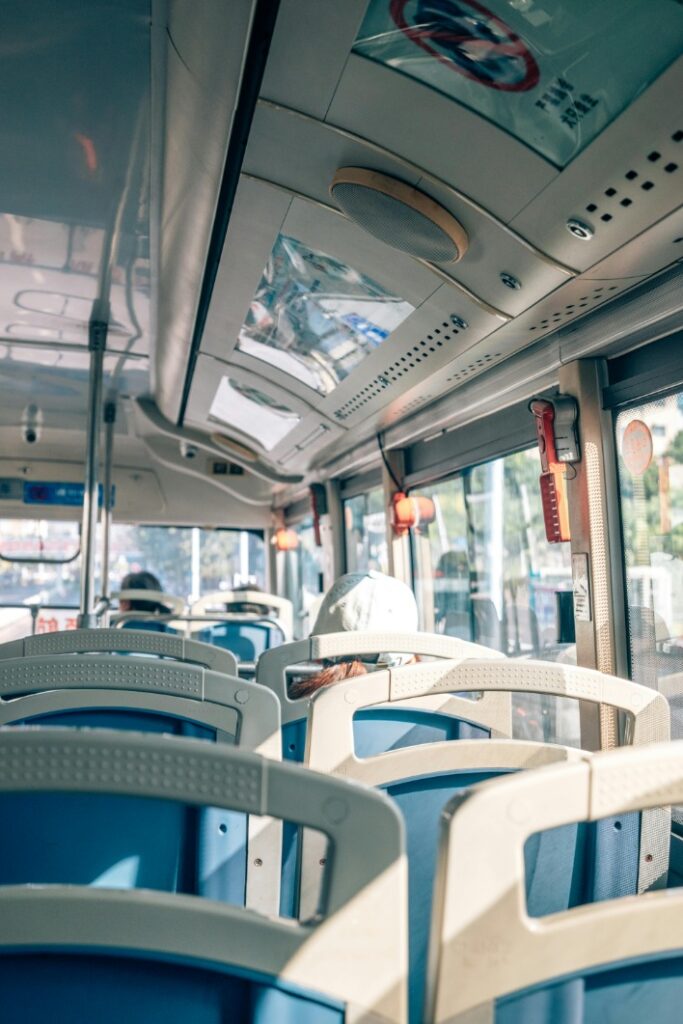

Overview of Bus Travel from Johannesburg to Durban
Traveling by bus from Johannesburg to Durban is a popular, affordable option for long-distance trips along the N3 corridor. There are several daily departures from Johannesburg’s Park Station to Durban’s central bus terminus, with journeys typically lasting about 6 to 9 hours depending on traffic and stops. Buses range from standard to semi‑luxury or premium coaches, offering varying levels of comfort and onboard services. To get the best value and seat, consider booking in advance and choosing a departure that fits your schedule, whether you prefer daytime travel or an overnight option.
Distance, Duration, and Typical Travel Time
Bus travel from Johannesburg to Durban is a popular inland-to-coast journey in South Africa, commonly undertaken for work, holidays, or visits. Most long-distance services follow the N3 highway, linking major hubs in Gauteng with Durban’s central bus terminals, shopping precincts, and beachfront areas. Buses are operated by several national operators and offer scheduled daily departures, with some services running overnight or with limited stops.
The distance between Johannesburg and Durban by road is roughly 560 to 600 kilometers (about 350 to 370 miles), depending on the exact start and end points and the chosen route via the N3. The distance is the same whether you travel by express coach or a service with multiple stops because the road path is similar.
Travel time is largely determined by the service type and traffic conditions. Express, non-stop or limited-stop buses typically take about 6 to 7 hours, while services that pause for several breaks or pass through many towns can take 7.5 to 9 hours. Journey times can also be affected by roadworks and weather, especially on the N3 approaches to Durban.
Typical travel time patterns include morning departures that arrive in Durban by late morning or early afternoon, and evening or overnight services that align with night travel preferences. If you value speed, choose an express or non-stop option; if you prefer budget-friendly fares or want to see towns along the route, a stopping service may be suitable, though it will take longer. Check the operator’s timetable in advance and consider traffic forecasts for the travel date.
Why Take the Bus to Durban?
The journey by bus from Johannesburg to Durban covers roughly 560–600 kilometers along the N3 corridor and typically takes about 6 to 9 hours, depending on traffic, weather, and the number of stops. Several long-distance operators run daily services between these two major cities, linking Johannesburg’s central depots with Durban’s city center and nearby termini.
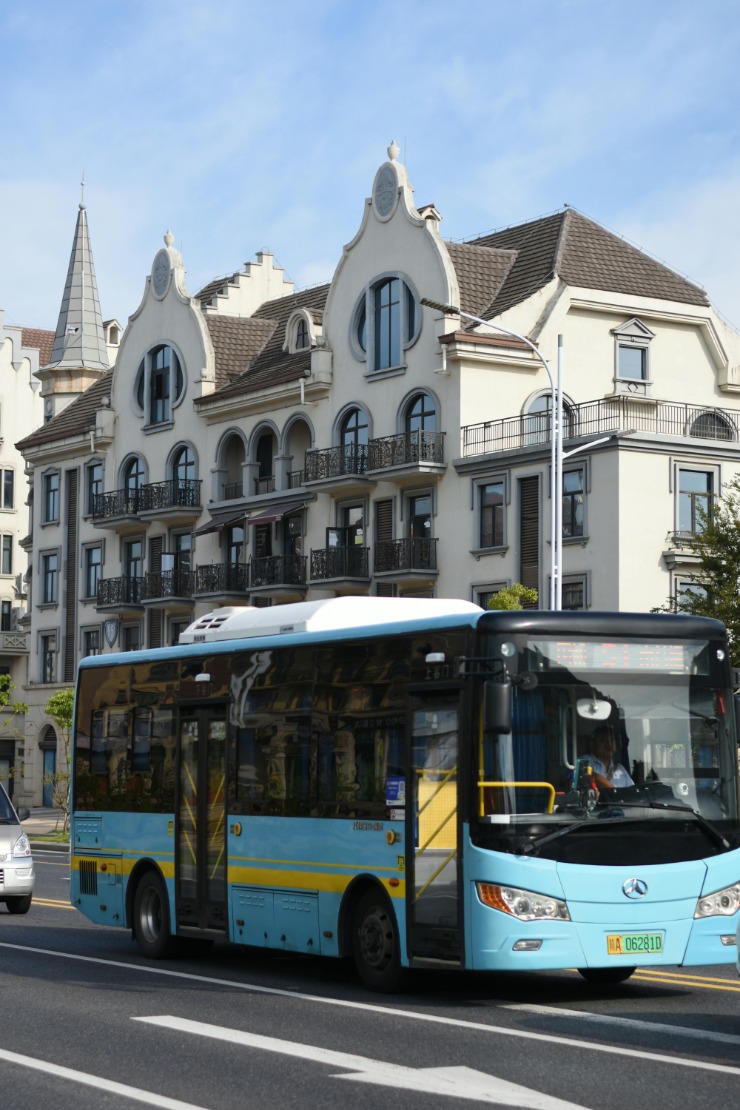
Why take the bus to Durban? Bus travel offers a budget-friendly option with modern, comfortable coaches, onboard amenities, and the convenience of a direct ride without the stress of driving or navigating airports. Buses often provide reliable schedules, multiple daily departures, and straightforward luggage policies that make it easy to plan a low-cost trip.
Onboard experience and routes: Modern intercity buses on this route typically feature air conditioning, comfortable reclining seats, and some services offer free Wi‑Fi and power outlets. You’ll likely ride in standard or premium coaches and make a few short breaks at service stations. The route travels along the N3 through KwaZulu-Natal, with occasional views of rural farms and hills as you approach Durban.
Planning and booking tips: Check schedules in advance and compare prices across operators such as Intercape and Greyhound SA, along with regional providers. Book online or at the operator’s terminal to secure a fare, and consider your timing to avoid peak travel periods. Arrive at the depot a little early to find the correct boarding point and to handle any luggage requirements smoothly.
Practical considerations: Bring water, snacks, and any personal essentials, and check luggage allowances with your chosen operator. Know where the bus departs in Johannesburg and where it terminates in Durban, and plan onward transport for your Durban stay. If you’re traveling during peak times, allow extra time for traffic on the way to the departure point and on arrival in Durban.
Travel alternatives and the overall picture: Flying can dramatically shorten travel time but typically costs more and involves airport security and transfers. Driving gives flexibility but can be tiring and slower if traffic is heavy or tolls accumulate. The bus represents a balanced option—affordable, relatively comfortable, and less stressful than driving, with a reasonable travel time that suits weekend getaways or business trips to Durban.
Key Considerations for This Route
Bus travel between Johannesburg and Durban offers a practical link between Gauteng’s inland economy and KwaZulu-Natal’s coastal city. The journey covers roughly 600 to 650 kilometers by road, depending on the chosen route and stops, making it a comfortable alternative to flying or driving yourself.
Most services travel along the N3 highway, with common detours through Pietermaritzburg and the Midlands. Travel time typically ranges from about 6 to 9 hours, influenced by traffic, weather, and how many breaks the operator schedules.
Key operators include Intercape and Greyhound SA, along with other long-distance providers. Tickets can usually be booked online, at major bus terminals, or through travel agencies. Prices vary with season, demand, and seating class, but you can expect mid-range fares in the hundreds of rand for a one-way trip.
On-board experience often includes comfortable seating, air conditioning, and occasional rest breaks. Some buses offer Wi-Fi or charging points, though this is not universal. Most services provide a restroom on board and have regular intervals for meals or snacks.
Luggage allowances differ by operator. Generally, a sizeable checked bag and a smaller carry-on are allowed, with limits communicated during booking. Avoid exceeding weight or size limits to prevent extra charges.
Safety and practical tips: choose a reputable operator, arrive early for check-in, keep valuables with you, carry water and snacks, dress in layers, and bring a neck pillow for comfort on longer legs of the journey.
Seasonal considerations include higher demand during December to January and on weekends and holidays. Booking in advance is advisable to secure preferred times and seating. Planning ahead also helps you arrange onward connections in Durban, whether you need local transport or a flight.
Planning and connections: journeys typically depart from central Johannesburg bus hubs and arrive at Durban’s main coach stations or terminals. From there, you can arrange taxis, local buses, or rideshare options to reach your final destination in the city or surrounding areas.
Alternatives and conclusion: if speed is a priority, flying is fastest, while if budget is a concern, the bus remains a cost-effective option with extensive coverage and direct routes. With careful planning, the Johannesburg-to-Durban bus journey can be smooth, affordable, and convenient.
Bus Operators and Routes
Bus travel from Johannesburg to Durban offers a range of operators and routes, catering to different budgets and timeframes. You can choose direct day services or comfortable overnight journeys along major corridors, compare prices and travel times, and enjoy onboard amenities on select coaches.
Major Bus Operators Servicing Johannesburg to Durban
Traveling by bus from Johannesburg to Durban is a common, affordable option for many travellers. The trip covers roughly 570 kilometers along the N3 highway and typically takes between 6 and 9 hours, depending on stops and traffic.
Major operator: Intercape Mainliner operates on the Johannesburg–Durban corridor with regular daily departures from Johannesburg. They offer comfortable long-distance coaches, with features such as air conditioning, reclining seats, on-board toilets, and sometimes power outlets and Wi-Fi. Journey times usually fall within the 7–9 hour range, with multiple daily departures to choose from.
Greyhound South Africa also serves the route, providing daily services between Johannesburg and Durban. Buses are generally modern coaches with similar amenities and multiple departures daily. Booking in advance is recommended, especially during peak travel periods.
Other operators: In addition to the two major brands, there are smaller coach services that operate on parts of this corridor and through seasonal schedules. Availability can vary, and some operators may run only certain days or from specific departure points. Always verify current schedules and terminals on the operator’s official site or a trusted travel agency.
Route and terminals: Johannesburg services commonly depart from central Johannesburg bus terminals or city service depots, while Durban arrivals are at major bus terminals or city hubs. The N3 route is the primary highway, with tolls in some sections. During the drive, buses may make short rest stops for meals and leg stretches.
Booking and tips: Compare prices, check luggage allowances, and confirm the exact departure and arrival terminals. Arrive early, bring ID, and be mindful of peak-season surges. If you prefer a specific departure time, reserve your seat well in advance.
Direct Routes vs. Transfers
Common Departure Points in Johannesburg
Bus travel from Johannesburg to Durban is a popular choice for travellers seeking an affordable and comfortable journey. The main operators on this route are Intercape and Greyhound SA, offering daily services with a range of departure times from morning to late afternoon. These operators run a mix of direct services and trips with one or two scheduled stops along the way, giving you options depending on your schedule and budget.
Routes and progression: The typical journey follows the N3 highway, heading southeast from Johannesburg toward Pietermaritzburg and then on to Durban. Depending on the service, you may travel non-stop or stop at a few towns along the N3 corridor. The exact route can vary by operator and day, so it’s best to check the specific timetable for your travel date.
Common departure points in Johannesburg: The most widely used departure point for long-distance bus trips to Durban is Park Station in the city centre, where several coaches set off each day. Some operators also offer pickups at depots in northern suburbs, but Park Station remains the main hub for these journeys.
Timing and planning: Trips typically take around six to eight hours, depending on traffic, stops, and weather. It’s wise to book in advance during peak travel periods and verify the latest schedules on the operator’s website or at Park Station. Luggage allowances vary, so check what you can take on board.
Tips: Bring water and snacks, a light jacket, and a valid ID for ticket pickup; arrive early to locate your platform; consider travel insurance if you want extra coverage for delays or disruptions.
Booking and Tickets
Booking and Tickets play a central role when planning a bus trip from Johannesburg to Durban, letting travelers compare operators, secure seats, and manage e-tickets with ease. Whether you’re chasing the cheapest fare or a specific departure, online booking simplifies choosing times, routes, and amenities for your journey.
Where to Book and Compare Prices
Where to book: Start with official operator sites like Intercape (intercape.co.za) and City to City (citytocity.co.za) for their schedules, seat types, and direct online payment. These sites usually show the latest timetables, boarding points, and price ranges. You can often also buy tickets at major terminals in Johannesburg or Durban, and many operators offer phone or email bookings as well.
Booking platforms and aggregators: If you want to compare prices across operators in one place, use aggregators like Busbud (busbud.com) or Omio (omio.com) that include South African routes. Some local travel portals list bus options too. These platforms let you compare departure times, durations, and total prices before you book on the operator’s site.
How to compare prices effectively: Enter your travel date and preferred time window, then compare total price including any booking fees, luggage allowances, and seat types. Look for saver fares, flexible tickets, and whether seats are assigned or unreserved. Check cancellation policies and whether refunds are offered for changes or missed trips.
Tips to save: Book early for peak travel days like weekends and holidays. Consider off-peak hours for lower fares. If traveling with a group, ask about group discounts on both official sites and aggregators. Look for student or senior discounts if eligible, and watch for promo codes or loyalty offers on booking platforms.
What to expect on a Johannesburg to Durban bus: Travel time typically ranges from about 7 to 9 hours depending on traffic and stops. Buses range from standard daily services to premium coaches with extra legroom. Most services offer seat selection, and some provide onboard charging ports or limited refreshments; durations and amenities vary by operator.
Ticket delivery and boarding: Tickets are usually issued as e-tickets or mobile booking numbers. Bring your booking reference and a valid ID. Arrive at the departure point well before departure time, and know the exact pickup location at the terminal. Check luggage allowances and any extra fees in advance to avoid surprises at the gate.
Conclusion: With several operators and multiple booking options, you can easily compare prices and find a good deal for a Johannesburg to Durban bus trip. Start with official operator sites, supplement with aggregators, and book early to secure the best price and seat.
Typical Fare Ranges and What Affects Price
Booking a bus from Johannesburg to Durban is a practical option for travelers looking for affordability and reliable transport between these two major South African cities. Bus services typically operate daily, with several operators offering different levels of comfort and services to suit varying budgets and schedules.
Booking and Tickets: You can book online directly on operator websites, through travel aggregators, or at major bus terminals. After booking, you’ll usually receive an electronic ticket by email or SMS, which you can present on your mobile device or print. Bring a valid ID or passport when you travel, as it may be checked at the terminal and on board. Some services offer assigned seating or class options, while others are first-come, first-served. It’s wise to confirm luggage allowances and any extra charges for overweight or additional bags before you travel.
Typical Fare Ranges: For a one-way journey from Johannesburg to Durban, standard seats commonly range from about R350 to R550, depending on the operator and how far in advance you book. Premium or longer-coach options with more legroom, onboard amenities, or faster routes can cost roughly R600 to R900. Early-bird bookings and off-peak travel often yield lower fares, while peak season (such as holidays) or last-minute purchases may be more expensive.
What Affects Price: Several factors influence ticket prices. How far in advance you book, the day of the week, and whether you’re traveling during peak season all play a big role. The type of coach (standard vs. premium), seat selection, included services (Wi-Fi, power outlets, refreshments), and luggage allowances can add or reduce costs. Promotions, loyalty discounts, and payment method fees (if any) can also impact the final price. Flexibility in dates and times may help you find better deals.
Discounts, Loyalty Programs, and Student/Senior Fares
Traveling by bus from Johannesburg to Durban is a popular choice for value-conscious travelers seeking direct routes and coastal scenery. Whether you’re a first-time traveler or a seasoned saver, understanding how to book, what discounts exist, and how loyalty programs and student/senior fares work can save time and money.
- Booking and Tickets
To secure a seat, book early via online portals, mobile apps, or at ticket offices. Compare routes, departure times, and travel durations, and check you are booking the correct direction. Most operators issue e-tickets that you can download to your phone, and you will need a valid ID or booking reference when boarding. Consider luggage allowances, seating options, and cancellation or change policies before you confirm.
- Discounts
Look for discounts such as early-bird rates, return-trip bargains, group or family pricing, and seasonal promotions. Some deals are time-limited or limited to off-peak departures. Redeem codes or vouchers if you have them, and note any exclusions or blackout dates.
- Loyalty Programs
Many operators offer loyalty programs that reward frequent travelers with points for each trip. Points can often be redeemed for discounts, upgrades, or free journeys. Enroll online or at a ticket counter, and review earning rates, redemption rules, and expiration dates.
- Student and Senior Fares
Student or senior fares typically require verification, such as a valid student card or government-issued ID. Discounts may apply to specific routes, times, or types of service and may require booking in advance. Pay attention to eligibility rules, required documentation, and any limitations during peak travel periods.
Plan ahead to secure comfortable seating, flexible ticket options, and the best price for your Durban trip from Johannesburg.
Travel Experience
Traveling by bus from Johannesburg to Durban offers a window into South Africa’s varied landscapes, moving from the Highveld plains to the lush coastal belt as the highway winds toward the Indian Ocean. Modern coaches provide comfort and economy—reclining seats, air conditioning, and occasional Wi-Fi—making the long ride a relaxed alternative to flying while you plan your Durban stay.
Onboard Amenities and Comfort
Travel experience on a long-distance bus from Johannesburg to Durban blends affordability with comfort, letting you relax as the city lights fade behind you and the Highveld gives way to KwaZulu-Natal’s coastline.
Onboard comfort begins with the coach itself: modern buses with wide, comfortable seats, ample legroom, and adjustable recline. Many operators use 2+2 seating configurations that feel spacious, even for taller travellers. Climate control is typically reliable, ensuring a cool ride during summer heat and warmth on chilly mornings.
Amenities vary by operator, but common features include USB charging ports, Wi-Fi, and onboard entertainment options or screens with music and movie selections. Some coaches offer complimentary bottled water and light snacks, while others sell refreshments. Most long-distance buses also have clean restrooms on board.
The journey typically covers roughly 550–600 kilometers and takes around 6 to 8 hours, depending on traffic, time of day, and the number of scheduled stops along the N3 corridor. Operators schedule occasional rest stops at service areas for meals and stretch breaks.
Safety and service: reputable companies keep vehicles well maintained, enforce seat belts where provided, and maintain courteous drivers who navigate busy routes efficiently. Luggage allowances vary; check when you book to understand what you can bring and what must stay with you on board.
For comfort-minded travellers, consider choosing a premium or VIP coach with more legroom and seats that recline further. Booking in advance, choosing a preferable seat near the front, and selecting off-peak travel times can improve the experience.
Practical tips: arrive early, bring headphones, a travel pillow, snacks, weather-appropriate clothing, and a device charger. Keep valuables in a carry-on and be aware of the operator’s policies on luggage and seat assignments. If you have a lot of luggage or prefer a smoother ride, direct express services can reduce the number of stops and transfers.
Overall, bus travel from Johannesburg to Durban offers a comfortable, economical option to reach the coast while enjoying a steady pace and dependable service.
Seating, Legroom, and Capacity
Travel by bus from Johannesburg to Durban is a popular option for travelers seeking affordability and a scenic ride along the N3 corridor. The distance is roughly 550 to 600 kilometers, and most direct services take about 6 to 8 hours depending on traffic and stops. Operators run multiple departures each day, with timetable variations on weekends and holidays. Tickets can be booked online or at bus terminals in Johannesburg.
Onboard experience tends to be comfortable for a day trip. Modern coaches come with air conditioning, reclining seats, and generous windows for the scenery. Many routes offer bottled water or light snacks on longer trips, and some operators provide charging ports or wifi at a premium. Bathrooms are typically available on mid-sized coaches, and there are occasional rest stops at service stations along the route to stretch legs and refuel.
Seating is typically 2+2 across, with a central aisle. Seat widths generally around 17-19 inches, with comfortable padding. Most coaches recline substantially and offer adjustable headrests. Some operators offer premium seating with extra legroom or a 2+1 configuration on certain high-end services, but that’s less common on the standard Johannesburg–Durban runs. Luggage space is usually generous under the coach and in overhead racks for small bags.
Legroom varies by bus and operator but commonly sits in the 28 to 34-inch pitch. In premium services you may find more generous legroom and wider seats, while older or more compact fleets can be tighter. If you are tall or value extra space, consider choosing a premium coach or asking for a front row seat, which often has a bit more legroom.
Capacities on long-distance coaches typically range in the mid-40s to mid-50s passengers. Most Johannesburg–Durban services use mid-sized to large coaches with 44–54 seats. The exact configuration depends on the operator and the model of the bus. Baggage allowances are usually checked at check-in, with space in the luggage hold and sometimes overhead compartments for smaller bags. Peak travel periods can see higher occupancy, so advance booking is advised.
Overall, bus travel between Johannesburg and Durban offers a balance of value, comfort, and time efficiency, with seating and legroom that meet most travelers’ needs and capacity that supports steady daily departures.
Restroom Availability and Break Stops
Traveling by bus from Johannesburg to Durban offers a budget-friendly way to cover the roughly 550 kilometers between these two South African cities. The journey typically takes about 7 to 9 hours depending on traffic, road conditions, and the number of stops. Passengers enjoy changing scenery from city outskirts through the Highveld to the lush KwaZulu-Natal coast, with the option to chat with fellow travelers or simply watch the landscapes roll by.
- Travel Experience
On most intercity coaches you’ll find comfortable seating, air conditioning, and onboard amenities. Journeys tend to be relaxed, with scenic views along the route and occasional onboard services such as refreshments on certain operators. The level of comfort and extras varies by operator, with premium services offering more legroom and quieter cabins while budget options focus on affordability. Boarding is usually from major terminals in Johannesburg, and arrival points in Durban vary from central bus stations to city terminals. Arrive early to check in and secure your seat.
- Restroom Availability
Most long-distance coaches are equipped with onboard restrooms, though cleanliness and capacity can vary. If you’re sensitive to motion or prefer extra space, choose seats farther from the toilet area. Bring hand sanitizer and tissues, as supplies may be limited. If a bus lacks a restroom, plan for planned breaks at service stations along the route.
- Break Stops
Operators typically schedule one or two breaks for meals and toilet use. Breaks commonly occur at service stations along the N3 corridor or in towns along the way, with durations around 15–30 minutes. Use breaks to stretch, buy water or snacks, and check for any updates on traffic or weather. If traveling with children or elders, you can request longer breaks when booking if possible.
Schedule and Timing
Planning a bus trip from Johannesburg to Durban hinges on schedules and timing. Operators run daily departures with varying frequencies, and travel times usually fall between six and nine hours depending on route, traffic, and stops. Checking the latest timetables, booking ahead, and leaving a buffer for delays helps ensure a smooth journey.
Average Travel Time and Variability
Traveling by bus from Johannesburg to Durban offers a convenient and affordable way to reach the KwaZulu-Natal coast. Buses typically depart from central Johannesburg terminals and travel along the N3 highway, with most services arriving at Durban pick-up points in or near the city center. Timings and durations vary by operator, traffic, and time of year.
- Schedule and Timing
- Most long-distance operators offer several departures per day, including early morning, midday, and evening options.
- Peak travel periods, such as school holidays and public holidays, often see higher demand and fuller buses; booking in advance is advised.
- Weekday schedules may differ from weekends; check the operator’s timetable close to your travel date.
- Some services provide door-to-door or city-center pickups, while others operate from major bus terminals; confirm meeting points when booking.
- Average Travel Time and Variability
- Typical direct travel time ranges around 6 to 7 hours, depending on the route and traffic.
- Variability is driven by traffic on the N3, road works, weather, and the number of stops en route.
- During heavy traffic or delays at toll plazas, total journey time can stretch to around 7.5 hours or more.
- Plan with a buffer: aim for a 6.5 to 7.5-hour window when scheduling activities in Durban.
Typical Departure and Arrival Windows
Traveling by bus from Johannesburg to Durban is a common choice for travelers seeking an economical route to KwaZulu-Natal’s coastal city. The journey covers roughly 550 to 600 kilometers and is offered by several long-distance operators, with multiple daily departures and varying schedules.
Typical departure windows include early morning, mid‑to‑late morning, afternoon, and occasional overnight options. Early departures often start around 04:30 to 05:30, with another wave between 07:00 and 10:00. Afternoon departures usually run from about 12:00 to 17:00, and a limited number of operators offer overnight departures around 21:00 to 23:00 for travelers who want to travel overnight and arrive the next morning.
The on‑road time is usually 6 to 9 hours, depending on the service and stops. Typical arrival windows mirror the departure times: an early-morning departure can reach Durban between 11:00 and 15:30, a mid‑day departure might arrive between 17:00 and 21:00, and overnight trips can deliver arrivals around 06:00–08:00 the next day.
To plan effectively, check the operator schedules online, note seasonal variations, and factor in possible delays from traffic or roadworks. Consider your terminal locations in both cities, as some services board at central stations while others use park-and-ride facilities along major routes. Booking in advance can help secure the best departure times and seating options.
Seasonal Schedule Variations
When planning bus travel from Johannesburg to Durban, understanding schedule and timing helps you choose the right service for your plans.
Typical journey duration is roughly 6 to 9 hours, depending on the route, number of stops for passenger pickups, and traffic along the N3 highway. Express or direct services may shave some time, but most trips include a few breaks along the way.
Daily departures usually start early in the morning, around 05:30 to 06:30, with additional mid-morning, afternoon, and occasional night options. The exact hourly frequency varies by operator and day of the week, so it’s wise to check ahead for the specific timetable you need.
Seasonal schedule variations occur with holidays and school breaks. The peak December to January period often brings more departures and higher capacity as travelers head to coastlines and cities for holidays. Winter holidays in June to July can also affect demand, with some operators adding or modulating services to meet the surge in travelers during school breaks.
Summer season can bring heavier road traffic and occasional weather-related delays on the N3 corridor, especially during heavy rainfalls. In response, some operators may publish extra trips or offer flexible seating options, but delays are still a possibility during storms and peak travel days.
Winter season tends to have steadier demand with fewer peaks than the December holidays. Some operators adjust frequency to off-peak levels, while others offer promotional fares to attract travelers during slower periods. Night departures may be more common in winter as travelers choose to maximize daytime activities in Durban.
Weekends and public holidays often shift the timetable. Long weekends and school holidays can bring a spike in bookings, so services may run at full capacity or add late-night or early-morning departures. Booking in advance is especially important during these periods to secure a preferred time and seat.
Planning tips: regularly check operator websites or apps for the latest timetables and seasonal changes, as schedules can be updated for holidays, roadworks, or weather. Compare options across providers, consider travel times that factor in Durban traffic, and allow a buffer for delays during peak periods.
Practical considerations include arriving early at the pickup point, validating your ticket, and knowing where the bus stops in Johannesburg and Durban to minimize extra travel time. Also plan your onward connections in Durban, as traffic and local transit can affect timely arrivals at hotels, conferences, or events.
Road Conditions, Safety, and Reliability
Traveling by bus from Johannesburg to Durban follows the N3 corridor, with urban sections near Johannesburg, mountainous passes, and coastal approaches near KwaZulu-Natal. Road conditions can vary, including busy city traffic, roadworks, and weather-related delays that can affect travel times. Safety is a priority among reputable intercity operators, who provide trained drivers, maintained coaches, and safety briefings, though passengers should plan for fatigue and use designated rest stops. Reliability depends on choosing a trusted operator, checking live traffic and weather updates, and being prepared for potential delays from incidents or adverse conditions along the route.
Route Highlights and Scenic Views
Traveling by bus from Johannesburg to Durban is a popular option for travelers looking for an affordable and comfortable way to cover the roughly 600 kilometers between these two South African cities. Most journeys on this route follow the N3 highway and can take roughly 6 to 8 hours, depending on traffic, weather, and any planned stops along the way. Several reputable operators offer daily services, with options ranging from day trips to overnight services, making it possible to choose a schedule that fits your plans.
Road conditions along the N3 are generally good, as it is a major toll route with regular maintenance. Expect toll plazas and some sections under construction, particularly around towns and between Pietermaritzburg and Durban. Weather can affect road quality, especially during the rainy season when surface water and occasional flooding can cause brief delays. Busy travel periods may experience heavier traffic, so it helps to start early, allow extra time for rest stops, and check live traffic updates before departure.
Safety on a bus trip between Johannesburg and Durban centers on choosing a reputable operator, boarding and alighting at official terminals, and looking after your belongings. Ensure the bus has working seat belts, and follow the crew’s safety instructions. Keep valuables with you or secured in a bag that stays within sight, and avoid displaying large sums of cash. At the stations, use well lit, staffed areas and keep an eye on your ticket and seat information. If you feel unwell or fatigued, inform the driver rather than pressing on through exhaustion.
Reliability and schedules vary by operator and season. Booking in advance is recommended, especially for peak times such as holidays and long weekends. Confirm pickup points, luggage allowances, and whether meals or rest stops are provided. Delays can occur due to weather, road works, or heavy traffic, but well-established operators tend to provide updated running times and alternative options. If you have a tight connection in Durban, consider choosing a service with a guaranteed on-time policy or arranging a buffer between connections.
As you travel, the route offers several scenic highlights. Leaving Gauteng, you pass through rolling Highveld landscapes and into the KwaZulu-Natal Midlands, with green hills, farmlands, and patchwork fields. Approaching Pietermaritzburg and the Drakensberg foothills, you can catch views of the dramatic mountains and the valley scenery. In the longer stretches near Estcourt and the Umgeni River system, pine and eucalyptus plantations mix with rural scenery, while closer to Durban you glimpse sugar cane farmland and coastal vistas that lead toward the Indian Ocean.
Practical tips for a smooth bus journey include booking early, arriving at the station with adequate time, and packing a small bag of essentials for the ride. Bring water, snacks, sunscreen, and a light blanket or jacket for air conditioning. Check that your identification, tickets, and contact details are handy, and confirm luggage limits with your operator. Finally, keep a portable charger or power bank, and have the operator’s contact information handy in case of delays or changes to the schedule.
Safety Standards and Vehicle Maintenance
Traveling by bus from Johannesburg to Durban is a popular choice for travelers looking for affordable and comfortable long-distance travel along the N3 corridor. The journey covers a mix of inland highways and coastal approaches, passing through the Free State and KwaZulu-Natal before you reach the coast. Road conditions, safety, and vehicle maintenance all influence how reliable and pleasant the trip will be, so it’s worth checking ahead and choosing a reputable operator.
Road conditions on the main route are generally good on the major sections of the N3, which connects Johannesburg with Durban. The highway is well maintained in urban and most rural stretches, with ongoing maintenance and occasional lane closures for resurfacing or bridge work. Weather can affect driving, especially in the Drakensberg foothills and in summer thunderstorms that can bring heavy rain, fog, and occasional flooding in low-lying areas near the coast. Allow extra time during peak travel periods and after heavy rains, and be mindful of long sections with construction work.
Safety on bus travel hinges on both the operator’s standards and traveler vigilance. Reputable operators comply with national safety requirements, restrict driver working hours to reduce fatigue, and maintain records of servicing. When boarding, check that seat belts are functional (where provided), that emergency exits are clearly marked, and that the bus is clean and in good repair. If you notice suspicious behavior or feel unsafe at a stop, move to a staffed area or contact the operator’s support line. Plan for breaks to stretch and refresh, as fatigue is a common risk on long journeys.
Reliability depends on scheduling, traffic, and weather. Peak holiday periods around December and long weekends can lead to fuller buses and longer wait times. Delays can occur at toll plazas, during roadworks, or when approaching Durban’s urban area. Choosing an operator with real-time updates, punctuality records, and clear communication about delays can help manage expectations. Consider arriving at the departure point a little early to account for check-in procedures and luggage handling.
Safety standards and vehicle maintenance for buses used on the Johannesburg to Durban route are overseen by national road transport regulations. Public service vehicles must have a valid Certificate of Fitness and operating license, and operators are expected to maintain safe, roadworthy vehicles. Before you board, you can ask to see a current CoF and, if possible, a maintenance log from the operator. On the vehicle itself, check for functional brakes, properly inflated and treaded tyres, working lights and indicators, clean windshields, and accessible emergency exits. A well-maintained bus should have effective air conditioning or heating, reliable wipers, and a first-aid kit and fire extinguisher on board.
Practical tips for a smoother trip include booking with a known operator, keeping your travel documents handy, and knowing the contact details for the service provider in case of delays. Pack water, snacks, a charged mobile device, and a light blanket for night travel. If you have luggage with you, confirm the luggage policy and ensure fuel and rest-stops align with your needs. By prioritizing safety standards and maintenance when selecting a bus provider, your Johannesburg to Durban journey can be safer and more reliable.
Durban’s coastal traffic and beaches make the end of the journey rewarding, and with careful planning on road conditions, safety, and maintenance, bus travel between Johannesburg and Durban remains an economical and comfortable option for many travelers.
Potential Delays: Construction and Weather
Planning a bus trip from Johannesburg to Durban involves navigating the N3 corridor’s varying conditions. Roadwork, weather, and peak travel periods can affect travel times, so understanding road conditions, safety practices, and reliability helps you plan a smoother journey.
- Road conditions: The main route is the N3 highway from Johannesburg to Durban. Expect a mix of multi-lane sections and slower stretches where maintenance or construction reduces lanes. Toll plazas operate along the route, and occasional speed restrictions or detours are used to manage traffic through work zones. Weather and heavy traffic can compound delays, especially near major cities and during peak holiday seasons.
- Safety: Choose a reputable operator with well-maintained buses. Wear seat belts, follow crew instructions, and keep valuables secure. Plan for rest breaks at legitimate service stations; avoid wandering around bus stops, and ensure you have emergency contact numbers handy. If you travel with children or elderly passengers, pre-arrange seating to support comfort and safety.
- Reliability and schedules: Bus services typically offer daily departures with varying on-time performance. Check live tracking or operator status on the day of travel. Allow extra time if you have a tight connecting journey or if you are traveling during holidays or weekends when traffic is heavier.
- Potential delays due to construction: Ongoing roadworks can lead to lane closures, speed reductions, and occasional detours. These delays can be longer in peak construction windows or during maintenance that requires overnight restrictions. Always confirm the latest route notes from your operator before departure.
- Weather-related delays: Heavy rains, floods, fog, or high winds can disrupt travel, particularly during the summer thunderstorm season and KwaZulu-Natal winter fronts. Check weather forecasts and traffic updates, and have a backup plan or cushion time for arrivals in Durban.
Tips for a Smooth Trip
Planning a bus trip from Johannesburg to Durban? Here are quick tips for a smooth journey: book with a reputable operator, pack light, choose comfortable seating, arrive early, and stay safe on the road.
Packing Essentials and Luggage Policies
Traveling by bus from Johannesburg to Durban can be comfortable and affordable with a little planning. Use these tips for a smooth trip, packing essentials, and an understanding of luggage policies before you depart.
- Tips for a Smooth Trip
- Choose a reputable operator and book in advance to secure a comfortable seat and preferred departure time.
- Check the schedule and estimated travel time; the route may stop in several towns along the way.
- Arrive at the departure point early with printed or digital tickets and a valid ID.
- Bring water, snacks, and a light jacket; buses can have variable air conditioning and stops may vary.
- Keep valuables in your carry-on and consider a small bag with comfort items like a neck pillow and headphones.
- Packing Essentials
- Documents and money: valid ID or passport, travel tickets (printed or digital), and some cash/cards.
- Comfort items: a neck pillow, a lightweight blanket, earphones, and snacks/water (water bottle that can be filled).
- Clothing: simple layers for temperature changes and comfortable shoes.
- Electronics: phone, charger, power bank, and consider downloading entertainment in advance.
- Toiletries: travel-sized items, hand sanitizer, tissues; medications with copies if needed.
- Luggage Policies
- Most long-distance buses allow one or two pieces of luggage in the hold plus a small carry-on; exact allowances vary by operator.
- Label bags clearly with your name and contact information; use a sturdy lock and keep important items with you.
- Check for prohibited items such as sharp objects, flammable materials, and liquids beyond allowed limits per operator policy.
- Plan for on-board storage: bags are stowed in the undercarriage or overhead compartments depending on bus type.
- Arrive early if you have heavy or unusual luggage to arrange storage and avoid delays.
Snacks, Hydration, and Comfort Items
Traveling by bus from Johannesburg to Durban can be comfortable and affordable with a little planning. The journey typically takes about 6 to 8 hours depending on traffic, stops, and the exact route along the N3, so packing smart and choosing the right operator makes a big difference.
Tips for a smooth trip include choosing a reputable operator with comfortable seating and reliable on time performance, booking in advance to secure a preferred seat, and confirming the exact pick up and drop off points. Check luggage allowances, keep valuables with you, and arrive early at the terminal. Dress in layers and bring a light jacket since the bus can be chilly.
Be prepared for pauses along the route for restrooms and meals. Traffic around peak times can add to travel time, so build some buffer into your plan and have a plan for delays. Bring entertainment such as a book or downloaded shows to pass the time.
Snacks travel well and help you stay energized. Choose non messy options like almonds or mixed nuts, trail mix, dried fruit, granola bars, crackers, apples or bananas, and small peanut butter sachets. Pack snacks in a resealable bag to keep the aisle clean and bring a small reusable container for any leftover wrappers.
Hydration is important on long trips. Carry a refillable water bottle and sip regularly, especially if you are prone to headaches on buses. You can add a small amount of electrolyte powder if you tend to feel dehydrated. If your bus offers drinks, balance these with water and avoid overloading on caffeine right before sleep.
Comfort items can transform a long ride. Bring a travel neck pillow, a light blanket or scarf, an eye mask, and earplugs or noise cancelling headphones. Wear comfortable clothing and consider compression socks for leg comfort. A small towel and some tissues, hand sanitizer, and a charger cable in an accessible pouch can also help.
Luggage and belongings should be organized so essentials stay within reach. Keep your passport or ID, wallet, phone, and keys in a carry bag you keep on you or under the seat in front. Check the operator’s luggage limits and label bags with contact information. Bring a change of clothes in your carry bag in case of delays or leaks.
Safety and security on board and at stops matter. Avoid leaving bags unattended, keep valuables in sight, and be mindful of your surroundings at rest stops. If you are traveling alone, let someone know your itinerary and have emergency numbers handy.
On arrival in Durban, have a plan for onward travel. Pre booked transfers, a ride share app, or local taxi options are common choices. Know where your bag will be collected, and give yourself time to navigate the terminal and reach your accommodation, especially during peak traffic hours.
Security and Personal Belongings
Traveling by bus from Johannesburg to Durban can be a budget-friendly and comfortable choice, provided you plan ahead and keep an eye on security and your belongings.
Book with a reputable operator such as Intercape or Greyhound SA, and choose direct or daytime services when possible. Check reviews for punctuality and safety, and confirm the pickup and drop-off points in both cities. Having a clear ticket (digital or printed) and knowing the bus number helps you avoid delays at the terminal.
Pack light but bring essentials in a small bag you can keep with you. Put valuables like cash, cards, ID, and a copy of your passport or permit in a secure, easily accessible pocket. Use a luggage lock for checked bags and label every piece. Keep a photocopy of important documents separate from originals.
During the journey, keep valuables in sight and avoid displaying expensive electronics. If you’re traveling with expensive gear, carry it in a carry-on or personal bag rather than in large suitcases. Use the bus’s overhead compartments wisely and place important items in a bag you can reach without trouble.
Security at bus terminals matters too. Arrive early for check-in, stay in well-lit areas, and don’t leave bags unattended at the platform or bus. If you’re unsure about a specific stop, ask staff for guidance and avoid wandering with valuables in crowded or dimly lit areas.
Prepare for a long ride by packing water, snacks, a light jacket, and a neck pillow. Noise-canceling headphones or earplugs can help with engine noise during the journey. If you’re prone to motion sickness, bring medications and sit toward the middle of the bus where movement is gentler.
Be mindful of safety during stops along the way. Use designated restrooms and pay attention to your belongings when reboarding. If you’re traveling with companions, agree on a plan for meeting points and what to do if someone gets separated.
Upon arrival in Durban, plan how you’ll get from the bus terminal to your accommodation. Choose trusted taxi services or ride-hailing options, and avoid accepting offers from strangers in isolated areas. Retrieve all belongings before exiting and verify you have everything as you disembark.
Finally, stay flexible and patient. Traffic around major routes like Johannesburg to Durban can be heavy, and delays may occur due to weather or roadworks. With good preparation and a focus on securing your belongings, you can enjoy a smooth, budget-friendly bus trip from Johannesburg to Durban.
Alternatives and Comparisons
When planning a bus trip from Johannesburg to Durban, travelers weigh alternatives and compare factors such as price, duration, comfort, and schedules. This overview highlights the main service levels—from standard coaches to premium options—and guides you on what to check when choosing a route to fit your budget and timing.
Train, Domestic Flights, and Car Travel Compared
When planning travel from Johannesburg to Durban by bus, you have several viable options. This article compares bus travel with two other major domestic choices—train and air travel—as well as driving by car, highlighting time, cost, comfort, and flexibility.
Train travel between Johannesburg and Durban offers a slower, more relaxed alternative with a focus on scenery and lower bustle. The long‑distance services typically take longer than a bus or flight and operate with basic seating. Booking in advance and checking current schedules is advised, as services can be affected by maintenance and timetable changes. If you value a budget option and don’t mind a longer trip, the train can be appealing.
Domestic flights between Johannesburg and Durban are the fastest way to cover the distance. Flight times are about an hour, with total door‑to‑door time often around 2.5 to 3.5 hours when you include check‑in and airport transfers. Airlines run multiple daily departures from O.R. Tambo International to King Shaka International, and fares vary with how far in advance you book and what sale prices are available. Flying is usually more expensive than the bus, but frequent deals can narrow the gap.
Driving from Johannesburg to Durban gives you maximum flexibility. The route is roughly 560–580 kilometers via the N3 and can take around 6 to 7 hours of steady driving, depending on traffic and stops. Toll costs on the N3 and fuel will add to the trip, and fatigue on a long drive is a factor to plan for. A car provides the option to stop in small towns, detour for scenery, or combine Durban with multiple stops.
Bus travel from Johannesburg to Durban sits between rail and air on speed and price. Modern long‑distance coaches offer enclosed seating, sometimes Wi‑Fi or refreshments, and luggage allowances that fit typical travel packs. Fares are generally lower than many air fares, and the journey can be more predictable than some train services when schedules run on time, though traffic delays can extend the trip. If your priority is cost and you want a straightforward end‑to‑end ride, the bus is a solid option.
Tips for choosing among these options include checking current schedules, reading recent traveler reviews, and considering total travel time including transfers. For a quick, direct trip with minimal fuss, a flight is hard to beat; for budget travel or scenic value, the train or bus may win; for maximum flexibility and a road trip experience, driving gives you control over stops and timing.
Cost and Time Trade-offs
When planning a trip from Johannesburg to Durban by bus, you have several alternatives and clear trade-offs between cost and travel time. Exploring each option helps you pick the one that fits your budget, schedule, and comfort level.
Bus travel is the most common and budget-friendly option. Major operators typically include Intercape, Greyhound SA, and Eldo Coaches. Most routes depart from Johannesburg’s central bus terminals and travel along the N3 corridor to Durban, with journey times generally in the 7 to 9 hour range depending on stops and traffic. Fares often vary by service level, with affordable seats available on standard services and higher prices for premium options or flexible tickets. Booking in advance can secure better rates, especially during holidays or peak travel periods.
Another option is rail travel with the Shosholoza Meyl, which is South Africa’s long-distance rail service. Trains run between Johannesburg and Durban and can take longer than a bus, often in the 9 to 12 hour range depending on the schedule and stops. Rail fares are typically modest, making it a cost-effective alternative for travelers who prefer a slower, more relaxed journey and who don’t mind longer travel times. Facilities and comfort levels vary by coach class, and it’s wise to check the latest timetable and onboard amenities before booking.
Flying is the fastest way to travel between the two cities. Domestic flights from Johannesburg’s O.R. Tambo International Airport (JNB) to Durban’s King Shaka International Airport (DUR) usually take about 1 hour of air time, but total door-to-door time is longer once you include check-in, security, and transfers to and from the airports. Flight prices can range widely, from affordable promotional fares to higher peak-season rates. If you value speed and convenience, flying is a strong option but typically costs more than bus or train travel.
Driving your own car or renting one offers maximum flexibility. The road distance is roughly 540 to 600 kilometers via the N3, with travel times typically around 6 to 7 hours under normal conditions. Toll costs on the N3, fuel, and potential traffic delays should be considered when calculating overall expense. Renting a car provides the freedom to stop as you wish, explore along the route, and depart at a time that suits you, but you’ll pay for vehicle rental plus fuel and tolls.
Cost and time trade-offs come down to budget, schedule, and comfort. Buses are usually the cheapest option, with moderate travel times and behind-the-wheel fatigue balanced by low fares and predictable schedules. Trains offer a middle ground on price and comfort, but longer travel times may apply. Flights deliver the fastest door-to-door experience but at a higher cost and with airport transfers to factor in. Driving or renting a car maximizes flexibility but adds fuel, tolls, and potential car-related expenses. Your choice should align with whether you prioritize saving money, minimizing total travel time, or enjoying a particular travel experience.
Tips for planning include checking schedules across operators, booking in advance for the best fares, and comparing total door-to-door times rather than just in-vehicle times. If you’re traveling with luggage, confirm baggage allowances with the operator or airline, and consider any rest stops or onboard amenities that improve comfort. For group travel, shared costs can make the more expensive options more attractive, while solo travelers may prioritize price or schedule flexibility depending on their plans.
Environmental Impact and Comfort
Durban Arrival and Getting Around
Arriving in Durban by bus from Johannesburg offers a smooth start to a coastal city visit. Once you alight, getting around is straightforward with local buses, taxis, and ride-hailing options that connect the Golden Mile, the harbor, and inland neighborhoods for easy day trips to nearby attractions.
Arrival Points in Durban
Durban Arrival and Getting Around: When you travel by bus from Johannesburg to Durban, knowing where you land and how to move around the city can save time and reduce stress.
Arrival Points in Durban: Generally, intercity buses from Johannesburg arrive in Durban’s central area, near the city centre and along the beachfront. Buses often drop passengers at a central bus terminal or designated drop-off zones in the CBD, close to major streets and taxi ranks. Some services may stop at suburban stops near the Point or harbour area. Always check your ticket or with the operator for the exact arrival point and access to onward transport.
Getting Around from Durban Arrival Points: From the central arrival area, you can reach most destinations quickly by taxi, rideshare apps such as Uber or Bolt, or the local bus network where available. The city’s beachfront district is well served by taxis and ride-hailing, making it easy to reach accommodation on the Golden Mile or in the central business district. For longer trips within the city or to outlying suburbs, a hired car or longer taxi ride may be more convenient than taking the local bus.
Planning your onward travel: If you have a hotel reservation, note the distance from your arrival point to your accommodation and estimate time accordingly. If you need to catch a flight or a connection, allow extra time for traffic in peak hours. It is also wise to confirm luggage handling with your operator and have a copy of the address of your destination ready for the driver or rider.
Safety and tips: Keep valuables secure, use reputable taxis or rideshare options, and avoid isolated stops at night. The exact arrival point and transport options can vary by operator, so confirm details on the day of travel and have a backup plan in case of delays.
Public Transit Options from Arrival Point
Durban Arrival and Getting Around: If you’re traveling from Johannesburg to Durban by bus, you’ll reach a coastal city famous for its warm Indian Ocean breeze, beaches, and busy central area. This guide covers arriving by bus and getting around once you arrive.
Public transit options from Johannesburg to Durban by bus include several well-known operators such as Intercape and Greyhound SA. The trip usually takes about 6 to 9 hours depending on traffic, stops, and the specific service. Book in advance, choose a daytime service if possible, and check luggage allowances with the operator.
Where buses arrive in Durban can vary by operator, but most long-distance services either use a central intercity terminal near the city center or drop off in the central business district or nearby points. Upon arrival, you’ll typically find taxi ranks, ride-hailing cars, or the Go Durban bus network nearby to connect you to hotels or attractions.
Getting around from your arrival point is straightforward. You can use ride-hailing apps like Uber or Bolt, hail a metered taxi, or rent a car if you prefer driving. Walking connections to popular areas like the Golden Mile, the beachfront promenade, and the central business district are feasible for shorter stays.
Public transit options within Durban include the Go Durban bus rapid transit system, which serves key routes around the city with dedicated lanes and specific stops. A Go Durban trip can be a cost-effective way to reach major neighborhoods, though the network coverage and timetables may vary, so plan ahead.
Other practical options include the Metrorail service for suburban rail trips along the coast, local buses, and minibus taxis that operate throughout the city. If you’re staying close to the beachfront or CBD, Uber or Bolt is often the most convenient way to move between sights at your own pace.
Tips for a smooth arrival: verify your drop-off point with your operator, keep valuables secure, carry a map or offline directions, and have local currency or a payment app ready for taxis or rideshares. Durban is traveler-friendly, and with a little planning you can go from the bus to the city’s beaches and markets quickly.
Last-Mile Tips: Taxis, Rideshares, and Parking
If you’re traveling by bus from Johannesburg to Durban, the journey is typically long but straightforward, with operators such as Intercape and Greyhound SA offering comfortable options and several daily departures. Travel times usually range from 7 to 9 hours depending on traffic and stops. Most buses depart from key Johannesburg terminals and arrive at a central Durban pickup area, making the transition to local transport easy once you reach the coast.
On arrival in Durban, follow clear signs to the taxi ranks or to any prepaid taxi desks at the terminal. Staff and information desks are commonly available to help you find your way, and if you’ve booked a hotel transfer, use the designated meeting area to avoid confusion. Having your address written down in a local language or saved on your phone can speed things up in busy hubs.
Taxis are a quick option for the first mile in Durban. Use an official taxi rank or a prepaid taxi service rather than accepting unsolicited offers near the bus doors. Check whether the taxi uses a meter and agree on a fare if a fixed price is offered for longer hops. For short hops within the city center or to the beachfront (the Golden Mile), metered fares or clearly agreed prices are common and convenient.
Rideshare apps like Uber and Bolt operate in Durban, providing a reliable last mile from the arrival area. Open the app, select a safe pickup point, and verify the driver and vehicle before you get in. Be mindful of surge pricing during peak hours, and if you’re traveling with luggage, consider requesting a larger vehicle to keep everyone comfortable and belongings secure.
If you’re driving or renting a car after your bus trip, plan your parking in advance. Durban offers a mix of paid parking garages, surface lots, and meter parking in the central business district and near the beachfront. Use secure, well-lit lots whenever possible and avoid long-term street parking in unfamiliar areas. Check hotel parking policies if you’ll be staying nearby, including in/out privileges and any hourly or daily rates.