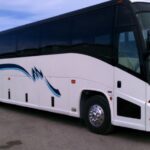

Overview of Bus Travel to Las Vegas
Bus travel to Las Vegas offers a practical, budget-friendly way to reach the Strip and surrounding attractions. From intercity lines to regional services, travelers can enjoy comfortable seating, modern amenities, and convenient schedules that connect Las Vegas with nearby cities and towns.
Reasons to Travel by Bus
Bus travel to Las Vegas offers a budget-friendly alternative to flying, connecting travelers from coast to coast with a network of intercity buses that terminate in or near the city. Major carriers like Greyhound, Megabus, and FlixBus operate routes that bring visitors from Los Angeles, Phoenix, San Diego, San Francisco, Salt Lake City, Seattle, Denver and more to the Las Vegas area, often with easy connections to the Strip and downtown.
How you get there, how long it takes, and what you pay depend on origin, date, and service level. Many routes feature direct trips or overnight options, with varying stop patterns. From Los Angeles a typical bus trip can take roughly 4 to 6 hours, from Phoenix about 5 to 6 hours, from Salt Lake City around 6 to 9 hours, and from Denver roughly 14 to 16 hours. Prices vary widely but are often lower than peak airfares, especially when booked in advance or during sales.
What to expect on board depends on the carrier and fare. Budget options usually provide comfortable seating, with basic amenities such as air conditioning and onboard restrooms. Some services include free Wi‑Fi, power outlets, and more legroom on longer routes. Buses make occasional breaks, which can be a good chance to stretch, use restrooms, or grab a snack. Luggage policies vary, but most lines allow at least one carry‑on and one or two checked bags depending on the fare level.
Arrival and getting around Las Vegas are straightforward. Buses typically drop passengers at large terminals or designated stops with access to taxis, rideshares, and local transit. From the terminal you can ride to the Strip, downtown, or the airport area, then use on‑site transit, shuttles, or rideshare to reach your hotel. The centrality of bus stops can make it easy to combine bus travel with other sightseeing plans.
Reasons to travel by bus include cost savings, reduced stress from airport security and baggage hassles, and a smaller environmental footprint compared with flying. Bus travel is often cheaper, and you can avoid rising airline fees and baggage charges while bringing more luggage or equipment. For some travelers, a bus ride also offers an opportunity to sleep, work, or simply enjoy the scenery along the route without the hassles of airport terminals.
Tips for a smooth trip: check schedules and stops in advance, compare fare options, and book early to secure the best prices. Pack light but bring essentials such as water, snacks, a neck pillow, and a travel blanket for longer trips. Dress in layers, as temperature inside buses can vary, and bring entertainment or work materials if you plan to stay productive. Finally, verify baggage policies and any required IDs before departure to avoid delays at the station.
Whether you are crossing a desert corridor from the West Coast or making a regional hop from nearby states, bus travel to Las Vegas is a viable choice that combines affordability with flexibility, and it can fit a variety of schedules and budgets.
Travel Experience and Comfort Expectations
Bus travel to Las Vegas offers a budget-friendly way to reach the Strip and surrounding areas. Intercity buses connect Las Vegas with many West Coast and southwestern cities, with terminals located near downtown and central hotel corridors.

Overview of routes and operators: Major carriers include Greyhound, Megabus, and FlixBus, which operate routes to Las Vegas from hubs such as Los Angeles, San Diego, Phoenix, Salt Lake City, and beyond. Schedules range from daytime departures to overnight trips, giving travelers options for baggage handling, price, and travel time. Some routes provide direct service while others require connections.
Travel experience on the road: On most intercity buses you sit in a wide, reclinable seat, with overhead storage for small items, large windows for views, and a shared restroom on longer vehicles. Many newer buses offer wifi and power outlets, though availability varies by operator and coach type. Luggage is stowed in the cargo bays; travelers usually carry a small personal bag onboard.
Comfort expectations: Expect standard buses to have limited legroom and fewer amenities on older fleets; premium or express services may offer more comfortable seating and fewer stops. Rest breaks are scheduled every few hours on longer trips, giving time to stretch, use restrooms, and grab refreshments. Noise and air temperature can vary, so bringing a light blanket or sweater can help on chilly early-morning journeys.
Practical tips for a smoother trip: Book in advance to secure preferred seats and the best prices, especially for overnight trips. Check luggage allowances and plan how many bags you can bring. Pack essentials such as water, snacks, headphones, and a neck pillow for comfort. Consider travel times to avoid peak traffic and arrive at the terminal early to find your gate.
Arrival and onward travel in Las Vegas: Bus terminals are often close to main downtown or Strip corridors, with easy access to shuttles, rideshare, taxis, or rental cars. From the terminal you can reach hotels, shows, and attractions without driving yourself, though travel times to the Strip can vary with traffic.
Popular Bus Routes to Las Vegas
Bus travel to Las Vegas is a popular choice for affordable, low-stress trips from cities across the Southwest and beyond. The most traveled routes run from Los Angeles, San Diego, and Phoenix, with connections from smaller towns along the way making direct or overnight services convenient for a desert getaway. Major carriers like Greyhound and FlixBus offer regular departures, helping travelers reach the Entertainment Capital of the World without the hassle of flying or driving.
From Los Angeles
Bus travel from Los Angeles to Las Vegas offers several affordable options along the I-15 corridor. Here are the most popular routes and providers to consider.
- Greyhound: Los Angeles Union Station to Las Vegas, NV — direct service with multiple daily departures; travel time typically around 4.5–6 hours; fares usually range from about $20 to $60 depending on how far in advance you book and the demand.
- FlixBus: Los Angeles to Las Vegas — direct route on select schedules; about 5 hours total; modern coaches with free Wi‑Fi and outlets; prices vary, often competitive with Greyhound when booked early.
- Amtrak Thruway Bus connections: Los Angeles to Las Vegas (bus link that connects with Amtrak trains) — convenient for travelers combining rail and bus; trip times comparable to direct buses and pricing varies by service.
- Private shuttle/charter services: Los Angeles area hubs (such as Downtown LA or near major airports) to Las Vegas — useful for groups or door-to-door pickup arrangements; schedules and prices vary by provider.
From San Diego
If you’re planning a budget-friendly trip from San Diego to Las Vegas, taking the bus is a popular option that can save money and reduce the hassle of driving.
Direct Greyhound service from San Diego to Las Vegas is the most common option. It typically takes about 5 to 6 hours, with several departures every day. Buses run from San Diego’s Greyhound station to central Las Vegas, and prices vary by date and demand—booking in advance can often yield the best fares.
Another common approach is to travel from San Diego to Los Angeles by bus and then transfer to a Las Vegas–bound service in LA. The San Diego–LA leg usually takes 2 to 3 hours, and the LA–Las Vegas leg about 4 to 5 hours, so the total trip can range roughly from 6 to 9 hours depending on connections and traffic.
Some carriers and seasonal services, such as FlixBus or other national networks, may offer routes that touch San Diego or provide via-LA options. Availability changes, so it’s best to check current schedules online when you plan your trip.
Tips for a smoother trip: compare direct and transfer itineraries, book ahead for the best fares, review luggage policies, and plan for rest stops. Bring water and snacks, and consider a night or early-morning trip to avoid peak traffic.
From Phoenix
Planning a bus trip from Phoenix to Las Vegas? Here are the most popular routes and operators travelers use for this short but busy desert hop.
- Greyhound: Phoenix to Las Vegas — frequent daily departures, travel time typically around 5–6 hours, fares commonly range from about 25 to 60 USD depending on when you book and seat availability. Buses depart from the Phoenix Greyhound Station and offer long-distance comfort with luggage allowances.
- Tufesa: Phoenix to Las Vegas — direct or with limited stops on some days, roughly 4.5–6 hours of travel, fares vary by schedule and promotions, often a solid value with convenient pickup locations in Phoenix.
- FlixBus: Phoenix to Las Vegas — seasonal or limited-route service in some periods, usually competitive pricing and modern coaches, check the live schedule for current availability and exact times.
From Salt Lake City
- Greyhound: The most established option, with regular daily departures from Salt Lake City to Las Vegas. Most trips are direct (about 6.5–8 hours) and fares vary by day and demand. Booking in advance can save money.
- FlixBus: A modern, budget-friendly option that sometimes runs direct service between Salt Lake City and Las Vegas or with a single transfer. Travel times are similar to Greyhound, and prices are often competitive.
- Megabus: Seasonal or limited-service in some markets, including Salt Lake City to Las Vegas routes. Check the current schedule for availability and promotional fares.
- Practical tips: Compare schedules and prices across operators, consider overnight departures to maximize time in Las Vegas, and book ahead for the best fares. Amenities vary by carrier and coach model.
From Other Nearby Cities
Bus travel to Las Vegas is a popular option for travelers from nearby cities who want to save money or avoid flying. This article highlights the main routes that connect Las Vegas with major nearby hubs and what to expect on each journey.
From Los Angeles to Las Vegas, the route is among the busiest. Major carriers operate direct, daily services with departures throughout the day. The trip typically takes about 4 to 6 hours, depending on traffic and stops along the way. Fares are usually affordable, and you can often find discounts by booking in advance or taking advantage of off-peak departures. Competition among Greyhound, FlixBus, and Megabus helps keep prices lower and provides several options for seating and luggage.
From San Diego to Las Vegas, the ride is a straightforward desert crossing that attracts travelers seeking a quick weekend escape. Direct buses run regularly with similar travel times of roughly 5 to 6 hours. Prices vary by company and time of travel, with lower fares available when booked ahead or during sales. San Diego departures typically originate from major bus terminals in the city, and you may find the best value by comparing Greyhound and FlixBus options.
From Phoenix to Las Vegas, the corridor is another frequent choice for a road trip by bus. Daily direct services connect the two cities, and the journey generally lasts about 5 to 6 hours depending on stops and route variations. Like other routes, fares fluctuate, but advance booking and flexible travel times can yield the best deals. Phoenix riders can compare Greyhound and other operators for the best schedule and price.
From Salt Lake City to Las Vegas, the route appeals to travelers in Utah who want to gamble, see shows, or visit the desert without flying. Direct or single-transfer options are available on several carriers, with typical trip times around 6 to 7 hours. Prices are usually reasonable, with savings often found by booking early or selecting less popular departure windows. As with other routes, check multiple providers to compare times and rates.
From Reno to Las Vegas, the trip crosses the state line and covers a longer stretch of Nevada. Bus service exists, usually with one or more changes depending on the schedule, and travel times commonly range from roughly 7 to 9 hours. Fares can be a bit higher than shorter hops, but advance booking and multi-city passes or promotions can help. Reno riders should check Greyhound and regional carriers for the most convenient options.
Tips for planning your bus trip to Las Vegas include checking schedules across multiple carriers, booking in advance to lock in lower fares, and considering overnight or red-eye options to save on a hotel stay. Pack snacks, a refillable bottle, and entertainment for the long ride, and arrive early at the terminal to navigate check-in and boarding smoothly. If you want luggage flexibility, verify baggage policies before you buy a ticket, since some budget fares limit the number or weight of bags.
Bus Companies and Services
Bus travel to Las Vegas brings together a diverse mix of carriers and service levels, from budget-friendly routes to comfortable cross-country trips. Major companies such as Greyhound, FlixBus, and Megabus operate frequent departures into Las Vegas, offering amenities like Wi‑Fi, power outlets, and generous luggage policies, with straightforward transfer options. Whether you’re coming from Los Angeles, Phoenix, or Salt Lake City, these services emphasize reliability, competitive fares, and convenient schedules for a smooth desert getaway.
Major Carriers Serving Las Vegas
Bus travel to Las Vegas offers a budget-friendly alternative to flying and driving, with several intercity carriers linking the city to major West Coast and Southwest hubs. Las Vegas serves as a convenient stop for travelers heading to the Strip, downtown, and nearby desert destinations, making bus travel a practical option for many itineraries.
Greyhound Lines is the largest intercity bus network in North America and serves Las Vegas with regular routes to and from cities across the United States. Tickets can be purchased online, at the Las Vegas bus station, or through Greyhound kiosks. Expect daily departures to places like Los Angeles, Phoenix, Salt Lake City, and Portland, with buses equipped with basic amenities and sometimes Wi‑Fi and power outlets depending on the coach.
FlixBus operates in the United States and offers budget-friendly routes to Las Vegas, often linking the city with Los Angeles, San Diego, Phoenix, and other West Coast hubs. The service emphasizes affordable fares, online booking, and modern coaches. Seat reservations are commonly recommended on peak travel days, and many routes include complimentary Wi‑Fi and power outlets, though amenities can vary by coach.
Megabus has provided service to Las Vegas in certain markets and seasons, delivering straightforward, low-cost routes that connect Las Vegas with Los Angeles, Phoenix, and other regional centers. Scheduling and availability can change, so it’s wise to check current routes and book in advance for the best prices. Standard offerings typically include online booking, sometimes reserved seating, and basic onboard amenities.
Tufesa is a regional carrier that serves Las Vegas with connections to Southern California and parts of the Southwest. The carrier focuses on cross‑regional routes, including overnight options in some itineraries, and aims to offer reasonable fares. Their services generally feature comfortable seating and luggage policies aligned with typical intercity coach standards.
Other options include smaller operators and regional shuttle services that supplement the major players. When planning a bus trip to Las Vegas, compare schedules, travel times, and prices across carriers. Consider the number of stops, total duration, and onboard comfort, as longer trips may involve more stops and fewer amenities. Booking in advance often yields better fares, and flexible dates can help secure the best prices.
Ticketing and planning tips: book online when possible, confirm the departure point (some carriers use downtown terminals while others depart from suburban stations), and print or download your ticket. Arrive at the station 15 to 30 minutes early, bring a valid ID, and pack light to avoid extra fees. For overnight or long trips, bring a neck pillow and a snack, and plan your transfer from the station to your hotel or destination in advance to minimize delays after arrival.
Arrival in Las Vegas: intercity buses typically land near downtown or at transit hubs with access to local public transit, rideshare, or taxi services. From the terminal, you can reach the Strip, central hotels, or rental car locations using buses, shuttles, or rideshare apps. If your plans include heavy sightseeing, consider a central hotel location to reduce transfer time and maximize your time in the city.
Onboard Amenities and Comfort
Travelers heading to Las Vegas by bus will find a range of options from budget services to longer haul routes. This guide covers the main bus companies and services that serve Las Vegas, along with typical onboard amenities and comfort features you can expect on these trips.
- Bus Companies and Services
- Greyhound: Nation-wide network with frequent departures to Las Vegas from many major cities; typically affordable fares, seasonal promotions, standard seating, and onboard amenities that vary by coach.
- Megabus: Budget-friendly routes with online booking and often direct trips to popular Las Vegas hubs; newer coaches offer Wi-Fi and power at selected seats.
- Regional and cross-border carriers: Local or regional lines and cross-border services may operate to Las Vegas from nearby states; schedules vary and some offer express routes with limited stops.
- Booking and planning tips: Check terminal locations, choose direct routes when possible to reduce travel time, compare prices across carriers, and read baggage policies before booking.
- Onboard Amenities and Comfort
- Seating: Usually reclining seats with legroom; some longer trips offer extra-legroom or premium seating options.
- Wi-Fi and power: Free or paid Wi-Fi on many coaches; USB or power outlets available at seats on newer models.
- Restrooms: Onboard restrooms on longer journeys; plan breaks if your trip is short.
- Climate control: Air conditioning or heating to maintain cabin comfort; bring layers for temperature changes.
- Entertainment: Limited in-cabin entertainment; some services provide movies or digital content via personal devices.
- Luggage: Most services allow at least one checked bag and one carry-on; verify size/weight limits and fees for extra luggage.
- Food and drinks: Bottled water often available; longer trips may offer snacks or beverages for purchase; alcohol policies vary by carrier.
- Accessibility: Accessibility options for travelers with mobility needs; check availability and request accommodations when booking.
Booking Platforms and Ticketing
Bus travel to Las Vegas offers a budget-friendly alternative to flying, with multiple carriers connecting major West Coast and Southwest cities to the city’s transit hubs near the Strip and downtown.
Bus Companies and Services in Las Vegas include national operators such as Greyhound and FlixBus, which run frequent routes to and from Los Angeles, Phoenix, San Diego, and beyond. Regional carriers like Tufesa and other Southwest services supplement these routes, offering overnight trips and connections that may pair with hotel packages or local shuttles. Buses in this network commonly provide basic seating, organized routes, and sometimes express options that cut travel time while keeping fares lower than many other modes of transport.
Booking Platforms for Las Vegas bus travel allow you to compare schedules, prices, and durations across carriers. You can book directly on each operator’s website or use aggregators such as Wanderu, Busbud, Omio, and Rome2rio to see multiple options in one place. These platforms typically show available departure times, seat types, baggage rules, and final prices, with some offering digital or mobile tickets for easy boarding.
Ticketing and Fees usually involve electronic tickets or mobile boarding passes. You will typically need a valid photo ID at check-in, and baggage policies vary by carrier—most include one carry-on and one personal item, with additional bags often allowed for an extra fee. Refunds and date changes depend on the fare class you choose, so it is wise to check the terms at the time of booking and consider travel insurance if your plans might shift.
Planning Tips for a Las Vegas bus trip include booking in advance to secure the best rates and seats, especially around holidays and major events when demand surges. Consider whether a daytime or overnight service fits your schedule; overnight trips can save on hotel costs and streamline arrival times for the first day on the Strip.
Typical Routes and Durations give a sense of scale: Los Angeles to Las Vegas generally takes about 4 to 6 hours, depending on traffic and stops; San Diego to Las Vegas is often around 6 to 8 hours; Phoenix to Las Vegas typically runs about 4.5 to 6 hours; Salt Lake City to Las Vegas can be around 6 to 8 hours. Times vary with weather, road conditions, and the number of intermediate stops.
Boarding and Onboard Experience on these services usually features comfortable seating, with some buses offering wifi and power outlets. Rest breaks are provided at scheduled stops every couple of hours, giving you a chance to stretch, grab a snack, and use facilities before continuing toward Las Vegas.
Drop-off Points in Las Vegas vary by carrier and route, with common stops at central bus depots or near the Strip and downtown areas. Always verify your ticket for the exact stop, and consider how you will transfer from the stop to your hotel or planned activities once you arrive in the city.
Final thoughts emphasize that comparing options is worthwhile: weigh price, total travel time, departure and arrival times, and convenience of the stop location. With a little planning, bus travel to Las Vegas can be a practical, economical way to reach the city while avoiding air and airport hassles.
Tickets, Fares, and Discounts
Planning a bus trip to Las Vegas starts with understanding Tickets, Fares, and Discounts: choose between one-way and round-trip options, compare carrier fares, and look for savings like advance purchase, student, senior, military, and group rates to keep your journey affordable.
Pricing Trends by Route
Travelers planning bus trips to Las Vegas will notice that tickets, fares, and discounts vary by route and by travel date. Understanding pricing trends can help you plan smarter and save money when heading to the Strip or nearby casinos.
Tickets and fare types commonly include one-way and round-trip options, as well as saver or flexible fares. Saver tickets usually come with the lowest prices but may have restrictions, such as nonrefundable terms or limited seat selection. Flexible tickets tend to cost more but offer change or cancellation options. Many bus lines serving Las Vegas also offer youth, student, senior, or military discounts, and some routes provide loyalty programs or bundle deals that add value over time.
Pricing by route shows notable differences. From Los Angeles to Las Vegas, base fares are often among the most affordable, with advance-purchase tickets frequently in the $20–$40 range. Last-minute purchases on peak weekend departures can rise toward $60–$70 or more. San Diego to Las Vegas typically sits in a similar ballpark, but fares can be a notch higher on holidays or high-demand days, commonly around $25–$60. The Phoenix to Las Vegas route is known for strong value, with many advance fares around $15–$40, though last-minute trips can climb to $50–$70 during busy periods. Longer or less frequent routes from the Pacific Northwest, such as Seattle or Portland to Las Vegas, tend to be pricier, often $60–$120 depending on the carrier and how far in advance you book. Expect pricing to swing with promotions, weekend surges, and holiday travel when you compare options.
Discounts and promotions play a big role in overall savings. Many carriers offer student, senior, military, or youth discounts, and loyalty programs can provide ongoing benefits such as occasional free upgrades or priority seating. Group rates may apply when four or more passengers travel together, and multi-ride passes or monthly bundles can deliver steady savings for frequent travelers. Promo codes, sign-up bonuses, and app-exclusive deals are common, especially when operators run seasonal sales or partner with lodging providers for bundled offers.
Pricing strategies reflect seasonality and demand. Weekdays and nonholiday periods often feature lower fares, while Friday evenings, long weekends, and holiday periods see price bumps. Residents of nearby markets may notice flash sales that slash prices for a limited time, making it worthwhile to monitor price alerts from multiple carriers and book when a deal appears. For travelers who are flexible about departure times, shifting travel by a few hours or choosing an off-peak day can produce meaningful savings on routes into Las Vegas.
To maximize savings, plan ahead, compare several carriers serving your route, and consider midweek departures. Be mindful of additional fees such as seat selection, baggage allowances, or changes to the itinerary, which can alter the total cost. Signing up for newsletters or mobile apps from the major bus operators can unlock exclusive discounts and timely alerts when fares drop on your route into Las Vegas.
Discounts, Passes, and Loyalty Programs
Bus travel to Las Vegas offers a budget-friendly alternative to flying, with a range of ticket options, fare structures, discounts, passes, and loyalty programs that can help you save on your trip to the neon desert.
- Tickets and Fares: Tickets can be sold as one-way or round-trip, with prices that vary by departure city, time of day, and how far in advance you book. Check direct bus company sites, mobile apps, and reputable travel portals to compare fares. Some routes include assigned seating or advance reservations, and baggage policies may vary by carrier.
- Discounts and Promotions: Look for student, senior, military, and youth discounts, as well as group rates for larger parties. Promotions often appear during off-peak times, holiday sales, or when you subscribe to a carrier’s newsletter. Always read the terms to see if discounts stack with other offers or have blackout dates.
- Passes and Multi-Trip Options: Multi-ride passes or saver packs can lower the per-trip cost for frequent travelers. Some carriers offer weekend or monthly passes, which can be convenient for short getaways or regular trips to Las Vegas. Verify how passes are used, any expiration dates, and whether they apply across partner routes.
- Loyalty Programs and Rewards: Many bus companies run loyalty programs that reward you with points or credits for each trip. Points can often be redeemed for tickets, seat upgrades, or priority boarding, and higher tiers may unlock extra benefits. Join programs online, monitor your points, and look for partner offers with hotels or casinos in Las Vegas for bundled savings.
Group Travel and Special Rates
Bus travel to Las Vegas offers affordable and convenient options for travelers coming from nearby states and cities. Understanding Tickets, Fares, and Discounts, along with Group Travel and Special Rates, can help you save time and money when planning a trip to Sin City by road.
Tickets are typically sold online, through mobile apps, at bus stations, or by phone. You will usually find options such as one-way tickets, round-trip tickets, and value or flexible fares. Some services offer reserved seating, while others are open seating. Electronic tickets and mobile passes are common, so carry a copy or have the barcode ready on your device for boarding.
Fares vary by origin, date, demand, and travel time. Base fares are shown for standard travel, with peak times like Fridays, Sundays, and holidays often priced higher. Booking in advance frequently yields the best prices, while last-minute tickets can be more expensive or limited. Some routes also offer bundles, multi-trip passes, or discounts for frequent travelers.
Discounts are widely available and can apply to different traveler groups. Seniors, students, and military personnel may qualify for reduced fares on many routes. Youth and child discounts are sometimes offered for younger travelers. Loyalty programs, credit card partnerships, or promotional codes can provide additional savings, and some carriers offer special rates for AAA members or corporate accounts.
Group travel often unlocks favorable rates. When booking ten or more passengers, carriers may offer a group rate, which can include a lower base fare, flexible payment terms, and a single point of contact for arrangements. A group coordinator can help with seating, pickup locations, luggage handling, and alignment with Las Vegas events or itineraries. For larger needs, private bus charters are also an option.
Special rates and packages frequently appear for Las Vegas trips. Bundle a bus ticket with hotel stays, show tickets, or sightseeing add-ons to reduce overall costs. Carriers may run weekend promotions or off-peak specials, and some destinations offer promotional bundles for longer trips that include meals or entertainment options. Always check for current promotions and terms when planning your travel.
Tips to maximize savings include comparing prices across carriers, looking for advance-purchase discounts, and watching for limited-time promos. Overnight or overnight-plus-hotel combos can save a night of lodging, while reviewing luggage allowances helps avoid surprise fees. Don’t forget to review cancellation and change policies in case your plans shift, and arrive at the station early to ensure a smooth boarding experience.
Schedules, Travel Time, and Reliability
When planning a bus trip to Las Vegas, schedules, travel time, and reliability are your guiding factors. Clear departure times and regular frequencies help you build your day around arrival with enough buffer for airport transfers or show tickets. Travel time depends on distance, stops, and traffic on I-15, but reputable operators publish expected windows and offer real-time updates to keep you on track. Reliability—on-time departures, minimal delays, and responsive support—lets you plan with confidence and arrive ready to explore the Strip.
Typical Travel Times by Route
Bus travel to Las Vegas offers a budget-friendly alternative to flying, with several operators connecting major West Coast and mountain cities to the desert casino strip. Schedules can be broad and vary by operator, day of the week, and season, so checking current timetables before you plan is essential.
Schedules: Most routes run daily, but the number of departures per day can range from a handful to more on peak days. Overnight buses are common on longer routes, which can help you save a night of lodging. Weekend and holiday schedules may differ, with extra departures around holidays. Booking in advance typically secures lower fares and a fixed seat.
Reliability: On-time performance depends on traffic, weather, and road conditions, as well as vehicle maintenance and driver rest rules. In peak travel periods, delays are more common, especially on the I-15 corridor or during summer heat when longer stops and checks may be required. Having a buffer between connections and opting for direct or shorter-ground-time routes can improve reliability.
Los Angeles to Las Vegas: typically about 4.5 to 5.5 hours on direct routes, though heavy traffic or multiple stops can push it toward 6 hours.
San Diego to Las Vegas: usually around 5 to 6.5 hours, depending on traffic near the I-15 corridor and how many intermediate stops the bus makes.
Phoenix to Las Vegas: roughly 4.5 to 6 hours, with variation due to stops and nearby road conditions.
Salt Lake City to Las Vegas: about 6 to 7.5 hours, influenced by terrain, weather, and the number of stops along the way.
Reno to Las Vegas: typically 7 to 9 hours, reflecting longer distances and multiple stops or transfers on some itineraries.
For longer or less common routes such as from the Pacific Northwest (for example Seattle) to Las Vegas, total travel time is usually longer and may involve transfers; these itineraries can take 20 hours or more depending on connections.
Planning tips: compare schedules across operators, note whether a route is direct or has layovers, and consider overnight options to save on lodging. Check live updates before departure, arrive early for boarding, and allow extra time for connections during peak travel periods or severe weather to ensure a smooth bus trip to Las Vegas.
Peak Times and Frequency
Bus travel to Las Vegas offers a budget-friendly alternative to flying or driving, with several national and regional carriers serving the route. When planning, consider the main providers in the U.S. that run long-distance routes to Las Vegas, and use them as reference points for schedules, travel times, and reliability.
Schedules vary by carrier, day of the week, and season. Major operators publish timetables online and through mobile apps, and holiday or event periods may bring extra departures or temporary schedule changes. It’s wise to check the exact schedule for your origin and destination a few weeks in advance, and to confirm again close to departure in case of last-minute adjustments. If you have flexibility, comparing outbound and return options can help you pick the best fit for your plans in Las Vegas.
Travel time depends on origin, service type, and how many stops the bus makes. Express or non-stop services reduce travel time, while routes with multiple pickups can add hours. As rough ranges, Los Angeles area to Las Vegas typically takes about 4 to 6 hours by bus, Phoenix to Las Vegas often falls in the 4 to 6 hour range, and longer cross-country trips can extend well beyond that. City-to-city times will vary with traffic, road conditions, and scheduled breaks for rest and passenger pickup.
Reliability is shaped by weather, traffic, and roadwork, as well as operator performance. Desert heat and sudden dust storms can affect scheduling, and Peak travel periods may introduce additional congestion. Reputable carriers provide real-time tracking and updates, but it’s still prudent to build in a buffer if you have connections or an important event in Las Vegas. Reading recent rider reviews for punctuality can also help you choose a dependable option.
Peak times and frequency rise when Las Vegas hosts events, conventions, or holiday weekends. Weekends, long weekends, and summer holidays typically see more departures and higher demand, sometimes with night-time or early-morning options to reach the city by daybreak. If you’re aiming for a specific show or conference, expect livelier terminals and tighter seat availability, which can influence ticket prices and advance booking needs.
Frequency varies by origin and route. From major West Coast hubs such as Los Angeles or Phoenix, you’ll usually find multiple departures per day, including morning, afternoon, and evening options. From smaller cities or less-traveled routes, departures may be limited to a few times per week. Checking aggregate schedules or booking platforms can help you compare options quickly and lock in a convenient time that aligns with your Las Vegas plans.
Budgeting Time for Delays and Check-in
Bus travel to Las Vegas offers a flexible option for reaching the Strip without driving yourself. From major hubs like Los Angeles, San Diego, Phoenix, and Salt Lake City, intercity carriers run daily services with varying schedules and durations.
Schedules vary by day of the week, season, and whether a route is direct or involves transfers. Many carriers publish multiple departures each day, with more options on weekends and during holidays. To find a schedule that fits your plan, check the operator’s website, the station information desk, or a trip-planning app, and confirm the exact departure times close to your travel date.
Travel time depends on your origin and how many stops the bus makes. Roughly, Los Angeles to Las Vegas is about 4 to 6 hours, depending on traffic and stops; Phoenix to Las Vegas is around 4.5 to 6 hours; San Diego to Las Vegas typically falls in the 5 to 7 hour range. Longer routes, like Salt Lake City to Las Vegas, can be roughly 9 to 11 hours. Keep in mind that actual times can vary with traffic, road conditions, and border or city checks at certain times of the day.
Reliability can vary between carriers and specific trips. Punctuality is influenced by highway traffic on major corridors, weather, and logistical factors at a station. To improve your chances of an on-time arrival, review recent rider feedback, choose departures with shorter layovers if you have connections, and build a buffer into your plans in case of delays.
Budgeting time for delays and check-in is essential. As a general rule, arrive at the station at least 30 to 60 minutes before departure to account for ticket verification, luggage drop, and boarding. If you’re checking bags, add extra time for processing. For overnight or early-morning departures, give yourself even more margin since stations can be quieter and boarding windows tighter.
Check-in procedures typically involve presenting a ticket and a valid ID, and showing any luggage that needs to be stored in the cargo hold or overhead compartments. Many carriers support mobile tickets, so you can display your boarding pass on your phone. Remember luggage limits and weight guidelines, label your bags, and keep essentials like medications and a charger with you in a carry-on if possible. Boarding is usually announced a few minutes before departure, and early arrival helps ensure you find your seat and settle in without rushing.
Stations, Hubs, and Access in Las Vegas
Las Vegas’s bus travel centers on Stations, Hubs, and Access, a coordinated network that moves visitors from intercity terminals to the Strip, downtown, and the suburbs. Major hubs like the Downtown Transportation Center and the South Strip Transfer Terminal organize routes for easy transfers, while RTC Transit buses provide frequent, affordable access to hotels, airports, and attractions across the city.
Las Vegas Bus Terminals and Pickup Points
Las Vegas is a major travel hub for bus travelers, offering intercity connections as well as a dense local network that makes it easy to move around the city along the Strip and to nearby suburbs.
The primary intercity bus terminal in Las Vegas is the Greyhound station in downtown. This terminal serves many long-distance routes across the western United States and provides ticketing services, schedules, and loading areas for departures and arrivals. Travelers typically find comfortable seating, restrooms, and information services here, with signs directing passengers to platform bays.
Intercity carriers may also use nearby pickup points or curbside stops, depending on the service and day of travel. Always verify your exact boarding location when you book, because some operators coordinate with partner terminals or temporary stops and schedules can change with holidays or events in the city.
For local travel within Las Vegas, the Regional Transportation Commission operates a network of bus routes with key transfer hubs. The Downtown Transportation Center is a central hub where multiple RTC routes converge, making easier transfers between north-south and east-west services and quick access to the historic downtown area.
Another major local hub is the South Strip Transfer Terminal, a large transfer point on the Strip that connects many RTC routes with convenient connections to resort areas along Las Vegas Boulevard. The hub design helps passengers reach hotel corridors, casinos, and entertainment districts with fewer transfers and shorter walking distances.
Access to these terminals is straightforward by RTC buses, rideshare, taxi, or car, and many hotels along the Strip offer shuttle services to nearby transfer points. The Strip area is pedestrian-friendly, and some transfers are supported by signage that points travelers toward the appropriate buses or transfer centers.
When planning a trip, check the operator’s official schedule pages or mobile apps for exact pickup times and bays. Arrive early for intercity departures—30 minutes or more is a safe window to locate the correct platform, collect tickets, and board.
Facilities at major hubs typically include ticket counters or vending machines, seating areas, restrooms, and accessibility features. For travelers with luggage, verify what is allowed and whether there are any storage options at the station or terminal. If you’re connecting from the Strip to a monorail or another rapid transit option, plan your route to minimize backtracking and walking in hot weather.
In summary, Las Vegas offers reliable intercity and local bus options with clearly designated stations, transfer hubs, and pickup points. By knowing the Greyhound downtown terminal for longer trips and the RTC hubs like the Downtown Transportation Center and the South Strip Transfer Terminal for local travel, you can navigate bus travel to Las Vegas smoothly and efficiently.
Airport and Hotel Shuttles
Bus travel in Las Vegas centers on a network of stations, hubs, and access points that link the airport, the Strip, and downtown. Operated by the Regional Transportation Commission (RTC) of Southern Nevada, this system is built around the Deuce and the Strip & Downtown Express, as well as airport and hotel shuttles that move travelers efficiently between key places.
The main gateway is Harry Reid International Airport. From arrivals, travelers can reach the Strip and hotel clusters via designated airport pickups, a Ground Transportation Center, and a network of shuttle and bus stops. Shared-ride shuttles, RTC buses, taxis, and ride-hailing services all circulate from the airport to major hotels and entertainment districts.
The RTC operates the Deuce, which runs along Las Vegas Boulevard (the Strip) and into downtown Las Vegas, and the Strip & Downtown Express (SDX), a faster, limited‑stop service along the same corridor. These routes connect the airport area, central Strip resorts, and downtown hubs with frequent stops for bottlenecks, casinos, and convention centers.
Hotel shuttles and hotel-linked transport are a key part of access to the Strip. Many large resorts offer guest shuttles to local points of interest and sometimes to the airport, while others provide paid or reservation-based services. Always check with your hotel in advance about pickup points, scheduling, and any fees.
Stations and hubs on the Strip and downtown are designed to maximize convenience. Major cluster hubs near the resort corridor gather several routes, while the Downtown Transportation Center serves as a convenient relay point for Deuce, SDX, and other RTC services on Fremont Street. The airport’s Ground Transportation Center brings together shuttle, taxi, and ride‑share options for onward travel.
Access features on RTC buses include low‑floor designs, ramps or lifts, and announcements for stops. Paratransit services are available for riders who are eligible. If you are traveling with luggage, plan for space on the specific vehicle and periods when demand is higher, such as weekends or special events.
To plan your trip, check schedules and routes on the RTC website or app, and consider a pass or smart fare that covers multiple rides. Transfers between Deuce and SDX are straightforward with the right fare, and you can often combine airport shuttles with hotel shuttles for seamless door‑to‑door access, depending on your property and timing.
In short, bus travel to Las Vegas is an economical option for getting from the airport to the Strip and downtown, with flexible hotel shuttle arrangements and a network of stations and hubs designed to keep you moving through the city’s famous entertainment district.
Getting to the Strip and Downtown from the Bus
Las Vegas bus travel can be a convenient way to move between the Strip and Downtown. This guide covers Stations, Hubs, and Access, with tips for getting to the Strip and Downtown from the bus.
Stations and hubs form the backbone of the RTC Transit system in Las Vegas. The network centers around several key transfer points: the Downtown Transportation Center, the South Strip Transfer Terminal, and the Bonneville Transit Center. These hubs connect The Strip, Downtown, and surrounding neighborhoods, making it easier to switch between routes like The Deuce and the Strip and Downtown Express.
The Deuce is the long-standing local service that travels along Las Vegas Boulevard on the Strip and continues into the Downtown area. It stops at many major casinos and attractions, making it a practical option for visitors heading to hotels, shows, and dining along the Strip as well as Fremont Street. The Strip and Downtown Express, or SDX, provides a faster option with fewer stops, designed to move riders more quickly between central Strip destinations and Downtown while still serving key hotels and venues.
Access and transfers are straightforward at the RTC hubs and bus stops. You can board at any regular stop along the route, and fare is typically paid when boarding or by using a pass at the fare box. Transfers between routes, including between The Deuce, SDX, and other local lines, are available within a standard transfer window. Planning ahead using a map or the RTC trip planner helps you time connections and minimize waits.
To reach the Strip or Downtown from the airport area, RTC buses provide service from Harry Reid International Airport to major Strip hubs and Downtown stops. Buses from the airport connect with The Deuce, SDX, and other local routes, allowing you to reach hotels, casinos, and attractions without a car. Always check the latest schedules and stop locations at the RTC website or mobile app for the best route and timing.
Once on the Strip, it’s easy to hop between casinos and attractions using The Deuce or SDX, and to transfer at the main hubs for trips to Downtown or other neighborhoods. If you’re planning a longer stay, consider purchasing passes or day passes that cover multiple trips, and keep an eye on peak travel times when buses can get crowded.
Tips for a smooth ride: use the RTC Trip Planner or mobile app to map your route, note where your transfers happen, and verify that the bus stops you need are on the route. Bring exact change or a valid pass, and be ready to move to the curbside when the bus approaches. With a little planning, the RTC network makes it practical to explore the Strip and Downtown without a car.
Tips for a Smooth Bus Trip
Tips for a Smooth Bus Trip to Las Vegas: Book in advance with a reputable carrier, choose direct or fewer stops to cut down on delays, and verify schedules around holidays or big events. Pack light but include a small bag with essentials, a comfy sweater for the bus air, snacks and water, and a charger for devices. Bring entertainment, headphones, and anything you need for comfort or sleep. On arrival, know your stop or shuttle options near the Strip, allow extra time for traffic and security checks, and plan easy access to your hotel so the end of the journey is stress-free.
What to Pack for a Las Vegas Bus Journey
Planning a bus trip to Las Vegas can be comfortable and affordable with a few practical steps. Here are tips for a smooth ride and a packing checklist to help you arrive rested and ready to enjoy the Strip.
- Plan your route and book tickets in advance to secure seats and the best price.
- Arrive at the departure point early to handle check-in calmly and find your platform without rushing.
- Choose a seat wisely—middle rows can offer more stability, while a window can provide a view if you want to nap later.
- Dress in comfortable layers since temperature on buses can vary and desert heat can feel extreme once you arrive in Las Vegas.
- Bring a neck pillow, an eye mask, and earplugs or noise-canceling headphones to rest on longer legs of the journey.
- Pack a refillable water bottle and consider electrolyte drinks to stay hydrated in the dry air common on routes to Las Vegas.
- Carry simple, mess-free snacks such as nuts, granola bars, or fruit to curb hunger between stops.
- Download entertainment in advance—podcasts, e-books, downloaded videos—and save offline maps in case Wi-Fi is spotty.
- Bring chargers and a power bank to keep phones, tablets, and e-readers powered for the trip.
- Keep travel documents handy: ID, bus tickets, health insurance card, and any required confirmations or contacts.
- Pack sun protection and personal care items for Las Vegas: sunscreen, a hat, sunglasses, lip balm, hand sanitizer, and a small pack of tissues.
- For the destination itself, include a practical packing list: comfortable walking shoes, a light jacket, sunscreen, a refillable bottle, cash or card for tips and small purchases, a compact daypack, and a map or offline access to local transit info.
Safety, Security, and Personal Belongings
A comfortable bus trip to Las Vegas starts with smart planning. Choose a reputable carrier, check schedules, and pack light so you can relax and arrive ready to enjoy the city’s excitement.
Before you depart, confirm your departure time, terminal location, and boarding instructions. Save digital or printed copies of your ticket, carry a valid ID, and arrive at least 30 minutes early to allow time for check-in and security checks.
Pack efficiently: limit to one carry-on and one personal bag if possible, and use luggage tags and a small lock. Keep essential items like medications, a charger, and a travel document pouch in your carry-on or with you on the seat.
On the bus, stay comfy and safe. Fasten your seat belt when available, store larger bags securely in the overhead bin or under the seat as instructed, and keep the aisle clear for safety and easy movement during the trip.
Protect your personal belongings. Keep valuables such as your wallet, phone, and passport close to you in a zipped bag or money belt, and avoid leaving items unattended in seats or overhead compartments.
Be mindful at stops and transfers. Carry your itinerary and ID with you, stay with your group if traveling with others, and board the bus on time to prevent missing connections.
Enhance security by staying aware of your surroundings, reporting any suspicious activity to the driver or station staff, and using only official terminals and vendors for food and amenities.
Stay hydrated and comfortable for the Las Vegas journey. Bring a refillable bottle, dress in layers, wear comfortable shoes, and consider earplugs or a neck pillow for longer rides. A small snack and a portable charger can also help pass the time.
Arriving in Las Vegas, know your terminal’s location and how to reach your hotel from there. Use licensed taxis or rideshares, plan your route in advance, and avoid carrying large sums of cash in public areas during the first hours after arrival.
After your trip, check your belongings before exiting and keep a simple checklist for the return journey. If you forget something, contact the carrier or Lost and Found at the terminal to recover it quickly.
Seating, Luggage, and Carry-on Guidelines
Traveling by bus to Las Vegas can be a comfortable, affordable way to reach the desert oasis, especially when you plan ahead. With the right seating, smart packing, and clear carry-on guidelines, you can ride smoothly from departure to arrival and make the most of the Sin City experience.
Seating tips for a smoother ride: when you book, study the seat map and prefer the front of the coach for quieter, smoother miles and quicker deboarding. Window seats are great for scenery along the desert corridor, while aisle seats offer easy access to the restroom and fellow travelers’ paths. If you can, choose seats away from the back near the engine or the lavatory, as those areas can be louder or bumpier. If the option exists, exit-row seats can provide extra legroom, but you must meet safety requirements and may be asked to assist in an emergency.
Luggage guidelines for a Las Vegas-bound bus trip: most intercity buses allow at least one large suitcase in the luggage hold plus a personal item, and some lines permit two carry-ons that fit in overhead racks or under the seat. Always check the carrier’s luggage policy before you go. Pack smart by putting heavy items at the bottom of the case, use sturdy luggage, and secure straps or locks. Label each bag with your name and a mobile contact number. Keep valuables, electronics, and important documents with you in a carry-on or personal item.
Carry-on essentials to have close at hand: a valid photo ID and your ticket or reservation code, cash and a credit card, medications in their original packaging, a small first-aid kit, snacks, a reusable water bottle, and a lightweight jacket or blanket for cool mornings or air-conditioned cabins. Bring portable power, chargers, and headphones for entertainment. For longer trips, a compact travel pillow and eye mask can improve comfort. Pack lightly but include items that help you stay organized and calm throughout the journey to Las Vegas.
Tips for a smooth trip and arrival in Las Vegas also include planning rest stops, staying hydrated, and protecting yourself from the sun. Use stops to stretch, use the restroom, and reapply sunscreen before you walk the Strip. Keep important documents with you, and move your luggage only at designated spots with a staff member if needed. Upon arrival, follow the terminal signs, arrange your onward transport to your hotel, and consider transferring to a shuttle, rideshare, or hotel pickup in advance to avoid delays.
What to Do in Las Vegas After Arrival
Arriving in Las Vegas by bus puts you in an affordable, convenient position to dive into the Strip and beyond. From the drop-off point, hop on local transit to quick-start your visit: take in iconic sights like the Bellagio Fountains, stroll along the neon-lit sidewalks, ride the High Roller, or explore downtown Fremont Street. With smart route tips and easy one-day itineraries, your first hours after arrival can be smooth, exciting, and packed with must-see experiences.
City Highlights Within Reach by Bus
Arriving in Las Vegas and wondering how to get around without renting a car? The RTC buses The Deuce and the Strip and Downtown Express (SDX) make it easy to explore the city right after you land, with frequent service along the Strip and into downtown.
Two main lines to know: The Deuce travels the length of the Strip and into downtown, stopping at most major hotels; the SDX runs the same route but with fewer stops and faster trips for longer hops.
City highlights within reach by bus: Downtown Fremont Street Experience offers colorful light shows, live music, and casino bars within a compact loop. The Mob Museum provides a look at law enforcement history, while the Golden Nugget and nearby historic casinos capture old‑Vegas charm. The Arts District along 9th Street is reachable by several routes for galleries and street art strolls.
On the Strip, you can ride from Bellagio to The Mirage, Caesars Palace, The Venetian, and beyond. Must‑see spots include the Bellagio Fountains choreographed to music, the Bellagio Conservatory, the Mirage Volcano, the Venetian canals with gondola rides, The LINQ promenade and its High Roller observation wheel, and the Paris Las Vegas Eiffel Tower viewing deck for skyline views.
Family‑friendly and cultural options are also accessible by bus with a short transfer when needed. The Neon Museum showcases vintage signs from Las Vegas’s past, and you can combine a Strip‑area ride with a visit to the Las Vegas Arts District for galleries, studios, and public art along nearby corridors.
Practical tips: consider a pass or a fare card to cover multiple rides and keep a transit app handy to check live schedules. Buses are affordable, frequent, and ride‑friendly if you travel light and plan transitions from stop to hotel lobby or sidewalk curb. Remember to wait at designated stops and be mindful of pedestrian crossings when leaving stops near casino entrances.
Sample day on the bus: start with the Bellagio Fountains, then hop to The Venetian for a float along the canal and a gondola view. Catch the SDX or Deuce to Fremont Street Experience for lunch and a stroll through Downtown’s casinos and shops. Return to the Strip in the evening to watch sunset over the skyline and finish with a showcase or dinner nearby.
Using the bus to explore Las Vegas after arrival is a budget‑friendly, flexible way to see city highlights without a car, letting you focus more on sights and less on traffic or parking.
Local Transit and Getting Around
Arriving in Las Vegas? A smart way to start your trip is by hopping on the local RTC bus network to reach the Strip, Downtown, and many hotspots without renting a car.
The Regional Transportation Commission of Southern Nevada operates several routes that serve both the airport area and the main tourist zones. The Deuce runs along Las Vegas Boulevard from the Strip into Downtown, and the SDX (South Strip Express) provides quick service along the southern portion of the Strip, helping you move between hotels, casinos, and attractions efficiently.
Getting from the airport to the Strip is straightforward with RTC services. You can catch a bus at designated stops near Harry Reid International Airport and ride to central destinations. Buses run most of the day and into the night, with higher frequency during peak hours.
Ticketing and fares are simple: you can buy single-ride tickets, day passes, or use the RTC mobile app to pay and plan your route. Passes are a good value if you plan multiple rides per day.
Plan your day with maps and trip-planning tools. The RTC has a user-friendly Trip Planner and you can also use major map apps to confirm which bus stops to use, transfer points, and approximate travel times.
What to do after arrival by bus? Start with iconic sights along the Strip, which is well-connected by the Deuce and SDX. Hop off at a resort to explore its lobby, restaurants, and fountains, then hop back on to continue to other hotels or head downtown to Fremont Street Experience.
From the Strip to Downtown, buses offer a convenient route to venues like the Bellagio Fountains, the Forum Shops, the High Roller, and the Neon Museum. If you want a different vibe, take the Deuce to the historic Fremont Street area and wander the vintage casinos and street performances.
Practical riding tips: carry water and sun protection, especially in the heat. Have exact fare or a pass, ride at reasonable times, keep an eye on your belongings, and ride in the front of the bus if you need to ask questions or plan connections to other services.
Safety and etiquette: stand clear of doors, let passengers disembark first, and be mindful of busy crowds on popular routes and at hotel stops. RTC buses are generally safe, affordable, and a great way to see more of Las Vegas beyond taxi rides or rideshares.
In short, using bus travel in Las Vegas after arrival is a flexible, economical option that helps you maximize time for shows, dining, and sightseeing across the city without the hassle of driving and parking.