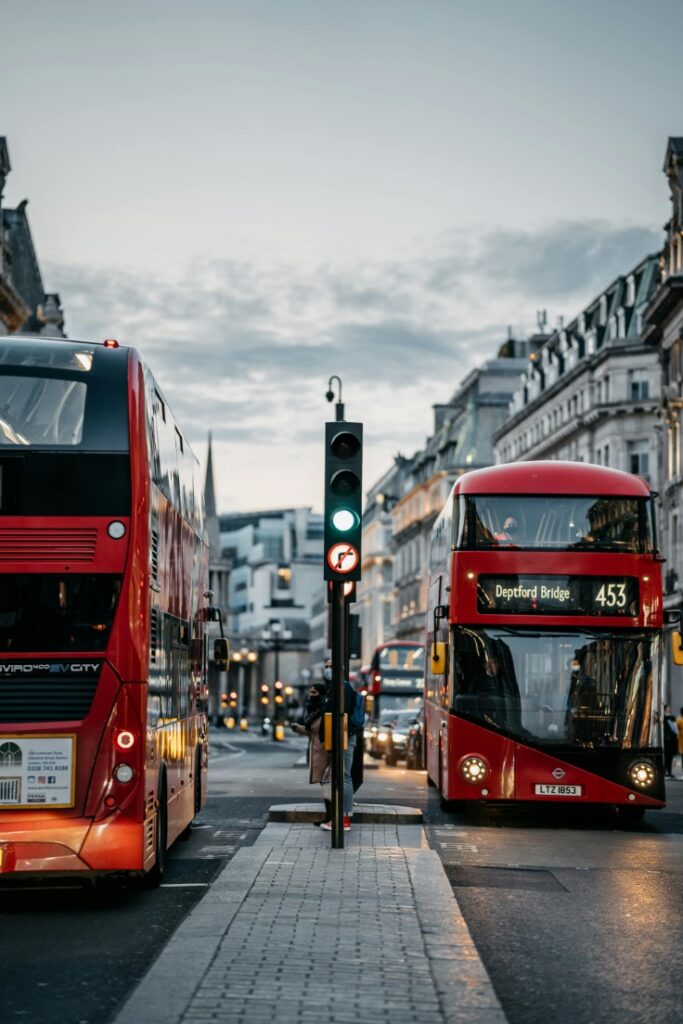

Overview of Bus Travel in England
Bus travel in England offers a practical way to explore towns and landscapes, connecting dense urban networks with rural routes and coastal scenery. From London’s extensive urban bus system to regional services across the Midlands, the South West, and the North, buses provide frequent journeys, flexible ticketing, and a complementary option to trains for commuting and day trips. Fares and passes vary by region, with contactless payments and smart cards common and ongoing investment in accessibility and greener fleets shaping the experience for riders.
Scale of the Network and Regional Variation
Bus travel in England is a cornerstone of everyday mobility, linking cities, towns, and rural communities with affordable and relatively low‑carbon transport. In major cities, buses provide frequent services that support commuting, shopping, and leisure, while in London the network operates under Transport for London with integrated fares and extensive coverage alongside the rail and underground network. Outside London, bus services are a mix of commercial routes and locally subsidised links funded by local authorities, and the sector has been transitioning to digital ticketing, contactless payments, and newer bus technologies such as electric and hybrid buses. The overall system plays a crucial role in regional economies, social inclusion, and access to education and employment, while facing challenges around funding, punctuality, congestion, and the need to improve environmental performance.
Scale of the network: England’s bus system is large, with thousands of routes and tens of thousands of buses serving dense urban corridors and dispersed rural links. In big cities and metropolitan areas, frequent daytime services, night buses, and well‑developed interchange points create a high level of connectivity. In contrast, rural areas rely on fewer services, sometimes with limited hours and less frequent frequencies, where local authorities and community transport schemes help maintain essential links. The network is supported by a combination of commercial operations and publicly funded contracted services, and it is gradually evolving with modern ticketing, real‑time information, and investments in low‑emission buses.
Regional variation: England shows clear regional differences. London stands out for its centralized management by TfL, high service frequency, extensive bus priority measures, and a unified ticketing system that integrates with other modes of transport. In northern and midlands cities such as Manchester, Birmingham, Leeds, Liverpool, and Newcastle, networks are large and competitive, with tendered services and partnerships that aim to improve reliability and coverage. Rural and coastal regions face different constraints, with sparsely spaced routes, greater reliance on subsidised services, and a focus on community transport and flexible solutions to maintain connectivity between villages and town centres.
Looking ahead, the English bus network continues to adapt through fleet upgrades to cleaner technologies, expanded digital ticketing, and efforts to align funding and policy with regional transport strategies. The ongoing challenge is delivering consistent frequency and affordable fares across all regions while expanding access for underserved communities and reducing travel times through priority measures and smarter urban planning.
Key Roles of Operators, Authorities, and Government
England’s bus travel forms a vital part of the country’s transport system, connecting cities, towns and villages with frequent, affordable services. Buses support commuting, shopping, schooling and leisure, and play a key role in reducing traffic congestion and pollution when paired with public transport networks and sustainable urban planning.
Outside London, most bus services operate in a largely deregulated environment, with private operators running routes on a commercial basis under licenses issued by Traffic Commissioners. In contrast, London’s bus network is regulated by Transport for London (TfL), which plans routes, sets frequencies and negotiates contracts with operators to deliver a unified, city-wide network.
Operators in England include large national groups and regional firms that run hundreds of routes across urban and rural areas. They own and maintain fleets, recruit drivers, set timetables within licence rules, manage ticketing systems and bid for contracts where public funding or concessionary requirements apply. Modern operators continually renew vehicles, improve accessibility and adopt new payment methods to meet passenger expectations.
Local authorities and combined authorities act as the main planning and funding bodies for buses outside London. They plan networks, set priorities for bus priority measures, and commission services through tendering or management agreements. Some areas also host Passenger Transport Executives or operate through voluntary partnerships with operators to improve reliability and coverage. Licensing, safety and standards are overseen at the national level by the Traffic Commissioners and the Department for Transport (DfT).
The government shapes bus travel through national policy, funding, and regulatory frameworks. The Department for Transport sets strategic priorities, provides funding for new buses and infrastructure, and supports decarbonisation and accessibility. National initiatives include guidance on franchising or quality contracts, funding for bus priority schemes, and data and digital services to improve passenger information and ticketing. Local authorities’ Bus Service Improvement Plans (BSIPs) work with the national strategy to deliver targeted improvements and unlock funding for enhancements.
London’s TfL network serves as the benchmark for integrated bus planning in England. TfL designs routes, manages fares and ticketing (including contactless payments and smart cards), and contracts with operators to deliver reliable, high-frequency services. The model demonstrates how strong authority-led planning, consistent funding, and clear performance targets can improve service quality and passenger experience.
Fare policies and concessionary schemes are a important part of England’s bus landscape. In many areas, older and some disabled residents can travel free or at a reduced fare on bus services thanks to the national concessionary travel scheme, while other riders use pay-as-you-go or season tickets. Local authorities administer these schemes and interact with operators to ensure acceptance across networks.
Looking ahead, bus travel in England faces ongoing priorities such as expanding rural connectivity, accelerating the rollout of low-emission and zero-emission buses, and improving reliability through bus priority measures and better real-time information. Public transport integration with rail, cycling, and walking, along with digital ticketing and data sharing, is shaping a more seamless and sustainable travel experience for passengers across the country.
Regulation and Governance
Regulation and governance of bus travel in England determine what services run, how fares are set, and how safety, accessibility, and environmental goals are achieved. National policy, enacted through legislation such as the Bus Services Act, provides the framework, while local authorities and the Traffic Commissioners license routes, oversee operator conduct, and plan integrated networks. The Department for Transport coordinates standards on reliability and emissions, with regulators and inspectors ensuring compliance and accountability across England’s bus network.
National Policy and the Department for Transport
Bus travel in England operates within a framework of Regulation and Governance, supported by National Policy and the Department for Transport. The aim is to deliver reliable, affordable, and accessible bus services while meeting broader goals on congestion, air quality, and decarbonisation.
- Regulation and governance
- Outside London, bus services operate in a largely deregulated market where operator licensing and safety standards are overseen by Traffic Commissioners; London is governed separately by Transport for London (TfL) with a franchised network and integrated ticketing.
- Local authorities plan and manage bus networks, and can implement Enhanced Partnerships or Franchising under the Bus Services Act 2017 to improve frequency, reliability, and integration with other transport modes.
- National requirements cover vehicle standards, accessibility, and passenger rights, with oversight to ensure consistent service quality and safety.
- National policy framework
- The National Bus Strategy, known as Bus Back Better (2021), sets the overarching policy direction to revitalise bus networks, improve reliability, and encourage greater bus use as part of a broader transport system.
- Policy tools include Bus Service Improvement Plans (BSIPs), opportunities for Enhanced Partnerships or Franchising, and efforts to integrate bus with rail, cycling, and walking networks, as well as digital ticketing and decarbonisation efforts.
- Funding and delivery align with levelling up objectives, climate targets, and efforts to deliver affordable and equitable public transport across urban and rural areas.
- The Department for Transport: role and responsibilities
- The DfT develops national policy for buses, allocates funding for local networks and priority infrastructure, and sets standards and expectations for performance and safety.
- It coordinates with devolved administrations where applicable, and works with TfL, local authorities, and bus operators to implement BSIPs, enhance bus priority measures, and support modern ticketing systems.
- The DfT monitors progress, evaluates outcomes, and adjusts funding and policy in response to changing demand, rider needs, and environmental commitments.
- Delivery mechanisms and case studies
- London demonstrates a franchised, integrated model under TfL with coordinated planning, funding, and ticketing that serves as a benchmark for service quality and reliability.
- Outside London, authorities can pursue Enhanced Partnerships or Franchising to reform networks, improve frequencies, and align services with local strategies and investments.
- Digital and ticketing innovations, simplified fares, and prioritised bus corridors support cleaner, faster, and more convenient journeys for passengers.
- Current challenges and future directions
- Funding levels, post-pandemic demand, and the need to deliver decarbonisation while maintaining affordability and accessibility.
- Ensuring reliability, frequency, and coverage in both urban and rural areas, and sustaining passenger confidence to grow bus use.
- Continued emphasis on integrated, multi-modal travel, smart ticketing, and inclusive services that meet the needs of diverse communities.
Local Transport Authorities and Combined Authorities
Bus travel in England operates within a framework of national regulation and local governance. National policy, funding and safety standards set the context, while local transport authorities and combined authorities shape how services are delivered on the ground.
Regulation at the national level is led by the Department for Transport (DfT), which funds and oversees bus services, publishes policy guidance, and coordinates major programmes such as the National Bus Strategy. The DfT works with operators, local bodies and the Traffic Commissioners, who license operators, regulate routes and fares where needed, and ensure safe and reliable operation across the network.
Local Transport Authorities (LTAs) are the local bodies responsible for planning, funding and shaping bus networks within their areas. In England, LTAs can influence services by contracting with operators to run specific routes, encouraging co-ordination with rail and other modes, and delivering passenger information, accessibility improvements and ticketing initiatives. They may also pursue quality partnerships with operators to raise performance without full franchising where the market remains deregulated.
Combined Authorities (CAs), including Mayoral Combined Authorities, join several local authorities to coordinate transport across a wider region. CAs develop transport strategies, oversee major schemes and, under the Bus Services Act 2017 and the National Bus Strategy, can pursue franchising or other powers where agreed with central government. A franchised network gives a CA or its elected mayor the ability to set routes, fares and service levels through contracts with operators, while enhanced partnerships preserve the deregulated market with stronger coordination and commitments on standards.
For bus travellers, this governance matters in practical terms: how often buses run, which areas are served, how robust the timetable is, what fares apply, and how easy it is to transfer between buses and trains or trams. Areas moving towards BSIPs, franchising or improved partnerships often see more reliable services, faster information, simpler ticketing and better accessibility, though the level of control and investment varies according to local arrangements and funding.
In London, bus services are regulated separately by Transport for London (TfL). The TfL network is franchised and integrated with the rest of the capital’s transport system, with common ticketing and planning that sits outside the standard England-wide LTA framework. Outside London, the governance model remains more diverse, with LTAs and CAs adapting to local needs and the available government funding.
Franchising, Contracting, and Procurement Models
Bus travel in England sits within a layered framework of national policy and local delivery. London operates a mature franchised network managed by Transport for London, while outside London most services are provided by private operators under local contracts or partnerships. In recent years the government has sought to reform the system through the National Bus Strategy and local Bus Service Improvement Plans to deliver more frequent, reliable, affordable, and decarbonised services.
Regulation and governance of buses in England involve several actors. The Department for Transport sets national policy and funding priorities, including support for new buses, fares, and decarbonisation. Local Transport Authorities, including combined authorities and county or metropolitan councils, design and commission services, determine network coverage and standards, and administer concessionary travel schemes. Independent regulation is provided by Traffic Commissioners, who license operators, monitor service reliability, safety, and compliance with licensing conditions, and can intervene where services fail.
Franchising is a model allowed under the Bus Services Act 2017 and can be adopted by local authorities to run an integrated bus network. In franchising, the authority designs the network, sets timetables and fares, and contracts operators to operate services, with revenue risk often managed by the authority or shared with operators. London’s current model is the benchmark, while other English regions have explored franchising through pilots and business-case processes. Franchising typically requires robust governance, clear performance benchmarks, and public consultation before contracts are awarded.
Contracting covers many non-London arrangements, where authorities procure bus services through contracts with private operators. Two common forms are gross-cost contracts, where the authority pays operators a fixed amount to run services and retains fare revenue, and net-cost contracts, where operators keep fare income and receive subsidies to cover cost differences. Contracts specify service levels, vehicle standards, accessibility, and penalties for breaches, with regular performance reviews and option renewals tied to funding and policy goals.
Procurement models in England emphasize competitive tendering, value for money, and social value alongside quality. Authorities issue transparent tenders for routes or bundles, evaluate bids on price, reliability, passenger experience, accessibility, and environmental outcomes, and award contracts to bidders that meet standards at the best overall value. Enhanced Partnerships offer a framework to set standards and investments without full franchising, while Bus Service Improvement Plans outline strategic networks and potential future changes, including options for franchising, improved services, or new technology adoption.
Other regulatory and procurement considerations shaping bus travel in England include concessionary travel schemes for eligible older and disabled travellers, capital funding for new buses and depots, and incentives to decarbonise fleets with electric or zero-emission buses. Local authorities also consider passenger demand, urban planning, and social value when shaping contracts, ensuring services are affordable, accessible, and aligned with broader transport, climate, and economic goals across England.
Ticketing, Fares, and Booking
Ticketing, fares, and booking for bus travel in England cover a range of options to fit every journey. You can buy single or return tickets, day passes, or longer-term travel cards, with prices varying by region and time of travel. Many operators offer mobile or printed tickets and contactless payments, making boarding quick and convenient. Planning ahead online or in a travel app helps compare fares, check timetables, and secure seats where available.
Ticket Types, Passes, and Discounts
Bus travel in England is a vast network across cities and rural areas, with ticketing, fares, and booking rules that vary by operator and region. This guide covers ticket options, the different ticket types, passes, and discounts you can use to save money and plan your journey.
Ticketing and booking: Most local bus services do not require advance booking. You can pay on board with cash where accepted, or use contactless payment with a debit or credit card or a mobile wallet. Many operators also offer mobile apps or online portals to buy tickets in advance and store them on your phone. For longer journeys or coach-style services that connect across regions, you can usually book online or by phone, and some services let you reserve a seat.
Fares and caps: Fares depend on distance, route and operator, and some areas have flat fares or zone-based pricing. In London, buses work with Oyster cards and contactless payment, and there are daily and weekly caps that limit how much you pay for travel on the whole network. Outside London, look for day tickets, 7-day passes, or monthly passes offered by individual operators, as well as off-peak discounts on certain routes.
Ticket types: Typical options include single tickets, return tickets, day passes that cover all buses on a day, and longer-term passes such as 7-day, monthly, or annual passes. Many operators also run saver or multi-journey tickets that provide discounted fares for frequent travelers, and there are youth, student, child, or family fare categories where available.
Passes and concessionary travel: In England, there is a National Concessionary Travel Scheme that provides free or discounted bus travel for eligible older and disabled people, with local variations on times and geographies. Local councils issue these passes, and they can allow free travel on many local bus services, usually off-peak or within defined zones. In addition, operator passes and season tickets are available for regular travelers, often tied to specific regions or operators and usable on their networks.
Discounts and additional savings: Discounts for students or young people, group tickets for families or friends, and special promotions offered by operators can help reduce costs. It’s worth checking whether your local operator offers any of these, as well as multi-operator cards or apps that apply automatic caps or bundled deals when you travel across routes.
Tips to save money: Plan ahead using operator websites to compare fares and available passes, carry a valid concessionary pass if you qualify, use contactless or smart cards to benefit from caps, travel off-peak when possible, and consider joint or family tickets for groups. Always check the terms for your area because ticketing and discounts vary across England.
Smart Cards, Mobile Apps, and Contactless Payments
Bus travel in England connects towns and cities through a mix of local networks, regional operators, and national coach services, offering a range of ticketing options and payment methods to suit different journeys.
Ticketing, Fares, and Booking: Fares vary by operator and region. In London, you can pay as you go with an Oyster card or a contactless bank card, with daily capping that can make frequent travel cheaper. Outside London, many buses still allow boarding with a single-journey ticket or a day pass purchased on board or at stops, while some operators offer multi-journey passes or online top-ups. Booking is common for long-distance coach services rather than urban bus networks; you may need to book in advance for specific routes, times, or seats with providers such as National Express or Megabus, especially on peak days or popular routes.
Smart Cards: Smart cards are most associated with urban networks in England. The best-known example is the Oyster card used on London buses and other TfL services. In other areas, smart card schemes may exist, offering convenient top-ups and the ability to store travel passes or credits. Top-up options typically include online, at ticket machines, or at selected shops and ticket offices. Smart cards can streamline travel for regular commuters who use buses frequently.
Mobile Apps: Mobile apps play a growing role in bus travel. Official operator apps and the TfL Go app for London let you plan journeys, check live arrivals, and buy digital tickets or add an Oyster-like balance to your account. Third-party apps like Citymapper or operator-specific apps can help you compare routes and fares, store e-tickets, and receive real-time service updates. For long-distance coach travel, provider apps often deliver e-tickets and convenient booking management.
Contactless Payments: Contactless payments are widely accepted on buses across England. You can use contactless debit or credit cards, as well as mobile wallets such as Apple Pay or Google Pay, by tapping on the reader when you board. This method is popular for its speed and convenience and is increasingly rolled out across urban networks and regional services. Note that some services may still offer cash payments or require a pre-purchased ticket, so it’s worth checking the operator’s guidance for your specific journey.
Tips: Always check the latest options for your route before travel, especially for regional services and long-distance coaches. If you’re a frequent rider, consider a smart card or a digital wallet setup to simplify boarding and take advantage of any daily or weekly caps and discounts. Use official apps for live updates and mobile tickets to avoid delays or fare surprises.
Integrated Ticketing with Rail and Other Modes
Ticketing, fares and booking for bus travel in England are increasingly digital, with options that combine bus trips with rail and other modes through integrated ticketing. This guide explains how to buy tickets, what fares look like, and how to use integrated tickets across networks from London to the regions.
Ticketing and booking options vary by operator and region, but common methods include paying on board with cash in some local networks, using contactless debit or credit cards, and using operator apps or websites to buy single, return, or multi-journey passes. In London, riders tap in with an Oyster card or contactless payment on buses and trains, and a daily cap applies. In many other parts of England, you can ride with a contactless card or phone and view or store tickets on a mobile wallet or the operator app.
Fares range from single fares for short hops to day tickets and longer-term passes. Day tickets and weekly or monthly passes may cover multiple operators within a city or region. Regional variations exist and some areas offer zone-based pricing, while others keep distance-based or flat-rate fares. Concessionary fares are available for eligible older or disabled residents, usually via a travel pass or local scheme; these schemes are sometimes accepted on participating buses and, in some areas, can be used in conjunction with rail services.
Integrated ticketing with rail and other modes is strongest where a “PlusBus” or similar add-on exists. PlusBus allows a single rail journey to be paired with unlimited local bus travel in the destination area for a prescribed price, and is available on many rail services across England. In London, the Oyster card or contactless payment provides true integration across buses, trams, the Underground, and national rail services within the travelcard zones, with a single fare cap and pay-as-you-go options. Some regions also offer multi-operator tickets or smartcard schemes that blend bus and rail travel, often accessed via regional transport authorities or travel planners.
Booking and planning tools help you compare fares and routes. Use official journey planners and booking platforms to see valid tickets for your trip, and check which tickets cover both bus and rail segments. National Rail Enquiries, local transport authority websites, and operator apps are useful, as are travel aggregator sites that show combinations of rail and bus options. When planning, note any transfer times, the validity of tickets across operators, and whether you need to press a fare on entry or exit on buses.
Tips for travellers include checking for the latest fare caps, booking advance where possible on long journeys, and keeping your payment method ready for contactless taps. For those eligible, a concessionary pass can reduce or waive fares on buses, and in London, the daily cap can help control costs when making multiple bus trips in a day. For accessibility, many services support tap-on devices and have audio-visual passenger information; check if your journey includes any changes between operators and confirm any required app downloads before travel.
In summary, England’s bus travel ticketing and booking landscape continues to move toward integrated, convenient options that combine bus with rail and other modes. By understanding the ticket types, regional variations, and available integrated products like PlusBus or London’s integrated Oyster system, passengers can plan cost-effective journeys across urban and rural areas with greater flexibility.
Planning a Bus Trip in England
Planning a bus trip in England offers a flexible and affordable way to explore cities, coastlines, and countryside at your own pace. Start with a rough route, compare regional bus networks and national coach services, and choose the best ticket options—such as day passes or multi-journey cards—to suit your itinerary. Pack light, check timetables in advance, and leave space for spontaneous detours to make the most of your journey across England by bus.
Timetables, Real-Time Information, and Apps
Planning a bus trip in England can be straightforward with the right approach. From London’s extensive network of buses to regional services that link towns and rural areas, most journeys are supported by clear timetables, real-time information, and helpful apps.
Start by mapping your route. Decide where you want to go and roughly how long you expect to travel. Check official timetables on operator websites or use a nationwide journey planner such as Traveline to see multiple operators and connections in one place. In London, contactless payment and Oyster cards make paying as you board simple, with daily and weekly caps.
Timetables come in different formats. For a given route, you will see weekday, Saturday and Sunday times, plus any night buses or reduced services. Timetables show how often a bus runs (frequency) and the first and last services of the day. Always check for changes on the day of travel, especially during holidays or when roadworks are scheduled.
Real-time information helps you avoid missed buses. Many stops have electronic displays showing the next arriving buses, and operator apps pull live data from GPS trackers on vehicles. If you prefer planning on the move, use a mobile app that can show live arrivals for a stop you are near or for your entire route.
Apps to help planning and live updates. Google Maps and Citymapper are widely used for route planning and can show bus times, connections and walking distances. Moovit and Transit App offer multi-city coverage and real-time predictions. For live bus times, some networks provide dedicated apps from Stagecoach, Arriva, First Bus and other operators. In many areas these apps integrate with national live data so you can plan even if you switch operators.
Tips for a smooth journey. Buy tickets on arrival where possible, or use a contactless payment method to tap on and off. Check for travel cards or day passes that can save money on frequent journeys. Always verify the stop number, route letter, and final destination to avoid boarding the wrong bus. If you have accessibility needs, many buses and stops include features like low floors, ramps, and audio-visual announcements; you can filter routes that offer step-free access in some apps.
Accessibility and Assistance for Passengers
Planning a bus trip in England with accessibility and assistance in mind helps ensure a smooth and comfortable journey for everyone.
Before you travel, choose your route and check the timetable. Look for buses that are low‑floor with ramps or step‑free access, and note whether there are dedicated spaces for wheelchairs, mobility aids, or pushchairs. Real‑time information at stops or on apps can show if a service is on time and whether it has accessibility features.
Booking assistance is commonly available. You can usually arrange help with boarding and alighting by contacting the bus operator, using their app, or calling a travel information service. Tell them your access needs and the times you plan to travel, and confirm where they will meet you or meet you at the stop.
On board, you can expect features such as priority seating, space for wheelchairs or mobility aids, securement points, handrails, and clear announcements. Some buses also have visual displays and induction loops for hearing aids. If you rely on a carer or companion, confirm if they travel free or at a reduced fare where applicable.
England operates a National Concessionary Travel Scheme that can allow free or discounted local bus travel for eligible residents at certain times. Check with your local council for eligibility, how to apply, and how your pass works on the routes you plan to use. Digital passes and contactless payments are increasingly accepted.
If your trip involves more than one bus or a transfer, plan the transfer time and consider booking assistance for each leg. Allow extra time for boarding and alighting, especially if you use a mobility aid, and keep a note of alternative routes in case of delays.
On the day, arrive at the stop a little early and have any documentation or passes ready. If the bus does not arrive or there is a disruption, contact the operator or Traveline for help with alternatives and updated timings.
If you have specific accessibility needs, it can help to carry a brief note about your needs and any equipment you use (for example, a wheelchair size or the need for assistance at doors). This can speed up the process when you request help.
London users: some travel arrangements are area-specific, with schemes such as the Freedom Pass in London offering different terms from other parts of England. Always verify which benefits apply to your journey from the area you are travelling in.
Useful resources include national travel information services such as Traveline, your local council transport pages, and the websites or apps of the bus operators you plan to use. They can provide up-to-date timetable information, accessibility notes, and how to book assistance.
Urban Bus Networks
Urban bus networks in England form the backbone of city life, weaving together neighborhoods with accessible, affordable travel across the morning rush and late-night services. From London’s extensive routes to regional networks in Manchester, Bristol, Leeds, and beyond, these systems support commuters, students, and tourists alike, offering a reliable, eco-friendly alternative to cars and helping cities grow while easing congestion.
London Bus System: Routing, Hubs, and Fare Structure
London’s urban bus system is a cornerstone of England’s bus travel, connecting every corner of the city with the rest of the capital’s transport network. It works in close coordination with the Underground and rail services, providing high-frequency routes, strategic interchanges, and a straightforward fare system aimed at daily urban mobility.
- Routing: The network combines high-frequency radial corridors that run from central London out to the suburbs with orbital routes that link outer boroughs. Day routes are usually numbered for easy recognition, with night services (Nxx) operating when other transit is limited. Buses benefit from priority measures such as dedicated lanes and signal timing to improve reliability, and real-time information is widely available to help passengers plan journeys across multi-modal connections.
- Hubs and interchanges: Major bus interchanges concentrate multiple routes and provide convenient transfers to the Tube, Overground, and rail services. Notable hubs include Victoria, Paddington, Baker Street, Tottenham Court Road / Bloomsbury, Liverpool Street, Stratford, Croydon, Brixton, and Lewisham, among others. These hubs typically offer sheltered stops, clear wayfinding, and coordinated timetables to streamline transfers.
- Fare structure and payment: Bus fares are designed for simple, pay-on-boarding travel. Passengers pay with Oyster, contactless cards, or mobile wallets, with a flat fare on each boarding and a cap that limits daily or weekly spending. Transfers between buses and other TfL modes are allowed within a defined time window, helping to keep costs predictable for frequent urban travel. There are additional passes and discounts for longer-term travel and eligible groups, such as students and seniors.
- Tips for travellers: Use contactless or Oyster to benefit from fare caps, plan trips with official TfL tools, and check live departure information for accurate times. Night buses (Nxx) provide 24-hour coverage in many areas when the Underground is closed, though frequencies may vary. Knowing the main interchange hubs can simplify multi-route journeys and reduce travel time.
Major Cities: Manchester, Birmingham, Leeds, Liverpool
Urban bus networks in England connect people with work, education and leisure, serving as the low‑cost, flexible backbone of travel in busy city centers and suburbs. In major cities such as Manchester, Birmingham, Leeds and Liverpool, buses link neighborhoods, support accessibility, and offer a viable alternative to car use in urban areas. This article examines how these networks operate, how they have evolved, and what travelers can expect when using buses in England’s urban environments.
In Manchester, the bus network is dense and covers the city center and the surrounding boroughs, with frequent daytime services and a growing range of late-night options. The system benefits from dedicated bus priority measures and real-time passenger information, which help keep services punctual amid busy streets. A move toward integrated ticketing and easier interchanges with other modes under the broader Bee Network aims to make journeys smoother for residents and visitors.
Birmingham’s urban bus network serves a large metropolitan area, with core corridors that connect the city center with outer suburbs and neighboring towns. Like many English cities, it has invested in bus priority measures and improved bus stops, shelters and lighting, along with park-and-ride options on the edge of the city. The aim is to improve reliability and make bus travel a practical choice for commuting, shopping and leisure.
Leeds operates a high-frequency core network that routes passengers from the city centre to surrounding suburbs and towns. The network emphasizes long hours of operation, reliable daytime service, and straightforward interchanges with the rail network and other modes. Ongoing improvements focus on timetabling, traffic management and better information so that buses remain a competitive option in one of England’s most rapidly developing urban regions.
Liverpool’s buses provide extensive coverage across the city and into the surrounding Merseyside area, serving universities, healthcare facilities and cultural destinations along the river and waterfront. A coordinated ticketing approach, together with modern fleets and cleaner engines, helps support sustainable travel. As with other cities, Liverpool’s network continues to adapt through infrastructure upgrades and service redesigns to reduce waiting times and improve reliability.
Across these cities, travelers benefit from modern fleets, real-time information and contactless payments, making boarding easier and faster. Integrated ticketing, whether through national contactless systems or city-wide smart cards, supports seamless journeys across bus routes and other modes. For visitors, planning tools and live updates help navigate changes in routes, disruptions and seasonal service variations.
Urban bus networks in Manchester, Birmingham, Leeds and Liverpool illustrate how England’s cities are investing in accessible, affordable and sustainable transport. Whether for daily commutes, school runs or weekend exploration, buses remain a vital option that supports healthy city living and reduced congestion.
Rural and Inter-Urban Services
Rural and inter-urban bus services in England connect towns and villages, linking remote communities to regional hubs and essential services. These routes complement rail transport, support rural economies, and provide affordable travel for residents and visitors, even as they contend with funding constraints, changing demand, and timetable reliability. Strong partnerships and smarter scheduling are helping to extend reach and improve the quality of bus travel across the countryside.
Demand-Responsive Transport and Community Bus Schemes
Bus travel in England’s rural areas and between towns relies on a mix of fixed-route services, flexible demand-responsive options, and community-led schemes. This article explains how Rural and Inter-Urban Services, Demand-Responsive Transport (DRT) and Community Bus Schemes operate, who runs them, and how passengers can use them when planning journeys around England.
-
Rural and Inter-Urban Services
These are fixed-route, timetable-based services that connect villages with towns and rail hubs. They provide regular connections and are often funded or contracted by local authorities or regional bodies. In rural areas, services are tuned to travel patterns such as school terms and agricultural work, while inter-urban routes bridge towns to larger urban centres. Ticketing may be integrated with other modes, and accessibility features such as low-floor buses and step-free access are increasingly common. Passengers can usually plan around coordinated timetables with rail services and use joint tickets where available.
Tips: check operator timetables and local transit pages for changes, use journey planners, and be prepared for lower frequencies in days with reduced demand.
-
Demand-Responsive Transport (DRT)
DRT is a flexible form of bus service that operates in response to passenger bookings rather than a strict timetable. Services cover rural parishes, suburbs beyond fixed routes, or town outskirts, and bookings are typically made by a mobile app or phone. DRT can fill gaps left by fixed routes, provide evening or Sunday service when fixed routes are limited, and link with rail or other bus services. Vehicles are usually accessible and operate on shared-ride principles to maximise capacity. Local authorities may fund DRT as part of broader mobility strategies and may integrate it with concessionary fare schemes.
Usage notes: book in advance where required, watch for peak times that may influence waiting times, and use it as a complement to fixed-route travel rather than a direct substitute.
-
Community Bus Schemes
Community bus schemes are run by local communities, parish councils, volunteers or social enterprises to serve specific local needs in rural areas. They often fill gaps left by conventional services and can operate as dial-a-ride, community minibuses, or shuttle services to rail stations and towns. Funding typically comes from a mix of local authority grants, fundraising, and public donations, with some schemes supported by national or regional programmes. The benefits include enhanced local mobility, social inclusion, and the retention of access to services for residents who might otherwise be isolated.
Getting involved: look for local community transport groups or council pages, consider volunteering as a driver or coordinator, and check how to book seats or join as a passenger on the scheme.
In England, these approaches are increasingly coordinated to offer sustainable travel options, reduce car dependence, and support rural economies. When planning a trip, check local authority pages, operator timetables, and booking platforms for the latest services and fares.
Challenges of Rural Connectivity and Solutions
Bus travel in England, especially in rural areas, is defined by rural and inter-urban services that knit together villages, market towns, and larger cities. These services underpin access to education, healthcare, work, and essential services, while inter-urban routes support commuting over longer distances. The pattern of provision varies widely by region and funding arrangements.
Rural services tend to be infrequent, with longer journey times and limited one-seat journeys. They rely on small vehicles, community transport, and flexible demand-responsive options for evenings and weekends. In many places, bus stops are sparse, timetables change seasonally, and awareness of available services is uneven.
Inter-urban services in England connect towns and cities, often through longer routes and with integration with rail schedules. They are more likely to benefit from formal funding contracts, coordinated timetables, and smarter ticketing, but still face pressure from congestion, competition for road space, and rising costs.
The challenges of rural connectivity include low population density and dispersed settlements that make it unprofitable for operators. Long travel times and limited frequency reduce usefulness. A growing driver shortage, inflation, high fuel costs, and the need to upgrade aging fleet capacity also constrain services.
Other barriers include affordability and perceived value, complex fare structures on multiple operators, long gaps between services, and limited last-mile options from stops to homes. Weather, geography, and seasonal demand, plus digital exclusion among older residents, hamper access to real-time information and booking.
Solutions involve a mix of policy and practical measures: targeted subsidies for rural and inter-urban routes, longer-term planning through bus partnerships and devolved authorities, and procurement models that reward reliability. Demand-responsive transport can fill gaps where fixed routes are not viable, and services can be scheduled to align with rail timetables for better connectivity.
Integrated ticketing and data sharing across operators improve user experience. Bus priority measures, better stop infrastructure, real-time information, and digital ticketing help boost reliability. Investment in fleet modernization, including low-emission or electric buses in rural corridors, supports both climate goals and service resilience.
Community transport schemes and volunteer drivers can extend coverage in hard-to-reach areas, while local authorities can coordinate timetables, funding, and planning. Training and recruitment incentives help address driver shortages. In England, the Bus Strategy and various funding streams encourage partnerships between operators, local councils, and rail services to deliver more cohesive travel options.
Ultimately, improving rural and inter-urban bus travel in England requires sustained investment, clear governance, and close collaboration among public bodies, operators, and communities to maintain mobility, reduce isolation, and support a shift to more sustainable transport.
Environment, Sustainability, and Innovation
Bus travel in England is at the intersection of environment, sustainability, and innovation. As cities push for cleaner air and quieter streets, operators are adopting low-emission and electric fleets, sustainable fuels, and smarter maintenance. Innovative tools—digital ticketing, real-time passenger information, and data-driven route planning—make bus travel easier, more affordable, and more reliable while reducing congestion and carbon footprints across urban and rural routes.
Electrification, Hydrogen, and Alternative Propulsion
Bus travel in England is increasingly seen as a practical route to cleaner air, lower carbon emissions, and more livable cities. Across towns and cities from London to Manchester, operators are aligning fleets with sustainability goals, investing in cleaner propulsion, and rethinking how people move around urban areas. This shift is driven by environmental targets, improving air quality, and a growing public appreciation for reliable, affordable public transport as a backbone of a low‑carbon future.
Electrification forms the core of many modernization plans. Electric buses reduce tailpipe emissions to near zero, cut noise, and can be charged at depots or through rapid charging along busy corridors. In England, fleets are expanding with battery electric buses, supported by networks of chargers, energy management systems, and smarter maintenance regimes that maximize uptime. The result is lower operational costs over the life of a vehicle and a positive impact on city air quality and public health.
Hydrogen propulsion offers an alternative where electric charging opportunities are challenging or where long ranges and quick refuelling are priorities. Hydrogen fuel cell buses emit only water vapor at the tailpipe and can be refueled much faster than conventional battery electric buses. In pilot routes and flagship corridors across England, operators are testing green hydrogen produced from renewables to create near‑zero emission fleets with the potential to power longer routes or high‑duty cycles without compromising capacity.
Alternative propulsion also includes hybrid systems, biomethane and other sustainable fuels. Hybrid buses merge electric propulsion with a combustion engine to reduce fuel use while maintaining flexibility. Biomethane and other renewable fuels can lower lifecycle emissions when sourced responsibly, helping to extend the benefits of existing diesel bus fleets while transition plans scale up electrification or hydrogen. These options can be used strategically to deliver emissions reductions in the near term while longer‑term infrastructure catches up.
Innovation goes beyond the vehicle. Digital tools, smart charging, and data‑driven planning help optimize routes, schedules, and energy use. Real‑time passenger information, contactless payments, and integrated ticketing improve the user experience, while fleet management platforms enable predictive maintenance, performance benchmarking, and more reliable service. Vehicle‑to‑grid technology and energy storage can even support the wider electricity network as fleets become mobile energy assets.
Policy, funding, and collaboration underpin the transition. National and local authorities in England are placing emphasis on cleaner buses through funding programs, low‑emission zones, and incentives for operators to invest in zero‑emission fleets. Partnerships with manufacturers, energy suppliers, and research institutions are accelerating demonstrations, standardizing charging infrastructure, and sharing best practices to deliver cost‑effective, scalable solutions across cities and rural areas alike.
Taken together, clean propulsion and bold innovation in England’s bus travel are reshaping urban mobility. By combining electrification, hydrogen, and other sustainable options with responsive services and smart infrastructure, England can offer safer, quieter, and more reliable journeys while meeting climate targets and protecting public health for communities across the country.
Bus Priority Measures and Emissions Reduction
Bus travel in England sits at the intersection of environmental debate, urban design and technological innovation. Buses offer a low‑carbon alternative to car travel, helping to reduce congestion, improve air quality and support inclusive mobility across cities and rural areas alike. A growing emphasis on sustainability means fleets, fuel choices and urban planning are moving together to cut emissions while keeping services reliable and affordable.
Innovation is reshaping bus propulsion and energy use. Forward‑looking authorities are deploying electric and hydrogen buses, expanding rapid charging and opportunities for on-route energy storage. Hybrid and biofuel options also play a transitional role. Alongside cleaner vehicles, data systems, predictive maintenance, digital ticketing and real‑time passenger information are improving efficiency, reducing idle time and boosting rider experience.
Bus priority measures are a cornerstone of emissions reduction and service reliability. Dedicated bus lanes, queue‑jumping at junctions, and traffic‑signal priority help buses move faster than general traffic, shortening journey times and encouraging more people to choose bus travel. Where space is limited, bus gates, contraflow arrangements and priority at major corridors can unlock significant time savings without widening roads.
Emissions reduction is a core objective for both national policy and local action. In England, authorities are implementing Clean Air Zones and London’s Ultra Low Emission Zone approach to gradually retire older, polluting buses. Retrofitting existing fleets with cleaner engines, upgrading to zero‑emission buses, and using low‑emission fuels are essential steps toward meeting air quality targets while maintaining network coverage.
Policy and funding frameworks support this transition. The National Bus Strategy and the Bus Back Better programme set out a long‑term plan for safer streets, better buses and stronger local control. Bus Service Improvement Plans give local authorities and operators a platform to design responsive networks, while new funding streams help towns and cities invest in electrification, depots, and the needed charging infrastructure.
The English bus network spans dense urban cores and rural communities. In cities, integrated ticketing, frequent services and reliable timetables attract riders away from cars. In rural areas, demand‑responsive and community transport models complement fixed routes, ensuring essential connections but with lower emissions per passenger. Effective priority measures and timetabled improvements help both environments and economies.
Health, equity and economic vitality all hinge on decarbonised, accessible bus travel. Reducing vehicle emissions lowers respiratory and cardiovascular risks, while better bus services improve employment opportunities, access to education and healthcare, and tourism. Inclusive design—step‑free access, clear information and affordable fares—ensures benefits reach the widest communities.
Realising these ambitions requires collaboration among government, operators, local authorities and communities. Transition plans must align land use, street design and transport funding; investment in skilled workforce and maintenance capacity is essential; and consumer trust depends on reliability, safety and good value. Innovation must be guided by robust data, performance metrics and continuous feedback from passengers.
Looking ahead, England’s bus sector can accelerate progress by expanding priority corridors, accelerating fleet electrification, and embedding digital tools across the network. With sustained investment and clear targets for 2030 and beyond, buses can play a leading role in cleaner air, healthier towns and a dynamic, connected economy.
Safety, Accessibility, and Passenger Experience
Bus travel in England is built on safety-first principles, with well-maintained vehicles, skilled drivers, and real-time information that helps passengers plan and travel with confidence. Accessibility is a core focus, featuring low-floor buses, step-free access, and inclusive facilities that support riders with mobility needs, prams, and sensory considerations. Enhancing the passenger experience, clear routes, punctual services, clean buses, helpful staff, and user-friendly information make journeys smoother whether commuting, shopping, or exploring towns and countryside.
Safety Standards, Driver Training, and Accessibility
Bus travel in England is a vital part of the transport network, balancing safety, accessibility, and passenger experience with clear standards and well trained drivers. This article covers Safety, Accessibility, and Passenger Experience, Safety Standards, Driver Training, and Accessibility as they apply to buses across England.

- Safety, Accessibility, and Passenger Experience: In England, buses are designed and operated to protect riders while making travel straightforward and comfortable. The experience includes clear on-board information, accessible services for riders with mobility or sensory needs, and staff who are attentive to passenger safety and comfort during every journey.
- Safety Standards: Buses and operators adhere to national road transport regulations and regular vehicle inspections. Maintenance schedules, safe boarding and alighting procedures, emergency equipment, CCTV, and robust door systems contribute to a consistent safety standard across services. Operators also monitor performance to prevent incidents and respond promptly when disruptions occur.
- Driver Training: Operators provide comprehensive initial training on safe driving, route knowledge, and vehicle operation, followed by ongoing refresher courses. Training also covers passenger assistance, safeguarding and vulnerability awareness, disability awareness, conflict avoidance, and emergency procedures to ensure all riders are treated with care and respect.
- Accessibility: Fleet design prioritizes accessibility with features such as low-floor entry, kneeling suspension, ramps or step-free access on many services, and designated wheelchair spaces. Clear priority seating, wide doorways, and securement points support safe travel, while audible and visual stop announcements and accessible signage help all passengers navigate routes confidently.
- Passenger Experience: Operators focus on punctuality, cleanliness, and reliable information. Real-time updates via apps, digital displays, and contactless payment systems enhance convenience. Helpful staff, clear disruption notices, and easy-to-use ticketing contribute to a positive and inclusive travel experience for diverse passengers across England.
Information, Comfort, and Customer Support
Bus travel in England covers city routes, rural services, and longer intercity journeys, with a focus on safety, accessibility, passenger experience, information, comfort, and strong customer support.
Safety sits at the heart of every journey. Operators perform regular vehicle maintenance and safety checks, and drivers receive ongoing training in safe driving practices, safeguarding, and customer assistance. Buses are equipped with CCTV and other monitoring to deter antisocial behaviour and protect passengers, while clear procedures exist for incident reporting and emergency responses.
Accessibility is a key priority across England’s bus network. Most urban buses are step-free or low-floor to ease boarding, with ramps where needed and ample space for wheelchairs and mobility aids. Priority seating, visual and audible stop announcements, and clearly marked routes help passengers navigate with confidence. Staff and drivers are trained to assist passengers with disabilities or reduced mobility, and operators work to provide accessible ticketing and information materials.
The passenger experience is enhanced by reliable services, clean interiors, and courteous staff. Timetables and route information are designed to be easy to follow, with on-time performance supported by fleet management and real-time updates. Cashless payment options, simple ticketing, and clear fare structures reduce friction at boarding and improve the overall journey.
Information is available where and when passengers need it. Route maps, stop boards, and journey planners help people plan ahead, while real-time ETAs and service alerts are provided via operator apps, websites, and supported travel information networks. Accessible formats, large-print materials, and multilingual options ensure that information is usable by a wide audience.
Comfort features vary by service but commonly include comfortable seating with adequate legroom, climate control for different seasons, and quiet interiors. Many longer or premium services offer USB charging points and sometimes onboard WiFi to keep passengers connected. Adequate luggage space and clear space for mobility aids also contribute to a more comfortable trip.
Customer support channels are available to help with enquiries, feedback, and complaints. Passengers can reach operators by phone, email, app-based chat, or social media, and most providers have dedicated accessibility support. Clear complaint handling processes, timely responses, and assurance of remedies or compensation where appropriate help build trust and continuously improve the service.
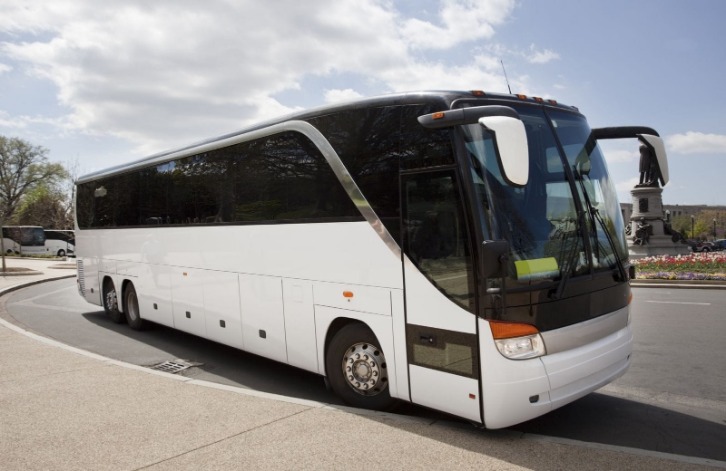
Across England, ongoing collaboration between local authorities and bus operators aims to raise safety, accessibility, and passenger satisfaction further, ensuring bus travel remains convenient, inclusive, and reliable for all passengers.
Historical Context and Evolution
England’s bus travel has a long arc from horse-drawn omnibuses in the early 19th century to today’s modern, multi-operator networks. The London omnibus era, the rise of motor buses, and postwar nationalization shaped early routes, while deregulation in the 1980s transformed competition and services. In recent years, investment in cleaner technologies, digital ticketing, and urban planning aims to create more reliable, sustainable travel across cities and rural areas.
20th-Century Developments and the Bus Regime
England’s bus travel history reflects urban growth, regulatory shifts, and technological change, tracing a path from horse-drawn services to modern networks coordinated by local authorities and, in London, by Transport for London.
- Historical context and evolution: In the 19th century, horse-drawn omnibuses and then steam and later electric street transport formed the backbone of urban mobility; municipal and private fleets expanded, often competing with tramways and rail services; early licensing and franchise systems began to shape routes, fares, and reliability; the interwar period accelerated road network development and standardization that set the pattern for later systems.
- 20th-century developments: The shift to motor buses transformed efficiency and reach, with the 1947 nationalization under the British Transport Commission creating a coordinated framework for road passenger services; subsequent creation of the National Bus Company and regional Passenger Transport Executives in the 1960s–70s centralized planning in metropolitan areas; deregulation outside London in 1986 opened markets to private operators, spurring competition and innovations in operations, while London retained a franchised model under TfL with contracted routes and performance targets; advances in accessibility, safety, and fleet technology also reshaped passenger experience.
- The bus regime: Regulatory frameworks determined how services were planned, funded, and delivered; the mid-20th-century move toward public ownership gave way to private operation and competition in the 1980s outside London; London’s highly regulated, franchised system demonstrated an alternative approach focused on uniform standards and integrated planning; later reforms, including the Bus Services Act 2017, allowed enhanced partnerships and franchising in other regions, while contemporary policy emphasizes lower emissions, digital ticketing, and improved accessibility across England.
Privatisation vs Public Ownership Debates
Bus travel in England has shaped daily life and regional development for over a century. From horse-drawn carriers to the mechanised fleets of the 20th century, the industry has oscillated between public provision and private operation, reflecting shifting political philosophies and policy goals. This article traces the historical context and evolution of bus services in England and examines the debates surrounding privatisation versus public ownership.
-
Historical context and evolution
Early systems relied on stagecoaches and horse buses before motor buses, with urban networks expanding in the interwar period. After World War II, urban and intercity services were reorganised under state planning, leading to nationalisation in 1948 and the creation of the nationalised network under the British Transport Commission and later the National Bus Company. In the 1960s and 1970s, regional traffic control, municipal authorities and integrated networks began to emerge, with some areas running municipally owned bus fleets alongside private contract services.
The big shift came with deregulation from the mid-1980s, when private operators were allowed to compete on routes outside London, transforming the market into a competitive, contract-based and route-based system. In London, transport policy moved toward an integrated franchise model where Transport for London contracts out services to private operators while owning the bus assets and setting standards. In the 1990s and 2000s, efforts to modernise fleets, improve reliability, and introduce quality standards continued, supported by local authorities and central government schemes. More recently, emphasis has shifted to environmental goals, accessibility, and digital ticketing, with a mix of private operation and public oversight.
-
Privatisation vs public ownership debates
Supporters of privatisation argue that competition incentivises efficiency, reduces costs, spurs innovation in ticketing and customer service, and attracts private capital for fleet upgrades. They point to market dynamism, route flexibility, and the ability to adapt quickly to changing demand as benefits of private operation.
Advocates for public ownership emphasise universal service, equitable access, and long-term planning that prioritises social outcomes over profit. They argue that publicly owned networks can better coordinate coverage, integrate with rail and local transport, maintain affordable fares, and shield essential services in rural areas from market withdrawal. Critics of privatisation warn about fragmentation, fare volatility, variable service quality, and the risk that profit motives undermine social obligations.
In England today, the direction is often a hybrid model: private operators run services under public contracts and regulatory oversight, with publicly owned planning, funding, contract design, and strategic objectives aligned to policy goals such as emission reductions, accessibility, and passenger growth. The balance continues to be debated as funding pressures and environmental targets shape future reforms.
Future Trends and Policy Directions
Future trends in bus travel in England are guiding policy directions toward cleaner fleets, smarter ticketing, and more reliable, affordable services. Decarbonization targets, integrated transport planning, and flexible funding are shaping how regional networks are funded and operated, with emphasis on accessibility for all communities and improved rural-urban connectivity.
Mobility as a Service (MaaS) and Integrated Travel
Bus travel in England is at a pivotal moment as policy aims to improve reliability, cut emissions, and make journeys more seamless through the emerging framework of Mobility as a Service and integrated travel.
Future trends include the rapid roll-out of zero‑emission buses, with electric and hydrogen vehicles becoming common in urban and suburban corridors, along with supportive infrastructure like depots, charging networks, and quiet, low-emission services for city centers.
Policy directions are shaped by the National Bus Strategy and related initiatives, which encourage stronger local control through franchising or enhanced partnerships, the creation of Bus Service Improvement Plans, and targeted funding for priority routes, bus priority measures, and fare reform to improve value for money.
MaaS in England is moving from pilot projects to more integrated ticketing and journey planning, with the aim of merging bus, rail, tram, and micro-mobility into a single coherent offer in which a single app can plan and pay for a complete door‑to‑door trip.
Integrated travel requires coordinated timetables, shared data, and joint investment in interchange hubs so passengers can transfer between modes without friction, supported by cross‑sector partnerships and consistent standards for real‑time information and ticketing.
Rural and coastal areas face distinct challenges, so policy options include flexible, demand‑responsive services, targeted subsidies, and vehicle‑lite operating models that preserve essential links while maintaining financial sustainability.
In towns and cities, the focus is on bus priority, clean air zone integration, and bold investments in corridors that improve frequency and reliability, underpinned by strong local transport authorities that can align land use, housing, and employment growth with transit networks.
For operators and passengers, the transformation offers better accessibility, more consistent service levels, and affordable fares, but it requires stable funding, clear regulatory frameworks, and governance that supports long‑term planning and network resilience.
Looking ahead, MaaS and integrated travel could redefine how bus travel in England is experienced, turning buses into the connective tissue of a decarbonised, inclusive transport system as digital tools, data standards, and policy alignment deliver tangible improvements on the ground.
Forecasts for Demand, Funding, and Passenger Growth
Bus travel in England is entering a period of transformative policy focus aimed at reliability, decarbonization, and better integration with other transport modes. Policy makers are betting that more frequent, affordable services can shift trips from cars to buses, unlocking urban and rural mobility. The coming years will test how quickly funding, governance reforms, and technology can translate into higher levels of passenger use.
Policy directions center on empowering local areas through franchising or enhanced partnerships under the National Bus Strategy. Local leaders are expected to set a Bus Service Improvement Plan (BSIP) that defines service levels, investment priorities, and ticketing arrangements. Where franchising is not pursued, strong statutory partnership agreements and performance commitments will be required to realise the same outcomes at reduced risk.
Funding will be a mix of central grants, local authority budgets, and private investment, with significant support for zero-emission fleets and priority corridors. BSIPs and subsequent delivery plans will map out capital for buses, depots, and charging or hydrogen infrastructure, as well as revenue support for less commercial routes. The funding framework is intended to align with broader decarbonization and air quality objectives, including urban clean-air zones and regional growth priorities.
Forecasts for demand show an uneven recovery from the pandemic, with urban areas likely to rebound faster than rural routes. High-frequency corridors, integrated rail-bus hubs, and reliable daytime and evening services are critical to lifting demand. Young workers, students, and new residents in towns and cities are expected to be key riders, while discretionary trips may grow more slowly if fares rise or service quality fluctuates.
Passenger growth will depend on service quality, price, and convenience. In prosperous urban areas, passenger numbers could return to or exceed pre-pandemic levels within a few years if investment matches demand. Rural and coastal routes may see steadier but slower growth, unless there is targeted demand-responsive services and subsidies. Overall, a medium- to long-term rise in passenger numbers is possible if the policy framework delivers reliable frequency and cross-network integration.
Technology and decarbonization are central to the future of bus travel. Electric and hydrogen buses, supported charging infrastructure, and order-of-magnitude improvements in reliability will help reduce emissions and operating costs. Smart ticketing, unified fare structures, and real-time information will improve user experience and attract new riders.
Ticketing and pricing policies will likely evolve toward simpler, more transparent options, with capped daily fares or network-wide passes in high-need areas. Payments will increasingly be digital, but concessions and accessibility requirements will ensure affordable access for students, older people, and low-income households. Franchise areas may experiment with performance-based funding that rewards punctuality, coverage, and passenger satisfaction.
Rural mobility remains a policy priority, requiring blended models such as demand-responsive services, community transport partnerships, and on-demand shuttles connected to fixed routes. Coastal towns and smaller market towns stand to gain from targeted BSIPs that create reliable linkages to major employment centers. Public transport marketing and traveller information services will be essential to convert latent demand into actual ridership.
Challenges include driver recruitment and retention, rising energy costs, and supply chain constraints for new buses and charging equipment. Policy delivery risk includes the pace of reform, local political changes, and the complexity of coordinating across multiple authorities and operators. Addressing these risks will require clear governance, stable long-term funding, and robust performance data.
In summary, England’s bus future rests on combining ambitious policy reforms with practical funding and modern technology to deliver frequent, reliable, and affordable services. If the framework aligns incentives with consumer demand, passenger growth and funding sustainability could be achieved together, reshaping regional mobility for decades.