
Overview of cheap bus travel in Europe
Cheap bus travel in Europe offers an affordable, flexible way to explore a continent rich in cities, coastlines, and countryside. With extensive networks, budget operators and online fare deals provide frequent routes, saver prices, and overnight services that can rival trains and flights for many journeys. Whether you’re visiting iconic capitals or tucked‑away towns, buses can be a cost‑effective gateway to Europe’s diverse landscapes.
Why buses are a cost-efficient option
Cheap bus travel in Europe is widely available across major routes and many smaller towns, making it a practical alternative to trains and flights for budget travelers.
Key networks include FlixBus, BlaBlaCar Bus, and regional operators that connect most European countries. Night buses and day services extend coverage from Spain to Poland and from the Nordics to the Balkans, often with flexible schedules that suit varied itineraries.
Why buses are cost-efficient: ticket prices are typically lower due to high competition and straightforward fare structures. Buses also have fewer hidden fees and surcharges than some trains or airlines, and many routes allow free seating with simple boarding procedures.
Pricing strategies help you save further: book early, travel off-peak, look for multi-journey passes, and compare direct routes with connections. Discounts for students, young travelers, or groups can also reduce the cost of longer trips.
Coverage and time considerations: buses reach hundreds of towns, including some not served by high-speed trains, but travel times can be longer than train journeys. The trade-off is often worth it for the overall savings and broader geographic reach.
Practical tips: use route comparison apps and websites to find the best fares, book in advance when possible, and consider overnight services to save on accommodation while moving between destinations.
Luggage and comfort: most long-distance buses allow at least one large bag and a personal item, with additional allowances on many operators. In-car amenities vary, but many coaches offer Wi-Fi, power outlets, and adjustable seating for a more comfortable ride.
Safety and reliability: choose licensed operators with good safety records, read traveler reviews, and be aware of border controls on cross-border routes in some regions. Having a printed or digital ticket handy helps ensure a smooth boarding process.
Environmental and budget aspects: buses generally produce less CO2 per passenger than flying, and modern fleets are designed for efficiency. For solo travelers or small groups aiming to minimize costs, buses often outperform trains on price while still enabling broad travel across Europe.
In summary, Europe-wide bus travel offers a scalable, affordable way to explore a diverse range of cities and landscapes, provided you plan ahead, compare options, and stay flexible with dates and routes.
Typical price ranges by region
Bus travel in Europe offers affordable options across a dense network of national and international operators. By booking in advance and taking advantage of sales, travelers can ride long distances cheaply. This overview shows typical price ranges by region for intercity and cross-border bus trips.
- Western Europe: Typical short hops (under 300 km) often cost about 10–30 EUR; longer intercity journeys can range from 25–60 EUR, with occasional promos dropping even lower.
- Central Europe: Short trips commonly run 8–25 EUR; longer routes typically 25–50 EUR, with good deals in late sales and student discounts.
- Eastern Europe: Short intercity trips often 5–15 EUR; longer routes usually 15–40 EUR, giving some of the best value in Europe.
- Northern Europe: Short trips generally 15–35 EUR; longer journeys 30–90 EUR, depending on distance and carrier, but promotions still frequently appear.
- Southern Europe: Short hops around 5–25 EUR; longer journeys 20–60 EUR, with Italy, Spain, and Portugal offering frequent low-cost options.
Planning and budgeting your European bus trip
Planning a budget-friendly European bus trip starts with smart budgeting, flexible routing, and timely booking. By comparing routes, taking advantage of early-bird fares, overnight services, and regional passes, you can cover more destinations for less. This introduction kicks off tips and strategies to make cheap bus travel across Europe both feasible and enjoyable.
Setting a daily budget
Planning and budgeting your European bus trip can unlock cheap travel across the continent. Bus networks connect hundreds of cities at a fraction of the cost of trains and flights, allowing you to cover long distances without overspending.
Setting a daily budget is your first step. Start by listing four main spending categories: accommodation, meals, local transport, and activities. Estimate a realistic amount for each category and add a small buffer for surprises. For example, many budget travelers in Eastern Europe aim for about 25-40 EUR per day, in Central Europe about 40-70 EUR, and in Western Europe 60-100 EUR or more, with lodging typically taking the largest slice.
Research transport costs: compare long-haul bus tickets against shorter hops, and consider overnight buses to save a night of lodging. Look up networks such as FlixBus, BlaBlaCar Bus and regional operators, and watch for early-bird deals, weekday departures, and package discounts. Tickets on popular routes can sometimes be as cheap as a few euros if booked well in advance, though prices vary with demand and season.
Plan your route to minimize backtracking and to cluster destinations that are geographically close. Create a rough map and then add buffer days for rest and flexible exploration. Booking ahead usually saves money on long journeys, while flexible dates can help you strike lower fares. Make a note of luggage policies and any extra charges for big bags or seat reservations.
Set a practical daily budget and track it as you go. Use a simple spreadsheet or a notes app to log each bus ticket, hostel, meal, and activity, and reconcile daily spend at the end of the day. If you overspend in one day, compensate by choosing cheaper meals or a free walking tour the next day. This habit keeps you from drifting into uncontrolled costs while you travel across Europe by bus.
Accommodation choices impact the bottom line. Hostels, budget hotels, and guesthouses, or even a couchsurfing arrangement in some cities, can keep lodging costs down. Consider staying in smaller towns near your bus routes, use public transit, and cook some meals instead of eating out for every meal.
Baggage and fees: plan for hand luggage, check-in luggage limits, and possible costs for extra bags on certain operators. Pack light, bring a reusable bottle, and use a small daypack for daily exploration to avoid extra charges.
With careful planning and a flexible approach to routes, daily spending, and lodging, a European bus trip can deliver big adventures without big costs.
Estimating travel time and connections
Planning and budgeting a European bus trip can unlock affordable travel across cities, letting you see more for less. Buses connect hundreds of towns and capital cities with frequent, budget-friendly options that reveal a different side of Europe than trains or flights.
Start with a clear budget that covers transport, accommodation, meals and activities. Bus fares are highly variable, but booking ahead usually saves money. In Western Europe you can often find intercity legs for as little as a few euros, while longer or peak-time trips can push higher. Plan for occasional overnight rides to save on lodging as well.
Map your route around logical hops rather than chasing a zigzag path. Use a map or timetable tool to sketch potential connections between cities, and consider alternative endpoints to increase chances of cheaper fares.
Estimating travel time and connections requires realistic time buffers. A rough rule of thumb is that non-stop bus times depend on distance and road type, but you should add a minimum 30 minutes to 1 hour for every connection and even more for border checks or customs stops. Overnight buses can save days of travel, but comfort and safety matter, so plan accordingly.
Booking strategy: compare operators and routes using apps like Omio or Rome2rio; then check operator sites for fare types. Book early for the best prices, but keep a flexible ticket if your dates might shift. Watch luggage rules and possible extra charges, and consider seat reservation if you value space on busy routes.
Overnight buses can be a clever way to maximize days of sightseeing, but comfort varies. Bring a neck pillow, a light blanket, earplugs and an eye mask, and pack snacks and a charger. Check seating and restroom availability, and choose routes with longer overnight segments if you plan to sleep.
Cost-saving tips: travel off-season, avoid weekend peaks, and compare multiple routes. Consider regional operators in addition to big brands; look for promotions and youth or student discounts where eligible. If you have flexibility, mix fast long-haul hops with slower regional legs to balance price and scenery.
Practical planning steps: set your dates and budget; list must-see places; check bus lines and schedules; draft a day-by-day plan with buffer windows; reserve or keep flexible tickets as needed; pack light and prepare for delays or detours.
Tools and resources: Omio, FlixBus, BlaBlaBus, Eurolines and other operators offer schedules; Rome2rio and Google Maps help coordinate transfers. Always verify times on the operator’s site before booking and confirm any changes before you travel.
Example itinerary idea: a 7-day route could run Paris to Amsterdam (4–6 hours by day bus), Amsterdam to Berlin (6–7 hours), and Berlin to Prague (4–5 hours). Mix in one overnight leg if you want to save a night of accommodation, and leave buffer days for city exploration and potential delays.
Conclusion: a well-planned European bus trip can be cheap, efficient and flexible, giving you more time for experiences and less stress about budgets or schedules.
Choosing destinations with affordable routes
Planning and budgeting your European bus trip with cheap travel in mind helps you see more of the continent without overspending.
- Define a clear budget and daily limit: decide how much you can spend on transport, lodging, meals, and activities, and track it with a simple spreadsheet or budgeting app.
- Prioritize destinations with affordable routes: target countries with lower fare levels and dense bus networks, and look for cities connected by frequent, inexpensive services.
- Use flexible dates and off-peak travel: midweek departures, shoulder seasons, and overnight buses can slash fares while still letting you explore.
- Compare tickets across providers and booking windows: check major intercity carriers, regional operators, and multi-city marketplaces; book early for the best prices and be open to long layovers if it saves money.
- Consider sleeper buses or night routes to save on accommodation: traveling at night means you skip a hotel and wake up near your next destination.
- Leverage route opportunities to create budget itineraries: for example, pair affordable city pairs (e.g., central European hubs) to minimize distance and fare, instead of hopping across Western Europe.
- Stay near bus stations and choose budget-friendly lodging: hostels, budget hotels, or shared dorms reduce daily costs and simplify travel logistics.
- Pack light and avoid extra fees: carry-on only, understand baggage rules, and bring snacks for long rides to avoid high on-board prices.
- Safety, comfort, and planning backups: read rider reviews, check safety records of operators, and have backup options in case a route changes.
- Sample affordable routes to consider: Prague to Vienna, Vienna to Bratislava, Berlin to Prague, Madrid to Seville, or routes in the Balkans like Sofia to Belgrade to Zagreb to Ljubljana, which often feature competitive fares and frequent services.
Major bus networks and routes
Europe’s major bus networks offer cheap, reliable routes that stitch together capitals, major cities and regional towns. FlixBus leads the scene with a continent‑wide web of intercity routes and frequent discounts, while BlaBlaCar Bus provides parallel cross‑border connections. National and regional operators such as RegioJet, National Express, and other local lines complement these networks, creating affordable options for journeys like Paris–Berlin, Madrid–Lisbon, and Rome–Zurich. With generous advance booking sales, student fares, and flexible passes, bus travel remains one of the cheapest ways to explore Europe.
Pan-European networks (e.g., FlixBus, Eurolines)
Europe’s long-distance bus network offers affordable travel between major cities and capitals, with pan‑European operators and regional networks delivering frequent links across borders.
Pan‑European networks like FlixBus and the legacy Eurolines system connect most of Western and Central Europe with a dense mesh of city‑to‑city routes. FlixBus operates a large, standardized fleet on numerous cross‑border corridors, often pairing daytime services with night routes that help travelers save on accommodation while covering long distances. Booking is usually simple via the FlixBus app or website, with real‑time updates, integrated seat selection, and flexible fare options that appear in tiers depending on how far in advance you book.
Eurolines historically coordinated cross‑border services among national carriers across Europe, creating a familiar network of international routes that linked capitals and major regional centers. In practice, many Eurolines routes have merged into the FlixBus network or continue under partner brands in specific markets, but the legacy concept remains: a single ticket that unlocks travel across multiple countries with standardized pricing and convenient transfer points at central hubs.
Other major pan‑European options include Megabus, which operates low‑cost routes across parts of the continent, often focusing on high‑volume links between major cities. BlaBlaCar Bus (formerly Ouibus) provides inexpensive cross‑border services in several markets and emphasizes a social, urban‑style travel experience with straightforward online booking. These networks broaden choices for cheap travel and frequently run promotional fares alongside their standard low‑cost tiers.
Typical cross‑border corridors connect core hubs such as Paris, Berlin, Madrid, Milan, Vienna, Prague, Amsterdam, Brussels, and Warsaw, with frequent connections to nearby capitals and secondary cities. Night buses are common on longer routes, offering sleeper options or reclining seats and enabling travelers to cover substantial distances without paying for a hotel. Central hubs function as transfer points, where passengers switch to onward services to complete multi‑country itineraries.
When planning, it’s wise to compare several networks for the same route, as fares can vary significantly with time of day, day of the week, and how far in advance you book. Booking early generally yields the best prices, while midweek travel and off‑peak hours tend to be cheaper. Overnight services can maximize sightseeing time and minimize accommodation costs, but may involve quieter travel and longer boarding times at smaller stops.
Practical tips for keeping costs down include checking for promotional codes or flash sales, using multi‑city or return‑ticket options when available, and being flexible with routes and transfer points. Luggage policies are usually generous on buses, but you should verify allowances for bags and hand luggage, as surcharges can apply for extra pieces or oversized items on certain routes.
For planning a budget European trip by bus, the main networks—FlixBus, Eurolines lineage, Megabus, and BlaBlaCar Bus—offer broad coverage and frequent schedules across multiple countries. By comparing routes, times, and prices across these operators, travelers can build inexpensive, flexible itineraries that connect the continent without relying on trains or flights.
Regional operators and cross-border routes
Europe offers a dense and affordable way to travel between cities and regions by bus. Cheap intercity coach services connect capitals, coastal towns and inland regional centers, often with overnight options that save both time and hotel costs. Booking platforms and flexible fare schemes help travelers tailor trips to budget and schedule.
Major networks and routes include FlixBus, which operates a pan‑European network linking cities such as Berlin, Paris, Madrid, Rome, Amsterdam, Vienna, Prague, and Warsaw. These routes are supported by frequent departures, standardized fares, and easy online booking. Other large networks include BlaBlaCar Bus, a brand that focuses on affordable cross‑border journeys, and the legacy Eurolines network, which historically stitched together a wide array of cross‑border connections and still appears in many markets through partner services. In the United Kingdom, National Express runs extensive domestic routes with some cross‑border links to neighboring destinations via shared networks, widening options for budget travelers.
Regional operators complement the big networks by serving smaller cities and rural towns, often feeding long‑distance routes and providing additional timetable options. Operators such as RegioJet and Leo Express in Central Europe run cross‑border services across the Czech Republic, Slovakia, Poland, Austria and Hungary, while French and Spanish regional carriers connect hinterland towns with major hubs. These regional lines are especially valuable for door‑to‑door budget travel, offering lower fares and flexible schedules that integrate with the larger pan‑European networks.
Cross‑border routes typically pass through the Schengen area with relatively smooth border checks, allowing direct hops between neighboring countries. Many journeys are designed to minimize transfers, while others use overnight buses to maximize daytime sightseeing or work time. It’s common to see routes linking Western European capitals with Central and Eastern hubs, as well as connections from the Nordic countries to mainland Europe via central cities, enabling affordable travel across the continent.
Tips for cheap travel include booking in advance to lock in the lowest fares, comparing multi‑city itineraries across different networks, and looking for regional feeder services that connect to major hubs. Overnight services can save on accommodation, though you should check luggage policies and seat comfort. Consider flexible travel dates and mix‑and‑match routes between major networks and regional operators to uncover the best value for European bus travel.
Booking strategies and fare tricks
Booking cheap European bus travel hinges on timing, flexibility, and savvy fare tricks. Start by comparing prices across operators, and watch for advance-purchase fares, weekend deals, and overnight routes that save both money and hotel costs. Consider multi-journey passes or regional networks, flex dates, and booking windows to lock in the lowest prices while keeping your itinerary open for last-minute shifts.
Booking in advance vs last-minute deals
Bus travel in Europe can be the cheapest way to hop between cities, once you know where to look and when to book. This guide covers booking strategies and fare tricks to help you ride longer for less, from planning ahead to hunting last-minute discounts.
Booking in advance usually yields the lowest fares on major networks like FlixBus, Eurolines, and regional operators. Prices typically start low but increase as seats fill, especially on popular routes and during peak travel periods. Plan your trip a few weeks to several months ahead for long distances or high-demand seasons, and lock in flexible return dates if possible.
Last-minute deals can appear when operators want to fill seats that would otherwise go empty. These fares can be substantial discounts, but options are limited and routes may be restricted. If you travel spontaneously, monitor prices daily, set price alerts, and be ready to adjust destinations or travel times to grab a bargain.
Flexibility is your best ally. Midweek departures, early morning or late-night services often have lower prices and fewer crowds. If your schedule allows, compare several departure times and neighboring cities to discover cheaper connections that still fit your itinerary.
Use price comparison sites and check operator sites directly. Aggregators can show you many options quickly, but some discounts appear only on the operator’s own site. Clear the cookies or use incognito mode to avoid price inflation, and sign up for newsletters or price-alert services to catch drops.
Consider combining legs from different operators to stitch together a cheaper route, a practice known as split-ticketing in other modes. Ensure transfer times are realistic and that luggage policies align between carriers. Avoid overly short connections that risk missing a bus, and factor in time for border checks or urban transfers.
Look for passes, bundles, or regional offers that give you multiple trips for a fixed price. These can offer real savings if you plan a multi-city itinerary, but compare the per-trip cost with your actual plan to verify value. Some carriers also run loyalty programs or seasonal promotions—watch for signup bonuses.
Always check baggage allowances, seat reservations, and extra fees before booking. Some low-cost fares exclude seat selection or limit luggage, and paying for extras on board can be pricier. If you plan to carry a suitcase, budget for these costs in your total trip budget.
Cheap fares often come with stricter terms: nonrefundable tickets, limited changes, and shorter cancellation windows. Read the fare rules carefully and consider travel insurance or flexible tickets if your plans might shift. If you value reliability, balance price with refundability and customer support ratings.
Start by listing your preferred cities, compare two to three routes per leg, and set price alerts for each. Book well in advance for long journeys and leap on midweek deals for short hops. Keep an eye on promotions from major operators and don’t neglect regional companies that serve niche routes across Europe.
Flexible dates and price calendars
Booking strategies for cheap European bus travel focus on flexibility, comparison, and timing. Start by surveying multiple operators and aggregators to see which routes are available, then track prices over a few days before buying. Buses often offer substantial savings on longer, cross‑country journeys when you compare FlixBus, Eurolines networks, BlaBlaBus, and regional operators. Use price alerts and sign up for operator newsletters to catch promotions or flash sales before seats fill.
Aim to book long trips well in advance, especially during peak travel periods like summer, holidays, and school breaks. For shorter hops or less popular routes, you can sometimes wait a little while, but be prepared for price fluctuations and limited seat choice. If you’re traveling with others, booking together can sometimes unlock group discounts or more favorable seat options, so check both single-ticket and multi-ticket options across different sites.
Fare tricks include looking for promo codes, student or youth discounts where available, and choosing non‑premium seat options or non‑reserved seating when possible. Some platforms offer first‑time user discounts or referrals; check the app or site for any current promotions. Also consider mixed-mode itineraries, such as combining a long bus leg with a shorter transfer or overnight ride to save on lodging costs and total travel time.
Flexible dates and price calendars are powerful tools. Most booking platforms display a calendar view showing prices for a range of days; you’ll often see a “cheapest day” highlighted. In Europe, midweek departures (Tuesday–Thursday) and avoiding Friday or Sunday peak travel times tend to yield lower fares. If you can shift your trip by a day or two, you can save significantly on many routes. Use the calendar to identify several cheap options and then compare them side by side before buying.
Overnight buses can be a smart way to save on both fare and lodging. They let you sleep through part of the journey and arrive at your destination in the morning, freeing daytime for activities. Check amenities (plugs, Wi‑Fi, reclining seats) and luggage rules before booking, as some overnight options charge extra for seat reservations or larger bags. If you’re a light sleeper, look for routes with fewer layovers and comfortable routes with smoother highways.
Watch for add‑on fees that can quietly inflate the total. Some operators charge for seat reservations, extra luggage, or carry‑on options. Compare the total price including any required reservations and bag costs, not just the base fare. When possible, choose tickets without mandatory seat reservations and verify luggage allowances, as these are common sources of unexpected charges on a budget booking.
Booking across platforms can yield the best overall price. Some routes are cheaper directly on an operator’s site, while others appear cheaper on aggregator platforms that bundle multiple operators. Always check both routes: direct operator bookings and aggregator comparisons, then run a quick check of the route on the operator’s app. Also consider split-ticket strategies, booking one leg with one company and the return leg with another if it reduces cost.
Prices calendars and flexible planning work best when you have a rough route and a couple of backup options. Build a list of acceptable departure times, transfer points, and alternative dates, then lock in the cheapest viable option. Keep in mind border crossings and city-center pickup points—some cheaper routes may require longer transfers or central stations with less convenient timing, so weigh cost against convenience and total travel time.
In short, cheap bus travel in Europe comes from early, flexible planning, smart use of calendars and alerts, and careful evaluation of add‑ons. With a bit of juggling between dates, routes, and platforms, you can assemble a budget-friendly itinerary that keeps travel costs low without sacrificing comfort or reliability.
Using multi-ticket passes and bundles
Budget-friendly bus travel across Europe often hinges on smart booking strategies and fare tricks. In practice, savvy travelers combine advance planning with bundles and passes to cut costs on long journeys and multi city trips.
Begin with route mapping and date flexibility. Identify core corridors you’ll travel (for example, major hubs like Paris, Berlin, Madrid, Prague, and Rome) and look for multiple legs that can be bundled. If you’re flexible about travel days and times, you can snag cheaper departures on midweek or off-peak slots and stack discounts that apply to several legs.
Book long-distance legs early when prices are lowest, especially for popular intercity routes and holiday periods. Early-bird fares and limited-seat discounts often vanish as departure approaches, so locking in a couple of key legs in advance is a reliable saver.
Consider night buses to save both time and hotel costs. Overnight services let you travel while you sleep, freeing daytime for sightseeing. Check luggage policies, comfort, and the availability of reclining seats, and weigh the trade‑offs against the extra fatigue that night travel can bring.
Multi-ticket passes and bundles are a core fare trick for European bus travel. Some operators and networks offer passes that cover several trips within a defined time window or a geographic region. These can lower the per‑trip price when you’re making multiple hops, especially across a region or country grid. Always verify what routes are covered, any blackout dates, transfer rules, and whether the pass can be used across different operators.
When a bundled option isn’t available, look for bundled value through aggregators. Booking platforms often combine several single tickets into a single checkout and highlight savings from buying multiple legs together. Compare bundled offers with standalone tickets to confirm you’re really getting a discount and watch for any extra handling fees.
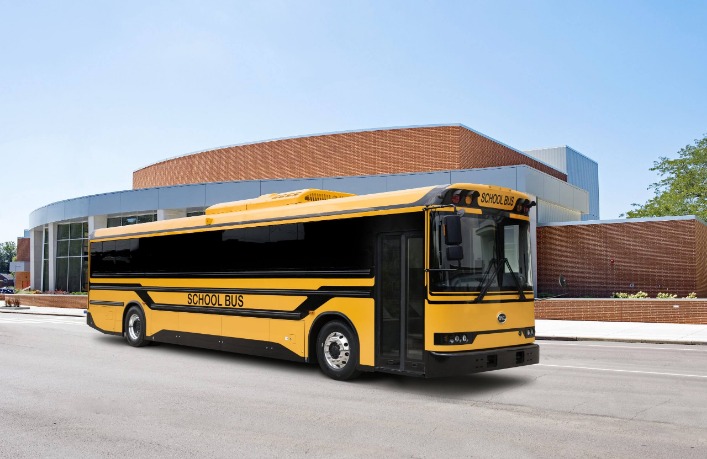
Mixing carriers can yield the lowest overall price. A leg might be cheaper with one company and another leg with a different operator. Use price comparison tools that show multiple operators side by side, and don’t shy away from splitting one trip into two or three separate bookings if it saves money, even if it means changing buses along the way.
Don’t overlook regional and city passes that include bus travel within a zone. Some networks sell regional bundles that cover several towns in a region, which can be cheaper than buying point-to-point tickets for each leg. In addition, some destinations offer city transport cards that can be paired with intercity bus tickets for a bundled travel day.
Take advantage of discounts and loyalty programs. Students, youths, seniors, and groups can often access lower fares or special codes. Sign up for operator newsletters or loyalty programs to receive early access to sales or exclusive promos, and always carry valid student or age‑related IDs where required.
Plan for practicalities and policy quirks. Check baggage allowances and whether extra bags incur fees, understand seat reservation rules (if any), and note cancellation or change policies. A flexible ticket that allows a small fee to change or cancel can be a better bargain than a strictly nonrefundable fare when your plans might shift.
Onboard experience and comfort on cheap buses
Traveling by cheap buses across Europe offers a budget-friendly way to reach cities and landscapes, but onboard comfort varies by operator. Modern fleets often provide clean seats, adequate legroom, and practical extras like free Wi-Fi and power outlets, while longer hops may suffer from cramped seats or variable air conditioning. With smart planning, cheap European bus travel delivers solid value and a comfortable enough ride to start your adventure.
Amenities, seating, and legroom differences
Cheap intercity bus travel across Europe can be surprisingly comfortable, but the onboard experience varies a lot by operator, route length, and fleet. When you know what to expect—seating, legroom, amenities, and a few smart packing tips—you can ride longer distances with minimal discomfort even on budget services.
Seating on budget buses is usually 2+2 with narrow seats and modest legroom. Many European low-cost coaches use older or mid-range fleets, so cushion quality and padding can feel flat on longer legs. Taller travelers may notice limited knee space and a steep seat-back angle; front or near-aisle seats are often the easiest to access, and some newer buses offer slightly more generous pitch or ergonomic headrests.
Legroom and seat width vary by fleet. Typical seat pitches are tight-cut, and seat widths can feel narrow by North American standards. Quiet, smooth rides depend on the road and the bus suspension; highway speed and road quality will influence comfort as much as the seat itself. If you’re sensitive to bumps or prefer a more upright posture, consider choosing a seat toward the front or in the middle row where the suspension can feel steadier.
Amenities on cheap European buses range from basic to modestly upgraded. Free Wi-Fi and USB charging are common on newer large networks but are not universal, and reliability can be hit-or-miss. Some buses lack power outlets, so plan accordingly. Toilets are more common on longer routes but may be unavailable on short hops. Snacks and drinks, if offered, are typically paid; water from a dispenser is sometimes available at the driver’s discretion during longer trips or rest stops.
Connectivity and entertainment vary by operator. FlixBus and similar large networks often emphasize an app experience, onboard announcements, and occasional Wi-Fi perks, while smaller or older fleets may be more basic. Sleeper or couchette options exist in some overnight services, but most cheap daytime routes rely on standard reclining seats; if you want a bed, you may need to seek dedicated overnight services or upgrade to a higher fare on that route.
Tips to maximize comfort on cheap buses: pick seats toward the front or near the middle for a smoother ride, avoid back rows where the engine hum may be louder, bring a travel pillow and a light blanket, dress in layers, bring water and snacks, and use earplugs or noise-canceling headphones if you’re sensitive to road noise. Booking early can help you cherry-pick better seats and, on some networks, secure a seat with a USB port or more legroom.
In short, cheap buses in Europe can be reasonably comfortable with careful seat selection, travel timing, and realistic expectations about amenities. If your priority is maximum legroom and premium seating, you may need to compare fleets and consider a mid-range fare, but for many travelers, budget buses offer a viable, budget-conscious way to hop between European cities.
Rest stops, meals, and safety
Traveling by cheap buses across Europe offers a low-cost way to hop between cities, but the onboarding experience, rest stops, meals, and safety can vary widely from provider to provider.
Onboard comfort on budget coaches is typically functional rather than luxurious. Expect seats with moderate recline and decent legroom for the price, but not the plush padding of premium services. Luggage storage is usually under the bus or in overhead areas, and aisles can be narrow. Some modern budget operators add features like USB charging ports or free Wi‑Fi, but these amenities are not guaranteed on every route or bus model.
What you get depends a lot on the operator and the specific model. A few European discount brands now offer newer coaches with ergonomic seats and clearer announcements, while older fleets in smaller markets may feel basic. If comfort matters, check seat pitch, available power outlets, and whether there is a toilet on board before you book, and read recent traveler reviews for your chosen route.
Rest stops are a key part of the budget bus experience in Europe. Most long-haul services pause every two to three hours, with 15 to 30 minutes allotted at each stop. Service areas vary by country and region, but you’ll usually find a mix of restrooms, vending machines, coffee shops, and quick meal options. Some stops are scenic layovers, while others are straightforward refuel-and-repshoot breaks. Plan for a quick stretch, a bathroom break, and a snack if you have a tight connection later.
Meals on board cheap buses are rarely included. It’s common to buy food and drinks at rest stops or local shops near the terminal. On longer routes, you may see snacks or hot drinks for sale on the coach, but this isn’t universal. To stay comfortable, carry water, a small snack, and perhaps a light meal if you know you’ll be traveling through a region with limited options between stops.
Safety on European budget buses is generally solid due to strong regulation and frequent inspections. Drivers must adhere to hourly rest rules, and most buses are equipped with seat belts, emergency exits, and basic safety information. Look for licensed operators with clear contact details, a trackable booking, and good customer reviews. Keep valuables secure and your bag with you or in approved storage; avoid leaving items near luggage compartments during stops, and be mindful of pickpockets in busy terminals.
If you’re chasing comfort on a cheap ticket, consider a few practical choices. Book a mid- to back-of-bus seat if you want fewer passing passengers near you, choose routes with more frequent, longer rest stops, and avoid overnight itineraries if you’re sensitive to cabin noise. Bring a lightweight travel pillow, a thin blanket or sweater, earplugs, and an eye mask to improve rest on a noisy coach. Wearing comfortable clothing and layers helps with the varying cabin temperatures common on long journeys.
Packing smart helps too. A small water bottle, non-spill cup, and healthy snacks can make stretches between stops easier. If you have medications, keep them in your carry-on in case of delays. A portable charger or power bank is handy for phones and devices, as power outlets aren’t guaranteed on every budget bus.
When planning for safety, verify the operator’s credentials and read recent traveler feedback about punctuality, cleanliness, and helpfulness of the staff. If you’re uneasy about a route, consider a slightly longer journey with a well-regarded provider that prioritizes safety and customer service. In Europe, clear signage, multilingual announcements, and visible emergency procedures usually accompany well-run budget services, giving you confidence on the road.
Overall, cheap European bus travel can be a practical way to cover lots of ground on a budget. By understanding what to expect aboard, planning for rest stops and meals, and prioritizing safety and comfort through careful choice of operator and seat, you can enjoy efficient and affordable journeys across cities and countries.
Seasonal and regional travel considerations
Seasonal and regional travel considerations shape cheap bus trips across Europe. In peak summer, high demand on popular routes pushes prices up and buses fill quickly, while shoulder seasons like late spring and early autumn often yield cheaper fares and quieter schedules. Regional differences matter too: northern routes may run more frequently but cover shorter hops, while mountains and rural areas can have limited services in winter. Planning around holidays, festivals, and school breaks helps you avoid crowds and snag deals, and overnight journeys can save both time and accommodation costs. By mixing longer daytime hops with affordable night buses, you can traverse from the Baltic to the Iberian Peninsula on a tighter budget.
Peak season vs off-peak discounts
Seasonal and regional travel considerations can dramatically affect the cost and ease of bus travel across Europe. By understanding when demand rises, where regional promotions exist, and how to leverage off-peak travel, you can keep fares low while visiting multiple countries by bus.
- Peak season dynamics across popular corridors
- Summer holidays and major events drive higher fares and more frequent services on main routes.
- Shoulder seasons in late spring and early autumn often bring cooler weather, lighter crowds, and better discounts on longer trips.
- Regional differences in discount practices
- Central and Western Europe tend to offer more promotional fares and night-bus deals on long-distance routes.
- Eastern and Southern Europe can deliver cheaper base prices, but promotions may be less frequent; always compare multiple operators.
- Strategies to snag off-peak savings
- Travel midweek and avoid Friday and Sunday peak return days when prices spike.
- Book in advance for fixed-route buses and monitor flash sales or regional passes.
- Consider overnight buses to save on a night of accommodation while still reaching your next destination.
- Regional passes and country-specific options
- Look for country-wide or regional passes that cover multiple operators to simplify budgeting.
- Combining bus passes with rail discounts or city cards can unlock additional savings for multi-country trips.
With a little planning, cheap European bus travel remains accessible across seasons and regions, letting you explore more of Europe without breaking the budget.
Regional holidays and border crossing tips
Seasonal and regional travel considerations shape cheap bus trips across Europe. Prices and options shift with the seasons, while the regional transport network varies from country to country, city to city, and even within regions.
Seasonality matters for pricing and service frequency. In summer, high demand for beaches and city breaks can push fares up and fill popular routes early. Shoulder seasons such as spring and late autumn often offer lower fares, quieter stations, and pleasant travel conditions. Winter can reduce options in mountainous areas where routes are limited by weather, though city routes and overnight services may still deliver good value if you prefer saving on lodging.
Regional variations in bus networks influence what you’ll find on the road. Some countries have dense intercity and cross-border coach networks with frequent departures, while others rely on a smaller number of long-haul or overnight services. In rugged or rural regions, night buses can be your best bet for saving time and money, but daytime services may be sparse or seasonal in nature, especially in remote areas or off-peak months.
Regional holidays and events can create peaks in demand and shifts in schedules. Christmas markets in Germany and Austria, summer festivals in Spain or Italy, or long holiday weekends in many countries can push prices higher and fill seats quickly. Local festivals may also lead to road closures or detours, so it pays to check regional calendars and book ahead if you’re traveling near major events.
Border crossing tips for cheap European bus travel. Most of continental Europe is inside the Schengen Area, meaning passport checks are rare for travelers moving between many countries, but it is still wise to carry your passport or national ID. If your route crosses non-Schengen zones or involves the UK, Ireland, or other non-member areas, border checks can be longer and paperwork may vary by country, so verify visa or entry requirements before you travel and have proof of onward travel handy.
Practical tips to keep costs low across seasons. Book early when you see a good fare, and be flexible with your dates by a day or two to catch cheaper departures. Consider overnight buses to save on lodging, and avoid peak weekend windows if possible. Compare multiple networks and regional operators, and keep an eye on school holiday calendars, which differ by country and can dramatically affect prices and availability.
Region-specific guides for cheap European bus travel
Region-specific guides for cheap European bus travel offer practical, budget-friendly pathways across Western, Central, Southern, and Eastern Europe. They highlight how to find the best fares, navigate local networks, and combine routes for efficient, overnight, and multi-city journeys, helping travelers stretch their euros while exploring the continent by bus.
Western Europe: cost-effective routes and hubs
Western Europe has a dense coach network that can deliver cheap travel across France, Benelux, Germany, and the UK with minimal planning. For budget travelers, focus on core corridors and industry-standard hubs where operators like FlixBus, BlaBlaCar Bus, and traditional networks such as Eurolines run frequent, affordable services.
Key hubs to watch: Paris acts as the largest cross-border hub, linking to Brussels, Amsterdam, London, and Berlin. Amsterdam and Brussels sit as parallel connectors between Paris, Berlin, and northern routes, while Berlin provides north–south and east–west connections into Central Europe. London remains a popular gateway to continental routes on buses like FlixBus and Megabus, and offers several overnight services that pair well with cheap accommodation further along your route.
Cost-effective routes and typical prices (advance-booking saver fares): Paris to Brussels, 2–3 hours, roughly 5–15 EUR; Brussels to Amsterdam, 1–2 hours, about 6–12 EUR; Paris to Amsterdam, 3–5 hours, 8–25 EUR; Paris to Berlin, 8–12 hours, 20–45 EUR; Berlin to Amsterdam, 6–8 hours, 9–25 EUR; London to Paris, 6–9 hours, 15–40 EUR. Western Europe also offers intra-Spanish routes like Madrid to Barcelona (6–8 hours, 15–40 EUR) and longer overnight options to Lisbon (8–11 hours, 25–60 EUR). If you’re flexible and book early, you can often find 5–10 EUR fares on popular legs and under 20 EUR on cross-border routes formed with 2–3 hops.
Tips to save money: search across operators, compare aggregator sites, book weeks in advance for major routes, travel off-peak midweek, and prefer overnight buses to save on lodging. When combining legs, choose hubs with frequent services to avoid long layovers, and consider multi-leg itineraries that stay within the same country or adjacent neighbors to minimize border-discipline issues and transfer costs. Always read baggage rules and board early to secure the best seats on cheaper fares.
Two example cheap itineraries to start with: (1) Paris → Brussels → Amsterdam → Berlin, a north–south loop with frequent departures and short hops to keep prices down; (2) London → Paris → Amsterdam → Berlin, a cross-Channel chain through high-density hubs that yields frequent sale fares. If you want Iberian routes, try Madrid → Barcelona for a short, economical leg, then Barcelona → Madrid or Barcelona → Lisbon if you’re chasing longer sun-and-sea legs with overnight options.
Resource tips: check operator sites (FlixBus, BlaBlaCar Bus, Megabus) and aggregator sites, sign up for newsletters for flash sales, and look for saver or promo fares. Night buses are excellent for maximizing travel time and minimizing lodging costs, especially on routes like Paris–Amsterdam, London–Paris, and Berlin–Amsterdam.
Central and Eastern Europe: value-first travel
Central and Eastern Europe offer some of the cheapest and most reliable long-distance bus options in Europe, making value-first travel feasible even on tight budgets.
In this region, the value-first approach means balancing price, time, and comfort. Night buses can save on accommodation, while midweek trips often carry lower fares. Flexible itineraries with a couple of border stops can unlock cheaper routes that skip high-demand corridors.
Two international operators dominate the budget scene—FlixBus and RegioJet—but you will also find strong national networks within countries. PolskiBus routes are now largely operated under FlixBus, while RegioJet runs cross-border connections in and around the Czech Republic and Slovakia. Local and regional operators fill in many domestic legs, creating a dense web of affordable options.
Poland and Czechia cluster around major hubs like Warsaw, Kraków, Prague, and Brno. Typical cheap routes include Kraków to Prague, Prague to Budapest, and Warsaw to Poznań or Wrocław, with fares frequently ranging from under 10 EUR on shorter hops to 15–30 EUR for longer cross-country journeys if booked early. Night services are popular here, letting you sleep through the distance and wake up in a new city.
Hungary and Slovakia are well connected to their neighbors as well. Budapest to Bratislava can be as short as 2–3 hours with prices often around 5–15 EUR. Budapest to Kraków or Vienna tends to hover in the 15–30 EUR range, depending on how far in advance you book and the day of travel. The border towns along the Danube offer efficient cross-border services that make multi-country itineraries practical on a single budget.
Romania and Bulgaria add further value options, with routes linking Bucharest, Cluj-Napoca, Timișoara, and Iași in Romania, and Sofia to Plovdiv or Varna in Bulgaria. FlixBus and other operators run long-haul connections across these corridors, and prices often dip into the 10–25 EUR band for well-timed departures. Expect longer journey times on these legs, but the savings on transport can still outpace the extra time.
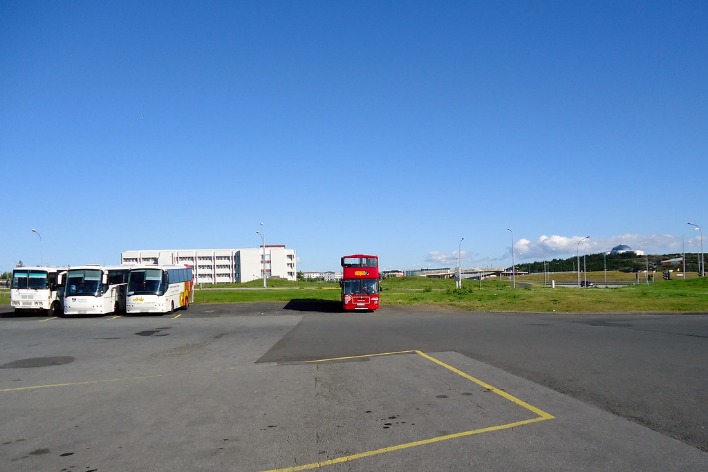
Across the Western Balkans, Croatia, Serbia, and Bosnia offer affordable cross-border travel that can stitch together a multi-country itinerary with lower overall costs. Zagreb to Belgrade or Split to Zagreb can frequently be found in the 10–25 EUR range, while longer hops toward the Adriatic coast may be priced higher but still competitive compared with rail or air options. Overnight buses are common here as well, combining economic travel with practical city arrivals.
When planning, keep border-crossing realities in mind. Some routes pass through Schengen frontiers with minimal checks, while others may involve short passport controls that can affect travel time. Night buses can help you maximize time in destinations, but allow a little extra time at the start of your trip for check-ins and boarding in entry cities.
Booking tips to maximize savings: compare a few days around your preferred date, as prices can swing with demand. Use bus-aggregator sites and the official operator pages to confirm the lowest fares, then lock them in early for popular corridors. Booking two to six weeks ahead often yields the best prices, though last-minute deals can appear, especially on midweek departures.
Practical on-the-ground advice: bring a compact, comfortable bag to fit under the seat or in overhead storage, as luggage surcharges are common for larger bags. Choose seats that balance comfort and price; some operators charge for preferred seating, while standard seats are frequently perfectly adequate for typical overnight rides. If you’re sensitive to noise, consider quieter departures or sit near the front of the bus away from engines and restrooms.
Aggregators like Busbud or Omio can help you compare options across FlixBus, RegioJet, and other networks, but also check the operators’ own apps or websites for exclusive deals. In these markets, local payment methods and currencies vary, so be ready to use a card that works internationally or arrange local cash equivalents where needed.
Overall, Central and Eastern Europe reward value-first travelers with a wide and affordable bus network. With a little foresight—booking ahead, choosing night services when sensible, and clustering destinations into a sensible loop—you can traverse multiple countries on a budget while still enjoying the cultural richness of the region.
Practical tools for finding cheap tickets
Planning a budget-friendly European bus trip starts with smart search tools. Use fare‑comparison sites and mobile apps to scan multiple operators at once, set price alerts for routes you care about, and experiment with flexible dates and departure times. Booking in advance, traveling midweek, and choosing overnight services can shave costs, while loyalty programs and student or youth discounts add extra savings.
Price comparison sites and apps
Finding cheap bus tickets across Europe is easier than it seems when you use price comparison sites and travel apps that cover a wide network of carriers.
Top price comparison sites for European bus travel include Omio (formerly GoEuro), Busbud, CheckMyBus and Wanderio. These platforms aggregate schedules and fares from multiple operators, so you can compare price, duration and connections in one place.
Rome2rio also helps with route planning and estimates travel times, serving as a good companion to dedicated bus search tools.
On the move, useful apps include the Omio app, the FlixBus app and the Busbud app. They let you search, compare and book while traveling or while on the couch.
To get the best results, search with flexible dates, try several departure times, and don’t forget to check overnight options, which often save both time and money.
What to compare besides price: travel time, the number of changes, pickup and drop-off locations, luggage allowances and any seat reservation fees or cancellation policies.
Tip: for Europe-wide trips, overnight buses can be a cheap alternative to a hotel. Also consider multi-city routes that may reduce total travel time or price.
Booking tips: book in advance when possible, especially for popular routes; midweek departures are frequently cheaper; and use price alerts or periodically recheck if your travel dates are flexible.
Example scenario: planning a trip from Berlin to Prague, you can compare options on Omio and Busbud for services from FlixBus and RegioJet, weigh price and time, and choose a late-night bus that arrives in the morning.
Bottom line: these tools help you find cheap bus tickets across Europe with minimal effort, letting you focus on the journey and the destinations.
Alerting and price-drop notifications
Finding cheap bus tickets across Europe is easier when you use the right tools. This guide covers practical apps and sites, plus alerting and price-drop notifications to help you catch the best fares for European bus travel.
Price comparison platforms collect many operators in one place, so you can compare routes, prices, durations, and border options quickly. Look at Omio, Busbud, and CheckMyBus to see multiple operators side by side, filter for overnight journeys, direct routes, or budget options, and spot affordable combinations you might miss booking direct with a single company.
Official operator apps and websites are worth checking too. The FlixBus app often shows mobile-only deals, seat choices, and easy rebooking. Other major operators in Europe, such as BlaBlaCar Bus, RegioJet, and Eurolines networks, maintain apps or mobile sites with direct booking and occasional promos that beat aggregator prices when they run.
Alerting and price-drop notifications are where you really optimize savings. Many aggregators let you set price alerts for specific routes and date ranges and will push or email you when fares fall. Turn on push notifications in the apps and subscribe to price-change emails if offered. If a route is flexible, create alerts for nearby travel windows you’re willing to consider, and compare the dropped fare with ongoing deals on the operator sites.
Beyond alerts, diversify your signals. Subscribe to operator newsletters or social accounts for flash sales, and consider setting generic search alerts (for example, “European bus fares” or route-specific terms) on your preferred news or deal sites. Flexibility often matters most: small price dips can appear for midweek departures, off-peak seasons, or overnight buses that also save on accommodation costs.
Smart saving tips include booking well in advance for high-demand routes, but also leaving a window for last-minute deals on less popular itineraries. Travel midweek when possible, opt for night buses to combine travel with lodging savings, and be mindful of extra fees such as baggage, seat reservations, or border-crossing surcharges. Cross-check multiple sources before buying, since the lowest price on one site can be matched or beat by another operator if you count all fees.
Example workflow: search for a popular cross-border route on an aggregator, then verify the same dates on the operator’s site for any exclusive promos. Set price alerts for that route with a flexible date window, and when a drop is announced, compare all options quickly and book the best-value fare before it changes again.