
Overview of Malta’s Bus Travel
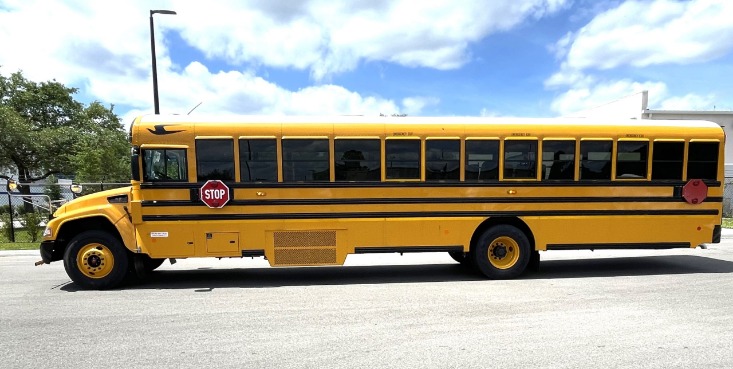
Malta’s bus travel offers an affordable, accessible way to explore the islands, linking towns, beaches, and historic sites with regular services and a straightforward fare system. The bright yellow buses form a familiar backbone for visitors and locals alike, reaching popular attractions, coastal villages, and rural countryside, with ferries to Gozo and Comino expanding the options for island hopping.
Operator and service zones
Malta’s bus network provides broad coverage across Malta and Gozo, operated primarily by Malta Public Transport. The system uses the Tallinja smart card and contactless payments, offering a convenient alternative to driving with frequent urban routes and connections to tourist sites and ferry terminals.
- Operators
- Malta Public Transport operates the Malta-wide bus network with a modern fleet and unified timetables.
- Gozo’s bus network is operated separately by a local operator under Transport Malta, serving towns across the island of Gozo.
- Service zones and fares
- Fares are zone-based: the price depends on the number of zones you travel through; multi-zone journeys cost more.
- Zones cover the core urban area (Valletta and surrounding towns) and outer rural/suburban zones on Malta; Gozo has its own zone structure.
- Tickets and Tallinja cards can be topped up with credit or travel passes; use the Tallinja app or official site to view zone maps and plan journeys.
- Getting around and planning
- Timetables and routes are published online; you can plan trips before you travel.
- Boarding requires a valid Tallinja card or payment on board where accepted; some routes may accept cash or contactless.
- Timings can vary by day and season, so check current schedules for your route.
Historical context and recent changes
Malta’s bus travel is the backbone of public transportation on the islands, providing a dense network that links towns, villages, and key urban areas with Valletta at its hub. Buses are the most affordable and widely used way to move around the islands, and they serve both everyday commuters and visitors exploring historic towns and coastal areas.
Today the network is operated by Malta Public Transport, a centralized operator that runs the majority of routes on the main island. The services cover urban corridors such as Valletta, Sliema, St. Julian’s, and Birkirkara, as well as outward routes toward Mellieħa, Marsaskala, and the southern towns. A typical journey may involve transfers at central interchanges or using direct routes along the coast, with the timetable designed to accommodate school, work, and tourist patterns.
Fares in Malta are largely handled through the Tallinja contactless card system, which allows pay-as-you-go travel, daily and weekly passes, and bulk-ticket options. The card and app-based tools provide route planning, real-time service updates, and easier access to discounts for students and frequent travelers. Cash fares are still accepted on buses that display the option, but the card is by far the most convenient way to ride.
Malta’s public transport has deep historical roots dating back to horse-drawn and early motor buses in the late 19th and early 20th centuries. After World War II, the network expanded steadily to connect towns and rural areas, becoming a familiar part of daily life for residents and visitors. Over the decades, a sequence of reforms and fleet upgrades gradually shifted the system toward a centralized, government-linked model with a focus on reliability and accessibility.
In 2011 Arriva Malta won a long concession to operate most of the core bus routes on the island, signaling a shift toward newer fleets and commercial-style timetable planning. The arrangement drew mixed responses, with debates over fares, reliability, and local control. By 2014 the contract was terminated earlier than planned, and the government moved to resume direct operation, rebranding the service under Malta Public Transport and refining routes and schedules under a new operating model.
In the years since, Malta’s bus system has seen a wave of modernization and modernization: a newer fleet with more accessible, low-floor buses; better climate comfort; expanded route rationalization to reduce duplicate coverage; improved maintenance and real-time information through the Tallinja app and digital timetables. There have also been efforts to expand night and weekend services and to ensure better service coverage for tourist hotspots and rural areas, making travel around the islands easier for visitors as well as locals.
For travelers, practical tips include checking the Tallinja app or website for current timetables, planning journeys around peak hours, and using the Tallinja card for the easiest fare. Buses typically stop at designated stops with posted numbers and signs, and drivers can help with basic route directions. As Malta continues to modernize its public transport, the system remains a practical and economical option for exploring the islands beyond Valletta’s historic core.
Looking ahead, planners emphasize reliability, accessibility, and sustainability, with ongoing fleet upgrades and route improvements designed to serve residents, workers, and visitors alike. The Maltese bus network remains an essential part of the island’s public life, evolving with technology, tourism patterns, and the needs of a growing population.
Network and Routes
Malta’s bus network provides a compact, ticket-friendly way to explore the islands without a car. Operated by Malta Public Transport, routes fan out from Valletta and the central Bus Terminal, linking towns, coastlines, and historic sites with regular daytime services and a handful of night routes. Whether you’re heading from Sliema to Mellieħa, exploring the medieval streets of Mdina, or traveling between coastal towns, the network offers simple connections, straightforward fares, and practical timetable information to help visitors plan their journey.
Core routes and frequent corridors
Malta’s bus network covers the island with a backbone of core routes and a web of feeder lines, making most towns reachable from Valletta without a car.
The network is centered on Valletta, with primary corridors running along the north coast through Sliema and St. Julian’s to Bugibba and Qawra, and a southern spine toward Marsaxlokk and Birżebbuġa. A dense set of feeder routes links residential areas in central and western Malta—Mosta, Birkirkara, Attard, and Rabat—into these main corridors, forming a practical grid for daily travel.
Core routes form the high-frequency backbone of the system. They connect Valletta to the major coastal towns and central hubs and are designed for quick, frequent cross-town trips. These routes are the ones you’ll see every day at short intervals, and they feed convenient transfers to other services at key interchange points like Valletta bus station and the Sliema–St. Julian’s cluster.
Frequent corridors include Valletta–Sliema–St. Julian’s on the northern coast, Valletta–Mdina/Rabat across the interior, the central spine linking Mosta and Birkirkara with Valletta, and the southern link from Valletta toward Marsaxlokk. During peak weekday hours these corridors typically offer the shortest waiting times, with longer headways outside peak times and on weekends when some services are reduced or timetable-driven.
Tools for travelers include the Tallinja card and contactless payments, the official Malta Public Transport app for live times and planned trips, and timetable posters at major stops. Planning ahead, choosing core-route options for faster journeys, and allowing a little extra time for transfers will make journeys smoother on busy corridors.
Urban vs rural coverage
Malta’s bus travel offers a practical way to explore the island, with a network designed to move people between villages and major urban centres from early morning until late evening. The system is concentrated around Valletta as the main interchange, but routes fan out to towns and coastal towns, with a separate local network operating on Gozo.
Network and Routes: The core routes connect the capital area to surrounding towns, while radial and cross-island services create a dense web along the busiest corridors. Express links run along major coastal routes and between key hubs to reduce journey times, while slower services connect smaller communities. Interchanges at central points enable transfers, allowing travellers to reach attractions, business districts, and residential areas without a car.
Urban coverage: In the urban core—Valletta, Sliema, St. Julian’s, Gzira, Msida and neighbouring towns—buses are frequent, with services every few minutes during peak periods. The high-density corridors along the north and east coasts provide quick access to hotels, nightlife districts, shopping areas, and the harbour. For travellers staying in cities like Birkirkara or Rabat, the network provides reliable links to the historic sites and business zones in a moderate walking radius of stops.
Rural coverage: Beyond the urban centres, the network fans out into inland villages and slower rural routes. In these areas, services tend to be less frequent, with longer waits between buses and fewer cross-town options. The countryside and smaller outlying towns are still connected to Valletta and the main resorts, but travellers should plan ahead and check timetables, especially on weekends or public holidays when frequency drops.
Planning and accessibility: The Tallinja card and mobile app let you plan trips, check live bus locations, and pay for fares with contactless payment. This makes it easy to navigate the network without taking out cash and helps you time your transfers between routes. Buses are generally equipped for accessibility, but wheelchair users may find some rural stops or older vehicles less convenient, so plan ahead if this applies to you.
Gozo and beyond: Malta’s sister island, Gozo, has its own local bus network serving towns like Victoria, Xlendi, and Marfa, with connections to the Gozo Channel ferry. If you are visiting both islands, check the separate timetables and distribution of routes, and use the ferry to travel between Gozo and Malta as part of your journey.
In summary, Malta’s bus network offers a practical balance between urban convenience and rural coverage, with strong hubs, frequent city routes, and slower rural services that still keep towns connected. By planning ahead with the Tallinja app, travellers can navigate efficiently and make the most of Malta’s coastal towns, historic sites, and island scenery.
Gozo connections and limitations
Public bus travel in Malta provides an accessible way to explore the main island and to reach Gozo via the Gozo Channel ferry. This article highlights the network, routes, Gozo connections, and common limitations to help travellers plan their trips.
- Network overview and routes on Malta: The main island features a dense urban network centered around Valletta and Sliema, with frequent cross-town connections to Mdina, Rabat, St. Julian’s, Bugibba, Mellieħa, Marsaxlokk and other coastal towns. Regular daytime services link residential areas with key hubs like the capital, major shopping areas, and tourist districts. Express or limited-stop services exist on some corridors to shorten journeys between popular destinations, while local routes cover smaller towns. The fleet often includes modern double-deckers on busy routes, and timetables are posted at stops and online.
- Gozo connections and the inter-island link: To visit Gozo by bus, you must use the Gozo Channel ferry. Buses on the Malta side connect to the Ċirkewwa ferry terminal, where you board the ferry to Mgarr Harbour in Gozo. On Gozo, the local bus network serves towns such as Victoria (Rabat), Xlendi, Marsalforn, and Mgarr. The ferry crossing typically takes about 25-30 minutes and runs regularly throughout the day. There is no direct Malta-to-Gozo bus route without using the inter-island ferry, and Gozo buses operate on their own timetable separate from the Maltese network.
- Fares, tickets, and payment: Malta’s Tallinja card system allows contactless payments and discounted fares for many routes, with cash-on-board options available in some cases. Period passes, daily and weekly options, and student or senior concessions may apply. For Gozo, fares are set by the Gozo Public Transport operator and are separate from the Malta network, so plan for two distinct ticketing experiences when crossing to Gozo.
- Limitations and planning tips: Sunday schedules and public holidays often feature reduced services, and some routes may be suspended during roadworks or adverse weather. Narrow streets and steep or winding sections in historic towns can affect bus access and stop spacing. To minimize delays, check current timetables and real-time updates, allow extra time for cross-island connections to the Gozo ferry, and use official apps or websites to verify stops and frequencies before travelling.
Ticketing, Fares, and Passes
Ticketing, Fares, and Passes in Malta’s bus network are designed to be simple and affordable for travelers and residents alike. You can use a Tallinja card or contactless payment to tap in, or buy single-journey tickets and passes that cover multiple trips. Options include day passes and multi-ride cards, with easy top‑ups online or at authorized outlets. This introduction explains how to pay for bus travel in Malta and how to get the most value from available passes for exploring the islands.
Ticket options and validity
Malta’s bus travel is organized by Malta Public Transport. Ticketing is straightforward for both residents and visitors, with a few simple options to suit different travel needs.
There are two main ways to pay on the bus: the Tallinja Card, a reloadable smart card, and contactless payments using a bank card or a mobile wallet. Both options are accepted on the network’s standard buses.
Ticket options include pay-as-you-go credit on the Tallinja Card, which can be used for individual rides, and time-based Travel Passes that offer unlimited travel for a set period, such as a 24-hour pass, a 7-day pass, or a monthly pass. There are also concession passes for students, seniors, and people with disabilities.
Getting a Tallinja Card is easy: you can obtain a card at Malta Public Transport counters and certain retail outlets, or apply online to register your card. You load the card with credit or with a Travel Pass and then tap on boarding.
If you are visiting Malta for a short stay, a 24-hour Travel Pass or pay-as-you-go using a Tallinja Card or a contactless device is usually the simplest option.
Validity and usage: Tickets bought for Malta Public Transport buses are valid only on Malta Public Transport services. Time-based Travel Passes are valid for the period shown on the pass (for example, 24 hours from first use, or a calendar week). Concession passes require appropriate eligibility and may need to be activated.
Boarding and transfers: When you board, you should tap your Tallinja Card or contactless device to start your journey. Transfers between buses may be included with certain passes, depending on the fare type and terms, so check the conditions on your pass.
Where to buy and top up: Tallinja Cards can be obtained and recharged at Malta Public Transport counters, authorised retailers, and online. You can top up with cash, card, or online credit, depending on the option you choose.
Prices and terms change, so always check the official Malta Public Transport website for current fares, eligibility criteria for concessions, and how to activate passes.
Purchasing options and where to buy
Malta’s public bus network uses the Tallinja system for tickets, fares, and passes. This article explains how to pay, which passes are available, and where to buy.
Ticket types and fares: You can pay on board with the Tallinja Card, or with cash for a single-journey ticket where allowed. The Tallinja Card offers discounted fares and can be loaded with credit or a travel pass. Concessionary rates apply to students, seniors, and people with disabilities.
Passes and travel cards: There are multiple passes such as daily, weekly, and monthly options, with various concessions. Some passes offer unlimited travel for a set period. The specifics, including eligibility and prices, are updated periodically.
Purchasing options: Acquire a Tallinja Card online from the official Tallinja site; through the Tallinja app; at Malta Public Transport ticket offices and at selected retailers and post offices; you can also top up at these locations.
Where to buy: Official outlets include Malta Public Transport ticket offices in major towns and at bus interchanges, official outlets across the islands, and online. Some convenience stores and post offices sell Tallinja cards or provide top-up services.
Tips: Always check the latest fares on the official site or app; keep your Tallinja card handy; plan trips with the Malta Public Transport route planner.
Fare zones and price comparisons
Malta’s public bus network is the backbone of daily travel on the islands, with the Tallinja card and onboard payments shaping how riders buy tickets. This guide covers Ticketing, Fares, and Passes, and explains how fare zones work and how to compare prices.
- Ticketing options
Two main ways to pay: onboard cash or a Tallinja card. The Tallinja card is a contactless smartcard that you top up online or via the Tallinja app and tap on boarding. Cash payments are accepted on most buses but are typically charged at a standard fare and may be less convenient for frequent travellers. The Tallinja app also helps with route planning and checking current fares and promotions.
- Fares and fare zones
The Malta bus network on the main island largely uses a single fare structure, meaning most journeys cost the same regardless of distance within the island. There are exceptions for certain services, such as night buses or special routes, and separate fares may apply for services to Gozo or other islands. The Tallinja card typically offers a lower per-ride price than cash when you load credit, and it enables easy budgeting across your trips.
- Passes and value options
For riders who travel often, there are value options tied to the Tallinja system, including pay-as-you-go credit and any available passes or daily caps (check the official Tallinja app for the latest offers). Concession fares may apply for eligible groups such as students, seniors, and persons with disabilities when using a Tallinja card.
- Price comparisons and practical tips
Compare the per-ride cost when paying by cash versus using a Tallinja card—pay-as-you-go with the card is usually cheaper over time. If you plan several trips in a day, a pass or daily cap (where available) can deliver savings. Always verify current fares, zones, and discounts in the Tallinja app or on the official Malta Public Transport website before you travel.
Schedules, Frequency, and Real-Time Info
Bus travel in Malta centers on clear schedules, steady service frequency, and real-time information that helps you plan each trip. Published timetables cover all routes, key corridors run frequently, and live updates—from apps and stop displays—keep you informed as you navigate Valletta, Sliema, and beyond.
Typical frequencies by time of day
Public bus travel is the backbone of getting around Malta and its sister island Gozo. Schedules are published for every route and are designed to cover communities from Valletta to Mellieħa, Marsaxlokk to Mdina, with additional services on weekends and holidays. To plan a trip, you can check timetables at bus stops, on the official Malta Public Transport website, or via the mobile app.
Schedules are generally stable, but frequency can vary by day of week and season. Most routes operate from early morning until late evening, with reduced or altered service on Sundays and public holidays. Major corridors such as Valletta to Sliema, or Valletta to St. Julian’s, tend to have the most frequent service, while rural routes may run less often.
Typical frequencies by time of day: peak weekday mornings (roughly 07:00–09:00) and late afternoon (17:00–19:30) usually see buses every 10–15 minutes on the busiest corridors. During the mid- to late morning and early afternoon, expect intervals of 15–30 minutes. In the evenings, services typically run every 20–40 minutes, and late at night many routes are spaced around an hour apart or operate only on select corridors. On Sundays and public holidays, frequencies are generally lower, with many routes running every 30–60 minutes and some daytime gaps on less-used lines.
Real‑time information is available for most routes through the Malta Public Transport app and website. Live maps show buses in your area and estimated arrival times at stops, helping you decide when to leave home or which route to take. At major stops you may also see posted ETAs and any service changes due to events or roadworks.
Tips for smooth travel: check the live information before you head out, carry a method of payment (Tallinja card or contactless), and allow a little extra time when travelling on less frequent routes. If you are going to Gozo, note that Gozo has its own local bus network separate from the main Maltese island.
Weekend and holiday service
Malta’s bus network provides an affordable way to travel between towns and along the coast, with routes that connect Valletta, Mdina, Sliema, St. Julian’s, Marsaxlokk, and beyond.
Schedules for every route are published by Malta Public Transport and are available on their official website and at bus stops. Timetables show days of operation, morning and afternoon departures, and any service notes such as when a route runs only on weekdays.
Frequency varies by route and time of day. The busiest corridors, such as links to Valletta and tourism hubs, typically see buses more frequently, while rural or less-populated routes have longer gaps between buses. Always check the current timetable for the specific route you plan to use.
Real-time information is available to help you plan your trip. The Malta Public Transport app and the official website provide live arrival times, service alerts, and disruptions, so you can know if a bus is running late or if a route has been altered. Some bus stops also display live times where available.
Weekend and public holiday service follows a different pattern from weekdays. On Saturdays, Sundays, and holidays, timetables may be adjusted with reduced frequency and different departures. Always consult the app or timetable for the exact weekend or holiday schedule before you travel.
Tips for travelers: plan ahead, allow extra time for connections, have the right fare or a valid ticket, and use the real-time tools to time your boarding. With a bit of planning, Malta’s buses offer a convenient way to explore the islands without a car.
Real-time arrivals and apps
Malta’s bus network provides extensive connections across the islands, linking Valletta with towns like Sliema, St. Julian’s, Birkirkara, Marsaxlokk, and beyond. For travelers, schedules and real-time information are designed to help you plan trips, catch connections, and move around efficiently.
Schedules are published by Malta Public Transport and are updated regularly. You can view them on the official website and in the official MoB app. Timetables are typically organized by route and show variations for weekdays, weekends, and public holidays. During peak tourist seasons some routes may run with adjusted frequencies to cope with higher demand.
Frequency varies by route and time of day. Core urban routes often run at shorter intervals, while routes serving outlying areas may have longer gaps between buses. In busy times, you can expect buses every 15 to 30 minutes on popular corridors; outside peak times the gaps extend. Night services are more limited and generally operate on select days or routes.
Real-time information is available thanks to GPS-tracked buses and live ETA data. At major stops you may see live arrival times, and the same data feeds into the official app and compatible third-party apps. This means you can track a bus, estimate arrival times, and plan connections with greater confidence.
Real-time arrivals and apps: the official MoB app from Malta Public Transport provides live ETAs, route planning, and ticketing options. In addition, popular mapping and transit apps such as Google Maps and Moovit can display Malta bus live data where available, helping you compare routes and see real-time progress. To use them, enter your origin and destination, choose a route, and check the live ETA and transfer options on your device.
Fares are typically paid with the Tallinja smart card or through the MoB app, with some operators supporting contactless payments. Top up your Tallinja card or buy tickets in the app before boarding to speed your journey. Always check stop signage for specific stop names and route numbers, and allow a little extra time when traveling during peak hours or in busy tourist areas.
Boarding, Stops, and Accessibility
Boarding, stops, and accessibility are the guiding threads of bus travel in Malta. On many routes, boarding is straightforward with low-entry doors on newer vehicles, while older buses may require stepping aboard; plan to use the Tallinja card or pay on board where accepted. Stops are clearly signposted, often with shelters, and you can check real-time arrivals and route details via the official app or at stop information boards. Accessibility is a growing priority, with features such as priority seating, step-free access where available, and announcements or displays to assist riders with mobility needs, parents with prams, and visitors exploring the islands. Together, these elements help both locals and visitors move around Malta by bus with greater confidence.
Halts and boarding etiquette
Malta’s bus network is the main way to travel around the islands, connecting towns, beaches, and historic sites from Valletta to Mellieha and Marsaxlokk. Buses are generally affordable, frequent on major routes, and widely used by locals and visitors alike.
Boarding and fares: When the bus arrives, board from the front door and let passengers alight first. Fares are paid on boarding; most travellers use a Tallinja card to tap on the fare reader, while some routes may still offer traditional tickets or cash payments where available. If you have a Tallinja card, keep it ready to speed up the process.
Stops and halts: Bus stops are marked with blue signs that show route numbers and times. At busy stops you can check the timetable posted there, or use the official app for real-time information. To request a halt, press the bell or pull the stop cord as you approach your stop, and signal clearly to the driver a short distance before you intend to alight.
Accessibility: Malta has been expanding accessible buses, with many newer vehicles fitted with low floors, ramps, and space for wheelchairs or strollers. Some older buses may have steps and limited space. If you require accessibility features, plan ahead by checking route details in the official app or at stops, and don’t hesitate to ask the driver for assistance if needed.
Halts and etiquette: Stand back from the doors to allow passengers to disembark before boarding, and queue in an orderly fashion at stops. Offer seats to the elderly, people with mobility issues, pregnant travellers, or those with heavy luggage. Keep the aisle clear, speak politely to the driver, and avoid loud conversations or distracting behavior while the bus is in motion. Eating or drinking on board is generally discouraged, and headphones should be kept at a considerate volume.
Practical tips: Carry a Tallinja card and top it up as needed for smoother travel, while having a small amount of change can be handy on routes that still accept cash. Check live timetables and route information before you travel, and use the driver or fellow passengers as a quick resource if you’re unsure about a stop or transfer.
Stop signage and map integration
Bus travel in Malta offers an affordable way to explore both coastal towns and inland villages. The network is operated by Malta Public Transport and serves most areas of the island with varying frequency by route and time of day. Buses typically run from early morning until late evening, with more frequent services on popular corridors such as the coast road and main urban routes. Planning ahead with timetables and maps helps you make the most of your journey.
Boarding: When you are ready to board, wait at the designated stop and board at the front door. You can pay the driver in cash or use a Tallinja card by tapping on the reader. If you are using a Tallinja ticket, simply tap to validate as you board or on the reader at the front. If paying cash, have the exact fare ready, as changes may not always be available, and avoid holding up the line.
Stops: Stops are marked with route numbers and destinations, and larger stops often have timetable boards or digital displays. Real-time information and route maps are available online and through the official Malta Public Transport app. In rural areas some stops are simple poles, while major hubs may have shelters and seating. Look for bilingual signage in English and Maltese.
Accessibility: Malta is gradually improving bus accessibility. Many newer buses are low-floor and offer space for wheelchairs or strollers, with priority seating for those who need it. Not all vehicles or stops are fully accessible yet, especially in older routes. If you require assistance, you can ask the driver or call ahead to arrange support where possible, and use the official app to check which routes offer accessible features on your travel day.
Stop signage and map integration: Stop signs typically show route numbers, destinations, and sometimes a map or list of routes served. At major stops you may find digital displays indicating approaching departures. For planning and navigation, rely on the official Malta Public Transport app and website, which provide route maps, timetables, and live vehicle positions. These can also be used with Google Maps or other map apps for turn‑by‑turn journey planning.
Map integration in practice: The official app lets you search for routes, set up favourites, and receive delay alerts. It also offers a journey planner that can be used without paper timetables. If you prefer, you can enter your start and end stops into Google Maps to see suggested Malta Public Transport routes and approximate travel times based on current service data.
Tips for a smooth trip: Have small change or a Tallinja card ready, especially for busy corridors. Check the latest timetables online before you travel, as frequencies can vary by day and season. If you need accessibility features or assistance, plan ahead and use the official app to verify which buses or stops meet your needs. Always be mindful of busy peak hours and allow extra time for connections.
Accessibility for disabled and elderly
Public transport in Malta is widely used and continues to improve accessibility for disabled travellers and the elderly. Here is a quick guide to boarding, stops, and overall accessibility on Maltese buses.
- Boarding
- Look for low-floor buses and ramps. Many modern buses in Malta are designed for easier boarding with a kneeling function, and drivers can assist passengers with mobility devices.
- Wheelchair users and those with walkers should position themselves near designated spaces and inform the driver if help is needed to board or alight.
- Plan ahead using the Malta Public Transport timetable or app to choose routes with accessible buses, and be mindful of curb heights at stops.
- Stops
- Accessible stops are usually major stops with shelter, seating, and information at reachable heights where available.
- Most stops are curbside; if a bus is not low-floor, you may encounter steps, so check the bus type in advance when possible and signal your intended stop clearly.
- Consult timetable boards and route maps at stops; some stops provide route numbers and times in large print or with audible cues where available.
- Accessibility for disabled and elderly
- Priority seating is provided on many buses; keep aisles clear to allow passengers who need space to sit and move safely.
- Where possible, buses offer space for wheelchairs and mobility devices; verify with the operator how to arrange securement and access on your chosen route.
- Information systems on newer buses may include audible and visual announcements; if not available, use driver announcements and stop signs, and plan transfers accordingly.
- When planning trips, consider interchange points and the availability of assistance from staff; contact customer service in advance if you require extra help or to notify of any accessibility needs.
- Check for any eligible accessibility passes or reduced-fare schemes for disabled or elderly travellers, and review the documentation required with Malta Public Transport.
Tips for Travelers
Travelers exploring Malta by bus will find it affordable and efficient with a little prep: get a Tallinja card for discounted fares, check the official timetable, and plan routes between Valletta, Sliema, St. Julian’s, and Mdina. Buses run frequently, but peak times can be crowded, so allow extra time, have exact change or a card ready, and validate your ride on boarding.
Best routes for key destinations
Malta’s bus network is a budget-friendly way to explore the island, with routes that cover coastal towns and historic sites. These tips will help you travel smoothly and highlight the best routes to key destinations.
- Planning and tickets
- Get a Tallinja card for cheaper rides and easier contactless payments; cards can be loaded with credit or travel passes.
- You can pay on board with cash for single rides, but cards offer cheaper fares for multiple rides.
- Use the Malta Public Transport app or website to check live timetables, route numbers, and ferry connections; schedules can change on weekends and public holidays.
- Smart travel tips
- Know where to board: buses announce your stop, or you can press the stop request button a few stops before your destination.
- Peak times are busy; consider traveling early in the morning or late in the evening for shorter rides.
- Night buses run less frequently; plan the last return route in advance.
- Keep belongings secure and be mindful of crowded vehicles, especially during tourist peak seasons.
- Best routes for key destinations
- Valletta to Sliema and St. Julian’s: These are among the most frequent cross-island routes; ideal for sightseeing along the coast and enjoying the promenade, shops, and nightlife.
- Valletta to Mdina and Rabat: Take a central route to Rabat and transfer to a short local ride into Mdina; the ancient walled city is best explored on foot from the Mdina gate.
- Gozo day trip: Take a bus to the Ċirkewwwa (Cirkewwa) ferry terminal on the Malta mainland to catch the Gozo ferry; in Gozo, use a short local bus from Mgarr or the port to reach Victoria, the capital.
- Mellieħa and the north coast: Direct routes from Valletta, Sliema, or Bugibba connect to Mellieħa, Ramla Bay, and Popeye Village—great for beach days and coastal scenery.
- Marsaxlokk and the southeast coast: Early-morning services from Valletta or Birgu reach the fishing village with its market and seafood restaurants; return via inland routes to your base.
- The Three Cities (Birgu, Senglea, Bormla): Frequent services from Valletta provide a compact historical circuit; combine with a harbor view stroll or a short ferry ride for variety.
- Blue Grotto and Wied iz-Zurrieq area: Take a bus to the southern coast and walk to the cliff viewpoint; consider a boat tour from the nearby jetty to see the grotto up close.
Tips to avoid crowds and delays
Travelers exploring Malta by bus can save time and money with smart planning and a little local know‑how.
Plan ahead with the Malta Public Transport app or website to view live bus times, map routes from your location, and receive alerts about delays or service changes.
Get a Tallinja card or use contactless payments to board quickly and avoid standing in long ticket lines at busy stops.
Top up your card or app balance before you head out and keep a small backup of cash for occasional tickets or quick purchases when needed.
Travel off-peak to dodge crowds—early mornings and late afternoons are typically quieter, which means shorter waits and a smoother ride.
From Valletta and the popular coastal towns to rural routes, consider alternative paths or less busy connections to avoid bottlenecks at peak times.
If you’re staying several days, a day pass or multi‑day travel card can save both time and money and reduce the need to queue for tickets every day.
Be mindful of weekends, holidays, and Sundays, when some timetables change or services run less frequently; check the app for the day’s schedule before you go.
If time is tight or you’re traveling with luggage, a short taxi ride for a leg of your journey can be a reasonable backup—just plan it in advance to avoid delays at night or during crowds.
Onboard tips: have your card or exact fare ready, keep belongings secure, and stand clear of doors so boards and alights go smoothly for everyone.
Safety and security on buses
Traveling by bus in Malta is a budget-friendly way to reach Valletta, the Three Cities, Sliema, St. Julian’s, Mdina, and the island’s beaches and villages. Buses cover a wide area and run regularly on main routes, especially in peak season, making them a convenient option for sightseeing and daily travel.
Paying for rides: use a Tallinja card or contactless payment; you tap on when boarding. Cash fares are possible on some buses, but exact change is often required, so carrying small notes and coins is helpful.
Getting a Tallinja card: you can obtain and recharge the Tallinja card at Malta Public Transport outlets, information desks, or online. Top up at designated machines, kiosks, or through the official app, and use the card to pay across most routes.
Plan your route: check timetables and real-time information at stops or via the Malta Public Transport app, as well as on Google Maps. Routes are numbered and usually frequent on the main corridors; rural lines may run less often, especially on weekends.
Boarding and etiquette: board at the front door, and let passengers alight before you board. Have your fare or Tallinja card ready, keep the aisle clear, and press the stop button or request stop when you need to alight.
Safety and security on the bus: keep valuables close and secure, preferably in a zipped bag worn in front or across your body. Hold onto rails if you’re standing, and avoid blocks near doors while the bus is moving.
Staying aware on crowded buses: Valletta, Sliema, and the busier seaside towns can get crowded. Be mindful of your belongings, don’t leave bags unattended, and position yourself where you can see your surroundings.
Night travel: some routes operate late, but service may be reduced after dark. Check schedules in advance, stay in well-lit stops, and travel with a companion if possible.
Accessibility and mobility: not all buses are low-floor or fully accessible. If you have mobility needs, plan ahead by checking service notes, and consider contacting the operator for any assistance arrangements at major stops.
Gozo and island differences: Gozo has its own bus network with similar rules, so plan Gozo trips with the Gozo timetable in mind and allow extra time for connections between the two islands if you’re crossing by ferry.
Weather and comfort: Malta’s sun and heat are common, so stay hydrated, wear lightweight clothing, and use shade at stops. Air conditioning can vary by vehicle, so be prepared for changes in comfort on longer rides.
Emergency and help: if you lose something or need assistance, speak to the driver or call Malta Public Transport customer service. In an emergency, dial 112 for immediate help from the police, medical, or fire services.
Practicalities and Planning Tools
Practicalities and planning tools for bus travel in Malta help visitors and residents move quickly between towns using the island’s bus network. Familiarize yourself with fare options (Tallinja card, contactless payments, and cash), consult official timetables and route maps, and use planning tools like the Malta Public Transport app, the official website, or Google Maps to plan journeys, check live service updates, and estimate travel times across popular routes to Valletta, Sliema, and Mellieha.
Online timetables and apps
Getting around Malta by bus is a budget-friendly way to explore the island, and this guide covers practicalities and planning tools to help you navigate the network, including online timetables and apps.
Practicalities include knowing the main operator, Malta Public Transport, and how routes connect towns and villages. Buses run across urban and rural areas, with stops marked along roadsides. Have a plan for peak hours, and allow extra time for connections or walking from stops. Keep small change handy and be prepared for occasional delays, especially during busy periods.
Online timetables and official resources help you map journeys. The operator’s website hosts route maps, timetable PDFs, and a trip planner. You can search by origin and destination to see which bus numbers to take, where to board, and typical journey times. Timetables may change during holidays or roadworks, so re-check on the day of travel.
Apps for planning and live updates include the Tallinja app, Google Maps and Moovit. The Tallinja app lets you plan trips, view routes, and top up a Tallinja card if you have one. Google Maps and Moovit show bus routes, estimated arrival times, and platform information in real time in many cases, making it easier to time transfers.
Tickets and payment: Most journeys are paid with a Tallinja card or where available, contactless payment on board. If you don’t have a Tallinja card, you can usually buy a ticket at the stop or station, or use cash depending on the route. Top up your Tallinja card via the app or authorized outlets before starting your journey, especially if you’re planning multiple trips in a day.
Planning tips: check the last bus times to avoid being stranded, especially late at night. If you’re visiting popular areas, consider starting early in the day to beat crowds and heat. For rural areas with fewer services, verify schedules for weekends when service is often reduced. Always carry a map, spare change, and a backup plan such as a taxi or ride-share if needed.
With the right tools, a Malta bus trip can be straightforward, flexible, and enjoyable. Use online timetables and apps to map your day, stay updated on changes, and choose the best route between town centers and coastal towns alike.
Printed timetables at major stops
Traveling by bus in Malta is a practical and economical way to explore the islands, with a network that connects Valletta, Sliema, St. Julian’s, Bugibba, Mellieha, Marsaxlokk and many towns. This article covers practicalities and planning tools, and notes that printed timetables at major stops are available in English.
Tickets and payment: The main ways to pay are with a Tallinja card or via the Tallinja app. You top up online or at card top‑up points and tap on when you board the bus. Some buses may still accept cash on board depending on the route or vehicle, but it is best to rely on the Tallinja system and check the signage on the bus for the accepted payment method.
Printed timetables at major stops: Printed timetables are posted at major interchange points and busy stops, and they show route numbers, destinations and typical frequency. You’ll commonly find these at Valletta bus terminus, the Sliema and St. Julian’s hubs, and other large stops around the core routes. If you can’t read a timetable, staff on site or nearby information boards can help.
Planning tools: Use the official Malta Public Transport app and website to plan routes, view live bus times and check service advisories. The app lets you input an origin and destination, compare fastest routes and transfers, and provides real‑time arrival estimates. You can also plan trips with Google Maps by selecting the Malta Public Transport option to see routes, times and walking legs.
Tips for smooth travel: Allow a little extra time, especially during peak hours or when transferring between lines. Weekdays often offer higher frequency, while evenings and Sundays can see reduced service. Most main routes run with relatively short headways in peak times, but minor routes may be less frequent. Carry a form of ID if required for certain passes, and keep an eye on printed timetables and the app for any last‑minute changes or disruptions.
Planning multi-stop itineraries
Planning a practical Malta bus itinerary requires balancing practicalities with planning tools. The island’s bus network covers most towns and coastal areas, so you can string several stops together, but it helps to know how often buses run, how to pay, and where transfers are easiest.
Tickets and fares are the practical starting point. The Tallinja Card is the recommended way to pay, offering pay‑as‑you‑go options and passes that can save money on longer stays. You can top up at bus stations, kiosks, or via official apps where available. Some buses still accept cash on board, but using the card or contactless payments is faster and often cheaper. Always check the latest fare rules before you travel, especially if you’re planning a multi‑stop day.
Planning tools to use include the official Malta Public Transport timetables and route maps, which show current routes and frequencies, plus popular navigation apps. Google Maps and Moovit can display real‑time bus times, show transfer options, and estimate travel times with your planned stops. It’s wise to save offline maps of your route and have a simple, hand‑written backup plan in case you lose connectivity while on the road.
When planning multi‑stop itineraries, group stops by geographic area to minimise backtracking. Start from a central hub such as Valletta or Sliema, then add nearby sights or towns that lie along reasonable cross‑island routes. Limit transfers to one or two per day to reduce waiting times and confusion. Build in buffer time at each transfer point for delays, and consider time of day and weekend schedules, which can affect frequency and reliability.
On‑the‑ground tips help ensure your plan goes smoothly. Check the last bus back to your accommodation if you’ll be out late, and account for night services when you’re in tourist hubs on weekends. Note that hills, crowding, and peak traffic can slow trips, so allow extra minutes for each leg of your journey. Keep your phone charged, carry a small map or printable plan, and have the route numbers or hub stops handy to minimize wandering at unfamiliar bus stops.
Example approach for a simple multi‑stop day: start in a historic city center, move to a coastal town for a stroll along the promenade, then finish in a village with a traditional feel. Use a central hub route to minimize transfers, and add one or two optional stops if you have extra time. Always verify current route numbers and timetables before departure, as services can change seasonally.
Environmental and Cultural Context
Malta’s bus travel sits at the crossroads of environmental considerations and a rich cultural landscape. As the islands seek to reduce emissions and ease congestion, the bus network offers a low‑impact way to explore crowded towns, seaside villages, and ancient sites without relying on cars. The system also mirrors Maltese daily life—from language and social rhythms to narrow streets and dramatic coastal views—making bus travel a gateway to both environmental mindfulness and cultural immersion.
Electric and hybrid bus initiatives
Malta’s bus travel sits at the crossroads of environmental goals and a rich cultural landscape, where everyday journeys unfold within a compact urban fabric and around historic sites.
- Environmental context: Malta faces air quality and climate challenges, and public buses contribute to reducing emissions when electrified or hybridized, with a focus on lowering noise, improving fuel efficiency, and aligning with EU clean transport directives and national sustainability plans.
- Cultural and urban context: Valletta and other historic towns feature narrow streets and pedestrian zones that shape bus routes, making public transport essential for residents and visitors to access UNESCO-listed sites, fortifications, and cultural events while helping protect cultural heritage from traffic congestion.
- Electric and hybrid bus initiatives: pilots and fleet renewal programs are underway to introduce electric and hybrid buses, supported by charging infrastructure at depots and key interchanges; funding from national programs and European funds supports purchasing, maintenance, and driver training to ensure reliability and safety.
- Impact and outlook: improved service frequency and coverage support sustainable tourism, encourage mode shift from private cars, and help Malta reach long-term goals for cleaner air, quieter streets, and a more accessible public transport system for locals and visitors alike.
Impact on tourism and local life
Malta’s public bus system sits at the heart of the island’s daily life, shaping mobility, tourism, and social interaction in a compact, densely built archipelago. The fleet serves towns and villages across Gozo and Malta, offering an affordable entry point for exploring landscapes, historical sites, and coastal towns without relying on private cars.
Environmental context: Malta’s small size and high population density put pressure on traffic and air quality. Buses help reduce congestion and fossil fuel use when used widely, but older diesel buses contribute to emissions and noise. The push toward greener solutions — lower-emission models, hybrid or electric buses, and smarter scheduling to minimize idle time — aims to improve air quality and cut fuel consumption while preserving service quality in busy routes.
Culturally, the bus is woven into everyday life and social exchange. Routes connect historic towns, churches, festa sites, markets, and daily services, making public transport an intimate thread in the Maltese experience. Bus drivers, timetable irregularities, and shared carriage create informal social spaces where locals greet each other, compare tips, and exchange news. Public transport etiquette and seasonal adjustments during festas and religious holidays reflect local customs and rhythms.
For visitors, the bus offers an inexpensive, flexible way to access Valletta, Mdina, Rabat, Sliema, St. Julian’s, and coastal towns. It connects major tourist hubs with beaches, archaeological parks, and scenic viewpoints, enabling day trips without car hire. Seasonal schedules, route changes, and occasional crowding can affect experience; however, frequent service and simple fare systems make it a practical option for exploring beyond the capital. The network also integrates with the Gozo ferry at Ċirkewwa via cross-island routes, supporting multi-day itineraries that blend island highlights with urban culture.
Locally, the bus supports residents who do not own cars, including students, the elderly, and low-income households, by providing reliable access to workplaces, clinics, and services. Effective bus coverage influences property values, business activity, and neighborhood vitality, particularly in small towns that rely on regular influxes of visitors and workers. During peak hours and holidays, service quality can shape perceptions of mobility equality, while well-planned late schedules help sustain nightlife, markets, and festival economies without expanding road traffic.
Looking ahead, Malta’s bus travel is likely to become greener and more rider-friendly through fleet modernization, real-time timetable information, and digital ticketing. Investments in low-emission buses, efficient depots, and route optimization aim to reduce emissions, shorten journey times, and increase reliability. Public consultation and community feedback can help tailor routes to both local needs and visitor flows, preserving cultural access while advancing environmental goals.
In sum, bus travel in Malta embodies a balance between environmental stewardship, cultural habits, and the practical needs of residents and tourists alike. It offers a democratic way to experience the island’s heritage and landscapes while encouraging sustainable tourism that respects local life.