
Overview of bus travel in South Africa
Bus travel in South Africa offers a broad network of intercity and local services that connect cities, towns, and rural areas, making travel affordable and accessible for residents and visitors alike. This overview highlights what to expect, common routes, and practical tips for planning trips.
What bus travel looks like today
Bus travel in South Africa today is a diverse mix of intercity coaches, urban bus networks, and smaller commuter services that connect towns across the nine provinces. Travelers move between major metros such as Johannesburg, Cape Town, and Durban, as well as to smaller towns and rural areas.
Intercity coaches form the backbone of long-distance travel. Well-known operators run routes between major cities, offering air-conditioned seating, onboard toilet facilities, and luggage allowances. Tickets can be bought online, at terminals, or through travel agents, with prices varying by distance, comfort level, and demand. Travel times reflect road conditions and traffic, but reliable timetables and modern fleets help many travellers plan trips across the country.
In cities, formal bus networks and BRT systems complement intercity services. Cape Town’s MyCiTi, Johannesburg’s Rea Vaya, and Pretoria’s A Re Yeng are examples of planned city buses that aim to deliver safer, affordable transport with dedicated lanes or priority routes. Coverage and frequency are strongest in central corridors but can be uneven on outer routes or during off-peak hours.
Along with formal networks, minibus taxis and other informal bus services carry a large share of daily commuters. These services are flexible, widely available, and inexpensive, but they can limit comfort and predictability and are less regulated than formal operators. In many communities they are essential for getting to work, markets, and schools.
Digital tools have reshaped how people plan and pay for bus travel. Long-distance operators typically offer online booking, e-tickets, and mobile payments, while local buses often rely on cash or contactless cards. Reliability can still be variable due to roadworks, weather, and traffic, so many travellers plan with extra time.
Safety and comfort are key considerations. Carry identification and valuables securely, choose reputable operators, and if possible travel in daylight on longer legs. For rural routes, check schedules in advance and be aware of limited departures on weekends or public holidays.
Looking ahead, the bus network in South Africa continues to evolve with fleet upgrades, a mix of new low-floor and older buses, and trials of electric or hybrid buses in some cities. Efforts to expand BRT corridors, integrate ticketing, and formalize minibus taxis aim to improve safety, reliability, and affordability for travelers across the country.
Key differences from other transport modes
Bus travel in South Africa offers a versatile and often affordable way to move between cities and to access rural areas. The country supports a robust intercity coach network alongside extensive urban bus systems that complement rail and air travel. Long-distance coaches typically provide comfortable seating, air conditioning, luggage storage, and onboard amenities, making them a popular choice for both locals and visitors.
Intercity coaches form the backbone of long-distance road travel. Well-known operators such as Intercape and Greyhound SA run routes between major cities like Johannesburg, Cape Town, Durban, and Port Elizabeth, with other regional links throughout the country. Tickets can be booked online or at terminals, and most services offer reserved seating, multiple daily departures on busy routes, and generous luggage allowances.
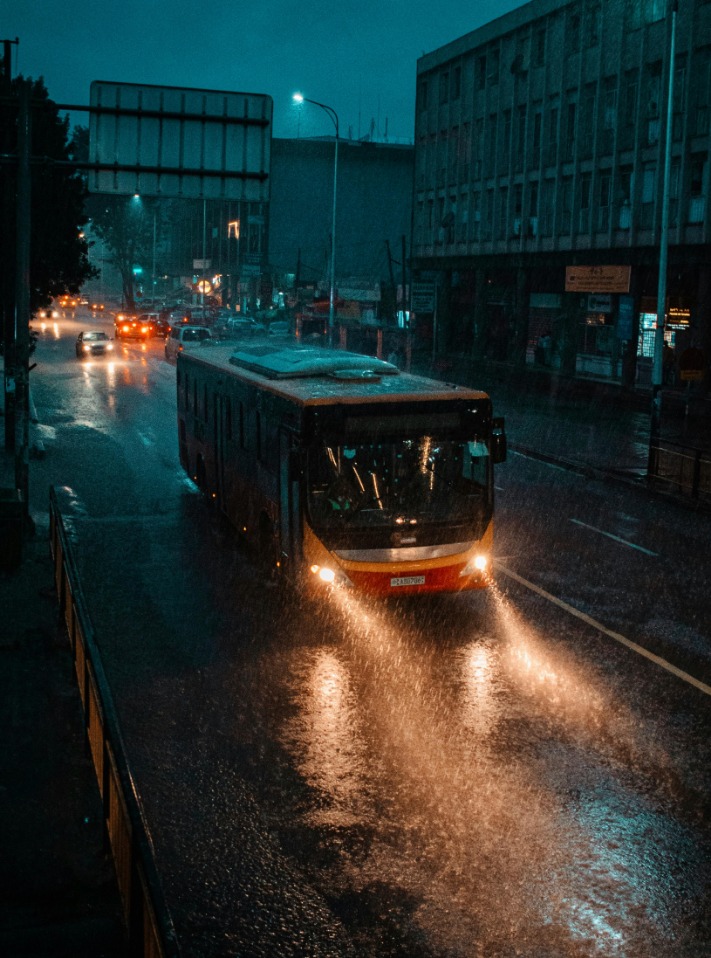
Urban and regional bus networks operate within and between cities, offering commuter options for daily travel and tourism. In major cities, municipal or private operators run frequent services, and some operate bus rapid transit (BRT) lines to speed trips. Cape Town’s MyCiTi and Johannesburg’s Rea Vaya are examples of BRT-like systems, and many cities now support smart-ticketing apps and prepaid cards to streamline journeys.
Travel times on buses vary widely. Intercity journeys cover long distances where road conditions and traffic can influence punctuality, but buses generally run on established schedules and offer overnight or daytime options. Buses can be a cost-saving alternative to air travel, though trips are usually longer; many travellers value the convenience of door-to-door pickup and flexible stopovers.
Key differences from air travel include cost, travel time, and accessibility. Buses are typically cheaper than domestic flights and do not require security checks or early arrivals for check-in. However, they take longer and may be affected by road traffic. For many routes, buses connect city centers directly, avoiding airport transfers, which can be appealing for budget-conscious travellers.
Key differences from rail travel relate to network reach and reliability. South Africa’s long-distance rail network is smaller and often slower or less predictable than coaches, so buses fill gaps in coverage. Buses generally offer more flexible routing on short notice and cover towns without rail service, though comfort and amenities depend on the operator and service level.
Compared with car travel or the informal minibus taxi network, buses provide a more regulated, standardized experience with stated safety standards, professional drivers, and defined luggage limits. They also relieve drivers and passengers from navigating unfamiliar roads and can be a safer, more comfortable option for longer trips. Still, travellers should plan ahead, read operator reviews, and choose reputable services for a smoother journey.
Practical tips: book ahead on popular routes, check luggage allowances, arrive early at the terminal, and carry essentials in a small bag. Bring water, snacks, and a charged device for longer trips, and use mobile apps or traveller forums to compare schedules and prices. Passengers with accessibility needs should confirm vehicle features in advance, as services vary by operator and route.
Regional route density and travel times
Overview of bus travel in South Africa shows a practical, budget-friendly option for moving between cities across long distances. Intercity coaches connect major hubs like Johannesburg, Cape Town, and Durban, often with frequent daily departures. Reputable operators such as Intercape and Greyhound SA offer long-haul services, while numerous regional and local operators provide shorter intercity connections. Buses typically feature comfortable seating, air conditioning, and luggage allowances, making them a popular choice for both residents and travelers seeking value and flexibility.
Regional route density in South Africa is highest around population and economic centers. Gauteng, Western Cape, and KwaZulu-Natal host the densest networks, with strong links between Johannesburg and Pretoria, Cape Town and surrounding towns, and coastal corridors along Durban. These hubs connect to secondary centers such as Bloemfontein, Port Elizabeth, East London, and other towns along the N1, N2, and N3 corridors. In rural areas, services tend to be sparser, and cross-border options into neighboring countries are more limited and subject to border controls. Overall, the network supports a broad range of trips from quick hops to longer journeys across provinces.
Travel times and scheduling vary widely based on distance, road conditions, traffic, and the number of stops. Rough planning times (non-stop estimates) might include: Cape Town to Johannesburg about 18–22 hours, Cape Town to Port Elizabeth around 9–12 hours, Durban to Johannesburg about 7–9 hours, and Durban to Cape Town roughly 22–28 hours. Some routes run overnight with planned stops, offering a balance between travel and rest. Weather, roadworks, and border delays when crossing into neighboring countries can extend journeys, so checking live timetables and allowing buffer time is advisable.
Practical tips for bus travel in South Africa include choosing established operators with solid safety records, confirming luggage allowances, and comparing journey times and stop patterns. Booking in advance is wise during peak seasons, and bringing snacks, water, and a comfort item can improve long trips. Arrive early at terminals for check-in, especially on longer routes, and stay aware of personal belongings in busy stations. For international or cross-border trips, ensure you have the correct documents and understand border procedures before departure.
In summary, bus travel remains a versatile and economical way to explore South Africa’s diverse regions. While route density is strongest in major hubs, a wide network still enables extensive domestic travel, with travel times reflecting distance and road conditions. With careful planning and reputable operators, intercity coach travel can be a reliable component of a South African itinerary.
Major operators and networks
South Africa’s bus travel scene is anchored by a few major operators and networks. Intercape runs an expansive intercity network connecting major cities across the country, while Greyhound SA offers long‑distance routes with frequent schedules. Autopax operates TransLux and City-to-City networks, providing additional nationwide coverage and regional links, complemented by smaller operators that connect popular routes and hubs.
Intercity and long-distance coach services
Bus travel in South Africa offers an extensive intercity and long-distance option for moving between major cities and rural towns alike. National networks operate with day services and overnight sleeper coaches, providing a practical alternative to air travel on many routes.
The largest operator in the country is Intercape, which runs a nationwide network across most provinces. Intercape forwards a two-tier offering: Mainliner day services and Sleeper Coaches for longer journeys. Passengers can expect a broad route map that links major urban centers with regional towns, as well as convenient online booking and ticketing options. The fleet and service standards vary by route, but Intercape is generally recognised for its reliability and regular schedules on popular corridors.
Greyhound SA is another major player in the long-distance coach market, with routes connecting key cities such as Cape Town, Johannesburg, Durban, and Port Elizabeth, among others. Greyhound’s network is designed to be a practical cross-country option for travelers moving between provinces, featuring a mix of daytime and overnight services and a track record of established timetables and depots across the country.
Beyond the two leading brands, historical networks operated under Translux and City-to-City have shaped long-distance travel in South Africa. These brands have undergone changes over the years, with some routes absorbed or rebranded as part of larger operator networks. When planning a trip, travelers may encounter these names on tickets or notices, but the actual service is often provided by the remaining major operators or regional partners.
Intercity and long-distance coach services in South Africa also offer cross-border connections to neighboring countries, enabling travel to regional capitals without flying. Availability varies by operator and season, and travelers should check current schedules, visa or passport requirements, and border-crossing procedures before departure.
Booking in advance is generally recommended, especially during peak holiday periods. Check what is included in the fare (seat selection, luggage allowances, and onboard amenities), and confirm cancellation or transfer policies in case plans change. It’s also wise to verify departure points and boarding times, as pickup locations can differ by city and operator.
Onboard travel experiences vary by operator and coach type. Most long-distance coaches offer comfortable seating, air conditioning, and on-board restrooms, with some services providing extra legroom or sleeper arrangements for overnight journeys. Durations for common routes depend on the number of stops, traffic, and border procedures if crossing into neighboring countries, so it’s best to plan for a window of time rather than a fixed travel length.
In summary, South Africa’s major intercity and long-distance coach networks—led by Intercape and Greyhound SA—provide broad coverage, reliable timetables, and a practical travel option across vast distances. For travelers seeking a cost-effective alternative to air travel, these services offer a convenient way to move between South Africa’s bustling cities and beyond.
Backpacker and shuttle services
Bus travel in South Africa offers a diverse mix of long‑distance coaches, backpacker‑friendly networks, and private shuttle services that connect cities, coastal towns, and game reserves.
Major long‑distance operators in the country include Intercape and Greyhound South Africa, which operate extensive networks between Cape Town, Johannesburg, Durban, Port Elizabeth and other regional towns. Intercape is known for a broad timetable, comfortable coaches, and frequent departures on many routes, while Greyhound South Africa has historically provided cross‑country services and connections to neighboring countries. Travelers often compare timetables, seat comfort, and overnight options when choosing between these two large networks.
Autopax, a brand that has included Translux and City‑to‑City, has historically served the domestic market with a mix of longer‑haul and budget routes. Branding and operations can evolve, so it’s wise to verify current offerings and partner networks when planning a trip, as schedules and branding may shift over time.
Baz Bus stands out as the flagship backpacker shuttle network in South Africa. It operates a flexible hop‑on, hop‑off service that links key youth hostels and budget accommodation along the Western Cape, extending through the Garden Route to destinations like Knysna and Port Elizabeth. The Baz Bus model is popular with travellers who want to meet other backpackers, make multiple stops, and travel at a pace that suits a low‑cost, social itinerary.
In addition to the big coach networks, there are numerous shuttle services that cater to travelers. Private airport shuttles, city‑center transfers, and hotel shuttles provide door‑to‑door convenience between Cape Town, Johannesburg, Durban, and other urban hubs. Specialized tour operators also run day trips and multi‑day shuttles to iconic attractions such as the Cape Winelands, the Garden Route, and major game reserves, offering a practical option for those who want a pre‑planned transfer with included sightseeing.
When planning bus travel in South Africa, consider a few practical tips. Check the operator’s current timetable and route map, as schedules can change seasonally or due to demand. Compare fare types, luggage allowances, and whether overnight services suit your itinerary. Book in advance during peak travel periods, particularly around holidays and school holidays. If you’re a backpacker, explore Baz Bus passes or similar network options to maximize flexibility and social opportunities. Lastly, for airport and city transfers, confirm pickup points and shuttle meeting points to avoid delays at busy hubs.
Overall, South Africa’s bus travel scene offers reliable long‑distance networks, a strong backpacker‑oriented option, and a range of private shuttle services, providing multiple ways to explore the country from coast to coastline and beyond.
Cross-border connections and regional networks
Bus travel in South Africa is supported by a few large operators that maintain extensive nationwide networks, making long-distance journeys accessible without flying.
Intercape Mainline is one of the country’s largest long-distance networks, linking Johannesburg, Pretoria, Cape Town, Durban, and Port Elizabeth with frequent departures and a selection of express and overnight services.
Greyhound South Africa operates a broad intercity network across major routes and is part of the wider Greyhound brand. Its coaches offer online booking, modern comfort, and a focus on safety and reliability.
City-to-City runs direct intercity links along critical corridors such as Johannesburg to Cape Town and Pretoria to Port Elizabeth, serving travelers who prefer door-to-door connections between urban centers.
Translux and Autopax have historically supported a national reach with coast-to-coast coverage, often overlapping with the routes of other operators and adjusting services to seasonal demand.
Cross-border connections: Several South African operators run services into neighboring countries, enabling travel into Botswana, Namibia, Zimbabwe, and Mozambique. Border crossings require valid travel documents, and schedules vary by season and operator.
Regional networks: Within Southern Africa, bus networks connect major regional hubs to support tourism and business travel. Interconnections with airports and rail services in cities like Gaborone, Windhoek, Harare, Maputo, and Victoria Falls help travelers assemble multi-modal itineraries.
Practical considerations: Book in advance when possible, check luggage allowances, and be aware that border procedures can add time to journeys lasting overnight or multi-country trips.
Popular routes and destinations
South Africa’s bus network makes it easy to explore iconic routes and destinations across the country. Popular journeys run from Johannesburg to Cape Town, Cape Town to Knysna and Port Elizabeth along the Garden Route, and Durban to Port Elizabeth, with stops in coastal towns and national parks along the way. These routes pair affordable travel with a chance to see a diverse landscape—from sunlit beaches to highland plains and vibrant cities.
Johannesburg to Cape Town and the Garden Route
Bus travel is a popular and practical way to explore South Africa, offering affordability and the chance to see the country’s changing landscapes from the window. For travelers moving between Johannesburg and Cape Town, as well as those planning the famed Garden Route, long‑distance coaches provide a convenient backbone for a road‑trip by bus.
Johannesburg to Cape Town is one of the country’s classic long‑distance routes. Buses depart from major hubs in Johannesburg and travel south through the Highveld and Karoo before reaching the Western Cape coast. Reputable operators such as Intercape and Greyhound SA run overnight and daytime services, with options that include sleeper seats and standard seats.
Journey times typically range from around 20 to 24 hours, depending on the service, the number of stops, and weather or road conditions. Fares vary by season and service level, but long‑distance bus travel is usually cheaper than flying and can offer comfortable seating, on‑board rest stops, and sometimes onboard Wi‑Fi or charging points.
From Cape Town, the Garden Route unfolds along the coast toward George and Port Elizabeth, with key stopovers in Knysna, Plettenberg Bay, Mossel Bay, and Oudtshoorn. Buses along this corridor often follow the N2, delivering travelers to coastal towns and mountain scenery. Some operators allow planned stopovers so you can explore places like Knysna’s lagoon, the beaches of Plettenberg Bay, and Tsitsikamma National Park before continuing.
Although some travelers choose to fly, many prefer the bus route for the scenery and the chance to hop off at towns along the Garden Route. Overnight coaches let you wake in a new town with a day of exploring ahead. The route is well connected from Cape Town to the eastern reaches near Port Elizabeth and even further to East London, making it a practical spine for a multi‑stop South African journey.
Tips for bus travel in South Africa include booking in advance, especially in peak seasons, and choosing a reputable operator. Check luggage allowances, seating options, and whether meals or rest stops are included. Bring a light jacket, a refillable water bottle, and entertainment for long hours. If you plan to stop along the Garden Route, ask about off‑routes or multi‑city tickets that let you spend time in Knysna, Plettenberg Bay, or Mossel Bay before returning to the bus route.
In summary, the Johannesburg to Cape Town corridor and the Garden Route offer a favorite combination for bus travellers: affordable long journeys, dramatic landscapes, and the chance to explore South Africa’s diverse towns without driving. With careful planning and trusted operators, a bus trip can be a memorable way to see the country from the Highveld to the coast and back.
Coastal routes along KwaZulu-Natal and the Eastern Cape
Bus travel in South Africa offers a scenic way to explore the country’s eastern coastline, with popular routes that thread along KwaZulu-Natal’s Dolphin Coast and the expansive Eastern Cape shoreline. These coastal journeys connect busy cities with relaxed beach towns, providing comfortable options for both quick hops and longer holidays.
In KwaZulu-Natal’s north coast, Durban serves as a major hub for routes up to Ballito, Umhlanga and the broader Dolphin Coast, with stops that give quick access to sun-soaked beaches and vibrant coastal towns. From there, buses continue toward Richards Bay and the iSimangaliso Wetland Park at St Lucia, making it easy to couple a beach break with wildlife and nature experiences along the coast.
Heading south along KwaZulu-Natal’s coast, routes from Durban pass through popular holiday towns such as Amanzimtoti, Scottburgh and Margate, then continue to Shelly Beach, Port Shepstone and Port Edward. These towns are gateway points for long, scenic beach stretches and coastal reserves, offering a relaxed pace and straightforward transfers for travelers seeking sun and sea.
Crossing into the Eastern Cape, the coast is linked by long-distance buses along the N2 toward East London and Port Elizabeth (Gqeberha). The route is favored by travelers seeking surf towns, wildlife-rich coastlines, and maritime culture, with stops that include Jeffreys Bay, Humansdorp and Port Alfred along the way, making it possible to combine city-breeze travel with easy access to pristine beaches and protective coves.
Beyond the major cities, the Eastern Cape’s Wild Coast features classic coastal pockets such as Coffee Bay, Port St Johns and Lusikisiki, where buses travel between towns to showcase unspoiled beaches, rolling cliffs and traditional Xhosa culture. This stretch is especially popular for those chasing dramatic coastline scenery and a slower, more off-the-beaten-path travel rhythm.
Practical tips for coastal bus trips in KwaZulu-Natal and the Eastern Cape include booking in advance during peak holiday periods, verifying schedules as routes can change with seasons, and choosing overnight options if you want to cover long distances without daytime fatigue. Pack water, a light jacket for coastal winds, and secure luggage, and plan a few scenic stopovers to maximize the coastal experience.
Key hub-to-hub routes and schedules
Bus travel in South Africa connects major cities across long distances and offers a budget-friendly alternative to air travel. The main hubs are Johannesburg, Cape Town, Durban, Port Elizabeth (Gqeberha), and Bloemfontein, with routes that link coastal and inland destinations. Below are popular hub-to-hub routes and typical schedule patterns you can expect when planning a trip.
- Johannesburg to Cape Town: the flagship cross-country route with daily services between Johannesburg’s major stations and Cape Town. Journeys typically take about 22–28 hours including stops, and you’ll often find overnight options. Major departures are scheduled throughout the day, with some services leaving in the evening to arrive the next day.
- Johannesburg to Durban: a busy east coast corridor with frequent day services. Typical trip times range from 9–14 hours depending on stops and detours; there are daytime departures most days and occasional overnight options, starting from central stations in Johannesburg and arriving in Durban terminals.
- Cape Town to Port Elizabeth: a popular coastal route along the N2 with daily services. Journey times usually run around 8–12 hours; departures are spread across the day, with some night services offering overnight travel for those who prefer to sleep en route.
- Durban to East London: an eastern coastal run along the N2 with several daily options. Expect 8–12 hours on the road, with a mix of daytime and occasional overnight departures from Durban to East London.
- Port Elizabeth to Johannesburg: a long inland-to-north route with regular daily services. Typical durations are about 12–18 hours, depending on stops and the service pattern; overnight options are common on this leg.
- Bloemfontein to Johannesburg or Cape Town: inland connections via Bloemfontein serve as a southern hub for shorter hops. Travel times to Johannesburg are around 6–9 hours and to Cape Town roughly 12–14 hours, with daily or near-daily departures on some services.
Ticketing, pricing, and booking
Ticketing, pricing, and booking for bus travel in South Africa combine online portals, mobile apps, and on-site counters to compare routes, seat availability, and fare classes. Prices vary by distance, service level (standard, express, luxury), time of day, and advance purchase, with discounts for youths, seniors, or multi‑ride passes. Booking early is wise for peak seasons and popular routes, while last‑minute tickets can be cheaper through dynamic pricing or special promos. When you book, you’ll usually receive a digital ticket or QR code to present on boarding, along with valid ID and any luggage allowances.
Online platforms and mobile apps
South Africa’s bus network connects major cities and many towns, offering a budget-friendly option for intercity travel. With ticketing, pricing, and booking now largely handled online, travelers can compare routes, secure seats, and manage their trips from smartphones and computers through official operator sites and mobile apps.
Ticketing in South Africa typically uses electronic tickets or mobile boarding passes. When you book, you will receive an e-ticket by email or within an operator’s app, sometimes accompanied by a QR code for quick checks at the station. Most operators accept either a printed ticket or a digital ticket scanned at boarding, and you may be required to present a valid ID.
Pricing for bus travel depends on distance, route popularity, and season. Longer journeys cost more, while off-peak departures and promotional fares can reduce the price. Operators often run discounts for students, pensioners, or group bookings, and some offer loyalty programs that accumulate points or future discounts. Always check if a fare includes luggage allowances or if extra bags incur fees.
Booking a bus trip is straightforward online or via apps. Start by choosing your origin and destination, select travel dates, and compare available times and fares. After picking a service, you enter passenger details, select seats if the option is offered, and apply any discount codes before paying with your preferred method.
Payment methods in South Africa’s bus market typically include credit and debit cards, EFT, and increasingly mobile wallets. Some platforms also support secure bank transfers or cash payments at selected ticketing offices. Refunds and changes policies vary by operator, with penalties common for changes made close to departure or for non-use of a booked ticket.
Online platforms and mobile apps play a central role in SA bus travel. Operator apps let you search routes, book seats, store e-tickets, and receive real-time updates about delays or gate changes. Aggregator platforms and travel apps may let you compare multiple operators side by side, helping you spot cheaper fares and alternative times. Many apps also offer digital loyalty rewards and customer service chat.
To secure the best value, compare prices across platforms, book in advance where possible, travel midweek or early in the day, and watch for weekend surcharges. Sign up for operator newsletters or loyalty programs to receive promotions. If you have flexibility, shifting travel by a day or two can yield substantial savings.
Choose licensed operators and verify accreditation before booking. Read the fare terms, baggage allowances, and cancellation rules. Keep your e-ticket accessible on your phone or print a copy as a backup, and carry a valid ID for boarding. With reliable online platforms and user-friendly apps, planning a South African bus trip becomes quicker, cheaper, and safer.
Ticket types, passes, and discounts
Bus travel in South Africa offers a cost effective and widely accessible way to move between major cities and many smaller towns. With a network that connects Johannesburg, Cape Town, Durban, Port Elizabeth, Bloemfontein and beyond, buses remain a popular alternative to flying or driving, especially for budget-conscious travelers.
Ticketing is typically straightforward. You can buy tickets online through operator websites or mobile apps, at local bus terminals, or via travel agents. Most operators provide electronic tickets (e-tickets) that you can print or show on a mobile device, and many allow you to reserve seats in advance. It is common to receive a booking reference, and some platforms offer instant confirmation while others may take a short time to process.
When booking, it helps to plan ahead, especially during peak travel periods such as school holidays and long weekends. Check the departure times carefully, as some routes offer multiple daily services and others run only a few times per day. Take note of luggage allowances, as most long-distance buses permit a standard amount of checked bags and a small carry-on, with some operators charging for extra luggage.
Ticket types vary by operator but generally include one-way and return fares. Some operators also offer flexible or semi-flexible fares that allow changes with a fee, while standard economy seats are usually the most affordable option. In some cases you may see premium or express services advertised, which promise shorter travel times and more comfortable seating at a higher price. Seat selection policies differ by company, so check whether you can choose your seat when booking and if seating is assigned on arrival.
Many operators offer passes or multi-ride options for frequent travelers. These passes can provide a discount when you purchase multiple journeys up front or offer a fixed number of trips for a set price. Passes are particularly popular with regular commuters and travelers who plan to visit several destinations within a region. Always read the terms and conditions to understand validity windows, blackout dates, and how cancellations work with passes.
Discounts are commonly available, though availability varies by operator. Look for early-bird discounts that reward advance bookings, student or youth discounts where offered, and group rates for families or tour groups. Some operators run promotional fares during off-peak times or special events. Loyalty programs or memberships may provide periodic savings, priority boarding, or exclusive deals on future trips.
Payment options typically include major credit or debit cards, online payment platforms, and cash payments at certain terminals. Some operators support EFT (electronic funds transfer) and mobile wallet payments. If you are using a third-party booking site, verify whether the price includes any booking fees or service charges before you complete the purchase.
Tips for a smooth experience: arrive early to complete check-in and boarding formalities, bring your booking reference, a valid photo ID, and any required travel documents, and confirm your route and stopovers in advance. If you have mobility needs or require assistance, contact the operator ahead of your trip to arrange accommodations. Always compare a few operators for the best balance of price, duration, and comfort on your chosen route.
In short, South African bus travel provides flexible ticketing options, a range of pricing to suit different budgets, and various discounts for savvy travelers. By booking ahead, understanding ticket types, and checking discounts, you can tailor your trip to your schedule and wallet while exploring the country by road. For the latest routes, prices, and terms, visit the official websites or authorized booking platforms of the operators serving your destination.
Payment methods and currencies
Bus travel in South Africa offers affordable, reliable links between major cities and scenic towns. With several national operators and growing online platforms, you can search routes, compare prices, and book tickets in advance.
Ticketing, pricing, and booking: Most operators provide online booking on their own websites or mobile apps. You can choose your departure time, select a seat if the service allows it, and add extras such as luggage or onboard snacks. Tickets are also sold at major bus terminals and through authorized travel agents or contact centers. Keep your booking reference handy for boarding.
Pricing and fare structures: Fares depend on distance, time of day, service level (express or standard), and luggage included. Peak travel periods such as holidays and weekends often see higher prices, while midweek travel can be cheaper. Some routes offer promotional fares or multi-ride passes for frequent travelers.
Popular routes and booking tips: Common routes include Johannesburg to Cape Town, Johannesburg to Durban, Cape Town to Port Elizabeth, and Bloemfontein routes. Overnight services let you save on accommodation while arriving rested. Always compare operators to see which includes extra legroom or more comfortable seats. Check luggage allowances before you travel to avoid extra charges.
Payment methods and currencies: Ticket prices are typically displayed in South African Rand (ZAR). Payments are usually accepted by major credit and debit cards (Visa, Mastercard, and often American Express), as well as bank transfers (EFT) and some mobile wallets depending on the operator. In many cases you can also pay with cash at a ticket counter. If booking from outside SA, some sites show prices in other currencies but the transaction is processed in ZAR.
Practical tips: always book in advance for popular routes, arrive early at the terminal, carry your booking reference, and verify the bus operator’s policy on cancellations and refunds. If traveling internationally by bus, check passport/visa requirements for border crossings and estimated border times.
Schedules, reliability, and travel times
Bus travel in South Africa offers a practical way to move between cities and towns, with published schedules that help travelers plan departures and arrivals. Reliability varies by route and operator; intercity services on major corridors are usually punctual, but delays can occur due to traffic, roadworks, and weather in more remote areas. Travel times depend on distance, number of stops, and checks at provincial borders, so checking live updates and booking in advance can help create a smoother journey.
Understanding timetables and frequency
Bus travel in South Africa relies on schedules to plan trips, from quick city hops to long-distance journeys across provinces. Understanding timetables and how often buses run helps you save time, choose reliable services, and estimate travel times.
How to read a timetable: look for departure times, arrival times, the duration of the trip, and the days the service operates. A typical entry might show a departure at 07:00, an arrival at 10:15, and a note that the journey takes about 3 hours and 15 minutes. Some timetables separate weekday, weekend, and holiday services, so check which days apply to your trip.
Travel times can vary for many reasons. Buses may stop to pick up or drop off passengers at several points, which adds minutes to the journey. Traffic, road works, and weather can slow buses, and cross-border or border-control checks when travelling to neighboring countries can add extra time.
Frequency and reliability: some routes have buses every hour or every two hours, while others run only a few times a day. Reliability depends on the operator, vehicle maintenance, and traffic conditions. Always allow a buffer when planning connections, especially if the next bus is not close in time.
Understanding express versus local services helps with planning: express services skip some stops and travel faster, while local routes may stop more often and take longer. Timetables may show a separate line for express departures and indicate the stops on the route. When comparing schedules, note the time you need and choose the option that fits best.
Practical tips for South Africa: buy tickets in advance for popular routes, especially on weekends and holidays. Arrive at the pick-up point early and listen for announcements. Keep your ticket or booking reference handy, and carry a form of ID. Check the operator’s official site or app for live updates and consider contacting their help line if you are unsure about a stop or the next departure.
Common phrases to read timetables in English: depart, arrive, duration, journey, stop, express, frequency, daily, weekends, holidays, schedule, next service, delay. If you are learning English, you can ask for help with phrases like, “What time is the next bus to X?” or “Does this service stop at Y?”
Typical travel times between major cities
Bus travel in South Africa connects the country’s major cities with practical, often affordable, long-distance services. This overview covers schedules, reliability, and typical travel times to help you plan trips between places like Johannesburg, Cape Town, Durban, and Port Elizabeth.
Schedules for intercity bus routes vary by operator and route, with most services centered around key terminals in Johannesburg, Cape Town, and Durban. During peak travel periods—such as school holidays and the December festive season—buses may run more frequently and depart earlier or later in the day. Typical schedules include morning and evening departures, with some routes offering overnight options so you can travel while you sleep and arrive in the morning. It’s wise to book in advance, especially for popular routes, and to check a few days ahead for any changes.
Reliability on South Africa’s long-distance buses is generally solid, but it can be influenced by factors such as road conditions, weather, and traffic, particularly near major cities or during peak hours. Most reputable operators publish published timetables and provide estimated departure and arrival times, but delays can occur. To minimize issues, arrive early for check-in, keep an eye on SMS or app updates from your operator, and consider choosing direct services if you want fewer stops. Cancellations or refunds are usually handled by the operator if you need to change plans.
Typical travel times between major cities by bus (approximate and subject to traffic and stops): Johannesburg to Cape Town 22–26 hours; Johannesburg to Durban 9–12 hours; Cape Town to Port Elizabeth 9–12 hours; Durban to Port Elizabeth around 18–24 hours; Bloemfontein to Johannesburg about 6–9 hours. Overnight routes are common on longer hops, allowing you to save on a night’s accommodation while arriving refreshed in the morning. Times can vary with the number of stops, roadworks, and border conditions if you’re crossing provinces, so plan with a margin for delays.
Tips for planning include checking multiple operators, comparing direct versus indirect routes, and booking ahead for peak periods. Bring a small bag for the bus, a light blanket for overnight trips, and snacks since long journeys often include scheduled breaks rather than frequent onboard meals. If you have specific time constraints, verify the latest timetable online a day or two before travel and keep the operator’s contact details handy in case of any changes.
Handling delays, cancellations, and refunds
Bus travel in South Africa offers a cost-effective way to move between major cities and coastal towns, with a network that connects Cape Town, Johannesburg, Durban and many other destinations. Understanding schedules, reliability and typical travel times helps travelers plan smoother journeys and avoid common delays.
Schedules vary by operator and route. Most long-distance bus companies run daily services on popular corridors, with additional overnight options and occasional weekend departures. It is common to find multiple daily departures on busy routes, while more remote or seasonal routes may have fewer trips. Booking in advance is advised, especially during holidays or peak travelling periods.
Reliability depends on several factors beyond the timetable. Road conditions, weather, traffic, roadworks and vehicle maintenance can all affect punctuality. To choose a dependable option, readers should check recent reviews, confirm the stated departure times with the operator, and use any real-time tracking or alerts offered by the company. Flexibility in planning and having a backup plan can reduce the impact of delays.
Travel times vary widely by route and stops. A rough guide for common long-distance routes includes: Johannesburg to Cape Town roughly 22 to 28 hours by bus, Johannesburg to Durban about 8 to 10 hours, Durban to Cape Town roughly 28 to 34 hours, and Johannesburg to Port Elizabeth around 12 to 16 hours. These ranges reflect the realities of overnight services and the many stops along the way, so it is important to review the specific itinerary for each trip.
Handling delays involves practical steps. If you are informed of a delay, contact the operator’s customer service or on-bus conductor for the latest information and any alternate arrangements. Depending on the policy, you may be offered a later service, a different route, meals or accommodation if delays are extended or occur overnight. Keeping receipts and documenting the delay can help with later discussions about refunds or credits.
Cancellations follow the fare terms set by each operator. Generally, cancellations made within a certain window before departure incur a fee, while cancellations well in advance may receive a larger refund or credit. Some fares are non-refundable or carry restrictions, so travelers should carefully review the terms at the time of purchase and consider flexible fare options if plans are not fixed.
Refunds are typically issued to the original payment method and may take several days to process. In cases where a delay or cancellation is the bus company’s fault, refunds or credits are often provided, but the exact remedy depends on the operator and the fare type chosen. Always obtain written confirmation of any refund arrangement and keep copies of receipts and ticket details.
Tips to minimize risk include purchasing flexible or fully refundable tickets where possible, avoiding overly tight connections, and confirming schedules the day before travel. Choosing direct services or routes with fewer changes can reduce the chance of missed connections. Arriving early at the pickup point and having a small buffer for border or stop delays helps maintain punctuality.
Practical considerations also matter. Check luggage allowances and security for each operator, know where the bus stops along the route, and be mindful of safety during overnight journeys. Bring essentials such as water, snacks, a light blanket or jacket, and a small power bank to stay comfortable during long trips.
For routes that cross borders, travelers should factor in customs and passport controls, as these can add to travel time. Ensure travel documents and any visas are in order, and verify if additional health or vaccination requirements apply. Border delays can be unpredictable, so having a backup plan is prudent when planning international links by bus in or out of South Africa.
Safety, comfort, and accessibility
Bus travel in South Africa offers a balance of safety, comfort, and accessibility for travelers across cities and towns. Modern fleets emphasize driver training, regular maintenance, seat belts, CCTV, and clear safety announcements to help passengers feel secure. Comfort features such as ample seating, adequate legroom, air conditioning, and clean facilities make longer journeys more pleasant. Accessibility is a priority with low-floor buses, ramps or lifts where available, priority seating, and staff ready to assist, ensuring travelers with mobility challenges can get on and off with ease.
Vehicle standards and on-board amenities
Bus travel in South Africa balances safety, comfort, and accessibility while aligning with vehicle standards and practical on-board amenities.
- Safety: Intercity bus travel is governed by national transport regulations that cover operator licensing, driver training and rest periods, regular vehicle inspections, and safety equipment such as fire extinguishers and clearly marked emergency exits. Seat belts are provided and should be worn where fitted, and travelers are advised to choose reputable operators with strong safety records and transparent passenger guidelines.
- Comfort and seating: Modern long-distance coaches typically offer comfortable reclining seats, adequate legroom, effective air conditioning, and insulated cabins. Many services include clean rest stops, accessible luggage compartments, and sometimes on-board entertainment or refreshments to improve the travel experience.
- Accessibility and inclusivity: Some operators provide wheelchair-accessible buses with designated spaces and boarding assistance. Availability varies by fleet, so travelers with mobility needs should verify accessibility at booking and on departure, including entry steps, ramps, and the presence of seating accommodations for companions or caretakers.
- Vehicle standards and maintenance: Buses undergo routine maintenance and periodic roadworthy inspections to ensure safety and reliability. Fleets are increasingly renewed to meet higher crashworthiness and emission standards, with ongoing checks for tires, brakes, and emergency equipment across the network.
- On-board amenities: Expect features such as air conditioning, charging ports, and sometimes Wi-Fi. Longer trips may include onboard toilets, bottled water, snacks, and multilingual announcements, with luggage storage available in overhead racks and under-bus compartments.
Terminals, safety, and security
South Africa’s intercity and regional bus networks provide affordable travel across provinces, but safety, comfort, accessibility, and well‑managed terminals are crucial for a reliable journey. This guide covers safety, comfort, accessibility, and the role of terminals and security in bus travel across the country.
- Safety and security on buses and at bus stations: tips for staying safe include choosing reputable operators, checking tokens or tickets, staying with companions when possible, keeping valuables secure, using seat belts where available, and reporting suspicious activity to staff or authorities.
- Comfort and onboard amenities: consider seating comfort and legroom, climate control, cleanliness, luggage handling policies, restrooms, and the availability of charging outlets or Wi‑Fi on longer routes.
- Accessibility features for all travelers: look for accessible buses or ramps, reserved or wheelchair‑friendly seating, sufficient space for mobility devices, clear auditory or visual journey information, and assistance services at terminals for travellers with mobility challenges or caregivers.
- Terminals and interchanges: seek well‑lit waiting areas, clear signage, visible security presence, staffed ticket counters, safe platforms, reliable timetable information, and accessible facilities for disabled travellers.
- Security measures at terminals and on services: expect CCTV coverage, trained security personnel, controlled access to platforms, bag checks where appropriate, and clear emergency procedures and first‑aid availability.
- Security best practices and incident reporting: keep copies of tickets, use official operators, avoid sharing personal information with strangers, be aware of common scams, and know how to contact operator hotlines or emergency services if something feels unsafe.
Accessibility for travellers with mobility needs
Bus travel across South Africa connects cities and towns with a broad network of long-distance coaches and local services. When planning a trip, paying attention to safety, comfort, and accessibility helps travellers with mobility needs move more confidently and independently.
Safety on board: Always choose licensed operators with a safety track record. Follow the crew’s instructions, wear a seat belt where fitted, and stay seated while the vehicle is in motion. Keep aisles clear, secure luggage in racks or under seats, and be aware of emergency exits and procedures. If you have concerns, ask staff before departure about any available assistance.
Comfort: Quality coaches offer comfortable seating, climate control, and reliable schedules. For travellers with mobility needs, check for accessible seating, extra leg room, and the availability of rest stops along the route. If you rely on a wheelchair or walker, confirm that the bus has space for mobility devices and access options such as a ramp or lift where available.
Accessibility: Accessibility varies by operator and route. Some intercity coaches provide wheelchair spaces, low-floor entrances, ramps, or lifts, and dedicated seating. Booking in advance is often required to reserve these features. Ask about the maximum size and weight of mobility devices, whether assistance can be provided at the terminal, and what kind of staff support is offered during boarding and transfer to the seat.
Booking and planning: Contact operators early to confirm accessibility options and to arrange assistance. When booking, request specific seating or space, note any needs for adjacent seating for a companion, and obtain written confirmation. Arrive early at the terminal to allow time for checks and boarding, and carry any documentation or medical notes that might help staff understand requirements.
Terminals and transfer points: Major hubs in Johannesburg, Cape Town, Durban, and other cities often have more accessible facilities, including accessible entrances, lifts, and staff ready to assist. In smaller towns, services may be more limited, so plan extra time and consider alternative routes if needed.
Practical tips: If you travel with a mobility aid, bring a compact, easily stored item such as a folding wheelchair if appropriate; label items with your name and contact; consider travel insurance that covers mobility equipment; travel during daylight hours when possible to reduce risk; have a plan for getting to and from the bus stops with accessible transport.
Conclusion: With careful planning, choosing reputable operators, and clear communication of needs, travellers with mobility needs can experience safer, more comfortable, and more accessible bus travel across South Africa.
Planning tips and itineraries
Planning your bus travel in South Africa can be affordable and freeing if you map a clear route and pack smart. Start with a core itinerary—for example a coastal to inland loop from Cape Town along the Garden Route to Port Elizabeth, then onward to Johannesburg or Pretoria—and then fill in with reliable long-distance services from operators like Intercape or Greyhound, using overnight legs to save time. Check schedules in advance, book ahead during peak seasons, and allow extra time for delays, border checks, and weather. Choose safe boarding points, travel light, and keep copies of important documents. Build your trip in logical chunks, stay flexible for detours to wildlife parks or wine regions, and balance driving with restful stops so you arrive relaxed and ready to explore.
Sample 7- to 14-day bus itineraries
Packing guidelines and luggage policies
Budgeting, comfort, and safety on long trips
Traveling by intercity bus across South Africa can be a budget-friendly way to see a lot, but long trips benefit from careful planning around itineraries, budgeting, comfort, and safety.
Start with the core routes. The Garden Route from Cape Town to Port Elizabeth is a popular long-distance option, letting you pass through Mossel Bay, George, Knysna, and Plettenberg Bay. Buses on this route usually run through the day or overnight, with operators offering seat classes and occasional stops to stretch your legs. Planning ahead lets you pick a departure that aligns with your arrival times and gives you time to explore key towns along the way.
The inland spine from Cape Town to Johannesburg is another major cross-country itinerary. This is one of the longest intercity bus journeys in the country; many operators run overnight services, while some offer daytime legs with breaks. If you want to maximize sightseeing, consider splitting the trip into two or three segments with a stop in a smaller town such as Bloemfontein or Upington, depending on the route.
Coast-to-coast connections commonly connect Durban with Johannesburg or to ports along the eastern seaboard. While distances are long, reputable operators offer overnight options that let you travel while you sleep, freeing daytime hours for activities in the destination. If you add multi-city hops, you can create a route that samples coastal cities such as Durban and East London, then move inland toward Gauteng and the Highveld.
Budgeting for long bus trips in South Africa is largely distance and season dependent. Ticket prices typically range from a few hundred rand for short legs to around a thousand rand or more for longer legs, with peak-season surcharges during holidays. To save, book in advance, be flexible with departure times, consider overnight trips to save on accommodation, and compare several reputable operators. Bring your own snacks, refillable water bottle, and a small bag for carry-on essentials to avoid extra charges.
For comfort, choose a bus with extra legroom or a VIP/executive class if available, especially for overnight journeys. Reserve seats near the front or middle of the bus for steadier rides and easier access to restrooms. Pack a travel pillow, light blanket, warm layer, earplugs, and a charger for devices. Be mindful of baggage limits and pack a daypack for the stops that let you stretch your legs without lugging everything out of the hold.
Safety comes first. Use established operators with good reviews, keep your valuables close or in a lockable bag, and avoid leaving bags unattended at stations or on empty seats. Share your trip details with a friend or family member, verify official pick-up points, and stick to well-lit, official stations. If you’re traveling overnight, don’t reveal your seat location broadly, and be cautious about transiting through smaller stops alone late at night.
Two-week sample itinerary by bus (illustrative): Cape Town to Knysna and along the Garden Route to Port Elizabeth (about 12–14 hours of travel with stops); Port Elizabeth to East London (about 4–6 hours); East London to Durban (about 8–12 hours); Durban to Johannesburg (about 18–24 hours with possible stops); Johannesburg for a couple of days before returning or continuing to nearby safari or winelands experiences. You can split each long leg with a comfortable overnight to rest and explore at intermediate towns along the way.
With careful planning, long-distance bus travel in South Africa can be a flexible, affordable way to see diverse landscapes—from coastlines and forests to savannas and highveld—while keeping comfort and safety at the top of your itinerary.
Getting to and from bus terminals
Getting to and from bus terminals in South Africa is a key first step to a smooth trip. In major cities you’ll encounter a mix of official stations, minibus-taxi routes, and ride-hailing options that connect you to neighborhoods and regional hubs. Check terminal directions and last-mile transport in advance, allow extra time during peak periods, and stay aware of belongings and safety. With a little planning, you can navigate schedules, ticketing, and boarding confidently for your South African bus journey.
Connections from airports, rail stations, and taxi routes
Local transport options at major terminals
Getting to and from bus terminals in South Africa is aided by a mix of local transport options, including taxi services, ride-hailing apps, rail connections, and terminal shuttle services. This guide covers how to reach major intercity terminals and what transport options are commonly available nearby.
- Taxi ranks and metered taxis are usually located just outside or inside major bus terminals. They offer quick door-to-door service, though fares can vary by time of day and distance.
- Ride-hailing apps such as Uber and Bolt operate widely in South Africa and are often a convenient option at or near terminals. Look for designated pickup points or ask terminal staff for the closest curbside meeting point.
- Minibus taxis and local bus networks provide the most affordable options for short trips around the city or to nearby suburbs. They may operate from adjacent ranks to the terminal and can be crowded during peak times; payment is typically cash, with some operators accepting cards via mobile apps.
- Rail connections may link terminals with other parts of the city or region. In Gauteng, the Gautrain connects some hubs with city centers and airports; in other areas, Metrorail or passenger rail may provide complementary links to the terminal area.
- Shuttle services and hotel transfers are common for travellers staying in nearby hotels or traveling with groups. Some terminals coordinate with official shuttle providers or hotel partners; check with your travel operator or hotel for schedules.
- Walking and cycling paths are often available from terminals to nearby suburbs or business districts. If you plan to walk, allow extra time and use well-lit routes at night; some terminals offer bicycle racks or temporary bike parking.
- Tips for planning: arrive with enough time for last-mile connections, confirm pickup points on the day, and watch for signs or help desks at the terminal for directions.
Travel tip: South Africa’s intercity bus network can be regional and busy. Always check current schedules with your operator, especially during holidays or when weather may affect travel.
Travel seasonality and regional considerations
Travel seasonality in South Africa strongly influences bus travel. Peak periods—December to January holidays, Easter, and long weekends—fill popular routes between Johannesburg, Cape Town, Durban, and the coast. Regional climate matters: the Western Cape’s dry summer and wet winter can affect travel times, while the eastern provinces see heavier rains in their summer months. Inland routes may run less frequently in winter and shoulder seasons, and coastal journeys can be disrupted by storms or floods. Booking in advance during peak season is advised, while off-peak travel can offer better seats, lower fares, and more reliable schedules on less busy legs.
Travel during holidays and peak periods
Bus travel in South Africa is shaped by seasonality and regional variation, so planning around weather, school holidays, and local events helps you find better fares and more reliable schedules.
Seasonal patterns differ by region. Coastal routes in the Western Cape, Eastern Cape and KwaZulu-Natal see the biggest demand during the southern hemisphere summer (roughly December through February) when schools close and holidaymakers hit the road. Expect bus terminals to be busier and seats to book up quickly. In the central and inland corridors, demand can peak around long weekends and school holidays, while some routes may be quieter in mid-winter (June to August), though weather-related delays can still arise on mountain passes and exposed coastal roads.
Regional considerations also include climate and terrain. The Garden Route and routes toward Port Elizabeth and Durban feature winding coastal roads that can slow journeys, especially in peak season. Inland journeys toward Limpopo and Mpumalanga can be very hot in summer and cooler in winter, with traffic to game reserves and national parks increasing around holidays. The Kruger area and other malaria-risk zones require health precautions, timing your trip to avoid the peak rains, and allowing extra time for potential delays.
Travel during holidays and peak periods. Christmas, New Year, Easter and school holidays drive pronounced surges in demand, with longer lines at terminals, fuller buses, and higher fares. If you must travel during these windows, book well in advance, consider overnight services to save on hotel costs, and allow extra time for security checks and potential delays. Be flexible with routes and departure times, and have backup options in case your first choice is sold out.
Practical planning for SA bus trips. Use reputable operators with clear schedules and clear rest breaks for drivers; check baggage allowances and seat options before you buy; carry water, snacks and a light blanket for longer trips; arrive early at stations and verify your pickup point, as some terminals have multiple bays. During peak periods, consider shoulder-season alternatives or off-peak days for better value, and monitor travel advisories for weather or roadworks along busy corridors.
Regional travel planning tips. In the Western Cape, aim for shoulder months (April–May or September–October) to enjoy milder weather and lower crowds, while still having access to popular routes. For the Garden Route and KwaZulu-Natal coast, anticipate humid summers with occasional showers and plan for possible delays. In inland routes toward Gauteng and the eastern inland provinces, expect more consistent services outside major holiday spikes, but always check for seasonal maintenance on major highways and be ready for detours. By aligning your travel with regional patterns and booking ahead for holidays, you can enjoy smoother bus trips across South Africa.
Seasonal weather impacts on routes
Travel seasonality shapes when people take long-distance bus trips in South Africa. Regional weather, holidays, and event calendars combine to affect demand, schedule reliability, and routing choices.
Peak demand typically aligns with school holidays and public holidays. December and January see high bookings as families travel for summer break, while long weekends around Easter and public holidays push up occupancy. In mid-year, the June–July winter school holidays also create spikes, especially on routes to coastal resorts and game reserves. Off-peak periods often see lower fares and more flexible seats.
Regional climate patterns influence which routes are most reliable at different times of year. The Western Cape experiences most of its rain in winter (May to August) and dry, hot summers; Cape Town and the Garden Route can be affected by winter storms and occasional floods. The Highveld region (Gauteng, Free State) tends to be drier in winter and hotter with afternoon thunderstorms in summer. KwaZulu-Natal has a humid subtropical climate with hot summers and heavy summer showers; the coast is subject to tropical storms earlier in the season. Northern provinces such as Limpopo and Mpumalanga see pronounced summer rainfall and lush greenery in the wet season.
Seasonal weather also influences route reliability and travel times. Coastal and inland routes can be disrupted by heavy rains, floods, or landslides along the N2 and other major corridors during wet months. High-altitude passes near the Drakensberg and Lesotho border can experience snow, ice, and reduced visibility in winter, prompting delays or temporary closures. Summer thunderstorms can cause flash floods and fog in some rural sections, affecting departure times and safety checks.
Coastal routes tend to be more volatile in winter due to persistent rain and strong winds, while inland routes may see faster progress in winter but hotter daytime temperatures in summer can slow vehicles due to heat-related issues or required rest stops. Achieving stable schedules often depends on weather forecasts, roadworks, and operator policies.
Regional considerations for popular destinations include Cape Town, the Garden Route, the Karoo, Kruger National Park, and coastal resorts in KwaZulu-Natal. Access to Kruger and Mpumalanga may be affected by road conditions after heavy rain, while Cape Town-area routes may experience more wind and rain in winter. Cross-border bus services to Namibia, Botswana, Zimbabwe or Mozambique are influenced by regional weather patterns such as desert winds, tropical storms, and seasonal rainfall, which can impact border crossing times and punctuality.
Practical tips for travellers juggling seasonality and weather on South Africa bus routes: book early for peak periods, stay flexible with your dates, and monitor operator updates for weather-related delays. Pack layers, a light rain shell, sturdy shoes, and a thermal layer for cooler coastal nights. Allow extra transfer times in winter and prepare for potential scenic detours in off-peak months when services may run with fewer departures. Consider alternative routes or overnight options to buffer against weather disruptions.
Regional planning should also account for seasonal attractions and road access. The Western Cape’s wine routes and coastal towns are popular in late spring and summer, while the Drakensberg region is best in late autumn and winter for hiking when conditions are cooler and drier for some routes. The Kruger corridor is busiest in SA’s winter months when animals congregate near water sources, which can affect travel times on the road network and on park entrance gates.
Operators often publish seasonal timetables and advisories; travellers should check with bus companies for planned maintenance, route changes, and weather advisories. Understanding seasonal patterns helps you choose the best departures, anticipate delays, and plan overnight stops that align with regional weather conditions.
Environmental impact and sustainability
Bus travel in South Africa offers a sustainable alternative to private cars by carrying more people with fewer emissions per passenger and helping ease congested city streets. A focus on environmental impact and sustainability highlights the importance of reliable, fuel-efficient fleets, cleaner technologies, and integrated transport networks that connect townships with urban cores. While progress includes newer low-emission buses, better maintenance, and route planning to maximize occupancy, challenges such as aging fleets, vandalism, and funding gaps remain; addressing them can make buses a cornerstone of a greener mobility system across South Africa.
Cleaner fuels, emission controls, and efficiency
Bus travel in South Africa sits at a crossroads between legacy fleets and a cleaner, more sustainable future. Buses offer a low-emission alternative to private cars and long-distance trips, helping reduce traffic congestion and urban air pollution when the fleets are modernised and operated efficiently.
A shift toward cleaner fuels is central to reducing the environmental footprint. Some operators use low-sulfur diesel, biodiesel blends, natural gas, and biogas; city networks are piloting hybrid and electric buses, and long-distance operators are testing hydrogen and battery-electric models. These cleaner fuels can significantly cut particulate matter and greenhouse gas emissions, especially when paired with efficient vehicle design and charging or refueling infrastructure.
Emission controls on modern buses are essential. Diesel particulate filters, selective catalytic reduction for NOx, and exhaust gas recirculation help reduce pollutants at the source. Regular maintenance, diagnostics, and strict compliance with national and regional standards ensure that buses perform cleanly throughout their service life, while authorities monitor fleets to enforce compliance.
Efficiency improvements are driving measurable gains. Eco-driving training helps drivers maximise fuel economy, while route optimisation, real-time traffic data, and bus priority measures reduce idle time and improve schedule reliability. Advances such as regenerative braking, aerodynamic body shapes, lightweight materials, and low-rolling-resistance tires further lower energy use per passenger-kilometre.
In South Africa, national climate policy and city-level procurement rules are increasingly steering operators toward cleaner fleets. Government support, public-private partnerships, and incentive programs encourage investment in modern buses, depot electrification, and maintenance capabilities, aligning transport goals with broader sustainability targets.
Intercity travel can also benefit from cleaner practices. High-occupancy, well-planned long-distance services reduce per-passenger emissions and road congestion, while standardising vehicle standards across operators helps maintain lower environmental footprints on busy corridors linking urban hubs with rural communities.
Despite progress, challenges remain. Upfront capital costs for electric or hybrid buses, reliable charging and fueling infrastructure, maintenance expertise, and ensuring service coverage for rural routes require coordinated funding and long-term planning. Skill-building for technicians and drivers is essential to sustain performance gains over the fleet’s lifetime.
Despite these hurdles, the opportunities are substantial. Cleaner fuels, emission controls, and efficiency measures can deliver meaningful health and climate benefits, create jobs in new transit technologies, and make urban and intercity travel in South Africa safer and more pleasant. A sustainable bus system hinges on continued investment, strong governance, and collaboration among government, operators, and communities.
Industry initiatives and traveler choices
Environmental impact and sustainability in bus travel in South Africa hinge on how fleets are powered, how efficiently routes are planned, and how travelers choose operators. Intercity coaches often run on diesel, so emissions depend on engine technology, vehicle age, maintenance, and occupancy levels. When buses are well maintained and loaded, they can deliver relatively low emissions per passenger kilometer compared with cars or domestic air travel.
Industry progress includes modernization of long-distance fleets with newer engines that meet higher Euro standards, the use of diesel particulate filters and selective catalytic reduction systems, and improvements in aerodynamics and tire management. Operators increasingly invest in fuel-efficient transmissions, start-stop technologies where appropriate, and driver training for eco-driving techniques to reduce fuel use and emissions. Digital tools for route optimization, real-time scheduling, and fleet monitoring help minimize idle time and unnecessary mileage, further cutting the environmental footprint.
Industry initiatives in South Africa also focus on sustainability reporting, maintenance best practices, and waste reduction on board. Some operators experiment with alternative fuels and energy-efficient auxiliary systems, while partnerships with cities and national agencies push for cleaner transit corridors and better integration with rail and other public transport. Public awareness campaigns encourage responsible travel choices and highlight the advantages of bus travel as a lower-carbon option relative to single-occupancy car trips and some air routes.
Travelers can make a difference by selecting operators with newer, more efficient fleets and transparent sustainability practices. Opting for direct or fewer-stop journeys reduces total distance traveled and fuel use, while choosing services with eco-driving programs or carbon-offset options helps counter residual emissions. Booking with operators that publish environmental data or participate in green initiatives signals support for progress toward cleaner transport. Bringing only essential luggage and maintaining steady speeds on the highway also contribute to lower fuel consumption.
South Africa’s bus travel landscape faces challenges such as aging infrastructure, maintenance demands, and safety considerations, but continued investment in modern fleets, better route planning, and proactive traveler choices can drive meaningful improvements. As operators align with global sustainability trends and local policy goals, bus travel can offer a practical, lower-emission option for moving people across the country while supporting a more resilient transport system.