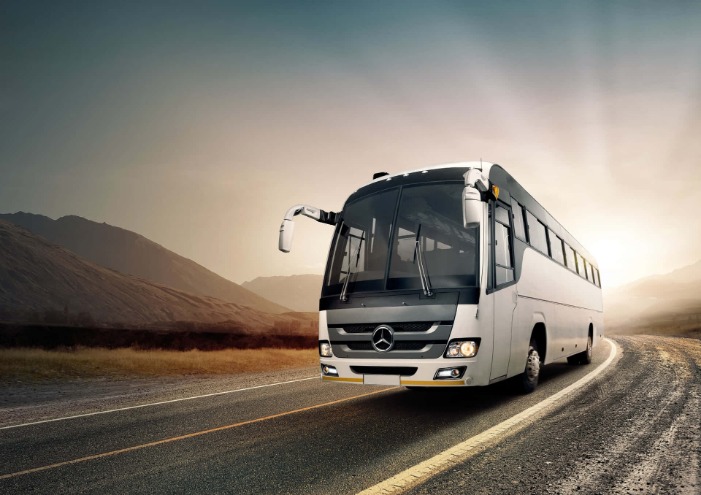

Bus Travel Snap: Visual Language
Bus Travel Snap: Visual Language explores how everyday bus journeys create a visual vocabulary—through signs, seats, routes, and the rhythm of motion—capturing the mood, culture, and pace of urban and rural travel in concise, image-driven storytelling.
Definition and scope of a bus travel snap
A bus travel snap is a concise visual moment that captures the experience of using a bus for travel. It functions as a micro-narrative, blending immediacy with clarity to convey what it feels like to ride, wait, or transition through urban or rural routes.
The visual language of a bus travel snap relies on color, light, composition, and iconography to signal purpose and mood. Bold signage, route numbers, and recognizable bus silhouettes ground the image in transit, while perspective choices—such as a forward-facing view from the hood, a low interior angle, or a window-framed city vista—suggest movement, proximity, and place. Human presence, whether a rider boarding or a driver guiding the vehicle, adds relational context and emotion to the scene.
As a concept, a snap is a small but complete story: a single frame or a short sequence that communicates a moment in the journey, often suitable for social media, blogs, or transit marketing. It emphasizes immediacy, accessibility, and relatability, avoiding overly staged setups in favor of everyday transit moments.
The scope of a bus travel snap extends across media and contexts. It encompasses photography, short videos, illustrations, posters, and UI assets used in apps or signage. It can depict exterior shots of buses on routes, interior scenes of seating and aisles, boarding and alighting, waiting at stops, or the interplay of passengers with ticket machines and timetables. It also recognizes diversity of environments—from city centers and suburban corridors to night services and intercity journeys—and respects cultural and architectural differences in signage and typography.
Core visual motifs include route numbers, bus branding, seating patterns, grab handles, and the interplay of reflections and light through windows. Motion cues like blurred edges or repeated frames can convey speed or rhythm, while steady, frontal compositions may communicate reliability and safety. Color palettes—often high-contrast primary colors or brand-specific tones—help the snap read quickly and be memorable in crowded feeds.
Ethics and representation matter: captions should respect privacy, obtain consent when identifiable riders feature prominently, and avoid stereotypes. The best bus travel snaps reveal human stories within the machinery of transit—moments of anticipation, connection, and daily routine—without sensationalizing vulnerability or discomfort.
Practical guidelines for creating effective bus travel snaps include planning a simple shot list (exterior front view, interior aisle, a seat with a view, a timetable or map), considering time of day and weather for mood, and choosing a consistent editing style that preserves legibility of route signage and typography. Pair images with concise, informative captions that provide context such as location, line number, and time to enhance comprehension and usefulness.
In application, bus travel snaps serve as assets for transit agencies, tourism campaigns, travel journalism, and urban design research. They help communicate the everyday utility of public transport, celebrate moments of human interaction on buses, and illustrate the flow of urban life. When executed with clarity and care, a bus travel snap can invite viewers to imagine themselves as part of the journey and to appreciate the role of buses in connecting people and places.
Why buses are rich subjects for snapshots
Bus Travel Snap shows how a simple bus ride can become a vivid visual language in English. Each snapshot captures movement, color, and mood, turning ordinary streets and stops into tiny stories.
Visual elements shape the language: long horizontal silhouettes of seats, vertical poles, curved wheel arches, and the glow of signs. The color palette of buses—red, yellow, blue, or lime—shifts with light and weather, turning everyday scenes into expressive blocks of tone and shape.
People on the bus are characters in motion. Commuters with headphones, students with backpacks, a driver with a practiced gaze. Their expressions, gestures, and routines map the city’s tempo and hint at lives unfolding between stops.
The language of the scene grows from signs, announcements, ticket machines, and route numbers. The bus becomes a mobile stage where dialogue forms in breath, steps, and the low hum of the engine, translating daily language into visual rhythm.
When photographing or describing bus travel, choose a vantage point that highlights transit as a hinge between places. A touch of motion blur, a window frame, or a close-up of a fare card or map can crystallize a moment of transition and tell a story beyond words.
In short, bus travel is a rich field for snapshots in language English, offering visual texture, narrative potential, and everyday poetry that speaks to both learners and storytellers seeking to capture the city in motion.
Key Subjects in Bus Travel Snap
Key subjects in Bus Travel Snap cover the essentials travelers want: reliable routes and schedules, transparent fares, safety and comfort, accessibility for all riders, and the growing role of technology—from real-time tracking to mobile tickets—that makes bus travel easier, greener, and more convenient.
People: riders, drivers, transit staff
Bus Travel Snap captures a moment in urban mobility, centering on the people who ride, drive, and support the system.
Riders are a diverse mix: students and workers catching the same route every day, families with strollers, seniors who rely on dependable service, and tourists exploring a city on foot and transit. Their days hinge on schedules, fares, and the accessibility features that make travel possible for everyone.
Key rider experiences hinge on reliability, clarity, and comfort. Riders look for accurate real-time updates, simple fare payment, and predictable trip times. They notice the bus environment—the clean interiors, orderly boarding, quiet engines, and the courtesy of operators during crowded peak hours.
Drivers carry a demanding set of responsibilities. They navigate routes safely, manage traffic, and ensure doors stay open long enough for riders to board. They translate timetable promises into on-the-ground realities, respond to unexpected delays, and often serve as the first point of human contact with the transit system.
Transit staff beyond the driver role keep the system moving. Dispatchers coordinate routes, maintenance crews keep fleets roadworthy, and planners adjust services to meet demand. Their work includes monitoring performance data, addressing service disruptions, and communicating changes to riders and operators alike.
Technology shapes the bus travel snapshot as much as people do. Real-time tracking, contactless payments, and mobile trip planners help riders feel informed and in control. Onboard announcements, route maps, and accessibility features ensure information is available to riders with different needs and preferences.
Accessibility and inclusion are central subjects. Wheelchair ramps, low-floor buses, priority seating, audible and visual announcements, and multilingual signage widen access. Transit staff train to assist riders with varying abilities and to handle diverse daily scenarios with patience and respect.
Every snapshot highlights ordinary moments that reveal the human side of travel: a rider offering a seat to someone in need, a driver sharing a quick smile to ease a rough ride, a clerk guiding a traveler through a tricky fare machine. These scenes remind us that bus travel is as much about people as it is about schedules and routes.
In the end, Bus Travel Snap shows that effective urban transit rests on the collaboration of riders, drivers, and transit staff. When communication is clear, accessibility is prioritized, and courteous interactions are routine, the daily commute becomes a smoother, safer, more inclusive experience for everyone.
Buses and routes: interiors, exteriors, signage
Bus Travel Snap explores everyday transit through three key subjects: exteriors, interiors, and signage, with a focus on the buses themselves and the routes they travel.
Exteriors: The bus’s outer shell carries identity through livery, branding, and the silhouette of the body. Look for front grills, headlights, doors, window lines, roof equipment such as air conditioning units or pantographs on electric models, and the way different models express city or regional character.
Interiors: The cabin reveals passenger flow and comfort—seating patterns, aisle width, grab rails, standing space, and luggage areas. Interior signage, maps, and digital displays help riders orient themselves between stops.
Signage: External destination boards, route numbers, and fleet identifiers on the outside; internal stop lists, next-stop indicators, and accessibility symbols inside. Signage uses color, font size, and contrast to aid quick reading in moving light.
Routes and stops: Snapshots capture the rhythm of a city’s network—the sequence of stops, the color-coded route lines on maps, platform boards, and the way signage changes with time of day or service level.
Composition and timing: Shoot from curbside or at stops to include surrounding streets, use reflections in glass, shoot at dawn or dusk for soft light, and consider framing that shows both the bus body and its signage.
Accessibility and inclusivity: Readability of signage, high-contrast fonts, audio and visual announcements, and space for wheelchairs or strollers all shape how riders experience a route and a vehicle.
In Bus Travel Snap, interiors, exteriors, and signage together tell the story of routes and how people move through a city.
Transit environments: stations, streets, traffic
Bus Travel Snap examines how riders experience transit in real-world urban settings, focusing on stations, streets, and traffic as the core environments that shape travel time, reliability, and safety.
Stations and stops are the gateway to the system. Key subjects include platform layout, shelter quality, lighting, wayfinding signage, accessibility for wheelchairs and strollers, seating, ticketing machines, and the ease of boarding and alighting. Effective stations reduce dwell time and improve comfort during wait periods, while clear signage helps riders navigate routes and transfers with confidence.
Streets frame the daily rhythm of bus travel. Important topics cover curb space allocation, dedicated bus lanes, bus stop spacing, pull-out bays, pedestrian crossings, curb ramps, and weather-protected waiting areas. The interaction between buses and other road users, including bicycles and private cars, influences safety and efficiency and requires thoughtful urban design.
Traffic dynamics play a central role in reliability. This includes traffic signal priority for buses, signal timing at intersections, impact of congestion on headways, and the tendency for bus bunching. Understanding how routes perform during peak and off-peak periods helps planners optimize schedules, routing, and resource deployment.
Rider experience encompasses boarding and alighting times, fare media usability, crowding, accessibility, safety, and real-time information. Live updates, mobile apps, and clear public announcements reduce uncertainty, while well-managed boarding zones speed entry and exit without compromising security.
Data capture and observation are the backbone of Bus Travel Snap analyses. Time-stamped observations, ridership counts, stop-level dwell times, and anonymized video or sensor data support insights into performance, efficiency, and equity. Privacy considerations and consistent methodology are essential for meaningful comparisons over time.
Safety and accessibility are recurring priorities in transit environments. Adequate lighting, clear sightlines, tactile guides for visually impaired users, audible announcements, and staff presence contribute to a sense of security. Policies that emphasize equitable access across stations and streets help ensure inclusive transit for all riders.
Urban context and sustainability shape the success of bus travel. Factors such as density, land use mix, corridor design, and surrounding amenities influence demand and route effectiveness. Environmental considerations, including the adoption of electric buses, regenerative braking, and emission reductions, contribute to healthier streets and communities.
Policy, planning, and investment decisions emerge from these subjects. Frequency and reliability targets, capital investments in stations and bus lanes, and equity-focused route adjustments determine the long-term viability of transit networks. Transparent reporting on performance and passenger experience supports informed community dialogue and continuous improvement.
Composition and Framing
Composition and framing shape a bus travel snap into a narrative rather than a simple image. In this context, what you include inside the frame—the curve of the bus seat, the passing street outside the window, or a candid interaction among passengers—determines mood, rhythm, and focus. Use lines, such as the road or window edges, to guide the eye toward a story point, and apply balance and contrast to emphasize what matters most in a fleeting journey. Mastery of these choices helps everyday commutes or road trips feel deliberate and alive in language and image alike.
Lighting in moving environments
Bus travel snap captures the rhythm of a city in motion, where people hurry, lights flicker, and landscapes blur by the window. In such moving environments, composition and framing, together with lighting, determine whether a moment feels cinematic or ordinary. The goal is to tell a small story in a single frame while managing the challenges of glass, motion, and crowding.
Composition and framing start with using the bus as a moving stage. Use the window as a natural frame within the frame, or lean on interior lines—seat backs, handrails, and vertical poles—to guide the eye toward your subject. Apply the rule of thirds to place people or action off-center, and look for simple backgrounds that won’t compete with the subject as the bus shakes and lanes change.
Framing moving scenes also means choosing angles that maximize clarity and mood. Shooting through glass invites reflections; angle your camera slightly away from the glass to reduce glare, or intentionally use reflections to add depth. Framing outside the window can compress space and emphasize motion; inside the bus, a handrail can become a leading line that pulls the viewer toward a street scene or a traveling portrait.
Lighting in a moving bus environment is a constant balancing act. Exterior light can be bright and contrasty, while interior lighting is often cool or fluorescent. Meter for the subject and adjust white balance to keep skin tones natural. If you shoot toward daylight, consider exposure compensation to keep highlights from washing out; if you shoot indoors, you may need a higher ISO to preserve shutter speed.
Motion techniques matter: a steady shutter freezes fast moments, but panning can convey speed by blurring the background while the subject remains sharp. Practicing a smooth pan with the bus’s pace helps you keep moving subjects in focus. Anticipate corners, stops, and turns, and shoot in bursts to catch spontaneous gestures, expressions, or signage that adds context.
Framing choices evolve with different shots. A vertical frame can emphasize height of bus interiors, while a horizontal frame suits long street views. Close, tight frames on a rider’s face behind the window tell a story, whereas wider frames show the city rushing by. Be mindful of distracting backgrounds and aim for clean lines or minimal clutter.
Practical tips for bus snaps: use a versatile zoom or a fast prime in the 35–85mm range, shoot in RAW to recover exposure, and keep a compact kit to move with the crowd. Clean the window if possible, or wait for once the bus pauses at a stop. Review shots quickly and adjust framing and exposure as the route changes.
With practice, bus travel snaps can reveal character, motion, and light as it happens. Focus on clear, deliberate framing, thoughtful lighting, and timing to turn daily commutes into visual stories.
Angles and perspective
Bus travel snaps capture motion, place, and people in transit, and the way you compose and frame the shot decides the story you tell about daily journeys.
Composition basics on a bus include placing a clear subject using the rule of thirds, adding context with the city or street in the background, and using foreground elements like window frames or handrails to frame the scene and guide the viewer’s eye.
Angles and perspective matter a lot. A low angle can exaggerate the length of the bus or the height of a skyline, a shot from inside looking out can compress space and highlight a street scene, and a high angle taken through a window can isolate a rider against a busy backdrop.
Perspective lines—curbs, road edges, rails, and the edges of bus doors—lead the viewer into the frame and create a sense of movement. Try shooting as the bus turns a corner for dynamic diagonals, or use reflections in glass to add depth and multiple layers to the composition.
Exterior bus shots work well with motion in the frame: pan with the subject to keep the bus sharp while the background blurs, or capture a passing bus with a strong silhouette against a bright sky for graphic impact.
Interior snaps offer candid moments: passengers, a driver, or a stop signs their faces and expressions, framed through doorway gaps, seat backs, or along railings. Reflections on windows can add visual interest and tell a richer story about the journey.
Lighting and color anchor bus travel photos: golden hour light on a bus’s livery, contrasting colors between the vehicle and urban surroundings, and avoiding blown highlights on windows. Practice different angles and frames to grow a cohesive set of bus travel snaps.
Color, contrast, and texture
Bus travel snaps capture the kinetic poetry of daily transit—the way strangers share a moment in a moving frame, the glow of a doorway, and the shifting light that paints the inside of a bus with a thousand micro-stories. These images thrive on speed, ordinary textures, and the quiet drama of routine journeys. A good snap freezes a moment of motion and atmosphere, inviting the viewer to ride along without leaving the curb.
Composition and framing are the backbone of a strong bus travel photograph. Use the rule of thirds to place a passenger, a handrail, or a street sign along the intersecting lines, and let the bus window act as a natural frame around a subject. Doorways, aisle perceptions, and window panes can become nested frames that add depth. Try different vantage points: a low angle from the curb, a rooftop line along the horizon, or a profile shot through a rain-splashed window to emphasize the bus as both setting and character.
Framing details help tell a story beyond the obvious subject. Reflections in glass can merge exterior movement with interior stillness, creating double layers of narrative. Use the diagonal of a street, a row of seats, or the edge of a doorway to guide the eye toward a focal point. Candid moments—the quiet exchange between passengers, a commuter checking the time, a driver’s concentrated gaze—gain resonance when framed with elements that suggest a journey, not just a scene.
Color in bus travels often comes from signage, uniforms, and interior lighting. Warm amber interior lights can contrast with the cool blue of evening streetlights, producing a palette that feels intimate yet urban. Let color guide mood: saturated reds and yellows can convey hustle and energy, while muted greens and grays evoke rain-slick streets and quieter commutes. Subtle color grading, either in-camera or in post, can unify disparate scenes into a cohesive travel narrative.
Contrast is a powerful ally in bus photography. Exterior light streaming through a windshield can silhouette a passenger, while the interior glows with human warmth. High-contrast scenes—sunset reflections on glass, rain streaks on a window, neon signs against a dark bus interior—heighten drama and texture. When contrast is strong, expose for the important silhouette or the facial expression, then let the highlights and shadows tell the rest of the story.
Texture adds tactile realism to bus travel snaps. The sheen of metal and rubber, the grain of a vinyl seat, the roughness of a ticket stub, condensation on glass, and the damp texture of a rain-soaked street all contribute to a photograph you can almost feel. Visual texture can be used to separate layers in a frame: the rough exterior world versus the smooth, patterned interior, or the grit of urban surfaces contrasted with the sleek lines of a modern bus.
Practical tips help translate these ideas into effective images: shoot with a fast shutter to freeze motion, use a moderate focal length to balance context with subject, and lean into candid moments rather than posed scenes. Consider the rhythm of a route—the pause at a stop, the moment of doors opening, a glance exchanged between riders—as your storytelling metronome. And always be mindful of privacy and consent when photographing people in transit, especially in crowded or intimate moments.
Narrative and Storytelling
Narrative and storytelling in English come alive on the bus, where the road hums, seats creak, and brief encounters become a string of scenes. A bus travel snap captures a moment of motion, memory, and meaning, inviting readers to ride along and watch how a journey unfolds into a story between stops.
Capturing moments of movement
Narrative and storytelling thrive on motion: the bus wheels turning, doors sighing open, a city waking as the vehicle glides along streets. In English you capture the energy of travel by letting movement inhabit your language rather than simply describing it.
Movement in a story is a rhythm. The cadence of the road becomes the tempo of sentences: short, clipped bursts for jostling crowds and sudden stops, longer flowing lines when the bus settles into a smooth stretch. The narrator’s perception mirrors the vehicle’s gait, so readers feel momentum rather than just hear it.
To craft a bus travel snap, focus on micro-scenes that hinge on motion: the seat belt clicking, the bus tilting as it brushes a curb, the map lights blinking in the driver’s cabin, the horizon sliding past the window like a moving frame.
Choose verbs with weight and direction. Rumble, lurch, verge, drift, hug the lane, surge forward. Present tense can heighten immediacy, placing the reader inside the moment as if they are riding along and watching the world blur outside the glass.
Structure movement in time: a sequence of snapshots that accumulate into a larger journey. Start with a quick, kinetic image, then pause on a still detail—a hand gesture, a whispered remark, the stop-start rhythm of a city block—to give the reader a hinge where feeling resettles after motion.
Engage the senses to map movement through experience. The engine’s hum, the creak of a seat, the tang of morning coffee, the wind that flings a stray strand of hair across the face. Let sound, scent, and touch ride the motion alongside sight, so the reader travels through the scene as a living sensation.
Character and place advance with the bus’s travel. The driver’s careful nod, a neighbor’s muffled laughter, a child tracing patterns on a ticket stub—all are small shifts in motion that reveal character and setting without halting the ride.
Craft tips for a bus travel snap: begin at the moment of movement, then braid in a still, reflective window or memory to ground the image. Favor concrete details over abstract claims, let the road’s physical tempo steer sentence length, and let transition moments carry meaning as the bus moves from one stop to the next.
Sequencing shots for a story
Bus travel snaps can tell a story without a script, turning a routine ride into a moving narrative made of light, faces, and small details. Each frame becomes a sentence in a larger tale about places, people, and the rhythm of travel.
To tell a coherent story through sequencing shots, think in beats: setup, encounter, turning point, and resolution. Plan your shots like a storyboard, even if you shoot spontaneously later. The order creates momentum and helps viewers feel the journey rather than just see it.
Begin with an establishing shot of the scene: the bus stop at dawn, a long road in the background, or the route’s map on a wall. Then include a boarding moment: a hand reaching for a strap, a ticket being scanned, a skyline glimpsed through a window.
Inside the bus, look for micro-dramas: a stranger glancing up, a child peering at a map, a quiet exchange over a lost item. Shoot close-ups of hands, eyes, and the reflective glass to reveal inner moments that words might miss. Alternate with exterior shots of street scenes rushing by to remind the audience of motion.
Transport transitions can carry the story forward. A shot of the bus pulling away leads to a window frame with passing signs outside; a map folds and a new direction appears. Use matching actions or objects to connect shots: the same umbrella seen outside becomes the interior focal point, tying scenes together.
Build rhythm by mixing long, steady frames with quick cuts. Let a pause on a quiet moment—the drumbeat of the bus engine, a sigh, the pause before answering a question—land before shifting to the next image. The sequence should feel inevitable, like you are riding along with the traveler.
Practical tips: shoot with intention but stay flexible. Respect privacy, get consent for close portraits, and blur faces if needed. Pay attention to light inside the bus and catch the outside world when the window turns into a mirror. Experiment with interior and exterior angles, reflections, and silhouettes to add texture to the snaps.
Example sequence for a bus travel snap story: 1) Establishing shot of a bus stop at dawn; 2) The bus arriving, door hissing; 3) A rider’s hand gripping a strap, a ticket punched; 4) Inside the bus, a quiet conversation between strangers; 5) The city sliding by through the window; 6) A conductor counting change, a map lit by sun; 7) Sunset lights on the street as the bus turns a corner; 8) Destination sign and the rider stepping off, ending with a contemplative look back at the road traveled.
Time of day and rhythm
A bus travel snap is a tiny story snapped mid-ride, where narrative and movement collide. In English, the moment is framed by the rhythm of wheels, seats, and weather, turning a routine commute into something vivid and portable.
Time of day writes the tempo. Dawn buses carry a crisp, clipped pace as doors hiss; mid-morning scenes unfold in longer, lighter sentences; rush-hour traffic needles the pace with sharper punctuation; night routes settle into a low, hushed cadence.
Rhythm in language mirrors the route. Short, staccato phrases echo the stop-and-go of the streetcar grid, while longer lines stretch when the bus glides through wider avenues. The pauses between sentences mimic the bus’s stops.
Scenes on the snap ride emerge from window light: a skyline catching the glass, a neighbor tapping a phone, a scarf fluttering in a sudden draft. Each moment is a character, each detail a clue to the larger city inside the ride.
Storytelling techniques turn the moment into memory. Snap shots rely on precise sensory detail, a single object with symbolic weight, and a thread of connection—a ticket stub, a laugh, a map that folds just so.
Time and place become motive. Dawn, noon, dusk, and midnight each lend a different texture to language—brisk verbs and crisp fragments at sunrise, languid description at sunset, and quiet, reflective lines in the late hours.
Ultimately a bus travel snap is not merely transport but a compact narrative: a road, a person, a choice, a moment when the city speaks through sound and sight to tell us who we are, one stop closer to home.
Technical Considerations
Technical considerations for a bus travel snap revolve around reliability, safety, and passenger experience. Key areas include route optimization, timetable synchronization, vehicle maintenance and diagnostics, on-board connectivity, accessibility, energy and emissions data, and data privacy. Framing these factors helps deliver a concise, credible snapshot of modern bus travel.
Camera settings for bus photography
Capturing bus travel snaps means balancing motion, light, and the urban clutter around buses. Technical considerations focus on fast action, reflections on glass, variable lighting, and safe shooting positions near traffic.
Gear and lens choices: A flexible zoom like 24-70mm or 70-200mm is ideal for urban bus scenes, with a longer tele if you’re shooting from a distance or from a pedestrian bridge. Use a camera body with strong high‑ISO performance and reliable autofocus, plus fast memory cards and weather protection. A small monopod or solid stabilization technique can help in low light, but stay mindful of crowded sidewalks and moving vehicles.
Shooting moving buses: To freeze motion, use shutter speeds around 1/500 to 1/1000 second. If you want a sense of speed with panning, try slower speeds like 1/30 to 1/125 second while following the bus with your camera. Use continuous AF (AI Servo/AF-C) and subject-tracking modes, and shoot in high‑speed burst to capture multiple angles and expressions as the bus passes.
Aperture and depth of field: For exterior bus shots, aim for f/4 to f/8 to keep the bus sharp while preserving some context in the background. If you’re isolating a bus against a bright sky, a slightly smaller aperture helps maintain edge sharpness. For interior shots, wider apertures (f/2.8–f/4) can help in low light, but beware shallow depth of field if you want passengers or details inside to be legible. Use Auto ISO with a reasonable ceiling to adapt to changing light without manual re‑rating.
ISO and exposure: Auto ISO is useful in changing urban light, but set a maximum you’re comfortable with to control noise. In bright scenes with a dark bus against a bright sky, use exposure compensation to avoid blown highlights on the bus or sky. Shoot in RAW to preserve dynamic range and adjust exposure, white balance, and color in post.
White balance and color: RAW capture is essential for dialing in color later. In mixed street lighting, Auto WB works well, but you can lock a WB preset (like daylight, cloudy, or tungsten) if you know the dominant light source. Consider a subtle warmth for evening street scenes to reproduce the nostalgic bus-travel vibe, and review skin tones on passengers when present.
Metering and exposure control: Evaluative/meters that weigh the scene are generally reliable, but bus photography often benefits from exposure compensation when the sky or bright signage tends to skew exposure. Use the histogram to verify that highlights aren’t clipping and that shadows retain detail. Turn on highlight alert if your camera offers it and adjust as needed.
Composition and vantage points: Look for strong silhouettes, leading lines from rails or road markings, and reflections on bus windows. Elevate or lower your camera to vary perspective and avoid harsh glare from glass. Maintain safe distances from traffic and respect privacy, especially when including passengers. Framing with motion lines or a diagonal bus path can add dynamism to bus travel snaps.
Equipment choices (lenses, stabilization)
Bus travel snaps capture candid moments and scenes from the moving vehicle, requiring quick decisions, forgiving settings, and an eye for reflections, light shifts, and window frames.
Technical considerations include shooting in RAW, monitoring exposure, and using Auto ISO with a sensible maximum to keep noise under control. Aim for shutter speeds that stop motion on a bus (1/250s to 1/500s for moving subjects), adjust aperture to keep context visible while maintaining subject sharpness, and bracket exposures for bright windows and changing light.
Equipment choices for lenses: Innen shots benefit from wide to standard zooms such as 16-35mm or 24-70mm to cover cramped interiors, while exterior or distant scenes may call for 70-200mm or 100-300mm. Fast primes like 35mm or 50mm offer a more intimate look in tight spaces. Prioritize a fast lens (f/2.8 or faster) if lighting is variable or dim inside the bus.
Stabilization options are important on a moving vehicle. Use lenses with optical stabilization (IS/VR/OSS) and a camera body with good IBIS if available. Brace against a seat, hold the strap, or use a lightweight monopod if feasible. Panning can help track the bus while keeping subjects relatively sharp, but expect some trade-offs with background blur.
Autofocus and shooting modes should emphasize motion tracking. Use continuous AF (AF-C/Servo) with subject tracking and consider dynamic-area or zone AF for groups or pedestrians. Back-button focus can improve control, and bursts (rapid-fire) increase chances of a decisive moment. In high-contrast scenes, apply exposure compensation to preserve highlights and midtones.
Window reflections and light management are common hurdles. Glass can introduce glare and color shifts, so consider a polarizer cautiously (it reduces glare but also light). Shoot at angles that minimize reflections, keep the window as clean as possible, and use a lens hood or shade when feasible. If reflections persist, shifting position slightly or waiting for a moment of even light can help.
Composition and framing benefits come from exploiting the bus environment. Look for frames through window edges, use interior lines for leading the eye, and capture candid interactions that tell a story. Vary angles—sit by the window for dramatic panoramas, step into the aisle for dynamic portraits, or shoot from the doorway as the bus slows for a stop.
Practical setup: carry a versatile kit such as a 24-70mm zoom plus a fast prime like 35mm or 50mm, plus spare batteries and memory cards. Bring a microfiber cloth for the window and a light, unobtrusive stabilization aid if desired. Preconfigure white balance for common lighting (sunny, cloudy, mixed) and shoot RAW to maximize post-processing latitude for color and perspective corrections.
Safety and privacy considerations
Bus Travel Snap aims to provide real-time visibility into bus networks for riders and operators. This article outlines the technical considerations, safety and privacy considerations involved in building and operating such a system.
- Technical considerations
- System architecture and data sources: integrate GPS/AVL feeds, timetable APIs, fare systems, vehicle sensors, and rider app data to create a unified picture of bus movements.
- Data quality and latency: implement validation, error handling, timestamp synchronization, and strategies to mitigate stale or inaccurate data.
- Scalability and reliability: design for rising rider demand, peak times, and network outages with load balancing, caching, and robust failover.
- Security: enforce encryption in transit and at rest, strong authentication, least-privilege access, regular security testing, and incident response plans.
- Interoperability and standards: adopt GTFS/GTFS-Realtime, open APIs, and versioning to ensure compatibility with partners and third-party apps.
- Privacy-preserving analytics: use anonymization, data minimization, sampling, and aggregation to derive insights without exposing individual riders.
- Data governance and compliance: define data ownership, retention periods, access controls, and audit trails to meet regulatory requirements.
- User experience considerations: optimize performance for mobile networks, provide offline capabilities, and design accessible interfaces.
- Safety considerations
- Distraction management: design succinct interfaces, reduce on-screen interaction while the user is in motion, and offer voice prompts or haptic cues where appropriate.
- Accident and incident reporting: enable secure in-app reporting to authorities or transit operators with privacy-preserving incident details.
- Emergency features: quick access to emergency services, accurate location sharing with user consent, and reliable fallback contact methods.
- Onboard safety integration: coordinate with operators on safety alerts, crowding notices, and evacuation instructions without compromising rider privacy.
- Disruptions and safety notices: provide timely alerts about route changes, delays, or hazards with clear, actionable guidance.
- Privacy considerations
- Data minimization: collect only data essential to core functions, and avoid sensitive information unless strictly necessary.
- Location data handling: define collection frequency and precision, obtain explicit user consent, and offer opt-out options.
- Consent management: present transparent disclosures, allow granular preferences, and honor revocation quickly.
- Anonymization and aggregation: remove personal identifiers before analytics; publish aggregated insights when possible.
- Retention and deletion: establish clear retention schedules and automatic deletion of data that is no longer needed.
- Data sharing and processors: document data sharing with vendors, implement data processing agreements, and review third-party safeguards.
- Security controls: apply strong access controls, regular audits, encryption, and breach notification procedures.
- Regulatory compliance: align with GDPR, CCPA, local privacy laws, and conduct DPIAs when introducing new data practices.
Ethical and Legal Considerations
Ethical and legal considerations in bus travel snap focus on balancing privacy, consent, and safety with the value of sharing transit experiences. This introductory paragraph outlines how photographers and passengers should navigate laws and guidelines about capturing images on buses or at stops, obtaining consent when identifiable individuals are featured, and respecting transit authority rules in everyday travel contexts.
Privacy rights and consent
Bus Travel Snap involves capturing photos or short videos during bus journeys to share travel experiences, assess routes, or create crowdsourced guides. Ethical and legal considerations must guide how such content is collected, stored, and shared to protect privacy rights and comply with laws.
Privacy rights and consent: Many regions treat images of people as personal data when they can identify an individual. Even in public transport, organizers and contributors should recognize that photography and video can reveal sensitive information. Where possible, obtain consent from identifiable individuals before publishing images that show them clearly, and provide ways for people to opt out.
Consent mechanisms: Use clear notices on signage on buses and in apps that collect or display user-generated content. Build in consent flows for contributors: checkboxes, in-app consent prompts, and easy removal requests. Where consent cannot be obtained (e.g., crowds in motion), prioritize anonymization or omitting identifiable features.
Data minimization and anonymization: Limit data collection to what is necessary. Blur faces and license plates in published content, or replace with silhouettes. Avoid capturing audio or voice if not essential. Retain only as long as needed for the stated purpose, and implement secure storage with access controls.
Legal frameworks: GDPR in the EU and EEA, CCPA and other privacy laws elsewhere govern how personal data is collected, processed, stored, and disclosed. Public transportation agencies may also have CCTV policies with retention schedules. User-generated content that identifies people may be considered personal data, requiring lawful basis and rights management. Cross-border transfers and third-party processors should have data processing agreements.
CCTV and official surveillance vs user content: Public transit systems often use CCTV for security. When combining CCTV footage with user-generated content, ensure clear separation of sources, respect retention periods, and avoid posting anything that would breach agency policies.
Children and vulnerable individuals: Extra care is required. If a child is depicted, obtain parental consent where applicable and minimize exposure. Consider prohibiting posting images of minors without explicit consent and ensure content is suitable for broad audiences.
Ethical considerations and best practices: Respect dignity, avoid sensational or intrusive framing, and give subjects control over their image when possible. Provide an accessible complaint process and the ability to request deletion or redaction. Use neutral, factual captions rather than speculation about travelers’ lives.
Practical guidelines for implementation: For app developers and transit operators, publish a clear privacy policy and terms of use for bus travel snap content. Include consent flows, opt-out settings, content moderation, and a transparent retention schedule. Provide user education about respectful behavior on buses and about data rights under applicable laws.
Conclusion: Balancing the value of capturing travel experiences with strong privacy protections and legal compliance is essential for trustworthy bus travel snap initiatives. Clear policies, consent, anonymization, and accountability help protect riders while enabling useful storytelling and transit insights.
Respectful depiction of riders
Bus travel snap: Ethical and legal considerations for depicting riders in language English. This piece provides guidance for photographers, journalists, bloggers, and social media users on describing bus riders with dignity and legal awareness.
- Ethical principles for depiction
- Prioritize dignity: describe people as individuals in the scene, not as caricatures or labels.
- Consent and privacy: respect implied consent; anonymize when possible; seek explicit consent for identifiable features or when publishing in sensitive contexts.
- Avoid stereotypes: challenge assumptions about age, gender, race, disability, or socioeconomic status; describe actions and context rather than attributes.
- Non-exploitative framing: avoid voyeuristic language or captions that sensationalize discomfort or vulnerability.
- Legal considerations
- Public spaces and photography: in many places, taking photos in public buses or stops is allowed, but publication may raise privacy concerns.
- Model releases: required for commercial use or to identify someone in promotional materials; implied consent may not suffice for sensitive stories.
- Minors: obtain parental consent or avoid publishing recognizable images of children.
- Defamation and accuracy: ensure captions and descriptions are truthful and do not misrepresent individuals or situations.
- Data protection and retention: avoid storing identifying data beyond necessity; comply with applicable privacy laws and data protection regulations.
- Practical guidelines for captions and narration
- Describe the scene and actions: e.g., “A passenger helps another board the bus as rain falls.”
- Avoid naming if not essential: use roles or descriptions instead of names.
- Be precise and verifiable: facts should be checked; avoid speculation about motives or background.
- Use respectful, non-derogatory language: avoid terms that stigmatize riders.
- Language, tone, and inclusivity
- Person-first or identity-first language: consider the preferences of the riders or communities described; when in doubt, use neutral descriptors and seek guidance when possible.
- Disability-inclusive language: describe accessibility features factually; avoid implying dependence or weakness.
- Neutral tone: favor clear, plain language over sensational adjectives.
- Accessibility and representation
- Alt text and captions: provide concise yet descriptive alt text for images to assist visually impaired readers.
- Inclusive representation: ensure imagery and narratives reflect diverse riders and contexts across routes and times.
Compliance with transit rules
Bus travel snap captures everyday journeys on city buses, and it raises ethical and legal considerations that riders and operators should keep in mind. Clear rules help keep travel safe, fair, and respectful for everyone.
Respect fare policies: ride with a valid ticket, pass, or app proof of payment; do not counterfeit, borrow, or share tickets where prohibited; evading fares can carry fines and penalties and undermines service reliability.
Safety, conduct, and environment: follow seating and standing rules, offer up seats to those in need, keep aisles clear, secure loose items, do not block emergency exits, and report hazards to staff. Avoid disruptive behavior, harassment, or intimidation of other riders.
Privacy and photography: if you take photos or videos on the bus, respect others’ privacy; obtain consent when capturing identifiable people or avoid publishing sensitive information; check operator policy on in-bus photography or recording; avoid filming staff or security in a way that could violate privacy or security protocols.
Accessibility and inclusion: accommodate riders with disabilities, comply with priority seating rules, and allow room for mobility devices; do not impede service animals or access to ramps and lifts; respect service animals and assistive devices.
Prohibited items and dangerous behavior: no smoking, vaping, or open flames; no weapons or illegal substances; bulky items should not obstruct aisles; keep bags secured; follow rules about alcohol consumption on board where prohibited.
Device use and noise: use headphones for audio, keep conversations at reasonable volume, follow operator guidance about the use of devices during boarding and moving; do not impede the driver or operations with distractions.
Legal compliance and consequences: transit authorities enforce rules through citations, fines, or removal from service; repeated offenses or safety violations can lead to bans; if you believe a rule is unclear, ask staff or consult the transit authority’s code of conduct.
For a healthy “bus travel snap” culture, share responsible content: avoid posting identifiable personal data, do not misrepresent events, and be mindful of safety when sharing in real time to protect yourself and others.
Post-Processing and Style
Post-processing and style in bus travel snap photography blend technical finesse with storytelling to elevate everyday city journeys. Through careful color grading, contrast, and selective sharpening, the motion and character of a bus ride—its passengers, reflections, and urban light—are distilled into a cohesive mood. The goal is to create a distinctive look that feels spontaneous yet intentional, capturing the rhythm of travel without sacrificing clarity or atmosphere.
Editing approaches for bus snaps
Post-processing and style for bus travel snaps focuses on turning everyday commutes into visual stories, balancing realism with mood, and keeping the bus as the central subject while conveying urban motion and character.
- Start with careful selection: look for shots with clear subject, expressive gesture, or strong light through windows that tells a story.
- Work non-destructively with RAW files: adjust white balance, exposure, and color while preserving the original data.
- Control exposure and tone: set base exposure to protect midtones, recover highlights on signage, and balance shadows in interior shots.
- Color grading and consistency: develop a signature look for the set—warm urban glow, cool documentary tones, or filmic contrast—and apply it across images.
- Preserve bus livery and text: keep colors accurate or purposefully stylized, and ensure route numbers and signage remain readable.
- Detail and texture: apply subtle sharpening and texture, manage noise, especially in night scenes, without making surfaces look artificial.
- Lens corrections and perspective: correct verticals, straighten horizons, and fix distortion from wide-angle perspectives near the bus.
- Interior editing: tame backlight, mitigate glare on windows, and use local adjustments to reveal silhouettes of passengers while preserving legibility of badges and seats.
- Motion and storytelling: use selective motion blur or panning to convey speed or bustle, while keeping the bus subject crisp when needed.
- Local adjustments: employ gradients or radial filters to emphasize the bus and guide the viewer’s eye along the route or street lines.
- Typography and composition: crop with intention to feature numbers, route codes, and signage; keep composition clean and balanced.
- Output and archiving: export for web or print with appropriate color space; maintain a RAW archive and document the processing steps for consistency.
With a consistent post-processing approach, bus travel snaps can convey the mood of city rides—from hurried commutes to quiet moments at a stop—while staying true to the scene.
Aesthetic series vs. single images
Bus travel snaps live at the intersection of motion, architecture, and daily life. Post-processing and style decide what the ride feels like after the fact, whether a single frame or a small series. In this context, post-processing is not just correction but a creative instrument that can transform a snapshot into a travel memory.
Post-processing covers exposure, white balance, color, contrast, noise, and sharpening, plus lens corrections and perspective tweaks. Style is the consistent approach you apply—your signature mood, tonal range, and treatment of light that makes your work recognizable. Together they guide how viewers interpret the scene from a bus window, on a crowded platform, or along a boulevard.
Aesthetic series vs single images: a series invites a viewer through a journey, building a visual argument with recurring motifs, pacing, and color; a single image stands alone, requiring maximum clarity and impact in one frame. When you shoot bus routes and stations, a series can map a route’s personality across time of day, weather, and traffic, while a single image can freeze a fleeting gesture or composition that feels complete on its own.
To craft a cohesive series, start with a shared concept: a weekend route, a particular bus model, or a color narrative (e.g., warm yellows and cool blues). Decide on a consistent color grade, exposure footprint, and crop rhythm so every image feels related even when the subjects differ. Use a baseline edit so white balance and contrast land in the same neighborhood across frames.
For a standout single image, you can bend the rules a bit: push contrast, exaggerate local clarity, or isolate a strong subject with selective color. Break the monotony of the series if needed, but keep the editing techniques respectful to the environment—subtle grain for atmosphere, not noise, unless you’re aiming for a filmic look.
Workflow tips: shoot RAW whenever possible; build a non-destructive workflow with layers, masks, and global adjustments. Create a preset or LUT for the series to maintain consistency, then tailor each image with local edits. Organize images by route, time, or location, and rate them to separate intended keepers from experiments.
Visual motifs in bus travel snaps include window reflections, seat patterns, handrails, route boards, and silhouettes of riders. Emphasize geometry and lines—rails, seat backs, window frames—to create rhythm. Use motion cues like slight pan or longer exposure to translate movement into the edit, tempering it with stabilization of the image’s brightness and color.
Color and tone choices shape atmosphere: warm, gold-hour light can evoke nostalgia, while cooler, desaturated tones feel documentary and contemporary. You might limit your palette to two or three hues per image or per series to foster cohesion. Keep skin tones natural if passengers are visible, and apply global color grading with careful local adjustments to preserve detail.
Output considerations depend on where the work will live. For web and social media, crop for vertical or square aspect ratios and save for web to balance file size and quality; for prints or exhibitions, calibrate your monitor, soft proof for CMYK if needed, and maintain consistent sharpening settings. Metadata, captions, and a simple sequencing plan help viewers understand a bus travel narrative rather than a random collection of shots.
Ultimately, decide early whether you want a connected aesthetic across several images or a powerful single moment. The right post-processing approach can reinforce the bus travel mood—from the hum of the engine to the glow of streetlights—without masking the real-world texture of travel.
Maintaining a consistent look
Post-processing and style are essential for bus travel snaps, turning a grab shot of a station, a crowded bus interior, or a rolling cityscape into a cohesive visual story. A consistent look helps viewers recognize your work and understand the mood you want to convey—from the hum of daily commutes to the transient charm of a roadside vista.
- Define a baseline look for the project: choose a color space, a standard exposure target, and a fixed white balance so every image starts from the same point.
- Choose a signature color palette: for bus snaps, restrained blues, warm yellows from signage or lights, and natural skin tones create unity across exterior and interior shots.
- Maintain a consistent aspect ratio and framing: decide on a common crop (for example 4:3 for interiors and 16:9 for exteriors) and apply it uniformly to all images.
- Apply a single grading style: develop a look with gentle contrast, balanced shadows, and subtle warmth, then apply it across the whole set or use a preset.
- Tune contrast and tone mapping: preserve midtones so signage, numbers, and details remain readable while avoiding harsh highlights or flat shadows.
- White balance discipline: correct color casts from different lighting sources inside buses or stations and keep WB consistent across similar scenes.
- Control noise and sharpness: use a uniform level of noise reduction and sharpening to ensure a cohesive texture across interior and exterior shots.
- Lens corrections and perspective: fix distortion and keystone in interiors while maintaining natural geometry; keep horizons aligned for a calm, steady look.
- Expose for important details: protect bright signage and vehicle livery, and recover shadows in a controlled way so typography remains legible.
- Captioning and typography: use the same font, size, and placement for captions or labels to reinforce the consistent look of the series.
- Workflow and file management: keep a clear naming convention, consistent color profiles, and uniform export settings for web and print.
- Review across devices: preview your edits on multiple screens to ensure the bus travel snap set reads consistently from phone to monitor to print.
Platforms and Formats
Platforms and formats shape how we present a bus travel snap: high‑resolution photos for galleries, quick clips for stories, map‑enhanced captions for itineraries, and long reads for reflections. Each medium targets a different audience and tone, so tailoring the image, caption, and context to the platform helps tell a clear, engaging bus travel moment on the move.
Publishing on social media
Platforms and formats for publishing bus travel snaps offer a way to capture the spirit of a journey and share it with diverse audiences. Whether you’re chasing a sunrise over a highway vista or a candid moment inside a city bus, choosing the right platform and format helps your photos and clips travel as far as your wheels do.
On Instagram, leverage a mix of reels for dynamic bus travel moments, carousels for a sequence of shots from a single trip, and stories for behind‑the‑scenes updates. Instagram thrives on visually polished, shareable content, so tighten your edits and use engaging captions with relevant hashtags and location tags to reach travel and commuting communities.
TikTok rewards quick, authentic storytelling. Short, punchy clips of boarding, window views, or a driver’s-eye perspective on your route can gain traction with a genuine vibe. Use vertical 9:16 format, snappy hooks in the first seconds, and on-screen text to aid storytelling, especially for viewers who watch without sound.
YouTube is ideal for longer bus travel stories, destination guides, and day-in-the-life routes. You can publish Shorts in a similar vertical format, but you also have room for a fuller narrative in longer videos. Thumbnails, clear titles, and chaptered timelines help viewers navigate multi‑segment trips and bus‑related tips.
Facebook supports both video and photo formats and often reaches a broad audience, including travel groups and local communities. A mix of video diaries, photo albums, and event-friendly posts around routes, schedules, or tips can perform well, especially when you tailor captions to interest local travelers or bus enthusiasts.
On X (formerly Twitter) and Threads, concise updates work well. Share bite-sized snaps, route notes, or quick captions about delays, scenic highlights, or transit tips. These platforms favor timely, human‑friendly storytelling and can drive conversations around specific routes or city experiences.
Platforms like these tolerate repurposing, so you can craft a core piece and tailor it for each channel. For example, a bus travel snap can become a Reel on Instagram, a Shorts clip on YouTube, a short captioned clip for X, and a concise narrative post for Facebook—with small, platform‑specific edits to fit momentary attention spans.
In terms formats, prioritize vertical video for mobile-first platforms, especially for bus journeys and street scenes. Vertical reels and shorts maintain immersion when viewers are scrolling on phones. Photo carousels on Instagram let you tell a route story frame by frame, from exterior views to the interior moments, to the final destination. Stories and ephemeral posts keep followers updated in real time during a trip, while longer YouTube videos or Instagram guides compile comprehensive bus travel experiences for curious travelers.
Content ideas for bus travel snaps include: a driver’s-eye view from the front seat, a timetable or route map with a narrative caption, timelapse footage of a highway stretch, interior shots capturing seat layouts or passenger interactions, street-level clips at bus stops with local sounds, and budget or route tips that help fellow travelers plan similar trips.
Craft your posts with a strong hook in the first few seconds or the first line of the caption. Use crisp, descriptive captions that add context—route names, time of day, delays or surprises—and finish with a call to action, such as “save this route for your next trip” or “follow for more bus travel snapshots.”
Accessibility matters: add alt text to photos, provide transcripts or captions for videos, and use descriptive language that helps all viewers enjoy the journey. Thoughtful captions and accessible media broaden your audience and improve engagement across platforms.
Plan your publishing with a light calendar: align formats to platforms, schedule posts at times when your audience is most active, and keep a consistent rhythm. A steady cadence helps build anticipation—people scroll for the next bus travel snap just as they would for a new episode of a travel series.
Tip‑by‑tip platform notes: Instagram thrives on reels and carousels with strong visuals; TikTok rewards trending sounds and concise storytelling; YouTube Shorts fit short clips that still showcase a route story, while longer YouTube videos enable deeper guides and experiences. Cross‑publish thoughtfully to avoid audience fatigue and maintain a cohesive voice across channels.
A simple workflow for bus travel snaps: capture a versatile set of shots (exterior, interior, landscapes, signs), edit for color and clarity, craft platform‑specific versions (vertical clips for reels/shorts, square or landscape for feed or YouTube), write engaging captions with context and hashtags, and publish with a schedule that aligns with your audience’s habits. Add alt text and captions, then monitor engagement to refine future posts.
By matching platforms with formats and tailoring content to the strengths of each channel, bus travel snaps can reach wanderers, daily commuters, and photo enthusiasts alike. With thoughtful storytelling, accessible media, and consistent posting, your bus journeys become a shared experience across the social web.
Photo essays in magazines or blogs
Photo essays about bus travel snap across platforms and formats, blending reportage with personal observation to capture the motion, rhythm, and people of the everyday journey. Whether in print or online, the format shapes how a sequence of bus moments tells its story.
- Print magazines: long-form spreads that use a considered sequence, fold-outs, and typography to guide the reader through a day on the road; strong opening and closing images; detailed captions that add context without overpowering the visuals.
- Online magazines and digital journals: responsive layouts with grid or masonry galleries, slideshow or lightbox viewers, and embedded maps or route indicators to situate each frame in space and time.
- Photo-first blogs: a personal or observational voice that sits beside the images; episodic posts or themed series; captions function as micro-narratives, guiding readers through routes and routines.
- Social platforms and their formats: Instagram carousels for multi-image stories, short-form reels or videos to accompany stills, Pinterest boards for mood and planning, and threaded posts that build a bus travel narrative over time.
- Common photo-essay formats: a clear opening image to set mood, a sequence that escalates or explores a theme (routes, stations, passengers, interiors), interleaved text blocks or pull quotes, and a purposeful closing image or reflection.
- Captions and text integration: location, time, bus numbers or routes, passenger anecdotes, and contextual notes; a short accompanying essay or longer side-panel text to deepen the narrative.
- Accessibility and archiving: alt text for every image, descriptive captions, transcripts for any audio or video, clear attribution, and rights information to ensure the work is accessible and shareable.
- Production tips for bus travel snaps: plan a route or theme (urban versus rural), shoot a mix of wide establishing shots and intimate close-ups, maintain a consistent color grade, and curate the sequence to balance movement with stillness.
Exhibition and gallery formats
Platforms and formats determine how bus travel snap imagery travels from camera to viewer, shaping the pace, context, and impact of everyday transit photography.
Platforms include social networks, portfolios, and spaces where curators and editors gather work. On Instagram and similar feeds, bus travel snaps benefit from immediacy, tagging, and the chance to build a following around routes, stops, and human moments aboard buses. Flickr, 500px, and Behance offer stronger community curation and higher-resolution showcases. VSCO and other photo apps emphasize atmosphere and color grading that suits travel moods. Artist websites, online portfolios, and print-on-demand storefronts provide control over presentation, editioning, and pricing, while digital backchannels and mailing lists allow direct engagement with fans and buyers. For exhibitions, online galleries and virtual reality spaces enable remote audiences to experience bus travel snaps beyond geography.
Formats cover the technical and perceptual choices that carry a bus travel snap from screen to print. Digital formats include JPEG and TIFF with options for RAW exports, keeping flexibility for editing. Aspect ratios matter: wide 16:9 landscapes echo long bus routes, 3:2 frames suit street scenes and interiors, 1:1 squares concentrate on symmetry in vehicle windows, and tall 9:16 proofs suit mobile viewing. Color spaces such as sRGB for web or AdobeRGB for archival prints influence vibrancy, while monochrome series can foreground texture, light, and passenger shadows. Print formats range from zine pages and photo books to large archival prints on matte paper, metal, or acrylic, and to wall-mounted canvases or backlit panels for transit-adjacent displays. For bus travel, sequence and rhythm in edits—contrasting packed interiors with empty roadscapes—depend on chosen format to carry momentum.
Exhibition formats bring bus travel snaps from the page to the wall or the street. Curators might invite solo shows that follow a specific route or a series of group exhibitions that juxtapose schedules, timetables, and human stories. Site-specific installations can transform a lobby, a bus depot, or a pop-up studio into a transit-themed gallery, while projection mapping can animate night-time footage of bus lights and moving lines. Augmented reality overlays on printed panels can provide map pins, route data, or audio narration, inviting visitors to experience a virtual journey linked to the physical space. A program of talks, roaming tours, and bus-themed performances can augment the visual narrative and deepen engagement with the bus travel snap theme.
Gallery formats emphasize materiality and display logic. Wall-mounted prints in varying sizes create a map-like dialogue across a gallery, while a series of smaller prints can form a mosaic of moments from different routes. Framed pigment prints, high-gloss canvases, metal prints, and lightbox panels offer different tonalities and presence. Curation may sequence shots to mimic a timetable or a passenger’s journey—from street exterior glimpses to interior scenes, to a final moment at a station. The gallery layout might also include seating, printed captions, and didactic panels that explain context, routes, or the photographer’s process. For travel-centered shows, consider a host of formats: a dedicated bus interior wall, a window display with transit signage, or a digital kiosk where visitors browse bus routes as a companion to the photographs.
Practicalities matter for bus travel snap exhibitions. Cataloging metadata, captions, and rights clearances support reuse and future exhibitions. Editions and pricing strategies—open edition prints versus limited editions—help sustain projects. Publishers and galleries differ in approach to reproduction fees, print runs, and distribution. If the subject is transit life through a bus window, maintain a consistent narrative voice, whether in a zine, a photobook, or an online gallery. A well-planned program aligns the chosen platform and format with audience reach, venue constraints, and the storytelling pace of bus journeys.
In sum, the platforms and formats chosen for bus travel snap work shape who can access it, how it is experienced, and how the narrative of daily travel is conveyed. A photographer might publish quick Instagram reels of bustling bus stops, present a thoughtful zine of interior scenes, and curate a gallery show with large-scale prints and interactive elements. The best approach keeps the focus on human moments in motion, the geometry of routes, and the quiet poetry of transit landscapes, while selecting platforms that reach the intended audience and formats that honor the image’s mood and story.
Case Studies and Inspiration
Case studies and inspiration intersect in the world of bus travel snap, where real journeys on buses become compact lessons in design, resilience, and everyday wonder. By analyzing routes, rider stories, and the images captured along the way, we see how transit agencies improve reliability, how travelers discover community, and how a single snapshot can spark ideas for better, more sustainable public transport.
Notable bus travel snap series
Case studies in bus travel snap series reveal how photographers capture movement, community, and the rhythm of transit. They turn ordinary rides into micro-documentaries, where every stop, window glare, and seating pattern tells a story of place and time.
Case study: Urban routes in megacities. Photographers capture candid moments of riders, drivers, and conductors, exploring how buses create moving communities. Techniques include fast shutter speeds, tight framing, and exploiting reflections in windows to layer scenes. Results show the social texture of commuting, with color palettes from bus interiors and street signage shaping mood.
Case study: Long-haul corridors across landscapes. Here, series track journeys along intercity and cross-border routes. The approach uses wider lenses, window panoramas, and occasional time-lapse or stitched panoramas to convey scale. The narrative progresses with the route itself, revealing changing geographies, cultures, and rhythms from dawn to dusk.
Case study: Night rides and terminal snapshots. This explores after-dark transit, where neon, rain-slick streets, and interior lighting create cinematic atmospheres. Long exposures, deliberate framing of empty seats, and portraits of drivers reveal a quieter, contemplative side of bus travel.
Notable aspects of successful bus travel snap series include a consistent visual language: recurring color schemes, a patient pacing that lets scenes breathe, and a focus on human stories within transit spaces. Ethical considerations—consent, respect for privacy, and sensitivity to passengers’ comfort—often define the line between casual snapshots and compelling documentary work. Sequencing and editing also matter, turning individual frames into a coherent journey for the viewer.
Inspiration for photographers often comes from daily commuters, transit workers, and the built environment around bus routes. Observing how routes shape communities, visiting bus depots, and studying public signage can spark ideas for framing, vantage points, and narrative arcs. Engaging with transit audiences on social media, attending transit photography exhibitions, and collaborating with local historians or urban planners can further deepen context and impact.
Practical tips to start a bus travel snap project: map routes with diverse neighborhoods, request permission when shooting in stations or on buses, carry compact gear for mobility, and protect the privacy of riders through cropping and blurring when needed. Build a storyboard or sequence that guides viewers through the journey, and back up your work regularly. Above all, stay curious about how movement, space, and human interaction intersect on city streets and highways alike.
Lessons learned from real-world shoots
Case Studies and Inspiration: Lessons learned from real-world shoots in bus travel snaps. This collection looks at memorable shoots from diverse routes and weather, revealing how to capture authentic moments on buses while telling a story about travel life.
-
Case Study: Mumbai Morning Rush
In a crowded city bus during peak hours, the mix of colors, textures, and motion created a living tapestry of bus travel life.
Inspiration: candid body language, overlapping silhouettes through the window, the choreography of boarding and alighting.
Lessons learned: position yourself near the doors for dynamic frames, shoot in bursts to catch fleeting expressions, respect personal space and consent, and watch for reflections that add depth.
-
Case Study: Seoul Night Neon
A nighttime ride with neon signage and rain-slick streets reflected in the bus windows provided moody, cinematic frames.
Inspiration: light trails, window reflections, and the quiet drama of commuters settling in for a late trip.
Lessons learned: shoot with a slower shutter for motion blur versus crispness depending on mood, calibrate white balance for neon hues, and use polarizing considerations to reduce glare when possible.
-
Case Study: London Red Bus in the Rain
The iconic red bus against glistening pavement offered color harmony and strong silhouette opportunities.
Inspiration: puddle reflections, raindrops on windows, and the rhythm of street life around the bus stop.
Lessons learned: embrace weather to add atmosphere, frame through foreground silhouettes, and keep gear ready for quick shifts in light.
-
Case Study: Arizona Desert Sunset
An intercity ride across open highways with a dramatic desert sky outside the window created expansive travel portraits.
Inspiration: negative space with vast landscapes, the line of the bus seat forming a leading line into the horizon.
Lessons learned: time the shot with golden hour, shoot both inside looking out and outside looking in, and protect gear from dust when windows are open for ventilation on long trips.
-
Case Study: Andean Route Portraits
Passenger moments along a winding bus route through mountain towns revealed humanity against rugged terrain.
Inspiration: warm light through cabin windows, faces lit by morning sun, and the way scarves and hats add color to alpine scenes.
Lessons learned: plan routes with stops for portraits, secure permissions for close-ups, and diversify angles—corner seat views, aisle-level shots, and overhead snapshots for context.