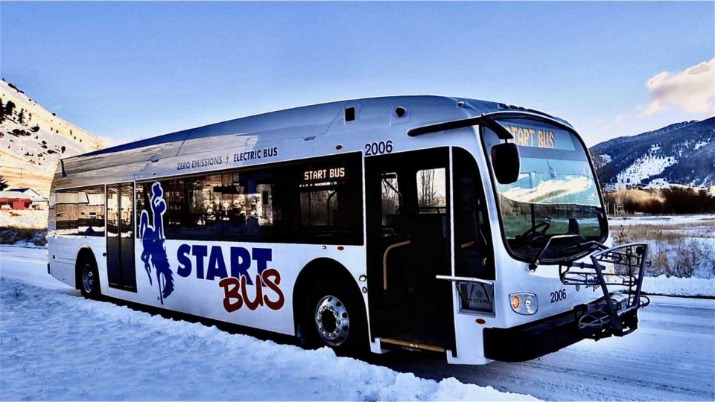

Overview of Bus Travel in Spain
Bus travel in Spain offers an affordable and flexible way to explore the country’s diverse regions, from bustling cities to scenic countryside. Modern intercity coaches connect major hubs such as Madrid, Barcelona, Valencia, Seville, and Bilbao with frequent schedules and comfortable amenities, while regional services reach smaller towns and coastal towns along the coast. Whether you’re planning a budget trip or a slow journey to savor landscapes, the bus network provides reliable, extensive coverage across Spain.
What makes bus travel popular in Spain
Spain’s intercity bus network offers a practical, affordable way to explore the country, linking major cities like Madrid, Barcelona, Valencia, and Seville with countless towns and rural destinations. Operated by several companies, with ALSA as a leading provider, the system provides reliable schedules, comfortable coaches, and user-friendly booking options. Buses often serve routes not covered by trains, provide overnight services, and present a cost-effective alternative to rail and air travel.
- Extensive coverage across the mainland, connecting major cities and small towns with frequent daily departures.
- Competitive fares and flexible ticket options, including promotional deals and multi-ride passes.
- Comfortable, modern coaches with features such as air conditioning, reclining seats, and onboard amenities on many routes.
- Night buses and overnight services that save time and hotel costs while expanding route options.
- Easy online booking through operator websites and apps, with mobile or print-at-home tickets.
- Direct routes and reliable schedules that complement trains, offering alternatives on routes with limited rail service.
- Lower environmental impact per passenger on many short- to medium-distance trips compared with flying.
- Accessible travel to rural areas and towns not well served by rail, broadening sightseeing options.
- Practical luggage allowances and straightforward boarding and check-in procedures.
- Practical travel tips: check timetables in advance, consider overnight options, and combine with trains or ferries where useful.
Common routes and travel times
Major Operators and Networks
Spain’s intercity bus network is led by major operators and networks that connect cities across the peninsula. The dominant national carrier is ALSA, with extensive routes throughout Spain and into neighboring countries, complemented by Avanza, a major operator offering frequent long-distance services. Regional players such as Socibus in the south and other networks coordinate with ALSA and Avanza to cover key corridors and popular tourist routes. Online platforms like Movelia aggregate timetables and tickets from multiple operators, making it easier to compare times and prices across Spain’s growing bus network.
National operators such as ALSA and Avanza
Spain’s long-distance bus network is powered by major operators and integrated networks, with national players like ALSA and Avanza delivering extensive coverage across the country. These carriers form the backbone of intercity travel, linking large cities with smaller towns and supporting both budget and mid-range travel options.
ALSA is the leading national bus operator in Spain, offering a dense network of long-distance routes that connect Madrid, Barcelona, Valencia, Seville, Bilbao, Malaga, and many other destinations. The company operates modern coaches, emphasizes comfort and accessibility, and provides online booking, mobile apps, and customer service in multiple languages to aid travelers both within Spain and on international legs.
Avanza is another major national operator with a broad route map that complements ALSA’s coverage. Avanza serves a wide range of corridors across Spain and frequently operates on core itineraries alongside ALSA, giving travelers additional options, frequencies, and price points. Both brands are commonly used for intercity trips and share a focus on reliable schedules and comfortable travel.
The national network relies on hub-and-spoke corridors centered around key metropolitan regions. Major routes typically connect Madrid and Barcelona with other large cities such as Valencia, Seville, Zaragoza, and Bilbao, while regional hubs provide connections to smaller towns. This network structure allows travelers to plan long journeys with one or two transfers and to access a broad timetable across the country.
Regional operators also play an important role, complementing the national brands by serving local markets within communities and autonomous regions. Brands like Monbus and Sagalés, among others, operate within their areas and link to the national network, enabling seamless connectivity between local travel and long-distance options. Aggregators and booking platforms often combine these services to offer cross-operator itineraries.
Ticketing and booking for these networks are facilitated by online platforms such as Movelia, which aggregates schedules and tickets from ALSA, Avanza, and other operators. This makes it easier to compare times, prices, and routes across multiple carriers in a single search, supporting flexible planning for travelers moving across Spain’s networks.
When planning a bus trip in Spain, it’s useful to compare ALSA and Avanza across your chosen routes, check for the most convenient hub cities, and use a booking platform to see all available options. Booking early for popular corridors or holiday periods can help secure the best prices and seats.
Regional and city bus networks
Spain offers a dense and affordable bus network that connects major cities, regional capitals, and popular destinations across the mainland and the islands. Bus travel is a practical alternative to trains, with frequent departures, urban-to-rim connections, and extensive coverage especially in regions where rail services are limited.
Major operators and networks across Spain include ALSA, the largest intercity bus company, which operates a broad national network of long-distance routes as well as regional services under various brands. Their network links Madrid and Barcelona with dozens of other cities, and they run cross‑country connections to major tourist hubs.
Other national and international players have expanded the market. FlixBus runs a growing fleet in Spain, offering affordable routes between big cities and coastal towns. Monbus operates in Galicia and the north of Spain with regional and longer routes. Avanza, a familiar brand in several regions, and other private operators also contribute significant regional coverage.
Regional and provincial networks are typically organized by autonomous communities and provincial councils. They coordinate subsidies, timetables, and sometimes fare integration, mixing public contracts with private operators. In practice, this means many routes are regional in scope and serve capital cities, university towns, and tourist spots.
City bus networks in Spain are managed by municipal transport companies. Examples include EMT Madrid, which runs most urban routes in the capital; TMB Barcelona, which covers Barcelona’s buses in tandem with the metro; EMT Valencia in the Valencian Community; TUSSAM in Seville; TUZSA in Zaragoza; and Bilbobus in Bilbao. These city networks connect neighborhoods with the main train stations and airports and often feed intercity lines operated by ALSA and others.
Booking and planning your trip is easy online. Most operators publish timetables and fares on their own websites, and national aggregators such as Movelia also sell tickets for multiple operators. International platforms like Omio and FlixBus can simplify cross‑border itineraries and help compare prices and times.
Practical tips for travelers include booking in advance during holiday periods, checking luggage allowances, and validating whether buses serve your exact origin and destination. While trains can be faster on some corridors, buses often offer direct services to smaller towns and cheaper options. On the islands, daily services may be more limited, and connections to ferries can affect travel time.
Overall, Spain’s bus network provides flexible, budget-friendly travel options that complement rail and air travel, with a mix of national operators, regional networks, and city services that cover most corners of the country.
Overnight and express services
Spain has a dense long‑distance bus network that makes bus travel a popular option for reaching both big cities and smaller towns. The market is shaped by a few major operators and a growing mix of international and regional services, all offering a range of day and night journeys.
Major operators in Spain include ALSA, which runs a comprehensive national network linking Madrid, Barcelona, Valencia, Seville, Zaragoza, Bilbao, Malaga and beyond. ALSA operates a mix of daytime routes with frequent departures and a set of overnight services, as well as regional connections that help fill gaps between smaller destinations. The scale of the ALSA network means many routes offer multiple daily departures and coordinated timetables with other forms of public transport.
Another prominent player is Avanza, which covers many of the same corridors and focuses on high‑frequency daytime services across major routes. Avanza networks concentrate on convenient city‑to‑city connections, often with straightforward booking options and competitive fares. In some markets Avanza services are integrated with other carriers to provide a broader nationwide or cross‑border network.
International and discount options are also part of the Spanish long‑distance scene. FlixBus operates in Spain on a number of routes, offering low‑cost, modern coaches between major cities and tourist hubs. FlixBus routes often complement the native networks by providing additional direct connections and budget fares, with tickets sold through FlixBus’s app and website.
Express services are a common feature across the main operators. Express routes are marketed as faster, with fewer intermediate stops, designed for travelers who want to reach a destination quickly without the need to transfer or endure long layovers. These services connect the principal city pairs—such as Madrid, Barcelona, Valencia, Seville, and Bilbao—while still maintaining reasonable coverage of key hubs. In practice, express services can reduce total travel time compared to standard routes, especially on busy corridors.
Overnight services play a significant role in Spain’s bus travel, particularly on cross‑country routes. Night buses typically depart in the evening and arrive in the early morning, offering a cost‑effective alternative to a night of hotel accommodation. Nocturnos or night routes are common on routes such as Madrid–Barcelona and Madrid–Seville, and they are favored by travelers looking to maximize sightseeing time or minimize travel days during a trip. Overnight coaches usually feature reclining seats and practical amenities, with luggage allowances similar to daytime services.
When planning a trip, it’s worth checking the timetable across operators to compare direct express options with standard routes and to see where night services can save both time and money. Booking through operator websites or aggregator platforms can help you compare schedules, fares and luggage policies, and choose between the reliability of a well‑established network and the often lower prices of international or discount services.
Booking platforms and mobile apps
Bus travel in Spain connects bustling cities with inland towns at budget-friendly prices, and it plays a key role alongside trains and flights. The country is served by a handful of major operators with extensive networks, as well as numerous regional services that link smaller communities to the main corridors. Night services and day routes cover most of the peninsula and even cross into Portugal in some cases.
Major operators and networks: ALSA is the largest national operator, offering long-distance services as well as regional connections across Spain and into Portugal. Avanza operates a wide network that links Madrid, Barcelona, Valencia, Seville and other major centers, with frequent departures and comfortable coaches. Socibus is another important player, known for long-haul connections between Madrid and southern cities, along with core routes in central and southern regions. In addition to these national brands, numerous regional operators maintain busy networks that fill local corridors and serve tourist destinations.
Common routes and corridors: The backbone of Spain’s intercity bus system runs along busy city pairs such as Madrid–Barcelona, Madrid–Seville, Madrid–Valencia and Barcelona–Valencia, plus regional spokes to coastal towns and interior destinations. Buses also connect university towns, airports, and border towns with Portugal, enabling practical cross-border travel. Night buses offer affordable overnight options, while daytime services cater to day trips and business travel. The networks often integrate with rail and air connections at major hubs, providing seamless planning options.
Booking platforms and mobile apps: Intercity travel can be booked directly through operator websites and mobile apps, including ALSA, Avanza and Socibus apps, where you can check schedules, choose seats and download e-tickets. In addition to direct bookings, global platforms aggregate multiple operators to compare prices and times. Popular apps include Omio (GoEuro), FlixBus, and BlaBlaCar Bus, which show available routes across Spain and allow one-ticket booking. In some cases, regional aggregators and travel agencies also offer bundled tickets that combine buses with trains or flights.
Tips for travelers: Always compare options across operators and aggregators to find the best price and departure time. Check luggage allowances, boarding points, and whether seats are assigned. If you travel off-peak or as a student or youth, look for discounts or passes; booking in advance often saves money. For multi-city trips, consider overnight services to maximize daytime sightseeing.
Planning Your Trip: Tickets, Prices, and Passes
Planning your trip around Spain by bus begins with understanding the ticket options, typical prices, and pass programs that help you save as you hop between cities and regions. From single-ride tickets on long-distance lines to regional passes and multi-journey cards, knowing where to buy, how much to pay, and what discounts apply will help you map out an affordable, flexible itinerary.
Where to buy tickets and how to compare fares
When planning a bus trip across Spain, understanding tickets, prices, and passes helps you save time and money. This guide explains where to buy tickets and how to compare fares.
-
Ticket types and prices
Spain’s intercity and regional buses typically offer one‑way tickets, return options, and sometimes flexible or premium fares. Prices vary by distance, time of day, operator, and how far in advance you book. Major operators like ALSA, Avanza, and regional bus companies often price the same route differently, so it pays to compare a few options.
-
Where to buy tickets
Tickets can be purchased on the operator’s official website or mobile app (for example ALSA, Avanza, and regional operators), at large bus stations from ticket counters or vending machines, and through travel agencies or online aggregators. Some routes may also offer tickets at the station on the day of travel, but availability can be limited and prices may be higher.
-
How to compare fares
To find the best price, check multiple operators for the same origin-destination pair, compare different departure times, and consider round-trip options versus two one-way tickets. Look for discounts such as off-peak times, early bookings, and promotional fares. Also compare total costs including any baggage charges, seat selection fees, or changes/refund penalties.
-
Discounts, passes, and loyalty programs
Many operators offer discounts for youth, students, seniors, or families. Some routes provide multi-ride passes or loyalty programs that reward frequent travel. Regional transport cards or city-region passes may exist in certain areas and can cover multiple bus trips, so check the local transport authority or regional operators for options that could apply to your trip.
-
Tips to save and plan ahead
Book in advance when possible to secure lower fares. Traveling on weekdays or outside peak hours can reduce prices. Compare round-trip and multi-ticket bundles, and watch for promotions or bundled itineraries that include connections. If you travel often, consider enrolling in any loyalty program offered by the operator.
-
Before you buy: rules, fees, and baggage
Check baggage allowances and any extra fees for luggage, seat selection, changes, or refunds. Verify the timetable and policy on cancellations, especially for flexible versus non‑refundable fares. Save your ticket as a digital QR code or print it, and have a valid ID ready for boarding.
Discounts, passes, and loyalty programs
Planning your trip by bus in Spain can be a budget-friendly way to reach both big cities and scenic rural towns. Buses connect most destinations, with major operators offering extensive networks across the country.
Tickets can be bought on operator websites such as ALSA and Avanza, through their mobile apps, at company stations, or at travel agencies. On many routes you can also buy and store e-tickets on your phone, and some routes offer seat reservations, though not all do. It’s wise to compare options and read the fare rules before you buy.
Prices vary by distance, demand, and time of day. Short hops between nearby cities may cost as little as 5–15 euros, while medium-length trips (2–5 hours) often fall in the 15–40 euro range. Long-distance or overnight services can range from 50 to 90 euros or more, especially during peak season. Booking in advance typically yields the best prices, while last-minute fares can spike.
Discounts are widely available. Holders of the Carné Joven (Youth Card) or other youth cards often receive reductions on long-distance and regional services. Seniors, students, and people with disabilities may also qualify for lower fares on certain routes. Some operators offer promotions or loyalty programs for frequent travelers or subscribers; check the operator’s site for current programs and how to join.
There is no nationwide Spain bus pass equivalent to a rail pass; most people pay per trip or use operator-specific passes. Some lines offer monthly or multi-ride passes, bundled fares, or return-trip discounts, especially on popular corridors. If you travel regularly, it’s worth asking the operator about any subscription arrangements or bundled discounts.
Night buses can save you one night of accommodation and allow you to arrive early at your destination. Compare different operators on the same route, as service frequency and comfort levels vary. Bring valid ID, and keep the e-ticket or booking reference handy. Check luggage allowances and packaging rules; most long-distance buses allow one large suitcase and a carry-on, but limits vary by operator.
Popular routes connect Madrid, Barcelona, Valencia, Seville, Bilbao, Málaga, and Alicante, with many regional towns reachable directly or with a change in the next city. In some regions, regional bus networks tie in with local city cards or tourism passes, so a combined ticket for multiple trips may emerge. Always verify transfer times and potential overnight stays if you are crossing borders or traveling on busy holidays.
To plan effectively, compare schedules and prices across operators, set price alerts, and book early for the best deals. With careful planning, bus travel in Spain offers a flexible, economical, and scenic way to explore the country.
Ticket changes, refunds, and cancellation policies
Planning a bus trip in Spain involves understanding tickets, prices, passes, and the policies for changes, refunds, and cancellations.
Tickets and prices vary by operator and route. The main players for long-distance journeys are ALSA and Avanza, along with regional networks and smaller operators. Prices usually depend on distance, time of day, and how far in advance you book. Booking early online often yields the lowest fares, while last-minute tickets can be more expensive. There are saver fares that are cheap but non-refundable and flexible fares that let you change your time or date (often for a fee). Night buses may offer lower prices and help you save on accommodation, but they can have limited seating and longer travel times.
Passes and discounts are less common on buses than on trains, but many operators offer loyalty programs, multi-ride cards, or regional passes. You may also find discounts for students, seniors, children, groups, or military personnel. Some regions offer travel cards that cover multiple trips within a month for specific routes. Always check the terms on the operator’s site or app to see whether your pass applies to the routes you plan to use.
You can book via operator websites, mobile apps, or at ticket offices and travel centers. After booking, you’ll usually receive an e-ticket or QR code that you can show on your phone. Seat reservations are common for longer journeys. Check luggage allowances and restrictions for your operator, pack accordingly, and arrive at the boarding point a little early. Have your ID ready, as some tickets require the name on the ticket to match the traveler.
Policies vary by operator and fare type. Saver or promotional fares are often non-refundable and non-changeable, while flexible or semi-flexible tickets allow date and/or route changes for a fee. Some tickets may be fully refundable up to a certain time before departure or offer credit toward future trips. Cancellations typically result in refunds to the original payment method, minus any applicable service or processing fees, and refunds can take several days to appear on your statement. If you need to change or cancel, use your account on the operator’s site or contact customer service; in some cases you may need to present the original ticket and booking reference. It’s also wise to review policies for disruptions like delays or cancellations due to weather or strikes, which may offer alternative travel or refunds.
Compare prices across ALSA, Avanza, and regional operators, and consider combinations of routes. Use price alerts and calendars to spot cheaper days. If you’re traveling with others, look for group or family discounts. Consider travel insurance or a credit card with travel protections in case of changes or cancellations. Always read the fare terms before buying.
By planning ahead and understanding the ticket rules, you can save money and avoid surprises when traveling by bus in Spain.
Intercity and Long-Distance Routes
Intercity and long-distance bus routes in Spain stitch together the country’s vibrant cities and diverse regions, offering a practical, often affordable alternative to train travel. From rapid links between Madrid and Barcelona to scenic trips across Andalusia, the Valencian coast, and beyond, these routes connect major urban hubs with smaller towns, delivering flexible schedules, convenient city-center departures, and a chance to glimpse Spain’s varied landscapes along the way.
Madrid–Barcelona corridor and major east–west routes
Spain’s intercity and long‑distance bus network forms a dense, cost‑effective backbone for travelers crossing the peninsula. Operators such as ALSA and Avanza run extensive daytime and overnight services that connect Madrid, Barcelona, coastal cities, and the inland towns that link them. Buses often reach towns and rural areas that trains do not, making them a practical option for exploring both major cities and regional destinations on a modest budget.
The Madrid–Barcelona corridor is the busiest long‑distance axis in Spain, spanning around 620 kilometers by road. Express services run frequently, with departures throughout the day and several night options. Direct, non‑stop trips typically take about six to seven hours, while all‑stop services may be longer as they pause in places such as Zaragoza and Lleida. Most journeys use the country’s main intercity bus stations in Madrid and Barcelona, offering easy onward connections to other cities and regions.
Beyond the Madrid–Barcelona line, major east–west routes link the Atlantic coast in Galicia and Castile with the Mediterranean coast in Valencia, Alicante, and Murcia. Typical west‑to‑east itineraries run from A Coruña or Vigo through Salamanca and Madrid to Valencia or Alicante, and there are also direct links from Vigo or Ourense to Valencia or Alicante. Madrid acts as a central hub for many of these services, with longer express routes extending to the Levante coast and the southern ports. Night services are common on popular east–west paths, allowing travelers to save on accommodation.
Choosing and planning a trip: check schedules on the main operators’ sites such as ALSA and Avanza, compare direct and indirect services, and book in advance to secure the best fares. Consider night buses to maximize daytime sightseeing, and be aware that journey times vary with the number of stops and traffic. Most routes operate from large city bus stations with good connections to local transit, while regional terminals may be more limited but still well connected by urban buses or rail.
Bus travel in Spain offers a flexible, affordable way to move between and beyond the big cities, complementing trains and flights and enabling access to many regional attractions along the intercity and long‑distance corridors.
Andalusia, Valencia, and Levante coast connections
Intercity and long-distance bus travel in Spain provides a flexible, affordable way to explore Andalusia, the Valencia region and the Levante coast, complementing trains and flights for a well-rounded itinerary.
In Andalusia, a dense web of daytime services links Seville, Córdoba, Granada, Málaga, Cádiz, Huelva, Almería and Jerez, with many routes offering direct connections between inland cities and coastal towns along the Costa de Almería or Costa del Sol.
Long-distance connections extend beyond regional lines, with routes from Seville, Málaga and Granada reaching Madrid, Barcelona and other major hubs. Typical journeys range from about five to six hours between Seville and Madrid, six to nine hours between Málaga and Valencia, and longer itineraries that cross Andalusia into Levante for overnight or daytime trips.
Valencia and the Levante coast serve as important hubs for east coast travel. Buses link Valencia with Alicante, Benidorm, Castellón and Murcia, while routes from Granada or Málaga can continue north along the coast to Castellón or south toward Alicante and Murcia, often passing through Murcia and Albacete.
Along the Levante coast, coastal towns such as Alicante, Benidorm and Castellón enjoy frequent connections, and some long-distance services run from Valencia toward Barcelona, Zaragoza or Madrid with scenic stops along the coast, providing options for multi-city trips that combine beaches with cultural cities.
Major operators such as ALSA and Avanza run most long-distance and intercity routes in Spain, complemented by regional carriers on local legs. Tickets can be booked online, at stations, or through mobile apps, with multi-city passes sometimes available for savings on cross-country trips.
Practical tips include checking schedules in advance, since frequencies vary by season; night buses can save time and accommodation costs; and consider combining a day in Seville or Granada with a beach stop in Valencia or Alicante to maximize the Levante itinerary.
With careful planning, you can craft a coastal-and-cities itinerary that links Andalusia, Valencia, and the Levante coast entirely by bus, enjoying diverse landscapes, city life, and seaside towns without relying on air travel.
Northen Spain routes: Galicia, Asturias, Cantabria
Intercity and long-distance bus routes in Northern Spain connect Galicia, Asturias, and Cantabria with major cities across the peninsula, offering a flexible alternative to trains and flights. The principal operators include ALSA and its Avanza network, as well as FlixBus, with routes ranging from short hops between regional capitals to overnight services that cover longer distances.
In Galicia, the core intercity corridors link Vigo, Pontevedra, Santiago de Compostela, A Coruña, Ferrol, Lugo, and Ourense. These routes serve both the larger urban centers and smaller towns along the coasts and the interior, with frequent daily departures and regional feeders that help you reach beaches, hills, and historic towns.
Longer journeys from Galicia connect to other Spanish regions, including Madrid, Barcelona, and major northern hubs. Overnight and daytime services enable travel to central and southern Spain with connections at large terminals in Madrid and other city centers, making multi-city trips practical from the Galician capitals.
In Asturias, the main intercity network links Oviedo, Gijón, and Avilés, with frequent services to smaller municipalities and to Cantabria and Galicia. The rugged coastline and mountain roads make some routes scenic, especially along the coast or through the Picos de Europa foothills.
In Cantabria, Santander, Torrelavega, and towns like Santillana del Mar and Comillas are connected by regular services, with onward links to Asturias and the Basque Country. Coastal routes offer views of cliffs, beaches, and estuaries, while inland services reach inland towns and national parks.
Cross-regional routes often originate in Galicia or Cantabria and pass through Asturias, allowing day trips or multi-day itineraries. For example, you can hop from Vigo or A Coruña toward Oviedo or Santander, or travel from Santander toward A Coruña with connections in intermediate towns.
Plan ahead by checking timetables on operator sites such as ALSA, Avanza, or FlixBus, and book in advance during peak travel periods. Buses usually depart from city center bus stations, and many services have online check-in or mobile tickets.
Comfort varies by service, but long-distance coaches typically offer air conditioning, comfortable seating, and generous luggage allowances. If you have time, consider slower scenic routes along the Cantabrian coast for a more leisurely trip.
Travel by bus in Northern Spain is a convenient way to explore Galicia, Asturias, and Cantabria, connecting rural scenery with vibrant cities and making day trips between coast and mountains feasible.
Overnight routes and tips for late travel
Bus travel in Spain offers a dense network of intercity and long-distance routes that connect major capitals with smaller towns at approachable prices. The system is powered by several national operators and regionals, making it possible to reach almost any corner of the country without a car. Buses can be a practical choice for travelers who want to move steadily from Madrid, Barcelona, Valencia, Seville, or Bilbao to lesser-known destinations while keeping costs in check.
Intercity and Long-Distance Routes in Spain emphasize frequent connections between the big hubs and secondary cities. Common corridors include Madrid to Barcelona, Madrid to Valencia, Madrid to Seville, and Barcelona to Valencia, as well as routes along the northern coast and into the Basque Country and Galicia. Travel times by bus are typically longer than high-speed trains but often cover towns trains do not serve directly. Modern long-distance coaches usually feature comfortable seating, air conditioning, power outlets, and onboard Wi‑Fi, with many services offering multiple daily departures to fit different schedules.
Major Operators and Booking Tips help you navigate the system. The dominant national company is ALSA, alongside other operators such as Avanza and regional networks that operate in specific areas. Tickets can be purchased at official terminals, through company apps, or on third-party booking sites. It’s common to find cheaper fares by booking in advance or choosing less popular departure times. If you’re traveling with luggage, check the baggage policy online, as allowances and fees can vary by operator and route.
Overnight Routes are a practical way to maximize daytime sightseeing. Nocturnal services, often marketed as Nocturnas, run on key routes and allow travelers to sleep through part of the journey, arriving refreshed at their destination. Overnight buses typically offer reclining seats, blankets, and sometimes a restroom on board or at major stops. When planning an overnight trip, consider the sleep quality of the seat, the location of the bus relative to city centers, and how easy it will be to transfer to your next connection upon arrival.
Tips for Late Travel help you stay comfortable and safe. If you can, book in advance to secure a reasonable price and a preferred seat. Use official apps or websites to verify the exact boarding point, as stations can be large and multiple platforms may serve a single city. Pack a lightweight layer for chilly late-night rides and bring a small travel pillow, headphones, and water. For security, keep valuables with you or stored in a secure bag, and avoid leaving bags unattended at stops. If you have a tight connection, allow extra transfer time in case of delays or longer-than-expected stopovers.
Practical Considerations for Spanish Bus Travel include staying aware of local station layouts, especially in smaller cities where stops may be outside the city center. Always check the latest schedule the day before travel, as changes can occur due to weather or traffic. Discount options such as youth, student, or senior fares can yield significant savings if you qualify. With a bit of planning, bus travel across Spain can be an economical, comfortable way to see both iconic cities and scenic rural areas without relying on a car.
Regional Travel and Destinations
Regional travel in Spain opens a tapestry of coastlines, mountains, and medieval towns, with bus travel serving as an affordable, flexible way to reach destinations beyond the main cities. From Galicia to Andalusia, regional routes connect vibrant markets, historic sites, and scenic landscapes, offering travelers a practical alternative to trains and flights while revealing the diverse character of Spanish regions.
Central Spain: Madrid and Castile regions
Central Spain is a compact region where Madrid sits at the heart of a dense intercity bus network. Bus travel here offers direct routes to historic capitals and rural towns across Castile-La Mancha and Castile and León, often at lower cost and with more direct access than rail to smaller places.
Madrid acts as a hub for regional journeys, with the city’s main long-distance bus station Estación Sur de Autobuses serving as the gateway to central Spain. Frequent services run by ALSA and Avanza connect Madrid to destinations across Castile-La Mancha and Castile and León. From Madrid you can reach Toledo, Cuenca, Ciudad Real, Albacete, Guadalajara, Segovia, Salamanca and many other places. Local Madrid buses and the metro help you reach the intercity terminals and nearby towns.
Castile-La Mancha routes begin at Madrid and fan out to five provinces: Toledo, Albacete, Ciudad Real, Cuenca, and Guadalajara. The region’s towns are well covered by intercity coaches, making day trips and weekend breaks convenient. Travel times from Madrid vary by destination, but most core links stay within a few hours, with more rural towns receiving fewer daily departures.
Toledo stands as a flagship day trip from Madrid, perched on a rocky hilltop with a medieval skyline. Intercity buses can reach Toledo in roughly an hour from Madrid, offering easy access to its cathedral, winding medieval streets, and the Tagus river. Cuenca with its cliffside casas and the famous hanging houses is another popular route, while Guadalajara, Ciudad Real, and Cuenca offer gateway experiences to Castile-La Mancha’s towns and nature reserves.
Castile and León is reached through Madrid’s broad network with connections to Segovia, Valladolid, Burgos, León, and Salamanca. Segovia makes for a short, scenic hop of about an hour; Valladolid typically takes around 1.5 to 2 hours; Burgos and Salamanca fall in the 2.5 to 3-hour range, and León extends the journey a bit longer. These cities showcase Romanesque and Gothic architecture, historic plazas, and vibrant regional cuisine.
Practical tips for bus travel in central Spain include checking schedules on ALSA and Avanza websites, and buying tickets online to secure seats and prices. Arrive at the station a little early, especially for popular routes or peak travel times. Buses often provide comfortable seating, air conditioning, and wifi on major routes, while some rural lines may have less frequent departures. Combining a Madrid stay with day trips to Toledo or Segovia is a classic, efficient way to experience the best of central Spain by bus.
Catalonia and the Barcelona region
Regional travel in Catalonia and the Barcelona region is well supported by a dense bus network that makes it easy to reach both classic city sights and tucked away coastal towns. Bus travel often offers a practical and affordable alternative to trains, with frequent services linking Barcelona with towns in Girona, Tarragona, and the Costa Brava, as well as scenic day trips into the inland countryside.
In Barcelona itself, the intercity and regional bus network runs alongside local routes. The main long-distance and regional departures are concentrated at major stations such as Estació d’Autobusos Nord, from which you can reach many Catalan destinations directly. Local buses, including those operated within the metropolitan area, complement the metro and tram network, making it straightforward to explore the city and its surroundings without a car.
From Barcelona you can reach a variety of appealing destinations by coach, including Montserrat, a striking mountain monastery that makes for a popular day trip, and cities along the Costa Brava such as Lloret de Mar, Blanes, and Tossa de Mar. The Girona region, with its medieval old town and nearby beaches, is another common coach destination, often used as a base for a coastal itinerary through northeastern Catalonia.
A direct or convenient scenic option is a day trip to Montserrat, with buses leaving from central squares such as Plaça Espanya. The route offers dramatic geological scenery and a chance to visit the monastery and enjoy panoramic views. If you are headed to the coast, the Costa Brava towns are linked by regular services that let you hop between beaches and villages without renting a car, making a regional coastal circuit feasible in a single trip.
For planning and booking, major intercity operators such as ALSA, Sagalés, and regional services provide timetables and fare information online, while aggregators like Movelia can help you compare routes across different companies. It is often worth checking multiple brands to find the best departure times and prices, especially during peak travel seasons when summer crowds can affect schedules.
Travel within the Barcelona region can also connect to airport transfers, with express bus services linking central points like Plaça de Catalunya to Barcelona–El Prat Airport for convenient onward journeys. When travelling by bus, carrying a map or the operator’s app, listening for platform announcements, and confirming the last return bus are good habits for smooth onward plans.
Tips for a smooth bus trip in Catalonia include arriving early at the station, verifying boarding points in person or on the operator’s app, and budgeting extra time for weekend or holiday crowds. Pack light luggage and consider day-trip flexibility, since some routes run less frequently on Sundays or during off-peak periods. Bus travel in this region offers a comfortable, scenic, and wallet-friendly way to discover Barcelona’s hinterlands and the wider Catalan coast.
Andalusia: Seville, Granada, Malaga
Exploring Andalusia by bus offers a practical and affordable way to connect Seville, Granada, and Malaga while soaking up landscapes, architecture, and coast all along the way.
In Seville, the main hub for intercity journeys is the Plaza de Armas bus station, a short ride from the historic center. Leading operators like ALSA and Avanza run frequent daytime services to nearby and regional destinations, making it easy to hop between the three core cities. Tickets can be purchased online, at the stations, or via operator apps, and most services run with reliable daily frequencies, especially in peak travel periods.
From Seville to Granada, expect travel times of roughly 2 hours 45 minutes to 3 hours 15 minutes by coach, depending on the route and stops. The Seville–Granada corridor rewards travelers with views of olive groves and rolling hills, and buses provide a direct, comfortable option without the need to change trains. To reach Malaga from Seville, the journey typically takes about 2 hours 40 minutes to 3 hours 15 minutes, offering a convenient link to the Costa del Sol and its beaches after a cultural stay in Seville.
Granada sits inland with the Alhambra as a standout sight, while its bus connections to Seville and Malaga keep the city well integrated into the regional travel grid. A Granada to Malaga hop usually takes around 1 hour 45 minutes to 2 hours 15 minutes by bus, letting visitors combine Moorish palaces with a beach day on the same trip if time allows.
Malaga acts as a coastal base with good onward access to other Andalusian hubs. The Malaga bus network links efficiently to Seville and Granada, so you can plan a loop: Seville to Granada to Malaga, or reverse, depending on flight or train connections. Bus comfort ranges from standard to roomy coaches, many with air conditioning, luggage storage, and sometimes Wi-Fi, making daytime travel a pleasant way to move between cities while saving on rail fares.
Practical tips for a smooth bus trip around Andalusia: book ahead during holidays and festivals, as seats can fill quickly; check baggage allowances and boarding points at each station; bring a small snack and water for longer legs of the journey; and use the operator apps or websites to compare times and prices. If you have a flexible plan, catching a later bus can also open up options for day trips or extended stays in Seville, Granada, or Malaga.
Sample itinerary ideas: spend 2–3 days in Seville to explore its Alcazar, cathedral, and Barrio Santa Cruz, then take a bus to Granada for a full day at the Alhambra and the historic center, and finish with 2 days in Malaga to enjoy the waterfront, Gibralfaro views, and a stroll through the old town before departing by air, train, or bus to your next destination.
Valencia and the Valencian Community
Valencia and the Valencian Community are ideal for regional travel by bus, offering an affordable way to explore coast and countryside beyond the main cities. In Spain, intercity and regional buses connect Valencia with towns across the Community and beyond, making day trips and weekend getaways easy.
Bus networks and operators play a key role in regional travel. National operators such as ALSA and Avanza run long-distance and intercity routes from Valencia to many towns in the Community, while local municipalities maintain smaller services that stitch towns together. Valencia’s central bus station serves as a hub for incoming and outgoing routes, and towns like Gandia, Dénia, Xàtiva, Sagunto and Castellón provide reliable connections to the coast and inland destinations.
Destinations within the Valencian Community showcase the region’s variety. Valencia city is a gateway to both riverine parks and urban culture, while coastal towns such as Gandia and Cullera offer beaches and seaside promenades. Inland, historic towns like Xàtiva with its castle, Requena with renowned wines, and Ontinyent reveal medieval streets and countryside landscapes. Castellón de la Plana and nearby coastal towns present a different vibe with rugged coastlines and volcanic-silt beaches.
Coastal routes from Valencia link to Denia, Oliva and other Costa Blanca towns, giving easy access to beaches, coves, and scenic coastal drives. Buses also connect quieter villages such as Puçol, Canet de Berenguer and Sagunto, letting travelers hop between fishing harbors, agricultural fields and hillside viewpoints along the Mediterranean shore.
Practical tips for bus travel in the region include checking schedules in advance on operator sites, booking ahead during the busy summer season, and validating tickets where required. Many routes offer online booking and mobile tickets, which saves time at stations. For trips into wine country around Utiel-Requena or spa towns like Montanejos, plan for slightly longer travel times and convenient connections, as services may be less frequent than along the coast.
Overall, bus travel in Spain provides a flexible, scenic, and cost-effective way to experience Valencia and the Valencian Community. From city sights to vineyards, beaches to historic towns, the regional bus network makes it possible to explore a rich tapestry of destinations without the stress of driving.
Galicia and the Northwest coast
Galicia sits on the northwest edge of Spain, where the Atlantic winds shape a rugged coastline and lush green valleys. For travelers, bus travel offers a low-cost, relaxed way to discover the region’s regional travel and destinations, especially along Galicia and the Northwest coast, where dramatic cliffs meet golden beaches and sailors’ towns hum with seafood markets.
In Spain, long‑distance and regional bus networks connect Galicia with major cities and within the region itself. Operators such as ALSA and Monbus run frequent routes between A Coruña, Santiago de Compostela, Vigo, and Pontevedra, with smaller services linking coastal towns and rural villages. The advantage of bus travel here is straightforward: it drops you in town centers close to historic churches, harbors, and seafood plazas without the hassles of driving.
The northwest coast of Galicia is a string of estuaries, islands, and peninsulas. A Coruña makes a strong starter with its glassy harbor and the Torre de Hércules; from there, buses head south along the coast toward Ferrol, Pontevedra, and the famous Rías Baixas wine country around Vigo and its neighbors. Coastal towns such as Muros, Noia, Ribeira, and Sanxenxo offer day trips from larger hubs and serve as starting points for boat trips to the Cíes Islands or to the Costa da Morte, where the winding roads reveal dramatic headlands and lighthouses over the Atlantic.
Travel by bus here rewards patience with scenic views: green hills, salt flats, and blue Atlantic seas, often visible through the bus windows as you roll past coastal villages and old fishing harbors. Schedules concentrate on daytime routes between cities, with some night services that make efficient use of time for longer journeys between Santiago de Compostela and the Atlantic coast towns. Booking in advance can secure better seats and lower fares, especially in the peak travel months of spring and summer.
Practical tips for bus travel in Galicia include checking official operator apps and websites for real-time timetable updates, keeping printed or digital tickets handy, and arriving at the stop early in smaller towns where stops can be brief. If you’re chasing regional flavors, plan tastings along the Rías Baixas and coastal markets, and consider a slow ride to stop in villages to sample octopus a la gallega, fresh seafood, and regional wines in the local plazas.
Whether you’re tracing the coast from A Coruña to Vigo, or weaving through the townships around Santiago de Compostela, a coast-oriented bus itinerary offers a relaxed pace and a window on Galicia’s character. The Northwest coast of Spain is best discovered on a bus route that feels less like travel, more like a moving introduction to wind, sea, and the small towns that define this part of the country.
Basque Country and Navarra
Bus travel in Spain offers a practical way to explore the Basque Country and Navarra, revealing a region of dramatic coastlines, green valleys, and medieval towns.
In the Basque Country, Bilbao, San Sebastián (Donostia), and Vitoria-Gasteiz are the main hubs, with intercity buses weaving coastal routes along the Cantabrian Sea and inland journeys through rolling hills and vineyards.
A classic Basque Coast route by bus runs from Bilbao to Donostia, with common stops in Zarautz, Getaria, and Hondarribia, offering scenic sea views, surf towns, and fresh seafood pintxos.
In Navarra, Pamplona acts as a transport hub, with frequent buses onward to Tudela, Estella-Lizarra, Olite and Puente la Reina, connecting the city’s centuries of traditions with the Ebro valley’s vineyards and hilltop monasteries.
Practical tips: check schedules and book ahead on major operators such as ALSA; regional networks may cover smaller towns; have a map or offline app; travel off-peak for cheaper fares; carry valid ID for discounts where offered.
Suggested itineraries: a 3-day Basque Coast by bus could be Bilbao, Zarautz and Getaria, then Donostia for a day of pintxos and La Concha; or a Pamplona-based excursion with Olite’s castle and Tudela’s fruit orchards.
Environmentally friendly and often economical, bus travel lets you experience a region at street level, stop in countryside towns that trains don’t reach, and taste local cuisine paired with scenic landscapes.
Whether you are drawn to Bilbao’s modern art, Donostia’s beaches, or Pamplona’s fiestas, the bus network of the Basque Country and Navarra makes it easy to explore.
Regional Travel Tips and Practicalities
Bus travel across Spain is a practical way to explore regional towns, coastlines, and rural landscapes that trains don’t always reach. When planning, compare regional operators like ALSA, Avanza, Monbus, and others, check timetables, and book in advance for popular routes and holiday periods. Services vary by region, so expect more frequent departures between big cities and slower rural links; consider connecting through hubs such as Madrid or Barcelona. Buy tickets online, at bus stations, or via apps, and bring a printed or digital ticket. Check luggage limits, accessibility, and local holidays that may affect schedules, then enjoy a scenic, affordable journey.
Luggage policies and boarding procedures
Traveling by bus in Spain is a practical and affordable way to explore the country’s regions, from major city corridors to smaller coastal towns. This guide covers regional tips, luggage policies, and boarding procedures to help you plan smooth journeys.
Regional travel tips and practicalities: Spain’s long-distance coaches are run by operators such as ALSA, Avanza, and regional networks like Monbus and other local services. For regional trips, check timetables well in advance, especially on weekends and during holidays when frequencies can drop. Ticket prices vary by route, time of day, and how far in advance you book, with savings often available for off-peak travel. In larger cities, tickets can be bought online, at stations, or from partner apps, and many services offer bilingual signs and some English-speaking staff at major hubs.
Plan for regional variations: Coastal and rural routes may run less frequently than intercity links, and night services (autobuses nocturnos) are common to connect dispersed towns. In Catalonia, the Basque Country, Galicia, and Andalusia, you’ll find a mix of fast intercity coaches and slower regional buses that stop in smaller towns. Allow extra time when transferring between buses in busy terminals, and consider backup options if a connection is missed.
Luggage policies: Most long-distance buses allow at least one large suitcase in the luggage hold and a small carry-on bag. Weight limits are typically around 20–25 kg per large bag, with a separate limit for smaller items. Extra bags or overweight luggage may incur fees, and special items like sports equipment often require pre-booking and extra charges. Always label luggage clearly and keep valuables, electronics, and documents with you in your carry-on. Check the specific operator’s policy on your ticket or their website before packing.
Boarding procedures: When you have your ticket (digital or printed), arrive at the station early—15–30 minutes before departure for most long-distance routes, and earlier in busy hubs. At the platform, listen for announcements and follow the screen guidance for your bus number and departure time. If seating is reserved, your ticket will show your seat; otherwise you’ll find a seat in open-boarding services. Present your ticket and an ID if requested, and have your luggage ready for the hold if required by the conductor.
Onboard expectations and practicalities: Coaches typically offer comfortable seating, air conditioning, and occasional onboard amenities. Rest stops are common every 2–3 hours, where you can stretch, use facilities, and grab a snack. Carry water and snacks for longer routes, and keep important items like passports or IDs in a secure carry bag. In urban segments, traffic delays can occur, so allow extra time when planning connections to trains or flights.
Accessibility and special needs: Many operators provide wheelchair access and seating for passengers with reduced mobility, but spaces and advance notice are important. If you require assistance or a specific seat, contact the operator when you book or at least 24–48 hours before departure to arrange suitable seating and boarding assistance.
Getting to and from bus stations: Spanish bus stations are often located in city centers or integrated with major transit hubs. In larger cities, stations are well signposted with multilingual information. Check how to reach the station from your accommodation and plan onward connections (metro, tram, or taxi) to reach your next destination efficiently. If you’re connecting to trains or flights, allow extra transfer time for potential delays.
Tips for a smoother trip: Keep your ticket and ID handy, arrive early, and verify the boarding location on the day of travel. Label luggage, pack a small snack and water, and be mindful of pickpocketing in busy stations. If English is not widely spoken on a particular route, having a basic knowledge of Spanish phrases or using a translation app can help with directions, gate numbers, and luggage instructions.
Accessibility and mobility considerations
Traveling by bus in Spain is a practical way to explore everything from dynamic cities to remote villages across the regions. Long-distance coaches connect most major urban centers and many smaller towns, while regional routes serve rural areas between them.
Planning and tickets: Book in advance when possible, especially in peak tourist seasons. Tickets can be bought online, at company offices, or at the bus station counter; keep a digital or printed confirmation and have a photo ID when required. Buses usually show a timetable at the stop and on screens in larger stations.
Onboard and luggage: Luggage allowances vary by operator, but a standard rule is a checked bag plus a small carry-on; some routes may include a free luggage space in the fare. Bring water and snacks for long journeys; stops for restrooms and meals occur at scheduled service areas. Seat numbers may be allocated or you may choose when boarding; keep valuables with you.
Accessibility and mobility: Many national and major regional routes run on wheelchair-accessible coaches with ramps or kneeling steps, and priority seating for disability or reduced mobility. However, not all regional buses are fully accessible, especially in rural services. If you need assistive devices or a wheelchair space, contact the operator well in advance to arrange seating and boarding assistance and to confirm available facilities at the terminal.
Regional variations and frequency: In urban areas, buses are plentiful and connections to trains or metro systems are straightforward. In rural regions, service frequency can be low and some towns may have only a few departures per day or no service on Sundays. Consider combining with a regional train, car rental, or overnight coach if you’re traveling far between towns.
Urban accessibility and passes: Large cities often offer integrated transport passes that cover buses, metro, and sometimes trams, with reduced or unlimited rides. Look for routes that highlight accessibility features such as low-floor buses and emphasis on priority seating; in many cities, you can ride with a contactless card or mobile wallet.
Practical and safety tips: Verify the exact boarding point in advance, as stops can be announced differently by region. Arrive 10–15 minutes early for long-distance departures. Keep your ticket handy or stored digitally, and beware of pickpockets in busy stations. Always check local travel advisories for holiday schedules or roadworks that may affect timetables.
Language and regional knowledge: Signs are typically in Spanish, with regional languages like Catalan, Basque, or Galician in certain areas; a few familiar phrases in the local language can help at stations or on buses. If you have accessibility needs or special assistance requests, carrying a short note in English or Spanish describing your requirements can help staff assist you quickly.
Useful resources: Check the official sites of mainstream bus operators for Spain, regional transport authorities for each area, and local tourist information pages for updated timetables, service notices, and accessibility information. If you’re unsure about a route, asking at a station desk or calling ahead often saves time and avoids missed connections.
Food, rest stops, and onboard amenities
Traveling by bus through Spain offers a practical way to see the country from coast to mountains, with frequent regional stops and a network that reaches both major cities and smaller towns.
Regional travel tips vary by area. In the north, especially Galicia and the Basque Country, plan for cooler winds and variable rain; coastal routes pair dramatic cliffs with seafood stops. Inland regions like Castile and León or Madrid can have longer stretches between towns and hotter summers, so start early or travel at night when possible. The Mediterranean coast, including Catalonia and Valencia, combines scenic seascapes with busy urban hubs, while Andalusia in the south can be very hot in summer and pleasantly mild in spring and autumn. Always check the local timing for siesta hours and seasonal road conditions when plotting long hops.
Practicalities for booking and boarding are straightforward but worth a quick check. Tickets are commonly sold online, at bus terminals, or through travel apps. Keep a digital or printed ticket and a valid photo ID or passport, since some routes require identification at boarding. Luggage policies usually include one large bag checked in and one smaller bag carried on, with weight and size limits varying by operator. Arrive 15-30 minutes before departure to locate your platform and board smoothly.
Rest stops along major highways are called areas de servicio or estaciones de servicio. On longer journeys, coaches typically pause every 2-3 hours for 15-30 minutes, giving you a chance to use restrooms, stretch, grab coffee, or a quick snack. Larger service areas offer cafeterias, vending machines, shops, and sometimes shaded outdoor spaces. In coastal or tourist routes, some itineraries may include longer layovers in city hubs where you can explore briefly or refuel before continuing.
Food onboard is usually modest, with some operators offering beverages, snacks, or coffee for sale. For a fuller meal, use the rest stops where you can buy bocadillos (sandwiches), tortilla española, empanadas, or a light salad, plus regional specialties along the way such as paella in Valencia or seafood dishes near the coast. Carry a refillable water bottle and choose lighter, less odorous foods if you’re sensitive to smells during a long ride.
Onboard amenities vary by operator and route but are often quite convenient. Many long-distance buses come with reclining seats, air conditioning, and generous legroom. Free or paid Wi-Fi, USB charging ports, or power outlets at seats are common on newer coaches, though availability can differ. A small bathroom is standard on most long trips. Luggage compartments under the bus are spacious, but keep valuables with you in the cabin when you can, and store larger bags securely during the journey.
Useful travel etiquette and safety tips: keep aisles clear, use quiet voices, and avoid strong-smelling foods that might bother other passengers. If you’re sensitive to motion or fatigue, sit toward the front or near an aisle for easy access to the restroom and fresh air. Check policies on children and pets in advance, and use official app updates or customer service for delays or cancellations. When planning multi-leg trips, consider pairing buses with trains to maximize flexibility and scenery while managing travel times.
Overall, Spanish bus travel blends regional flavor with practical convenience. By planning for regional climates, upcoming rest stops, and the amenities offered on board, you can enjoy comfortable, cost-effective journeys between Spain’s cities and countryside.
Onboard Experience and Comfort
Traveling by bus in Spain offers a comfortable way to explore the country, with modern coaches, ample seating space, and thoughtful amenities that reduce travel fatigue. Long journeys feature air conditioning, quiet cabins, Wi-Fi, and power outlets that support work or entertainment. Generous luggage compartments, reliable timetables, and frequent rest stops help create a smooth, relaxed experience as you move between vibrant cities and coastal towns.
Seating comfort, Wi-Fi, and power outlets
Traveling by bus in Spain offers a comfortable onboard experience powered by modern intercity fleets and a focus on passenger convenience. From efficient pacing between cities like Madrid, Barcelona, and Seville to regional routes, buses typically feature climate-controlled cabins, clean interiors, and courteous service that makes long journeys feel smooth rather than tiring.
Seating comfort is a key part of the experience. Most long-distance coaches use 2+2 seating with well-padded, high-back seats and generous legroom. Cushions are designed for long hours on the road, and many seats offer adjustable headrests and ample recline. A stable suspension and quiet interiors help reduce road noise, while good aisle space makes it easy to move around or reach the overhead racks without disturbing fellow passengers.
Wi-Fi is commonly available on outer-urban and long-distance routes across Spain. Passengers can usually connect to a free onboard network to browse, check emails, or stream light content, though bandwidth may vary by route and time of day. It is wise to keep expectations modest for high-definition video streaming and to have offline options for the most demanding tasks.
Power outlets and charging options have become standard on many intercity buses in Spain. Expect USB charging ports at or near each seat, with a few buses still offering a 2- or 3-prong plug. USB-C ports are increasingly common, and some buses provide multiple ports per row, ensuring you can keep a phone, tablet, or e-reader powered throughout the trip.
Choosing a seat near the front or away from the engine can improve the onboard experience, and packing a travel pillow or lightweight blanket can add comfort on cooler days. If Wi-Fi or charging is important, check the operator’s amenities when booking and select a service known for reliable connectivity and ample outlets.
Restroom availability and cleanliness
Travelers exploring Spain by bus can expect a balanced mix of comfort, efficiency and practical facilities as they hop between major cities and regional towns. The onboard experience and restroom standards vary by operator and distance, but common patterns help riders plan ahead across Spain’s extensive coach network.
- Onboard Experience and Comfort
- Seating and space: Modern coaches often provide ergonomic seats with varying recline, adjustable headrests, and decent legroom. 2+2 seating is common on many intercity services, while some premium or regional routes use 2-3 configurations to increase capacity.
- Climate control and lighting: Air conditioning or heating is standard, with independent controls for different sections. Soft lighting and window shades help create a comfortable atmosphere for daytime travel and overnight journeys.
- Connectivity and power: Free Wi-Fi is increasingly available on longer routes and popular corridors, with USB charging ports at seats or along the aisle for devices.
- Announcements and information: Clear stop announcements and digital screens provide travel details, with multilingual support on international routes and frequent schedule updates from operators.
- Ride quality and amenities: Suspensions aim to smooth out highways, while onboard amenities such as vending options, magazines, and occasional refreshments vary by operator and service level.
- Restroom availability and cleanliness
- Restroom presence: Most long-distance and intercity coaches include a lavatory, typically located toward the rear or mid-section. Some regional or smaller buses may not have a restroom.
- Cleanliness and supplies: Restrooms are generally cleaned between trips, with basic supplies like toilet paper, soap, and hand sanitizer provided; some operators offer sanitizing wipes or maintenance checks during longer layovers.
- Access and accessibility: Restroom size and accessibility vary by coach model; premium or newer fleets may offer wider doors and easier access for passengers with mobility needs.
- Usage etiquette: Passengers are asked to limit time in the lavatory during high-demand periods, and staff may request efficient use around stops to reduce queues at terminals.
- Maintenance on routes: On busy corridors—such as Madrid-Barcelona or Madrid-Valencia—crews prioritize timely cleaning at scheduled stops to keep facilities ready for the next departure.
Safety, Reliability, and Travel Tips
Traveling by bus in Spain blends safety, reliability, and practical tips into a smooth journey. Choose official operators, secure your belongings, and keep important items in sight, especially in crowds. For reliability, check current timetables, book in advance when possible, and allow extra time for connections or delays. Handy tips include validating tickets, arriving early at stations, knowing luggage allowances, and using offline maps or trusted apps to navigate regional routes and city connections.
Staying safe and avoiding common scams
Timing, delays, and contingency planning
Spain has a comprehensive intercity and regional bus network that connects major cities and many rural towns. Bus travel is often cheaper than trains for certain routes and can be very convenient, with modern coaches offering comfortable seating and onboard amenities. When planning a trip, consider the operator, timetable, and expected travel times between your departure city and destination. The two largest national operators, ALSA and Avanza, cover many routes, while smaller regional companies fill in the gaps along inner Spain and the coast.
Safety begins with choosing licensed operators and staying aware of your surroundings at stations and on board. Follow the crew’s instructions, wear seat belts where provided, and keep aisles clear. Keep valuables secure in a bag you carry or in the overhead storage rather than in the seat pocket. At station stops, use official bus stops and avoid boarding unmarked vans. For overnight services, dress warmly, bring a travel blanket, and ensure you have a charger and a means to stay comfortable during long stretches.
Reliability on Spain’s bus network can vary by route and time of day. Intercity connections between major cities are generally punctual, but delays can happen due to heavy traffic, road works, or weather. Real-time updates are commonly available from operators via apps or SMS alerts. If you’re on a tight schedule, buffer extra time for connections and consider daytime departures when possible to minimize the risk of missing onward connections.
Travel tips include booking in advance online or at the station, checking each operator’s cancellation and change policies, and understanding luggage allowances. Most services allow a couple of suitcases to be checked and carry-on bags for the seat area; label your bags and keep valuables with you. Bring a printed or digital ticket and have a backup copy of your itinerary. Arrive at the departure point early to locate the correct platform or stop.
Timing and delays are a normal part of bus travel. Peak periods such as holidays, weekends, and festival seasons can produce heavier traffic and fuller buses, increasing the chance of hold-ups. Night buses can be convenient for saving time but may be noisier and less predictable in timing. Always check the latest timetable on the operator’s site and allow a margin for late arrivals when planning city connections or onward trips.
Contingency planning helps you stay flexible. If a delay or cancellation occurs, know your rebooking options with the operator, or have a backup plan such as a nearby train or flight alternative. Use flexible or refundable tickets when possible, and consider travel insurance that covers transport delays. Carry a small amount of cash and a mobile device with offline maps and emergency numbers saved, including Spain’s emergency number 112 for urgent assistance.
Practical tips for a smooth journey include using official apps for route planning, downloading offline maps, and confirming platform or stop details a few hours before departure. Pack snacks and water, a phone charger, and a light jacket. Learn a few basic phrases in Spanish for asking about delays or alternate routes, and keep the contact information of your accommodation and local authorities handy in case you need assistance during your trip.
Seasonal Routes and Scenic Journeys
Seasonal Routes and Scenic Journeys offer a fresh way to experience bus travel in Spain, guiding you along sun-kissed coastlines, rugged inland passes, and charming villages as routes shift with the seasons.
Coastal drives and mountain passes
Spain’s bus network offers seasonal routes and scenic journeys that reveal the country’s diverse landscapes, from sun-drenched coastlines to snow-kissed mountain passes. Traveling by bus lets you slow down, connect with small towns along the way, and tailor trips to the seasons when places feel most alive.
Seasonal routes appear in peak periods when tourism peaks, with extra departures linking major hubs like Madrid, Barcelona, Valencia, Seville and Málaga to beloved coastal towns, national parks, and festive towns. In winter and spring, routes shift to inland towns and ski-access routes, including connections toward the Sierra Nevada and the Pyrenees, subject to weather and road conditions.
Coastal drives offer some of Spain’s most rewarding scenery. Coastal buses travel along the Costa Brava in the northeast, the Costa Blanca and Costa del Sol in the southeast, and the Costa de la Luz in the southwest, with spectacular sea views, cliff towns, and seaside promenades at each stop. The northern coast threads a different kind of beauty, from the green Basque and Cantabrian shores to the dramatic cliffs of Galicia.
Mountain passes frame many of Spain’s most memorable bus journeys. Through the Pyrenees, routes can cross Somport and Bielsa passes, linking Aragon with Catalonia and offering sweeping upland panoramas. In central Spain, buses traverse the Guadarrama range near Madrid, delivering alpine-like vistas and access to historic towns tucked in high valleys.
Practical notes for scenic travel: check seasonal timetables and possible road closures, plan extra time for passes in winter, and choose departures timed for daylight when panoramic views are best. Bring layers, a camera, and a light snack, as many bus trips include long stretches with little stops. Some operators provide Wi‑Fi and charging ports on longer routes.
Suggested itineraries to consider include a northern coastal circuit from A Coruña through Bilbao and Santander to San Sebastián, with stops in charming coastal towns along the way; a southern Mediterranean route from Valencia to Alicante, Cartagena and Málaga with sea vistas at every turn; and a Pyrenees crossing from Barcelona toward Pamplona to sample dramatic mountain scenery and Basque culture.
Seasonal routes and scenic journeys by bus in Spain invite slow travel and immersive discovery, from sunlit shores to high mountain passes, all accessible with planning and patience.
Festivals, holidays, and peak travel periods
Seasonal routes and scenic journeys by bus in Spain invite travelers to move beyond city limits and follow the changing light across the country. From alpine passes in the north to golden beaches in the south, long-distance coaches and regional services connect towns where regional culture collides with landscape, all while offering a more relaxed pace than flying.
Spring is an ideal time to explore rural routes and historic towns. Bus routes from Madrid or Seville unfold through Andalusia’s white villages and olive groves, with vistas of blooming almond trees in Valencia’s orchards and along the Levant coast. Holy Week, or Semana Santa, brings processions and seasonal ambiance in Seville, Malaga, and Valladolid, shaping a pilgrimage-like travel rhythm that is best booked in advance.
Summer turns the coast into a string of luminous yellow and blue, and coastal bus services stretch along the Costa del Sol, Costa Brava, and the entire Catalan coast. Scenic day trips to coastal towns and historic ports, plus overnight routes to the Balearic Islands with ferry connections, make summer journeys popular. Expect higher fares and crowded stations in July and August, especially on routes radiating from Madrid, Barcelona, and Valencia.
Autumn brings harvest landscapes in Castile and León, La Rioja, and Galicia. Bus itineraries wind through wine country, offering slow, scenic travel between Castilian mesas and green valleys. The northern coast—Asturias, Cantabria, and the Basque Country—shows rugged scenery with moorland and dramatic cliffs, ideal for short breaks or long weekend hops after the summer rush. The Camino de Santiago route remains a draw for pilgrims by bus to towns along the ancient way.
Winter opens alpine routes to the Pyrenees and Sierra Nevada. Ski season pulls in travelers heading to Baqueira-Beret or Sierra Nevada resorts, with night buses and day services linking Madrid, Barcelona, and the southern capitals to snow towns. Christmas markets and Epiphany celebrations give Spain a festive mood from December through January, especially in Madrid, Barcelona, and Granada, with special events that can affect schedules.
Festivals and holidays structure peak travel periods. Semana Santa in Seville is one of the most famous, with elaborate processions that draw crowds from across the country and beyond. La Tomatina in Buñol (August) and San Fermín in Pamplona (July) are major festival magnets, and their dates influence bus timetables and capacity in nearby towns. Local fiestas—from Valencia’s Fallas in March to Barcelona’s La Mercè in September—alter normal routes and may require advanced booking.
Peak travel periods and planning tips. Easter weeks, major public holiday bridges (puentes), midsummer vacation, and Christmas to New Year create wave-like demand on long-distance routes and popular regional lines. If you’re traveling by bus during these times, book early, verify cross-border connections, and look for off-peak options or night services. Consider pairing scenic day trips with major festivals to balance crowds and travel times.
Whether you want to chase a coastal sunrise, ride through green inland valleys, or join a festival crowd, Spain’s bus network rewards slow travel and flexible planning. Seasonal routes and scenic journeys make every month a chance to see a different side of the country—even on a budget.
Future of Bus Travel in Spain
Spain’s bus network is poised for a major evolution as travelers seek affordable, sustainable, and convenient journeys across its diverse landscapes. Advances in electrification and alternative fuels, expanded intercity routes, and smarter ticketing are reshaping long‑distance and regional travel, complementing high‑speed rail while opening door‑to‑door options for rural areas. With cleaner coaches, real‑time information, and flexible on‑demand services, the future of bus travel in Spain aims to connect cities and countryside alike with reliable, comfortable, and accessible transport.
Green mobility and electric buses
The future of bus travel in Spain is being reshaped by green mobility and the rapid electrification of fleets. In cities and on regional corridors, buses are becoming a cleaner, more efficient alternative to private cars and short-haul flights. Spain’s policy framework and EU funding are accelerating the shift toward sustainable transport, with electric buses playing a central role in reducing urban air pollution and carbon emissions.
Key trends include rapid fleet renewal through public procurement, investment in charging infrastructure along major routes, and digital tools that optimize schedules, fares, and multimodal connections. As operators experiment with on-demand and express services, bus travel is becoming more convenient, reliable, and integrated with rail networks for a seamless travel experience.
- Electrification of urban and intercity fleets with high-capacity batteries and fast charging to minimize downtime.
- Expansion of charging infrastructure along corridors, depots, and city centers to support longer routes and turnarounds.
- Adoption of alternative fuels such as hydrogen, biogas, and renewable electricity to diversify the green mobility mix.
- Modernization of ticketing, real-time tracking, and multimodal apps to simplify planning and improve passenger experience.
- Public-private partnerships and EU funding to accelerate fleet renewal, charging networks, and maintenance capabilities.
- Cross-border cooperation with neighboring regions, including Portugal, to create reliable, sustainable cross-country bus corridors.
- Workforce training for drivers and technicians and standardization of charging interfaces to ensure interoperability and safety.
Together, these developments point to a future where bus travel in Spain is fast, green, and accessible to more people, offering a compelling alternative to car travel while supporting regional cohesion and tourism.
Digital ticketing and real-time updates
The future of bus travel in Spain is being reshaped by sustainability goals, smart mobility investments, and a broader push to connect cities with rural areas. As car use declines in some corridors and cities expand low-emission zones, buses are increasingly positioned as a flexible, lower-emission alternative that complements high-speed rail and regional trains.
Digital ticketing is moving from novelty to standard. Passengers expect mobile tickets, QR codes, contactless card payments, and auto-recharge wallets that can be used across operators. In Spain, leading bus brands and regional networks are expanding app-based fare systems, enabling easy booking, seat selection on some services, and seamless transfers between bus lines and other modes of transport.
Real-time updates are transforming the passenger experience. GPS-tracked vehicles, live arrival times, platform displays, and push notifications help travelers plan trips with greater accuracy. Interoperable apps and terminals provide up-to-date information on delays, cancellations, and alternative routes, reducing uncertainty on long intercity journeys and rural lines alike.
Interoperability and open data are key enablers. Real-time feeds and GTFS data allow journey-planning apps to present reliable information across operators, boosting confidence in bus travel. Cities and regional authorities are increasingly sharing timetable data, fare structures, and service alerts to create a more cohesive nationwide information ecosystem.
Electric and low-emission buses are becoming more common on Spain’s corridors. Depot charging, fast charging along major routes, and hydrogen options are accelerating the shift toward zero-emission public transport. Public authorities and operators are coordinating with energy suppliers and infrastructure planners to align rolling stock deployment with urban air quality goals and regional development plans.
Pricing models are modernizing too. Digital tickets enable dynamic or tiered pricing in some markets, while traditional pass schemes are digitized for ease of renewal. Accessibility features, clear signage, and multilingual ticketing options help make bus travel more inclusive for tourists, people with disabilities, and visitors in rural areas.
Rural connectivity and intercity links are a particular focus, with demand-responsive transport pilots and subsidized routes aimed at reducing travel times and improving reliability. Technology-driven demand estimation, pilot services, and collaboration with local councils help keep remote communities connected to regional hubs and tourism destinations.
The trajectory for bus travel in Spain is toward a digitally integrated, greener, and more user-centric system. Digital ticketing and real-time updates are not just conveniences; they are foundational to broader trust and modal shift. With ongoing investment, public-private cooperation, and national and regional planning that prioritizes seamless data sharing, Spain’s bus network can offer fast, reliable, and affordable mobility for residents and visitors alike.