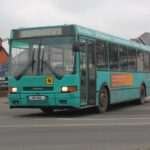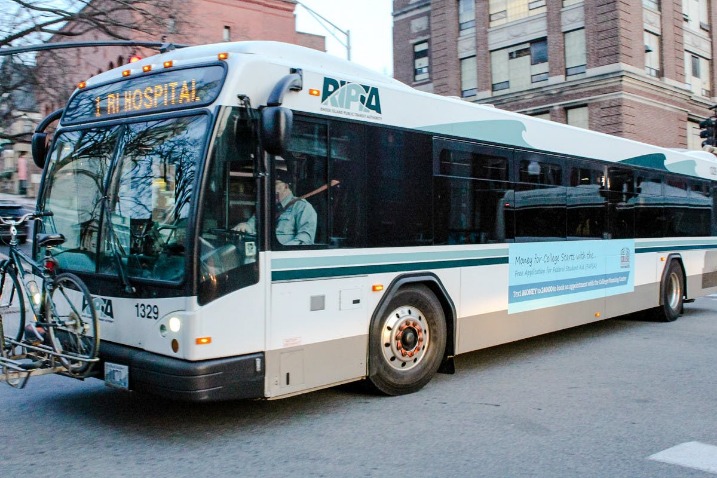

Overview of Bus Travel in Scotland
Scotland’s bus network offers a comprehensive way to explore both urban centers and remote landscapes, with city services in Glasgow, Edinburgh, Aberdeen, and Dundee and extensive rural routes across the Highlands and islands. Operators such as Stagecoach, Lothian, First, and BEAR connect major towns while regional and community services help reach coastal villages and scenic byways. Modern fares, contactless payments, smartcards, and day or multi-journey passes make planning trips easier, complemented by reliable timetables and clear interchange options that highlight Scotland’s traveller-friendly bus infrastructure.
Geography and Its Impact on Routes
Bus travel is a central part of Scotland’s transport network, providing access to major cities such as Glasgow, Edinburgh, Aberdeen, and Inverness, as well as countless towns and rural communities. Buses connect people to jobs, education, healthcare, and leisure, and work in tandem with trains and ferries to create a national mobility web. In Scotland, concessionary fares help older and disabled travelers use bus services, making public transport more accessible across urban and rural areas.
The geography of Scotland—from the rugged Highlands and glens to the islands off the Atlantic coast—shapes where and how buses run. Dense city corridors feed high-frequency city services, while arterial routes through mountains must contend with winding roads, single-track sections, and long distances. Island routes rely on ferries to complete the journey, and seasonal tourist demand can swell services along popular routes to Skye, Loch Lomond, and the Highlands.
Major operators provide the backbone of intercity and regional travel. Citylink links Glasgow, Edinburgh, Inverness, and other destinations with long-distance coaches; Stagecoach and Lothian Buses run extensive networks in the central belt and around the capital; local authorities contract numerous rural services that loop into market towns and villages. Integrated ticketing and timetable coordination are increasingly prioritized to simplify travel across operators.
Islands and coastal areas present unique challenges and opportunities. In the Highlands and Islands, bus services are often paired with ferry timetables, requiring careful planning around weather and seasonality. In island communities like the Inner and Outer Hebrides, Orkney, and Shetland, buses operate as essential links for residents, school routes, and healthcare trips, with limited frequency but reliable connections when ferries run.
Tourism heavily influences route planning. Scenic corridors to Loch Ness, Ben Nevis, Glencoe, Isle of Skye, and Loch Lomond attract seasonal surges in demand, prompting temporary increases in services or special coaches. Operators tailor timetables to leisure traffic while maintaining year‑round routes for residents and commuters alike.
Policy, planning, and funding shape how buses evolve. Scotland’s National Transport Strategy and the Bus Back Better programme encourage better reliability, wider access, faster journeys, and fare integration, supported by local authority partnerships and concessionary travel schemes. Funding is often tied to improving reliability, reducing emissions, and creating safer, more accessible bus corridors with priority measures and real‑time information.
Looking ahead, Scotland aims to modernize its bus fleet and cut carbon through low‑emission and zero‑emission buses, electric charging in depots, and cleaner urban zones. This shift goes hand in hand with digital apps for live timetable updates, smarter ticketing, and better interchange facilities, all designed to make bus travel easier for residents and visitors while protecting Scotland’s environment and rural communities.
Overall, the geography of Scotland shapes a bus system that blends dense urban networks with challenging rural and island routes, delivering essential connectivity across a landscape of mountains, coastlines, and far‑flung communities.
Types of Services: Local, Regional, and National
Bus travel is a cornerstone of Scotland’s transport system, linking cities, towns, and rural communities across the country. The network operates at three scales: local services that serve urban centres and nearby suburbs, regional routes that connect towns within a region, and national or long‑distance services that link Scotland’s major cities and beyond. The Scottish Government funds concessionary travel for older and disabled people, helping keep bus travel affordable, and many operators now offer contactless payments and digital tickets to make journeys smoother.
Local services provide the backbone of daily travel in towns and cities, with frequent daytime services, urban corridors, and connections to neighbourhoods and facilities. In Scotland these routes are operated by large regional groups and local companies; in Edinburgh and Glasgow, for example, dedicated city bus networks run high-frequency services. Fares typically include single and return tickets, day passes, and season tickets, with concessionary travel widely accepted. Real-time arrival information at stops and digital ticketing options help passengers plan trips.
Regional services link towns and communities across counties, often bridging gaps between rural areas and larger towns. They may connect with rail stations, offer park-and-ride links, and provide essential services for people who live outside city centres. Regional networks may be operated by the same companies that run local routes or by specialist regional operators, and they usually offer integrated ticketing or easy cross‑network fares to make travel simpler for regular regional users.
National or long-distance services move people quickly between Scotland’s cities and to popular destinations within and beyond the country. These routes are typically branded as express services and are run by national operators such as Scottish Citylink and Megabus, along with other major carriers. They connect Glasgow, Edinburgh, Aberdeen, Dundee, Inverness, and the Highlands and Islands, with some routes offering overnight journeys and cross‑border links to England. These services complement the rail network and provide alternatives for those who prefer road travel.
Tips for travellers include checking timetables in advance, using journey planning apps, and taking advantage of concessionary passes where eligible. Many services offer contactless payments or mobile tickets, and most stops provide real‑time information. By understanding the three levels—local, regional, and national—passengers can plan efficient travel across Scotland and connect with other modes of transport to reach their destinations.
Major Operators and Networks
In Scotland, major bus operators and networks shape how you travel between cities, towns, and rural areas. Stagecoach operates extensive urban and regional networks across Glasgow, Edinburgh, Dundee, and the surrounding districts, while Lothian Buses serves Edinburgh and the Lothians with high- frequency city services. For long-distance and intercity journeys, the Citylink network (a joint venture between Stagecoach and National Express) connects Glasgow, Edinburgh, Inverness, and other destinations, complemented by national coach brands like Megabus. Together, these operators and networks form a dense, flexible system that supports bus travel across Scotland’s cities, coast, and Highlands.
Stagecoach Scotland
Bus travel in Scotland is supported by a mix of major operators and networks that connect urban centers with rural communities, from Glasgow and Edinburgh to the Highlands.
Stagecoach Scotland is one of the largest operators in the country, part of the Stagecoach Group. In Scotland it runs extensive services across several regions, providing local commuter routes in cities and longer rural routes that link towns and villages.
Stagecoach Scotland networks include both urban and rural routes, with frequent daytime services that connect city centers to suburbs and outlying towns. The network often coordinates with rail services at key hubs to offer convenient multi‑modal travel options for residents and visitors alike.
The Citylink network offers intercity coach connections across Scotland, linking major cities such as Glasgow, Edinburgh, Aberdeen, Dundee and Inverness. These long-distance services provide higher-capacity, comfortable travel for longer journeys and sit alongside local bus networks to create a comprehensive travel system.
Beyond Stagecoach, other major operators shape Scotland’s urban networks. First Glasgow serves the Glasgow metropolitan area with extensive city services, while Lothian Buses operates in Edinburgh and the surrounding region, providing frequent local routes and strong city coverage.
Local operators in Aberdeen, Dundee, Inverness and the wider countryside complement these networks, ensuring connectivity across rural routes and smaller towns. Together, Stagecoach Scotland, First Glasgow, Lothian Buses and regional operators form the core of Scotland’s public bus system.
Ticketing and fares across these networks are increasingly digital, with mobile apps and contactless payments widely accepted. Many networks offer day passes or multi‑journey tickets, and intercity Citylink services provide options that cover longer trips between Scotland’s cities, often alongside rail connections for integrated travel.
For travelers exploring Scotland by bus, planning ahead is helpful. Check timetables, peak‑hour frequency, and any service changes, and use official apps or websites to compare routes across Stagecoach Scotland, Citylink and other operators. With a broad mix of operators and networks, bus travel in Scotland can be a convenient way to reach cities, scenery and communities across the country.
Scottish Citylink and Other Operators
Bus travel in Scotland is a mix of large national operators and smaller local firms, with strong urban networks around cities and a robust intercity coach network. This article covers the major operators and networks, the Scottish Citylink intercity coach network, and other notable operators that keep Scotland connected by road.
Major Operators and Networks: The Stagecoach Group is a dominant force in Scottish bus networks, operating several regional brands such as Stagecoach West Scotland, Stagecoach East Scotland, and Stagecoach Highlands. These networks run frequent urban routes in cities like Glasgow, Edinburgh, Aberdeen, Dundee, and Inverness, as well as extensive rural services that link towns and villages across the country. Lothian Buses is the primary operator within Edinburgh and surrounding areas, renowned for a dense urban network and reliable daytime and night services. First Glasgow, part of the FirstGroup family, operates a large Glasgow-area network and serves adjacent towns, providing frequent services and integration with other operators’ networks.
Scottish Citylink and intercity coaches: Scottish Citylink is the principal intercity coach network in Scotland, offering routes that connect the major cities and regional hubs. The brand operates high-frequency services between Glasgow and Edinburgh, as well as routes linking Edinburgh and Aberdeen, Glasgow and Aberdeen, and journeys to Inverness, Fort William, Perth, and beyond. Scottish Citylink services are typically operated in partnership with the parent operators (including Stagecoach) and use a distinctive livery. The network provides convenient travel for longer trips with on-board facilities and multiple daily departures, complementing the more frequent local bus services.
Other Operators: In addition to the big names, Scotland hosts a number of independent and regional operators that serve rural routes and local corridors. Megabus, the long-distance coach arm of Stagecoach, offers low-cost intercity services across the United Kingdom, including Scotland, linking major urban centers with affordable fares. National Express also runs longer-distance coach routes that connect Scottish cities with towns outside Scotland, providing an alternative to train travel. Regional operators such as McGill’s Bus Services (noting its prominence in the west of Scotland and across key towns) contribute to local networks with frequent town-to-town services and cross-boundary links. These operators work alongside the Citylink network to provide a comprehensive bus system across Scotland.
Tickets, tickets and planning: For planning trips, check timetable information on operator websites or the Citylink site. Many services support contactless payments, smartcards, and mobile apps for real-time updates and fare purchasing. Concessionary passes for seniors and eligible travelers are generally accepted on most services, with some variations by operator and route. When traveling between regions, consider booking in advance for longer journeys or busy periods to secure seats and best fares.
Whether you’re commuting within a city, making regional links, or travelling coast to coast for a scenic Highland trip, Scotland’s bus network offers a broad range of options through Major Operators and Networks, Scottish Citylink, and a spectrum of Other Operators.
Ticketing Systems Across Operators
Bus travel in Scotland combines extensive urban networks with robust intercity connections, supported by major operators and cross-operator ticketing options that help travellers move efficiently between cities such as Glasgow, Edinburgh, Aberdeen and Inverness.
Major operators and networks include Stagecoach, which runs large urban routes in Glasgow and the surrounding areas as well as longer intercity services; Lothian Buses, the primary operator within Edinburgh with a dense local network; and the Scottish Citylink network, a joint venture between Stagecoach and National Express that coordinates intercity coach services across the country. Megabus, the National Express long-distance coach brand, links Scotland’s main cities with affordable fares.
Scottish Citylink routes include popular corridors like Glasgow–Edinburgh and longer runs linking Inverness, Aberdeen and Edinburgh. The Citylink arrangement allows a single ticket to cover eligible Citylink services run by partner operators, with day-return and multiple-journey options that simplify travel for regional trips.
Ticketing across operators is strongest on intercity routes through Citylink, while urban travel often relies on operator-specific tickets or regional passes. In places with the right collaboration, customers can transfer between operators on one ticket or a shared ticket that works across multiple services.
Scotland also runs a National Entitlement Card scheme that provides free or discounted travel on local buses for eligible older and disabled travellers, enabling cross-operator journeys across the network.
Payment methods are modernising; contactless card and mobile payments are accepted widely on major operators, and many offer digital tickets or m-tickets through apps. Stagecoach and Lothian Buses have mobile and contactless options, while Megabus and Citylink offer online and mobile ticketing for long-distance routes.
Looking forward, Scottish authorities promote integrated ticketing and Bus Service Improvement Plans to improve cross-operator journeys, with emphasis on digital ticketing, real-time information and better transfers between operators across the network.
Tickets, Fares, and Passes
In Scotland, bus travel is supported by a simple mix of tickets, fares, and passes that help you get around quickly and affordably. You’ll find options from single and return tickets to day, week, and multi-journey passes, with capped fares that prevent overspending on busy routes. Many operators offer contactless, mobile payments, or apps for easy purchase, while regional passes and season tickets let you travel across cities or broader areas for a set period. Whether you’re planning a short city visit or a longer Scottish itinerary, understanding the ticket options helps you get the best value on your bus journeys.
Pay-As-You-Go Options and Contactless Payments
Bus travel in Scotland offers a range of tickets, fares, and payment options designed for both locals and visitors. Whether you’re hopping between cities or exploring rural routes, here is a quick guide to Tickets, Fares, and Passes, Pay-As-You-Go options, and Contactless Payments.
- Tickets, Fares, and Passes: You can usually buy single journey tickets, day passes, and longer-term passes from major operators in Scotland, such as those serving Edinburgh, Glasgow, and regional networks. Tickets may be purchased onboard from the driver, at bus stations, or through operator apps and websites. Some areas offer network day passes or regional passes that cover multiple operators within a city or region. Check the latest options and where to buy before you travel, and keep in mind that ticket validity can vary by operator and route.
- Pay-As-You-Go Options: Pay-As-You-Go (PAYG) lets you pay for each journey as you travel, often using a smartcard or contactless payment method. With PAYG, you can board without buying a separate ticket, and fares are charged to your payment method when you tap in or pay onboard. PAYG may also support combining trips across a network without buying multiple tickets, and some areas offer caps for daily or weekly spend.
- Contactless Payments: Many buses across Scotland accept contactless debit or credit cards and mobile wallets such as Apple Pay and Google Pay. To pay, simply tap the reader on boarding; the fare is charged to your card or wallet. This is convenient for one-off trips and reduces the need to carry cash. If a bus doesn’t support contactless, an alternative payment method will be available from the driver or via the operator’s app. Always check the signs on the bus or the operator’s site for the latest payment options.
Day, Multi-Day, and Season Passes
Bus travel in Scotland offers a range of tickets, fares and passes to suit visitors and locals alike. This guide covers Day, Multi-Day, and Season Passes and explains how Tickets, Fares and Passes work for Scotland’s buses.
- Tickets, fares and passes: What you buy and how you use it. You can pay for single journeys with cash or contactless on most services, or use a day, multi-day or season pass for unlimited travel in a defined period. Fares and pass options vary by region and operator, so check the network you’re using (for example Edinburgh and Lothian, Glasgow, or Aberdeen areas).
- Day passes: A day pass gives unlimited travel within a defined area for one day. These are useful for sightseeing or a day trip and can typically be bought on the bus, at ticket offices or via operator apps. Prices vary by city and network.
- Multi-day passes: Multi-day options cover two or more consecutive days, such as two, three or seven days. They are a good value for short breaks or festival weekends, and you can usually buy them on the bus, at a ticket office, or in the operator app. Check whether they cover multiple operators in a region.
- Season passes: Season passes, such as monthly or annual passes, provide unlimited travel within a network for the chosen period. These are popular with commuters and students and can be issued on smart cards or through mobile apps, often with discounts for advance purchase or direct debit plans.
- Concessionary travel and regional schemes: Scotland operates a National Entitlement Card scheme that grants free or discounted bus travel for eligible older and disabled residents across many services. Some regions also offer additional concessions for students, job seekers, or carers. Always carry your NEC if you are eligible.
Discounts for Students, Seniors, and Groups
Bus travel in Scotland offers a range of tickets, fares, and passes designed to fit different journeys, from quick hops in city centres to longer trips across the country.
Ticket types and fares include single tickets for one ride, return tickets for two trips, day passes, and longer-term options such as weekly or monthly passes. Most Scottish operators now accept contactless payment with bank cards and mobile wallets, and many offer apps to buy, store, and display digital tickets.
Passes and season tickets provide unlimited or discounted travel within a set period. Options often include anytime passes valid on all buses and off-peak versions that are cheaper for travel outside busy times. Check whether your pass covers your whole region or just local networks.
Discounts for Students: Students can usually access reduced fares with a valid student ID or the Young Scot National Entitlement Card. Some operators offer student-specific season tickets or capped daily spend. Always verify the discount with your operator and carry your card when you travel.
Discounts for Seniors: The National Entitlement Card provides free or discounted travel for eligible older people and people with certain disabilities on local buses across Scotland, typically for off-peak travel. Some operators may also offer reduced fare cards or special senior passes.
Discounts for Groups: Group tickets or group fares are often available for schools, clubs, or families traveling together. Discounts typically apply to groups of several people and may require booking in advance or purchasing a group pass from the operator or a ticket office.
Where to buy and how to use: Tickets and passes can be bought on board, at ticket machines, from operator apps or websites, or at local travel shops. The best option is often a contactless payment method or a digital ticket in an app, which can be scanned or shown on your phone.
Tips for planning trips in Scotland: Check regional networks (such as Lothian, Glasgow, and other Stagecoach or city networks) for any regional passes, compare prices, and watch for seasonal offers. If you qualify for concessions, carry the necessary ID and verify terms with the operator before travel.
Timetables and Planning Your Journey
Timetables and planning your journey are essential when traveling by bus in Scotland. By checking up-to-date schedules, marking transfer points, and plotting your route from cities to the Highlands, you can enjoy smoother connections, save time, and discover Scotland’s landscapes on reliable bus services.
Where to Find Timetables and Real-Time Updates
Timetables and planning your journey are essential skills for bus travel in Scotland. By checking timetables and understanding typical journey times, you can choose the right service and minimise waiting times.
Where to find timetables: operator websites such as Stagecoach, Lothian Buses and other local bus firms publish current timetables and frequency. National journey planners like Traveline Scotland bring together timetables from many operators, so you can plan a route across different towns and cities in one place. You can also use operator apps for the latest timetable cards and updates.
Real-time updates: real time information lets you see live bus locations, expected arrival times, and any delays. This information is often available at bus stops with display boards, inside operator apps, or via the Traveline live information service. In Scotland, many services now offer live times that reflect roadworks, diversions, and weather impacts.
Planning your journey: start by entering your departure point, destination, and desired time. Compare options by travel time, number of changes, and total journey duration. Consider travelling a little earlier or later to avoid peak times, and always allow a buffer for connections. Check for disruptions on the day of travel and have an alternative route in mind.
Tips for different journeys: for city trips, Local operators like Lothian Buses around Edinburgh or Stagecoach in Glasgow provide frequent services. For longer trips across regions, look at intercity services such as Citylink where available, and use the journey planner to stitch together multiple operators. If you are travelling with luggage or mobility needs, check accessibility information in the timetable and real-time updates.
By using timetables and real-time updates, you can plan efficient, reliable journeys around Scotland and enjoy the varied scenery of Scottish towns and landscapes while travelling by bus.
Interchanges with Rail and Airports
Timetables and planning your journey are essential when you are exploring bus travel in Scotland. Whether you are heading between cities, touring rural routes, or coordinating connections with rail and the airports, up-to-date timetables help you travel smoothly and avoid waiting times.
Timetables in Scotland are published by bus operators and by national planning services. You can view current timetables online, pick up printed copies at major bus stations, or use journey planners that combine bus, rail and air options. In Scotland, real-time updates and Sunday or holiday timetables are especially important, as some services run to a reduced frequency or with substitutions on Sundays.
When planning a journey, start with your origin and destination, then check the main interchange points where you can switch to rail or air services. Look at the frequency of services and the typical transfer times at the interchange. If you need to connect to a flight, leave extra time for security checks and possible delays. If you are travelling with luggage or mobility needs, choose routes with direct services or accessible bus stops and stations.
Interchanges with rail make bus travel in Scotland efficient. In Edinburgh, bus services connect with two rail hubs at Edinburgh Waverley and Haymarket, letting you combine long-distance bus routes with trains for further travel. In Glasgow, Buchanan Bus Station provides connections to services heading toward Glasgow Central and Glasgow Queen Street as well as regional lines. Aberdeen and the north coast rely on the Aberdeen Bus Station for easy access to the North East rail network, while Inverness, Perth and Dundee offer coordinated bus-rail options at their city stations. These interchanges help you extend your journey beyond the bus network and reach smaller towns and attractions.
Interchanges with airports enable Scottish travel to and from the air network. Edinburgh Airport is connected by city buses and expresses that link the city centre with the terminal, making it simple to start or finish a journey by bus. Glasgow Airport is served by direct bus routes from central Glasgow and other towns, providing a straightforward link to flight departures. Aberdeen, Inverness and other regional airports also have regular bus links to nearby towns and railway stations, so you can plan a multi-modal trip that uses rail, bus and air in one itinerary.
Practical tips to optimise timetable planning include checking for updated timetable notes before you travel, using reliable journey planners such as Traveline Scotland or Transport for Scotland, and booking long-distance itineraries in advance when possible. If you have flexible travel times, you can often save money by choosing off-peak services or combined rail/bus tickets. Always allow a little extra time for interchanges, especially in busy towns, during events, or when there are roadworks affecting bus routes.
Useful resources for timetable planning and interchanges in Scotland include operator websites for Citylink, Megabus and local bus services, as well as national planning tools that bring together rail, bus and air options. Traveline Scotland and the Transport for Scotland journey planner let you plan journeys across different modes, view live service updates, and export itineraries to your phone or printed plan. With a clear timetable and a good plan for interchanges, bus travel in Scotland can be a convenient and scenic way to explore the country.
Planning for Peak Times and Rural Services
Bus travel in Scotland links cities, towns and rural communities through a wide network. Timetables tell you when buses run, how often they come and how long journeys take, helping you plan from door to door.
Reading timetables: Each timetable lists the first and last buses of the day, typical journey times, and frequency. On longer routes you may see diagrams showing when you’ll reach each stop. Always check the latest version online because changes can happen due to road works or events.
Planning for peak times: In cities and larger towns, weekday mornings and early evenings are the busiest. If you travel at these times, allow extra time, expect possible delays and have a backup plan. Where possible, travelling off-peak can be nicer, with fewer crowds and improved reliability.
Rural services: Scotland’s rural areas are served by a mix of regular routes and demand-responsive buses. In countryside towns and remote communities, services may run only a few times a day or have limited weekend timetables. Plan well in advance, check the latest timetables, and consider alternative connections such as rail services for longer trips.
Planning tools and tips: Use Traveline Scotland, the Transport for Scotland site, or operator websites to plan journeys and view real-time updates. Many buses now offer live tracking in apps, so you can see when your bus is due. Have a backup plan for connections, carry a small amount of change or use contactless where available, and check for any engineering works or road closures.
Conclusion: With careful planning and up-to-date timetables, travelling by bus in Scotland can be straightforward, even when visiting rural areas.
Popular Routes and Scenic Journeys
Popular Routes and Scenic Journeys in bus travel Scotland showcase the easiest way to see the country by road. From the busy links between Glasgow and Edinburgh to the dramatic Highland coastlines and island ferries, these routes pair dependable services with landscapes that change with every mile. Whether you ride a coastal service to Oban, explore the West Highlands, or trace the North Coast from Aberdeen to Ullapool, Scotland’s scenery unfolds at every stop.
City-to-City Links: Edinburgh, Glasgow, Aberdeen, Dundee
Bus travel in Scotland connects its major cities with a mix of frequent fast links and slower scenic journeys, weaving together Edinburgh, Glasgow, Aberdeen, and Dundee into a practical and picturesque network.
Edinburgh to Glasgow forms the backbone of intercity bus travel. With frequent departures throughout the day, express services can cut the journey to under an hour, while standard services may take a touch longer but offer more local stops. The route sweeps from Edinburgh’s historic streets into the lowland belt, crossing the approaches to the Firth of Forth and treating passengers to views of green fields, river valleys, and distant hills as you near Glasgow’s urban silhouette.
Glasgow to Edinburgh mirrors the city link in the opposite direction, drawing travellers from Scotland’s largest city toward the nation’s capital. Expect similar frequency and journey times, and the same chance to enjoy coastal glimpses and countryside along the way. This corridor serves commuters, students, and visitors alike, making it a steady and dependable thread in Scotland’s bus map.
Edinburgh to Aberdeen is a longer northbound run, typically taking around 2.5 to 3 hours by coach. The route climbs from the east side of the Lothians into the Firth of Forth coastal zone, moves through the agricultural heartlands of Perthshire and Angus, and then heads toward Aberdeenshire’s granite towns. Scenic highlights include coastal panoramas near the Firth of Forth and, further north, wide farmland views, the North Sea horizon, and the rugged Aberdeenshire coast near Stonehaven and Dunnottar Castle on clear days.
Aberdeen to Edinburgh offers the same north-east arc in reverse, taking travellers from northeast Scotland back toward the capital. The journey often follows a coastal corridor along the A90, passing through seaside towns and rolling farmland, with occasional chances to spot seabirds, castles, and the distant hills of the Grampians. Journey times are similar to the Edinburgh-to-Aberdeen direction, and seat options can vary by operator.
Glasgow to Dundee represents a mid-length east-coast link across Scotland’s central belt. This route typically takes around one and a half hours by intercity coach, with a mix of express services and slower, more direct options that call at towns along the way. The scenery shifts from Glasgow’s riverfront to flatter agricultural lands and then to the north-east coast near Dundee, offering occasional glimpses of the Angus countryside and blue North Sea skies on good days.
Edinburgh to Dundee is another frequent central-belt crossing, usually around 1 hour 15 minutes to 1 hour 45 minutes depending on stops. The journey edges along the Firth of Forth and cuts through eastern Scotland’s heartland, delivering views of farmland, historic towns, and, when the weather cooperates, sea breezes along the Angus coast as you approach Dundee.
For a longer north-east connection, Dundee to Aberdeen links two key cities with a scenic route through the Grampian countryside, Montrose coastal towns, and the edge of eastern Scotland’s rugged coastline. Typical coach times range from about 1.5 to 2.5 hours depending on traffic and the number of stops, with services ranging from standard to more comfortable options that offer extra legroom.
Across these city-to-city links, travellers can choose routes that blend efficient travel with moments of scenery. Look out for coastal views near the Firth of Forth, rugged North-East coastlines, and glimpses of the Angus countryside as you move between Edinburgh, Glasgow, Aberdeen, and Dundee. Booking in advance, checking operator timetables, and selecting services with longer dwell times in towns can turn a routine trip into a pleasant Scotland road journey.
Highland and Coastal Scenic Routes
Bus travel Scotland opens up some of the most dramatic landscapes in Europe, from rugged highland passes to sweeping coastal panoramas. Here we highlight popular routes and scenic journeys that showcase the best of the Highlands and the coast for day trips, weekend breaks, or longer adventures by bus.
Popular routes connect Scotland’s major cities and regional hubs with frequent services and comfortable coaches. The Edinburgh–Glasgow corridor runs like clockwork, while northbound links to Aberdeen and Inverness are well used by locals and visitors alike. These core routes form the backbone of the network, making it easy to hop between cities to start your scenic journey.
Popular Highland and inland scenic journeys often follow the A9 north from Edinburgh toward Inverness, weaving through Perth, Dunkeld, Pitlochry and Aviemore. The route climbs into the Cairngorms and drops you onto the edge of rugged moorland and pine forests, offering opportunities to stop for woodland walks, whisky stops near Pitlochry, or a snowy backdrop in winter.
West Highland and loch-side vistas are the centerpiece of another classic bus journey. The route from Glasgow or Edinburgh toward Fort William travels through Loch Lomond’s glacial valleys and the dramatic landscapes of Glencoe, with the option to continue to Oban or Mallaig for a coastal loop. These buses let you enjoy mountain and sea views in a single crossing, with plenty of photo stops along the way.
Coastal scenic routes showcase Scotland’s sea-swept fringe. West coast itineraries run along lochs and islands, from Oban and Fort William toward Mallaig, threading past ferry ports and sea cliffs. If you head north, coastal sections around the Moray Firth and beyond reveal panoramic seascapes, sandy beaches and wildlife around towns like Nairn, Forres and the Cromarty area.
Tips for a memorable journey include checking timetables ahead of time, choosing a window seat for the best views, and allowing time for short coastal or hillside detours. Pack a waterproof layer, charge your devices, and consider day passes or rover tickets if you plan multiple trips in a region. Many operators offer onboard Wi‑Fi and power outlets on longer services, helping you relax while the scenery does the talking.
Whether you want a fast city hop or a slow, scenic cruise through mountains and coastlines, Scotland’s bus network helps you experience the Highlands and coast in a comfortable, sustainable way. Pop on a bus, lean back, and let the landscape unfold as you travel from city to castle, loch to lighthouse, and back again.
Islands and Remote Areas: Orkney, Shetland, Inner and Outer Hebrides
Scotland’s bus network opens up the coastlines, remote islands and rugged landscapes in a way that trains alone often cannot. From popular mainland routes to scenic journeys along lochs and glens, bus travel offers an affordable, relaxed way to explore the country. For those looking to reach Orkney, Shetland and the Inner and Outer Hebrides, buses work with ferries to create multi‑island itineraries that reveal a different Scotland every day.
On the mainland, core routes link Edinburgh, Glasgow and the northern cities with the Highlands and the West Coast. These daytime services thread past lochs, mountains and coastal towns, delivering quick hops between historic sites and natural beauty. For a longer break, combine a mainland journey with a ferry trip to one of Scotland’s islands to extend the adventure without renting a car.
Orkney is connected to the mainland by regular ferries where you transfer to local bus services that link Kirkwall, Stromness and nearby villages. From these hubs you can reach archaeological sites such as the Ring of Brodgar, Skara Brae and Maeshowe, and you’ll find a practical timetable that reflects the seasonal visitor pattern. Expect milder winter services but with plentiful summer options, and plan ahead to match ferries and buses.
Shetland’s buses connect Lerwick with Scalloway and a network across the main islands of Mainland and Yell. Timetables are patterned around ferries, so connections to and from the islands’ outer areas require a little extra planning. Highlights such as the coastline, jetties and Viking-era heritage are reachable via a day trip or a multi-stop itinerary with time built in for ferries.
In the Inner Hebrides, Oban sits as the principal gateway to Mull, Iona, Colonsay and other islands. From Oban (and nearby ports) you’ll find ferry links that put you on Mull to visit Craignure, Tobermory and Duart Castle, and on Skye to explore Portree, Dunvegan and the Cuillin coast. Buses on the islands connect main towns with ferries and sights, but stay flexible as weather and sailing times can affect schedules.
Across the Outer Hebrides, buses connect Stornoway, Tarbert, Lochmaddy, Leverburgh and other communities. Ferries from Uig on Skye, from Oban or from the mainland open up island-hopping opportunities, while island routes link beaches, standing stones, croft villages and contrast-rich landscapes. Plan ahead to align bus and ferry times, and allow extra time for possible delays.
Planning tips for trips that combine buses and ferries: check timetables in advance, consider travel passes or combined tickets, and book ahead for peak season or island ferries. Bring weather-appropriate clothing, a charged mobile for live updates, and patience for the slower pace that makes Scottish island trips special. If you’re new to bus travel in Scotland, start with a shorter island hop and build up to longer multi‑island itineraries.
Whether you’re exploring Orkney’s ancient heartlands, Shetland’s remote shores, or the dramatic beaches and crofts of the Hebrides, bus travel in Scotland offers a way to see more with less stress. With careful planning and an appetite for scenic views, you can experience a rich tapestry of landscapes, cultures and histories—one bus ride at a time.
Rural and Remote Bus Services
Rural and remote bus services in Scotland provide a vital lifeline, linking dispersed communities, farms and tourist destinations with towns, rail hubs and essential services. Operators face long distances, challenging weather and fluctuating demand, while flexible timetables, community transport schemes and responsive services help keep people mobile across the country. This introduction outlines how bus travel in Scotland supports everyday life and tourism in its more remote regions.
Community Transport and Demand-Responsive Services
Rural and Remote Bus Services, Community Transport and Demand-Responsive Services in Scotland are essential components of the country’s mobility landscape, shaping how people in dispersed communities travel for work, healthcare, education, and social activities.
Rural and remote bus services in Scotland face unique challenges: low population density, long travel distances, seasonal demand, and weather conditions. Fixed-route buses may struggle to remain financially viable, leading to gaps in coverage. Yet these services are vital for residents without cars or access to essential services.
Community transport refers to non-profit schemes run by charities, social enterprises, and voluntary groups that offer dial-a-ride, door-to-door or group transport tailored to local needs. In Scotland, community transport often fills holes left by commercial bus services, offering affordable, accessible options for older people, people with disabilities, and those living in sparsely populated areas.
Demand-responsive transport (DRT) is a flexible form of bus service that adapts to demand rather than following a fixed timetable. Passengers book a ride in advance or via an app, and vehicles are routed to serve several passengers along the most efficient path. DRT can operate as a complement to fixed routes, improve coverage on evenings and weekends, and reduce private car reliance.
Key benefits of combining these approaches include improved accessibility, social inclusion, and more efficient use of vehicles. Technology, data sharing, and partnerships between local authorities, bus operators, and community groups enable better scheduling, real-time information, and smoother connections with rail or ferry services. Community transport can also provide volunteer or subsidized options that keep transport costs manageable for low-income households.
Challenges remain, including funding uncertainties, driver recruitment and retention, vehicle procurement costs, and the need to meet accessibility standards. In remote areas, winter weather can disrupt services and maintenance costs can be higher due to long rural routes. Policy makers are looking to integrate rural transport with land-use planning, healthcare networks, and digital inclusion strategies to ensure sustainable and resilient mobility.
For travellers in Scotland, planning tools, journey planners, and local information are essential. Riders may use community transport timetables, call-ahead services, or demand-responsive apps to arrange trips. A practical approach is to combine bus travel with trains, ferries, or park-and-ride schemes where available, while remaining aware of booking windows and eligibility criteria for certain schemes.
In summary, Rural and Remote Bus Services, Community Transport and Demand-Responsive Services together form a flexible mobility ecosystem that supports rural communities across Scotland, enabling access, independence and resilience in the face of changing transport needs.
Challenges and Solutions in Rural Areas
Rural and remote bus services in Scotland form a vital lifeline for communities across the Highlands, Islands, and scattered rural settlements. In many parts of Scotland, bus travel is the primary link to work, education, healthcare, and essential services, helping to sustain local economies and reduce isolation. The geography of Scotland—with its rugged mountains, coastal peninsulas, and many islands—presents unique challenges for regular, reliable bus services yet also offers opportunities to devise creative, community-focused solutions that can be models for other rural regions.
Rural and remote areas face enduring challenges: low population density means high costs per passenger and fragile revenue; demand can be volatile with tourist seasons; harsh weather and long, winding routes complicate reliability and safety; and many communities experience gaps in night and Sunday services. Shortages of trained drivers, retention issues, and the costs of maintaining a dispersed fleet increase operating pressures. Fragmented fare structures, limited real-time information in remote locations, and integration gaps between bus services, rail, and ferry links hinder convenient travel. In islands and remote glens, the cost of serving a few passengers on long-distance routes is spelled out in every timetable.
The Scottish Government has recognised these issues and placed rural mobility at the heart of policy through initiatives such as the National Bus Strategy for Scotland, which aims to simplify fares, improve reliability, and deliver better information and ticketing across rural areas. Local Regional Transport Partnerships and councils manage funding and contracts, often blending subsidies with operator revenue guarantees to sustain essential services. The result is a mix of contracted connections, community and demand-responsive services, and collaboration with rail and ferry operators to create more integrated transport options.
Solutions that have shown promise in Scotland include investment in demand-responsive transport schemes that can flex to population and tourism demand, particularly in evenings and weekends. Community transport schemes—volunteer or not-for-profit services supported by local authorities and operators—can bridge gaps where fixed routes are not viable. Flexible timetables, multi-operator ticketing, and reduced fare barriers help boost usage. Real-time information and mobile ticketing improve reliability and convenience in sparsely served areas. A stronger emphasis on multi-modal integration—coordinating bus with rail and ferry timetables—makes longer journeys more seamless and supports access to jobs and education.
The adoption of low-emission buses, improved maintenance regimes, and driver training are part of the transition to more sustainable rural mobility. Digital tools such as route planning software, passenger apps, and predictive analytics can optimise schedules to match demand while keeping costs in check. Investment in charging infrastructure or alternative fuels supports a greener rural bus fleet and aligns with Scotland’s climate and air quality ambitions.
Community involvement is crucial. Local groups, CICs, and volunteer-run services can preserve lifeline routes when commercial operators withdraw. By co-designing services with residents, councils can tailor timetables to school hours, healthcare appointments, and seasonal work patterns, ensuring buses serve real needs rather than just volumes. Strong local partnerships with health boards, schools, and employers help align services with community priorities.
Looking ahead, Scotland’s rural mobility strategy relies on stable funding, flexible delivery models, and smarter integration across transport modes. If implemented consistently, rural and remote bus services can become more reliable, accessible, and affordable, supporting thriving rural communities and sustainable tourism within Scotland’s distinctive landscapes.
Accessibility, Safety, and Comfort
Bus travel in Scotland aims to be accessible, safe, and comfortable for all travelers. Modern buses often have low floors, ramps or kneeling steps, and spaces for wheelchairs, plus clear audio and visual information and helpful staff. Safety is supported by well‑maintained vehicles and reliable routes, while comfortable seating and climate control make journeys pleasant whether you’re commuting in Glasgow or exploring the Highlands.
Accessibility Features Across Buses
Accessibility, safety, and comfort are guiding principles for bus travel in Scotland, aiming to make journeys easier for everyone from wheelchair users to families with children and older passengers.
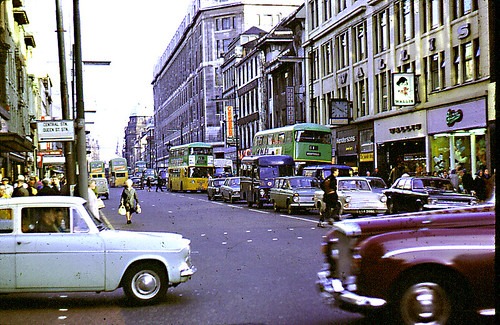
- Low-floor entry with wide doors and ramp or kneeling suspension to provide step-free access for wheelchair users and passengers with strollers.
- Dedicated wheelchair spaces with securement straps and clearly marked priority seating to keep passengers safe and comfortable.
- Audible and visual stop announcements along with inside route maps and real-time information displays to support travellers with vision or hearing impairments.
- Clear interior design with high-contrast handrails, non-slip flooring, adequate lighting, and accessible seating arrangements to aid navigation and stability.
- Onboard safety systems such as CCTV, emergency intercoms, and alarm points to enhance security for all on board.
- Accessible ticketing and customer assistance including staff help, contactless payments, and easy to use ticket machines to reduce barriers to travel.
- Securement features and well-placed grab handles to support balance during movement and at stops.
- Regular driver and staff training on disability awareness, safe boarding procedures, and passenger assistance protocols across operators in Scotland.
- Comfort enhancements such as climate control, smoother suspension, quiet interiors, and where available USB charging to improve long or frequent trips.
- Step-free interchanges with other modes of transport like trains and ferries, aiding integrated travel across Scotland.
These measures reflect a commitment to inclusive transport that prioritizes accessibility, safety, and comfort for all passengers while travelling around Scotland.
Onboard Comfort, Luggage, and Safety Tips
Bus travel in Scotland offers a practical way to explore cities from Edinburgh and Glasgow to the Highlands, with growing emphasis on accessibility, safety, and passenger comfort across urban routes and rural services.
Accessibility: Scotland’s bus networks include low‑floor buses, ramp access, and space for wheelchairs or mobility scooters on many routes. Priority seating is clearly marked, and most operators provide audio and visual stop announcements to help all travelers. If you need extra help, you can usually pre‑book assistance at main hubs or contact the operator to arrange a supported journey.
Onboard safety and comfort: Vehicles are regularly maintained and drivers are trained in passenger safety. When you travel, sit in designated seats, keep the aisle clear, and hold the handrail when boarding or alighting. Many intercity coaches offer climate control to keep the cabin comfortable, and some provide USB charging ports and onboard Wi‑Fi, with longer trips sometimes including onboard toilets.
Luggage: Baggage rules vary by operator. A typical Scottish bus or coach allows you to bring a reasonable amount of luggage that can be stored in underfloor compartments on coaches or on overhead racks or behind seats on some buses. Large suitcases should be kept to the storage area, with heavy items secured. If you travel with mobility equipment such as a wheelchair or scooter, check with the operator about space and access for storing it safely. Some operators may require advance notice for bulky items or mobility devices.
Safety tips: Plan ahead by checking live timetables and stop information, arrive early, and allow extra time to board safely. Stand back from the curb while waiting for the bus, board in a controlled manner, and hold the handrail. Keep belongings with you and never leave valuables unattended. If you need special assistance, alert the driver or station staff, especially on routes you are not familiar with. In winter, dress warmly and be mindful of icy stops and doors. If traveling with children or mobility devices, bring appropriate provisions and ensure support is available during the trip.
Whether you are a daily commuter or a traveler exploring Scotland’s scenery, understanding accessibility features, prioritizing safety, and enjoying onboard comfort can make bus travel smoother and more enjoyable for everyone.
Luggage, Bicycles, and Boarding Tips
Traveling by bus in Scotland? This short intro covers smart luggage planning, how to transport bicycles on board, and practical boarding tips to keep your journey smooth from city routes to the Highlands.
Luggage Policies and Storage
Bus travel in Scotland can be a convenient way to explore cities and the countryside, but knowing how to handle luggage, bicycles, and boarding helps you move smoothly from stop to scenery.
Luggage allowances and storage vary by operator, so always check your ticket terms. In general, most Scottish bus services allow one large suitcase plus a small bag per passenger. There is usually a separate luggage hold under the coach or at the rear of the bus for larger items. Sports equipment and extra bags may incur a small fee or count as excess luggage, so if you’re traveling with golf clubs, skis, or similar gear, plan to contact the operator before travel.
On most day buses, you can store luggage in a dedicated luggage hold or at the rear of the vehicle, and smaller bags can go in overhead racks or under seats. Allow space for your items, and keep valuables with you rather than in the luggage. When using under-seat or overhead storage, ensure luggage is secure and does not block aisles or exits.
Bicycles and bikes are not universally carried on all buses. If you plan to bring a bicycle on a Scotland bus route, check with the operator in advance. Some long‑distance coach services and specialist operators will accept bicycles if booked and restrained in a dedicated rack or cargo space; folding bikes are more commonly accepted. You may need to dismantle or remove pedals, deflate tires, or use a bike bag. Always label and secure your bike and be prepared to give up space if other passengers require it.
Board early to secure space for luggage and any bikes, and check the timetable for planned delays in rural Scotland. Have your ticket ready, including any seat reservations, and position your luggage where the driver can see it. Arrive at the stop a few minutes before departure, and use the designated entrance for the bus to avoid holding up other passengers. If you’re transferring, keep transfer times in mind and know where to alight to minimize backtracking.
In winter or on mountainous routes, pack compactly and consider weather‑protective covers for bags. Scotland’s bus stations can be busy, so label bags with contact details and a phone number. If you’re uncertain about luggage size or special items, call the operator or check their website before travel to avoid last‑minute issues.
Quick checklist: confirm luggage allowance, pack one carry‑on and one large bag, arrange bikes or folding bikes in advance, label bags, arrive early, keep valuables with you, and know your pickup point and timetable.
Bike Racks and Cycle-Friendly Services
Travel by bus across Scotland offers scenic routes between cities like Edinburgh, Glasgow, Aberdeen, and out into the Highlands. When planning a journey, consider how luggage, bicycles, and boarding will work, and you will find that buses can be a flexible way to explore the country while staying cycle-friendly.
Luggage on Scottish buses is typically stored in underfloor compartments or taller luggage bays. Most operators allow at least one large bag and a small bag or suitcase per passenger, with size and weight limits varying by service. Avoid oversized items that block aisles or doors, and keep valuables with you on the seat if allowed. Label bags with your contact details in case they get misplaced.
For bicycles, many services offer a front-mounted cycle rack that can accept up to two bicycles. Not all buses have bike racks, and some long-distance coaches do not carry cycles. Always check the operator’s policy before you travel, and be prepared to fold or tow your bike if needed for certain services.
Preparing your bike for the rack helps the process go smoothly. Remove any loose items from the bike, keep bags out of the way, and be mindful of other passengers. If you use panniers or a frame bag, keep them secure or remove them if the rack requires bike frame clearance. Some racks require you to remove the front wheel; others fit the bike upright with the wheel in a slot, so follow the rack’s instructions and request assistance from the driver if needed.
Boarding with luggage or a bike is easiest when you arrive a few minutes early and pass your travel details to the driver at the front door. If you have a bike, tell the driver you need to use the cycle rack and wait for their guidance. Hold your bags securely, stay clear of the doors when the rack is in use, and unload promptly upon arrival at your stop so the next passenger can disembark.
Bike racks on buses are typically located at the front of the vehicle. They are designed to carry two bicycles and have straps to secure frames and wheels. Before loading, check the rack is empty, fold or tilt the rack as required, place your bike in the available slot, and fasten the straps. If your bike won’t fit, do not force it—ask the driver about alternative options or another service in case there is limited availability on that trip.
Folding bikes are often treated as luggage and may be carried on board if they fit within the size limits. If you rely on a folding bike, confirm with the operator whether you can bring it on board during peak times or book a space in advance where this is possible.
Scotland has several cycle-friendly transport initiatives and services that support riders. In cities such as Edinburgh and Glasgow, you’ll find cycle lanes, secure bike parking, and connections to rail and coach networks. Look for operators with clear cycle policies, and consider services that advertise bike racks or cycle-friendly routes. Many towns and tourist routes can be accessed by bus with minimal fuss if you plan ahead.
To make your trip smoother, plan connections with backup options if a bus is full or a rack is in use. Check live service updates, reserve seats where possible, and consider combining bus travel with short train hops for longer leg journeys. When in doubt, call the operator or visit their website in advance to confirm luggage and bike policies for your specific route in Scotland.
With careful planning, luggage and bicycles can be accommodated on most Scottish bus journeys, and the network continues to improve with cycle-friendly services across the country. Happy travels and take advantage of the scenery, comfort, and flexibility that bus travel offers in Scotland.
Practical Travel Advice
Travel Scotland by bus with confidence using these practical tips: plan routes and timetables in advance, understand ticket options, carry exact change or use contactless payments, and allow extra time for rural services. From urban corridors in Edinburgh and Glasgow to remote Highland routes, smart planning helps you navigate schedules, stay comfortable, and enjoy scenic journeys across Scotland by bus.
Seasonal Variations and Weather Considerations
Practical travel advice for bus travel in Scotland helps you navigate seasonal variations and weather considerations, making it easier to enjoy Scotland’s scenery from the seat of a bus.
Before you set off, check the operator’s website or a trusted timetable service for up-to-date schedules and any service notices. In cities like Edinburgh and Glasgow, frequent bus services and contactless payment are common, and many routes offer real-time updates. For longer hops or scenic routes, consider buying online where possible, but you can usually pay on board with exact cash or contactless on most services. Real-time tracking apps can help you estimate arrivals and catch late-running services.
Pack thoughtfully for changing conditions. Scotland’s weather can shift quickly, so bring a waterproof jacket, extra layers, and sturdy shoes. A small daypack with essentials, water, a paper map or offline notes, and any travel documents is handy. If you’re carrying luggage or outdoor gear, check the route’s luggage space and any limits, especially on rural services where storage may be limited.
Seasonal variations shape how you travel. Summer (June to August) brings longer daylight and higher demand on Highlands and island routes. Winter (November to March) can bring snow, ice, and occasional road closures on mountain passes, so services may be reduced or delayed. Spring and autumn offer milder weather but can feature sudden changes and roadworks. Plan for extra time during shoulder seasons and be aware of holiday service changes around Christmas and New Year.
Weather considerations are essential for any Scottish bus journey. Weather can change in minutes, with coastal winds or winter sleet affecting comfort and occasionally service viability. If heavy rain or snow is forecast, expect possible delays or diversions and check operator alerts before you depart. Being flexible and having a backup plan for routes or connections helps maintain your itinerary.
Safety and comfort come first. Dress in layers, keep valuables secure, and be prepared for buses that may stop or divert due to weather. Verify accessibility features if needed, as not every rural service will have full ramp access or dedicated spaces on every trip. On scenic or rural journeys, allow additional time to accommodate slower rural speeds and potential timetable adjustments.
Practical flexibility pays off. For longer trips, consider a few planned alternates in case a route is disrupted by weather. If you’re visiting remote areas, have a plan for inclement days—cafes, visitor centers, or towns along the route can serve as good wait spots. Carry a charged phone with data so you can re-route in real time if cancellations occur.
With mindful planning and a readiness for seasonal and weather variations, Scotland’s bus network can deliver affordable, scenic, and reliable travel from city to coast to highlands.
Budgeting, Savings, and Smart Booking
Bus travel in Scotland offers a budget-friendly way to explore cities and dramatic landscapes, with networks like Megabus, Scottish Citylink, Stagecoach, and Lothian Buses linking Edinburgh, Glasgow, Aberdeen, Inverness, Dundee, Perth, and rural towns alike.
Practical planning starts with mapping your route and checking timetables on Traveline Scotland or directly on operator sites. Consider overnight or early-morning services to save on accommodation and time, and keep an eye on seasonal changes that can affect rural routes.
Budgeting basics include estimating daily transport costs, comparing intercity bus fares with rail for shorter hops, and looking for off-peak fares where available. Intercity buses are often cheaper for mid-range journeys and can offer good value with comfortable seating and Wi‑Fi on many services.
Savings strategies include booking early on operators like Megabus and Citylink, watching for promo codes, and using student, youth, or senior discounts when eligible. Sign up for price alerts and occasional loyalty deals to catch drops in fare prices before you travel.
Smart booking means comparing direct operator bookings with trusted aggregator sites, as direct bookings can offer better seat selection or changes to travel plans. Whenever possible, choose flexible fares and review any restrictions, especially if plans may shift due to weather or events.
Rural and Highland travel requires extra planning since services may be less frequent, especially on Sundays. Check timetables well in advance, leave buffer time for connections, and consider a backup plan that might include a local bus or taxi for endpoint hops in remote towns.
Luggage and comfort: travel light if possible, as luggage space varies by service. Most intercity buses allow a small carry-on and a bag or suitcase, but always verify luggage allowances online. Pack layers for Scotland’s changing weather and carry water and snacks for longer journeys.
Tickets and passes: many city networks offer day passes or weekly passes that can yield substantial savings if you’ll be moving around town and between nearby towns. Bring a contactless payment method for quick boarding and to avoid cash handling on busy routes.
Safety and etiquette: arrive at stops a few minutes early, keep valuables secure, and respect reserved seating or quiet zones on longer distances. If you’re traveling with kids or luggage, plan extra time for boarding and debarking at busy towns.
Scenic routes worth considering include journeys between Edinburgh and Glasgow, then outward toward the Highlands and the west coast, with options to reach Fort William, Oban, and coastal towns. A bus can be a pleasantly slow-paced way to absorb Scotland’s landscapes while staying mindful of schedules and connections.
With smart planning, budgeting, and the right bookings, you can enjoy comfortable, cost-effective bus travel across Scotland and make the most of every stop along the way.